49.7 F
San Francisco
Thursday, March 26, 2026
Home Blog Page 173

Trump Attacks Surge: Unraveling His Thanksgiving Rant

Key Takeaways:

• President Trump’s latest insults show a sharp rise in verbal attacks
• He used ableist and Islamophobic slurs during Thanksgiving posts
• Female journalists faced the toughest and most personal insults
• White House spokespeople joined in with harsh language
• Experts warn this may signal a strategy of intimidation

Trump Attacks Show a Rage-Filled Spiral

What Happened Over Thanksgiving?

President Trump spent the holiday making harsh comments online. He attacked Minnesota’s governor with an ableist slur. He also made an Islamophobic remark about a congresswoman. In one video, he shouted at a reporter, calling her “stupid.” These Trump attacks left many observers stunned.

Why Trump Attacks Target Women

Trump seems to lash out most often at female reporters who question him. He called a New York Times reporter a “third rate” and “ugly” inside and out. To a Bloomberg journalist, he snarled “Quiet, piggy” over a question. Meanwhile, his communications director told a female writer to “shut the f–k up.” As a result, critics see a clear pattern of gendered insults.

A Pattern of Insults

First, Trump’s language has grown more personal. He used slurs that mock disabilities and faith. Next, he turned to journalists who ask tough questions. Then, even his own aides joined in. Mary Trump, his niece, said the president feels “rattled” and thus more comfortable with these attacks. Indeed, Trump attacks now cover more insults than ever before.

Attacks on Women Journalists

Female reporters report a hostile climate when they cover the president. He has long mocked women’s looks and intelligence. Now, he names them in social media posts and live briefings. Reporters face intimidation in real time. Additionally, female correspondents must work under a persistent threat of online abuse. Thus, many see this as more than rude talk—it feels like a tactic to scare off tough questions.

A Strategy of Intimidation

Observers believe the Trump team may be using these attacks on purpose. By targeting journalists, they hope to limit critical coverage. Moreover, such aggressive rhetoric may rally his core supporters. Polls show many voters still back him, despite his harsh words. Consequently, the White House may see little downside in these Trump attacks.

Why It Matters

First, free speech depends on a safe space for journalists. Second, when public figures mock reporters, they risk normalizing hostility. Third, voters deserve honest answers, not intimidation. Finally, this trend could set a dangerous precedent for other leaders. If leaders worldwide see that harsh language has no cost, they may follow suit.

Is the US Heading Down a Dark Path?

Some critics warn that the US could mirror nations where the press faces heavy control. They draw parallels to countries where dissent leads to jail time. Thankfully, the US is not there yet. However, the growing tolerance for public attacks on the media is a red flag. If citizens ignore this slide, it could open the door to further limits on free expression.

What Comes Next?

The public can push back by demanding respectful dialogue. More people need to support journalists under attack. Voters may also weigh whether they accept this behavior from leaders. In the long term, laws and norms must protect press freedom. Otherwise, Trump attacks could become the new normal in American politics.

Frequently Asked Questions

Why does the president target journalists?

He often reacts angrily to tough questions. By attacking reporters, he may try to avoid scrutiny. Also, harsh language can rally his supporters.

Are these insults new for this administration?

No, Trump has a history of mocking journalists. Yet, recent comments show a rise in personal and biased slurs.

How do these attacks affect journalism?

They create fear and pressure. Reporters may hesitate to ask hard questions. Over time, this can weaken the free press.

What can readers do to support a free press?

They can follow and share reliable journalism. They can also speak out against intimidation. Public support helps protect reporters’ work.
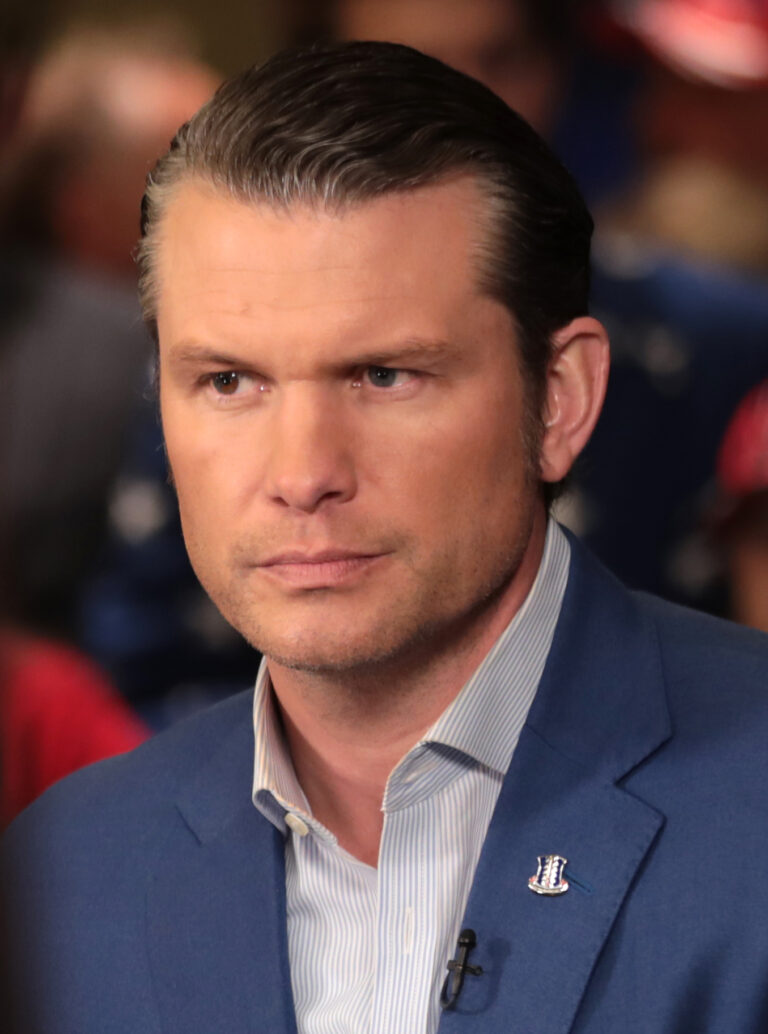
Pete Hegseth Meme Sparks War Crime Debate

0

Key Takeaways

• Defense Secretary Pete Hegseth shared a wild meme amid war crime claims.
• The meme shows a cartoon turtle firing a bazooka at boats.
• Critics say this post shows poor judgment and dodges serious charges.
• President Trump distanced himself, saying he “wouldn’t have wanted a second strike.”
• The online backlash highlights worries about military accountability.

Pete Hegseth Meme Sparks Controversy

Defense Secretary Pete Hegseth faces sharp criticism after he posted a bizarre meme on social media. The timing was striking. Just hours earlier, President Trump said he “wouldn’t have wanted a second strike” on two survivors clinging to a bombed boat. He insisted, however, that he still trusted his self-styled “secretary of war.”

The Washington Post broke the story last week. It reported that on September 2, Hegseth gave a verbal order for a follow-up attack on two survivors of a missile strike. Administration officials say the boat was smuggling drugs from Venezuela to the U.S. Nonetheless, ordering a strike on people in the water raises serious legal and ethical questions. Democratic lawmakers even reminded service members to disobey unlawful orders.

Then, at 7:37 p.m. Eastern Sunday, Pete Hegseth posted a doctored cover of a children’s book on X. In the image, Franklin the Turtle wears combat gear and fires a bazooka from a helicopter at boats below. The caption reads, “Franklin Targets Narco Terrorists.” The meme went viral instantly.

Why Pete Hegseth Shared the Meme

Pete Hegseth likely shared the cartoon to deflect attention and rally supporters. He has a history of using social media to spread strong military images. Sharing humor can make a serious subject feel less tense. Yet, this time he struck a nerve.

In simple terms, posting a cartoon during a war crime debate seems tone-deaf. It feels like turning a real tragedy into a punchline. Many wonder if a top official should resort to memes when facing grave allegations. Nonetheless, Pete Hegseth seemed unfazed, as if the meme would push the story off the news.

Strong Reactions Online

Immediately, critics pounced. A producer on MSNBC asked if the country would let a person “meme and shitpost” their way out of accountability. A writer on The Atlantic said there is something “very wrong” with the defense secretary. Others joked that only a guaranteed pardon could explain such boldness.

Users on various platforms worried the post harmed the military’s image. One former national security official called him “Secretary of war crimes!” Another lamented that the immaturity never stops, pointing out that an important job now rests on someone they see as unserious.

Meanwhile, some supporters cheered the bold move. They said the meme was a harmless joke mocking drug smugglers. They saw the online uproar as a sign that critics had lost their sense of humor.

What This Means for the Military and Politics

The meme stunt reveals deep mistrust in top leaders. When a defense secretary uses cartoon violence to dodge questions, many feel the military’s moral authority erodes. Soldiers and the public might doubt if rules of war still matter.

Furthermore, the incident adds to a pattern. In recent months, social media has become a stage for high-ranking officials to make unfiltered statements. This trend worries experts who say such posts can inflame tensions or harm diplomatic efforts.

On the political side, Democrats have seized the chance to question the administration’s judgment. They argue that unchecked power can lead to unlawful orders. Republicans, however, have largely stayed silent or defended Pete Hegseth’s right to free speech.

In the end, public trust may suffer most. When leaders trade memos for memes, it blurs the line between policy and parody. If war crime allegations remain unresolved, the meme will stand as a stark reminder of a serious matter made to look like a cartoon.

FAQs

What exactly did Pete Hegseth order?

He verbally told a commander to hit two survivors in the water after a missile attack on a drug-smuggling boat. This follows a Washington Post report based on multiple sources.

Why did Pete Hegseth post the meme?

He likely aimed to lighten the mood and distract from the controversy. The meme shows a familiar children’s book hero using heavy weapons against boats.

How did President Trump react to the controversy?

On Air Force One, Trump said he “wouldn’t have wanted a second strike” but still expressed confidence in Pete Hegseth. He stopped short of backing the order.

Could this incident affect military policy?

Yes. Critics warn that such social media stunts undermine military discipline and ethical standards. Future orders may face extra scrutiny if leaders seem to make light of serious issues.

Trump Doubles Down on Hernandez Pardon Plan

0

Key Takeaways

  • President Trump will grant a full and complete Hernandez pardon for former Honduran leader Juan Orlando Hernandez
  • Hernandez was convicted of moving over 4.5 billion doses of cocaine into the U.S.
  • Trump says the case was “a Biden setup” and claims Honduras wants the pardon
  • The move could affect U.S.-Honduras ties and upcoming Honduran elections
  • Critics warn it may harm U.S. rule of law and anti-drug efforts

At a recent news briefing aboard Air Force One, President Trump confirmed he will issue a full and complete Hernandez pardon. He first announced this plan two days earlier, and now he insists it will go ahead. The target of the pardon is former Honduran president Juan Orlando Hernandez. Hernandez was convicted last year of helping move massive amounts of cocaine into the United States. Trump even called the arrest “a Biden setup.”

What the Hernandez Pardon Means

The Hernandez pardon would wipe out Juan Orlando Hernandez’s federal drug trafficking convictions. In 2022, U.S. prosecutors charged Hernandez with taking bribes from drug cartels to help ship approximately 4.5 billion doses of cocaine into the U.S. Two years later, a New York jury found him guilty. He received a 45-year sentence. With the pardon, Trump would erase his guilt and restore his rights as if he never faced these charges.

Why Trump Supports the Pardon

First, Trump says many people in Honduras want Hernandez freed. They believe the charges were politically motivated. Trump noted that Hondurans told him Hernandez’s arrest was “a Biden setup.” Next, he argues that no country should arrest a president for crimes committed by other people. He said that if someone sells drugs in a nation, “that doesn’t mean you arrest the president.” Therefore, he agrees with the Honduran view that Hernandez was unfairly targeted.

Meanwhile, Trump has called on voters in Honduras to back Tito Asfura, a pro-Trump candidate in the upcoming election. He wrote on social media that the nation would see “Great Political and Financial Success” under Asfura. He also congratulated Hernandez on his “upcoming pardon.” Thus, Trump blends his foreign policy moves with election advice.

Reactions in Honduras and the U.S.

Supporters of Hernandez in Honduras cheered the news. They believe he improved security and fought gang violence during his presidency. They also claim drug cartels pressured U.S. officials to target him. On the other hand, many U.S. lawmakers warned that a Hernandez pardon could harm America’s global reputation. They argue it would send the wrong signal about accountability for corruption and drug trafficking.

In Congress, Democrats called the pardon “a slap in the face to justice.” Some Republicans also expressed concern that pardoning a drug trafficker could undermine anti-drug efforts. They fear it might encourage other leaders to break the law, expecting future pardons.

What Comes Next

First, White House staff will draft the official pardon document. Then, Trump must sign it. After that, Hernandez’s lawyers will file paperwork to free him from prison. If all goes smoothly, Hernandez could return to Honduras quickly.

However, critics may file lawsuits to block the pardon. They could argue that pardoning a foreign leader convicted of U.S. crimes violates the Constitution. Courts would then decide whether the pardon stands. Meanwhile, the State Department may face pressure to update travel advisories and policies related to Honduras.

Understanding Presidential Pardons

Every U.S. president holds the power to grant pardons for federal crimes. This power stems from the Constitution. Pardons can correct injustices or show mercy. However, they can also spark controversy if they appear political.

Moreover, pardons usually target U.S. citizens or residents. Pardoning a foreign head of state is rare. Therefore, the Hernandez pardon marks an unusual use of presidential clemency. It may set a new precedent for foreign policy and legal norms.

Key Points About the Hernandez Pardon

• The pardon erases Hernandez’s convictions and sentence.
• It is unusual to pardon a foreign leader convicted in U.S. courts.
• Trump cites Honduran public opinion and claims of a “Biden setup.”
• Critics worry it weakens the rule of law and anti-corruption efforts.
• The move ties into Honduras’s upcoming election and U.S. political strategy.

Potential Impacts of the Hernandez Pardon

First, U.S.-Honduras relations may improve if Hernandez returns as a free man. Honduran leaders could thank Trump for his clemency. Second, the pardon may boost Tito Asfura’s campaign, as he aligns with Trump. Third, it could trigger debates in other Latin American countries about U.S. interference.

Finally, the decision may influence future U.S. presidents. If pardoning a foreign head of state becomes accepted, it could change how international crimes are prosecuted. Alternatively, Congress might pass new rules to limit presidential clemency in such cases.

Frequently Asked Questions

What is the Hernandez pardon?

The Hernandez pardon is President Trump’s plan to fully and completely clear former Honduran president Juan Orlando Hernandez of his U.S. drug trafficking convictions. It would erase his guilt and 45-year sentence.

Why did Trump call it a “Biden setup”?

Trump claimed Honduran citizens told him that Hernandez’s arrest was politically motivated and pushed by the Biden administration. He said he reviewed the situation and agreed with them.

How common is it to pardon a foreign leader?

It is very rare. Most presidential pardons involve U.S. citizens or residents. Pardoning a foreign head of state convicted in U.S. courts marks an unusual use of clemency power.

Could the pardon be blocked in court?

Yes. Opponents might challenge the pardon’s legality, arguing it oversteps constitutional limits. A federal court would then decide if the pardon can stand.

History’s Warning on the Insurrection Act

0

Key Takeaways

• Today’s talk of the Insurrection Act echoes a deep crisis in America’s early years.
• In 1798, President Adams used fear of war to push through harsh laws.
• Thomas Jefferson and state leaders fought back with peaceful protests and pamphlets.
• Their success shows that informed citizens and calm resistance can save democracy.

In late November, talk of using the Insurrection Act has shaken Americans. This law lets a president declare a state of emergency at home. It can send troops onto U.S. streets to round up people. When a leader labels dissenters “the enemy within,” democracy stands on thin ice. Yet, history offers a hopeful example from the 1790s.

Why the Insurrection Act Threat Feels Familiar

Donald Trump has warned he will invoke the Insurrection Act to target critics. He claims he must protect the nation’s security. However, this law once lay idle for decades before being revived by recent presidents. If used, it can crush protests and silence opponents. In the 1790s, Americans faced a similar threat under John Adams. He drummed up war fear to push dangerous laws.

A Crisis in America’s First Party Fight

In 1798, President John Adams led the Federalists. His rivals, Thomas Jefferson’s Democratic Republicans, controlled few offices. Adams faced a political split over France. He portrayed Jefferson’s allies as traitors. Then he pushed the Alien and Sedition Acts through Congress. These laws let the government jail critics and shut down papers. Adams claimed it was for national safety. In reality, he aimed to crush dissent.

Fear of war with France stoked the crisis. Adams called three French agents “X, Y, and Z.” He said they insulted America and demanded bribes. Newspapers spread the XYZ Affair story. People feared a real war. Meanwhile, Adams used that fear to pass repressive laws. He even sent soldiers into towns to intimidate locals.

Jefferson’s Calm Resistance

Thomas Jefferson refused to back down. He left Washington on the day the Acts passed. Then he encouraged state leaders to act. He warned that a small group in power could destroy liberty. In private letters, he urged peaceful protest and clear information.

Across the states, local writers printed pamphlets against the Alien and Sedition Acts. One key pamphleteer was George Nicholas of Kentucky. He explained why the laws broke the Constitution. Another writer, James Bradford, printed tens of thousands of copies. He spread them door to door and at markets.

Meanwhile, Jefferson’s ally, Congressman Albert Gallatin, tried to repeal the harsh laws in the House. The Federalist majority refused to listen. They threatened to jail Gallatin next. Still, he spoke out. Jefferson stayed firm as vice president in the Senate. Together, they held their ground.

How the States Saved Democracy

With newspapers silenced, state governments took the lead. Kentucky and Virginia passed resolutions condemning the Acts. They declared that states could judge unconstitutional laws. This idea surprised many. Yet it rallied citizens. Petitions poured into Congress. Local assemblies filed objections. People refused to bow to federal overreach.

In towns from New York to Georgia, ordinary Americans spoke at meetings. They wrote new leaflets. They held peaceful rallies. Their unity helped balance federal power. Even farmers in Pennsylvania sent four thousand signatures to their legislature. They demanded repeal.

Lessons for Today

First, history shows that fear can drive a nation to dangerous laws. However, calm citizens can stop that drive. Second, peaceful resistance and clear facts can turn public opinion. Third, state and local leaders matter when the federal government overreaches. Finally, the rule of law protects us only if people use it.

If the Insurrection Act is ever used to silence critics, Americans have a model to follow. In 1800, voters rejected Adams’s party. Jefferson won and freed imprisoned journalists. The Alien and Sedition Acts expired. Democracy emerged stronger. Today, informed citizens and brave leaders can do the same.

Frequently Asked Questions

What is the Insurrection Act?

The Insurrection Act is a law from 1807. It lets the president send troops into states to suppress disorder. It was meant for serious unrest, not political protests.

How did the XYZ Affair shape early America?

The XYZ Affair involved three French agents who asked for bribes. President Adams used the story to raise fear of war. That fear helped him pass the Alien and Sedition Acts.

Why are state governments important in a crisis?

States can push back when the federal government overreaches. In 1798, Kentucky and Virginia passed resolutions against the Alien and Sedition Acts. That resistance helped protect free speech.

Can peaceful protest really change laws?

Yes. In the 1790s, pamphleteers, petitions, and calm rallies reversed public fear. Their work led to the defeat of harsh laws and a shift in power at the next election.

Why Trump Rallies Are Dropping Off

Key takeaways

• Trump rallies have fallen sharply this fall compared to his first year in office.
• He has spent more time at golf clubs, his Mar-a-Lago resort, and on foreign trips.
• Some top supporters worry he’s drifting away from everyday voters.
• Allies fear this shift may weaken his political impact.

Former president Donald Trump has dramatically reduced his public campaign style events known as Trump rallies. Analysts highlight a big change from 2017, when he held more than a dozen domestic trips from September to November. This fall, he has left the Washington area only five times. Instead of rallies, he plays golf, hosts friends at Mar-a-Lago, and travels overseas. As a result, some of his closest allies worry he’s losing touch with the voters who first backed him.

Trump’s 2017 vs 2023 Schedule

Back in 2017, Trump rallies shaped his days. Between September and November he traveled domestically at least thirteen times. He campaigned for local candidates. He visited energy workers in North Dakota. He rallied voters in Alabama. His trips fused politics with purpose. In 2023, the story is different. He left the capital only five times during the same period:
• Once to Mar-a-Lago for personal time.
• Once to his golf club in New Jersey.
• Three times to attend sporting events with wealthy friends.

Thus, Trump rallies have largely vanished from his autumn calendar. Instead, golf clubs and resorts dominate his outings.

Trump Rallies vs Golf and Travel

Many people see the change as a clear signal. First, Trump rallies once energized his base. They offered bold speeches and direct voter appeals. Now, golf outings and luxury trips take the spotlight. Moreover, his international travel has risen compared with his first year in office. Allies who once urged more foreign visits now urge fewer. They argue that skipping Trump rallies could dull his political antenna.

In addition, older Trump supporters miss the familiar campaign style. They remember packed arenas, red hats, and chants. This year, they see more private planes and fewer crowds. Consequently, some feel left out. They worry he no longer hears their daily struggles.

What Allies Are Saying

Several die-hard Trump backers have voiced concern. For example, a close ally said people voted for him to lower prices and bring back factories. They did not vote for him to build lavish ballrooms. In that view, Trump rallies served as direct proof of his focus on everyday needs. Now, allies worry he’s tuning out public concerns.

Far-right influencer voices have also chimed in. They urge him to return to his campaign roots. They believe Trump rallies help him read voter moods firsthand. Without them, they fear he may misjudge where his supporters stand. Furthermore, some worry foreign trips distract from American issues like rising costs.

Impact on Voters and Campaign

The decline in Trump rallies could reshape his political standing. First, regular voters often rely on in-person events to feel connected. When a leader visits local towns, they see that he cares. However, if he stays at resorts and golf courses, voters might feel overlooked.

Second, Trump rallies generate media buzz. Even a short speech can dominate news cycles. That kind of visibility helps him control the narrative. By contrast, golf outings and overseas trips rarely grab headlines in the same way. As a result, he may lose valuable media attention.

Third, rallies allow the president to test messages. He can try new talking points and see how crowds react. This instant feedback can refine his strategy. Now, without Trump rallies, he may miss cues on what messages resonate most.

Finally, local leaders value presidential visits. They use them to rally support for policies and candidates. Fewer stops could weaken his influence in key regions. Without that ground game, his party might struggle in future elections.

Why the Change Happened

Several factors may explain his shift away from Trump rallies. First, health and age could play a role. At seventy-eight, he might find long travel days and large crowds more tiring. Second, after years on the campaign trail, he might prefer quieter activities. Third, his focus on business ventures at Mar-a-Lago and golf clubs could overshadow political events.

Moreover, increased international travel suggests new priorities. He has visited allies and attended summits. While such trips can boost his global image, they may not help his domestic standing. Some argue that these foreign visits distract from pressing local issues like inflation and job growth.

In addition, security concerns at large rallies can be costly and complex. Organizing smaller private events is easier and cheaper. This practical shift could explain part of the drop in Trump rallies.

What Comes Next

Looking ahead, Trump rallies may return if political needs demand them. For instance, if polls dip or key races tighten, he might revive his signature campaign style. After all, Trump rallies propelled him to his first victory and fueled his 2020 run.

However, if he continues prioritizing personal interests and foreign travel, the absence of rallies could become the norm. In that case, his team may need new strategies to engage grassroots supporters. They might lean more on online outreach or smaller meet-and-greets.

Ultimately, the effect on voter enthusiasm remains to be seen. A president disconnected from his former rally base risks losing passion among his core crowd. Conversely, his team could reinvent his approach with fresh ideas that match today’s politics.

FAQs

What caused the drop in Trump rallies this fall?

A mix of factors, including his age, personal interests, security costs, and focus on foreign travel, likely led to fewer Trump rallies.

How many times did Trump host rallies in 2017 and 2023?

From September to November 2017, he traveled domestically over a dozen times. During the same period in 2023, he left Washington just five times.

Why do some supporters worry about fewer Trump rallies?

They fear he’s losing touch with everyday voter concerns. Rallies offered direct feedback and media attention crucial for a strong campaign.

Could Trump rallies return next year?

Yes. If political conditions demand more public engagement, he might bring back his famous campaign events to boost support and energy.

Trump Pardon Sparks GOP Outrage


Key Takeaways:

  • Donald Trump granted a Trump pardon to convicted fraudster David Gentile after only days in prison.
  • Ex-GOP members, including Barbra Comstock, blasted the decision as unfair to small investors.
  • Critics compare the Trump pardon to harsh treatment of immigrants accused of minor crimes.
  • Trump also plans a Trump pardon for former Honduran president Juan Orlando Hernandez.

Trump pardon sparks anger among former Republicans

Just days into a seven-year sentence, David Gentile walked free. He had been found guilty of bilking thousands of investors out of their life savings. Yet the Trump pardon cut his time in prison to little more than a week. This move has stunned many, especially former members of Trump’s own party.

The shock release of David Gentile

David Gentile founded GBP Capital and convinced people to invest in fake deals. Farmers, teachers, veterans, and nurses lost money they could not afford to lose. In February, Gentile went to prison. Yet on November 14, he was set free. The Federal Bureau of Prisons lists his official release date as November 26. Even so, he served only seven days in a federal cell. President Trump confirmed he had granted a Trump pardon earlier this week.

When the news broke, people across Washington and beyond reacted with anger. Minnesota’s governor wrote that no fraudster would get a free pass in his state. In fact, Governor Tim Walz tweeted, “Just to be clear: There will be no pardons for fraudsters in Minnesota.” Meanwhile, former GOP Congresswoman Barbra Comstock slammed the White House. She said the Trump pardon “screws the little guy” yet again.

Why the Trump pardon angers many

First, the victims feel betrayed. One investor said, “I lost my whole life savings. I am living from check to check.” Many small business owners and seniors still struggle to recover from Gentile’s scheme. They wonder why someone accused of stealing 1.6 billion dollars got a fast track out of jail.

Moreover, critics note a disturbing contrast. Illinois Representative Sean Casten pointed out that Trump might deport an immigrant for stealing a thousand dollars. Yet he lets a white fraudster off after stealing far more. As Casten wrote, “Trump will deport an Afghani on Temporary Protected Status for a $1,000 accusation. But he sets free a man convicted of $1.6B fraud to commit more crime.”

On the other hand, Trump claims he acts for justice. He said many people of Honduras asked him to pardon former president Juan Orlando Hernandez. Hernandez was sentenced to 45 years in U.S. prison for helping traffic massive amounts of cocaine. On Air Force One, Trump called Hernandez’s conviction “a Biden setup.” He argued that a country’s leader should not be labeled a drug dealer just for being president.

More on the Trump pardon for Juan Orlando Hernandez

In a recent announcement, Trump confirmed plans for another Trump pardon. This time, it is for a man once hailed as Honduras’s leader. Juan Orlando Hernandez faces decades behind bars for alleged collusion with drug cartels. Prosecutors say he helped move cocaine into the United States.

Trump defended this pending Trump pardon by repeating claims from Honduras. He said the charges against Hernandez were politically motivated. Yet critics warn that freeing a high-profile figure accused of drug trafficking sends the wrong message. They worry that it rewards leaders who break the law.

Political fallout and public reaction

Already, both sides dig in. Supporters of the Trump pardon argue that it restores fairness to foreign allies. They say politics too often taints prosecutions. Moreover, they believe the president has broad clemency power.

However, many see a double standard. They point out that everyday Americans face strict punishments. Meanwhile, wealthy or well-connected defendants may win mercy. This gap fuels distrust in the legal system.

Transitioning from outrage to action, some legislators vow to propose reforms. They hope to narrow presidential clemency powers. Their goal is to ensure that fraudsters and drug traffickers face full justice. Yet such reform faces steep hurdles in a divided Congress.

What’s next after these pardons?

Looking ahead, debates over the Trump pardon will likely intensify. Veterans groups, farmers, and small business owners may push for new rules. They want victims to gain a voice before clemency is granted. Furthermore, immigrant advocates will keep highlighting the contrast in treatment.

Even more, the courts may get involved. Some legal experts suggest that courts could challenge broad pardons if they violate equal protection norms. While the Constitution grants clemency power, it does not outline clear limits. Thus, fresh court battles could shape the future of presidential pardons.

For now, the public watches closely. Many feel that justice should not depend on a person’s wealth or connections. As one victim said, “Why should someone who ruins lives escape consequences?”

FAQs

What is a Trump pardon?

A Trump pardon is an act by President Trump that forgives a federal crime. It frees the person from serving the rest of their sentence or facing certain penalties.

Who is David Gentile, and why was he pardoned?

David Gentile was the founder of GBP Capital. He was convicted of running a massive fraud scheme. Trump granted him a pardon days into his seven-year sentence.

Why are former Republicans upset about the gentile pardon?

They feel it favors wealthy criminals over ordinary citizens. They also worry it undermines trust in the justice system.

Will there be any legal challenge to these pardons?

Some experts say courts might review pardons if they conflict with constitutional principles. However, such challenges are rare and face high legal hurdles.

What about the pardon for Juan Orlando Hernandez?

Trump says he plans to pardon the former Honduran president, who was convicted in the U.S. for drug trafficking. Critics warn this move could reward criminal behavior.

Trump’s Brain MRI Remarks Ignite Online Firestorm

0

Key Takeaways

  • President Trump said his MRI test “wasn’t the brain.”
  • Many social media users disagreed, joking it was a brain MRI.
  • Critics urged Trump to release his MRI findings.
  • The exchange happened aboard Air Force One last Sunday.
  • Online reactions ranged from humor to sharp criticism.

Trump’s Brain MRI Mystery

President Trump baffled many when he claimed an MRI scan “wasn’t the brain.” During a media session aboard Air Force One, he insisted he aced a cognitive test. Then a reporter asked, “What part of your body was the MRI looking at?” Trump snapped back that he did not know. He also said it could not have been his brain MRI. His response fueled widespread debate online.

What Happened on Air Force One?

First, Trump greeted reporters as the plane flew from Scotland to Maryland. He doubled down on a recent ableist insult toward Minnesota’s governor. Then reporters pressed him about an MRI exam he took last month. Trump answered sharply:

“I have no idea, it was just an MRI. What part of the body? It wasn’t the brain because I took a cognitive test and I aced it. I got perfect part, which you would be incapable of doing!”

He concluded, “Goodnight, everybody. You, too!”

Mixed Reactions Online to Brain MRI Remarks

Almost immediately, social media lit up with comments. Many believed Trump’s denial meant the MRI had to be of his brain. For example:

• “It was for sure an MRI on his brain, right?” wrote one TV host.
• “If Trump denies they did a MRI of his brain, then it sounds like they did a MRI of his brain,” posted another user.
• “90% probability MRI was on his brain,” joked an account known for political satire.
• Comedian Hayden Black quipped, “Tell us you had a brain MRI without saying you had a brain MRI.”

Moreover, even major news agencies highlighted the mix-up. One headline noted that Trump “doesn’t know what part of his body was scanned.” Media critics praised that headline, calling it sharp and accurate.

Why People Care About a Brain MRI?

A brain MRI can reveal important health information. It can detect:

• Tumors or growths
• Signs of stroke or bleeding
• Inflammation or infection
• Brain degeneration or tumors

Therefore, if a president had a brain MRI, people naturally want to know why. Transparency can reassure voters about a leader’s health. Above all, health concerns often become campaign issues. A cognitive test and a brain MRI together could signal concerns about memory, thinking, or brain health.

Inside the Exchange: A Closer Look

Even though Trump said the MRI “wasn’t the brain,” his words contradicted why most people get an MRI. Usually, full-body MRIs are rare. Also, people generally know which body part they scan. Thus, users concluded it must be a brain MRI. Similarly, the public viewed his comment as a slip revealing more than he intended.

Next, let’s break down key points from that moment:

1. Ableist Slur: Trump used a derogatory word against Governor Walz.
2. Reporter’s Question: The reporter wanted specifics on the MRI.
3. Trump’s Response: He deflected, insisted it wasn’t his brain.
4. Public Reaction: Online users mocked or demanded his MRI data.

What’s at Stake?

Transparency in political leadership matters. When a top official takes a medical test, voters demand clarity. A brain MRI holds special weight because of its link to mental sharpness. After all, leadership often rests on quick thinking and judgment. Therefore, uncertainty about brain health can impact public trust.

Moreover, at 79 years old, Trump’s health has been under scrutiny. His cognitive test results were widely released, showing a perfect score. Yet the MRI remains private. This gap leaves room for speculation. Consequently, opponents and satirists seized on his comment for headlines and jokes.

Possible Reasons for an MRI

While the focus is on a brain MRI, doctors can order MRI scans for many reasons. These include:

• Spine issues like herniated discs
• Joint or soft tissue injuries
• Abdominal organ checks
• Blood vessel abnormalities

However, most routine brain assessments begin with a simple scan. If the cognitive test raised any questions, a doctor might follow up with a brain MRI. For this reason, many experts agree his MRI was likely of his head.

Why Trump Might Keep MRI Details Private

First, doctors and patients keep medical data confidential. Health privacy laws protect all patients, even presidents. Second, revealing details about a brain MRI could spur more questions. Third, political opponents might twist medical facts for political gain. As a result, administrations often release only minimal health summaries.

On the other hand, some argue that U.S. presidents should share full medical records. They say openness builds voter confidence. Yet, current norms allow presidents to disclose as much or as little as they wish.

The Role of Social Media

Social media platforms served as a real-time stage for this debate. Users quickly turned Trump’s comments into memes and posts. For example, one user posted an image of a brain with a label that reads: “Object that was not scanned.” Another wrote, “If it’s not your brain, then what part do you not know about?” Memes spread faster than official statements, shaping the narrative.

Furthermore, news outlets tracked trending hashtags about the president’s brain MRI. This cycle shows how social media and news media feed off each other. A single offhand comment can spark thousands of reactions within minutes.

Experts Weigh In

Medical experts note that MRI scans require preparation. Patients answer questions about implants, metal in the body, and claustrophobia. Most people know which part doctors ordered them to scan. Therefore, Trump’s claim of ignorance surprised many professionals.

A radiologist told reporters that patients always get instructions before a scan. This includes which body region will be imaged. Thus, experts see his comment as unusual. Meanwhile, political analysts stress that leaders should manage both health and messaging carefully.

What Comes Next?

As this story unfolds, a few outcomes are possible:

• Trump could release a general report. This report might state what part the MRI examined.
• Opponents could push harder for full disclosure.
• Media and social platforms will keep the debate alive.
• Public interest might shift to other campaign or policy issues.

Even so, until official findings come out, speculation will continue. The brain MRI debate proves that small details can drive major discussions in modern politics.

Final Thoughts

In the end, a simple question about an MRI scan led to widespread debate. President Trump’s claim that the test “wasn’t the brain” became a viral moment. It illustrates how health, politics, and social media intersect today. More importantly, it shows that transparency can build or break public trust. As discussions continue, one thing is certain: the story of Trump’s brain MRI mystery is far from over.

Frequently Asked Questions

Why do people get brain MRIs?

People get brain MRIs to check for tumors, strokes, infections, or inflammation. These scans help doctors diagnose serious issues early.

Can a president refuse to share MRI results?

Yes. Presidents are not legally required to release full medical records. They may choose to share only summary details.

How reliable are cognitive tests for presidents?

Cognitive tests can show memory, attention, and thinking skills. However, they do not replace imaging tests like an MRI for deeper insights.

Will social media pressure force Trump to release MRI details?

It might increase calls for transparency, but the decision remains with Trump and his medical team.

Trump Disavows Second Strike Order: A Major Shakeup

0


Key Takeaways:

  • President Trump says he did not want a second strike on the Venezuelan boat.
  • He claims Defense Secretary Hegseth told him no follow-up attack happened.
  • Lawmakers from both parties condemn the second strike as illegal.
  • Social media users see Trump distancing himself from Hegseth’s war approach.

Trump Disavows Second Strike Order

President Trump surprised reporters when he brushed off reports that he approved a second strike. The alleged attack targeted two smugglers who survived an initial missile strike on a boat. This vessel reportedly carried drugs from Venezuela toward the United States. Military and legal experts warn that a second strike could break international and U.S. laws.

Trump said he “didn’t know that happened” and he would investigate. He added he “wouldn’t have wanted a second strike.” He praised the first attack as “very lethal” and fine if it stopped smugglers. Yet he insisted the follow-up mission never happened. He then declared, “I have great confidence” in Defense Secretary Pete Hegseth.

What Trump Says About the Second Strike

Trump faced questions about whether he ordered a second strike. He said Pete Hegseth told him no one gave the green light. Moreover, Trump noted he did not even know people talked about a follow-up attack. Therefore, he said investigators would look into the claim. In this way, Trump distanced himself from the more extreme war orders.

The president also made clear he values strict military rules. He said, “I wouldn’t have wanted a second strike.” However, he did not shoot down Hegseth’s place in his administration. Instead, he showed “great confidence” in the defense chief. So far, Trump has rarely questioned Hegseth in public.

Reactions from Lawmakers and Experts

Many lawmakers joined in criticizing the second strike idea. Representative Mike Turner said the “kill everyone” order would be illegal. He pointed out that U.S. policy forbids telling soldiers to target noncombatants. Just Security’s Ryan Goodman added that Trump now relies only on Hegseth’s word. Meanwhile, Democratic members of Congress also blasted the plan.

Legal experts warn an unauthorized second strike could violate treaties. They stress all military actions need clear Presidential approval. Otherwise, commanders break the law. Some retired generals fear soldiers might face war crime charges. International bodies could even open investigations.

Social Media Weighs In

Across social platforms, many users spotted the rift. One warned, “Pete Hegseth, you’re in danger, girl.” Another wrote, “Trump’s starting to throw Hegseth under the bus.” Lawyers and veterans saw Trump’s words as a sign Hegseth acted alone. In effect, Trump signaled he wants to avoid legal fallout.

User comments ranged from shock to dry humor. One post read, “Translation: Pete may well go down for this. But I’m not going with him.” Another noted, “Interesting. Even Trump says a second strike would be wrong.” Thus, public opinion seems to back Trump’s stance against that follow-up attack.

Why the Second Strike Matters

A first strike aims to stop threats. Yet a second strike goes further. It wipes out survivors and any evidence. That aggressive move raised alarms among diplomats and human rights groups. They argue such tactics border on extra-judicial killing.

In wartime or peace, the law sets clear limits. Commanders may not issue orders to kill unchecked targets. A second strike on unarmed smugglers could face legal challenges abroad. Still, some military voices champion bold action to fight drug trafficking. They claim speed and surprise save lives back home.

What Comes Next?

Investigations will aim to uncover who approved the second strike. The Pentagon plans internal reviews this week. Meanwhile, Congress might hold hearings to question Hegseth and other officials. These sessions could reveal whether Trump directly signed off.

If the second strike did happen without proper orders, Hegseth could face serious consequences. Critics say he could lose his job or face legal probes. On the other hand, Trump’s words may shield him. After all, the president claims he never gave the command.

Future military decisions will likely see tighter checks. Some lawmakers already propose clearer rules to prevent rogue orders. They want Congress more involved in overseeing high-risk missions. Thus, this incident could reshape U.S. military policy.

Moreover, the public will watch how Trump handles Hegseth. If the defense secretary stays in office, it may show Trump’s loyalty. Yet if Hegseth falls, it will signal a rare presidential rebuke. Either way, the second strike saga is far from over.

A Turning Point in War Strategy

This controversy may mark a shift in how the White House controls war tactics. For years, Trump favored a strong military posture. However, distancing himself from a second strike underlines limits to that stance. It also reminds commanders to seek clear White House approval.

Thus, allies and rivals will watch closely. They will gauge America’s rules of engagement. Moreover, they will see whether U.S. top leaders will face accountability for their orders. In the long term, this could change how the United States conducts operations abroad.

FAQs

What did President Trump say about the second strike?

President Trump said he did not know a second strike occurred and would investigate. He added he “wouldn’t have wanted” a follow-up attack.

Why is the second strike controversial?

Experts call a second strike illegal if unapproved. It might violate international treaties and U.S. military law.

Could Pete Hegseth face consequences over the second strike?

Yes. If he ordered the second strike without proper approval, he might lose his job or face legal action.

How might this incident change U.S. military policy?

Lawmakers may push for clearer rules on war orders and stronger oversight to prevent rogue missions.

Coldwater Voter Fraud Shocks Small Town

0

Key takeaways

• Mayor Joe Ceballos faces felony charges for alleged voter fraud.
• Residents who once praised him feel stunned but still loyal.
• The case highlights how political promises and strict laws collide.
• Voters must own their choices and accept their outcomes.

Coldwater voter fraud case shocks residents

Coldwater is a small Kansas town where everyone knows each other. Yet residents woke up one day to shocking news. Their twice-elected mayor, Joe Ceballos, now faces felony voter fraud charges. The Kansas attorney general says Ceballos registered and voted in many elections despite not being a citizen. He could even face deportation if convicted.

A close-knit community reacted with disbelief. Friends say he’s “more American than I am.” They call him honest, driven, and caring. Many here voted for the same leaders who pushed strict voting laws. They cheered on the attorney general who filed these charges. Now they struggle to make sense of their own choices.

Inside the Coldwater voter fraud investigation

First, the attorney general collected records showing Ceballos cast ballots in local and federal races. He faced no questions for years. Then last month, the office charged him with felony voter fraud. Officials say he knew the rules but still voted. They also claim he admitted to voting in nearly every election since the early 1990s.

The town learned that more than 83 percent of Comanche County voters backed Donald Trump last year. In 2022, over 78 percent voted for the same attorney general. These leaders campaigned on tightening voting rules and tough immigration policies. They vowed to prosecute anyone who broke those rules. Ceballos’ case shows how those promises play out on real people.

Promises meet reality

Many here supported strict voting laws. They cheered when leaders vowed to enforce rules. Yet they never imagined their beloved mayor would be caught. A rancher who mentored Ceballos even joked that the attorney general would struggle to find a place to stay if he tried to deport his friend.

However, the law does not change for personal loyalty. Residents must face the fact that their votes brought these policies to life. They did not seem to notice that those policies could affect someone they care about. Now, their political choices have real consequences in their backyard.

A town divided by faith and facts

In Coldwater, people lean heavily Republican. They trust their leaders to protect them. Many accept party talking points without question. So when Ceballos’ case broke, they felt betrayed. They saw the attorney general as a hero. Yet now he appears as a threat to their close friend.

On one side, residents defend Ceballos. They argue he made an honest mistake in 1991. They say he meant no harm and always acted with integrity. On the other side, some believe the law must be equal for everyone. They worry that leniency for one person could weaken voting rights for all.

Lessons for voters

This case offers a hard lesson. First, votes carry weight. When people pick leaders, they set rules that affect neighbors, friends, and family. Second, strict policies can backfire on the very people who support them. Towns that cheer for harsh laws must be ready for unintended fallout.

Moreover, voters should study candidate promises. They must ask how policies will work in practice. They need to see who might get hurt by tough rules. Otherwise, they risk punishing honest people by accident.

Facing the consequences

Ceballos could go to prison. He could also face removal from the country. His lawyer says deportation could happen even without a felony conviction. The town might lose a mayor they admire and a friend they trust. That outcome will leave a hole in their social fabric.

Meanwhile, residents must live with their choices. They voted for leaders who promised strict enforcement. They must now accept that enforcement can sweep their own community. As long as they blame outsiders, they will not learn from this ordeal.

Moving forward with responsibility

Coldwater’s future depends on honest reflection. Residents must ask hard questions. Did they vote for policies without seeing the human cost? Did they demand accountability only for those they disagree with? If they want a fair system, they must hold all officials to the same standard.

Furthermore, towns like Coldwater need open dialogue. They must talk about immigration, voting laws, and community values. When people share stories and fears, they can find balanced solutions. They can protect voting rights while ensuring integrity.

Ultimately, Coldwater can turn this crisis into a lesson. They can show the state how a small town grows stronger through self-examination. They can prove that compassion and law enforcement can work together.

Lessons for America

This story is not just about one Kansas town. It is about every community that embraces tough policies without thought. It is about voters who cheer for strict laws yet balk when those laws affect them. It is about the gap between political slogans and real lives.

When voters demand accountability, they must start at home. They must check their own votes and their own beliefs. They must be ready to accept outcomes, even if they hurt someone they care about. Only then can we build fair systems that serve all people.

Settling the score

Coldwater will never be the same. This case will leave scars on friendships, on trust, and on local politics. However, it can also spark growth. If residents learn to align their votes with their values, they can lead by example.

Therefore, Coldwater voters must take responsibility. They did this to their mayor. They did this by choosing strict laws. They now face a choice: stay divided or unite in honest change. The future of their town depends on their next election.

Frequently asked questions

What happens if the mayor is convicted of voter fraud?

If the mayor is convicted of a felony, he could face prison time and possible deportation even if he holds legal status.

Why did local residents support strict voter laws?

Most residents trusted leaders who promised to uphold election integrity and curb illegal voting.

Could this case affect other small towns?

Yes. It serves as a warning that strict policies can backfire on well-intentioned people anywhere.

How can communities avoid unfair outcomes from voting laws?

Voters should examine candidate promises, discuss real impacts, and demand balanced enforcement.

Donald Trump Truth Social Rant Fuels Clash

0

Key takeaways:

  • Governor Tim Walz called Donald Trump’s slur “hurtful” for many communities.
  • Trump used a discriminatory word in a Truth Social rant.
  • Walz said he fought hard to remove that term from schools.
  • Experts warn Trump’s words could split his own party.
  • The feud shows personal attacks can harm public trust.

How Donald Trump’s Truth Social post sparked fury

Governor Tim Walz has hit back at Donald Trump after a Truth Social post on Thanksgiving. The post used a harsh slur that Walz called hurtful. He said the comment damages decades of work to end that word in schools. Moreover, he said the rant showed Trump is “just not a good human.” Walz shared his view on NBC’s Meet the Press.

What did Trump’s Truth Social post say?

On November 21, Donald Trump posted that Minnesota under Governor Waltz is “a hub of fraudulent money laundering activity.” He claimed Somali gangs terrorized the state and billions went missing. Then he added, “The seriously retarded Governor of Minnesota, Tim Walz, does nothing.” He even told critics to send people “back to where they came from.” His words drew quick backlash.

Walz’s response and the fight against hate

Tim Walz said Trump’s slur was not just shameful. It hurt families who fought to ban that word. He noted schools spent thirty years teaching kids not to use it. In Walz’s words, “Kids know better than to use it.” He added that Trump has normalized hate. He argued the president uses scandals to hide his own failings.

American history shows that slurs can harm. They deepen wounds in communities that suffered discrimination. Teachers and parents have worked hard to build inclusive schools. Walz believes leaders must set better examples. He warned that leaders who attack groups can feed hate.

The role of media and public reaction

News outlets covered Trump’s rant in many ways. Some called it shocking. Others warned it might hurt Trump’s support. Social media users reacted strongly. Many called for more respectful language. Some Republicans spoke out. They said Trump’s words were “indefensible.” One GOP strategist said families might question their support at holiday dinners.

However, not all Republicans agreed. Some defended Trump’s right to free speech. They claimed the term was part of robust debate. Yet many critics said this debate goes too far. They argued that high-profile slurs cross a dangerous line.

The political fallout in the GOP

Experts say Trump’s language may split the Republican base. Some voters back him no matter what he says. Others want more decorum from their leaders. Joseph Moreno, a former federal prosecutor, warned that families might struggle to defend Trump’s words at Thanksgiving tables. That could translate to fewer votes in key states.

Moreover, Trump’s claims about money laundering in Minnesota added another layer of tension. Walz flatly denied those accusations. He asked Trump to release his MRI results instead. Trump had said earlier that he got a perfect MRI at Walter Reed. Yet he never shared the full report. Walz’s joking reply highlighted how both men use personal jabs.

Why this matters

Words from a president have power. They can influence how people treat each other. Hate speech at high levels may embolden extremists. It can also damage trust in public institutions. Schools, community groups, and families work hard to promote respect. When a leader uses a harmful slur, it can unravel that progress.

On top of that, personal attacks distract from policy debates. Walz said Trump uses insults to hide “incompetency.” He argued that voters deserve real talk about jobs, health, and public safety. Instead of name-calling, leaders should focus on solving issues.

What’s next in this dispute?

Donald Trump has not retracted his words. He doubled down on social media. He claimed he spoke truth about Walz’s leadership. The feud is set to continue. Many expect Walz to push for a public apology. Some expect legal threats over defamation claims.

Meanwhile, voters in Minnesota and beyond watch closely. They will decide if such language affects their choices. The upcoming primaries could test Trump’s hold on his party. If enough voters turn away, it could reshape the race.

Leaders on both sides face a choice. They can follow Trump’s lead of harsh slurs. Or they can reject hate and build more respectful debate. The answer could influence U.S. politics for years.

Frequently Asked Questions

Why did Governor Walz call Donald Trump’s comment hurtful?

He said Trump used a harmful slur that communities fought for decades to erase. That word can damage young people and promote hate.

What term did Trump use in his Truth Social post?

He used the word “retarded” to insult Governor Walz. Many consider that word offensive toward people with disabilities.

How did Republican strategists react to Trump’s language?

Some called his words indefensible. Others defended his free speech. Many worry about alienating voters at family gatherings.

What might happen next in this feud?

Walz may demand a public apology. Both sides could face legal threats. Voter reactions may shape the primary races.