49.7 F
San Francisco
Thursday, March 26, 2026
Home Blog Page 174

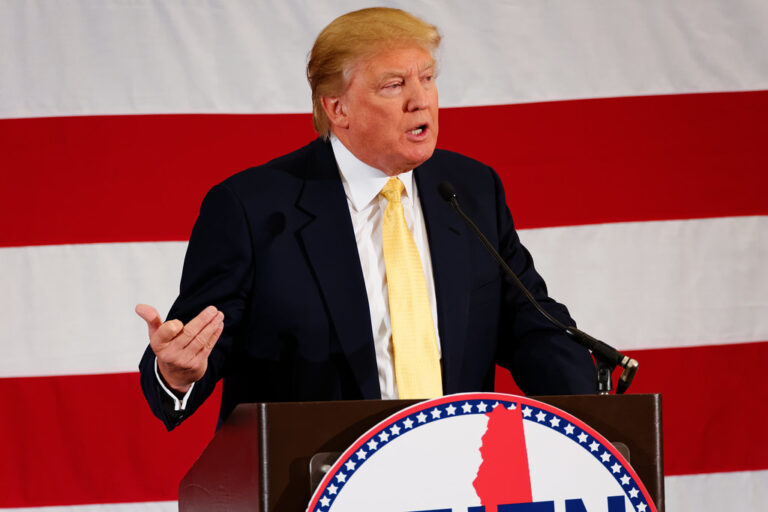
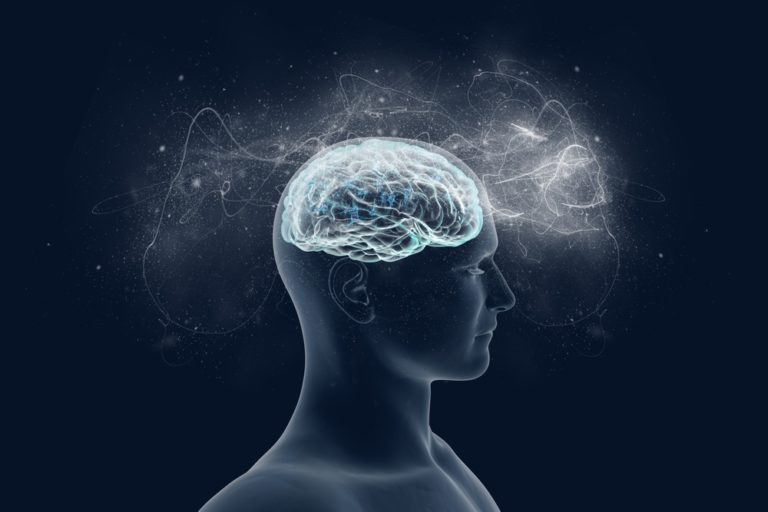
Trump’s Brain MRI Remarks Ignite Online Firestorm

0

Key Takeaways

  • President Trump said his MRI test “wasn’t the brain.”
  • Many social media users disagreed, joking it was a brain MRI.
  • Critics urged Trump to release his MRI findings.
  • The exchange happened aboard Air Force One last Sunday.
  • Online reactions ranged from humor to sharp criticism.

Trump’s Brain MRI Mystery

President Trump baffled many when he claimed an MRI scan “wasn’t the brain.” During a media session aboard Air Force One, he insisted he aced a cognitive test. Then a reporter asked, “What part of your body was the MRI looking at?” Trump snapped back that he did not know. He also said it could not have been his brain MRI. His response fueled widespread debate online.

What Happened on Air Force One?

First, Trump greeted reporters as the plane flew from Scotland to Maryland. He doubled down on a recent ableist insult toward Minnesota’s governor. Then reporters pressed him about an MRI exam he took last month. Trump answered sharply:

“I have no idea, it was just an MRI. What part of the body? It wasn’t the brain because I took a cognitive test and I aced it. I got perfect part, which you would be incapable of doing!”

He concluded, “Goodnight, everybody. You, too!”

Mixed Reactions Online to Brain MRI Remarks

Almost immediately, social media lit up with comments. Many believed Trump’s denial meant the MRI had to be of his brain. For example:

• “It was for sure an MRI on his brain, right?” wrote one TV host.
• “If Trump denies they did a MRI of his brain, then it sounds like they did a MRI of his brain,” posted another user.
• “90% probability MRI was on his brain,” joked an account known for political satire.
• Comedian Hayden Black quipped, “Tell us you had a brain MRI without saying you had a brain MRI.”

Moreover, even major news agencies highlighted the mix-up. One headline noted that Trump “doesn’t know what part of his body was scanned.” Media critics praised that headline, calling it sharp and accurate.

Why People Care About a Brain MRI?

A brain MRI can reveal important health information. It can detect:

• Tumors or growths
• Signs of stroke or bleeding
• Inflammation or infection
• Brain degeneration or tumors

Therefore, if a president had a brain MRI, people naturally want to know why. Transparency can reassure voters about a leader’s health. Above all, health concerns often become campaign issues. A cognitive test and a brain MRI together could signal concerns about memory, thinking, or brain health.

Inside the Exchange: A Closer Look

Even though Trump said the MRI “wasn’t the brain,” his words contradicted why most people get an MRI. Usually, full-body MRIs are rare. Also, people generally know which body part they scan. Thus, users concluded it must be a brain MRI. Similarly, the public viewed his comment as a slip revealing more than he intended.

Next, let’s break down key points from that moment:

1. Ableist Slur: Trump used a derogatory word against Governor Walz.
2. Reporter’s Question: The reporter wanted specifics on the MRI.
3. Trump’s Response: He deflected, insisted it wasn’t his brain.
4. Public Reaction: Online users mocked or demanded his MRI data.

What’s at Stake?

Transparency in political leadership matters. When a top official takes a medical test, voters demand clarity. A brain MRI holds special weight because of its link to mental sharpness. After all, leadership often rests on quick thinking and judgment. Therefore, uncertainty about brain health can impact public trust.

Moreover, at 79 years old, Trump’s health has been under scrutiny. His cognitive test results were widely released, showing a perfect score. Yet the MRI remains private. This gap leaves room for speculation. Consequently, opponents and satirists seized on his comment for headlines and jokes.

Possible Reasons for an MRI

While the focus is on a brain MRI, doctors can order MRI scans for many reasons. These include:

• Spine issues like herniated discs
• Joint or soft tissue injuries
• Abdominal organ checks
• Blood vessel abnormalities

However, most routine brain assessments begin with a simple scan. If the cognitive test raised any questions, a doctor might follow up with a brain MRI. For this reason, many experts agree his MRI was likely of his head.

Why Trump Might Keep MRI Details Private

First, doctors and patients keep medical data confidential. Health privacy laws protect all patients, even presidents. Second, revealing details about a brain MRI could spur more questions. Third, political opponents might twist medical facts for political gain. As a result, administrations often release only minimal health summaries.

On the other hand, some argue that U.S. presidents should share full medical records. They say openness builds voter confidence. Yet, current norms allow presidents to disclose as much or as little as they wish.

The Role of Social Media

Social media platforms served as a real-time stage for this debate. Users quickly turned Trump’s comments into memes and posts. For example, one user posted an image of a brain with a label that reads: “Object that was not scanned.” Another wrote, “If it’s not your brain, then what part do you not know about?” Memes spread faster than official statements, shaping the narrative.

Furthermore, news outlets tracked trending hashtags about the president’s brain MRI. This cycle shows how social media and news media feed off each other. A single offhand comment can spark thousands of reactions within minutes.

Experts Weigh In

Medical experts note that MRI scans require preparation. Patients answer questions about implants, metal in the body, and claustrophobia. Most people know which part doctors ordered them to scan. Therefore, Trump’s claim of ignorance surprised many professionals.

A radiologist told reporters that patients always get instructions before a scan. This includes which body region will be imaged. Thus, experts see his comment as unusual. Meanwhile, political analysts stress that leaders should manage both health and messaging carefully.

What Comes Next?

As this story unfolds, a few outcomes are possible:

• Trump could release a general report. This report might state what part the MRI examined.
• Opponents could push harder for full disclosure.
• Media and social platforms will keep the debate alive.
• Public interest might shift to other campaign or policy issues.

Even so, until official findings come out, speculation will continue. The brain MRI debate proves that small details can drive major discussions in modern politics.

Final Thoughts

In the end, a simple question about an MRI scan led to widespread debate. President Trump’s claim that the test “wasn’t the brain” became a viral moment. It illustrates how health, politics, and social media intersect today. More importantly, it shows that transparency can build or break public trust. As discussions continue, one thing is certain: the story of Trump’s brain MRI mystery is far from over.

Frequently Asked Questions

Why do people get brain MRIs?

People get brain MRIs to check for tumors, strokes, infections, or inflammation. These scans help doctors diagnose serious issues early.

Can a president refuse to share MRI results?

Yes. Presidents are not legally required to release full medical records. They may choose to share only summary details.

How reliable are cognitive tests for presidents?

Cognitive tests can show memory, attention, and thinking skills. However, they do not replace imaging tests like an MRI for deeper insights.

Will social media pressure force Trump to release MRI details?

It might increase calls for transparency, but the decision remains with Trump and his medical team.
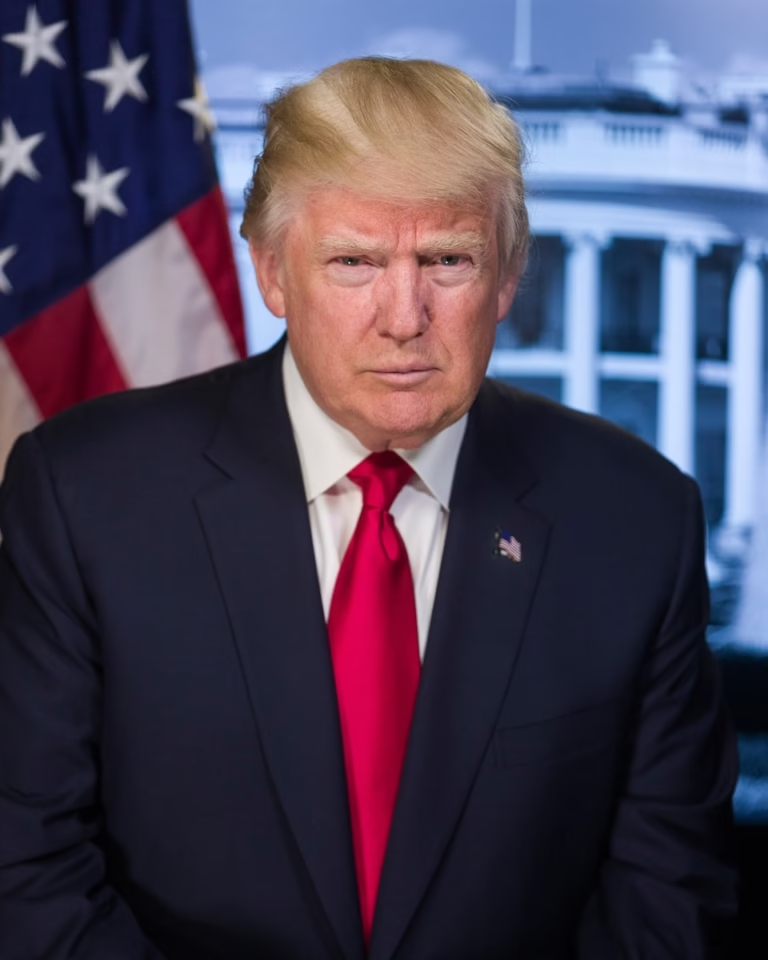
Trump Disavows Second Strike Order: A Major Shakeup

0


Key Takeaways:

  • President Trump says he did not want a second strike on the Venezuelan boat.
  • He claims Defense Secretary Hegseth told him no follow-up attack happened.
  • Lawmakers from both parties condemn the second strike as illegal.
  • Social media users see Trump distancing himself from Hegseth’s war approach.

Trump Disavows Second Strike Order

President Trump surprised reporters when he brushed off reports that he approved a second strike. The alleged attack targeted two smugglers who survived an initial missile strike on a boat. This vessel reportedly carried drugs from Venezuela toward the United States. Military and legal experts warn that a second strike could break international and U.S. laws.

Trump said he “didn’t know that happened” and he would investigate. He added he “wouldn’t have wanted a second strike.” He praised the first attack as “very lethal” and fine if it stopped smugglers. Yet he insisted the follow-up mission never happened. He then declared, “I have great confidence” in Defense Secretary Pete Hegseth.

What Trump Says About the Second Strike

Trump faced questions about whether he ordered a second strike. He said Pete Hegseth told him no one gave the green light. Moreover, Trump noted he did not even know people talked about a follow-up attack. Therefore, he said investigators would look into the claim. In this way, Trump distanced himself from the more extreme war orders.

The president also made clear he values strict military rules. He said, “I wouldn’t have wanted a second strike.” However, he did not shoot down Hegseth’s place in his administration. Instead, he showed “great confidence” in the defense chief. So far, Trump has rarely questioned Hegseth in public.

Reactions from Lawmakers and Experts

Many lawmakers joined in criticizing the second strike idea. Representative Mike Turner said the “kill everyone” order would be illegal. He pointed out that U.S. policy forbids telling soldiers to target noncombatants. Just Security’s Ryan Goodman added that Trump now relies only on Hegseth’s word. Meanwhile, Democratic members of Congress also blasted the plan.

Legal experts warn an unauthorized second strike could violate treaties. They stress all military actions need clear Presidential approval. Otherwise, commanders break the law. Some retired generals fear soldiers might face war crime charges. International bodies could even open investigations.

Social Media Weighs In

Across social platforms, many users spotted the rift. One warned, “Pete Hegseth, you’re in danger, girl.” Another wrote, “Trump’s starting to throw Hegseth under the bus.” Lawyers and veterans saw Trump’s words as a sign Hegseth acted alone. In effect, Trump signaled he wants to avoid legal fallout.

User comments ranged from shock to dry humor. One post read, “Translation: Pete may well go down for this. But I’m not going with him.” Another noted, “Interesting. Even Trump says a second strike would be wrong.” Thus, public opinion seems to back Trump’s stance against that follow-up attack.

Why the Second Strike Matters

A first strike aims to stop threats. Yet a second strike goes further. It wipes out survivors and any evidence. That aggressive move raised alarms among diplomats and human rights groups. They argue such tactics border on extra-judicial killing.

In wartime or peace, the law sets clear limits. Commanders may not issue orders to kill unchecked targets. A second strike on unarmed smugglers could face legal challenges abroad. Still, some military voices champion bold action to fight drug trafficking. They claim speed and surprise save lives back home.

What Comes Next?

Investigations will aim to uncover who approved the second strike. The Pentagon plans internal reviews this week. Meanwhile, Congress might hold hearings to question Hegseth and other officials. These sessions could reveal whether Trump directly signed off.

If the second strike did happen without proper orders, Hegseth could face serious consequences. Critics say he could lose his job or face legal probes. On the other hand, Trump’s words may shield him. After all, the president claims he never gave the command.

Future military decisions will likely see tighter checks. Some lawmakers already propose clearer rules to prevent rogue orders. They want Congress more involved in overseeing high-risk missions. Thus, this incident could reshape U.S. military policy.

Moreover, the public will watch how Trump handles Hegseth. If the defense secretary stays in office, it may show Trump’s loyalty. Yet if Hegseth falls, it will signal a rare presidential rebuke. Either way, the second strike saga is far from over.

A Turning Point in War Strategy

This controversy may mark a shift in how the White House controls war tactics. For years, Trump favored a strong military posture. However, distancing himself from a second strike underlines limits to that stance. It also reminds commanders to seek clear White House approval.

Thus, allies and rivals will watch closely. They will gauge America’s rules of engagement. Moreover, they will see whether U.S. top leaders will face accountability for their orders. In the long term, this could change how the United States conducts operations abroad.

FAQs

What did President Trump say about the second strike?

President Trump said he did not know a second strike occurred and would investigate. He added he “wouldn’t have wanted” a follow-up attack.

Why is the second strike controversial?

Experts call a second strike illegal if unapproved. It might violate international treaties and U.S. military law.

Could Pete Hegseth face consequences over the second strike?

Yes. If he ordered the second strike without proper approval, he might lose his job or face legal action.

How might this incident change U.S. military policy?

Lawmakers may push for clearer rules on war orders and stronger oversight to prevent rogue missions.

Coldwater Voter Fraud Shocks Small Town

0

Key takeaways

• Mayor Joe Ceballos faces felony charges for alleged voter fraud.
• Residents who once praised him feel stunned but still loyal.
• The case highlights how political promises and strict laws collide.
• Voters must own their choices and accept their outcomes.

Coldwater voter fraud case shocks residents

Coldwater is a small Kansas town where everyone knows each other. Yet residents woke up one day to shocking news. Their twice-elected mayor, Joe Ceballos, now faces felony voter fraud charges. The Kansas attorney general says Ceballos registered and voted in many elections despite not being a citizen. He could even face deportation if convicted.

A close-knit community reacted with disbelief. Friends say he’s “more American than I am.” They call him honest, driven, and caring. Many here voted for the same leaders who pushed strict voting laws. They cheered on the attorney general who filed these charges. Now they struggle to make sense of their own choices.

Inside the Coldwater voter fraud investigation

First, the attorney general collected records showing Ceballos cast ballots in local and federal races. He faced no questions for years. Then last month, the office charged him with felony voter fraud. Officials say he knew the rules but still voted. They also claim he admitted to voting in nearly every election since the early 1990s.

The town learned that more than 83 percent of Comanche County voters backed Donald Trump last year. In 2022, over 78 percent voted for the same attorney general. These leaders campaigned on tightening voting rules and tough immigration policies. They vowed to prosecute anyone who broke those rules. Ceballos’ case shows how those promises play out on real people.

Promises meet reality

Many here supported strict voting laws. They cheered when leaders vowed to enforce rules. Yet they never imagined their beloved mayor would be caught. A rancher who mentored Ceballos even joked that the attorney general would struggle to find a place to stay if he tried to deport his friend.

However, the law does not change for personal loyalty. Residents must face the fact that their votes brought these policies to life. They did not seem to notice that those policies could affect someone they care about. Now, their political choices have real consequences in their backyard.

A town divided by faith and facts

In Coldwater, people lean heavily Republican. They trust their leaders to protect them. Many accept party talking points without question. So when Ceballos’ case broke, they felt betrayed. They saw the attorney general as a hero. Yet now he appears as a threat to their close friend.

On one side, residents defend Ceballos. They argue he made an honest mistake in 1991. They say he meant no harm and always acted with integrity. On the other side, some believe the law must be equal for everyone. They worry that leniency for one person could weaken voting rights for all.

Lessons for voters

This case offers a hard lesson. First, votes carry weight. When people pick leaders, they set rules that affect neighbors, friends, and family. Second, strict policies can backfire on the very people who support them. Towns that cheer for harsh laws must be ready for unintended fallout.

Moreover, voters should study candidate promises. They must ask how policies will work in practice. They need to see who might get hurt by tough rules. Otherwise, they risk punishing honest people by accident.

Facing the consequences

Ceballos could go to prison. He could also face removal from the country. His lawyer says deportation could happen even without a felony conviction. The town might lose a mayor they admire and a friend they trust. That outcome will leave a hole in their social fabric.

Meanwhile, residents must live with their choices. They voted for leaders who promised strict enforcement. They must now accept that enforcement can sweep their own community. As long as they blame outsiders, they will not learn from this ordeal.

Moving forward with responsibility

Coldwater’s future depends on honest reflection. Residents must ask hard questions. Did they vote for policies without seeing the human cost? Did they demand accountability only for those they disagree with? If they want a fair system, they must hold all officials to the same standard.

Furthermore, towns like Coldwater need open dialogue. They must talk about immigration, voting laws, and community values. When people share stories and fears, they can find balanced solutions. They can protect voting rights while ensuring integrity.

Ultimately, Coldwater can turn this crisis into a lesson. They can show the state how a small town grows stronger through self-examination. They can prove that compassion and law enforcement can work together.

Lessons for America

This story is not just about one Kansas town. It is about every community that embraces tough policies without thought. It is about voters who cheer for strict laws yet balk when those laws affect them. It is about the gap between political slogans and real lives.

When voters demand accountability, they must start at home. They must check their own votes and their own beliefs. They must be ready to accept outcomes, even if they hurt someone they care about. Only then can we build fair systems that serve all people.

Settling the score

Coldwater will never be the same. This case will leave scars on friendships, on trust, and on local politics. However, it can also spark growth. If residents learn to align their votes with their values, they can lead by example.

Therefore, Coldwater voters must take responsibility. They did this to their mayor. They did this by choosing strict laws. They now face a choice: stay divided or unite in honest change. The future of their town depends on their next election.

Frequently asked questions

What happens if the mayor is convicted of voter fraud?

If the mayor is convicted of a felony, he could face prison time and possible deportation even if he holds legal status.

Why did local residents support strict voter laws?

Most residents trusted leaders who promised to uphold election integrity and curb illegal voting.

Could this case affect other small towns?

Yes. It serves as a warning that strict policies can backfire on well-intentioned people anywhere.

How can communities avoid unfair outcomes from voting laws?

Voters should examine candidate promises, discuss real impacts, and demand balanced enforcement.

Donald Trump Truth Social Rant Fuels Clash

0

Key takeaways:

  • Governor Tim Walz called Donald Trump’s slur “hurtful” for many communities.
  • Trump used a discriminatory word in a Truth Social rant.
  • Walz said he fought hard to remove that term from schools.
  • Experts warn Trump’s words could split his own party.
  • The feud shows personal attacks can harm public trust.

How Donald Trump’s Truth Social post sparked fury

Governor Tim Walz has hit back at Donald Trump after a Truth Social post on Thanksgiving. The post used a harsh slur that Walz called hurtful. He said the comment damages decades of work to end that word in schools. Moreover, he said the rant showed Trump is “just not a good human.” Walz shared his view on NBC’s Meet the Press.

What did Trump’s Truth Social post say?

On November 21, Donald Trump posted that Minnesota under Governor Waltz is “a hub of fraudulent money laundering activity.” He claimed Somali gangs terrorized the state and billions went missing. Then he added, “The seriously retarded Governor of Minnesota, Tim Walz, does nothing.” He even told critics to send people “back to where they came from.” His words drew quick backlash.

Walz’s response and the fight against hate

Tim Walz said Trump’s slur was not just shameful. It hurt families who fought to ban that word. He noted schools spent thirty years teaching kids not to use it. In Walz’s words, “Kids know better than to use it.” He added that Trump has normalized hate. He argued the president uses scandals to hide his own failings.

American history shows that slurs can harm. They deepen wounds in communities that suffered discrimination. Teachers and parents have worked hard to build inclusive schools. Walz believes leaders must set better examples. He warned that leaders who attack groups can feed hate.

The role of media and public reaction

News outlets covered Trump’s rant in many ways. Some called it shocking. Others warned it might hurt Trump’s support. Social media users reacted strongly. Many called for more respectful language. Some Republicans spoke out. They said Trump’s words were “indefensible.” One GOP strategist said families might question their support at holiday dinners.

However, not all Republicans agreed. Some defended Trump’s right to free speech. They claimed the term was part of robust debate. Yet many critics said this debate goes too far. They argued that high-profile slurs cross a dangerous line.

The political fallout in the GOP

Experts say Trump’s language may split the Republican base. Some voters back him no matter what he says. Others want more decorum from their leaders. Joseph Moreno, a former federal prosecutor, warned that families might struggle to defend Trump’s words at Thanksgiving tables. That could translate to fewer votes in key states.

Moreover, Trump’s claims about money laundering in Minnesota added another layer of tension. Walz flatly denied those accusations. He asked Trump to release his MRI results instead. Trump had said earlier that he got a perfect MRI at Walter Reed. Yet he never shared the full report. Walz’s joking reply highlighted how both men use personal jabs.

Why this matters

Words from a president have power. They can influence how people treat each other. Hate speech at high levels may embolden extremists. It can also damage trust in public institutions. Schools, community groups, and families work hard to promote respect. When a leader uses a harmful slur, it can unravel that progress.

On top of that, personal attacks distract from policy debates. Walz said Trump uses insults to hide “incompetency.” He argued that voters deserve real talk about jobs, health, and public safety. Instead of name-calling, leaders should focus on solving issues.

What’s next in this dispute?

Donald Trump has not retracted his words. He doubled down on social media. He claimed he spoke truth about Walz’s leadership. The feud is set to continue. Many expect Walz to push for a public apology. Some expect legal threats over defamation claims.

Meanwhile, voters in Minnesota and beyond watch closely. They will decide if such language affects their choices. The upcoming primaries could test Trump’s hold on his party. If enough voters turn away, it could reshape the race.

Leaders on both sides face a choice. They can follow Trump’s lead of harsh slurs. Or they can reject hate and build more respectful debate. The answer could influence U.S. politics for years.

Frequently Asked Questions

Why did Governor Walz call Donald Trump’s comment hurtful?

He said Trump used a harmful slur that communities fought for decades to erase. That word can damage young people and promote hate.

What term did Trump use in his Truth Social post?

He used the word “retarded” to insult Governor Walz. Many consider that word offensive toward people with disabilities.

How did Republican strategists react to Trump’s language?

Some called his words indefensible. Others defended his free speech. Many worry about alienating voters at family gatherings.

What might happen next in this feud?

Walz may demand a public apology. Both sides could face legal threats. Voter reactions may shape the primary races.

David Sacks Ties with Silicon Valley Spark Concerns

0

Key takeaways

• David Sacks urged the Trump team to ease rules on Nvidia chip exports.
• His push led to a 500,000 AI-chip sale to the United Arab Emirates.
• Some White House staff worried the deal could aid China’s tech build-up.
• Critics say David Sacks’s moves favor his Silicon Valley friends and himself.
• The White House defends him as an invaluable asset to the president.

David Sacks’s Influence Grows in Trump White House

David Sacks joined the Trump administration as an unpaid advisor. Soon, he pushed for policies that boosted Silicon Valley firms. Yet some MAGA leaders worry he has too much sway. As a result, he faces growing criticism from inside the White House.

Why David Sacks Faces Criticism

Steve Bannon, a top MAGA voice, accused tech figures like David Sacks of steering the White House the wrong way. He warned that a “technocratic oligarchy” could take over. Meanwhile, other allies fear Sacks’s Silicon Valley ties may harm national security. They worry foreign rivals could gain access to U.S. technology. In turn, these critics see his policy tips as self-serving.

Big Wins for Silicon Valley

One of Sacks’s biggest recommendations was to let U.S. companies sell advanced AI chips overseas. He focused on Nvidia chips in particular. Ultimately, Trump approved a deal for half a million American-made chips to the United Arab Emirates. Many in the White House worried this move could help China or other rivals reverse-engineer key AI tech. Despite those alarms, Trump signed off.

Personal Perks and Podcast Boom

In parallel, David Sacks saw his own brand grow. His All-In podcast became a hit after he took the White House role. Sales for the annual conference jumped from about six million dollars to twenty-one million dollars this year. Moreover, the podcast launched an All-In tequila. A single bottle retails for twelve hundred dollars. Thus, some accuse him of blending public work with private gain.

A Wedge in the MAGA Coalition

Trump’s base includes both Republicans who back free markets and populists who distrust big tech. David Sacks’s actions split these groups. Free-market allies praise his push for fewer tech export limits. Yet populists fear this will hand too much power to giant firms. Consequently, tensions rose at key MAGA events and strategy sessions.

Concerns Over National Security

Some White House officials voiced alarm about Sacks’s proposals. They feared advanced chips could land in the hands of hostile states. These chips power AI tasks like facial recognition and data analysis. In the wrong hands, they could threaten U.S. interests. Yet Sacks argued that boosting American tech exports would strengthen U.S. influence abroad. He claimed this move would support allies like the UAE and deter foes.

How Special Government Employees Fit In

David Sacks serves as a special government employee. This status means he does not draw a salary from the federal government. However, he can push policy ideas and meet with top officials. His role raised eyebrows because he worked on rules that could affect his own industry. Critics say this setup risks conflicts of interest. On the other hand, defenders note many administrations tap experts without pay.

The Trump White House Pushback

White House spokesperson Liz Huston defended David Sacks in a statement. She called him “an invaluable asset” to the president’s team. Meanwhile, Jessica Hoffman, Sacks’s spokeswoman, dismissed the conflict claims as “false.” She said Sacks followed all rules and shared ideas openly. Despite those remarks, the debate over his influence rages on within the administration.

Transition to Broader Tech Policy

Beyond Nvidia chips, Sacks advised on other tech topics. For example, he weighed in on blockchain rules and crypto asset guidelines. His title as Trump’s crypto czar spotlighted him in the media. Yet many of his suggestions favored established Silicon Valley firms over smaller startups. This pattern led some to ask if his guidance truly served the public interest.

The Rise of the Technocratic Oligarchy

Critics like Steve Bannon see a pattern. They argue a small group of experts wield too much power over policy. In their view, these “tech bros” design rules that protect their own ventures. Moreover, they fear these insiders push a globalist agenda at odds with American workers. Thus, their warnings echo across populist circles and conservative media.

Silicon Valley’s Counterpoint

Silicon Valley figures counter that expertise is vital for smart tech regulation. They insist open markets and clear rules drive innovation. Furthermore, they argue U.S. leadership in AI and semiconductors safeguards national interests. By exporting chips, they say, America can build stronger ties with partners overseas. This debate over risk versus reward lies at the heart of the current tension.

Looking Ahead: What’s Next for David Sacks

As the Trump administration moves forward, David Sacks will likely stay involved in tech policy. His next steps may include more talks on AI rules, data privacy, and crypto guidelines. Observers will watch whether he tempers his Silicon Valley agenda or keeps pushing big-industry favors. In any case, his role will remain a litmus test for how Washington balances expertise and ethics.

Summary

David Sacks, the Trump crypto czar, has gained big wins for Silicon Valley. Yet his moves sparked alarm among MAGA hard-liners and national security officials. While he boosted American chip exports and rose in popularity, critics charge conflicts of interest. The White House insists he is a top asset. However, the debate over his influence highlights a larger clash over who shapes U.S. tech policy.

Frequently Asked Questions

What is David Sacks’s official role in the Trump administration?

He serves as a special government employee advising on technology and crypto. This status allows him to work without pay.

Why did the chip deal with the UAE alarm some officials?

They feared advanced AI chips could be accessed by rival nations like China, posing a security risk.

How did David Sacks benefit personally from his White House work?

His All-In podcast conference sales jumped, and he launched an expensive tequila brand.

What do supporters say about Sacks’s influence?

They argue his tech expertise helps shape strong U.S. policy and supports innovation.

Noem Court Order: Did She Defy Justice?

0

Key Takeaways

  • Homeland Security Secretary Kristi Noem said she chooses deportation flights.
  • She implied she ignored a court’s order to halt migrant transfers.
  • Experts warn this may break the law and violate due process.
  • Politicians and commentators quickly reacted with calls for legal action.

Noem Court Order Sparks Debate

Over the weekend, Homeland Security Secretary Kristi Noem sat down for an NBC News interview. When asked about a judge’s order to stop sending detained migrants to a prison in El Salvador, she delivered a striking reply. She said that decisions on deportation flights are her call. That answer ignited fierce debate. Some say she admitted she defied a court order. Others argue she merely defended her authority.

What Did Noem Say?

In the interview, Kristen Welker asked if Noem ignored a judge’s order. The judge had said detained migrants must get a chance at due process. He wanted flights turned around. Yet Noem replied, “The decisions that are made on deportations, where flights go or when they go, are my decision.” When pressed again about defying the court, Noem dismissed “activist judges.”

Thus, she directly claimed her power. Then she gave no hint of seeking legal advice or turning planes back. Instead, she suggested judges with certain views stood in the way. Clearly, she felt bound by her own office’s authority.

Why the Noem Court Order Matters

The phrase Noem court order has since trended on social media. People wonder if a cabinet secretary can override a federal judge. Moreover, they ask what happens when an executive branch official refuses a court ruling. Under U.S. law, no one stands above a judge’s final order. Therefore, ignoring such an order can trigger legal fights, contempt charges, or other penalties.

Furthermore, the Supreme Court previously ruled that housing detainees overseas without proper hearings violates due process. In this case, the court had ordered deportation flights to stop until migrants got a chance to argue their cases. Yet Noem’s statement hinted at continued flights. Thus, critics say she may have chosen her own path over the rule of law.

Reactions from Experts and Politicians

Views on Noem’s interview poured in fast. Ex-GOP insider Tim Miller wrote, “See you in court, secretary.” He meant he expected legal action following her apparent admission. Meanwhile, political group Home of the Brave posted that Noem clearly plans to defy court orders. They added she does not even try to deny it.

Also, New York columnist Molly Jong-Fast highlighted Noem’s words on X: “The decisions that are made on deportations, where flights go or when they go, are my decision.” She left the quote to let readers judge the tone.

Immigration specialist Aaron Reichlin-Melnick reminded followers that the Supreme Court found the practice unlawful. He noted that the court had agreed enforcing such transfers without due process amounted to a rights violation. Then he added Noem’s admission could deepen legal troubles for her department.

Possible Consequences

First, there could be a lawsuit. A judge could hold the secretary in contempt. Contempt charges carry fines or even jail time. Second, Congress might launch oversight hearings. Lawmakers could demand explanations and documents. That would put Noem in the hot seat. Third, the court could issue an injunction. It might bar any more flights until the issue resolves.

In addition, ignoring a judge’s ruling can harm public trust. Citizens expect officials to follow the law. When high-ranking leaders seem to pick and choose which orders to obey, faith in institutions might drop. Consequently, future policy moves could face greater resistance.

What Happens Next?

For now, the Department of Homeland Security continues normal operations. Yet lawyers may file motions to enforce the order. Then, a judge will decide if Noem’s comments count as defiance. If the judge finds her in contempt, a hearing will follow. At that point, a penalty could apply unless she reverses course.

Moreover, even if courts hold off, the political fallout may shape the 2024 elections. Critics will spotlight the episode as an example of executive overreach. Supporters may spin it as tough leadership at the border. Either way, Noem’s words will feature heavily in the debate.

Conclusion

Secretary Kristi Noem’s interview marked a tense moment over executive power and due process. By claiming sole authority over deportation flights, she raised questions about obeying court orders. As voices from across the political spectrum react, legal battles may unfold. The nation now watches to see if authority or the courts will hold sway in this showdown.

Frequently Asked Questions

What does Noem’s statement mean for migrants’ rights?

Her words hint she may continue transfers without hearings. That could deny migrants basic legal protections.

Can a cabinet secretary ignore a federal judge?

Legally, no official stands above a federal court order. Ignoring it can bring contempt proceedings and fines.

What role does due process play here?

Due process safeguards a person’s right to challenge detention. Courts found the El Salvador transfers violated that right.

How might this affect future border policy?

If officials defy court orders, future policies could face more legal hurdles and stricter oversight.

Why ‘Department of Defense’ Stings Trump’s White House

0

Key takeaways:

  • The House and Senate armed services panels used “Department of Defense” in a joint statement.
  • National security lawyer Mark S. Zaid called this wording a “thumb in the eye.”
  • Some experts see this as a pushback on the Trump administration’s language use.
  • The term choice may affect how future investigations get named.

Department of Defense Mention Raises Eyebrows

In a rare move, the leaders of two powerful committees chose a precise term. They called the Pentagon the Department of Defense. Many expected them to use a more casual phrase. However, this clear naming split from typical practice. As a result, it drew immediate attention. National security attorney Mark S. Zaid flagged this choice. He called it a “proper and lawful direct thumb in the eye.”

The statement came from Republican Senator Roger Wicker and Democrat Senator Jack Reed. They called for a thorough review of a September boat strike. They want a full accounting of reported follow-on attacks on suspected narcotics vessels. Yet, their statement used the formal name Department of Defense. Most political statements use “Pentagon” or “the Defense Department.” This small detail led to debate online.

Lawmakers push for answers on the boat strike. They plan to hold hearings and question top military leaders. They expect the Department of Defense to explain any extra attacks. This oversight could shape how future operations get described. They also plan to review mission logs and communication records. By digging into facts, they hope to prevent future misunderstandings.

What ‘Department of Defense’ Signifies

The choice of words matters in politics. Using Department of Defense feels formal and precise. It signals respect for the law and the agency’s official title. Mark S. Zaid saw more in it. He said the phrase was a “thumb in the eye” to the White House. He referred to the Trump administration’s habit of using other terms. Also, he noted the phrase shows a clear line between Congress and the executive branch.

Professor Amy Coplan joined in. She wrote she was thankful for the formal term. She added that it may show a shift back to reality. She hoped it marks an end to fantasy-based government talk. Scholars say that words in political statements can shape public opinion. Therefore, they watch for any small change in phrasing. This can give hints about deeper shifts in power and intent.

Party unity broke on this detail. Both Republican and Democratic committee leaders chose the same term. Normally, they might not agree on phrasing. Yet here, they found common ground in formality. This rare unity may show their strong will to push for facts. It also shows they value clear legal names over casual nicknames. As a result, observers see this as a message to the Trump team.

Reactions grew fast on social media. Experts and former officials noted the unusual wording. Many praised the lawmakers for formal accuracy. Others saw it as a sign of growing tension. They pointed out how much power lies in naming. In politics, even tiny word choices can carry weight. For this reason, naming matters in every public statement.

The choice of Department of Defense will likely be repeated. Members of both parties now watch how the executive branch replies. They expect official memos to match this level of precision. Moreover, this moment may shape future oversight. If lawmakers insist on formal terms, they set a higher bar. This could force clearer reports from military leaders next time.

As the investigation moves forward, the term may stick. It could appear in hearings, letters, and press releases. Over time, this formal label may become standard. Therefore, the phrase “Department of Defense” may outshine casual labels in future debates.

Looking ahead, the battle over words will continue. Lawmakers know that clear naming can make investigations stronger. As a result, the formal title may offer legal details more easily. This clarity may help experts hunt down the truth. Most important, it shows Congress demands facts, not spin.

This small but powerful word choice reminds everyone that names hold power. If Congress and the executive branch clashed over names, they clashed over authority. In the end, the fight over language may be as big as the fight over facts.

FAQs

Why did lawmakers use the term Department of Defense instead of Pentagon?

They chose the formal title to show respect for official agency names and to highlight their legal authority.

What did Mark S. Zaid mean by a thumb in the eye?

He meant the precise wording served as a pointed challenge to the Trump administration’s past language use.

How could this wording affect the investigation?

By insisting on formal terms, lawmakers aim to set a higher bar for clarity and accountability in all official reports.

Will this naming choice stick in future statements?

It might. If Congress values the precise term, they could use it widely in hearings and documents.

Asylum Vetting Clash: Noem’s Shift on Meet the Press


Key Takeaways

• Homeland Security Secretary Kristi Noem blamed the Biden administration for a shooting.
• NBC’s Kristen Welker pointed out the suspect’s asylum was approved under Trump.
• The debate focused on the “asylum vetting” process and who holds responsibility.
• Viewers saw a tense back-and-forth over vetting standards and political blame.

Asylum Vetting Debate Heats Up Between Noem and Welker

On Sunday, Kristi Noem faced tough questions about asylum vetting. She had blamed President Biden for a deadly shooting. Yet NBC’s Kristen Welker noted the suspect’s asylum was OK’d under Donald Trump. Sparks flew in what became a heated TV moment.

The shooting in question left one National Guard member dead and another critical. Authorities say the suspect, 29-year-old Rahmanullah Lakanwal, migrated after the 2021 U.S. withdrawal from Afghanistan. He also once worked with the CIA on counter-terror missions. Noem tied the shooting to Biden’s immigration policies. However, details showed the suspect’s asylum request cleared under the Trump administration.

Diving Into the Asylum Vetting Details

To vet an asylum seeker, officials check background, travel records, and security risks. They interview the person and look for criminal or terror ties. Then they decide to approve or deny the claim. In this case, Lakanwal’s application passed those checks in April. That was still during Trump’s term. Thus the process fell under the previous administration’s watch.

However, Noem insisted “vetting happens when they come into the country.” She argued the Biden team dropped that standard. Yet Welker pointed out the asylum approval event. She asked if Noem admitted any vetting at that later stage. The exchange highlighted confusion over who truly handled the asylum vetting work.

Noem’s Response on Asylum Vetting

Noem doubled down on her stance. She said the vetting process “was completely abandoned under Joe Biden.” She claimed failure at the border led to dangerous gaps. Then she repeated that every vet check should start upon entry. Welker kept pushing. She asked how Trump’s team screened Lakanwal in April. Noem sidestepped, saying vetting “happens when they come into the country.” Critics say her answer ignored the asylum approval phase.

In fact, asylum vetting covers both entry and later review steps. Experts note each phase uses different checks. Entry checks focus on travel records. Asylum teams check background sources and interviews. Both stages can catch red flags. Noem’s claim blurred those parts. Meanwhile, viewers saw a clear pushback on her timeline.

What Happened on Meet the Press

The back-and-forth began when Noem blamed the administration she serves under. She said the current White House “did not vet this individual.” Welker then shared the April asylum fact. Noem stammered, tried to change the topic, and repeated her line. Welker refused to move on. She asked a third time if asylum vetting happened under Trump. Noem again shifted blame. The moment played out live, exposing a mismatch between claim and fact.

The tense interview included these key exchanges:

• Welker: “His asylum was approved in April of this year on the Trump administration’s watch.”
• Noem: “The vetting process happens when the person comes into the country.”
• Welker: “So was there vetting when he was granted asylum?”
• Noem: “That’s the Biden administration’s responsibility.”

Many viewers called this a prime example of political finger-pointing. They saw Noem dodge a central fact. Others praised Welker’s persistence in clarifying the timeline.

Impact on Immigration Debate

This clash matters for several reasons. First, it shows how political leaders use tragic events to argue policy. Second, it highlights voter confusion around asylum procedures. Finally, it raises questions about accountability in immigration.

Voters often hear broad claims about border security. Few know the details of asylum vetting. This debate may push officials to explain those steps more clearly. It could also lead to new rules or audits of vetting processes. Lawmakers might demand data on how many asylum requests pass or fail.

Moreover, the exchange may shape next year’s election talk. Candidates will likely cite this moment to prove who acts on security. They may promise stricter asylum vetting at both entry and approval stages. Some will call for faster background checks. Others could push for wider refugee caps or more screening tools.

Behind the Words: Understanding Vetting

People often confuse terms like “vetting,” “screening,” and “background check.” In immigration, these all play roles. A clear view helps everyone follow debates.

First, entry screening checks passports and visa records. Officers look for stolen documents or error flags.
Next, advanced screening uses databases from law enforcement and intelligence agencies. This phase can flag known suspects.
Finally, asylum vetting involves interviews, local records checks, and harm assessments. It also considers human rights fears. Officials must weigh credibility and risk.

Each part can take days to months. Delays or staff shortages affect speed and accuracy. That is why clear policies and resources matter. When leaders say “vetting failed,” voters want specifics. They ask: Which stage? What checks went wrong? Who reviewed the files?

Lessons From the Debate

After Sunday’s clash, experts suggest four lessons:
• Demand clear data on each vetting stage.
• Explain policies in plain language to the public.
• Hold leaders accountable for accurate statements.
• Invest in technology to speed reliable checks.

In fact, many officials see a need for a unified system. One that links entry checks with asylum workflows. This would reduce confusion and avoid gaps. It could also give real-time updates on each case. Voters and lawmakers would get the transparency they seek.

Looking Ahead

The asylum vetting debate is far from over. Lawmakers may hold oversight hearings. Immigration agencies might review their vetting documents. Meanwhile, politicians will weigh in on how to keep Americans safe.

For the next public forum, expect sharper focus on dates and documents. Reporters will press for exact timelines. Citizens can follow these debates more closely. They can ask local leaders for clear asylum vetting data.

In the end, this moment on Meet the Press shows how facts matter. It also shows the power of direct questions in live interviews. As the country watches, everyone should learn more about who does the vetting and how it works.

Frequently Asked Questions

What does asylum vetting involve?

Asylum vetting includes checking travel records, interviewing the applicant, and reviewing global databases for any security concerns. It has multiple steps.

Why was the suspect’s asylum approved under Trump?

The suspect’s application passed interviews and database checks in April, while Donald Trump was still president. This shows the decision came under his term.

Why did Noem blame the Biden administration?

Noem argued that current border and entry policies weakened vetting. She tied the shooting to those policies, despite the asylum approval date.

How can asylum vetting improve?

Experts suggest unifying entry and asylum checks with modern databases, hiring more staff, and increasing transparency about each vetting step.

How Operation Southern Spear Could Change Venezuela

0

Key Takeaways

  • The US has deployed major forces for Operation Southern Spear.
  • A modern aircraft carrier and marines stand ready in the Caribbean Sea.
  • The mission could include missile strikes and special ops in Venezuela.
  • The massive US firepower outshines Venezuela’s defenses.

How Operation Southern Spear Could Change Venezuela

Operation Southern Spear is the name for the US mission in the Caribbean and eastern Pacific. The United States has positioned 15,000 troops nearby. They include marines at sea and 5,000 soldiers in Puerto Rico. In addition, the USS Gerald R. Ford aircraft carrier has arrived to boost firepower.

What Operation Southern Spear Means for Venezuela

Operation Southern Spear puts huge US military power within striking distance of Venezuela. The USS Gerald R. Ford can launch dozens of fighter jets in minutes. It works alongside ships armed with missiles and an AC-130 gunship. Moreover, special forces and an attack submarine lie in wait beneath the waves.

This mix of assets gives the US many ways to act if ordered. The mission’s goal is to pressure Maduro’s government. Washington calls Nicolás Maduro a terrorist leader and says his regime is not legal. Therefore, by positioning forces, the US hopes to deter or to take action. The message is clear: if the US moves, success is very likely.

Major US Forces Nearby

First, the Gerald R. Ford aircraft carrier can swiftly deploy 75 modern fighters. It also recovers those jets at high speed. The carrier works with six destroyers and two cruisers. These ships carry hundreds of missiles for land attack and missile defense.

Second, an Iwo Jima Amphibious Ready Group stands by. It has a helicopter dock ship and two landing vessels. Together, they can move 2,200 marines and their vehicles ashore. They would use helicopters, tilt-rotor aircraft, and hovercraft.

Third, the special operations support ship and an attack submarine add secret options. They could back up missions on land and sea. In addition, US territories like Puerto Rico host F-35 jets. Flight records show extra aircraft landed there recently.

Fourth, from bases in the continental US, bombers like the B-52 and B-1 have flown into the region. At least one MQ-9 Reaper drone also patrols the area.

Venezuela’s defenses are much weaker. They have Igla-S anti-aircraft missiles that few know how to use. They have ships and a small submarine, but they cannot match US might. Venezuela has 63,000 soldiers and a mix of forces. However, US hardware and training give it a huge edge.

How a Strike Could Happen

If Venezuelans try to remove their own leader, the US may help. It could launch limited strikes on military sites that back alleged drug operations. However, if that fails, the US could act alone.

A large-scale operation might start with electronic warfare. Then stealth jets and missiles would hit radar and air defenses. Special forces could target key leaders and command centers. Meanwhile, marines could land to secure zones.

In addition, clandestine teams inside the country might gather intelligence and support local allies. This layered plan would shut down the regime’s main power nodes. Yet, the question remains if US boots will fully land on Venezuelan soil.

Possible Outcomes

For one, the US could simply block a crackdown by Maduro’s forces. Limited raids might topple key commanders. In contrast, a full offensive may aim to capture or kill regime leaders. Such a move would require swift, precise action.

If the US removes Maduro, it would call a decisive win. However, it could spark unrest and guerrilla warfare. Moreover, outside powers might react strongly. Therefore, any operation carries risks beyond the battlefield.

Political Pressure and Deterrence

Even without firing a shot, Operation Southern Spear exerts strong pressure. Maduro’s inner circle may see that resistance is futile. Moreover, soldiers who fear defeat might defect. Thus the US hopes a show of force could end the crisis peacefully.

In addition, economic sanctions and diplomatic efforts back up the military stance. The US labels Maduro’s group the “Cartel de los Soles.” It blames them for drug trafficking and corruption. This narrative builds global support for change in Venezuela.

Challenges and Risks

Despite its power, the US would face challenges. Urban combat in Caracas could endanger civilians. Supply lines from ships to shore could be attacked. Regional allies might condemn US action, isolating Washington.

Also, Venezuela may use oil exports as leverage. They could cut shipments to buyers who support the US. Plus, any refugee surge would test humanitarian aid efforts on nearby islands.

Ultimately, the US must weigh the benefits of Operation Southern Spear against potential fallout. A quick, limited strike may minimize risks. Yet, a full invasion could have long-term costs.

What Lies Ahead

For now, Operation Southern Spear stays on standby. It holds multiple warplans that match US goals. Should the president order action, US forces can move fast. Therefore, Venezuela’s future may hinge on this mission’s next steps.

FAQs

What forces make up Operation Southern Spear?

It includes an aircraft carrier with 75 fighters, six destroyers, two cruisers, marines on ships, an amphibious group, an attack submarine, F-35 jets in Puerto Rico, bombers from US bases, drones, and special operations support.

Why has the US sent so many troops to the Caribbean?

The deployment aims to pressure Venezuela’s leader. It also gives the US options for limited strikes or a larger operation.

Can Venezuela stop US forces with its defenses?

Venezuela’s small anti-aircraft weapons and ships cannot match modern US weapons and training. Most defenses would likely fail against a full US assault.

Will the US actually invade Venezuela?

A full invasion is not certain. The US shows force to push for change. It may use limited strikes or only back internal moves. Yet, the option for a larger operation remains if ordered.

Trump Golf Costs Explode to $300M for Taxpayers

0

Key Takeaways

• President Trump’s golf habit has cost U.S. taxpayers nearly $71 million in ten months.
• His second-term golf expenses could top $300 million if the pace holds.
• Each trip to Mar-a-Lago and back costs about $3.4 million for travel and security.
• Comparisons show Trump far outpaces Obama in days spent on the links.
• Critics argue these costs reveal a deeper issue of waste and corruption.

How Trump Golf Costs Drain Public Funds

Since returning to the White House, President Trump has visited golf courses more than anyone expected. Meanwhile, Trump golf costs have climbed into the tens of millions. In fact, new analysis suggests the total bill could reach $300 million by the end of his term.

Trump’s First Year Back: A Costly Tee Time

Within just ten months, Trump made sixteen trips to Mar-a-Lago. Each outing to his private club in Palm Beach demands tight security and special transport. As a result, Trump golf costs hit nearly $71 million in that period alone.

Travel and security top the expense list. For example, flying Air Force One from Joint Base Andrews to Palm Beach International Airport runs about $273,000 per hour. A round trip lasting four hours racks up roughly $1.1 million. Then, local agents and secret service protect the area. They close roads and use special teams, all paid by taxpayers.

A Breakdown of the Big Bill

• Air travel: using Air Force One and support aircraft
• Motorcades: armored vehicles and police escorts
• Venue security: fencing, checkpoints, and monitoring
• Staff: planning, coordination, and extra shifts
• Local services: road closures and emergency units

If each Mar-a-Lago trip costs $3.4 million, sixteen visits total $54.4 million. Add a few outings to his New Jersey course, and the number grows. In fact, the analysis predicts Trump golf costs could double the $151.5 million he spent on similar trips in his first term.

Comparing Presidents: Obama vs. Trump

In 2016, candidate Trump slammed President Obama for playing too much golf. He said he would be too busy helping Americans to hit the links. But records show Obama logged 98 rounds of golf by May 2012. By contrast, Trump spent 266 days golfing by May 2020. Now, his second term shows even more time on the green.

Furthermore, Trump golf costs have outpaced every modern president’s. Whereas Obama’s security and travel expenses for golf were far lower, Trump’s private clubs and frequent trips push costs upward. This gap raises questions about fairness and priority.

Why Security Drives Costs Sky High

Securing the president is never cheap. Yet Mar-a-Lago presents special challenges. The club sits near a county jail, so agents must guard multiple perimeters. Also, the area remains partly open to the public on normal days. Therefore, shutting down roads and managing access take extra effort.

Moreover, Air Force One flights require a full crew, medical support, and backup planes. Each hour in the sky adds tens of thousands of dollars. On the ground, helicopters wait in case of an emergency. Every element adds to Trump golf costs.

Critics Sound the Alarm

Many voices on both sides of the aisle criticize the spending. Rick Wilson, a former GOP strategist, says people have grown numb to corruption. He argues that these costs show how Trump keeps lowering the presidency’s bar. Meanwhile, watchdog groups worry about the precedent set by such lavish trips.

In addition, analysts point out that private destination visits by former presidents usually cost less. They book commercial flights or use smaller aircraft. Trump, by contrast, treats Mar-a-Lago like a presidential retreat and an exclusive club.

Could the Real Cost Be Even Higher?

The current figures draw from a government report on four golf trips in 2019. However, they have not been adjusted for inflation or updated with the latest data. As a result, the true total might be far larger.

Most trips head to Trump’s own courses in Florida, New Jersey, or Scotland. Each location has its own security demands and travel hurdles. For instance, a trip to Scotland requires overseas flights, making Trump golf costs even more staggering.

What This Means for Taxpayers

At a time of budget cuts and economic worry, many Americans feel these expenses are unjust. They ask why schools, hospitals, or infrastructure can’t get more funding. Yet taxpayer dollars flow into private clubs and elite resorts.

Clearly, Trump golf costs raise hard questions about government spending. Should a president use public funds for private leisure? And what rules, if any, limit these outings? So far, no law caps the cost of presidential travel or leisure.

Moving Forward: Calls for Transparency

In response to the growing outcry, some leaders demand more openness. They want detailed breakdowns of each trip’s cost. Moreover, they push for limits on non-official travel expenses.

If Congress acts, future presidents might face tighter rules. Yet any change will need bipartisan support. Critics on the right and left agree that Trump golf costs show a need for reform.

A Closer Look at the Numbers

To see how Trump golf costs compare with past presidents, consider this:
• Obama’s single trip cost roughly $500,000 on average.
• Trump’s trips average $3.4 million each.
• A four-year term with similar trips would total nearly $500 million.

Clearly, the numbers highlight a stark difference. While leisure travel can never be cheap, the scale of spending under Trump stands out.

Conclusion

President Trump’s golf habit has become a costly pursuit for U.S. taxpayers. With nearly $71 million spent in ten months and projections nearing $300 million, the numbers speak for themselves. As critics call for limits and transparency, the debate over presidential leisure expenses grows louder. Whether laws will change remains uncertain, but one thing is clear: Trump golf costs have reshaped how America views the price of presidential play.

FAQs

How much have presidential golf trips cost taxpayers so far?

In just ten months of his second term, President Trump’s golf trips have cost nearly $71 million. If this pace continues, total spending could reach $300 million.

Why are Trump golf security expenses so high?

Security at private clubs like Mar-a-Lago demands road closures, perimeter checks, extra agents, and support aircraft. Each measure adds millions to the total.

Did past presidents spend as much on golf?

No. Records show President Obama’s golf-related expenses were far lower. Trump’s use of private courses and Air Force One drives costs much higher.

Could new rules limit presidential travel costs?

Some lawmakers propose detailed financial reports and spending caps on non-official trips. However, passing such measures will require strong bipartisan support.