63 F
San Francisco
Thursday, March 26, 2026
Home Blog Page 177

Trump Orders Green Card Review: What Comes Next?

0

Key Takeaways

  • President Trump ordered a Green Card review for holders from 19 named countries.
  • About 12.7 million lawful permanent residents may face new immigration checks.
  • Legal experts warn of mass confusion, panic, and heavy workloads.
  • The order came after a fatal shooting by an Afghan migrant in Washington, D.C.
  • Communities worry about delays, family stress, and potential status losses.

Trump Orders Green Card Review Sparks Worries

President Trump surprised the nation by ordering a Green Card review for holders from every “country of concern.” These are 19 nations his team named earlier this year. The move follows a deadly shooting that targeted National Guard members in the capital. Now, immigration experts fear chaos for millions of lawful residents.

What Is the Green Card Review?

The Green Card review means U.S. Customs and Immigration Enforcement will recheck the status of foreign nationals who already have permanent residency. In short, officials will look at each person’s files again. Then, they could decide to keep, delay, or even cancel someone’s Green Card.

Why the sudden review? The White House linked it to last week’s shooting. A 29-year-old migrant from Afghanistan attacked two National Guard soldiers near a museum. One soldier died, and the other remains in critical condition. This tragedy brought fears about security and border control back into the spotlight. So, the president responded with a sweeping review.

Who Could Be Affected?

The review covers about 12.7 million lawful permanent residents, also called Green Card holders. Among them are over 190,000 Afghans who arrived since 2021. Experts estimate that hundreds of thousands more from other countries of concern will face checks. In fact, numbers could top a million reviewed cases.

First, holders from Afghanistan will see their cases renewed. Second, residents from other named countries will get notices. Third, some people could get letters asking for more proof of residence or work history. Finally, immigration agents might start court proceedings, although most cases may stay clear.

Why This Matters Now

This Green Card review arrives after a high-profile shooting. However, immigration is a complex issue, and many worry about innocent people caught in the net. Moreover, the plan may delay naturalization and work permit renewals. As a result, families could face stress and uncertainty for months.

In addition, attorneys warn that government offices may get overwhelmed. They expect thousands of panicked emails and calls. Consequently, courts and local immigration offices could slow to a crawl. Meanwhile, worried residents may miss appointments or new job opportunities.

How Experts Respond

Immigration lawyer Curtis Morrison spoke out on social media. He said that he and his colleagues will face an avalanche of queries. “My fellow immigration attorney colleagues and me are about to receive thousands of panicked emails,” he wrote late Thursday. “Let’s take a deep breath. We will get through this.”

Other experts point out that a Green Card review on this scale is almost unheard of. They note that it will cost time and money. They also worry about fairness. Many lawful residents follow all rules and pose no threat. Yet, they now face extra screening and delays.

Meanwhile, critics of the review say it politicizes immigration law. They argue that linking a massive review to one tragic event creates broad suspicion. Furthermore, they say that law enforcement already has tools to catch dangerous individuals. Therefore, targeting every Green Card holder seems heavy-handed.

What to Expect Next

First, ICE will start sending official notices. These will explain what documents each person must provide. They may request proof of continuous residence, family ties, or employment records. Holders must respond quickly to avoid status complications.

Second, local immigration offices will grow busy. Agents will process documents and flag any issues. In some cases, officials may schedule interviews. These sessions help agents verify an applicant’s background and answers.

Third, those who fail to reply or prove their status could face removal proceedings. Yet, experts believe most lawful residents will comply and clear their records. Still, the process could drag on for months, maybe even years.

Fourth, community groups and legal aid organizations will step up. They will offer free clinics and hotlines. Volunteers may help fill forms and organize documents. Such support aims to calm fears and guide families through the review.

Finally, Congress may react. Lawmakers could call hearings to debate the scope and fairness of this Green Card review. They might propose limits or funding for faster processing. In any case, this policy is likely to stay in public debate for a while.

Communities Feel the Strain

Across the country, immigrant communities express worry. Families wonder if a minor error could cost someone their home. Students fear delays in school or work visas. Workers worry about missing paychecks if paperwork stalls.

One community leader said, “People feel like they are under a microscope. They follow all rules, but now they face a brand-new test.” Another added, “It’s hard not to panic when you get a letter asking for proof of everything.”

Despite the fear, many hope for clear guidance and fair treatment. They urge officials to use common sense. After all, most Green Card holders contribute to the economy, pay taxes, and live peacefully.

Looking Ahead

This Green Card review marks a major shift in immigration policy. It signals a tougher stance on permanent residents from certain countries. Yet, it also risks straining government resources and community trust.

So far, the public knows only the broad strokes. Details about timelines, appeals, or exemptions remain sparse. Importantly, the success of this effort will depend on clear communication and fair practices.

In short, Green Card holders from the 19 countries of concern must stay alert. They should watch for official notices, gather documents, and seek legal help if needed. Community groups will likely post updates and host clinics to assist residents.

Moreover, this event highlights the fragile balance between security and civil rights. While safety is vital, due process and stability matter too. How the government handles this review will set a tone for future immigration policy.

FAQs

What triggered the Green Card review?

A recent shooting in Washington by a migrant from Afghanistan led President Trump to order a wide review of Green Card holders from 19 specified countries.

How long will the review take?

Officials have not set a clear deadline. Experts expect the process to last several months or longer, depending on case volume.

What documents should I prepare?

Typical proofs include valid passport pages, proof of residence, tax returns, and employment records. Waiting for official guidance before gathering materials is wise.

Can my Green Card be revoked?

If you fail to respond or cannot prove your status, you may face cancellation or removal proceedings. However, most lawful residents who comply should clear the review.

Where can I get help?

Legal aid organizations, community centers, and immigration clinics will likely offer free assistance. Keep an eye on local nonprofit announcements for events and hotlines.
Trump Tirade Erupts on Thanksgiving

Key Takeaways

• Former President Donald Trump launched a fiery Trump tirade on Truth Social.
• He slammed Minnesota Governor Tim Walz as “incompetent” and called world leaders “stupid.”
• Trump linked immigration to crime, welfare costs, and social problems.
• He warned Americans that immigration policy is “eating them alive.”
• The post also attacked Congresswoman Ilhan Omar and praised patriotic citizens.

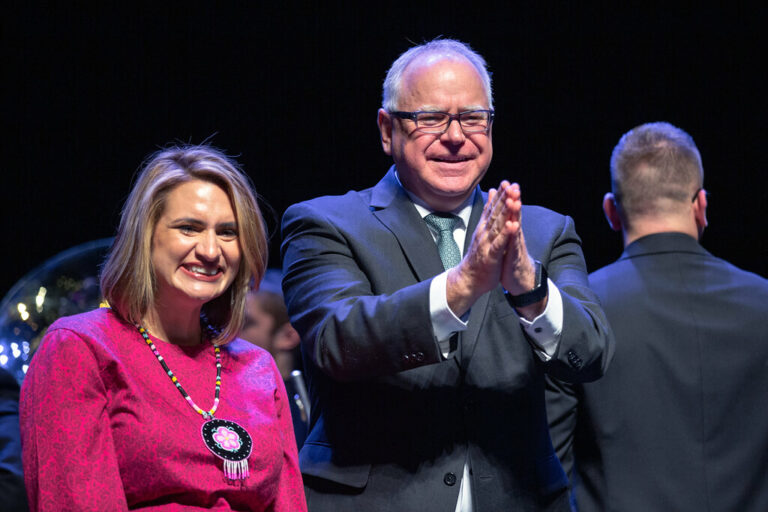
Donald Trump began his post with warm Thanksgiving wishes. However, his tone quickly shifted to harsh criticism. In his so-called Trump tirade, he blamed leaders for dividing the nation. Moreover, he accused them of being “politically correct” and “stupid” on immigration.

Inside Trump’s Thanksgiving Tirade

First, Trump thanked “Great American Citizens and Patriots.” Then, he claimed the country had been “divided, disrupted, carved up.” Furthermore, he said Americans had been “murdered, beaten, mugged, and laughed at.” He added that other foolish countries also suffered for being “politically correct” on immigration.

Trump quoted Census data to say 53 million foreign-born people live in the U.S. He called most of them welfare recipients. He claimed they came from failed states, prisons, or drug cartels. Next, he argued that taxpayers support them and their children through “massive payments.”

Moreover, Trump wrote that a migrant family earning $30,000 could get $50,000 in yearly benefits. He asserted that the real migrant count is far higher. Then, he blamed this “refugee burden” for many social issues. He listed failed schools, high crime, urban decay, crowded hospitals, housing shortages, and deficits.

Attack on Minnesota Leaders

In the heart of his Trump tirade, he targeted Minnesota. He warned that hundreds of thousands of Somali refugees “are completely taking over” the state. Then, he described Somali gangs “roving the streets looking for prey.” He said locals stay locked in their homes, hoping for safety.

He called Governor Tim Walz “seriously retarded,” accusing him of fear or incompetence. Next, Trump attacked Congresswoman Ilhan Omar. He mocked her hijab and claimed she probably entered the U.S. illegally. Furthermore, he said she hates America, its Constitution, and her homeland lacks basic services.

Trump ended his post by praising patriotic citizens with “beautiful hearts.” He claimed they refuse to “openly complain or cause trouble.” Yet he insisted the strain of immigration “eats them alive.”

A Look at the Reaction

Immediately, people reacted strongly to Trump’s words. Supporters cheered his bold stance on immigration. They praised him for calling out world leaders and local politicians.

Meanwhile, critics called his language hateful and divisive. They said his attacks on immigrants and disabilities crossed a line. Additionally, they noted his focus on welfare ignored many legal paths to citizenship.

Furthermore, some Minnesota leaders condemned the insult to Governor Walz. They highlighted his record on public health and the economy. They argued he works hard to keep all citizens safe.

What Truth Social and X Saw

Trump posted the message on Truth Social first. Then, he shared it on X, his old Twitter account. His X post was his first statement since commenting on the Washington D.C. shooting. That event left National Guard members injured. One, Sarah Beckstrom, later died.

By using both platforms, Trump ensured maximum reach. His followers quickly spread screenshots and quotes. As a result, the Trump tirade topped trending lists for hours.

Why This Trump Tirade Matters

First, it shows Trump still shapes political debates. His voice reaches millions in seconds. Second, it highlights the ongoing battle over immigration. Third, it underscores the use of harsh language in modern politics.

Moreover, it raises questions about social media power. Leaders can now bypass traditional news outlets. Consequently, their raw opinions reach the public unfiltered.

Finally, the tirade puts Minnesota in the spotlight. National attention now falls on how the state handles immigration and public safety.

Key Points on Immigration Debate

• Welfare Costs: Trump claimed migrants receive more in benefits than their earnings.
• Crime Fears: He linked refugees to crime and urban decay.
• Political Correctness: He said leaders’ fear of criticism made them weak.
• Local Impact: He accused Somali refugees of taking over Minnesota.

Conclusion

Donald Trump’s unforgettable Trump tirade mixed warm Thanksgiving greetings with fierce attacks. He targeted world leaders, Minnesota’s governor, and an outspoken congresswoman. He blamed immigration for many social ills and called for change. Above all, he showed once again how one post can spark national debate.

Frequently Asked Questions

What was the main focus of Trump’s post?

He mainly attacked immigration policy, linking it to crime, welfare costs, and social problems.

How did Trump describe Governor Walz?

He called Governor Tim Walz “seriously retarded” and accused him of incompetence.

Where did Trump share his Thanksgiving tirade?

He posted it first on Truth Social, then reshared it on his X account.

What reactions did the post get?

Supporters praised his bold stance, while critics condemned his language and claims.

EPA’s Methane Rule Delay: Climate and Health at Risk

0

Key Takeaways

  • The EPA has delayed the methane rule until January 2027.
  • Experts warn this methane rule delay will add 3.8 million extra tons of methane.
  • Critics say the delay is illegal and puts public health at risk.
  • Methane traps heat 28 times more effectively than carbon dioxide over 100 years.
  • Environmental groups are suing to block the delay and protect communities.

What Does the Methane Rule Delay Mean?

The Environmental Protection Agency announced a methane rule delay. Instead of cutting emissions this year, oil and gas companies get until January 2027. The agency also said it might scrap the rule altogether. However, climate experts and community groups strongly oppose the move. They argue it sacrifices clean air and public safety for fossil fuel profits.

Why Methane Matters for Climate

Methane is a powerful greenhouse gas. Over a century, it traps heat 28 times more than carbon dioxide. As a result, even small leaks can speed up global warming. Moreover, methane also helps form ground-level ozone. That pollution harms lungs and raises the risk of heart disease. Therefore, reducing methane leaks is one of the fastest ways to curb climate change.

How the Delay Hurts Communities

Because of this methane rule delay, millions more tons of the gas will enter the air. The EPA’s own figures estimate 3.8 million extra tons of methane. In addition, people living near wells and pipelines face toxic air. This pollution can trigger asthma attacks, cancer risk, and other health problems. Furthermore, studies link methane leaks to higher hospital visits for breathing issues.

Industry’s Claim of Savings

The EPA says the delay gives companies a more realistic timeline. It claims the change saves about $750 million in industry costs over 11 years. Yet critics call this savings a small gain compared to the damage. They note that fixing leaks can actually save money by capturing sellable gas. In fact, many oil and gas firms already support strong methane limits.

Legal and Community Backlash

Environmental groups wasted no time filing lawsuits. They call the delay illegal and a betrayal of public trust. One policy director called it “indefensible and illegal.” Another attorney said the EPA job is to protect people, not pad the pockets of executives. Communities and health advocates are ready to testify in court. They demand that safeguards start without further pause.

Voices from the Front Lines

Patrice Tomcik from Moms Clean Air Force spoke for parents nationwide. She said children need strong methane limits as soon as possible. A senior attorney at the Environmental Defense Fund warned the delay reverses real progress. She noted that rules in several states are already cutting leaks and waste. Those rules show operators can meet tough standards while staying profitable.

Climate Impacts Beyond Heat

Methane not only heats the planet. It also fuels extreme weather events. Scientists link higher methane levels to stronger hurricanes and more intense heatwaves. In turn, these events cause flooding, wildfires, and crop damage. By delaying action, the EPA is effectively betting on more climate disasters.

What Comes Next for Methane Controls

Environmental Defense Fund and others are gearing up for court battles. They expect judges to demand a quick return to the original schedule. Meanwhile, some states will push ahead with their own methane limits. This patchwork approach could create confusion for companies. Ultimately, federal rules offer a clear, nationwide standard. That makes it easier for everyone to know what counts as legal compliance.

How You Can Stay Informed and Active

You can help hold regulators and companies accountable. First, follow local and national updates on methane policy. Then, join community meetings or online forums about air quality. Finally, reach out to elected officials and demand they support strong methane rules. Every voice counts when it comes to protecting health and climate.

FAQs

Why is the methane rule delay controversial?

Critics say it lets oil and gas companies keep leaking a powerful greenhouse gas for years. That worsens climate change and harms public health.

How much extra methane will the delay cause?

The EPA’s own data predict about 3.8 million more tons of methane will pollute the air.

What risks do methane leaks pose to health?

Leaked methane helps form toxic ground-level ozone. That can increase asthma attacks, heart disease, and other illnesses.

Can states enforce their own methane rules?

Yes. Several states already have strong methane standards. They can act even if federal rules are paused.

JD Vance Polling Slips as Trump Jr. Gains Ground

0

Key takeaways

• Vice President JD Vance’s lead over Donald Trump Jr. has fallen sharply.
• His close tie to the president drags down his approval.
• Negative views of the economy hit both their standings.
• Donald Trump Jr. gains support as polls shift.

JD Vance polling takes a hit amid rising doubts

Recent JD Vance polling shows a dramatic drop in his lead for the Republican nomination. In August, he led Donald Trump Jr. by 26 points. Today that lead is just 10 points. Voters question his close link to the president and worry about the economy. Meanwhile, Trump Jr. is closing the gap and winning over more supporters.

Why JD Vance polling is falling

The main reason behind the slump is simple. JD Vance must defend the president’s record. As the president’s popularity sinks, Vance’s standing falls with it. Mark Shanahan, a political professor, explains that Vance cannot distance himself from the administration. If he breaks from the president, he fails as vice president. If he stays in line, he takes the heat for any unpopular policies.

In August, a McLaughlin and Associates poll showed JD Vance polling at 36 percent against 10 percent for Trump Jr. In October, his lead was still strong at 38 to 20. However, the most recent survey reveals numbers of 34 percent for Vance and 24 percent for the younger Trump. This shift in JD Vance polling alarms his team, as it shows how fast support can erode.

Trump’s dropping approval also pulls down Vance’s numbers. A Fox News poll found only 38 percent of voters approve of the president’s economic strategy. Even more, 61 percent say his administration has hurt the economy. Those harsh ratings reflect on Vance because he is seen as an echo of the White House.

Trump Jr. narrows the gap

While Vance’s numbers slip, Donald Trump Jr.’s rise seems to surprise many analysts. More voters say they want an alternative to the current administration. Trump Jr. benefits because he can criticize the president without facing the full backlash. He strikes a balance between support and critique.

In the most recent poll, 24 percent back Trump Jr. That marks a four-point rise since October. His campaign highlights fresh ideas and a willingness to challenge both parties. Moreover, he earns votes from younger Republicans who want change. If that trend holds, he could keep closing in on Vance.

Key poll details

Several major polling firms agree on one thing: the president’s net approval is now negative. YouGov, Gallup, Ipsos, Morning Consult and Quinnipiac all report more voters disapprove than approve. As that trend grows, JD Vance polling suffers too.

• August poll: Vance 36, Trump Jr. 10
• October poll: Vance 38, Trump Jr. 20
• Current poll: Vance 34, Trump Jr. 24

Even small shifts can matter. A four-point swing in a crowded primary race can change who wins. Therefore, campaigns watch every number closely.

How the economy plays a role

A strong or weak economy often decides elections. Right now, most voters say the economy feels worse than before. That view spans party lines. As the administration takes the heat, Vance shares the blame. Pollsters point out that voters do not separate the vice president from the president on economic issues.

Because of this link, JD Vance polling takes hits whenever economic news drops. For instance, when the Fox News survey noted that 76 percent of people see the economy negatively, Vance’s support dipped again. He must convince voters he can help fix the economy, not just defend White House policies.

What this means for the Republican race

A closer contest gives other candidates hope. If Vance’s numbers keep falling, top donors might shift to those with better momentum. Trump Jr. could emerge as a second choice for voters unhappy with both the president and his deputy.

Campaign strategists worry that a divided field could benefit an outsider. In primary voting, splitting the establishment vote helps a candidate with a loyal base. Thus, if Vance and Trump Jr. fight over similar voters, a third candidate could sneak ahead.

However, Vance still leads by ten points. That margin can grow if he lands positive news or if the president’s ratings recover. His team will aim for strong debate performances and targeted ads to shore up support.

How Vance can recover

JD Vance polling may turn around, but it will take effort. First, he needs to show independence from the president on key issues. Voters want fresh ideas, not just a repeat of current policies. Second, he must propose clear solutions for the economy and public safety. Concrete plans often win over doubtful voters.

Next, he should highlight his personal story. Vance’s background as a best-selling author and Marine veteran appeals to many Republicans. By focusing on his journey, he can remind voters why they first supported him. Finally, he must use digital tools to reach younger voters who care about new voices.

Even a small uptick in polls can boost confidence and fundraising. Therefore, every debate line and ad message counts. If Vance can prove he stands on his own record, his numbers could stabilize.

Looking ahead

The next few months will be crucial. Campaign events, debates and economic reports will shape public opinion. If the economy improves, both Vance and the president may climb back up. If problems persist, Trump Jr. and other challengers could continue their rise.

For now, JD Vance polling shows he faces a tougher battle than a few months ago. His team must adapt quickly to slow the slide. Meanwhile, Trump Jr. will push his advantage and try to lock in new supporters. The fight for the Republican nomination is becoming more unpredictable by the day.

Frequently Asked Questions

What caused the drop in JD Vance polling?

His tight link to the president during a time of low approval and negative economic views pulled his support down.

Can Donald Trump Jr. overtake JD Vance soon?

He is gaining ground but still trails by ten points. Continued shifts in voter sentiment and polls will decide if he can overtake Vance.

How reliable are these polling numbers?

Multiple respected pollsters show similar trends. Yet, polls have margins of error and can change with new events.

What can JD Vance do to regain support?

He can highlight new policy ideas, show independence from the administration, and focus on personal strengths to win back doubters.

Tesla Takedown: How Drivers Can Fight Elon’s Power

0

Key Takeaways

  • Tesla Takedown uses protests, stickers, and social pressure to challenge Elon Musk.
  • Campaign actions helped slash European Tesla sales by nearly 40 percent.
  • Anti-Elon Tesla stickers turn cars into moving ads against Musk’s politics.
  • Anyone can join by distributing decals, hosting events, or sharing template messages.
  • Tesla Takedown aims to curb Musk’s influence and weaken his

Why Tesla Takedown Matters

Elon Musk stands to gain up to a trillion dollars if he meets steep goals. He needs to deliver 20 million cars and lift Tesla’s stock price. Musk could pour millions into politics or buy media to boost falsehoods. Yet, ordinary citizens can slow him down. That’s where Tesla Takedown comes in. This campaign challenges Musk’s power by linking Tesla cars to his backing of extreme politicians. It shows that every Tesla owner and buyer has an impact. Moreover, it reminds the public that buying a Tesla also backs Musk’s far-right agenda.

How Tesla Takedown Protests Changed Sales

First, activists staged protests at showrooms and charging stations around the world. They brought signs, chants, music, and inflatable animals. Next, they showed that driving a Tesla means supporting Trump and other ultra-right groups. As a result, European Tesla sales fell nearly 40 percent in one year. In the US, sales dropped 19 percent from two years ago, despite price cuts. Meanwhile, overall electric vehicle sales rose, pushing Tesla’s US market share to an eight-year low. Cybertruck sales reached only 16,000 through September. Tesla’s stock plunged 71 percent from its January high before it rebounded. This clear impact proves Tesla Takedown can work.

Using Stickers in Tesla Takedown

However, protests alone can’t reach every owner. That’s why Tesla Takedown pushes stickers, magnets, and vinyl decals. These simple tools let Tesla owners voice their protest on the road. Slogans like “I BOUGHT THIS BEFORE ELON WENT CRAZY” or “HERE FOR THE CLIMATE, NOT ELON” send a strong message. They show drivers care about the planet, not Musk’s politics. Also, decals can urge friends to avoid new Teslas. For instance, “ANTI-ELON TESLA CLUB” or “FRIENDS DON’T LET FRIENDS BUY NEW TESLAS” work well. By turning cars into mobile billboards, Tesla Takedown spreads its message without grand events.

Growing Tesla Takedown Among Tesla Owners

Next, the campaign needs to recruit existing Tesla drivers. It can highlight inexpensive sticker vendors and offer QR codes linking to Tesla Takedown resources. Volunteers can send decals to friends with Teslas or leave them at charging stations. Moreover, campaigners can share simple template letters and emails for neighbors who own Teslas. In places where it’s legal, they can slip these letters under windshield wipers. They can also point to affordable alternatives, like used EVs or models that still qualify for tax credits. By engaging drivers, Tesla Takedown turns passive owners into active allies.

Institutional Steps for Tesla Takedown

Finally, Tesla Takedown calls for broader action. Supporters can urge companies and cities to cancel Tesla fleet orders. They can push pension funds to divest from the company, following moves by major investors. Activists can boycott related services, such as Starlink, and back alternative charging networks. These steps add pressure on Tesla’s bottom line. Moreover, they signal to Musk that mainstream institutions reject his ultra-right alliances. Together with driver-led sticker campaigns, institutional boycotts can limit his influence.

By combining protests, decals, and institutional pressure, Tesla Takedown offers a clear path for citizens to push back. Every sticker, every letter, and every canceled order chips away at Elon Musk’s unchecked power.

Frequently Asked Questions

What is Tesla Takedown?

Tesla Takedown is a grassroots campaign using protests, stickers, and boycotts to challenge Elon Musk’s political influence and reduce Tesla sales.

How do stickers help Tesla Takedown?

Stickers turn Tesla cars into mobile ads against Musk’s agenda. They show that owners protest his far-right ties without needing large events.

Can anyone join Tesla Takedown?

Yes. People can host local protests, distribute decals, share template messages, or urge institutions to divest from Tesla.

Are there alternatives to buying a Tesla?

Absolutely. Many quality EVs still qualify for tax credits. Used electric models, like the Chevy Bolt, offer green driving at lower cost.

When Tribal ID Stops Working: ICE Detains Actress

0

Key Takeaways

• Indigenous actress Elaine Miles was stopped by ICE agents in Redmond.
• Agents refused to accept her valid tribal ID, calling it fake.
• Tribal ID is a recognized federal form of identification.
• The incident highlights alleged racial profiling by ICE.
• Legal experts and tribes call for respect of tribal rights.

In Redmond, Washington, Elaine Miles headed to a bus stop for shopping. Suddenly, masked ICE agents in black SUVs detained her. They refused to accept her tribal ID. Instead, they claimed anyone could make that ID.

What Happened with Tribal ID and ICE?

On a calm day, Miles showed her tribal ID from the Confederated Tribes of the Umatilla Indian Reservation. Federal rules recognize tribal ID as valid. Miles had used this ID to cross into Canada and Mexico without any problem. Yet these agents insisted it looked fake. They held her at the scene. Moreover, they questioned her right to show tribal ID as ID.

Details of the Incident

Miles said the agents wore masks and bulletproof vests. They pulled their SUVs without front plates beside her. Next, they asked for her papers. When she handed them the tribal ID, they said, “Any kid could make that.” Then they detained her briefly. Agents let her go only after verifying her identity through other papers.

Her son and her uncle faced the same problem later. They were each held briefly by ICE for using their tribal ID. This pattern shows a bigger problem than one incident.

Why ICE Agents Rejected Tribal ID

Tribal ID is a federal document. It proves membership in a recognized tribe. However, these agents claimed the cards looked homemade. As a result, they doubted their authenticity. In other words, they treated tribal ID holders as suspects. This refusal ignored decades of policy that accept tribal ID nationwide.

The Bigger Issue of Racial Profiling

Many see this incident as racial profiling. Tribal rights attorney Gabriel Galanda said agents stop people because of their skin color. He noted that ICE and Border Patrol have worked under rules that make profiling easier. As a result, Indigenous people say they fear traveling within their own lands.

Policy Changes and Supreme Court Ruling

Recently, the Supreme Court made it easier for immigration agents to profile people by race. Consequently, local and federal agents feel more freedom to question valid IDs. Meanwhile, the Trump administration’s policies have tightened immigration arrests across the country. This climate raises worry among Native communities.

Impact on Native American Communities

Indigenous people often travel across reservation, state, and national borders. They do so for work, health care, and family events. Tribal ID cards trace back to treaties that affirm tribal sovereignty. Thus, when ICE agents reject tribal ID, they undermine treaty rights. This behavior stokes fear and mistrust among Native Americans.

Calls for Change and Tribal Rights

In response, several tribes and advocacy groups demand better ICE training. They also push for stronger laws that protect tribal ID holders. For instance, they ask Congress to clarify federal rules around tribal ID use. Moreover, they call on the Department of Homeland Security to issue clear guidance. Such steps would prevent future stops for showing tribal ID.

Moving Forward

As a result of this incident, tribal leaders plan to meet with ICE officials. They aim to review pet policies and agent conduct. In addition, some tribes consider legal action to protect their members. They argue that refusing tribal ID is a direct violation of federal law and tribal sovereignty.

Conclusion

This troubling incident brings to light the importance of tribal ID. It also shows how federal agents can threaten tribal rights. For many Indigenous communities, tribal ID is more than a card. It is proof of identity and treaty rights. Therefore, respecting tribal ID is vital. It ensures that tribes and federal agencies honor long-standing agreements.

Frequently Asked Questions

Why is tribal ID valid for travel?

Tribal ID is issued by recognized tribes. Federal rules accept it as a valid form of identification. This allows tribal members to cross borders for work, health, and family needs.

How can ICE agents reject a tribal ID?

Some ICE agents lack training on recognizing tribal ID features. They may doubt its authenticity. As a result, they sometimes claim it looks homemade. Proper training could fix this.

What is racial profiling by immigration agents?

Racial profiling happens when agents target people based on race or skin color. This practice ignores actual behavior or valid documents. It affects many communities, including Native Americans.

What steps can tribes take to protect members?

Tribes can lobby for clearer federal rules on tribal ID. They can also seek meetings with ICE leaders. Additionally, they may pursue legal actions to enforce treaty rights.

Trump Polls Plummet: Fox News Poll Hits Home

Key takeaways:

  • Trump’s poll numbers are falling fast across many surveys.
  • Fox News poll finds 76% say the economy is in poor shape.
  • Sixty percent rate their personal finances as fair or poor.
  • Even Trump’s own base gives him a negative rating.
  • Every major pollster now shows Trump’s approval below 50%.

Why Trump Polls Are Sliding Fast

Donald Trump faces mounting challenges as his poll numbers dive. His niece Mary Trump warns this slide could hurt him more than any other result. However, he isn’t alone in this struggle. A cost-of-living crisis, GOP infighting, healthcare delays, and the coming Epstein files all add pressure. As a result, voters seem less impressed by his leadership.

Mary Trump called Trump’s numbers “abysmal.” She said Fox News is usually friendly to him. Yet its latest poll paints a bleak picture. That makes the drop in Trump polls even more serious.

Key Fox News Poll Results on Trump Polls

The Fox News poll focuses on economic mood and personal finances. It shows:
• 76% of people say the national economy is in poor or fair condition.
• Only 25% believe the economy is in good shape.
• 60% rate their own finances as fair or poor—unchanged since March.

Moreover, Fox News asked Trump’s core supporters how they feel about him. Surprisingly, they gave him a negative rating. This is the first time Trump has earned such low scores with his own base in any of his terms. Clearly, even loyal fans have doubts.

Why These Numbers Matter

Poll numbers measure public mood. High approval can boost a president’s power. Low approval makes it harder to pass plans and win elections. With Trump polls so low, he may struggle to keep support in his party.

Furthermore, the cost-of-living crisis sits heavy on voters. Rising prices for food, rent, and gas affect daily life. When people feel pinched, they often blame leaders in power. Therefore, Trump bears much of the blame now.

Healthcare has also become a sore spot. The Trump administration delayed its healthcare plan just this week. That move disappointed both Republicans and the public. It shows cracks in Trump’s promises on health coverage.

GOP infighting worsens the scene. Several top figures in his party clash over strategy and leadership. A divided party can’t unite to fight elections or support policies. As infighting grows, Trump polls may slide further.

The Epstein files add another storm. When those documents drop, they could spark controversies that damage Trump’s image more. Any fresh allegations or revelations could drive polls down even further.

Other Pollsters Join the Trend

Fox News is not alone in showing Trump polls in the red. A recent poll by J.L. Partners found:
• 49% of registered voters disapprove of Trump’s job, versus 41% who approve.
• That matches the trend of average disapproval hitting 55% in multiple surveys.
• The poll’s margin of error was plus or minus 3.2 points.

In mid-October, the same pollster showed Trump at 46% approval. A drop to 41% in November marks a sharp decline. For the first time, every major pollster registers his approval rating below 50%.

This shift matters because it signals widespread discontent. It also points to trouble ahead for Trump’s plans. Low approval may weaken his influence in Washington. Moreover, it could spell disaster for his next campaign.

How Voter Feelings Could Shift the Race

Voter mood can change over months. But Trump needs to stop the slide quickly. He must deliver wins on the economy, healthcare, or foreign policy. Otherwise, his poll numbers may keep sinking.

If his base stays lukewarm, primary challengers could rise. New rivals may see the falling numbers as a chance to challenge him. That would split Republican voters even more.

On the other side, Democrats could gain momentum. They might use these poll results to push their message. A struggling incumbent tends to energize the opposing party. That could set the stage for a tougher battle in 2024.

Lessons from History

Past presidents have seen similar slides. When public trust drops, leaders often lose midterm elections. For example, a president with under 50% approval usually sees his party lose seats in Congress.

Trump polls are now below that crucial threshold. If history repeats, Republicans may suffer big losses. That would hurt Trump’s policy goals and party unity.

What Trump Can Do Next

To recover, Trump needs bold moves. He could:
• Tackle the cost-of-living crisis with new economic relief.
• Push through a solid healthcare plan fast.
• Show leadership on foreign policy wins.
• Unite his party by ending infighting.

Each step must rebuild trust. He must also speak directly to voters’ concerns. A clear plan on lowering prices or boosting jobs could help. Otherwise, Trump polls may keep plummeting.

As of now, Trump polls reflect a growing worry among Americans. The Fox News results are just one sign. Yet they stand out because the network usually favors him. He must act fast to reverse this trend.

FAQs

How low are Trump poll numbers right now?

Recent polls show his approval rating below 50% across all major surveys. Fox News reports 76% see the economy as poor or fair, and 60% rate their own finances poorly.

Why does the Fox News poll matter?

Fox News often aligns with Trump. When its poll shows a steep drop, it highlights broad dissatisfaction. It may signal deeper issues for his base.

Can Trump recover his poll standings?

He can try by addressing the cost-of-living crisis, delivering healthcare reforms, and uniting his party. Quick wins on key issues might rebuild trust.

What impact will these polls have on the next election?

Low approval can weaken an incumbent’s campaign. It may energize challengers in primaries and boost the opposing party’s turnout. As a result, Trump could face tougher battles ahead.

Afghan Resettlement: Why Punishment Harms Us All

0


Key Takeaways

• A former Afghan partner to the CIA was arrested after a D.C. shooting.
• Some leaders call for a broad review of Afghan asylum grants.
• The Wall Street Journal warns that collective punishment backfires.
• Undermining Afghan resettlement may harm U.S. security and future allies.

Afghan Resettlement Debate Heats Up After D.C. Shooting

A 29-year-old Afghan national was arrested for the ambush shooting of two National Guard troops in Washington, D.C. The suspect, Rahmanullah Lakanwal, once worked with a CIA-backed partner force in Kandahar. He and his family were evacuated in 2021 under U.S. asylum policies. In the wake of this attack, some leaders demand a sweeping review and reversal of all Afghan resettlement. However, the Wall Street Journal editorial board warns that punishing an entire group for one individual’s crime is both unfair and dangerous.

Why Some Call for a Review

After the shooting, President Trump and his supporters argued that resettlement policies failed. They say the vetting system allowed a potential threat into the country. They demand that U.S. officials reinvestigate all Afghan asylum cases. Moreover, they want to revoke the status of anyone who helped U.S. troops. Their main point is that national security must come first. Yet, critics say this approach risks punishing thousands of innocent people.

Collective Punishment vs Afghan Resettlement Support

Former Wall Street Journal editors pointed out that Lakanwal met every requirement for resettlement. Furthermore, he and his family faced Taliban threats for aiding the U.S. military. As a result, they were eligible under evacuation rules. Even so, careful vetting is not foolproof. In fact, some refugees or their children may become radicalized after arriving here. However, punishing the entire Afghan community will not stop such cases. Instead, it could alienate many who truly seek to live in peace.

Risks of Undermining Afghan Resettlement Efforts

Moreover, overturning resettlement grants would send a chilling message to future allies. U.S. troops often need local support to succeed overseas. If potential partners see no safe exit, they might refuse to assist. In addition, removing status from evacuated Afghans could fuel hatred. Many refugees have already built new lives, attended school, and contributed to their neighborhoods. They deserve fairness, not blame for one person’s violent act.

How Vetting Works and Its Limits

The U.S. government uses interviews, background checks, and intelligence reports to vet asylum seekers. Afghan evacuees who aided U.S. forces underwent even deeper screening. Yet, intelligence can miss hidden motives or future radicalization. Experts agree that no system is perfect. However, improving vetting should be the answer, not revoking all existing approvals. This balanced approach protects public safety while honoring U.S. commitments.

Why Collective Punishment Backfires

History shows that punishing a whole group for one person’s crime breeds resentment. It can push moderate voices toward extremism. For Afghans who risked their lives to help U.S. troops, collective punishment feels like betrayal. Consequently, it may discourage others from supporting American operations in the future. It could also harm U.S. credibility in global partnerships. Allies need to know the U.S. stands by its promises even when things go wrong.

Afghan Resettlement and Community Contributions

Across the country, Afghan families are contributing to local businesses, schools, and community events. They open shops, teach languages, and volunteer at charities. These efforts help local economies and enrich American culture. Many children of resettled Afghans excel in sports, arts, and academics. Their success stories show that resettlement can be a win-win for everyone. Removing this lifeline would cut off hope and potential for thousands.

Looking Ahead: Balancing Safety and Promise

The U.S. must keep its commitment to those who risked everything for American forces. At the same time, officials should review and improve vetting procedures. That balanced path ensures safety and upholds moral responsibility. Rather than reacting with a broad ban, leaders can focus on targeted measures. These might include ongoing check-ins or community integration programs. In doing so, the U.S. preserves national security and honors its allies.

Conclusion

The reaction to one violent act should not erase the lives of thousands who seek safety and freedom. Afghan resettlement remains vital for U.S. interests and humanitarian values. Collective punishment only makes America less safe and less trustworthy. Instead, the country can refine security checks and continue helping those who served alongside its troops. By doing so, the U.S. keeps its word and strengthens global partnerships for years to come.

Frequently Asked Questions

How did Afghan nationals qualify for resettlement?

They assisted U.S. military operations and faced Taliban threats. The U.S. government conducted in-depth vetting before granting asylum.

Can vetting prevent all future threats?

No system is perfect. Vetting reduces risk but cannot guarantee zero threats. Continuous monitoring and community support also help.

What impact would revoking resettlement have?

It could punish innocent families, fuel resentment, and discourage future partners from aiding U.S. forces abroad.

How can the U.S. improve safety without broad bans?

Targeted reviews, ongoing interviews, and community integration programs can enhance security while upholding commitments.

Trump’s Attack on the Somali Community

0

Key Takeaways

  • President Trump veered off-topic during a briefing on a Washington shooting.
  • He suddenly attacked the Somali community in Minnesota without relevance.
  • Reporters quickly pointed out his non-sequitur.
  • The comment links back to his feud with Rep. Ilhan Omar and MAGA politics.

At a press conference about the fatal shooting of two National Guard troops, President Trump went off script. First, he discussed the incident in Washington, D.C. Then he brought up Somali immigrants in Minnesota. His remark had no real tie to the shooting. Reporters immediately challenged him. Yet, he doubled down on his broad criticism of the Somali community.

The Strange Press Conference Moment

As cameras rolled, Trump spoke about a man with Afghan roots who shot two Guard members. Suddenly, he said, “If you look at Somalia, they are taking over Minnesota.” Reporters raised their hands in surprise. One asked, “What do the Somalians have to do with this Afghan guy?” He admitted his comment had nothing to do with the case. Still, he insisted Somalians had “caused a lot of trouble” and were “ripping us off.”

Meanwhile, the room buzzed with disbelief. Reporters called out that the Somali community played no role in the shooting. They reminded him the suspect came from Afghanistan. Nevertheless, Trump seized the moment to revisit a familiar theme: his criticism of Muslim immigrants.

Why the Somali Community Came Into Play

To understand why Trump singled out the Somali community, we must look at recent history. In the 1990s, thousands of Somalis fled a brutal civil war. Many settled in Minneapolis. Over time, they formed a vibrant neighborhood, with shops, mosques, and community centers. Yet, Trump and his supporters have often painted them in a negative light.

Moreover, Rep. Ilhan Omar’s rise fueled that tension. Omar, a Somali American, won her seat in Congress in 2018. She became one of the first Muslim women in Congress. Trump publicly said he wanted her deported back to Somalia. He has repeated false claims about her loyalty and faith. Omar called him a “lying buffoon,” and their feud has grown since.

As a result, any mention of Somalis in Minnesota now echoes this wider political clash. Trump’s off-topic remark about the Somali community tapped into that ongoing feud rather than the shooting at hand.

Historical Context of Somali Arrivals

Somalis began arriving in the U.S. in large numbers after their country plunged into war. They sought safety and a fresh start. Minnesota offered jobs and a welcoming culture. Churches and charities helped them learn English and find work. Over time, they built schools, restaurants, and small businesses.

However, some critics argue integration has faced challenges. They point to isolated crime incidents or tensions over cultural differences. Yet studies show most Somali refugees work hard and obey the law. Community leaders say many youth even volunteer to serve in the Guard or local police.

Thus, the Somali community stands as a symbol of successful resettlement for many people. Even so, headlines often emphasize a few negative stories rather than the everyday success of many Somali families.

Impact of the Remark on Public Opinion

After the press conference, social media lit up. Some supporters cheered Trump’s blunt style. Others condemned him for spreading hate. Local leaders in Minneapolis spoke out. They said his comments deepened divides and unfairly cast a whole group as criminals.

Meanwhile, national pollsters noted that this event could sway moderate voters. Many Americans reject generalizations about entire communities. They want leaders who address real issues, not imaginary threats. In that sense, Trump’s digression may hurt his message on crime and public safety.

Furthermore, some analysts warn that such rhetoric can lead to real-world consequences. Bias and hostility toward Somali residents could rise. That would harm families who already face the challenge of starting fresh in a new country.

Reactions to the Non-Sequitur

Local Somali organizations issued statements. They called the remarks ignorant and harmful. One community leader said it felt like a step backward for public unity. He urged politicians to focus on facts and avoid hate speech.

Meanwhile, other politicians jumped in. Some Democrats blamed Trump for stoking fear. They stressed that the shooting suspect was not Somali but Afghan. They asked for respect and calm during tense times.

Trump’s own team tried to move on. They issued short statements praising security forces. Yet the Somali comment remained the lasting image from the conference.

Why This Matters Going Forward

This incident shows how easily political talk can shift from fact to bias. It highlights the importance of staying on message. When leaders stray into irrelevant attacks, they risk alienating voters and spreading division.

Moreover, the experience of the Somali community in Minnesota offers a lesson. Refugees can enrich their new homes when given support. They often contribute through hard work and strong community ties. Thus, blanket accusations ignore the real stories of resilience and success.

As campaigns heat up, expect more such off-topic remarks. Voters will need to discern what truly affects public safety and what feeds into political fights. They should demand answers tied to real issues.

Final Thoughts

In sum, President Trump’s sudden attack on the Somali community distracted from a serious security issue. Reporters corrected him, but the comment stuck in public memory. It echoed his past feud with Rep. Ilhan Omar and tapped into deeper tensions over immigration and race. Looking ahead, Americans must stay alert when leaders use baseless claims to fuel division. Better public debate demands facts, not shortcuts based on bias.

Frequently Asked Questions

What exactly did President Trump say about the Somali community?

He claimed Somalis were “taking over Minnesota” and “ripping us off,” even though his comments had no link to the Washington shooting.

Why did reporters challenge his comment?

Because the suspect in the shooting was of Afghan origin. They pointed out Somali people had nothing to do with the case.

How has the Somali community contributed to Minnesota?

Arriving as refugees in the 1990s, many Somalis work, pay taxes, start businesses, and enrich the culture.

What is the link between Rep. Ilhan Omar and these remarks?

Omar is a Somali American congresswoman whom Trump has repeatedly attacked. His comments often echo his feud with her.

Mar-a-Lago no-fly zone Leaves Neighbors Blindsided

0


Key takeaways:

  • A permanent no-fly zone now circles Mar-a-Lago until next October.
  • Flights rerouted, raising noise and soot complaints.
  • Residents say they were caught off guard by the change.
  • Trump’s decades-long push for quieter skies finally took effect.

Mar-a-Lago no-fly zone: Residents feel blindsided

Florida residents near Mar-a-Lago woke up to startling news. The no-fly zone that once only applied when former President Trump was at his Palm Beach estate now runs every hour of every day. Officials say the restriction will last at least until next October. Meanwhile, neighbors say they suffer from louder planes and darker patios.

What changed with the Mar-a-Lago no-fly zone

Until recently, the skies above the resort were open whenever Trump was away. Now, aircraft must bend their routes around his property all the time. Palm Beach International Airport has been ordered to steer planes clear of Mar-a-Lago no-fly zone boundaries. As a result, nearby streets fill with wind noise, and roofs gather a layer of black soot.

Why residents are upset

Citizens say the new rule was sprung on them without warning. They did not expect constant flight diversions so close to their homes. Lori Rozsa of The Washington Post quoted locals as feeling “blindsided” by the shift. Moreover, people note that noise peaks early in the morning and late at night, disturbing sleep and daily routines.

One Palm Beach homeowner said she paid a premium to avoid airport flight paths. Now, she wakes up each day to roaring engines and swirling exhaust. Another retiree, Margie Yansura, pointed out that her historic house is also on the National Register. She argued that if Mar-a-Lago gets special protection, so should other preserved homes.

Impact of the Mar-a-Lago no-fly zone on daily life

Residents describe soot patches on garden furniture and frequent engine rumble. They stress that this ongoing noise hurts quality of life. They cannot enjoy their pools in peace, nor sit on their balconies without wearing earplugs. One family installed special windows to dampen sound, only to find them barely effective.

Furthermore, local county leaders demand answers. Palm Beach County Commissioner Gregg Weiss asked, “We protect our president when he’s there, but why do we need it all the time?” He pressed officials to explain the lasting concern behind a round-the-clock Mar-a-Lago no-fly zone.

A long fight for quieter skies

Donald Trump first sued the airport and county in 1995 over plane noise. He claimed his home was a landmark that suffered damage from low flights. Although the case ended with a dismissal in 1996, he tried again in 2010 and 2015. He lost each time. Yet today, his wish for diverted air traffic has come true.

The airport must now route arrivals and departures around the Mar-a-Lago no-fly zone. Pilots fly higher or take longer detours. As a result, they cross other neighborhoods more often. Thus, residents miles away now face extra noise.

Could this restriction become permanent?

Some neighbors warn that the restriction might not end next October. “This could be stretched for three years. It could be forever,” one local said. Indeed, setting a permanent no-fly zone usually means Congress or the FAA must act. Critics fear that once this path is established, it will be nearly impossible to reverse.

Palm Beach leaders have large questions. They want clarity on why the zone must run even when the resort is locked. Meanwhile, pilots ask for better maps and notice of any changes. They fear safety risks when they must suddenly alter a flight path.

Historic homes join the fight

Margie Yansura’s complaint echoes a wider struggle to protect heritage properties. She argues that if Mar-a-Lago merits constant aerial protection, other aged estates should too. Many neighbors have spent years and money to secure historic status.

Real estate agent Don Todorich points out that preserving a home’s value often means avoiding airplane noise. Buyers paid more to live under quieter skies. Now those investments feel under threat by the new Mar-a-Lago no-fly zone.

What’s next for Palm Beach

County officials are exploring legal options. They could file a challenge asking for a review of the zones. At the same time, they plan to hold public hearings. Residents will have a platform to voice their concerns to the FAA.

Additionally, local representatives may push for federal legislation. They hope to add a sunset clause or tighter rules for no-fly zones around private homes. However, the White House and Secret Service oversee airspace around the president. That means any change could face strong opposition.

In the meantime, families adapt. Some invest in noise-reducing landscaping. Others form neighborhood groups to monitor flight patterns. They share data on noise levels and health effects. Through social media, they aim to build public support for lifting or lightening the Mar-a-Lago no-fly zone.

Throughout Palm Beach, people wonder about fairness and safety. They agree on one point: if a landmark home gains constant aerial protection, all landmarks should benefit. Until then, many will keep pressing for sky justice.

Frequently asked questions

What exactly is the no-fly zone around Mar-a-Lago?

It is a restricted airspace circling the resort to prevent aircraft from flying overhead. It now runs 24/7 through next October.

Why did the FAA make this change permanent?

Officials say the measure protects the president at all times. They have not shared detailed safety reports.

How are local residents responding?

Neighbors report more engine noise and soot. They plan legal challenges and public hearings to ask for clearer rules.

Could other historic homes get the same protection?

Some residents believe so. They argue that national register properties deserve similar flight path changes to preserve peace and structure.