65.5 F
San Francisco
Tuesday, April 28, 2026
Home Blog Page 185

Thomas Markle Amputation: What You Need to Know

0

Key Takeaways

• Thomas Markle amputation was needed after a serious blood clot.
• The surgery removed his left leg below the knee.
• He faces a long road to recovery with therapy and prosthetics.
• His family expressed support and hopes for his healing.
• Life after amputation will bring new challenges and adaptations.

Thomas Markle Amputation: Key Details

Last week, Thomas Markle underwent a left leg amputation. He is 81 years old and had a dangerous blood clot. Doctors decided amputation was the safest way to save his life. Now he must adjust to life without his leg. His family and medical team are ready to help him through recovery.

Understanding the Thomas Markle Amputation

Thomas Markle amputation came after doctors tried several treatments. At first, they used blood thinners to break the clot. However, the clot did not shrink. Moreover, it cut off blood flow, causing tissue damage. Consequently, surgeons removed his left leg to stop further harm. This tough choice gave him the best chance to survive.

Why the Amputation Was Necessary

Blood clots can be deadly if not treated fast. In Thomas Markle’s case, the clot blocked key arteries in his leg. First, his leg turned cold and painful. Then, doctors noticed tissue dying from lack of blood. Next, they evaluated options. They tried IV medicines. Finally, they advised amputation. Removing the damaged part prevented the clot from moving to his heart or lungs.

The Surgery and Immediate Recovery

Surgery took several hours. Surgeons carefully cut below the knee to preserve enough limb for a future prosthetic. After the operation, nurses monitored his vital signs closely. He received pain medication and antibiotics to prevent infection. In addition, physical therapists began gentle exercises. These sessions aim to keep his muscles strong. Within days, he moved from ICU to a recovery ward.

Emotional Impact and Family Support

Facing an amputation can feel overwhelming. Yet, Thomas Markle amputation did not break his spirit. His children reached out with messages of love and hope. They plan to visit him as soon as possible. In addition, close friends offered encouragement. Moreover, he connected with support groups for seniors who lost a limb. Sharing stories helped him feel less alone.

Planning for Rehabilitation

Rehabilitation starts with simple exercises. Thomas Markle amputation recovery will include balance training. He will also learn to use crutches or a walker. Next, therapists will fit him for a prosthetic leg. This device will help him stand and walk again. Furthermore, he will attend sessions to improve strength and mobility. Over time, he aims to regain independence in daily tasks.

Adjusting to Life After Amputation

Daily life will change after Thomas Markle amputation. Tasks like dressing and cooking may need new methods. Adaptive tools, such as reachers or sock aids, can help. In addition, home modifications will add safety. Grab bars and ramps make movement easier. Importantly, he will build routines that fit his new lifestyle. Slowly, he will grow more confident and active.

Hope and Next Steps

Despite the challenge, hope shines through. Thomas Markle amputation recovery aims for steady progress. Firstly, he will focus on healing from surgery. Then, he will tackle rehab goals one step at a time. Moreover, his positive mindset fuels his motivation. Finally, with family by his side, he looks forward to better days ahead.

Frequently Asked Questions

What led to Thomas Markle amputation?

A serious blood clot in his left leg caused tissue damage. After other treatments failed, doctors chose amputation to save his life.

How will he walk again after Thomas Markle amputation?

He will work with physical therapists and get a prosthetic leg. This process includes training for balance and muscle strength.

What support does he have during recovery?

His family, friends, medical team, and support groups offer help. They provide emotional care, therapy sessions, and practical tips.

What challenges come after an amputation?

Adjusting to new daily routines, learning prosthetic use, and managing emotional stress are common. However, rehab and support lead to independence. Source: https://www.nydailynews.com/2025/12/07/meghan-markle-email-father-leg-amputation/

Terrorgram Leader Faces Decades Behind Bars

0

Key Takeaways

• Dallas Erin Humber led the Terrorgram network from mid-2022 until her 2024 arrest.
• She pleaded guilty to conspiracy, planning murders of officials, and sharing bomb guides.
• Prosecutors want a 25- to 30-year federal prison term.
• Authorities warn she still poses a security risk in her county jail.
• Terrorgram inspired several hate-fueled attacks around the world.

Dallas Erin Humber will stand before a federal judge in Sacramento on December 17. She led a white supremacist network called Terrorgram Collective. Prosecutors say she plotted to spark a race war and collapse the U.S. government. Now, she faces life-changing prison time.

Who Is Dallas Erin Humber?

Dallas Erin Humber is 36 and has been jailed since September 2024. She ran Terrorgram with Matthew Robert Allison. The group aimed to create a white ethnostate. Humber admitted to criminal counts, including conspiracy and soliciting the murder of federal officials. She also shared bomb-making instructions.

Humber calls herself a “ruthless neo-Nazi terrorist” and “accelerationist martyr.” A sealed report says her pretrial detention only strengthened her beliefs. Prosecutors note she regrets not killing someone herself. Yet they credit her guilty pleas for saving time and targeting other group members.

Terrorgram’s Campaign of Hate

Prosecutors blame Humber for radicalizing teens. They say she groomed them for hate crimes, attacks on power grids, and even assassinations. She used letters, phone calls, and video chats to coordinate with followers. In one case, she guided a Slovak teen, Juraj Krajčík, and celebrated his killings after he shot people outside a bar.

Moreover, she mentored a Brazilian high-school student, Gabriel Castiglioni, who killed four classmates. Humber created “saint cards” to glorify these mass murders. She viewed the attackers as her “symbolic kids.” Prosecutors list at least seven plots inspired or directed by her leadership.

Why Terrorgram Remains a Threat

Although federal agents arrested the main leaders over a year ago, Terrorgram’s ideas still spread online. Experts warn the group’s propaganda lives on in chat channels and hidden forums. Therefore, the Justice Department argues that Humber must move to a secure prison. There, they can better block her contacts and prevent more violence.

“Her continued detention in a county facility poses an ongoing security risk,” prosecutors wrote. They say local jails lack the rules to stop her from plotting new attacks. A federal prison could limit her calls, block extremist websites, and isolate her from other extremists.

Plea Deal and Proposed Sentence

The sealed report suggests a 40-year term fits the hate and danger she caused. However, Humber and prosecutors agreed on a sentence of 25 to 30 years. They cited her acceptance of guilt and help in capturing other members. Her lawyer argues for 25 years, noting Humber’s history of abuse, drug addiction, and mental health struggles.

Yet the judge can choose any sentence within federal guidelines. If she gets the full 30 years, she won’t be free until her mid-60s. The government hopes the plea deal speeds her transfer to a high-security Bureau of Prisons facility.

Life Behind Bars So Far

Since May, Humber has worked as a jail orderly at the Wayne Brown Correctional Facility. She cleans common areas and inmate cells. The jail commander called her helpful and dependable. He praised her attitude and said she took on tasks other inmates avoid.

Still, her role does not stop her extremist communication. Federal records show she used her jail phone and letter system to plot with fellow terrorists. That fact motivated prosecutors to push for her quick move into federal custody.

Ongoing Danger From Terrorgram Ideas

Terrorgram’s reach extends beyond one woman. The group’s online magazines, coded chats, and extremist media fuel new attackers. Researchers warn that even small cells or lone actors can spread violence. As long as those files stay online, the threat remains.

Matt Kriner, an expert on digital extremism, says the group is dormant but not dead. He adds that extremist content survives in encrypted apps and private servers. Therefore, experts urge law enforcement to keep monitoring these networks.

Humber’s Early Radical Path

Humber first showed extremist leanings as a teenager. At 14, she ran a blog mimicking a fascist dictator in training. Over time, she climbed ranks in online neo-Nazi circles. By 2022, she co-founded Terrorgram Collective with Allison.

Her coded chats offered lessons on building bombs and choosing targets. She branded her network on secure messaging platforms. Followers called themselves “accelerationists,” hoping to speed up societal collapse through violence.

International Attacks Tied to Terrorgram

Prosecutors link Humber’s group to plots worldwide:
• A stabbing at a Turkish mosque in August 2024.
• Plans to attack power substations in New Jersey and Tennessee.
• A disrupted plot to kill an Australian lawmaker.
• A double murder in Wisconsin by a teen aiming to fund a presidential assassination.

These cases show how Terrorgram inspired more than lone wolves. They reveal a networked threat that spans continents.

What’s Next for Humber

On December 17, the judge will hear victim statements, defense arguments, and prosecutors’ push for the plea deal. If approved, Humber will soon transfer to a federal prison. Guards will monitor her calls, letters, and visits to stop her from contacting conspirators.

Defense attorneys will highlight her troubled childhood and mental health needs. They will ask for mercy based on her early prison behavior and help in uncovering group members. Meanwhile, prosecutors will stress public safety and deterrence.

Even after her sentencing, experts say the fight against Terrorgram ideology must continue. Social media firms, law enforcement, and communities need to spot radical messages early. Only then can new plots be disrupted before anyone gets hurt.

Frequently Asked Questions

Why was Dallas Erin Humber labeled a Terrorgram leader?

She co-founded Terrorgram Collective in July 2022. The group used secret chats to teach violence, share bomb plans, and recruit extremists.

What charges did Humber admit to?

Humber pleaded guilty to conspiracy, soliciting the murder of federal officials, and distributing bomb-making information.

How long could her sentence be?

Under her plea deal, Humber faces 25 to 30 years in federal prison. Prosecutors initially recommended up to 40 years.

Can she still contact followers from jail?

Yes. Authorities say she used jail phones, letters, and videos to keep plotting. A federal transfer would limit her access.

Is Terrorgram still active today?

Although main leaders are jailed, Terrorgram propaganda lives on online. Extremist content stays in encrypted networks and private forums.

Trump’s Primary Residence Mortgage Twist

0

Key takeaways:

  • Donald Trump took out two primary residence mortgages on Florida homes just weeks apart.
  • He pledged each house as his main home but never moved in.
  • His administration labels similar cases fraud when opponents do it.
  • Experts call out the irony and question the legal standing.

Donald Trump shocked many by claiming two homes as his main address at the same time. Yet he never lived in either house. Now, his own administration calls that kind of move potentially criminal. This story shows a clear twist in how mortgage rules can be used and pointed out.

Understanding Trump’s Primary Residence Mortgage Moves

In late 1993 and early 1994, Trump signed two mortgage deals for neighbor homes north of Mar-a-Lago on Woodbridge Road in Palm Beach. He told the lender each home would be his principal living spot. Under mortgage rules, that promise is called a primary residence mortgage. This status usually wins borrowers better rates and terms. Yet Trump, then a New Yorker, did not live in either place. Instead, he rented them out.

How the Two Loans Played Out

First, he borrowed $525,000 for a “Bermuda style” house in December. Seven weeks later, he borrowed $1.2 million for the next-door mansion. Both loans came from Merrill Lynch. Each contract said Trump had sixty days to move in and had to stay at least a year. Despite that, news reports and his own agent confirmed the houses were rentals from day one. The late agent’s wife said Trump “never lived there.”

Why This Matters

Mortgage experts say claiming two primary residence mortgages at once can be legal. But lenders must agree and borrowers must intend to follow the rules. In practice, banks rarely challenge such setups. However, the Trump administration set a low bar. Its housing chief warned that simply holding two main-home loans can trigger a criminal probe. Trump used that standard on rivals, calling them crooks on social media and pushing the Justice Department to act.

The Irony and Expert Reactions

Kathleen Engel, a top mortgage law professor, points out the double standard. She said Trump might need to refer himself to the Justice Department. After all, he “deemed that this type of misrepresentation” is enough to bar someone from public service. Other experts note that proving true fraud means showing the borrower meant to deceive. They add lenders also hold power to name any loan a primary residence mortgage. In Trump’s case, he stayed on friendly terms with Merrill Lynch.

Comparing Rivals and Rules

President Trump targeted New York’s attorney general over her mortgage. She, like him, claimed her house would be a second home but then rented it out. His team even charged Lisa Cook, a Federal Reserve governor, for taking two primary residence mortgages weeks apart. Trump wrote Cook that her actions showed “gross negligence.” Yet he did the exact thing in Florida three decades earlier.

Legal Limits and the Passage of Time

Even if Trump’s loans broke rules, the statute of limitations has long expired. The mid-1990s loans have been paid off. Plus, no lender has suggested they made an exception for Trump. Bank of America now owns Merrill Lynch but declined to discuss those old records. It noted that high-net-worth clients often get loans based on overall relationships, not strict government limits.

What Happens Next

Despite repeated calls to investigate, no public criminal referrals have emerged for Trump’s Florida mortgages. The Federal Housing Finance Agency leader insists his probes target fraud, not politics. He says, “If it’s a Republican or a Democrat, we’re going to look at it.” Still, so far, only Trump’s foes have faced charges or firings.

Lessons from the Story

This case shows how a primary residence mortgage can become a political tool. It also highlights the gray area between legal moves and misleading claims. In the end, intent and lender discretion matter most. Even powerful people can slip into situations they once condemned.

FAQs

Why are primary residence mortgages special?

Lenders give better interest rates and terms to borrowers who promise a home as their main living space. This status helps banks meet certain government rules.

Can someone hold two primary residence mortgages at once?

Yes, in some cases. For example, if a person moves often for work, lenders may agree. Yet borrowers must show honest intent and get bank approval.

What happens if you break the occupancy rule?

If you don’t live in the home within the set time, the lender can demand full repayment or change your loan to a higher-rate investment mortgage. Criminal charges require proof of intent to deceive.

Is there a time limit to charge someone with mortgage fraud?

Yes. Most fraud cases must start within a few years after the alleged crime. In Trump’s case, the loans are over 30 years old, so they’re beyond that time limit.

Inside the Indiana Redistricting Battle

0

Key Takeaways

• Republicans in Indiana will vote this week on new district lines.
• The Supreme Court recently approved race-based map changes in Texas.
• The White House and Trump allies push hard for a 9-0 GOP delegation.
• Former Indiana lawmaker warns Republicans are caught in Trump’s play.
• A fierce fight may set the tone for the 2026 midterm elections.

Indiana Redistricting Under Supreme Court Spotlight

Indiana redistricting has become the center of a heated struggle. Last week, the Supreme Court allowed Texas to redraw districts based on race. As a result, attention has turned sharply to Indiana. Now, GOP lawmakers must decide if they will back maps that favor their party.

On Friday, the Indiana House approved a new proposal. If state senators agree, Indiana could send nine Republicans and no Democrats to Congress. This outcome could shape control of the U.S. House in 2026. Therefore, the White House and former President Trump have leapt into the fray.

Pressure Mounts Over Indiana Redistricting Maps

Several Trump-aligned super PACs teamed up with Turning Point Action. They say they will spend millions to defeat any Indiana Republican who rejects the proposed maps. This aggressive step shows just how much power political money can wield.

Moreover, the White House reportedly sent high-level aides to lobby state senators. They argue a strong GOP showing in Indiana will help keep the House under Republican control. Yet critics say the effort is less about party strength and more about saving Trump from fresh impeachment threats.

Trump’s Strategy Pressures State Senators

A former Indiana state representative, Mike Murphy, spoke out bluntly. He said GOP lawmakers are “under intense, 24-hour-a-day pressure.” He warned that they might not withstand this onslaught. He added that politicians and their families bear the brunt of this fight.

Murphy accused Trump of using state lawmakers as pawns. He believes this push is part of a larger plan. By securing a fully Republican delegation, Trump hopes to avoid a third impeachment. He also might set the stage for a future presidential run.

Despite these accusations, Trump’s team insists it fights only for fair maps. They claim the proposed lines will strengthen Republican representation in a reliably red state. Yet some Republicans fear the fallout. One lawmaker warned that rejecting the plan will unleash a “long and brutal campaign” against opponents.

What’s at Stake for Republicans

Controlling the U.S. House matters greatly. If Republicans hold the majority, they can block or slow down Democratic policies. They can also launch investigations into the Biden administration. Conversely, Democrats would gain more control over spending and legislation.

Indiana holds nine districts in Congress. Right now, all nine seats belong to Republicans. That makes the state crucial for GOP hopes. If the maps shift even slightly toward Democrats, Indiana could lose a seat or two. Therefore, every lawmaker’s vote counts.

In addition, this fight sends a message to other states. If the White House and Trump can shape redistricting in Indiana, they might try similar tactics elsewhere. States with close margins could face similar pressure campaigns. Thus, the outcome here could rewrite the playbook for future map fights.

How Lawmakers Feel About the Pressure

Three Indiana senators have already said they lack enough votes to pass the map. They worry about voter backlash. They also dread costly primary fights funded by outside groups. One senator said, “We could face personal attacks if we don’t fall in line.”

Another lawmaker noted that many of his constituents dislike the idea of race-based changes. They feel redistricting should follow population shifts, not racial data. Still, the Supreme Court’s decision in the Texas case gives legal cover for such moves.

Several legislators worry about their safety and mental health. They fear threats from angry activists on both sides. One senator confessed that she worries every time her phone rings. She said, “I never know if it’s a friend or an enemy.”

Legal and Ethical Questions

The Supreme Court’s recent ruling opens the door for maps based on race. This practice may protect minority voters in some areas. Yet critics say it undermines the principle of equal representation. They argue that maps should reflect communities, not skin color.

Furthermore, the role of outside money raises ethical concerns. Turning Point Action and other PACs can spend without strict disclosure rules. That means voters might not know who really drives the campaign. Such secrecy can erode trust in the political process.

As a result, some lawmakers call for tougher limits on political spending. They propose real-time disclosure of donors and spending. Additionally, they suggest anti-harassment protections for public servants and their families.

What Happens Next in Indiana Redistricting

State senators will debate and vote on the new maps this week. If they approve, the plan moves to the governor for final sign-off. A veto seems unlikely, as the governor supports the GOP line-up.

However, if senators reject the maps, the battle will move to primary season. Trump-aligned groups promise to target any senator who resists. This fight could tear the state GOP apart and influence other redistricting contests nationwide.

Meanwhile, Democrats in Indiana see an opening. They plan to challenge the maps in court. They argue that the changes unfairly dilute minority votes. If successful, they could force a redraw or win back seats in 2026.

Why the Fight Matters Nationally

Redistricting occurs every ten years after the census. It shapes political power for the next decade. That means today’s battles determine who holds power in Washington and beyond.

In swing states like Arizona, Georgia, and North Carolina, similar fights will unfold. Each contest tests the strength of party leaders and grassroots activists. Indiana’s battle could tip the scales for nationwide priorities.

Moreover, the tactics used here may become the norm. Aggressive spending, public shaming, and nonstop lobbying could define future map fights. If so, politicians of both parties might face even more intense pressure.

Lessons for Other States

First, lawmaker independence matters. States that shield redistricting from partisan politics often see fairer maps. Independent commissions might offer a path forward.

Second, public engagement can shape outcomes. Grassroots campaigns in local communities can pressure officials to act fairly. Voters should attend hearings, write letters, and speak at meetings.

Lastly, legal clarity is key. Courts must balance the rights of minority groups with fair representation. Clear rules can reduce confusion and costly lawsuits.

As Indiana legislators deliberate, the nation watches. Their decision will echo in every corner of American politics.

Frequently Asked Questions

What triggers the Indiana redistricting vote this week?

Lawmakers meet to approve a new map passed by the Indiana House. If state senators agree, the governor will sign it into law.

Why is the Supreme Court’s Texas ruling important here?

The court allowed changes based on race. That ruling gives legal cover for similar moves in Indiana. It shifts the redistricting rules.

How are outside groups influencing Indiana redistricting?

Turning Point Action and Trump-aligned PACs promise millions to primary any GOP lawmaker who opposes the map. Their spending aims to sway Senate votes.

What could happen if the map fails in the state Senate?

The fight could move to primary season. Outside groups might target dissenting lawmakers. Democrats may also file lawsuits to block the maps.

Why Marjorie Taylor Greene Turned on Trump

Key Takeaways

  • Marjorie Taylor Greene says she stopped supporting Donald Trump after he called her a traitor.
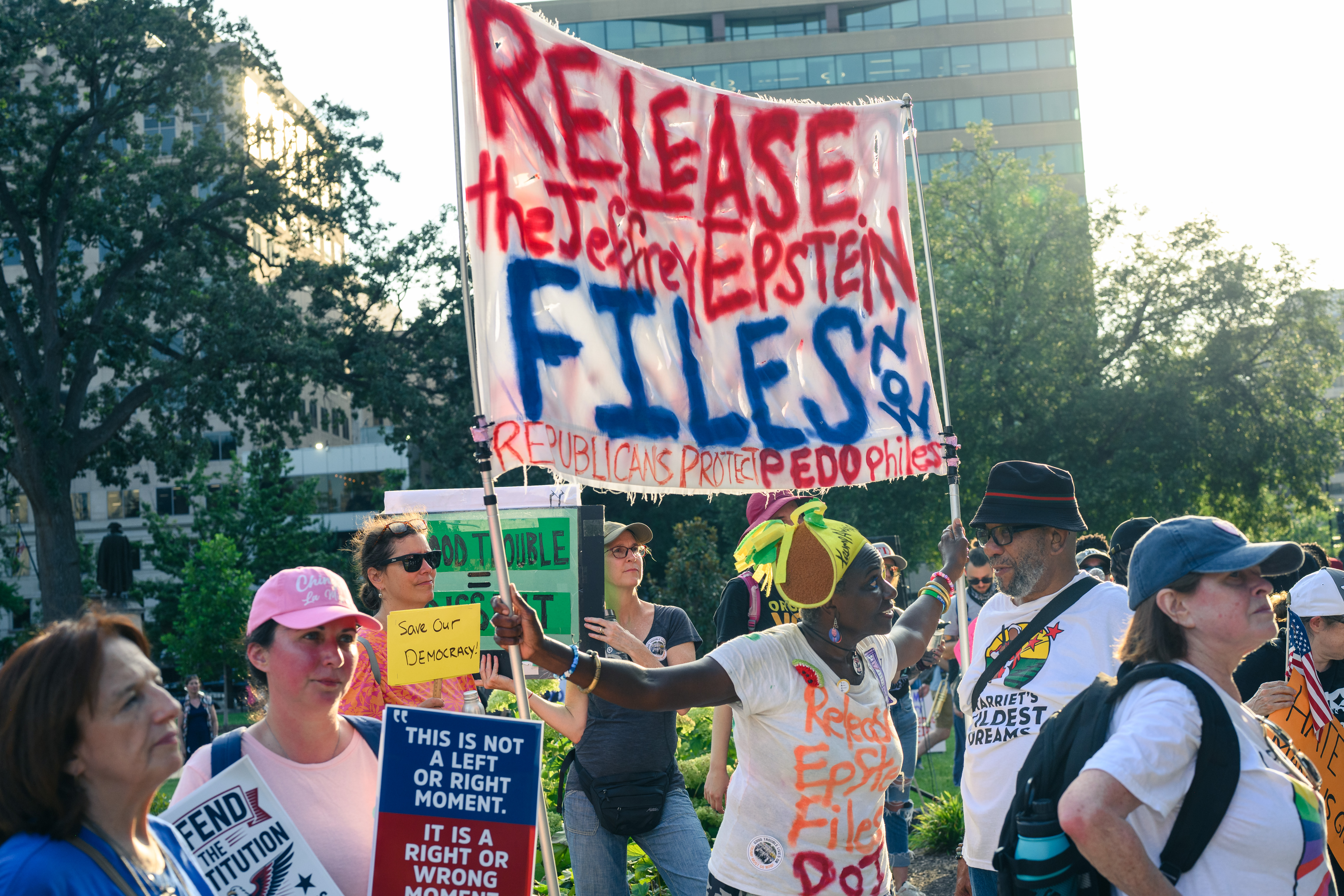
  • She first spoke out when the Trump administration delayed the Jeffrey Epstein files.
  • Trump’s harsh words led to death threats against Greene and her son.
  • Vice President Vance promised to investigate but took no real action.
  • Greene plans to retire in January 2026 but vows to keep speaking up.

Marjorie Taylor Greene surprised many when she announced she would retire in January 2026. Yet even more shocking was her decision to break with a president she once backed fiercely. On Sunday, Greene sat down with a national news show to reveal the moment she realized she could no longer defend Donald Trump.

Marjorie Taylor Greene Shares Moment She Broke With Trump

During her interview on “60 Minutes,” Greene explained how her loyalty ended. She said she had stood up for young women who suffered sexual assault. However, Trump called her a traitor for doing so. Greene recalled feeling stunned. She knew then that their relationship had changed forever.

Epstein Files Sparked Her Doubts

Greene’s criticisms grew louder this year. The White House stalled the release of key documents tied to Jeffrey Epstein. Trump had promised to open those files once back in office. Conservatives saw those records as central to his 2024 campaign message. When the promise fell through, Greene spoke out. She said she could not remain silent when the administration let down victims.

Trump’s Response and New Nickname

Instead of calming things, Trump pressed back. He branded Greene with a mocking nickname. For a short time, she was called “Marjorie Traitor Greene.” That label lit a fire under his supporters. It also fueled a wave of abuse and threats. Greene says she felt unsafe in her own life and worried for her child.

Threats Against Her and Her Son

Greene did not keep the threats to herself. She raised the issue with White House staff. According to her, Vice President Vance said he would “look into it.” Yet no real help came. As for Trump, Greene revealed he sent her a private message. Though she refused to share the exact words, she said it was extremely unkind. That message deepened her distrust.

What’s Next for Marjorie Taylor Greene

Despite stepping away from Congress, Greene insists she is not done. She tweeted that she stands for “America First, America Only.” She plans to stay active in public life and support causes she cares about. Some wonder if she might mount a 2028 presidential bid. Others see her as a political commentator in the making. Either way, Greene’s break with Trump marks a new chapter in her career.

Why This Moment Matters

This public split highlights growing divides within the party. A figure once seen as Trump’s staunch ally now criticizes him sharply. It shows that loyalty in politics can shift quickly. Moreover, Greene’s story underscores how policy promises affect trust. When leaders fail to deliver, even close allies may rebel.

How Voters React

Polls show some Republicans feel torn by this feud. A few say they admire Greene’s stand for victims. Others think she’s seeking attention before retirement. In town halls and social media, debates rage on. Some voters worry such splits weaken the party. Yet Greene’s supporters praise her for speaking truth to power.

Lessons in Political Loyalty

Greene’s case teaches a few simple lessons:

• Promises matter. Leaders must honor their word or risk losing trust.
• Criticism from within can be loudest. An insider’s complaint often echoes the hardest.
• Personal attacks can backfire. Mocking a friend may cost you loyalty.
• Public figures face real danger. Harsh rhetoric can spark threats in the real world.

Looking Ahead

As Greene prepares to leave Congress, the fallout from her break with Trump will continue. She plans to travel, hold rallies, and join talk shows. She may write a book or start a podcast. One thing is clear: Marjorie Taylor Greene’s split will shape GOP debates for months to come.

Frequently Asked Questions

Why did Marjorie Taylor Greene criticize Donald Trump?

She said Trump called her a traitor after she defended rape victims. That moment ended her support.

What role did the Epstein files play in her break?

Trump promised to release key documents on Jeffrey Epstein. When he stalled, Greene spoke out loudly.

Did Trump apologize or retract his words?

No. He gave her a private message that she called “extremely unkind,” and he never took back his harsh nickname.

Will Marjorie Taylor Greene run for office again?

She plans to retire from Congress in January 2026. However, she has hinted at staying active in politics.

How did the White House respond to threats against her?

Vice President Vance said he would investigate. Yet Greene says no real help came.

Newsom Mocks Trump at Kennedy Center Honors

Key Takeaways:

  • Gavin Newsom’s press office posted a viral mock tweet about the Kennedy Center Honors.
  • The post joked about renaming the venue the “Newsom Center.”
  • It parodied Trump’s all-caps style on Truth Social.
  • Trump’s live appearance mixed Rocky Balboa quotes with audience jabs.
  • The exchange follows Trump’s renaming of the Institute of Peace.

Newsom’s Viral Mock

California Governor Gavin Newsom loves a good joke. After Donald Trump showed up at the Kennedy Center Honors, Newsom’s team seized the moment. They wrote a fake post in all caps, just like Trump writes online. Next, they teased that the building needed a new name: the Newsom Center. Soon, the mock tweet lit up social media and racked up likes, retweets, and plenty of laughs.

Trump’s Kennedy Center Honors Appearance

Meanwhile, Trump used the ceremony to channel Rocky Balboa. He quoted the boxing hero’s line about moving forward after setbacks. Yet, he also took aim at some guests, calling them “miserable” people. The mix of praise and barbs made his speech hard to forget. Although Trump said he hadn’t prepared much, he still launched a few zingers on stage.

Parody in All Caps

Newsom’s press office copied Trump’s signature typing style from Truth Social. They wrote in block letters, used exclamation marks, and dropped in dramatic claims. In their mock post, they praised the night, slammed the chairs and lighting, then blamed Trump and an imagined janitor. Finally, they declared only Newsom could “fix” the place. The parody hit home for anyone familiar with Trump’s online rants.

Why Rename the Venue?

The joke didn’t stop at the ceremony. It built on Trump’s recent decision to rename the Institute of Peace. Trump gave it a new title: the Donald J. Trump Institute of Peace. By poking fun at that move, Newsom’s team aimed at one more Trump habit. Thus, the tweet tied together the Honors event and the institute rename in one clever package.

Audience Reaction

People online couldn’t get enough of the mock post. They shared it with comments like “Too funny” and “Spot on.” Some fans tagged friends who love political satire. Others praised Newsom for his sharp sense of humor. In just a few hours, the post had thousands of reactions and plenty of buzz.

Trump’s Rocky Balboa Moment

On stage, Trump began with a nod to Rocky Balboa’s famous speech. He praised the honorees for facing “legendary setbacks.” Then he urged them to “keep moving forward.” At first, the line earned applause. However, his tone turned sour when he called some audience members “miserable, horrible people.” That comment drew gasps and raised eyebrows.

Unprepared but Unfiltered

Trump later claimed he hadn’t planned much for the night. He said he has a good memory and just wanted to be himself. In reality, his remarks showed clear jabs and unexpected humor. Some guests laughed, while others looked confused. As the event rolled on, people whispered and passed notes in the audience.

The Kennedy Center Honors Tradition

Every year, the Kennedy Center Honors celebrate artists who shape America’s culture. This time, the spotlight fell on Sylvester Stallone, the rock band KISS, and disco icon Gloria Gaynor. These honorees represent film, music, and the power of persistence. Thus, they seemed a perfect fit for Trump’s Rocky Balboa theme. Yet his jabs felt out of place at a night meant for tribute.

Political Undercurrents

Of course, politics hovered over the gala. Newsom’s mock post turned the event into a new front in the culture war. It showed how social media can twist a formal ceremony into a viral moment. Moreover, it highlighted the rivalry between a Democratic governor and a Republican former president. Fans of each side watched closely for the next move.

Media and Memes

As news outlets picked up the story, memes flooded the internet. People crafted images of Trump asleep in a chair or Newsom holding a giant pair of scissors. Others made mock flyers renaming the Kennedy Center to the Newsom Center. These playful visuals kept the debate alive well after the ceremony ended.

What This Means for Newsom

By leading the online mockery, Newsom boosted his profile in liberal circles. He showed he can spin any event into a talking point. Furthermore, he tapped into a generational divide: older fans of the honorees and younger critics who love digital humor. In doing so, he proved that a simple tweet can pack a political punch.

Long-Term Impact

Will this mock stunt have lasting effects? Probably not on the real Kennedy Center building. However, it may influence how public figures handle formal events in the future. Politicians will think twice before going off-script at tributes. Meanwhile, satire lovers will watch at the next big ceremony, waiting for the perfect tweet.

What Comes Next?

Neither Newsom nor Trump has signaled a truce. Expect more jabs from both sides as the next election cycle heats up. Additionally, other governors and White House hopefuls might join the fun. In the end, a gala meant to honor artists has become a stage for political theater.

Frequently Asked Questions

What did Newsom’s press office say in its mock post?

They wrote an all-caps message mocking Trump’s stage manner, lighting complaints, and suggested renaming the venue the Newsom Center. The style mirrored Trump’s Truth Social posts.

How did Trump address the audience at the Kennedy Center Honors?

He quoted Rocky Balboa about persistence, praised the honorees, then called some audience members “miserable, horrible people.” He said he hadn’t prepared much and wanted to be himself.

Why did Newsom suggest renaming the building?

The suggestion parodied Trump’s recent decision to rename the Institute of Peace after himself. Newsom’s tweet tied both the gala event and Trump’s self-naming habit.

How did people react online?

Social media users loved the parody. They shared memes, praised the humor, and debated the political jab. The mock tweet racked up thousands of reactions within hours.

Why Trump Can’t Shake the Epstein Files Spotlight

Key Takeaways

  • Rick Wilson says Trump can’t distract Americans like before.
  • Every news cycle still circles back to the Epstein files.
  • Trump’s jabs at Ilhan Omar failed to hold attention.
  • Marjorie Taylor Greene says Trump was furious over file release.

Trump’s Struggle with Epstein Files

A political commentator says Donald Trump no longer controls the news cycle. In a recent interview, Rick Wilson explained that Trump’s attempts to steer attention toward other stories now fail. Instead, every headline bounces right back to the Epstein files.

Why Epstein Files Still Rule the News

Wilson once watched Trump ignite the media with every tweet or comment. However, he now sees a stark change. Although the White House announces big plans, like tearing down the East Wing, those headlines only last a few days. Then, inevitably, reporters return to one topic: the Epstein files.

Rick Wilson’s Take on Trump’s Media Tactics

Rick Wilson spoke on a podcast called Fast Politics with Molly Jong-Fast. He compared Trump’s first term with his second. Back then, Trump grabbed headlines at will. Now, Wilson says, “Nothing Trump has done since Epstein has stuck.” He noted that every new story lasts no more than four days. Therefore, he thinks Trump’s power to distract is fading.

Molly Jong-Fast pointed out that Trump recently targeted congresswoman Ilhan Omar. She suggested he did it because he needed fresh news. Wilson agreed. He said Trump’s insults toward Omar couldn’t outshine the Epstein files. In fact, those comments barely made a ripple before journalists returned to talk about those secret documents.

How the Epstein Files Became the Center of Gravity

In the past, Trump could shift attention from one scandal to the next with ease. For example, a big fight over Ukraine grabbed headlines for a few days. Yet now, Wilson says “the center of gravity” stays locked on the Epstein files. As soon as a new Trump story breaks, reporters still circle back to those papers.

This shift shows a change in public interest. Viewers and readers grow tired of fleeting controversies. They want the bigger picture. For many, that picture focuses on allegations involving Jeffrey Epstein and powerful figures. Thus, the Epstein files carry more weight than any new Tweet or rally drama.

Trump Under Pressure from Allies and Opponents

Last month, Trump faced mounting pressure over the files. Some of his own party members, including Marjorie Taylor Greene, demanded their release. Greene once stood with Trump as a strong ally. Yet when she signed a petition to free the files, she says Trump was furious.

During a television interview, Greene told Lesley Stahl she spoke directly with Trump about the Epstein files. She said, “He was extremely angry that I signed that petition.” According to Greene, Trump warned her the release would harm people.

Greene insisted those women deserve full disclosure. She said they have the right to see every document. Meanwhile, Trump’s resistance only fuels demands. Consequently, the public debate over transparency grows stronger.

Why the File Fight Matters

First, these documents might reveal new details about Epstein’s network. As a result, they could expose powerful figures connected to his crimes. Second, Trump’s handling of the files affects his approval. His inability to divert attention might weaken his image. Third, this battle tests presidential power over sensitive records. If Trump refuses to release them, it sets a strong precedent.

Moreover, the file fight highlights how modern news works. In a 24/7 cycle, stories rise and fall quickly. Yet some issues have lasting impact. The Epstein files stay alive because they promise revelations. They tap into a deep public hunger for justice.

What Comes Next for Trump and the Epstein Files

It remains unclear whether Trump will relent. If he does, reporters will shift focus. However, if he holds firm, the story could grow even bigger. Opposition leaders plan to keep pushing. They believe full transparency will serve justice. And they argue that no presidential tactic should block important information.

Meanwhile, Trump may try new distractions. Maybe he will announce fresh policies or launch another social media attack. Yet based on Wilson’s view, none of these efforts will permanently replace the Epstein files in the headlines.

Conclusion

Donald Trump’s days of blowing up the news cycle seem to be winding down. According to Rick Wilson, every new controversy only buys a few days of attention. After that, the Epstein files pull the spotlight back. As long as these documents remain sealed, they will overpower any of Trump’s attempts to distract. In this battle over secrets, the files have become the ultimate headline.

Frequently Asked Questions

Why are the Epstein files so important?

The Epstein files hold detailed information about Jeffrey Epstein’s alleged crimes and his network. Many believe they could expose powerful figures and bring more justice to victims.

How do the Epstein files affect Trump’s reputation?

Trump used to control media attention with ease. Now, he struggles to keep headlines away from the files. This shows a loss of influence over the news cycle.

What did Rick Wilson say about Trump’s distractions?

Wilson noted that since the Epstein files made headlines, no Trump story has lasted more than a few days. He believes Trump can’t hold attention away from that topic.

Will the Epstein files ever be released?

Pressure from opponents and some allies grows stronger. Yet it depends on decisions by Trump or future legal action. The debate over their release shows no sign of stopping.

Kenner Raid Called ‘Fascist PR Stunt’

0

Key Takeaways

• A top Trump agent toured Kenner, Louisiana, for photo ops and protests.
• Former GOP strategist Tim Miller called the event a fascist PR stunt.
• Critics say the raids target people without criminal records.
• Many worry real families suffer from these immigration actions.

On Friday, Customs and Border Patrol Chief Gregory Bovino walked the streets of Kenner, Louisiana. He met local officers, posed for photos, and faced angry protesters. His visit came just before a planned round of immigration raids. At those raids, agents arrest people suspected of living in the country illegally. Yet many people there have no criminal records.

Mixed Public Reaction

People in Kenner had very different views. Some cheered Bovino’s visit. They said strong border control keeps communities safe. Others jeered and held signs. They called the tour a show for TV cameras. One protester shouted that the government was using fear to win votes. Meanwhile, Bovino snapped photos with supporters and waved at onlookers.

What Tim Miller Says

On Sunday night, Tim Miller spoke on his podcast. He had joined the protest in Kenner against Bovino’s tour. Miller once worked for Jeb Bush’s 2016 campaign. Now he uses his voice to question Trump’s strategies. He told listeners that this tour was more about image than safety. “There is no proof these raids make us safer,” he said. “They are a fascist PR stunt.”

Moreover, Miller said the Louisiana governor let federal agents in because he wants to look tough. He used a harsh term for both men. He claimed they suffer from Napoleon syndrome. In his view, this stunt aims to boost personal reputations.

Why Critics Call It a Fascist PR Stunt

Critics use that phrase to show how they see these actions. First, they point to dramatic photo ops. Agents stand by big black trucks. Flags wave in the background. Cameras roll. The scene looks meant for headlines, not justice.

Second, protesters say these raids tear families apart. People who live here for years face sudden deportation. Some have U.S. citizen spouses or children. They never got into trouble with the law. Yet they end up behind bars.

Third, the term “fascist PR stunt” reflects fear of unchecked power. History shows that strongmen use grand shows to sway the public. They stage marches or parades to signal authority. In this case, border agents in full gear walk city streets. That display feels like a warning more than a law enforcement effort.

Real Impact on Families

Stories from other towns show how real people suffer. A mother of two lost her job while her husband stayed at the detention center. A teenager cried when her father did not come home for dinner. American citizens often stand by helplessly. They cannot stop federal agents once the raid begins.

Furthermore, these raids spark fear in entire neighborhoods. Families hide at home. Kids worry police might knock on their door at night. Local businesses lose customers. Community trust in law enforcement drops.

Wider Trend in Immigration Raids

During Trump’s first term, the government targeted people who had criminal records. Now, under the second term, the focus seems wider. Reports say many arrested have no criminal history. Some are long-time residents. Even green card holders get swept up.

Also, agents sometimes round up U.S. citizens by mistake. The Department of Homeland Security has acknowledged such errors. Yet agents keep using aggressive tactics. They break down doors, handcuff people in front of their neighbors, and take them away.

Meanwhile, the political goal seems clear. President Trump promised to deport criminals living here illegally. He also wants to appear tough on borders before the next election. Critics argue that grand raids like the one in Kenner serve that purpose.

Voices for Change

Not everyone agrees on how to handle immigration. Some call for stricter laws and more agents. Others want new paths to legal status. Many believe the current raids are the wrong approach. They say we must balance security with fairness.

Civil rights groups have taken note. They monitor these raids, offer legal help, and bring lawsuits when people’s rights are violated. They also push for more transparency. They want data on who is targeted. So far, federal officials release little information.

Local leaders in Louisiana, both Republicans and Democrats, have voiced mixed opinions. Some back the raids as needed. Others fear they will hurt local economies and communities. The split shows how charged the issue remains.

What Comes Next

After the Kenner raid, more operations are planned in other states. Each brings its own protests and headlines. Supporters cheer agents for enforcing the law. Opponents call the actions cruel and unnecessary.

Yet one term keeps coming up in criticism: fascist PR stunt. For many, it captures a fear that these raids focus on showmanship. They see agents putting on a performance more than protecting the public.

Still, the government says it will press ahead. Officials claim they target dangerous criminals. They plan to round up thousands more in the coming months. Communities across America now brace for similar scenes of large trucks, armored agents, and protesting crowds.

As the debate continues, families and activists prepare to fight back. They gather legal teams. They hold peaceful marches. They share stories online. All of this shows how much is at stake when immigration policy meets the streets.

FAQs

What does the phrase fascist PR stunt mean here?

It refers to a showy operation that critics say focuses on optics over real law enforcement. They point to staged photo ops and dramatic raids.

Who is Gregory Bovino?

He is the Chief Patrol Agent for Customs and Border Patrol. He led the Kenner tour and appeared alongside federal agents.

Why do some say these raids hurt families?

Many people arrested have no criminal records. They live here legally or with mixed-status families. Sudden arrests break up homes and causes fear in communities.

How common are these immigration raids?

They have grown under the current administration. Officials say they target criminals, but reports show many arrests involve noncriminal immigrants.

US Pivot to China Shakes Europe

0

Key Takeaways

  • A recent White House paper hints at moving US forces from Europe to Asia.
  • The US pivot to China would shift military focus toward Beijing.
  • European leaders worry about weaker security and rising instability.
  • Washington plans to use trade, finance, and sanctions to sway Europe.
  • Peace efforts in Ukraine continue even as US priorities evolve.

A newly released US national strategy suggests troops may pull back from Europe. Instead, they could focus on China’s growing power. This US pivot to China marks a big shift in American defense plans. European capitals have found this idea hard to grasp. After all, tensions in Europe have only grown deeper.

Why is the US pivot to China happening?

For more than a decade, Washington has hinted at a shift eastward. Leaders see China as the main strategic rival, not Russia or conflicts in Europe. In their view, China’s economic and military rise demands full attention. Meanwhile, Europe’s security commitments still hold weight, but US officials believe Asia matters more now. As a result, the US pivot to China could reshape global alliances.

In addition, global trade routes and vital technologies flow through Asia. Protecting these channels has become a top US priority. Thus, the shift reflects new threats and economic interests. At the same time, America faces budget pressures and troop shortages. Moving forces from Europe frees resources for Asia’s vast challenges.

What does this mean for Europe’s security?

Europe relies heavily on America’s military umbrella. If that shield thins, nations worry about gaps in air defense and troop readiness. An imposed or unequal peace in Ukraine would risk chaos. European capitals fear a half-backed approach might embolden rivals. In short, a US pivot to China could leave NATO partners scrambling to fill voids.

Furthermore, European defense spending would likely have to rise dramatically. Countries might need more tanks, jets, and missile defenses. Yet boosting budgets takes years and public support. Without America’s full backing, Europe faces tough choices. It could build new armies or seek other allies. Either path challenges long-standing security norms.

How will the US use other levers beyond military power?

As military presence shrinks, the United States can still influence Europe heavily. It plans to lean on financial sanctions, export controls, and trade deals. In effect, Washington will pull harder on economic strings. For example, it may pressure the EU to relax digital regulations or green standards. US commerce officials have already asked for softer rules.

Moreover, America holds vast financial clout through its dollar system. It can freeze assets, limit lending, or block investments. Diplomatic channels will also carry weight. The US can reward compliant states with trade perks or punish dissenters via secondary sanctions. Consequently, Europe may face a stark choice: align with US wishes or risk economic pain.

What about peace efforts in Ukraine?

Even as focus shifts, the Trump administration still backs talks between Ukraine and Russia. Officials aim to shape a deal that protects US interests and European stability. Yet critics worry that a deal brokered amid a US pivot to China could favor Moscow. They fear a rushed or uneven peace could spark fresh conflict.

Nevertheless, America insists on its role as mediator. It hopes to secure a lasting ceasefire and preserve Ukraine’s sovereignty. In parallel, the US uses sanctions to keep pressure on Russia. Thus, peace efforts continue even as broader strategies realign.

Could Europe become collateral damage?

Analysts warn that Europe could suffer between a US-China clash. If America zeroes in on China, Europe might bear the fallout. A great-power struggle in Asia often triggers global shocks. Rising tariffs, disrupted supply chains, or cyber attacks could hit European businesses first.

At the same time, diminished US forces make direct defense harder. With fewer bases and ships in the region, rapid reinforcement becomes tricky. Should a threat emerge in Europe, response times will lengthen. This “dangerous asymmetry” leaves Europeans with less protection but more pressure to comply.

What’s next for Europe?

Faced with this pivot, European leaders must adapt. Some may push for a stronger EU defense identity. Others will double down on NATO cooperation, seeking guarantees from Washington. A few might even explore neutral or nonaligned statuses to avoid being caught in a US-China showdown.

Economic strategies will be tested as well. The EU may need to shield key industries from external pressure. Building resilient supply chains and diversifying trade partners will become crucial. Meanwhile, political debates will heat up over defense budgets and strategic autonomy.

Ultimately, Europe stands at a crossroads. It can embrace deeper unity or rely on traditional alliances. Either way, the US pivot to China means change is inevitable. Leaders must act swiftly to secure their continent’s future in a shifting world order.

Frequently Asked Questions

Why is the US shifting its focus toward China?

The US sees China as its main rival due to its fast-growing military and economic power. Protecting trade routes and technology access in Asia also drives this change.

How will Europe make up for a reduced US military presence?

European nations may boost defense budgets, increase joint exercises, and develop new rapid-reaction forces. They could also strengthen partnerships beyond NATO.

Will the US abandon Europe entirely?

No country plans a full abandonment. The US still values European security, but it may rely more on economic tools and less on boots on the ground.

Could this shift spark conflicts in Europe?

If deterrence weakens, rivals might test Europe’s defenses. However, stronger EU cooperation and better local forces can help maintain stability.

Why MAGA Members Fear Speaking Out

0


Key Takeaways

  • Rep. Marjorie Taylor Greene says MAGA members are too scared to disagree.
  • Officials fear nasty Truth Social posts if they critique the president.
  • Greene slams Trump’s focus on crypto donors instead of U.S. issues.
  • Other GOP leaders urge action on housing, healthcare and affordability.

In a recent TV interview, Rep. Marjorie Taylor Greene said MAGA members feel trapped. She explained that many in the Trump circle do not dare to speak up. They worry one harsh post on Truth Social will ruin their careers. Moreover, this fear keeps them from sharing honest ideas.

Greene, who plans to leave Congress soon, spoke with 60 Minutes. She said she watched colleagues mock Trump, then suddenly embrace him. Suddenly they wore MAGA hats and praised every move. However, none of them dared to offer real criticism once he won the primary.

Why MAGA Members Are Scared of Truth Social

Trump built Truth Social to voice his views free from media filters. Yet MAGA members now live by its rules. For example, a harsh post can go viral in seconds. As a result, officials stay silent on tough issues. They fear being called traitors by the president himself.

First, Truth Social allows direct attacks on anyone who steps out of line. Then, other users pile on with insults and threats. Therefore, MAGA members hesitate before sharing honest opinions. They know a single post can haunt them for weeks.

Mixed Loyalty Inside the GOP

At one time, some Republicans giggled at Trump’s speeches. They even poked fun at his style and his supporters. Then, when Trump won again, those same critics flipped. Now they proudly wear MAGA hats at rallies. They claim to stand by the president on every issue.

Greene said, “I saw many colleagues switch their tune overnight.” She used frank language to make her point clear. Now, however, few dare to ask hard questions. Instead, they choose safety over solid debate. This shift worries voters who want real answers.

Greene also highlighted a bigger problem. She said Trump spent energy on crypto donors rather than everyday Americans. In her view, he pushed a bill that helped the crypto world more than Main Street. Meanwhile, voters still struggle with bills and job security.

Growing Calls for Action on Affordability

As MAGA members stay silent on some topics, others speak out on priorities. Rep. Brian Fitzpatrick from Pennsylvania challenged Trump on CNN. He said affordability matters to people every single day. He hears it at town halls and grocery stores.

Fitzpatrick rejected Trump’s claim that the affordability issue is a “con job.” He stressed that families face real struggles. He added, “From my standpoint, affordability is the most important issue.” His clear words drew praise from voters worried about rent, energy bills and healthcare.

Therefore, some GOP leaders push for stronger domestic policies. They want deals on housing costs, prescription drugs and college tuition. They also aim to address wage gaps and offer tax relief for working families. Yet, many MAGA members remain silent for fear of backlash.

Lack of Debate Harms Policy Progress

When MAGA members avoid tough talks, policy ideas suffer. Honest debate drives better bills and solutions. However, fear of personal attacks stops many from sharing fresh ideas. As a result, important plans on education and infrastructure stall.

Moreover, without open talk, voters lose confidence. They wonder if their leaders truly represent them. They ask why Congress delays basic improvements. In turn, public trust in government falls even more.

What Comes Next for MAGA Members

Greene’s resignation leaves a gap in the House. It also highlights the growing divide in the GOP. Some members demand bold domestic changes. Others stay loyal to Trump above all else.

Moving forward, MAGA members must decide what matters most. Will they risk harsh posts to back strong policies? Or will they keep quiet to stay in good standing? The answer could shape the GOP’s future and the next election.

In addition, voters will watch closely. They want leaders who tackle real issues with courage. They hope for open debates instead of silent follow-alongs. After all, democracy thrives on honest discussion, not on fear.

FAQs

Why did Greene say MAGA members are terrified to speak up?

She explained that harsh Truth Social posts can ruin careers. As a result, members avoid disagreement to protect themselves.

How did Trump use Truth Social against critics?

He denounced leaders and workers on his platform. Harsh messages go viral fast, forcing many to stay silent.

What issue did Rep. Fitzpatrick call “issue number one”?

He said affordability is the top concern for voters. He hears this worry at home every day.

How might this fear affect future GOP policy?

Silence can stall new ideas on healthcare, education and housing. Open debate may suffer if fear persists.