56.8 F
San Francisco
Friday, March 27, 2026
Home Blog Page 188

St. John’s Upset Baylor: Shocking NCAA Win

Key Takeaways

• St. John’s upset Baylor 96-81 in the second round of the NCAA Players Era Championship.
• Balanced offense, tough defense and hot three-point shooting fueled the win.
• Key players combined for 50 points and 15 rebounds.
• St. John’s now advances to the Sweet 16 with confidence.

St. John’s Upset Baylor Delivers Big Surprise

Last night in Las Vegas, St. John’s upset Baylor 96-81 in a thrilling second-round NCAA Players Era Championship game. The underdogs stunned fans and experts. They displayed strong teamwork and never let Baylor take control. As a result, the Red Storm now moves on to the Sweet 16.

Why St. John’s Upset Baylor Turned Heads

First, St. John’s upset Baylor by shooting lights out from beyond the arc. They hit 12 three-pointers, while Baylor managed just five. Furthermore, their defense forced 14 turnovers, turning them into easy baskets. Meanwhile, their bench scored 28 points, showing depth and balance. Consequently, the Baylor defense could not focus on any single threat.

Game Breakdown

In the first half, St. John’s jumped out to a quick lead. They scored 54 points and never looked back. Moreover, they played with poise under pressure. Baylor tried to rally, but the Red Storm answered every run. By halftime, the score was 54-40 in favor of St. John’s.

In the second half, Baylor made a push. They cut the deficit to single digits. However, St. John’s responded with back-to-back three-pointers. Likewise, they blocked shots and grabbed offensive rebounds. As a result, Baylor’s run stalled. Eventually, St. John’s expanded the lead to 15 points. They closed out the game 96-81.

Standout Performers

Malik Grant led the way with 24 points and nine rebounds. He hit six three-pointers and played tough defense. Additionally, Demetrius Knox added 18 points and six assists. Meanwhile, the bench pair of Isaiah Reid and Jordan Thomas combined for 28 points. Reid scored 16, and Thomas chipped in 12. Their energy kept the momentum strong.

On the Baylor side, star guard Jerrion Ealy scored 27 points. He also grabbed seven rebounds. Nonetheless, he faced tight defense from St. John’s guards. Consequently, he missed key shots in the final minutes.

How St. John’s Upset Baylor Happened

Firstly, the Red Storm mixed their lineup to confuse Baylor’s defense. They alternated between a small-ball five and a bigger lineup. Moreover, they pushed the pace in transition. That strategy led to easy fast-break points. Secondly, they communicated on defense. They switched on screens and helped on drives. Therefore, Baylor found few open looks. Thirdly, their shots fell at the right times. When Baylor made a run, St. John’s hit crucial threes to rebuild their lead.

Turning Point Moment

The key moment came early in the second half. Baylor had trimmed a 14-point deficit down to six. Then, Malik Grant knocked down a deep three. Immediately, Demetrius Knox stole the inbound pass. He then assisted Isaiah Reid for another three. In under 30 seconds, St. John’s swung the momentum back. From that point on, Baylor never led again.

Looking Ahead: Sweet 16 Bound

With this win, St. John’s advances to the Sweet 16. They will face the No. 3 seed, Tennessee Volunteers. That game will take place in Los Angeles. The Red Storm now has a real chance to make a deep run. They believe in their system and trust each other. Furthermore, they know they can beat any team if they bring the same energy.

Coach’s Thoughts

After the game, coach Mike Anderson praised his players’ effort. He said they followed the game plan perfectly. He noted their defense and three-point shooting made the difference. Additionally, he praised the team’s resilience. Despite facing a top seed, they stayed calm and confident.

Fan Reactions

Thousands of fans packed the arena to cheer on St. John’s. They turned up the volume from tipoff to the final buzzer. After the win, fans stormed the court in celebration. Social media exploded with highlights of Grant’s threes and Knox’s steals. Many fans declared this the biggest upset of the tournament so far.

Why This Upset Matters

This victory boosts St. John’s national profile. It shows they belong among the college basketball elite. Moreover, it gives future recruits a reason to consider joining the program. Finally, it reminds everyone that March Madness always delivers surprises. No matter how high a seed ranks, any team can win on any day.

Key Takeaways From This Game

• Balanced scoring and depth made the difference.
• Strong defense led to crucial stops and transition points.
• Timely shooting ended Baylor’s rallies.
• The win sets up a big Sweet 16 matchup against Tennessee.

Looking Forward

Now, all eyes turn to Los Angeles. St. John’s will prepare for Tennessee. They will analyze film and sharpen their defense. Meanwhile, fans will dream big about a Final Four run. Above all, this team knows how to win under pressure. They proved it by toppling one of the nation’s top teams. If they keep playing this way, more surprises could follow.

Frequently Asked Questions

What was the final score of the game?

The final score was 96-81 in favor of St. John’s.

Who led St. John’s in scoring?

Malik Grant led St. John’s with 24 points.

How many three-pointers did St. John’s make?

They made 12 three-pointers in the game.

Who will St. John’s play in the Sweet 16?

St. John’s will face Tennessee in the Sweet 16. Source: https://www.nydailynews.com/2025/11/25/photos-st-johns-basketball-win-over-baylor-at-players-era-championship/
Understanding the legal justification

0

Key Takeaways

  • A newly surfaced memo shows the administration’s private legal justification for deadly boat strikes.
  • The Justice Department framed the strikes as collective self-defense for Mexico and Colombia.
  • Publicly, the president said the strikes aimed to stop U.S. overdose deaths.
  • Legal experts say the theory rests on shaky grounds since no government is at war with a cartel.
  • Critics worry this contrast could hurt trust in government decisions.

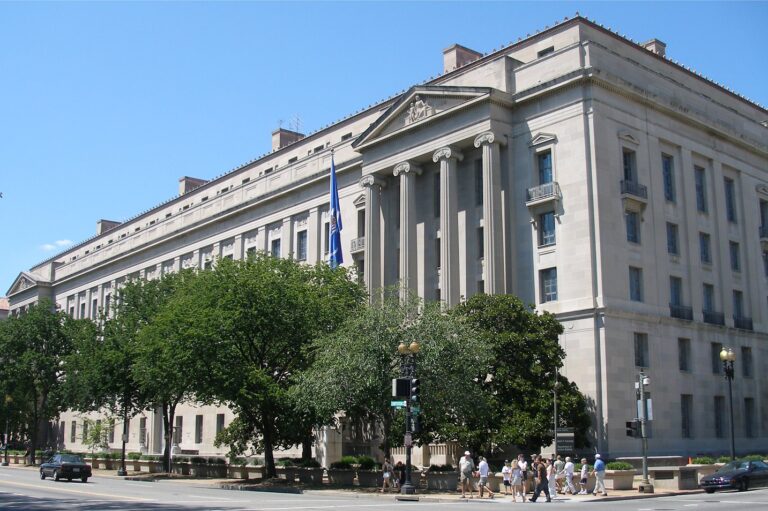
A secret Justice Department memo exposes a split between private and public reasons for recent missile strikes in the Caribbean. Officially, the White House has said these strikes aim to curb U.S. overdose deaths. However, the memo reveals a very different legal justification behind closed doors. It shows lawyers claimed the strikes defend Mexico and Colombia against violent drug cartels. This hidden legal justification casts doubt on public statements and raises tough questions about U.S. actions.

Hidden Rationale Behind the Strikes

Internally, administration lawyers argued that drug cartels are firing on Mexico and Colombia. They said these cartels use money from major cocaine shipments to buy weapons. From that view, any missile strike matches acts of war in response. The memo labels cartel members on boats as enemy fighters. It treats any civilian deaths as collateral damage—not murder. In essence, the classified opinion shifts the focus from saving American lives to aiding U.S. allies in battle.

Public vs Private Explanations

Publicly, the president keeps the focus on fighting overdose deaths at home. He explains that cocaine floods our streets and harms communities. He says the strikes reduce supply and stop more deaths. These remarks are the only reason most people have heard. Yet, insiders say the real legal justification relies on alliances with Mexico and Colombia, not U.S. health concerns. This mismatch worries critics who demand honesty from leaders.

Weak Spots in the legal justification

Law professors and former Justice Department officials say the theory is thin. First, no country has declared war on any cartel. Second, no foreign government has formally asked the U.S. to strike these drug shipments. Third, there is no clear proof cartels are using old attacks on government forces to justify a military response. In fact, one expert calls the legal justification a stretch. Moreover, he warns it could backfire if challenged in court or by international bodies.

The Role of the Pentagon and the USS Gerald R. Ford

The Pentagon has stayed silent on the report so far. At the same time, the USS Gerald R. Ford has just arrived in the Caribbean. This powerful aircraft carrier boost shows how serious the U.S. is about security in the region. It also raises questions about how far the military might go in future missions. Will the carrier launch more strikes under the same legal justification? Only time will tell.

Questions About Accountability

Critics ask who will answer if the strikes cross legal lines. If civilians die, will anyone face charges? Are there clear rules to decide when a drug shipment counts as an armed attack? In addition, observers wonder how Congress will react. Some members have already demanded briefings. They want to know if lawmakers approved this legal justification or even saw it.

Impact on U.S.-Mexico-Colombia Relations

Smaller nations often walk a tightrope between local cartels and major powers. By framing these actions as collective self-defense, the U.S. signals strong support for its neighbors. Yet, such a stance may alarm countries that fear foreign interference. Mexico and Colombia must decide whether to publicly back the secret rationale. Their response could shape future cooperation on security and drug control.

Balancing Transparency and Security

Governments sometimes keep legal opinions secret to protect tactics or sources. However, high-stakes actions like missile strikes demand transparency. Citizens need to trust that leaders act within the law. In this case, the difference between the public story and the hidden legal justification can erode that trust. Moreover, it may fuel critics who already see a lack of accountability in certain policy choices.

What Comes Next

Lawmakers are asking for more details. They want the full memo and any related documents. International groups may push for investigations into whether the strikes broke international law. Meanwhile, the public still hears only one explanation: stopping overdose deaths. Without clarity, debates will rage on. For now, the classified legal justification remains hidden, while the public listens to a different tale.

Why It Matters

This split matters because it shows how legal theories can shape real-world actions. When governments use secret rationales, people cannot fully assess or challenge decisions. Moreover, poor legal foundations can lead to diplomatic or legal blowback later. Therefore, understanding the true drivers of policy helps everyone—citizens, lawmakers, and allies—hold leaders accountable.

FAQs

What does the newly surfaced memo reveal?

It shows the Trump administration’s private legal justification for boat strikes, portraying them as acts of collective self-defense for Mexico and Colombia.

How does the public explanation differ?

President Trump has said the strikes aim to stop U.S. overdose deaths by reducing cocaine supply, not to defend foreign nations.

Why do experts call the legal theory shaky?

No state has declared war on a cartel, and no government officially requested U.S. strikes. There is little proof that cartels attacked those governments.

What might happen next?

Lawmakers may demand more documents. International bodies could investigate legal breaches. Public debate will continue until the full rationale is clear.

Why Hegseth’s Military Justice Threats Will Fail

0

Key Takeaways:

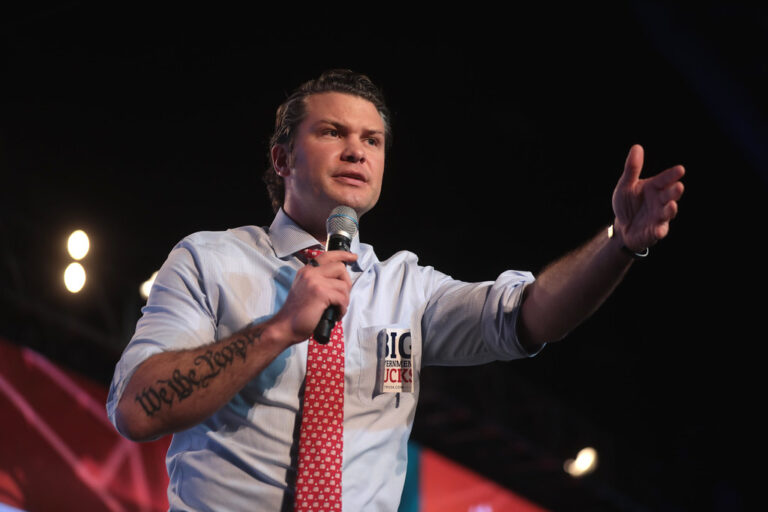
  • Secretary of Defense Pete Hegseth threatened court-martials over a lawmakers’ video.
  • MSNBC’s Chris Hayes says Hegseth’s public posts risk unlawful command influence.
  • Hegseth’s paper trail may undo any military case he starts.
  • Military justice rules ban leaders from swaying courts through public attacks.

Background on the Dispute

Last week, six Democratic lawmakers shared a video reminding active troops to refuse unlawful orders. Senator Mark Kelly stood out. He posted himself in uniform, vowing not to be bullied. In response, Secretary of Defense Pete Hegseth warned he might seek court-martials. He even mocked Kelly’s medal order on social media. This public feud has big risks for Hegseth.

Hegseth’s Public Attacks Create a Paper Trail

Chris Hayes on MSNBC pointed out that Hegseth left digital messages attacking Kelly’s uniform. Then he tied that attack to claims of sedition and broken discipline. By doing so, Hegseth openly explained why he wants military trials. In short, he created a record showing bias. Consequently, any charge may crumble under review.

What Is Unlawful Command Influence?

Unlawful command influence dates back to rules that protect fair trials. In the military, you must follow orders. Yet leaders may not pressure legal outcomes. If they do, courts can throw out cases. Hegseth’s posts could count as improper influence. He spoke as both a top civilian leader and a former officer.

How Military Justice Rules Block Hegseth

Military justice forbids commanders from swaying judges and juries. Public comments on pending cases are off-limits. Therefore, Hegseth’s tweets and posts could be seen as direct interference. Legal experts warn this would violate key protections. As a result, any court-martial could be dismissed.

Lessons from Past Political Cases

In recent years, political cases in civilian courts have failed under similar tactics. For instance, a special prosecutor in a high-profile revenge case overstepped bounds. Courts saw bias and threw out charges. Hayes compared that to what Hegseth is doing now. He noted the same mistakes can sink the Defense Department’s efforts.

Why These Threats Are Likely Dead

First, Hegseth’s public digs at Kelly’s medals show a personal vendetta. Second, military justice demands neutral handling of charges. Third, judges will review any bias before trial. Finally, the commander in chief’s stance shapes outcomes. If top leaders signal a target, legal safeguards kick in. In effect, Hegseth’s threats may backfire and end any case before it starts.

Conclusion

By launching a public campaign against lawmakers, Secretary Hegseth risked violating military justice rules. His comments traced out an improper influence path. Now, legal experts expect that path to undo any court-martial effort. In fact, this dispute shows how military law protects service members from biased prosecutions—even at the highest levels.

Frequently Asked Questions

What counts as unlawful command influence?

Unlawful command influence happens when leaders publicize views on a case. It pressures judges or juries. The rules ban it to keep trials fair.

Could Senator Kelly avoid any charges?

Given the public evidence of bias, a judge would likely dismiss charges early. Kelly’s defense can point to Hegseth’s posts as proof.

How do past cases inform this dispute?

Recent civilian prosecutions collapsed under similar bias claims. Courts rejected cases where leaders crossed legal lines. The military may follow that pattern.

What’s next for military justice here?

Lawyers will review Hegseth’s statements. If they find bias, they can move to block any court-martial. This case may set a strong warning for future leaders.

Why the Crime Crackdown Failed in D.C.

0

Key Takeaways:

• Local residents say the crime crackdown did more harm than good.
• Immigration raids took priority over stopping youth violence.
• Official claims of falling crime rates clash with daily experiences.
• Experts find it hard to link federal moves to local crime shifts.

Local Reactions to the Crime Crackdown

Ebony Payne speaks for many in Kingman Park. She says the crime crackdown felt like a show of force, not real help. Neighbors want safer streets. Yet they saw more ICE raids than youth programs. Payne notes anxiety rose, families split, and fear took hold. As a result, she doubts any real drop in crime.

A Focus on Immigration, Not Safety

At first, the administration said it would tackle violent crime. However, Payne explains people saw agents at doorsteps for immigration checks. “I realized that cracking down on crime really meant cracking down on immigrants,” she says. Meanwhile, teenagers needed support, not subpoenas. In addition, locals felt ignored when they asked for night lighting and basketball courts to keep kids busy.

What the Data Says About Crime Trends

President Trump claimed “no crime in D.C. anymore.” Yet city police logged seven violent incidents and 132 property crimes in just one day. Data expert Jeff Asher notes overall crime, gun violence, and murder are falling. However, he questions if any single rule or policy drove those numbers down. He points out similar trends across multiple cities, making it hard to prove the federal effort made a difference.

Community Needs vs. Federal Actions
Residents share a clear wish: safer neighborhoods with fewer guns. They also want fair policing and youth programs. Instead, they got checkpoints and deportation drives. Payne feels this mismatch highlights a basic error. Federal agents focused on immigration law, not local crime concerns. As a result, trust between cops and the community weakened.

Challenges in Measuring Success

It’s easy to claim victory when crime stats drop. Yet experts warn against oversimplifying. Many factors shape crime: job programs, weather, school attendance, and even holiday seasons. Therefore, linking one policy to broad crime declines is tricky. Furthermore, some crimes go unreported when people fear law enforcement. Thus, a sharp drop on paper may hide real struggles on the ground.

Community Voices Speak Up

Violet Jira’s report in NOTUS challenges the rosy federal picture. She shows crime still affects every ward in D.C. People describe broken windows, stolen bikes, and nighttime scares. They crave real fixes—more lighting, youth sports, and street patrols that build trust. In turn, these measures help prevent crime before it happens. Sadly, locals feel these common-sense solutions were sidelined.

Young People Left Out

One major gap in the crime crackdown was youth support. Teens facing peer pressure, mental health struggles, and gang influence needed mentors and fun activities. Instead, they saw police vans and ID checks. Payne says this drove some teens deeper into risky circles. “If you don’t give kids hope, they fill the void with danger,” she warns. Thus, solving crime calls for prevention, not just punishment.

Searching for Real Solutions

Many cities use community policing and outreach to cut crime. They hire officers who know local families. They fund after-school clubs and job workshops. They also invest in mental health counselors. These steps reduce violence by tackling root causes like poverty, boredom, and trauma. By contrast, a heavy-handed crackdown ignores these needs.

Building Trust Between Police and Citizens
Trust breaks down when people see law enforcement as an enemy. When neighbors fear random stops, they stop calling 911. They hide crimes and stay indoors. On the other hand, when police attend block parties and listen at town halls, people open up. They share tips, report threats, and help keep the peace.

Looking Ahead: What Communities Want

Residents ask for a seat at the table. They want town halls with officers and city leaders. They want data shared openly, not spun for headlines. They want youth jobs and safe recreation spaces. They want fair training for law enforcers on bias and trauma. Ultimately, they want a real partnership to cut crime.

Key Steps for a Better Approach

First, fund youth centers and sports leagues. Next, add street lights and clean up parks. Then, expand community policing with local hires. Also, offer job training and counseling in schools. Finally, use clear data to track progress and build trust.

Conclusion

The federal crime crackdown aimed to make D.C. safer. Yet many locals felt it swung in the wrong direction. Instead of focusing on youth and community-led solutions, the plan relied on immigration enforcement. As a result, trust fell and real needs went unmet. To truly cut crime, leaders must listen to the people on the ground. They must blend smart policing with strong social supports. Only then can a city shine with safety and hope.

FAQs

What changes can help D.C. lower crime in meaningful ways?

How can residents and law enforcers build real trust?

What role should youth programs play in community safety?

How can data guide fair and effective crime-fighting strategies?

Trump’s Micromanagement of White House Ballroom

0

Key takeaways

  •  President Trump is deeply involved in redesigning the White House ballroom.
  •  His hands-on approach has strained relations with architect James McCrery II.
  •  Critics worry about a lack of public input and excessive private donations.
  • Lawmakers have introduced bills to limit outside funding for White House projects.

President Trump has taken unprecedented control over the White House ballroom overhaul. He meets regularly with his chosen architect, James McCrery II, demanding design tweaks and material changes. This intense involvement has raised eyebrows among preservationists and some administration insiders.

Why the White House Ballroom Matters

The planned ballroom will sit in the East Wing. Officials say the space will host world leaders and major events for generations. However, opponents argue that renovating such a historic site needs more transparency. They worry that donor dollars and private tastes could override public interest.

A Personal Vision Takes Center Stage

Trump’s taste for gold and bold patterns shines through the ballroom plans. He insists on specific chandeliers and custom moldings. Consequently, McCrery’s team faces constant revisions. One official described how a scale model now sits in the Oval Office as a regular talking point. Trump’s schedule includes frequent reviews, sometimes multiple times a week.

However, this level of detail work verges on micromanagement. Administration insiders admit that Trump often steps beyond big-picture decisions. He weighs in on paint swatches and carpet textures. As a result, construction timelines slip and tensions rise.

Conflict with the Architect

Architect James McCrery II signed on believing he would steer the project’s historic side. Yet, he finds himself revising plans under Trump’s intense supervision. McCrery’s original vision balanced preservation with modern needs. In contrast, Trump pushes a “gilded aesthetic” drawn from his real estate past.

Many preservation experts worry Trump’s approach will erase key historic elements. They argue that a committee of historians and architects should guide the renovation. So far, Trump has paid little heed to those warnings. Instead, he prefers private sessions where he can shape every detail.

Funding and the ‘Who’s-Going-to-Stop-Me’ Ethos

The ballroom costs near two hundred million dollars. Trump claims generous donors and “patriot contributors” fully cover it. Yet, critics see a pay-to-play scenario at the heart of the funding. Connecticut Senator Richard Blumenthal warned the White House looks “for sale” to the highest bidder.

Moreover, Democrats in Congress have reacted. Senator Elizabeth Warren introduced the Stop Ballroom Bribery Act. Her bill would limit private funds for White House projects. It also demands public hearings before major renovations. Warren insists these measures are vital to maintain trust and transparency.

Tensions Grow Over Public Input

Preservation groups and some lawmakers say the ballroom plan lacked public review. They point out no community meetings occurred before donor pitches. As a result, these groups suspect the project reflects a personal whim rather than a national priority.

Administration officials defend the pace. They say fast action prevents cost overruns and delays. They also stress that Trump’s donors freed taxpayers from footing the bill. Nevertheless, the absence of open forums still bothers many observers.

A Model of Controversy in the Oval Office

Inside the Oval Office sits a detailed model of the ballroom design. Videos show Trump reviewing its columns and chandeliers with aides. This prop underscores his desire to shape each element. Meanwhile, the architect scrambles to present updates on short notice.

Such regular meetings highlight a conflict between top-down leadership and professional expertise. Observers note that past presidents left design matters to appointed teams. In contrast, Trump’s style mirrors his real estate career, where he often micromanaged builds.

What Happens Next?

Construction must finish before 2029, when Trump’s term ends. Given the current pace, workers face a tight schedule. They must demolish parts of the East Wing, install new framing, and add custom finishes.

Critics will watch progress closely. If the project overruns budget or timeline, opponents will cry foul. Conversely, Trump will likely hail the ballroom as a grand legacy. He may hold a dramatic unveiling to showcase his personal stamp on the White House.

History could judge this renovation in two ways. It might become a celebrated modern upgrade or a cautionary tale of overreach. Either way, the White House ballroom story shows how deeply a president can shape America’s most famous residence.

Frequently Asked Questions

What is driving the controversy over the White House ballroom?

The debate stems from President Trump’s hands-on approach and heavy reliance on private donors. Critics worry about public input and preservation experts being sidelined.

How much will the ballroom cost, and who pays?

The project is estimated at around two hundred million dollars. Trump says donor contributions will cover nearly all expenses, saving taxpayer funds.

Why are lawmakers introducing new legislation?

Some senators want to stop outside money from influencing White House renovations. They’ve proposed acts to enforce public hearings and donation limits.

When will the ballroom project be completed?

Construction aims to finish before 2029. However, frequent design changes and demolition work could push deadlines.

Trump’s Health Insurance Plan May Leave Many Out

0

Key Takeaways:

  • Trump’s plan could freeze many people out of health insurance.
  • Experts call the proposal too simple for a complex problem.
  • Ending ACA subsidies may hike costs for everyday Americans.
  • GOP leaders face a political trap before midterm elections.
  • Delay in a clear answer leaves families worried about coverage.

A new health insurance proposal from the Trump administration has sparked big worries. The plan would repeal the Affordable Care Act so people can “negotiate and buy their own, much better, insurance.” However, critics say it could shut millions out. In fact, a prominent economic writer warned that many would find themselves without any coverage at all.

Why the health insurance plan worries experts

First, the plan hopes to end existing subsidies that help people pay premiums. Yet, without a clear replacement, costs could skyrocket. One analyst pointed out that a 55-year-old man with diabetes might not find affordable coverage. Instead, he could be left with no option but to skip insurance entirely. Therefore, the policy seems to favor healthier, younger buyers. Meanwhile, older or sicker individuals could face huge bills or no plans at all.

How ending ACA subsidies affects costs

The Affordable Care Act offers tax credits that lower monthly payments for many families. When those credits expire, insurance firms may raise prices sharply. As a result, everyday Americans risk paying hundreds more each month. Also, some could lose coverage because they cannot afford the new rates. In turn, hospitals and emergency rooms might see more uninsured patients. That could push up healthcare costs for everyone.

The political showdown over health insurance

Republican leaders now sit in a tough spot. They have spent years attacking the ACA. Yet, if they extend the subsidies, they admit the law’s value. They would anger conservative voters who want the ACA gone. On the other hand, if they let the subsidies expire, millions face higher costs. That could become a hot topic in next year’s midterm elections. Hence, the administration delayed its final decision as it weighs both paths.

Complicated choices in simple terms

Fixing health insurance is not easy. It means balancing costs for healthy and sick people. It also means protecting those with pre-existing conditions. Meanwhile, families want stable prices and wide doctor networks. A top writer said that solving this puzzle requires careful planning. Yet, the president’s style often avoids complex fixes. Instead, he seems to prefer quick ideas that may not cover everyone.

What might come next

At this point, citizens can expect more debate. Lawmakers may push for short-term extensions of tax credits. They could add new rules to help older adults afford coverage. Alternatively, they might introduce block grants to states to fund insurance. Each option brings trade-offs. For example, block grants give states more control but could lead to big differences in coverage by region. Therefore, where you live might matter more than ever.

Families should watch for announcements in the coming weeks. Insurers must set their rates early next year. As a result, any policy change must be clear soon. Otherwise, people cannot pick the right plans during the open-enrollment period. For many, this is their only chance to secure health insurance for the year.

Staying informed and ready

If you buy insurance on your own, check your current plan’s subsidy details. Find out how much you are paying now and what might change. Also, explore alternative plans, including short-term policies. Although these often lack full coverage, they cost less. Finally, consider reaching out to a local advisor for personalized guidance.

In short, the health insurance question remains urgent. People want real answers, not just slogans. As this debate unfolds, families must plan carefully to avoid losing coverage.

Frequently Asked Questions

How will ending ACA subsidies affect my monthly premium?

If the tax credits end, your monthly cost could rise dramatically. For many, premiums could double or even triple. It depends on your age, health status, and location.

Can a 55-year-old with diabetes find affordable coverage?

Under the new plan, someone in this situation may struggle. Without strong protections, insurance for people with chronic illness could become very expensive.

Why are Republicans hesitant to extend the credits?

Extending credits means backing part of the ACA, a law they have long opposed. Yet, letting them lapse risks angry voters facing high health costs before elections.

What steps can I take now to protect my coverage?

First, review your current subsidy and premium costs. Second, compare all plan options during open enrollment. Finally, talk to an insurance advisor to find plans that fit your needs.

Is Trump Fatigue Revealing Hard Truths?


Key Takeaways:

  • Reports show signs of Trump fatigue in fewer public events.
  • The president’s hand bruise raises new health questions.
  • Experts say aides craft a fiction to hide real aging effects.
  • The White House insists Trump stays in impressive shape.
  • Sharp drop in appearances sparks fresh debate.

Understanding Trump Fatigue

People across the country have noticed a shift in President Trump’s pace. Recently, investigative reports have pointed to clear signs of Trump fatigue. In fact, his schedule shows fewer meetings and late starts. These details fuel fresh questions about his energy and stamina.

Signs of Trump Fatigue in Public Life

Investigators found that Trump made 1,688 public events in his first term’s first ten months. So far in the second term, he has done just 1,029. That marks a drop of 39 percent. Moreover, most of his official events now begin after 12pm, not at the earlier 10:30am slot. These simple changes tell a story of slower days and possible Trump fatigue.

Experts Speak on Trump Fatigue

Matthew Dallek, a political historian, sees big similarities with past presidents. He says those close to Trump, like Biden’s aides, act as if they live in a fantasy. They have built a fiction around Trump’s health. In his view, this cover-up hides the hard truth: Trump is 79 and one of the oldest commanders in chief. Dallek’s words highlight deep concerns over Trump fatigue.

White House Response to Fatigue Claims

Despite the growing buzz, the White House pushes back hard. Karoline Leavitt, the press secretary, says Trump shows clear signs of strength. She points to two detailed reports from his physician. Those reports, she claims, prove his ongoing health plan keeps him both physically and mentally sharp. Moreover, Leavitt insists people see his “unrelenting work ethic” at each public event.

Smoke and Mirrors Around Trump Fatigue

Dr. Jeffrey Kuhlman, who served as White House physician from 2000 to 2013, begs to differ. He calls the positive spin “smoke and mirrors.” He says the media clips show Trump moving well. Yet, behind closed doors, he sits for long stretches in the Oval Office. Dr. Kuhlman warns that watching a short video cannot show the full picture of Trump fatigue.

The Bruised Hand and Hidden Concerns

Recently, Trump was seen with a bruised right hand. That simple mark drives speculation about injuries or other health issues. Some wonder if he hurt it slipping on stairs. Others worry about deeper problems. In a way, the bruise became a symbol of how small signs fuel big questions about Trump fatigue.

Late Mornings and Changed Routines

Beyond visible bruises and fewer events, the president’s daily routine has shifted. Instead of the earlier schedule, his events now start in the afternoon. This later start may help him rest or avoid morning media. Yet, it also adds to talk of Trump fatigue. Critics argue that a slowed pace undermines the image of high energy he once projected.

What Lies Behind the Scenes

Dr. Kuhlman urges people to consider what really happens once Trump enters the Oval Office. He notes that cameras rarely follow him to private spaces. Thus, public clips could hide long periods of rest or low activity. He stresses that real insight into Trump fatigue requires more than a public snapshot.

Implications of Trump Fatigue

If Trump fatigue is real, it could shape his decision making. Slower days might mean fewer briefings or less travel. That, in turn, can affect policy and diplomacy. Moreover, voters who care about a leader’s stamina may grow uneasy. Thus, debates over Trump fatigue are more than idle talk. They tie directly to how the country sees its president leading.

Moving Forward: Watchful Eyes

As the term continues, many will watch for signs of Trump fatigue. Every late start or missed meeting might add to the narrative. At the same time, the White House will likely keep defending the president’s energy. In this tug of war, one thing remains clear: questions about Trump fatigue are not going away soon.

Frequently Asked Questions

Why do experts use the term Trump fatigue?

Experts call it Trump fatigue to describe the president’s slower pace, from fewer speeches to late starts, suggesting reduced energy.

What does the White House say about fatigue claims?

The White House insists President Trump stays in impressive physical and mental shape, backed by detailed doctor reports and visible work ethic.

How significant is the drop in Trump’s public events?

The drop is 39 percent: from 1,688 events in the first term’s first ten months to 1,029 so far in the second term.

Could the bruised hand point to serious health issues?

While a bruise alone may not show serious problems, it fuels speculation. Experts say it highlights small signs that shape the larger debate on Trump fatigue.

Trump Thanksgiving Sparks Kimmel’s Scathing Monologue

Key Takeaways

  • President’s Thanksgiving address included odd turkey names and personal insults.
  • Jimmy Kimmel used his monologue to mock President’s strange remarks.
  • Trump’s comments attacked Chicago’s mayor and Illinois governor.
  • His plan to change ACA subsidies sparked backlash from lawmakers.

Jimmy Kimmel opened his show by shredding the President’s latest Thanksgiving speech. In just a few minutes, he highlighted bizarre moments and harsh insults. He focused on odd turkey names, personal jabs, and confusing health‐care comments. Throughout the bit, Kimmel’s audience reacted with boos and laughter. This all happened during the annual turkey pardon event. Clearly, the “Trump Thanksgiving” mood was anything but festive.

Unusual Turkey Names Upset Kimmel

First, the President revealed he wanted to name the pardoned turkeys “Chuck and Nancy.” Seemingly, he meant to mock Senate leader Schumer and Speaker Pelosi. Kimmel paused and asked if Trump had lost his mind. Then he joked that naming turkeys after politicians sounded like a high school prank. The host pointed out the oddity of mixing holiday fun with partisan digs. Indeed, the “Trump Thanksgiving” turkey choice became the night’s first punchline.

Personal Jabs at Chicago’s Leaders

Next, Trump took aim at Chicago’s mayor and Governor Pritzker. He called the mayor “low IQ” and “incompetent.” Then he called the governor a “big fat slob.” The live audience booed loudly at those words. Kimmel played a clip of Trump stumbling over a Pritzker “weight joke.” In it, Trump refused to insult the governor’s size, then did exactly that. The host wondered if the President had short‐term memory issues. Clearly, these attacks spoiled the holiday spirit.

Kimmel Mocks Trump’s Forgetful Insults

Moreover, Jimmy pointed out how Trump claimed no murders happened in Washington D.C. under him. In reality, 62 murders took place in the past six months. Kimmel quipped that this showed a vivid imagination. He added that Trump also insisted he was so thin he could comment on others. The host then joked, “Do you ever look in a mirror and say, ‘I’m thin enough to mock fat people’?” Through these lines, Kimmel captured the odd mix of boasting and blinders.

ACA Subsidies Plan Fires Backlash

Meanwhile, Trump introduced new ideas about ACA subsidies. He said he’d rather not extend them than extend by two years. He said he wanted to give those health‐care funds “directly to the people.” That comment alarmed some Democratic and even a few Republican representatives. They warned that letting subsidies expire would affect 20 million Americans. U.S. Representative Kathy Castor blasted the timing on social media. She mocked the President’s plans just days before Thanksgiving.

Reactions from Lawmakers and Public

After the speech, some lawmakers called the plan reckless. They argued that ending subsidies would hike insurance costs. In turn, families could lose vital coverage. On the other side, Trump supporters praised his direct approach. They said the move would force lawmakers to act on health care. However, experts noted it might lead to court battles. Also, poll numbers suggested many Americans worry about losing ACA help. Thus, the “Trump Thanksgiving” speech stirred both cheers and fears.

What It Means for Thanksgiving Politics

Ultimately, this event showed how politics now dominate holiday traditions. Instead of focusing on gratitude, the President used the stage to attack. As a result, comedians like Jimmy Kimmel seized the chance to criticize. This trend reveals how deeply divided the nation remains. Moreover, health‐care disputes now blend with festive occasions. Looking ahead, such clashes could grow as we approach the next election. Therefore, this Thanksgiving felt more like a political roast than a celebration.

Conclusion

In a year full of tension, the “Trump Thanksgiving” speech added fuel to the fire. With odd turkey names, mean insults, and health‐care drama, it delivered plenty of material. Jimmy Kimmel’s monologue turned these moments into sharp comedy. Regardless of politics, viewers saw a president willing to mix holiday cheer with attacks. Meanwhile, the fallout from his ACA subsidy plan could affect millions. As families prepare their own dinners, the broader debate over health care and civility continues.

What sparked Jimmy Kimmel’s segment on the President’s Thanksgiving address?
He reacted to the President’s unusual turkey names, personal insults, and ACA subsidy plan.

FAQs

Why did Trump want to name the turkeys “Chuck and Nancy”?

He appeared to mock two prominent Democratic leaders, though it seemed more like a prank.

How would ending ACA subsidies affect Americans?

Experts warn that cutting subsidies could raise insurance costs and risk coverage for millions.

What did Representative Kathy Castor say about the plan?

She criticized the timing and suggested health care wasn’t the President’s priority before Thanksgiving.

Why Trump Throws Weight Behind Matt Van Epps

Key Takeaways

  • President Trump fully endorses Matt Van Epps.
  • Van Epps faces a complaint over a campaign ad uniform.
  • Early in-person voting ends December 1 ahead of the special election.
  • Supporters are urged to help Van Epps win Tennessee’s 7th District seat.

President Trump posted on his social network platform this week. He urged all America First Patriots in Tennessee to vote for Matt Van Epps. He wrote that Van Epps has his “Complete and Total Endorsement.” Trump added that voters can win this election for Matt Van Epps if they act now.

Uniform Ad Complaint Hits Matt Van Epps

A complaint says Van Epps broke military rules in a recent ad. The ad shows him in his U.S. Army uniform with patches and insignia removed. Critics say this breaks Department of Defense rules that ban political activity in uniform. They warn the ad could mislead voters into thinking the military officially backs him.

Van Epps Campaign Pushes Back

Matt Van Epps serves as a lieutenant colonel in the Tennessee National Guard. He also flew helicopters in the Army. His campaign called the complaint “desperate nonsense.” They say Van Epps followed all rules and simply honored his service. The campaign insists he did not try to mislead anyone.

Race Enters Final Voting Days

Early in-person voting ends on Wednesday in Tennessee’s 7th District. The special election falls on December 2. With only days left, both sides are working hard. Trump’s endorsement aims to boost Van Epps turnout in conservative areas. Meanwhile, opponents focus on highlighting flaws in his campaign ad.

What the Complaint Alleges

A Tennessee veteran filed the complaint last month. He argues Van Epps “flagrantly flouted” uniform rules. He also calls the ad “misleading and inappropriate.” Furthermore, he finds it “very disturbing” for someone seeking office to appear in uniform. He says voters may wrongly assume official military backing.

Why the Endorsement Matters

Trump’s backing can sway undecided voters in a tight race. Moreover, the former president has a strong base in Tennessee. His call to action could drive higher turnout for Van Epps. At the same time, critics say the ad issue shows a lack of judgment. Therefore, both sides see this as a make-or-break moment.

Campaign Strategies on the Ground

The Van Epps team focuses on direct voter contact. They knock on doors and hold small rallies. They also air TV and radio spots without uniform images. Opponents point to the ad complaint in every speech. They use social media posts to highlight the alleged rule breach.

Voter Concerns and Opinions

Local voters express mixed views on the uniform issue. Some say seeing a candidate in uniform shows honor and service. Others worry it blurs the line between military and politics. In addition, some voters focus more on policy than on ad style. Yet many admit Trump’s endorsement catches their attention.

Key Issues in the Race

Beyond the uniform ad, major topics drive this election. Voters worry about the economy, inflation, and healthcare. They also debate energy policy and national security. Van Epps emphasizes strong border control and small business support. His opponents push for healthcare expansion and green energy plans.

What’s Next for Matt Van Epps

With early voting ending soon, Van Epps needs a surge. He must convert Trump’s endorsement into actual votes. His team plans a final push through weekend events. They will target areas with low turnout so far. Meanwhile, the complaint could linger as a talking point.

Outlook for the Special Election

If Van Epps wins, Republicans hold the seat and boost their majority. If he loses, Democrats celebrate a rare pickup in a red state. Either way, the outcome will signal voter mood ahead of next year’s big races. Therefore, both parties will watch closely as votes are counted.

Frequently Asked Questions

What is the uniform complaint about?

The complaint says Van Epps violated Defense Department rules by wearing his uniform in a political ad. It argues this could mislead voters into thinking the military endorses him.

What did Trump say about Matt Van Epps?

On his social platform, Trump urged his followers to vote for Matt Van Epps. He called Van Epps a “MAGA Warrior” and said he has his complete backing.

When does early in-person voting end?

Early in-person voting in Tennessee’s 7th District ends on Wednesday, December 1. The special election takes place on December 2.

What happens if Van Epps wins the special election?

If Matt Van Epps wins, Republicans keep control of the seat. They also strengthen their position in Congress ahead of next year’s races.

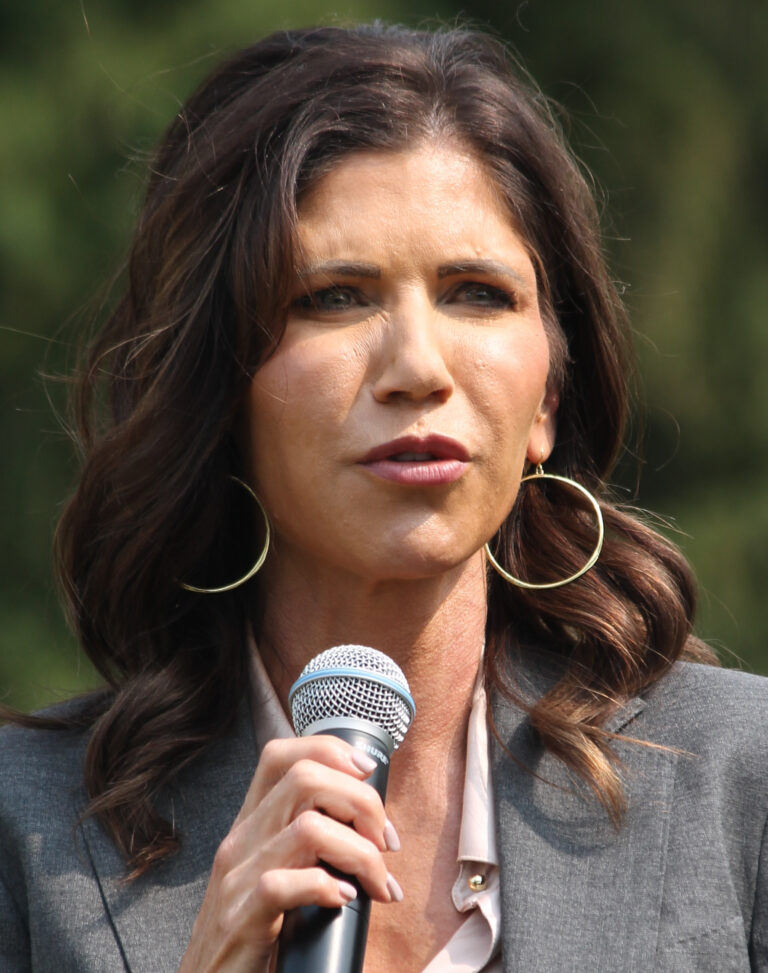
Kristi Noem Approved Secret Deportation

0

Key Takeaways

• Kristi Noem ordered 100 Venezuelan men sent to a notorious El Salvador prison.
• She moved ahead despite a federal judge’s order to keep them in U.S. custody.
• DOJ says Noem relied on top officials’ legal advice to justify her decision.
• The men spent months in harsh conditions before a prisoner swap brought them home.
• Judge Boasberg now seeks to hold officials in contempt for defying his order.

The Dramatic Order

In March, 100 Venezuelan men were rounded up in the United States. Then Homeland Security Secretary Kristi Noem gave the green light to deport them. A federal judge had already ordered that they remain in U.S. custody. Yet, Noem moved ahead. She had been told that once the planes left U.S. airspace, the judge’s order no longer applied. As a result, the men landed in a notorious El Salvador prison.

Legal Advice and Court Clash

At the heart of the controversy was legal guidance from the Justice Department. Deputy Attorney General Todd Blanche and other top officials told Noem the judge’s order did not bind them after the flights departed. Therefore, Noem argued she acted lawfully. She said she followed a reasonable interpretation of the judge’s words. Meanwhile, lawyers for the Venezuelan men scrambled to stop the flights. They feared the prison conditions in El Salvador were brutal. Despite their efforts, Noem’s decision stood.

Harsh Conditions and Return

Once in El Salvador, the 100 men faced harsh treatment. They spent months locked in overcrowded cells. They had limited access to medical care and legal help. Finally, the U.S. government helped broker a prisoner swap. All of the men returned safely to Venezuela. However, the ordeal left them shaken and their lawyers furious. They say Noem denied the men basic due process. They believe her decision violated both U.S. law and human rights standards.

Judge’s Next Steps

U.S. District Judge James Boasberg is not letting this go. He first asked the government to name who ordered the operation. Now that DOJ has disclosed Kristi Noem’s role, Boasberg is resuming his bid to hold officials in contempt. He wants to uncover the full chain of command behind the mass deportation. The judge made clear he will investigate every step taken that day. He told the government to assist him as much as possible.

Why This Matters

First, this case tests the limits of presidential war powers at home. President Trump had used war powers to label the men as members of a gang. Then he invoked a Civil War–era law to detain them. Next, the deportations raised questions about judicial authority. Can a court block a deportation once a flight takes off? Moreover, human rights groups warn this decision sets a troubling precedent. They fear other officials might ignore court orders with similar legal advice.

Reactions and Fallout

Critics of Kristi Noem say she put politics above people. They argue she treated the men as pawns in a tough-on-crime narrative. Supporters of Noem praise her for standing firm and following legal advice. They claim she acted under extreme time pressure and complex rules. Meanwhile, lawmakers in Congress have called for hearings. They want to know if any laws were broken. Also, they question whether the Justice Department rushed its opinions to back the deportation.

Looking Ahead

The contempt fight will play out in Judge Boasberg’s courtroom. If the judge finds officials in contempt, they could face fines or other penalties. That decision could also shape future fights over immigration and national security. Moreover, the case shines a spotlight on the power of a cabinet secretary. It shows how one official can change lives in an instant. Finally, everyone will watch whether Kristi Noem faces any political or legal consequences.

FAQs

What legal basis did Kristi Noem use to justify the deportations?

She relied on advice from top DOJ officials who said the judge’s blocking order ended once the planes left U.S. airspace.

How long did the Venezuelan men stay in the El Salvador prison?

They remained there for months under harsh conditions until a U.S.-brokered prisoner swap returned them to Venezuela.

What could happen if officials are held in contempt?

They might face fines or be ordered to comply with court demands, setting a precedent for future disputes.

Why did Judge Boasberg call the mass deportation unprecedented?

He saw it as a dramatic move that ignored a clear court order, raising serious questions about separation of powers.