

65.9 F
San Francisco
Friday, June 5, 2026
Home Blog Page 19

Abdul Carter Sparks Giants’ Controversy By Criticizing Jaxson Dart’s Trump Rally Appearance

Quick Summary: Abdul Carter Sparks Giants’ Controversy By Criticizing Jaxson Dart’s Trump Rally Appearance

  • Abdul Carter publicly criticized Jaxson Dart for appearing with Trump, framing it as a team representation issue.
  • Carter emphasized that Dart’s actions reflect on the entire Giants team, not just himself.
  • The controversy began when Dart introduced Trump at a rally, leading to Carter’s social media rebuke.
  • Despite public gestures of reconciliation, the core disagreement between Carter and Dart remains unresolved.
  • Giants’ leadership held meetings to manage the fallout and maintain locker-room discipline.

In a bold move that has rocked the Giants’ locker room, linebacker Abdul Carter didn’t hold back when he publicly criticized quarterback Jaxson Dart for appearing at a rally with Donald Trump. Carter’s stance was clear: Dart’s actions were not just a personal choice but a reflection on the entire team. This isn’t just about politics; it’s about what it means to represent the Giants.

Carter’s criticism came swiftly after Dart introduced Trump at a rally, a move that went viral and sparked immediate backlash. Carter took to social media to express his disapproval, stating that Dart’s association with Trump was a serious mistake. The issue quickly escalated from online debates to locker-room discussions, highlighting a deep divide within the team.

Despite attempts to publicly downplay the tension, the disagreement between Carter and Dart remains unresolved. The Giants’ leadership has been forced to step in, holding meetings to address the situation and emphasize the importance of keeping internal matters out of the public eye. This controversy isn’t just about Trump; it’s about maintaining team unity and discipline in the face of political differences.

As the Giants navigate this complex situation, the broader implications are clear. This isn’t just a sports story; it’s a reflection of the challenges teams face when politics and sports collide. The decisions made in the coming weeks will shape the team’s dynamics and potentially set a precedent for how similar issues are handled in the future.

According to multiple reports, Carter initially reacted online after realizing the video was real, questioning what Dart was doing and making clear he saw the appearance as a serious mistake. AP reported that Carter embraced Dart after the quarterback read a statement about introducing Trump, but Carter still followed that gesture with a pointed rebuke.

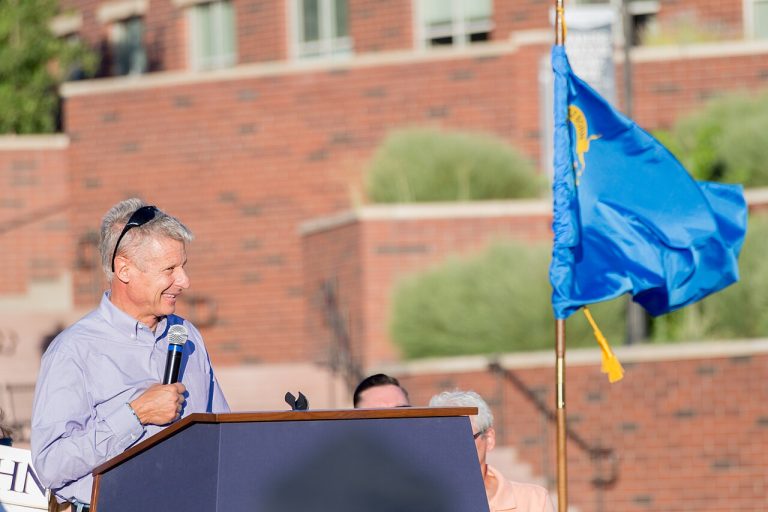
Sports Illustrated and Yahoo Sports both reported that the team held an air-clearing meeting after Dart’s Trump appearance, with at least one theme being the need to keep frustrations “internal” rather than airing them publicly. Jaxson Dart, the 23-year-old Giants quarterback and former Ole Miss passer, made the original political move by introducing Trump at the rally.

The sharpest revelation from the latest reporting is that Carter framed the dispute as an issue of team representation, not just personal politics. The conflict began to escalate last week after Dart introduced Trump at a New York rally for Republican Rep.

Mike Lawler, a moment that went viral and triggered Carter’s social-media rebuke. The debate then shifted from social media to the locker room, with NBC Sports reporting that the tension was expected to dominate discussion when the Giants resumed organized team activities.

A notable twist in this week’s reporting is that Carter and Dart apparently tried to lower the temperature publicly without actually retreating from their positions. Carter also made clear he was not asking for surrender from his teammate, saying in the latest coverage that the issue was mutual acceptance of political differences rather than an apology.

Despite public gestures of reconciliation, the core disagreement between Carter and Dart remains unresolved. Giants’ leadership held meetings to manage the fallout and maintain locker-room discipline.

This isn’t just about politics; it’s about what it means to represent the Giants. Carter’s criticism came swiftly after Dart introduced Trump at a rally, a move that went viral and sparked immediate backlash.

The scale and speed of this development has caught many observers off guard. Each new update adds another dimension to a story that is still unfolding, and the full picture will only become clear as more verified details emerge from the people and institutions directly involved.

Analysts who have tracked this issue closely say the current moment represents a genuine turning point. The decisions made in the coming weeks are expected to set the direction for months ahead, with ripple effects likely to extend well beyond the immediate actors in the story.

For those directly affected, the practical impact is already visible. People navigating this fast-changing situation are dealing with real consequences while new information continues to reshape what is known and what remains open to interpretation.

Historical parallels offer some context, though experts caution against drawing too close a comparison. Similar situations have played out before, but the specific combination of pressures, personalities, and timing here makes this moment distinct in ways that matter for how it ultimately resolves.

The political and economic dimensions of this story are deeply intertwined. What appears as a single event on the surface is in practice the convergence of multiple pressures that have been building quietly over a longer period than most public reporting has captured.

Read more on Digital Chew

Measure E Sparks Heated Debate in Oakland Over New Parcel Tax and Fiscal Policy

Quick Summary: Measure E Sparks Heated Debate in Oakland Over New Parcel Tax and Fiscal Policy

  • Alameda County’s vote centers are open for the June 2, 2026 Direct Primary Election, with registration closing on May 18, 2026.
  • Measure E proposes a new Oakland parcel tax for public safety and services, sparking debate over its legitimacy and necessity.
  • The measure can pass with a simple majority due to its union-backed signature drive, bypassing the two-thirds threshold.
  • Oakland’s political landscape is divided, with Measure E seen as a test of fiscal policy and governance.
  • The district attorney race could be decided outright if a candidate wins over 50% of the vote, eliminating a November runoff.

Oakland’s June 2 primary election is more than just a routine civic exercise; it’s a battleground for the future of the city’s fiscal policy and governance. At the heart of the controversy is Measure E, a proposal for a new parcel tax aimed at funding public safety and city services. The measure has ignited fierce debate, with critics accusing the city and SEIU Local 1021 of orchestrating a ‘citizen-sponsored’ campaign to sidestep the usual two-thirds majority requirement.

The stakes are high, as the measure can pass with a simple majority due to its union-backed signature drive, a procedural maneuver that has intensified the political climate. Proponents argue that Measure E is essential for addressing Oakland’s budgetary strains, while opponents see it as an end-run around voter protections. This tension reflects a broader argument over whether City Hall has a revenue problem, a spending problem, or both.

Adding to the election’s significance is the Alameda County district attorney race, where a candidate could win outright if they secure more than 50% of the vote, potentially reshaping the county’s prosecutorial landscape. With voting already underway, the final days before the election are less about persuasion and more about turnout and ballot returns.

Alameda County’s official election site said 4-day vote centers are open for the June 2, 2026 Direct Primary Election, and the last day to register for this election was May 18, 2026. Measure E, the “2026 Public Safety & Cleanliness Act,” would impose a new Oakland parcel tax to fund public safety programs and city services, and critics have argued that the city and SEIU Local 1021 effectively engineered a “citizen-sponsored” campaign to avoid the tougher two-thirds threshold that would normally apply to a government tax measure.

Election Day is Tuesday, June 2, 2026, and if no county candidate clears 50%, the top two would move on to November; if someone does, the race ends this week. Measure E is being sold as a public-safety-and-services fix at a moment when Oakland politics remains consumed by budget strain, and even advocacy material framing the case for change points to the city’s roughly $2 billion annual budget.

Oakland Voices described the campaign as a choice among “three visions for reform and public safety,” and the stakes are unusually immediate because, as Oakland Rising noted in its voter guide, county races like district attorney can be decided outright on June 2 if one candidate wins more than 50% of the vote, eliminating any November runoff. In one closely watched criminal-justice shift, reporting this year found that Jones Dickson moved to withdraw at least four resentencing motions that had been filed under Price in death-penalty-related cases, signaling a more cautious line on resentencing than her predecessor.

That procedural twist is what makes the final days of this race unusually charged. That means late undecided voters are not just shaping who advances; they may be choosing the DA outright this week.

A lawsuit described in recent local coverage says the case concerns “a coordinated and deeply troubling effort” by the city to evade California’s rules on tax measures by outsourcing the qualification drive, a claim that goes to the heart of the campaign’s legitimacy. In practical terms, voters are being asked to decide in the same election whether to relieve some business taxes while also potentially creating a new parcel-tax stream for government services, a tension that has fueled the broader argument over whether City Hall has a revenue problem, a spending problem, or both.

Measure E is being sold as a public-safety-and-services fix at a moment when Oakland politics remains consumed by budget strain, and even advocacy material framing the case for change points to the city’s roughly $2 billion annual budget. Oakland Voices described the campaign as a choice among “three visions for reform and public safety,” and the stakes are unusually immediate because, as Oakland Rising noted in its voter guide, county races like district attorney can be decided outright on June 2 if one candidate wins more than 50% of the vote, eliminating any November runoff.

In one closely watched criminal-justice shift, reporting this year found that Jones Dickson moved to withdraw at least four resentencing motions that had been filed under Price in death-penalty-related cases, signaling a more cautious line on resentencing than her predecessor. Oakland’s June 2 primary election is more than just a routine civic exercise; it’s a battleground for the future of the city’s fiscal policy and governance.

The scale and speed of this development has caught many observers off guard. Each new update adds another dimension to a story that is still unfolding, and the full picture will only become clear as more verified details emerge from the people and institutions directly involved.

Analysts who have tracked this issue closely say the current moment represents a genuine turning point. The decisions made in the coming weeks are expected to set the direction for months ahead, with ripple effects likely to extend well beyond the immediate actors in the story.

For those directly affected, the practical impact is already visible. People navigating this fast-changing situation are dealing with real consequences while new information continues to reshape what is known and what remains open to interpretation.

Historical parallels offer some context, though experts caution against drawing too close a comparison. Similar situations have played out before, but the specific combination of pressures, personalities, and timing here makes this moment distinct in ways that matter for how it ultimately resolves.

The political and economic dimensions of this story are deeply intertwined. What appears as a single event on the surface is in practice the convergence of multiple pressures that have been building quietly over a longer period than most public reporting has captured.
Read more on Digital Chew

FAA Staffing Shortages Cause Over 50 Southwest Flight Delays at Nashville Airport

0

Quick Summary: FAA Staffing Shortages Cause Over 50 Southwest Flight Delays at Nashville Airport

  • Southwest experienced over 50 delayed flights on March 31, highlighting ongoing issues.
  • As of May 30, 2026, 232 departures were scheduled at BNA, indicating a larger operational context.
  • The FAA controls ground-stop and delay decisions at BNA, not the airport itself.
  • Recent FAA actions include a May 25 ground delay due to staffing, causing 30-minute average delays.
  • Nashville’s disruptions are part of a broader pattern of operational strain, not isolated incidents.

Flight disruptions at Nashville International Airport are not just about isolated incidents of delays and cancellations. Instead, they are symptomatic of a deeper issue: repeated FAA-imposed delays due to staffing constraints. This ongoing problem has caused significant operational strain at BNA, with the latest reports indicating that these delays are not one-off events but part of a recurring pattern.

Recent credible reporting points to FAA staffing issues as the primary cause of these disruptions. For instance, on May 25, 2026, a ground delay program was implemented due to staffing shortages, resulting in average delays of about 30 minutes. This situation reframes the narrative from a singular day of chaos to a systemic issue affecting the airport’s operations.

It’s crucial to understand that the FAA, not Nashville International Airport, controls ground-stop and delay decisions. This distinction is vital for assigning responsibility and understanding the root cause of these disruptions. The numbers reported in various outlets may vary, but they all point to a consistent pattern of FAA-related delays.

Historically, Nashville has faced multiple FAA actions, including a ground stop on April 28 due to severe weather. These actions suggest that the airport and airspace system are operating with little margin for error, especially when staffing shortages or adverse weather conditions occur.

In the March 31 TTW article, Southwest was said to have “over 50 delayed flights,” while PSA’s cancellation rate was described at 22% for that day and Republic at 4%. What stands out most in the latest credible reporting is that Nashville has already faced FAA delay actions within the past week, including a Memorial Day ground delay program that local outlet WSMV said was triggered by a staffing issue, with departures to Nashville running an average delay of about 30 minutes on May 25, 2026.

As of today, May 30, 2026, FlightStats shows 232 scheduled BNA departures on the board, underscoring that these disruption counts represent a moving subset of a much larger daily operation, not a systemwide shutdown. Another TTW report last month said BNA saw 138 delays and 6 cancellations, with Southwest alone accounting for 68 delays.

The FAA’s own airport-status page for BNA also shows the agency, not the airport, controls ground-stop and delay decisions, which is central to understanding where responsibility lies. Travel And Tour World’s own Nashville write-up said the cause “appears to be related to both operational and weather-related issues,” but that is broad and nonspecific.

That matters because it reframes the current “67 delays, 3 cancellations” headline as part of a broader operational strain at BNA rather than an isolated one-day anomaly. Travel And Tour World published a March 31 report saying BNA had 99 delays and 6 cancellations, naming Republic, PSA, Southwest, Alaska, Delta, Endeavor, Envoy, Jazz, Spirit, SkyWest, United, and American as affected carriers.

Nashville airport’s own public guidance has emphasized that BNA does not issue ground stops or ground delays and that airlines independently decide whether to delay or cancel flights, which means the blame is split between federal traffic management and carrier-level recovery decisions. Nashville has dealt with multiple recent FAA actions, including an April 28 ground stop for incoming flights during severe weather and the May 25 staffing-related ground delay.

For instance, on May 25, 2026, a ground delay program was implemented due to staffing shortages, resulting in average delays of about 30 minutes. As of today, May 30, 2026, FlightStats shows 232 scheduled BNA departures on the board, underscoring that these disruption counts represent a moving subset of a much larger daily operation, not a systemwide shutdown.

The numbers reported in various outlets may vary, but they all point to a consistent pattern of FAA-related delays. The FAA’s own airport-status page for BNA also shows the agency, not the airport, controls ground-stop and delay decisions, which is central to understanding where responsibility lies.

Travel And Tour World’s own Nashville write-up said the cause “appears to be related to both operational and weather-related issues,” but that is broad and nonspecific. Quick Summary: FAA Staffing Shortages Cause Over 50 Southwest Flight Delays at Nashville Airport Southwest experienced over 50 delayed flights on March 31, highlighting ongoing issues.

Historically, Nashville has faced multiple FAA actions, including a ground stop on April 28 due to severe weather. That matters because it reframes the current “67 delays, 3 cancellations” headline as part of a broader operational strain at BNA rather than an isolated one-day anomaly.

The scale and speed of this development has caught many observers off guard. Each new update adds another dimension to a story that is still unfolding, and the full picture will only become clear as more verified details emerge from the people and institutions directly involved.

Analysts who have tracked this issue closely say the current moment represents a genuine turning point. The decisions made in the coming weeks are expected to set the direction for months ahead, with ripple effects likely to extend well beyond the immediate actors in the story.

For those directly affected, the practical impact is already visible. People navigating this fast-changing situation are dealing with real consequences while new information continues to reshape what is known and what remains open to interpretation.

Historical parallels offer some context, though experts caution against drawing too close a comparison. Similar situations have played out before, but the specific combination of pressures, personalities, and timing here makes this moment distinct in ways that matter for how it ultimately resolves.

The political and economic dimensions of this story are deeply intertwined. What appears as a single event on the surface is in practice the convergence of multiple pressures that have been building quietly over a longer period than most public reporting has captured.
Read more on Digital Chew

Cambodia Plans Boost Tourism

Quick Summary: Cambodia Plans Boost Tourism

  • Cambodia plans the Village Francophone event alongside the 20th Francophonie Summit in November 2026, aiming to boost tourism.
  • The event is scheduled from November 13 to 17, 2026, in Phnom Penh, coinciding with the summit from November 14 to 16.
  • Tourism experts warn the summit could be a ‘missed opportunity’ without effective follow-through by the government and private sector.
  • Cambodia aims to leverage the summit to reposition itself as a hub for trade, talents, and international events.
  • Officials need to confirm venue operations, exhibitor participation, and international coordination to ensure success.

Cambodia stands at a crossroads with the upcoming 20th Francophonie Summit. Scheduled for November 2026, the event is not just a cultural showcase but a high-stakes opportunity to redefine Cambodia’s tourism landscape. The Village Francophone, a key side event, promises to draw global attention, but the question remains: can Cambodia convert this spotlight into lasting economic gains?

The stakes are high. With over 90 member states participating, the summit offers a platform to showcase Cambodia’s tourism potential and cultural heritage. Yet, industry experts caution that without strategic follow-through, this could become another ‘missed opportunity.’ As Catherine Germier-Hamel of Millennium Destinations notes, the summit is a chance to reposition Cambodia as a hub for trade and international events.

However, the path to success is fraught with challenges. Tourism professionals emphasize the need for concrete infrastructure and business links, urging the government to focus on roads, signage, and connectivity. The goal is to transform Phnom Penh into a future destination for meetings, incentives, conferences, and exhibitions.

As the summit approaches, the real test will be whether Cambodia can move from promotional rhetoric to tangible action. Officials must finalize venue operations, secure exhibitor participation, and coordinate internationally to capitalize on this unique opportunity.

The outcome of the Francophonie Summit will serve as a litmus test for Cambodia’s ability to leverage international events for sustainable tourism growth. The world will be watching to see if Cambodia can rise to the occasion or if this will indeed be a ‘missed opportunity.’

TTG Asia reported on March 4, 2026 that tourism industry figures are warning the summit could become a “missed opportunity” unless the government and private sector move quickly on follow-through. The core development comes from Cambodia’s accelerated planning around the side event ahead of the 20th Francophonie Summit in November 2026.

The most concrete new detail is timing: reporting in March 2026 says the Village Francophone is scheduled for November 13 to 17, 2026, running alongside the summit from November 14 to 16 in Phnom Penh. Cambodian and regional reporting ties the summit and side events to the wider Francophone world of more than 90 participating states and governments and roughly 343 million French speakers globally.

Right now, the freshest reporting suggests the opportunity is real, but the unresolved question is whether Cambodia can turn one highly visible Francophone moment into durable tourism business after November 2026. Some earlier and secondary reports linked the 2026 Francophonie Summit ecosystem to Siem Reap, while more recent March 2026 reporting from Cambodian media places both the summit and Village Francophone in Phnom Penh, with dates fixed for mid-November.

Marc Emmanuel, general manager of Sofitel Phnom Penh Phokeethra, sharpened the warning, saying it would be a “missed opportunity” not to stage a broader series of cultural, educational, and commercial events around the summit to extend impact beyond a few days in November. Officials still need to lock in venue operations, exhibitor participation, and international coordination for the November 13–17 Village Francophone and the November 14–16 summit itself.

The most significant thing in the latest reporting is that Cambodia’s “Village Francophone” is no longer just a cultural add-on but is being explicitly positioned by officials and tourism executives as a high-stakes economic test of whether the country can convert the 20th Francophonie Summit into long-term tourism, investment, and diplomatic gains. ” Officials say the broader summit ecosystem is expected to draw participants from more than 90 member states and governments of the Organisation internationale de la Francophonie, a scale that gives the side event unusual diplomatic and commercial importance.

‘ TTG Asia reported on March 4, 2026 that tourism industry figures are warning the summit could become a “missed opportunity” unless the government and private sector move quickly on follow-through. Quick Summary: Cambodia Plans Boost Tourism Cambodia plans the Village Francophone event alongside the 20th Francophonie Summit in November 2026, aiming to boost tourism.

The event is scheduled from November 13 to 17, 2026, in Phnom Penh, coinciding with the summit from November 14 to 16. Scheduled for November 2026, the event is not just a cultural showcase but a high-stakes opportunity to redefine Cambodia’s tourism landscape.

The core development comes from Cambodia’s accelerated planning around the side event ahead of the 20th Francophonie Summit in November 2026. The most concrete new detail is timing: reporting in March 2026 says the Village Francophone is scheduled for November 13 to 17, 2026, running alongside the summit from November 14 to 16 in Phnom Penh.

With over 90 member states participating, the summit offers a platform to showcase Cambodia’s tourism potential and cultural heritage. Marc Emmanuel, general manager of Sofitel Phnom Penh Phokeethra, sharpened the warning, saying it would be a “missed opportunity” not to stage a broader series of cultural, educational, and commercial events around the summit to extend impact beyond a few days in November.

The scale and speed of this development has caught many observers off guard. Each new update adds another dimension to a story that is still unfolding, and the full picture will only become clear as more verified details emerge from the people and institutions directly involved.

Analysts who have tracked this issue closely say the current moment represents a genuine turning point. The decisions made in the coming weeks are expected to set the direction for months ahead, with ripple effects likely to extend well beyond the immediate actors in the story.

For those directly affected, the practical impact is already visible. People navigating this fast-changing situation are dealing with real consequences while new information continues to reshape what is known and what remains open to interpretation.

Historical parallels offer some context, though experts caution against drawing too close a comparison. Similar situations have played out before, but the specific combination of pressures, personalities, and timing here makes this moment distinct in ways that matter for how it ultimately resolves.

The political and economic dimensions of this story are deeply intertwined. What appears as a single event on the surface is in practice the convergence of multiple pressures that have been building quietly over a longer period than most public reporting has captured.
Read more on Digital Chew

Portland City Council Blocks Live Nation’s Venue Project and Sparking Legal Battle

Quick Summary: Portland City Council Blocks Live Nation’s Venue Project and Sparking Legal Battle

  • Portland’s Live Nation-backed music hall project faces a legal standoff after a 5-4 council vote blocked it, prompting developers to issue a litigation-hold notice.
  • The Portland City Council voted on April 27 to impose a 750-foot buffer between large music venues, effectively halting the proposed 3,300-seat venue.
  • Developers argue the zoning change was retroactively targeted to kill the project, while the city claims it protects the local music ecosystem.
  • Mayor Mark Dion supported the project, emphasizing its economic potential, but the council was divided on cultural versus growth priorities.
  • The Maine Music Alliance celebrated the vote as a stand against Live Nation’s influence, while developers warn it signals instability to investors.

Portland is on the brink of a legal showdown as developers of a proposed music hall threaten to sue the city following a contentious council vote. The 5-4 decision to enforce a 750-foot buffer between large venues has effectively blocked the 3,300-seat Portland Music Hall project, backed by Live Nation.

This zoning change, passed after hours of debate, has sparked accusations of retroactive rule-making aimed specifically at this project. The developers, Portland Music Holdings, argue that the city’s move was a calculated attempt to derail a project already in the approval pipeline.

On the other side, Portland officials and local arts advocates claim the buffer is necessary to protect the city’s independent music scene and address safety concerns. The Maine Music Alliance hailed the decision as a historic stand against corporate dominance in the music industry.

Mayor Mark Dion’s support for the project highlights the tension between cultural preservation and economic development. The looming legal battle could set a precedent for how cities manage zoning laws in response to powerful corporate interests.

Portland’s Live Nation-backed music hall fight has escalated from a bruising 5-4 council vote into an apparent pre-lawsuit standoff, with developers sending Portland officials a litigation-hold notice on May 14 ordering them to preserve records ahead of a likely court challenge. The flashpoint was the Portland City Council’s April 27 vote to impose a 750-foot buffer between large music venues downtown, a zoning change approved after more than three hours of testimony and debate.

The vote was 5-4, and multiple reports said the ordinance would effectively halt the proposed 3,300-seat Portland Music Hall near Merrill Auditorium. On the political side, Portland councilors split 5-4, with some warning the buffer was unfairly retroactive and others arguing the city had every right to revise land-use policy before final approvals.

Mayor Mark Dion, according to prior reporting on the vote, said he supported the project as part of “an economic future for this city,” underscoring how much of the debate turned on whether Portland should prioritize cultural protection or downtown growth. ” Supporters of the project, by contrast, warned that Portland was signaling to investors that even if developers follow the rules, the rules can be rewritten midstream.

A surprising twist that makes the story stand out is that the legal threat comes after months in which opponents successfully transformed a local zoning fight into a symbolic anti-Live Nation campaign with national resonance. What happens next is now clearer than it was immediately after the vote: the next major event is likely to be a lawsuit, not another public-hearing spectacle.

If a complaint is filed, the fight could turn on whether the council’s action was a legitimate policy decision about venue concentration and public safety or an unlawful effort to single out one nearly approved project. The biggest new development in the latest reporting is not just that the project was blocked, but that the development group is now actively laying legal groundwork to sue the city over what it is expected to argue was a retroactive rules change aimed at killing a project that had already been moving through Portland’s approval process.

Mayor Mark Dion’s support for the project highlights the tension between cultural preservation and economic development. The flashpoint was the Portland City Council’s April 27 vote to impose a 750-foot buffer between large music venues downtown, a zoning change approved after more than three hours of testimony and debate.

This zoning change, passed after hours of debate, has sparked accusations of retroactive rule-making aimed specifically at this project. ” Supporters of the project, by contrast, warned that Portland was signaling to investors that even if developers follow the rules, the rules can be rewritten midstream.

The scale and speed of this development has caught many observers off guard. Each new update adds another dimension to a story that is still unfolding, and the full picture will only become clear as more verified details emerge from the people and institutions directly involved.

Analysts who have tracked this issue closely say the current moment represents a genuine turning point. The decisions made in the coming weeks are expected to set the direction for months ahead, with ripple effects likely to extend well beyond the immediate actors in the story.

For those directly affected, the practical impact is already visible. People navigating this fast-changing situation are dealing with real consequences while new information continues to reshape what is known and what remains open to interpretation.

Historical parallels offer some context, though experts caution against drawing too close a comparison. Similar situations have played out before, but the specific combination of pressures, personalities, and timing here makes this moment distinct in ways that matter for how it ultimately resolves.

The political and economic dimensions of this story are deeply intertwined. What appears as a single event on the surface is in practice the convergence of multiple pressures that have been building quietly over a longer period than most public reporting has captured.
Read more on Digital Chew

Frederica Wilson’s Departure Triggers Open – Seat Race in Florida’s 24th District

Quick Summary: Frederica Wilson’s Departure Triggers Open – Seat Race in Florida’s 24th District

  • Frederica Wilson confirmed she will not seek a ninth term, creating an open-seat race in Florida’s 24th District.
  • Wilson’s decision follows denials and rumors, marking a significant shift in a key Black-majority district.
  • The race is expected to focus on the Democratic primary, given Wilson’s strong past election performance.
  • Potential successors include state Sen. Shevrin Jones and Miami-Dade Commissioner Oliver Gilbert.
  • Wilson emphasized her continued political involvement despite stepping down from Congress.

Frederica Wilson’s announcement that she won’t seek a ninth term in Congress has electrified Florida’s political landscape. Her decision, which she had previously dismissed as a “crazy rumor,” now opens a fierce battle for her seat in the 24th District, a pivotal Black-majority area.

Wilson, at 83, frames her departure as a transition rather than an end, highlighting her ongoing commitment to political activism. The real contest is expected to unfold in the Democratic primary, given her past electoral dominance. The district’s future hangs in the balance as potential candidates like Shevrin Jones and Oliver Gilbert position themselves for a defining intra-party showdown.

This shift in Florida’s political scene is not just about who will fill Wilson’s shoes but about maintaining the district’s representation and addressing issues of race and lived experience. Wilson’s influence remains, as she sets high expectations for her successor, emphasizing courage and independence from lobbyist influence.

After days of denials and succession chatter, South Florida Democrat Frederica Wilson confirmed on May 29 that she will not seek a ninth term in Congress, turning what she had just called a “crazy rumor” into an open-seat scramble in one of Florida’s most important Black-majority Democratic districts. 2% in her last reelection in 2024, which means the real battle is likely to be the Democratic primary rather than the general election.

In her interview with the Miami Herald, Wilson, 83, said she would not seek reelection after 16 years in the House, and framed the move as a handoff rather than a disappearance from politics. Axios reported that her absence had fueled concerns on Capitol Hill and in Florida, and Local 10 previously reported she had missed more than 40 floor votes before confirming she underwent eye surgery.

On May 24, Axios said Wilson had told allies she planned to retire, then updated its story after she “flatly” denied it. On May 27, the Miami Herald reported that Democrats were already maneuvering around the possibility of her exit.

Florida Democrats then moved quickly to canonize her departure, saying she was leaving after nearly 33 years of service in South Florida politics and government. That made her reversal over just two weeks especially striking: on May 14, Axios reported she was still eyeing reelection; on May 24, the same outlet reported sources saying she planned to retire even as she denied it; and on May 29, she confirmed she was done.

On May 29, during a street-renaming ceremony in Miami Gardens honoring her public service, she finally made it official, prompting what CBS Miami described as an audible “aww” from the crowd. The Miami Herald reported that one candidate, Moise, had already formally entered the race earlier this week, underscoring how quickly the field is moving.

Florida Democrats then moved quickly to canonize her departure, saying she was leaving after nearly 33 years of service in South Florida politics and government. On May 29, during a street-renaming ceremony in Miami Gardens honoring her public service, she finally made it official, prompting what CBS Miami described as an audible “aww” from the crowd.

Frederica Wilson’s announcement that she won’t seek a ninth term in Congress has electrified Florida’s political landscape. This shift in Florida’s political scene is not just about who will fill Wilson’s shoes but about maintaining the district’s representation and addressing issues of race and lived experience.

The scale and speed of this development has caught many observers off guard. Each new update adds another dimension to a story that is still unfolding, and the full picture will only become clear as more verified details emerge from the people and institutions directly involved.

Analysts who have tracked this issue closely say the current moment represents a genuine turning point. The decisions made in the coming weeks are expected to set the direction for months ahead, with ripple effects likely to extend well beyond the immediate actors in the story.

For those directly affected, the practical impact is already visible. People navigating this fast-changing situation are dealing with real consequences while new information continues to reshape what is known and what remains open to interpretation.

Historical parallels offer some context, though experts caution against drawing too close a comparison. Similar situations have played out before, but the specific combination of pressures, personalities, and timing here makes this moment distinct in ways that matter for how it ultimately resolves.

The political and economic dimensions of this story are deeply intertwined. What appears as a single event on the surface is in practice the convergence of multiple pressures that have been building quietly over a longer period than most public reporting has captured.
Read more on Digital Chew

Canada Host Financial Implications Spark Debate

Quick Summary: Canada Host Financial Implications Spark Debate

  • Canada’s World Cup hosting costs are projected at C$1.066 billion, with C$473 million federally funded.
  • Vancouver reduced its net hosting costs by C$31 million, thanks to federal security funding.
  • Toronto’s tourism expectations are tempered by FIFA’s release of hotel room blocks.
  • Ticket prices starting at C$530 may limit the anticipated tourism surge.
  • Vancouver’s World Cup hosting overlaps with efforts to retain the Whitecaps MLS team.

Canada is on the brink of hosting the FIFA World Cup 2026, and the stakes are higher than ever. With a projected cost of C$1.066 billion for just 13 matches, the financial implications are sparking intense debate. The federal government is expected to cover C$473 million of these expenses, raising questions about the economic benefits versus the taxpayer burden.

Vancouver has taken proactive steps by cutting its expected net hosting costs by C$31 million, largely due to a fresh C$100 million federal commitment for security. This move highlights the delicate balance between managing costs and reaping economic rewards. Officials forecast that the matches will draw 350,000 spectators and contribute C$1 billion to B.C.’s GDP, but the public remains skeptical.

Toronto’s situation is equally complex. Despite initial optimism, the release of thousands of hotel room bookings by FIFA has cast doubt on the expected tourism boom. Hotel occupancy is projected to remain steady, contradicting earlier predictions of overwhelming demand. Additionally, high ticket prices could deter potential visitors, further complicating the economic outlook.

As Canada prepares for this monumental event, the focus is shifting from tourism slogans to hard financial realities. The question remains: can the C$1.066 billion investment be justified as a national win, or will it become a cautionary tale of overspending?

The May 29 Vancouver update said combined local and provincial safety and security costs are now estimated at about C$242 million, but those costs have been partly cushioned by a fresh federal commitment of another C$100 million. 066 billion, or about C$82 million per match, with the federal share expected to reach C$473 million.

” A March Leger poll cited in that reporting found 74 per cent of Canadians support hosting matches, but 65 per cent are worried about taxpayer spending, a split that neatly captures the political risk around the tournament. Hotel X marketing director Matt Black said, “We were surprised that it went down,” after staff were notified that thousands of rooms booked between June 11 and July 2 were being released from FIFA’s block.

GDP, and bring in more than C$200 million in direct, indirect and related provincial tax revenue. ” The updated provincial net-cost range fell from a previous high of C$145 million to a new high of C$114 million.

066 billion public outlay can still be sold as a national win once the final invoices, occupancy rates and security costs come due. Reporting on May 22 said Toronto hotel and tourism officials remain upbeat even after FIFA cancelled thousands of room bookings in Toronto, Vancouver and other host cities.

” But Destination Toronto’s Kelly Jackson also said hotels typically run at about 80 per cent capacity in June and July and are expecting something similar this year, which undercuts the idea of an overwhelming booking surge. At the same time, ticket pricing is feeding the debate: recent reporting indicated tickets were still available for all seven Vancouver matches and all six Toronto matches, with the cheapest single-game listings in Canada starting around C$530, reinforcing concerns that affordability could cap some of the tourism boom being promised.

Vancouver reduced its net hosting costs by C$31 million, thanks to federal security funding. The federal government is expected to cover C$473 million of these expenses, raising questions about the economic benefits versus the taxpayer burden.

066 billion, or about C$82 million per match, with the federal share expected to reach C$473 million. Hotel X marketing director Matt Black said, “We were surprised that it went down,” after staff were notified that thousands of rooms booked between June 11 and July 2 were being released from FIFA’s block.

Ticket prices starting at C$530 may limit the anticipated tourism surge. 066 billion for just 13 matches, the financial implications are sparking intense debate.

066 billion investment be justified as a national win, or will it become a cautionary tale of overspending? GDP, and bring in more than C$200 million in direct, indirect and related provincial tax revenue.

” The updated provincial net-cost range fell from a previous high of C$145 million to a new high of C$114 million. 066 billion, with C$473 million federally funded.

The scale and speed of this development has caught many observers off guard. Each new update adds another dimension to a story that is still unfolding, and the full picture will only become clear as more verified details emerge from the people and institutions directly involved.

Analysts who have tracked this issue closely say the current moment represents a genuine turning point. The decisions made in the coming weeks are expected to set the direction for months ahead, with ripple effects likely to extend well beyond the immediate actors in the story.

For those directly affected, the practical impact is already visible. People navigating this fast-changing situation are dealing with real consequences while new information continues to reshape what is known and what remains open to interpretation.

Historical parallels offer some context, though experts caution against drawing too close a comparison. Similar situations have played out before, but the specific combination of pressures, personalities, and timing here makes this moment distinct in ways that matter for how it ultimately resolves.

The political and economic dimensions of this story are deeply intertwined. What appears as a single event on the surface is in practice the convergence of multiple pressures that have been building quietly over a longer period than most public reporting has captured.

Read more on Digital Chew

Judge Says Trump Order Has No Immediate Impact on Midterms

Quick Summary: Judge Says Trump Order Has No Immediate Impact on Midterms

  • A federal judge allowed Trump’s order on mail voting to proceed, but with no immediate impact on midterms.
  • Trump’s plan includes a federal voter list, raising concerns about state election control.
  • California enacted a law to block federal access to its voter rolls, countering Trump’s order.
  • Trump’s rhetoric suggests a push for federal control over state-run elections.
  • The SAVE Act, backed by Trump, seeks to tighten mail voting rules and proof-of-citizenship requirements.

Donald Trump’s latest maneuver to reshape the American electoral landscape is nothing short of audacious. By pushing for a centralized federal voter list and imposing restrictions on mail-in ballots, Trump has ignited a fierce legal and political battle that could redefine how elections are conducted in the United States.

At the heart of this controversy is a federal judge’s decision to allow Trump’s executive order to proceed, albeit without immediate ramifications for the upcoming midterms. This move has sparked a heated debate over the balance of power between federal and state control of elections. Critics argue that Trump’s plan is an overreach that threatens the autonomy of state-run election systems.

California has already taken a stand against this federal encroachment. Governor Gavin Newsom signed a law to protect the state’s voter rolls from federal access, highlighting the growing tension between state and federal authorities. Meanwhile, Trump’s rhetoric continues to fuel concerns, as he openly discusses plans to ‘nationalize’ elections in key states, raising alarms about potential federal intervention.

The stakes are further heightened by Trump’s support for the SAVE Act, which aims to tighten mail voting rules and proof-of-citizenship requirements. This legislative push is intertwined with broader federal spending negotiations, adding another layer of complexity to an already contentious issue.

As the nation braces for the potential fallout, the true impact of Trump’s electoral strategy remains uncertain. With legal challenges looming and political tensions escalating, the coming months will be crucial in determining the future of American democracy.

The biggest new development is that a federal judge on Thursday, May 28, 2026 refused to temporarily block Trump’s order targeting mail voting and directing the creation of a federal voter list, meaning the administration can keep preparing those changes even as the court said there is no immediate effect on this year’s midterms. The core fight is over who controls election machinery in 2026: the Trump White House or the states.

Yahoo’s latest report highlights that risk directly, warning that a Mississippi case now before the Court could trigger “chaos and confusion” shortly before the midterms if late-arriving ballots are barred. The March 2026 executive order directed the federal government to assemble a nationwide list of verified eligible voters and pushed restrictions on mail ballots, while critics argue the Constitution leaves election administration primarily to states.

Yahoo’s reporting says Trump told a conservative podcaster in February that he wants Republicans to “take over the voting” in 15 states and “nationalize” the 2026 midterm elections, language that alarmed election lawyers because it suggests direct federal intervention in state-run voting systems. Another volatile front is Congress, where Yahoo reports Trump has blocked Republicans from cutting a shutdown deal with Democrats unless they use the standoff to pass the SAVE Act, legislation that would tighten proof-of-citizenship rules and make mail voting harder.

That raises the stakes beyond the courtroom, because the fight is no longer just about one executive order; it is now bound up with federal spending negotiations and with statutory changes that voting-rights groups say could complicate registration for eligible voters who do not have ready access to matching citizenship documents. In other words, opponents lost the emergency round, not necessarily the case, and plaintiffs signaled they will return to court if the government actually issues flawed citizenship lists or final USPS rules.

AP reported that voting-law experts say the order attempts to seize state power over elections, and California moved this week to wall off its own system, with Gov. Gavin Newsom signing a law that bars anyone, including federal agents, from accessing voter rolls or election technology without a court order.

Governor Gavin Newsom signed a law to protect the state’s voter rolls from federal access, highlighting the growing tension between state and federal authorities. Yahoo’s latest report highlights that risk directly, warning that a Mississippi case now before the Court could trigger “chaos and confusion” shortly before the midterms if late-arriving ballots are barred.

Trump’s plan includes a federal voter list, raising concerns about state election control. Trump’s rhetoric suggests a push for federal control over state-run elections.

At the heart of this controversy is a federal judge’s decision to allow Trump’s executive order to proceed, albeit without immediate ramifications for the upcoming midterms. Meanwhile, Trump’s rhetoric continues to fuel concerns, as he openly discusses plans to ‘nationalize’ elections in key states, raising alarms about potential federal intervention.

The scale and speed of this development has caught many observers off guard. Each new update adds another dimension to a story that is still unfolding, and the full picture will only become clear as more verified details emerge from the people and institutions directly involved.

Analysts who have tracked this issue closely say the current moment represents a genuine turning point. The decisions made in the coming weeks are expected to set the direction for months ahead, with ripple effects likely to extend well beyond the immediate actors in the story.

For those directly affected, the practical impact is already visible. People navigating this fast-changing situation are dealing with real consequences while new information continues to reshape what is known and what remains open to interpretation.

Historical parallels offer some context, though experts caution against drawing too close a comparison. Similar situations have played out before, but the specific combination of pressures, personalities, and timing here makes this moment distinct in ways that matter for how it ultimately resolves.

The political and economic dimensions of this story are deeply intertwined. What appears as a single event on the surface is in practice the convergence of multiple pressures that have been building quietly over a longer period than most public reporting has captured.
Read more on Digital Chew

UAE Conducted Strained Relations and Raised Global Energy Concerns

0

Quick Summary: UAE Conducted Strained Relations and Raised Global Energy Concerns

  • The UAE secretly conducted dozens of airstrikes in Iran, challenging previous perceptions of their involvement.
  • The strikes continued even after a cease-fire was announced, raising questions about the cease-fire’s validity.
  • Key targets included Iran’s Lavan Island refinery, affecting its production capacity for months.
  • Iran reportedly launched over 2,800 missiles and drones at the UAE, indicating heavy retaliation.
  • The UAE’s actions have strained relations with Saudi Arabia and raised global energy concerns.

The United Arab Emirates has been thrust into the spotlight with revelations of its secretive military operations in Iran. According to recent reports, the UAE conducted dozens of airstrikes on Iranian territory, a move that has not only surprised many but also raised significant geopolitical questions.

These strikes, which persisted even after a cease-fire was declared, suggest a far deeper involvement than previously acknowledged. Notably, the UAE targeted key economic infrastructures, such as the Lavan Island refinery, disrupting Iran’s production capabilities for an extended period. This aggressive stance has not gone unnoticed, with Iran allegedly responding with over 2,800 missile and drone attacks, marking the UAE as a primary target over Israel.

This clandestine campaign has also strained the UAE’s relations with Saudi Arabia, as the latter expressed concerns over the potential destabilization of Gulf energy facilities. The UAE’s dual role of participating in strikes while warning of their dangers adds a layer of complexity to the regional dynamics.

As the story unfolds, the international community is left to grapple with the implications of these actions. The UAE’s undisclosed military engagement in Iran not only challenges diplomatic norms but also raises questions about the true state of the cease-fire and the potential for further escalation.

and Israeli officials who allegedly coordinated with Abu Dhabi; and Saudi leaders who, according to the newer reporting, were alarmed by how far the Emiratis were going. The UAE has not publicly acknowledged carrying out the strikes, and Reuters’ May 11 account said exactly that: the strikes “have not publicly acknowledged” by the Emiratis.

The original broader Reuters pickup of the underlying Journal reporting appeared on May 11, but the fuller, more detailed version of the story appears to have broken out widely on May 29 and May 30, 2026, with multiple outlets emphasizing that the UAE’s role lasted through the day after the cease-fire. The Journal report, picked up on May 30 by outlets including Anadolu, NDTV, the Jerusalem Post and Israel National News, says the UAE launched dozens of strikes beginning in the early days of the war and continuing even after a cease-fire had been announced in April.

The most striking statistic circulating from the reporting is that Iran allegedly launched more than 2,800 missiles and drones at the UAE during the conflict, a figure attributed in follow-on coverage to officials cited by the Journal. One of the most sensitive targets was a refinery on Iran’s Lavan Island in the Persian Gulf, which earlier reporting said was hit in early April and suffered damage that knocked much of its production capacity offline for months.

That is a notable twist: the country reportedly participating in the attacks was at the same time warning about the danger those attacks posed. That recency is important: the newest angle is not merely that the UAE struck Iran, but that the volume, duration and economic targeting were much larger than previously reported.

The biggest new revelation is that the United Arab Emirates was not a peripheral player at all but, according to the Wall Street Journal’s latest reporting echoed across multiple outlets on Friday, secretly carried out dozens of airstrikes inside Iran and kept striking through the day after the April cease-fire announcement, a far deeper role than previously known. The reporting also points to additional strike locations including Qeshm and Abu Musa islands in the Strait of Hormuz, Bandar Abbas, and the Asaluyeh petrochemical area, giving the story a sharper military and economic dimension because several of the alleged targets sit near shipping and energy chokepoints that global markets watch closely.

and Israeli officials who allegedly coordinated with Abu Dhabi; and Saudi leaders who, according to the newer reporting, were alarmed by how far the Emiratis were going. Iran reportedly launched over 2,800 missiles and drones at the UAE, indicating heavy retaliation.

The Journal report, picked up on May 30 by outlets including Anadolu, NDTV, the Jerusalem Post and Israel National News, says the UAE launched dozens of strikes beginning in the early days of the war and continuing even after a cease-fire had been announced in April. The strikes continued even after a cease-fire was announced, raising questions about the cease-fire’s validity.

According to recent reports, the UAE conducted dozens of airstrikes on Iranian territory, a move that has not only surprised many but also raised significant geopolitical questions. The UAE’s dual role of participating in strikes while warning of their dangers adds a layer of complexity to the regional dynamics.

The UAE’s undisclosed military engagement in Iran not only challenges diplomatic norms but also raises questions about the true state of the cease-fire and the potential for further escalation. That is a notable twist: the country reportedly participating in the attacks was at the same time warning about the danger those attacks posed.

That recency is important: the newest angle is not merely that the UAE struck Iran, but that the volume, duration and economic targeting were much larger than previously reported. This aggressive stance has not gone unnoticed, with Iran allegedly responding with over 2,800 missile and drone attacks, marking the UAE as a primary target over Israel.

The scale and speed of this development has caught many observers off guard. Each new update adds another dimension to a story that is still unfolding, and the full picture will only become clear as more verified details emerge from the people and institutions directly involved.

Analysts who have tracked this issue closely say the current moment represents a genuine turning point. The decisions made in the coming weeks are expected to set the direction for months ahead, with ripple effects likely to extend well beyond the immediate actors in the story.

For those directly affected, the practical impact is already visible. People navigating this fast-changing situation are dealing with real consequences while new information continues to reshape what is known and what remains open to interpretation.

Historical parallels offer some context, though experts caution against drawing too close a comparison. Similar situations have played out before, but the specific combination of pressures, personalities, and timing here makes this moment distinct in ways that matter for how it ultimately resolves.

The political and economic dimensions of this story are deeply intertwined. What appears as a single event on the surface is in practice the convergence of multiple pressures that have been building quietly over a longer period than most public reporting has captured.

Read more on Digital Chew

Trump Delays Decision on Iran Deal as Ceasefire Extension Hangs in Balance

0

Quick Summary: Trump Delays Decision on Iran Deal as Ceasefire Extension Hangs in Balance

  • Trump’s indecision on the Iran deal leaves a tentative agreement in limbo, risking global tensions.
  • The proposed 60-day ceasefire extension aims to reopen the Strait of Hormuz and renew nuclear talks.
  • Iranian negotiators express distrust, demanding actions over words amid ongoing diplomatic strains.
  • The deal’s delay highlights internal U.S. and Iranian political pressures and factional divides.
  • The Strait of Hormuz’s reopening is crucial for global energy, adding urgency to the decision.

President Donald Trump’s hesitation to approve a tentative U.S.-Iran agreement is not just a delay; it’s a geopolitical gamble with far-reaching consequences. Despite a framework being essentially in place, Trump’s indecision leaves a crucial 60-day ceasefire extension and nuclear negotiations hanging in the balance.

The core proposal, which aims to reopen the strategic Strait of Hormuz, is a critical component of the deal. This waterway is vital for global energy flows, making the stakes incredibly high. Yet, Trump’s reluctance to sign off suggests either unresolved terms or a fear of political backlash for appearing too conciliatory towards Tehran.

The delay underscores deep-seated distrust between the U.S. and Iran. Iranian negotiators have openly expressed skepticism, stating they trust actions over words, a sentiment born from previous military escalations. Meanwhile, both U.S. and Iranian factions are internally divided, with hawks on both sides wary of conceding too much.

As the world watches, the decision’s impact extends beyond mere diplomacy. The potential reopening of the Strait of Hormuz could stabilize shipping lanes, a move with significant economic implications. However, without Trump’s approval, the deal remains in jeopardy, and the progress of the past week could unravel quickly.

Ultimately, Trump’s next move will determine whether this tentative peace holds or if tensions will escalate once more. The world waits with bated breath as the clock ticks on this high-stakes decision.

Trump said before the meeting that he was making a “final determination,” but a senior administration official later told the AP no decision had been made by the time the meeting ended. AP reported Iran’s main negotiator said Friday that Tehran has “no trust in guarantees or words,” only actions, a line that captures how little faith remains after repeated military escalation during prior diplomacy.

” A senior administration official told AP afterward that the meeting had concluded without resolution. ” On May 28, Axios reported negotiators had reached a deal in principle pending Trump’s approval.

On May 29, Trump convened advisers in the Situation Room and said he was making a “final determination,” but by the end of that same day the AP reported he still had not decided. The core proposal now under debate is a 60-day memorandum of understanding that would extend the existing ceasefire, reopen the Strait of Hormuz, and launch a new round of negotiations focused on Iran’s nuclear program, according to Axios and the AP.

and Iranian negotiators with help from regional mediation channels, while Iranian-aligned media tried to signal that Tehran had not fully signed off either. In practice, both capitals appear to be managing internal factions: the White House hawks who do not want to reward Iran, and Iranian hard-liners who do not want to appear to yield under pressure.

Right now, the story’s defining fact is that a deal said to be nearly complete remains hostage to one unresolved decision from Trump. That gap between a nearly complete framework and an absent presidential yes is the immediate hinge point of the story, because it means the White House is still balancing military, diplomatic, and domestic political risks in real time.

AP reported Iran’s main negotiator said Friday that Tehran has “no trust in guarantees or words,” only actions, a line that captures how little faith remains after repeated military escalation during prior diplomacy. ” On May 28, Axios reported negotiators had reached a deal in principle pending Trump’s approval.

Iranian negotiators have openly expressed skepticism, stating they trust actions over words, a sentiment born from previous military escalations. and Iranian negotiators with help from regional mediation channels, while Iranian-aligned media tried to signal that Tehran had not fully signed off either.

In practice, both capitals appear to be managing internal factions: the White House hawks who do not want to reward Iran, and Iranian hard-liners who do not want to appear to yield under pressure. Right now, the story’s defining fact is that a deal said to be nearly complete remains hostage to one unresolved decision from Trump.

The proposed 60-day ceasefire extension aims to reopen the Strait of Hormuz and renew nuclear talks. Despite a framework being essentially in place, Trump’s indecision leaves a crucial 60-day ceasefire extension and nuclear negotiations hanging in the balance.

The scale and speed of this development has caught many observers off guard. Each new update adds another dimension to a story that is still unfolding, and the full picture will only become clear as more verified details emerge from the people and institutions directly involved.

Analysts who have tracked this issue closely say the current moment represents a genuine turning point. The decisions made in the coming weeks are expected to set the direction for months ahead, with ripple effects likely to extend well beyond the immediate actors in the story.

For those directly affected, the practical impact is already visible. People navigating this fast-changing situation are dealing with real consequences while new information continues to reshape what is known and what remains open to interpretation.

Historical parallels offer some context, though experts caution against drawing too close a comparison. Similar situations have played out before, but the specific combination of pressures, personalities, and timing here makes this moment distinct in ways that matter for how it ultimately resolves.

The political and economic dimensions of this story are deeply intertwined. What appears as a single event on the surface is in practice the convergence of multiple pressures that have been building quietly over a longer period than most public reporting has captured.

Read more on Digital Chew