54.5 F
San Francisco
Wednesday, July 1, 2026
Home Blog Page 190

Election Observer Program Cost Review Raises Critical Race Discrimination Concerns in US

0

The election observer program in the United States has become the focus of renewed scrutiny as federal officials examine its cost, structure, and long-term role in protecting voting rights.

Government agencies recently confirmed that a review is underway to determine whether the federal system designed to monitor allegations of race discrimination during elections remains effective and financially sustainable.

The program has played a significant role in safeguarding access to the ballot box for decades. Yet officials say evolving election systems, court rulings, and changing political priorities have prompted a deeper evaluation of how the program operates today.

Federal Review of the Election Observer Program

Federal officials have begun examining whether the election observer program continues to operate in a way that reflects modern election challenges.

The Office of Personnel Management confirmed that the review is focused primarily on financial efficiency, operational scope, and the program’s ability to address discrimination complaints in the current legal environment.

Officials estimate that maintaining the election observer program costs the federal government several million dollars annually. These expenses include training observers, deploying personnel to polling locations, coordinating with legal authorities, and documenting potential violations.

The review does not automatically mean the program will be reduced or eliminated. Instead, officials say the goal is to determine whether adjustments are necessary to ensure the program remains effective in protecting voter access.

The review also comes during a period when election procedures across the country are receiving heightened attention. As voting systems evolve and legal disputes surrounding election administration continue, policymakers are reconsidering the tools used to monitor voting rights protections.


Historical Origins of the Election Observer Program

The election observer program was originally established under the Voting Rights Act of 1965.

At the time, widespread discrimination prevented many minority citizens from participating fully in elections. Federal lawmakers introduced the program to ensure that election procedures complied with civil rights protections.

Under the law, the federal government gained the authority to send trained personnel to monitor polling locations when credible complaints of discrimination were raised.

The early mission of the election observer program was straightforward: ensure that voters were able to cast ballots without intimidation, discrimination, or administrative barriers.

Observers were tasked with documenting irregularities, reporting violations, and helping enforce federal voting protections in jurisdictions with histories of discrimination.

During the decades following the passage of the Voting Rights Act, federal observers played a visible role in many elections, particularly in regions where courts determined additional oversight was necessary.


How the Election Observer Program Works Today

Today, the election observer program functions under a framework that requires legal authorization before federal personnel can be deployed to monitor polling places.

Observers are typically sent only when a court order permits federal oversight or when the U.S. attorney general determines that credible allegations of discrimination exist.

When activated, the election observer program places trained federal staff at designated polling sites. Their responsibilities include observing voting procedures, documenting any barriers faced by voters, and reporting potential violations to federal authorities.

Observers do not intervene directly in the voting process. Instead, their role is to monitor events and provide documentation that can support legal enforcement if necessary.

Federal observers may also collect information about voter access issues, such as long lines, accessibility challenges, or procedural irregularities that could disproportionately affect minority communities.


Legal Authority Behind Federal Election Monitoring

The legal foundation of the election observer program remains closely tied to federal civil rights law.

The Voting Rights Act provided the original authority for federal oversight, granting courts the ability to authorize monitoring in jurisdictions where discrimination was suspected.

In practice, the program operates through coordination between several federal agencies. Legal authorities evaluate complaints, determine whether federal monitoring is warranted, and arrange deployments when necessary.

The election observer program also works alongside other federal initiatives designed to protect election integrity and ensure equal access to voting.

Over the years, the program has become one of several mechanisms used by the federal government to uphold voting rights protections.


Court Decisions That Changed Oversight

The role of the election observer program shifted significantly following major legal developments in the past decade.

A landmark Supreme Court decision in 2013 invalidated key provisions of the Voting Rights Act that required certain states to receive federal approval before changing voting laws.

That ruling altered how federal oversight functions across the country. Many jurisdictions previously subject to automatic monitoring were no longer required to obtain federal clearance before implementing election law changes.

As a result, the election observer program began operating on a more limited basis. Federal observers could still be deployed, but only when authorized by courts or in response to specific complaints.

Legal scholars say the decision fundamentally reshaped the federal government’s approach to election monitoring.


Current Deployment of Federal Election Observers

Despite these legal changes, the election observer program continues to operate in several locations where courts have determined oversight is necessary.

In those jurisdictions, federal observers monitor election procedures and report any concerns related to discrimination or voter access.

Deployments typically occur during major election cycles, including federal and statewide contests.

Observers may be present at polling locations throughout the day, documenting procedures and ensuring that voters are able to participate without obstruction.

The election observer program also works with local election officials to maintain transparency and ensure that monitoring activities do not interfere with the voting process.


Cost Analysis of the Election Observer Program

One of the primary reasons for the current review is the financial cost associated with the election observer program.

Operating the program requires training federal staff, coordinating legal reviews, and maintaining administrative systems to manage deployments.

Government officials say these costs have increased over time as election systems become more complex and logistical demands grow.

The review aims to determine whether the existing structure of the election observer program remains the most efficient way to monitor discrimination complaints.

Some policymakers believe the program may benefit from modernization, including the use of digital reporting systems and expanded coordination with state election officials.

Others argue that the program’s value cannot be measured solely in financial terms, emphasizing its historical role in protecting civil rights.


Political Debate Over Federal Election Monitoring

The election observer program has long been the subject of political debate.

Supporters argue that federal monitoring remains a necessary safeguard against discrimination and helps ensure that election laws are applied fairly.

Critics, however, contend that election oversight should primarily be handled at the state and local level.

The current review reflects these broader debates about the balance between federal authority and state control in election administration.

Some lawmakers have called for expanding the election observer program to address modern voting challenges, including accessibility barriers and misinformation.

Others believe that existing state oversight systems are sufficient to protect voter rights.


Voting Rights Advocates Respond to the Review

Voting rights organizations have expressed concern that changes to the election observer program could weaken protections for minority voters.

Advocates say the presence of federal observers helps deter discriminatory practices and provides reassurance that elections are being monitored fairly.

They argue that the election observer program remains a critical tool for identifying problems that might otherwise go unnoticed.

Civil rights groups have urged federal officials to preserve the program’s core mission while considering improvements that strengthen its effectiveness.

At the same time, some policy experts have suggested that the review could present an opportunity to update the program’s structure for the digital era.


Future of the Election Observer Program

The outcome of the federal review may determine how the election observer program evolves in the coming years.

Officials say any decisions will be guided by legal requirements, operational effectiveness, and the broader goal of ensuring fair access to voting.

The program’s future could include structural reforms, updated monitoring procedures, or expanded coordination with other election oversight initiatives.

Regardless of the review’s conclusions, the election observer program remains closely linked to the nation’s ongoing debate over voting rights and election integrity.

As policymakers evaluate the program’s role, the broader conversation about how best to protect democratic participation is likely to continue.

For now, the review signals that federal authorities are reassessing how long-standing election oversight mechanisms should function in a rapidly changing electoral landscape.

White House Divided as Trump Aides Debate Strategy in Ongoing Iran War

0

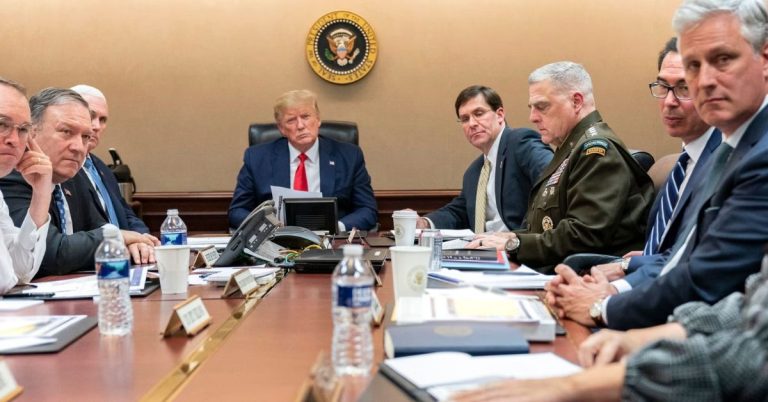
The White House is confronting growing internal debate as senior advisers weigh competing strategies for handling the ongoing Iran war. Officials across the administration are carefully examining military progress, economic risks, and political consequences as President Donald Trump evaluates the next phase of the conflict.

According to people familiar with the discussions, divisions have emerged among senior officials inside the White House over how quickly the United States should move toward ending the war. While some advisers believe the administration should begin preparing a clear conclusion to the conflict, others argue that sustained pressure on Iran remains necessary to protect long-term strategic interests.

The debate inside the White House reflects the difficulty of balancing military objectives with domestic economic stability and political expectations.

Internal Debate Within the Administration

Inside the White House, senior officials have been meeting frequently to assess how the conflict with Iran should evolve in the coming weeks. These meetings bring together national security advisers, economic officials, and political strategists who each present different perspectives on the war.

Military leaders provide updates on operational developments, while economic advisers focus on potential consequences for global energy markets. Political officials meanwhile evaluate public sentiment and domestic political implications.

The discussions illustrate how the White House must navigate multiple competing priorities as it manages one of the most significant foreign policy challenges facing the administration.

Some officials believe the administration should signal that the war is approaching a conclusion, emphasizing recent military achievements and diplomatic progress.

Others caution that declaring success too soon could weaken the administration’s negotiating position.


White House Iran War Strategy Discussion

At the center of the debate is what officials describe as the evolving White House Iran war strategy.

Several advisers argue that the administration has already achieved key objectives through recent military operations and diplomatic pressure. From this perspective, the White House could highlight these accomplishments while gradually reducing military activity.

Supporters of this approach believe such messaging could reassure international partners and financial markets that the conflict will not develop into a prolonged war.

However, another group of officials within the White House believes sustained pressure remains essential.

They argue that Iran’s military capabilities and regional networks remain significant, and ending the campaign prematurely could allow Tehran to rebuild its strength.

The administration therefore faces a difficult choice between consolidating current gains or continuing operations to weaken Iran further.


Economic Concerns Shaping Policy

Economic advisers have become increasingly influential in the internal White House debate.

Officials responsible for monitoring financial markets warn that instability in the Middle East could have far-reaching consequences for global energy supplies.

The Persian Gulf remains one of the world’s most important oil transit routes, and disruptions in the region could push prices significantly higher.

These concerns have prompted several economic officials to urge the White House to consider the broader financial impact of a prolonged conflict.

Energy analysts have already observed fluctuations in oil prices linked to developments in the war.

If instability continues, gasoline prices in the United States could rise sharply, potentially affecting consumer confidence and economic growth.

Because of these risks, economic advisers are urging the White House to carefully weigh the market consequences of its decisions.


Political Pressure Surrounding the Conflict

Political considerations also play a central role in the administration’s strategy.

Within the president’s political coalition, opinions about the war vary widely.

Some supporters believe the conflict demonstrates strong leadership and national security resolve.

Others worry that the United States could become involved in another long-term military engagement in the Middle East.

Political advisers within the White House are therefore closely monitoring public opinion and polling data.

They are also evaluating how the conflict might influence upcoming elections and broader political dynamics.

Balancing these concerns has become an important part of the administration’s decision-making process.


Security Advisers Push for Continued Pressure

Within national security circles, several officials believe the White House should maintain a firm stance toward Iran.

These advisers argue that sustained military pressure remains necessary to weaken Iran’s ability to threaten regional stability.

They also believe continued operations could deter future attacks on U.S. interests and allies.

Supporters of this strategy say the White House must demonstrate resolve to maintain credibility on the global stage.

Recent retaliatory actions by Iran have strengthened the argument among these officials that further military pressure may still be required.

The administration therefore continues to evaluate whether current operations have achieved sufficient strategic impact.


Global Oil Markets React to Developments

Energy markets around the world are closely watching signals coming from Washington.

Investors often react quickly to statements from the administration about the conflict.

Even subtle changes in messaging can influence expectations about oil supply and regional stability.

Because of this sensitivity, officials understand that statements from the White House can have immediate consequences for global financial markets.

Analysts say the uncertainty surrounding the war has contributed to fluctuations in oil prices over the past several weeks.

Market participants are attempting to anticipate how the White House might adjust its strategy as the conflict continues.


Searching for a Credible Exit Strategy

As discussions continue, policymakers are examining potential paths toward ending the war.

Some advisers believe the White House could declare success by highlighting damage inflicted on military infrastructure and strategic assets.

These achievements could be presented as evidence that the administration’s objectives have been achieved.

However, other officials caution that any exit strategy must ensure long-term stability in the region.

The White House therefore faces the challenge of defining victory in a conflict where outcomes may not be immediately clear.


Regional Instability Spreads

The broader Middle East has experienced increased tension since the war began.

Several governments across the region are adjusting their security policies in response to the evolving situation.

These developments have added further complexity to the policy calculations being made inside the White House.

Diplomatic channels remain active as international leaders attempt to prevent additional escalation.

Regional governments are also closely watching signals from Washington as they determine their own responses.


Balancing National Security Priorities

Throughout the conflict, the administration has attempted to balance multiple national security priorities.

Military leaders emphasize operational success and strategic deterrence.

Economic officials focus on protecting global market stability.

Political advisers evaluate domestic implications and public opinion.

The White House must integrate these perspectives into a unified strategy that protects both national security and economic interests.


Uncertainty Surrounding the Conflict

Despite ongoing discussions, the final outcome of the war remains uncertain.

Officials continue to monitor intelligence updates, military developments, and diplomatic efforts.

President Trump is expected to make the final decision on how and when the conflict should conclude.

For now, the White House remains engaged in careful deliberation as leaders evaluate the next steps in a conflict that continues to shape international politics.

US Security Concerns Rise After Michigan Synagogue and Virginia University Deadly Attacks

0

A pair of violent incidents in the United States has heightened nationwide alarm after a synagogue in Michigan and a university classroom in Virginia were targeted within hours of each other. Authorities confirmed that both suspects were killed during the incidents, while one victim died and several others were injured.

The events quickly sparked broader concerns about US Security, with law enforcement agencies examining whether the attacks were connected to rising tensions overseas and a growing pattern of domestic threats.

Communities in both states were left shaken as investigators began piecing together the motives and circumstances behind the attacks. Federal authorities have launched parallel investigations, while local leaders called for unity and vigilance.

The incidents occurred at a time when law enforcement agencies have repeatedly warned that the United States faces an evolving security landscape, where geopolitical tensions and domestic grievances can sometimes intersect in unpredictable ways.

Truck Crash at Michigan Synagogue

The first incident unfolded in West Bloomfield Township, Michigan, where authorities said a man drove a truck into Temple Israel, a synagogue that also houses a preschool daycare facility.

According to police reports, the truck smashed through the building’s entrance and traveled deep into a hallway before security personnel intervened. At the time of the crash, roughly 140 children were inside the building as part of the preschool program.

Staff members and security personnel quickly initiated emergency procedures to evacuate the children and teachers. Officials later confirmed that all children were safely moved out of the building before the situation escalated further.

Authorities identified the suspect as Ayman Ghazali, a 41-year-old Lebanon-born U.S. citizen who obtained citizenship in 2016. During the confrontation that followed the crash, a security officer fired at the suspect, who died at the scene.

Investigators are still determining whether the fatal injury resulted from the gunfire or from self-inflicted wounds during the confrontation.

The swift actions of trained security personnel likely prevented a far more tragic outcome, officials said.


Smoke and Fire After the Crash

Following the crash, parts of the synagogue building caught fire, filling sections of the structure with smoke and prompting a large emergency response.

Local authorities reported that approximately 30 law enforcement officers were hospitalized for smoke inhalation while responding to the fire inside the building. Most of the officers were treated and later released.

Emergency crews worked quickly to contain the flames and prevent the fire from spreading further within the structure.

Officials later confirmed that the building suffered significant damage, though the full extent of the destruction is still being assessed.

One security officer was also struck by the vehicle during the initial impact and briefly lost consciousness before receiving medical treatment.

While the synagogue building sustained damage, authorities emphasized that the rapid response from staff and first responders prevented a larger catastrophe.


Investigation Into the Suspect’s Motive

Investigators have been examining whether international events may have influenced the suspect’s actions.

According to early reports obtained during the investigation, Ghazali had recently learned that several members of his family in Lebanon had been killed in an airstrike roughly ten days before the attack.

Authorities are analyzing digital records, travel history, and communications to determine whether the incident was motivated by personal grief, extremist ideology, or other factors.

Federal investigators are also examining whether the attack was intended specifically to target the Jewish community.

The investigation is being led jointly by federal and state law enforcement agencies.

Officials have urged the public not to speculate while the investigation continues.


Shooting at Old Dominion University

Earlier the same day, another violent attack occurred at Old Dominion University in Norfolk, Virginia.

Authorities said a gunman entered a classroom and opened fire, killing one person and injuring two others.

Both injured victims were members of the U.S. Army who were affiliated with the university through academic or training programs.

Witnesses reported scenes of panic as students and faculty rushed to evacuate the building while emergency responders arrived.

The attacker was eventually subdued by Reserve Officer Training Corps (ROTC) students who intervened before police arrived at the scene.

Their actions helped prevent further casualties, according to investigators.

Police later confirmed that the suspect was killed during the confrontation.


Suspect’s Extremism History Raises Questions

Federal investigators later identified the suspect as Mohamed Jalloh, who had previously been convicted of providing material support to the Islamic State extremist group.

Court records show that he pleaded guilty in 2016 and served several years in prison before being released in 2024.

Witnesses reported that the suspect shouted religious phrases before opening fire in the classroom.

Authorities are examining whether the attack was planned in advance or carried out spontaneously.

The case is now being treated as a potential act of terrorism while investigators continue analyzing evidence and witness statements.


Rising Concerns Over US Security

The back-to-back attacks have reignited national conversations about US Security, particularly as global tensions continue to shape domestic risks.

Security experts say the incidents demonstrate how international conflicts can sometimes influence individuals within the United States.

Law enforcement agencies have repeatedly warned that ideological extremism, personal grievances, and geopolitical developments can combine in ways that increase security challenges.

Federal authorities have also emphasized that protecting religious institutions and educational campuses remains a priority.

As a result, security measures around sensitive locations are being reassessed across multiple states.

Experts note that strengthening US Security requires coordination between federal agencies, local law enforcement, and community organizations.


Impact on Jewish Communities

Jewish organizations across the United States have expressed concern following the Michigan synagogue attack.

Community leaders say that antisemitic incidents have been rising in recent years, prompting synagogues and community centers to adopt enhanced security measures.

These measures include surveillance systems, trained security personnel, and closer coordination with law enforcement agencies.

Many religious institutions now conduct regular safety drills to prepare for potential emergencies.

Leaders say the Michigan incident highlights the importance of maintaining strong security protocols while continuing to foster open and welcoming community spaces.


Federal Response and Security Measures

Following the incidents, federal authorities confirmed that security measures were being reviewed at religious institutions, universities, and other public gathering places across the country.

Officials emphasized that maintaining strong US Security requires constant vigilance and cooperation among different levels of government.

The Department of Homeland Security and the Federal Bureau of Investigation have both increased monitoring of potential threats.

In addition, local law enforcement agencies have been encouraged to maintain heightened awareness and to coordinate closely with community leaders.

Security experts say that strengthening US Security often involves not only law enforcement efforts but also community engagement and early identification of potential warning signs.


Broader Context of Global Tensions

The incidents occurred during a period of heightened geopolitical tension involving multiple regions of the world.

Military actions and political conflicts abroad have often led to increased concern among U.S. security officials about the potential for domestic repercussions.

Experts say that individuals may sometimes react to global events in unpredictable ways, which can create complex challenges for security agencies.

Monitoring such risks has become an increasingly important component of maintaining national safety.

In recent years, federal agencies have invested heavily in intelligence sharing and coordination to strengthen US Security and respond more quickly to emerging threats.


Community Response and Recovery

In both Michigan and Virginia, community members gathered in the days following the attacks to support victims and reaffirm solidarity.

Local leaders emphasized resilience and unity, urging residents not to allow violence to divide communities.

Religious leaders, university officials, and civic organizations organized vigils and support services for those affected.

Authorities also stressed that the incidents should serve as a reminder of the importance of vigilance and preparedness.

Experts say that maintaining strong US Security depends not only on law enforcement agencies but also on community awareness and cooperation.

As investigations continue, officials hope that lessons from these events will contribute to improving prevention strategies and strengthening protective measures nationwide.

Rotator Cuff Injuries Highlighted After RFK Jr. Shoulder Surgery

0

U.S. Health Secretary Robert F. Kennedy Jr. recently underwent shoulder surgery for a condition doctors identified as a rotator cuff tear, an injury that has become increasingly common among adults, particularly those over the age of 60. The procedure, which involved repairing damaged tendons in the shoulder, has drawn renewed attention to Rotator Cuff Injuries, a medical issue affecting millions of people each year.

Kennedy, who is 72 years old, is expected to return to his duties soon following recovery and rehabilitation. Medical professionals say cases like this highlight how shoulder injuries can affect people regardless of their fitness level or activity routine. While many individuals associate such injuries with athletes, orthopedic specialists say the majority of patients are ordinary adults whose tendons gradually weaken with age.

Doctors emphasize that the shoulder is one of the most complex joints in the human body. Its ability to rotate in many directions makes it extremely flexible but also vulnerable to strain and damage. Because of this delicate balance, Rotator Cuff Injuries remain among the most frequently diagnosed orthopedic problems worldwide.


Understanding Rotator Cuff Injuries

The shoulder joint relies on a group of muscles and tendons known as the rotator cuff to stabilize movement. These tissues hold the upper arm bone firmly in the shoulder socket while allowing the arm to lift, rotate, and extend outward.

When any of these tendons become inflamed, weakened, or torn, the result is commonly described as Rotator Cuff Injuries. These injuries can range from mild inflammation to complete tendon tears that significantly limit arm movement.

The rotator cuff itself consists of four primary muscles:

  • Supraspinatus
  • Infraspinatus
  • Teres minor
  • Subscapularis

Together, these muscles allow individuals to perform everyday tasks such as reaching overhead, lifting objects, or even simple actions like brushing hair or fastening clothing.

Because the shoulder joint must support a wide range of motion, the rotator cuff is constantly under strain. Over time, repetitive movement, aging, or sudden trauma can cause damage. As a result, Rotator Cuff Injuries are commonly diagnosed in both active individuals and those with relatively sedentary lifestyles.


Why Shoulder Injuries Become More Common With Age

Medical research consistently shows that the likelihood of developing Rotator Cuff Injuries increases with age. Tendons naturally lose elasticity and strength as people grow older. Over decades of use, microscopic damage accumulates within these tissues, eventually leading to partial or full tears.

Orthopedic surgeons often observe that many adults over 60 already have some degree of tendon damage even if they do not experience symptoms. Imaging studies, including MRI scans, frequently reveal degenerative changes in the rotator cuff among otherwise healthy individuals.

Experts say the condition does not always cause immediate pain. In many cases, the injury develops gradually, with mild discomfort that slowly worsens over time. Patients often seek medical attention only after experiencing significant difficulty lifting their arm or performing normal daily activities.

This gradual progression explains why Rotator Cuff Injuries often remain undiagnosed for months or even years before treatment begins.


Common Symptoms of Rotator Cuff Injuries

People suffering from Rotator Cuff Injuries often notice several early warning signs that signal damage to the shoulder tendons.

One of the most common symptoms is persistent shoulder pain, particularly when lifting the arm above shoulder level. Some patients also report weakness when trying to hold objects or perform overhead movements.

Other symptoms may include:

  • A dull ache deep within the shoulder joint
  • Difficulty sleeping on the affected side
  • Limited range of motion in the arm
  • Sudden sharp pain during lifting or reaching

In more severe cases, patients may experience a complete inability to raise their arm without assistance. This usually indicates a major tendon tear requiring surgical repair.

Doctors note that symptoms can vary significantly. Some individuals with small tendon tears experience intense discomfort, while others with larger injuries may feel only mild pain.

Regardless of symptom severity, early diagnosis is important because untreated Rotator Cuff Injuries can worsen over time.


Causes Behind Rotator Cuff Injuries

Several factors contribute to the development of Rotator Cuff Injuries, and the condition often results from a combination of mechanical stress and natural aging.

One of the most common causes is repetitive overhead motion. Jobs that involve lifting, painting, construction work, or repetitive reaching can place continuous strain on shoulder tendons.

Athletes who participate in sports such as baseball, tennis, swimming, or weightlifting also face increased risk. Repeated throwing or overhead movements can gradually damage the rotator cuff.

Another cause is sudden trauma, such as falling on an outstretched arm. In such situations, the force of the impact may tear one or more tendons instantly.

Degeneration is another major contributor. As blood supply to shoulder tendons decreases with age, the tissue becomes more vulnerable to small tears that eventually expand into larger injuries.

For many patients, Rotator Cuff Injuries occur without a single clear cause, instead developing gradually over years of use.


Diagnosis and Medical Evaluation

When patients visit a doctor with shoulder pain, physicians typically begin with a physical examination. The doctor may ask the patient to perform several arm movements to determine which muscles are affected.

If the doctor suspects Rotator Cuff Injuries, imaging tests are usually recommended. These may include:

  • X-rays to rule out bone abnormalities
  • Ultrasound scans to examine tendon movement
  • MRI scans to visualize soft tissue damage

MRI imaging is considered the most accurate method for diagnosing rotator cuff tears because it provides detailed images of muscles and tendons.

Once the extent of the injury is confirmed, doctors can determine the most appropriate treatment approach.


Treatment Options for Rotator Cuff Injuries

Treatment for Rotator Cuff Injuries depends largely on the severity of the tendon damage and the patient’s lifestyle needs.

Many mild or moderate injuries can be treated without surgery. Conservative treatment often begins with rest and temporary avoidance of activities that strain the shoulder.

Doctors may also recommend anti-inflammatory medications to reduce swelling and pain. Physical therapy is another key component of recovery, focusing on strengthening surrounding muscles and improving flexibility.

In some cases, corticosteroid injections are used to relieve inflammation and provide temporary pain relief. These injections allow patients to continue physical therapy exercises with less discomfort.

For individuals with severe tears, however, surgery may be necessary. Surgical repair aims to reconnect the torn tendon to the bone and restore shoulder stability.

Modern procedures for Rotator Cuff Injuries are often performed using arthroscopic techniques. Surgeons insert small instruments and cameras through tiny incisions, allowing them to repair damaged tendons with minimal disruption to surrounding tissue.


Recovery After Shoulder Surgery

Recovery from surgery for Rotator Cuff Injuries typically requires patience and careful rehabilitation.

Immediately after surgery, patients usually wear a sling for several weeks to prevent unnecessary movement and allow the repaired tendon to heal properly.

Physical therapy begins gradually, starting with gentle mobility exercises designed to restore joint movement. As healing progresses, patients slowly begin strengthening exercises to rebuild shoulder stability.

Full recovery may take several months depending on the severity of the injury and the individual’s commitment to rehabilitation. Most patients regain significant mobility and strength with proper therapy.

Doctors emphasize that rushing back into physical activity too soon can jeopardize recovery and lead to re-injury.


Long-Term Outlook for Patients

Despite the lengthy recovery process, the long-term outlook for individuals with Rotator Cuff Injuries is generally positive. Advances in surgical techniques and rehabilitation programs have significantly improved outcomes for patients undergoing treatment.

Many individuals are able to return to their regular activities, including sports and physical exercise, after completing their rehabilitation program.

Preventive strategies also play an important role in protecting the shoulder from future injury. Experts recommend maintaining shoulder strength through targeted exercises, avoiding repetitive overhead strain when possible, and seeking medical attention early if persistent shoulder pain develops.

The recent surgery involving the U.S. health secretary has once again highlighted the importance of awareness surrounding Rotator Cuff Injuries. While the condition can be painful and disruptive, medical experts say early diagnosis and proper treatment often lead to successful recovery.

As populations age and more people remain active later in life, doctors expect Rotator Cuff Injuries to remain a significant focus in orthopedic medicine for years to come.

NBA Players Charity Fines: NBA Players Turn Technical Fouls Into Charity

0

Professional basketball has long been known for its intensity. Passionate athletes compete at the highest level, and emotional moments during games often result in technical fouls or financial penalties issued by the league. While these fines are meant to maintain discipline, a growing initiative within professional basketball has quietly transformed many of those penalties into something far more meaningful.

Today, NBA Players Charity Fines are becoming an unexpected source of funding for community programs, nonprofit organizations, and social impact projects across the United States. Instead of disappearing into administrative budgets, a portion of the money collected through league fines is now helping players support causes that matter to them and the communities they represent.

The initiative reflects a broader shift within professional sports, where athletes increasingly see their influence extending beyond the court.

How Technical Fouls Became Charitable Contributions

Technical fouls are one of the most common penalties in professional basketball. Players can receive them for arguing with referees, displaying unsportsmanlike conduct, or reacting emotionally during a game.

In many cases, these violations lead to fines that range from a few thousand dollars to tens of thousands depending on the severity of the incident.

Traditionally, these fines were simply part of the league’s disciplinary process. Players paid the penalty, the game continued, and the moment quickly faded into the rhythm of a long season.

But the growing visibility of NBA Players Charity Fines has begun to change how many players and fans view those penalties.

Instead of representing only punishment, those fines are now helping generate financial support for charities, educational initiatives, and social programs designed to help people facing real challenges outside the world of professional sports.


NBA Players Charity Fines and the NBPA Initiative

At the center of this transformation is a philanthropic initiative led by the players’ association. The program allows money collected from certain league fines to be redirected toward charitable grants.

When players receive fines during the season, the funds are distributed according to league policies between the league and the players’ union. The union’s portion is placed into a philanthropic fund designed to support community-focused programs.

Through this system, NBA Players Charity Fines become part of a matching grant program that allows athletes to donate to causes they personally support.

Active players are eligible to apply for grants that can reach up to $25,000, helping them expand their charitable efforts and create programs that directly assist communities in need.

The approach gives athletes an opportunity to transform moments of frustration during games into long-term social impact.


A High-Profile Fine Draws Attention to the Program

Public attention toward the charitable side of league fines grew after a widely discussed incident during a regular-season game involving one of the league’s most recognizable players.

During the matchup, an emotional reaction to a missed call resulted in a technical foul and a significant financial penalty. The league later confirmed a $50,000 fine related to the gesture made during the game.

While the moment sparked debate about officiating and player reactions, it also highlighted how NBA Players Charity Fines can ultimately benefit charitable causes.

Instead of the money disappearing without impact, a portion of the funds can contribute to grants that help players support nonprofits working in education, housing assistance, youth development, and healthcare support programs.

For many athletes, this shift changes how they view the consequences of on-court discipline.


How the Grant System Supports Communities

The charitable initiative behind NBA Players Charity Fines operates through a structured grant system.

Players who want to participate in the program submit proposals outlining the nonprofit organizations or projects they want to support. The philanthropic fund then evaluates the proposals and distributes matching grants that help expand the reach of those programs.

This process allows players to take an active role in shaping how the funds are used.

Instead of one centralized charity deciding where money goes, players are encouraged to focus on communities that are meaningful to them. In many cases, these include the neighborhoods where they grew up or cities where they currently play.

As a result, the program supports a wide variety of initiatives ranging from youth mentorship programs and educational scholarships to housing support and medical assistance.


Players Supporting Causes Close to Home

For many athletes, philanthropy is deeply personal.

Growing up, numerous players witnessed economic challenges in their own communities. Some experienced those struggles firsthand. Once they reached professional sports and gained financial stability, many made a commitment to give back.

Through NBA Players Charity Fines, athletes can channel resources into causes that address those same challenges.

Some players have used grant funding to support organizations helping young adults who age out of foster care systems. Others have directed resources toward families dealing with childhood illness, providing financial assistance and emotional support networks.

These efforts highlight how professional athletes often maintain strong connections to the communities that shaped their lives long before their careers began.


Philanthropy Becoming a Core Part of Player Identity

Across the league, philanthropy has become a central part of how many athletes define their role as public figures.

In the past, charitable giving was often associated with off-season events or occasional donations. Today, many players approach philanthropy with the same level of strategy and dedication that they apply to their careers.

Programs linked to NBA Players Charity Fines have encouraged athletes to think more deeply about the long-term impact of their charitable work.

Instead of focusing only on short-term assistance, players are increasingly supporting initiatives that create lasting change.

This includes funding financial literacy programs, supporting education access initiatives, and helping nonprofit organizations expand services that reach thousands of people each year.


Community Programs Seeing Real Impact

Several community organizations have already experienced meaningful results from the philanthropic funding connected to player fines.

One housing assistance initiative used grant funding to help families who were struggling with rent debt. The program provided financial relief while also offering financial education designed to help families build long-term stability.

Other grants have supported youth mentorship programs where former athletes and community leaders guide young people through career development, education planning, and life skills training.

Because of NBA Players Charity Fines, these initiatives have been able to expand their reach and help more individuals who need support.

For nonprofit leaders, partnerships with professional athletes also bring greater visibility to their work, encouraging additional donors and volunteers to get involved.


Why the Initiative Matters for Professional Sports

Professional sports leagues often face criticism when disciplinary fines make headlines. Fans may question whether penalties are fair or whether emotions during games are being punished too severely.

However, programs built around NBA Players Charity Fines offer a different perspective.

Instead of viewing fines solely as punishment, the initiative allows those financial penalties to produce positive outcomes for communities across the country.

This approach also aligns with a broader cultural shift in sports, where athletes are increasingly using their platforms to advocate for social change.

From education access to housing stability and healthcare support, players are using their influence to highlight issues that matter beyond basketball arenas.


Turning Penalties Into Positive Change

The competitive intensity of professional basketball means technical fouls and emotional moments will likely always remain part of the sport.

Players compete with passion, and that passion sometimes leads to disputes with referees or heated exchanges during games.

But the growing influence of NBA Players Charity Fines shows how even those moments can create opportunities for positive change.

What begins as a fine during a tense game can ultimately become financial support for a nonprofit organization, a scholarship for a student, or housing relief for a struggling family.

For many players, that transformation represents a powerful reminder that influence extends far beyond the scoreboard.

And for communities receiving that support, the impact can be life-changing.

Trump Trade War Expands With New Tariff Probes

0

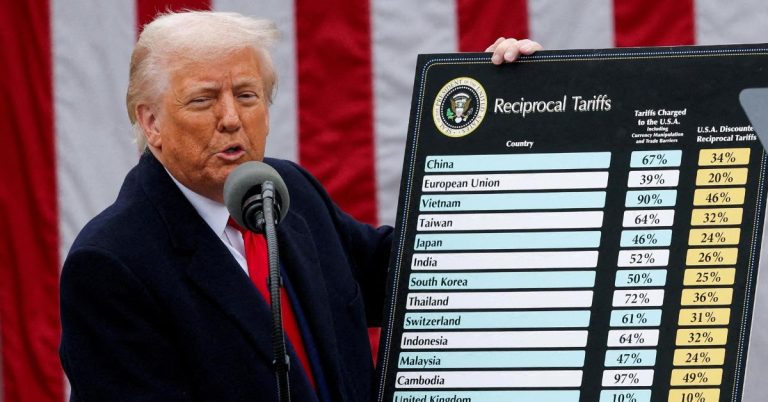
The global trade landscape shifted sharply this week as the Trump Trade War entered another critical phase, with Washington launching a series of sweeping investigations that could reshape economic relationships with many of the world’s largest trading partners.

The new probes target more than a dozen countries that supply a significant share of imports to the United States. Officials say the move is designed to determine whether certain trading partners maintain unfair industrial advantages through overproduction, trade surpluses, or government-supported manufacturing capacity.

The investigations were announced by the Office of the United States Trade Representative, which confirmed that the reviews would take place under Section 301 of U.S. trade law — a powerful tool historically used to address alleged unfair trade practices.

These developments mark the latest escalation in the Trump Trade War, a policy approach centered on using tariffs and trade pressure to rebalance global economic relationships.

Escalation of the Trump Trade War

The latest investigations highlight how the Trump Trade War strategy is evolving beyond individual tariff actions into a broader system of trade enforcement.

Officials say the reviews will examine structural issues in global manufacturing sectors where certain countries are believed to have excess production capacity. Such imbalances, according to U.S. officials, can distort market prices and weaken domestic manufacturing industries.

The administration argues that these investigations are necessary to ensure fair competition for American businesses and workers.

While tariffs were a defining feature of earlier phases of the Trump Trade War, the new probes represent a more systematic approach to identifying and potentially correcting global trade imbalances.

If the investigations conclude that unfair practices exist, Washington could impose targeted tariffs on a wide range of imported goods.


Countries Targeted by the Investigations

The countries included in the latest investigations represent a diverse group of major economic players and export-driven economies.

Among those named are China, the European Union, Mexico, Japan, India, South Korea, Taiwan, Vietnam, Thailand, Indonesia, Malaysia, Cambodia, Bangladesh, Singapore, Switzerland, and Norway.

These countries collectively account for a large portion of goods entering the United States each year.

Officials say the goal is not necessarily to punish trading partners but to examine whether structural factors such as subsidies, industrial policies, or production surpluses are affecting global markets.

The Trump Trade War has frequently focused on addressing these structural trade concerns, particularly in sectors such as electronics, machinery, automobiles, textiles, and consumer goods.

In many of these industries, policymakers argue that American manufacturers face disadvantages when competing with countries that maintain extensive government support for domestic production.


What Section 301 Means for Global Trade

Section 301 investigations are one of the most powerful trade enforcement mechanisms available under U.S. law.

They allow the government to investigate foreign trade practices and respond with tariffs or other restrictions if those practices are determined to harm American economic interests.

The Trump Trade War previously relied on Section 301 investigations to justify tariffs on hundreds of billions of dollars worth of imported goods.

The process typically involves months of analysis, public comment, and consultations with trading partners.

If violations are confirmed, the United States can impose duties designed to offset perceived trade advantages.

This legal pathway has become a central component of the Trump Trade War strategy, providing the administration with a structured framework for implementing trade pressure.


How Tariffs Could Affect Businesses and Consumers

Tariffs introduced during the Trump Trade War have historically had far-reaching consequences across global supply chains.

For businesses that rely on imported components or finished goods, new tariffs can significantly increase operating costs.

Manufacturers may be forced to adjust sourcing strategies, shift production locations, or pass higher prices along to consumers.

Retailers and importers often face similar challenges when tariffs increase the cost of merchandise entering the United States.

Economists frequently debate the long-term effects of tariff policies, with some arguing they help rebuild domestic manufacturing while others warn they can lead to higher prices and reduced international trade.

As the Trump Trade War expands into new investigations, businesses across multiple industries are closely watching how the process unfolds.


Growing International Reaction

Several governments named in the investigation have already signaled concern about the potential consequences.

Some officials argue that aggressive trade enforcement measures risk disrupting international economic cooperation.

Others have warned that retaliatory tariffs could follow if new restrictions are imposed on exports to the United States.

The Trump Trade War has previously triggered similar responses from major trading partners, including counter-tariffs targeting American agricultural and industrial products.

Diplomatic negotiations often play a key role in resolving such disputes, but tensions can escalate when countries disagree about the fairness of trade policies.


Strategic Goals Behind the Trade Probes

Supporters of the Trump Trade War approach argue that stronger enforcement is necessary to correct decades of trade imbalances.

They say certain countries have benefited from industrial policies that encourage large-scale manufacturing capacity while exporting goods to global markets.

According to this view, tariffs and investigations are tools that help level the playing field for domestic industries.

The administration maintains that addressing structural issues in global trade will ultimately strengthen the American economy.

By investigating industries where production capacity exceeds demand, policymakers hope to prevent market distortions that could undermine local manufacturing.

These objectives remain central to the broader strategy of the Trump Trade War.


Forced Labor Investigation Adds New Dimension

Alongside the tariff probes, officials are preparing a separate investigation into imports suspected of being produced with forced labor.

Such goods are already prohibited from entering the United States under existing trade laws.

However, enforcement efforts have intensified in recent years as policymakers seek to ensure that global supply chains meet labor standards.

The new investigation could broaden the scope of trade enforcement within the Trump Trade War, linking economic policy with human rights concerns.

If evidence of forced labor is found within supply chains, additional import restrictions could follow.


Economic and Market Implications

Financial markets and multinational corporations often respond quickly to changes in trade policy.

Announcements related to the Trump Trade War have historically influenced currency markets, commodity prices, and stock market volatility.

Companies that rely heavily on international trade frequently reassess investment plans when tariffs or trade barriers are introduced.

At the same time, domestic industries that compete with imports may benefit from increased protection.

The balance between these competing effects remains one of the most debated aspects of the Trump Trade War.


Global Supply Chains Under Pressure

Modern manufacturing relies on highly interconnected supply chains that span multiple countries.

Tariffs introduced during the Trump Trade War can disrupt these networks by making certain production routes more expensive.

In response, companies sometimes relocate factories, shift suppliers, or redesign production strategies.

These adjustments can take years to implement and often involve significant financial investment.

As new investigations move forward, analysts are examining how the Trump Trade War could influence global production patterns in the coming years.


What Comes Next in the Trump Trade War

The newly announced investigations are expected to unfold over several months as trade officials gather data, consult industry groups, and analyze market conditions.

Public hearings and diplomatic discussions may also take place during the review process.

If unfair trade practices are identified, tariffs could follow — potentially reshaping economic relationships with some of the world’s largest exporters.

Such outcomes would represent another major step in the ongoing Trump Trade War, which continues to redefine how the United States approaches international trade policy.

For now, businesses, policymakers, and global markets are watching closely as the investigations progress.

The results could influence everything from manufacturing strategies to international diplomacy.

Whether the probes ultimately lead to new tariffs or negotiated trade reforms, the latest developments confirm that the Trump Trade War remains one of the defining forces shaping global economic policy today.

Iran Cyberattack on Stryker Disrupts Microsoft Systems, Raises Security Alarm

0

A suspected cyberattack linked to Iran has disrupted internal Microsoft-based systems at Stryker, one of the largest medical technology companies in the United States, raising fresh concerns about cybersecurity threats targeting major corporations.

The incident has drawn attention from security analysts and government officials as investigators work to determine how attackers gained access to corporate systems and whether sensitive infrastructure was affected.

Iran Cyberattack on Stryker has quickly become a focal point in discussions about cyber warfare and corporate cybersecurity resilience.

Stryker, headquartered in Michigan, develops and manufactures a wide range of medical technologies used by hospitals and healthcare providers around the world. The company confirmed that its Microsoft environment experienced operational disruption after a cyber incident affected internal systems.

While the full scope of the breach is still under investigation, early reports suggest that the attackers targeted systems used to manage employee devices and internal communication tools.

How the Cyberattack Impacted Corporate Infrastructure

The cyberattack disrupted several internal systems that rely on Microsoft-based infrastructure. These systems are commonly used by companies to manage communication, employee devices, and digital security protocols.

When attackers gain access to these environments, they can potentially control administrative functions that affect thousands of employees simultaneously.

In the case of the Iran Cyberattack on Stryker, cybersecurity researchers believe the attackers may have gained access to a corporate device management system. This platform allows companies to monitor and control company-issued devices such as smartphones, laptops, and tablets.

These tools are essential for enforcing security policies, deploying software updates, and protecting sensitive company information.

However, if an attacker gains administrator-level access, the same tools can be used to disrupt operations.


Iran Cyberattack on Stryker and the Claim of Responsibility

Shortly after the disruption became public, a hacker group believed to have ties to Iranian cyber operations claimed responsibility for the breach.

The group known as Handala Team posted statements on social media platforms indicating it had conducted the attack. Security analysts have previously linked the group to cyber activities associated with Iranian intelligence interests.

The claim has not yet been independently verified, but experts say the tactics used in the attack are consistent with methods used by Iranian cyber groups in the past.

The Iran Cyberattack on Stryker appears to represent one of the most visible cyber incidents involving a U.S. corporation since geopolitical tensions between Iran and the United States intensified.

Cybersecurity specialists say that Iranian hacking groups often combine political messaging with disruptive cyber operations designed to attract international attention.


Inside the Microsoft Device Management Breach

One key area of focus in the investigation involves Microsoft’s enterprise device management technology.

Many corporations rely on Microsoft Intune and related systems to manage employee devices remotely. These systems allow administrators to install applications, enforce encryption policies, and remotely wipe devices if they are compromised or stolen.

Experts analyzing the Iran Cyberattack on Stryker believe attackers may have gained access to this administrative console.

If that happened, the attackers could have triggered remote actions that erased company devices or locked employees out of corporate systems.

Such an attack can disrupt daily operations across an entire company in a matter of minutes.

Security researchers say that once administrative privileges are obtained, attackers can operate inside legitimate systems without triggering traditional malware alerts.


Employees Report Sudden Device Failures

Employees reportedly experienced sudden disruptions when company-issued devices stopped functioning.

Phones and laptops connected to internal systems reportedly lost access to corporate applications, preventing employees from communicating with colleagues or accessing company platforms.

In some cases, devices appeared to reset to factory settings, suggesting that administrative controls were triggered remotely.

Although the disruption caused operational difficulties, company officials say there is currently no evidence that patient data or hospital systems connected to Stryker’s products were compromised.

The Iran Cyberattack on Stryker primarily affected internal corporate infrastructure rather than medical equipment used in healthcare environments.

Still, the incident highlights how cyberattacks on technology companies could potentially disrupt broader supply chains.


Cybersecurity Experts Examine the Attack

Cybersecurity specialists have been analyzing technical indicators related to the attack.

Experts say the Iran Cyberattack on Stryker demonstrates how attackers increasingly target enterprise management systems rather than deploying traditional malware.

By gaining access to legitimate administrative tools, attackers can conduct disruptive operations while avoiding detection.

This technique is sometimes referred to as “living off the land,” where attackers exploit existing system tools rather than installing new malicious software.

Security analysts believe this method is becoming more common in state-linked cyber operations.

The attack also highlights the importance of strict identity verification and multi-factor authentication for administrative accounts.


Iran’s History of Cyber Operations

Iran has long been associated with aggressive cyber campaigns targeting government agencies, corporations, and infrastructure networks.

Some of the most notable incidents linked to Iranian cyber groups involved destructive “wiper” attacks designed to erase data from corporate networks.

One widely known example occurred in 2012 when a cyberattack targeted Saudi Aramco, the world’s largest oil company. The attack wiped data from tens of thousands of computers.

Another major incident occurred in 2014 when the Sands Casino corporation in the United States was targeted following political tensions involving the company’s leadership.

These attacks demonstrated Iran’s ability to conduct disruptive cyber operations against major organizations.

The Iran Cyberattack on Stryker appears to follow a similar pattern of targeting high-profile companies to create operational disruption and global attention.


Growing Concerns Across Corporate America

The incident has renewed concerns about cyber threats targeting U.S. corporations.

Experts warn that geopolitical tensions increasingly extend into the digital domain, where cyber operations allow countries to disrupt adversaries without direct military confrontation.

Companies operating in healthcare, finance, technology, and infrastructure are particularly vulnerable because their systems support critical services.

The Iran Cyberattack on Stryker underscores how corporate cybersecurity has become a national security issue.

Government agencies and cybersecurity organizations are closely monitoring developments surrounding the attack.


Healthcare Industry Seen as a Strategic Target

Healthcare technology companies are increasingly seen as strategic targets in cyber conflict.

These companies provide equipment and digital platforms used by hospitals, laboratories, and healthcare providers around the world.

Disruptions in healthcare supply chains could potentially affect patient care and medical operations.

While the Iran Cyberattack on Stryker did not appear to impact medical devices or hospital systems directly, experts warn that attacks on healthcare infrastructure could have serious consequences.

Cybersecurity agencies have repeatedly warned organizations in the healthcare sector to strengthen their security measures and monitoring systems.


U.S. Authorities Monitoring Cyber Threats

Government officials in the United States have been closely watching cyber activities linked to Iran and other state actors.

Authorities say that cyber operations are increasingly used as tools of geopolitical influence and retaliation.

While officials have not publicly attributed the Iran Cyberattack on Stryker to a specific government agency, analysts say the tactics and messaging resemble patterns seen in previous Iranian cyber campaigns.

Cybersecurity agencies continue to advise companies to review administrative access controls and implement stronger identity management systems.

These measures are considered critical in preventing attackers from exploiting corporate management platforms.


Investigation Into the Iran Cyberattack on Stryker Continues

Investigations into the cyber incident are ongoing as cybersecurity experts work to determine how attackers gained access to Stryker’s systems.

The company has stated that the disruption has been contained and that its systems are being restored.

Security teams are continuing to analyze logs and technical data to understand the full scope of the breach.

The Iran Cyberattack on Stryker is likely to become an important case study in corporate cybersecurity, particularly regarding how attackers target enterprise management systems.

As cyber threats continue to evolve, companies around the world are being urged to strengthen their defenses against increasingly sophisticated digital attacks.

Bam Adebayo Scores 83 Points, Passes Kobe Bryant in NBA History in Stunning NBA Night

0

A historic night in professional basketball unfolded as Bam Adebayo delivered one of the most remarkable scoring performances the NBA has ever witnessed.

The Miami Heat star erupted for 83 points in a dominant victory over the Washington Wizards, placing his name among the greatest single-game scoring performances in league history. The milestone immediately sparked conversations across the basketball world, as fans and analysts realized the significance of what had just occurred.

The achievement moved Bam Adebayo past Kobe Bryant’s legendary 81-point game and into second place on the all-time list for most points scored in a single NBA game.

Only Wilt Chamberlain’s iconic 100-point performance from 1962 now sits above him.

For many watching the game, the performance felt surreal.

Few expected a night like this from a player whose reputation has long been built on defense, versatility, and leadership rather than explosive scoring.

Yet over the course of four quarters, Bam Adebayo transformed an ordinary regular-season matchup into one of the most unforgettable moments in NBA history.


A Historic Night in the NBA

The game began like many regular-season contests.

Fans expected a competitive matchup between Miami and Washington, but few anticipated history unfolding on the court.

Early in the game, Bam Adebayo quickly established an aggressive rhythm offensively. Drives to the basket, mid-range jump shots, and relentless trips to the free-throw line signaled that he was determined to dominate the game.

Within minutes, it became clear that something unusual was happening.

The Heat’s offense repeatedly flowed through Bam Adebayo, and the Wizards struggled to slow him down.

By the end of the first quarter, the scoring pace had already reached levels rarely seen in modern basketball.

Observers in the arena began checking the scoreboard repeatedly, realizing that the Heat center was approaching numbers typically associated with legendary performances.

What started as an impressive start soon developed into something far bigger.


How Bam Adebayo’s Scoring Run Unfolded

Throughout the night, Bam Adebayo scored in almost every possible way.

He attacked the rim aggressively, drawing contact and converting at the free-throw line. He stepped outside for long-range shots, connecting on several three-pointers that surprised defenders who expected him to remain closer to the basket.

The versatility of the scoring display made it especially difficult for Washington’s defense to respond.

Double teams slowed him briefly, but Bam Adebayo often found ways to adjust, using footwork and quick decisions to find space and continue scoring.

By halftime, the performance had already reached historic territory.

Fans and commentators began calculating how close the Heat star might come to the record books.

As the third quarter progressed, the numbers kept climbing.

The arena crowd reacted with growing excitement as every possession involving Bam Adebayo carried the potential for another record-breaking moment.


The Performance That Shocked the Basketball World

The magnitude of the night became undeniable once Bam Adebayo crossed the 70-point mark.

Reaching such a milestone in a single NBA game is extraordinarily rare, and many players never approach that level during their careers.

Yet Bam Adebayo showed no signs of slowing down.

His scoring continued late into the fourth quarter, eventually reaching 83 points.

At that moment, the history books shifted.

The leaderboard of the highest scoring games in NBA history now reads:

Wilt Chamberlain — 100 points
Bam Adebayo — 83 points
Kobe Bryant — 81 points

The achievement placed Bam Adebayo among the most legendary individual performances the league has ever seen.

For basketball fans, the moment instantly became part of NBA folklore.


Breaking Records and Rewriting History

The significance of Bam Adebayo scoring 83 points extends far beyond one game.

Single-game scoring records have long represented some of the most iconic achievements in basketball.

Wilt Chamberlain’s 100-point performance in 1962 has stood untouched for more than six decades.

Kobe Bryant’s 81-point masterpiece in 2006 became the closest anyone had come to challenging that mark.

Now, Bam Adebayo has entered that exclusive conversation.

The achievement demonstrates how rare it is for a player to combine scoring ability, endurance, and opportunity in one extraordinary night.

Reaching 83 points requires not only exceptional skill but also the right circumstances within the game.

For Bam Adebayo, everything aligned perfectly.


Teammates Recognize the Moment

Players on the Miami Heat quickly realized the importance of what was happening.

As the game progressed, teammates consistently looked for Bam Adebayo with passes that allowed him to continue attacking the basket.

The entire team appeared determined to support the historic moment unfolding in front of them.

Several Heat players later described the experience as unforgettable.

They recognized that nights like this rarely occur in professional sports.

Watching Bam Adebayo continue to score possession after possession created a sense of anticipation throughout the arena.

Every trip down the court felt like another step toward history.


Strategic Decisions Late in the Game

As the final minutes approached, the coaching staff faced an unusual situation.

With Miami already holding a comfortable lead, the focus shifted toward the possibility of achieving a historic scoring milestone.

The team continued to keep Bam Adebayo on the court, giving him opportunities to push closer to the all-time list.

Washington attempted various defensive adjustments, including double teams and physical coverage.

Still, Bam Adebayo found ways to keep producing points.

Free throws, drives, and quick scoring plays allowed him to surpass Bryant’s historic total.

The moment the scoreboard confirmed 83 points, the arena erupted.

Fans recognized they had witnessed something that would be remembered for decades.


Miami Heat Franchise History Changes

Beyond the league-wide significance, the game also transformed the record books for the Miami Heat.

Before this performance, the franchise’s highest individual scoring total belonged to LeBron James, who scored 61 points in 2014.

That mark had stood as one of the most impressive achievements in team history.

Now, Bam Adebayo has raised the standard dramatically.

Scoring 83 points represents not only a league milestone but also a defining moment for the Heat organization.

It reinforces the evolution of Bam Adebayo as one of the franchise’s most important players.


Why This Performance Matters for the NBA

Individual scoring explosions always capture the imagination of basketball fans.

They represent moments when a player reaches a level of performance that feels almost impossible.

The game by Bam Adebayo belongs firmly in that category.

It serves as a reminder that even in the modern era of balanced offenses and advanced defensive strategies, extraordinary individual performances remain possible.

The NBA has seen many great scorers throughout its history, yet only a handful of players have ever crossed the 80-point threshold.

Now Bam Adebayo joins that rare group.


Reaction From Around the League

As news of the performance spread, reactions from across the basketball world quickly followed.

Players, analysts, and fans expressed amazement at the accomplishment.

Many noted that Bam Adebayo has traditionally been recognized more for defense and playmaking than for elite scoring.

That made the performance even more surprising.

The scoring explosion demonstrated a different dimension of his game.

For some observers, it marked a defining moment in the career of Bam Adebayo.


A Night Fans Will Remember for Years

For the fans inside the arena, the experience felt unforgettable.

Every basket by Bam Adebayo brought louder cheers and growing disbelief.

The atmosphere transformed from excitement into a celebration of history.

When the final buzzer sounded, the scoreboard told the story clearly.

A player known for versatility and leadership had just produced one of the greatest scoring nights basketball has ever seen.

And now the record books read:

Wilt.
Bam.
Kobe.

With 83 points, Bam Adebayo has secured his place among the most iconic performances in NBA history.

Russia and the Iran War: A Critical Look at Why Putin May Benefit From the Middle East Conflict

0

The unfolding crisis in the Middle East has sparked global concern, but it may also reshape geopolitical dynamics far beyond the region. As tensions involving Iran intensify and the United States focuses greater military attention on the area, analysts say the situation could indirectly strengthen Russia in several ways.

The Russia factor in the conflict has become an important topic among geopolitical experts and European officials. While Moscow is not directly involved in the latest escalation, the broader consequences—particularly rising oil prices and shifting Western priorities—could provide economic and strategic advantages for the Kremlin.

These developments highlight how modern conflicts can influence global power balances even when nations are not directly engaged on the battlefield.

Russia and the Iran War Impact on Global Politics

The escalating conflict surrounding Iran has triggered a wave of diplomatic discussions across Europe and North America. Many officials believe the crisis could influence the balance of global power in ways that extend well beyond the Middle East.

Several political leaders have warned that the geopolitical ripple effects may ultimately benefit Russia, even if Moscow itself loses influence in certain parts of the region. This perspective is based on the idea that global crises often shift attention, resources, and economic dynamics in ways that indirectly favor major energy exporters.

In this case, analysts argue that the current conflict could provide opportunities for Russia to strengthen its economic position while the United States and its allies focus on stabilizing the Middle East.

Although the Kremlin has maintained a relatively cautious public stance, observers say Moscow is carefully monitoring developments. The crisis may create conditions that align with several strategic goals long pursued by Russia, particularly in the energy sector and in global diplomacy.


Oil Prices and the Russia Economic Advantage

One of the most significant factors shaping the geopolitical impact of the conflict is the global oil market. Energy prices often respond quickly to instability in the Middle East, a region that plays a central role in global energy production.

As tensions have intensified, oil prices have risen due to concerns about potential disruptions to shipping routes and production facilities. These increases can provide substantial financial benefits for energy exporters such as Russia.

Energy revenue forms a critical part of the national budget. When global oil prices climb, the government receives higher tax revenues from energy companies, strengthening the country’s financial capacity.

Higher energy prices may also help Russia offset some of the economic pressure created by international sanctions. Analysts say the effect can be particularly significant during prolonged periods of geopolitical instability.

Even moderate increases in oil prices can generate billions in additional income for energy exporters. If tensions in the Middle East persist, the financial implications for Russia could become increasingly substantial.


Russia’s Strategic Position as Global Attention Shifts

Another key consequence of the Middle East crisis involves the redistribution of global political focus. Governments often prioritize immediate regional threats, which can influence foreign policy decisions and resource allocation.

As the United States and its allies devote greater attention to the Middle East, some experts believe international discussions surrounding Ukraine could receive less urgency. This shift in focus may create strategic breathing room for Russia.

Diplomatic energy, military planning, and financial support are often limited resources. When global crises emerge simultaneously, governments must decide where to concentrate their efforts.

If policymakers prioritize stability in the Middle East, it may indirectly reduce pressure on Russia in other areas of international policy.

For the Kremlin, this type of geopolitical distraction could provide valuable time to strengthen its own strategic position.


Military Implications for Ukraine and Russia

The war in Ukraine remains one of the most significant conflicts affecting global security. However, the emergence of additional crises can complicate international responses.

Some analysts believe that increasing military commitments in the Middle East could affect the supply of defense resources available for Ukraine. Air defense systems, advanced weapons, and logistical support often require significant planning and production capacity.

If these resources are redirected toward protecting strategic interests in the Middle East, Ukraine may face new challenges maintaining its defensive capabilities.

Such developments could indirectly benefit Russia by reducing the intensity of Western military support available to Kyiv.

However, experts caution that these dynamics remain uncertain and depend heavily on how the Middle East conflict evolves in the coming months.


Russia’s Changing Role in the Middle East

While economic opportunities may arise from rising energy prices, the broader geopolitical picture is more complicated. Over the past decade, Russia has sought to expand its influence across the Middle East through diplomatic engagement and military partnerships.

Iran has played a particularly important role in this strategy. The two countries have developed close ties in areas such as energy cooperation and defense coordination.

However, recent events have highlighted limitations in Moscow’s ability to shape regional developments. The rapidly evolving conflict environment has reduced the ability of Russia to influence outcomes directly.

This situation illustrates the complex nature of modern geopolitics. A country may gain economic advantages from global instability while simultaneously losing diplomatic leverage in certain regions.


Economic Consequences of Rising Energy Markets

Energy markets are among the most sensitive sectors in the global economy. Even minor disruptions in supply routes can lead to price volatility.

The Strait of Hormuz, one of the world’s most important maritime energy corridors, has become a focal point of concern during the crisis. Any threat to shipping traffic in this narrow waterway can influence oil markets worldwide.

For Russia, higher global oil prices can partially offset discounts imposed by international sanctions. Energy traders often adjust their purchasing decisions based on global price levels rather than regional politics alone.

As prices rise, the difference between discounted exports and market prices becomes less significant. This dynamic can improve revenue streams for Russia even under restrictive economic conditions.

The longer tensions continue, the more pronounced these economic effects may become.


Russia’s Long-Term Strategic Outlook

Beyond short-term economic benefits, the broader geopolitical consequences of the conflict may shape the international landscape for years to come.

Strategists often analyze how overlapping crises affect global alliances and political priorities. In this case, the Middle East conflict may accelerate shifts already underway in global power structures.

For Russia, the evolving situation presents both opportunities and risks. Rising energy revenues could strengthen financial stability, while shifting political priorities in the West may reduce diplomatic pressure.

At the same time, Moscow must navigate a complex network of regional relationships that could be affected by changing alliances and military developments.

These factors illustrate why analysts describe the situation as strategically complicated rather than straightforward.


Global Reactions to the Russia Advantage Debate

International reactions to the possibility of Russia benefiting from the crisis have been mixed. Some political leaders have openly expressed concern that rising energy prices could strengthen Moscow’s economic position.

Others argue that the long-term consequences of the conflict remain uncertain and may produce unintended outcomes for multiple countries.

Geopolitical analysts emphasize that global conflicts rarely produce clear winners or losers. Instead, they tend to create shifting advantages that evolve over time as political and economic conditions change.

The debate highlights how interconnected modern international politics has become. Events in one region can quickly influence strategic calculations in another.


Uncertain Outcomes for Russia and the Region

The ongoing crisis surrounding Iran continues to unfold, and its ultimate consequences remain difficult to predict. While some analysts believe Russia could benefit economically and strategically, others caution that the situation may produce unpredictable geopolitical shifts.

Rising oil prices, shifting global attention, and evolving diplomatic alliances all contribute to a complex international environment.

For now, the possibility that Russia could gain indirect advantages from the conflict illustrates the interconnected nature of modern geopolitics. Economic markets, military strategy, and diplomatic relationships often interact in ways that reshape global power dynamics.

As tensions continue in the Middle East, policymakers around the world will be closely watching how these developments influence international stability—and how countries like Russia navigate the changing landscape.

Meta Moltbook Acquisition Expands Push Into Autonomous AI Networks

0

The Meta Moltbook acquisition marks one of the most unusual moves yet in the fast-growing artificial intelligence sector, as Meta Platforms purchases a social network designed not for people, but for autonomous AI agents.

The deal highlights how technology companies are rapidly expanding their ambitions beyond traditional chatbots and generative AI tools. Instead, companies are beginning to explore environments where artificial intelligence systems communicate, collaborate, and evolve with minimal human involvement.

The acquisition places Meta at the center of a new technological experiment that could reshape how AI systems interact with each other online.

The Rise of AI-to-AI Social Networks

Artificial intelligence tools have rapidly evolved in recent years, moving from simple automation systems to advanced digital assistants capable of complex reasoning and communication.

The Meta Moltbook acquisition reflects the next step in that evolution.

Rather than building another platform for human users, Moltbook was designed as a digital environment where autonomous AI agents could interact with each other. The platform allows bots to exchange information, collaborate on tasks, and simulate forms of social behavior.

Developers who observed the platform during its early launch described it as a fascinating glimpse into a possible future where AI agents operate as independent digital participants inside online ecosystems.

While traditional social networks connect people, Moltbook connects software systems.


What the Meta Moltbook Acquisition Means for AI Development

The Meta Moltbook acquisition signals that the company sees significant long-term potential in networks where AI agents communicate directly with one another.

In many ways, the platform represents a shift away from the typical model where AI tools simply respond to human prompts.

Instead, autonomous agents on the platform can:

  • Share information
  • Respond to other AI agents
  • Generate new outputs collaboratively
  • Simulate digital communities

The concept may sound experimental, but many researchers believe such systems could eventually support complex automated services.

For example, a network of AI agents could coordinate supply chains, manage digital marketplaces, or assist businesses with automated operations.

Meta’s investment suggests that large technology firms are increasingly interested in these possibilities.


How the Platform Allows Bots to Interact

One of the most unusual aspects of the system involved in the Meta Moltbook acquisition is the way AI agents interact inside the platform.

Instead of posting photos, personal updates, or messages like traditional users, AI agents communicate through structured data exchanges and automated responses.

Each agent operates independently, using algorithms and AI models to interpret messages from other agents.

In some cases, these interactions can simulate social behavior similar to human conversations.

For instance, AI agents can:

  • Propose ideas
  • Debate solutions
  • Exchange digital resources
  • Perform automated tasks

Observers who watched the early version of the platform described it as resembling a digital ecosystem populated entirely by artificial intelligence entities.


Debate Among Researchers and Developers

Despite the excitement surrounding the Meta Moltbook acquisition, the platform has also sparked significant debate within the technology community.

Some developers see the idea as a major step forward for AI collaboration.

They believe networks of autonomous agents could dramatically accelerate innovation by allowing machines to exchange information continuously without waiting for human input.

Others, however, have raised concerns.

Critics argue that such platforms could create large amounts of automated content with limited oversight. Poorly designed AI agents could spread inaccurate information or behave unpredictably.

Security experts have also warned that autonomous systems interacting freely could introduce new vulnerabilities if not carefully monitored.

These debates highlight the broader challenges facing the AI industry as systems become increasingly autonomous.


Meta’s Expanding Artificial Intelligence Strategy

The Meta Moltbook acquisition fits into a broader strategy by the company to expand its artificial intelligence capabilities.

Over the past several years, Meta has invested heavily in AI research, infrastructure, and talent.

The company has developed large language models, built AI infrastructure for its social platforms, and explored ways to integrate artificial intelligence into both consumer and enterprise products.

By acquiring Moltbook, Meta is adding another experimental layer to that strategy.

The platform’s development team is expected to join Meta’s internal AI research divisions, where engineers and scientists are working on advanced AI systems.

The goal is to explore how networks of autonomous agents might contribute to future AI services.


Competition Among Technology Companies

The Meta Moltbook acquisition also reflects the intense competition among technology companies seeking leadership in artificial intelligence.

Several major firms are racing to develop more powerful AI models and platforms.

Companies across the technology industry are investing billions of dollars into AI infrastructure, talent recruitment, and experimental projects.

This competition has accelerated innovation but has also raised questions about how quickly these technologies are advancing.

Investors and analysts are closely watching how companies translate AI research into practical products and sustainable business models.


Potential Uses of AI Agent Communities

Supporters of the Meta Moltbook acquisition believe the technology could enable new forms of digital collaboration.

Possible applications include automated services that operate continuously without human supervision.

For example, networks of AI agents could assist with:

  • Digital customer support
  • Business analytics
  • Software testing
  • Automated research
  • Online marketplaces

Instead of a single AI assistant performing tasks, entire networks of specialized AI agents could coordinate work together.

This type of system could dramatically expand the scale of automation across many industries.


Challenges and Risks of Autonomous AI Platforms

Despite its potential, the concept behind the Meta Moltbook acquisition comes with significant challenges.

Autonomous AI agents interacting freely inside digital environments raise questions about oversight, accountability, and security.

One concern involves the quality of AI-generated content.

If thousands or millions of AI agents interact simultaneously, ensuring the accuracy of information becomes increasingly difficult.

Another challenge involves safety.

Researchers must design systems that prevent AI agents from behaving in ways that could cause unintended consequences.

Regulators and policymakers are also beginning to examine how such technologies should be governed.


What the Acquisition Signals for the Future of AI

The Meta Moltbook acquisition illustrates how quickly artificial intelligence is evolving beyond traditional tools.

The industry is beginning to explore systems where AI agents operate as independent digital participants rather than simple assistants.

While it remains unclear whether AI social networks will become widely adopted, the acquisition demonstrates that major technology companies are willing to experiment with new models of interaction.

The coming years will likely reveal whether networks of autonomous AI agents can deliver meaningful value or remain experimental technologies.

For now, the deal highlights the growing ambition within the technology sector to redefine how artificial intelligence functions in the digital world.