53.8 F
San Francisco
Wednesday, April 29, 2026
Home Blog Page 192

Should We Ban Protests Near Houses of Worship?

0

Key Takeaways

Rabbi calls it an attack on the congregation’s safety
• NYPaD Commissioner apologized after the Park East protest
• Lawmakers face pressure to draft new protest rules
• Community voices mix of support and caution

Why This Issue Matters

A peaceful place of worship should feel safe. However, recent events tested that calm. The head rabbi at Park East Synagogue wants lawmakers to step in. He feels protests near houses of worship can threaten worshippers. Moreover, he calls for a clear law to blocksuch protests.

What Happened at Park East Synagogue?

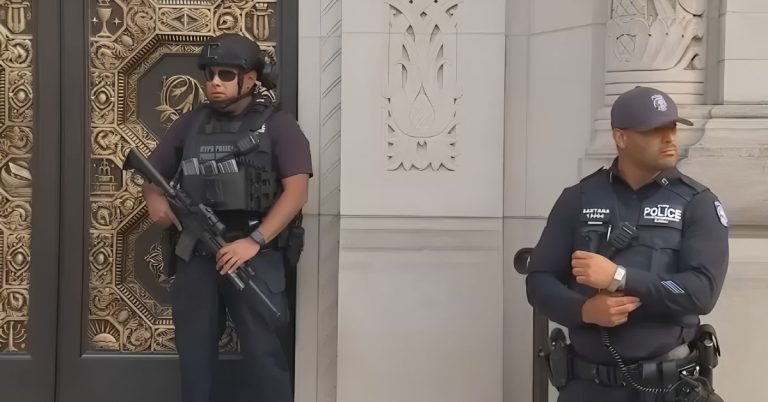
Last month, a group gathered just outside the synagogue’s doors. They held signs and shouted slogans about a hot political topic. Even though they said they meant no harm, the noise scared many inside. Then, officers of the city’s police department arrived. They struggled to calm both sides. As a result, the police chief publicly apologized. He said the protest grew too tense and caused fear in a holy place.

Call for a Law Change

Now, the rabbi wants new rules. He asks state and city leaders to outlaw protests near houses of worship. He argues these sites need special protection. Specifically, he suggests a buffer zone around all churches, mosques, temples, and synagogues. If lawmakers agree, protesters would have to stay farther away. This change could help keep worshippers safe and let them pray without fear.

Impact on Free Speech Debate

Still, some worry about free speech. For instance, critics wonder if the law crosses a line. They ask, isn’t protest a core right? Certainly, people have the right to speak out. Yet, others say houses of worship deserve extra protection. Ultimately, lawmakers will weigh both sides. They must balance safety with the right to protest.

Voices from the Community

Many members of the congregation back the rabbi’s plan. They say they felt unsafe during the protest. Some elders remember past threats to this historic synagogue. Therefore, they feel a ban on protests near houses of worship makes sense. On the other hand, local activists ask for clear protest zones. They want to ensure their voices still matter. Meanwhile, regular parishioners watch the debate with concern. They hope for a peaceful solution.

Challenges and Concerns

Creating a new law is not simple. First, legislators must define the zone size. Should protests stay 200 feet away? Or perhaps more? Next, police need clear guidelines on enforcement. They must know when to step in. Also, judges might face new court cases testing the law. They will weigh constitutional protections. Therefore, lawmakers must craft careful language. Otherwise, the rules could bring more lawsuits.

Lessons from Other Places

Other cities have tried this idea. For example, some states ban protests near schools. They say children need safety. In addition, hospitals often have quiet zones. These examples show how zones can protect people. Still, no state fully bars protests near places of worship. That means no model law exists yet. Lawmakers will study these cases to avoid mistakes.

Potential Benefits of the Ban

If passed, the law could calm tensions. Worshippers could enter and leave safely. They might avoid angry crowds and loud shouting. In turn, police resources could focus on real threats. In addition, houses of worship could hold services in peace. That might improve community relations. Moreover, such a rule could send a clear message. It would show respect for all faith traditions.

Possible Drawbacks

Yet, some warn of unintended effects. For instance, harsh fines could punish small groups. Small faith gatherings might feel isolated. Also, enforcement could vary by neighborhood. That might cause claims of bias. Furthermore, protesters might regroup just outside the buffer zone. Then, confrontations could still happen. Critics say the law must be fair and clear to avoid these problems.

Steps Ahead for Lawmakers

First, leaders will hold hearings. They will listen to faith leaders, civil rights groups, and police. Then, committees will draft possible bills. Legislators must debate buffer size and penalties. They may add exemptions for emergency protests. After that, a final vote will decide the outcome. If approved, the governor would sign or veto the bill. Either way, the debate will shape future protest policies.

Community Role in the Debate

Citizens can join the discussion. They can call local offices or attend council meetings. Faith groups can unite to share their experiences. Meanwhile, civil rights advocates can highlight free speech concerns. When everyone speaks up, lawmakers get a full picture. That makes any law stronger and more balanced.

Outlook and Next Steps

In the coming months, expect more news on this topic. Lawmakers will update the public as they work on the proposal. Synagogue members will watch every development. Other faith communities could launch similar calls. Whether this idea spreads depends on the outcome here. Finally, all eyes are on the next session in the state capital.

Frequently Asked Questions

How would a ban on protests near houses of worship work?

Lawmakers would set a buffer zone around worship sites. Protesters must stay outside this zone. Violations could lead to fines or arrests.

Will this law affect free speech rights?

Supporters say it protects worshippers, not speech. Critics worry it limits protest methods. Courts would decide if the law crosses constitutional lines.

Could this rule apply to all religions?

Yes. The proposal covers every church, mosque, temple, and synagogue. Lawmakers aim for equal treatment across faiths.

What comes next in this process?

Officials will hold public hearings first. Then, legislators will draft and debate the bill. Finally, a vote will determine if it becomes law. Source: https://www.nydailynews.com/2025/12/04/upper-east-side-rabbi-of-synagogue-where-nypd-commish-tisch-apologized-calls-for-limits-to-protests/

Elden Campbell Death Ruled Accidental Drowning

0

Key Takeaways:

  • Elden Campbell death was ruled an accidental drowning by Florida officials.
  • The former NBA champion’s body was found in a private pool.
  • Investigators found no signs of foul play or trauma.
  • Family, friends, and fans are mourning the sudden loss.

Florida officials have officially declared that Elden Campbell death was caused by an accidental drowning. The former NBA champion and Los Angeles Laker was found unresponsive in a private pool. Authorities confirmed there was no evidence of foul play. This ruling brings clarity to a sudden and tragic event.

Details of the Elden Campbell Death Ruling

Investigators worked quickly to uncover what happened. The medical examiner’s report shows that Elden Campbell death resulted from drowning. Officials noted no signs of physical injury, drug use, or alcohol intoxication. They also reviewed security footage and interviewed witnesses. All findings point to a tragic accident.

Circumstances of the Incident

According to the report, Campbell was at a friend’s home in Florida. He had been swimming earlier in the day. Later, the friend found him at the bottom of the pool. Emergency crews arrived within minutes. Sadly, efforts to revive him were unsuccessful. The quick response ruled out any delay in medical attention.

Timeline of Events

  • Midday: Elden Campbell enters the pool.
  • Afternoon: Friend discovers the unresponsive body.
  • Minutes later: Emergency crews arrive.
  • Official announcement: Elden Campbell death ruled accidental drowning.

Investigation Overview

First, officials examined the scene. They checked the pool’s depth, lighting, and any obstacles. Next, they performed an autopsy. Pathologists looked for signs of heart issues or seizures. Then, they ran toxicology tests. Finally, they reviewed all evidence. Each step confirmed the accidental drowning finding.

Medical Examiner’s Findings

The medical examiner ruled Elden Campbell death accidental. Key findings include:
• No bruises or wounds on the body.
• Lungs filled with water.
• No drugs or alcohol in his system.
• No preexisting condition that led to drowning.

Career Highlights of Elden Campbell

Before this tragic end, Elden Campbell enjoyed a bright basketball career. He played over 1,200 NBA games. He won a championship ring with the Lakers. He was known for his strong defense and powerful dunks. Young players saw him as a role model. After retiring, he coached and worked in community programs.

High School and College Years

Campbell first made his mark in Detroit. He led his high school team to a state title. Then, he starred at the University of Virginia. There, he earned All-American honors. He entered the NBA draft with a strong reputation. His college success set the stage for a pro career.

Legacy with the Lakers

After joining the Lakers, Campbell formed a solid frontcourt duo. He helped the team reach the playoffs multiple times. His rebound and shot-block skills were top-tier. Fans admired his work ethic and teamwork. His teammates respected his calm presence on the court.

Life After Basketball

Following retirement, Campbell stayed close to the game. He coached high school teams and trained young athletes. He also spoke at youth programs about discipline and focus. His off-court efforts earned him respect in the basketball community. He inspired many to pursue their dreams.

Reactions from Fans and Teammates

News of the Elden Campbell death stunned the basketball world. Teams, players, and fans shared condolences. Social media buzzed with memories of his best games. Former teammates recalled his generosity and humor. They remembered how he lifted spirits in tough times. His loss felt deeply personal to many.

Statements of Sympathy

Several notable figures sent messages. They praised Campbell’s character and legacy. They spoke of his love for the game and people. They offered support to his family during this hard time. Many highlighted how he made basketball better for everyone.

What Happens Next

With the ruling in place, the family can plan a proper memorial. They may hold services in Florida and Los Angeles. Teammates and friends are expected to attend. The NBA community will likely pay tribute. Fans will remember Campbell’s highlights and his kindness.

Safety Reminders

This sad event also underscores pool safety. Experts urge pool owners to install alarms and safety covers. They recommend never swimming alone, even if you feel strong. Learning CPR and basic rescue skills can save lives. Parents should watch children closely around water.

Honoring His Memory

Many plan to honor Elden Campbell death through charity games. Youth leagues may hold tournaments in his name. Scholarships could support aspiring basketball players. These efforts will keep his spirit alive for future generations.

Conclusion

The Elden Campbell death ruling offers closure to a shocking story. Officials confirmed it was an accidental drowning. While the news brings sadness, it also highlights the value of water safety. Campbell’s legacy as a champion and mentor will live on. His impact on basketball and beyond will not be forgotten.

FAQs

What caused Elden Campbell death?

Florida officials determined he drowned accidentally. No foul play was involved.

Where did Elden Campbell death occur?

His body was found in a private pool at a friend’s home in Florida.

Was alcohol or drugs involved in the Elden Campbell death?

Toxicology tests showed no alcohol or drugs in his system.

How will Elden Campbell be remembered?

Fans and teammates will honor him through memorials, youth programs, and charity games. Source: https://www.nydailynews.com/2025/12/04/nba-champ-elden-campbell-cause-of-death-accidental-drowning/

Coach Liam Gleason Passes Away at 41: What Happened?

0

Key Takeaways

  • Coach Liam Gleason, age 41, died after a serious fall at his Halfmoon, New York home.
  • He led the Siena University lacrosse team with passion and energy.
  • His family, colleagues, and former players are heartbroken by the sudden loss.
  • The Siena community held vigils and shared memories online and in person.
  • The team plans to honor his legacy through events and scholarships.

Coach Liam Gleason Dies After Home Accident

Coach Liam Gleason, the beloved lacrosse coach at Siena University, died this week. He was just 41 years old. Several days earlier, he fell at his home in Halfmoon, New York. Although medics rushed him to a hospital, he did not recover. His sudden death has left many feeling shocked and sad.

Who Was Coach Liam Gleason?

Liam Gleason grew up playing lacrosse and dreaming of a coaching career. After college, he moved into coaching roles at various schools. Eventually, he landed at Siena University. There, he turned the lacrosse program into a force to watch. He cared about every player. He pushed them to improve on and off the field. In turn, they grew to respect him deeply.

How the Accident Happened

On a calm evening at his home in Halfmoon, Coach Liam Gleason suffered a serious fall. Although the exact details are private, family members said he tripped on a stairway. Emergency responders arrived quickly. Yet, his injuries proved too severe. Over the next few days, doctors fought to stabilize him. Unfortunately, he passed away before he could regain consciousness.

Remembering Coach Liam Gleason

Family and friends gathered to share stories and memories. Moreover, former players posted tributes online. They spoke about his energy, humor, and unwavering support. One player recalled how Coach Liam Gleason stayed after practice to help with homework. Another remembered his pep talks before big games. Together, they painted a picture of a man who gave his all to the sport and his students.

Coaching Career and Impact

From the start, Coach Liam Gleason brought fresh ideas to the lacrosse field. He believed in teamwork and resilience. As a result, his teams often outperformed expectations. In addition, he mentored young coaches and held clinics for local youth. He inspired many to love lacrosse and to aim high in life. His impact reached beyond wins and losses. He shaped character and taught life lessons.

Community Mourns His Loss

The Siena University campus draped banners in black to honor Coach Liam Gleason. A vigil took place on the lawn outside the athletic center. Hundreds attended, sharing tears and hugs. They lit candles and placed notes by photos of him smiling in coaching gear. Meanwhile, alumni sent messages of support to grieving family members. Local news outlets covered the story, and donors offered to fund a memorial scholarship.

What Comes Next for Siena Lacrosse

With Coach Liam Gleason gone, the team faces hard choices. The athletic director named an interim coach to lead practices and games. Players say they will honor Coach Liam Gleason’s lessons in every drill and match. University leaders plan a formal celebration of his life next spring. They will also decide on a long-term coach who can build on his foundation.

Tributes and Memorials

In memory of Coach Liam Gleason, the Siena lacrosse community is taking action. They set up a scholarship fund to help hardworking players. Furthermore, they plan an annual tournament named after him. Many hope this event will bring together teams from across the region. It will celebrate his passion for the game and his commitment to young people.

Family Statements and Grief

His family released a statement thanking everyone for their love. They asked for privacy as they mourn. They described him as a devoted husband, father, brother, and friend. Although words cannot fill the void, they find comfort in shared memories. They know his spirit will live on through the countless lives he touched.

Lessons from a Coach’s Life

Even in grief, there are lessons we can learn from Coach Liam Gleason’s journey. First, follow your passion wholeheartedly. He turned a childhood love into an influential career. Second, invest in others. He showed that true success comes from lifting people up. Finally, live with energy and purpose. His sudden passing reminds us to value each moment.

Moving Forward Together

Although the pain feels fresh, the Siena community stands strong. Teammates lean on each other, just as Coach Liam Gleason taught them. Alumni plan reunions to share stories and keep his memory alive. Meanwhile, future players hear about him before they even join the team. His legacy, like a sturdy foundation, will support the program for years.

Frequently Asked Questions

What caused Coach Liam Gleason’s death?

He died after a severe fall at his home in Halfmoon, New York. Despite medical efforts, he did not recover.

How old was Coach Liam Gleason when he passed away?

He was 41 years old.

How is Siena University honoring him?

The university held a vigil, created a scholarship fund, and plans an annual lacrosse tournament in his name.

Who will lead the lacrosse team now?

An interim coach has taken over. The university will later appoint a permanent coach to continue Coach Liam Gleason’s work. Source: https://www.nydailynews.com/2025/12/04/siena-lacrosse-coach-liam-gleason-dies-brain-injury-fall/

Inside the Deadly Radio Tower Accident in Atlantic City

0

Key Takeaways

  • A worker fell from a radio tower in Atlantic City and died.
  • Two other workers got stuck on the tower and needed rescue.
  • Fire crews climbed ropes and used ladders to reach the trapped men.
  • Police and safety teams launched an investigation into the accident.
  • Local officials say they will review safety rules for tower work.


On a clear afternoon, a routine job turned tragic at a radio tower in Atlantic City. Three workers were repairing antennas high above the ground. Suddenly, one man lost his footing and fell. He died before rescuers reached him. Meanwhile, the two others clung to the tower until help arrived. This radio tower accident has shocked the community and spurred calls for stronger safety checks.

Understanding Radio Tower Work

Radio towers are tall metal structures that send and receive signals. They can stand hundreds of feet high. Workers use harnesses, ropes, and protective gear to climb them. Even so, the job carries big risks. Wind can sway the tower. Rain can make surfaces slippery. In addition, the metal can become hot in direct sun. That heat can cause burns or fatigue. Therefore, strict safety steps guide every climb. Before work starts, crews inspect all gear. They test harnesses and secure bolts. Also, a spotter on the ground watches the climbers. If conditions look unsafe, teams delay work until the next safe window.

What Caused the Radio Tower Accident?

Investigators are now digging into what led to this radio tower accident. First, they will inspect the worker’s gear. Next, they will check weather reports. In fact, wind gusts may have jumped suddenly. Also, teams will review training records. They want to see if every worker followed safety steps. So far, authorities say no foul play seems involved. However, they have not ruled out human error or gear failure. Moreover, officials will examine tower maintenance logs. That way, they can spot any missing repairs or signs of metal fatigue. Finally, investigators will interview eyewitnesses. Those statements may explain why the man lost his footing. All of these steps aim to prevent another tragic radio tower accident.

Rescue Efforts and Challenges

When the accident happened, the two trapped workers clung to the tower at about 200 feet up. Firefighters arrived within minutes. First, they rigged rope systems to lower climbing specialists. Then, they set up tall ladders on nearby trucks. However, strong gusts made the ladders sway. Therefore, crews had to anchor them carefully. Meanwhile, paramedics stayed on standby below. They held stretchers and oxygen tanks ready. Within forty minutes, rescuers reached one worker. They clipped him into a safety line and slowly lowered him down. Next, they repeated the process for the second man. Both arrived on the ground with minor injuries but were shaken. Sadly, by then it was too late for the man who fell.

Investigation and Safety Review

After the rescue, the city’s safety office launched a full investigation into the radio tower accident. They will gather data from the scene, including video and photographs. In addition, they will inspect all tower components and the workers’ gear. The safety office will also consult with tower experts. They aim to update protocols for inspections and training. That could include more frequent gear checks or new wind limits for climbs. Furthermore, the office may require extra spotters on the ground. These spotters would keep a closer eye on weather changes. Ultimately, the goal is to reduce risks and protect workers. Officials say they will share their findings with all tower companies in the region.

Community Reaction and Next Steps

News of the accident spread quickly through Atlantic City. Local leaders expressed deep sadness. They said their thoughts are with the worker’s family. Co-workers have set up a fund to help cover funeral costs. Many residents sent messages of support. They also called for better worksite safety rules. Meanwhile, the city council plans to hold a forum. At that meeting, tower companies, safety experts, and union reps will discuss new measures. Parents worry about job sites that dot the coast. They want stronger oversight before more workers climb high. On Monday, the mayor pledged to back any rule that keeps workers safe. As the community mourns, it also hopes this radio tower accident will lead to real change.

Frequently Asked Questions

What safety measures do workers use on radio towers?

Workers wear full-body harnesses, hard hats, gloves, and non-slip boots. They attach safety lines and use rope systems. A spotter on the ground watches for hazards. Teams test and inspect gear before each climb.

How long will the investigation take?

Investigations can last from weeks to months. Teams need time to review all evidence. They must inspect equipment, interview witnesses, and analyze weather data. Final safety recommendations usually follow once the review ends.

Will new rules protect tower workers?

Officials hope updated rules will cut risks. They may require extra training, more frequent gear checks, and stricter wind limits. However, any new rule must balance safety with keeping work schedules on track.

How can the community help the injured workers’ families?

People can donate to local funds set up by co-workers. They can also send cards or flowers to show support. Sharing resources about safety reforms can help push for change and honor the worker’s memory. Source: https://www.nydailynews.com/2025/12/04/atlantic-city-radio-tower-accident-death/

Queens Car Meetup Turns Violent: Man Arrested

0

Key takeaways:

  • 19-year-old Justin Aguilera joined a wild Queens car meetup that ended in violence.
  • He allegedly beat a man in front of his home and helped ignite a riot.
  • During the chaos, someone set a car ablaze on a nearby street.
  • Aguilera faces charges of gang assault, assault, trespassing, and riot.
  • Neighbors and local leaders now demand safer, well-regulated events.

Nightmare at the Queens Car Meetup

Last Saturday, a gathering of car fans in Queens exploded into chaos. Cars lined the street, and engine roars filled the air. At first, everyone seemed excited to show off their rides. However, a few people brought trouble instead of car pride. Soon, the night turned dangerous for nearby families.

What Happened at the Gathering

Around dusk, dozens of cars and spectators packed the Queens neighborhood. Drivers performed donuts and revved engines to show off power. Yet, tempers flared when two drivers argued over a spot. The disagreement grew into a big fight. Amid that brawl, witnesses saw flames shoot from a parked vehicle.

Meanwhile, Justin Aguilera and his group pushed past barriers into a nearby home’s front yard. They threatened a man who was filming the chaos. Then, they attacked him with punches. Neighbors watched in shock as the victim tried to shield himself. Finally, someone called 911 and police rushed in.

Within minutes, officers drew their weapons and broke up the riot. They chased suspects down side streets and across lawns. During the crackdown, police spotted the burning car. Firefighters arrived soon after to put out the flames. By the end of the night, four people lay injured and one car lay charred.

Charges Against Justin Aguilera

Police charged 19-year-old Justin Aguilera with several felonies. He faces gang assault and assault counts for the beating. Additionally, they added a trespassing charge for entering private property. A riot charge covers the violent mob and the burned car. If found guilty, he could face years behind bars.

Police Statement and Investigation

A police spokesperson said officers acted swiftly to end the riot and arrest key suspects. He praised brave bystanders who stayed safe and shared video clips. Those recordings helped detectives pinpoint Aguilera in the crowd. Soon, they traced his steps back to his Far Rockaway home.

Investigators are combing through social media posts tied to the Queens car meetup. Videos show masked participants firing fireworks into the crowd. Others captured cars running red lights at high speeds. Such evidence could lead to more charges against those involved.

Police also speak with neighbors and local shopkeepers. Those interviews reveal where the group gathered before the event. Investigators hope this timeline will expose the full plan behind the riot. Then, they can stop future violence before it erupts again.

Community Reaction

Residents in the area feel shaken by what happened. One mother described hearing loud bangs and screams outside her window. She hesitated to call the police at first because she feared retaliation. After the arrest, she says she feels a bit safer, though worry still lingers.

Local business owners say they lost a night of sales when crowds took over their street. A shopkeeper found broken glass in front of her store the next morning. She hopes city officials will improve lighting and patrols in the neighborhood.

Meanwhile, community leaders met with police to discuss safer event plans. They intend to create a neighborhood oversight group for such gatherings. By having local voices at the table, they aim to set clear rules on crowd size and noise. Such efforts could keep neighbors and car fans happy.

Safety Concerns at Car Meetups

Car meetups can be fun when organized well, but dangerous without rules. Street racing risks accidents, and onlookers face serious injury if a car loses control. Also, loud engines can stress out families nearby.

To prevent violence, organizers should secure permits and hire licensed security guards. They must set up barriers to keep cars away from homes. Clear entry points and exit routes will help police manage any trouble.

Moreover, event planners must monitor social media chatter. Large gatherings often form online with little notice. By tracking posts, organizers can spot potential trouble early. Then, they can alert the police or remove problem individuals before tensions rise.

Impact on Future Events

After this incident, city officials will review rules on car meetups. They might require special insurance or higher fees. Unapproved gatherings could face stiffer fines. At the same time, legal events might get more support to offset extra costs.

Some car clubs worry these changes will hurt their community. They say safe, planned meets help keep fans away from illegal street racing. However, many agree that safety cannot take a back seat. They hope to work with officials to find fair solutions.

What Happens Next

Justin Aguilera remains in custody on a high bail amount. His next court date will decide if he stays behind bars during his trial. Prosecutors will present video and witness testimony. At the same time, Aguilera’s defense team will review evidence for weaknesses.

Other suspects also face charges and possible arrests. Police plan more interviews this week to wrap up their investigation. They aim to deliver charges to everyone who fought, trespassed, or set the fire.

Learning from the Incident

This violent night at the Queens car meetup offers clear lessons. First, open communication and strict rules can stop a small fight from turning into a major riot. Second, neighbors and organizers must work together to protect homes and businesses. Lastly, quick police response and video evidence can bring justice fast.

By planning ahead, any community can host a safe car event. Organizers should set clear boundaries, emergency plans, and a direct line to police. When drivers and fans know what to expect, they can truly enjoy their shared passion for cars.

FAQs

What sparked the violence at the meetup?

Neighbors report that a parking dispute and loud noise triggered the first argument. Then, the conflict spread when more attendees joined.

How did police identify Justin Aguilera?

Officers used videos from witnesses and social media. They matched Aguilera’s clothes and actions to the riot footage.

Will future car meetups still be allowed?

Authorities plan to enforce stricter rules on unpermitted gatherings. Yet, they support safe, licensed events that follow the law.

How can fans keep future meetups safe?

Organizers should secure permits, hire security, set clear rules, and coordinate with local residents and police. Source: https://www.nydailynews.com/2025/12/04/far-rockaway-man-arrested-for-beating-queens-homeowner-during-wild-car-meetup/

Why Democrats Are Furious Over Paul Ingrassia Appointment

0


Key Takeaways:

  • A group of Democratic senators called for Paul Ingrassia’s removal from the GSA.
  • They argue his past comments show bias and betray public trust.
  • Ingrassia failed a prior nomination to lead the Special Counsel’s Office.
  • Senators demand he not hold any position in the Trump administration.
  • The controversy stems from his inflammatory texts and right-wing podcast.

Why Democrats Are Furious Over Paul Ingrassia Appointment

A recent appointment stirred fierce debate in Washington. On one side are Democratic senators who serve on the Senate Homeland Security and Government Affairs Committee. On the other, President Trump’s administration stands behind Paul Ingrassia as the new deputy general counsel at the General Services Administration. The clash began when senators sent a sharply worded letter to agency leaders, accusing the White House of betraying American trust.

Background on the Appointment

In late September, President Trump withdrew Paul Ingrassia’s nomination to lead the Office of Special Counsel. The decision came after news of his controversial remarks emerged. Yet, only weeks later, the administration announced his new role at the GSA. This move surprised both lawmakers and watchdog groups. Many viewed it as a way to keep Ingrassia in a key legal post despite past controversies.

Democrats Criticize Paul Ingrassia

Democratic senators described the appointment as shocking. They pointed out that Ingrassia openly said troubling things about minority communities. For example, he once claimed he had a “Nazi streak” in him. He also called Martin Luther King Jr. Day a holiday that “belongs in hell.” In their letter, the senators said these statements show a pattern of blatant disrespect. They argued he cannot fairly serve all Americans.

Why the Letter Matters

First, the senators serve on a committee tasked with overseeing government ethics. They saw Ingrassia’s appointment as a direct challenge to that mission. Second, they believe every federal official must uphold impartiality. Third, they worry that his views could influence decisions at the GSA. Since the GSA manages billions in federal contracts and buildings, any bias could have real consequences. Therefore, the senators demanded an immediate reversal.

Key Points from the Senators’ Letter

  • They expressed deep disturbance at the appointment so soon after his failed nomination.
  • They called Ingrassia’s continued government role unacceptable.
  • They argued his past remarks betray American values.
  • They demanded his removal and barred consideration for future roles.

Who Is Paul Ingrassia?

Paul Ingrassia is known as a conservative podcaster and lawyer. He gained attention for his bold and often provocative statements. Before these recent events, he had not held a major government position. However, his nomination to lead the Office of Special Counsel put him in the spotlight. When reporters dug into his past comments, many found them offensive. Critics say those remarks show clear political bias.

Ingrassia’s Podcaster Role

Ingrassia co-hosts a right-wing podcast that covers political and social topics. He often uses strong language to criticize public figures. While his audience applauds his blunt style, others see it as divisive. His text messages revealed even harsher personal views. For instance, he called certain holidays and groups “worthless.” Such phrases alarmed senators who oversee fairness in federal work.

The Senate Homeland Security Committee’s Stance

Senators on this panel oversee agencies like the GSA. They vet nominees to ensure they meet ethical standards. In this case, they felt blindsided. They said no proper vetting occurred before Ingrassia’s appointment. Moreover, they believe strong biases disqualify him from a legal role. Since deputy general counsel gives legal advice, any bias could steer policies unfairly.

What the GSA and White House Might Do

The General Services Administration and the Office of Presidential Personnel now face pressure. Senators demand a swift removal. However, the administration could defend the appointment. They might cite Ingrassia’s legal experience. They could argue past comments do not affect job performance. Meanwhile, watchdog groups and media will keep the spotlight on this issue. Public reaction may shape the final outcome.

The Stakes for Americans

Government trust depends on fair treatment for all citizens. When top officials show bias, trust erodes. For everyday people, this can mean unequal access to services or contracts. With the GSA handling federal resources, any partiality could harm communities. Therefore, the senators believe the stakes are high. They see this as more than a personnel dispute; they view it as a matter of public confidence.

Next Steps in the Controversy

Now, the ball is in the administration’s court. They can:

  • Remove Paul Ingrassia from his post.
  • Keep him in position and face mounting criticism.
  • Reassign him to a less sensitive role.

Whatever they choose, the debate will continue. If the White House resists, senators may hold hearings. They could also call for formal investigations. In any case, this fight highlights how important vetting is for government roles.

Key Terms Explained

General Services Administration: The federal agency that manages buildings, supplies, and contracts.
Office of Presidential Personnel: The White House office that nominates and vets presidential appointees.
Deputy General Counsel: A senior legal adviser responsible for guiding agency policies.

Conclusion

In a brief period, Paul Ingrassia went from a failed nominee to a controversial GSA appointee. Democratic senators argue his past comments disqualify him from serving fairly. They say this appointment betrays every American’s trust. Now, both the GSA and the White House must decide whether to stand by or remove him. As the debate unfolds, the issue raises bigger questions about bias and ethics in government.

Frequently Asked Questions

What led to Paul Ingrassia’s initial nomination withdrawal?

His nomination to lead the Office of Special Counsel faced backlash. Past text messages and podcast remarks triggered concerns about serious bias.

Why are Democratic senators demanding his removal?

Senators say Ingrassia’s inflammatory comments show he cannot act impartially. They believe this betrays public trust and undermines agency fairness.

How might this controversy affect government operations?

If an official holds clear biases, it could influence contract awards and administrative decisions. This may harm equal treatment of citizens and businesses.

What could happen next in this dispute?

The White House could remove or defend Paul Ingrassia. Alternatively, Congress might hold hearings or launch investigations if the standoff continues.

Outrage Grows Over Trump’s Commuted Sentence


Key Takeaways:

  • President Trump commuted David Gentile’s sentence after he served just 12 days.
  • Victim Carolann Tutera lost $500,000 in Gentile’s $1.6 billion Ponzi scheme.
  • Tutera says the commuted sentence “makes no sense” and leaves families hurting.
  • Trump also granted clemency to other white-collar offenders in his second term.

Why the Commuted Sentence Shocks Victims

In a surprising move, President Trump shortened David Gentile’s sentence. Gentile led a huge fraud at GPB Holdings and stole billions. He was convicted and given seven years in prison. Yet after just 12 days behind bars, Trump issued a commuted sentence. Victims like Carolann Tutera say it feels unfair. She and her elderly mother and sister lost half a million dollars. They trusted Gentile’s firm and believed their money was safe. Now they wonder why he faced so little time in jail.

How the Commuted Sentence Affects One Family

Carolann Tutera never imagined she’d be a fraud victim. After her husband died, she turned to GPB Holdings to secure her family’s future. Instead, Gentile’s Ponzi scheme wiped out her savings. She asked repeatedly for her money back. Each time, Gentile’s team promised to pay soon. However, no money ever arrived. Court investigators later found losses totaled $1.6 billion. Tutera recovered only $40,000 of her $500,000. Despite the scale of the crime, the commuted sentence let Gentile walk free almost immediately. Tutera calls it “totally disgust[ing].”

Why the Commuted Sentence Stirs Broader Debate

Gentile is not the only white-collar criminal to get leniency from Trump’s second administration. The president pardoned a top cryptocurrency executive who paid a $4 billion fine and a Texas lawmaker convicted of money laundering. Critics argue that a commuted sentence for a massive fraud sends the wrong message. They worry ordinary people face harsher punishments for lesser offenses. Moreover, they say political connections may sway clemency decisions. In response, some lawmakers propose new rules to oversee presidential commutations, especially for financial crimes above a certain dollar threshold.

What Comes Next After the Commuted Sentence

Victims still have options. They can file civil suits to recover their losses. They can also lobby Congress for tougher clemency guidelines. One idea is creating an independent review board for high-value cases. This board would include victim representatives and legal experts. It would vet any request to commute a sentence above a set amount. Advocates believe this approach would add transparency and fairness. Until reforms pass, families like the Tuteras wait, hoping their experience spurs real change in the justice system.

Conclusion

The commuted sentence for David Gentile has left many victims feeling betrayed. They lost life savings and watched their abuser walk free almost immediately. Critics see a clemency process that favors the powerful and well connected. Meanwhile, lawmakers discuss reforms to ensure future commutations are fairer and more transparent. For now, Carolann Tutera and others share their stories to shine a light on the system’s flaws. They aim to protect every family—regardless of wealth—from similar injustice.

Frequently Asked Questions

What does commuted sentence mean?

A commuted sentence reduces the time someone must serve in prison. It does not erase the original conviction.

Can fraud victims block a commuted sentence?

Victims cannot directly stop a commutation. They can, however, push for new laws or join civil actions to seek compensation.

Why did President Trump commute Gentile’s sentence?

The White House did not publicly explain the decision. Generally, presidents grant commutations based on personal appeals or perceived fairness.

Could new rules prevent controversial commuted sentences?

Yes. Some lawmakers want an independent review board for major clemency decisions. But such reforms have not yet become law.

Mike Johnson Under Fire for Swearing In Choices


Key takeaways:

  • Speaker Mike Johnson plans to swear in new GOP Rep Matt Van Epps this week.
  • Johnson delayed seating Democrat Adelita Grijalva for 50 days after her win.
  • Critics say the Speaker shows a clear double standard based on party lines.
  • The move raises questions about fairness and transparency in Congress.

Speaker of the House Mike Johnson is under fire after he announced plans to swear in new Republican member Matt Van Epps this week. Meanwhile, he kept Democrat Adelita Grijalva waiting 50 days after her election win. The sudden rush to seat Van Epps, whom Johnson openly supported, has critics crying foul.

Mike Johnson and Partisan Seating Decisions

The Speaker wields the power to decide when to administer the oath of office. However, that power appears to shift based on party affiliation. Matt Van Epps won a deep red Tennessee district by a narrow margin on Tuesday night. Johnson had actively campaigned for him before the vote. Now the Speaker says he will fast-track Van Epps, even though the House faces similar logistical hurdles.

A New GOP Member Fast-Tracked

Matt Van Epps, a political newcomer, clinched his seat in a race that drew national attention. In the days leading up to the election, Johnson held rallies and fundraisers in Tennessee to back Van Epps. As a result, the Speaker now claims urgency in seating his ally. According to a Punchbowl News report, Van Epps could take his oath as early as this week.

Reasons Given for Delay

In stark contrast, Johnson repeatedly stalled Adelita Grijalva’s seating after her September victory in Arizona’s 3rd District. He offered an array of explanations:
• The House was not in session during early October.
• A looming federal government shutdown demanded attention.
• Her election results awaited final certification.

Critics, however, noted that other members-elect faced the same conditions yet took office promptly. They argued that the Speaker applied the rules selectively to suit his political goals.

Alleged Political Motive

In October, a major report suggested that Grijalva’s planned vote on releasing Jeffrey Epstein files may have driven the delay. She co-sponsored bills on the environment and public education, but her push for transparency on Epstein stirred opposition from both Johnson and former President Trump. Critics say this shows a direct link between her policy stance and the Speaker’s reluctance.

Critics Sound Off

Voices from across the political spectrum blasted the Speaker’s double standard:
Ummmmmmmmmmmmmmmm, the last member had to wait 50 days, noted political commentator Molly Jong-Fast with a sharp tone.
I was led to believe that waiting almost two months was customary and totally normal, snarked Robbie Sherwood, communications director of the Arizona House Democratic Caucus.
Oh so he can just swear anyone in immediately if he feels like it, observed Hemant Mehta of the Friendly Atheist.
Guess the speed of democracy depends on who you voted for and what they look like, charged Democratic strategist Adam Parkhomenko.

These comments highlight growing frustration with perceived partisan bias in the Speaker’s office.

Impact on Voter Trust

Equal and timely representation lies at the heart of democracy. When one member waits weeks while another races ahead, voters in different districts lose faith. Moreover, it sets a troubling precedent: the loyalty of the Speaker may outweigh the will of the people. Therefore, many argue that clearer rules must replace discretionary power.

House Rules Under Scrutiny

Currently, the House rulebook gives the Speaker broad latitude. Yet, few modern precedents exist for such long delays. Historically, members-elect usually receive their oaths within days or weeks. In rare cases, legal disputes or recounts cause delays. In Grijalva’s case, her certification arrived quickly. Thus, critics see no justifiable reason for a 50-day wait.

Potential Reforms

In response to the uproar, several lawmakers plan to introduce rule changes:
• Fixed Seating Deadline: Members-elect must be sworn in within 30 days of their election certification.
• Automatic Oath Scheduling: The Clerk of the House would set a date, removing Speaker discretion.
• Independent Oversight: A nonpartisan panel could resolve disputes over seating timelines.

If these measures pass, future Speakers could not stall members at their whim. Instead, every citizen would get equal representation on a predictable timeline.

Speaker Johnson’s Defense

Mike Johnson defends his actions by citing logistics and precedent. He argues that each House session faces different challenges. Therefore, he needs flexibility to ensure smooth operations. He also insists that no personal bias influenced his decision on Grijalva.

However, few accept that defense. Reporters continue to press Johnson on why he fast-tracked Van Epps but stalled Grijalva. Meanwhile, his stance risks eroding trust among moderate lawmakers and swing voters.

Historical Context

Powerful Speakers have long shaped the flow of legislation and membership. Yet, most refrained from directly blocking elected colleagues. In the 19th century, factional fights sometimes led to seating disputes. But modern norms favor rapid inclusion. Johnson’s move breaks with decades of bipartisan practice.

Moreover, the incident underscores the growing polarization in Congress. As party lines harden, procedural tools become weapons. Thus, fair and transparent processes grow more vital.

Looking Ahead

The controversy around Mike Johnson’s seating decisions will likely persist. The new House rule discussions may drag on into next year. In the meantime, Van Epps will join the GOP ranks. Grijalva will finally take her seat. But the episode will leave a lasting mark on Johnson’s speakership.

If Congress fails to act, future Speakers may feel emboldened to pick winners and losers. That could deepen voter cynicism and hamper legislative cooperation. Conversely, a swift rule change could restore faith and set a fresh precedent.

For now, Americans watch closely. They want to see whether one man’s power can override the will of millions. And they wonder how many more rules will bend before someone finally steps in.

Frequently Asked Questions

Why did Johnson delay seating Adelita Grijalva?

The Speaker cited session schedules, a budget shutdown, and certification steps. Critics say those factors applied to other members too.

How fast will Matt Van Epps take office?

Johnson expects to swear in Van Epps within days of reporting his Tuesday night win in Tennessee.

Can the House limit the Speaker’s power over seating?

Yes. Lawmakers could set firm deadlines, automate oath dates, or form independent panels to oversee the process.

What are the risks of leaving seating rules unchanged?

Discretionary power may deepen partisan divides, undermine voter trust, and encourage future Speakers to block members for political gain.

Council Salaries Increase: What You Need to Know

0

Key takeaways

• The new bill would lift mayor, speaker, and council pay starting next term
• Mayor’s salary jumps from $258,000 to $300,500 per year
• Speaker’s pay rises to $191,000, up from $164,000 annually
• Other council members would see salaries climb from $148,000 to $172,500
• Supporters say higher pay boosts talent; critics worry about budget impact

A new proposal would boost council salaries across the board. Under the plan, the mayor’s pay jumps by more than $42,000. Meanwhile, the council speaker and all members also get pay raises. This change would take effect at the start of the next term. It aims to attract skilled leaders and reflect the city’s growth. However, some worry about how the extra cost will affect taxpayers.

City leaders play a key role in budgets and policies. As a result, supporters say better pay will draw talented people. On the other hand, opponents argue the city faces many funding needs. Consequently, they question whether higher salaries are wise now.

New Council Salaries Figures for Mayor and Council

Under the bill, the top pay for the mayor would reach $300,500 each year. Today, the position earns $258,000 annually. That change marks a 16 percent rise in mayor pay. In addition, the council speaker would earn $191,000 instead of $164,000. All other council members would see their salaries move from $148,000 to $172,500.

These new figures would make local government pay more competitive. For example, peer cities already offer higher council salaries. Moreover, leaders believe this will encourage long-term public service careers. They note that complex city issues need well-paid experts, not those who must work extra jobs.

Why the Council Salaries Rise Matters

First, the council salaries increase may reduce turnover among leaders. Currently, many members leave after one or two terms. Low pay can force them to choose private jobs. With better salaries, the city can keep experienced people in office. This stability can speed up long-term projects.

Second, higher pay could improve decision making. Council members often juggle multiple roles. When they earn more from official jobs, they focus solely on city issues. As a result, they can research policies deeply and spend more time meeting residents.

Third, the pay raise sends a message about the city’s priorities. It shows that the community values public service and wants to attract skilled planners. In addition, it signals that the city expects high performance from its leaders.

However, critics point out the budget impact. The extra cost for all offices adds up to millions over each term. In tough economic times, they argue funds should go to services like schools, roads, and parks. Opponents also worry about setting a pattern for future raises.

What’s Next After the Pay Rise?

If the bill passes, the new council salaries will kick in when the next terms begin. That means voters will soon see candidates running on promises tied to the raise. Some candidates will highlight it as a step toward better city management. Others will oppose it, pledging to seek cuts or freeze salaries.

In the meantime, the council will hold public hearings. Residents can share their views on whether the raise is fair. City watchdog groups plan to offer data on budget trade-offs. They will point out how much money could go to other priorities instead.

Additionally, the mayor must sign the bill before it becomes law. If the mayor vetoes it, the council can still override that veto by a supermajority vote. Either way, debate will continue at community forums and city hall.

Ultimately, this pay raise discussion ties into larger questions. How much should public service pay reflect private-sector rates? What trade-offs do voters accept when they fund their government? As the debate unfolds, the council salaries increase remains at its center.

FAQs

How much will the mayor earn after the raise?

The mayor’s salary jumps from $258,000 to $300,500 per year under the proposed bill.

When would the new council salaries take effect?

The new pay rates would start at the beginning of the next council and mayoral terms.

Why do supporters back the pay increase?

Supporters say better pay attracts and retains skilled leaders and lets them focus fully on city issues.

What are the biggest concerns about the salary boost?

Critics worry about the added cost to taxpayers and argue funds could better support public services. Source: https://www.nydailynews.com/2025/12/03/nyc-council-presses-on-with-pay-raise-effort-despite-silence-from-mamdani-menin/

Homeless Man Arrested After Two Shocking Attacks

0

Key Takeaways

• A homeless man arrested after an unprovoked attack on an NYU student
• He’s now charged for cold-cocking a 68-year-old tourist on Thanksgiving
• Two separate assaults show a troubling pattern of random violence
• Authorities seek strong penalties as community demands answers

A homeless man arrested in New York City now faces two assault charges. First, he struck an NYU student without warning. Then, he cold-cocked a visiting senior on Thanksgiving. As a result, police say he poses an ongoing danger. Moreover, they plan to press for serious jail time.

Attack on NYU Student Surprised Many

On a busy Manhattan sidewalk, a homeless man arrested approached a young student. Without a word, he punched the student in the face. The student fell back, stunned and bleeding. Bystanders rushed to help and called emergency services. Consequently, the attacker fled the scene on foot. Soon after, officers found and detained him nearby.

NYU officials condemned the incident. They praised the quick response of police. Additionally, they urged students to stay alert. Many in the area felt uneasy, wondering if more random crimes would follow.

Homeless Man Arrested Faces Second Assault Charge

Weeks later, police confirmed the same man committed another violent act. On Thanksgiving Day, a 68-year-old tourist walked near a popular restaurant. Suddenly, the homeless man arrested punched him in the head. The victim fell to the ground and lost consciousness. Witnesses described the blow as “brutal” and “unprovoked.” They immediately called for medical help.

Emergency crews rushed the tourist to a nearby hospital. Fortunately, he regained consciousness but suffered a concussion. Police then linked the two cases through surveillance footage. They arrested the suspect again, this time holding him on both charges.

Thanksgiving Assault on a Tourist

Thanksgiving usually brings joy and family gatherings. However, this year’s holiday left one visitor injured. The tourist had come from out of state to enjoy the city lights and festive meals. Instead, he ended up in an ER with head trauma.

Detectives reviewed nearby camera feeds. They spotted the suspect lurking before the punch. Then, they noticed him following the tourist for several blocks. Finally, he struck without warning. Investigators believe the pattern shows escalating violence. They worry others could become targets if he stays free.

Police and Community React

Following these incidents, community leaders spoke out. Local residents demanded better street safety. They called for more patrols and improved social services. Some urged the city to address homelessness with stronger outreach programs.

Meanwhile, NYU increased security around its campus. Officers now patrol popular student areas more frequently. Campus staff remind students to travel in groups, especially after dark. Furthermore, community groups organized a vigil for the injured tourist and student.

Nevertheless, some worry these measures do not tackle the root problem. They say mental health support is crucial for people living on the streets. Otherwise, violent acts may continue unchecked.

Legal Consequences and Next Steps

The homeless man arrested now faces two felony assault charges. Each count carries serious prison time if he’s convicted. Prosecutors plan to argue that he is a repeat offender. Therefore, they will seek a higher bail and stiffer sentence.

In court, his defense may point to mental health issues or addiction. Judges often consider these factors when setting bail. However, victims’ families and city leaders want firm action to deter future attacks.

Court dates are set in the coming weeks. Bail hearings will determine if he remains jailed before trial. As the case unfolds, both the student and the tourist will have chances to tell their stories in court.

Preventing Future Attacks

City officials say they want to reduce violent crime through better outreach. They propose:

• More mental health teams on patrol
• Increased funding for homeless shelters
• Training for first responders to handle street crises

Moreover, local nonprofits plan to expand job training and counseling. They hope to offer real alternatives for people on the streets. If these steps succeed, random attacks like these could decrease.

Community workshops also focus on bystander intervention. Organizers teach simple actions to safely help victims. For example, recording details, keeping a safe distance, and calling 911.

Conclusion

In a city that never sleeps, random violence shakes everyone’s sense of safety. The homeless man arrested for two brutal assaults now faces the justice system. Yet, beyond punishment, New Yorkers demand solutions. They seek a balance between public safety and compassion for the homeless. As the trial moves forward, the community hopes for both accountability and real change.

Frequently Asked Questions

What charges does the homeless man face?

He faces two felony assault counts for attacking the NYU student and the 68-year-old tourist.

How did police link the two assaults?

Officers used surveillance footage and witness statements to connect both incidents to the same suspect.

Will the victims recover fully?

The student and the tourist are expected to recover, though both suffered head injuries requiring medical care.

What steps are being taken to prevent more attacks?

City leaders and nonprofits plan more patrols, mental health outreach, and community workshops on bystander safety. Source: https://www.nydailynews.com/2025/12/03/tourist-describes-harrowing-attack-homeless-man-arrested-assault-nyu-student/