75.5 F
San Francisco
Sunday, March 29, 2026
Home Blog Page 198

Roger Roots Sparks Debate at ASC Meeting

0

Key Takeaways

• Roger Roots argued that January 6 prosecutions were a “grave injustice.”
• He compared J6 cases to historical events like the Bonus Army and Japanese internment.
• A criminology professor interrupted Roots to challenge his claims.
• Roots conceded the U.S. justice system is unfair after the debate.
• The exchange highlighted deep divisions over Trump’s pardons and legal fairness.

Roger Roots Sparks Debate on January 6 Justice

Last week, the American Society of Criminology held its 80th Annual Meetings in Washington, D.C. The theme was “Criminology, Law, and the Democratic Ideal.” On the second day, an unexpected debate unfolded when Roger Roots took the stage.

Who Is Roger Roots

Roger Roots is a defense lawyer known for representing January 6 defendants. He led the defense for Proud Boy Dominic Pezzola and helped Oath Keepers leader Stewart Rhodes. Moreover, he served as a defense lead in other high-profile far-right cases.

Despite his legal credentials, Roots has faced his own legal troubles. He spent almost a year in jail for resisting arrest and violating probation in Florida. He also served 20 months in federal prison for having unregistered firearms.

In academic circles, Roots has written about the Fourth Amendment. He once ran as a Libertarian candidate for U.S. Senate in Montana. In 2014, he admitted past ties to racist materials and Holocaust denial. Roots claims to have left those views behind.

The Criminology Conference Showdown

At the conference, the program showed a session titled, “Did Trump’s Pardon of the J6ers ‘End a Grave National Injustice?’ A J6 Defense Lawyer Speaks.” The abstract promised a detailed argument that J6 prosecutions were unfair and warranted Trump’s mass pardon of about 1,500 defendants.

Roger Roots walked in front of a large audience and began by stating that the president gave no reasons for his pardons. He joked, “Trump should have allowed me to write the executive order for him.” The crowd reacted with laughter.

Roots then presented examples to support his claim. He compared J6 prosecutions to:
• The arrest of socialist leader Eugene Debs in 1918 for anti-war speech.
• The Bonus Army removal in 1932, when veterans peacefully occupied D.C.
• The internment of Japanese Americans during World War II.
• A 1967 protest by armed Black Panthers at the California State Capitol.

Roots argued that J6ers received harsher treatment than these groups. He said prosecutors used novel legal theories to win convictions. He claimed the sentences were the harshest in U.S. history for political rioting.

Challenging Roots’s Claims

However, a professor in the audience felt compelled to speak up. He stood and said, “Counselor, there is nothing unusual here. That is simply how our criminal justice system works.” With that, the debate took a sharp turn.

First, the professor noted that none of Roots’s examples involved violent clashes with police. The Bonus Army protest lasted ten days of peaceful occupation. Similarly, Debs spoke without inciting violence. The internment of Japanese Americans and the armed Black Panther protest were very different contexts.

Moreover, the professor pointed out that J6 cases included attacks on police, property damage, and clear threats to democracy. He said, “Those are not peaceful protests. They tried to overturn an election.” Roots paused, then nodded. He admitted the examples did not match the January 6 events.

Next, the professor pressed Roots on the claim of “selective and vindictive” prosecutions. He asked if Trump’s own prosecutions fit that label. Specifically, he mentioned investigations into Jim Comey and Letitia James.

Roots replied, “Yes, I guess they are. We just don’t have a very fair system of law in this country.” With that, he weakened his own argument about selective justice.

The Final Exchange

As the session ended, Roots invited questions. People asked about legal strategies and the role of media. Finally, when Roots rose to leave, the professor stopped him again.

“Not so fast,” he said. “Is the justice system worse under Trump and the new Supreme Court? Yes or no?” Roots thought, then answered, “It is worse today under Trump’s direction.”

In that moment, the debate revealed the irony in Roots’s stance. He argued for pardon and clemency, yet he agreed the system under Trump is flawed. The audience left with a clearer view of both sides.

What This Means for January 6 Justice

This impromptu debate at the conference shows how heated the January 6 discussion remains. On one hand, defense lawyers like Roger Roots push claims of unfair treatment. On the other hand, scholars call out the violence and threat to democracy.

Furthermore, the argument over Trump’s pardons highlights deep political divides. Some believe clemency can correct legal excesses. Others see pardons as a dangerous misuse of power.

Finally, the debate underscores that context matters. Historical comparisons require precise facts. Legal fairness also means considering the actions and goals of protestors. In January 6 cases, the attempt to subvert an election changed the legal stakes.

In the end, the conversation at the ASC meeting reminded everyone that our justice system is complex. It operates under laws, precedents, and political pressures. While no system is perfect, clear debate and honest facts remain key to improving it.

FAQs

What did Roger Roots argue about January 6 prosecutions?

Roger Roots claimed that January 6 prosecutions were overly harsh and unfair. He compared them to historic events to support his case.

How did the professor challenge Roots’s presentation?

The professor interrupted to point out that Roots’s examples did not involve violent protest against police. He argued that January 6 cases were unique due to violence and threats to democracy.

Did Roots admit any flaws in his argument?

Yes. During the debate, Roots agreed that the U.S. justice system is unfair and that it is worse under Trump’s influence.

What does this debate reveal about Trump’s pardons?

The debate shows strong disagreement. Some see Trump’s pardons as justice corrected. Others view them as power abused to protect wrongdoers.
Inside the MAGA Split: Cruz, Greene, and Trump’s Fall


Key takeaways

• A growing MAGA split shows cracks in Trump’s power over the GOP.
• Senator Ted Cruz teases a 2028 run and breaks with Trump on key issues.
• Marjorie Taylor Greene defies Trump, wins local support, and plans to resign.
• The fight over Epstein files highlights Trump’s weakening hold.
• A divided GOP may reshape future elections and party unity.

Why the MAGA split matters

The MAGA split marks a change in Republican politics. Many once feared Trump’s power. Now they test his influence. This split matters because it shapes 2024, 2026, and beyond. It also tells us who leads the party. In turn, voters see new faces and fresh fights.

Ted Cruz jumps into the MAGA split

Senator Ted Cruz recently hinted at a 2028 bid for president. He chairs a key Senate committee. He used that role to challenge the White House. His moves show he bets on life after Trump. As a result, the White House grew angry. They say Cruz aims at Vice President Vance too. Before now, Cruz rarely broke with Trump. Today, he picks fights.

Cruz pushed for more disclosure on the Epstein files. He led a Senate vote that nearly overrode Trump’s veto. He forced Trump to relent. The president signed the bill in secret late at night. Yet, Trump retains ways to block full release. Still, Cruz won a victory over Trump’s wish. This moment highlights the MAGA split’s new strength.

Marjorie Taylor Greene widens the MAGA split

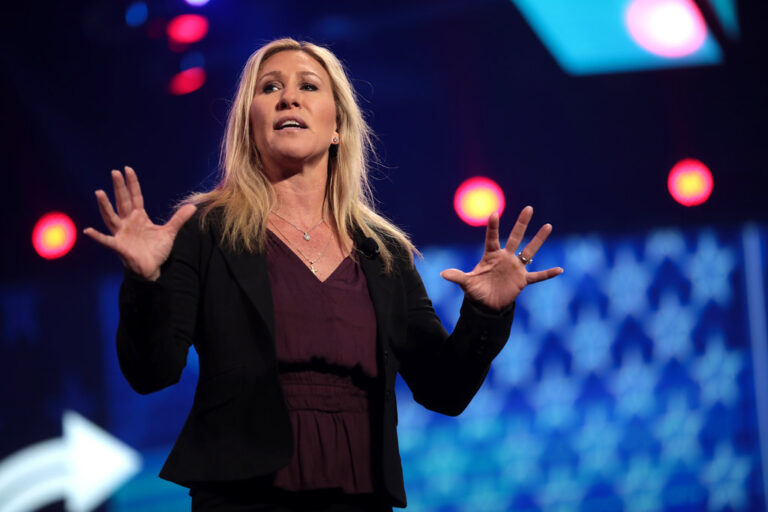
In Georgia, Representative Marjorie Taylor Greene also chipped away at Trump’s power. She called out Trump’s threats against her. She refused to back down when he threatened her seat. Instead, Greene rallied her own voters. They praised her courage to challenge Trump. Soon after, she stunned many by announcing her resignation.

Greene’s gamble worked locally. Her constituents still back her, even over Trump’s opinion. They feel she speaks for them. They believe they can support two leaders at once. Their reaction shows the MAGA split can tilt power away from Trump. It also proves Trump can’t easily destroy allies who won’t bow.

How the Epstein files expose the MAGA split

The Epstein files debate showed Trump’s fading grip. Republicans in Congress forced a vote to shred secrecy around the files. They shocked everyone with a nearly unanimous vote. Trump tried to claim victory after seeing defeat was inevitable. But his late endorsement proved his weakness.

He signed the bill without cameras or survivors nearby. He posted the news quietly on social media. He still has legal routes to block full release. Yet, his hand got forced by voters and by senators like Cruz. This collapse of control over the file fight deepens the MAGA split.

What comes next in the MAGA split

As the GOP divides, more battles loom. Some leaders fear electing Holocaust deniers. Others worry about expiring health subsidies. Hardliners push extreme ideas. Moderates aim for broader appeal. The only thing that held them together was fear of Trump. Now, fear is fading.

We may see more Senate showdowns. Governors might resist Trump-backed redistricting. A new batch of presidential hopefuls could emerge. Trump can still rally many voters. Yet, a party search for fresh voices has begun. This search will shape primaries and policy battles.

Democrats watch with interest. Polls show them leading in generic ballots. A split GOP may improve their midterm chances. Still, strong third-party bids or independent runs could shake up races. The MAGA split could fuel unexpected alliances in 2024.

How unity can return

Parties often heal after big fights. Shared goals or election losses can bring them back together. With Trump still popular among many, some Republicans may choose to unite behind him. Others will chase new opportunities. Watch for joint rallies or joint bills that signal a reunion.

Yet, real unity will depend on who wins future contests. A clear favorite could unite the party behind a fresh face. Or Trump could reclaim full control if he wins big in 2024. Until then, the MAGA split will shape headlines and campaigns.

What voters think of the MAGA split

Local interviews show mixed feelings. Some voters hope for reconciliation. They believe two leaders can push for America at once. Others say the rift proves it’s time to move on from Trump. They want new ideas and new leaders.

That divide at the grassroots reflects the MAGA split across the country. It shows why Trump’s “you’re with me or you’re against me” stance now backfires. Some Republicans choose both. Others choose neither. And some still cling to Trump’s black-and-white world.

it leads us

In the end, the MAGA split may benefit democracy. Open fights force ideas into the light. They make politicians accountable to voters rather than to a single leader. They also spotlight rising stars like Cruz and show the limits of Trump’s reign.

If the GOP stays fractured, Democrats may score wins in key races. Yet, a fractured party can also surprise by passing bold legislation. The future now depends on how quickly factions unite or fracture further. Either way, the MAGA split is a defining story of modern politics.

Frequently asked questions

What caused the MAGA split?

Tensions grew as some Republicans like Cruz and Greene challenged Trump’s decisions. High-profile fights over redistricting and the Epstein files exposed cracks.

Could Trump regain full control?

Yes. If Trump wins big in 2024, his influence could bounce back. A strong reelection or another major victory would likely reunite supporters.

Will new Republican leaders replace Trump?

Possibly. Figures like Ted Cruz hint at presidential bids. Others may emerge as the party looks for fresh faces beyond Trump.

How does the split affect elections?

A divided GOP may weaken its midterm and general election chances. Yet, it may also encourage stronger debates on policy and party direction.

Trump War Comments Ignite Scandal Over Ukraine

0


Key Takeaways:

  • Donald Trump lashed out on Truth Social amid a new foreign policy scandal.
  • He blamed President Biden for the Ukraine war and called it a “losing war.”
  • Journalists and leaders quickly disputed his claims and corrected the record.
  • Experts warned his remarks reward Russia and undercut U.S. interests.

On Sunday, former President Donald Trump went on the attack. He used his Truth Social platform to criticize Ukraine leaders, Europe, and President Biden. His post came amid reports that Senator Marco Rubio sent Russia‐written documents to Ukrainian officials and called them a U.S. peace plan. Many called it one of the biggest foreign policy scandals in history.

Trump war comments spark fierce debate

In a weekend post, Trump wrote in all caps that he “INHERITED A WAR THAT SHOULD HAVE NEVER HAPPENED.” He added that the conflict is a “loser for everyone” and said “UKRAINE LEADERSHIP HAS EXPRESSED ZERO GRATITUDE.” Then he blamed President Biden for the war. He also claimed Europe still buys oil from Russia despite U.S. help.

His war comments show he still wants to shape America’s role overseas. However, critics say he ignored key facts. They point out Ukraine’s President Volodymyr Zelensky publicly thanked the U.S. many times. They also note that three countries—Hungary, Slovakia, and Turkey—account for most of Europe’s Russian oil purchases. In fact, Trump granted Hungary a special exemption to keep buying Russian oil this month.

Reactions to Trump war comments from experts

Journalists, politicians, and legal experts wasted no time in responding to Trump’s remarks.

• An MSNBC reporter said Trump’s claim about Ukraine’s gratitude was simply false. He noted Zelensky has repeatedly thanked the U.S. after Trump’s post.
• A CNN journalist pointed out that Europe’s top buyers of Russian oil include Hungary, Slovakia, and Turkey—countries Trump himself gave exceptions to.
• An ex‐federal prosecutor argued the war centers on Russian aggression, not on Trump or Biden. She warned that Trump’s words reward Russia and harm U.S. and European interests.
• A Republican congressman reminded everyone that Russia invaded Ukraine, not the other way around. He said Zelensky has often thanked America for its aid.
• A political analyst with a Ph.D. said Russia is the aggressor. He claimed Trump acts like a Russian asset and betrays U.S. interests.

Clearly, people across the spectrum slammed Trump’s war comments. They said he mixed up facts, ignored Russia’s role, and undercut support for Ukraine.

Why this scandal matters

First, the timing of Trump’s war comments could affect the 2024 presidential race. Many voters care deeply about America’s role in global conflicts. By blaming Biden, Trump tries to cast himself as stronger on foreign policy. Yet, his critics say he would reward Russia and weaken NATO.

Second, the scandal over Rubio’s alleged Russia‐written documents adds more drama. If true, it raises questions about how U.S. officials handle foreign intelligence. Trump seized on those reports to justify his attack. Meanwhile, experts warn that the real issue remains Russia’s invasion.

Third, the debate highlights Europe’s energy links to Russia. Trump pointed fingers at Europe, but he gave Hungary a waiver to buy Russian oil. This shows how messy energy politics can be. Critics say he’s using double standards.

Finally, Trump’s war comments expose a deep divide within the Republican Party. Some leaders back his hard line on Biden. Others worry his remarks betray core GOP values of supporting allies and standing up to autocrats.

Looking ahead

As the scandal unfolds, the fallout from Trump war comments continues. Polls may shift depending on how voters feel about his foreign policy views. Meanwhile, U.S. aid to Ukraine remains a key issue in Congress. Lawmakers will debate funding and strategy in the months ahead.

Moreover, the truth about the disputed Russia‐written documents could reshape the story. If they prove genuine or fake, it could vindicate or further damage Rubio. Either way, the controversy fuels a larger fight over America’s global image.

In addition, Europe faces its own challenges. Some countries still rely on Russian oil, while others push for green energy. Trump’s remarks may spur new talks about sanctions and supply alternatives. Yet, his own record on energy exemptions undercuts those efforts.

Ultimately, Trump war comments reveal how high the stakes are in modern geopolitics. They show that words can sway public opinion and impact alliances. For now, the world watches to see if this episode changes the course of the Ukraine war or U.S. politics.

FAQs

Why did Trump blame Biden for the Ukraine war?

Trump argued that the war should never have started under Biden’s watch. Critics say Russia’s invasion began years before Biden took office.

What scandal involved Marco Rubio?

Reports claim Rubio gave Ukraine officials documents written by Russia and labeled them a U.S. peace plan. The dispute raises questions about foreign intelligence handling.

How did experts react to Trump’s war comments?

Journalists and legal experts quickly pushed back. They said Trump ignored Ukraine’s gratitude, Europe’s oil deals, and Russia’s role as aggressor.

Could Trump’s remarks affect the 2024 election?

Yes. His views on the Ukraine war and foreign policy can shape voter opinions and influence Republican primary debates.

Military Confusion Grows Under New Orders

0

Key Takeaways

  • Soldiers report growing military confusion over which orders they must follow
  • A veteran columnist warns that skipping a formal war vote adds legal doubt
  • Troops feel moral doubt when they worry an order may be unlawful
  • Clear rules and Congressional action could ease the crisis

A noted veteran columnist explains that the current system leaves troops in military confusion. He served in a major conflict and wrote that soldiers now face “profound legal confusion” and “moral doubt.” According to his view, they lack the tools to judge each order’s lawfulness. As a result, they wonder if they might break the law by following a direct command. This issue affects all service members—army, navy, air force, and marines.

Why Military Confusion Matters

Soldiers swear to obey lawful orders. Yet they also take an oath to refuse illegal orders. When these two duties collide, service members enter military confusion. They worry about their duty to protect civilians and the law. At the same time, they fear punishment for disobedience. This conflict can hurt morale and trust. Moreover, it can delay critical actions in a crisis.

The Role of Congress and War Declarations

Long ago, Congress declared wars to ensure proper debate. Such votes give soldiers clear legal cover and public support. However, when the president acts alone, troops lose that safety net. Without a formal declaration, they face military confusion about whether the mission meets the law. A public vote also lets citizens weigh the costs of conflict. It guides soldiers who must risk their lives.

Soldiers Face Tough Choices

Imagine a young marine ordered to launch an attack. He has no legal training. Yet he must decide if the mission is “manifestly unlawful.” If he obeys an illegal order, he may face war crimes charges. If he refuses, he may go to prison for insubordination. In reports from the field, active duty troops describe sleepless nights and second-guessing their leaders. They feel trapped by military confusion that weighs on their hearts and minds.

Advice from Legal Experts

Legal advisers can help, but they can’t be everywhere. And they often work for senior commanders, not every squad. Therefore, individual service members lack direct legal support in the field. Meanwhile, a single memo from the top can’t cover every scenario. Soldiers must still rely on their own judgment. This gap fuels further military confusion. Leaders must find ways to share clear guidance with all troops.

How Leaders Can Solve the Issue

First, commanders should issue simple rules that spell out legal limits. They can use real-world examples to show what counts as lawful. Second, the military can expand remote legal support. Troops in the field could call lawyers for advice before acting. Third, senior officers should hold regular briefings to discuss tough cases. These steps can reduce military confusion by giving troops clear direction and confidence.

What This Means for the Future

If left unaddressed, military confusion will erode trust in the chain of command. Soldiers may start to ignore certain orders or hesitate in critical moments. That hesitation can cost lives on both sides of a conflict. Conversely, clear rules build trust and speed up decision making. In the end, the nation depends on a military that acts quickly and lawfully. Fixing military confusion is vital for both soldiers and civilians.

Moving Forward Together

Addressing military confusion requires cooperation between the president, Congress, and senior officers. A formal debate on war powers would restore legal clarity. Meanwhile, the military can adopt stronger training on the laws of war. Such training must go beyond classroom lectures. It should include realistic drills where troops apply the rules under stress. By doing so, the armed forces can protect both national security and moral standards.

Frequently Asked Questions

What does the term “military confusion” refer to?

Military confusion describes when service members feel unsure about whether an order is lawful. This doubt can harm morale and readiness.

Why do soldiers feel moral doubt about orders?

Soldiers swear to obey lawful commands but also to disobey illegal ones. When rules aren’t clear, they worry about breaking the law or their oath.

Can troops refuse orders they believe are illegal?

Yes. Service members have a duty to reject “manifestly unlawful” orders. However, proving an order illegal can be hard without legal support.

How can Congress help reduce military confusion?

Congress can hold a formal debate and vote on authorizing conflict. A public, legal declaration clears up the law for soldiers before they deploy.

Republicans Face Heat Over Healthcare Premiums Rise

Key Takeaways

• Democrats say higher healthcare premiums will bite families in January
• Senator Chris Murphy warns Republicans will face accountability soon
• Some Connecticut families could see a $25,000 spike in costs
• Rising premiums may shape voter decisions in upcoming elections

A heated debate over healthcare premiums has put Republicans on the spot. Over the weekend, Senator Chris Murphy of Connecticut spoke on CNN about the recent government shutdown, fresh negotiations, and looming cost increases. Although GOP lawmakers claim they can’t fix the subsidy gap now, Murphy argues that voters will hold them responsible once their bills skyrocket.

Why healthcare premiums are set to spike

First, expiring subsidies play a major role. During the pandemic, the government covered extra costs to keep premiums low. However, these payments end soon. As a result, insurers must pass the missing funds onto policyholders. Consequently, families will face steeper monthly bills.

Moreover, a halted debate in Congress means no immediate solution. Lawmakers paused talks about extending subsidies. Therefore, millions of people who get help from the Affordable Care Act marketplace must prepare for higher rates. In simple terms, what was once predictable and affordable may become a shock to the budget.

Murphy warns GOP on healthcare premiums

Senator Murphy used clear language on CNN. He said he’s not surprised Republicans won’t act now. Yet, he predicted a change when the financial blow arrives. He explained that pressure will “ramp up” as families struggle to pay their new bills.

Later, Murphy posted a short video on X. He wrote that Republicans “aren’t going to be able to avoid accountability for the massive health premium increases that are coming.” He called their inaction immoral and hinted it could cost lives. Indeed, when healthcare premiums rise sharply, some people may skip needed treatments.

What families can expect with higher healthcare premiums

For many households, the numbers are jarring. In Connecticut, some families may see an extra $25,000 added to their yearly medical coverage. That figure applies to those who need extensive care or have large families. Yet, even single adults on basic plans will notice a dramatic uptick.

Households on tight budgets could face impossible choices. They may have to choose between vital medicine or rent and groceries. As costs climb, some might drop coverage entirely. Unfortunately, skipping insurance often leads to bigger medical bills later on.

Therefore, the impact will go beyond wallets. When people forego preventive care, diseases can worsen. In turn, hospitals will handle more emergency cases. This surge could stretch healthcare systems already under stress.

Political fallout from healthcare premiums rise

With so much at stake, political battles will intensify. As families feel the pinch, they may blame the party in charge. Moreover, health costs often rank among top voter concerns. Thus, the timing of premium hikes could influence upcoming elections.

Republicans may argue they did all they could. They might claim Democrats blocked fixes. However, many voters will simply see one party as responsible for rising bills. That impression could sway swing districts and key states.

Meanwhile, Democrats will highlight personal stories. They will show families struggling with new costs. Then they will demand lawmakers extend subsidies or pass relief measures. If no action comes soon, protests and town halls could get louder.

What happens next?

Right now, Republicans are digging in. They say expanding subsidies would add to the national debt. Yet, Democrats insist the cost of inaction is higher. When citizens miss treatments or face medical bankruptcy, the human toll rises.

Looking ahead, all eyes are on January. That’s when new premiums take effect. If Congress doesn’t act by then, families will learn their new rates in time for open enrollment. For millions, this will be the first real measure of whether politicians care about their health and wallets.

In the end, the debate over healthcare premiums isn’t just about numbers. It’s about trust. Voters want to know leaders will protect them from sudden shocks. When families open their bills in January, they will remember who stood by them—and who didn’t.

Frequently Asked Questions

How much could healthcare premiums increase?

Estimates vary by state and plan, but some families may see thousands more in annual costs. Connecticut examples include potential spikes of up to $25,000 for larger households.

Why are healthcare premiums rising now?

Temporary pandemic subsidies are ending. Without those funds, insurers must offset the shortfall by raising premiums for policyholders.

What can families do to prepare?

Start budgeting for higher monthly payments. Shop around during open enrollment to compare plans. Seek financial help programs or state-based assistance if eligible.

Will Congress extend healthcare subsidies?

Debate is ongoing. Democrats push for extensions, but Republicans worry about added spending. A last-minute deal may occur before January, depending on political pressure.

Inflation Denial Sparks Debate On Tariffs

0

Key Takeaways

• Treasury Secretary Scott Bessent denied that inflation rose after tariffs began.
• NBC’s Kristen Welker pointed out inflation climbed from 2 percent to 3 percent.
• Critics say this “inflation denial” is a form of gaslighting that ignores real pocketbook pain.
• Bessent urged Americans to move from blue states to red states to lower their costs.

Inflation Denial: What You Need to Know

Treasury Secretary Scott Bessent refused to admit a clear fact. On national TV he said, “Inflation hasn’t gone up.” This happened after host Kristen Welker noted inflation rose from 2 percent in April to 3 percent now. Despite the numbers, Bessent kept denying the increase. His refusal to face these figures has sparked a heated discussion about truth in politics. Moreover, critics accuse the administration of repeating the old mistake of telling people they don’t know how they feel.

Why the Inflation Denial Matters

The term inflation denial has spread online fast. It means refusing to accept that prices are going up even when data shows they are. It matters because many families feel higher costs every day. From groceries to gas, people see and feel rising bills. So when a top official denies these increases, it can seem like a slap in the face. Instead of offering real solutions, inflation denial can make voters feel ignored and angry.

Welker Confronts Bessent on Air

On a recent Sunday, NBC’s “Meet The Press” host Kristen Welker pressed Bessent. She said, “Inflation has gone up. It’s at 3 percent now, up from 2 percent in April when the tariffs were imposed.” Bessent replied, “No, no no no. So, inflation hasn’t gone up.” Then he added that the administration would not “tell the American people they don’t know how they feel.” His words echoed a line critics call pure inflation denial.

Critics Call It Gaslighting

Many observers jumped in online to condemn the comments. Policy analyst Evaristus Odinikaeze wrote that inflation literally moved from 2 percent to 3 percent. He said no amount of “no, no, no” changes basic math. He argued that telling Americans their own experiences are wrong is gaslighting. Meanwhile, Bulwark Deputy Digital Director Evan Rosenfeld pointed out that Republicans are copying the same mistakes they once blamed on Democrats. Both voices showed how inflation denial risks political credibility.

A Polarizing Suggestion: Move to a Red State

Then Bessent offered a surprising tip. He told viewers, “The best way to bring your inflation rate down? Move from a blue state to a red state. Blue state inflation is half a percent higher.” This advice drew fresh criticism. Journalist John Harwood said Bessent “cannot stop staying really stupid things.” Critics argue that asking people to move states ignores real policy failures. Housing costs, job markets, and family ties all affect where people live, not just a quest for lower inflation.

Repeating Past Mistakes

Analysts warn that inflation denial echoes past errors. When inflation first spiked under President Biden, his team faced accusations of ignoring household struggles. Now Republicans seem to be doing the same. Ignoring facts does not solve them. Instead, it deepens economic anxiety. As Evan Rosenfeld noted, admitting mistakes and acting on them helps build trust. Yet the current stance leans toward repeating the same denial-playbook.

Tariffs and Price Pressures

Tariffs imposed in April aimed to protect American industries. However, they often raise costs for consumers. Goods subject to higher fees must pass those costs along. As a result, shoppers may pay more for electronics, clothes, or even food. So when inflation denial meets the tariff effect, people feel squeezed. They see price tags climb and hear officials say inflation didn’t budge. This clash between reality and rhetoric fuels frustration.

How Inflation Affects Everyday Life

Inflation touches every corner of daily life. Families budget tighter for groceries. Commuters pay more at the pump. Students face pricier school supplies. Small businesses struggle with higher operating costs. All these changes add up. When leaders dismiss these pressures through inflation denial, trust erodes. People want honest talk on the economy and clear plans to ease pain. Simple denial feels like ignoring their struggles.

What Voters Are Saying

Across social media, voters weigh in. Some defend Bessent, arguing inflation can vary by index or season. Others slam the administration for dismissing lived experiences. Many say they watch their budgets closely and do not care about policy labels. They see higher bills and feel the impact. For them, inflation denial is not a technical debate. It is about feeling heard and respected by leaders.

Looking Ahead: Can Trust Be Rebuilt?

So where does the administration go from here? Admitting the impact of tariffs and inflation is a start. Then, officials can propose clear steps to curb price hikes. Options include reviewing trade policies, reducing supply chain delays, or offering targeted relief to low-income families. Honest dialogue, rather than simple inflation denial, builds confidence. It also shifts the focus from blame to solutions that help households breathe easier.

Key Takeaways Revisited

• Denying clear inflation data risks losing public trust.
• Critics call out this inflation denial as political gaslighting.
• Advice to move states oversimplifies real economic pain.
• Honest plans and solutions, not denial, can calm rising worries.

FAQs

What exactly did Scott Bessent say about inflation?

He insisted inflation hadn’t gone up, even after data showed a rise from 2 percent to 3 percent following new tariffs.

Why do people call this an example of inflation denial?

Because Bessent denied a clear increase in consumer prices, dismissing the lived reality of higher costs despite the numbers.

Can moving from a blue state to a red state really cut inflation?

Moving states does not change national inflation. While some regions may have slightly different cost pressures, it is not a true solution to rising prices.

How can government actions address real inflation pain?

Leaders can review trade and tariff policies, reduce supply chain delays, and offer targeted relief to families most impacted by price hikes.

Trump Rages Against FCC Merger Plan

0


Key Takeaways

  • President Trump slammed a proposed FCC merger plan on Truth Social.
  • The plan would let Nexstar buy TEGNA, exceeding a TV ownership cap.
  • Trump called ABC and NBC “fake news” and linked them to the Democrat Party.
  • He urged regulators to shrink, not expand, these networks.

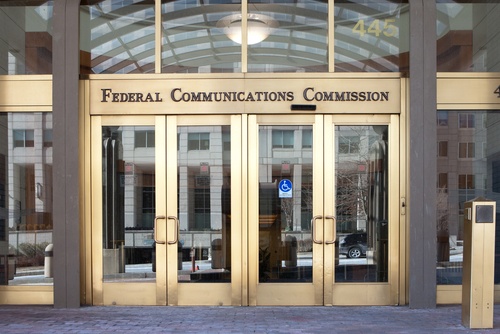
President Trump used his social media platform to criticize the FCC merger plan. He warned that the deal could give so-called “anti-Trump” networks more power. His comments came shortly after Newsmax reported FCC Chair Brendan Carr supports the merger. Trump claimed major networks act as an “illegal campaign” for the Radical Left. He demanded regulators block or even reverse any expansion of these networks.

Inside the FCC Merger Plan

The FCC merger plan aims to let Nexstar Media Group buy TEGNA for about $6.2 billion. Nexstar already owns many local NBC, ABC, and CBS stations. If approved, the combined group would exceed the federal network ownership limit of 39 percent. This cap dates back to a law from the Reagan era. It stops one company from reaching too many U.S. homes. Supporters say lifting the cap could boost local news resources. Opponents worry it may reduce diversity in media voices.

What is the FCC merger plan?

The FCC merger plan would change or waive current rules that limit TV reach. Under existing law, no broadcaster can control stations covering more than 39 percent of U.S. households. Nexstar’s purchase of TEGNA would push them past that limit. Therefore, the FCC would need to adjust or suspend the rule. Carr, a former Supreme Court clerk and Trump supporter, backs this change. Critics call it a gift to big media companies. Yet Carr argues it will benefit viewers by allowing investment in local news.

How Nexstar and TEGNA Fit In

Nexstar owns dozens of local TV stations across the country. TEGNA runs its own network of affiliates and digital outlets. By joining forces, they would cover more markets and share resources. For example, they could pool reporting teams to cover national stories. They could also cut duplicate costs in advertising and technology. As a result, Nexstar says, local stations could get better content and updated equipment. However, critics fear fewer independent stations will exist. They worry local voices might get drowned out by a corporate focus.

Why Trump Objects

Trump claims the FCC merger plan would help “Radical Left Networks.” He specifically called out ABC and NBC as Democrat Party arms. On Truth Social, he wrote these networks “should be viewed as an illegal campaign.” He fears they will push more anti-Trump content. Moreover, Trump said he wants the networks to shrink, not grow. His comments reflect his long-standing battle with mainstream media. He accuses many outlets of biased coverage. In this case, he believes a bigger Nexstar would amplify what he calls “FAKE NEWS.”

Potential Impact on Viewers

If the FCC merger plan moves ahead, viewers might notice fewer independent voices. Local stations may cut some shows to save money. On the other hand, they could invest in better technology for news coverage. For example, stations might use more advanced live-streaming tools. They could also share significant investigative reports across markets. This could raise the quality of national news. Yet, reduced competition could mean less variety in reporting styles. Some experts warn this could limit show choices in local markets.

The Road Ahead

The FCC must now decide whether to approve the merger plan. They will weigh public comments and legal limits on ownership. If they grant an exemption, Nexstar can complete its TEGNA deal. If they deny it, Nexstar may abandon or revise the offer. Meanwhile, legal challenges could block the plan in court. Congress could also intervene if lawmakers object to changing the cap. In any case, the debate over media power and bias is far from over.

Frequently Asked Questions

What exactly is the FCC merger plan?

It is a proposed change to rules that cap one broadcaster’s reach at 39 percent of U.S. households. The plan would let Nexstar exceed that limit to buy TEGNA.

Who are Nexstar and TEGNA?

Nexstar is a large company that owns many local TV stations. TEGNA runs a network of affiliates and digital news outlets. Their merger would create one of the biggest TV groups in the country.

Why does Trump call major networks “fake news”?

Trump often accuses ABC, NBC, and others of biased reporting. He argues they act as a campaign arm for the Democrat Party. In this case, he fears a bigger media group would push more anti-Trump coverage.

How could this affect my local news?

If the merger goes through, some independent stations might close or combine. Viewers could see fewer local shows. However, combined resources might also mean better technology and bigger news teams.

Kristi Noem’s Fake Checks Surprise TSA Agents

0

Key Takeaways

• Homeland Security Secretary handed out “fake checks” to TSA staff.
• The “checks” were deposit slips, not real paper checks.
• Noem also revealed a $1 billion airport security upgrade.
• TSA agents showed mixed reactions to the stunt.

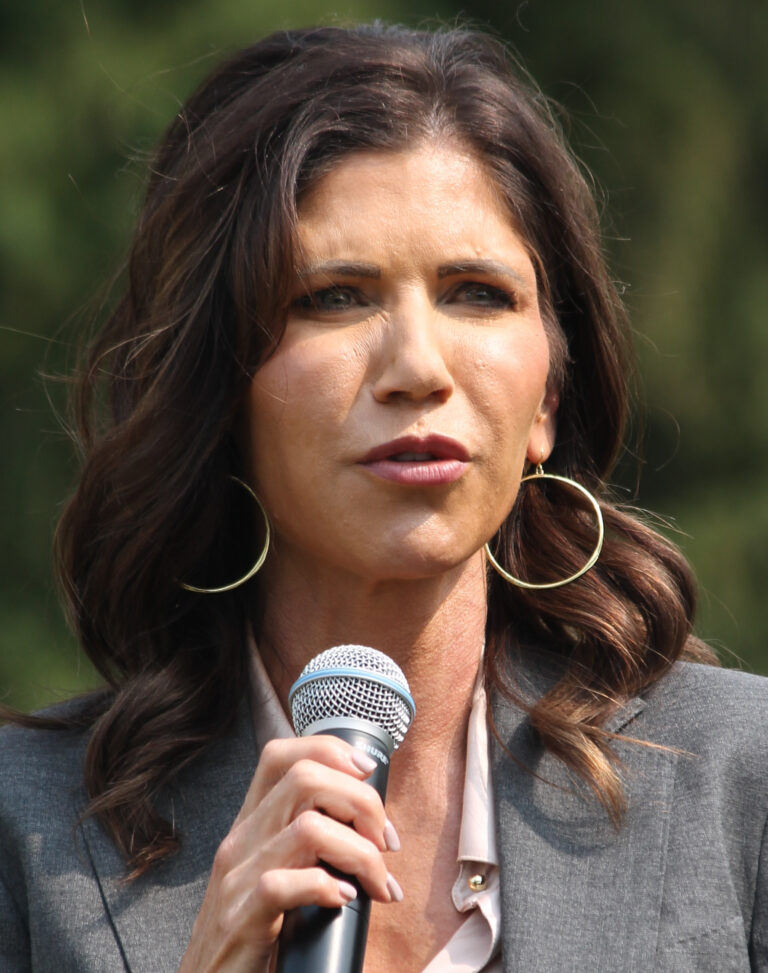
Homeland Security Secretary Kristi Noem flew to Las Vegas on Saturday. She called a press event to reward TSA agents at Harry Reid International Airport. Yet, when she handed out what looked like bonus checks, she admitted they weren’t real checks. Rather, they were documents confirming a direct deposit of $10,000 bonuses. Meanwhile, she also announced plans to spend over $1 billion on airport security upgrades and training.

Behind the Fake Checks Gesture

Noem opened the event by praising TSA agents’ hard work. Then she said, “Let’s hand out some checks, should we?” As agents cheered, she walked up and gave each person a large, floppy paper resembling a check. However, she quickly noted these weren’t real checks. Instead, they were only proof that the bonuses would land in workers’ bank accounts. The phrase fake checks echoed through the crowd as cameras flashed.

What Happened in Vegas

She had come to unveil a major security commitment. Yet the fake checks moment stole the spotlight. First, she announced that every selected TSA worker would get a $10,000 bonus. Next, she displayed the oversized papers that read “Bonus Check.” In fact, they verified direct deposit. Shortly after, Noem said, “This is a document that verifies it will be direct deposited into your accounts, OK?” Some agents laughed. Others looked puzzled.

Moreover, the bonuses followed a similar move for air traffic controllers during the government shutdown. However, those were also limited to certain employees who worked without pay. In Vegas, only a select group of TSA agents qualified for the instant bonus. Therefore, the fake checks gesture felt part celebration and part photo op.

Reactions from TSA Agents

The stunt drew mixed reactions. Some agents smiled and posed for pictures with their “fake checks.” Others whispered among themselves, wondering why actual checks weren’t handed out. One agent said the announcement felt rushed. Another praised the bonus but hoped for clearer communication. As a result, the moment divided the room between cheers and quiet confusion.

Meanwhile, viewers on social media shared memes and jokes about fake checks. Some praised Noem for spotlighting TSA workers’ efforts. Yet others criticized the showmanship. They argued real paper checks might have felt more genuine. Even so, the bonus money reached the employees’ accounts later, making the fake checks far less of an issue.

Big Security Investment

Beyond the fake checks surprise, Noem stressed a new airport security plan. She announced more than $1 billion in funding for checkpoint upgrades. The funding aims to install faster scanners, better screening lanes, and enhanced baggage systems. Moreover, she said personnel will get more training on new equipment. This move reflects a push to boost both efficiency and safety.

She explained that modern scanners could spot hidden threats more accurately. Therefore, passengers would experience shorter lines and stronger security. Furthermore, the upgraded checkpoints should handle more travelers with less delay. Given recent travel surges, the timing seems critical. Noem tied the investment to a promise of safer skies and smoother journeys.

What the Bonus Really Means

Although the term fake checks grabbed headlines, the bonus itself carries weight. The $10,000 reward recognizes TSA agents who worked without a raise for years. It also acknowledges added pressure from pandemic-era staffing shortages. Many agents faced long hours and stress while keeping airports open. As a result, officials felt a direct deposit bonus would boost morale.

However, the decision to use fake checks confused some. Indeed, handing out actual paper checks might have felt more tangible. Instead, giving out documents led to the quick reveal that the money would arrive electronically. Still, the bonus money landed in accounts as promised. In the end, the stunt sparked debate about how best to thank frontline workers.

Looking Ahead for TSA and Security

The fake checks episode highlights the challenges of government photo ops. Yet, the larger security plan remains in motion. Over the next few months, airports nationwide should start seeing new scanners and redesigned lanes. TSA staff will train on updated machines, aiming to cut down screening time. Additionally, agents may feel more valued after the bonus payout.

Still, critics may watch closely for follow-through. Will the promised $1 billion spend actually improve airports? And will TSA workers see more perks beyond this one-time bonus? Time will tell if the fake checks stunt becomes a footnote or a symbol of deeper change. For now, Vegas got a show, and TSA agents got cash in their accounts.

FAQs

Why did Kristi Noem hand out fake checks?

She used oversized papers to represent bonus deposit slips. She wanted a visual for the photo op, even though funds went by direct deposit.

Will TSA agents actually receive the $10,000 bonus?

Yes. Despite the checks being fake, the bonus payments were processed directly into eligible agents’ bank accounts.

How will the $1 billion security upgrade work?

Airports will get new scanners, better baggage systems, and extra training for agents. The plan aims to speed up lines and boost safety.

Did all TSA agents get the bonus?

No. Only a selected group at Harry Reid International Airport qualified for the $10,000 bonus in this round.

Trump’s MAGA Backlash Shakes His Base


Key Takeaways:

  • President Trump mocked Marjorie Taylor Greene’s poll numbers, drawing rare internal criticism.
  • Many MAGA supporters called his swipe at Greene petty, disloyal, and “middle school.”
  • Critics asked why Trump attacks Greene but remains friendly with other GOP figures.
  • This MAGA backlash reveals growing fractures as Trump eyes a second term.
  • The episode raises questions about the loyalty Trump expects and his leadership style.

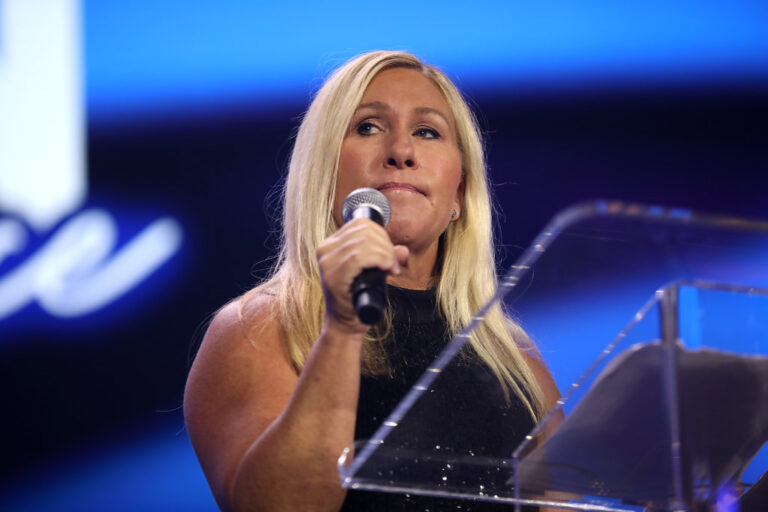
President Trump surprised many when he slammed Rep. Marjorie Taylor Greene after her sudden resignation news. He mocked her “plummeting poll numbers,” said she “went BAD,” and blamed her ties to Rep. Tom Massie for her downfall. However, instead of cheering him on, his loyal supporters revolted. This MAGA backlash is rare. It shows anger brewing inside his own camp.

Surprise Attack on Greene

Just days after Greene’s shock resignation, Trump posted on Truth Social. He wrote that her poll numbers fell fast. Then he said she went “bad” and blamed her link with Massie. The post was sharp and personal. It stunned many who see Greene as one of Trump’s fiercest allies.

Previously, Trump praised Greene for her loyalty and bold style. Yet now he turned on her. He did it in public and in a harsh way. Since leaving office, Trump rarely criticizes top allies like this. His swipe set off strong reactions online.

MAGA Supporters Speak Out

Almost immediately, MAGA fans pushed back. They flooded social feeds with angry comments. Some called Trump petty and vindictive. Others said the attack felt like a middle school fight. Here are a few common reactions:

  • “Why are you nailing MTG but hugging others?”
  • “This is so disloyal. You should back your team.”
  • “I’m ashamed. This feels wrong coming from you.”
  • “She never attacked you. Why tear her down now?”

Many wanted Trump to explain what Greene did wrong. They also wondered why he targets her but praises Republicans like Lindsey Graham. In short, supporters found his sudden hostility confusing and unfair.

Why the MAGA Backlash Matters

This backlash matters for several reasons. First, it shows cracks in Trump’s inner circle. His base has stayed mostly loyal despite many controversies. Yet now we see open dissent. Second, it raises doubts about his leadership style. If he turns on top allies, others may fear falling next. Finally, this dispute comes as Trump gears up for a second term. He needs a united base more than ever.

Leaders often tolerate strong voices, even critics, in their ranks. However, Trump’s post felt more like a personal feud. That made many supporters nervous. They worry he rewards loyalty selectively. As a result, some fear the base could split.

Potential Risks for Trump

When a base fights within, it weakens a movement. Here are key risks for Trump:
1. Loss of Core Support: Hard-core fans may drift away if they see unfair treatment.
2. Media Exploitation: Rivals will highlight this feud to question his leadership.
3. Alienating Allies: Other members may fear becoming targets and distance themselves.
4. Weaker Campaign Effort: A fractured team may struggle in fundraising and rallies.

Moreover, the episode may fuel doubts about Trump’s judgment. If he lashes out without clear reasons, people ask if he acts impulsively. They also wonder what standard he uses for loyalty.

What Lies Ahead for Trump

Moving forward, Trump faces a choice. He can smooth things over with Greene and her supporters. Or he can double down on his criticism. Both paths carry risk. If he backs off, critics might call him weak. If he presses on, he may deepen the split.

In addition, the Greene episode has set a new tone for his second term. Rather than rallying allies, he has shown a tendency to settle scores. This may alarm staffers who value unity over drama.

Still, Trump has a history of bouncing back from setbacks. He may offer firmer explanations or new praise for Greene. Perhaps he will clarify his views on Massie’s role. His next moves will reveal if he can manage internal fractures better this time.

Conclusion

President Trump’s harsh post about Marjorie Taylor Greene sparked an unusual MAGA backlash. His core supporters criticized him for acting petty and disloyal. They demanded answers and fairness. This rare dissent highlights strains in his movement. As Trump eyes a second term, he must decide how to heal these wounds. Otherwise, he risks a divided base and a tougher road ahead.

FAQs

What exactly did Trump say about Marjorie Taylor Greene?

He mocked her falling poll numbers, said she went “bad,” and blamed her ties to Tom Massie.

Why did MAGA supporters react so strongly?

They saw his attack as unfair and a betrayal of a loyal ally.

How could this backlash affect Trump’s future campaigns?

A split base could hurt fundraising, volunteer support, and campaign unity.

Will Trump likely apologize or stand by his comments?

It’s unclear. He may clarify or double down, depending on his goals and advisors.

Trump Says Tariff Plan Will Skyrocket US Gains

Key Takeaways

• President Trump says his tariff plan has already made hundreds of billions for America.
• He argues many gains from the tariff plan are still uncounted.
• Some countries bulk-bought goods to beat new tariffs.
• Trump predicts tariff plan payments will soon skyrocket.
• Independent reports project lower revenue than promised.

Trump’s Tariff Plan Poised for Big Benefits

President Trump has claimed his tariff plan will soon pay off in a big way. He says the full benefit of charging fees on imports has not yet been added up. Trump argues America has already made hundreds of billions from tariffs. Yet he believes there is more to come.

How the Tariff Plan Works

Trump’s tariff plan puts extra fees on goods from other countries. When a nation charges these fees, importers must pay higher costs. In theory, buyers either pay more or stop buying. The extra money goes to the U.S. Treasury. This creates revenue for the government.

• First, tariffs raise the price of foreign products.
• Next, buyers might switch to American-made goods.
• Finally, the money collected boosts national funds.

Trump argues this plan also boosts national security. He says richer resources help America stay strong.

The Stockpile Strategy

According to Trump, some countries bulk-ordered goods before tariffs took effect. They tried to dodge fees by buying in large amounts early. In his words, they wanted to “stock up” and avoid tariffs in the short term. However, he claims that extra inventory is now running low.

As stockpiles thin, importers must face new fees. Trump predicts this will trigger a fresh wave of payments. He wrote that when inventory runs out, “tariffs will be paid on everything they apply to, without avoidance.” That means his tariff plan will boost revenues further.

Economic Projections Versus Reality

Trump rolled out his tariff plan in February. At that time, the administration projected huge gains. Yet recent reports show mixed results. The Congressional Budget Office estimates a deficit cut of $3 trillion. This falls short of early promises. In fact, one report suggests revenue could be $1 trillion less than projected.

However, Trump remains optimistic. He insists those numbers don’t count future gains from the tariff plan. He argues that many payments are still pending. Once they arrive, he says the revenue will break records.

Why Some Experts Doubt the Tariff Plan

Despite Trump’s claims, many economists warn of risks. First, higher import fees can drive up prices for American families. Second, trading partners may retaliate with their own tariffs. Third, businesses facing higher costs might reduce hiring or investment.

For example, a U.S. farm that sells soybeans overseas could face new export fees. That might hurt its profits. In turn, local workers might lose hours or jobs. These factors could dampen overall economic growth.

What Comes Next for the Tariff Plan

Trump is awaiting a Supreme Court decision on related trade issues. He says a favorable ruling would ensure uninterrupted tariff collection. Then, he promises to “make America great again” with record-setting revenues.

Meanwhile, Congress and markets will watch actual revenue numbers closely. If payments do surge, the administration will claim a big win. If they lag, critics will highlight the gap between promise and performance.

Preparing for Changes

Businesses can take steps now to adapt to evolving trade policies. They might:
• Review supply chains to find lower-cost options.
• Negotiate long-term contracts to lock in prices.
• Explore new markets to reduce reliance on tariffed countries.
• Invest in automation to cut production costs.

For consumers, the key is to watch prices. If prices rise too fast, it might affect household budgets. Shoppers may need to compare brands or buy in bulk to save money.

Tariff Plan Outlook

To sum up, the tariff plan remains a central pillar of Trump’s economic strategy. He believes uncounted payments will soon push figures past record levels. Yet data so far shows only partial gains. As inventory buffers run out, new tariffs could indeed boost revenue. But higher costs and global pushback may offset some gains.

In the coming months, tariff plan results will shape debates in Washington. Will Trump’s bold claim of “unprecedented course” prove accurate? Or will real-world costs and retaliations dampen the impact? Only time and clear data will tell.

Frequently Asked Questions

What exactly is a tariff plan?

A tariff plan charges a fee on imported goods. It aims to raise government revenue and encourage buying U.S.-made products.

Why does Trump say benefits remain uncalculated?

He argues that many importers stockpiled goods early. Once those supplies run out, tariff payments will surge, he says.

How could tariffs affect consumer prices?

Tariffs raise costs for importers. Those businesses often pass extra fees to customers, making everyday items pricier.

What might trading partners do in response?

They could impose their own tariffs on U.S. exports. This may hurt American farmers and manufacturers.