55 F
San Francisco
Monday, April 27, 2026
Home Blog Page 198

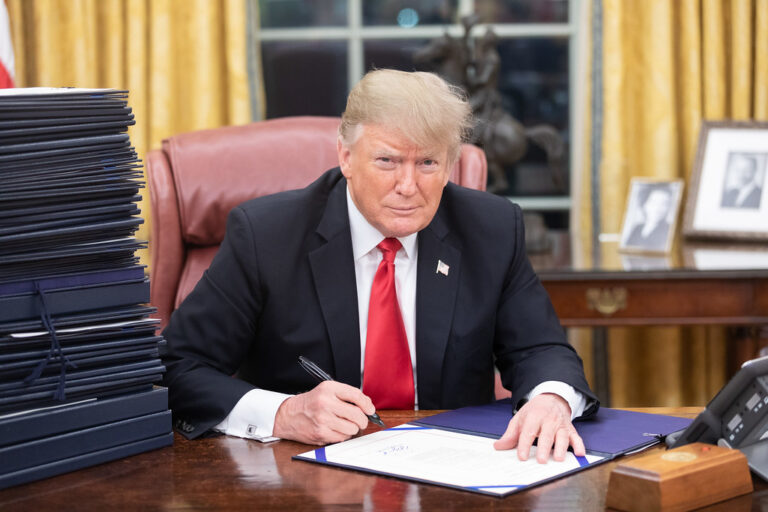
Trump Naps at Cabinet Meeting Stun Viewers

Key takeaways:

  • President dozed off three times during a televised Cabinet meeting.
  • MSNBC hosts highlighted the trend of Trump naps and health questions.
  • Co-hosts linked fatigue to late-night rage-tweeting sessions.
  • Renewed debate over his schedule and energy levels emerged.

During a live Cabinet meeting, President Trump appeared to fall asleep on three separate occasions. Viewers watched as he nodded off while officials praised his work. This marked the second time in a month that Trump naps have made headlines. As he turned 79, more people are asking if fatigue or health issues play a role.

Why Trump Naps Raise Health Concerns

The pattern of Trump naps has fed growing worries over his well-being. At this age, sleep habits can signal health changes. Moreover, public figures face intense scrutiny. When a president dozes on camera, it invites questions.

First, critics point out that a leader must show stamina. A long, early-morning meeting seemed perfect for an alert president. However, the reports say he nodded off three times. Each brief pause opened more doubts.

Second, the White House previously claimed President Trump works tirelessly around the clock. Yet media reports suggest he logs fewer hours than his past routine. When the Times revealed this, the White House pushed back hard. Then, Trump naps happened just a day later. Skeptics say that timing looks bad.

Finally, some wonder if sleep disorders might be involved. While only a doctor can diagnose such issues, public concern grows when naps recur. Therefore, every instance adds fuel to the debate on his fitness for office.

One More Night of Rage Tweeting?

Joe Scarborough on Morning Joe offered another theory. He said that rather than a health scare, Trump naps may stem from late-night tweeting marathons. Indeed, the president often sends out multiple messages after midnight. He can focus on crafting conspiracy theories and attacks well into the early hours.

Consequently, missing sleep at night could lead to dozing off the next day. Scarborough noted that the real worry is not a nap in daylight. Instead, it is what happened in the dark hours before. If a president spends half the night online, fatigue makes sense.

Moreover, the sudden spike in controversial tweets suggests longer sessions at the phone. Hours spent scrolling and typing can disrupt normal rest. Thus, Trump naps may simply be a side effect of modern political behavior. Yet the optics remain a problem.

How Often Do Trump Naps Happen?

This instance was not the first time. Media outlets counted at least two prior public dozing events in recent weeks. Once, he appeared to drift off during a campaign event in Florida. Another time, he seemed to nod during a panel discussion.

Furthermore, aides and insiders sometimes mention his unconventional work style. They say he can focus better late at night. While work habits vary by person, the public expects consistency from a commander-in-chief. Repeated naps on camera undermine that image.

Also, critics compare this pattern to past presidents. Few have faced the same level of sleep scrutiny. When Ronald Reagan and Bill Clinton aged, their stamina became talking points too. However, in the social media era, every tiny move goes viral. Trump naps now spread faster than ever.

What This Means for the President

The fallout from Trump naps can be political. Opponents may use them to question his energy. They could say he lacks a drive for rigorous daily tasks. Meanwhile, allies might downplay the events. They argue that brief rest is normal and harmless.

However, repeated incidents often shape public opinion. If voters grow convinced the president cannot stay awake during key moments, trust erodes. In election season, trust matters more than ever. Thus, each nap becomes more than a sleepy slip—it turns into a political liability.

In response, the White House might adjust his schedule. They could push longer breaks or rearrange speaking slots. Alternatively, they may coach him to limit late-night social media. Such steps could reduce fatigue and stop further nap headlines.

Ultimately, how the president handles this issue shows his team’s damage control skills. Quick fixes might quiet the noise temporarily. But long-term, health and habits need clear answers to reassure the public.

Moving Forward After Trump Naps

First, the president could address the matter directly. A brief statement on his sleep routine would show transparency. Next, he might invite a medical expert to explain his health. That way, Americans can hear facts, not rumors.

Meanwhile, campaign teams often plan around these events. They might schedule photo-ops after known rest periods. They could also cut down on late-night events that zap energy. Also, limiting on-camera downtime can help.

Beyond logistics, this debate underscores how leadership image and daily habits connect. In a 24/7 news cycle, small slips become big stories. Therefore, avoiding Trump naps in public could be a simple path to fewer headlines about fatigue.

At the same time, some allies say a short nod might humanize him. They argue people doze off in boring meetings all the time. Yet, critics counter that a president must set a higher standard.

In the end, trust hinges on consistency. If Trump naps fade away, the issue might vanish too. But if they continue, each new clip will spark fresh concern.

FAQs

What exactly are Trump naps?

They refer to the moments when the president appeared to fall asleep on camera during meetings and events.

How many times has he been caught napping?

In recent weeks, at least three public incidents have been noted, including two in less than a month.

Why do Trump naps worry people?

They raise questions about his health, energy levels, and ability to lead without fatigue.

Could late-night tweeting cause these naps?

Yes, working or tweeting late can disrupt sleep, leading to drowsiness the next day.

Mary Trump Blasts Trump Tariffs: How Firms Fall

Key takeaways:

  • Mary Trump says the economy is dragged down by Trump tariffs.
  • Costco has sued to get tariff fees refunded.
  • Reciprocal tariffs hit nearly every trading partner.
  • Higher import costs squeeze businesses and shoppers.
  • Critics doubt the actual revenue from these tariffs.

Mary Trump Blasts Trump Tariffs

Mary Trump, the former president’s niece, argues the economy is in bad shape. She blames Trump tariffs for pulling American businesses under. At the same time, retail giant Costco filed a lawsuit against the administration. Costco wants the government to refund billions paid under these emergency trade measures. Mary Trump claims her uncle promised to boost companies. Instead, she insists, his trade plan has become a disaster.

Why Costco Sued Over Trump Tariffs

Costco’s lawsuit asks a federal trade court to declare Trump tariffs illegal. The case challenges the president’s power under the International Emergency Economic Powers Act. That law lets a president act in a declared national emergency. However, Costco says these tariffs go beyond what the law allows. The company argues the fees raise costs for every importer, then drive up prices for shoppers. As a result, Costco hopes to recover millions in fees.

Understanding Trump Tariffs

Trump tariffs are often called “reciprocal tariffs.” They impose taxes based on the U.S. trade balance with each country. In practice, they hit nearly every trading partner. If America buys more from Country A than it sells there, imports from A face a higher tax. Even if that imbalance reflects market demand, the tariff still applies. As a result, American importers pay billions and pass those fees on to shoppers.

Mary Trump’s Verdict on the Trade Plan

Mary Trump says the tariff plan was “a disaster from the beginning.” She questions whether the federal government actually collected $90 billion in revenue. Even if it did, she asks, at what cost to American firms? She points out that Costco, Amazon, Best Buy and Walmart face rising import bills. Then she wonders if these costs end up boosting consumer prices or slashing company profits. In her view, either outcome hurts everyday Americans.

How Trump Tariffs Hurt American Businesses

Trump tariffs have pushed up costs for thousands of firms. Small shops and large chains alike pay extra on every imported item. As a result, some businesses raise their prices. Others eat the fees to stay competitive. Both paths cut into profits. In addition, companies face new paperwork and legal fees to challenge the tariffs. Therefore, many small and mid-size firms struggle to keep their doors open.

The Price Tag for Consumers

Naturally, companies want to stay profitable. So they often pass higher costs onto shoppers. That means everyday goods become more expensive. From electronics to clothing, tariffs add a hidden tax to nearly every shelf. Even basic items like kitchenware now carry a steeper price. Thus, families feel the pinch at the checkout line. And inflation makes it harder for many Americans to stretch their paychecks.

Who Really Pays the Bill?

At first, the government seems to benefit from tariff revenue. Yet those funds come from businesses and consumers. Money flows from importers to the Treasury, then perhaps back to fund federal programs. However, the net effect on the economy can be negative. Higher costs slow sales, cut jobs and shrink investments. In the long run, critics warn, the economy may lose more than the government gains.

Costco’s Legal Fight and Its Wider Impact

Costco’s lawsuit could set a major precedent. If the court rules the tariffs unlawful, other companies may seek refunds too. Then the administration might face a flood of similar cases. For now, the challenge raises serious questions about executive power. It also forces a public debate on whether trade policy should be tied directly to the national emergency act.

What Comes Next?

The trade war over Trump tariffs is far from over. Costco’s case will work its way through the courts, likely for years. Meanwhile, businesses must decide how to handle higher fees. Some may push prices still higher. Others might absorb costs to keep customers. In Congress, lawmakers may consider new limits on tariff authority. Either way, companies and consumers will watch closely for every ruling.

FAQs

Why did Costco sue over the tariffs?

Costco argues the tariffs exceed the president’s legal powers under the emergency economic law. The lawsuit aims to recover fees paid on imports.

What are reciprocal tariffs?

Reciprocal tariffs charge taxes based on the U.S. trade balance with each country. If America imports more than it exports, fees rise.

How much revenue have these tariffs raised?

The administration claims about ninety billion dollars in revenue. Critics doubt that number or question its economic payoff.

Could consumers see lower prices if the lawsuit succeeds?

If courts void the tariffs, import costs could drop. Companies might lower prices, easing the burden on shoppers.

Tennessee Upset Exposes GOP Midterms Strategy

Key Takeaways

• Republican insiders are alarmed after a narrow special election win in Tennessee.
• A top strategist warns that ignoring key issues will hurt GOP midterms chances.
• Senator Ted Cruz points to close ties with Trump as a risk factor.
• Consultants say the GOP base only turns out when Trump is on the ballot.
• Mark Van Epps insists his win proves “running with Trump” works.

GOP Midterms Strategy in Jeopardy

Republican leaders expected a big win in Tennessee’s special election. Instead, Mark Van Epps edged out Democrat Aftyn Behn by just six points. As a result, party strategists worry about next year’s GOP midterms. They fear that staying silent on issues voters care deeply about will cost them seats.

Tennessee Special Election Shocks GOP

In late October, Republicans aimed to showcase strength in a safe district. Yet Behn rallied her base and drew moderate voters. Meanwhile, Epps leaned heavily on his alliance with former President Trump. Although he won, the small margin surprised many in his party. One House aide admitted the result felt “too close for comfort.” Consequently, insiders now ask if the GOP can hold its ground in the midterms.

Top Strategist Sounds Alarm for GOP Midterms

Matthew Bartlett, a former Trump administration official, spoke bluntly after the vote. He warned that the GOP midterms outlook looks grim if the party keeps its “head in the sand” on issues that matter most. Bartlett said, “None of it bodes well for the GOP in the midterms. Being an ostrich with your head in the sand on the key issues that matter most to Americans is not a strategy, or certainly not a winning one.” His message was clear: without clear positions on jobs, health care, and safety, Republicans risk heavy losses.

Trump’s Shadow Looms Large

Senator Ted Cruz linked Epps’s narrow win to his strong ties with Trump. Cruz noted that many voters showed up simply to oppose the former president. He warned that next year’s midterms will be a high-turnout contest. Moreover, he said, “Hate is a powerful motivator.” In other words, anti-Trump sentiment could drive Democrats to the polls in big numbers.

Meanwhile, a GOP consultant painted a grim picture for the party’s midterms hopes. He argued that Trump’s personality, more than any policy, holds his coalition together. When Trump isn’t on the ballot, that same group shows little interest in other Republican candidates. As a result, this reliance on one figure creates a recurring problem for Republican campaigns.

Consultant’s View on GOP Midterms

In addition, the consultant predicted rough winds for Republicans in federal races next year. He said voters are rarely satisfied with the status quo. Instead, they look for a candidate to punish. Thus, if Republicans can’t offer fresh ideas or clear plans, they risk being the target of voter frustration.

Challenges Ahead for GOP Midterms

Several factors now loom over the GOP midterms strategy:

• Voter Turnout: High turnout favors Democrats if their base feels threatened.
• Issue Stance: Moderate and independent voters crave clear positions on cost of living, health care, and safety.
• Trump Factor: The party needs to decide how much to lean on Trump’s brand.
• Voter Fatigue: Many Americans are tired of political chaos and want practical solutions.

Without adjustments, Republicans may find it hard to win close districts. Furthermore, staying silent on hot-button issues only fuels the idea that the party is out of touch.

Epps Doubles Down on Trump

Despite the warnings, Mark Van Epps celebrated his win by praising his Trump endorsement. In his victory speech, he said, “Running from Trump is how you lose. Running with Trump is how you win.” He believes his strong alignment with Trump gave him enough edge to secure victory in a tough race. Yet critics argue his approach risks alienating swing voters.

Looking Forward: Rethinking the GOP Midterms Strategy

With the midterms approaching, Republicans face tough choices. Should they stick with Trump as their main draw? Or should they diversify their message to reach new voters? Party leaders must weigh these options soon. Otherwise, they may repeat Tennessee’s narrow win in district after district.

To strengthen their position, Republicans might consider:
• Crafting clear stances on economic and social issues.
• Highlighting local successes and practical plans.
• Balancing Trump’s influence with fresh, energetic candidates.
• Engaging moderates and independents through community outreach.

In the end, the GOP midterms strategy needs both vision and adaptability. As one insider puts it, “People want solutions, not slogans.”

What’s Next for the GOP?

Republicans have less than a year to adjust. They must decide if they will face the key issues head-on or continue hoping past tactics will work. With the Tennessee result still fresh, GOP leaders may finally wake up to the risks of ignoring voter concerns.

Frequently Asked Questions

Why did the Tennessee special election matter for the GOP midterms?

The narrow margin showed that even in safe districts, voters demand clear positions on important issues. It also highlighted risks tied to overreliance on one political figure.

Who is Matthew Bartlett, and why is his warning significant?

Bartlett served in the first Trump administration. His insight comes from experience in national campaigns and policy making. He warns that ignoring key issues will hurt the GOP in future elections.

How can Republicans improve their midterm strategy?

They can sharpen their message on jobs, health care, and safety. They should also balance ties to Trump with fresh faces to win over independents and moderates.

What role does Trump play in GOP midterms prospects?

Trump’s support energizes his base, but it may also motivate opponents. The party must decide how much to lean on his brand without driving away swing voters.

Musk Prediction Sparks Debate Over Future Presidents


Key Takeaways

• Elon Musk predicted a 12-year run of Republican presidents, starting with Trump’s second term.
• He forecasted two back-to-back terms for future Senator JD Vance.
• Political experts quickly called his Musk prediction unlikely.
• Social media users reacted with surprise, humor and sharp criticism.

Elon Musk Prediction at the Texas Meeting

Elon Musk joined the Department of Government Efficiency reunion by video. He spoke at a DOGE meet-up near his SpaceX and Boring Company sites in Bastrop, Texas. During the event, Musk prediction stirred strong reactions. He said the nation will now enter a “great 12-year span.” First, a second Trump administration. Then, two terms under JD Vance. Musk made the remark on November 22. It followed President Trump’s hints about running for a third term. Trump even sold “Trump 2028” gear to fans. Yet the Constitution bars presidents from serving more than two terms. Some allies, however, want to challenge that rule.

Why the Musk Prediction Matters Now

In modern history, no party has held the presidency for twelve years since Reagan and Bush. Therefore, Musk prediction sounds almost unprecedented. Furthermore, it taps into deep questions about fair elections. Political scientist David Darmofal noted that such long stretches are rare. He warned that Musk should learn more about America’s checks and balances. In addition, Musk’s remarks reflect the power of social media hype. He once called Twitter an “algorithmic disinformation machine.” Meanwhile, some believe he might push certain narratives online. Consequently, experts view his Musk prediction as more showmanship than serious analysis.

Social Media Reacts to Musk Prediction

Almost immediately, users on X, Bluesky and other platforms responded. Political organizer Melissa Byrne wrote, “Hell. No. No.” Historian Claire Potter joked that Musk deserves another interview since he’s been “so right about so many things.” The Lincoln Project quipped, “He also predicted $2 trillion in savings from DOGE. How’d that work out?” Author Mark Russell added, “Well, he would know. He bought the last election.” These reactions show a mix of doubt, humor and frustration. Moreover, many feel that a tech billionaire’s prediction about democracy feels odd. Others argue that anyone can share a bold forecast. Yet social media keeps the conversation alive, whether people agree or not.

What Could Happen Next After the Musk Prediction

First, legal experts point out that the Twenty-Second Amendment blocks a third presidential term. Therefore, Trump cannot run in 2028, unless that rule changes. Some GOP allies say they plan to challenge the amendment in court. However, that fight could drag on for years. Meanwhile, Senator Vance has not publicly commented on the idea of two terms after Trump. If the GOP truly unites behind such a plan, it must win elections in 2024, 2028 and 2032. That scenario would require major shifts in voter behavior and party unity. Consequently, many analysts see it as a long shot.

A History of Long Presidential Stretches

Since Franklin Roosevelt, no president served more than two terms. Roosevelt’s four terms led to the 22nd Amendment in 1951. It caps service at two terms or ten years total. As a result, the idea of three administrations in a row for one party remains unheard of. Ronald Reagan served two terms from 1981 to 1989. He was followed by one term from George H.W. Bush. Many historians see that as the last near-twelve-year span. Therefore, Musk prediction taps into a rare moment in U.S. history. It also raises questions about how the amendment protects democratic stability.

Analyzing the Odds Behind Musk’s Forecast

Political analysts use polls, demographics and fundraising to gauge election chances. Right now, Trump leads many Republican primary polls. He also has strong support among GOP donors. Yet independents and younger voters often lean away from him. As for JD Vance, he won his Senate seat in 2022. He speaks directly to conservative voters on social media. However, he remains relatively unknown outside Ohio. Therefore, the path to two presidential terms for Vance seems steep. Furthermore, shifts in public opinion could reshape both campaigns. In short, many view the Musk prediction as fun speculation rather than a roadmap.

The Power of Tech Leaders in Politics

Elon Musk now stands among the world’s richest people. He runs multiple companies that shape space, transport and energy. Therefore, his words often carry weight in markets and politics. He once influenced cryptocurrency prices with simple tweets. Moreover, his ownership of a major social platform adds to his influence. Yet critics warn that tech leaders can spread misleading political claims. They argue that these claims can sway opinions without checks. Consequently, lawmakers are discussing new rules to limit online disinformation. In that sense, Musk prediction underscores broader concerns about tech power.

Looking Ahead: 2024 and Beyond

Next year’s presidential race will reveal much about Trump’s strength. If he wins the GOP nomination, he may test the 22nd Amendment limits. Meanwhile, Democrats will likely unite around a candidate to block his return. In addition, younger voters and suburban communities will play a key role. Their turnout could decide if any extended Republican rule appears. Furthermore, midterm and local elections will show party momentum. Therefore, the coming years hold critical lessons about political stability. Regardless of Musk prediction, elections will turn on policy, turnout and unity.

FAQs

What exactly did Elon Musk predict?

He said the U.S. will have a second term under Trump, then two terms under JD Vance. He called it a “great 12-year span.”

Can Trump legally run for a third term?

No. The 22nd Amendment limits presidents to two terms. Some allies hope to challenge that rule in court.

Who is JD Vance and why did Musk mention him?

JD Vance is an Ohio senator and author. Musk sees him as a potential future president after Trump.

Why did people react strongly to this Musk prediction?

Experts say such a long, unbroken run by one party is very rare. Social media amplified both doubt and humor.

Trump Cabinet Meeting Confusion: What Happened?

Key takeaways

• President Trump appeared drowsy and unclear during a recent Cabinet discussion.
• He criticized Minnesota’s governor and took an odd swipe at JD Vance.
• Analysts noted Trump’s mixed-up remarks and visible frustration.
• The scene raised fresh questions about the president’s focus and leadership.

What Happened at the Trump Cabinet Meeting

During a routine Cabinet meeting, President Trump seemed unusually tired and unfocused. He began by targeting Minnesota’s governor, Tim Walz, calling him “grossly incompetent.” Then, in a confusing twist, Trump compared Walz to JD Vance, the senator from Ohio. As a result, many viewers were left scratching their heads.

Trump first said, “I think the man’s a grossly incompetent man,” about Governor Walz. Yet moments later, he asked whether Walz or his own “man” was more inept. He claimed he watched JD Vance destroy Walz in a debate. Then he added, “I had a man, and he had a man—they were both incompetent.” Such mixed-up comments set social media alight.

Why the Trump Cabinet Meeting Raised Eyebrows

Critics seized on the president’s slurred words and apparent nap-like moments. Moreover, Trump’s odd phrasing confused even his aides. In addition, cameras caught him closing his eyes while others spoke. Meanwhile, Vance was at the podium. Trump seemed to glare at him, though he kept his eyes shut for most other speakers.

Furthermore, the president suddenly shifted to praise a “woman” whose name he could not recall. He said she was “very incompetent” but also “leading the field in the nomination.” Clearly, he mixed up his thoughts. As a result, analysts wondered if sleep deprivation or distractions caused the chaos.

Trump’s Comments about JD Vance

Even though Trump once endorsed JD Vance, his tone at the Cabinet meeting felt off. He said he watched Vance “destroy” Governor Walz. Yet he grouped Vance with other “incompetent” figures. This odd slam on his own ally fueled speculation about White House tensions.

Notably, Trump’s voice grew heavy and his words trailed off. He did not mention any policy or law. Instead, he joked about competence and nominations. His remarks had little to do with the Cabinet’s agenda. Consequently, members appeared puzzled and some shifted in their seats.

Expert Reaction to Trump Cabinet Meeting

Edith Olmstead of The New Republic reacted strongly. She said she was “taken aback” by Trump’s statement structure. She pointed out he seemed to claim two unnamed men were incompetent. Then he moved on without clarifying. In her view, the president’s rant lacked coherence.

Olmstead noted the contrast in body language. While Trump’s eyes stayed shut for most of the meeting, he actually glowered when Vance spoke. She argued this showed deeper frustration toward his senator. Meanwhile, he seemed unfazed by other officials. This selective attention fueled talk of a brewing feud.

What Might Explain the Confusion?

Some believe Trump was jet-lagged after a long flight. Others suggest he spent too much time on social media beforehand. In addition, Cabinet meetings often run long, testing anyone’s concentration. However, few doubt the stark difference this time.

In recent weeks, Trump has faced tough questions about his re-election chances. He has also clashed with figures in his own party. Such stress might show up as odd remarks. As a result, his team may need to adjust schedules to keep him sharp.

How Supporters Responded

Despite the gaffe-filled session, many Trump fans brushed off the confusion. They praised his ability to multitask and charm the press. They argued no leader speaks perfectly all the time. In addition, they pointed to his policy wins as proof of strength.

Others took a lighter view. They shared memes and jokes about Trump falling asleep at work. As a result, the moment quickly went viral on social media. Yet even some supporters admitted the episode looked bad for a sitting president.

Implications for the White House

A clear and alert president matters, especially in Cabinet meetings. These gatherings set plans on economy, defense, and health. When the leader appears lost, it raises doubts about direction. Moreover, allies and rivals alike watch closely for any sign of weakness.

If such incidents recur, they could fuel calls for tighter schedules or pre-briefings. Advisors might push for shorter meetings or more structured agendas. Meanwhile, opponents will spotlight every slip-up on the campaign trail.

Looking Ahead

In the coming days, the White House will likely downplay this Cabinet confusion. Spokespeople may highlight other parts of the meeting, like policy announcements. However, critics will keep asking about Trump’s focus. JD Vance and Governor Walz may also feel the need to comment.

Ultimately, what matters most is whether this was a one-off lapse or the start of a trend. For now, the internet buzz shows no sign of slowing. Everyone is watching to see how the president responds and what his team changes.

Frequently Asked Questions

What exactly did President Trump say about JD Vance?

He said he watched Vance “destroy” Governor Walz in a debate but then oddly labeled both men as “incompetent.”

Why did the Trump Cabinet meeting look confusing?

The president’s drowsy appearance, mixed-up comparisons, and sudden topic shifts created a baffling scene.

How did JD Vance react to Trump’s comments?

Vance stayed composed and continued with his duties, choosing not to publicly challenge the president’s confusing remarks.

Could this affect Trump’s re-election campaign?

Possibly. Opponents will use it to question his alertness, while supporters may dismiss it as a minor blip.

Why Trump’s Trade Agenda Is Failing

Key Takeaways

• A former Trump official says the president’s trade agenda is failing.
• Marc Short praised lower energy prices but warned tariffs hurt the economy.
• High tariffs on imports aim to protect U.S. workers but may drive up costs.
• Short warns Republicans risk big losses if they stick with this approach.
• Affordability and living costs remain top voter concerns for 2026.

Trump’s Trade Agenda Under Fire

Former Vice President Mike Pence’s chief of staff, Marc Short, slammed the Trump trade agenda during a CNN interview. He praised President Trump’s work on energy costs but said higher tariffs show the policy is not working. According to Short, cutting energy prices by a quarter should have smashed inflation. Yet inflation stays at 3 percent. This gap reveals a broken plan.

In simple terms, the Trump trade agenda raises taxes on goods coming into the U.S. These taxes, called tariffs, aim to protect American factories and farms. However, they can also raise prices for shoppers and slow economic growth. As evidence, Short pointed to rising costs of everyday items. Meanwhile, energy prices fell, but that help failed to balance out the tariffs’ drag on the economy.

High Tariffs and Economic Impact

The Trump trade agenda hits many products from cars to electronics. When import taxes rise, companies often pass that cost to customers. Thus, shoppers pay more for the same items. Moreover, businesses face higher bills for raw materials. They may lay off workers or freeze new hires.

However, supporters argue tariffs help U.S. workers. They say foreign competitors must pay more to sell here. As a result, American factories keep jobs. Yet, critics note that countries often hit back with their own taxes. This tariff fight can shrink exports, meaning fewer U.S. goods sell abroad. In sum, the back-and-forth raises prices without clear gains.

The Push for Lower Prices and Ongoing Inflation

Lower energy prices should have driven down overall costs. After all, fuel affects transportation, heating, and manufacturing. Yet, inflation remains stubborn. According to Short, this mismatch proves how badly the trade agenda performs. If energy costs fall by 25 percent, why does general inflation stay at 3 percent? The answer lies in the extra cost burden from tariffs.

Moreover, higher tariffs can lead to supply chain delays and inefficiencies. Companies may find it harder to import parts on time, leading to gaps in production. Such disruptions add hidden costs that trickle down to consumers. Therefore, keeping tariffs high while expecting normal price levels seems unrealistic.

What the Former Official Says

Marc Short spoke on “The Arena” with Kasie Hunt. He noted two sides of the Trump trade agenda. On one hand, the president’s energy policies lowered prices sharply. On the other hand, the trade plan hit imports with heavier taxes. Short argued that this mix shows a failed economic approach.

Short also warned Republicans: they must shift away from this policy. Otherwise, they risk losing key voter support in the 2026 midterms. He said, “If they don’t change it, it will cause a big disaster in the midterms.” He emphasized affordability and cost of living remain the top concerns of voters.

Legal Battles Over Tariffs

The Trump trade agenda recently faced a court challenge. Wholesale giant Costco asked a judge for a full refund of tariffs paid since Trump took office. Costco claims it overpaid and wants its money back. This lawsuit highlights how businesses feel squeezed under rising trade barriers.

Furthermore, such legal fights can slow new policy moves. Courts may block or delay tariff increases until they settle disputes. In the meantime, uncertainty grows for business owners. They might hold off on investments or hiring until they know the final cost rules.

The Midterm Stakes

As the 2026 elections near, cost of living remains the hottest topic. Families struggle with higher grocery bills, rent, and gas. They want relief more than ever. According to Short, voters already made this clear in November elections. Democrats and Republicans alike lost seats where cost concerns ran high.

Therefore, Republicans must listen and adapt. They can offer plans to lower tariffs or target them more carefully. For example, they could focus on specific industries instead of a broad sweep. They might also tie tariff levels to inflation targets. Such tweaks could ease consumer pain without abandoning trade policy goals.

The Road Ahead

Moving forward, lawmakers face tough choices. They must balance protecting U.S. jobs with keeping prices low. They can also look at alternative tools like tax credits or workforce training. These steps could help American workers compete without slapping high fees on imports.

Meanwhile, the White House can adjust energy policies to keep bills down. It can also work with Congress to craft smarter trade deals. By lowering tariffs in some areas, the U.S. might win concessions from other countries. This give-and-take could improve economic growth and ease inflation.

In the end, the success of any plan will show up in grocery store prices and gas bills. If families feel relief, they will reward the leaders who delivered it. On the other hand, if costs stay high, voters may seek change. The clock is ticking for Republicans to refine the Trump trade agenda before the next big vote.

Frequently Asked Questions

What is Trump’s trade agenda?

It is a plan to raise tariffs on imported goods. The goal is to protect U.S. workers and businesses from foreign competition.

Why do critics say the trade agenda is failing?

Critics argue high tariffs raise consumer costs and slow economic growth. Even with lower energy prices, inflation remains stubbornly high.

How do lower energy prices fit into the debate?

Lower energy prices should reduce overall inflation. However, ongoing costs from tariffs help keep general prices elevated.

What could Republicans do to change course?

They could cut select tariffs, tie fees to inflation goals, or use other tools like tax credits and training programs to boost U.S. jobs without broadly raising import costs.

Hegseth’s Name Placard Typo Sparks Deep Online Debate

0

Key Takeaways

• A name placard typo on Defense Secretary Pete Hegseth’s desk sparked controversy.
• His title read “secretassy of wars,” adding an extra “s.”
• Critics linked the typo to a secret Nazi reference.
• Online voices from Rolling Stone to The New York Times joined the debate.
• The incident follows other alleged Nazi dog whistles by the administration.

Why the name placard typo matters

On Tuesday, many noticed a strange error on the label before Defense Secretary Pete Hegseth. His placard read “secretassy of wars” instead of “secretary of war.” Right away, that name placard typo became a hot topic online. People asked if it was a simple slip or an intentional signal.

The typo that caught attention

Pete Hegseth sat next to the president in a White House cabinet meeting. Yet his title jumped out more than any other. The extra “s” turned “secretary of war” into “secretassy of wars.” Observers asked: was this an innocent mistake? Or was someone hinting at the Nazi SS?

Supporters said surely staffers rushed the labels under tight deadlines. They argued such a slip can happen in busy places. Conversely, critics pointed out that the double “S” echoed the Schutzstaffel’s infamous initials. That group enforced cruel Nazi policies during World War II. Naturally, any connection to that era alarms many.

Reactions online

Almost immediately, social media users piled on. Rolling Stone contributor Lauren Windsor wrote that the White House team seems to “wink at Nazis.” She highlighted that the typo mirrored the SS symbol. Meanwhile, columnist Peter Rothpletz asked on his feed, “Is this real?” Political journalist Sam Stein summed up his shock in one word: “cmon.” Another user, Lib Dunk, pointed to a recent Department of Labor image. She noted that the DoL posted a graphic with a Fraktur font and eleven stars. Critics said that design echoed Confederate and Nazi visuals.

Moreover, many felt the typo reinforced a pattern. They linked it to other “dog whistles” from this administration. Those signals often hide in plain sight but carry charged meanings. Thus, the name placard typo stirred a swirl of outrage and mockery.

History of dog whistles in politics

Dog whistles refer to coded language or symbols that target a narrow audience. To outsiders, they seem harmless. Yet supporters catch the hidden message. During past elections, speakers have used certain words, fonts, or symbols. For example, some leaders favored fonts with Nazi ties or images hinting at old rebel flags. Over time, watchdogs learned to decode these signs. Consequently, any hint of coded hate triggers swift backlash today.

In the recent DoL case, the agency released an image of the Lincoln Memorial ringed by eleven stars. Text appeared in a gothic script. Critics said that font first flourished in 1920s Germany. After 1941, the Nazis banned it, calling it “Jewish letters.” Despite that history, the DoL failed to explain their choice. That event laid the groundwork for critics to see another pattern in Hegseth’s name placard typo.

What this means for the administration

So far, the White House has not addressed the typo directly. A spokesperson declined to confirm whether the label came from the Defense Department’s team or White House staff. They also refused to comment on any alleged Nazi reference.

Still, critics argue the administration must do more. They say a formal apology or at least a clear statement would help calm the outrage. Allies, however, warn that overreacting to a simple error might fuel political attacks. They stress that government offices handle thousands of documents daily. Small mistakes, they add, do not always carry hidden meaning.

Yet as the controversy grows, the name placard typo remains symbolic. To many, it represents what they see as a larger trend: subtle nods to extreme ideologies. As a result, social media and news outlets will likely watch every future label and font choice from this team.

Lessons for press and public

Firstly, this case highlights the power of images. A single typo can ignite a storm. Therefore, officials must proofread even the smallest details before public events. Otherwise, they risk sparking unintended debates.

Secondly, the incident shows how fast social media amplifies doubt. Within minutes, hashtags and memes made the typo famous. In our digital age, any slip can become international news.

Finally, it reminds us to question normal processes. Even routine tasks like printing name tags can raise questions in a tense political climate. As trust in government shifts, people watch for any sign of hidden agendas. Thus, public relations teams must act with extra care.

Key points to remember

• Name placard typo read “secretassy of wars,” adding an extra “s.”
• Critics tied it to the Nazi SS, calling it a dog whistle.
• Social media voices from Rolling Stone to The Guardian weighed in.
• The administration has yet to explain or correct the error.
• The controversy follows other alleged coded messages from the White House.

Frequently Asked Questions

What exactly was the typo on Hegseth’s placard?

The card showed “secretassy of wars” instead of “secretary of war,” adding an extra “s” to each word.

Why do people link that typo to Nazis?

Critics say the double “S” nods to the SS, the Nazi paramilitary group known for horrific war crimes.

Has the White House responded to these claims?

There is no official statement yet. Spokespeople have not clarified whether it was a simple error or something more.

Could this be a regular mistake by busy staffers?

Yes. Supporters argue that in fast-paced meetings, small typos often slip through without hidden meaning.

What’s Really Behind Trump Health Questions?

Key takeaways

• President Trump seemed upset when reporters asked about his health.
• He was filmed dozing off during a three-hour cabinet meeting.
• Trump spent extra time talking about his medical exam to defend himself.
• A physician’s memo on his MRI faced doubts from other health experts.
• Questions about his fitness may affect how the public sees him.

Trump health under the microscope

During a long cabinet meeting, President Trump looked tired. Cameras showed him closing his eyes and nodding. CNN’s Jamie Gangel said Trump seemed “very sensitive” about health queries. Suddenly, he shifted focus. He started attacking a New York Times reporter. Then he turned to defend his health. In fact, he spoke at length about his recent medical exam. This live reaction fueled more talk about Trump health.

Why Trump health questions matter

When a leader’s health is in doubt, people worry. They ask if he can handle tough choices. Moreover, they want to trust that he makes clear decisions. Therefore, any sign of weakness can spark big headlines. In Trump’s case, the video of him dozing raises fresh concerns. Consequently, critics argue that voters deserve full information about Trump health. Meanwhile, supporters say the incident is just a tired moment.

A snooze caught on camera

It happened on Tuesday afternoon. The meeting ran for over three hours. As officials fielded questions, Trump sat at the head of the table. At one point, his eyes shut tight. Then he nodded as if he were asleep. Reporters were stunned. They filmed the scene and shared it online. Almost immediately, the clip went viral. People paused and replayed the footage. They wondered if Trump was simply bored or truly exhausted.

Defending his fitness

Rather than ignore the moment, Trump confronted the doubts. He started naming doctors and tests. He even mentioned his latest MRI. Then he shared a memo from his personal physician. Trump said his health was “excellent.” He went on to criticize the media for spreading rumors. Furthermore, he singled out one reporter for writing a critical article. By the end, he had spent nearly an hour talking about Trump health. He aimed to prove he’s in top shape.

Expert reactions and skepticism

However, not everyone agreed with Trump’s conclusions. Some medical specialists said the doctor’s memo was too vague. They noted it lacked detailed information about key areas. Moreover, they questioned whether a short checkup can reveal hidden issues. Meanwhile, political analysts pointed out that presidents often release favorable health reports. Therefore, they treat such documents with caution. In short, debate over Trump health intensified after the meeting.

Impact on public perception

First, trust in leadership matters for any country. If citizens doubt a president’s capacity, they lose confidence. Furthermore, opponents may use the moment to push their agenda. They can argue that Trump health problems hinder his performance. On the other hand, supporters claim the fuss is a media stunt. They insist he made a good recovery after surgery. Yet, polls show health remains a top concern among voters this term.

How fatigue could affect duties

Running a country means facing high stress every day. Huge decisions require sharp focus and steady nerves. Therefore, feeling worn out might impair judgment. In addition, if a leader naps regularly, people may question his stamina. Moreover, long hours with back-to-back meetings can wear anyone down. Still, presidents sometimes rely on power naps to stay alert. Ultimately, the key is whether rest leads to better performance.

The role of transparency

Transparency builds trust. When a leader shares health updates, the public feels assured. Conversely, hiding details leads to speculation. For this reason, many past presidents released annual health reports. However, Trump chose to share a short note after his MRI. Critics say that timeline and brevity left too many questions. Consequently, they call for a fuller account of Trump health. Meanwhile, the White House maintains that the note is enough.

Lessons from history

In past decades, health concerns hit other leaders too. Some downplayed symptoms until the press uncovered more serious issues. For example, as watergate took tolls, Nixon’s health suffered in secret. Later, other presidents revealed more after public outcry. These cases show how vital honesty can be in democracy. Today’s debates over Trump health echo those earlier battles for openness.

Looking ahead

As the election nears, health will stay a hot topic. Opponents may use the video clip again. Yet, Trump can counter by scheduling more medical checkups. He might also invite independent experts to review his files. In doing so, he could ease doubts. Still, the public will watch closely. After all, questions about Trump health already shaped headlines once. They are likely to resurface until full clarity is offered.

Final thoughts

The snooze seen on camera triggered a wave of concern. It revealed how sensitive any leader can be about public image. Even a short nap can spark serious debate. Moreover, it reminds us that health matters for those in power. Indeed, as Trump fights to prove his fitness, voters and experts will keep asking tough questions. Until then, every new statement on his medical status will fuel fresh discussions.

Will there be more details on his health exam?

What exactly did the MRI reveal about his brain?

Could fatigue signal bigger health issues for the president?

How might this incident affect his approval ratings?

Hegseth Fires Back with ‘Fog of War’ Claim

0

Key Takeaways

  • Defense Secretary Pete Hegseth sharply criticized reporters over a Sept. 2 boat strike off Venezuela.
  • He invoked the “fog of war” to explain why no survivors were seen before a second attack.
  • Hegseth blamed the press for spreading “fake stories” about U.S. forces.
  • He praised presidential support for commanders facing “dark and difficult” missions.

During a White House cabinet meeting, Defense Secretary Pete Hegseth lost his cool. Reporters pressed him about two lethal strikes on a boat in the Caribbean. Survivors reportedly faced a second attack after the first blast. When asked if he saw any survivors, Hegseth snapped back. He said he did not personally see anyone alive. He added that flames and smoke made it impossible to confirm. He then introduced the term “fog of war.” He explained that battle chaos limits clear sight and perfect information. Hegseth argued the press fails to grasp that reality. He insisted reporters sit in “air-conditioned offices” or on Capitol Hill. Meanwhile, ground fighters face life-or-death choices in the dark, he said. He accused journalists of planting “fake stories” in major newspapers. He said some articles claimed soldiers used orders like “kill everybody.” He rejected that notion as baseless.

Breaking Down the ‘Fog of War’ Argument

The phrase “fog of war” dates back centuries. In simple terms, it means battlefield confusion. Smoke, darkness, and fast-moving threats make clear judgment near impossible. Therefore, commanders often act on partial data. Moreover, they rely on digital feeds that can lag or glitch. As a result, they must trust their teams to finish the mission. Hegseth stressed this point several times. He maintained that reporters do not see real-time video or hear live radio chatter. Instead, journalists build stories from interviews and documents. Hegseth warned this gap can lead to errors in public reports. He said war fighters deserve support, not second-guessing. He also noted he wrote a book on this friction between politicians, the press, and those in combat.

Why Reporters Questioned the Strike

The controversy began when The Washington Post published a report on the Sept. 2 attack. It cited anonymous sources saying U.S. forces struck survivors after the first blast. That raised alarm among human rights groups and lawmakers. Reporters demanded clarity on the rules that govern lethal force. They also pressed for video proof and testimony from officers at the scene. For these reasons, they sought Hegseth’s direct response. They wanted to know if anyone tried to flee or survive before the second strike. Consequently, Hegseth’s emotional defense made headlines. Some observers praised his blunt stance. Others said he dismissed legitimate questions about civilian safety.

Trump’s Role and Command Decisions

In his remarks, Hegseth praised the president’s leadership. He said the administration “empowered commanders to do what is necessary.” He described missions as “dark and difficult things in the dead of night.” Hegseth claimed President Trump personally authorized the strike after reviewing all intel. He stated he watched the first blast live via secure channels. Yet he left before teams examined the wreckage. He stressed Admiral Frank M. “Mitch” Bradley had full authority to finish the mission. Hegseth said the admiral “sunk the boat and eliminated the threat.” He added that U.S. forces now send a clear message to narco-traffickers: water routes will not go unchallenged. Therefore, he concluded, the American people are safer today.

Looking Ahead: What’s Next for Oversight

In the coming days, lawmakers may push for hearings. They want detailed briefings on the rules of engagement. Meanwhile, human rights groups will monitor protests in Latin America. They argue any post-strike targeting of survivors breaches international law. Also, news outlets will keep digging for eyewitness accounts or classified memos. In addition, the Pentagon could release redacted video clips to clarify events. Finally, advocacy organizations will press for stronger safeguards in covert operations. Ultimately, the debate over the “fog of war” will shape public trust in military actions.

Frequently Asked Questions

What does “fog of war” mean in this context?

It refers to the confusion and limited clarity soldiers face during combat. Thick smoke, darkness, and fast action make precise judgments hard.

Why did Pete Hegseth criticize the press so strongly?

He accused reporters of relying on anonymous tips to create misleading stories. He argued this harms troops and misinforms the public.

Who had the authority to order the second strike?

Admiral Frank M. “Mitch” Bradley held the command power to finish the mission after the first strike.

Will Congress investigate the boat strikes?

Several lawmakers have signaled interest in hearings to review the rules of engagement and assess any legal concerns.

What’s Behind Trump’s $310M Trafficking Lawsuit?

0

Key Takeaways

  • A new trafficking lawsuit seeks $310 million from Donald Trump, Elon Musk, and Bill Gates.
  • Plaintiffs claim an eight-year pattern of abuse that echoes Jeffrey Epstein’s network.
  • The suit demands custody of the plaintiff’s child and an expedited jury trial by Dec. 20.
  • Trump denies any wrongdoing and faces no criminal charges in this case.

Trump Faces a Major Trafficking Lawsuit

Donald Trump now confronts a high-stakes trafficking lawsuit in Palm Beach County. The case accuses him, Elon Musk, and Bill Gates of running an Epstein-style operation. It seeks at least $310 million in damages for alleged long-term abuse.

Background of the Trafficking Lawsuit

In late November, unnamed plaintiffs filed the trafficking lawsuit claiming the scheme began in 2018. They say the pattern continued under the Trump administration. According to the filing, the plaintiffs endured grooming and assaults that mirrored Epstein’s tactics. Meanwhile, the complaint ties the Gates Foundation to the alleged cover-up.

Who Are the Defendants and Plaintiffs

The trafficking lawsuit lists three high-profile defendants.

  • Donald Trump, former president.
  • Elon Musk, business magnate.
  • Bill Gates, philanthropist.

The lead plaintiff remains anonymous for safety. She accuses these figures of exploiting her over eight years. Additionally, she says her infant daughter was taken as retaliation for suing.

Key Allegations in the Trafficking Lawsuit

The suit outlines serious claims. First, it says Trump began grooming the lead plaintiff in 1998. Second, the Gates Foundation allegedly served as a front to hide illegal acts. Third, the filing describes multiple coordinated assaults by the group. Furthermore, the plaintiffs report attempts on the lead plaintiff’s life in 2023 and 2024.

Additionally, the complaint alleges that the baby’s removal was direct punishment. It claims this happened shortly after the mother filed previous lawsuits. Thus, the trafficking lawsuit argues the act was meant to silence her.

Legal Demands and Trial Timeline

The trafficking lawsuit asks for:

  • At least $310 million in compensatory damages.
  • Over $134 million in attorneys’ fees.
  • Immediate return of custody for the infant daughter.
  • An expedited jury trial by December 20.

Moreover, the plaintiffs seek injunctive relief to prevent further harm. They insist the court act swiftly to protect the mother and child. Consequently, they want to keep the spotlight on their claims.

Donald Trump’s Response

Trump denies any involvement in Epstein’s crimes or this alleged scheme. He points out he faces no active criminal charges in this matter. Furthermore, he has publicly rejected claims tying him to trafficking. Likewise, Musk and Gates have not officially commented on the lawsuit.

Potential Impact and What Happens Next

This trafficking lawsuit adds to Trump’s list of legal battles. However, it remains a civil case, not a criminal one. If the plaintiffs win, the financial award and custody orders could be massive. Yet, the court must first decide whether to grant the trial date.

Meanwhile, the high-profile nature of the case may attract intense media attention. It could sway public opinion ahead of any future campaigns. Additionally, if the court orders expedited proceedings, both sides must prepare quickly.

Regardless of the outcome, the trafficking lawsuit underscores growing scrutiny of powerful figures. It also raises questions about how civil courts handle alleged human trafficking. In the months ahead, watch for court filings and potential motions to dismiss.

Ending the Spotlight

As this civil battle unfolds, Trump and his co-defendants will likely mount a strong defense. They may challenge jurisdiction or the credibility of the claims. Yet, the plaintiffs have set a clear timeline and a steep financial stake. Ultimately, the court’s decisions on schedule and evidence will shape the next chapter.

Frequently Asked Questions

What is the trafficking lawsuit about?

The lawsuit claims that Donald Trump, Elon Musk, and Bill Gates ran a trafficking venture. Plaintiffs allege grooming, assaults, and retaliation spanning eight years.

Who filed the suit and what do they want?

Unnamed plaintiffs filed the suit on November 24. They demand at least $310 million, over $134 million in fees, and the return of the plaintiff’s child.

When will the trial happen?

The plaintiffs requested an expedited jury trial by December 20. A judge must approve that schedule first.

What does Trump say about these allegations?

Donald Trump denies any wrongdoing. He highlights that he faces no active criminal charges linked to these claims.