66.3 F
San Francisco
Monday, March 30, 2026
Home Blog Page 202

Morgan Geyser Escape: What We Know

0

Key Takeaways

  • Morgan Geyser escaped her Wisconsin halfway house by cutting off her ankle monitor.
  • In 2014, she and another girl stabbed a classmate to please the fictional Slender Man.
  • Police are searching and urge everyone to stay alert and report sightings.
  • Her escape raises questions about security at mental health facilities.

Morgan Geyser Escape Explained

Morgan Geyser escape shocked many on Sunday night. Leaving her halfway house in Wisconsin, she removed her ankle bracelet. Since then, she has not been found. Morgan Geyser once tried to kill a friend to impress a made-up horror character. Now, her escape sparks concern across the state.

At 11 p.m., staff at the house realized her monitor went silent. They called police right away. The Morgan Geyser escape has led to a wide search. Dogs, drones, and officers in cars comb local roads and woods. Meanwhile, the community waits for updates.

Why the Morgan Geyser Escape Matters

The Morgan Geyser escape matters for several reasons. First, she was committed to a mental health center after a violent crime. She served years in a locked facility. Then she moved to a less secure setting to prepare for life outside. Yet, she still needs help and supervision.

Second, people worry about safety. Morgan Geyser escape raises fresh fears for families and neighbors. They fear she might harm someone again or try to hide nearby. Police believe she might change clothes or steal a car to avoid capture. They urge drivers to watch for a young woman with dark hair and a pale face.

How Morgan Geyser Escape Happened

Morgan Geyser escape began when she slipped off her ankle monitor. She used something sharp, perhaps a small tool she hid in her room. Guards did not notice until the bracelet’s signal stopped.

Next, she opened an unlocked exit door. Then she walked away under the cover of night. Cameras did not catch her leaving. Now, images from nearby homes and traffic cams are helping officers trace her route.

Officials think she may still be near the halfway house. They also consider she could head to a bigger city like Madison or Milwaukee. However, people who know her say she has no money and few contacts. Therefore, she might seek a hiding spot in rural areas.

Community Reaction and Police Actions

Residents near the halfway house feel uneasy. Many left lights on and checked locks on their doors. Community centers and schools reviewed safety plans. Parents talked to kids about reporting strangers.

Local police set up roadblocks and patrolled backroads. They shared descriptions with neighboring counties. A reward now stands for tips leading to her capture. Meanwhile, mental health advocates question how the escape happened. They worry about staff shortages and low funding.

What’s Next for Morgan Geyser?

Police ask anyone who sees her to call 911 right away. They warn against approaching her. Instead, people should note her location and description.

Morgan Geyser escape may end quickly if someone spots her. However, she could stay hidden for days. She knows the woods around the halfway house well. She might use that knowledge to evade capture.

Once found, she will return to a locked mental facility. Courts will decide if she stays there or faces new charges for escaping. Meanwhile, experts say the case shows gaps in how authorities track high-risk patients.

Mental Health Facility Concerns

The escape has drawn attention to mental health care in the justice system. Facilities rely on ankle monitors and staff checks to keep patients safe. When one tool fails, people can slip away.

Staff at halfway houses often juggle many patients at once. They walk hallways, check rooms, and run group sessions. Without enough staff or funding, guards may miss signs of trouble. Therefore, experts call for more training and higher staffing levels.

In fact, mental health advocates argue for stronger ties between local police and care centers. Regular check-ins, joint drills, and better alarms could prevent future escapes. They also want faster relocation plans when patients pose a threat.

Could She Face New Charges?

Yes. Escaping a secure facility is a crime. If police catch her, the court will add escape charges. That may extend her time in custody.

Also, she might face penalties if she steals property or harms someone while on the run. Lawyers say she needs a new hearing. Judges will review her mental state and risk to the public.

However, her original case still stands. In 2017, she was found not criminally responsible for stabbing her friend. Instead, she went to a mental hospital. Now, the court will decide if she returns there or moves to prison.

Tips for Staying Safe

Until police catch her, the public can help. Stay alert and report suspicious activity. Keep your doors locked at night. If you see someone matching her description, note their appearance and call authorities.

Transition words you might use:

  • First, lock your doors
  • Next, look out for alerts on social media
  • Then, share any tips with 911 operators
  • Finally, stay calm and follow official updates

Staying aware can protect your family and community. The Morgan Geyser escape reminds us that safety requires effort from everyone.

Frequently Asked Questions

Is Morgan Geyser still on the run?

Yes. She left her halfway house and cut off her ankle monitor. Police have not found her yet.

What should I do if I see her?

Do not approach her. Call 911 and give your location. Describe her hair, clothing, and direction of travel.

Why was she in a halfway house?

She tried to kill a classmate in 2014 for a fictional character. A court found her not criminally responsible. She then stayed in secure care and moved to a halfway house for supervised freedom.

What happens if police catch her?

She will face new charges for escape. The court will decide if she returns to a mental hospital or goes to prison. Source: https://www.nydailynews.com/2025/11/23/slender-man-stabber-morgan-geyser-cuts-ankle-monitor-escapes-halfway-house/
Bronx Street Shooting Leaves Man Clinging to Life

0

Key Takeaways

  • 24-year-old man shot multiple times in the head
  • The Bronx street shooting happened late Sunday night
  • eyThe victim is in critical condition at a local hospital
  • Police have not yet made any arrests
  • Neighbors worry about safety after the attack

Bronx Street Shooting: Horrific Attack on Young Man

A 24-year-old man nearly lost his life in a sudden attack. It happened at a busy street corner in the Bronx. He stood on the sidewalk when gunfire erupted. Multiple shots struck him in the head. Witnesses screamed and fled in panic. Police arrived within minutes and found him bleeding. Medics rushed him to the hospital. Now, he remains in critical condition and fights for every breath. Meanwhile, investigators work the scene for clues.

What We Know About the Bronx Street Shooting

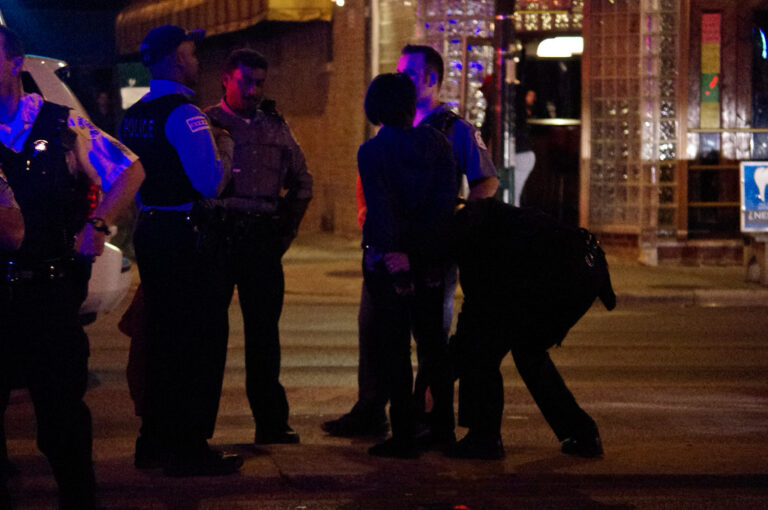
This Bronx street shooting took place just after 11 p.m. on Sunday. Officers found the victim at East 169th Street and Walton. He had been hit at least six times. First responders called it one of the worst attacks they’d seen in months. So far, no one is behind bars. Detectives are gathering shell casings, video footage and witness statements. However, the motive remains unclear. Police urge anyone with information to speak up. Yet, some neighbors fear coming forward.

How the Bronx Street Shooting Unfolded

An unmarked SUV pulled up quickly to the corner. Four masked people jumped out and aimed their guns. Then, they fired at the 24-year-old from close range. Neighbors heard the shots and dropped to the ground. One witness said the attackers fled in the same SUV. They left the scene before anyone could chase them. Police believe they drove east on 169th Street. So far, no security camera has captured a clear image of the vehicle or faces.

The Victim’s Condition and Police Response

Doctors say the victim’s injuries are life-threatening. He underwent emergency surgery to relieve swelling in his brain. Now, he lies in the intensive care unit. Nurses monitor his vital signs around the clock. Meanwhile, police treat the case as attempted murder. They have assigned top detectives to it. Investigators plan to search nearby buildings for footage. They also check toll cameras for the SUV’s movements. Still, no suspects are in custody. Police hope community tips will break the case.

Community Reaction and Safety Concerns

Residents on the block feel shaken and unsafe. One local store owner locked up early for days. A mother said she no longer lets her son play outside alone. Many people now avoid that street corner at night. In addition, some families keep their curtains drawn. Community leaders have called an urgent meeting this week. They want a greater police presence and better lighting. As a result, neighbors signed a petition demanding more patrols. They feel these steps may prevent another Bronx street shooting.

Efforts to Prevent Future Violence

City officials launched violence-reduction programs in recent years. Volunteers walk local blocks to divert youth from crime. They offer job training, tutoring and sports leagues. However, budget cuts have shrunk these efforts. Leaders now ask for new sponsors and grants. Police, for their part, plan targeted patrols in high-risk areas. They coordinate with community groups to share tips. Yet, many say more is needed. They hope renewed focus on prevention will curb the rise in gun violence.

Safety Tips for Residents

Walk in groups, especially at night. Stick to well-lit streets and avoid shortcuts. Keep your phone charged and carry it in your pocket. Tell a friend or family member where you are going. Report any suspicious activity to police right away. Consider joining a neighborhood watch group. Attend local safety workshops to learn more. Sign up for community alerts to stay informed about threats. These steps can help you feel safer until the shooting case is solved.

Understanding the Police Investigation

Police follow a clear process when probing a shooting. First, they secure the crime scene to preserve evidence. Then, they collect shell casings and other physical clues. Next, they canvass for witnesses and gather video footage. Forensic teams analyze the evidence in labs. Detectives compare findings to other crimes for patterns. They also look for ballistics matches in gun databases. Finally, they identify suspects and prepare arrest warrants. If you have any useful information, you can call an anonymous tip line.

What This Means for the Neighborhood

Violence like this can scar a community’s spirit. People who once felt safe now lock their doors earlier. Small businesses may lose customers who fear the area. Schools might see students distracted by worry. Yet, unity can help a neighborhood heal. When residents speak up together, they can demand change. They can push for more lighting, patrols and youth programs. In time, the community can rebuild trust and confidence. That way, no one has to fear another Bronx street shooting.

FAQs

What details have police released about the Bronx street shooting?

Officers say the victim was shot multiple times in the head late Sunday. No arrests have been made. Investigators are collecting evidence and listening to witness accounts.

How can community members support the investigation?

Anyone with photos or video of the scene can share them with police. You can also describe suspicious behavior you noticed before or after the shooting.

What safety steps can residents take right now?

Walk in groups, stick to well-lit routes, and keep your phone ready. Join or start a neighborhood watch and report anything odd to authorities.

Are local leaders doing anything to prevent more violence?

Yes. Community groups and city officials plan more patrols, better lighting and youth outreach programs to steer young people away from crime. Source: https://www.nydailynews.com/2025/11/23/young-man-shot-multiple-times-in-the-head-in-the-bronx/

Trump Accuses Democrats of Seditious Behavior

Key Takeaways

  • President Trump used his Truth Social platform to accuse Democratic military veterans of seditious behavior.
  • He suggested the death penalty for actions he called “punishable by DEATH.”
  • The targeted video reminded active-duty troops they must refuse unlawful orders under the Uniform Code of Military Justice.
  • No lawmakers broke laws; they urged service members to follow the Constitution.
  • Tensions rise as the National Guard deploys to cities facing protests over immigration policies.

Seditious Behavior in Trump’s Truth Social Posts

President Trump sharply criticized a group of Democratic veterans who released a video for active-duty troops. He claimed their message amounted to seditious behavior, even calling for capital punishment. His post read: “SEDITIOUS BEHAVIOR, punishable by DEATH!” This marks a major escalation from his earlier call to jail those lawmakers.

Video Reminder and Military Law

In their video, the Democratic veterans reminded soldiers of the Uniform Code of Military Justice. They said no one must carry out unlawful orders. They cited the Constitution and pledged to support any service member who refused an illegal command. The lawmakers in the video include retired Army officers with tours in combat zones. Yet none committed any crime.

Donald Trump’s accusation of seditious behavior ignores that the UCMJ itself demands lawful conduct. Service members must refuse orders that break federal law or threaten the Constitution. The video simply restated existing military rules. Therefore, legal experts say no new offense occurred.

Political Tensions and National Guard Deployment

Meanwhile, President Trump has ordered the National Guard into several cities. Governors deployed troops to help control protests against his immigration policies. Critics argue this move aims to intimidate dissent. They say it also ramps up tensions between federal and state powers.

Trump’s reference to seditious behavior in the same timeframe suggests he views all protest or dissent as a threat. He has repeatedly labeled critics “traitors” and called for “LOCK THEM UP.” Yet civil rights groups warn such rhetoric risks undermining free speech protections.

Media Confrontation Sparks Controversy

Earlier this week, Fox News host Martha MacCallum interviewed Representative Jason Crow, a retired Army Ranger who appeared in the video. MacCallum pressed him on whether reminding troops to follow lawful orders was out of line. Her line of questioning backfired when Crow calmly explained the video’s legal foundation.

Crow noted that the video promotes adherence to the Constitution. He said it strengthened morale by clarifying that the military cannot act outside the law. Viewers praised Crow for his composure and knowledge. Many also criticized Fox News for framing lawful advice as seditious behavior.

Understanding Reactions on Both Sides

Supporters of President Trump insist the Democrats crossed a line. They argue any call to question orders could sap military discipline. They view the video as politicizing the armed forces. Therefore, they believe the harsh reaction is justified.

On the other hand, constitutional scholars stress that the military oath binds service members to defend the Constitution, not any individual leader. They say the video merely reinforces a core principle: obey lawful orders only. In this view, Trump’s charges of seditious behavior are baseless.

What Does This Mean for Democracy?

This clash highlights deep political divides over presidential power and military loyalty. Some see Trump’s language as an escalation that could chill free speech. Others worry that any doubt in the chain of command undermines national security.

Moreover, Trump’s insistence on using terms like seditious behavior raises questions about the balance between security and liberty. The Founding Fathers feared too much executive power. They wrote the First Amendment to protect dissent. Critics say Trump’s threat of capital punishment for lawmakers crosses into authoritarian territory.

Trump’s next moves remain uncertain. He could double down on his accusations, push Congress for legislation, or shift focus to other issues. Meanwhile, the National Guard remains on standby in protest hotspots. As tensions simmer, both sides prepare for the next chapter in this political showdown.

FAQs

What counts as seditious behavior under U.S. law?

Seditious behavior involves actions that incite rebellion against government authority or undermine the Constitution. It is a serious federal crime but requires clear evidence of intent to overthrow the government.

Can military members refuse any order?

Service members must obey lawful orders. They must refuse orders that violate federal law or the Constitution. The Uniform Code of Military Justice provides guidelines for illegal orders.

Is Trump’s call for the death penalty legal?

No law allows the president to order execution for seditious behavior without due process. The Constitution guarantees legal rights, including trial by jury and appeal.

How does this conflict affect protests and free speech?

The dispute blurs lines between military discipline and civilian protest rights. Critics argue that labeling dissent as sedition threatens free speech. Supporters claim it protects military cohesion.

Is the Cost of Living Crisis Toppling Trump?

0

Key Takeaways

  • Political commentator Alex Shephard warns that the cost of living crisis is destroying Trump’s presidency.
  • Trump’s public statements have grown volatile as household costs rise.
  • Voters like Jenique Jones feel let down by worsening finances.
  • Vice President Vance urges a home-front focus to tackle rising prices.

Trump’s Struggle with the Cost of Living Crisis

Donald Trump promised to tame the economy when he ran for re-election. Yet many Americans say life feels tougher now. Rising prices for coffee, beef, and everyday goods have hit wallets hard. Moreover, Trump cut tariffs to try to ease those pressures. However, critics say those moves came too late.

Political writer Alex Shephard argues that a “month of humiliations” has undone Trump’s gains. He claims that high costs destroyed Biden’s time in office and now threaten Trump’s as well. As a result, Trump’s team faces pressure from both parties. Republicans and Democrats alike call for stronger action on living costs.

How Economic Strains Are Unraveling Trump

First, the president embraced an economic plan that some see as outdated. Then, he slashed certain import fees. Finally, prices kept climbing. Consequently, many people believe Trump made inflation worse. His tone turned erratic in recent speeches. His supporters worry he’s losing control.

Furthermore, Trump’s critics highlight his shift from confident leader to a president on edge. One insider noted that Trump’s public remarks feel increasingly desperate. He even blamed foreign rivals for price hikes at home. Yet economists say global supply chains and energy costs play bigger roles.

Voices from Voters: Disappointment Grows

Credit specialist Jenique Jones voted for Trump. Still, she feels betrayed by his policies. She told a news host that her business workload proves how bleak things have become. “I’m waiting for him to fix it,” she said. “It’s only gotten worse.”

During a televised interview, CNN’s John King pressed her: “Has he fixed it?” Jones replied, “Absolutely not.” She described a “whole bunch of financial mess.” As prices climb, she fears families are skipping essentials. Therefore, voter confidence is slipping fast.

Inside the White House: What’s Next for Policy?

An insider speaking to MS NOW insisted Trump must rethink his priorities. They warned that foreign policy wins won’t matter if Americans suffer. In fact, they predicted this point long ago. Now, White House staff scramble to draft new plans on housing, energy, and taxes.

The president’s economic team reportedly debates more targeted relief for low-income households. They also consider new incentives for domestic manufacturing. Meanwhile, Trump tweets criticism of allies for not cutting energy prices faster. These mixed messages fuel uncertainty about the next steps.

Domestic Focus: VP Vance’s Warning

Vice President JD Vance bluntly told party members that future verdicts hinge on living costs. He said the administration inherited a mess from the previous president. Yet he claimed recent policies have already delivered lower interest rates and modest inflation relief. Still, he urged more action.

Vance’s message is clear: the Republicans will be judged at the polls on their economic record. He insisted that leaders must “focus on the home front” now. Therefore, the White House may roll out fresh proposals soon. Potential moves include expanding food assistance and capping certain drug prices.

The Road Ahead for Trump’s Administration

Looking ahead, the White House faces a simple choice: double down on current policies or pivot to new fixes. On one hand, Trump’s team believes tariffs cuts and deregulation will yield results over time. On the other hand, many voters demand immediate relief for rising bills.

To win back trust, the administration may need to explain how its economic plan fights inflation. It could highlight successes like falling borrowing costs and stronger job numbers. Yet without clear wins on grocery bills and rent, public opinion may keep sliding.

Ultimately, the cost of living crisis remains the biggest test for Trump’s second term. If prices stay high, voters may blame the president twice over. Conversely, a sudden drop in everyday costs could revive his standing. However, such shifts rarely happen overnight.

Frequently Asked Questions

What is the main cause of the cost of living crisis?

Rising energy expenses, supply chain slowdowns, and global demand growth drive higher prices for everyday goods.

How have Trump’s tariff cuts affected inflation?

Tariff cuts eased some import costs but did little to tackle broader inflation caused by energy and labor market issues.

Why do voters blame Trump for rising living costs?

Many feel that his economic choices, like cutting regulations and shifting trade deals, failed to curb price increases.

What steps could the administration take to lower household bills?

Possible actions include targeted relief checks, energy subsidies, and stronger support for housing and health care.

Why So Few Got the Air Traffic Controller Bonus

0

Key Takeaways

  • President Trump pledged a $10,000 air traffic controller bonus for perfect attendance during the shutdown.
  • Fewer than 10% of eligible controllers will receive the bonus.
  • The union worries that thousands of hardworking controllers were left out.
  • Lawmakers question why other crucial airport staff were excluded.
  • Transportation Secretary Sean Duffy confirms only perfect attendance counts for the bonus.

President Trump promised a $10,000 air traffic controller bonus to reward controllers who never missed a shift during the government shutdown. However, only 311 of more than 10,000 controllers will receive the payout. Critics call this unfair. They argue that many other controllers also showed up every day without pay. Therefore, they deserve equal recognition.

Trump’s Promise and the Air Traffic Controller Bonus

In a social media post, President Trump ordered all air traffic controllers to return to work on November 10. He warned that anyone who stayed home would be “substantially docked.” Then he doubled down, stating that those who kept working would get full payment plus a bonus. Moreover, he specified a $10,000 air traffic controller bonus for those who met the perfect attendance rule.

On its face, this promise seemed clear. Yet, when payments began, less than ten percent of controllers saw a bonus. Consequently, many feel let down. They ask why the criteria excluded so many who stayed on the job. Furthermore, they wonder if supervisors made mistakes in tracking attendance.

Union Raises Concerns Over Exclusions

The National Air Traffic Controllers Association threw its support behind hardworking members. At the same time, it slammed the low bonus numbers. “Thousands of controllers kept planes moving without pay and never missed a beat,” the union said. “They deserve recognition just as much as those 311 who meet the narrow rules.”

Moreover, the union fears the narrow criteria will hurt morale. They point out that controllers faced stress and financial strain. Many had to borrow money or skip bills just to keep showing up. Meanwhile, they kept the skies safe for passengers and cargo alike.

Lawmakers Speak Up

Democratic Representative Rick Larsen also stepped in. He questioned why the administration paid only controllers and not other airport staff. Ramp workers, security agents, and ground crew joined controllers at the front lines of travel. Larsen argued that these workers shared the same risks and stresses. He insisted that every airfield employee deserves back pay and a bonus.

Therefore, he urged the administration to broaden the payout. He said excluding key support staff sends a bad message. According to him, it suggests that some jobs matter more than others. In contrast, he believes every worker who kept the system running should get the same reward.

Government Response and Criteria

Transportation Secretary Sean Duffy took to social media to clarify the payout. He confirmed that only controllers with perfect attendance qualify for the $10,000 bonus. In his post, he praised these “patriotic men and women” for their dedication. He also thanked them for “keeping the flying public safe throughout the shutdown.”

On one hand, this response shows the administration values steady work. On the other hand, it feels narrow to many observers. For instance, the policy excludes controllers who missed a shift for approved reasons. It also leaves out those who had a valid excuse but still worked more than others.

Possible Reasons for Low Numbers

First, attendance records may not cover last-minute callouts. If a controller reported sick even once, they lost the bonus. Second, some controllers might not have realized they needed perfect records. Third, paperwork delays could have kept eligible controllers off the list. Finally, supervisors might have applied strict rules without room for appeals.

In any case, the result remains the same: fewer than 10 percent of controllers will get the air traffic controller bonus. Meanwhile, thousands of controllers who showed up every day without pay wait and wonder if they will ever get recognition.

What Happens Next

Moving forward, lawmakers and union leaders may push for a change. They could introduce a bill to expand the bonus or include more staff. Additionally, they might pressure the administration to allow appeals for controllers who missed a shift due to emergencies.

Moreover, public support could sway the decision. If travelers and families speak up, officials might act faster. Community groups may organize letters or online campaigns to highlight the gap. As a result, more controllers and staff might see back pay and a bonus.

Importantly, the air travel industry relies on team effort. From the cockpit to the tower, every role matters. Therefore, many argue that any reward should reflect that unity. Otherwise, the rift between workers and leaders may only grow.

Final Thoughts

The air traffic controller bonus story shows how a simple promise can become complicated. Although the idea seemed straightforward, the rules left many feeling excluded. While 311 controllers will celebrate a $10,000 reward, thousands more wonder why they do not qualify. Going forward, calls for broader recognition could lead to policy changes. Ultimately, honoring every worker who kept the skies safe may prove the best way to keep morale high and service strong.

Frequently Asked Questions

Who is eligible for the air traffic controller bonus?

Only those controllers with perfect attendance during the government shutdown qualify for the $10,000 bonus.

Why did so few controllers receive the bonus?

Strict rules on perfect attendance and possible record delays left many controllers out of the bonus pool.

Will other airport staff receive a bonus?

Currently, the bonus applies only to air traffic controllers. However, lawmakers are pushing to include more airport workers.

Can excluded controllers appeal the decision?

At this time, there is no formal appeal process. Yet, union leaders and lawmakers may seek to create one.

Cost-of-Living Crisis: Trump Voters Speak Out on Broken Promises

Key Takeaways

  • Trump voters say the cost-of-living crisis has only worsened since the new president took office
  • Many former Trump supporters now rely on credit cards and loans to cover basic needs
  • White House insiders urge the president to move focus from foreign policy to the cost-of-living crisis
  • Vice President Vance warns the party will be judged on economic results by 2026

Thousands of Americans who backed Donald Trump now feel disappointed. They believed he would tame runaway prices and ease money worries. Yet many find themselves using credit cards just to buy groceries. As a result, these voters say the cost-of-living crisis is worse under this administration.

How the Cost-of-Living Crisis Hits Families

Across suburban neighborhoods and small towns, people tell the same story. They once trusted Trump’s promises about the economy. However, bills keep growing and paychecks seem to stretch thinner each month. For example, rent jumps, healthcare costs rise, and utility bills climb. In turn, families borrow more just to stay afloat.

One of those voices is Jenique Jones, a credit specialist from Pennsylvania. She voted for Trump three times. But now she says she feels “let down.” Jones told CNN that her busy credit business shows the crisis keeps deepening. Moreover, she argues that policies meant to help have backfired.

“It’s only gotten worse,” Jones explained. “We have a whole bunch of financial mess.” She added that waiting for relief has become a daily frustration. Indeed, her story echoes countless others who once cheered for the president.

Shifting Focus to the Cost-of-Living Crisis

As pressure mounts, insiders warn that foreign policy cannot remain the only priority. A senior White House aide told MSNBC that Trump must switch gears. They argued he should put the cost-of-living crisis front and center. Otherwise, voter anger could grow even stronger come election time.

This push for a domestic shift comes amid talk of global tensions and strategic alliances. While those topics matter, many Americans want to hear about price controls and tax relief. They want clear plans to curb inflation and lower interest rates. In turn, lawmakers face growing calls to craft bills that ease day-to-day expenses.

Vice President JD Vance Steps In

At a recent event, Vice President Vance spoke bluntly about economic performance. He warned that voters will judge the party by its domestic wins. He praised some lower rates and slower inflation but also admitted more work lies ahead. He reminded listeners that inherited problems don’t vanish overnight.

“We need to focus on the home front,” Vance said. He stressed that making life affordable remains the top test. If Americans still struggle to pay rent or fill their gas tanks, he said, voters might look elsewhere. Therefore, he urged swift action on price relief and consumer support programs.

Understanding What Went Wrong

Several factors have fueled the cost-of-living crisis. Supply chain issues, leftover pandemic spending, and global conflicts all play a role. Yet many voters feel their leaders have not done enough to shield them. They see talk of international summits while their own budgets shrink.

Economists note that fixing inflation often requires careful balance. Cutting spending too fast can trigger a recession. On the other hand, printing more money risks further price spikes. Even so, Americans expect clear roadmaps and tangible results rather than vague promises.

Stories from Main Street

In small businesses, owners report tighter margins and tougher choices. A deli owner in Ohio now juggles rising meat and cheese costs. She wonders if she must raise sandwich prices again. Next door, a family of four in Florida debates switching from full-price groceries to discount stores.

These stories highlight the personal side of the cost-of-living crisis. They remind us that numbers on a report affect real people. With each new bill, families must decide between dining out, new shoes, or emergency savings. As a result, they look to elected leaders for relief.

What Comes Next?

With midterm races approaching and the 2026 election on the horizon, stakes have never been higher. Polls already show a dip in approval for those in power. Should leaders fail to deliver price relief, voter turnout could shift dramatically.

Yet hope remains. Politicians across the aisle propose measures like gas subsidies, tax rebates, and food aid. If any of these plans pass, they could ease the crisis and rebuild trust. However, time is short, and urgency is clear.

Transitioning from foreign engagements to homegrown solutions will test this administration’s resolve. The president must balance global interests with the everyday needs of working Americans. Success could restore faith among former supporters like Jenique Jones. Otherwise, disappointment may deepen.

Frequently Asked Questions

What is driving the cost-of-living crisis?

Multiple factors drive it: supply chain delays, high consumer demand, global conflicts, and pandemic spending. These forces push up prices on goods and services.

How do people cope with rising costs?

Many resort to credit cards, personal loans, or cutting back on non-essentials. Others switch to cheaper brands, shop sales, or delay major purchases.

Why are Trump voters upset now?

They backed Trump expecting stronger economic relief. As prices rise, they feel promises were broken. Their financial stress highlights their frustration.

What steps can ease the cost-of-living crisis?

Experts suggest targeted tax rebates, strategic spending cuts, and support for low-income families. Improving supply chains and lowering interest rates can also help.

Trump’s Affordability Crisis Response Stuns Expert

Key Takeaways:

  • Gene Sperling calls Trump’s response to the affordability crisis politically risky.
  • Many Americans know tariffs push up their costs.
  • The U.S. job market shows weak growth under Trump.
  • Experts warn that mocking affordability could backfire at the polls.

In a recent interview, Gene Sperling, a senior Biden adviser, sharply criticized President Trump. He said Trump’s handling of the affordability crisis is “stunning” for its failure to consider political fallout. Sperling noted that the president not only downplays high prices but even mocks the very idea of affordability.

Mocking the Affordability Crisis Exposes Political Risks

Sperling began by pointing out that President Biden faced heat when he spoke proudly about the economy while many families still felt the pinch. “It’s striking how many Americans understand what tariffs are and that they are raising prices,” Sperling said. He argued that rather than learning from that lesson, Trump chose to mock the struggle instead of addressing it.

With inflation still higher than many households prefer, Americans want relief. Instead of offering plans or ideas, Trump ridiculed the term affordability. That approach risks turning off voters who see rising costs at the gas pump, grocery store, and rent bill.

Americans Feel the Pinch from High Prices

Across the country, families face tough choices. They skip vacations, drive less, and cut back on meals out. In this environment, the affordability crisis hits home. When the president mocks it, people feel like their concerns don’t matter. Consequently, they may lose faith in leadership.

Moreover, seniors on fixed incomes worry about healthcare costs. Young adults struggle with rent and student loans. In small towns, farmers see supply costs rise. Clearly, high prices touch every corner of the nation.

Why Tariffs Matter in the Affordability Crisis

Tariffs are taxes on imports. When the government adds a tariff, importers pay more to bring goods in. They often pass that cost to consumers. As a result, your grocery bill goes up. Your electronics cost more. In fact, Sperling stressed that Americans recognize this link.

Furthermore, many voters have read news reports about tariffs on steel, aluminum, and Chinese products. They see the connection between those tariffs and their own wallets. Yet Trump chose to ignore that reality. Instead, he claimed the affordability crisis was a hoax or a media exaggeration.

Political Fallout from Dismissive Rhetoric

Ignoring voter pain can carry serious political risks. Historically, presidents who downplay economic struggles often lose support. For example, past leaders faced backlash when they bragged about growth while real wages lagged. In midterm elections, voters who feel squeezed tend to vote against the party in power.

In addition, critics say mocking voters’ worries can deepen the divide. It signals that the president is out of touch. As a result, potential swing voters may shift away. Sperling warned that Trump’s approach could make it harder to rally support, even among loyalists.

What Should Leaders Do About the Affordability Crisis?

First, leaders need to listen to everyday citizens. They should hold town halls and gather feedback on rising costs. Second, they can review tariffs that directly drive up prices on key items. Third, investing in supply chains may ease bottlenecks and lower costs. Fourth, boosting wages and small business support can help families keep up.

Instead of mocking the affordability crisis, politicians must offer clear plans to tackle it. They should outline steps to reduce costs on housing, healthcare, and education. By doing so, they show empathy and gain trust. Ultimately, real solutions build voter confidence better than insults.

The Road Ahead for Affordability

Looking forward, the affordability crisis will remain a top concern for many Americans. With elections on the horizon, both parties will compete to show they care about pocketbook issues. An empathetic approach, backed by concrete policies, is likely to win more support.

Consequently, political leaders who ignore or mock affordability risk falling behind. As Sperling highlighted, voters understand basic economics, like how tariffs raise prices. Therefore, any plan—or mockery—that fails to address real pain will likely backfire.

By contrast, leaders who offer clear, actionable steps can shift public opinion. They can win trust by showing they understand daily struggles. After all, politics often comes down to one simple question: Do you feel better off than before? If the answer is no, laughter won’t change that fact.

FAQs

What is the affordability crisis?

It refers to the struggle many people face when rising costs for housing, food, and healthcare outpace income. Families must make tough choices to manage their budgets.

How do tariffs affect consumer prices?

Tariffs add a tax on imported goods. Importers pass this cost to consumers, which raises prices on everyday items like electronics, clothing, and groceries.

Why did Gene Sperling criticize Trump?

Sperling argued that mocking the affordability crisis ignores political risks and voter pain. He believes leaders should focus on real solutions, not ridicule.

What can improve affordability for families?

Possible actions include reducing or targeting tariffs, boosting wages, investing in housing and healthcare, and supporting supply chains to lower overall costs.

Trump Escalation Sparks Worry Over Violence

Key Takeaways

  • Trump’s latest comments mark an unprecedented escalation in tone
  • Independent Veterans of America leader calls it a dangerous move
  • Remarks target Democratic veterans and could spur real violence
  • Experts warn this Trump escalation puts officials at risk
  • Debate grows over free speech and public safety

Understanding Trump Escalation and Its Impact

Donald Trump recently suggested that Democrats who urged troops to disobey unlawful orders should face the death penalty. This bold statement shocked many. In response, Paul Rieckhoff, founder and CEO of Independent Veterans of America, called these words “an escalation the likes of which we have not really seen.” He voiced his concern on MS NOW, saying Trump’s tone now crosses a dangerous line.

Transitioning from prior harsh rhetoric, this Trump escalation feels more direct. It singles out veterans who served their country. It also targets sitting members of Congress who once wore the uniform. As a result, officials worry about threats and possible violence.

Why Trump Escalation Feels More Dangerous

First, the call for execution repeats threats that echo back to darker times in our history. Second, this escalation lands directly on the shoulders of veteran lawmakers and former intelligence officials. Many once served under Trump, yet now they face a bullseye. Third, it sends a signal that political opponents might face extreme harm.

Moreover, this Trump escalation came just after many leaders urged cooler heads. In fact, after previous clashes, some conservatives asked for a milder tone. Instead, Trump’s latest words ramp up the heat. Therefore, veterans and lawmakers fear real-world consequences. They worry that unstable individuals could act on these threats.

What Veterans Are Saying

Veterans know the weight of every order. They also respect lawful dissent in extreme cases. In their view, the Democrats’ video about disobeying illegal commands did not call for chaos. Rather, it highlighted a citizen’s duty under the Constitution.

However, Trump’s response branded that discussion as sedition. Then he added calls for their death. Rieckhoff said this shift feels reckless. He pointed out that soldiers expect chain of command, not calls for violence against peers. He also said that this Trump escalation creates needless fear within military ranks.

In addition, many veterans feel these words could fracture trust in military leadership. They fear new recruits might doubt where loyalty truly lies. Some worry that harsh political speech could hamper unit cohesion. After all, soldiers rely on clear, lawful orders to protect the nation.

The Risk of Inciting Violence

When a high-profile leader uses violent language, it can inspire the wrong crowd. Unstable individuals might see these comments as permission. Worse, they could believe they act in support of the leader’s wishes.

This is why experts call this Trump escalation “radioactive.” Even if Trump meant no one would act, his words carry weight. They echo across social media, where radical views can spread fast. Simultaneously, the threat feels personal to those named. Sitting members of Congress who once served now wonder about their safety.

Furthermore, violence against public officials breaks a sacred barrier. It undermines democratic norms and chills free speech. If threats go unchecked, it could lead to real harm. That danger alarms both conservatives and liberals alike. They agree that political debate must avoid such extremes.

What Could Happen Next

For starters, congressional security teams may tighten protection for veteran lawmakers. Capitol police could increase patrols near lawmakers’ homes. In addition, the House and Senate may hold hearings on political threats. Members might demand accountability for violent rhetoric at the highest levels.

Meanwhile, campaign groups could launch fact-based ads urging calm. Veterans’ organizations may issue joint statements condemning violence. They might host town halls to explain lawful dissent in the military. Then, citizens could gain a clearer view of the difference between legal protest and dangerous threats.

Finally, social media platforms could update policies on threats. They may flag or remove posts that echo calls for violence. That effort could curb the viral spread of harmful content. Yet, experts say no single step will fully solve the problem. It will require ongoing vigilance from leaders and the public.

FAQs

What exactly did Trump say that sparked this reaction

He suggested Democrats who urged troops to disobey unlawful orders should face the death penalty.

Why do veterans find this Trump escalation alarming

They fear it undermines lawful military obedience and could incite violence against former service members.

Could these comments lead to legal action

Possible congressional hearings and investigations might examine threats against public officials made by a president.

How can citizens respond to violent political rhetoric

They can speak out at town halls, support fact-based organizations, and urge leaders to promote safe discourse.

Judge Exposes Shocking DHS Lies Behind Chicago Protests

0


Key takeaways:

  • Judge Sara Ellis uncovered repeated DHS lies in a 233-page ruling.
  • Body camera footage showed an agent using ChatGPT to craft protest reports.
  • Border Patrol chief Gregory Bovino gave “evasive” or false testimony.
  • Claims about protesters firing artillery and using nail shields proved false.
  • The ruling raises serious doubts about public trust in DHS.

Judge Exposes Shocking DHS Lies

A judge has delivered a powerful rebuke to the Department of Homeland Security. In a lengthy opinion, she detailed how DHS lied about its actions during anti-ICE protests in Chicago. Her ruling upholds an earlier order that restricts federal tactics in these demonstrations. Importantly, the court reviewed hours of body camera footage. That footage exposed DHS lies that shaped public statements and official reports.

First, the judge noted that an immigration agent turned to artificial intelligence. The agent used ChatGPT to “compile a narrative” for his report on a protest encounter. This step alone suggests that the official account did not come straight from trained personnel. Instead, it came from an AI model that can invent details. As a result, the judge called that report into serious question.

Then, she turned her attention to the testimony of U.S. Border Patrol chief Gregory Bovino. Over three days, Bovino faced tough questioning under oath. However, his answers proved “not credible.” The judge described his responses as “cute” or outright lies. In one case, he denied tackling a protester—though video clearly showed him doing so. This moment alone showed how far DHS lies had reached into its highest ranks.

How DHS Lies Affected Public Trust

In her ruling, the judge warned that repeated falsehoods erode faith in government. At some point, she said, “it becomes difficult, if not impossible, to believe almost anything that DHS represents.” Indeed, her opinion highlighted several times when DHS misled both lawmakers and the public. For example, officials claimed rioters shot fireworks at agents. The judge reviewed body cam recordings. She found that the loud blasts came from DHS flashbangs, not protester weapons.

Moreover, DHS spokespeople accused protesters of carrying shields studded with nails. Yet the footage showed plain cardboard shields with no metal. In another instance, officials asserted that agents faced “commercial artillery shell fireworks.” Once again, video made clear those explosions were DHS devices. Each false statement became part of a public narrative that justified harsh crowd control methods. However, evidence proved those justifications false.

In addition, a senior fellow from the American Immigration Council weighed in. He highlighted how the judge’s ruling was the first to examine so much body camera video. He stressed that DHS repeated these lies even after agents’ own footage disproved them. That pattern, he argued, shows willful deception. Because of this pattern, he urged lawmakers and watchdogs to demand stronger oversight.

The judge’s finding also attracted national attention. A well-known commentator noted that the administration appears fundamentally dishonest. He urged the public to read the ruling and judge for themselves. Indeed, the judge’s 233-page opinion reads like a playbook of how DHS lies can be constructed, repeated, and defended in court.

Key Examples of DHS Lies

• False artillery attacks: DHS said protesters fired artillery shell fireworks at agents. Video showed the noise came from DHS flashbang grenades.
• False nail shields: Officials claimed protesters used shields with nails. Agents’ footage showed cardboard shields without any metal.
• AI-generated reports: An agent relied on ChatGPT to write his official narrative. The court questioned the authenticity of that report.
• Evasive testimony: The chief of Border Patrol denied tackling a protester. Video evidence contradicted his statements.

These key examples reveal a broader issue. When DHS lies shape public policy, they also shape public opinion. Furthermore, they influence how protests are policed across the country. Now that this pattern is exposed, experts worry about similar tactics in other cities.

What Happens Next

The administration will likely appeal the ruling. However, this opinion sets a strong legal record against DHS tactics. Courts rarely analyze body camera footage so closely. As a result, this case may serve as a model for future challenges to federal crowd control methods.

Meanwhile, lawmakers face renewed pressure. They must decide whether to fund body cameras, improve training, or limit certain tactics. Civil rights groups will use this ruling to press for more transparency. At the same time, DHS must address the damage to its credibility. Otherwise, every future statement risks being met with doubt.

In the court of public opinion, trust is vital. Government agencies rely on honesty to maintain support. Yet this ruling suggests that DHS lies have undermined that foundation. Moving forward, officials will need to rebuild trust through clear policies and truthful communication.

FAQs

What did the judge’s ruling focus on?

The judge’s opinion examined hours of body camera footage and official statements. She found repeated falsehoods in DHS accounts of protest events.

Why does the ruling matter?

This decision restricts how federal agents may respond to protests. It also highlights the need for honesty and accountability in law enforcement.

How were body cameras involved?

Body cameras captured evidence that contradicted official reports. The judge used this video to show that many DHS claims were false.

What could change after this ruling?

Lawmakers might tighten oversight, improve training, and require clear standards for protest policing. DHS may also revise its communication and reporting methods.

GOP Rebels Say No to Trump’s Top Demands

Key Takeaways

• GOP lawmakers now push back on many of Trump’s top ideas
• Senators reject $2,000 tariff rebates, citing debt worries
• Redistricting, health care cuts and AI rules face GOP rebels’ doubts
• Republicans weigh each proposal for state benefit, not party loyalty

In recent months, a growing number of Republicans have started to challenge President Trump. Semafor reports that the GOP once followed the president without question. Now, GOP rebels are rejecting his plans one by one. They say each idea must stand on its own merits.

At first, Trump got nearly everything he wanted from his party. However, that is changing fast. Some Republicans now see risks in the president’s latest proposals. Indeed, even key GOP senators refuse to back certain ideas. As a result, the party looks less unified than before.

Why GOP Rebels Push Back

First, many GOP rebels point to the national debt. The United States owes more than $38 trillion. Thus, when Trump suggested sending $2,000 tariff rebate checks to Americans, Senate Republicans balked. Senator Ron Johnson of Wisconsin argued that extra spending would only add to the debt. He said any new money should cut the deficit instead. In his view, deficit reduction must come before any rebate plan.

Second, Republicans are judging each issue by its impact on their states. Senator Shelley Moore Capito of West Virginia explained that lawmakers do not meet secretly to plan an uprising. Instead, they review each proposal case by case. If an idea harms their voters or budget, they vote against it—even if Trump backs it.

Moreover, GOP rebels worry about overreach. They fear too many new rules or costs could hurt local economies. By standing up to the president, these lawmakers aim to protect tax dollars and local interests.

Major Moments of GOP Rebels’ Defiance

GOP rebels have drawn clear lines on multiple fronts:

  •  Tariff Rebate Checks: After Trump urged $2,000 payments, Senate Republicans rejected the plan. They said the added cost would worsen the debt.
  • Argentine Beef Imports: Trump pushed to let in more beef from Argentina to lower food prices. Yet GOP senators said this move could harm U.S. ranchers. They blocked the idea until local farmers’ concerns get a full hearing.
  •  50-Year Mortgages: To help homebuyers, Trump floated ultra-long mortgages. However, many Republicans called the plan risky. They argued banks and borrowers would face unknown problems over such a long term.
  •  Redistricting in Indiana: Trump asked Indiana Republicans to redraw congressional maps for political gain. Instead, state leaders declined. They said the existing lines already reflect fair representation. As a result, other states now debate whether they should follow Indiana’s lead.
  • Cutting Health Care Subsidies: Trump aimed to slash Affordable Care Act subsidies to lower federal costs. But GOP rebels worry this would drive up insurance premiums. Many senators said no until they see better plans for the uninsured.
  • AI Regulation Moratorium: The president sought to include a pause on state AI rules in a must-pass defense bill. Yet Republicans argued that AI safety is too important to delay. They fear unchecked AI risks could go unaddressed.
  •  Jeffrey Epstein Files: In an almost unanimous vote, Congress forced the administration to release hidden files about Jeffrey Epstein. Trump personally asked senators to block that push. Still, GOP rebels sided with transparency.
  •  Filibuster Rule Change: Trump personally lobbied to eliminate the Senate filibuster to speed up his agenda. Yet Republican senators rejected his plea, preserving the 60-vote rule.

What This Means for the Party

Clearly, the era of automatic GOP support for Trump is ending. With each clash, Republicans prove that party loyalty has limits. Indeed, many lawmakers now see their voters as the priority.

As a result, Trump may need to work harder to win over lawmakers. He can no longer assume he will get a green light on every plan. In fact, GOP leaders say they will judge proposals by their real-world impact, not by who suggests them.

Moreover, this trend could reshape elections. Voters may reward lawmakers who stand up for local interests. Or they may punish those who ignore party lines too often. Either way, the coming months will test Trump’s influence over his own party.

Looking Ahead: Balance or Break?

Moving forward, Republican unity will face new challenges. First, Trump must decide if he will push harder on his agenda or seek compromise. He might lose more battles if he stays rigid. However, a more flexible approach could rebuild trust with some GOP rebels.

Second, GOP lawmakers will need to navigate a fine line. They must show their independence to voters without fracturing the party. Too much public defiance could weaken Republican chances in future elections. Yet blind loyalty risks voter backlash over bad policies.

In short, the GOP stands at a crossroads. Party members must balance respect for their leader with duty to their constituents. As long as lawmakers keep acting on state benefits first, the influence of any single figure will remain in check.

Frequently Asked Questions

What issues have GOP rebels opposed most?

Republicans have pushed back on tariff rebates, Argentine beef imports, a 50-year mortgage plan, health care subsidy cuts, and a state AI rules pause. They also resisted Trump’s efforts on redistricting, the Epstein files, and filibuster changes.

Why are these lawmakers called GOP rebels?

They earn this label by defying the president’s wishes. Instead of following party orders, they vote based on what they think best serves their states and the national budget.

How might this trend affect future legislation?

With more independent votes, passing major bills could become harder. Trump and other leaders may seek broader support or compromise to win GOP rebel approval.

Could this divide hurt the Republican Party?

A sharp split might weaken the party in elections if voters see disunity. However, standing up to unpopular policies could also boost individual lawmakers’ reputations and voter trust.