62.4 F
San Francisco
Monday, March 30, 2026
Home Blog Page 203

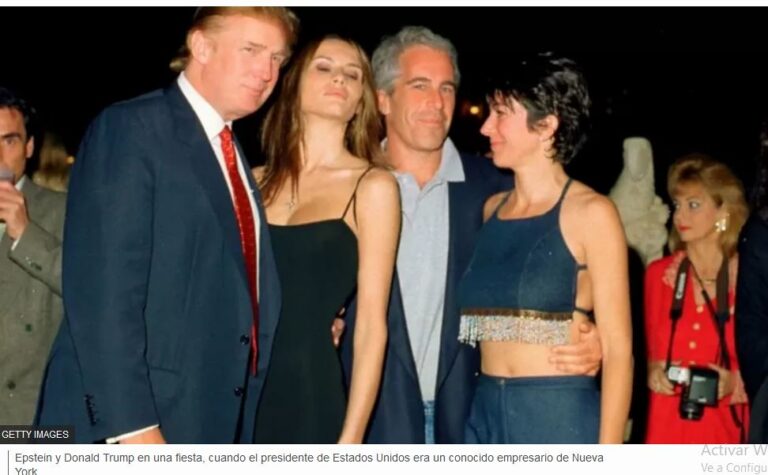
Trump’s U-turn on Epstein Files Exposes MAGA Rift


Key takeaways:

• Trump first blocked release of the Epstein files, then reversed course.
• Two GOP members resisted his pressure, and one key ally openly defied him.
• Marjorie Taylor Greene used this moment to challenge Trump’s leadership.
• The crisis stems from a deep QAnon-driven belief in a hidden pedo-cabal.
• A recent House vote overwhelmingly demanded the Justice Department share the files.

Trump’s Flip on Epstein Files

Last week, the former president pressed two House Republicans to block a plan to release the Epstein files. He called Nancy Mace and Lauren Boebert into the Situation Room with top DOJ and FBI officials. Meanwhile, Speaker Mike Johnson had stalled the House for two months. He refused to seat Arizona’s Adelita Grijalva, whose vote could force the release. All this delay kept the public in the dark about the Epstein files.

Then Trump turned his fire on his most loyal MAGA warrior, Georgia Congresswoman Marjorie Taylor Greene. He stripped her of his endorsement and labeled her a “lunatic” and “RINO.” He even backed a primary challenger against her. Yet Greene refused to back down. She called for full transparency on the Epstein files. She said the fight made people ask what secrets lay hidden, and who was pushing Trump to keep them under wraps.

On Monday, Trump conceded. He urged House Republicans to vote for release. He insisted the files held nothing to hide. However, critics pointed out he could simply order the Justice Department to comply. Instead, he made his followers vote. This flip-flop exposed deep fractures in his base.

MAGA Fracture Over Epstein Files

The battle over the Epstein files forced MAGA supporters to choose. They could side with Trump, or with a dark conspiracy theory that frames him as a hero. This theory springs from QAnon. It claims a shadowy group of Jewish elites runs the world. These elites commit horrible crimes, including pedophilia and cannibalism. In that story, Trump is the chosen one. He must use any means necessary, even criminal acts, to defeat them.

Supporters believed that once Trump freed the Epstein files, the cabal would face mass arrests. They called this moment “The Storm.” Yet when Attorney General Pam Bondi found Trump’s name in many documents, she blocked release. Bondi said too many files tied back to the former president. After reviewing 100,000 documents, she objected to revealing them.

By siding with Bondi, Trump shocked his followers. He asked them to weigh trust in him against belief in a heroic fight. For many, antisemitic conspiracy runs too deep to abandon. Thus, they lost faith in Trump. His gamble backfired. It drove them toward other leaders who still peddle the myth.

The QAnon Connection

QAnon has surged online since 2017. It spreads through social media whispers and meme warrooms. In its world, nothing is as it seems. Hollywood stars, top politicians, and foreign powers all join forces against “real Americans.” Epstein sits at the center of this network. His files promise proof of wide-scale corruption and abuse.

Trump’s original refusal to free the files seemed to confirm the cover-up. It hinted that he, too, might share in the crimes. Suddenly, the heroic narrative cracked. Instead of a savior, he looked like another member of the cabal. As a result, alternative figures gained ground. Greene, for example, positioned herself as a faithful messenger. She talked about the files and prayed for Trump to return to true MAGA roots.

This tension shows how dangerous conspiracy can be. Supporters loved that Trump bragged about his power. They cheered his threats to punish enemies. However, once the files stayed hidden, that power no longer felt real. They wanted proof of the conspiracy, not more promises of revenge.

What’s Next?

On Wednesday, the House voted 427–1 to force the Justice Department to release the Epstein files. Now, the public awaits these long-sealed documents. If they prove damning, they could reshape the 2024 campaign. Trump risks seeing more of his allies break ranks. They may even look for fresh faces to lead the right.

Moreover, the incident highlights a key lesson: You cannot take a conspiracy-driven base for granted. Even the most devoted followers will balk if you betray their core myth. Trump’s hubris made him forget that. As a result, his rivals sense an opening. Meanwhile, his opponents stand more united than ever.

Ultimately, the fate of the Epstein files will test Trump’s power. If he stalls or fights the House vote, he risks deepening the crisis. If he backs down again, his critics will question his leadership. Either way, this battle has already exposed his movement’s fragile foundations.

Frequently asked questions

What are the Epstein files and why do they matter?

The Epstein files are a set of court documents and evidence about Jeffrey Epstein’s crimes and connections. They could reveal ties to powerful figures. Supporters believe their release would prove a vast corruption network.

How did QAnon influence the fight over these files?

QAnon promotes a conspiracy that a secretive elite commits child abuse to control the world. Epstein is seen as a key figure. Followers expected Trump to expose the cabal by freeing the files.

Why did Trump first block the release and then reverse his stance?

Attorney General Pam Bondi found Trump’s name too often in the documents and advised against release. Under pressure from allies and the House vote, Trump later urged lawmakers to approve the release.

How did Marjorie Taylor Greene use this moment against Trump?

Greene pushed for transparency, questioning why Trump would hide the files. She positioned herself as a true believer in the cause. Her stance forced Trump to choose between his base’s conspiracy beliefs and his own cover-up.
Obama’s Democrats Strategy: How to Fight Back


Key Takeaways:

• Obama urged new Democrats to learn from the 2004 loss
• He compared the 2024 Republican sweep to past despair
• He stressed small wins build long-term momentum
• He warned against overtrusting cooperation with Republicans

Introduction

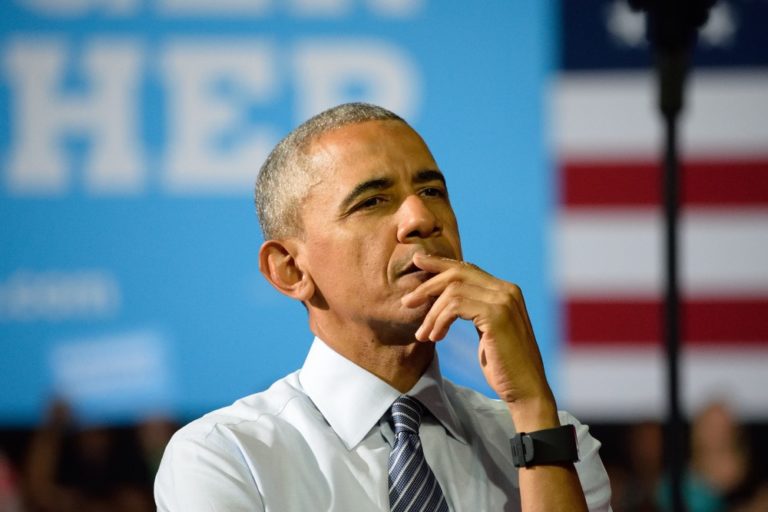
Fresh from a meeting with freshman lawmakers, former President Barack Obama shared a clear Democrats strategy. He wants the party to fight back against a strong Republican push. He reminded members that tough times can lead to big wins.

Democrats Strategy

Obama painted a picture of 2004 when John Kerry lost the White House. At that time, Democrats had neither the House nor the Senate. Karl Rove declared a “permanent Republican majority.” Yet two years later, Nancy Pelosi became the first woman Speaker. Four years after that, Obama won the presidency. He used this history to show how a smart Democrats strategy can change politics.

Learning from the 2004 Loss

Back in 2004, Democrats felt a similar sense of despair. They lost the Senate leader seat and the presidency. Young Democrats today may not recall that setback. However, Obama said it taught a key lesson: hard work and focus pay off. He asked lawmakers to track every interaction with voters. He said each meeting and each policy talk builds real momentum. Also, he asked them to invest time in their districts. He stressed that small local efforts lead to national change.

Why This Democrats Strategy Matters Now

The 2024 Republican sweep shocked many. Yet Obama sees a chance for Democrats to bounce back. He told lawmakers not to be complacent. He said they must stay vigilant. Moreover, they should sharpen their message on health, jobs, and climate. By doing so, they set the stage for future wins. Therefore, this Democrats strategy focuses on consistency and clear goals.

Steps to Build Momentum

First, connect with voters every day. Visit schools, small businesses, and community centers. Listen as much as you speak. Second, craft policies that help people now. Focus on affordable health care, good jobs, and clean energy. Third, share these successes loudly and proudly. Use social media, local news, and town halls to spread the word. Fourth, train new volunteers and leaders. A strong bench keeps the party ready for the next fight.

Moving from Player to Coach

Obama said he wants to shift roles. He no longer seeks the spotlight. Instead, he aims to coach the next generation. His goal is a sustainable party that stands without him. He plans to mentor lawmakers and staffers. He will help shape a clear Democrats strategy. In this way, the party stays strong even when he steps back.

Avoiding Past Mistakes

In his speech, Obama confessed he overestimated Republican willingness to compromise. Over two terms, he said, “We wasted time engaging ideas in good faith.” He warns today’s leaders not to repeat that error. Instead, he advises clear red lines and firm negotiation. Also, he urges unity within the party. When Democrats stand together, they avoid mixed messages that weaken their position.

Key Elements of the Democrats Strategy

• Clear messaging on core issues
• Local engagement every week
• Measurable wins to share publicly
• Leadership development pipelines

Why a Long-Term View is Essential

A short race can feel urgent. Yet Obama stressed that real change takes time. The path from 2004 defeat to 2008 victory did not happen overnight. It grew from steady work and trust building. Therefore, Democrats should measure success in years, not months. They should prepare for a tough midterm, then a harder presidential contest. This long-term Democrats strategy helps maintain focus and energy.

Keeping Voters Engaged

Voter enthusiasm can fade after big losses. To counter this, Obama suggested regular outreach. Send newsletters, call lists, and host local events. Celebrate small wins like a new bill passed or a town hall filled. Each event reminds people the party cares. It also recruits new volunteers. Moreover, it strengthens the base ahead of critical elections.

Balancing Bold Ideas with Pragmatism

While some propose sweeping changes, Obama said realism matters. Bold ideas gain attention, but they must feel achievable. He advised lawmakers to break big goals into smaller steps. For example, tackle one environmental regulation and celebrate that win. Then move on to the next. This approach keeps supporters motivated and shows steady progress.

Building a Sustainable Party Infrastructure

Obama’s vision extends beyond elections. He wants a well-funded and organized party. That means training programs, strong fundraising, and tech tools for grassroots efforts. He sees value in data platforms that track voter concerns. He also backs mentorship networks linking new lawmakers with experienced staff. Such infrastructure drives long-term success and resilience.

The Power of Unity

Throughout his talk, Obama highlighted unity. He urged Democrats to speak with one voice on key issues. Division dilutes their message and gives Republicans an opening. Instead, he called for clear, shared goals on health care, wages, and voting rights. By uniting around common priorities, Democrats can present a stronger front and win back public trust.

Conclusion

Barack Obama’s Democrats strategy focuses on learning from past losses, building momentum through local wins, and creating a lasting party structure. He encourages unity, realistic goals, and a long-term view. By following these steps, Democrats can mount a strong fight back against Republican advances and set the stage for future victories.

Frequently Asked Questions

What is the main point of Obama’s advice for Democrats?

His main point is that small wins and steady effort create big momentum over time.

How does Obama link 2004 to today’s politics?

He shows that Democrats rose from a 2004 defeat to major victories by focusing on local work and unity.

Why does Obama warn against overtrusting Republicans?

He believes past attempts to find common ground delayed key progress on Democratic priorities.

How can new lawmakers help build lasting momentum?

By engaging daily with constituents, crafting clear policies, and celebrating measurable wins.

Why Prices Stay High Despite Trump’s Promise

Key takeaways:

  • Trump vowed to cut prices quickly but ten months later they still rise.
  • The New York Times slammed his promise as impossible and misleading.
  • Tariffs have pushed up costs for businesses, which then raise prices.
  • Average U.S. household now pays about $1,800 more per year.
  • Families feel the pinch at grocery stores, gas pumps, and even toy aisles.

Why prices remain stubbornly high

In his campaign, the president declared, “Prices will come down fast.” Yet ten months into his term, prices keep climbing. On Friday, the New York Times finally called out this broken promise. They argued that broad price drops almost never happen without a major crisis. Moreover, they said Trump’s own policies have made prices even higher.

The big promise that never came true

At the campaign launch, voters cheered his promise of cheaper goods. They pictured lower gas bills and bargain grocery trips. Instead, everyday costs keep rising. Families open their bills and find even higher numbers. This gap between promise and reality fuels frustration across the nation.

How tariffs pushed up prices

Tariffs act like extra taxes on imports. The president slapped high fees on steel, aluminum, and many Chinese products. While he said this move would protect local jobs, it also added costs for businesses. Economist Claudia Sahm warns that firms rarely absorb these fees. Instead, they pass costs onto consumers with higher prices. In fact, Goldman Sachs found consumer costs of tariffs jumped from 22 percent in April to 55 percent in October. They project 67 percent by mid-next year. In other words, most tariff bills now hit shoppers’ wallets. The Yale Budget Lab puts the total at around $1,800 more per household each year.

Tone-deaf comments and political spin

Earlier this year, the president joked that Americans could handle tariffs by buying fewer toys. “Maybe the children will have two dolls instead of 30,” he quipped. This offhand remark rang hollow for families already cutting essentials. Then, after some Democratic wins, the White House reversed its tune. Officials claimed “inflation has been tamed” and “everyday prices are beginning to drop.” Yet data tell a different story: prices continue to climb.

Real-world impact on families

High prices force people to make tough choices. A mother in Ohio skims meat off her grocery list to pay for gas. A Texas teacher buys used supplies so her students have notebooks. A Colorado cafe closed its doors after coffee and sugar costs soared. These stories highlight how rising prices affect everyone, from parents to small-business owners.

What needs to happen for prices to fall

According to the New York Times board, prices usually fall only in severe crises like the Great Depression. Outside of rare downturns, prices tend to rise with demand and costs. To ease prices, leaders should:

  • Roll back or reduce tariffs to cut extra fees.
  • Promote competition so businesses lower their prices.
  • Improve supply chains to prevent costly delays.

Fixing the price problem

Recently, the president shared a photo of a marble bathroom renovation at the White House. Yet many Americans check the price tag on everyday goods. Toilet paper alone is up more than 3 percent this year. What families need is a leader focused on those simple costs. That means tackling tariffs, boosting competition, and streamlining supply chains. Above all, it means admitting when a promise falls short and taking real steps to make life more affordable.

Frequently Asked Questions

What did the president promise about prices?

He vowed that prices would fall rapidly from his first day in office, making life more affordable.

How have tariffs influenced consumer prices?

Tariffs are extra fees on imports. Companies often pass these costs to shoppers by raising prices.

How much more do families pay because of tariffs?

Experts estimate tariffs now add about $1,800 per household each year.

What actions could help bring prices down?

Reducing tariffs, encouraging competition, and fixing supply-chain issues could help lower prices over time.

Swalwell Doubts Full Release of Epstein Files

0

Key Takeaways

  • Congressman Eric Swalwell doubts all Epstein files will ever be released.
  • The House voted 427 to 1 to make the Epstein files public.
  • Swalwell says public pressure, not the president, drove the vote.
  • He offers to work with Republicans open to reform.
  • Doubt remains whether the files will see full daylight.

Congressman Eric Swalwell does not believe we will see every page of the Epstein files. Although lawmakers almost unanimously voted to make those records public, Swalwell says trust is missing. He shared his concerns in a recent late-night talk show appearance.

What Happened with the Vote on the Epstein Files

Last Tuesday, the House of Representatives passed a bill to open the Epstein files. Only one member voted against it. Then the Senate agreed, and the president signed off. In theory, that meant all those documents should go public. Yet, Swalwell remains skeptical.

First, the vote came after a discharge petition forced a floor vote. This tool lets members bypass committee blocks. In this case, it aimed to break open secrets tied to Jeffrey Epstein’s case. As a result, lawmakers answered to the public, not just party leaders.

Why Swalwell Doubts Full Release of Epstein Files

Eric Swalwell spoke on a late-night show and gave a flat “no” when asked if he trusts the president to release every record. He says the president’s actions suggest someone has much to hide. In fact, Swalwell argues that the only real push came from voters and public outrage.

He noted that sometimes pressure from citizens can lead to justice. However, the bill’s face value does not guarantee full transparency. Even after a presidential signature, steps remain before all pages see the light of day. Documents could still face redactions or long delays. That fuels Swalwell’s doubt about the Epstein files ever fully coming out.

Building a Bipartisan Coalition

Remarkably, a former close Trump ally, Marjorie Taylor Greene, supported the effort to release the Epstein files from the start. Swalwell sees this as proof that shared goals can bridge party lines. He offered to welcome Greene into a more reform-minded coalition.

He pointed to a pending discharge petition on health insurance costs. If more members, including Greene, join forces, they could force another critical vote. Swalwell believes this tactic can push through reforms, showing strength in numbers. He warned that if reformers shrink back, they let the president pick them off one by one.

How This Vote Shows Public Power

In Swalwell’s view, the near-unanimous vote is proof that public sentiment still matters. He said that lawmakers moved because of their constituents, not because of the White House. Indeed, public pressure can reshape political priorities.

Moreover, Swalwell sees lessons for future fights. He urged openness to unlikely allies who share common goals. By forming a broad coalition, members can drive change and demand transparency, whether on health care, taxes, or the Epstein files.

Swalwell’s Plans and Political Impact

Eric Swalwell has his sights on California’s governor office in 2026. His stance on the Epstein files highlights how he addresses trust issues with the current administration. He urges citizens to hold leaders accountable, regardless of party affiliation.

He also stresses that actions speak louder than words. By forcing votes and building cross-party alliances, Swalwell aims to show that real change comes from collective effort. This strategy could define his future campaign and shape his image as a reformer.

The Road Ahead for the Epstein Files

Despite the bill’s passage, the journey to full release of the Epstein files is far from over. Here’s what may lie ahead:
1. Legal reviews to check for privacy and national security concerns.
2. Possible redactions of names or sensitive details.
3. Delays from agencies tasked with handling the records.
4. Further pressure from watchdog groups and the media.

Each step offers a chance to stall or reshape what ultimately reaches the public. For those calling for total transparency, the fight is just beginning.

What You Can Do

You can help push for openness and accountability:

  • Contact your representative and express support for full release.
  • Stay informed through reliable news sources about any delays.
  • Join public forums or letter-writing campaigns demanding transparency.
  • Encourage friends and family to reach out to their lawmakers.

Transparency depends on an active public voice. Your participation can influence how quickly or fully the Epstein files are released.

FAQs

Why is the vote on the Epstein files important?

It shows rare unity in Congress to demand transparency. It also sets a precedent for public pressure driving key issues.

What steps remain before the Epstein files go public?

The records must clear legal checks, face possible redactions, and pass through agencies that manage sensitive documents.

Can President Trump still block the Epstein files?

Legally, signing the bill obligates release. However, the president’s allies or agencies could delay or limit what sees light.

How can citizens help ensure the Epstein files are fully released?

They can contact their representatives, support media freedom, and join campaigns that push for complete transparency.

Jimmy Kimmel Fires Back After Trump’s Ban Demand

0

Key Takeaways:

  • President Trump demanded ABC remove Jimmy Kimmel’s show in a Truth Social post.
  • Jimmy Kimmel responded with sharp jokes about ratings and scandals on his live broadcast.
  • The host reminded viewers why his show stays on air despite presidential attacks.
  • Trump has previously targeted late-night hosts, including Stephen Colbert.
  • This feud highlights tensions between political figures and media freedom.

President Trump posted late on November 20, calling for ABC to drop Jimmy Kimmel’s show.
He wrote that Kimmel has “NO TALENT” and “VERY POOR TELEVISION RATINGS.”
He also complained of biased coverage and urged networks to “Get the bum off the air.”
This attack followed a brief suspension of Jimmy Kimmel Live from September 17 to 22.
The feud shows once more how politics now fuels late-night TV drama.

Trump’s Truth Social Post Sparks New Feud

In his Truth Social message, Trump slammed ABC Fake News for keeping Jimmy Kimmel on air.
He accused the network and its syndicates of overlooking low ratings.
Moreover, he repeated his claim of biased coverage against him.
His words set the stage for a sharp response from the late-night host.

Jimmy Kimmel’s Live Response to Trump’s Truth Social Post

On his show’s opening monologue, Jimmy Kimmel addressed the president directly.
He quipped that “the angry orange” posted about the show eleven minutes after airtime.
He thanked Trump for watching on TV instead of YouTube, calling him a valued viewer.
Then he joked about Trump’s current sex scandal, noting its timing amid the social post.
He added a jab about ratings, reminding the audience, “If anyone knows bad ratings, it’s him.”

Inside Kimmel’s Monologue: The Jokes and Jabs

Kimmel mixed humor with pointed criticism throughout his opening remarks.
He referred to Trump’s scandal as “the biggest sex scandal in American history.”
He asked, “What did the president know, and how old were these women?”
Then he circled back to his ratings, suggesting Trump himself should consult his own numbers.
His style remained playful yet direct, blending pop culture with political barbs.

Trump’s History of Attacks on Late-Night Hosts

This is not the first time Trump has targeted late-night TV.
Earlier this year, he also criticized Stephen Colbert’s show.
He used his platform to pressure networks into silencing dissenting voices.
Other hosts like Jimmy Fallon and Seth Meyers have faced milder jabs.
However, Kimmel saw the harshest criticism, paired with an on-air suspension.

Why This Feud Matters

This clash underscores the growing clash between politics and entertainment.
Late-night hosts shape public opinion through satire and commentary.
When a political leader demands a host be off the air, free speech questions arise.
Moreover, viewers tune in for candid takes on current events.
Networks balance ratings, advertiser interests, and creative freedom under pressure.

What Comes Next for Jimmy Kimmel

ABC has yet to formally respond to Trump’s demand.

Their decision on Jimmy Kimmel Live will shape future host-president dynamics.
If they bow to pressure, it may set a troubling precedent for media.
On the other hand, standing firm could boost the show’s appeal.
Meanwhile, Kimmel will likely stay ready with more jokes in future monologues.

Looking Ahead: The Impact on Late-Night TV

Ads and viewership often rise around high-profile feuds.
A renewed feud with the president could draw new viewers to Kimmel.
Industry insiders will watch how ABC handles corporate and political pressure.
At the same time, networks must consider brand safety and advertiser comfort.
Ultimately, late-night TV thrives on lively debate and fearless humor.

Final Thoughts

The back-and-forth between Jimmy Kimmel and President Trump shines a light on modern media battles.
Kimmel used humor to defend his show and mock the president’s own controversies.
Trump’s direct demand to remove a host raises alarms about free expression.
For now, viewers will tune in to see who lands the next punchline.

FAQs

What exactly did President Trump say about Jimmy Kimmel?

He posted on Truth Social accusing Jimmy Kimmel of having no talent, poor ratings, and biased coverage. He demanded networks remove the show from air.

How did Jimmy Kimmel respond to the president’s demand?

He addressed the post during his opening monologue, joking about Trump’s scandal, ratings, and the late-night viewership.

Has President Trump targeted other late-night hosts before?

Yes. He has previously criticized Stephen Colbert, Jimmy Fallon, and Seth Meyers, though none faced suspension like Kimmel’s show.

What might happen next for Jimmy Kimmel Live?

ABC may choose to stand by the host or yield to pressure. Either outcome could influence network decisions on political satire in late-night TV.

Offshore Drilling Fight: Newsom vs Trump Explained

Key Takeaways

  • Governor Newsom calls Trump’s offshore drilling plan “reckless” and “idiotic.”
  • Interior Secretary Burgum defends it as a way to keep America energy dominant.
  • Conservation groups warn of threats to coastal health, economies, and the environment.
  • Florida’s Senator Rick Scott pushes a law to ban coastal drilling through 2032.

Offshore Drilling Debate: What You Need to Know

California Governor Gavin Newsom slammed President Trump’s offshore drilling plan on Thursday. He said it risks coastal communities and the state’s economy. Moreover, Newsom accused the administration of selling out to Big Oil donors. His statement used strong words like “idiotic” and “dead in the water” to emphasize the threat to Californians’ safety and livelihoods.

Meanwhile, Interior Secretary Doug Burgum called the proposal “forward-thinking.” He argued that offshore drilling will boost America’s energy dominance. He pointed out that previous policies stalled offshore oil and gas leasing. Therefore, reopening these waters would revive a long-term pipeline of production. Burgum said this move will keep workers employed and strengthen the nation’s energy future.

Newsom fired back, saying Trump’s plan is reckless. He argued that it endangers California’s coastal economy, tourism, and fishing industries. He added that the proposal puts the health of families and marine life at risk. Newsom’s strong language shows he will defend the coast at every turn. He vowed to block any project that harms beaches or local jobs.

For decades, California opposed new offshore drilling. This stance grew stronger after the 2021 Huntington Beach spill. At that time, a pipeline leak released thousands of gallons of oil into the ocean. Beaches closed and wildlife suffered. In response, Newsom backed a congressional effort to ban new West Coast drilling. He also pushed for tougher safety rules to prevent another disaster.

Conservation groups added their voices to the debate. The League of Conservation Voters called Trump’s offshore drilling expansion “dangerous.” Their program director warned that the plan would jeopardize coastal communities and public health. She said it would prolong dependence on fossil fuels without lowering energy costs. Furthermore, the group highlighted risks to tourism and local businesses that rely on clean beaches.

In Florida, Senator Rick Scott introduced the American Shores Protection Act. This law aims to ban any new drilling off Florida’s coast until 2032. Scott emphasized that Florida’s beaches and coastal waters drive the state’s economy and way of life. He recalled working with President Trump to keep a drilling moratorium in place during the first term. Now, he wants to make that protection permanent through legislation.

Scott noted that Florida’s tourism and fishing industries employ millions of people. He argued that offshore drilling threatens those jobs and the state’s natural treasures. He promised to keep Florida’s shoreline pristine for future generations. His proposal shows that even Republican leaders can limit offshore drilling when their states depend on clean beaches.

Trump’s offshore drilling plan would reverse the Biden administration’s pause on new leases. President Biden halted offshore oil and gas leasing to focus on clean energy goals. He sought to reduce carbon emissions and combat climate change. However, Trump’s plan would reopen vast areas for drilling, locking the U.S. into fossil fuel use for decades.

Critics say this move ignores climate science and renewable energy advances. They warn that increased offshore drilling risks more oil spills and wildlife damage. They point out that a single spill can cost local economies millions. In addition, they argue that public health suffers when oil platforms leak chemicals into the water.

Supporters counter that offshore drilling creates high-paying jobs and energy security. They claim it will lower energy costs for American families and businesses. They highlight data showing that domestic oil production can reduce reliance on foreign imports. Furthermore, they say a strong oil industry helps control inflation by stabilizing fuel prices.

This debate underscores a deep split over U.S. energy policy. Coastal states like California fear ecological harm. Other states see offshore drilling as a tool for economic growth and national security. Consequently, this clash will shape the politics of energy in the coming years.

The legal fight has already begun. New offshore leasing plans must pass environmental reviews under federal law. They also face lawsuits from states, tribes, and environmental groups. Courts could halt drilling until agencies complete detailed studies on spill risks and wildlife impacts. Meanwhile, Congress holds the power to approve or block new offshore drilling measures.

Local communities may take matters into their own hands. Voters could push for county or city bans on drilling near beaches. Some coastal towns already forbid new oil platforms within view of their shores. These grassroots efforts show that public opinion can influence state and federal policy.

As the offshore drilling fight unfolds, Americans will watch closely. The outcome will affect energy prices, climate goals, and coastal economies. Whether the plan moves forward or stalls, this debate highlights the challenge of balancing energy needs with environmental protection.

Frequently Asked Questions

What is Trump’s offshore drilling plan?

Trump’s proposal aims to resume new oil and gas leases in offshore waters. It would reverse the current pause on offshore drilling and expand production zones for decades.

Why does Governor Newsom oppose offshore drilling?

Newsom argues that new offshore drilling threatens coastal economies, public health, and the environment. He calls the plan reckless and says it serves Big Oil donors at Californians’ expense.

How would offshore drilling affect coastal communities?

Offshore drilling can create jobs but also carries spill risks. A leak could harm marine life, pollute beaches, and damage tourism and fishing industries.

What is the American Shores Protection Act?

This law, proposed by Senator Rick Scott, would ban new offshore drilling off Florida’s coasts until 2032. It aims to protect beaches, tourism, and local economies from oil drilling impacts.

Is Trump Threats Silencing America’s Newsrooms?

Key Takeaways

  • Trump berated ABC reporter Mary Bruce and called her “terrible.”
  • He urged his FCC chair to strip ABC of its broadcast license.
  • He attacked late-night host Seth Meyers and told NBC to fire him.
  • These Trump threats aim to pressure media companies.
  • Experts say we must curb a president’s power over the FCC.

How Trump Threats Target Media Freedom

Trump’s clash with Mary Bruce grabbed headlines. During a White House meeting with the Saudi crown prince, Mary Bruce asked a tough question. Trump snapped at her tone. He said, “It’s not the question I mind; it’s your attitude.” Then he added, “You’re a terrible person and a terrible reporter.” Yet his real blow came next. He branded ABC a “crappy company” and demanded its license be yanked. He even told his top FCC regulator to act. Such Trump threats risk chilling free speech across the country.

Trump’s Clash With Mary Bruce

In the meeting, Bruce did her job. She asked clear, direct questions about U.S.-Saudi relations. However, Trump focused on tone over content. He insisted she had bad “attitude.” He then lashed out at ABC’s leadership. Reporters often face insults from public figures. Yet Trump’s jabs went beyond routine back-and-forth. He attacked an entire news network’s right to operate. This move marks a new chapter. Now reporters might worry that hard questions could cost their employers dearly.

Threat to ABC’s License

When Trump called ABC a “crappy company,” he crossed the line. He reached for the one tool that truly scares media bosses: broadcast licenses. He urged his FCC chair, Brendan Carr, to strip ABC of its license. In America, the FCC grants local TV stations the legal right to broadcast. Losing that right shuts down a network’s reach overnight. No other president has openly threatened to revoke a network’s license for tough reporting. These Trump threats signal a dangerous test of power.

Pressure on NBC and Late-Night

Trump threats didn’t stop at ABC. He attacked late-night host Seth Meyers on his own social platform. He accused Meyers of “Trump Derangement Syndrome.” Next, he told NBC to fire him immediately. This shows a pattern. Trump hits a target, then warns the bosses. He did it before with CBS’s parent, Paramount. He sued CBS and then, through the FCC, blocked a major corporate sale. Shortly after, CBS dumped Stephen Colbert. Corporations feared losing licenses more than they valued popular shows.

Why Trump Threats Matter

First, these threats chill free speech. When networks fear revenue losses, they may soften coverage. They might avoid tough questions or replace critical reporters. As a result, the public sees a weaker press. Second, media independence faces an unprecedented test. Normally, newsrooms rely on editorial judgment, not political favors. Now, they must weigh potential losses if they cross the president. Third, long-term damage to democracy is real. A free press checks power. Yet Trump threats aim to weaken that check. This strategy endangers open debate and informed voting.

Signs of a Chilling Effect

We already see signs. Some news outlets ask softer questions on sensitive topics. Others drop aggressive reporting projects. Editors worry about angry tweets from the White House. Corporate leaders fret over stock prices and advertising revenue. Even tech platforms consider self-censorship. They do so to avoid retaliation. In this climate, journalists must report facts and speak truth to power. Yet Trump threats can push them into safer zones, where criticism is mild or rare.

A Call for Reform

Experts urge changes to restore balance. One key fix: strip the president of power to appoint the FCC chair. This would remove a direct channel for political retaliation. Instead, an independent process could select regulators. Additionally, Congress could set clearer limits on when the FCC may revoke licenses. For example, it should only act in cases of technical violations or serious lawbreaking. Broad editorial decisions should not trigger license reviews. These steps can shield media from undue presidential pressure.

Protecting the Press in Practice

Media companies must also stand firm. When Trump threats arise, networks should unite and speak out. A coalition of outlets could file a joint complaint or lawsuit. This show of solidarity would deter political bullying. Journalists, in turn, can treat insults as badges of honor. Hard-hitting questions remain essential. Transparency and courage build public trust. In the end, a defiant press strengthens democracy.

Looking Ahead

Trump threats have become a predictable pattern. Personal insults grab headlines, but threats against corporate profits carry more weight. These threats exploit legal tools like broadcast licenses, FCC approval, and mergers. Over time, they may erode the robust, independent media America needs. However, with legal reforms and industry unity, journalists can push back. They can continue to hold leaders accountable, no matter who sits in the Oval Office.

Frequently Asked Questions

How do Trump threats affect everyday viewers?

When networks face pressure, they may offer less critical coverage. Viewers see fewer tough questions and less investigative reporting. This limits public awareness of key issues.

Can the FCC actually revoke a network’s license for bad reporting?

Technically, the FCC can act only for legal or technical violations. Challenging a license over content alone would face legal hurdles and public backlash.

What protection do reporters have against political retaliation?

Reporters have strong free-press protections under the Constitution. Still, media corporations must resist undue political pressure to ensure fair coverage.

How can citizens support independent journalism?

Readers can subscribe, donate to public radio, and buy newspapers. They can also share news from trusted outlets to help sustain a free press.

Secretaries Demand Answers on Voter Data Use

0

Key takeaways

• A group of Democratic secretaries of state say federal officials misled them about voter data use
• The letter goes to the U.S. attorney general and Homeland Security secretary
• DOJ asked for voter data to check federal voting laws, then shared it with DHS to screen noncitizens
• Secretaries demand clarity on data sharing, security risks, and conflicting statements
• They seek a response by December 1 to protect election trust and voter privacy

Secretaries Seek Clarity on Voter Data

Ten Democratic secretaries of state wrote a letter to top federal officials, saying they feel misled about how their states’ voter data will be used. They sent the letter on a Tuesday to the U.S. attorney general and the Homeland Security secretary. Both agencies had asked for detailed lists of registered voters. States provided names, addresses, birth years, and phone numbers. Yet federal officials later said they were sharing this information with Homeland Security to look for noncitizens.

Conflicting Claims About Voter Data

At the first meeting on August 28, a Justice Department official said the agency wanted voter data only to check if states followed federal voting laws. But on September 11, a Homeland Security staffer denied requesting the data or using it. That same day, DHS publicly confirmed it had loaded voter data into its SAVE system. SAVE checks citizenship status, but it often gives wrong results. This mix of statements leaves secretaries worried and confused.

The Letter and Its Signers

The signed letter expresses “immense concern” over how the Trump administration handles voter data. Colorado’s Jena Griswold led the effort. She was joined by secretaries from Arizona, California, Maine, Minnesota, Nevada, New Mexico, Oregon, Vermont, and Washington. They warned that sharing massive voter data in an untested federal system could fuel false claims and disinformation. They want full details on data sharing, system security, and why officials gave mixed messages.

Sweeping Data Requests and Responses

Since spring, the Justice Department has asked at least 40 states for voter data. According to advocacy groups, the DOJ’s request to Colorado was among the broadest. It asked for “all records” related to the 2024 election and more. Colorado gave two copies of its full voter list, plus one copy of the post-2024 election history. Other states took different paths. Maine refused to share any data. New Hampshire said state law forbade handing over its voter roll. States worry that sending detailed voter data sets a risky precedent.

Why States Worry About Voter Data

Secretaries fear Democrats and Republicans alike could misuse voter data later. They worry that loading it into a federal system might lead to data leaks or errors. Errors in the SAVE system could wrongly flag citizens as noncitizens. That could open the door to false claims that valid votes came from ineligible people. In turn, such claims could harm public trust in state-run elections.

What’s at Stake

Elections rely on accurate, secure voter rolls. Trusted data helps states remove ineligible names and maintain up-to-date lists. But if federal agencies use voter data for unexpected purposes, states lose control. They can’t ensure strong protections once data passes into a new system. Secretaries want to know who accesses the data, how it stays safe, and whether any laws limit its use. They argue transparency is vital to keep voters confident.

The Role of SAVE

The Department of Homeland Security uses SAVE, or Systematic Alien Verification for Entitlements, to check immigration status. SAVE was not built for elections. It matches personal details against government records to see if someone is a citizen. Although useful for some benefits programs, SAVE often gives wrong matches. False noncitizen flags force people to prove citizenship. Secretaries worry that voter data mixed into SAVE could unfairly question lawful voters.

Other Election Security Moves

Secretaries note this data request is just one of many recent steps by the Trump administration. In March, an executive order aimed to purge noncitizens from voter rolls. Courts blocked key parts, but critics say it could disenfranchise eligible voters if enforced. Federal offices that once fought foreign election interference have disbanded. Officials have raised doubts about mail-in ballots. And the administration asks for the release of a county clerk who spread false election claims. All these moves heighten secretaries’ concerns about voter data.

Demanding Answers and Accountability

In their letter, secretaries ask for clear information by December 1. They list specific questions. What data did DOJ request? Why did DHS deny and then confirm using it? Who at each agency can access the records? What steps protect personal information from breach or misuse? What federal rules guide how voter data can be shared and handled? They expect written responses to these concerns.

Standing Together for Voter Privacy

Jena Griswold says she is proud to stand with nine other secretaries demanding answers. “We want to know if the administration is collecting mass voter data and using it to spread disinformation,” she said. They argue that clear rules and public trust are key to secure elections. Without transparency, they warn, voters may doubt whether their information is safe.

Next Steps

The letter marks a major push by state officials to hold federal agencies accountable. If they don’t get satisfactory answers by December 1, secretaries could seek legal action. They might file lawsuits to block data use or to demand more oversight. Meanwhile, states could tighten their own rules. They may pass laws limiting data sharing or require special safeguards before sending voter data anywhere.

What Voters Can Do

Voters concerned about privacy can contact their state secretary of state’s office. They can ask how their voter information stays protected. Citizens can also ask Congress to pass stronger laws on voter data privacy. Public pressure could help ensure any future data requests come with strict security rules.

FAQs

What exactly did the secretaries ask in their letter?

They asked for details on how DOJ and DHS share voter data, why officials gave mixed statements, who can access the data, and how personal information stays secure.

Why is the SAVE system a concern?

SAVE was built to verify immigration benefits, not elections. It often makes errors, risking false flags and disinformation about voters’ citizenship.

How many states received DOJ data requests?

At least 40 states got requests. Some complied fully, some partially, and some, like Maine, refused to share any voter data.

What happens if the federal agencies don’t reply by the deadline?

Secretaries may pursue legal action to block data use or force more transparency. They could also push state laws to limit future data sharing.

Trump Pivot: The Seditious Rant Explained

Key Takeaways

  • Donald Trump accused Democratic lawmakers of “seditious behavior” and urged harsh punishment.
  • Mediaite editor Colby Hall calls the move a classic Trump pivot to distract from his troubles.
  • Experts say the press should look past the noise and expose his tactics.
  • Knowing the Trump pivot helps you spot the real story behind his rants.


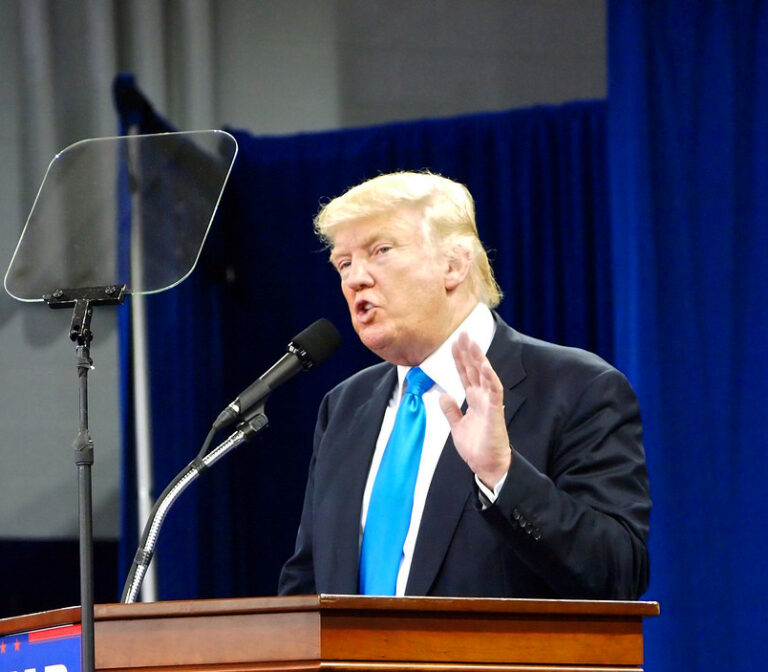
Donald Trump launched a fierce attack on Thursday. He accused Democratic lawmakers of betrayal. He even demanded their arrest and trial. This outburst came as his poll numbers fell. It also followed pressure over the Epstein files. Moreover, Republicans ignored his orders. In fact, Trump needed a new story. He used a sharp Trump pivot to grab headlines.

What Is the Trump Pivot?

A Trump pivot means a sudden shift in focus. Instead of facing bad news, he creates drama. For example, when polls dip, he shouts about enemies. Then the headlines chase his outrage. This tactic works because it bores into our attention. It drowns out real issues. As a result, viewers talk about his latest shout, not his problems.

Mediaite’s Colby Hall explains that each rant is a small circus tent. Trump erects it to shield himself. He even labels critics as “traitors” and calls for extreme punishment. That is the essence of the Trump pivot. He seeks to redirect every story away from his faults.

Why Trump Used This Trump Pivot

First, his polling numbers collapsed. Second, he clashed with his own supporters over the Epstein file release. Third, top Republicans ignored his demands on the military. Therefore, he felt cornered. He lashed out at military veterans turned Democratic lawmakers. He claimed they advised troops to ignore him. He labeled their words “seditious behavior.” Then he called for their trial and death penalty.

In reality, Trump could not fix the facts that hurt him. So he forced the press to rearrange the frame. He needed a story loud enough to smother real news. That is why this Trump pivot mattered. It gave him a new fight to dominate.

How the Press Should React to Trump Pivot

Reporters know this routine well. Yet, they often chase the next big blast. However, Hall warns that chasing the spectacle just feeds the tactic. Instead, journalists should ask what happened before the outburst. They should trace back 24 to 48 hours. That is where real news lies.

Moreover, the press should call out the pivot. They can note how Trump uses outrage to distract. In addition, they can highlight the real issues he avoids. For example, his slipping support and internal party splits. By doing so, reporters can cut through the noise. They can make readers see the true story.

Such coverage will weaken the pivot’s power. It will show people how and why he shouted. As a result, Trump may find it harder to hide behind noise.

What Comes Next After the Trump Pivot?

First, watch Trump’s next move. He rarely stays silent. Soon, he will fire off a new blast. Second, look at what triggered that blast. Was it another poll drop? Did a new document leak? Third, follow his supporters. Will they back him or break away again?

Meanwhile, Democrats will respond. They may ignore his calls for arrest. Instead, they could push back on his real issues. In turn, that may force Trump into another pivot. Thus, the cycle continues.

In the end, the Trump pivot remains a constant in his playbook. It lets him turn every weak spot into a public fight. Understanding this tactic helps you see through the drama.

FAQs

Why does Trump use a pivot in his messaging?

Trump uses a pivot to draw attention away from his own problems. By creating a loud conflict, he shifts the news cycle to his favor.

How can readers spot a Trump pivot?

Look for sudden, dramatic attacks after bad news for Trump. Then ask what story he is hiding or shifting away from.

What role should the press play when Trump pivots?

The press should expose the pivot by linking his outrage to the events that came before. That way, they reveal the real story.

Will Trump’s pivots always work?

While they often change the conversation, growing media awareness may weaken their impact. As more people spot the tactic, its power may fade.

Comey Indictment Chaos: DOJ’s Mistake

0

Key takeaways:

  • DOJ rushed to file a second Comey indictment.
  • Grand jurors never saw the revised charging document.
  • Prosecutor Lindsey Halligan admitted confusion in court.
  • Judges have flagged multiple errors and missteps.
  • The Comey indictment remains at risk of dismissal.

On Wednesday, a judge nearly threw out charges against former FBI director James Comey. The reason? A mix-up in how prosecutors handled their case. Legal analyst Lisa Rubin spoke on Morning Joe. She said DOJ officials made matters worse by cutting corners. Their hasty approach now threatens the Comey indictment.

Why the Comey Indictment Faltered

According to Lisa Rubin, the Department of Justice faced a setback when its first effort to charge Comey was rejected. Yet, instead of restarting properly, prosecutors slapped together a new charging document. They never read it to all grand jurors. This step is vital. Every juror must see the exact charges before voting. Because this rule was ignored, the Comey indictment stands on unstable ground.

The Grand Jury Mix-Up

In federal cases, a prosecutor presents evidence and potential charges to a group of jurors. Jurors then vote on whether to send the case to trial. In this situation, the first document had three counts. Jurors liked only two counts, so they rejected the original paper. That meant prosecutors needed to show a new version with just those two counts.

Instead, DOJ officials asked a deputy criminal chief to cut and paste the chosen counts into a fresh document. She ran it by a grand jury coordinator. Then, prosecutors skipped the rest of the jurors and went straight to court with only the foreperson, the deputy foreperson, and Lindsey Halligan. This skip broke a rule found in many case law examples. As a result, the integrity of the Comey indictment is now in doubt.

Rush to Indict

Why the rush? Courts often push for speed to protect evidence. Public pressure can also drive prosecutors to act fast. In high-profile cases like this, delays can fuel criticism. Yet haste can backfire. By bypassing steps, DOJ officials sacrificed solid procedure for speed. Consequently, they lost credibility and risked the entire Comey indictment.

A Confusing Court Hearing

At the hearing, U.S. District Judge Michael Nachmanoff raised eyebrows. He held two charging documents—one with three counts, one with two. Both carried Halligan’s signature. He asked her to explain. She could not clearly say why she signed both papers. This confusion only deepened doubts about the DOJ’s process. A signature should tie a person to a document, yet here it raised more questions.

Lisa Rubin pointed out on Morning Joe that this mix-up is no small hiccup. It highlights deeper issues in how the case moved forward. Legal experts warn that such errors give defense lawyers strong grounds to ask for dismissal. And that is exactly what might happen to the Comey indictment.

What Happens Next

The Comey indictment faces a tough road ahead. Judge Nachmanoff could dismiss the case or demand a fresh grand jury session. If he orders a do-over, DOJ officials must show the correct charging document to all jurors. They must also explain why they skipped this step before. This second chance won’t erase the damage caused by earlier missteps. Defense attorneys will seize every error to defend Comey.

Moreover, public trust in the case has eroded. Any new grand jury might approach the second presentation with extra caution. They could fear further mistakes have been hidden in the rush. Such doubt can taint the process from the start. Therefore, it is vital for the DOJ to correct course quickly and clearly.

Moving Forward

In legal fights, details matter. One overlooked step can unravel an entire prosecution. To rebuild confidence, DOJ leaders need to be open about what went wrong. They should outline how they will fix the problem. Perhaps they will retrain staff and enforce stricter checks. They could also issue a public apology for the confusion. Such transparency can calm critics and reassure jurors.

Prosecutor Lindsey Halligan is under the spotlight. Critics say she should have caught the mix-up before court. Supporters argue she inherited a flawed process. As the saga unfolds, every move she makes will be scrutinized. At the same time, other DOJ officials must answer for their decision to skip standard steps. If they thought speed would win the day, they found the opposite.

This deadline could seal the fate of the Comey indictment. It will teach prosecutors that careful procedure matters more than haste. And it will remind everyone that a single error can topple even a high-profile case.

What You Should Know

This story shows how crucial each step is in a criminal case. Justice relies on process as much as on truth. A single error can threaten the whole effort. Even experienced prosecutors can slip under pressure. That is why checks and balances exist. Judges, jurors, and opposing lawyers all guard the system.

Keep an eye on how the court responds. A dismissal or a do-over will send a clear message. It will show that speed cannot trump fairness. This flawed Comey indictment shows how a single misstep can topple a case.

FAQs

What was the main error in the Comey indictment?

Prosecutors did not show the revised charging document to all grand jurors, breaking a core procedure.

Who highlighted the mistake on Morning Joe?

Legal analyst Lisa Rubin explained how DOJ officials cut corners under pressure.

How did Lindsey Halligan react when questioned?

She seemed confused when asked why her signature appeared on two different indictments.

What are the possible outcomes for the case?

The judge might dismiss the charges or order a new grand jury hearing with correct procedures.