61.7 F
San Francisco
Wednesday, April 29, 2026
Home Blog Page 204

Trump Approval Rating Dips in GOP Circle

Key Takeaways

  • Donald Trump’s support among Republicans fell by seven points in one month.
  • This drop in Trump approval rating is larger than typical shifts.
  • Analysts warn the downward trend could continue.
  • Changes in voter concerns and fatigue drive this decline.
  • A slipping base could reshape the Republican 2024 contest.

On a weekend broadcast, Jonathan Capehart highlighted a sharp shift. He noted that Donald Trump’s overall poll numbers remain strong. However, his core focus lies in the GOP rank and file. In the latest Gallup poll, his Trump approval rating among Republicans dropped by seven points in just a month. Such a fall is rare for a leading candidate’s base. As a result, it caught many by surprise.

Capehart stressed that the overall approval rate matters less to Trump. Instead, he zeroes in on his Republican support. Over the years, that backing has remained rock solid. Yet this latest slide hints at an unusual crack in his armor. Although Trump still enjoys strong support, even small dips signal possible worries. Consequently, political watchers now question whether this trend could accelerate.

Reasons Behind the Trump Approval Rating Drop

First, voter fatigue may play a major role. After years of high drama, some Republicans may seek fresh faces. Moreover, ongoing legal battles might also dampen enthusiasm. When voters face repeated headlines, they can grow weary. Therefore, Trump’s nonstop presence might fuel a subtle shift.

Second, shifting priorities on key issues affect perceptions. For example, inflation, immigration, and foreign affairs shape voter views. If the party base feels frustrated on these fronts, its loyalty can waver. In addition, rival GOP figures have stepped forward with new ideas. As a result, some Republicans may test the waters with other contenders. Thus, even core supporters seem open to alternatives.

What Analysts Say About the Trump Approval Rating Path

Several experts predict further erosion in the Trump approval rating among Republicans. One analyst noted that base voters often react to fresh information more swiftly. For instance, new controversies or policy moves can change opinions overnight. Consequently, a seven-point drop could be the start of a deeper slide.

Another commentator argued that the decline might reflect changing voter demographics. Younger Republicans and independents tend to weigh in differently than older members. If the party base grows more diverse, its overall mood may shift. Moreover, emerging leaders could attract those eager for a new direction. As a result, Trump’s once-unshakable support might face more testy moments.

Potential Effects on the 2024 Republican Race

If the Trump approval rating continues to fall, others may sense an opening. Several GOP hopefuls could gain ground in early primary states. For example, rising governors and senators might appeal to a base eager for change. As candidates flock to debates, Trump could face tougher questioning from rivals.

Fundraising dynamics may also shift. Donors often follow the perceived front-runner’s strength. Therefore, a sustained slide could encourage contributions to other campaigns. In turn, those rivals might boost their own systems and staff. Thus, Trump’s historically dominant position might not feel so secure.

Looking Ahead for the Trump Approval Rating

In the weeks ahead, more polls will test the resilience of Trump’s base support. If the trend reverses, Republicans may breathe easier about his hold on the party. Conversely, another drop could fuel growing calls for new leadership. As the primary calendar heats up, every percentage point matters.

Furthermore, Trump’s own actions will influence the base mood. A bold policy move or high-profile rally could reinvigorate support. However, new controversies might deepen doubts. Given the volatility of modern politics, surprises remain likely. Ultimately, watching the next Gallup update will give the clearest sign of his standing.

Frequently Asked Questions

What does the seven-point drop mean for Trump’s campaign?

A seven-point decline shows a shift in Republican sentiment. It suggests his base may be more open to other candidates. If the trend continues, rivals could gain momentum.

Can this dip reverse quickly?

Yes. Strong rallies, clear policy proposals, or legal victories could boost support. Yet further controversies might deepen the fall. The next polls will reveal if the drop is temporary or lasting.

How do other polls compare to Gallup’s findings?

Different polls use varying methods and samples. While Gallup shows a notable drop, other surveys may report smaller shifts. Watching multiple polls gives a fuller picture of trends.

Why does Trump focus on his party approval rating?

For a candidate, base support ensures strength in primaries. High GOP approval signals loyalty and donor confidence. Therefore, Trump closely tracks that number over general approval.

Mullin Stumbles Over Trump Pardon in CNN Interview

0

Key Takeaways

  • Senator Markwayne Mullin praised Trump’s airspace shut-down over alleged Venezuela drug flights.
  • CNN host Dana Bash pressed Mullin on the president’s plan to pardon a convicted drug trafficker.
  • Mullin sidestepped questions about the Trump pardon by shifting focus to China’s influence.
  • The debate raises questions about consistency in U.S. drug-war policy and political priorities.

Senator Markwayne Mullin went on CNN to cheer President Trump’s tough talk on Venezuela drug trafficking. However, he froze when asked about the Trump pardon for Juan Orlando Hernandez. The former Honduran president faces a U.S. jury’s drug trafficking conviction. This split moment left viewers asking what really drives U.S. drug-war priorities.

Mullin’s Hardline on Venezuela

Mullin began by praising Trump for closing Venezuela’s airspace. He claimed Venezuelan President Nicolás Maduro turned his country into a “terrorist country.” According to Mullin, that made Venezuela a hub for planes loaded with drugs.
He said, “We won’t let them ship tons of drugs into the U.S. to kill our friends and family.” Moreover, he insisted these flights now disguise themselves as commercial or private jets. He added that by shutting airspace, Trump sent a clear message.

Bash’s Tough Question on the Pardon

Then Dana Bash shifted to the Trump pardon issue. She reminded Mullin that Trump says he fights Central and South American drug traffickers. Yet, he plans to pardon a convicted Honduran leader. That leader’s own words reportedly promised to “flood the U.S. with cocaine.” Bash asked why Trump would pardon him.
Mullin went silent for a beat. He did not defend or explain the pardon. Instead, he said he did not know the “particular circumstances” of that decision.

Mullin Shifts Focus to China

After that pause, Mullin moved on to China. He said building ties in Central and South America is key to countering Beijing. He argued that China’s influence there undermines U.S. interests. Therefore, he believes the pardon shows good faith. He claimed it can help new partners start fresh.
Mullin said he was not in the room when Trump spoke with Honduras’s president. Still, he trusts there was “good faith” in that pardon decision.

Background on the Trump Pardon for Hernandez

The Trump pardon for Juan Orlando Hernandez sparked fierce debate. Hernandez led Honduras from 2014 to 2022. After stepping down, he faced U.S. charges for helping move tons of cocaine to the United States. Witnesses said he agreed to pay traffickers with “pounds of cocaine.” A jury found him guilty.
Despite the conviction, Trump plans to erase Hernandez’s sentence. Supporters say it helps U.S. relations in the region. Critics say it rewards a leader tied to massive drug crimes. In addition, they call it unfair to American citizens who face strict drug sentences.

Political Fallout and Reactions

The contrasting stances on Venezuela and Honduras expose tensions. On one hand, Trump is praised for targeting Maduro. On the other, he is criticized for sparing Hernandez. Opponents see this as a double standard. They point to the pain drug crime causes in U.S. communities.
In Congress, some Republicans back the pardon as smart strategy. They argue it builds alliances against China. Conversely, many Democrats denounce it as political favoritism. They warn it could weaken U.S. credibility in the drug war. Independents worry about sending the wrong message to other leaders.

Why This Matters

This debate matters because it shapes U.S. policy on drug trafficking and diplomacy. It also affects how other countries view American justice. Moreover, it could influence future decisions on who gets pardoned. Finally, it shows how political strategy can clash with law enforcement goals.

Conclusion

Senator Mullin’s CNN appearance highlighted a key split in Trump’s drug-war approach. He cheered action against Venezuela but dodged defending the Trump pardon for a convicted trafficker. As the story unfolds, voters will watch how the administration balances justice with strategy. In addition, they will judge whether such pardons advance or harm U.S. interests in Latin America.

Frequently Asked Questions

What is the Trump pardon for Juan Orlando Hernandez about?

It is a presidential decision to erase the sentence of the former Honduran president. He was convicted in a U.S. court for drug trafficking. The pardon clears his criminal record.

Why did Senator Mullin praise action against Venezuela?

He said President Trump rightly shut down Venezuela’s airspace. According to Mullin, this step stops planes from bringing drugs into the U.S.

How did Mullin respond to questions on the Trump pardon?

He admitted he did not know the details. Then he shifted focus to China’s influence in Central America.

What could this debate mean for U.S. policy?

It may show a divide between hardline drug enforcement and diplomatic deals. The outcome could shape future pardons and U.S. ties in Latin America.

Idaho Bar’s Free Beer for One Month Offer Sparks Backlash

0

Key takeaways

• An Idaho bar promised free beer for one month to anyone helping ICE deport an undocumented migrant.
• Old State Saloon’s online pages were flooded with one-star reviews within hours.
• Bar staff responded by insulting reviewers as “angry progressive liberals” and “liars.”
• The Department of Homeland Security flagged the post, drawing even more attention.

Why the Free Beer for One Month Offer Drew Backlash

A small bar in Eagle, Idaho, ignited a firestorm when it announced free beer for one month to anyone who helped Immigration and Customs Enforcement remove an undocumented migrant. The Old State Saloon shared the offer in an online post. Almost instantly, its Google page filled with negative feedback. Critics slammed the bar’s political stunt and swore never to return. In turn, the bar’s staff fired back with insults. The clash has since gone viral, drawing both supporters and fierce opponents.

The Controversial Free Beer for One Month Offer

Old State Saloon’s offer promised free beer for one month if patrons provided proof they helped ICE identify and deport someone. The bar framed the deal as a reward for “protecting Idaho.” However, many saw it as a cruel gamble. First, customers voiced disgust at turning deportations into a contest. Then, online reviewers began piling on one-star ratings, condemning the bar’s harsh politics and what they called an ugly approach to immigration issues.

Flood of One-Star Reviews

Within hours of the post, the bar’s Google and social media pages were swamped with one-star reviews. Comments ranged from simple “never coming back” notes to harsh labels like “trashy” or “overly political.” One review read, “Don’t bother. Place is trashy and overly political.” Another critic pointed out that the food was “super greasy,” even though their complaint had no link to politics. Soon, hundreds of upset voices joined in, aiming to drown out the bar’s message.

Bar Staff Responses Fuel the Fire

Instead of de-escalating, Old State Saloon’s staff responded to almost every one-star review with insults. They called reviewers “angry progressive liberals” and “liars.” One staff reply read, “Another liar. Politics is not our entire personality. We host home school meetups, line dancing lessons, karaoke nights, and more.” To a review claiming greasy food, they shot back, “Liar. You never came here. Let me guess, another lib? All you people do is lie, lie, lie.”

A Back-and-Forth for the Ages

This online shouting match escalated quickly. Reviewers posted screenshots of the bar’s responses. Then, Old State Saloon shared those screenshots on its own account, gloating over each fresh insult. They even boasted about the negative reviews as proof that only “the loser left” cared about politics. Meanwhile, critics saw each reply as further proof that the bar cared more about politics than hospitality.

Government and Public Reaction

The post caught the attention of more than just internet users. The official account for the Department of Homeland Security reported Old State Saloon’s initial post. That move injected new fuel into the fire. Now people wondered why a federal agency would weigh in on a bar’s promotion. Supporters cheered the bar’s tough stance on immigration. Yet, many others decried it as an extremist call for cruelty.

Voices from Outside Idaho

The story spread beyond local news. A popular political commentator with over 280,000 followers asked, “Oh so this is where the Nazis hang out in Idaho?” That tweet lit up social media. Users as far away as New York and California weighed in, sharing their own one-star reviews and condemning the bar’s hard line. Yet, a handful of right-wing activists praised the idea as an example of patriotic action.

What This Means for Local Businesses

This saga shows how fast a local business can become a national story today. A single social post turned a quiet bar into a battleground over immigration and free speech. It also shows the risk of mixing politics with promotions. Many experts warn that aligning a brand too closely with any political stance can alienate half of its potential customers.

Could Free Beer for One Month Be Legal?

Some legal experts wonder if the offer violated any laws. Offering a reward for reporting immigration cases may conflict with privacy rules or anti-tracking laws. However, proving a violation could prove tough. Still, the threat of legal action may loom if the bar’s message spurs harassment or false claims.

Lessons for Other Businesses

First, think twice before using polarizing politics to drive sales. Second, prepare a plan for handling backlash online. Third, train staff not to engage in name-calling. A calm response often diffuses anger. Finally, remember that in the internet age, local actions can spark global debates in minutes.

What’s Next for Old State Saloon?

As the post continues to go viral, Old State Saloon faces a turning point. Will it double down on its stance or step back and apologize? Its next move could decide whether it loses more customers or wins over a niche audience that supports aggressive immigration policies. Either way, this tale will likely serve as a cautionary example for bars and restaurants everywhere.

Frequently Asked Questions

Why did the bar offer free beer for one month?

The bar wanted to reward people who helped ICE deport an undocumented migrant. It framed the offer as support for law enforcement and state security.

How did people react to the offer?

Many online users left one-star reviews, calling the bar “trashy” and “overly political.” Critics said the promotion turned a serious issue into a crude stunt.

Did bar staff respond to the criticism?

Yes. The staff replied to nearly every negative review with insults, labeling reviewers “angry progressive liberals” and “liars.”

What can other businesses learn from this?

Mixing politics with promotions can backfire. It’s wiser to keep marketing neutral or be ready for strong reactions. Calm, respectful responses help protect a brand’s reputation.

Newsmax Reacts to ICE Ads

0

Key Takeaways

• A new video urges Immigration and Customs Enforcement agents to quit their jobs.
• The ad ran in three major cities, including Palm Beach over Thanksgiving weekend.
• Newsmax hosts and guests called the ad “dangerous,” “disgusting,” and “communist.”
• Conservatives warn the message could fuel attacks on law enforcement.
• Critics link the ad to a broader push to shift family loyalty to the state.

A recent video ad campaign has sparked fierce debate on a Sunday panel at Newsmax. The ad urges ICE officers to leave their posts before shame follows them home. Critics on the show slammed it as an attack on families and law enforcement. They even compared it to tactics used in Soviet Russia. The panel’s strong language shows how charged the debate over immigration has become.

What the Ad Shows

The ad begins with an ICE agent walking in the door. We see a young child ask, “How was your day?” A narrator speaks directly to the agent. He says a mask will not hide you from your neighbors, your child, or God. He then invites the agent to quit before shame comes home. The ad closes with a plea: walk away now.

Moreover, the video uses quiet music and soft colors. This contrast makes its message feel personal and urgent. The ad aired first in Palm Beach, Florida. The political action committee behind it chose that city because a former president spent Thanksgiving there. Over the weekend, it also played in Chicago and Charlotte. Both cities saw recent immigration raids.

Conservative Criticism

Conservative voices on Newsmax wasted no time calling out the ICE ads. Deneen Borelli, a well-known commentator, called the ad “beyond propaganda.” She warned it could lead to violence against ICE officers. In her view, the video put targets on law enforcement backs. Deneen demanded networks stop showing these commercials.

In addition, Tom Borelli compared the campaign to classic communism. He argued the ad tries to break family bonds and shift loyalty to the state. He said Soviet Russia used similar methods to control people. He also tied the ICE ads message to other cultural battles. He claimed it aimed to replace parents with state authority on issues like transgender youth.

A Newsmax host joined the chorus, calling the ad “shocking” and “disgusting.” The host even linked the video’s message to a recent shooting of two National Guard members. She argued that words like those in the ICE ads can inspire real violence.

Why ICE Ads Sparked Outrage

First, the ad attacks a specific group of officers. This direct call to quit has rarely appeared in mainstream political ads. Consequently, many saw it as an assault on a vital federal force. Second, the timing tied it to high-profile immigration moves. Many believe it crossed a line from criticism into personal attack. Finally, the use of family imagery heightened emotions. Viewers felt the video aimed to shame parents who work in law enforcement.

Furthermore, networks that aired the spots have come under fire. Critics blame them for spreading dangerous messages. They claim airing the ICE ads is irresponsible. Meanwhile, defenders argue free speech must allow political ads, even if they feel harsh.

Political Impact and Strategy

The ad campaign comes from the Women’s March WIN political action committee. Their strategy targets cities with recent ICE activity. They want to stoke a broader debate on deportation and immigration policy. By placing the ads in Palm Beach over Thanksgiving, they tapped into high traffic during the holiday. They also reached people visiting Mar-a-Lago resort.

Chicago and Charlotte share histories of major immigration raids. Thus, the ads aimed to influence local views on enforcement tactics. They also sought to energize activists and voters ahead of upcoming elections. For example, city leaders in both areas have faced criticism over cooperation with federal immigration agents. The campaign aimed to widen that debate.

Meanwhile, opponents warn the ads could backfire. They say the harsh messaging might unite supporters of ICE. That reaction could lead to more public support and funding for enforcement. Opponents also fear the ads might embolden extremists to target officers. Such concerns highlight the risks of polarizing political ads.

Broader Lessons on Political Messaging

This clash over ICE ads underlines a larger trend in modern politics. Campaigns now use emotional appeals and personal stories to sway opinions. They no longer rely solely on facts or policies. Instead, they frame messages to hit viewers on a gut level. However, this tactic brings ethical questions. When does emotional persuasion become harmful? How far can campaigns go without risking violence?

Moreover, the use of family imagery raises complex debates. Families face tough choices when loved ones work in controversial fields. Ads like these force personal issues into public arguments. That blend of private life and politics creates fierce reactions. It also shows how political rhetoric can shape, or even divide, families.

What Comes Next?

Given the backlash, networks may rethink airing similar ads. Some media outlets already said they will review their policies. On the other hand, activists view the controversy as a win. They see the debate as proof the ads struck a nerve. As a result, more groups might launch bold campaigns on other topics.

Legally, political ads enjoy broad protections. Courts have long upheld the right to speak freely in elections. Still, airing ads that target specific groups can spark calls for new rules. Lawmakers may debate transparency measures. For instance, they could push for clearer disclaimers on who pays for the ads. They might also propose limits on ads that incite or threaten.

Public opinion polls in the coming weeks will show if the ICE ads moved the needle. If more people side with the critics, networks might pull the spots. Conversely, if viewers see the ads as valid protest, more campaigns might follow this model. In any case, the ICE ads debate has set a new standard for heated political messaging.

Frequently Asked Questions

Why did the ad campaign target ICE officers?

The group behind the ads wanted to challenge strict immigration enforcement. They aimed to persuade officers to resign by appealing to family and moral values.

Is it legal to urge federal workers to quit their jobs in political ads?

Yes. Political speech has strong protection under free speech laws. As long as the ads follow disclosure rules, they can call for resignations.

Could these ads lead to violence?

Critics believe harsh messages can inspire extremism. They worry the ads paint officers as villains, which could provoke attacks. Supporters say the ads remain peaceful persuasion.

What might happen to political ad rules after this controversy?

Lawmakers could propose new transparency or content limits for political ads. They might require clearer disclaimers on who funds them or ban ads targeting specific groups.

Ex-Cop Predicts Trump Fugitive Future


Key takeaways:

• Former officer Michael Fanone says Trump may flee abroad.
• Fanone thinks Trump will end up a Trump fugitive after his term.
• He warns of tougher midterm elections and serious probes.
• Fanone fears a desperate Trump could grow more dangerous.

Why a Trump fugitive future could happen

Former police officer Michael Fanone believes Donald Trump will leave the country after a second term. Fanone was beaten and tased at the Capitol on January 6. He nearly died from a heart attack and brain injury. Now he warns Trump will become a Trump fugitive once he can no longer use presidential power.

Fanone told journalist Tommy Christopher that he sees Trump boarding a jet bound for the Middle East. He imagines Trump landing in Saudi Arabia and staying in a prince’s guest house. Fanone said things will worsen before they improve. He thinks Trump will look for a safe haven once legal and political forces close in.

How threats shaped this Trump fugitive forecast

During the Capitol riot, Fanone faced violence from extremist groups. He later testified before the special committee on January 6. His testimony urged criminal charges against Trump. As a result, Fanone says he got threats from far-right militants. He mentions groups like the Proud Boys and Oath Keepers. These threats convinced him Trump’s followers will not back down easily.

Consequently, Fanone expects a cornered Trump to react aggressively. He warns, “People are most dangerous when they have nothing left to lose.” If investigations start, Fanone predicts Trump will see no future inside the U.S. He will choose exile over arrest. That exile would turn him into a real Trump fugitive.

What this means for midterms and beyond

Fanone warns that next year’s midterm elections will be brutal. He predicts major losses for Trump’s party. These results could fuel more investigations into Trump’s actions. If free and fair votes continue, Fanone sees no chance Trump avoids an impeachment probe. He adds that a full review of Trump’s administration is inevitable.

Moreover, Fanone believes public anger will grow. He says many Americans will demand accountability. In his view, no one should be above the law. As investigations mount, Trump’s options will shrink. He could face criminal charges or civil lawsuits in multiple states. Amid this pressure, Fanone expects Trump to flee and live as a Trump fugitive abroad.

Why living abroad appeals to Trump

Fanone argues Trump’s motivations are clear. He wants to avoid jail, get revenge, and boost his wealth. In fact, Fanone accuses Trump of chasing big profits from crypto deals. By leaving the U.S., Trump could dodge courts and keep making money. In Fanone’s view, exile offers safety and fortune.

Furthermore, Trump has allies in some Gulf states. For years, he has praised leaders in Saudi Arabia and Qatar. He even hinted at secret ties. Now, Fanone thinks Trump will use those ties to secure asylum. A private jet, a luxurious guest house, and wealthy backers could keep him safe. Then, Trump would become a full-time Trump fugitive.

How Americans might react

If Trump flees, reactions will vary. Some supporters might see him as a martyr. They could rally to his exile as proof of political persecution. Others may feel relief if he avoids legal drama at home. Yet many will call for his return and accountability.

Legal experts say extradition would be tough. If Trump lands in a country without an extradition deal, U.S. courts lose power. Even with a deal, politics can block legal moves. So, a Trump fugitive could stay abroad indefinitely.

A warning from a witness to violence

Fanone’s prediction comes from someone who nearly died on January 6. He has seen how far Trump’s loyalists will go. He fears violence could spike if Trump feels trapped. Therefore, Fanone urges voters to take the midterms seriously. He says every vote matters to prevent a future Trump fugitive scenario.

In addition, Fanone hopes Americans demand strict election laws. He wants clear rules on election interference and presidential power. He believes strong laws could stop a fleeing president. After all, he says, no one should escape justice.

Looking ahead

In the months before the midterms, the legal and political battles will heat up. If investigations name Trump as a key player, his path home could close. By then, he might be considering life as a Trump fugitive. Meanwhile, voters will decide which path the country takes. Will it hold leaders accountable? Or let them slip away?

Frequently Asked Questions

What did Michael Fanone predict about Trump’s future?

Michael Fanone said he sees Trump fleeing the U.S. after his second term and living abroad as a Trump fugitive.

Why does Fanone call Trump most dangerous when cornered?

Fanone argues that when people lose power or options, they may act recklessly out of desperation.

How could midterm elections affect Trump’s fate?

Major losses for Trump’s party could spark deep investigations and legal probes into his actions.

Where might Trump go if he becomes a fugitive?

Fanone envisions Trump taking a private jet to a Gulf state and staying in a wealthy leader’s guest house.

Why Pete Hegseth Is Targeting Military Veterans

0

Key Takeaways

  • A video urged U.S. troops to refuse blatantly illegal orders from the president.
  • Defense Secretary Pete Hegseth wants to investigate Senator Mark Kelly for his role.
  • Experts warn this move could chill free speech and politicize the military.
  • Legal analysts say the video likely did not break any laws.

Inside Pete Hegseth’s Pentagon Probe

Late in November, a group of military veterans released a video. They urged service members to refuse blatantly illegal orders from President Trump. The speakers included Senators Mark Kelly and Elissa Slotkin and Representative Jason Crow. In response, Defense Secretary Pete Hegseth announced an investigation into Senator Kelly. Moreover, Hegseth called the video “seditious.”

However, Kelly did not back down. On Meet the Press, he labeled Hegseth the most unqualified defense secretary ever. Furthermore, Kelly said the Pentagon should stay out of politics. Meanwhile, Hegseth insists he must defend the chain of command.

How Pete Hegseth Is Using Military Power

The Washington Post reports that Hegseth is using the Pentagon like a political tool. In fact, the administration has tried to punish opponents through mortgages, IRS audits and criminal probes. Now, the Pentagon joins that list. Historians and retired officers say this sets a dangerous precedent. They warn that mixing politics and military power threatens democracy.

A retired general, speaking anonymously, said this “retribution campaign” will chill honest speech. He laid out three possible punishments. First, a civil lawsuit. Second, an IRS audit. Third, a recall to active duty with potential military charges. In each case, opponents of the administration could face legal trouble.

Furthermore, Hegseth and the president both called the video “seditious.” Yet several retired military lawyers say that label is wrong. They argue the video’s message was unclear and that it did not meet legal standards for sedition. Nonetheless, the mere threat of punishment could pressure service members to stay silent.

Legal analyst Joyce White Vance explained on MSNBC that Kelly and others face no real legal exposure. She said their call to resist illegal orders falls within free speech and duty. In addition, experts note that no one believes the video broke any law. Therefore, any criminal case would struggle in court.

Why This Matters

When the Pentagon turns into a weapon against critics, everyone loses. The military relies on trust and nonpartisanship. Once service members fear punishment for their views, morale can suffer. Moreover, civilian leaders could exploit the armed forces for political gain.

Also, veterans often speak out on ethical grounds. They know the stakes of illegal orders. By warning troops, they act as a check on power. However, punishing them for that warning undermines civilian control of the military.

The History of Civilian Control

In America, elected leaders run the government. Yet the military remains nonpartisan. This balance ensures that force serves the nation, not a party. Over time, norms built this system of civilian oversight without political bias.

Now, some fear those norms are breaking. Using the Pentagon to target political foes could open the door to more abuse. Once precedent is set, future leaders might do the same. Consequently, experts call for clear rules and accountability.

Reactions from Across the Spectrum

Retired officers, legal scholars and even some veterans support holding illegal orders in check. They say resisting unconstitutional commands is part of a soldier’s duty. Conversely, Hegseth argues his probe defends order and discipline. He claims no one is above the Uniform Code of Military Justice.

Meanwhile, critics note that democracy thrives on free debate. They worry that punishing critics chills that debate. As one historian put it, “When the instruments of war become instruments of politics, democracy is at risk.”

What Comes Next

The Pentagon’s investigation into Senator Kelly could drag on for months. Meanwhile, public debate over military speech is heating up. Lawmakers may propose clearer guidelines on how and when service members can speak out. In addition, there could be calls to confirm a more neutral defense secretary.

Service members and veterans will watch closely. They could push for reforms to protect free speech in uniform. At the same time, the White House will likely defend Hegseth’s actions. This clash could shape civil-military relations for years.

Ultimately, the fight over this video and the probe shows how fragile norms can be. It also underscores the need for clear boundaries between political power and military duty.

FAQs

What did the veteran video say?

The video urged troops to refuse blatantly illegal orders from President Trump. Senators Mark Kelly and Elissa Slotkin, plus Representative Jason Crow, delivered the message.

Why is Pete Hegseth investigating Senator Kelly?

Defense Secretary Pete Hegseth labeled the video “seditious.” He said he must protect the chain of command. Therefore, he announced a Pentagon probe into Kelly’s role.

Could the veterans face charges?

Most legal experts say no. They argue the video did not break any laws. Resisting illegal orders may be a duty, not a crime.

How might this affect the military?

Experts warn it could chill free speech and politicize the armed forces. Service members might fear punishment for speaking out, damaging morale and trust.

Cohen Murals in Peril: Can They Be Saved?

0

Key Takeaways

• The Cohen Murals sit in an empty federal building facing sale.
• These murals honor social security and American workers.
• They were painted under Roosevelt’s New Deal art program.
• A private buyer may tear down the building and remove the art.
• Advocates call on officials to protect these public treasures.

Cohen Murals Face Uncertain Future

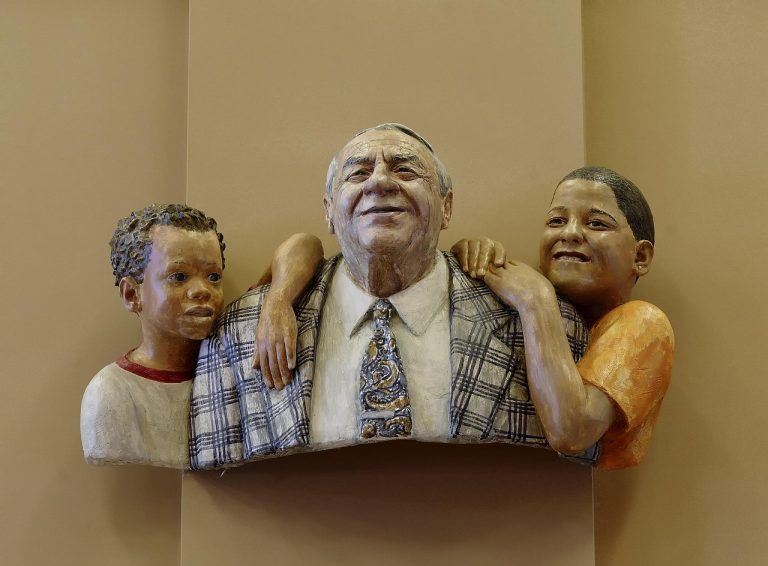
The Wilbur J. Cohen Building in Washington, DC, holds famous murals by Ben Shahn, Philip Guston, and others. However, the building now sits empty. Most staff have been moved out. Only the murals remain. Yet these works may vanish if the building is sold or torn down.

Why Cohen Murals Matter Today

First, the Cohen murals tell a story of hope and struggle. During the Great Depression, President Roosevelt’s New Deal paid artists to create public art. Thus, they brought dignity to hard-working Americans. Therefore, the Cohen murals celebrate the Social Security Act of 1935. This act gave retirement and unemployment benefits to millions. In addition, the art shows scenes of families, workers, and communities. As a result, these images still speak to us about shared security and compassion.

ohen Murals

In the 1930s, the US Treasury Section of Fine Arts hired artists to paint public spaces. It aimed to boost morale and show the value of public works. Ben Shahn won the Cohen Building commission. He wrote that the project was the most important job he could want. In turn, he painted a father and son on a rail track and a nuclear family at a picnic table. Likewise, Philip Guston added haunting portraits of laborers in simple yet powerful forms. Seymour Fogel and Ethel and Jenne Magafan also added scenes extolling labor and prosperity.

Threats to the Cohen Murals

Today, forty-five federal properties are up for sale. The Cohen Building is on the list. As Timothy Noah recently reported, private developers rarely maintain murals. They may demolish the structure because it is cheaper than a full renovation. If that happens, the Cohen murals may be lost forever. Local protections exist under the National Register of Historic Places. Yet these rules can be bypassed by a fast-moving administration. Thus, advocates fear a lack of review could seal the murals’ fate.

Why Preserve the Cohen Murals

Moreover, public art belongs to everyone. The Cohen murals were paid by taxpayer money. They remain part of our shared heritage. In fact, they show our nation’s past faith in government and social support. They remind us that art and civil rights go hand in hand. Roosevelt believed that beauty and democracy are linked. By protecting the Cohen murals, we honor that link. We also send a message that art remains vital in hard times.

Voices for Saving the Cohen Murals

The nonprofit Living New Deal has launched a petition to preserve the Cohen Building and its murals. They argue that the murals must stay in public hands. In addition, historians and art experts warn that moving or cutting murals is risky. Paint and plaster can crack, flake, or fade when removed. Therefore, the safest bet is to keep them in place. Furthermore, community groups in DC are urging lawmakers to intervene. They hope to require any buyer to preserve the murals as a condition of sale.

New Deal Art’s Lasting Legacy

Across the country, New Deal art brightens post offices, schools, and courthouses. It told Americans that hard times would end and that the nation would rise again. Artists like Jacob Lawrence, Alice Neel, and Jackson Pollock found steady work from federal programs. Likewise, Shahn and Guston credited these projects with launching their careers. Without them, many artists might have gone hungry. Hence, the Cohen murals stand as a testament to art as public service.

What Happens Next for the Cohen Murals?

Federal authorities have not yet set a sale date. In the meantime, advocates are calling on Congress to block any sale until the murals are safe. They also want a clear agreement that any future owner must restore and maintain the artworks. If that fails, they hope for a last-minute move by the National Park Service or another agency to claim stewardship. However, time is short. Each passing day raises the risk that plans will move forward without proper review.

How You Can Help

First, sign petitions that call on officials to protect the Cohen murals. In addition, contact your representatives and ask them to demand a full review of the building’s sale. Also, spread the word on social media using the hashtag SaveCohenMurals. Finally, donate to groups working to save public art from destruction. Every voice counts in the fight to keep these murals where they belong.

Looking Ahead

It may seem small to worry about art with so many urgent problems. Yet public art like the Cohen murals inspires community and unity. It honors workers, families, and the ideals behind social security today. By preserving these images, we renew hope that government can serve its people. After all, Roosevelt once said that freedom includes enough to live on and something to live for. The Cohen murals capture that promise in paint and plaster.

FAQs

What is the Cohen Building and why is it important?

The Wilbur J. Cohen Building in Washington, DC, once housed social security offices. It holds New Deal murals by top artists. These murals celebrate public welfare and labor.

Who painted the Cohen murals?

Ben Shahn and Philip Guston led the project. They worked alongside Seymour Fogel and Ethel and Jenne Magafan. All were sponsored by the Treasury Section of Fine Arts.

Why are the Cohen murals at risk?

The building is on a federal sale list. Private buyers often demolish or remove art. There is no guarantee a new owner will preserve or restore the murals.

How can the public help save the Cohen murals?

People can sign petitions, contact members of Congress, or support nonprofits like Living New Deal. They can also share information online to raise awareness.

Trump’s White House ballroom Sparks Outrage

Key takeaways

• President Trump plans a privately funded White House ballroom, costing taxpayers nothing.
• He demolished the East Wing last month to make room for it.
• Critics call it wasteful given rising costs of living.
• Supporters praise its grandeur and private funding claim.

Donald Trump has announced a grand plan to build a White House ballroom. He says it will be “the most beautiful and spectacular Ballroom anywhere in the World.” He posted on Truth Social that private donors will pay every cent. He claims it is needed and wanted at the White House for over 150 years. Yet his announcement set off a wave of criticism and mockery online.

Why Trump’s White House ballroom Faces Backlash

Rumors first began when Trump abruptly demolished the East Wing last month. He said he needed the space for a larger, more magnificent ballroom. Then an architect who worked on the plans, James McCrery II, said he and the president disagreed over size. McCrery apparently worried the project would be too big. Soon after, Trump hyped the plan to his followers.

Many social media users reacted with surprise and anger. An NBC reporter joked that Trump never mentioned a ballroom during his campaign. Others pointed out the rising grocery bills and basic needs of ordinary Americans. Some asked why a lavish event hall ranks above fixing schools or roads. Headlines popped up questioning the timing and taste of the project.

Even within conservative circles, opinions split. One user suggested taxing wealthy donors if they insisted on funding “nonsense.” Another wrote that building a massive new hall for elites feels tone-deaf. A researcher noted that critics see this as Trump’s latest attempt to make a monument to himself.

Private Funding or Not?

Trump insists the White House ballroom will cost zero dollars in federal money. He claims all expenses come from private donations. That way, he says, Americans save every penny. However, critics point out hidden expenses. For example, larger security details often follow new construction. Maintenance and staffing also require taxpayer dollars after the build is finished.

Furthermore, experts worry about donor influence. If a millionaire funds part of the project, might they expect favors later? Even Republican lawmakers privately question whether any project linked to the White House can escape public oversight. Thus, the “zero cost” promise raises more questions than it answers.

Supporters, however, cheer the idea of a new event space. They say the White House has hosted state dinners and galas for centuries without a proper ballroom. A few note that modern presidents lack a grand hall on par with other world leaders. They argue the space could boost tourism and host charity events. Still, most critics say those benefits are too small to justify a massive build.

What Happens Next?

At this point, the project remains in the planning stage. Trump must settle the size, design details, and security plans. He’ll need approval from historical preservation boards and Congress. Even with private funding, these approvals can drag on for months or years.

In the meantime, social media chatter will keep the debate alive. Some see a perfect campaign moment: “We’ll tear down Trump’s vanity ballroom on Day One of 2029.” Others believe the drama proves the project will never be forgotten. Either way, the White House ballroom plan has already become one of Trump’s most talked-about ideas.

Looking Back: Has the White House Ever Lacked a Ballroom?

Historically, the White House never had a dedicated grand ballroom. Presidents used other rooms or temporary tents for big events. Some experts say the mansion’s layout simply never allowed for a proper dance hall. Others point to budget limits during past wars or depressions. Yet few recall any major call for a new ballroom—until now.

Interestingly, Trump claims the idea has lingered for 150 years. But historians find no record of any president publicly pushing for a grand hall. Some wonder if he means Ulysses Grant’s era, though no evidence ties Grant to a ballroom request. As one writer quipped, “What happened in Grant’s second term that made everyone crave a massive dance floor?”

What Critics and Supporters Can Agree On

Despite their vast differences, both sides agree on a few points. First, the White House needs careful conservation and respect for history. Second, funds for security and upkeep must be transparent. Finally, any major renovation should serve the public interest. Whether a glamorous ballroom meets that test remains hotly debated.

While Trump promises a “magnificent addition,” many see it as a vanity project. They fear it caters to elite galas and photo ops more than everyday Americans. Meanwhile, his core supporters welcome the bold vision and private funding angle. Only time will tell if the White House ballroom ever rises from the rubble.

FAQs

What exactly is Trump planning to build at the White House?

He wants to construct a large ballroom for official dinners and events. He says private donations will cover all costs.

Why did he demolish the East Wing?

Trump said he needed more space for the new ballroom. He ordered crews to remove parts of the East Wing last month.

Will taxpayers really pay nothing for this project?

Trump insists on zero taxpayer cost. However, experts warn that security, maintenance, and oversight could still draw on public funds.

How have people reacted online?

Reactions range from supportive excitement to harsh criticism. Some call it wasteful. Others see it as a grand, private-funded gift to the nation.

Why Trump’s Peace Plan Faces Global Backlash

Key Takeaways

• The Trump peace plan aims to end the war by reintegrating Russia into the world economy.
• Documents reveal deals on energy, AI, infrastructure, and rare earth metals.
• European leaders warn against forgiving Russian war crimes.
• Ukraine’s leaders insist they will not give up land.
• Talks will continue, but they face strong criticism from allies.

A new Trump peace plan has stirred up strong reactions. It promises Ukraine peace and big deals for Russia. However, many fear this plan ignores Russian crimes and rewards bad behavior.

Overview of the Trump Peace Plan

Donald Trump’s team wants to end the war in Ukraine quickly. They propose a long-term economic cooperation agreement with Russia. This deal would open projects in energy, infrastructure, artificial intelligence, data centers, natural resources, and rare earth metals in the Arctic.

Moreover, they believe that trade and investment will build lasting peace. They hope economic ties will bind Russia to global rules and reduce its willingness to fight.

Documents Reveal Deal Details

Recently, Politico shared key parts of the plan. According to the documents, the United States would “enter into a long-term economic cooperation agreement” with Russia. The plan lists many projects:
• Joint energy ventures.
• New infrastructure and data centers.
• AI and technology research.
• Extraction of rare earth metals in the Arctic.

Additionally, Trump’s advisors see these projects as “mutually beneficial corporate opportunities.” They think big companies would profit while the region grows and stabilizes.

Critics Question Trump’s Peace Plan

Despite the promise of peace, critics argue this plan wipes away Russian wrongdoing. Michael McGrath, European commissioner for justice and democracy, spoke out. He said history won’t judge kindly any effort to ignore Russian crimes.

He warned that forgiving those crimes would plant seeds for future aggression. McGrath stressed that Russia must face consequences or the next invasion will follow. He called forgiving and forgetting a “historic mistake of huge proportions.”

Furthermore, many European Union members share McGrath’s fears. They believe any plan that brings Russia back into the global economy too soon rewards a nation that invaded its neighbor.

Ukraine’s Leaders Stand Firm

On the other hand, Ukrainian President Volodymyr Zelenskyy confirmed he will negotiate the Trump peace plan. He faces tough choices. The current proposal asks Ukraine to make large concessions to Russia.

However, Zelenskyy has vowed not to give up territory. His chief of staff, Andriy Yermak, said no one should expect Ukraine to cede land while Zelenskyy remains president.

Zelenskyy reassured his people that he wants real diplomacy. He stated that Ukraine will do everything so no one can accuse them of ignoring talks. He underlined the need for a “constructive diplomatic process with America and all our partners.”

Moreover, Zelenskyy emphasized that strong military support must continue. He said Ukraine needs stable backing for its army and planned defense operations.

Next Steps for the Trump Peace Plan

First, negotiations will start between Trump’s team and Ukrainian leaders. They will likely focus on security guarantees, economic terms, and borders.

Second, European allies will press for strict conditions. They want measures to hold Russia accountable for war crimes. Without these measures, many fear peace will be fragile.

Third, world powers like China and NATO members will watch closely. Their reactions could shift the balance of talks. If they back strong punishment for Russia, the plan might change.

Finally, businesses will eye the potential for new deals. Energy firms and tech giants will watch political moves. They stand ready to invest if the plan goes ahead.

Why It Matters

This debate shows how peace plans often clash with justice. Quick deals can end wars fast. Yet, they risk letting aggressors off the hook.

For Ukraine, giving up land could harm national pride and security. For Europe, ignoring Russian crimes could weaken global law.

Thus, finding common ground is hard. The Trump peace plan must balance ending war, protecting Ukraine, and punishing wrongdoing. So far, critics say it leans too much toward forgiving Russia.

What Comes Next

Negotiations will test whether peace or revenge wins. Trump’s team must win supporters in Congress and Europe. Ukraine’s leaders must satisfy their people and allies.

Additionally, Russia must agree to both the economic deals and accountability terms. That seems unlikely without guarantees for victims and war tribunals.

Moreover, any final agreement must clear hurdles in international courts and parliaments. It could take months or even years to finalize.

However, the world will watch every step. If the Trump peace plan moves forward, it could reshape global politics and trade. Alternatively, if it collapses, conflict may grind on for years.

Ultimately, the real test will be whether this plan brings lasting peace or just a temporary ceasefire.

Frequently Asked Questions

What does the Trump peace plan propose?

It offers a long-term economic cooperation agreement between the US and Russia. This includes energy, infrastructure, AI, and rare earth metal projects.

Why are European leaders against it?

They believe it forgives Russian war crimes. They warn that ignoring those crimes could lead to future aggression.

Will Ukraine give up territory under this plan?

Ukraine’s president says he will not sign away any land while in office. However, the plan asks for large concessions.

What could derail these negotiations?

Strong demands for justice, lack of support from NATO, or resistance from Congress could all block the deal.

Why Trump’s Withdrawn Nominations Keep Rising

Key Takeaways

• 55 nominations were withdrawn in Trump’s latest first year – a record high.
• Vetting failures and inner party fights drove most withdrawals.
• The pace of withdrawn nominations hasn’t been this fast since Reagan.
• Some senators urge the White House to slow down and do better checks.

The Rise of Withdrawn Nominations

The number of withdrawn nominations under Trump’s second term hit 55 by mid-January. In contrast, his first term saw only 22 pulls in the same period. These withdrawn nominations mark a record pace not seen since the Reagan era. Moreover, many Republicans were surprised by how often the White House pulled nominees at the last minute.

What Drives the Withdrawn Nominations?

A mix of changing opinions and poor vetting has led to so many withdrawn nominations. First, the president’s views shift quickly. He may back a candidate one day and reject them the next. Second, internal fights among aides and senators add to the chaos. Third, the White House sometimes pushes nominees without checking if they have enough support. As a result, they end up pulling many names to avoid defeat.

Vetting Issues and Party Infighting

Vetting is the process of checking a candidate’s background before nomination. Yet, some top picks had major red flags. For example, one nominee faced backlash over past racist comments. When senators learned those details, they refused to vote. That forced the White House to withdraw the nomination.

Meanwhile, insiders admit vetting has been a “nightmare.” Some say decisions rely too much on friendships rather than facts. This leads to rushed choices and last-minute surprises. Moreover, a few senators blame White House staff for ignoring warnings. They say that a simple pause and extra research could have saved time and embarrassment.

Sometimes, the president presses on without enough votes. Other times, aides fail to alert senators about concerns. Both mistakes cost the administration precious political capital.

The Impact on Governance

Frequent withdrawn nominations slow down government work. Key positions stay empty longer. That leaves agencies without leadership. As a result, policy decisions stall. Meanwhile, career staff must fill the gap. This extra burden can lower morale and efficiency.

Furthermore, public trust can suffer. Voters expect smooth transitions and stable teams. When nominations flop, critics point to disorganization and chaos. That can hurt the White House’s reputation.

Finally, foreign allies and rivals watch these moves closely. They wonder if the government can act fast in a crisis. Delays in filling top posts may make the US appear less steady on the global stage.

What Comes Next?

Some Republican senators now urge a slower pace. They want the White House to consult them before announcing picks. That way, problems can be spotted early. They also suggest deeper background checks. By doing so, they hope to cut down on withdrawn nominations.

However, changing this system won’t happen overnight. The White House must improve its processes. It needs better communication with Capitol Hill. It also needs clear rules on how to vet candidates. Only then can it avoid future surprises.

Ultimately, if the administration acts on these lessons, withdrawn nominations may drop. But if insiders keep falling into old habits, the record pace could continue.

FAQs

Why have so many nominations been withdrawn under Trump?

A mix of quick opinion shifts, poor vetting, and insider fights led to many pulls. The White House sometimes pushed nominees without checking support.

How do withdrawn nominations affect government work?

They leave key roles empty, slow policy decisions, and force staff to take on extra duties. This can hurt efficiency and public trust.

What can reduce the number of withdrawn nominations?

Slower nomination pace, deeper background checks, and better talks with senators can help spot issues early.

Has any past president had this many withdrawn nominations?

No. The current pace of withdrawn nominations under Trump is the fastest since at least the Reagan years.