66.4 F
San Francisco
Monday, March 30, 2026
Home Blog Page 211

Enrollment Drop at Central State Despite Statewide Gains

0

Key Takeaways

• Central State University saw a 4 percent enrollment drop this fall.
• The statewide public university system gained students for the third year in a row.
• Tuition hikes and fewer local high school graduates contributed to the decline.
• Officials plan new scholarships and marketing to attract more students.

Central State University faced an unexpected enrollment drop this fall. Yet the state’s public university system showed growth for the third straight year. This contrast surprised many students, parents, and campus leaders. It also raised questions about how one campus could lose students while the broader system thrived.

Understanding the Enrollment Drop

First, let’s explain what “enrollment drop” means. It is simply a fall in the number of students who sign up for classes. This year, Central State saw about 2,400 undergraduates. Last year, it had roughly 2,500. That 100-student loss equals a 4 percent enrollment drop.

Several factors caused this change:

  • Tuition Increases: Central State raised tuition by 3 percent.
  • Local Graduate Decline: Fewer high school seniors graduated in the area.
  • Competition: Nearby community colleges offered lower costs.
  • Online Options: Some students chose remote programs.

Moreover, a recent survey found that some applicants were unsure about housing costs and campus life. As a result, they decided to study elsewhere.

Statewide System Sees Growth

In contrast, the statewide public university system saw a total enrollment gain of 2 percent. This marks the third consecutive year of growth. More than 80,000 students now attend its ten campuses combined.

Several reasons explain the overall rise:

  • New Scholarship Programs drew interest.
  • Improved Marketing reached out-of-state students.
  • Expanded Online Courses attracted working adults.
  • Partnerships with local high schools boosted applications.

Therefore, while Central State struggled, sister campuses filled more seats. Many campuses saw record numbers in business, health, and engineering majors.

Impact on Students and Campus Life

The enrollment drop affected more than just numbers. It also changed student life on campus. First, smaller class sizes emerged. While some students enjoyed more personal attention, others missed the variety of course options.

For example, two popular language classes did not meet the minimum enrollment this term. As a result, they were canceled. In addition, some student clubs faced budget cuts due to fewer membership fees.

However, the drop also opened new opportunities. Professors can now offer extra office hours. In addition, housing staff reported more available dorm rooms, making it easier for late applicants to find a spot.

Plans to Reverse the Decline

Campus officials took swift action after noticing the enrollment drop. They launched several initiatives:

1. New Scholarships: Central State announced 200 merit-based scholarships. These awards cover up to 50 percent of tuition.
2. Targeted Marketing: The university hired a marketing firm. It will craft ads for social media and local newspapers.
3. High School Partnerships: Admissions staff will visit area schools more often. They plan workshops on college readiness.
4. Online Program Expansion: Central State will add two new fully online degrees in business and education.

In addition, the president of Central State met with student groups. She asked for feedback on how the campus could feel more welcoming. This input will shape new student services in the spring.

Looking Ahead

Despite the enrollment drop, Central State’s leaders remain confident. They point out that one year of decline does not define a trend. Meanwhile, the state system’s steady growth shows that public higher education remains in demand.

Moreover, experts say that enrollment figures often fluctuate. A mild dip at one campus may follow a strong rebound the next year. Plus, broader economic factors can affect student numbers.

For example, if the job market weakens, more adults may return to school. Or, if new high schools open nearby, local graduate numbers could climb again. Therefore, Central State expects to see improved enrollment, especially if its new initiatives succeed.

Transition words like however, moreover, and in addition help clarify these ideas. They also guide readers through the story:

However, the campus will need to track results carefully. Will the scholarships attract enough full-time students? Moreover, can online programs meet quality standards? In addition, will targeted marketing truly reach undecided applicants?

Answers to these questions will shape Central State’s future enrollment. Importantly, the university must also balance growth with student support. After all, attracting students is only half the battle. Keeping them engaged and on track matters just as much.

Frequently Asked Questions

What caused the enrollment drop at Central State?

A mix of tuition hikes, fewer local graduates, and strong competition led to the drop.

How did the state system achieve enrollment gains?

New scholarships, better marketing, and online courses helped statewide growth.

Will simple initiatives reverse the enrollment drop?

Officials believe targeted scholarships and marketing will boost numbers soon.

What do smaller classes mean for current students?

Students may get more one-on-one time, but they could lose some course options. Source: https://www.nydailynews.com/2025/11/19/fewer-international-students-enroll-suny-trump-administration-crackdown/
Red-Haired Suspect in Jontay Davis Shooting

0

Key takeaways

• Jontay Davis, 21, was shot twice in the head inside a parked car at 2 a.m. on Sept. 2.
• The suspect is a woman, 20–25 years old, with long red hair and a tattoo on her right forearm.
• She ran away immediately and police are asking for tips and video evidence.
• Authorities continue searching the area and urging anyone with information to come forward.

A shocking shooting left a young man fighting for his life. Police believe the attacker fled right after the gunfire. They describe her as a red-haired woman with a forearm tattoo. Meanwhile, they are gathering witness statements and camera footage. This report explains what we know so far and what could happen next.

What We Know About the Jontay Davis Shooting

In the early hours of Sept. 2, at about 2 a.m., officers responded to calls about gunfire. They found 21-year-old Jontay Davis in a vehicle with two gunshot wounds to his head. He was still alive when they reached him. Paramedics took him to a nearby hospital. His condition remains serious.

Investigators say the shooter was a woman between 20 and 25 years old. She had long red hair and a tattoo on her right forearm. After firing two shots, she left the scene on foot. Police think she may have gotten into a waiting car or headed toward nearby buildings. They are now asking anyone in the area to check their doorbell cameras or phones for clues.

Details of the Incident

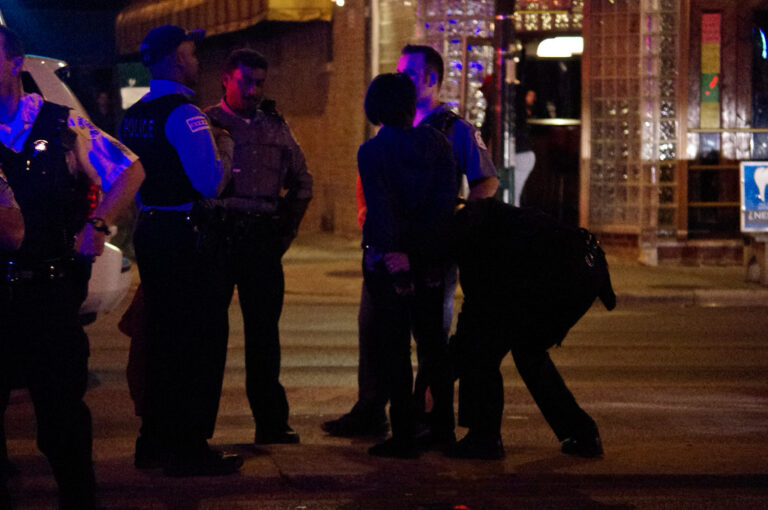
First, officers arrived to find a small sedan parked on a quiet street. Inside, they saw Davis slumped over the wheel. Nearby witnesses heard a sudden bang. Next, they watched a red-haired woman running away. She did not stop or call for help. Instead, she vanished into the night.

Because it was dark, details are limited. However, some witnesses shared that she looked calm and did not talk to anyone. She seemed focused on escaping the scene. Police believe this might have been a planned attack. They are probing Davis’s recent activities for any motive.

Description of the Suspect

The main clue is her distinct appearance. She was:

• Between 20 and 25 years old
• About 5 feet 6 inches tall
• Slim build
• Long, bright red hair
• Tattoo on her right forearm, possibly a small symbol or letters

Investigators say she wore dark clothing, but they could not tell much more in the dim light. They also hope someone recognizes the tattoo. It could help identify her quickly.

Police Response and Next Steps

Police have set up a task force to solve the Jontay Davis shooting. They are:

• Reviewing security camera footage from nearby homes and businesses
• Interviewing anyone who was on the street that night
• Checking traffic cameras for suspicious movements
• Offering a reward for information leading to an arrest

Detectives ask neighbors to look at any video they recorded. Even short clips might show the suspect or her route. In addition, anyone who saw a car parked nearby around 2 a.m. could hold a vital clue.

Community Reaction and Safety Measures

Local residents are on edge. Many worry this shooting could be a random act of violence. Therefore, community leaders urge people to stay aware. They suggest:

• Walking or driving with a friend late at night
• Reporting anything unusual to the police immediately
• Installing or checking ring doorbell cameras for activity logs
• Sharing information on social media to widen the search

Schools and businesses in the area are also reminding students and staff to use safe routes and avoid dark alleys. Meanwhile, friends of Davis have organized a vigil to pray for his recovery.

Possible Motives and Theories

At present, police have not revealed a clear motive for the shooting. However, some theories include:

• Personal dispute or revenge
• Random act to intimidate or scare
• Mistaken identity
• Connection to other local crimes

Investigators are examining Davis’s phone and social media to find any threats or messages. They are also checking if he met the suspect before the shooting. As information emerges, they may narrow down the reason behind this violent act.

How You Can Help

Police stress that even small details matter. If you live near the scene or passed through on Sept. 2, look back at your videos and photos. You can:

• Call the anonymous tip line with any suspicious sighting
• Email detectives with images or descriptions
• Post community bulletins to spread the word

Your tip could lead to an arrest and help prevent future violence. Tips can remain anonymous. No detail is too small, from a pair of shoes to a distant shout.

What Comes Next

The investigation into the Jontay Davis shooting continues around the clock. Police will:

• Analyze all collected evidence
• Seek warrants for phone or digital records
• Collaborate with other agencies if needed
• Announce any major leads to the public

Meanwhile, Davis’s family and friends hope for a miracle. They ask for privacy but welcome prayers and positive messages. The community looks forward to answers and justice.

FAQs

What should I do if I spot someone matching the description?

Call the police immediately. Do not approach the person. Note her location, direction of travel, and any vehicle she uses.

Can I remain anonymous when providing a tip?

Yes. Police accept anonymous tips and respect confidentiality. You can share what you know without revealing your identity.

Is there a reward for information about the suspect?

Yes. Authorities often offer rewards in serious cases. Check with local law enforcement for the current amount.

How will updates be shared about this case?

Police will release major updates via press briefings and official statements. Local news outlets will also report new developments. Source: https://www.nydailynews.com/2025/11/19/nypd-shares-photos-woman-sought-shooting-man-dumped-bronx-hospital/

Bronx Fire Victim Once Georgia Sharecropper’s Daughter

0

Key Takeaways

  • A 90-year-old woman died in a Bronx fire.
  • She grew up as a sharecropper’s daughter in Georgia.
  • She moved to New York City at age 17.
  • She spent decades teaching and leading her community.
  • She once ran for a state Assembly seat.

Bronx Fire Victim’s Remarkable Journey

A tragic Bronx fire took the life of a woman who led an inspiring life. She grew up picking cotton alongside her family in rural Georgia. Yet she dared to dream of more. When she moved to New York City at 17, she found a world of learning and opportunity. She dedicated herself to teaching children for decades. Even in her later years, she worked to uplift her community and ran for a state Assembly seat. Her story shows how strength and hope can shape a remarkable path.

Early Life in Georgia

She was born on a small farm in Georgia, where her parents worked as sharecroppers. From sunrise to sunset, they labored in the fields to feed their family. Despite the hard work, her parents taught her the value of education. Consequently, she learned to read by candlelight each night. She often said that those long hours with dusty books sparked her love for learning.

Because her family had little money, she wore hand-me-down clothes and walked miles to a one-room schoolhouse. However, she never complained. Instead, she studied every chance she got. As a result, she graduated top of her class. Her dreams grew bigger than the cotton fields.

Journey to New York City

At 17, she left Georgia for New York City. She said goodbye to the only home she had ever known. Nervously, she boarded a bus with a small suitcase and a head full of hopes. When she arrived, skyscrapers and city lights amazed her. Yet, she also faced harsh challenges.

She found work as a seamstress in a factory. Over time, she saved money for night classes at a local college. Moreover, she juggled long factory shifts and studies. Through hard work, she earned a teaching certificate. Her determination shone brighter than any city light.

A Life Dedicated to Teaching

After earning her certificate, she began teaching in a Bronx elementary school. She taught reading, writing, and math to eager young minds. Her gentle voice and warm smile put students at ease. She often said that each child brought a new spark of hope.

For more than forty years, she inspired thousands of students. She stayed late after school to tutor struggling readers. Additionally, she organized weekend reading clubs in her tiny apartment. There, she offered free books and snacks, believing every child deserved a chance to learn. Consequently, many of her former students went on to college and successful careers.

Stepping into Politics

While teaching, she saw many families in need. She believed stronger community voices could change unfair policies. Therefore, she decided to run for a state Assembly seat. In her campaign, she spoke about better schools, safe housing, and health care access. She knocked on hundreds of doors, listened to neighbors, and never gave up.

Although she did not win, her campaign made an impact. It inspired young leaders and highlighted issues that often went ignored. Moreover, local officials took notice of her ideas. They later adopted some of her proposals for youth programs and adult education.

Her Legacy in the Bronx

She remained in the Bronx for the rest of her life. Friends and neighbors remember her as a source of wisdom and kindness. Each holiday season, she cooked meals for families in need. She also volunteered at shelters, sewing warm coats for children. Her home was always open to those who needed comfort and advice.

Her former students still visit her every year. They share stories of how she changed their lives. Many credit her for helping them believe in themselves. One student said, “She taught me that learning can free the mind.” Another said, “Her stories about Georgia made me proud of my roots.”

Remembering Her After the Bronx Fire

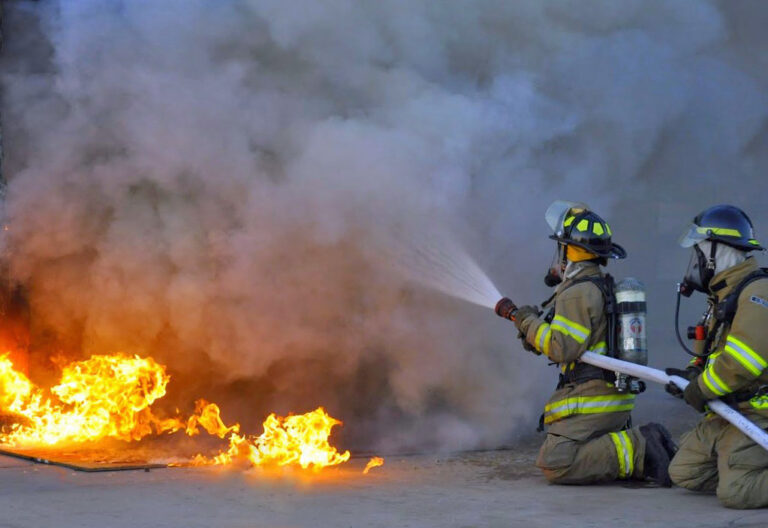
Early one morning, a fire broke out in her apartment building. Smoke spread quickly through the hallway. Firefighters reached her door just in time, but smoke damage was too severe. She died peacefully in the ambulance. The news of the Bronx fire spread sorrow through the community.

Neighbors lit candles outside the building and gathered to pray. Former students brought flowers and cards. Local leaders praised her decades of service. They spoke of her role as a teacher, activist, and tireless volunteer. As a result, the memorial turned into a celebration of her life.

Lessons from Her Life

Her story teaches us about resilience and hope. First, no matter where we start, education can open doors. Second, strong communities grow when people listen and act. Third, one person’s passion can inspire countless others. Even though she is gone, her spirit remains in every child she taught.

Moreover, her life shows that age does not limit our dreams. At 79, she launched a political campaign. At 90, she was still sewing coats for shelter guests. She proved that caring for others can be a lifelong mission.

How to Honor Her Memory

We can honor her by helping our neighbors. For example, we can tutor younger students or volunteer at local shelters. Additionally, we can support community events and raise our voices for those who struggle. In so doing, we keep her love and service alive.

Finally, we must remember that each small act of kindness can spark big change. Whether it is sharing a book, cooking a meal, or offering a smile, our efforts matter. Just like her, we all have the power to make our neighborhoods better.

Frequently Asked Questions

What caused the Bronx fire that took her life?

The fire started in a neighboring apartment and spread quickly through the building’s old wiring.

How did she afford to move to New York City at age 17?

She saved money from farm work and received help from relatives already living in New York.

What subjects did she teach during her four decades in the Bronx?

She primarily taught reading and math but also offered extra tutoring in writing.

How can I volunteer to help my local community like she did?

Start by contacting a neighborhood school, library, or shelter to ask about tutoring or donation opportunities. Source: https://www.nydailynews.com/2025/11/19/pillar-community-90-outlived-cancer-prognosis-only-die-bronx-fire/

NYC’s Subway Car Shuffle Explained

0

Key Takeaways

• The R160 wheels on E, F and R trains were wearing out in weeks.
• New York’s subway car shuffle moved cars around to keep trains running.
• Some old cars went to the G line while others took their place.
• Transit officials added extra inspections and repairs to stop the wear.
• Riders may see more train changes as maintenance crews work faster.


NYC’s Subway Car Shuffle Explained

Late last year, New York City Transit faced a sudden problem. The wheels on its R160 train cars wore down too fast. In fact, they needed replacing in just weeks. Consequently, the agency started a subway car shuffle. This shuffle sent some trains to different lines. It even moved old cars onto the G line for a while. Now, we look at why this shuffle happened and what it means for riders.

Reasons Behind the Subway Car Shuffle

To understand the subway car shuffle, we first must know why the R160 wheels wore out so quickly. The R160 is one of the newer train models in the fleet. However, repeated heavy braking and tight curves caused extra stress on its wheels. Moreover, the tracks on the E, F, and R lines have rough spots. Together, these factors sped up wheel wear. As a result, the transit agency had to remove some cars. Then they swapped in other cars that still had good wheels.

Transit crews also found that some wheel inspections fell behind schedule. In addition, it took longer to get replacement parts from suppliers. Consequently, the agency staggered work across several yards. That meant taking cars off their usual lines and putting them on others. In short, the subway car shuffle kept trains moving while crews caught up on repairs.

How the Subway Car Shuffle Impacts Riders

Many riders noticed different train colors and numbers on their regular lines. For instance, an R train might look more like a G train. In turn, this confused some commuters at first. However, transit officials posted extra notices and updated apps. Therefore, most riders learned the changes quickly. On top of that, the shuffle did not affect service frequency. Trains still ran at their usual intervals.

Still, some fans of the subway fleet missed their favorite R160 cars. Furthermore, riders on the G line saw older car models they did not expect. Yet, these vintage cars proved reliable for that line’s shorter runs. Meanwhile, the E, F, and R lines received fresher wheel sets. This swap gave those busy lines safer, smoother rides.

What Comes Next for the Subway Car Shuffle

Transit crews are now speeding up wheel inspections. They plan to check every R160 car more often. In addition, the agency ordered new wheel sets to replace worn ones faster. Moreover, workers will scan wheel wear with special gauges. This early warning will catch problems before they force more shuffles.

Officials also promise to improve track maintenance on the E, F, and R lines. They will fill in rough spots and smooth curves. Consequently, trains will face less stress on their wheels. In turn, this will slow down wear. That means fewer sudden shuffles in the future.

Still, the subway car shuffle is not over yet. As crews finish repairs, they will move cars back to their home lines. At the same time, they will test each car under safe conditions. Then, if all checks pass, trains will return to normal line assignments. Riders can expect updates through station posters and transit alerts.

Learning from the Subway Car Shuffle

Transit agencies around the world watch how New York tackled this issue. Indeed, quick action helped avoid major service cuts. By shifting cars where they were needed, the system stayed on track. Furthermore, the agency learned to spot wheel problems early. This lesson will guide future maintenance plans.

In the long term, the transit agency aims to upgrade to newer train models. These new models may have tougher wheels and better braking systems. However, replacing an entire fleet takes years and big budgets. Until then, the subway car shuffle remains a key tool. It keeps trains running and riders moving.

A Closer Look at R160 Wheels

R160 train cars have steel wheels that roll on steel rails. While steel is strong, it can wear down under heavy use. Each wheel must stay within certain thickness rules. If a wheel gets too thin, it risks a crack or a flat spot. Consequently, crews remove wheels that fail the safety gauge. Then, they either re-profile them on a wheel lathe or replace them completely.

During the recent shuffle, many wheels went below safety standards too fast. Transit staff suspect track issues and heavy usage caused it. Nonetheless, the wheels all passed initial checks before going into service. This revealed how critical regular inspections are. Now, inspection teams use digital records to track each wheel’s life. This data will warn them before problems grow severe.

Keeping Riders in the Loop

Communication proved vital during the subway car shuffle. As soon as the first cars showed wear, officials alerted the public. Then they posted signs at affected stations. Additionally, they updated social media and the subway app. Riders saw clear messages about temporary car changes.

Moving forward, the agency vows to share info even faster. They will use digital boards on trains to show real-time updates. Moreover, they plan to give maintenance crews tablets to log repairs on the go. This way, riders and crews stay connected about any subway car shuffle.

Conclusion

The subway car shuffle saved New York City riders from sudden train cancellations. By swapping R160 cars across lines, the agency kept service steady. In the process, it uncovered ways to improve inspections, parts delivery, and track work. Although riders saw old cars on the G line, the system stayed safe and smooth. As crews fix wheels and tracks, train assignments will return to normal. Until then, the subway car shuffle shows how quick fixes can keep a huge system running.

Frequently Asked Questions

Why did NYC perform a subway car shuffle?

New York City Transit noticed R160 wheels wearing down too fast. To avoid service cuts, they moved cars to lines with less stress. This kept trains running while crews fixed wheels.

Will the shuffle change my commute time?

No. The shuffle did not affect train frequency. Riders may see different car types, but trains run as usual.

How will Transit prevent future shuffles?

The agency plans more frequent wheel inspections and faster part orders. They will also improve track work on busy lines. These steps aim to slow wheel wear and reduce shuffles.

When will trains return to their home lines?

As crews repair and test each car, they will send them back to their original assignments. Riders can check station notices and transit alerts for updates. Source: https://www.nydailynews.com/2025/11/19/mta-buying-7m-in-replacement-subway-wheels-after-solving-mysterious-issue/

Biden’s Praise for Cheney Values Surprises Many

Key Takeaways

  • President Biden openly praised Cheney’s strong conservative values.
  • This gesture shows respect across party lines.
  • The move sparks talk about unity in politics.

Biden’s Praise for Cheney Values

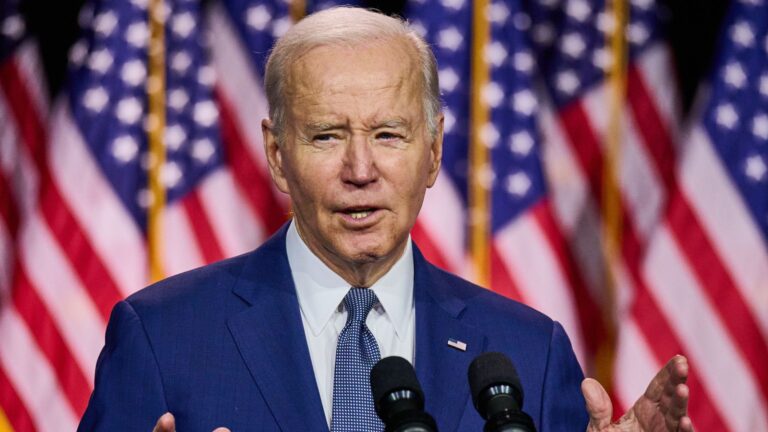
President Biden, a leading Democrat, recently praised Cheney for her strong conservative beliefs. In doing so, he highlighted the need to respect different views. His words drew attention because party leaders rarely applaud each other. Yet, he made it clear that good ideas matter more than political labels.

Why Biden’s Words Matter

First, Biden’s praise breaks usual party barriers. Normally, Democrats and Republicans avoid praising each other publicly. However, when a president praises an opposing figure, people take note. In this case, the president recognized Cheney’s firm stand on values. As a result, many now see a chance for more respectful debate.

Moreover, Biden’s gesture could calm some political tensions. America faces sharp divisions today. Therefore, a show of respect can ease harsh talk. When top leaders speak kindly about rivals, others may follow. In turn, civil discussions could rise over heated debates.

In addition, Biden’s words highlight leadership beyond party lines. He said that strong ideas deserve praise wherever they come from. This statement reminds leaders to listen first and judge later. For young people, this lesson shows the value of open minds.

What Makes Cheney Values Stand Out

Cheney values refer to a set of beliefs centered on limited government, free markets, and strong national security. These ideas often align with traditional conservative thought. Yet, Cheney’s stance on some issues has surprised many in her party. For example, she firmly supports election integrity and rule of law.

Furthermore, Cheney often speaks out against election fraud and unfair tactics. She stresses the importance of fair voting for all citizens. These efforts warmed Biden’s view of her strong principles. He admired her willingness to challenge her own party when she felt it was necessary.

Also, Cheney values include protecting personal freedoms. She supports the right to free speech and religious practice. In a world of changing views, she stood firm on shielding individual rights. This stance appealed to Biden, who has his own championed causes.

Moreover, Cheney’s track record in Congress showed a focus on defense. She pushed for strong military spending to keep the nation safe. Her support for troops and veterans won praise from both sides. Biden pointed out that defending the country unites many lawmakers.

How This Affects Politics

Biden’s shout-out to Cheney could shift the political conversation. Firstly, it might encourage leaders to praise good ideas, even from opponents. When people see respect at the top, they may show it at local levels. This shift could improve town hall talks and school debates.

Secondly, voters might look for more candidates who value unity. In recent years, many candidates used harsh talk to gain attention. Now, citizens may prefer leaders who bridge gaps rather than widen them. Therefore, future campaigns could focus more on policy than attack ads.

Meanwhile, this moment could reshape alliances in Congress. Lawmakers who felt stuck in party feuds may feel freer to work together. They could co-sponsor bills with colleagues across the aisle. As a result, passing key laws on infrastructure and health care might become easier.

In addition, Biden’s praise reminds Americans that values matter most. When leaders honor principles over party, they inspire trust. Voters tired of constant negativity may welcome this approach. Ultimately, a focus on shared values can strengthen democracy.

What Critics Say

However, not everyone welcomed Biden’s move. Some Democrats worry it could weaken party unity. They fear praising a Republican star might blur clear policy lines. In their view, voters need a sharp contrast between parties to drive change.

On the other hand, some Republicans disliked Cheney’s independent streak. They believe loyalty to party leaders should come first. They argue that challenging your own side weakens collective power. As a result, they downplayed Biden’s praise as mere political theater.

Moreover, critics from both sides questioned whether this praise could last. They pointed out past instances when leaders swapped kind words only to return to harsh fights. Therefore, skeptics wonder if this moment is truly meaningful or just a brief headline.

Despite these concerns, many citizens welcomed the gesture. They praised the focus on good ideas and respect. For them, the move signaled real hope for less bitter politics. They see this small step as proof that change can start at the top.

Looking Ahead

Looking to the future, this moment could inspire fresh cooperation. Lawmakers may test the waters by forming mixed-party working groups. Such groups could tackle pressing issues like climate change and education reform. When people with different beliefs unite, they often find creative solutions.

Furthermore, Biden’s praise might shape upcoming elections. Candidates could highlight respect for opposing views in their campaigns. They might share stories of working with people they once disagreed with. This trend could shift public focus from mudslinging to problem solving.

In schools and youth programs, teachers can use this example to teach civic respect. Students might learn to listen first and judge later. They may practice praising good ideas, no matter who shares them. This habit can build the next generation of fair-minded leaders.

Ultimately, the real test will come in actions, not words. If Biden and Cheney find common ground on specific issues, their praise gains weight. Whether they back joint bills or public initiatives, collaboration proves sincerity. Until then, America watches and wonders if unity will grow.

Frequently Asked Questions

Why did Biden praise Cheney values?

Biden praised Cheney because he respected her strong commitment to conservative principles. He highlighted her focus on fair elections, personal freedoms, and national security. His words aimed to show that good ideas can come from any party.

How common is cross-party praise in politics?

Cross-party praise remains rare. Usually, leaders avoid public compliments across party lines. However, moments of respect can happen when someone admires a rival’s stand on key issues. Such gestures often spark talk about political unity.

Could this praise lead to new bipartisan laws?

Yes. When top leaders show respect, other lawmakers may follow suit. This attitude can ease cooperation in Congress. As a result, passing bills on infrastructure, health care, or education might become smoother.

What impact does this moment have on young people?

Young people can learn the value of respecting opposing views. This moment demonstrates that praising good ideas matters more than party loyalty. It may inspire a generation that values collaboration and fair debate. Source: https://www.nydailynews.com/2025/11/19/cheney-funeral/

Inside the Long Island attorney sentencing shocker

0


Key takeaways

  • The attorney faces up to 10.5 years behind bars.
  • He admitted to taking nearly $1.8 million from clients.
  • The court ordered full repayment to victims.
  • The breach of trust shook the legal community.

Long Island attorney sentencing ends with heavy prison term

Yesterday, a court handed down a tough punishment. The Long Island attorney sentencing result shocked many clients. He will serve up to 10.5 years in prison. Moreover, the attorney admitted he stole almost $1.8 million from his clients. In addition, the judge ordered full repayment of all stolen funds.

An attorney named John Miller pleaded guilty to multiple counts of fraud. He represented homeowners in real estate deals. However, he secretly diverted money to his personal account. After an investigation, authorities found proof of long-term theft. As a result, Miller lost his license to practice law.

What led to the Long Island attorney sentencing?

First, clients noticed odd bank records. Then they hired another lawyer to review their files. Next, the new lawyer alerted the district attorney’s office. Therefore, prosecutors launched a full audit of Miller’s accounts. Ultimately, they discovered he had diverted client funds for years.

Timeline of events

In 2015, Miller opened his private legal office. By 2018, complaints had started to trickle in. In 2020, a group of clients filed a formal complaint. Soon afterward, investigators seized his bank records. Lastly, in early 2024, Miller agreed to plead guilty.

Why the sentence was so long

The court cited the theft of over one million dollars. Judges view embezzlement of this size as very serious. Moreover, the crime affected many families and their life savings. Therefore, the judge imposed a sentence in the top allowed range.

Restitution ordered

Along with jail time, Miller must repay every client. The court froze his remaining assets to recover money. Then, a special receiver will distribute funds back to victims. As a result, some clients may see partial repayment soon.

Reactions from the community

Local residents felt betrayed by the attorney’s actions. One former client said she felt lost and scared. Moreover, local lawyers expressed shock at the breach of trust. They stressed the need for stronger oversight in law offices.

Comparisons to similar cases

In other states, lawyers convicted of theft got lighter sentences. However, those cases involved smaller sums. In this case, the amount neared two million dollars. Thus, the Long Island attorney sentencing was stricter than many similar rulings.

What this means for clients

Clients should check their lawyer’s trust account regularly. Also, they must demand clear financial statements. If numbers seem off, hiring an auditor may help. In addition, clients should know they can file complaints easily.

Lessons for law practices

Law firms must adopt tighter checks on trust accounts. In fact, random audits can catch issues sooner. Finally, training staff on ethics can prevent money misuse. Therefore, law practices should boost transparency at every level.

Next steps in the case

Miller’s legal team said they may seek appeal. They argue the sentence is too harsh. However, appeals face tough odds in fraud cases. Meanwhile, the receiver keeps working to return funds to clients.

Conclusion

This shocking ruling shows what can happen when lawyers betray trust. The Long Island attorney sentencing highlights the price of fraud. In addition, it reminds clients to stay vigilant. Ultimately, justice will serve both victims and the legal system.

Frequently asked questions

What crime did the attorney commit?

He pleaded guilty to embezzling nearly two million dollars from client accounts.

Why did the judge set a long sentence?

The judge cited the high amount stolen and the harm to many families.

How will clients get their money back?

A court-appointed receiver will track Miller’s assets and return funds to clients.

What can clients do to avoid this?

They should regularly review account statements and seek second opinions if needed. Source: https://www.nydailynews.com/2025/11/19/long-island-attorney-sentenced-embezzlement-scheme/

Georgia Man Shot Dead After Killing Teens

0

Key takeaways:

  • A 50-year-old Georgia man shot dead by police after killing his teenage stepsons.
  • Deputies found two teens unresponsive inside a home near Houston.
  • The suspect fired at deputies, who returned fire and fatally wounded him.
  • No law enforcement officers were seriously hurt during the standoff.
  • The case raises urgent questions about domestic violence and mental health support.

Georgia Man Shot in Deadly Standoff

In an intense overnight incident, a Georgia man shot two of his teenage stepsons before engaging in a standoff with deputies. Officers from Harris County responded to a domestic violence call in an unincorporated area. They found the two boys inside the home. The suspect then turned his gun on deputies. As a result, the Georgia man shot by officers was killed at the scene. In this case, the Georgia man shot by law enforcement fell after several rounds. The swift action prevented further harm to others.

First, deputies received a 911 call from neighbors who heard loud noises. They rushed to the home within minutes. At first, they saw no threat outside. Meanwhile, a second team approached the front door. They found the two teenage stepsons unresponsive on the floor. Then, the suspect opened fire without warning. He wounded one deputy in the leg. Immediately, other deputies returned fire to stop the attack. The Georgia man shot by deputies died where he stood.

Paramedics reached the scene quickly. They confirmed the suspect’s death. The medical examiner later ruled his death a result of law enforcement gunfire. Investigators also confirmed that he had killed his 13 and 16-year-old stepsons before deputies arrived. No one else faced charges. Authorities continue to probe what led to this tragedy.

Georgia Man Shot After Stepsons Found Dead

After the shooting, deputies secured the house and called in crime scene teams. Detectives combed the home for clues. They collected evidence and took photos. In addition, they interviewed neighbors who reported hearing arguments earlier. They learned that the suspect had shown signs of stress in recent weeks. Still, the Georgia man shot in this confrontation elected to keep firing even as officers tried to talk him down.

The sheriff’s office promised a full review of the incident. They will examine body camera recordings and radio logs. An internal affairs team will check whether every deputy followed protocol. So far, no officers face discipline. The quick response likely saved lives. However, the community remains shaken by the deaths of two young boys.

How Events Unfolded

First, officers donned protective gear and checked their radios. They announced themselves clearly when they knocked. They hoped to find no one harmed. However, the sight of the wounded teens shocked them. They called for medical backup within seconds. Nearby units raced to assist. Then, the suspect fired more rounds through the door. At that point, deputies moved to cover and returned fire.

During the exchange, deputies ensured the Georgia man shot at them could not harm others. Shots rang out for less than a minute. The suspect collapsed as deputies breached the room. They confirmed he had no pulse. Next, paramedics took over and pronounced him dead.

Officers also tended to the wounded deputy. He suffered a non-life-threatening leg injury. Medics treated him at a hospital and released him the same day. Meanwhile, crime scene specialists processed the site well into the morning.

Legal and Safety Protocols for Deputies

In domestic violence calls, deputies follow strict rules. They keep a safe distance at first. They try to talk the suspect into surrender. If the suspect has a weapon, they call for a special response team. That team has extra training to handle high-risk situations. Moreover, deputies wear body armor and use bulletproof shields when needed. Still, every call carries risk. Deputies train to act fast under stress. They also practice de-escalation tactics to avoid violence.

Aftermath and Community Response

The sheriff held a news conference at noon. He expressed deep sorrow and explained steps for a full review. He urged families to seek help early and to speak up about threats. Faith leaders offered prayers for healing. They invited people to join a virtual support meeting later in the week.

Local residents organized a candlelight vigil in front of the sheriff’s office. They placed flowers, photos, and notes for the two boys. One neighbor spoke of hearing arguments the night before. Another said the family seemed under stress. Together, they called for more mental health services in their area.

City officials plan to hold a town hall meeting next week. They hope to discuss domestic violence prevention and mental health resources. In addition, they will invite counselors and social workers to share guidance. Leaders believe that stronger community ties can spot trouble early and save lives.

Understanding Domestic Violence and Mental Health

Domestic violence can take many forms. It may start with verbal threats and controlling behavior. Over time, it can turn physical. Often, victims feel trapped or afraid to seek help. Therefore, experts say early warning signs matter. These signs can include:
• Extreme jealousy or constant spying.
• Frequent, unexplained mood swings.
• Threats of violence or self-harm.
• Isolating a partner from friends and family.
• Sudden changes in behavior or routines.

Mental health issues can worsen these situations. Stress, anxiety, or depression may push someone over the edge. When they feel cornered, they might see no way out. That can lead to deadly choices. In fact, many experts say that a lack of support often fuels these tragedies.

If you or someone you know faces domestic violence, consider these steps:

1. Reach out to a trusted friend, teacher, or counselor.
2. Call a domestic violence hotline for advice.
3. Find a safe place away from harm.
4. Seek professional counseling without delay.
5. Develop a safety plan for emergencies.

In teens, such violence can cause fear and confusion. They may feel powerless. Therefore, they need clear support and adult guidance. Schools and youth groups can offer safe spaces and counseling. Parents should watch for signs like sudden anger or withdrawal from friends.

Mental Health and Community Resources

Support is available for those in crisis. You can access:
• A national mental health helpline.
• Local counseling centers with sliding-scale fees.
• Youth support groups at schools or community centers.
• Online chat services for immediate help.

Moreover, many nonprofits offer free workshops on stress management and conflict resolution. Faith-based groups also provide hotlines and safe houses. By reaching out early, families can prevent violence before it starts.

Finding Hope After Tragedy

Moving forward after such an event can feel impossible. Yet, many communities find strength in unity. Sharing grief and resources can spark healing. People often say that telling their story helps them cope. Others volunteer at shelters or hotlines to give back. These acts of service can build resilience and hope.

If you feel overwhelmed, remember you are not alone. Counseling, support groups, or trusted adults can offer a listening ear. Talking through your feelings can ease fear and anxiety. It may even save a life.

FAQs

What triggered the police to use deadly force?

Officers arrived after finding two stepsons killed. The suspect then fired at deputies. They returned fire to protect themselves.

Were any deputies hurt in the exchange?

One deputy suffered a non-life-threatening leg wound. He has already been released from the hospital.

How will the incident be reviewed?

An internal affairs team will examine body camera footage, radio logs, and deputy actions. The sheriff’s office said they found no protocol violations so far.

What help is out there for families facing domestic violence?

Victims can call a domestic violence hotline or seek counseling. Many local centers offer free or low-cost services. Friends and neighbors can also report concerns to authorities.

What signs might show someone needs mental health support?

Look for extreme mood swings, social isolation, or threats of harm. Sudden behavior changes and talk of feeling trapped can also signal danger. If you see these, reach out to a trusted adult or counselor. Source: https://www.nydailynews.com/2025/11/19/georgia-dad-kills-stepsons-shot-by-police-eric-grigsby/

All Epstein Documents to Be Released by DOJ

0

Key Takeaways

  • Congress passed a law forcing the Justice Department to share all Epstein documents.
  • The law covers every file, email, note, and memo related to Epstein.
  • Victims and the public seek truth and accountability.
  • The Justice Department must act within months.

A new bill now requires the Justice Department to release every file, memo, and message about Jeffrey Epstein. This move aims to shed light on what the government knew. Moreover, it may help victims find closure.

Why Congress Demanded the Epstein documents

First, lawmakers saw that many files stayed hidden. They felt that victims and reporters deserved to see the full story. In addition, past releases seemed incomplete. For example, some documents had large blanked sections. This lack of clarity raised serious questions. Therefore, Congress drafted a bill that leaves no room for redactions.

What’s in the Epstein documents

Experts expect to find names of people who spoke with Epstein. They hope to see memos that reveal how officials handled evidence. Also, letters and emails could show internal debates about the case. Some files might include voice transcripts or witness statements. Overall, these papers may explain why certain decisions happened.

How the Bill Went Through Congress

Lawmakers introduced the measure earlier this year. They held several hearings to discuss the need for transparency. During debates, both sides agreed that victims deserve answers. Then, representatives from both parties voted overwhelmingly in favor. Finally, the president signed the bill into law.

Impact of Releasing the Epstein documents

For victims, these files could confirm missing details. They might reveal why some suspects never faced charges. Moreover, journalists can use these papers to write more accurate stories. In turn, the public can see how the Justice Department made key choices. The release could also spark new investigations into powerful individuals.

Next Steps for the Justice Department

Now, the Justice Department has 90 days to review each file. It must remove only personal data that law forbids sharing. Then, it must post the documents online. After that, it may face lawsuits if it misses the deadline. Ultimately, the department will work under tight oversight.

Key Questions Answered

What exactly are the Epstein documents?

They include any Justice Department file about Jeffrey Epstein. That covers emails, memos, reports, notes, and phone records.

When will the public see these files?

The law gives the Justice Department 90 days from the signing date. However, this timeline may shift if appeals or legal challenges arise.

Will all names be visible?

The department must hide only information that breaks privacy laws. Otherwise, it must keep names and details intact. Victims’ personal data may remain private if required.

How will these documents help victims?

They can fill gaps in understanding of the case. Victims may discover leads that law enforcement missed. More transparency can also boost trust in the justice system.

What happens if the Justice Department misses the deadline?

Congress can hold hearings to demand answers. Also, advocacy groups and victims can sue for faster release. The law allows courts to force compliance. Source: https://www.nydailynews.com/2025/11/19/trump-epstein-files-bill/

New Jersey Woman Charged for Faked Attack Hoax

0

Key Takeaways

  • A New Jersey woman is charged for staging a faked attack.
  • She zip-tied herself and hired someone to cut her skin.
  • The phrase “TRUMP WHORE” was written on her stomach.
  • Authorities filed conspiracy and false statement charges.

The Arrest over a Faked Attack

A 32-year-old New Jersey woman now faces serious charges. Authorities say she planned and executed a faked attack on herself. First, she bound her hands and feet with zip ties. Then, she paid an artist to make cuts and scars. Finally, the phrase “TRUMP WHORE” appeared on her stomach.

What Happened

Last month, officers responded to a call about a violent assault. When they arrived, the scene looked brutal and unsettling. However, detectives grew suspicious. They noticed the cuts seemed oddly placed. Moreover, some wounds appeared too precise to be random. Next, investigators checked surveillance footage. They saw the woman enter alone and leave alone. Consequently, police started digging deeper.

The Fake Injuries

To create realistic wounds, she paid for professional tools. In addition, an artist used a razor to make clean, straight cuts. The zip ties looked new, not battered from an attacker’s struggle. Also, the skin around her wounds lacked swelling or bruising. As a result, medical examiners doubted the story. Their findings pointed to a carefully staged crime.

Why the Faked Attack Stood Out

Her plan had one goal: to grab attention and sympathy. Yet, the scheme quickly fell apart under scrutiny. Investigators found evidence of her online search history. Terms like “how to fake an assault” and “zip tie binding” raised red flags. Meanwhile, bank records showed she paid the artist the same day. Therefore, the web of lies collapsed.

The Police Investigation

Detectives interviewed neighbors and family members. They found no sign of outsiders or loud noises. Furthermore, the neighbor’s security camera caught her coming and going. Investigators also examined her phone and social media. Metadata from photos revealed timestamps that clashed with her story. Soon, she admitted the entire attack was a hoax.

Legal Consequences

Now, she faces conspiracy and making false statements charges. Conspiracy can carry up to five years in prison. Making a false statement to law enforcement could add extra years. Additionally, she may owe restitution for wasted police resources. Judges often take public safety seriously. Consequently, penalties may be severe.

Impact on the Community

Such hoaxes damage trust in real victims. When someone stages a faked attack, it hurts genuine survivors. Moreover, law enforcement resources get tied up. First responders risk their lives chasing false leads. In addition, community members may doubt real calls for help. Ultimately, these schemes have widespread harm.

Lessons Learned

Anyone who lies about violence risks harsh legal fallout. Also, false reports can endanger others. Instead, people should seek help if they face real threats. Many hotlines and local services stand ready to assist. By speaking up honestly, victims get better support. Likewise, communities stay safer when trust remains strong.

How to Spot a Staged Incident

Unexpected precision in wounds may raise concern. Lack of bruising can signal a problem. Videos or photos that show a lone person entering or exiting help. Pay attention to odd or repeated search terms on devices. Together, these clues protect both victims and investigators.

What Comes Next

She remains free on bail while her case moves forward. Court sessions will determine her sentence and fines. Defense attorneys may argue mental health issues or remorse. Prosecutors will highlight wasted resources and public deception. Regardless, this case sends a clear warning about faked attacks.

Frequently Asked Questions

What charges does she face?

She is charged with conspiracy and making false statements to law enforcement.

Why did investigators doubt her story?

They noted precise cuts, new zip ties, and contradictory surveillance footage.

How do false claims affect victims?

They erode trust, divert resources, and make it harder for real victims to get help.

What should someone do if they face real violence?

Contact police, seek medical care, and reach out to local hotlines or support services. Source: https://www.nydailynews.com/2025/11/19/n-j-reps-ex-aide-faked-brutal-attack-wrote-trump-whore-her-stomach-prosecutors/

Knicks Captain Return: A Week for the Comeback

Key Takeaways

  • The Knicks captain returned after missing just one week.
  • His comeback gave the team an instant energy boost.
  • Fans celebrated the quick recovery all game long.
  • The injury was minor, but his absence felt much longer.
  • This Knicks captain return could shape their season’s momentum.


Knicks Captain Return Gets Fans Excited

The Knicks captain return happened much faster than anyone thought. A week ago, he sprained his ankle in practice. Doctors worried he might miss several games. However, he worked hard with trainers and followed every step of rehab. As a result, he jumped back onto the court this past Friday. Fans roared when they saw him in the starting lineup. His energy and focus never seemed weaker, proving the team’s decision to rush his recovery paid off.

How the Knicks Captain Return Happened

Right after the injury, the team’s medical staff acted fast. They scanned his ankle and gave clear exercises to limit swelling. Next, he did strength drills and light shooting sessions. Every day, he saw trainers who tracked his progress. The Knicks kept the plan simple. First, he rested. Then, he stretched and iced. Finally, he performed full-court movements in practice. When everyone saw his quick progress, coaches cleared him to play. This smart plan led to the Knicks captain return in just seven days.

The Impact of the Knicks Captain Return on the Team

Since he came back, the team’s play improved instantly. His leadership on defense sealed gaps and forced turnovers. Offensively, he created open shots for his teammates. Players said they felt more confident with him on court. He also sparked fast breaks and cheered on bench players. Moreover, his presence calmed the team during tight moments. When the game was close, he stood tall and sank crucial free throws. This energy shift shows how one player can change a team’s mood.

What Fans Are Saying

Across social media, fans praised the speedy comeback. Many wrote that they missed his hustle and grit. Others shared photos of his first basket after the injury. One message read, “Knicks captain return is the best news this week!” Some fans even made banners that read “Welcome Back Captain!” The excitement filled the arena before tip-off. Even viewers at home jumped from their couches when he made his first steal. Clearly, this return made a big splash among the loyal fan base.

Why This Return Matters for the Season

The Knicks are fighting for a playoff spot this year. Every win feels crucial as the regular season nears its end. With the captain back, the team has a stronger chance to win close games. His defense can slow down top scorers from other teams. Plus, his passing can spark the offense when shots aren’t falling. Beyond stats, his leadership keeps everyone focused. In a long season, having a captain who battles through pain shows commitment. Therefore, this Knicks captain return could tip the scales toward a winning record.

Key Lessons from the Comeback

First, proper rest matters more than rushing back early. The team balanced caution with urgency. Second, trusting experts and trainers can guide a smooth recovery. Third, mental strength fuels physical healing. The captain stayed positive and kept the team’s energy high. Finally, teamwork extends beyond the court. Everyone—from doctors to coaches to players—played a role in his quick return.

Looking Ahead: What’s Next

Now that the Knicks captain return has energized the team, eyes turn to the next opponents. He faces no limits on minutes, but coaches will manage his workload. With tough back-to-backs ahead, smart resting could prevent re-injury. Fans hope he keeps this pace and stays healthy. If he does, the Knicks might ride this momentum deep into spring. Moreover, his comeback story inspires young athletes to tackle setbacks head-on.

Frequently Asked Questions

What caused his injury and how serious was it?

He sprained his ankle in practice. Though painful, scans showed no major damage. Proper rehab helped him heal in a week.

How did the team speed up his recovery?

They used daily strength exercises, ice therapy, and controlled practice sessions. Regular check-ins with trainers ensured steady progress.

Will he play full minutes going forward?

Coaches plan to monitor his time closely. They’ll adjust minutes based on how his ankle feels and the game schedule.

How does this return affect team chemistry?

His comeback boosts morale and unites the locker room. Teammates feed off his energy, which improves overall performance. Source: https://www.nydailynews.com/2025/11/19/knicks-jalen-brunson-returns-after-weeklong-absence-due-ankle-injury/