52.6 F
San Francisco
Tuesday, April 28, 2026
Home Blog Page 213

Trump Warns of Immigration Risk to U.S. Survival

Key Takeaways

  • President Trump called immigration a “risk to our survival” in a Truth Social video.
  • A 29-year-old Afghan immigrant is accused of wounding two National Guard troops in Washington.
  • Trump plans to review 78,000 visas issued to Afghan nationals after 2021.
  • He vowed to remove anyone who doesn’t “love our country” or add benefit.

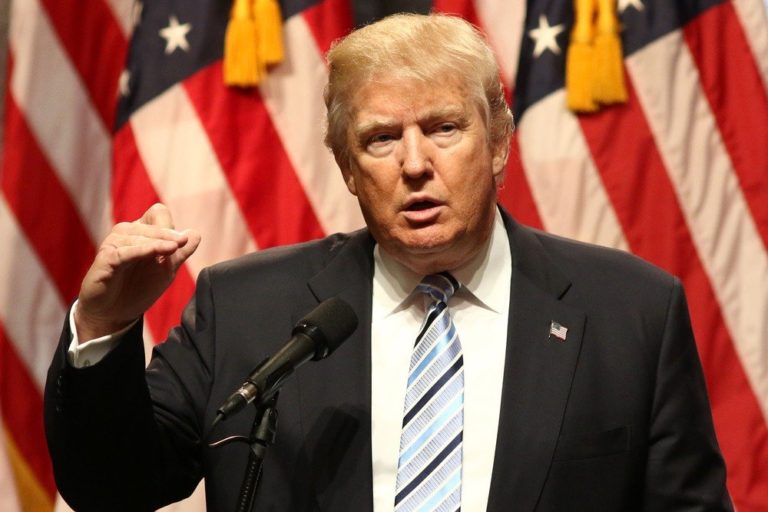
President Donald Trump described immigration as a threat to America’s safety. He spoke in a dark video posted on his social platform. He tied the recent shooting in Washington to broader immigration policy. He blamed the previous administration for letting in unknown foreigners. He insisted on a full review of Afghan visa holders.

What Happened in Washington

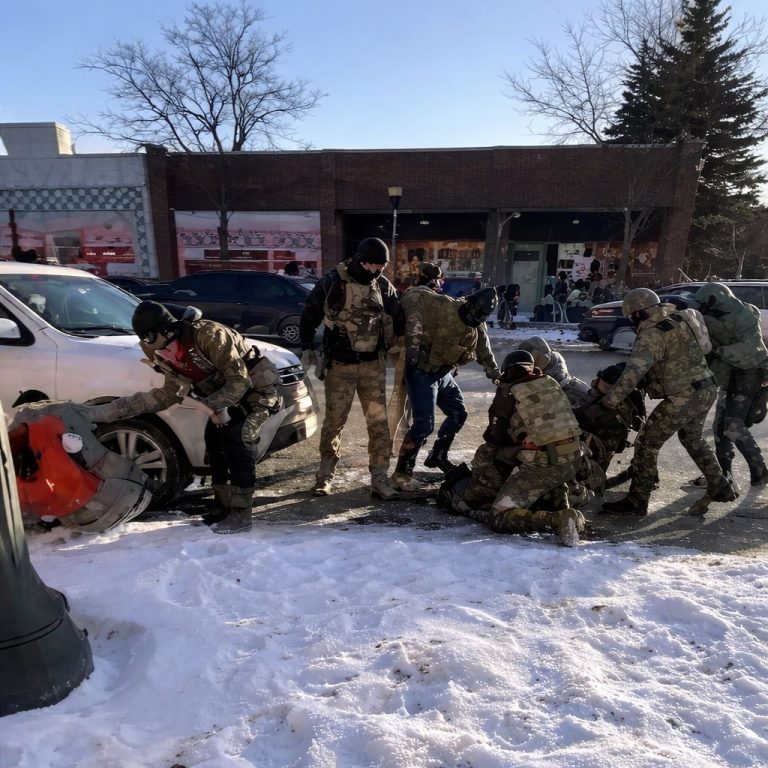
On a weekday afternoon, two National Guard troops stood guard near a federal building. Suddenly, shots rang out. Authorities say a 29-year-old immigrant from Afghanistan fired at the soldiers. Both troops suffered critical injuries but are now in stable condition. The suspect, named Rahmanullah Lakanwal, was wounded and treated at a local hospital. After treatment, officers arrested him. So far, he has not cooperated with questions.

Trump’s Reaction and Speech

In his video, Trump called the attacker an “animal” and promised severe punishment. He said, “We will ensure this atrocity pays the steepest price.” Then he warned Americans about an unchecked immigration threat. He argued that millions of unvetted people entered the country under the last administration. He claimed this poses a direct immigration risk to U.S. survival. Trump demanded immediate action to secure America’s borders.

Breaking Down the Immigration Risk Debate

Trump’s mention of immigration risk struck a nerve. On one side, migrants bring fresh talent, diverse culture, and needed labor. On the other side, critics worry about security gaps and resource strain. Experts note that rare attacks can shape public opinion far more than daily contributions. However, data shows immigrants commit fewer crimes than native-born citizens. Meanwhile, border officers face rising numbers that test processing systems. Therefore, the debate over immigration risk remains complex and emotionally charged.

Review of Afghan Visa Applicants

Trump said his team will reexamine 78,000 Afghan nationals who received special visas after 2021. These visas honored Afghans who aided the U.S. military during the War on Terror. Most of them settled in states like Virginia, Texas, and Washington. Many learned English, found jobs, and started new lives. However, a few have drawn scrutiny for alleged crimes. Trump insists a fresh review will weed out any threat. He also wants faster deportation for those deemed dangerous.

Defining the Term Immigration Risk

When Trump speaks of immigration risk, he means potential harm from people entering the country. This can include crime, terrorism, or other threats to public safety. Yet, not every immigrant poses a danger. In fact, many pursue education and work hard. Still, some worry about how to vet millions of applicants properly. They call for better background checks, digital tracking, and stronger cooperation with foreign governments. Others warn that too much fear can fuel unfair prejudice.

How the Review Might Work

First, agencies will gather data on each Afghan visa holder. They will check fingerprints, travel histories, and past records. Then, officials might conduct in-person interviews or home visits. Next, they will flag anyone with suspicious ties or gaps in their application. Finally, they will decide who can stay and who must leave. This process could take months or even years. Critics question if it violates rights or disrupts hardworking families. Yet, Trump insists rigorous screening is vital to prevent further harm.

Reactions from the Public and Politicians

Many conservatives applaud the plan to tighten security. They view immigration risk as a growing threat. They praise Trump’s focus on law and order. Conversely, immigrant advocates warn of sweeping crackdowns. They argue that a few cases should not cast shame on millions. They also point out that many Afghan allies lack safe options if sent back. Meanwhile, some moderates call for balanced policies. They suggest focusing on real threats while still welcoming deserving newcomers.

The Impact on Afghan Immigrant Communities

Afghan families worry about uncertainty and fear. They arrived believing they answered America’s call for help. Now they fear being labeled a risk. Community groups are organizing legal aid and support networks. Churches and mosques offer counseling and English classes. Local leaders urge calm and cooperation with authorities. They stress that most Afghan immigrants play by the rules and uplift their neighborhoods.

What Comes Next

The administration must outline clear guidelines for the visa review. It needs to balance security with fairness. If done right, this process could reassure the public without alienating good people. If done poorly, it could fuel division and crowd courts. In addition, Congress may weigh in with new immigration laws. Some lawmakers want broader reforms, including a path to citizenship for certain groups. Others seek more border barriers and stricter entry rules. The outcome will shape U.S. policy for years.

Key Points for Americans to Watch

  • Will the visa review meet legal standards for due process?
  • How long will the review take and who will oversee it?
  • What measures will protect innocent immigrants from undue harm?
  • How will police and border officials improve vetting to reduce any real risk?

Final Thoughts

The debate over immigration risk often pits security against compassion. Trump’s latest video made clear where his priorities lie. He vows strict checks and swift removals of anyone deemed a threat. He frames immigration as a risk to survival. Yet, many argue that U.S. strength comes from opening its doors wisely. As the review of Afghan visas begins, Americans will watch closely. The ultimate question remains: can the country stay safe without losing its core values of freedom and refuge?

Frequently Asked Questions

What triggered Trump’s comments about immigration risk?

He spoke after an attack in Washington left two Guard troops wounded. Officials said the suspect was an Afghan immigrant.

How many Afghan visas will be reviewed?

The plan covers about 78,000 visas given after the U.S. withdrawal in 2021.

Could American citizens face new restrictions too?

No, the review targets noncitizens who entered under specific Afghan programs.

Will this review speed up deportations?

Trump says it will remove dangerous individuals faster, but exact timelines remain unclear.

Why 21 States Are Suing Over SNAP Guidance

0

Key Takeaways

• 21 state attorneys general sued over new SNAP guidance they say blocks legal immigrants from food aid
• They warn steep fines could force some states to end their SNAP programs
• The guidance limits immigrant eligibility under rules signed last July
• Officials call the guidance unlawful, arbitrary, and capricious
• The lawsuit asks a federal court to reverse the policy quickly

A group of Democrat attorneys general from 21 states filed a lawsuit challenging the Trump administration’s latest SNAP guidance. They argue the change unfairly cuts legal immigrants out of vital food aid. Moreover, they warn that extreme fines tied to the new rules could shut down entire state programs. As a result, millions may lose access to essential nutrition benefits during a growing cost-of-living crisis.

What Is the SNAP Guidance Change?

Last July, Congress passed a tax and spending package narrowing who can get SNAP benefits. This package set a five-year waiting period for certain legal immigrants. Now, the USDA released guidance enforcing those rules. In fact, the agency’s interpretation hits refugees, asylees, and similar groups with hefty penalties if states make a paperwork mistake.

Officials say the guidance goes further than the law. It imposes fines so steep that a single error could cost states millions. Therefore, many fear a single audit or misfiled document might bring financial ruin to their food assistance systems.

Why States Call SNAP Guidance Harmful

Attorneys general warn that the guidance is not just harsh—it is unlawful. They argue:

• It lacks clear explanations.
• It clashes with how the USDA treated immigrants under past rules.
• It could force state agencies to choose between heavy fines and denying aid.

New York Attorney General Letitia James says the penalties are “so extreme” that some states might close their SNAP programs entirely. She adds that shutting down the nation’s main anti-hunger tool would be disastrous. California Attorney General Rob Bonta agrees. He told Politico that the administration is “violating the law so blatantly” and must be held accountable.

What the Lawsuit Says

The complaint filed in the U.S. District Court for the District of Oregon calls the guidance “arbitrary and capricious.” It claims the USDA failed to explain why it changed its view on which groups must wait five years before accessing SNAP. The suit notes that refugees, asylees, and those with deportation withheld have always qualified immediately under federal law.

State officials demand the court:

• Block enforcement of the new guidance.
• Require the USDA to stick to established rules unless Congress acts.
• Protect the rights of legal immigrants to receive SNAP benefits.

If successful, the lawsuit could restore immigrant access and avert the risk of program collapse.

White House Response

A White House spokesperson defended the guidance. She stated that President Trump campaigned on ending “waste, fraud, and abuse” in federal programs. Ensuring that illegal immigrants do not receive benefits intended for U.S. citizens is part of that effort. However, critics say the new policy crosses a line by punishing states and blocking eligible people from food aid.

What Could Happen Next

The court will review the case and decide whether to issue an injunction. If it does, states could continue serving immigrants under old rules. Otherwise, agencies may face fines or even close parts of their SNAP systems.

Meanwhile, states must prepare budgets to cover potential penalties. Some may delay benefit renewals or suspend new applications for immigrant households. As a result, many families could go hungry if the matter is not resolved quickly.

The lawsuit also raises broader questions about executive power and agency rule-making. Furthermore, it tests how far the USDA can interpret laws without clear guidance from Congress.

Conclusion

The clash over SNAP guidance highlights a deep political battle over immigration and social safety nets. Twenty-one states say the USDA’s new rules are unlawful and threaten a vital program. The Trump administration argues it is simply enforcing the law. As the case moves forward, millions of low-income households await relief. For now, the courts will decide whether states can keep feeding families without fear of ruinous fines.

Frequently Asked Questions

How does this lawsuit affect current SNAP recipients?

Right now, states can continue serving immigrants under existing rules. If the court blocks the guidance, nothing changes. If not, some states may cut off benefits for affected groups.

Which immigrants face the new SNAP restrictions?

Refugees, asylees, and people with deportation withheld status face a five-year wait. Other groups with similar legal standing may also be caught by the new rules.

What does “arbitrary and capricious” mean in the complaint?

It means the USDA changed its policy without giving a reasonable explanation. Courts require agencies to justify major shifts in how they enforce laws.

When will the court decide on the injunction?

The exact timeline is unclear. Federal courts typically move faster in emergency injunction cases, but it could take weeks or months for a ruling.

Thanksgiving Prices Trigger Political Showdown

0


Key Takeaways

• California’s governor press office mocked former President Trump over rising Thanksgiving prices.
• A Drudge Report screenshot showed turkey costs up 24% and weak retail sales.
• Analysis found a traditional Thanksgiving meal now costs $107—up 9% from last year.
• The Trump team claims holiday feasts were 3% cheaper under his administration.
• Meanwhile, Trump’s Thanksgiving speech attacked Illinois Governor J.B. Pritzker.

Thanksgiving Prices Fuel Sharp Exchange

California’s governor press office stirred controversy by spotlighting soaring Thanksgiving prices. They posted a Drudge Report front page on social media. In it, turkey costs jumped 24 percent and retail sales slipped. The caption read, “Welcome to Trump’s golden era!” This jab set off a fresh debate over who really helped families save on holiday meals.

Newsom’s Mocking Post

Governor Newsom’s team snapped a screenshot of a headline that read, “A tariff Thanksgiving. Turkey price up 24%. Grim retail sales. Consumer confidence spirals.” Then they added their own comment, poking fun at the Trump era. In just a few words, they tied rising costs to trade moves made under the former administration. Immediately, political allies and critics rushed to debate the impact of tariffs and trade wars on everyday Americans.

Rising Thanksgiving Prices Grab Headlines

Analysis from The Times shows the average family now spends $107 on a traditional Thanksgiving meal. That is a 9 percent jump compared to last year. Moreover, that rise includes the sharp 24 percent spike in turkey prices. Unsurprisingly, these numbers fueled the back-and-forth on social media. In other words, Thanksgiving prices became a symbol of larger economic battles.

White House Pushback on Thanksgiving Prices

Despite these statistics, the former Trump White House fired back. They released a statement claiming Thanksgiving dinners cost 3 percent less under President Trump. “He promised to crush inflation and lower prices,” the statement read. They insisted that a classic holiday feast was cheaper in the Trump years. As a result, both sides dug in, each blaming the other for the added strain on family budgets.

Tariffs, Inflation, and the Cost of Living

At the heart of the debate are tariffs and inflation. Tariffs raised import costs on various goods, from steel to aluminum. These increases often pass on to consumers via higher retail prices. Additionally, pandemic-related supply chain snags pushed costs upward. Consequently, many families feel the squeeze at the grocery store. Therefore, the spike in turkey prices became an easy target for political criticism and defense alike.

Trump’s Thanksgiving Speech Jabs

In a separate Thanksgiving address, former President Trump shifted gears. He attacked Illinois Governor J.B. Pritzker with strong words. Trump called him “incompetent” and a “big fat slob.” He described a joke about the governor’s weight but refused to tell it. This personal attack drew fresh attention. Meanwhile, critics said it distracted from real issues like family budgets and job security.

Personal Attacks vs. Policy Debates

Trump’s mocking tone stands in contrast to the more data-driven dispute over Thanksgiving prices. On one side, Newsom’s team uses hard numbers to criticize trade policies. On the other, Trump relies on personal insults to shift focus. Both approaches show how holiday concerns can become political ammunition.

What This Means for Families

Ultimately, families across the country will feel the impact of these debates at their dinner tables. Even small price changes add up when buying turkeys, pies, and all the fixings. Moreover, low consumer confidence can ripple into other parts of the economy. For example, people may skip second helpings or avoid Black Friday deals altogether. As a result, holiday spending patterns could change.

Looking Ahead: Will Prices Fall?

Economists predict inflation may ease over time, but not immediately. Supply chain improvements and softer energy costs could help. However, hidden tariffs might remain longer, keeping some items costly. In addition, any new trade negotiations could shift the balance again. Therefore, shoppers hoping for a bargain should watch weekly price reports and special sales closely.

Balancing Humor and Reality

While political leaders trade jabs, many Americans seek simple solutions. Some shop at discount stores or buy frozen turkeys. Others split holiday meals among friends to share costs. In reality, families adapt in creative ways when prices rise. Thus, the conversation about Thanksgiving prices highlights both policy impacts and everyday ingenuity.

Key Lessons from the Debate

• Policy choices like tariffs can have direct effects on grocery bills.
• Political mockery can draw attention but may not solve cost issues.
• Families often find clever ways to stretch their budgets.
• Reliable data on food costs helps consumers plan better.
• Watching market trends can reveal the true direction of prices.

Conclusion

In the end, Thanksgiving prices have become more than grocery updates. They now symbolize larger economic and political battles. Governor Newsom’s mocking post, the Drudge Report screenshot, and Trump’s own comments all show how holiday costs can fuel fierce arguments. Yet families will continue preparing meals and finding ways to celebrate. After all, turkey dinners rarely lose their appeal—even when prices soar.

Frequently Asked Questions

Why are Thanksgiving prices rising so fast?

Thanksgiving prices rise due to tariffs on imports, supply chain issues, and general inflation. Together, these factors push up costs for producers and consumers.

How much did turkey prices increase this year?

Turkey prices jumped about 24 percent compared to last year. This spike plays a major role in the overall 9 percent increase for a full holiday meal.

Did the Trump administration really lower holiday meal costs?

The Trump team claims holiday meals were 3 percent cheaper under their watch. However, independent analysis shows overall prices still climbed, especially for key items like turkey.

What can families do to save on Thanksgiving dinner?

Families can shop early, use coupons, buy frozen items, or host potlucks to share costs. Planning menus around sale items also helps keep the total bill down.

Trump to Tighten National Guard Deployment After Shooting

0


Key Takeaways:

• President Trump plans to enforce stricter National Guard deployment measures.
• Two Guard members were shot near the White House and remain in critical condition.
• An Afghan national has been arrested in connection with the shooting.
• The administration suspended Afghan immigration pending security reviews.
• Experts warn of possible escalation and widespread gun violence risks.

Trump’s National Guard Deployment Plan Tightens

Following a recent shooting that left two National Guard troops critically wounded near the White House, President Trump announced he will tighten National Guard deployment across the capital. The move comes after a political commentator suggested Mr. Trump would respond with tougher measures. While additional troops may boost security, the exact impact remains unclear.

Why Trump Is Changing National Guard Deployment

First, the president had already extended the National Guard deployment through the end of February. However, after the shooting, he ordered 500 more troops to join the mission. Therefore, the guard’s presence will grow even stronger. The White House hopes this show of force will deter future violence near key government sites.

What Sparked the Changes?

Last week, two National Guard members stood guard just steps from the president’s residence when gunfire erupted. Initially, state officials reported the soldiers had died. Later, authorities clarified both are alive but in critical condition. The incident shook the city and prompted an urgent review of security protocols.

Who Is the Suspect?

Investigators arrested 29-year-old Rahmanullah Lakanwal, an Afghan national who once worked with the U.S. military overseas. While authorities have not released any motive, they are examining his background and possible ties that may explain the attack. Meanwhile, troops remain on high alert as officials gather more evidence.

What Experts Say

A political commentator in a leading newspaper argued that the shooting marks a turning point for the president’s security stance. According to this view, tougher rules and more guards on patrol will follow. Moreover, leaders from a major gun safety group warned that this event shows no area is safe from gun violence, even near the nation’s most protected buildings.

Impact on Immigration Policy

In direct response, the administration paused immigration requests for Afghans. Citizenship and immigration officials said they will review all security and vetting procedures before resuming approvals. Consequently, thousands of pending cases face delays as the government tightens rules for anyone arriving from conflict zones.

Act of Terror and Strong Words

President Trump called the assault an act of terror. He vowed to remove all foreigners from any country who “doesn’t belong here.” This statement signals a hard line on immigration tied to national security concerns. Also, it underscores the administration’s intention to link public safety and immigration controls more closely.

Possible Effects of a Tighter Guard Mission

First, more National Guard deployment can boost visible security. Guardsmen will patrol streets, guard buildings, and control checkpoints. Second, a larger force may reduce the chance of another attack on troops. However, experts caution that simply sending more troops may not solve the underlying issues of gun violence.

Risks of Escalation

Increased troop numbers can also raise tensions in the community. When heavily armed forces appear, some residents may feel uneasy. Furthermore, there is a danger of overreach if rules of engagement are too strict. Therefore, clear guidelines and training will be crucial to avoid potential clashes.

Balancing Security and Public Trust

To win public trust, officials must explain why extra troops are needed. Open communication, community meetings, and transparent rules can help. Also, local leaders should voice concerns so security forces respect civil rights. Without trust, a stronger guard presence could backfire.

Comparisons to Past Deployments

The capital has seen National Guard deployments before during major protests or threats. In those cases, the guard helped keep order without reports of serious clashes. By contrast, the recent shooting shows that even well-protected zones can be vulnerable. Consequently, officials must learn from past missions to prevent similar attacks.

What’s Next?

Investigators continue to question the suspect and gather evidence. Security officials will assess whether the new 500 troops are enough or if more changes are needed. Meanwhile, the immigration pause for Afghans remains in effect. Over the coming weeks, all eyes will be on Washington as it adapts to this latest threat.

Conclusion

In summary, the shooting near the White House has triggered a tougher stance on National Guard deployment. While extra troops may deter attacks, success will depend on careful planning and community cooperation. At the same time, the administration’s immigration shake-up highlights its efforts to link security and foreign policy more tightly. Finally, as more information emerges, leaders must balance strong protection with public confidence.

FAQs

What will happen to immigration requests affected by the pause?

Delays will continue until officials complete their review of security and vetting steps. Once they confirm stronger protocols, they are likely to resume processing cases.

How might residents react to more guards in the city?

Some may feel safer with visible protection. Others could worry about heavily armed troops on their streets. Community outreach will be key to easing concerns.

Could the new measures fully prevent future shots?

No security plan is perfect. While added troops can deter some attacks, solving gun violence requires broader measures like stronger laws and community programs.

Will this incident change national security policies beyond Washington?

It’s possible. A high-profile shooting could prompt reviews of guard deployments in other cities and federal sites.

Karl Rove Slams Trump’s Social Media Chaos

0

Key Takeaways

  • Conservative strategist Karl Rove blasts President Trump’s social media chaos.
  • Rove warns that online provocation fuels threats and distracts from real work.
  • He names extremist figures like Nick Fuentes and Marjorie Greene as examples.
  • Trump called calls to refuse illegal orders “sedition” and “punishable by death.”
  • Rove urges new leaders to end the noise and rebuild trust in politics.

Trump’s Social Media Chaos Under Fire

Conservative strategist Karl Rove publicly scolded President Donald Trump for his nonstop social media chaos. He warned that Trump and others on the right now aim to shock and anger rather than solve real problems. In a pointed commentary, Rove described a new breed of “political performance artists” who chase clicks and followers. Instead of writing laws or helping Americans, they thrive on outrage and conflict.

Rove’s critique arrived after a wave of online threats against members of Congress. He argued that this toxic environment is not the result of one person alone. Rather, it is a movement fueled by anyone who can post the most extreme, inflammatory message. Sadly, the master of this approach remains Trump himself.

Why Social Media Chaos Hurts Politics

First, social media chaos undermines trust. Rove noted that Americans already worry about big institutions. When political leaders add nonstop drama online, that worry grows into mistrust. Instead of focusing on issues like health care or the economy, discussions spin around petty feuds and insults.

Second, it wastes energy. Hard work in government means drafting and passing laws. Yet today’s top posts often spotlight the latest meme or conspiracy. Rove pointed to figures like Nick Fuentes, who praises extremist ideologies, and Marjorie Taylor Greene, who floated wild fire-starting theories. Their online stunts grab headlines but leave real problems untouched.

Moreover, social media chaos breeds real danger. After a group of six Democratic veterans encouraged troops to refuse illegal orders, Trump called their video “sedition” and “punishable by death.” That push-and-pull on social platforms can spark harassment or even violence against public servants. Rove fears we are on a slippery slope.

Performance Artists or Public Servants?

In Rove’s view, too many politicians have become showmen. They see each tweet as part of a performance, not a platform for policy. They compete to see who can post the wildest claim. They seek rage more than reason. Rove argues this model destroys the essential work of government.

Instead of stable leadership, Americans get a daily theater of outrage. In fact, Rove wrote that this cycle will only get louder and more absurd until it ends. He predicted it could take years before voters demand smarter behavior. Yet he insisted change must start soon if politics is to serve the public again.

How Did We Get Here?

Social media platforms reward extreme content with more views. A post that shocks someone gets shared more than a policy white paper. Over time, this has trained politicians to push boundaries. They have learned that calm, detailed explanations rarely go viral. Bold, angry statements do.

At the same time, many media outlets chase clicks too. They give airtime to the loudest voices. So a chant for civil discourse struggles to break through. Political figures now know that outrage pays better than reason.

The Path to Better Debate

Rove urged leaders with fresh values and sensibilities to rise. He called for a new guard that focuses on citizens’ real needs. They would use social media to inform, not inflame. They would resist the urge to turn every disagreement into a spectacle.

Furthermore, Rove suggested restoring basic decorum. He said public officials must learn to disagree without hatred. They should weigh words before pressing “send.” And they should spend more time drafting legislation than drafting tweets.

Change will not come overnight. Yet if one or two leaders break the trend, others may follow. In time, social media chaos could give way to constructive conversation once more.

What’s Next for Trump and His Critics?

For now, Trump shows no sign of slowing down. He thrives on the attention that social media chaos brings. That attention has boosted his profile since his 2016 campaign. It also keeps him at the center of GOP debates.

On the other hand, some Republicans quietly worry that this style hurts them at the ballot box. They fear voters may tire of constant drama. Meanwhile, Democrats see both risk and opportunity. They can choose to meet outrage with reason or respond in kind.

Rove’s warning stands clear. The current path is unsustainable. It will demand either a reckoning or a fresh generation of leaders. Only time will tell which comes first.

Looking Ahead

Social media will remain a key tool for political messaging. But its power can cut both ways. Used responsibly, it can inform citizens, promote transparency, and drive engagement. Misused, it can stoke fear, spread lies, and tear down democracy’s foundations.

Karl Rove’s critique of Trump’s social media chaos is a call to action. It reminds us that politics should aim higher than viral stunts. While change may be slow, voters can push for leaders who value substance over spectacle. In doing so, they can help steer the national conversation back to real issues.

FAQs

What did Karl Rove criticize most about Trump?

He criticized Trump’s nonstop social media chaos and the resulting threats against lawmakers. Rove warned that this style damages trust and distracts from real work.

Who are the “performance artists” Rove mentions?

Rove refers to politicians and extremists who seek shock value online. He includes figures like Nick Fuentes and Marjorie Taylor Greene as examples.

Why did Trump call Democrats’ video “sedition”?

Trump reacted to a video by six Democratic veterans urging troops to reject illegal orders. He labeled it sedition and said it was “punishable by death.”

What solution does Rove offer for the social media mess?

Rove urges a new wave of leaders who focus on policy, use social media responsibly, and restore basic political decorum.

Inside Zohran Mamdani’s Plan to Disarm Trump

0

Key Takeaways

• Zohran Mamdani met President Trump at the White House despite Trump’s threats.
• An analyst argues Mamdani’s real move is winning over Trump’s voters, not just calling him out.
• By proving an anti-fascist government can improve lives, Mamdani aims to weaken Trump’s base.

Zohran Mamdani stunned many when he shook hands with President Trump at the White House. Trump had warned he’d cut New York City’s funds if Mamdani won. Yet Mamdani didn’t flinch. In fact, he used the meeting to show Trump he can win back voters. This bold move could be the secret to cutting Trump’s power.

Zohran Mamdani Meets Trump

Just weeks before the meeting, Trump threatened to block aid if Mamdani took office. Despite those threats, Zohran Mamdani accepted the invite. During their talk, Mamdani hinted that Trump’s style leaned toward fascism. He did not hold back. Still, Trump laughed and praised him. That unexpected warmth surprised many.

Why Words Don’t Matter to Trump

Trump shrugged off the word “fascist,” because he trusts only power. As one analyst noted, Trump “fawns” over anyone who might pull votes away. Simply calling Trump a fascist won’t hurt him. Instead, Trump fears losing support in key areas. He needs votes more than praise. Therefore, he chose charm over conflict at that meeting.

The Power of Helping Voters

To truly undercut Trump, Zohran Mamdani plans to focus on what really matters: people’s lives. According to the analysis, dismantling the conditions that gave rise to Trump is key. In other words, an anti-fascist government must show it can make housing, health care, and daily costs more affordable. When citizens feel relief in their bills and rent, they will stick with leaders who delivered those gains.

How Zohran Mamdani Plans to Win Hearts

First, Mamdani will push for more affordable housing. He believes no family should spend half its income on rent. Second, he wants to ease health care costs. He plans to back clinics in underserved neighborhoods. Third, he will support small businesses hit by high fees and red tape. By cutting costs and boosting local shops, he hopes to win trust from both left and right.

Moreover, Mamdani will reach out directly to former Trump voters. He aims to listen more than lecture. He will hold town halls and field trips to troubled areas. There, he will explain how policies can lift paychecks and lower bills. Over time, he believes this approach will prove stronger than any shouted insult.

What Comes Next

Zohran Mamdani’s next steps will unfold in the months ahead. If he delivers on promises, his model could spread to other cities. In fact, many Democratic Socialist mayors are watching closely. They want to see if tangible benefits can break Trump’s hold on parts of the electorate. However, challenges remain. Funding fights and political roadblocks may slow progress.

Still, Mamdani seems ready. He has already braced for battles over budgets and state aid. He also plans to build coalitions with lawmakers who value real results over partisan fights. As a rising star on the left, his success or failure could shape the 2028 race. Meanwhile, Trump will likely keep using threats and charm in turn.

If Zohran Mamdani proves that an anti-fascist government can ease living costs, he might deliver the one thing Trump fears most: lost votes. That, in turn, could truly disarm the former president.

Frequently Asked Questions

Who is Zohran Mamdani?

Zohran Mamdani is the incoming Democratic Socialist mayor of New York City. He won his election despite threats from President Trump.

What did Mamdani call Trump during their meeting?

Mamdani hinted that Trump’s style bordered on fascism. Yet Trump smiled and praised him anyway.

How can helping voters weaken Trump’s power?

By making life more affordable, Mamdani hopes to win over voters who once backed Trump. Winning their trust beats mere insults.

Will this approach work in other cities?

If Mamdani succeeds, other progressive leaders might copy his focus on real benefits over rhetoric.

Trump Advises Japan to Soften Taiwan Sovereignty Rhetoric

0


Key Takeaways

• Trump privately urged Prime Minister Takaichi to ease talk on Taiwan sovereignty.
• His advice surprised a leader he often praises as hawkish.
• The call came after Japan hinted at military action if China invaded Taiwan.
• Trump stressed strong US-China ties benefit everyone, including farmers.
• He aims to keep peace and stable trade with China and Japan.

Trump’s Private Warning on Taiwan Sovereignty

Former President Donald Trump made a private appeal to Japan’s prime minister. He asked her to tone down Japan’s stance on Taiwan sovereignty. The Wall Street Journal first reported this surprising move. Trump usually praises leaders who take a firm line against China. However, he stepped in behind closed doors to calm tensions.

Why Trump Urges Japan to Tread Softly on Taiwan Sovereignty

Days earlier, Prime Minister Sanae Takaichi angered China. She said Japan might respond militarily if China attacked Taiwan. That comment outraged Beijing and raised alarm in Washington. Then Trump spoke with China’s President Xi Jinping. After that, Trump reached out to Takaichi. He gave subtle advice not to provoke Beijing on Taiwan sovereignty.

Background on Japan’s Stance

Takaichi is known for her strong views on defense. In a public speech, she warned of military action if China invaded Taiwan. Many in Japan applauded her firmness. Meanwhile, China saw it as a direct threat. The Chinese government issued a sharp protest. It warned Japan to respect China’s claim to Taiwan.

Trump’s Call with Xi Jinping

Almost immediately after Takaichi’s remarks, Trump phoned Xi. They spoke for thirty minutes. During that talk, Xi emphasized China’s claim to Taiwan. He said Taiwan has been part of China since ancient times. Moreover, he warned that any challenge would harm global order. Trump listened and responded that the US-China relationship is “very good.”

Advice to Japan’s Prime Minister

Later that same day, Trump set up a direct call with Takaichi. He spoke with her privately. Trump did not demand a full retraction of her words. Instead, he advised her to use softer language on Taiwan sovereignty. He recognized the political pressure she faced at home. Yet he urged her to avoid inflaming tensions with China.

Trump’s Public Statement

After the Journal’s report, Trump issued a statement. He said the US relationship with China is good. In his view, that also benefits Japan. He predicted a rise in China’s purchase of US soybeans and farm goods. Trump added that anything good for farmers is good for him. He noted strong trade deals signed with Japan, China, and other nations. Then he said the world is at peace, and it should stay that way.

Impact on US-China-Japan Relations

This episode shows the delicate balance in Asia. On one hand, Japan wants to deter China from attacking Taiwan. On the other, the US trades heavily with China and aims to avoid conflict. Trump’s advice reveals his approach to both allies and rivals. Although he took hard trade measures against China, he also seeks stable ties.

Trade and Farmers in the Middle

Under Trump’s presidency, the US imposed heavy tariffs on Chinese goods. That move led China to punish US farmers by cutting purchases. Many farmers suffered big losses. Trump now suggests China will boost buying US farm products again. Improved farm exports could ease domestic pressure on Trump and Japan’s leaders.

Political Constraints for Takaichi

Back in Tokyo, Takaichi faces critics from both sides. Hawks demand a tough defense stance. Doves fear war with China. Trump’s caution gives her room to shift tone without losing face. She can hold firm on Taiwan’s democracy while avoiding fiery rhetoric. This balance could help prevent missteps that lead to conflict.

Reactions in Washington and Tokyo

US officials monitored the calls closely. Some welcomed Trump’s de-escalation tactic. They see it as a way to calm a flashpoint in Asia. Others worry it could send mixed signals to Beijing about US resolve. In Tokyo, reactions were mixed too. Some praised the chance to avoid provoking China. Others felt Japan should stand firmer on Taiwan sovereignty.

Analysis of Trump’s Strategy

Trump’s move highlights a key trait of his leadership style: unpredictability. He can switch from harsh trade battles to friendly diplomacy. By urging Japan to soften its tone, he shows he values stability in Asia. At the same time, he still frames China as a major competitor. This dual approach keeps both allies and adversaries guessing.

Geopolitical Significance

Taiwan sits at a strategic spot in the Pacific. Its democracy makes it a focal point of US-China rivalry. Japan shares concerns over China’s growing military power. An armed conflict over Taiwan could drag in Japan and the US. Therefore, managing rhetoric and actions around Taiwan sovereignty matters deeply to regional peace.

What Comes Next?

As tensions simmer, all eyes turn to upcoming meetings and statements. Will Japan shift its language on Taiwan? Will China ease its military posture near the island? How will the US signal its support for Taiwan’s democracy? Trump’s intervention may calm things temporarily. However, long-term stability depends on clear policies and mutual trust.

Conclusion

Trump’s advice to Japan on Taiwan sovereignty surprised many observers. He balanced his hard stance on trade with a softer diplomatic touch. By privately counseling Prime Minister Takaichi, he showed his skill at behind-the-scenes negotiation. The episode underscores how complex the US-China-Japan triangle has become. Moving forward, leaders must handle the Taiwan issue with care. Otherwise, misunderstandings could spark a crisis none want.

Frequently Asked Questions

Why did Trump contact Japan about Taiwan sovereignty?

He wanted to prevent sharp rhetoric that could inflame China and risk a broader conflict.

Did Trump ask Japan to retract Takaichi’s statements?

No. He suggested she tone down the language without forcing a full retraction.

How did China react to Japan’s earlier comments?

China warned Japan to respect its historical claim to Taiwan and avoid provocative statements.

Will this advice change Japan’s policy on Taiwan?

It may lead to softer public statements, but Japan’s core defense stance likely remains firm.

Trump Slowing Down: What Katy Tur Sees

0

Key takeaways

  • Veteran reporter Katy Tur says President Trump’s pace has dropped since his first term
  • He spends less time watching TV and calls into shows less often
  • Observers note slower speech, lower energy and moments of drowsiness in the Oval Office
  • Questions about Trump’s age and health are growing as signs of change appear

Veteran journalist Katy Tur has covered President Trump for over a decade. She spoke on a popular podcast this week. During the chat, she noted changes in his daily habits. She said she now sees signs of Trump slowing down. Moreover, she compared his energy levels to those in his first term. As a result, questions about his age and stamina have resurfaced.

Key Signs of Trump Slowing Down

Tur highlighted a few clear shifts in his routine. First, he watches far less television now. During his first term, TV served as his main work feed. Staff often joked he worked while the screen ran. However, Tur says that is no longer true. Instead, Trump seems less glued to live coverage. In addition, he calls into his favorite shows far less.

Less TV and Fewer Calls

In the past, a TV set in the Oval Office was his command center. He tuned into news channels for hours each day. Meanwhile, he would phone into cable talk shows to make a point. Yet lately, Tur reports those habits have slowed. In her view, this marks a big change. It may show the president tires more easily. It could also mean he seeks different ways to stay informed. Either way, it highlights his evolving work style.

Slower Speech and Lower Energy

Tur also noticed a drop in his verbal pace. She said his sentences come more slowly than before. Whereas Trump once spoke in quick, punchy bursts, now he takes longer pauses. Furthermore, staff have seen him nod off during meetings. At times, he looks as if he might doze at his desk. These subtle moments suggest he lacks the same stamina. Therefore, people around him ask if he can handle a full day’s work.

Age Questions Resurface

Trump’s age has fueled debate since he first ran for office. Now at 79, he is the oldest U.S. president in history. Observers point to his recent behavior as more proof of age effects. He has been seen slumping in press briefings. He has admitted to taking cognitive tests, too. As a result, experts and rivals alike wonder about his mental sharpness. Moreover, polls show many Americans share those concerns.

What It Means for His Presidency

A president with lower energy may shift priorities. For example, Trump might delegate more tasks to aides. He could also reduce his public appearances and long travel. In addition, he might focus on fewer projects at a time. Such a load change could alter his agenda. It may slow down new policy moves or executive orders. However, it does not guarantee less impact. Many past leaders achieved much while leaning on their teams.

Public Reaction and Expert Views

Reactions to these signs have varied widely. Supporters say everyone slows with age, and he still leads well. Others worry that real gaps in focus or memory could cause policy mistakes. Medical experts stress that TV cameras alone do not prove cognitive decline. Yet they add that visible signs of drowsiness or confusion can hint at trouble. Meanwhile, political rivals use these observations to question his fitness for office. As a result, the debate over his health shows no sign of ending.

Looking Ahead: Will the Pace Change Again?

Only time will tell if Trump’s energy will pick up. Some former presidents have hit plateaus, then regained strength. Others have steadily slowed before leaving office. In the months ahead, we may see more of his work habits. For instance, he might adjust his schedule or take more breaks. Or he may surprise critics with renewed vigor. Either way, people will watch his every move. After all, a president’s health and focus matter to every citizen.

Conclusion

Signs of Trump slowing down are clear in his daily actions. Less TV time, fewer show calls, slower speech and moments of drowsiness all stand out. Katy Tur’s long experience covering him adds weight to her view. Whether these changes affect the nation’s direction remains to be seen. Meanwhile, age questions will stay at the forefront of public debate. The coming months will reveal if these shifts signal a permanent slowdown or only a phase.

FAQs

Can a change in daily habits really show a president’s health?

Observers say shifts in routine, energy and speech can hint at cognitive changes. Yet experts agree a full medical exam gives a more complete picture.

How common is it for presidents to delegate more as they age?

Many leaders have leaned on staff and vice presidents as they grew older. This strategy helps them handle complex tasks and long days.

What should people watch for to spot signs of slowing down?

Key signals include slower speech, increased pauses, lower energy and moments of drowsiness. Changes in routine habits also matter.

Will these observations affect the 2024 election?

They could shape public opinion and debate about Trump’s fitness for office. Yet many factors will influence voters’ final choice.

Is Kash Patel the Next in Trump’s Wood Chipper?

0

Key Takeaways

  • Michael Cohen warns that someone close to President Trump is about to be blamed.
  • He believes FBI Director Kash Patel could be the next to fall out.
  • Rumors involve Patel using FBI jets and security for personal dates.
  • In Trump’s circle, fear and uncertainty often signal an imminent exit.

Former Trump attorney Michael Cohen says that signs point to FBI Director Kash Patel being on the chopping block. Cohen argues the president often blames someone else when troubles mount. He describes a tense mood in the White House before a staffer’s ouster. According to Cohen, rising panic and snapped nerves hint at Patel’s possible exit.

Why Kash Patel Could Be Trump’s Next Fall Guy

Cohen wrote an essay warning that “someone is about to get fed to the political wood chipper.” He explains that small shifts in the West Wing reveal big dangers for insiders. Staffers suddenly rush through hallways. Aides dodge glances. Secret resumés appear on printers. All these signs signal that the boss is hunting a fall guy.

How Michael Cohen Reads the White House Tea Leaves

Michael Cohen worked for Trump for over ten years. So he claims to know the warning signals well. He says a sudden drop in office energy can mean trouble for someone. Even a slight hush or a shuffle hints at looming blame. That’s when Cohen warns: watch out for that neon sign reading “Future Former Employee.”

Kash Patel’s Rise and Influence

Kash Patel served as Trump’s top ally through the 2024 campaign. He appeared on right-wing podcasts to energize voters. He helped shape Trump’s message for young men and conservative audiences. After the election, Trump appointed him to lead parts of the FBI. Patel’s loyal image made him a key figure in the administration.

Allegations of Misusing FBI Resources

Lately, Patel has faced growing criticism inside and outside Washington. He reportedly flew on a government jet to take country singer Alexis Wilkins on a date. Cohen claims Patel even assigned her an FBI security detail. Critics say this misuse of resources could be a serious scandal for Trump’s team.

Tensions in the FBI Investigation

Patel also sparked controversy during a probe into the killing of conservative activist Charlie Kirk. He allegedly released unverified information about the case. Lawmakers confronted him harshly in committee hearings. Some viewed his behavior as too aggressive for an FBI leader. Meanwhile, whispers in the halls of power suggest those hearings hurt his credibility.

Trump’s Pattern: Blame, Paranoia, Uncertainty

Cohen argues that Trump thrives on paranoia. He says the threat of firing staff keeps aides on edge. He uses blame as a tool to unify his team against a common enemy. In such an environment, uncertainty becomes a currency. And right now, Cohen believes Patel feels that chill.

What Happens If Patel Really Gets Fired?

First, the White House might find a scapegoat to shift focus from other troubles. Then, Trump will likely spin a story that paints himself as the victim of betrayal. Next, staffers will scramble to secure their positions. Finally, the cycle of doubt and fear will restart—waiting for the next victim.

Could Patel Survive?

Some insiders say Patel’s loyalty to Trump could save him. Others point out that no one is safe from sudden blame in this White House. In fact, Cohen notes that firing threats are more powerful than actual firings. That means Patel might stay on—but live with constant dread.

Conclusion

In Trump World, no one’s job is ever truly safe. Former attorney Michael Cohen’s warning sends a clear message. If you see the air drop, the faster steps, and the printed resumés—prepare for someone’s exit. Right now, all signs point to Kash Patel as Trump’s next fall guy.

Frequently Asked Questions

Why does Michael Cohen think Kash Patel is in danger?

Cohen argues that small shifts in the White House atmosphere signal an incoming blame game. He cites Patel’s alleged misuse of FBI resources and tense committee hearings.

How did Kash Patel become such a prominent figure?

Patel rose to fame during the 2024 campaign by promoting Trump’s message on right-wing podcasts. Later, Trump gave him a senior role in the FBI.

What does “fed to the political wood chipper” mean?

It’s a metaphor Cohen uses to describe how Trump often blames and lets go of loyal aides to shift attention away from his own problems.

Is there proof that Patel misused government assets?

Currently, these are allegations based on Cohen’s essay and media reports. No formal charges have been filed against Patel yet.

National Guard Takeover Sparks Viral Insults

0

Key takeaways:

  • A White House PR account called a reporter “stupid” and a “sick, disgusting ghoul.”
  • Jane Mayer criticized the National Guard takeover as pointless and harmful.
  • Two Guard troops were shot in broad daylight and remain in critical condition.
  • Rapid Response 47 defended the Guard and attacked Mayer’s comment.
  • Political tensions rose as Republicans blamed other figures for the attack.

Inside the National Guard takeover row

A spat erupted online after Jane Mayer of The New Yorker criticized the National Guard takeover of Washington, D.C. She said the troops did nothing useful but pick up trash. In response, Rapid Response 47, a public relations arm of the White House, fired back with harsh words. The exchange drew national attention, especially after two Guard troops were shot.

Why the National Guard takeover upset many

Mayer called the deployment tragic and unnecessary. She wrote that guardsmen suffered for a political show. People living in Washington saw the troops with little to do. They watched guardsmen sweep streets and stand guard around empty lots. For many, this felt like a display rather than a real security need. The phrase National Guard takeover spread as critics questioned its true purpose.

Rapid Response lashes back over National Guard takeover

Rapid Response 47 hit back hard. It called Mayer “sick” and “disgusting” and labeled her “stupid.” The account noted that two heroes were shot in broad daylight. It said the Guard had saved many lives, and evidence supported that claim. Moreover, Rapid Response insisted Mayer ignored facts. It claimed she attacked brave American patriots for political reasons.

What we know about the troops

Initial reports said both troops were killed. Later, officials walked that back. Instead, they confirmed the soldiers survived but remain in critical condition. Witnesses said the shooting happened near a government building. First responders arrived quickly. They rushed the wounded soldiers to a nearby hospital. Families and colleagues have expressed hope and concern for their recovery.

Details on the suspect and motive

Authorities arrested Rahmanullah Lakanwal, a 29-year-old Afghan national. So far, investigators have not released a clear motive. They continue to examine phone records and social media accounts. Law enforcement officials have searched his home and questioned acquaintances. While some details remain secret, investigators promise a thorough inquiry. Meanwhile, residents in the area remain on alert as more facts emerge.

Political fallout grows

The dispute quickly spun into a political fight. Some Republicans seized the moment to shift blame. Representative Andy Biggs blamed six military veteran Democrats. He referred to a video where they urged troops to refuse unlawful orders. As a result, Biggs said their message emboldened attackers. Others argue the shooting reveals security gaps during the National Guard takeover. Both sides now trade accusations over who caused the tragedy and why.

What comes next

Investigators will question more witnesses and gather video footage. They will also review the rapid response of medical personnel. In Congress, hearings may examine the Guard’s role in the city. Some lawmakers plan to call witnesses, including Guard officials. Meanwhile, public relations teams for the White House and opposition will keep trading barbs online. In the end, the full story will likely emerge slowly, shaped by new evidence and political agendas.

FAQs

What is the National Guard takeover?

It refers to the deployment of National Guard troops in Washington, D.C., after an incident in which two troops were shot. Critics say it was more show than security.

Who is Jane Mayer and what did she say?

Jane Mayer is a reporter for The New Yorker. She tweeted that the deployment was tragic and pointless, noting the troops mostly picked up trash.

What did Rapid Response 47 say?

Rapid Response 47 called Mayer “sick,” “disgusting,” and “stupid.” It defended the Guard, saying they protect lives and deserve respect.

What do we know about the shooter?

The arrested suspect is 29-year-old Afghan national Rahmanullah Lakanwal. His motive is still unknown as investigators gather evidence.