55 F
San Francisco
Sunday, July 5, 2026
Home Blog Page 216

Trump Halts Funds to Sanctuary Cities

0

Key Takeaways:

• Starting February 1, the federal government will stop payments to sanctuary cities.
• President Trump called these cities “corrupt criminal protection centers.”
• Eighteen cities led by Democrats face cuts in public safety, education and infrastructure funds.
• Cities such as New York, Los Angeles and Chicago plan legal challenges.
• The move ties federal aid to local cooperation with immigration enforcement.

President Trump stunned the nation by declaring he will cut all federal payments to sanctuary cities. He made the announcement on his social media platform on Wednesday. According to the president, these cities protect criminals and breed more crime. From February first, he said, no more federal money will flow into places that refuse to enforce immigration rules.

Why Trump Targets Sanctuary Cities

First, Trump argues that sanctuary cities block federal immigration agents. They limit how local police share information on undocumented immigrants. Therefore, the president labels them a threat to public safety. Next, he insists these cities funnel federal tax dollars into programs that shield immigrants accused of crimes. Moreover, he claims that this policy encourages more illegal immigration. Consequently, the administration believes cutting funds will force cities to cooperate.

What Funds Will Be Affected

Sanctuary cities receive federal aid in many areas. They get money for public safety grants that pay for police equipment and training. They also tap into funds for transit upgrades and road repairs. In addition, these cities use grants for housing projects and health clinics. Education, disaster relief and community services also rely on federal payments. In total, millions of dollars flow to local budgets each year. With the new order, all those payments will halt.

Cities on the list include New York, Los Angeles, Chicago, Portland and others. The Justice Department published an official list last August. All 18 cities on that list are led by Democratic mayors. They have long pushed back against federal immigration raids. Now they face a major cut in their budgets.

Cities Fight Back

Immediately after the announcement, several city leaders promised to fight in court. They argue that the president cannot withhold funds without congressional approval. Moreover, they claim the move violates the Constitution’s separation of powers. Meanwhile, some state attorneys general plan to join lawsuits. They say the funding cuts will harm everyday residents, not just undocumented immigrants.

In addition to legal action, cities will look for alternative funding sources. For example, they may issue bonds or tap state reserves. They could also cut nonessential programs or merge departments. However, experts warn these measures may not fully cover the shortfall. Ultimately, local services like street cleaning, mental health clinics and youth centers could face deep cuts.

What Happens Next

Over the coming weeks, federal agencies will issue formal guidance on halting payments. Cities will have a brief window to comply or take legal steps. At the same time, Congress may weigh in. Some lawmakers oppose the funding cut and might introduce emergency bills. Others back the president’s hardline stance on immigration.

Meanwhile, community groups and nonprofits are preparing to fill service gaps. They worry that immigrant communities will avoid local services out of fear. This could lead to worse public health outcomes and higher crime rates. Therefore, even groups who support immigration enforcement warn of unintended harm.

Observers predict a long court battle ahead. If judges block the cuts, sanctuary cities will keep their funds. If courts side with the administration, cities must either comply or watch critical services collapse. Either way, the fight over sanctuary cities will shape local and national politics for months to come.

Frequently Asked Questions

What are sanctuary cities?

Sanctuary cities limit cooperation with federal immigration enforcement. They do not ask about immigration status in routine arrests. This policy aims to build trust between police and immigrant communities.

Why is Trump cutting funds to sanctuary cities?

He says sanctuary cities protect criminals and fuel crime. By withholding federal money, he hopes to force them to follow immigration laws.

Which cities will lose federal funding?

Eighteen cities listed by the Justice Department will lose federal grants. Major examples include New York, Los Angeles, Chicago and Portland.

How might this affect local residents?

Residents may see fewer police patrols, delayed road repairs, and cuts to health and youth programs. Nonprofits may step in but may not fully cover lost funds.
Why Trump’s Flip Off Caused a Storm

0

Key Takeaways

• President Trump flipped off a heckler in Detroit, sparking major political debate
• Michael Steele called the gesture childish and said it hurt the dignity of the presidency
• Ro Khanna linked the incident to Trump’s handling of Jeffrey Epstein documents
• A federal judge has now ordered the Justice Department to consider a special master for those files

Why Trump’s Flip Off Shook Up Politics

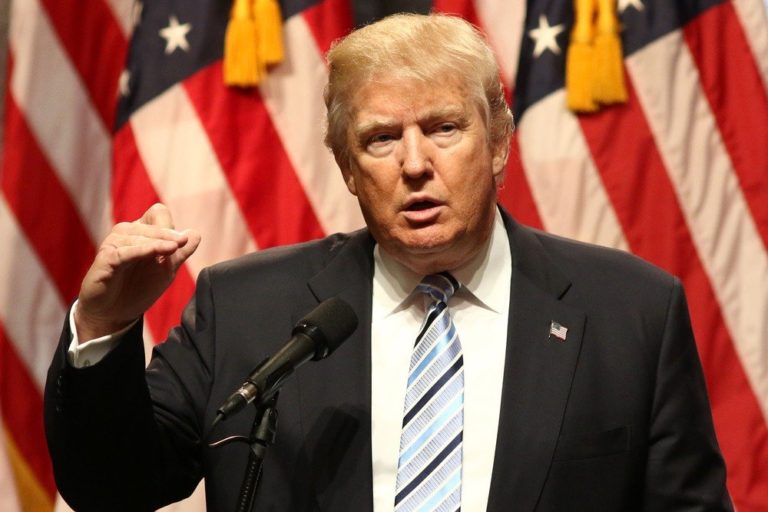
Last week, President Trump lost his cool at a rally in Detroit. He reacted to a heckler calling him a “pedophile protector” by making an obscene gesture. Soon after, critics and allies blasted the move. They say it hurt the office of the presidency and showed a lack of self-control.

Reactions to Trump’s Flip Off

Former Republican National Committee chief Michael Steele spoke out about the incident. He said the president’s gesture was a “punkish move.” He added that the act degraded the White House. Steele argued that the president should expect criticism and keep his composure.

Steele also criticized the official White House response. He said their claim that a “lunatic” was shouting in a “complete fit of rage” was an overreaction. According to Steele, the overdramatized statement was “another bit of nonsense” Americans must tolerate.

Furthermore, Steele warned that the presidency demands a higher standard. He said, “Put on your big boy pants, Mr. President. The country is large, and people have different opinions.” He urged the president to accept dissent without resorting to insults.

Fight Over Epstein Documents and Trump’s Flip Off

Meanwhile, Democratic Representative Ro Khanna tied the gesture to Trump’s handling of Jeffrey Epstein case files. Khanna is pushing for full release of those records. He and another congressmember filed a motion. They want a judge to force the White House to share all documents.

Khanna believes the heckler struck a nerve. He said Trump’s anger showed that the Epstein issue is hurting his base. He pointed out that Trump once vowed to expose corruption and protect the weak. Instead, Khanna said, Trump defended powerful figures accused of abusing girls.

Moreover, Khanna noted a recent legal development. A federal judge agreed to review the request for a special master. This court officer would sort and release Epstein-related documents. Now the Justice Department must brief the judge on whether to appoint one. This shift marks a major breakthrough in transparency efforts.

Why This Moment Matters

First, the gesture highlights the stress at high-profile rallies. Second, it shows the deep divisions in the electorate. Third, it centers attention on the unresolved Epstein files. Finally, it raises questions about presidential behavior and accountability.

At its core, the “Trump flip off” incident is about respect for public discourse. Many feel the president should rise above personal attacks. They urge him to focus on policy instead of personal insults. Others see the gesture as evidence of a leader under pressure from growing criticism.

What Comes Next

As the debate unfolds, legal steps will drive news cycles. The White House must decide how to respond to the judge’s order. Will they agree to a special master or fight further? Meanwhile, public opinion may shift as more details about Epstein’s network surface.

Regardless of the outcome, the “Trump flip off” moment will likely linger in political memory. It serves as a symbol of heated rhetoric and the battle over accountability. Whether it changes anyone’s mind is yet to be seen. But it has already set the stage for more intense scrutiny of the presidency.

Frequently Asked Questions

What exactly happened in Detroit?

At a rally, a heckler shouted that President Trump was a “pedophile protector.” Trump answered by raising his middle finger. The incident quickly made headlines and divided opinion.

Why did Michael Steele call it “punkish”?

Steele felt the gesture was childish and beneath the presidency. He argued that a leader should handle criticism with more maturity.

How does this relate to the Epstein files?

Ro Khanna believes the heckler’s comment hit a sensitive topic. Trump faces questions about his ties to Jeffrey Epstein and the sealed case documents. Khanna is pushing to make those files public.

What is a special master?

A special master is an independent court officer. They review and sort through documents before public release. A judge has asked the Justice Department to consider appointing one for the Epstein files.

Why Europe Must Cut Ties with the US

0


Key Takeaways

  • A political analyst urges Europe to cut ties with the US over Trump’s threats.
  • Trump hinted he might seize Greenland “the easy way or the hard way.”
  • EU leaders face a choice: stand up for democracy or bow to US pressure.
  • Cutting ties with the US could shake American democracy back to life.

The New Threat from America

A leading commentator warns that the United States under its current leadership has become an active threat to friendly nations. Recently, the US president spoke openly about taking Greenland by force if necessary. He refused to rule out sending troops. Such talk marks a sharp break from past US promises to support allies. Instead, it raises fears of imperial ambition. As a result, many believe Europe must rethink its ties to prevent future aggression.

Trump’s Morality and Power

President Trump said the only limit on his use of force is his own “morality.” In other words, no law or treaty stands in his way. As the analyst pointed out, that claim means there really are no limits. Just like other strongmen, he might keep pushing until someone stops him. Therefore, Europe now faces a historic test. Will it accept a return to raw power, or will it defend principles of law and democracy?

Why Europe Should Cut Ties with the US

A columnist in a major news outlet argued that EU leaders must cut ties with the US. He wrote that America is no longer a reliable partner but a hostile predator. For the sake of democracy, he said, Europe must choose the rest of the world over Washington’s impulses. By cutting ties with the US, Europe would send a clear message: it values rule of law above imperial ambition. Moreover, this move could inspire Americans to reclaim their own democracy. In effect, cutting ties with the US now could shock both continents back to their senses.

Europe’s Choices

First, European leaders could confront the US and demand a return to cooperative diplomacy. However, given the current tone, such talks may not work. Second, they could seek new partnerships across the globe. Already, Asia and Africa show growing economic strength and shared values. Third, Brussels and capitals from Lisbon to Warsaw could start drafting a new defense pact that does not rely on American backing. Each step would mark a break. More importantly, each would protect Europe from future threats.

The Road Ahead

If Europe decides to cut ties with the US, it faces real challenges. Defense budgets will need to grow. Supply chains must shift. Political unity must strengthen. Still, these efforts could pay off. A united Europe could become a beacon of stability and democracy. Moreover, it could push other nations to follow suit. In doing so, it would create a world less prone to sudden threats and more committed to peaceful cooperation.

Transitioning Out of Dependence

To break free, Europe can start by reducing joint military exercises with the US. It can also phase out critical technology deals that give Washington leverage. Meanwhile, investment in European defense technology could skyrocket. Such a push would take years, but it would also send a powerful signal that Europe no longer needs to fear or obey.

Balancing Risks and Rewards

Cutting ties with the US carries risks. Trade could suffer. Intelligence sharing might shrink. Yet, the potential reward is far greater: preserving democracy itself. By making this bold choice, Europe would stand for the world it wants: one based on rule of law, not on the whims of a single leader.

A Call to European Leaders

Now is the moment for EU heads of state to show courage. They must speak the truth: America under its current leadership threatens global order. Therefore, Europe should cut ties with the US before worse actions follow. If they act boldly, they could revive democratic values on both sides of the Atlantic.

FAQs

What does it mean to cut ties with the US?

It means scaling back political, military, and economic partnerships with America. Europe would build its own defense, trade deals, and alliances without heavy US influence.

Could Europe really defend itself alone?

Yes, but it would require increased spending on defense, closer cooperation among EU nations, and stronger ties with other partners around the world.

What might happen to trade between Europe and the US?

Trade could slow at first as new supply chains form. However, Europe would likely find alternative markets and suppliers over time, reducing dependence on the US.

How could cutting ties with the US affect world stability?

While it may cause short-term uncertainty, it could eventually lead to a more balanced global order based on laws and agreements, rather than the will of a single powerful nation.

Why Stephen Miller Matters

0

Key takeaways:

  • A columnist calls Stephen Miller a “pathetic little man” who drives strict Trump policies.
  • Stephen Miller shaped tough immigration rules and attacked birthright citizenship.
  • Critics are urged to face his influence with both watchful eyes and sharp humor.

Stephen Miller

Stephen Miller rose to power as the White House deputy chief of staff. He helped shape some of the Trump administration’s hardest policies. From strict immigration crackdowns to attacks on birthright citizenship, he pushed an agenda built on fear. A recent column slammed him as a small man with a huge appetite for control. Yet critics are reminded that he is still just a person. They can stand up to him with alert minds and clever mockery.

Stephen Miller matters because he steered many of the Trump era’s toughest measures. He worked closely with the president and top advisers. Moreover, he set the tone for an administration that often favored strict rules and bold moves. As a result, families seeking safety at the border faced severe limits. In addition, anyone born in the United States could see their right to citizenship questioned. His strong views shaped laws and stirred major debates across the nation.

How He Shaped Immigration Crackdowns

Stephen Miller led the charge on new immigration policies. First, he backed a travel ban targeting people from several countries. This ban barred many from entering the United States. It sparked protests at airports and filled news headlines. Next, he pushed for stricter border walls and fences. He argued these measures would keep the country safe. Yet opponents said they punished people fleeing danger.

Stephen Miller also supported family separation at the border. Under this rule, children were taken from their parents. Many critics called it cruel and inhumane. Photos of crying children outraged millions. Still, he stood by the policy, saying it would deter illegal crossings. Eventually, public pressure forced the administration to end the practice. However, the policy left a lasting impact on families and communities.

Attacking Birthright Citizenship

Another major effort by Stephen Miller targeted birthright citizenship. The 14th Amendment says anyone born in the United States is a citizen. However, he argued that this rule was abused by immigrants. Stephen Miller proposed ending automatic citizenship for children born here to noncitizen parents. He claimed it would stop “birth tourism” and save taxpayer money. Many legal experts said his plan would violate the Constitution. Still, he used speeches, memos, and tweets to keep the idea alive.

His push on this issue caused big debates in Congress and among the public. Some members of Congress praised his tough stance. Others warned it would lead to chaos at hospitals and courts. Ultimately, the plan failed in Congress. Yet it kept the topic in the news and worried many communities. That shows how one person’s ideas can shape national conversations.

The Role of Fear and Power

Stephen Miller built much of his influence by stoking fear. He warned of an enemy on the border or inside the country. He said strong actions were needed to protect citizens. In doing so, he tapped into deep anxieties about job loss, crime, and change. His critics say he used these fears to gain and hold power. They point out that fear can lead people to accept harsh rules they might reject otherwise.

Moreover, Stephen Miller sought to concentrate authority within the White House. He urged the president to make bold executive orders that bypassed Congress. He argued that quick action was vital, even if it meant ignoring checks and balances. This approach alarmed supporters of a democratic system where no one person holds all power.

Challenging His Influence with Vigilance

To counter Stephen Miller’s power, citizens need to stay alert. First, they can watch new policy proposals closely. When a new rule appears, people should ask tough questions and seek clear answers. They can contact their representatives and share concerns. Elected officials must hear from voters if they want to shape decisions.

Next, they can support watchdog groups and journalists who investigate policy effects. Independent reporting sheds light on how rules impact real lives. Informed citizens can then push for changes or file lawsuits to protect rights.

Challenging His Influence with Ridicule

Apart from vigilance, critics can use humor and ridicule. Laughter can deflate the power of fear-driven messages. Comic sketches, cartoons, and witty social media posts mock the more extreme ideas. Ridicule exposes the flaws in a policy without resorting to anger. It can reach audiences who might not read long policy papers, yet still grasp the absurdity of some proposals.

For example, comedians have portrayed Stephen Miller in skits that highlight his serious manner and harsh statements. These portrayals turn him into a subject of jokes rather than dread. When people laugh at border walls or citizenship bans, they lose some of the fear those ideas once held.

The Human Side of Stephen Miller

Despite his influence, Stephen Miller remains just a person. He has family, friends, and personal beliefs. Critics say he craves power and attention. They point out that his public persona often seems driven by anger or a desire to shock. Yet he also shows moments of doubt or frustration behind closed doors.

Seeing him as human can take away some of his aura. When people realize that he feels pressure and anxiety like anyone else, they can challenge his ideas more confidently. No policy, no matter how tough, depends on one man alone. A network of advisers, voters, and lawmakers makes decisions. By recognizing that, citizens can feel less helpless in the face of harsh rules.

What Comes Next?

Although the Trump administration ended, Stephen Miller’s ideas continue to echo. New politicians and activists sometimes borrow his language and tactics. They talk about threats at the border or the need for strict rules. Therefore, understanding his methods is vital for anyone following politics.

Looking ahead, voters and community leaders must demand open debates. They should push for evidence-based solutions to real problems. Immigration and citizenship issues cannot be solved by fear alone. They require thoughtful laws, fair courts, and compassionate practices.

By learning from past mistakes, citizens can promote better policies. They can support candidates who reject fearmongering. They can back reforms that address root problems like poverty and violence. In this way, they turn the page on the harshest ideas of a single man.

Conclusion

Stephen Miller rose as a key figure in the Trump White House. He drove strict immigration crackdowns and attacked birthright citizenship. By stoking fear and seeking concentrated power, he had a huge impact. Yet he remains a man open to challenge. Citizens can face his influence with vigilance, smart questioning, and even humor. In doing so, they protect democratic values and ensure no one person’s fear-driven ideas go untested.

Frequently Asked Questions

What impact did Stephen Miller have on immigration policies?

Stephen Miller pushed for strict border controls, family separation, and travel bans. These actions reshaped how the U.S. handled immigration and sparked major protests.

Why did Stephen Miller target birthright citizenship?

He argued the rule was abused and led to “birth tourism.” Critics said his plan would violate the Constitution and create legal chaos.

How can people oppose policies influenced by Stephen Miller?

Citizens can stay informed, contact elected officials, support watchdog groups, and use humor to expose the flaws in fear-based measures.

Is Stephen Miller still active in politics today?

Although he left the White House, his ideas continue to influence some politicians and activists who favor strict immigration and citizenship rules.

White House Ballroom: Trump’s Self-Monument Plan?

0

Key Takeaways:

• Mary Trump says the White House ballroom is a self-made monument for Donald Trump.
• The project budget jumped from $200 million to $400 million.
• Critics note the remodel mimics Mar-a-Lago’s gold and luxury style.
• The debate raises questions about presidential legacy and public spending.

Donald Trump’s plan to build a new White House ballroom has drawn sharp criticism. His niece, Mary Trump, claims he wants a lasting tribute to himself. Meanwhile, the budget has doubled to $400 million. Critics say the design copies his Mar-a-Lago resort’s lavish look. This clash of views spotlights power, image and legacy in modern politics.

Why the White House ballroom project matters

The White House ballroom project has become a symbol of personal ambition. It once had a $200 million estimate. Now it sits at $400 million and rising. For many, the cost alone raises eyebrows. Others worry about changing the nation’s most famous residence. Yet, supporters argue that updates keep the White House functional and grand.

Mary Trump’s accusation of self-tribute

Mary Trump recently spoke on her YouTube channel. She referred to a clip of a Republican saying the White House ballroom seemed built for one purpose: to praise Donald Trump. She warned that if this plan sounds funny, it actually rings true. In her view, no one will honor her uncle after he leaves office. She said he fears he will be forgotten. Therefore, she believes he will build his own monuments. She called him a “pathetic small man” desperate for lasting praise.

Budget jump and a Mar-a-Lago makeover

At first, the White House ballroom was meant to cost $200 million. Then the price tag doubled. Now, critics wonder why. Some say the new design feels more like Mar-a-Lago’s gold accents and grand rooms. One commentator noted fresh gold details in the Oval Office. Another pointed to new flagpoles that match those in Palm Beach. Even the rose garden gave way to a patio like the one at Trump’s resort. Each change feeds the idea that the president wants the White House to look like his private club.

Political reactions and public outcry

Across the political spectrum, people have voiced concern. Opponents argue the ballroom project wastes taxpayer money. They say funds should go to urgent needs, not luxury rooms. Supporters counter that presidents often remodel parts of the White House. They claim this update is part of routine maintenance. However, the pace and cost of the changes have fueled strong criticism. Polls show that many view the project as tone-deaf in times of budget constraints.

Impact on Trump’s legacy

Legacy is a powerful motivator for any leader. For Donald Trump, the White House ballroom may be more than a social space. It could be a lasting portrait of his presidency. If Mary Trump is right, he sees no other way to secure his place in history. Yet, monuments built in one’s own era often lose favor later on. What seems grand now can feel gaudy to future generations. Consequently, the true impact of the ballroom will play out over decades.

What’s next for the ballroom debate

As work continues, the White House ballroom debate will likely grow. Lawmakers may call for stiff oversight or budget reviews. The media will follow every gold sconce and marble slab. Public opinion could push the administration to scale back plans. Regardless, the ballroom has already become a focal point for broader discussions. It touches on how we view power, memory, and public spending.

Conclusion

The White House ballroom project has moved beyond simple renovation. It has become a story about legacy and self-image. Mary Trump’s harsh words add a personal twist to the budget debate. Meanwhile, critics and supporters clash over cost and style. In the end, the new ballroom will stand as both a room for events and a symbol of one president’s ambitions. Only time will tell if it becomes a lasting tribute or a cautionary tale.

Frequently Asked Questions

What exactly is the White House ballroom project?

The plan involves a major remodel and expansion of the East Wing to create a new formal event space.

Why did Mary Trump criticize the ballroom plan?

She believes Donald Trump wants to build his own monument because no one else will honor him after his presidency.

How did the project cost double from $200 million to $400 million?

Critics point to added luxury features, gold details and design changes inspired by Mar-a-Lago.

Could the ballroom affect Donald Trump’s legacy?

Yes. If seen as a self-serving monument, it may shape how future generations view his time in office.

Delcy Rodriguez’s Oil Secrets Revealed

0

Key Takeaways:

  • Delcy Rodriguez blends radical politics with practical deals to keep Venezuelan oil flowing.
  • US oil embargo destroyed pipelines and refineries, making a quick recovery costly.
  • Rival leader Maria Corina Machado wants full privatization, alarming big oil and OPEC.
  • Vulture investor Paul Singer aims to seize CITGO, but Trump’s new order blocks him.
  • Stability under Rodriguez appeals to the CIA and oil majors over risky opposition rule

Why the US Press is Confused About Delcy Rodriguez

The US news media calls Delcy Rodriguez everything from a hard-left firebrand to a secret Trump ally. However, the truth is she sits in the middle. She still rails against Trump as an “imperialist invader.” Yet she also offers tens of millions of barrels of oil to restore ties. In fact, she is a radical pragmatist. She hammers home slogans but knows realpolitik. That blend baffles many reporters.

Trump, Oil Embargo, and the Broken Pipelines

President Trump wants Venezuelan oil back in US tanks. But his own embargo stopped imports years ago. Since then, super-heavy crude in the Orinoco Basin congealed in pipes and refineries. Now those lines lie clogged or broken. Restoring them will cost up to $100 billion. Oil companies must rebuild what Trump himself destroyed. He now pressures firms to invest in his self-made mess.

Chavez’s Early Oil Proposal

Long before Trump’s moves, Hugo Chavez offered a “price band” deal. He would cap oil at $50 a barrel if the US guaranteed a $30-floor. Chavez trusted Kissinger and even Bush Sr. He knew stable prices helped everyone. Chavez taught Rodriguez this game. She recalls: “They used ‘human rights’ and ‘democracy’ as excuses. It was always about the oil.”

Opposition Privatization Threat

The leading opposition figure, Maria Corina Machado, promises full privatization of the state oil company, PdVSA. That plan alarms both OPEC and big oil. Breaking up PdVSA could force Venezuela out of OPEC. US law forbids companies from joining price-fixing cartels. Oil majors prefer profit-sharing, not ownership. At $50 a barrel, Orinoco crude stays too costly to pump. Machado’s plan could spark conflict without boosting output.

The Vulture Investor and CITGO Battle

Billionaire Paul Singer’s Elliott Management bought PdVSA’s US subsidiary, CITGO, for $5.9 billion. The real value sits between $11 and $18 billion. Since Trump’s embargo hurt CITGO, the price looks cheap. Rodriguez wants her nation’s property back. A judge asked the State Department how a government change affects CITGO’s worth. No reply arrived by the deadline. Critics link Singer’s silence to his big campaign donations to Rubio and Trump.

Trump’s Executive Order Shakes the Table

Last weekend, Trump used his constitutional power to guard US oil majors from court seizures. His order bars creditors from grabbing Venezuelan cash held in US banks. That move aims to keep Singer from a “smash-and-grab” of CITGO. It also sends a message: the administration will back Rodriguez over private vultures. In a bold twist, Trump even scolded ConocoPhillips for seeking $12 billion in past claims.

Looking Ahead: Stability or Conflict?

The CIA and oil executives favor Delcy Rodriguez. They trust her to hold the country together during any transition. She speaks flawless English, French, and Spanish. She knows how to cut deals. With stability, US companies may rebuild pipelines and boost output. Without it, Venezuela risks civil war or foreign intervention. Rodriguez’s pragmatic approach may offer the safest path to renewed oil flow.

Frequently Asked Questions

What makes Delcy Rodriguez a radical pragmatist?

She combines strong anti-imperialist rhetoric with open offers to negotiate oil deals. Her political style blends fiery speeches and real-world compromise.

Why is US oil infrastructure in Venezuela so damaged?

The US embargo blocked equipment purchases for maintenance. Heavy crude solidified in pipes and refineries, causing widespread damage.

How does privatization threaten Venezuela’s oil sector?

Full privatization could force PdVSA out of OPEC. Oil majors would lose cartel protection and face steep price drops, hurting profits.

What impact will Trump’s executive order have on CITGO?

It prevents courts from seizing Venezuelan assets in US banks. This move blocks Paul Singer’s attempt to buy and flip CITGO for profit.

Child Care Funding Freeze Shakes Colorado Families

0

Key Takeaways

  • A federal freeze halts $3 million in child care funding for Colorado.
  • About 27,000 children under age three face disrupted care.
  • Parents may quit jobs because they cannot afford care.
  • Providers warn of staff cuts and unsafe unlicensed care.
  • A lawsuit paused the freeze, but uncertainty remains

Understanding the Child Care Funding Freeze

The Trump administration paused $10 billion in safety-net support. This includes child care funding in five states. Colorado stands to lose $3 million. Federal officials said they will review state spending. They want to check if rules were followed. Meanwhile, families and providers fear the worst.

Impact of Child Care Funding Cuts

Colorado’s freeze covers key programs. It hits Child Care Development Fund and other grants. Families earning less than $59,000 a year rely on this aid. Without it, they face impossible choices. They either leave work or find risky care. This harms both parents and children.

Why This Matters to Families

Child care funding lets parents work and pay bills. In rural areas, two incomes are often required. Without subsidies, many cannot cover basic needs. Children lose stability and safe learning spaces. Providers worry about empty classrooms and fewer teachers.

Voices from the Field

Single mom Robbie pays for care for her young son. She could not work without help. Her child’s center knows his needs and comforts him. Without funds, Robbie might stay home to protect him. That means less income for her family.

Rocky Mountain Children’s Discovery Center co-owner Sharyl said the freeze will devastate families immediately. She said 42 children at her center will lose support. Many families in that rural community cannot afford private care.

Her partner, Cheryl, added that losing children will hurt their finances. Staff could face furloughs. Some parents turn to unlicensed providers. This worries experts who stress safety and proper training.

Economic Ripples Across Colorado

U.S. Rep. Brittany Pettersen noted that a freeze of $3 million can affect 27,000 children. Most are under age three. Half of the state already lives in a child care desert. Colorado loses $1 billion in revenue due to care gaps.

Pettersen said 10,000 women want to work but cannot afford child care. This stalls economic growth. It also reduces tax revenue. With less income, families spend less on local businesses.

Legal Battle and Temporary Relief

Colorado’s attorney general joined other states in a lawsuit against the freeze. They argue the president cannot block money Congress approved. A judge paused the freeze last week. However, families still await guaranteed funding.

State and County Efforts

The Colorado Department of Early Childhood works with local counties. They track impacts and use state dollars when possible. However, they warn these patches may run out soon. The state expects federal child care funding to end by January 31.

Lisa Roy, executive director of the state early childhood office, said the freeze adds extra work. Counties must juggle payments and communication with families. They worry about sudden budget gaps.

Training and Licensing Threatened

Colorado trains and licenses all child care providers with federal funds. A funding pause may interrupt these programs. This could lead to fewer qualified caregivers. That would hurt quality and safety.

Children’s Campaign leader Heather called the freeze political gamesmanship. She said children cannot vote or hold office. Programs for kids should never become a bargaining chip.

Steps for Families and Providers

Families should contact their caseworkers to check current funding status. Providers can seek emergency state grants or private donations. Communities may form cooperative care groups while waiting for relief.

Meanwhile, parents explore family or friend networks for shorter-term help. However, unlicensed care brings hidden risks. Experts urge caution when vetting caregivers.

Looking Ahead for Child Care Funding

If the freeze continues, Colorado may face deeper workforce shortages. More parents could leave jobs. Businesses might struggle to find workers. The state’s early learning system could face permanent damage.

On the other hand, a final legal decision could restore funding. Lawmakers may push emergency budgets. They could earmark more state dollars for care. Such steps would ease families’ fears.

Community Support and Advocacy

Local organizations encourage residents to contact representatives. They ask officials to ensure stable child care funding. Communities hold virtual town halls to share stories. These events highlight personal struggles and solutions.

Grassroots groups also organize fundraisers for small providers. They buy supplies and help cover staff wages. These efforts keep some centers open during uncertainty.

Balancing Budgets and Needs

State leaders must juggle budgets amid frozen aid. They weigh education, health, and public safety. Child care rarely takes top priority even though it underpins all sectors. Investing in care supports economic growth and family stability.

Experts suggest a dedicated state child care fund. This reserve would fill gaps when federal aid stalls. It would provide a safety net until federal money arrives.

Key Messages for Policymakers

Policymakers need to see how child care funding drives the economy. Stable funding helps parents stay employed. It reduces turnover in child care jobs. It also supports child development and school readiness.

Moreover, secure funding limits emergency measures that strain county staff. It means fewer service disruptions for families.

Final Thoughts

Child care funding is vital for Colorado’s economy and well-being. A paused freeze offers temporary relief but no clear guarantee. Families, providers, and lawmakers now wait for a lasting solution. It will shape the state’s future workforce and children’s prospects.

Frequently Asked Questions

What happens if child care funding remains frozen?

Families may lose subsidies, leading to lost jobs or risky care. Providers could close or cut staff.

Can families still get emergency support now?

Some state and local programs offer short-term help. Families should check with county offices.

How can I help local child care centers?

Volunteer time, donate supplies, or contribute to community fundraisers. Share accurate updates on social media.

What is the timeline for a final funding decision?

A judge paused the freeze temporarily. A full legal ruling could come in weeks to months. Beyond that, Congress or the administration may act.

Trump’s Greenland Invasion Plan Unsettles Insiders

0

Key Takeaways:

  • President Trump is searching for a major issue to dominate the 2026 midterms.
  • Polls show he is weak on top concerns like the economy and affordability.
  • Plans such as arresting Nicolás Maduro and a Greenland invasion are part of his strategy.
  • Author Michael Wolff says insiders see the Greenland invasion idea as failing.
  • Republicans face the risk of losing both the House and the Senate.

Why the Greenland invasion idea worries Trump’s team

Background on Trump’s Midterm Challenge
President Trump is worried about the 2026 midterm results. Right now, he is trailing Democrats on issues that matter most. For example, voters care deeply about everyday costs and the job market. His approval ratings have dipped across the board. Consequently, he needs a bold issue to grab headlines.

Furthermore, Trump has floated extreme ideas to seize media attention. On one hand, he talked about arresting Nicolás Maduro. On the other, he teased a Greenland invasion. Each plan aims to distract from his weak polling numbers. Yet, both proposals have raised eyebrows inside the White House.

The Role of Greenland Invasion in Trump’s Strategy

First, what is the Greenland invasion plan? Simply put, it involves exploring whether the U.S. should invade and potentially buy Greenland. At the surface, this sounds like a dramatic move. However, insiders view it more as a stunt than a serious policy.

Moreover, Trump believes that any big story can shift news cycles. Therefore, he pushes for discussions on Greenland invasion to eclipse other issues. He figures a bold threat can energize his base and draw fresh coverage. Still, critics worry the idea lacks any legal or strategic backing.

Michael Wolff’s Insights on the Strategy

Michael Wolff, the author of four books on Trump, spoke about this on a recent podcast. He explained that the president senses “this is going wrong.” Wolff noted Trump admitted that his strategy might fail. If Republicans lose the House, and possibly the Senate, Trump fears he will face court battles alone.

Wolff described how talk of Greenland invasion began as a joke. At first, even close aides laughed it off. Yet, as the season went on, Trump kept pressing the idea. Ultimately, the comment moved from mockery to genuine consideration.

Insiders Debate the Greenland Invasion Concept

Inside the White House, reactions vary. Some staffers dismiss the Greenland invasion plan outright. They see it as an impossible distraction. For example, senior adviser Susie Wiles rolled her eyes at the proposal and refused to discuss it.

Meanwhile, other figures have resurfaced to support attention-grabbing ideas. Defense Secretary Pete Hegseth, once sidelined after a scandal, has started appearing in briefings again. Wolff believes this marks a broader effort to find fresh topics that can carry Trump through 2026.

In addition, the administration faces real headaches on policy. With inflation and job worries still high, they cannot woo voters on daily life improvements. Thus, they double down on spectacle ideas like the Greenland invasion.

Why the Greenland invasion Idea Is ‘Going Wrong’

According to Wolff, Trump’s plan shows signs of unraveling. He pointed out that the president openly says the strategy is failing. Clearly, he fears that no matter how loud the headlines, the core issues will prevail.

Furthermore, voters may see through the stunt. Rather than boosting his standing, a bizarre plan could backfire. It risks making Trump look out of touch with real concerns. Above all, Republicans cannot afford a misstep if they hope to hold Congress.

What Comes Next for Trump

So what will Trump try next? For now, his focus remains on finding a “standout thing” for 2026. He wants an issue that can’t be ignored. Yet, as the Greenland invasion idea falters, insiders worry about emptier tactics.

At the same time, Democrats prepare to exploit these misfires. They will highlight how Trump is out of ideas on key issues. Moreover, they will remind voters of their own policy plans on health care and wages.

Ultimately, Trump needs to balance spectacle with substance. He must offer real solutions on the economy, not just redirection tactics. Otherwise, his team faces a steep climb in the midterms.

Potential Impact of the Greenland Invasion Talk

A Greenland invasion would carry enormous costs and risks. Militarily, it would require massive troop deployment. Legally, it would violate international norms and treaties. Diplomatically, it could isolate the U.S. from allies.

Even raising the idea can harm U.S.-Greenland relations. Greenlanders have repeatedly rejected U.S. purchase offers. Meanwhile, Denmark, which oversees Greenland, reacted with firm refusals. Thus, the talk deepens tensions without any clear benefit.

In reality, the mere suggestion of a Greenland invasion shows desperation. Instead of focusing on voter concerns, the administration turns to sensationalism. As a result, moderate Republicans worry about the party’s direction.

Conclusion

President Trump’s hunt for a dominating issue has led to extreme ideas. The most headline-grabbing is the Greenland invasion. Yet, according to Michael Wolff, insiders see this plan as failing. With key polls against him, Trump needs more than wild rhetoric. He must deliver tangible solutions on economy and affordability. Otherwise, Republicans risk losing control of Congress.

What does the future hold? That remains uncertain. Meanwhile, the Greenland invasion talk stands as a symbol of a strategy that may be going wrong. As the 2026 midterms approach, all eyes turn to see if Trump can find a winning issue.

Frequently Asked Questions

What is the Greenland invasion plan?

The Greenland invasion plan refers to President Trump’s idea of exploring a military takeover or purchase of Greenland to shift media focus.

Why did Trump consider a Greenland invasion?

Trump sought a bold topic to boost his standing in 2026 midterm polls, as he trailed on key issues like the economy.

How do White House insiders view this idea?

Many insiders regard the Greenland invasion concept as a joke or a distracting stunt that lacks serious backing.

Could a Greenland invasion actually happen?

No. Such an action would violate international law, damage U.S. alliances, and face strong diplomatic opposition.

What might replace the Greenland invasion strategy?

Trump may turn to new headline-grabbing issues, but experts say he needs genuine policy proposals on jobs and costs.

Why Mike Johnson’s Economy Bills Crashed

0

Key Takeaways

• House Speaker Mike Johnson tried to pass four economy bills but three failed.
• Only the SHOWER Act won approval, surprising many GOP members.
• Some Republicans called the effort an attack on worker pay.
• Johnson faces pressure to protect his narrow House majority.

At the start of the year, House Speaker Mike Johnson introduced four economy bills to boost his party’s standing. These measures ranged from overtime rules to shower head regulations. However, three of them failed to pass. This defeat exposed divisions within the GOP and raised questions about Johnson’s leadership and strategy.

What Went Wrong with the Economy Bills

Mike Johnson aimed to shift focus onto economic issues. He put four economy bills on the schedule: two that limit when workers earn overtime, one that redefines tipped employees, and one that revises shower head rules. Yet, most of these proposals did not survive a floor vote. Below, we explore how this surprising outcome unfolded.

Why Focus on Economy Bills?

Johnson believed that an economy-centered agenda would resonate with voters. He hoped these bills would show Republicans as champions of business growth and efficiency. Furthermore, he needed clear wins to contrast with Democratic priorities. Despite these goals, internal disagreements derailed his plan.

The Four Economy Bills on the Table

Flexibility for Workers Education Act

This bill would let employers skip overtime pay for worker training. Backers said it promotes on-the-job learning. Critics argued it cheats employees out of fair wages.

Empowering Employer Child and Elder Care Solutions Act

This proposal aimed to exclude care-related tasks from overtime pay rules. Supporters claimed it helps families. Opponents warned it harms low-income caregivers.

Tipped Employee Protection Act

This measure would broaden who counts as a tipped worker. Business groups touted it as simplifying wage rules. Labor advocates feared it lowers pay floors.

SHOWER Act

This one permanently adopts former President Trump’s definition of a shower head. Proponents said it eases water conservation rules. Detractors saw it as a wasteful roll-back of environmental standards.

GOP Defections Sink Key Bills

Unexpectedly, three of the four measures failed thanks to Republican defections. Lawmakers from red and purple districts joined Democrats to vote down the worker-exception bills. They objected to what they viewed as attacks on labor rights. One freshman Republican said he could not support changes that undercut overtime pay. Others had separate concerns about the child care bill’s language. As a result, Johnson’s plan stalled.

Multiple Republicans highlighted pay fairness. A New York member said hard-working Americans deserve pay for all hours worked. Another voiced worries about loopholes in the tipped employee bill. These combined objections proved enough to defeat three proposals. Meanwhile, only the SHOWER Act managed to clear the House.

The Fallout from the Vote

This defeat created a wave of criticism and media coverage. Observers called it a “bad start” to the new year for House Republicans. Some described it as a messy display of internal disunity. The narrow failure margin underscored how tenuous Johnson’s hold on power can feel.

In response, Johnson defended his agenda. He argued that these economy bills reflect GOP values of less red tape. He urged members to stay united for future efforts. Yet, the visible splits raised doubts about his grip on party discipline.

Pressure on a Slim Majority

Johnson leads a House with a very small Republican edge. Every lost member matters when passing legislation. This recent defeat amplified concerns that even minor bills can face unexpected roadblocks. With special elections looming, the Speaker must keep his ranks in line.

Additionally, a sudden vacancy in California heightened the stakes. The loss of a Republican seat could tilt committee assignments and overall control. Therefore, Johnson cannot afford more public fractures over policy priorities.

Lessons for Future Economy Bills

Coordination and clarity must improve if Johnson wants to advance economic proposals. First, bill drafters need to address frontline member concerns early. Second, leaders must choose battles where support is sure. Third, communication with moderate Republicans is vital to prevent surprises on the floor.

Such steps can help avoid repeat failures. They can also rebuild confidence among rank-and-file members. In turn, this might lead to smoother passage of more popular reforms.

The Path Ahead

Though this rough outing may sting, Johnson still holds options. He can rework the defeated chores into narrower bills. Alternatively, he might pivot to bipartisan measures with wider appeal. For instance, infrastructure or veterans’ benefits often draw cross-party support.

Moreover, public opinion surveys show strong backing for fair pay rules. If Republicans can frame new proposals around fairness, they may win more votes. As a result, Johnson could salvage his economy-focused brand by choosing more balanced initiatives.

Even with this setback, the House can still tackle big-ticket issues. Negotiations with the Senate and White House remain crucial. In addition, early outreach to centrist lawmakers from both parties can smooth the way for compromise.

Key Takeaways for Voters

  • A narrow House majority means every vote counts.
  • Internal GOP dissent can derail seemingly minor measures.
  • Future economy bills may need broader input and simpler goals.
  • Speaker Johnson must address member concerns to avoid more defeats.

Frequently Asked Questions

Why did these economy bills fail in the House?

Several Republicans joined Democrats to vote down three of the four proposals. They objected to changes that they saw as cutting worker pay.

Which economy bill did pass?

Only the bill that redefined shower heads under water conservation rules won approval.

How could Speaker Johnson avoid future defeats?

He could involve more members in drafting, focus on widely popular ideas, and communicate clearly with moderates.

What does this mean for the GOP majority?

The narrow margin makes the party vulnerable. Each lost vote or seat could tip the balance in future legislative fights.

Did Trump Just Test His Limits of Power?

0


Key Takeaways

  • President Trump said only his “morality” and the Constitution limit his actions.
  • He insisted courts won’t block him if his choices benefit the country.
  • Trump made these remarks in Detroit after visiting a Ford plant.
  • His comments come amid efforts on voter rolls and gerrymandering for 2026.

President Donald Trump traveled to Detroit on Tuesday. He spoke before the Detroit Economic Club. Then he toured a Ford factory and greeted workers. Later, he gave a wide-ranging interview to CBS News. During that talk, he made a startling threat about the limits of power.

He had already said that morality was his main check. So reporter Tony Dokoupil pressed him on other barriers. He asked if courts and the Constitution also stop him. Trump quickly agreed the Constitution matters. Then he claimed neither courts nor that document will ever block him.

“Well, the Constitution of course. That goes without saying,” Trump said. “But you’re asking me what really can stop— we’ll never get to the courts, we’ll never get to the Constitution, because … I want to see what’s good for our country. And you know what? The courts want to see that too.”

With that statement, he seemed to hint he might ignore court rulings. Furthermore, he suggested judges share his political goals. Naturally, many critics and legal experts reacted with alarm.

Trump’s Detroit Visit

First, Trump addressed the Detroit Economic Club. He painted a rosy picture of the U.S. economy. Then, he joked with factory workers at the Ford plant. Video shows him laughing with employees on the assembly line. He praised them and claimed job growth under his watch.

He often points to pre-pandemic job figures to boost his record. Yet, some say his claims lack full context. Also, the motor city keeps shifting between parties in recent elections. Thus, his trip looked part policy pitch, part campaign stop.

His CBS Interview

Next, Trump sat down for an hour with CBS’s Tony Dokoupil. They covered topics like the pandemic, taxes, and crime. However, the most eyebrow-raising moment came at the end. Dokoupil asked about the real limits of power facing a president.

Trump said only morality stands in his way. Then he circled back to the Constitution. But still, he insisted courts and that document will never halt his agenda. In effect, he pledged to press on with policies he deems “good for our country.”

He did not name specific actions. Yet in recent months, his Department of Justice requested voter rolls from many states. Also, his allies backed gerrymandering bills in GOP-run legislatures. These moves suggest he sees strong tools to shape elections.

Why These Limits of Power Matter

When the president downplays the courts and the Constitution, it raises big concerns. Those institutions stand at the heart of American democracy. They offer checks and balances on presidential power. Without them, a single person might rule without oversight.

Furthermore, the Supreme Court and lower judges guard civil rights. They protect speech, privacy, voting, and due process. If a president claims courts will not stop him, democracy can weaken fast. In addition, such claims can test public trust in elections and laws.

Moreover, talk of ignoring limits of power can embolden others. State leaders might follow suit. They could pass extreme laws and defy court orders too. Thus, the warning rings far beyond Washington.

Reactions and Concerns

Legal scholars quickly commented on Trump’s words. Many said no leader sits above the law. They noted the judiciary has struck down presidents before. For example, federal courts forced presidents to release records and obey subpoenas.

In addition, some former officials warned on social media. They called his comments a threat to democracy itself. Meanwhile, Trump supporters praised his stance. They see a bold leader ready to push boundaries. For them, it shows strength, not danger.

Still, a divided nation will react sharply. Some worry an emboldened president could sidestep courts. Others doubt judges would let that happen. They expect legal battles if Trump tries to ignore rulings.

What Comes Next

As the 2026 midterm elections near, these words carry more weight. Trump’s allies seek to shape voting rules in several states. His Justice Department has asked for voter lists with personal details. Also, Republicans redrew district maps in key regions.

If those plans succeed, the GOP may gain seats in Congress. Yet critics say these tactics threaten fair elections. Thus, Trump’s limits of power warning may foreshadow a bigger fight. Lawmakers, courts, and voters will likely clash over rules and authority.

Meanwhile, public opinion may swing on how far a president can go. If courts push back, it could reaffirm their role. But if courts retreat, executive power could expand. Thus, the debate over the limits of power will not end soon.

In the next weeks, watch how states respond. Follow legal challenges in federal courts. Also, pay attention to public polls on presidential authority. American democracy faces a defining test on checks and balances.

Frequently Asked Questions

What did Trump mean by “limits of power”?

He implied that only his personal sense of morality and the Constitution limit him. He also suggested that courts will not block actions he believes help the country.

Why did people worry about his comments?

Many fear that ignoring court rulings or the Constitution weakens checks and balances. That system prevents any single branch of government from gaining too much power.

How do courts limit a president?

Courts review presidential actions for legality and constitutionality. They can strike down orders, regulations, and policies that exceed presidential authority.

Could Trump actually bypass the courts?

In theory, presidents must obey court decisions. If a leader tries to ignore a ruling, it triggers legal battles and possible enforcement through other branches.

What happens next in this debate?

Expect legal challenges in federal courts, state responses on voting rules, and public opinion shifts. The fight over presidential power limits will shape future elections and policies.