80.7 F
San Francisco
Wednesday, March 18, 2026
Home Blog Page 2188

Tyler Perry Weighs In on SAG-AFTRA Strike and Negotiation Tactics

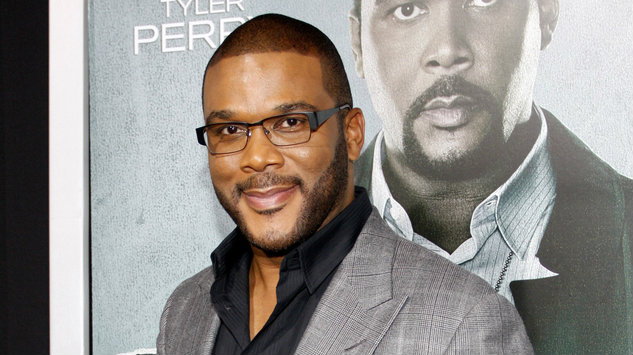
Tyler Perry, the acclaimed writer, actor, and producer, has voiced his support for the SAG-AFTRA strike holdout but also offered a critical perspective on the guild’s negotiation strategy during a lengthy strike that has surpassed 116 days.

Key Takeaways:

  • Tyler Perry supports the SAG-AFTRA strike but questions the guild’s negotiation strategy.
  • Perry commends the negotiating committee but emphasizes the importance of recognizing victories.
  • He suggests a pragmatic approach, focusing on incremental gains rather than all-at-once demands.
  • Perry has actively supported strikers with fundraisers and food drives.
  • There is a high chance of reaching an agreement soon, with AI protections being a key issue.

Industry Solidarity and Pragmatism

Perry has shown solidarity with the striking guild members by closing his Tyler Perry Studios. However, he advises a pragmatic approach to negotiations, suggesting that not all demands can be met at once. He stresses the importance of acknowledging what has been won and building upon those victories in future negotiations.

The Struggle for AI Protections

A central issue in the strike has been artificial intelligence protections, a topic that has seen some progress. Perry’s comments come as the AMPTP and SAG-AFTRA appear to be nearing common ground on this contentious issue.

A Call for Strategic Compromise

Perry’s stance is clear: while supporting the strike, he calls for strategic compromise. He believes that understanding the extent of one’s victories is crucial and that aiming for too much too quickly can be counterproductive.

The Impact of the Strike

The strike has been described as debilitating, affecting many within the industry. Perry’s actions, including fundraisers and food drives, reflect his commitment to supporting those affected while also advocating for a resolution.

Looking to the Future

With negotiations set to continue, Perry’s insights offer a perspective on the balance between steadfast advocacy and strategic compromise. As the industry watches closely, the outcome of these negotiations could set important precedents for the role of AI in entertainment and the efficacy of collective bargaining.

Conclusion

Tyler Perry’s nuanced take on the SAG-AFTRA strike highlights the complexities of labor negotiations in the entertainment industry. His call for a balanced approach that secures gains without overreaching could serve as a valuable lesson for future guild negotiations, especially as the industry grapples with the integration of AI and other emerging technologies.
Source

WeWork’s Bankruptcy Filing: A Shift in the Workspace Paradigm

0

In a significant turn of events, WeWork, once a high-flying startup, has filed for Chapter 11 bankruptcy. This development marks a precipitous fall from grace for a company that was valued at $47 billion at its peak.

Key Takeaways:

  • WeWork has officially filed for bankruptcy.
  • The company’s valuation plummeted from $47 billion to $45 million.
  • WeWork plans to continue operations while restructuring its debt.
  • The bankruptcy filing does not affect WeWork locations outside the U.S. and Canada.

The Downfall WeWork’s journey from a celebrated unicorn to bankruptcy encapsulates the volatility of the startup ecosystem. The company’s stock has lost over 99% of its value, a decline that began with a failed IPO attempt in 2019. The pandemic further exacerbated WeWork’s troubles as remote work became the norm, undermining the company’s business model based on communal office spaces.

Restructuring Efforts Despite the dire circumstances, WeWork has secured the agreement of investors holding 92% of its debt to restructure their loans. CEO David Tolley expressed a commitment to “pull the future forward” by addressing legacy leases and improving the balance sheet.

A Changed Landscape WeWork’s struggles reflect broader shifts in the commercial real estate sector, with the rise of remote work challenging traditional office environments. The company’s situation is also indicative of the changing tides in market sentiment and access to capital for startups.

Leadership and Future Direction After leadership changes, including the ousting of co-founder Adam Neumann and the appointment of David Tolley as CEO, WeWork is focusing on navigating through its current challenges. The company’s future now hinges on its ability to adapt to a transformed marketplace and redefine its role within it.

Analysis and Outlook The WeWork saga offers a cautionary tale about the risks of rapid expansion and the importance of sustainable business models. As the company embarks on a path to restructuring, the industry watches closely to see if WeWork can reinvent itself in a post-pandemic world.

Background Information WeWork’s concept of providing flexible workspaces catered to startups and freelancers, as well as large corporations, was initially met with enthusiasm. However, its model of long-term leases and short-term rentals proved risky, especially when the demand for office space contracted sharply due to COVID-19. The company’s public image was further tarnished by revelations of mismanagement and excessive spending under Neumann’s leadership.

The Broader Impact The bankruptcy of WeWork is more than a singular business failure; it’s a reflection of a broader economic shift. The company’s rise and fall are emblematic of a period marked by exuberant investment in tech startups, often with little regard for profitability. WeWork’s current restructuring process will not only determine its own future but also serve as a bellwether for the flexible workspace industry and startup culture at large.

Conclusion WeWork’s bankruptcy filing is a pivotal moment that underscores the importance of agility and foresight in business. As the company attempts to restructure and survive in a market that has fundamentally changed, its journey will be instructive for startups and investors alike. The outcome of WeWork’s efforts to reinvent itself will be a testament to the resilience and adaptability of modern enterprises in the face of unprecedented challenges.

OpenAI’s DevDay 2023: Pioneering the Future of AI

Innovating the AI Landscape

OpenAI’s DevDay 2023 marked a significant milestone in the evolution of artificial intelligence. The event, held in the tech hub of San Francisco, was not just a gathering but a testament to the rapid advancements in AI technology. OpenAI, known for its groundbreaking AI models like GPT-3, has been at the forefront of AI research and application, pushing the boundaries of what’s possible with machine learning.

Key Takeaways from OpenAI DevDay 2023:

  • Assistants API: This new offering is a game-changer for developers, enabling the integration of AI-driven assistants into various applications, streamlining tasks such as coding and data analysis.
  • GPT-4 Turbo: The latest iteration of GPT-4 boasts a staggering 128,000-token context window, showcasing an unprecedented ability to understand and generate human-like text and images.
  • Custom GPTs: OpenAI has democratized AI, allowing even those without coding expertise to create custom GPT models through conversational programming.
  • GPT Store: The upcoming GPT Store will be a marketplace for creators to list and monetize their GPT applications, fostering a new economy around AI technology.
  • Copyright Shield: In response to the complexities of copyright in the digital age, OpenAI introduced a program designed to protect enterprise and API customers from potential litigation.
  • Updated ChatGPT Interface: The user interface for ChatGPT has been revamped for simplicity and ease of use, featuring a more accessible design.
  • Information Update: ChatGPT’s database has been updated to include information up to April 2023, enhancing its ability to search through PDFs and other documents.
  • Startup Mentor: CEO Sam Altman unveiled a new program aimed at providing AI-generated advice to startup founders, potentially revolutionizing the startup ecosystem.

A Collaboration to Watch

The event also highlighted the deepening partnership between OpenAI and tech giant Microsoft. Microsoft CEO Satya Nadella’s appearance underscored the strategic alliance, particularly with Azure, Microsoft’s cloud computing service. This collaboration is pivotal, as it combines OpenAI’s AI prowess with Microsoft’s robust cloud infrastructure, setting the stage for accelerated innovation and deployment of AI solutions.

The Impact of AI on Society

OpenAI’s developments are not just technical feats; they represent a shift in how society interacts with technology. The Assistants API, for instance, could redefine productivity by automating complex tasks, while the GPT Store may become a new economic platform for AI-driven applications. Moreover, the ability to create custom GPT models could democratize AI, making it accessible to a broader audience and sparking a wave of personalized AI applications.

Looking Ahead

As OpenAI continues to push the envelope, the implications for various industries are profound. From healthcare to education, finance to entertainment, the potential applications of OpenAI’s technology are vast. The company’s commitment to updating and refining its models ensures that its AI remains at the cutting edge, providing tools that are not only powerful but also increasingly user-friendly.

Conclusion

OpenAI’s DevDay 2023 was more than a showcase of new products; it was a glimpse into a future where AI is seamlessly integrated into every aspect of our digital lives. With its latest offerings, OpenAI is not just leading the charge in AI development; it’s shaping the future of how we live, work, and interact with the world around us.

Curiosity Rover’s Milestone Achievement on Mars

0

NASA’s Curiosity Rover has marked a significant milestone by reaching 4,000 Martian days, or sols, on the Red Planet. Since its touchdown in Gale Crater on August 5, 2012, the rover has been a workhorse of science and exploration on Mars.

Enduring Explorer

  • Curiosity has been on Mars for 4,000 sols.
  • The rover recently drilled its 39th sample for analysis.
  • It is exploring Mount Sharp to study Mars’ past habitability.

Scientific Pursuits

The rover’s mission to determine if Mars ever had the conditions to support microbial life continues as it ascends Mount Sharp. This journey through the Martian geological record is revealing how the planet’s climate has changed. The latest sample from a site named “Sequoia” may shed light on the era when Mars began drying up.

Technical Challenges and Solutions

Despite the harsh Martian environment, Curiosity remains operational. Engineers are addressing an issue with the rover’s Mast Camera filter wheel. They are also monitoring the rover’s nuclear power source and have implemented software updates to improve its performance.

Looking Ahead

As Curiosity continues its mission, the team prepares for a communication hiatus during Mars’ solar conjunction. The rover will operate autonomously until communications resume.

Key Takeaways

  • Curiosity has spent 4,000 sols on Mars.
  • It has collected 39 samples, with the latest from “Sequoia.”
  • The rover is studying changes in Mars’ climate and habitability.
  • Technical challenges are being managed to keep Curiosity functional.
  • A communication break is planned due to Mars’ solar conjunction.

For more about NASA’s Curiosity Rover and its mission, visit NASA’s official page.

Child Shooting Survivors Face Long-Term Health Challenges, Study Finds

0

Children who survive shootings face significant health challenges and financial burdens, according to a recent CNN report. The article highlights the story of Oronde McClain, who was shot in the head at age 10 and has since dealt with paralysis, seizures, and PTSD. The broader issue is the ongoing medical needs of young gun violence survivors, which are often extensive and costly.

Healthcare Hurdles and Financial Strain

  • Child and adolescent shooting survivors are more likely to suffer from pain disorders, psychiatric diagnoses, and substance use disorders.
  • Firearm injuries are the leading cause of death for Americans ages 1 to 19.
  • Survivors add an average of $35,000 to healthcare costs compared to non-injured peers.
  • Parents and siblings of survivors also experience increased psychiatric disorders and make fewer visits for their own medical care.

A System Overwhelmed

The article underscores the strain on healthcare systems and families, noting that survivors often require ongoing care from a range of specialists. This can be particularly challenging for those in rural areas or without access to reliable transportation. Moreover, the psychological impact of such trauma is profound and may be underreported due to stigma or fear of punishment.

Finding Purpose Amid Trauma

Despite the hardships, some survivors, like McClain, find purpose in advocacy and support for others affected by gun violence. McClain’s work includes a documentary and efforts to improve news coverage of gun violence.

Conclusion

The CNN report sheds light on the often-overlooked long-term consequences of gun violence on children. It calls attention to the need for comprehensive support for survivors and their families, both medically and in coping with the financial aftermath.

Kai-Fu Lee’s Startup, Valued at $1B, Unveils Open-Source AI Model

In a significant move within the AI industry, Kai-Fu Lee’s latest venture, 01.AI, has released an open-source large language model (LLM), marking its entry into the competitive field of AI development. The startup, which aims to create an OpenAI equivalent for China, has been valued at $1 billion and is backed by prominent investors including Sinovation Ventures and Alibaba Cloud.

Key Developments

  • Launch of Yi-34B: The startup’s first model, Yi-34B, is a bilingual base model trained with 34 billion parameters. It’s designed to be smaller yet competitive with larger models like Falcon-180B and Meta LlaMa2-70B.
  • Talent Acquisition: Over half of the 100+ employees are LLM experts from major tech firms. The team includes veterans from Google’s Bard and TensorFlow.
  • Monetization Strategy: While some models will remain open-source, 01.AI plans to develop proprietary models for commercial products.
  • Anticipating Sanctions: The company has proactively stockpiled GPUs in anticipation of U.S. sanctions, securing a supply for the next 12-18 months.
  • Ecosystem Ambition: Lee’s goal for 01.AI is to become an ecosystem where developers can easily build applications.

Industry Impact

This development is a testament to the rapid growth of generative AI and China’s increasing focus on self-reliance in technology. Lee’s experience and network could give 01.AI a significant advantage in the AI space, potentially influencing the global AI landscape.

Future Prospects

With plans to release models ranging from 100 billion to 400 billion parameters, 01.AI is poised for further advancements in AI. The startup’s success will depend on its ability to integrate these models into viable products and services.

Conclusion

01.AI’s unveiling of Yi-34B represents a strategic move in China’s AI sector, reflecting the country’s ambition to match global AI developments. The startup’s trajectory will be closely watched as it seeks to navigate the complexities of AI innovation and commercialization.

SAG-AFTRA Deliberates Over Studios’ Decisive Offer Amidst Ongoing Strike

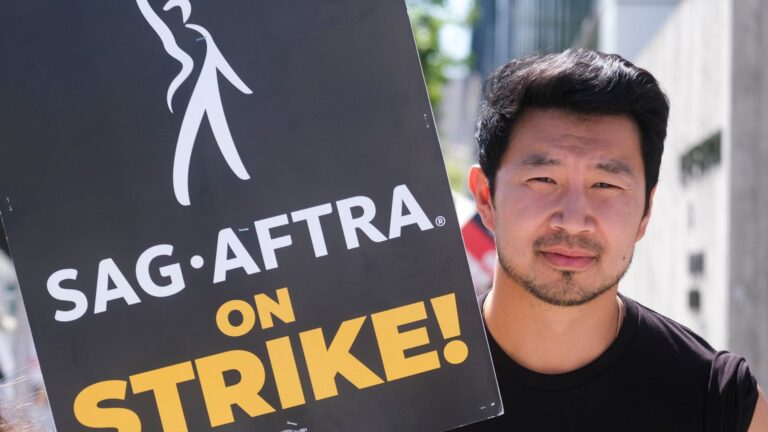
The entertainment industry is closely watching as SAG-AFTRA, the union that represents actors, broadcasters, and recording artists, pores over what could be the final offer from Hollywood studios to end a strike that has put a significant dent in the industry’s workflow since mid-July.

Key Takeaways

  • SAG-AFTRA is reviewing a potentially final offer from AMPTP to conclude the ongoing strike.
  • The offer includes improved pay terms, especially for streaming content.
  • Regulation of artificial intelligence usage in productions is a sticking point.
  • The strike has halted numerous productions, affecting thousands of industry jobs.
  • Urgency for a resolution is stressed due to the industry’s economic significance.

A Critical Juncture

The strike, initiated over key issues including pay rates and the use of artificial intelligence in productions, has reached a critical juncture. The latest proposal from the Alliance of Motion Picture and Television Producers (AMPTP) is on the table, with the union’s negotiating committee in the midst of a thorough review.

Inside the Offer

The offer from AMPTP reportedly includes:

  • Enhanced compensation, with a focus on streaming projects.
  • No explicit deadline for the union’s response, though urgency is implied.

The Ripple Effect of the Strike

The strike’s impact is far-reaching:

  • Production halts have affected not just actors but also crew members and other industry professionals.
  • The economic ripple effect is palpable across businesses and families connected to the industry.

Community and Council Reactions

Social media has become a platform for members to voice their opinions, with some high-profile actors openly critiquing the offer. Additionally, Los Angeles City Council President Paul Krekorian has emphasized the urgent need for a resolution, given the industry’s significant contribution to the regional economy.

The Path Forward

As the industry awaits SAG-AFTRA’s response, the outcome of this negotiation is expected to set a precedent for how traditional media powerhouses and their talent navigate the evolving landscape of content creation and distribution.

This situation remains fluid, and the industry is on tenterhooks, hoping for a positive resolution that will allow the cameras to roll once again.

Source: Project Casting

FDA Moves to Ban Brominated Vegetable Oil in Food Products

0

In a significant shift towards enhancing food safety, the U.S. Food and Drug Administration (FDA) has proposed a ban on the use of brominated vegetable oil (BVO) as a food additive. This decision aligns with actions taken by California and follows bans already in place in Europe and Japan.

Key Takeaways:

  • The FDA proposes to revoke the regulation allowing BVO in food.
  • California’s ban on BVO led the change with the California Food Safety Act.
  • BVO is linked to potential health risks such as nervous system damage and thyroid issues.
  • Public pressure and scientific studies have influenced the FDA’s stance.
  • A final decision will be made after a comment period ending January 17, 2024.

A Step Forward for Consumer Health

The FDA’s proposal comes on the heels of California’s ban on BVO, marking a pivotal moment in consumer health advocacy. The additive, used primarily in citrus-flavored beverages, has been under scrutiny for its potential adverse health effects.

The Science Behind the Ban

BVO is a modified vegetable oil, treated with bromine, a chemical also used in flame retardants. Studies suggest that BVO can lead to health issues such as nervous system damage and memory loss. Moreover, it tends to accumulate in the body, raising long-term health concerns.

Industry Response and Consumer Power

The industry has seen a gradual phase-out of BVO due to FDA restrictions and consumer pressure, including a petition with over 200,000 signatures. Many beverage makers have already reformulated products to eliminate BVO.

Regulatory Action Reflects Emerging Evidence

The FDA’s deputy commissioner for human foods, James Jones, emphasized that the ban exemplifies the FDA’s commitment to act based on scientific evidence. The agency’s review process is ongoing, with a final decision pending public comments.

What Consumers Can Do

Until the ban is official, consumers are advised to check product ingredients lists to avoid BVO. The FDA’s action is a reminder of the power of informed consumer choices and advocacy in shaping food safety regulations.

Fortnite Chapter 4 Season 5: A Nostalgic Revival

Fortnite’s latest update has sent waves of excitement across its fan base, as Chapter 4 Season 5, dubbed “The Return of Tilted, Greasy, and Risky,” brings back some of the most cherished elements of the game’s history. Here’s a brief rundown of what’s new and nostalgic in the Fortnite universe.

Key Takeaways:

  • Nostalgic Map Changes: The map will evolve weekly, reintroducing iconic points of interest like Tilted Towers, which was a staple from Season 2 to Season 9.
  • Classic Weapons Unvaulted: Players can now wield fan-favorites like the Assault Rifle, Pump Shotgun, and Hunting Rifle once again.
  • Return of Familiar Gadgets: The Damage Trap, Grappler, and Boogie Bomb make their return to the arsenal.
  • Vintage Vehicles: The Shopping Cart and All Terrain Kart are back, offering more mobility (and stunts) across the map.
  • Season 6 Teaser: A hotfix scheduled for November 9 will bring back Season 6 weapons and introduce the Quadcrasher and Mounted Turret.
  • OG Pass Introduction: An all-new OG Pass offers over 50 in-game items, unlockable within four weeks for 950 V-Bucks, and is included in the Fortnite Crew subscription.
  • OG Shop: A daily rotating selection of classic, mashup, and fresh items will be available in the OG Shop.

Back to the Roots: Map and Weapons

Fortnite OG’s latest patch is a time capsule, transporting players back to the game’s golden days. The map will undergo weekly transformations, starting with the beloved Tilted Towers, a location that has been absent since Season 9. Alongside the map, weapons that defined earlier seasons, such as the Assault Rifle and Pump Shotgun, are back in play.

Hotfix and Hardware

Come November 9, a hotfix will plunge players into “Darkness Rises,” a theme from Season 6, with weapons like the Double Barrel Shotgun and Six Shooter making a comeback. Defensive play gets a boost with the Chiller Trap and Mounted Turret, though these will be excluded from Zero Build modes.

OG Pass and Shop: A Blast from the Past

The introduction of the OG Pass marks a new chapter in Fortnite’s seasonal offerings. With a promise of over 50 new items, players can fast-track their way to nostalgia. The OG Shop complements this by featuring a curated selection of items that change daily, ensuring that the old-school vibe stays fresh.


Fortnite’s Chapter 4 Season 5 is a love letter to its long-time fans, blending the old with the new in a dynamic and ever-changing landscape. As players gear up to revisit the past, the excitement is palpable, with the community eager to re-experience the classic Fortnite era. Stay tuned for more updates as the season progresses.

The Downfall of a Crypto King: Sam Bankman-Fried’s Trial and Conviction

0

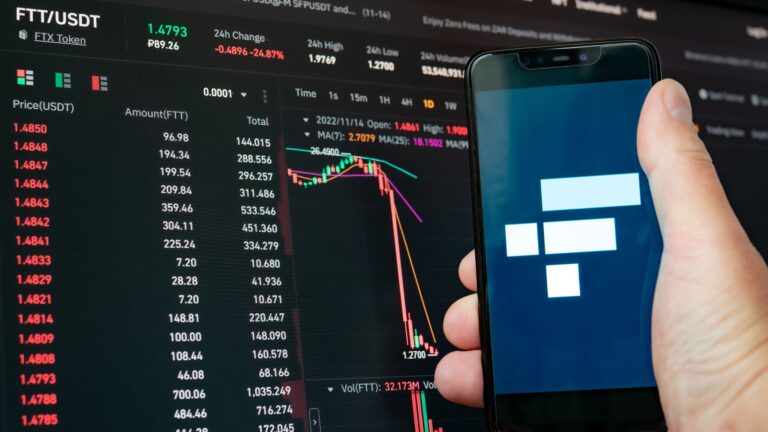
In a dramatic turn of events, Sam Bankman-Fried, once hailed as a cryptocurrency prodigy, has been convicted of multiple fraud and conspiracy charges related to the collapse of the cryptocurrency exchange FTX. This verdict marks a significant moment in the crypto industry, highlighting the volatility and risks associated with the burgeoning sector.

Key Takeaways:

  • Sam Bankman-Fried, founder of FTX, has been found guilty of fraud and conspiracy.
  • Despite his lack of knowledge about cryptocurrencies, he built a multi-billion dollar empire.
  • His company’s bankruptcy triggered a widespread panic in the crypto industry.
  • Bankman-Fried’s parents have also been implicated in FTX’s legal issues.
  • The former billionaire’s political and celebrity engagements have come under scrutiny following FTX’s collapse.

A Stunning Downfall

Sam Bankman-Fried’s journey from a cryptocurrency whiz kid to a convicted felon is a cautionary tale. Known as SBF, he started his career as a trader and later founded the cryptocurrency exchange FTX. Despite his admission of knowing “basically nothing” about cryptocurrencies, he managed to grow FTX into a $32 billion enterprise.

The Trial’s Revelations

The trial revealed that Bankman-Fried was guilty of misappropriating billions from FTX customer accounts and defrauding lenders to Alameda Research, a hedge fund associated with FTX. The prosecution’s star witness, Caroline Ellison, testified against Bankman-Fried, detailing the financial crimes committed under his direction.

A Record-Breaking Loss

Bankman-Fried’s net worth, once estimated at over $15 billion, plummeted by 94% in a single day during the FTX crisis, marking the largest one-day loss in history for an individual.

Family Ties and Legal Entanglements

The legal woes extend to Bankman-Fried’s parents, both Stanford law professors, who are now embroiled in the scandal. A lawsuit alleges they were aware of the fraudulent activities and even discussed financial benefits derived from FTX.

Political Maneuvering and Celebrity Endorsements

Before his arrest, Bankman-Fried was a significant political donor and engaged with celebrities to promote FTX. His contributions to both Democratic and Republican parties, as well as partnerships with sports and entertainment figures, are now tainted by the scandal.

Ripple Effects in the Crypto World

The collapse of FTX has had far-reaching consequences, affecting other crypto firms and shaking investor confidence. The bankruptcy of FTX’s lending unit and subsequent legal actions against related companies underscore the precarious nature of the crypto industry.


In conclusion, Sam Bankman-Fried’s trial has shed light on the darker side of the crypto industry, revealing a web of deceit and mismanagement. As the crypto world grapples with the aftermath, the industry faces a reckoning that may redefine its future.