49.9 F
San Francisco
Sunday, April 12, 2026
Home Blog Page 2219

Filmmakers Are Reportedly Leaving Hollywood Because It’s Too Expensive

Los Angeles, the iconic hub of the film industry, is facing challenges that might be pushing filmmakers to consider alternative shooting locations. Recent fee hikes by FilmL.A., the organization responsible for coordinating permits for on-location motion picture, television, and commercial production in Los Angeles, have added to the growing list of reasons for productions to explore other areas.

Key Takeaways:

  • FilmL.A. introduced rate hikes on various fees to obtain shooting permits in the region.
  • Some fee increases were tied to inflation, while others saw markups of roughly 8 to 17 percent.
  • New administrative fees were introduced for complex filming requests.
  • Permitting costs for large-scale projects could potentially triple due to these changes.
  • The fee hikes are another factor pushing productions to consider filming in other areas.
  • Los Angeles remains a top filming location, but its growth has been stagnant from 2021 to 2022.
  • Other regions, like Georgia and the U.K., have seen significant growth in hosting scripted TV productions.

Fee Hikes and Their Implications

On July 1, FilmL.A. announced rate hikes on a range of fees required to obtain shooting permits in the region. While some of these increases were tied to inflation, others, such as rider, photo, and notification fees, saw markups ranging from 8 to 17 percent. Additionally, the agency introduced entirely new administrative fees for complex filming requests. These include permits for drone usage, helicopter shots, special effects, lane and street closures, and simulated gunfire.

Among the changes, a notable shift was in the permit structure. Previously, a permit accommodating up to 10 locations for $863 over 14 days now only allows for five locations at $895 over seven days. This restructuring could potentially triple the permitting costs for large-scale projects, depending on the shoot’s duration and number of locations.

The Broader Impact on Filming in Los Angeles

While these fee hikes might not be substantial enough to deter filmmakers on their own, they add to a growing list of reasons pushing productions to consider other filming locations. A location manager, who has worked on major productions, mentioned that these changes make many reconsider and think, “Why don’t we shoot this in Canada?” emphasizing that “L.A. is already so film-unfriendly.”

FilmL.A. president Paul Audley defended the changes, stating that they moved away from a “one-size-fits-all” pricing model. He highlighted that most productions would not be affected as 93 percent of permits issued are for five or fewer locations, and 82 percent last for fewer than seven days.

The Bigger Picture: Shifting Filming Locations

Beyond the fee hikes, the broader trend shows a shift in preferred filming locations. Tax credits, which effectively subsidize movies and TV shows, have become crucial for getting projects greenlit. Major production hubs like Los Angeles and New York are losing favor as productions are drawn to areas with more generous incentive programs and lower labor costs.

An analysis by FilmL.A. revealed that while L.A. remains the top filming location in the U.S. for scripted content, its growth remained flat from 2021 to 2022. In contrast, regions like Georgia and the U.K. saw significant increases in hosting scripted TV productions.

Georgia’s Film Industry: A Magnet for Productions

Georgia has rapidly emerged as a prime destination for filmmakers, thanks to its lucrative film tax credits and a robust infrastructure that supports large-scale productions. The Peach State’s rise as a major player in the film industry is no accident; it’s the result of strategic decisions and investments.

Lucrative Film Tax Credits

At the heart of Georgia’s appeal is its generous film tax credit program. Productions can earn up to 30% in tax credits on their qualified in-state expenditures. This includes everything from actor salaries to set construction and post-production services. An additional uplift of 10% is available if the finished project includes a promotional logo provided by the state.

These tax credits are also transferable. If a production company doesn’t have enough tax liability in Georgia to use the entire credit, they can sell it to another taxpayer in the state, making it an attractive proposition for both filmmakers and local businesses.

A Boon for the Local Economy

The benefits of Georgia’s film-friendly policies extend beyond just the filmmakers. The local economy has seen a significant boost, with billions of dollars in direct spending since the tax credit’s inception. Hotels, restaurants, rental agencies, and other local businesses have all benefited from the influx of film crews and the subsequent tourism the popular films and TV shows bring.

Infrastructure and Talent Pool

Georgia’s film success isn’t solely due to its tax incentives. The state has invested heavily in infrastructure, with world-class studios like Pinewood Atlanta and Tyler Perry Studios offering state-of-the-art facilities. Coupled with a growing local talent pool, both in front of and behind the camera, Georgia provides a complete package for filmmakers.

While Los Angeles grapples with its challenges, states like Georgia are capitalizing on the opportunity, offering filmmakers not just financial incentives but a holistic environment conducive to creativity and production. As the film industry continues to evolve, Georgia’s model serves as a testament to the power of strategic incentives and infrastructure investment.

In Conclusion

Los Angeles, once the unrivaled heart of the film industry, is facing challenges that might be reshaping the landscape of film production. With the recent fee hikes by FilmL.A. and the allure of more generous incentives in other regions, filmmakers are re-evaluating their choices. As the industry continues to evolve, it remains to be seen how Los Angeles will adapt to retain its iconic status in the world of film.

First Published on Project Casting
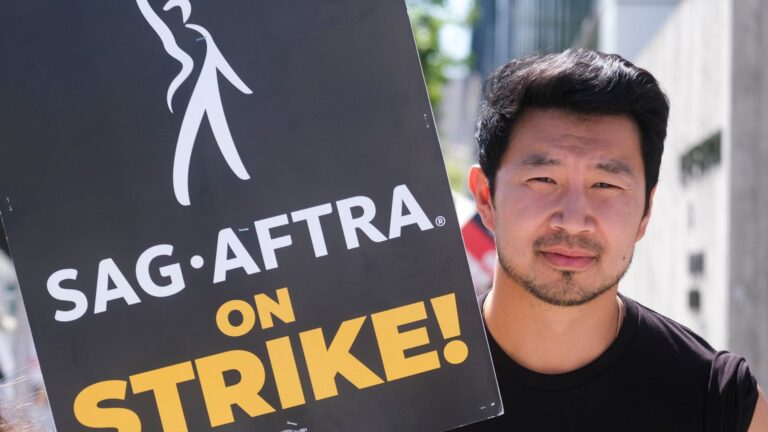
SAG-AFTRA Strike: A Glimmer of Hope as Negotiations Progress

The ongoing SAG-AFTRA strike, which has gripped Hollywood for over 100 days, might be nearing its end. Recent negotiations between the actors’ union and Hollywood studios have shown promising signs, with both parties returning to the bargaining table with a renewed sense of optimism.

Key Takeaways:

  • The 2023 actors strike has lasted for 110 days.
  • The latest negotiation session hinted at a potential deal.
  • AI issues were a significant topic during the discussions.
  • A studio-side source mentioned that talks are headed in the right direction.
  • The union’s negotiating committee had previously indicated that a deal might not be immediate.
  • Both parties are under pressure to finalize a new three-year agreement soon.

A Deal on the Horizon?

On Halloween night, after 110 days of the strike, the latest round of negotiations concluded, leaving many hopeful for a resolution. The discussions, which took place during the holiday, centered around AI-related issues, among other concerns. Both parties are scheduled to resume talks on Wednesday.

The AI Conundrum

One of the primary sticking points in the negotiations has been the contract language surrounding AI. The actors are keen on securing a share of the revenue from streaming projects. Duncan Crabtree-Ireland, the union national executive director and chief negotiator, emphasized the importance of getting the AI aspect right. He stated that a fair deal on AI is crucial for the agreement to be finalized.

Pressure from All Sides

The urgency to reach an agreement is palpable. Studios have warned that their 2024 film schedules could be disrupted if a deal isn’t struck soon. In an effort to expedite the process, a group of A-list actors met with representatives from both the union and the studios earlier in October. Furthermore, thousands of SAG-AFTRA members signed an open letter urging the negotiating leaders to stand firm and not to compromise.

The Road Ahead

While the recent negotiations have been productive, there are still significant issues that need to be addressed. Both parties are aware of the stakes and are working diligently to find common ground. The industry and its stakeholders are eagerly awaiting the outcome, hoping for a resolution that benefits all.

In Conclusion

The SAG-AFTRA strike has been a significant event in Hollywood, affecting numerous projects and professionals. As negotiations continue, there’s hope that a resolution is in sight. The discussions around AI and revenue sharing highlight the evolving nature of the entertainment industry and the need for contracts to reflect these changes. The coming days will be crucial in determining the future of the strike and, by extension, the industry.

First Reported on Project Casting

UK’s Landmark AI Summit: A Global Conversation on the Future of Artificial Intelligence

The United Kingdom is set to host a significant artificial intelligence (AI) summit, aiming to address the rapid advancements in AI technology and its implications on a global scale. The event, scheduled for November 1 and 2, will see participation from government officials, tech giants, and AI experts from around the world.

Key Takeaways:

  • The two-day AI safety summit will be held at Bletchley Park, a historic landmark located 55 miles north of London.
  • Attendees include representatives from the U.S., China, and other global powers, emphasizing the international nature of the AI conversation.
  • The summit’s primary goal is to establish international coordination on ethical and responsible AI development.
  • Prime Minister Rishi Sunak aims to position the U.K. as a leader in the global AI discourse and its regulation.
  • Concerns about AI replacing human intelligence have intensified since the introduction of Microsoft-backed OpenAI’s ChatGPT.

Historic Venue with a Message

The choice of Bletchley Park as the summit’s venue is symbolic. The site, where British scientist Alan Turing and his team cracked Nazi Germany’s Enigma machine during World War II, underscores the U.K.’s rich history in technological innovation and its desire to lead in the AI domain.

A Global Conversation on AI

The summit’s agenda is comprehensive. It seeks to address the ethical and responsible development of AI models, particularly the advanced large language models (LLMs) like those developed by companies such as OpenAI and Cohere. The discussions will revolve around the potential misuse of AI, such as its use in creating undetectable malware or aiding in the development of bioweapons. Another focal point is the risk of humans losing control over the AI they create.

Who’s Attending and Who’s Not

The event boasts a star-studded attendee list, including Microsoft President Brad Smith, OpenAI CEO Sam Altman, and U.S. Vice President Kamala Harris, among others. However, notable absences include U.S. President Joe Biden and French President Emmanuel Macron. Despite these absences, the U.K. government remains confident in the summit’s potential impact.

The Road Ahead

Prime Minister Sunak’s vision for the summit is clear: to foster a global understanding of AI’s opportunities and risks. He envisions the U.K. playing a pivotal role in shaping AI’s future, emphasizing safety, ethics, and responsible development. Sunak’s recent announcement about the establishment of the world’s first AI safety institute further underscores the U.K.’s commitment to understanding and mitigating AI risks.

However, the summit isn’t without its critics. Some industry insiders believe its focus is too narrow, concentrating only on frontier AI models. They argue that this approach overlooks the broader tech community’s contributions.

A Delicate Balance

The U.K.’s decision to invite China, a global AI leader, has raised eyebrows, especially given the ongoing tech and trade tensions between China and the U.S. The challenge lies in fostering international coordination on AI, a complex technology with multifaceted implications.

The European Union is on track to finalize its AI Act by the end of the year, aiming to be one of the first legislations specifically targeting AI. Meanwhile, in the U.S., President Biden recently issued an executive order on AI, emphasizing safety assessments and research into AI’s labor market impact.

Conclusion

The U.K. AI summit is a testament to the growing importance of artificial intelligence in the global landscape. As nations grapple with the challenges and opportunities presented by AI, events like this summit pave the way for collaborative solutions, ensuring that AI’s benefits are realized while its risks are mitigated.

Original reported on Livy AI

Latest Copyright Lawsuit Supports AI Art Generators

In a groundbreaking lawsuit, artists who took legal action against generative artificial intelligence (AI) art generators faced a significant setback. The case centered on the unauthorized and uncompensated use of billions of images from the internet to train AI systems. However, a federal judge recently dismissed most of the claims, raising questions about the future of copyright protection in the age of AI.

Key Takeaways:

  • Artists sued AI art generators over unauthorized use of images to train AI systems.
  • U.S. District Judge William Orrick dismissed most claims against Midjourney and DeviantArt.
  • The judge questioned the validity of copyright infringement claims against AI tools.
  • Claims against Stability AI for direct infringement will proceed.
  • The lawsuit underscores the complexities of copyright law in the digital age.

A Landmark Case with Implications for the Future

The lawsuit is the first of its kind, challenging the boundaries of copyright law in the era of AI. Artists alleged that generative AI art generators used billions of images without permission, infringing on their copyrights. However, U.S. District Judge William Orrick found that the accusations against companies Midjourney and DeviantArt were “defective in numerous respects.”

One of the primary issues raised was whether the AI systems operated by these companies actually contained copies of copyrighted images. Furthermore, the judge questioned if the artists could prove infringement without showing identical material produced by the AI tools.

Stability AI: A Central Player

While claims against Midjourney and DeviantArt were largely dismissed, the case against Stability AI will move forward. The company is accused of using copyrighted images without permission to create its product, Stable Diffusion. Stability AI denies these allegations, emphasizing that its AI system does not wholesale copy works. Instead, it develops parameters from the works, such as colors, lines, and shades, to define what things look like.

The case’s core revolves around Stability’s Stable Diffusion, which powers the company’s AI image generator, DreamStudio. Artists must now prove that their works were used to train this AI system. It’s also alleged that DeviantArt’s DreamUp and Midjourney are powered by Stable Diffusion.

Challenges Ahead for Artists

One of the significant challenges artists face is the opaque nature of training datasets used by AI systems. Judge Orrick highlighted that it’s unclear whether there are copies of training images stored in Stable Diffusion used by DeviantArt and Midjourney. He also emphasized the need for artists to show proof of infringing works produced by AI tools that are identical to their copyrighted material.

The judge’s ruling stated that artists might need to demonstrate that AI tools can create material similar enough to their work to be misconstrued as fakes. This could be a significant hurdle, as artists have admitted that the output from Stable Diffusion is unlikely to closely match any specific image in the training data.

The Broader Implications

This lawsuit underscores the complexities and challenges of copyright law in the digital age. As AI technologies continue to evolve and become more integrated into various industries, the boundaries of copyright protection will be tested. Artists and creators must navigate these uncharted waters, advocating for their rights while also adapting to the rapidly changing technological landscape.

In conclusion, while AI tools like generative art generators offer innovative solutions and capabilities, they also raise critical questions about copyright protection. As the case against Stability AI and other companies unfolds, it will set precedents that could shape the future of copyright law in the age of AI.

Original report by Livy AI

Alibaba Takes on Tech Giants with Upgraded AI Model

Chinese tech behemoth Alibaba has unveiled an advanced version of its artificial intelligence model, marking its intent to challenge global tech giants like Microsoft and Amazon in the AI arena.

Key Takeaways:

  • Alibaba introduces the latest version of its AI model, aiming to compete with tech leaders like Amazon and Microsoft.
  • The new model, Tongyi Qianwen 2.0, is described as a significant upgrade from its predecessor.
  • Alibaba’s GenAI Service Platform allows businesses to develop their own generative AI applications using proprietary data.
  • Concerns about data security with public generative AI products have led to a demand for tools that allow companies to use their own data.
  • While Alibaba dominates the cloud market in China, it seeks to expand its footprint globally, challenging established players like Amazon and Microsoft.

A Closer Look at the New Model

Alibaba’s latest AI model, named Tongyi Qianwen 2.0, is a large language model (LLM) trained on extensive data sets. Such models form the foundation for generative AI applications, similar to the ChatGPT developed by U.S. company OpenAI. Alibaba’s announcement highlighted the model’s enhanced capabilities in understanding intricate instructions, copywriting, reasoning, memorization, and preventing AI hallucinations, which refer to AI presenting inaccurate information.

Addressing Industry-Specific Needs

In addition to the general-purpose AI, Alibaba has also rolled out AI models tailored for specific industries and applications, such as legal counseling and finance. This strategic move indicates Alibaba’s intent to provide specialized solutions catering to diverse business needs.

GenAI Service Platform: A Step Forward in Data Security

One of the standout announcements was the introduction of the GenAI Service Platform. This platform empowers companies to create their own generative AI applications using their data. With rising concerns about data security, especially with public generative AI products like ChatGPT, there’s a growing apprehension that unauthorized third parties might access data. Alibaba’s platform addresses this concern by allowing businesses to use their data, ensuring data protection as part of the service package.

The Global AI Race Intensifies

While Alibaba dominates China’s cloud market, the company’s ambitions are not limited to its home turf. Alibaba is making concerted efforts to rival global tech leaders like Amazon and Microsoft. By introducing advanced AI tools and platforms, Alibaba is positioning itself as a formidable player in the global AI landscape.

In Conclusion

The AI landscape is rapidly evolving, with tech giants continuously innovating to stay ahead of the curve. Alibaba’s latest offerings signify its commitment to leading the AI revolution, not just in China but on a global scale. As the battle for AI supremacy heats up, it will be intriguing to see how global tech leaders respond to the challenge posed by Alibaba.

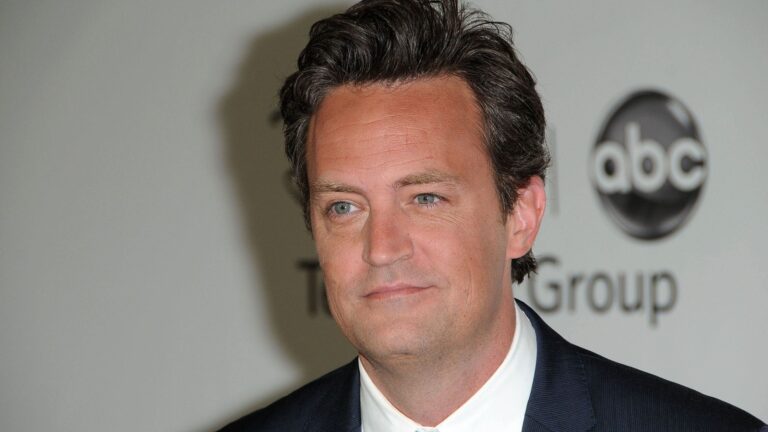
Matthew Perry Found ‘Unconscious’ by First Responders: New Details Emerge

In a tragic turn of events, new details have surfaced regarding the death of renowned actor Matthew Perry. Emergency responders discovered Perry unconscious in a stand-alone jacuzzi at his residence, adding another layer to the ongoing investigation surrounding his sudden demise.

Key Takeaways:

  • Emergency responders found Matthew Perry “unconscious in a stand-alone jacuzzi” at his home.
  • A bystander had attempted to assist Perry before the arrival of the first responders.
  • Perry was declared deceased prior to the arrival of emergency personnel.
  • The actor was 54 years old at the time of his death.
  • The Los Angeles Police Department and the Los Angeles County Medical Examiner are investigating the circumstances of Perry’s death.
  • An autopsy has been conducted, but the results are pending toxicology reports.
  • No foul play is suspected in Perry’s death.
  • Perry’s family expressed their grief, highlighting his contributions as an actor and a friend.

The Incident Unfolds

Emergency personnel were called to Perry’s residence on Saturday, where they found him in a distressing state. A bystander had already attempted to help by bringing Perry’s head above the water and moving him to the edge of the jacuzzi. However, despite these efforts, a rapid medical assessment revealed that Perry had already passed away before the first responders arrived on the scene.

The Los Angeles Fire Department, in a statement to CNN, confirmed these details and mentioned that the actor was pronounced deceased upon their arrival.

Ongoing Investigations

The sudden and unexpected death of the actor has led to a flurry of investigations. The Los Angeles Police Department, in conjunction with the Los Angeles County Medical Examiner, is currently probing the circumstances surrounding Perry’s death. An autopsy was performed, but the final cause of death will be determined after the toxicology reports are reviewed, a process that can take several weeks.

A source from law enforcement informed CNN that there’s no suspicion of foul play in Perry’s death, providing some clarity amidst the swirling rumors.

Family’s Heartfelt Statement

The news of Perry’s death has left many in shock, especially his close family members. Perry’s parents, John Bennett Perry and Suzanne Morrison, along with his step-father, “Dateline” correspondent Keith Morrison, were spotted at the actor’s residence on Saturday night. The family, in a statement to People magazine, expressed their profound grief over the loss of their beloved son and brother. They emphasized the joy and happiness Perry brought to the world, both through his acting roles and his personal relationships.

Conclusion

The entertainment world mourns the loss of a talented actor and a cherished individual. As investigations continue, fans and colleagues alike await further details, hoping for clarity in this tragic event.

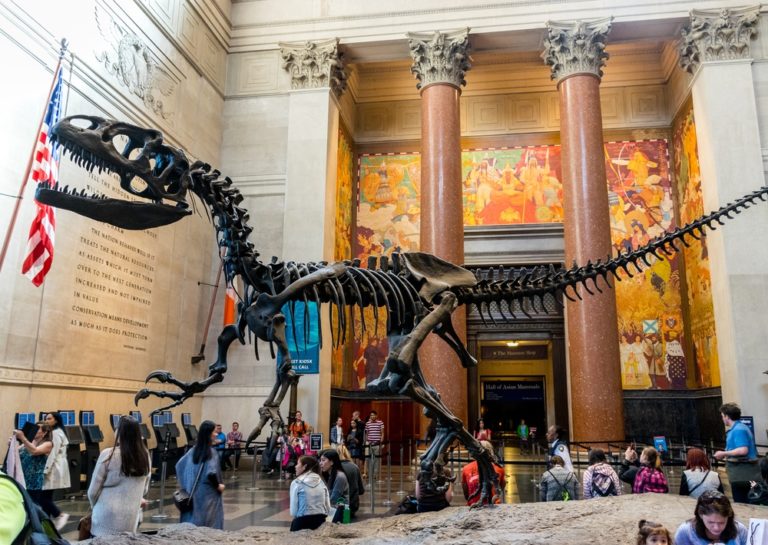
Asteroid Impact and the Disruption of Photosynthesis: New Insights into the Dinosaur Extinction

0

Recent scientific research has shed light on the aftermath of the asteroid impact believed to have caused the mass extinction of dinosaurs 66 million years ago. The study reveals that the dust from the asteroid impact played a significant role in disrupting photosynthesis, a vital process for life on Earth.

Key Takeaways:

  • The asteroid impact that led to the extinction of the dinosaurs disrupted photosynthesis for almost two years.
  • The impact created the 112-mile-wide Chicxulub crater off the coast of present-day Mexico.
  • Previous theories suggested sulfur release and soot from wildfires caused a global winter.
  • New research emphasizes the role of fine dust from the asteroid impact in blocking sunlight.
  • The disruption of photosynthesis led to a collapse in the food web, causing a chain reaction of extinctions.

The Role of Dust in Disrupting Photosynthesis

The study, published in the journal Nature Geoscience, suggests that the fine dust resulting from the pulverized rock thrown into the Earth’s atmosphere after the asteroid impact played a more significant role than previously believed. This dust effectively blocked the sun, preventing plants from photosynthesizing for nearly two years. Cem Berk Senel, the lead study author and a planetary scientist at the Royal Observatory of Belgium, highlighted the severe challenges this posed for life. The inability to photosynthesize led to a collapse in the food web, triggering a series of extinctions.

Modeling the Aftermath of the Impact

To understand the global climate following the asteroid strike, scientists developed a new computer model. This model was based on the Earth’s climate at the time and new data from sediment samples from the Tanis fossil site in North Dakota. These samples provided a unique record of the 20-year period following the asteroid impact. The research team found that the fine dust could have remained in the atmosphere for up to 15 years post-impact, potentially cooling the global climate by as much as 15 degrees Celsius.

Unraveling the Mysteries of Mass Extinction

The study’s findings challenge previous assumptions about the primary cause of the mass extinction event. While it was long believed that extreme cold was the main killing mechanism, the new research emphasizes the cessation of photosynthesis as a significant factor. Within a few weeks to months after the impact, the planet experienced a global shutdown in photosynthesis. Recovery began after two years, with complete recovery achieved within three to four years.

Implications and Future Research

The findings from this study provide a more comprehensive understanding of the events following the asteroid impact. Alfio Alessandro Chiarenza, a paleontologist not involved in the study, commented on its significance. He noted that the research offers more precise constraints on the dust component ejected from the impact site, contributing to the global darkness during the impact winter.

As scientists continue to delve into the mysteries of our planet’s history, studies like these offer valuable insights. The research underscores the fragility of life on Earth and the profound effects that singular events can have on global ecosystems.

The James Webb Space Telescope Unveils New Insights into the Crab Nebula

0

The James Webb Space Telescope (JWST) has recently provided a fresh perspective on the Crab Nebula, a well-known supernova remnant located in the Taurus constellation. This latest observation has shed light on the intricate details of cosmic gas and dust within the nebula, offering a deeper understanding of the aftermath of a massive star explosion.

Key Takeaways:

  • The Crab Nebula, situated 6,500 light-years away, was first observed in 1054 by astronomers in China, Japan, and the Middle East.
  • Historically, it was believed to be a new star, but it was later identified as the bright light of a supernova reaching Earth.
  • The JWST’s infrared capabilities have unveiled previously obscured features of the nebula.
  • Researchers aim to determine the composition of the ejected material from the nebula, especially its iron and nickel content.
  • Comparisons with data from other telescopes, including the Hubble Space Telescope, could provide a comprehensive understanding of the nebula’s origins.

Historical Significance of the Crab Nebula

The Crab Nebula has always been a subject of fascination for astronomers. Historically, it was observed as a “new star” in the night sky. However, it was later deduced that this phenomenon was the luminous aftermath of a supernova explosion. The significance of having historical records of such a stellar explosion event is rare, which has amplified the interest in studying the nebula.

Webb’s Infrared Exploration

While the Crab Nebula has been extensively studied by other space observatories, including the Hubble Space Telescope, the JWST’s unique ability to observe in infrared light has brought forth new details. This infrared observation has penetrated the dust of the nebula, revealing features that were previously hidden. The aim of this study is to uncover insights into the nebula’s origins and its chemical makeup.

Tea Temim, a research astronomer at Princeton University, stated, “Webb’s sensitivity and spatial resolution allow us to accurately determine the composition of the ejected material, particularly the content of iron and nickel, which may reveal what type of explosion produced the Crab Nebula.”

Comparative Analysis with Hubble’s Observations

The Hubble Space Telescope had captured the Crab Nebula using an optical wavelength in 2005. In contrast, the JWST’s recent infrared image has divulged more about the nebula’s structural intricacies and inner dynamics. The new image showcases yellow-white and green filaments made of dust grains, which are visible for the first time. Additionally, the nebula’s interior displays evidence of synchrotron radiation, patterns created by charged particles moving around magnetic field lines.

Looking Forward

As astronomers delve deeper into the data from the JWST, they anticipate a fresh perspective from the Hubble Space Telescope in the coming year. These combined observations could potentially help scientists rewind time and decipher the events leading up to the star’s explosion.

The revelations from the JWST not only enhance our understanding of the Crab Nebula but also underscore the importance of advanced space observatories in expanding our knowledge of the universe.

Extreme Heat and Its Deadly Impact on Heart Health

0

Recent research has highlighted the alarming connection between extreme heat and heart-related deaths, especially among vulnerable populations in the United States. As climate change continues to intensify, the repercussions on heart health are becoming increasingly evident, with specific groups facing a higher risk.

Key Takeaways:

  • Extreme heat is linked to a significant rise in heart-related deaths in the U.S.
  • Black adults, seniors, and urban dwellers are particularly susceptible.
  • From 2008 to 2019, extreme heat resulted in nearly 1,700 excess cardiovascular deaths annually.
  • If current fossil-fuel trends persist, heat-related cardiovascular deaths could triple by mid-century.
  • Heart disease remains the leading cause of death in the U.S., with extreme heat contributing to a growing percentage.

The Vulnerable at Risk

The study, published in the journal Circulation, reveals that between 2008 and 2019, the U.S. experienced an average of 54 days each summer where the heat index reached at least 90 degrees. These extreme heat days were associated with nearly 1,700 additional cardiovascular deaths each year. Alarmingly, if the world continues its current trajectory with minimal efforts to curb planet-warming pollution, the U.S. could witness up to 80 days of extreme heat each summer. This could result in a staggering 5,500 excess deaths annually due to heat-related cardiovascular issues.

The Heart’s Struggle with Heat

The heart plays a pivotal role in regulating the body’s temperature. When exposed to extreme heat, the heart works overtime to maintain the body’s internal temperature. Dr. Sameed Khatana, an assistant professor of cardiovascular medicine at Penn Medicine and the study’s senior author, explained the heart’s response to rising temperatures. “The heart beats faster and harder to transport heat away from the vital organs,” he said. For individuals with pre-existing heart conditions, this added strain can be fatal. Prolonged exposure to high temperatures can also lead to increased inflammation and blood clotting, elevating the risk of heart attacks and strokes.

Disproportionate Impact on Black Americans

The study’s findings indicate that Black adults in the U.S. are particularly vulnerable to the heart-related effects of extreme heat. In the coming decades, heat-related cardiovascular deaths among Black adults could increase six-fold. In contrast, White adults face a projected 2.4 times increase in the worst-case scenario. Other vulnerable groups include seniors aged 65 and older and those residing in metropolitan areas.

Addressing the Root Causes

While the immediate solution to heat exposure is to move to a cooler environment, the broader issue of climate change and its impact on public health remains. Dr. Khatana emphasized the importance of addressing the root causes of rising temperatures and heart disease. He also highlighted the health equity issues associated with extreme heat, noting that those vulnerable to heat exposure often face other challenges, such as living in areas with limited tree cover or lacking access to air conditioning.

Advertisement: AI tools, like Livy AI and ChatGPT, have the potential to revolutionize the film industry, offering enhanced efficiency and innovative solutions for screenwriters.

Conclusion

The increasing frequency of extreme heat days, coupled with the rising number of heart-related deaths, underscores the urgent need for comprehensive climate change mitigation efforts. As the world grapples with the multifaceted challenges of global warming, the health implications, particularly for vulnerable populations, cannot be ignored.

OpenAI Introduces New Beta Features for ChatGPT Plus Members

OpenAI, the leading AI research organization, has unveiled new beta features for its ChatGPT Plus subscribers. The latest updates, as reported by The Verge, include the ability for users to upload files and work with them directly within the platform. Additionally, the update introduces multimodal support, streamlining user interactions with the system.

Key Takeaways:

  • OpenAI rolls out new beta features for ChatGPT Plus members.
  • Users can now upload and analyze files directly within the platform.
  • The update introduces multimodal support, eliminating the need for manual mode selection.
  • Advanced Data Analysis feature allows ChatGPT to digest and work with uploaded files.
  • ChatGPT can now interact with various file types, including images.
  • The chatbot’s capabilities extend to generating data visualizations and summaries based on user prompts.

Enhanced User Experience

The primary highlight of the update is the ability for ChatGPT Plus members to upload files and work with them. This feature allows users to feed files to ChatGPT, which then takes a few moments to process the data. Once processed, the chatbot can perform various tasks, such as summarizing data, answering related questions, or even generating data visualizations based on user prompts.

Multimodal Support: A Step Forward

Another significant feature in the update is the introduction of multimodal support. With this, users no longer need to manually select modes like “Browse with Bing” from the GPT-4 dropdown. Instead, ChatGPT will predict the desired mode based on the context of the user’s query. This enhancement aims to make interactions smoother and more intuitive for users.

Beyond Text: ChatGPT’s Expanding Capabilities

The versatility of ChatGPT is further showcased with its ability to handle more than just text files. A user on Threads shared their experience of uploading an image of a capybara to ChatGPT. They then used DALL-E 3, another OpenAI tool, to transform the image into a Pixar-style representation. This instance highlights the chatbot’s potential in creative and visual domains.

The Road Ahead

While the latest features bring ChatGPT Plus closer to the offerings of its Enterprise plan, it’s evident that OpenAI is continuously working to enhance the user experience. As AI tools become more integrated into various sectors, platforms like ChatGPT are setting the stage for more streamlined and efficient interactions.

Advertisement: The AI Revolution Across Industries: Spotlight on Livy.AI

Another notable player in the AI-driven transformation of industries is Livy.AI. This cutting-edge platform is harnessing the power of artificial intelligence to bring about significant advancements in various sectors. From automating complex processes to offering predictive insights, Livy.AI is at the forefront of integrating AI capabilities into real-world applications. Their solutions are not only streamlining operations but also enhancing user experiences, driving efficiency, and fostering innovation. As industries continue to evolve in the digital age, platforms like Livy.AI exemplify the potential of AI to reshape the future, offering a glimpse into the next wave of technological breakthroughs.