54.1 F
San Francisco
Saturday, July 4, 2026
Home Blog Page 224

Janet Mills Beats Trump in Jaw-Dropping Court Win

0

Key Takeaways

  • Maine Governor Janet Mills sued the Trump administration over trans athlete rules in February 2025.
  • President Trump declared, “We are the federal law,” and Mills replied, “I’ll see you in court.”
  • The administration withdrew its rule after the lawsuit, handing Mills a major victory.
  • On MSNBC, Mills urged Congress to stand up to Trump’s ICE policies.
  • She stressed that the president must enforce existing laws, not make new ones.

In February 2025, Governor Janet Mills faced a tense meeting with President Trump. He demanded Maine drop its trans athlete protections. Mills refused to back down. Instead, she told him, “I’ll see you in court.” That bold reply shocked many people. However, the real surprise came when the Trump administration quietly withdrew its rule after her lawsuit.

Mills called that moment “jaw dropping.” She said Trump’s claim, “We are the federal law,” ignored the Constitution. Moreover, she warned that a president cannot write laws with a wave of his hand. Instead, he must enforce the laws Congress passes.

How Janet Mills Took on Trump and Won

Standing Up to Bullying

Governor Janet Mills described President Trump’s behavior as bullying. She warned, “If you don’t stand up to a bully, they never stop.” In her view, Trump was bullying states and individuals. Therefore, she chose to use the courts to push back. Her move showed that even a single governor can challenge the White House.

Court Clash Over Trans Sports

The fight began over federal guidance on trans athletes. President Trump wanted Maine schools to ignore state rules. In turn, Mills filed a federal lawsuit and asked for an emergency order. She argued the guidance broke the Equal Protection Clause. Meanwhile, national groups backed her case. After weeks of legal filings, the Trump team backed down without a fight. The administration pulled its rule the day before a hearing.

Protecting the Constitution

Mills often refers to the Constitution. She told viewers on MSNBC, “The president shall take care that the laws be faithfully executed.” She added that the Constitution does not let a president create laws. Instead, Congress makes laws and the courts interpret them. In her legal filing, she cited the Take Care Clause and separation of powers. As a result, her lawsuit became a key example of checks and balances in action.

Advice for Lawmakers

On MS NOW, Mills urged Congress to step up against Trump’s ICE tactics. She said lawmakers must hold hearings and pass clear rules. Moreover, she called on leaders to defend immigrant rights and due process. Her message was simple: use the power of the purse and the power of oversight. In her words, “Don’t let a bully terrorize people with executive orders.”

What This Means for America

Governor Janet Mills’s victory shows that pushback can work. It also signals that courts remain a vital check on executive power. Many legal experts say her case will serve as a guide for future fights. Meanwhile, supporters of trans rights see her move as proof that state leaders can protect vulnerable groups. More broadly, the win reminds everyone that no person, not even the president, stands above the law.

Looking Ahead

With the 2026 elections on the horizon, Mills’s court win could inspire other governors. They may feel empowered to challenge federal overreach. In addition, Congress now faces pressure to pass clearer rules on trans athletes and immigration. Meanwhile, the public debate over executive power and state rights will only grow louder.

Final Thoughts

Janet Mills stood firm against a direct order from President Trump. She showed how a governor can use the courts to defend the Constitution. Her jaw-dropping moment in the Oval Office became a landmark case. Now, she calls on Congress to do its job and stop unchecked executive actions. Ultimately, her story reminds us that democracy works when people stand up for the rule of law.

Frequently Asked Questions

What rule did Janet Mills challenge in court?

She challenged a Trump administration guideline on how schools must treat trans athletes. She argued it violated state protections and the Constitution.

Why did the Trump administration back down?

After Mills filed an emergency lawsuit, the administration chose to withdraw its guidance rather than face a court ruling.

How did Janet Mills describe the president’s actions?

She called them bullying and said it was “jaw dropping” when Trump claimed, “We are the federal law.”

What message did Mills share with Congress?

She urged lawmakers to use hearings and legislation to curb unchecked executive power, especially on immigration and trans rights.


Tom Homan’s Hateful Rhetoric Sparks Major Backlash

0


Key takeaways:

• Former ICE director Tom Homan called criticism “hateful rhetoric”
• His comments followed the shooting death of an American woman by ICE
• Political leaders and social media users condemned Homan’s response
• Critics argue his language fuels division and undermines trust in ICE
• The debate raises questions about public discourse and law enforcement

Tom Homan’s Hateful Rhetoric Triggers Outcry

Donald Trump’s former ICE chief, Tom Homan, drew fierce criticism after he blamed “hateful rhetoric” for an ICE officer’s shooting of an American woman. During an NBC News interview, he warned that calling the officer a murderer would spark more violence. His stance provoked a wave of condemnation from politicians, activists, and social media users.

Political Leaders React to Hateful Rhetoric

Several Democratic figures pounced on Homan’s words. A congressional candidate called his claim “gangster hysteria” and urged him to stop seeing citizens as enemies. Another politician described Homan’s comments as “abuser language” meant to silence those who speak out. They argued that labeling critical words as “hateful rhetoric” only shifts blame from the officer’s actions.

Social Media Users Call Out Homan’s Language

On social platforms, users mocked Homan’s plea to curb “hateful rhetoric.” One self-identified former Republican pointed out that Homan spent months demonizing immigrants and people of color. A writer compared his logic to defending historical atrocities by blaming critics. Many shared the view that Homan’s warning amounts to gaslighting and deflection.

Bribery Question Deepens Controversy

In the same interview, Kristen Welker asked whether Homan returned an alleged $50,000 bribe. He refused to answer directly, which added fuel to the fire. Critics linked his evasive response to a pattern of opaque behavior, calling it another example of how power can escape scrutiny.

A White Nationalist Anthem Tweet Adds Insult

Just two days before his remarks, ICE’s official account reportedly posted a song favored by white nationalists. The overlap in timing intensified backlash. Critics claimed that Homan’s attempt to dodge responsibility by blaming “hateful rhetoric” felt hollow against a backdrop of questionable agency actions.

Why Critics Say “Hateful Rhetoric” Undermines Trust

Many argue that the phrase “hateful rhetoric” suggests criticism itself causes violence. They believe this tactic shifts attention away from accountability. Moreover, they say dismissing public anger as mere harsh words weakens faith in law enforcement. By focusing on language over actions, officials risk deepening public distrust.

The Power of Public Language

Words matter when tensions run high. Critics stress that calling out wrongdoing prompts reforms and prevents future harm. Labeling honest critique as “hateful rhetoric” can chill debate. As a result, fewer people may speak up when officials cross the line. This pattern, some say, encourages more misconduct.

Community Leaders Demand Accountability

Local advocates and nonprofit groups also joined the discourse. They highlighted the need for clear investigations and transparent dialogue. Instead of warning against “hateful rhetoric,” these leaders called for genuine policy changes. They want ICE officers to face independent review boards and stronger training on de-escalation.

Impact on ICE’s Reputation

ICE already faces scrutiny over its tactics and internal culture. Homan’s comments have become another flash point. According to polling by civic groups, public confidence in ICE dips whenever high-profile conflicts arise. Observers warn that downplaying accountability with claims of “hateful rhetoric” may further damage the agency’s image.

How Political Partisanship Shapes the Debate

Republican allies defended Homan, praising his focus on officer safety and clear chains of command. Meanwhile, Democrats seized on the chance to criticize both him and the broader administration’s immigration stance. Political talking points intensified the divide. Yet, grassroots voices on both sides expressed frustration with national leaders’ posturing.

Lessons from History on Naming Wrongdoers

Some commentators drew lessons from past conflicts. They argued that calling out extremists by name remains vital. Avoiding terms like “murderer” for fear of “hateful rhetoric” can let abuses continue unchecked. They stressed that history shows how early warnings and strong language sometimes prevent disasters.

Media’s Role in Shaping the Story

News outlets found themselves under pressure to balance accuracy with sensitivity. Should reporters label the officer’s act as murder before legal verdicts? Analysts say that language choice in headlines and sound-bites can influence public opinion. Many journalists defend direct phrasing to reflect community outrage.

Social Media’s Double-Edged Sword

Online platforms amplified both support and criticism of Homan. Hashtags like #HatefulRhetoric trended briefly as users debated free speech versus respectful discourse. Some forums devolved into name-calling. Others remained thoughtful, sharing resources on policing reform and effective advocacy strategies.

What This Means for Public Dialogue

The clash over “hateful rhetoric” highlights broader questions about modern discourse. Can speech be both powerful and peaceful? Observers note that discouraging harsh words may stifle genuine calls for justice. On the other hand, they acknowledge that extreme language can provoke more anger and conflict.

Moving Beyond Blame to Solutions

Many voices agree on one point: focusing solely on language won’t fix systemic issues. They urge policymakers to address training, oversight, and community relations in ICE. Some propose civilian review boards. Others recommend mandatory bias training and clearer use-of-force guidelines.

Steps Toward Healing and Trust

Rebuilding trust requires more than better press statements. In addition to policy changes, ICE could engage in open forums with affected communities. Moreover, independent audits and transparent reporting would demonstrate accountability. By showing a willingness to listen, officials can counter claims that they fear “hateful rhetoric.”

Conclusion

Tom Homan’s labeling of criticism as “hateful rhetoric” sparked widespread backlash. Political leaders, grassroots activists, and social media users all challenged his argument. Beyond heated debate over words, the incident underscored the need for accountability in law enforcement. It also reminded us that public trust hinges on both respectful dialogue and real reform.

Frequently Asked Questions

How did Tom Homan describe public criticism?

He called it “hateful rhetoric” and warned that it could lead to more violence.

Why did critics reject Homan’s argument?

They felt blaming harsh language deflected from the officer’s actions and accountability.

What reforms do advocates suggest for ICE?

They call for independent oversight boards, better training, and transparent investigations.

Can using strong language help stop abuses?

Many believe naming wrongdoing clearly can pressure officials to change and prevent future harm.

Carlos Giménez Threatens Cuban Leaders

0


Key takeaways

  • Rep. Carlos Giménez issued direct threats against Cuban officials.
  • He warned that the U.S. “can wipe you all out in minutes.”
  • His posts followed Venezuela’s recent takeover by U.S. forces.
  • Cuban diplomats fired back, calling for Maduro’s release.
  • The lawmaker’s family history ties back to pre-revolution Cuba.

Rep. Carlos Giménez stunned many when he posted threats to top Cuban officials. He used social media to warn that the United States could “wipe you all out in minutes.” First, he responded to Cuba’s foreign minister asking for President Maduro’s release. Next, he shared a doctored image showing Cuba’s president as the next to be captured. His tone stayed harsh and direct. Many people found his words shocking. At the same time, some Republicans praised him for strength. Meanwhile, Cuban diplomats called his threats false and reckless.

Why Carlos Giménez Issued His Warning

Carlos Giménez has long backed tough action against Cuba. He grew up in a family that lost land after the Cuban Revolution. In fact, his parents fled Cuba when they lost their farm. Now he leverages that history to push U.S. policy. He sees Cuba’s government as untrustworthy. Therefore, he fires off warnings at the slightest sign of support for Maduro. His messages aim to show allies that the U.S. will not back down. Moreover, he hopes to rally Republicans who favor a hard line.

Reactions from Cuba and U.S. Allies

After Carlos Giménez’s posts, Cuba’s foreign minister accused him of lies. Cuban diplomats called his claims baseless. They urged world leaders to demand Maduro’s freedom. Meanwhile, Sen. Lindsey Graham said he also wants to pressure Cuba. He warned Cuban leaders that now is the time to leave. Many Democrats criticized both Republicans for stirring conflict. They called for calm diplomacy instead of threats. Yet some U.S. allies praised the bold stance. The debate split politicians and experts.

Historical Roots Behind the Threats

Carlos Giménez’s family were wealthy landowners before Cuba’s 1959 revolution. They lost property when the new government seized farms and businesses. Giménez’s parents left Cuba for freedom in America. He uses that past to explain why he sees Cuba as a threat. He believes the Cuban system still harms its people. Thus, he argues for strong U.S. actions. He also claims that past revolutions show why dictators must fear democracy. His warnings tie back to a personal story of loss and exile.

What Could Happen Next

If tensions rise, the U.S. could increase sanctions on Cuba. Some leaders might call for a naval blockade. Others might push for direct talks to ease fears. Carlos Giménez will likely keep up his hard-line messages. However, many experts warn that threats can backfire. They say diplomacy and dialogue may work better. Meanwhile, the Cuban government might respond with its own warnings. Finally, the outcome depends on bigger U.S. policy moves. Either way, the world is watching closely.

Frequently Asked Questions

Why did Carlos Giménez threaten Cuban leaders?

He reacted to Cuba’s call for Venezuela’s leader’s release. He used his family’s history to justify strong warnings.

How did Cuban officials respond to his posts?

They accused him of lies and urged countries to demand Maduro’s freedom.

Could this lead to military action?

While he warned of force, most experts see more sanctions or diplomacy first.

What is the significance of his family background?

His parents lost property during the Cuban Revolution, shaping his views against Cuba’s government.


ICE Agent Video Sparks Outrage in Minnesota

0

Key takeawaysice

  • A viral video shows a federal agent escorting a woman into a porta-potty.
  • Representative Ilhan Omar is demanding more details and an investigation.
  • Migrants have reported sexual abuse by immigration officers to human rights groups.
  • Advocates warn the clip may signal a serious case of sex trafficking.

A shocking ICE agent video has drawn sharp criticism and fresh calls for answers. On social media, the clip appears to show an ICE officer guiding a female detainee into a portable toilet in Brooklyn Center, Minnesota. Representative Ilhan Omar, whose district covers the area, has publicly demanded more information and a full inquiry. As lawmakers and activists react, questions rise about migrant safety and the conduct of immigration officers.

What the ICE Agent Video Shows

In the brief clip, an individual believed to be an ICE agent walks beside a woman toward a portable toilet. Suddenly, the agent slips, falls on his back, and then stands to help the woman inside the small stall. The pair disappear behind the door for a moment before the scene ends. Viewers have raised alarms over the agent’s decision to enter a confined space with a detainee. They fear it may hint at coercion or abuse.

Moreover, the video was first shared late Saturday night by a well-known commentator, sparking more than a hundred thousand views within hours. The person who posted it urged witnesses to come forward with details about the identities of both individuals. At this time, officials have not confirmed whether the footage is authentic or explained the circumstances of the incident.

Representative Omar’s Response

Representative Ilhan Omar quickly amplified the video on her social media account. She wrote that the situation was “deeply alarming” and asked anyone with additional information to step forward. In her post, she reminded followers that Brooklyn Center lies within her district. She promised to use her office to uncover the truth.

Omar’s call for help reflects growing concern over how migrants are treated in federal custody. She appealed to her constituents and the public to share any relevant video recordings, photos, or eyewitness accounts. Her demand signals that Congress may press immigration authorities for an explanation.

Concerns About Migrant Safety

Human rights groups have long reported cases of sexual abuse by ICE officers. In recent years, migrants detained by immigration authorities shared stories of inappropriate touching and coercive behavior. The American Civil Liberties Union collected many such accounts during interviews with detained individuals. The organization warned that such abuses go underreported because victims fear retaliation.

Therefore, the sudden emergence of this ICE agent video has reignited a debate about oversight and accountability. Guardians of migrant rights stress that officers must face strict rules and consequences if they cross ethical or legal lines. They point out that portable restrooms offer little privacy or safety for vulnerable detainees.

Calls for Investigation

Reaction on social media was swift and intense. An anti-sex-trafficking advocate labeled the video as possible evidence of a felony crime. They argued that if an agent forced any sexual act, it would count as sex trafficking. Others agreed that the clip demanded an immediate probe.

Observers also criticized what they called a lack of basic protocol. One commentator asked why the agent did not simply provide a separate restroom or wait outside. They saw the choice to enter the porta-potty as suspicious and risky.

In addition, community organizers pledged to pressure local law enforcement and ICE’s internal watchdog to review the footage. They have urged local media and nonprofit legal groups to file freedom-of-information requests. Those requests could reveal officer identities, body-camera footage, and station logs.

Why This Matters

This episode underscores serious questions about power and trust. Ice officers hold vast authority over detained migrants. When officers act improperly, vulnerable individuals can suffer harm with little chance to report it. Furthermore, rumors of abuse fuel fear within immigrant communities. Those fears can discourage people from reporting crimes or seeking medical help.

Moreover, the border debate at the national level often overshadows rights inside detention centers. However, the mistreatment of detained people can create lasting damage far beyond a single incident. It can damage community relations, lower trust in law enforcement, and spread trauma.

This ICE agent video symbolizes more than an odd accident. It highlights the need for transparency and strict enforcement of conduct rules. If the claims prove true, authorities must treat the case as a serious criminal act. Alternatively, if the clip is misleading, rapid clarification is still essential to restore public confidence.

Next Steps Ahead

Lawmakers, activists, and the public will watch for any official statement or report from ICE. Representative Omar and other members of Congress may issue formal letters seeking documented evidence. Meanwhile, local attorneys are preparing possible lawsuits if the detainee’s rights were violated.

Community groups have set up hotlines for witnesses to share tips without fear of retaliation. They emphasize that any new footage or testimony could be key to understanding what really happened.

Ultimately, the ICE agent video demands answers. It also reminds us of the larger challenge of protecting the dignity of people in federal custody. As this story unfolds, many will be watching to see if authorities take swift and thorough action.

Frequently Asked Questions

What exactly does the video show?

In the clip, a man believed to be an ICE agent slips and falls near a portable toilet. He then helps a woman, thought to be a detainee, into the portable restroom. They remain inside briefly before the video ends.


Why is this video alarming?

Experts and advocates find it troubling because it places a vulnerable detainee alone with an immigration officer in a confined space. They worry it may mask coercion or sexual abuse.

What is Representative Omar demanding?

She wants any witnesses or people with additional footage or information to come forward. She also seeks a full investigation to confirm the identities and actions of those involved.

How can the public share information?

Community groups have set up anonymous hotlines. People can also contact Representative Omar’s office or local human rights organizations to report any relevant details.

Mar-a-Lago Entrance Brag Draws Criticism

0

Key Takeaways

  • Donald Trump shared a photo of the Mar-a-Lago entrance in gold trim.
  • His post followed a weak private sector jobs report.
  • Even on Truth Social, some supporters voiced frustration.
  • Critics said the focus on a fancy entrance felt tone-deaf.

Former President Donald Trump posted a proud picture of the Mar-a-Lago entrance this Sunday. The photo showed the front door of his Palm Beach resort trimmed in gold. He used the image to boost his social media feed. However, the post landed on the same day the private sector jobs report missed expectations. The report noted slower job growth than economists predicted. Therefore, many saw the photo as a distraction from real economic worries.

Trump captioned the image “The Entrance to Mar-a-Lago!” in bold. He added little else. Yet even on his own Truth Social platform, reactions went beyond praise. Some followers asked for tariff rebate checks first. Others wondered why he cared so much about an entrance. Their comments hinted at deeper frustration with political priorities.

Reaction to the Mar-a-Lago Entrance Post

Immediately, Truth Social lit up with mixed views. User “George” wrote he would only “give a s— about your entrance” after seeing his tariff rebate check. Trump has repeatedly promised that check to every American. Another supporter, “Eric Ochanji II,” asked, “What do we do with this information Mr. President?” That user has shared many pro-MAGA posts in the past. A third, “Cheshiret,” bluntly replied “who cares.” This person often reposts content from top Trump officials.

Meanwhile, critics outside the platform pounced on the timing. They argued Trump should focus on policies that grow jobs. Instead, he showed off ornate gold across a gated doorway. For many, the Mar-a-Lago entrance photo felt tone-deaf. They saw it as another example of Trump’s love for luxury over substance.

Aftermath of the Jobs Report

Just hours before the post, the Labor Department’s private payroll report landed. It showed weaker hiring growth than expected. Analysts had predicted a stronger rebound. Instead, the data raised questions about the pace of economic recovery. Many Americans worried about job security and inflation. In that context, a flashy photo of a gold-trimmed entrance seemed out of touch.

In addition, Trump’s promise of a tariff rebate check stayed unfulfilled. Supporters hoped for direct relief amid rising living costs. However, no details appeared alongside the photo of the Mar-a-Lago entrance. That gap fueled frustration. As one commenter put it, “I’d rather see my rebate than your fancy doorway.”

Trump’s Golden Decor Obsession

This is not the first time Trump has bragged about gold fixtures. Back in October, he proudly described a refurbished bathroom in the White House. He highlighted the golden sink fixtures and even a gold-plated trash can. Critics then pointed out how expensive upgrades stood in contrast to everyday struggles. Now, the Mar-a-Lago entrance joins the list of ornate projects he loves to showcase.

His obsession with shiny trim appeals to some. To them, it signals success and power. Yet for others, it highlights a growing gap between wealthy elites and average citizens. Especially during an uneven economic recovery, flaunting gold décor can feel insensitive.

What This Means for Supporters

For Trump’s base, the entrance photo may reinforce loyalty. They admire his confidence and bold style. They might view the gold trim as a symbol of American greatness. After all, Trump often ties luxury imagery to his brand identity.

On the other hand, wavering supporters could see the post as a misstep. They want solutions to real problems: steady jobs, lower prices, and proven policy moves. A photo of a resort entrance solves none of these issues. Consequently, some voices on Truth Social called for more substance over style.

In addition, the post underscores challenges for Trump’s 2024 campaign. He must balance grand displays with policy details. As the election draws near, voters will look for clear plans on the economy. They may not respond to gold plating alone.

Moving Forward

Looking ahead, Trump may shift focus back to policy announcements. He could unveil plans for tax cuts, trade deals, or infrastructure projects. Such moves would likely please both staunch fans and undecided voters. At the same time, he might continue to use lavish imagery for brand reinforcement.

However, if future posts repeat the same pattern, critics will grow louder. They will view each gilded photo as another sign of misplaced priorities. Therefore, Trump’s social media team faces a delicate task: mix striking visuals with policy substance.

Conclusion

Donald Trump’s decision to spotlight the Mar-a-Lago entrance drew swift reactions. While some applauded his show of luxury, others questioned the timing. The post followed a lackluster jobs report and ignored calls for economic relief. As Trump travels the country and campaigns, he will need more than gold trim to win over voters. In the end, policy promises and tangible plans will carry more weight than any grand entrance.

FAQs

What did Trump highlight in his recent post?

He shared a photo of the Mar-a-Lago entrance covered in gold trim on his social platform.

How did supporters react on Truth Social?

Some users expressed frustration, demanding tariff rebate checks rather than photos of a fancy entrance.

Why did critics find the post tone-deaf?

They noted it came right after a weak jobs report and amid calls for economic relief.

Has Trump boasted about gold fixtures before?

Yes, in October he highlighted a gold-plated bathroom sink and trash can in the White House.

Public Schools Under McMahon: What’s Next?

0

Key Takeaways

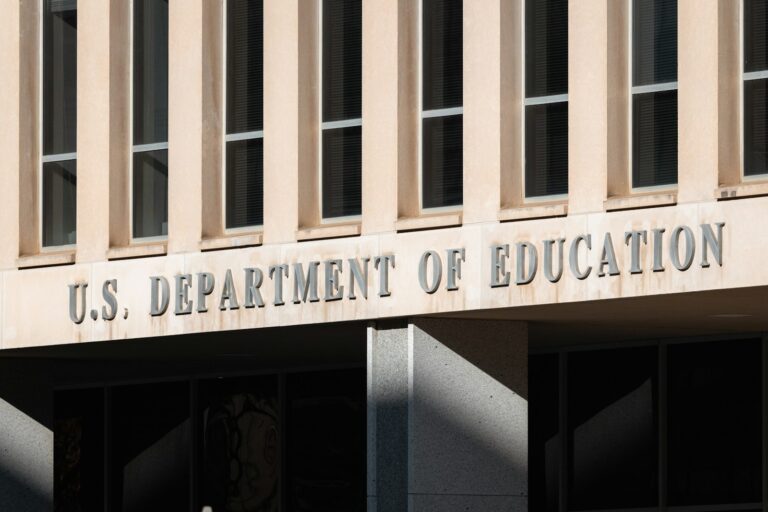
  • Linda McMahon says public schools are failing and need a “hard reset.”
  • She seeks to shift power from the federal Department of Education to the states.
  • Over 20 ultraconservative advisers push for private, religious, and charter schools.
  • Tax dollars may flow away from public schools toward homeschooling and private options.
  • Civil rights enforcement in public schools has slowed, affecting students’ protections.

What’s Next for Public Schools?

Secretary Linda McMahon vowed in November to change how public schools work. She claims more than 80 percent of U.S. children attend failing schools. Yet she has focused on breaking up the federal Department of Education. As a result, states may gain full control over public schools funding and rules. Meanwhile, federal oversight will shrink and change profoundly.

McMahon’s Vision for Public Schools

McMahon spoke about an “educational renaissance” led by states. She wants to remove federal rules that guide public schools. Instead, she plans to let each state decide on curriculum, testing, and staffing. Consequently, she and her team aim to replace broad federal standards with local control. In doing so, they hope to bring more freedom, they say, to parents and teachers.

Advisers Reshaping Public Schools Policy

To achieve these goals, McMahon hired over 20 advisers from ultraconservative think tanks. These advisers doubt the value of public schools. They instead favor private, religious, and charter schools. They also support homeschooling and vouchers that let state funds follow individual students. Therefore, public schools face a new challenge in keeping their budgets and students.

Funding Shifts Away from Public Schools

Under McMahon’s plan, federal funds may divert to private and charter schools. Taxpayer money would follow children rather than schools. In other words, if a family chooses a private school, state funds go with them. As a result, some public schools could lose crucial budgets. This could lead to fewer teachers, larger class sizes, and reduced programs in many districts.

New Curriculum Aims and Public Schools

The Education Department now backs a “pro-America” curriculum for public schools. It promotes an “uplifting portrayal” of the nation’s founding ideals. However, critics warn this downplays slavery and discrimination. They say it risks whitewashing history in public schools. Meanwhile, advisers want Christian values taught openly in the classroom. This blurs the line between church and state in public education.

Civil Rights Office and Public Schools

Since 1979, the Office for Civil Rights enforced anti-discrimination in public schools. Parents turned to it when their children faced bias or unequal access. Yet under the current leadership, much of its staff was laid off. Investigations now focus on bias against white and Jewish students, not on racism or sexism. Sexual orientation and gender identity complaints also receive less attention. As a result, public schools may offer weaker protection for students with disabilities, students of color, and girls.

What Families Should Know

First, public schools may see sharp changes in funding. Second, local districts could adopt new, patriotic curricula that sideline tough parts of history. Third, civil rights oversight will likely remain weaker, leaving fewer ways for families to report discrimination. Finally, parents may get more school choices, but public schools could lose needed support. Therefore, families should watch how their state education department uses new powers.

Possible Effects on Teaching and Learning

Teachers in public schools may face new requirements from their state boards. They might teach more religious ideas or patriotic lessons. Some may feel pressured to follow a specific viewpoint. Others could choose private or charter schools to avoid new rules. This could create teacher shortages in public schools. In turn, student learning may suffer if schools cannot find enough qualified staff.

States Taking the Torch of Public Schools

McMahon’s team often says states know best how to run schools. States could set graduation tests, choose textbooks, or adjust the school calendar. However, some states may lack resources to handle this task. Others may push strict religious and political views into public schools. Meanwhile, states without strong oversight bodies may let bias go unchecked. As a result, the quality of public schools could vary widely across the country.

Homeschooling and Alternative Choices

The push for alternatives means more homeschooling families. States may offer more support for home education programs. Private and charter schools may expand in many communities. This will give families more options outside public schools. Yet those options often lack the same accountability rules as public schools. Therefore, families should weigh choices carefully before leaving a public school.

What Critics Are Saying

Critics argue this overhaul could weaken a system that serves most U.S. children. They worry about underfunded public schools as funds flow to private and religious schools. They also fear students with special needs will lose strong safeguards. Critics call for maintaining civil rights protections in public schools. They hope for a balanced curriculum that covers all aspects of American history.

Moving Forward with Public Schools

As states take control, local communities will shape the future of public schools. School boards and parent groups must stay alert to changes in policy and funding. They can speak up at local meetings, write to state leaders, and form alliances. By doing so, they can help ensure public schools remain open, fair, and well-funded. Ultimately, the fate of public schools rests with parents, teachers, and local leaders.

Frequently Asked Questions

What is the main goal of McMahon’s plan for public schools?

Her plan aims to shift power from the federal Department of Education to state governments. She wants local control over funding, curriculum, and policies in public schools.

How could funding change for public schools?

Under the new plan, state funds may follow students to private, charter, or religious schools. This shift could reduce budgets for many public schools.

Will public schools still enforce civil rights rules?

The Office for Civil Rights has cut staff and narrowed its focus. It now prioritizes certain cases, leaving less support for students facing discrimination in public schools.

How can families stay involved in decisions about public schools?

Parents should attend local school board meetings, join community education groups, and contact their state education officials. This will help them voice concerns and protect public schools.

Doomsday Clock Warns of Trump’s Risky Legacy

0


Key takeaways

• Philosopher Émile P. Torres warns that global dangers are growing fast.
• The Doomsday Clock may tick closer to midnight because of Trump’s choices.
• Pulling out of climate deals and foreign kidnappings add to worldwide risks.
• Torres fears the world will become even more unstable after Trump leaves office.

Doomsday Clock Faces New Threats

A well-known philosopher, Émile P. Torres, says our world is in serious trouble. In a recent essay on his Substack, he explains why the famous Doomsday Clock could move even closer to midnight. The clock, created in 1947, shows how near we are to a global disaster. Right now, it stands at 89 seconds to midnight—the closest it has ever been.

What is the Doomsday Clock?

The Doomsday Clock is a symbolic gauge that tracks humanity’s risk of destruction. Scientists manage it based on threats like nuclear war, climate change, and new technology. When the clock moves toward midnight, it means danger is rising. Conversely, moving it away from midnight signals hope and progress.

The clock began after World War II to warn people about nuclear weapons. Over time, experts added other dangers. Climate change, cyber attacks, and pandemics now all influence the clock. When it sits just 89 seconds from midnight, it warns that we face the highest level of risk in history.

Trump’s Actions and the Doomsday Clock

According to Torres, President Donald Trump’s decisions have increased global risk. First, he withdrew the United States from major climate agreements. This move weakens efforts to curb carbon emissions and slows progress against global warming. Without strong international cooperation, climate change will grow worse.

Moreover, Trump’s reported role in the kidnapping of a foreign leader—Venezuelan dictator Nicolás Maduro—stirs international conflict. Such actions undermine trust between nations and raise fears of retaliation. As Torres points out, growing hostility can push the Doomsday Clock closer to midnight.

Transitioning from one threat to another, the philosopher notes that these factors alone might prompt clock keepers to move the minute hand forward by at least one second. However, Torres warns it could jump several seconds if things deteriorate further. He stresses that humanity now faces “a rapidly growing multiplicity of unprecedented global threats” and a “deteriorating international security situation.”

How Close Are We to Midnight?

Right now, the Doomsday Clock sits at 89 seconds to midnight. To put that in perspective, the record before this was 100 seconds in 2020. Experts say this is the most dangerous moment since the height of the Cold War. At that time, fears of nuclear war dominated the world. Today, we juggle nuclear risk, climate disasters, new tech threats, and political instability.

Furthermore, the climate crisis intensifies every year. Wildfires, droughts, and fierce storms show that the planet is changing fast. When one disaster happens, it can trigger others. For example, a heatwave can cause more wildfires, which release more greenhouse gases. This feedback loop could push the world toward irreversible damage.

In addition, advanced technology like artificial intelligence and cyber warfare poses new dangers. Weapons may become more precise but also more destructive. A single hacker could disable critical infrastructure. Therefore, experts worry about accidents or misuse that could spiral out of control.

A Bleak Future After Trump

Torres does not believe the world will get safer once Trump’s term ends. In fact, he predicts that this period might be the calmest we will see for decades. He writes, “I suspect that this is the least crazy the world will be for the rest of our lives, if only because of climate change and all the disastrous sequelae that comes with it.”

Climate change will outlast any presidency. Sea levels will rise, and extreme weather will become more common. People may face food and water shortages. These pressures could spark conflicts over resources. Consequently, international tension could worsen, further threatening global stability.

In addition, the political fallout from Trump’s actions may leave deep scars. Allies betrayed by policy shifts may hesitate to trust future U.S. leaders. Rival nations could see openings to expand their influence. Thus, a cycle of distrust and competition may follow, making cooperation on global issues harder.

What Can We Do?

Despite bleak predictions, Torres urges collective action. First, citizens can pressure leaders to rejoin climate accords and meet emission targets. Every vote and every protest can send a message that people demand real change.

Second, we must invest in renewable energy and green technology. By reducing our carbon footprint at home and in industry, we help push the Doomsday Clock away from midnight. Moreover, innovations in clean energy can create jobs and improve quality of life.

Third, global dialogue and diplomacy need a boost. Nations should build trust through shared projects, cultural exchanges, and transparent negotiations. When countries work side by side, they learn to resolve conflicts peacefully.

Lastly, individuals can stay informed and support ethical technology use. Whether it’s data privacy or AI safety, we need rules that protect people. Responsible innovation can drive progress without endangering lives.

Buckle Up for a Bumpy Ride

Torres’s warning is clear: we are hurtling toward greater danger. The Doomsday Clock may soon strike closer to midnight. Therefore, our actions today will shape tomorrow’s world. In his own words, “So, buckle up! Things are going to get even bumpier.”

Though the path ahead looks rocky, we still have choices. By uniting behind science, ethics, and environmental care, we can push back against growing threats. Each small step—recycling, voting, speaking out—counts. Together, we can slow the clock and build a safer future.

Frequently Asked Questions

What exactly does the Doomsday Clock measure?

The Doomsday Clock measures how close humanity is to global disaster. Experts set it based on threats like nuclear war, climate change, and new technologies.

Why did the clock move closer to midnight recently?

It moved because of rising tensions between nations, slow progress on climate change, and dangerous new tech. Experts felt these risks overshadowed any gains.

Can individual actions really affect the Doomsday Clock?

Yes. While the clock is a symbol, public pressure can push leaders to act on climate, peace, and technology rules. Collective efforts can slow down global threats.

Is there hope for moving the clock backward?

Absolutely. History shows the clock has moved backward after treaties or big environmental wins. Renewed cooperation on climate and disarmament can shift it away from midnight.

Could Trump’s Tariffs Fund a $600B Military Buildup?

0

Key Takeaways:

  • President Trump aims to boost military spending by $600 billion a year starting in October.
  • He plans to fund this increase with much higher import taxes, known as tariffs.
  • The hike equals almost 2 percent of GDP and adds up to $6 trillion over ten years.
  • Tariffs may jump by 30 points after imports drop and some goods get waivers.
  • Higher tariffs will push up consumer prices and shift jobs toward defense contractors.
  • The plan may bypass Congress, raising constitutional issues over taxing and spending power.

Trump’s Tariffs Plan: Big Military, Bigger Taxes

President Trump now wants a huge $600 billion boost in military spending every year. To pay for it, he’ll raise import taxes—tariffs—by a massive amount. Yet the U.S. Constitution says only Congress can set taxes and approve spending. So far, Trump and many in Congress have shown little respect for that rule. Therefore, it remains unclear if he will actually seek Congress’s approval or just impose the plan on his own.

How Tariffs Could Pay for the Buildup

Imports into the U.S. total about $3.2 trillion each year. A simple math trick shows that a 19 percent tariff hike across all goods would raise $600 billion if imports stayed the same. However, imports will fall when prices rise. If they drop by 15 percent, they fall to $2.7 trillion. To still hit $600 billion, the average tariff jump must reach 22 points.

Moreover, Trump may grant special exemptions to key industries or big donors at Mar-a-Lago. That forces even higher rates on most goods to make up the shortfall. As a result, tariffs on many items could climb by about 30 points.

Constitutional Concerns Over Tariffs

The U.S. Constitution clearly assigns tax and spending powers to Congress. Yet Trump’s second term has seen few clear votes on major tax hikes or big budget moves. Meanwhile, the Supreme Court has stayed silent on these sidesteps. If Trump imposes huge tariffs and redirects the revenues to defense without a vote, he would break this core rule. That could spark a major legal battle—if anyone dares to challenge it.

Impact on Households and Businesses

Tariffs act like a hidden tax on shoppers. When rates rise, importers pay more and pass the cost onto consumers. As a result, families face higher prices for clothes, electronics, food, and cars. In many cases, the full burden lands on households, not foreign exporters. Thus, this plan undercuts any talk of making life more affordable.

U.S. businesses also suffer. High tariffs on intermediate goods—parts used to build finished items—raise costs for factories. Car makers, aircraft builders, and tech firms will pay more. That hurts their global competitiveness and can lead to layoffs or higher prices on U.S. exports. In effect, the tariffs meant to strengthen the economy would slow it down.

Resource Shift to Defense Jobs

A $600 billion annual boost creates jobs. Yet most of these would go to military contractors and their supply chains. Engineers designing jets, scientists working on weapon systems, and many factory workers would move to defense projects. Meanwhile, civilian industries lose talent. Researchers who might develop better computers, medical devices, or new drugs end up doing military work instead.

The same story holds for less-skilled workers. Teachers, health aides, or home care assistants could see fewer job openings. Instead, they might find roles in shipyards, arms factories, or maintenance crews for military bases. This shift drains resources from schools and hospitals into tanks and warships. In the long run, that drags down overall growth and living standards.

The Toll on Innovation

History shows that even in wartime, diverting too many scientists and engineers can hurt progress in other fields. World War II spurred major advances, but it also delayed many civilian projects. Today’s tech landscape depends on breakthroughs in AI, biotech, and clean energy. Forcing talent into defense work risks slowing advances that raise life quality and drive the next wave of business growth.

Why Exemptions Drive Tariffs Higher

Trump has exempted some imports from past tariff hikes. Apple’s CEO visited Mar-a-Lago and secured relief for some parts. Other executives have followed suit. If Trump lets big companies dodge the new tariffs, then smaller importers and families shoulder an even bigger share. This pushes average rates past 30 percent on most goods. In effect, wealthy insiders get breaks while everyone else pays more.

No Clear Case for the Buildup

Large military spending might make sense if a dire threat rose, similar to Nazi Germany in World War II. Yet no one in the Trump camp has offered that argument. Instead, Trump threatened to invade Venezuela and drew maps like it was a video game. While some find that entertaining, a real war would be costly for lives and budgets.

At least a big national threat can unite people and speed up production. Without it, the plan looks like partisan theater—one man playing commander-in-chief. He may enjoy it, yet taxpayers face the actual bill.

The Economic Trade-Off

A $6 trillion rise in taxes over ten years is real money. It equals about $45,000 per household. Even if the tariff hike slows imports, families will pay more each time they buy. Meanwhile, the diverted resources won’t help schools, hospitals, or green energy. Instead, they fund arms, ships, and aircraft jets.

If the tariffs simply patch the federal budget, deficits stay under control. Yet if Trump fails to use the extra revenue correctly, the federal debt swells further. Either way, the economy bears the burden.

What Happens Next?

First, we await Trump’s formal announcement. Then we watch Congress. Will they vote on or block this plan? Or will the administration try to enforce it without approval? Legal experts predict court fights either way.

In the short term, importers will plan for higher costs. Consumers may rush to buy goods now before tariffs bite. Investors could shift money toward defense stocks. Over the longer haul, the economy may slow as spending shifts away from homes, schools, and hospitals.

The Big Question

Is this the best way to strengthen America’s security? Or does it weaken the nation by fueling higher prices and misallocating talent? Perhaps a more balanced plan, combining a modest budget boost with clear targets, would win broader support. For now, the U.S. faces uncertainty. Will the rule of law hold firm? Or will the power of the presidency redefine taxes and spending?

Only time will tell how far Trump goes with his tariffs plan. Yet one thing is clear: families, businesses, and workers will all feel the impact, for better or worse.

Frequently Asked Questions

What are tariffs and how do they work?

Tariffs are taxes on imported goods. When a government raises tariffs, importers pay more. They pass on the higher cost to consumers in the form of higher prices.

Could Congress block these tariff hikes?

Yes. The Constitution gives Congress the sole power to set taxes. If members unite, they can pass a law to stop or limit the tariff increase. Yet political divisions may complicate that effort.

How would higher tariffs affect everyday families?

Families would pay more for clothes, electronics, cars, and many other goods. Since importers pass tariffs onto shoppers, household budgets shrink. That reduces spending on other items.

What happens to U.S. jobs under this plan?

Some jobs move into defense manufacturing and research. Yet civilian sectors like education, healthcare, and tech lose talent. Over time, this shift can slow growth and innovation.

Is MAGA Propaganda Echoing Goebbels

0

Key takeaways

  • A GOP strategist says MAGA propaganda echoes Nazi tactics.
  • Trump allies used hate speech like Joseph Goebbels.
  • A DHS ad borrowed a white nationalist slogan.
  • Experts warn this shows hate at the heart of MAGA.

MAGA propaganda shows dangerous echoes

A top GOP strategist argues that some Trump allies now use Nazi-style messages. He points to words aimed at Somalis and Haitians. Those words mirror Joseph Goebbels, the Nazi propaganda chief. This claim gives a window into hate at the core of MAGA. As a result, we see old hatred in new forms.

Understanding MAGA propaganda

MAGA propaganda tries to unite people by naming a target for blame. It uses false stories about social service fraud and immigration. For example, Steve Miller and JD Vance used wild claims about Somalis and Haitians. Tucker Carlson and Megyn Kelly echoed similar themes on air. They said immigrants committed fake crimes. In reality, evidence did not support their claims. Yet, these stories spread fast. That shows how MAGA propaganda works. It taps into fear and anger. Moreover, it offers simple villains for complex problems.

How MAGA propaganda mirrors Goebbels

Joseph Goebbels led Nazi messages in Germany. He blamed Jews for economic troubles. Then he spread lies to stoke hate. MAGA propaganda has followed that playbook. Steve Schmidt notes phrases like “eating pets” against Haitians. This is a classic Nazi slander. Also, a DHS ad used “we’ll have our home again.” That slogan traces back to a white nationalist song. Thus, the same hate tactics resurface. They push a shared enemy story. They rally a base through fear and hate.

The danger inside MAGA propaganda

Hate binds the Nazis and modern MAGA voices. They need a common enemy to unite followers. As a result, they isolate and dehumanize that group. History shows this process can lead to violence. When leaders repeat false charges, they strip away empathy. In turn, people accept harsh policies. They suspend reason. They view their target as less than human. This makes it easier to support cruelty. If unchecked, such rhetoric can harm democracy itself.

What this means for American politics

If MAGA propaganda keeps rising, political debate suffers. Instead of facts, we get fiction and fear. Civic trust erodes when leaders spread lies. Voters face a choice: stand against hate or let it spread. To fight propaganda, people must check claims. They can seek reliable data and varied news sources. They can speak out when they hear dehumanizing language. Together, voters can demand honest dialogue and clear facts. This push can restore respect for truth and for each other.

Frequently asked questions

What did the GOP strategist claim about MAGA propaganda

A GOP strategist said some Trump allies now mimic Nazi chief Goebbels. He noted they spread lies and hate against immigrants. He believes this shows the movement’s dark core.

Why is the DHS ad slogan controversial

The ad used the phrase “we’ll have our home again.” Experts link it to a white nationalist song. This showed how easy it is to borrow hate symbols.

How can people spot MAGA propaganda

Watch for simple blame stories with no proof. Check if claims about a group match reliable data. Be wary when leaders use demeaning words.

What can citizens do to fight propaganda

Seek facts from multiple trustworthy sources. Challenge hate speech when safe. Encourage leaders to focus on real solutions, not fear.

Inside the Secret Powell Investigation

0

Key Takeaways

• U.S. Attorney Jeanine Pirro opened a quiet probe into Fed chair Jerome Powell’s headquarters renovation.
• The Powell investigation began amid President Trump’s push to oust Powell over interest rates.
• Prosecutors have asked Powell’s team for renovation documents but have not yet held a grand jury.
• Past Trump-aligned probes into political foes have faced legal hurdles and court challenges.

A Closer Look at the Powell Investigation

The Powell investigation centers on how the Federal Reserve spent money fixing up its main headquarters. Last year, Jeanine Pirro took the lead as the U.S. Attorney in Washington, D.C. She opened this inquiry under the radar. At the same time, President Trump has been unhappy with Powell’s choice to keep interest rates steady. In fact, Trump has said he wants to replace him with his top economic adviser. Meanwhile, prosecutors in Pirro’s office have asked Powell’s staff for papers about the renovation. Yet, it remains unclear if they have called a grand jury or issued subpoenas.

Background on the Federal Reserve Renovation

The Federal Reserve uses a large building in Washington as its main office. Over time, it needed repairs and upgrades. The renovation project grew more expensive than first planned. Critics wondered if the Fed was spending too much taxpayer money. Since Jerome Powell became chair in 2017, the project has moved forward in phases. However, the final cost and how decisions were made have come under scrutiny.

As a result, the Powell investigation looks at spending, contracts, and decision steps. Prosecutors want to know if anyone broke rules or misused funds. Yet, opening an investigation does not guarantee an indictment. Federal grand juries require solid proof before charging anyone.

How the Powell Investigation Unfolded

Last year, Jeanine Pirro quietly assigned staff to gather renovation files. First, they contacted Powell’s team to request budgets, invoices, and emails. Then, investigators reviewed spending on contractors and design firms. Meanwhile, there are questions about whether any Fed officials approved costly extras. Thus far, no public notice has announced a grand jury. However, officials who spoke on condition of anonymity confirmed an open inquiry.

Prosecutors must show evidence that someone acted unlawfully. They need clear proof of fraud, waste, or a scheme to misuse funds. Therefore, investigators are drilling into every line item of the renovation budget. In addition, they are comparing approved contracts to actual payments. Yet, legal experts note it can take months or even years to build a case. Starting a probe is simple. Building a winning case is another matter.

Political Pressure and Timing

This Powell investigation comes at a tense political moment. President Trump has openly criticized the Fed chair’s choice not to cut interest rates aggressively. He believes lower rates will boost the economy before the next election. Last week, Trump told reporters he plans to replace Powell with his economic adviser Kevin Hassett. Given that, some see the probe as political pressure. On the other hand, federal law gives U.S. Attorneys the power to investigate financial misdeeds.

In addition, Trump-aligned prosecutors have opened several high-profile investigations. These include probes into former FBI Director James Comey, New York Attorney General Letitia James, and Federal Reserve Governor Lisa Cook. Each case has run into court challenges. For example, one prosecutor was removed after a judge found she took office illegally. Meanwhile, the Supreme Court is expected to hear a case related to the probe of Governor Cook early next year.

Other Trump-Aligned Probes and Their Roadblocks

Several similar investigations began under Trump-friendly U.S. Attorneys. They targeted his critics and political foes. Yet many faced legal roadblocks:
– In the case against James and Comey, a judge ousted the prosecutor for lacking authority.
– The probe into Cook went to appeals court and now awaits a Supreme Court decision.
– Some cases stalled for lack of clear evidence or procedural errors.

These roadblocks show that political motive alone does not guarantee legal success. Prosecutors must follow rules on appointments, subpoenas, and jurisdiction. Furthermore, defendants can challenge every step in court. As a result, even well-funded investigations can falter.

What’s Next for the Powell Investigation

At this stage, investigators are still gathering documents. They must decide whether to convene a grand jury. If they do, they can issue subpoenas and compel testimony. Yet, they need a solid evidence trail. Meanwhile, Powell remains in his seat, though his term ends in 2022. Any attempt to remove him requires Senate approval.

Moreover, public reaction may shape the investigation’s path. Some see it as a necessary check on government spending. Others view it as political retaliation. Therefore, prosecutors must proceed carefully to avoid claims of bias. If they find proof of wrongdoing, they could charge individuals involved in the renovation. However, if the evidence is weak or circumstantial, the probe could stall or end without charges.

Key Players and Their Roles

Jeanine Pirro

• U.S. Attorney in Washington, D.C.
• Opened the investigation quietly last year.
• Known as a strong Trump supporter.

Jerome Powell

• Federal Reserve chair since 2018.
• Appointed by President Trump.
• Oversees U.S. monetary policy and Fed operations.

Donald Trump

• Criticized Powell’s rate decisions.
• Wants to replace him with Kevin Hassett.
• Supports probes into political rivals.

Federal Prosecutors

• Reviewing renovation budgets and contracts.
• Contacting Powell’s staff for documents.
• Assessing whether to convene a grand jury.

Potential Outcomes

If prosecutors find clear evidence of fraud, they may seek indictments. Those charges could target Fed officials or contractors. Yet, cases could collapse if evidence is thin. Alternatively, the probe might conclude with no public findings. That outcome could fuel claims of a political witch hunt. In any event, the Powell investigation highlights how politics and law enforcement can collide.

Looking Ahead

As the investigation moves forward, the public will watch closely. Fed transparency and spending practices may come under new rules. Meanwhile, lawmakers could introduce reforms to limit political interference in U.S. Attorney decisions. In short, this probe has the power to affect both the Fed’s reputation and how high-stakes investigations begin.

Frequently Asked Questions

What is the main focus of the Powell investigation?

The probe examines how the Federal Reserve paid for its headquarters renovation and whether funds were misused.

Who leads the Powell investigation?

U.S. Attorney Jeanine Pirro in Washington, D.C. quietly opened the inquiry last year.

Has a grand jury been convened for the Powell investigation?

It is not clear if a grand jury has been called. Prosecutors have requested documents but made no public announcement.

What could happen next in the Powell investigation?

If evidence is strong, prosecutors may seek indictments. Otherwise, the case could stall without charges.