62.9 F
San Francisco
Tuesday, March 31, 2026
Home Blog Page 226

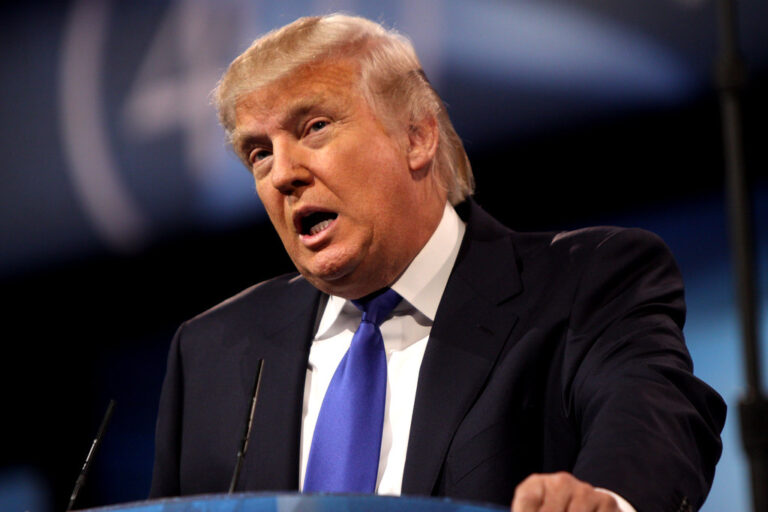
MAGA Lawmaker Slams Trump’s Affordability Claims

Key takeaways

• Rep. Marjorie Taylor Greene accuses Trump of gaslighting voters on rising prices
• President Trump insists affordability is getting better under his leadership
• Recent polls show 54% of Americans think the economy is worsening
• Even former advisor Stephen Moore admits people don’t feel cost relief

Rep. Marjorie Taylor Greene broke ranks with President Trump over affordability. She told Sean Spicer’s show that claiming prices have fallen is “gaslighting voters.” She said people see higher grocery, clothing, and utility bills every day. That disconnect is fueling frustration across the country.

Why affordability becomes a hot topic

Affordability plays a big role in how Americans view the economy. When prices rise, families feel each dollar stretching thinner. Therefore, talk of lower costs can sound out of touch. Moreover, most voters check prices at the store, not in news reports. Consequently, any claim that rows of goods cost less feels unreal to many.

Greene pointed out that voters know what they spend on essentials. She argued that brushing off rising costs will not calm a worried public. Instead, she said, it infuriates people to hear prices are “way down” when receipts tell a different story.

What voters really feel at checkout

Polls confirm that many Americans share Greene’s frustration. A recent YouGov survey shows 54 percent believe the economy is getting worse. That number jumped 18 points since January. Meanwhile, 39 percent now call the economy poor, up eight points. These figures reveal a growing gap between official statements and everyday experience.

Families remember higher bills for food, gas, and rent. They also see steeper costs for school supplies and utility services. Even a small rise in price can strain a tight budget. As a result, people tend to focus on things costing more. They feel squeezed when paychecks don’t stretch as far.

Trump’s defense and his inflation message

President Trump continues to argue that costs are falling under his policies. He recently told reporters he did not “want to hear about affordability.” In the Oval Office, he said “costs are way down.” Last week, he declared that “affordability is much better with the Republicans.”

However, his words clash with public sentiment. Many voters simply don’t feel relief at checkout. In response, Greene accused him of gaslighting the public. She believes dismissing affordability concerns will only worsen voter frustration.

Even allies admit disconnect on affordability

Surprisingly, Trump’s former economic advisor also warns of a mismatch between data and feelings. Stephen Moore told NPR that families’ purchasing power rose since President Biden left office. Yet, he added, people “don’t feel it” and remain “crabby” about price hikes.

Moore’s point highlights a key issue. Data can show improvement, but perception matters most in politics. If voters don’t believe they have more spending power, they punish leaders at the polls. Therefore, recognizing public concerns becomes crucial for any campaign.

How affordability shapes political fortunes

Affordability issues often decide elections. When families struggle to buy essentials, they blame those in power. Politicians know that raising wages or cutting costs can boost support. Conversely, ignoring price worries can lead to voter backlash.

In this case, Greene’s bold critique signals internal party tension. It shows that even high-profile allies worry about the message on costs. Thus, the president faces pressure to address real-world pain points. He must connect his economic record with people’s daily lives.

Steps Trump could take to ease price pain

To bridge the gap, the president might offer targeted relief. For example, reducing tariffs on key imports could lower supply costs. Expanding tax credits for families with children can boost spending power. Streamlining regulations for energy production might cut utility bills.

Moreover, clear communication about policy wins can help. If a new measure trims grocery or gas prices, highlighting those examples can build trust. Active listening tours, where the president hears voters’ stories, could also improve his public image.

Looking ahead to voter reactions

Unless affordability concerns ease, economic optimism will remain fragile. Polls will likely keep tracking public mood and prices. If the gap between data and feelings stays wide, both parties will adjust their strategies.

For Trump’s team, the challenge is clear. They must show tangible cost savings, not just talk about them. Otherwise, critics like Marjorie Taylor Greene will continue to question their claims.

Affordability remains at the heart of the debate. As voters shop and pay bills, they will judge leaders on real-world numbers. If prices keep rising, politicians risk losing votes despite positive charts.

Frequently Asked Questions

What does affordability mean here?

Affordability refers to how easily families can afford everyday items like food, clothes, and utilities without financial strain.

Why did Marjorie Taylor Greene criticize Trump?

She accused him of gaslighting voters by downplaying rising prices and saying costs have fallen when people know they have not.

What do recent polls say about the economy?

One survey found 54 percent of Americans believe the economy is worsening, and 39 percent describe it as poor since Trump took office.

How does Stephen Moore view affordability claims?

He acknowledges that data shows more purchasing power for families, but he admits many people don’t feel that improvement.


Epstein Bannon Texts Expose Secret Media Plan

0

Key Takeaways

• Epstein coached Bannon on how to defend Trump in media.
• Texts show talks on tax cuts, immigration, and security clearances.
• Epstein gave detailed feedback on Bannon’s TV interviews.
• They planned secret meetups in New York under cover of darkness.

What the Epstein Bannon Texts Reveal

Last week, the House Oversight Committee released a set of text messages that shocked many. The messages span six days in August 2018. They show how Jeffrey Epstein and Steve Bannon worked together on a media campaign to defend Donald Trump. Although Epstein was already infamous, he still offered political advice from prison. Meanwhile, Bannon, who once ran Trump’s White House strategy, reached out for help.

How the Messages Came to Light

The newly released messages come from an iMessage account tied to Epstein’s email. Even though Bannon’s name was redacted, clues made his role clear. They mention his firing from the White House in August 2017. They also refer to his work on the documentary Trump @War and his Fox News spots. Therefore, investigators and reporters quickly connected the dots between Epstein and Bannon.

Inside the Planning Sessions

Epstein and Bannon talked about big political topics. They discussed tax cuts that took effect in early 2018. Epstein argued that critics who said “83 percent of the benefits go to the rich” were wrong. He wrote that numbers misled people and that workers would see real gains later. He also suggested a “cash back” angle and praised pension fund boosts. Thus, Epstein tried to shape a strong defense on the economy.

Advice on TV Appearances

The texts offer a rare look at Epstein’s eye for detail. He asked Bannon if he watched an MSNBC interview from August 17. “All good?” Epstein wrote. Bannon said the show ran longer than planned and reached multiple platforms. Epstein replied, “Atta boy.” He then poked fun: “You looked so clean cut next to him. I thought I turned on the figure skating channel.” Bannon joked back about his “come hither” look. Epstein shot back with a dark pun: “Better than the usual ‘come Hitler’ look.”

Improving the Pitch

As the conversation continued, Epstein gave real feedback. He said Bannon should show more of his true self in the last ten minutes of an interview. He even offered camera tips on lighting and angles. He wrote, “Your eye is the best. Over the shoulder for him, three-quarter for you.” He noted that chairs felt restrictive and that hotter lighting would help Bannon appear stronger. This level of detail shows Epstein’s surprising media savvy.

Shaping the Trump Agenda

Beyond interviews, Epstein helped Bannon develop key talking points. They discussed immigration policy and recent security clearance revocations for critics. Epstein also flagged a report about David Pecker’s immunity in the Michael Cohen probe. Bannon called it a “huge event” and warned that more payoff stories might come out. Epstein urged Bannon to use these developments to rally Trump’s base.

MAGA World Updates

Their messages also touched on other figures in the MAGA universe. Epstein mentioned Peter Thiel’s visit to New York. He also noted that Anthony Scaramucci, known as “the Mooch,” wanted to reconnect with Bannon through Ivanka Trump. Epstein found the request odd since he had met Scaramucci only once. These mentions show how Epstein stayed linked to major players even as his reputation sank.

The Secret Meetups

The texts reveal plans for secret meetings too. Epstein offered Bannon a low-key meetup in New York. He said he would be in town and could host Bannon “under the cover of darkness” or over breakfast. Bannon asked if there was a back door, noting 24/7 surveillance on Epstein’s main entrance. Epstein then described a secure rear apartment entrance on East 66th Street. “Super secure,” he promised. Bannon agreed to meet after 4:30.

Why It Matters

These revelations raise many questions. First, they show a deep link between convicted sex offender Epstein and a top Trump ally. Second, they expose how strategy and media coaching can come from unexpected places. Finally, they remind us that politics often blends public messages with private plans. As the midterm elections approach, campaigns may intensify their messaging tactics, but few involve such a tainted advisor.

What Comes Next

In response to the text dump, lawmakers and the public are calling for a closer look. Many wonder if Epstein’s own legal troubles influenced his eagerness to help. Others ask whether Bannon or his allies took these chats seriously at the time. Meanwhile, the Oversight Committee may dig deeper into any policy shifts linked to these messages.

Lessons for the Future

This episode underscores the need for transparency in political advising. When undisclosed figures shape public content, voters lose trust. Therefore, future reforms might require teams to reveal all outside consultants. Also, media outlets may ask tougher questions about guests’ backgrounds. In the end, open debate and honest disclosure can help prevent hidden campaigns fueled by controversial figures.

Frequently Asked Questions

How did the Epstein Bannon texts become public?

Congressional investigators released them as part of a House Oversight Committee inquiry. They reviewed Epstein’s digital records and provided the declassified messages.

Did Bannon admit to working with Epstein?

Bannon’s direct response has been limited. However, contextual clues in the texts make clear he exchanged advice with Epstein.

What topics did Epstein coach Bannon on?

Epstein offered feedback on TV interviews and helped craft key talking points on tax cuts, immigration, security clearances, and media events.

Could these messages affect Bannon’s future work?

The revelations may impact his reputation and any political roles he seeks. Voters and allies could view him differently after learning of this partnership.

Trump Epstein Scandal Unravels GOP Support

Key Takeaways:

  • President Trump is struggling to control the Epstein scandal fallout.
  • Some House Republicans, including Nancy Mace, refuse to back him.
  • Conservative journalist David Drucker says Trump has lost grip on events.
  • Grassroots Republicans demand answers about the Epstein emails.

Ever since emails linked to Jeffrey Epstein went public, President Trump has tried to suppress the story. However, Republican lawmakers are now resisting his efforts. As a result, Trump finds himself on the defensive. Conservative journalist David Drucker noted this turn of events on a popular morning show.

How Trump Can’t Control the Epstein Scandal

First, let’s look at how Trump tried to handle these emails. He pressured allies in Congress to help him quiet the story. Yet, many refused. For example, Representative Nancy Mace did not yield to White House demands. This was surprising since primary season is near.

On television, MSNBC hosts reported that White House officials admit the president is “fighting a losing battle.” Drucker explained that Trump has been fanning flames around the Epstein files for years. Now, those flames have grown out of his control.

Pressure on MAGA Allies

Trump asked his MAGA allies in the House to challenge or defund investigations into the Epstein scandal. He hoped they would issue statements dismissing any conspiracy talk. However, key members like Nancy Mace balked. She said she will not be bullied into denying what many grassroots Republicans believe.

Joe Scarborough pointed out that Mace’s stand is a rare public break with the president. Drucker agreed, calling it “fascinating” that House Republicans would so openly reject Trump. He stressed this kind of pushback is almost unheard of in a GOP led by Trump.

Republicans Break Ranks

It is unusual for Republicans to oppose a sitting GOP president, especially right before elections. Yet several factors led to this split:

  • Voter anger over the economy.
  • A belief in a hidden conspiracy behind the Epstein emails.
  • Fear of political fallout if they stay silent.

These lawmakers fear voters will punish them if they seem to cover up a scandal. Thus, they choose to distance themselves from Trump’s requests.

The President’s New Role as Victim

For the first time in his second term, Trump looks like he has lost control of major events. Drucker said this shift is dramatic. In the early months of his presidency, Trump set the agenda in the White House and on Capitol Hill. Now, he reacts to events he once commanded.

Therefore, many Republicans see him in a weaker light. They worry that supporting him could harm their own campaigns. As a result, they refuse to play along with his attempts to sideline the Epstein scandal.

How the Epstein Scandal Spiraled Beyond Control

At the heart of this drama are the newly released emails of Jeffrey Epstein. They hint at high-level wrongdoing by powerful figures. Trump had once suggested the files were part of a conspiracy against him. He claimed political enemies planted or exaggerated the emails.

Yet now, grassroots Republicans and some elected officials take the emails seriously. They want a full investigation. They won’t let the president brush away their concerns.

Moreover, the media spotlight on the scandal has only grown. Each day, more details emerge linking Epstein’s network to the powerful. This constant drip of revelations makes it hard for any leader to silence the story.

Why Grassroots Republicans Won’t Let Go

Many conservative voters feel betrayed that the Epstein scandal was not fully examined years ago. They believe it holds the key to exposing deep corruption among elites. Now, they demand justice and full transparency.

These voters have voiced their frustration through social media and local town halls. They pressure their representatives to take a stand. That grassroots energy forces lawmakers to act, even against presidential wishes.

What Comes Next for Trump

As Trump grapples with these developments, he faces a few tough choices:

  • He could step back and allow a full, independent probe.
  • He could double down and intensify pressure on allies.
  • He could shift focus to other issues to divert attention.

Each path carries risk. Stepping back admits defeat. Doubling down might deepen GOP divisions. Changing topics could look like evasion.

Yet time is running out. With primary season on the horizon, both Trump and his party must decide how to handle this crisis.

Key Players in the Epstein Scandal Saga

David Drucker’s Analysis

David Drucker, writing for a conservative publication, broke down the situation on live TV. He pointed out how rare it is to see Republicans defy Trump so openly. His comments highlight the growing gap between the president and his party.

Nancy Mace’s Stand

Representative Nancy Mace of South Carolina made headlines by refusing the White House’s request. She said her voters want transparency, not cover-ups. Other GOP members may follow her lead.

MSNBC’s Morning Joe

The show’s hosts, including Mika Brzezinski and Joe Scarborough, relayed insider reports that Trump’s team admits defeat. Their coverage amplified Drucker’s points, showing how the story reached a wider audience.

Lessons for Political Power

This episode offers key lessons about how power works in modern politics:

  • Even a popular president can lose control when issues reach a tipping point.
  • Grassroots opinion can influence elected leaders more than top-down orders.
  • Media coverage can accelerate pressure on politicians to act.

In short, the Epstein scandal demonstrates that no leader, not even Trump, can fully dictate how history remembers them.

Conclusion

The Trump Epstein scandal has reached a turning point. President Trump’s efforts to contain the fallout have failed. Republican lawmakers are now distancing themselves from his agenda. Conservative journalists note that Trump has lost his day-to-day control of events. Grassroots voters demand real answers. Now, Trump faces a crisis that might shape his political future and the broader GOP landscape.

Frequently Asked Questions

Why are Republicans distancing from Trump over the Epstein scandal?

Many voters and party members believe the Epstein emails reveal serious wrongdoing. They fear covering up the story will hurt their own political standing.

What did David Drucker say about Trump’s control over events?

Drucker noted that Trump, once master of the agenda, now looks like a victim of events he cannot control.

Who in Congress has resisted Trump’s pressure on the Epstein scandal?

Representative Nancy Mace publicly refused to support the White House’s efforts to dismiss concerns about the Epstein emails.

What could happen next for Trump as support wanes?

Trump may allow an independent probe, increase pressure on allies, or shift focus to other issues. Each choice carries the risk of further political fallout.

Eric Swalwell Shrugs Off Trump’s False Claims

0

Key Takeaways

• Eric Swalwell rejects Trump’s fraud allegations as false.
• Trump’s housing official referred Swalwell to the Justice Department.
• Swalwell vows to fight Trump in court over January 6 lawsuit.
• He frames the move as another political attack by Trump.
• Swalwell remains focused on Californians, not on hiding.

Eric Swalwell Holds His Ground

Eric Swalwell appeared calm on TV when he heard about new claims against him. He spoke on a news show soon after the story broke. The claims accuse him of mortgage fraud. Eric Swalwell said these charges are baseless. He called them a political move by Donald Trump.

Eric Swalwell’s Background with Trump

Eric Swalwell has long criticized Donald Trump. He even sued Trump for his role in the January 6 attack. That case remains one of the few active lawsuits against the former president. As a vocal Democrat from California, Swalwell often clashes with Trump’s team.

Recently, Trump’s housing finance administrator, Bill Pulte, accused several Democrats of mortgage fraud. He named Eric Swalwell, Adam Schiff, Letitia James, and Lisa Cook. These allegations lack solid evidence. Instead, they serve as a pattern to target Trump’s critics.

The New Allegations and Reaction

First, Bill Pulte told the Justice Department to investigate Eric Swalwell. He cited vague reports and rumors. Then, news outlets published leaks about the referral. Next, MSNBC asked Swalwell to comment on these claims.

Swalwell spoke with anchor Symone Sanders. He said he has not heard directly from the Justice Department. Any “information” comes only through media leaks. He remains firm that the allegations against him are false. He sees a clear effort to intimidate his team and other critics.

Why Eric Swalwell Isn’t Worried

Eric Swalwell feels no fear. He said that neither he nor his allies will back down. He pointed out that false claims have hit many Democrats. For example, Schiff, James, and Cook faced similar referrals. Swalwell warned that more false charges will appear next week.

Moreover, Swalwell said he wakes up to fight for Californians. He does not wake up to fight Trump. However, Trump “just happens to get in the way” of his work. Therefore, Swalwell plans to press on with his lawsuit over January 6. He will also continue campaigning for California governor.

Inside Swalwell’s Strategy

Swalwell’s main goal is to keep pressure on Trump. He plans to highlight each false accusation as proof of political revenge. He expects the Justice Department to dismiss the claims once they review the evidence. At the same time, he wants to show voters that he stands firm against bullying tactics.

In public statements, Swalwell takes a calm tone. He avoids personal attacks and sticks to facts. He insists that no real evidence links him to mortgage fraud. Meanwhile, he urges Californians to judge him by his record of service. He points to his work on education, infrastructure, and public safety.

Next, Swalwell will likely challenge Pulte’s authority. He can demand proof that Pulte had standing to refer such cases. He could also ask for documents behind the allegations. If no solid proof exists, the case should collapse quickly.

What Californians Should Know

First, these new claims should not distract voters. California faces many issues, like housing, water, and wildfire risks. Swalwell says he will stay focused on these problems. He believes Trump’s attempts will only divert attention from real challenges.

Second, the referral process involves checks and balances. The Justice Department will not act on leaked media stories alone. Agents need real documents, sworn statements, and solid leads. Without those, the department will dismiss the case.

Third, each false allegation helps Swalwell gain support from his base. His defense of truth and transparency appeals to many Californians. They see him as a fighter, willing to stand up to a powerful opponent.

The Broader Political Battle

The feud between Trump and his critics goes beyond Eric Swalwell. Trump often uses accusations as a tool against elected officials he sees as enemies. He repeats similar charges on social media and in speeches.

For his part, Swalwell has resisted these attacks for years. He said he knew Trump would target him once he announced his interest in higher office. Eric Swalwell now hopes that facing these challenges will strengthen his campaign.

Looking Ahead

As the Justice Department reviews the referral, many watch closely. If the department finds no merit, the story will fade quickly. However, Trump could still mention the claims in rallies or on social media.

Meanwhile, Swalwell will keep pushing his agenda in California. He plans town halls, interviews, and community visits. He wants voters to see him tackling real problems, not hiding from unfounded attacks.

In the next weeks, look for updates on the Justice Department’s response. Also expect Swalwell to defend his record more aggressively. He will likely use each appearance to highlight the pattern of false claims by Trump’s team.

Ultimately, Eric Swalwell hopes that standing his ground will earn respect from voters. He believes Californians want leaders who face pressure without caving in. His message remains clear: show me the proof, but I won’t back down.

Frequently Asked Questions

What did Trump’s team allege against Eric Swalwell?

They claimed mortgage fraud without clear evidence. The referral came from a Trump-appointed administrator.

How did Eric Swalwell respond to the allegations?

He denied them as false and called the referral a political attack. He also said he has no direct contact with the Justice Department.

Will the Justice Department investigate immediately?

Currently, there is no public confirmation of an investigation. The department relies on formal evidence, not media leaks.

How does this affect Swalwell’s campaign for governor?

Swalwell says he stays focused on Californian issues. He believes the attacks will only make his supporters more determined.

Why Trump’s Team Feels the Heat Over Epstein Emails

Key Takeaways

  • President Trump is openly frustrated by the newly released Epstein emails.
  • White House leaders debate how to respond to a congressional petition.
  • Officials even brought Rep. Lauren Boebert into the Situation Room.
  • Congress could force the Justice Department to share more documents.
  • Questions grow about Trump’s promise of transparency.

White House Worries Grow Over Epstein Emails

The release of Epstein emails has put President Trump’s team on edge. Streaming in this week, the documents come from the late trafficker’s private files. As a result, the White House is scrambling for an answer. From closed doors inside the West Wing, aides admit that the president is “frustrated” by the public scrutiny. Meanwhile, lawmakers on both sides of the aisle push for more files to go public. They hope fresh records will shed new light on this high-profile case.

Why the White House Is Worried

First, senior staff once called strongly for full transparency. During Trump’s third campaign, they demanded the file release. Now, they face pressure to back that same stance. They worry that keeping more Epstein emails under wraps will look like a cover-up. As a result, they must balance loyalty to the president with public calls for openness. Moreover, they fear any hidden records could damage Trump’s image. Thus, senior aides find themselves in a tough spot.

The Petition That Shocked the Administration

On Wednesday, a bipartisan petition to force the files’ release hit 218 signatures. That mark means the House can bring the request to the floor. After more than two years of waiting, members will soon vote. If they pass it, the Justice Department must hand over the rest of the documents. This step could happen as early as next week. Given the tight deadline, the White House must decide quickly. They debate whether to publicly oppose the vote or try to delay it.

An Unusual Move with a Key Lawmaker

In an odd turn, officials called Rep. Lauren Boebert into the Situation Room. Their goal was to persuade her to remove her name from the petition. However, she refused. As a result, the administration couldn’t stop the petition’s critical 218th signature. This move raised eyebrows on Capitol Hill. Many saw it as desperate and heavy-handed. Now, the White House must rethink its approach to winning support.

What the President Faces

Despite staff causing the stir, the president himself feels the heat. Sources say he worries more documents could reveal new, embarrassing details. Allegations that Trump knew more about Epstein than he said could resurface. His team insists he faces no legal harm from the emails released so far. Yet, they admit that more files could show unwanted connections. Thus, the president’s frustration grows each time a new document goes online.

How Transparency Promises Clash with Reality

During his third presidential run, Trump vowed openness. At that time, his aides joined calls for full release of Epstein’s files. FBI Director Kash Patel even promised to press the Justice Department for more documents. He made those remarks on podcasts and interviews. Now, the administration must explain why it resists those same calls. The public wonders if Trump’s team still believes in full transparency. Or if politics now outweighs past pledges.

What’s Next for the Epstein Emails Battle

Congressional leaders plan a vote on the petition next week. If it passes, the DOJ must comply within days. At that point, all remaining emails will go public. If it fails, senators could step in with a similar measure. Either way, pressure on Trump’s administration will only grow. Meanwhile, the White House considers legal options to block or delay the release. They may question the petition’s validity or seek a court order. Yet, such moves could further damage the president’s reputation for openness.

Potential Political Fallout

Should more documents emerge, voters will take notice—especially as campaigns ramp up. Opponents will argue that Trump hides damaging facts. Supporters will defend him and blame political foes. This tug-of-war could define the next election cycle. And it all hinges on those Epstein emails. As a result, both parties are gearing up for a media battle. Every leaked page will fuel new headlines. Thus, the president’s frustration may turn into a full-blown crisis if more files surface.

A Delicate Path Forward

For now, the White House walks a fine line. They claim no wrongdoing by the president in the Epstein emails. At the same time, they resist calls for a full release of documents. They argue that some files might endanger lives or ongoing cases. However, critics say this stance only breeds suspicion. Consequently, the administration needs a strategy that balances safety and openness. Finding that balance will prove tricky in the coming days.

Only time will tell whether the White House can calm the storm. But one thing is clear: the Epstein emails already have reshaped the political landscape. As more details emerge, the pressure on President Trump will intensify.

Frequently Asked Questions

What are the Epstein emails?

They are messages from the late convicted trafficker’s personal archive. Investigators and lawyers reviewed these for years. Now, a portion has entered the public domain.

Why did lawmakers push a petition?

Members of Congress want all related documents released. They believe this move will boost transparency and accountability.

How does the petition process work?

Once 218 House members sign on, the petition can demand a floor vote. If approved, it compels the Justice Department to release the files.

What could happen if more emails are released?

New documents might reveal previously unknown connections or details. That could spark fresh controversy and media coverage.

How Epstein Documents Shake Trump’s Reputation

Key takeaways

  • The Wall Street Journal’s conservative editorial board criticizes Trump’s handling of Epstein documents.
  • House Oversight released tens of thousands of pages from Jeffrey Epstein’s files.
  • Experts say Republicans will struggle to block further document releases.
  • The WSJ editorial argues Trump built up Epstein conspiracies but found nothing.
  • Trump calls the saga a hoax while pushing his party to oppose disclosure.

On Wednesday, the House Oversight Committee released a massive batch of Epstein documents. Lawmakers shared over 40,000 pages from Jeffrey Epstein’s case files. Many papers contain notes and memos that could hurt Donald Trump politically. Right away, the Wall Street Journal’s conservative editorial board fired back. They slammed Trump’s response as yet another self-inflicted headache. Even a friendly media outlet questioned why he made the Epstein story worse.

As a candidate, Trump fueled wild theories about Epstein’s ties to the rich and powerful. Yet once in office, his team promised big revelations. Attorney General Pam Bondi and FBI Director Kash Patel teased explosive claims. Then they dropped the bombshell that there was nothing there. Therefore, Trump now faces a credibility gap. He labels the whole matter a hoax while urging Republicans to stand firm. In the process, he looks guilty—even if he has no real secrets.

Trump’s Past Claims and Epstein Conspiracy Theories

During his 2016 campaign, Trump played to those who distrust the government. He hinted that powerful figures might protect Epstein. This tactic won cheers from conspiracy theorists. However, it set high expectations. When Trump took office, his allies promised a blockbuster investigation. And yet, months passed with no proof of a grand cover-up. Instead, readers got leaks and denials. Moreover, the president’s habit of calling everything a hoax undermined his own message. Now, critics say he fanned flames he cannot control.

Why Epstein Documents Turned Into a Political Headache

House Oversight’s release of the Epstein documents gave fresh fuel to opponents. The files include witness statements, legal filings, and correspondence. Some pages mention Trump’s name, leading to new questions. Democrats praise the move for transparency. Meanwhile, Trump’s allies see a threat. Experts note that after such a large drop, blocking more information is tougher. Once the public tastes this level of detail, it may demand even more. Consequently, the GOP faces growing pressure to open the vault.

The WSJ Editorial’s Main Points

In its scathing editorial, the Wall Street Journal called these developments the “Jeffrey Epstein follies.” The board argued that Trump once drove conspiracy chatter. Then, his justice team offered nothing. Now, he labels critics as liars and seeks to stop a discharge petition in Congress. The editorial criticizes his pattern of overpromising and underdelivering. It warns that the president’s combative style only deepens public doubt. Essentially, the board urges Trump to own his missteps or risk further damage.

What Comes Next in the Epstein Documents Saga

First, Congress may vote on a petition to force more documents to the public. Trump is likely to lobby against it. Yet with public interest so high, many members might defy him. Second, legal teams will comb through the released pages for new leads. Journalists and activists will search for any smoking gun. Third, Trump’s team must choose a strategy: keep fighting or show some cooperation. If they dig in, the story may drag on past the next election cycle. Either way, Epstein documents will dominate headlines for weeks.

FAQs

What are the Epstein documents?

They are case files from Jeffrey Epstein’s investigations. They include witness accounts, emails, and court records.

Why did the House Oversight Committee release these documents?

Lawmakers aim for full transparency and want answers about Epstein’s network and any official cover-ups.

How did Trump respond to the Epstein documents release?

He called the release a hoax, criticized the media, and urged Republicans to block further disclosures.

Will more Epstein documents be released?

Possibly. Congress may vote on a petition to force additional files into the public record.

Justice Department Under Pressure As Vote Nears

Key Takeaways

  • Gretchen Carlson predicts the Justice Department must act before Tuesday.
  • The House Oversight Committee released over 23,000 Epstein-related documents this week.
  • New emails link President Trump to Epstein’s victims and add fresh scrutiny.
  • Survivors will return to Capitol Hill, raising stakes for the Justice Department.

A former Fox News host made waves on CNN Thursday night. She warned the Justice Department will need to make a bold move early next week. This warning comes amid growing fallout from the newly released Jeffrey Epstein files. The files reference high-profile figures, most notably President Donald Trump.

Erin Burnett hosted the segment on OutFront. Guest Gretchen Carlson shared her view. She said the Justice Department will have to release more documents or make a public statement before Tuesday. That is when survivors will again tell their stories on Capitol Hill.

The Epstein Files Reveal Shocking Emails

This week, the House Oversight Committee dropped more than 23,000 documents from Epstein’s estate. These files include internal memos, flight logs, and most strikingly, emails. In one 2011 email, Epstein told Ghislaine Maxwell that Trump spent hours at his home with one of his victims. In a separate 2019 note to author Michael Wolff, Epstein wrote that Trump “knew about the girls” and asked Maxwell to stop.

These revelations stunned many in the media. They came as part of a push for more public hearing on Epstein’s network. Thus, survivors and lawmakers gear up for new testimony.

Incoming Pressure on the Justice Department

Pressure on the Justice Department built quickly after the document release. Victims felt vindicated, and they know the public now believes them. Meanwhile, two Republican representatives, Lauren Boebert and Nancy Mace, said they plan to vote yes on releasing more files. In response, Trump tried to sway them. He phoned both lawmakers to change their minds. But news of those calls only added to the bad press.

Transition words aside, the Justice Department cannot ignore this storm. Many see the department as tied to the White House. Therefore, any move it makes will draw scrutiny and shape public trust.

Gretchen Carlson’s Bold Prediction

On OutFront, Gretchen Carlson laid out her view: “My prediction is the Justice Department is going to have to release something before Tuesday.” Burnett asked if she meant before a planned congressional vote. Carlson replied, “Yes. That would be the smart thing to do. But they haven’t had good crisis PR in this whole thing.”

Carlson highlighted how struggling PR makes the department look weak. She said acting quickly could defuse tension. However, ignoring the issue only deepens the crisis.

Why the Justice Department Might Act Early

First, the department may want to control the narrative. By releasing more documents, they might limit surprises in survivor testimony. Second, an early move could ease political pressure on Republican lawmakers. Third, a fresh statement might reassure the public that the department handles the matter with transparency and care.

Moreover, the Justice Department risks appearing defensive if it stays silent. With public trust at stake, the department may see an early release as a lesser evil.

What Could the Justice Department Release?

The department has several options to satisfy critics. It could publish additional emails and internal memos. It might share summaries of grand jury actions or interview notes. It could also issue a public letter from top officials. Such a statement might promise more full disclosure soon.

Alternatively, the department could announce a new inquiry or reexamination of Epstein’s co-conspirators. Any step to show momentum might calm both survivors and lawmakers.

What’s Next on Capitol Hill

Congress plans a vote on whether to approve more releases from Epstein’s files. That vote could happen this week. Survivors will then be called to testify again. Their stories will likely touch on the new emails. This second round of testimony may fuel public outrage.

Meanwhile, Republican and Democratic leaders will jockey for position. For Republicans, the test will be whether they support full disclosure. Democrats will push for transparency and justice for victims. The Senate could follow with its own vote later.

What happens in these hearings will shape public opinion ahead of the next election. It might also force the Justice Department to reveal hidden details.

The Role of Public Trust

Public trust in key institutions hinges on how this unfolds. The Justice Department must balance fairness with politics. If people feel the department favors powerful figures, trust will erode further. Conversely, an early move toward openness could improve its image.

Survivors and their advocates insist on accountability. They argue that transparency gives victims a voice and prevents future abuse. The Justice Department must weigh those demands carefully.

Possible Outcomes for the Justice Department

If the department moves before Tuesday, it could release a new batch of documents. It might also expand on why some files remain sealed. Alternatively, it could choose to remain quiet until after the vote. However, staying silent risks fueling more conspiracy theories and anger.

In the worst-case scenario, the department may face legal challenges. Some lawmakers could file motions to force more disclosure. News outlets might sue under open records laws. In turn, the department would face lengthy court battles and more headlines.

Lessons from Past Crises

In past PR crises, timely transparency helped some agencies regain trust. For example, when a different department faced data leaks, a quick public briefing settled fears. Yet, slow or evasive responses only deepened those crises.

Thus, the Justice Department may want to act before survivors and lawmakers put it back in the hot seat. Early action could limit damage. It could help the department focus on policy rather than politics.

What This Means for the White House

The Justice Department often reflects the tone set at the top. If the White House pushes for more clarity, the department may comply. On the other hand, if the president privately resists, the department might face tension. This tug-of-war could leak to the press and further strain public trust.

The Trump administration already faced criticism for its handling of the Epstein network. Now, under fresh scrutiny, the White House may decide whether to let the department take the heat or step in directly.

A Look Ahead

As Tuesday approaches, eyes remain on the Justice Department. Will it release new files or issue a statement? Will it hold off and risk a showdown on Capitol Hill? Whatever choice it makes, the move will likely make headlines.

Meanwhile, survivors prepare to tell their stories again. Lawmakers will hold votes. And news cycles will churn through fresh revelations.

The stakes are high. The Justice Department stands at a crossroads. Its decision could shape public trust for months to come.

Frequently Asked Questions

What did the newly released Epstein files show?

They revealed emails and notes linking former President Trump to Jeffrey Epstein’s victims. The files also detailed communications between Epstein and his associates.

Why did Gretchen Carlson predict action by the Justice Department?

She argued that the department must respond to avoid a PR crisis. She believes an early move could defuse pressure before survivors testify again.

What types of documents could the Justice Department release?

Possible releases include more emails, memos, grand jury notes or public statements from top officials. The goal would be to show transparency.

How will the upcoming vote on Capitol Hill affect this?

Lawmakers will vote on releasing additional Epstein files. The outcome could force the Justice Department to act or face legal and political battles.

Senators Back Away From Controversial Senate Provision

Key takeaways

• Some GOP senators once backed a Senate provision to get $500,000 if phone records were seized.
• Now, leaders like Josh Hawley call the plan a “bad idea” and want hearings instead.
• Only Lindsey Graham says he will use the Senate provision against subpoenas.
• Chuck Grassley doubts he needs a lawsuit if past Trump DOJ helps in probes.
• The shift shows growing GOP concern over misuse of executive power.

Why Republicans Are Rethinking the Senate Provision

A new fight has broken out in Congress. Less than a week ago, the Senate approved a bill that reopened the government. Hidden inside was a Senate provision. It promised up to $500,000 to any senator whose phone records got subpoenaed in the Jack Smith probe. However, many Republicans now say they regret backing it.

What Is the Senate Provision?

First, the bill fixed the government shutdown. Then, senators added a clause. It said any senator could sue the federal government for half a million dollars. The trigger would be a subpoena from the special counsel, Jack Smith. He is investigating former President Donald Trump. Smith subpoenaed phone records of eight current senators, the news reports show.

The clause swept through the Senate quickly. Yet, most lawmakers barely noticed the fine print. Later, they learned the measure could complicate oversight. They feared it might shield lawmakers from vital probes. In response, key Republicans started to pull back.

Why Some Senators Are Stepping Back

Soon after the vote, voices rose in protest. Senator Josh Hawley of Missouri spoke out. He called the Senate provision “a bad idea.” He argued that public hearings would work better. “We need tough oversight,” Hawley said. “We also need to examine telecom firms and prosecute wrongdoers.”

Then Senator Chuck Grassley of Iowa shared doubt. Grassley worked closely with Trump in past years. He noted that the Trump DOJ and FBI had fully cooperated with congressional probes. He said that, if he sued, it would only reveal “weaponization” of justice. Yet, he felt the courts were not needed when investigators already shared documents.

Meanwhile, only one senator plans to use the Senate provision. South Carolina’s Lindsey Graham said he will “take advantage” of the new law. He framed it as a shield against what he sees as DOJ overreach.

Lindsey Graham’s Stand

Senator Graham stood out from the rest. He has called Jack Smith’s probe “political theater.” He said subpoenas of senators’ phone records cross a line. Thus, Graham welcomes the Senate provision. He views it as a way to fight back in court.

However, other GOP members worry this fight could hurt them. They fear it may look like they put personal gain over the public good. Moreover, they worry voters will question why lawmakers want to profit from subpoenas.

How Did the Provision Sneak In?

Congress must fund the federal government. When budgets lag, parts of the government shut down. In this case, lawmakers delayed spending bills. That switch led to a shutdown threat. To avoid it, both parties rushed a stopgap bill.

In the final hours, a small group added the Senate provision. They wanted to protect senators from subpoena costs. No one expected big blowback. Yet, once news outlets revealed the clause, the backlash came fast.

The Role of Jack Smith’s Investigation

Special counsel Jack Smith investigates actions around the 2020 election and the January 6 riot. He has broad powers to issue subpoenas. That includes phone records, emails, and other data.

Smith subpoenaed records from eight Republican senators. He aims to trace communications tied to the then-president’s efforts to challenge the 2020 vote. From phone logs, he hopes to learn who talked to whom and when. Those records may reveal talk of pressure on state officials or schemes to block certification.

Thus, some senators felt a direct threat. They claimed the subpoenas invaded their legislative work. Backers of the Senate provision said it would deter such inquiries. They argued it would restore balance among branches of government.

Why Critics Say It Goes Too Far

Still, critics warn the plan could backfire. They list several concerns:
• It might weaken checks on power.
• It could erode trust in investigations.
• It may appear self-serving.
• It risks setting a bad precedent.

Some legal experts worry the measure violates separation of powers. They note that Congress cannot grant itself special treatment in court. Also, they warn that other lawmakers may demand similar extra protections. Over time, this trend could hamper accountability.

What Happens Next

The Senate provision is now in limbo. Senators could hold hearings to discuss it. They might remove it in a fix to the bill. Or they could let it stand and let courts decide its fate.

If challenged, judges will weigh if Congress can carve out such a rule. They will review constitutional limits on legislative power. Thus, the fight may move to federal courts.

Meanwhile, public opinion may shape the outcome. With midterm elections looming, senators watch their polls closely. They know that voters often dislike self-dealing by politicians.

Lessons for Lawmakers

This episode shows the dangers of rushed legislation. Both parties often add hidden clauses to big bills. Yet, secretive tactics can blow up in lawmakers’ faces. In the future, transparency about all bill parts may help avoid such traps.

Moreover, it highlights a key tension. Lawmakers seek to protect themselves from what they see as intrusive probes. At the same time, the public expects fair oversight. A balance must emerge to satisfy both goals.

Overall, the Senate provision debacle teaches an important lesson: rules that benefit only a few can spark wide backlash. As a result, senators now tread carefully before backing measures that serve lawmakers at voters’ expense.

Frequently Asked Questions

How does the Senate provision work?

The provision lets any senator sue the federal government for $500,000 if their phone records get subpoenaed by the special counsel. It applies only to records tied to official duties.

Why did Josh Hawley call it a bad idea?

Hawley argued that public hearings and stronger oversight would better address DOJ overreach. He felt the measure was self-serving and could harm proper investigations.

What did Chuck Grassley say about the measure?

Grassley said he might sue only to expose “weaponization” of law enforcement. He noted past Trump DOJ cooperation in congressional probes made litigation unnecessary.

Who plans to use the provision?

Senator Lindsey Graham of South Carolina said he will use the provision to fight subpoenas from Jack Smith’s investigation. Others have declined or expressed doubts.

Why New York Approved the Natural Gas Pipeline

0


Key Takeaways:

  • Governor Hochul approved a 24-mile natural gas pipeline to strengthen power supplies.
  • The pipeline will help prevent energy shortfalls and reduce blackout risks.
  • Business and labor groups backed the project for its economic and job benefits.
  • The plan balances the state’s clean energy goals with reliable power needs.

Why the natural gas pipeline matters

Governor Hochul signed off on a 24-mile natural gas pipeline despite earlier doubts. This project, called the Northeast Supply Enhancement pipeline, will feed more fuel to New York. In fact, the state almost faced energy gaps and possible blackouts. However, this pipeline can help fill those gaps. Moreover, it secures a smoother power flow during cold winters or hot summers. Ultimately, the natural gas pipeline aims to keep lights on for millions of households.

How the natural gas pipeline supports New York

First, the pipeline links New Jersey’s supply to New York City. Next, it boosts the volume of fuel reaching power plants. As a result, the risk of emergency power cuts drops. Because New York plans large clean energy shifts, it still needs reliable backup power. Therefore, this pipeline acts as a bridge to a greener future. In addition, it supports local gas utilities and keeps energy prices more stable.

Support from businesses and labor

Many businesses welcomed the project. They know power cuts harm operations and profits. Likewise, labor unions backed it because the pipeline creates construction and maintenance jobs. In total, the project has brought hundreds of good-paying positions. Meanwhile, pipeline builders follow strict safety rules to avoid leaks. Thus, both the economy and workers benefit from this addition. Moreover, local communities see more tax revenue and improved infrastructure.

Balancing clean energy goals and pipeline needs

New York set aggressive clean energy targets in 2019. It aims to cut carbon emissions and boost renewables like wind and solar. Yet, such sources can vary with weather and time of day. Consequently, the state still needs a steady fuel source to fill gaps. The natural gas pipeline provides that stability. However, critics worry about locking in fossil fuel use. To address this, the project includes plans to monitor leaks and reduce methane emissions. In this way, it tries to respect clean energy goals while meeting real power demands.

Looking ahead: New York’s energy future

With the pipeline approved, New York gains time to expand renewable sources. For example, offshore wind farms and battery storage can grow in capacity. Meanwhile, the natural gas pipeline stands ready to supply fuel during peak demand. Over the next decade, the state will track how often the pipeline runs. If renewables prove reliable, the pipeline’s use may drop. Ultimately, this project buys breathing room for clean technology to mature. In turn, New Yorkers can enjoy reliable, affordable, and greener power.

Frequently Asked Questions

What is the pipeline’s main purpose?

The pipeline aims to bring extra natural gas into New York. This helps power plants run smoothly and lowers blackout risks.

How long is the new natural gas pipeline?

The pipeline stretches about 24 miles from New Jersey to New York City, linking existing systems.

Will this pipeline delay clean energy progress?

No. The plan positions gas as a temporary backup. It also includes emission controls and supports future renewable growth.

How does this project affect energy costs?

More supply tends to stabilize prices. With reliable fuel, energy operators can avoid costly emergency measures and pass savings to consumers. Source: https://www.nydailynews.com/2025/11/14/power-for-the-public-hochuls-practical-thinking-on-natural-gas-pipeline/

Rikers Violence Surges: Jail Deaths Exceed Last Year

0


Key Takeaways

• Rikers violence has increased, with twelve people dying in city jails this year.
• Three inmates died in just two weeks, pushing deaths past last year’s total.
• Court monitoring for ten years failed to curb violence under five commissioners.
• Two mayors tried reforms, yet violence on Rikers Island still grows.
• Staff shortages and overcrowding fuel ongoing security problems.

Rikers violence continues to rise

This year, city jails recorded twelve deaths. Three occurred over just two weeks. That number already surpasses last year. Meanwhile, violence on Rikers Island keeps growing. After a decade under court monitoring, five commissioners and two mayors have led change efforts. Yet, armed fights, stabbings, and riots still happen too often.

Deadly Toll in City Jails

First, consider the raw numbers. Twelve inmate deaths in one year is shocking. In two weeks, three people lost their lives. Tragically, those deaths came from stabbings and health emergencies. Moreover, fights broke out more often than before. Guards struggle to maintain order as violence flares. Overcrowding pushes inmates into smaller spaces, raising tensions.

Why Rikers violence is getting worse

Several factors feed the surge in Rikers violence.
• Staff shortages leave blocks under supervised.
• Overcrowding forces too many inmates together.
• Aging facilities lack modern safety features.
• Poor mental health services heighten risks.
In addition, turnover among jail leaders slows progress. Even with court oversight, new policies stall before they take hold. Therefore, violence remains high and death tolls climb.

Impact on Detainees and Staff

Inmates face constant fear. They navigate hostile hallways and crowded cells. They risk attacks over minor disputes. Also, many struggle with mental health issues. They need proper treatment, yet get limited care.
Staff members also feel the pressure. Guards work long shifts with few breaks. They cope with danger every day. That stress leads to burnout and resignations. As a result, staff shortages worsen. Consequently, violence finds more openings.

Efforts and Failures

Over the past ten years, court monitors tracked jail conditions. Five different commissioners tried to reform Rikers Island. Two mayors pledged to fix the crisis. They planned new rules, added training, and hired more guards. However, these efforts often collapsed.
Reform plans lacked funding or clear follow-through. Corruption scandals and bureaucratic delays hampered progress. Some safety upgrades never left the drawing board. Additionally, communication gaps among city agencies slowed solutions. Thus, Rikers violence kept rising.

What’s Next for Rikers Island

City leaders face hard choices if they want to reduce Rikers violence. They could move inmates to new facilities off the island. They might also invest in mental health and violence prevention programs. Furthermore, boosting staff hiring and training would help.
However, each option demands time and money. Political will must remain strong, even when reforms stall. Otherwise, inmates and staff will keep paying the price.

A Path Forward

To truly curb Rikers violence, leaders must act decisively. First, expand mental health support for detainees. Second, improve jail design to reduce conflict points. Third, increase guard staff to safe levels. Fourth, hold officials accountable for reform progress. Finally, ensure community groups help with oversight.

Conclusion

Despite ten years under court monitors, Rikers violence has not stopped. Twelve inmate deaths this year already outnumber last year’s total. Three lives ended in just two weeks, underlining the crisis. Overcrowding, staff shortages, and failed reforms continue to fuel violence. City leaders now face a choice: commit fully to change or let the cycle continue.

Frequently Asked Questions

What caused the recent spike in jail deaths?

Overcrowding, staff shortages, and limited mental health services all contributed. Fights and inadequate supervision led to more inmate deaths.

How long has Rikers Island been under court monitoring?

Court officials have monitored Rikers Island for ten years. They aimed to improve conditions and reduce violence.

Have any reforms succeeded in reducing violence?

Some small changes, like targeted training and pilot programs, saw brief success. Yet, overall violence levels remain high.

What can the city do to improve safety?

The city can build smaller, modern facilities off the island. It can also boost mental health care, hire more staff, and enforce accountability. Source: https://www.nydailynews.com/2025/11/14/judge-should-wait-before-naming-rikers-receiver/