58.6 F
San Francisco
Tuesday, March 31, 2026
Home Blog Page 227

Marshall Plane Crash: What Went Wrong?

0

Key Takeaways:

• A chartered Southern Airways flight carrying the Marshall University football team crashed on approach in West Virginia.
• All 75 people on board, including players and coaches, died in the accident.
• The crash raises questions about weather conditions, pilot decisions, and safety measures.
• Investigators will study flight data and air traffic control records to find answers.
• Families, fans, and the community are mourning this heartbreaking loss.

Marshall Plane Crash: What We Know

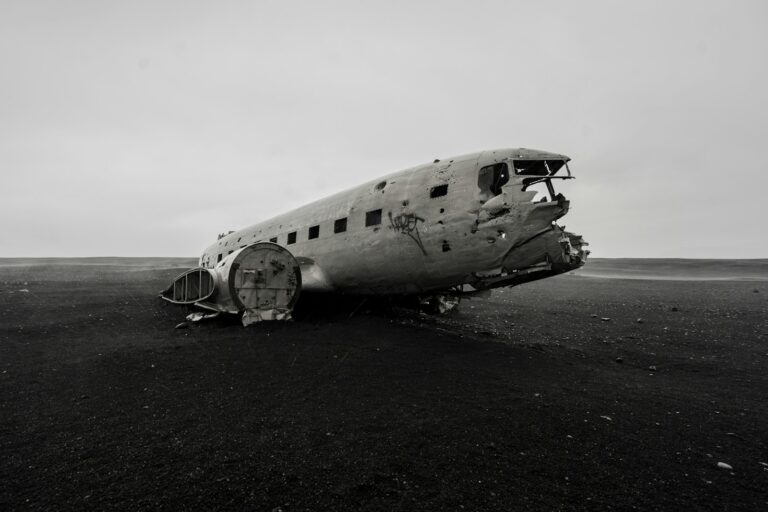
A chartered Southern Airways flight carried the Marshall University football team. It tried to land in West Virginia during poor weather. Then the plane descended too fast and crashed short of the runway. Sadly, everyone on board died. This Marshall plane crash left the whole sports world in shock.

Flight Details and Timeline

The flight left Kentucky with players, coaches, and staff on board. The team had played a game and now headed home. Around landing time, weather was foggy and windy. Moreover, visibility was very low. At about 6 p.m., the plane approached the airport. Then it plummeted into trees just before the runway.

Passengers on Board

The charter carried 75 people. It included the football players, coaches, trainers, and support crew. Each person had a unique role in the team’s life. Families packed the stands to watch them play. Now those same families face a tragic goodbye.

Weather and Landing Conditions

Weather reports showed heavy fog and gusty winds. Airports often delay flights in such conditions. However, the pilots decided to land. Additionally, they may have felt pressure to stay on schedule. Bad weather can hide terrain and runway lights. Sadly, the plane touched down well short of the intended landing point.

Investigation Steps

Authorities will gather multiple pieces of evidence. They will inspect the wreckage and review flight data. Also, they will study air traffic control communications. Moreover, experts will analyze weather radars and pilot training records. These insights might explain why the Marshall plane crash occurred.

Impact of the Marshall Plane Crash

The team’s loss is more than numbers. It is a void in the heart of the university and local town. People light candles and lay flowers at memorials. Fans share memories of games and moments of triumph. Teammates bond in grief.

Community Response and Support

In the days after the Marshall plane crash, messages poured in. Former players, coaches, and fans expressed heartbreak. Local schools held moments of silence. Churches opened their doors for prayer vigils. Meanwhile, counselors offered support to students and families.

University Reaction

Marshall University announced campus shutdowns to honor the victims. Flags flew at half-staff across West Virginia. The university president spoke of unity and healing. Scholarships and funds were set up in memory of the team. Scholarships ease financial burdens for future athletes.

Emotional Toll on Fans and Families

When the Marshall plane crash hit the news, social media exploded with tears and shock. People shared photos of players smiling on the field. Parents of current students wept for those lost. Friends held each other close, grateful for shared memories.

Safety Questions and Flight Protocols

A key concern is whether pilots followed safety procedures. Did they have proper training for tough weather? Also, were there alternative landing options nearby? Investigators will ask these and more. Airlines must meet strict rules to protect passengers.

Possible Changes in Regulations

After the Marshall plane crash, regulators may tighten standards. They could enforce stricter weather minimums for landing. Pilots might need extra simulator training for fog and wind. Airports might add better runway lighting and guidance systems.

Lessons for Future Flights

Aviation experts stress the need for clear go-around protocols. If visibility falls below a safe level, pilots should abort landing. Maintaining altitude and circling for a second approach could save lives. Additionally, communication between pilots and controllers is vital.

Remembering the Lives Lost

Each victim in the Marshall plane crash had dreams and goals. Teammates remembered their laughter and teamwork. Coaches spoke of their dedication and spirit. The university created a digital memory wall. There, friends and family share stories and photos.

Honoring the Legacy

In weeks to come, the university plans ceremonies and events. They will dedicate stadium seats in honor of the players. Annual scholarship games may start in their names. These gestures keep memories alive for generations.

Rebuilding After Tragedy

The road to healing is long and hard. Yet communities can find strength together. Team members not on the flight will carry on the program’s spirit. They will train, play, and honor their lost friends. The Marshall plane crash may mark a painful chapter, but unity and support can guide recovery.

FAQs

What caused the Marshall plane crash?

Investigators are examining weather, flight data, and crew actions to find the root causes.

How many lives were lost in the crash?

All 75 people on board, including the football team and staff, died in the accident.

Wher

e did the crash happen?

The plane went down just short of the runway at an airport in West Virginia.

What happens next in the investigation?

Authorities will study flight recorders, air traffic communications, and weather data to learn more. Source: https://www.nydailynews.com/2025/11/14/today-in-history-november-14-marshall-university-football-team-killed-in-plane-crash/

Winter Soldier: Behind the Flags and Hidden War

0

Key Takeaways:

• The Winter Soldier hearings in 1971 revealed U.S. military abuses in Vietnam.
• Veterans spoke out about orders that led to civilian harm.
• These testimonies challenge our usual patriotic ceremonies.
• Watching the Winter Soldier accounts offers a deeper truth about war.
• Remembering real stories can reshape how we honor veterans today.

Winter Soldier: Behind the Flags and Hidden War

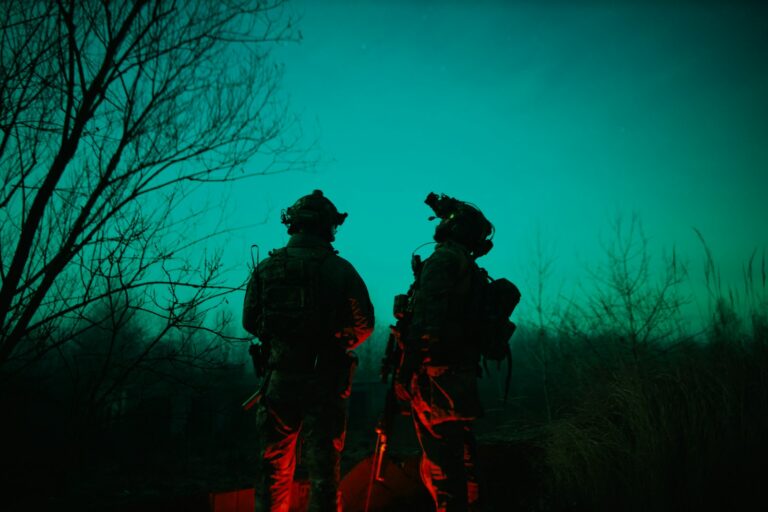
Each year we salute flags and honor fallen troops. However, the 1971 Winter Soldier testimonies paint a very different picture. They show soldiers who felt used, scared, and outraged by orders they followed. These men spoke up about the damage they saw in villages, the terror they faced in jungles, and the guilt that followed them home. In fact, their courageous words broke a patriotic spell. They revealed that sometimes war is driven by politics, not honor.

The Winter Soldier Investigation Unveiled

In early 1971, hundreds of Vietnam veterans gathered in Detroit. They called their event the Winter Soldier Investigation. Here, they shared sworn statements about killing civilians and destroying villages. These veterans wanted Americans to know the truth. They said leaders sent them on missions that made no sense. Moreover, they felt betrayed by a government that praised heroes while hiding these dark orders.

How Soldiers Spoke Out

First, veterans described forced marches into villages. Then, they detailed how they burned homes and fields. One former marine explained feeling sick after shooting at a family’s hut. Another soldier cried while recounting a child’s scream. Indeed, these raw accounts shocked the nation. Many viewers on TV had never heard such frank confession. Yet, the media mostly ignored these hearings at the time.

Why Winter Soldier Matters Today

Today, we wave flags each Memorial Day without hearing these voices. Consequently, we paint war in broad strokes of valor and victory. However, the Winter Soldier Investigation challenges that view. It reminds us that war often means innocent lives lost. It also warns us to question orders and policies before cheering on military actions.

Breaking Patriotism’s Illusion

Generally, patriotic ceremonies focus on bravery and sacrifice. Yet, the Winter Soldier veterans asked audiences to see beyond that. They urged people to face the moral cost of war. They admitted they once believed the hype but later felt intense regret. Therefore, honoring veterans must include listening to their hardest stories.

Lessons from Winter Soldier for Young Minds

If you are under twenty, you likely learn war stories as heroic tales. Nevertheless, these testimonies teach critical thinking. For example, they show that leaders can twist facts to gain support. They also prove that following orders without question can harm innocents. Thus, learning about Winter Soldier helps you ask deeper questions about history and news.

A Call to Watch and Reflect

You can find clips from the Winter Soldier Investigation online. When you watch, notice how calm many speakers seem. They do not rant; they report facts. They want an honest conversation about the true face of war. Next time flags wave, think about these voices and ask what you really know.

Changing How We Honor

Moving forward, we can still honor troops without hiding the truth. We can thank veterans for serving while also admitting mistakes. We can hold leaders accountable for choices that endanger lives. In fact, a balanced view of history respects both courage and conscience.

Final Thoughts

The Winter Soldier hearings remain a powerful reminder of war’s hidden costs. Consequently, they disrupt simple myths of heroism. They call on each of us to listen deeply, question narratives, and act with empathy. Most importantly, they demand we honor veterans by learning all their stories—light and dark.

Frequently Asked Questions

What exactly happened at the Winter Soldier Investigation?

Veterans gathered in Detroit in 1971 to share sworn statements. They described incidents in Vietnam where they harmed civilians under orders. Their goal was to expose government policies that fueled war crimes.

Why did the media ignore these testimonies at the time?

Major outlets were focused on other headlines and political spin. They feared upsetting public support for troops. As a result, the hearings received only limited coverage.

How can watching Winter Soldier testimonies help me today?

By seeing unfiltered accounts, you learn to question official stories. You gain empathy for those caught in war’s chaos. You also grow into a more informed citizen.

Can we still honor veterans while discussing these hard truths?

Absolutely. True respect means hearing all sides of service. A full picture—of bravery and regret—deepens our gratitude and guides better choices. Source: https://www.nydailynews.com/2025/11/14/readers-sound-off-on-venerating-veterans-animals-as-props-and-giants-coaches/

Inside the Antifa Prosecution in Texas

0

Key Takeaways:

  • Federal prosecutors will add new defendants to an antifa prosecution in Texas.
  • Two original defendants refused plea deals, leading to a separate indictment.
  • The government labels the group a “militant enterprise” focused on a July 4 ICE facility attack.
  • Defense argues the case may chill free speech and protest rights.
  • A judge agreed to delay the trial after designating the case complex.

Antifa Prosecution in Texas Expands

The U.S. government plans to broaden an antifa prosecution in Texas by adding new names to its terrorism conspiracy case. Initially, fifteen people faced charges for the July 4 attack on a local ICE facility. Now prosecutors want a superseding indictment to link more alleged participants to the so-called militant enterprise.

Why the Antifa Prosecution Expanded

Federal prosecutors filed a motion earlier this month. They said they will seek a new indictment to include more defendants beyond Zachary Evetts and Summer Hill. Both already stand accused of joining a North Texas Antifa Cell to attack the Prairieland immigration enforcement center. By widening the antifa prosecution, officials aim to streamline multiple cases into one major trial.

What led to the new indictments?

On July 4, a crowd gathered at the Prairieland ICE facility in Alvarado, Texas. A local officer was shot during the chaos. Authorities arrested fifteen people in September. Then President Trump had called antifa “a militarist, anarchist enterprise.” Two weeks earlier, the assassination of Charlie Kirk had spurred the administration to target left-wing groups. As a result, the government framed the Texas attack as a prime example of antifa violence.

Who are the new defendants?

Although the government has not named them yet, it expects to add people who reject plea offers. Of the initial fifteen, thirteen agreed to delay their cases. Among those, prosecutors said they will likely accept plea deals. Only Evetts and Hill refused. They insisted they only went to protest and fire fireworks. Evetts’ lawyer says his client never carried a weapon or shot at officers.

What are the legal challenges?

Defense attorney Patrick McLain argues the expanded antifa prosecution misuses the enterprise theory. He says it drags in anyone with similar beliefs, even if they did not act violently. Therefore, McLain appealed the court’s decision to call the case complex. He claimed the move is meant to bundle cooperating witnesses first. Moreover, he warned the case risks chilling free speech and assembly under the First Amendment.

Materials and related case

In a related prosecution, agents seized a box filled with antifa materials. They called these “incriminating evidence.” The box contained books on street tactics and insurrection planning. One title reads War in the Streets: Tactical Lessons from the Global Civil War. Prosecutors say this shows planning and coordination by the alleged enterprise.

How will this affect free speech and protest?

Critics worry labeling antifa as an enterprise could sweep up peaceful activists. They argue that joining a rally or sharing ideas is not a crime. Thus, some fear people will avoid protests. They won’t want to risk becoming part of a high-profile terrorism case. Meanwhile, the government plans to call an expert on antifa’s history and beliefs. That expert will testify on how the Prairieland attack fits antifa tactics.

Trial schedule and expert testimony

A judge agreed to designate the case as complex. This gives prosecutors extra time to prepare. It also delays the trial originally set for November 24. Once the superseding indictment is ready, a new date will follow. Prosecutors plan to bring in witnesses on gun-shot residue, DNA analysis, and fingerprints. They will also call a counterterrorism expert to explain antifa’s roots and methods.

What’s at stake next?

If new defendants refuse pleas, they will join Evetts and Hill under the expanded indictment. Then all faces trial together under the “militant enterprise” theory. Defense teams are likely to challenge evidence and expert definitions of antifa. They will push to separate their clients or dismiss parts of the case. For the public, the outcome could set a major precedent. It may define how social movements face federal terrorism charges in the future.

Frequently Asked Questions

Can people who share antifa ideas be charged in this case?

The government must prove each person took part in planning or aiding violence. Simply sharing political beliefs is not enough for a conspiracy charge.

Why did only two defendants face a separate antifa prosecution?

Thirteen defendants agreed to delay their cases and accept plea deals. Zachary Evetts and Summer Hill refused, so prosecutors sought a separate indictment for them.

What does the “militant enterprise” label mean?

It treats antifa as an organized group that plans and executes violent acts. Under this theory, members can face harsher racketeering or conspiracy charges.

How could this case impact future protests?

If the court upholds the enterprise theory, authorities may use it to charge activists in other states. This could discourage people from exercising free speech at rallies.

Nevada Fake Electors Case Takes a New Turn

0

Key Takeaways

  • Nevada Supreme Court ruled that Clark County can hear charges against the GOP fake electors.
  • The decision overturns a lower court’s move to send the case to Carson City.
  • A Clark County jury may work against the fake electors in this Democratic-leaning area.
  • The case in Carson City ends, and its charges were narrower than those in Clark County.
  • Nevada remains one of the few swing states still pursuing criminal action against election deniers.

Nevada Fake Electors Case Heads Back to Clark County

The Nevada Supreme Court just shook up the high-stakes fight over the 2020 election. It ruled that Clark County must handle the forgery charges against a group of GOP supporters who claimed to be lawful electors. This decision reverses a lower court order that sent the case to Carson City.

Why Venue Matters in the Nevada Fake Electors Case

Venue means the place where a court hears a case. In criminal trials, location can affect jury makeup. Clark County includes Las Vegas, a city with more Democratic voters. Meanwhile, Carson City leans Republican. The lower court had said the fake electors met in Carson City, so prosecutors moved the trial there. However, the state’s high court found that the alleged crimes touched Clark County. Now, the trial heads back where it started.

This move matters because the jury’s political makeup can shape the trial’s outcome. In a Democratic-leaning county, attorneys for the fake electors may face tougher questions. They will need to convince jurors that they acted legally.

What the Nevada Fake Electors Ruling Means for Defendants

First, the case in Carson City ends. Prosecutors dropped that set of charges after the Nevada Supreme Court spoke. These charges were narrower, so the state felt it had to focus on the broader Clark County indictment. Now, the fake electors will face a jury that might test their defenses more strictly.

Second, the ruling sends a message. It shows that courts expect cases to stick to the rules on venue. In simple terms, if part of the crime happened in Clark County, the court must hear it there. This principle ensures fairness for both sides.

In addition, the reversal signals that the state’s top judges will step in when lower courts misapply legal standards. For the defendants, this raises the stakes. They will likely prepare for a longer, more challenging fight in Clark County.

How Nevada Compares to Other States on Fake Elector Cases

Nevada is now one of the few swing states still pushing criminal charges against the fake electors. In states like Michigan and Georgia, many defendants pleaded guilty or had their cases dropped. Some courts found legal issues that blocked certain charges. However, Nevada’s prosecutors kept moving forward.

Moreover, the Nevada Supreme Court’s decision highlights a point of contrast. Other states have seen courts dismiss cases on technical grounds or accept plea deals. Nevada chose a different path, insisting on a full trial in the county where key events took place. This makes Nevada a critical battleground for how the law treats election subversion.

Meanwhile, the attention stays on Nevada as a test case. Observers will watch how a Clark County jury responds to evidence of forged documents. The outcome could shape future decisions about election-related crimes in swing states.

Inside the Fake Elector Scheme

The fake elector plot ties back to a plan by a far-right lawyer. He argued that then-Vice President Mike Pence could choose which slate of electors to count on January 6, 2021. The scheme relied on creating confusion with two or more slates of electors. This confusion, the plan suggested, might let Pence reject the legitimate Electoral College votes.

John Eastman, the strategist behind the idea, believed this legal theory could override the popular vote. He asked GOP officials in key states to sign documents claiming they were the rightful electors for Donald Trump. In Nevada, a group of Republicans did just that. They signed a fake certificate and sent it to Washington.

However, the scheme never worked. Congress and the vice president counted the authentic electors for Biden. Still, forging documents and submitting them to federal officials can carry criminal penalties. That is why Nevada’s prosecutors charged the fake electors with forgery, fraud, and conspiracy.

Now, as the Nevada fake electors case returns to Clark County, the court will examine their intent. Prosecutors will argue the group knowingly broke the law. Defense lawyers will claim they acted in good faith based on legal advice. In a jury trial, each side will present its view.

What to Expect Next in the Nevada Fake Electors Case

Prosecutors will refile their charges in Clark County. Then a judge will set new trial dates. Both sides can file motions to shape what evidence jurors may see. The defense might ask to exclude certain documents or testimony. Meanwhile, prosecutors will push to include emails, draft certificates, and witness interviews.

A trial could start in the coming months. It may run for several weeks or longer. Jurors will hear from legal experts on election procedures and witness accounts from GOP officials who refused to sign the fake documents. They will see the signed certificate and any related messages.

After closing arguments, the jury will deliberate. They must decide whether the fake electors knowingly committed forgery or other crimes. If they find guilt, the defendants could face fines and possibly jail time. If they rule not guilty, this chapter may end for the defendant group.

Despite this uncertainty, the case already highlights the risks of election subversion. It shows that some legal strategies carry criminal exposure when they cross certain lines.

FAQs

What triggered the venue fight in this case?

Nevada’s lower court sent the case to Carson City because it said the fake electors met there. The state Supreme Court found that key actions also happened in Clark County. So, it ordered the trial back in that county.

Why might a Clark County jury be tougher on the fake electors?

Clark County includes Las Vegas, which voted heavily for Biden. Jurors there may view efforts to overturn the election more critically than in Carson City.

Have other states held trials for fake electors?

Some states reached plea deals or dismissed cases. Nevada remains one of the few holding on to full criminal charges against fake Trump electors.

What could happen if the fake electors lose in Clark County?

If a jury convicts them of forgery or fraud, they could face fines and possible jail time. The decision would also reinforce legal limits on election subversion.

How Trump Tariffs Are Hitting American Shoppers

Key Takeaways

  • Trump tariffs are driving up prices on everyday items.
  • Low-income families pay the same high import taxes as millionaires.
  • Small businesses are suing over the tariffs’ legality.
  • Past tariff waves failed to boost jobs or cut the trade deficit.
  • Consumers may unite in a big class-action push for relief.

The new Trump tariffs on imported goods are like a giant hidden tax. Economists agree that these extra fees do more harm than good. When U.S. businesses import items, they pay the tariff. Then, they pass most of that cost to shoppers. In fact, Goldman Sachs found that businesses have shifted 55 percent of the tariff cost onto consumers this year. As a result, every time you buy coffee, clothing, or electronics, you’re helping pay these fees.

Moreover, a study from the Tax Foundation shows the average household paid an extra $1,300 in 2025 because of these levies. Next year, that number could rise to $1,600. However, millionaires and minimum-wage earners face the same rate. That makes Trump tariffs the most brutally unfair tax. A McDonald’s worker and a top CEO both pay the same extra charge on a new pair of shoes.

Why Trump Tariffs Feel Like a Big Tax

Trump tariffs act like a tax hike on every buyer. First, the government collects the duty from importers. Then businesses add it to shelf prices. Therefore, shoppers fund the federal coffers without voting on the change. It’s taxation without true representation.

In addition, these fees hit basic needs hard. Grocery bills jump. Gasoline and airfare climb. Even toothpaste and toilet paper cost more. Lower-income families spend up to 82 percent of their budgets on basics. So these extra costs force tough choices. Do you skip a doctor’s visit or pay your light bill? Meanwhile, wealthy households barely notice the hike.

Who Suffers Most from Trump Tariffs

The poorest Americans bear the heaviest load. Seventeen percent of U.S. households live below the poverty line. Many of these families include women, children, or disabled adults. They already struggle to pay rent, utilities, and food. Now a larger share of their income vanishes in higher prices.

At the same time, Trump’s budget plan aims to cut or eliminate programs that aid these groups. Medicaid, food stamps, and housing help might shrink. That leaves vulnerable Americans with even less support. In contrast, families earning well above average can absorb price jolts. They shop less often at discount stores and feel little pinch when prices rise.

Small Businesses Battle Trump Tariffs

Small business owners are on the front lines of the tariff fight. Many have filed lawsuits, claiming the president overstepped his authority. They argue that the Constitution gives Congress, not the White House, power to tax. If courts side with them, the government could lose billions in import fees. Yet officials warn that ruling against the administration risks “hurting America.” They neglect to mention that the money came from U.S. pockets in the first place.

Meanwhile, local shopkeepers face rising costs for everything from parts to coffee beans. They can’t always pass the full charge to customers or lower wages. As a result, some have cut staff or frozen hiring. That slows local growth and makes job hunting tougher for many Americans.

Lessons from the First Tariff Round

Trump introduced his first major tariffs in 2018. Back then, he said the fees would boost factories and cut the trade deficit. Instead, a Federal Reserve study found a net loss of factory jobs. The U.S. trade deficit grew from $481 billion in 2016 to $679 billion in 2020. Moreover, retaliatory taxes from other countries cost farmers $26 billion in lost exports.

Global supply chains also suffered. Many U.S. products rely on imported parts. Tariffs drove up those costs, too. As a result, companies either raised prices more or moved production overseas. Either way, American workers lost. History tells us this new wave of Trump tariffs may bring even bigger setbacks.

How to Fight Back

Consumers and businesses can push for change. One route is a large class-action lawsuit. If enough Americans join, it could force courts to address the tariffs’ fairness. While a Trump-packed Supreme Court might reject the case, it could spark major political debate.

Another way is through voting and advocacy. Contacting representatives and demanding tariff reform sends a clear message. Writing letters, signing petitions, or speaking at town halls all help. Additionally, supporting candidates who oppose these taxes can shift policy.

Everyday shoppers can also adjust buying habits. Choosing domestic products when possible reduces the impact of import fees. Sharing information on social media raises awareness. Together, these steps can build momentum for lower prices and fairer trade.

Frequently Asked Questions

How do Trump tariffs affect grocery bills?

Tariffs raise import costs for food brands. Stores then charge you more at checkout. Your weekly grocery spending can jump by hundreds of dollars over a year.

Can small businesses really sue over these tariffs?

Yes. They argue the president lacks the authority to impose major taxes without Congress. Several cases are already in court. If they win, it may force policy changes.

Did the first Trump tariffs help U.S. jobs?

No. Studies found a net loss in factory jobs after the 2018 tariffs. Higher costs and foreign retaliation hit industries and farmers hard.

What is the best way to protest these import taxes?

You can join petitions, write to your lawmakers, or support candidates who promise tariff cuts. Consumer pressure and voting power often push for change.

Brooklyn Murder Mix-Up: Crips Member Gets 30 Years

Key Takeaways

  • A Crips gang member let his brother serve time for a Brooklyn murder he committed.
  • The younger brother spent five years on Rikers Island before the truth came out.
  • The real shooter pleaded guilty and got a 30-year federal prison sentence.
  • This case shows how mistaken identity can ruin lives.
  • It highlights the need for fair trials and better checks in the justice system.

Brooklyn Murder Case Ends with 30-Year Sentence

A Brooklyn murder led to five years of injustice on Rikers Island. The real killer kept silent while his brother sat behind bars. Now, federal authorities have sentenced the shooter to 30 years in prison. In addition, this case raises questions about how the legal system handles gang violence and wrongful convictions.

How the Brooklyn Murder Unfolded

In early 2018, two brothers were near a crowded street corner in Brooklyn. Suddenly, gunfire rang out. A man fell and died. Police arrived and found witnesses pointing at one brother. However, the shooter had planned the crime and told his kid brother to take the fall. As a result, the younger brother was arrested and charged. Soon, he was sent to Rikers Island. Meanwhile, the real shooter stayed free and kept his mouth shut.

Brothers, Gangs, and Rikers Island

The Crips gang is known for violence and loyalty. In this case, the older brother abused that loyalty. While the younger brother stayed locked up, life on Rikers Island was harsh. He faced gangs, overcrowded cells, and limited legal help. Moreover, each day behind bars took a toll on his health and spirit. Only later did a lawyer discover proof that pointed to the real shooter.

Justice and Mistaken Identity

Over time, new evidence came to light. A witness recanted earlier statements. Messages on social media revealed the shooter’s confession. Therefore, prosecutors reexamined the case. Finally, the older brother admitted guilt in federal court. He pleaded guilty to murder and obstruction of justice. As a result, the court handed down a 30-year sentence.

What’s Next for the Victim’s Family?

The victim’s family has waited for closure. Even now, grief remains strong. They hope this sentence brings some peace. However, no punishment can fully heal a family’s pain. Still, they see the verdict as a step toward justice.

Life After Rikers for the Innocent Brother

After five years behind bars, the wrongly accused brother is free. He faces many challenges. First, he must rebuild his life with little money or job experience. Second, he needs therapy to handle trauma. Fortunately, community groups are offering legal support and counseling. In addition, local activists push for reforms to prevent similar injustices.

Lessons Learned

This Brooklyn murder case teaches us several lessons.

First, eyewitness accounts can be wrong. Therefore, investigators need strong evidence before making arrests.
Second, gang loyalty can destroy innocent lives. People must learn to question orders that harm others.
Finally, the justice system must have better checks. Timely reviews and transparent processes might stop such tragedies.

Moving Forward: Preventing Future Mistakes

Authorities are reviewing how police handle gang-related crimes. For example, they plan to improve witness protection programs. Also, they aim to speed up investigations so inmates do not rot in jail unnecessarily. Community leaders call for more resources for legal defense and mental health services. If these changes happen, fewer innocent people will face Rikers Island for crimes they did not commit.

FAQs

What sentence did the Crips member receive?

He received a 30-year federal prison sentence for the Brooklyn murder and obstruction of justice.

Why did his brother go to Rikers Island?

The younger brother was arrested because witnesses wrongly identified him and the real shooter stayed silent.

How did the truth come out?

New witness statements and social media messages revealed the older brother’s confession, prompting a case review.

What can be done to avoid such mistakes?

Improving evidence checks, speeding up trials, and offering stronger legal aid can help prevent wrongful convictions. Source: https://www.nydailynews.com/2025/11/13/crips-gangster-gets-30-years-killing-brooklyn-teen-letting-younger-brother-be-arrested/

First Death from Meat Allergy Linked to Tick Bite


Key Takeaways:

• A 47-year-old New Jersey man died from a sudden meat allergy after a tick bite.
• His death is the first known fatal case of this emerging condition.
• This allergy makes eating meat trigger severe reactions hours after a meal.
• Experts warn that ticks can carry sugars that spark this unusual allergy.
• Early awareness and prevention can save lives.

Meat Allergy Death After Tick Bite Shocks Health Experts

A 47-year-old man from New Jersey enjoyed a meal with red meat. Hours later, he collapsed and could not breathe. Despite quick medical care, he died. Doctors later linked his sudden reaction to a rare meat allergy. Even more alarmingly, they believe a tick bite had triggered it.

This man’s tragic case marks the first known death from a meat allergy caused by a tick bite. Over the past decade, researchers have noticed a rise in meat allergy cases. Still, few believed the allergy could be deadly. However, this new report changes that view. Medical teams now warn that a simple tick bite can bring life-threatening risks.

Understanding the Meat Allergy Trigger

Scientists have long studied allergic reactions. Yet, this meat allergy surprises them. Essentially, ticks carry a sugar molecule called alpha-gal. When a tick bites, alpha-gal enters the bloodstream. Afterward, the body may treat meat as a threat. Suddenly, eating beef, pork, or lamb can trigger hives, swelling, or even full-blown shock.

Moreover, the meat allergy reaction is delayed. Typically, food allergies strike within minutes. In contrast, this tick-driven allergy shows up three to six hours after eating. As a result, pinpointing the cause becomes harder. Families may not connect dinner with a late-night emergency. Even more confusing, patients often eat meat without issue before. Then, after a bite, the allergy appears out of the blue.

Experts have also found geographic patterns. Cases cluster in areas with many lone star ticks. These ticks thrive in New Jersey, Virginia, and parts of the South. Thus, residents in these regions face higher risks. Meanwhile, travelers may also pick up ticks on hikes or camping trips. As a result, doctors urge everyone to learn about this meat allergy threat.

Symptoms and Warning Signs

People with a sudden meat allergy may notice:

• Itchy hives or rash on the skin
• Swelling of the lips, face, or throat
• Stomach cramps, nausea, or vomiting
• Dizziness, rapid heartbeat, or fainting
• Trouble breathing or tightness in the chest

At first, these signs might look like a bad bug bite. However, if they follow a meat meal by a few hours, they hint at meat allergy. In severe cases, the airway swells shut. Then, a person can no longer breathe. Prompt treatment with epinephrine can reverse this danger. On the other hand, delays can prove fatal.

Beyond immediate reactions, some patients find their allergy fades over time. Yet, others remain sensitive for years. Consequently, doctors recommend allergy tests after a tick bite in high-risk zones. This step helps spot the meat allergy early. Thus, people can avoid trouble before it becomes deadly.

A New Public Health Concern

Until now, most public health alerts about ticks focused on Lyme disease. In contrast, meat allergy has flown under the radar. Therefore, many doctors never considered it. As a result, misdiagnosis is common. Patients may face repeated ER visits before getting the right advice. This cycle wastes time and endangers lives.

In addition, the meat allergy case highlights the broader threat from ticks. These tiny insects can spread multiple conditions. From bacterial infections to this sugar-driven allergy, ticks remain a growing problem. As landscapes change and deer populations rise, ticks spread to new areas. Consequently, communities not used to tick-borne risks now face them.

Furthermore, the emerging meat allergy shows how our bodies react to unseen threats. A simple bite alters our immune system. Then, the very food we eat becomes harmful. This twist reminds us that nature can surprise us. Thus, scientists now push for more research on tick bites and their long-term effects. Meanwhile, public health departments update their tick safety advice.

Preventing Tick-Driven Meat Allergy

Fortunately, you can reduce your risk with simple steps. First, wear light-colored clothing outdoors. This tactic makes ticks easier to spot. Next, use tick repellent on clothes and skin. Also, check your body for ticks after hikes, especially around hair, ears, and waist. Removing a tick within 24 hours can stop many infections.

After ticks come off, clean the bite area with soap and water. Then, watch for unusual symptoms like rashes or swelling. If you notice hives or breathing trouble hours after eating meat, seek medical help right away. Moreover, talk to your doctor about allergy testing if you live in a high-risk region. They can check for alpha-gal antibodies.

Finally, you can lower tick habitats in your yard. Keep grass short and remove leaf litter. Also, create a barrier of wood chips between lawns and wooded areas. These changes make it harder for ticks to reach you. By combining prevention and awareness, you fight back against the rising meat allergy threat.

FAQs

What is a meat allergy from a tick bite?

This allergy happens when a tick injects a sugar molecule called alpha-gal into your blood. Later, eating meat triggers a severe immune response.

How soon do symptoms appear after eating meat?

Unlike most allergies, this meat allergy shows signs three to six hours after a meal. That delay makes it hard to link food to reactions.

Can this allergy go away on its own?

Some people find their sensitivity fades over time if they avoid ticks and red meat. However, others remain allergic for many years.

What steps help prevent tick-related allergies?

Wear protective clothing, use repellent, and check your skin for ticks after outdoor activities. Also, keep yards tidy to reduce tick habitats. Source: https://www.nydailynews.com/2025/11/13/new-jersey-tick-bite-death-meat-allergy/

Judge Denies Bond in Tampa Bar Attack

0

Key Takeaways:

  • A Florida judge refused bond for the man accused of the Tampa bar attack.
  • Four people died and 13 more were hurt in the crash.
  • The suspect faces serious charges, including murder.
  • Victims’ families and the community demand justice and safety

Bond Denied in Tampa Bar Attack

A judge in Florida has decided not to let the suspect out on bond. The man stands accused of driving into a crowd outside a Tampa LGBTQ bar. In the crash, four people died. Thirteen others suffered injuries. The court found strong reasons to keep him in jail. Therefore, the accused will remain behind bars until trial.

Inside the Tampa Bar Attack Bond Hearing

During the bond hearing, the judge listened to both sides. Prosecutors argued that the suspect posed a danger to the public. They said he might try to harm more people or flee. Also, they pointed out the severity of the injuries and deaths. Defense lawyers asked for bond, claiming he had ties to the area. However, the judge agreed with prosecutors. He ruled that no amount of bond would ensure safety.

Details of the Hearing

The judge noted the suspect’s past record. He weighed evidence showing planning or intent. Experts spoke about the risk of repeat violence. Families of victims filled the courtroom. Their grief made a strong emotional impact. Victims also shared statements about how their lives changed.

What Happened in the Tampa Bar Attack

Late at night, a busy street buzzed with people. A popular LGBTQ bar stood on the corner. Friends and neighbors chatted on the sidewalk. Suddenly, a speeding vehicle smashed into the crowd. People screamed and tried to run away. In an instant, joy turned to chaos.

Crash Scene and Emergency Response

First responders rushed to help the injured. Paramedics treated victims at the scene. Some were in critical condition. Police secured the area and questioned witnesses. Roadblocks stayed in place for hours. Later, investigators used security cameras to track the vehicle’s path.

Suspect’s Arrest

Officers arrested the driver a short distance away. He did not try to hide. He cooperated when police questioned him. Authorities took him into custody without further incident.

Victims and Community Response

The Tampa bar attack shocked the city and beyond. Families of victims organized vigils. They held candles and photos of lost loved ones. Community leaders spoke against violence and hate. They called for unity and love.

Support for Survivors

Local groups offered counseling and support. Donations poured in for medical bills and funerals. A fund started online to help families in need. Many volunteers showed up to clean and repair the site.

LGBTQ Community’s Stand

Bar owners and patrons expressed fear and sadness. However, they also showed resilience. They painted rainbows on the pavement near the crash. They held dance nights in honor of those lost. Their message remained clear: love will overcome fear.

Legal and Social Impact

This high-profile case shines a light on hate crimes and violence. It raises questions about safety at public gatherings. Some say more police patrols are needed near nightlife spots. Others call for stricter gun and vehicle laws. Many hope this tragedy spurs change.

How Prosecutors View the Case

The state sees the Tampa bar attack as an example of deadly violence. They aim to show the driver acted with intent. Prosecutors may seek life sentences if convicted. Their goal is to hold him fully responsible.

Defense Strategy

Defense lawyers might claim the suspect acted in a moment of confusion. They could argue mental health issues played a role. Yet, they face strong evidence from videos and witnesses.

What’s Next for the Tampa Bar Attack Case

The suspect remains in jail without bond. His next court date will focus on motions and evidence. Both sides will share more documents and witness lists. Experts may testify about the driver’s state of mind.

Possible Trial Timeline

Pre-trial hearings could last several months. The judge must decide which evidence is allowed. Jury selection will follow. Then the trial itself may run for weeks. Each side will present opening statements, witnesses, and closing arguments.

Potential Outcomes

If found guilty, the accused could face decades or life in prison. He might also owe restitution to victims and families. Yet, appeals could delay a final decision for years.

Moving Forward in Tampa

In the wake of this tragedy, Tampa leaders call for unity. They plan public forums on safety and tolerance. Schools will hold lessons on inclusivity and respect. Community groups will strengthen local watch programs.

Healing and Hope

Despite pain, the city shows its caring spirit. Neighbors check on each other after dark. Artists paint murals honoring victims and survivors. Churches, mosques, and temples unite for interfaith services.

Everyone hopes the Tampa bar attack sparks long-term change. They want safer streets, stronger laws, and a more accepting world.

Frequently Asked Questions

Why was bond denied for the suspect?

The judge found the suspect a serious danger to the public. The evidence of deaths and injuries convinced the court that no bond would ensure safety or his return for trial.

How many people died in the attack?

Four people lost their lives in the crash outside the bar. Thirteen more suffered injuries, ranging from minor to critical.

What charges does the suspect face?

He faces several charges, including multiple counts of murder and assault. Prosecutors may also add hate crime enhancements.

When is the next court date?

The court will hold a pre-trial hearing in the coming weeks. At that time, lawyers will discuss evidence and set a trial timeline.

What can the community do to help?

People can support victims’ families through donations or volunteer work. Attending vigils, offering counseling, and joining local safety programs also show solidarity and help heal the community. Source: https://www.nydailynews.com/2025/11/13/tampa-bar-crash-driver-silas-sampson-denied-bond/

Crook’s Clever Payment Terminal Hack Shocks Store

0

Key Takeaways

  • A crook used a payment terminal hack after his card was declined.
  • He typed secret prompts to override the system.
  • The store worker never noticed the trick.
  • Experts say businesses must update machine security.
  • Simple steps can block a payment terminal hack.

What Really Happened?

Last Tuesday afternoon, a man tried to buy snacks at a local store. When his credit card was declined, he didn’t walk away. Instead, he tapped a few keys and fooled the machine. Then, without the clerk knowing, he paid in full. This clever payment terminal hack left the staff stunned.

First, the customer swiped his card. Next, an error popped up: the card was declined. However, the man stayed calm. He asked for a moment alone with the terminal. Then, he typed secret prompts into the system. Finally, the machine beeped and approved the sale. By the time the worker looked again, the man had his items and left.

How the Payment Terminal Hack Worked

Case studies show that some payment terminals have hidden code menus. These menus let users change settings or force approvals. In this incident, the crook opened a menu with a special key combo. After that, he entered commands that told the terminal to accept his declined card. He then returned the screen to its normal view. Because the display looked unchanged, the clerk did not suspect anything.

Furthermore, many payment devices share similar software. As a result, crooks can use the same sequence of prompts on different machines. In fact, this payment terminal hack method has appeared in small shops, cafes, and even gas stations. Thus, it poses a real threat to many businesses.

Why Stores Are at Risk

Most store teams train for card skimming and fake cards. However, they rarely learn about prompt-based hacks. Meanwhile, criminals search online for terminal codes. They test these codes until they find one that works. Consequently, any store using an older machine may face this risk.

Moreover, some outlets keep machines in public view. Customers can press keys without staff spotting them. In addition, workers often trust regular patrons and skip checks. That trust makes it easier for a crook to launch a payment terminal hack.

How to Spot a Payment Terminal Hack

1. Watch for hidden movements. If a customer asks to use the terminal alone, stay alert.
2. Look for strange menus. If the screen shows options you’ve never used, pause the sale.
3. Check prompt codes. Train staff to enter a simple test code that always resets the machine.
4. Use covers or shields. Block access to rarely used keys that open secret menus.

By taking these steps, stores can block a payment terminal hack. In addition, they make it harder for thieves to override approval screens.

Upgrading Device Software

First, businesses should update terminal software monthly. Updates often fix security gaps. Second, replace machines that run very old software. Newer devices come with tighter controls. Finally, ask your provider about custom settings. Some firms let you disable hidden menus or require a manager PIN.

In fact, combining these methods makes your terminal much safer. Consequently, thieves think twice before trying a new payment terminal hack.

What Experts Are Saying

Security analysts warn that simple tricks can beat complex defenses. According to one expert, “Criminals love weak links. They look for machines missing the latest software or staff who don’t know the codes.” Another specialist suggests role-play drills. “Have your team practice spotting odd prompts or hidden menus. The more familiar they are, the quicker they react.”

Meanwhile, trade groups recommend sharing threat info. If one store faces a new hack, it can alert others in the area. That way, shops avoid the same trick.

Real Impact on Small Businesses

Small shops count on every sale. Yet a single payment terminal hack can cost hundreds of dollars per incident. Furthermore, word spreads fast. If customers hear about a breach, they may skip that store. Therefore, the financial hit can include lost sales and damage to reputation.

On the plus side, investing in security pays off. Many stores find that spending on training and updates costs less than one fraud case. Plus, customers notice when a shop takes care of their data. They trust that place more and return often.

How to Respond If You See a Hack

If you spot suspicious prompts, end the transaction. Politely ask the customer to pay inside or use another method. Then, report the incident to store management. Finally, contact your payment provider. They can review logs and update machine settings.

Acting fast stops the crook from moving on to another target. It also shows customers you take security seriously.

Preventing the Next Payment Terminal Hack

In summary, you can shield your store with clear steps:
• Keep terminals updated.
• Train staff on hidden menus.
• Limit access to secret keys.
• Test your devices regularly.
• Share hack alerts with peers.

Together, these efforts build a strong shield against any payment terminal hack.

Frequently Asked Questions

How can I tell if my terminal is vulnerable?

Check your provider’s update history. If you haven’t installed security patches in months, you likely need an update. Also, review your terminal’s manual for hidden menu instructions.

Can I block secret menus completely?

Yes. Many providers let you disable code-entry menus. Ask your vendor to lock down unused commands. You can also set a manager password for any advanced feature.

What should employees do if a card declines?

Train staff to stay by the terminal. If someone asks to use the machine alone, get a manager. Always watch the screen. If a sale fails, offer another payment option instead of letting the customer leave unsupervised.

How often should I update my payment terminal?

Install minor updates every month. For major upgrades, check quarterly. Always apply critical security patches right away. This routine keeps your machine safe from known hacks. Source: https://www.nydailynews.com/2025/11/13/tom-bradys-soho-store-robbed-pokemon-baseball-cards/

Astrology Today: Balancing Emotions and Duty

0

Key Takeaways

  • Tonight at 7:30 PM EST, the emotional Moon opposes disciplined Saturn.
  • The Sun aligns with Jupiter, offering a mood boost.
  • Avoid big purchases, long contracts, or firm commitments until tomorrow.
  • If you must decide now, give yourself extra time to think.
  • Find a middle ground between duty and fun to stay balanced.

Astrology Today: What You Need to KnowIn astrology today, you may feel tugged between doing what’s expected and doing what feels right. The Moon’s clash with Saturn can make tasks feel heavy. Yet, the Sun’s harmony with Jupiter sends in a wave of good vibes. Overall, astrology today suggests slowing down on major plans. It also offers a chance to pause and reflect on your deeper needs.

Why Mood Shifts Happen

When the Moon and Saturn face each other, emotions and rules collide. The Moon rules our inner world, and Saturn represents structure. As they oppose, feelings can bump up against our routines. You might feel torn between finishing chores and having fun. You could also sense a push to stick to your schedule even if your heart wants a break.

However, the Sun’s link with Jupiter adds optimism. Jupiter expands whatever it touches. So, when the Sun and Jupiter align, you gain hope and generosity. This supportive angle in astrology today reminds you that even amid tension, help is available.

Balancing Emotions and Duty

To meet yourself in the middle, start by listing your priorities. Write down what’s urgent and what can wait. This list helps you see where to focus first. Then, give each item a time slot. For example, do chores for 30 minutes, then reward yourself with a 15-minute break.

Meanwhile, stay gentle with yourself. As Saturn pushes for discipline, you might feel guilty for taking breaks. Yet, Jupiter’s influence says rest fuels your energy. In astrology today, the middle path offers the best results.

Tips to Stay Balanced

• Set small goals. Break big tasks into little steps.
• Use a timer. Alternate work and rest in chunks of 25 minutes.
• Take deep breaths. Pause and inhale four counts, exhale four counts.
• Share your plan. Tell a friend or family member what you intend to do.
• Celebrate wins. Even crossing one item off your list counts.

By following these tips, you honor both Moon’s need for comfort and Saturn’s demand for order. Also, Jupiter’s optimism helps you see progress.

When to Wait on Decisions

Astrology today urges you to hold off major choices. Avoid signing big contracts or making large purchases. Your mind might focus too much on rules or feelings, not on facts. Instead, set a reminder to revisit these plans tomorrow.

If you can’t wait, use extra caution. Read all details twice. Ask questions. Compare options carefully. Walk away and return with fresh eyes. In situations where gasping decisions can cost you, take an extra pause.

Harnessing Positive Energy

While the Moon-Saturn tension can feel heavy, the Sun-Jupiter link offers a silver lining. You can tap this energy by focusing on gratitude. Reflect on three things you appreciate in your life. It could be a friend’s laugh, a pet’s cuddle, or a favorite snack.

Also, spread kindness. A small compliment or a caring gesture lifts your own mood and helps others. This back-and-forth of positivity strengthens the Sun-Jupiter influence. As a result, you balance disciplined tasks with caring moments.

Practical Steps for Tonight

1. Plan your evening in two parts: one for duties, one for pleasure.
2. Jot down any decision you must make and label it urgent or can-wait.
3. Share your plan with someone who can hold you accountable.
4. Take a 10-minute stretch or walk after each task.
5. End the night with a calming ritual, like reading or gentle music.

This structure follows astrology today’s advice to blend discipline with warmth. It also helps you avoid feeling overwhelmed.

Why Meeting in the Middle Works

When the Moon opposes Saturn, pushing only one side backfires. If you work non-stop, you risk burnout. If you relax too much, you may miss deadlines. Instead, give each part its space. Work when it’s time to work. Rest when it’s time to rest.

Moreover, Jupiter’s good nature reminds you that life is not all about duties. Joy and generosity belong in your day too. By weaving both sides together, you honor your feelings and your responsibilities.

Mindful Moments to Stay Grounded

• Pause at 7:30 PM EST when the Moon-Saturn clash peaks.
• Take a few deep breaths and acknowledge any tension in your body.
• Set an intention for the night: “I will balance work and rest.”
• Smile and say a quick affirmation like “I handle my tasks with ease.”

These mindful moments act as checkpoints. They follow astrology today’s guide to stay aware and adaptable.

Keeping Momentum for Tomorrow

After tonight, review what went well and what you wish to improve. Use that insight to plan for tomorrow when the Moon-Saturn tension eases. Tomorrow may bring clearer focus on big decisions. You can revisit long contracts or major buys with fresh energy.

Until then, continue to honor both structure and emotion. Remember that each small action builds toward your goals. And keep in mind that astrology today offers a roadmap, but you hold the pen.

FAQs

What does the Moon-Saturn opposition in astrology today mean?

This aspect pits feelings against rules. You might feel torn between comfort and structure. It encourages you to find a middle path.

How can I use the Sun-Jupiter alignment to my advantage?

Focus on gratitude and kindness. Small acts of generosity or praise lift your mood. They boost Jupiter’s expansive energy.

Is today a bad day to make major purchases?

Yes, astrology today advises against big buys or long contracts. Your mind may lean too much on strict or emotional views. Wait until tomorrow for clearer judgment.

What’s a simple way to balance duties and fun?

Break your evening into timed segments. Alternate 25 minutes of work with 15 minutes of rest. This method honors both your goals and your need for joy. Source: https://www.nydailynews.com/2025/11/13/daily-horoscope-for-november-14-2025/