57.7 F
San Francisco
Wednesday, April 1, 2026
Home Blog Page 233

Why Zohran Mamdani Must Skip City Council Speaker Race

Key takeaways

• Zohran Mamdani should not join the City Council speaker contest.
• When Eric Adams backed a speaker candidate, it caused long-lasting conflict.
• Staying out will help Mamdani avoid political bitterness.
• He can focus on serving his district and building alliances.
• Learning from past mistakes can protect his future goals.

New York’s City Council looks for its next top leader. Zohran Mamdani, a dynamic council member, might feel tempted to run. However, he should resist. Four years ago, a similar push cost the mayor dearly. Therefore, Mamdani should learn this lesson and stay clear of the City Council speaker race.

A Painful Lesson from Eric Adams

When Eric Adams became mayor, he tried to pick a City Council speaker. He backed his favorite candidate from the start. Yet his plan fell apart. The winning council member felt pushed around. As a result, the new speaker held a grudge. That grudge still affects Albany today.

In fact, the speaker blocked key parts of Adams’s agenda. Bills that the mayor needed stalled for weeks. On top of that, the council took public jabs at City Hall. This roller-coaster politics hurt everyone. It left voters feeling frustrated. Even Adams’s supporters lost faith in his leadership.

Therefore, this example shows how outside backing can backfire. When a mayor pushes too hard, the council fights back. This battle cost Adams political capital and slowed city work. Zohran Mamdani should weigh these risks carefully before stepping into the fight.

Why Zohran Should Avoid the City Council Speaker Contest

First, he can protect his reputation. Most people respect a leader who picks battles wisely. Joining the City Council speaker contest could make him look too ambitious. Furthermore, it might paint him as a back-room player instead of a public servant.

Second, staying out keeps him flexible. Without a direct stake, he can work with any speaker. As a result, he can forge new partnerships and build trust across the aisle. He will gain friends instead of foes. Thus, he boosts his influence without risking conflict.

Moreover, he can focus on policy that matters to his constituents. Housing, schools, and public safety need constant attention. Rather than invest time in political maneuvering, he can draft strong bills. This approach shows he cares about real issues, not about titles.

Finally, avoiding the contest frees him from alliances that could bind his hands. Endorsements often come with strings. By staying clear, Mamdani can remain independent. He can support the best ideas, no matter where they come from.

The Risk of Bad Blood

Political fights leave scars. If Mamdani backs the wrong candidate, he might upset the future speaker. In the City Council, old grudges rarely fade. They shape committee assignments, budget votes, and legislative priorities. One wrong move could block his projects for years.

On top of that, media headlines could frame him as a troublemaker. Negative coverage can harm a politician’s brand. Young voters, in particular, value honesty and teamwork. They may view a power play as selfish. Thus, it could erode his support base.

Furthermore, the speaker controls committee chairs and staff budgets. If Mamdani enters and loses, he might find his requests denied. His bills could stall in subcommittees. Constituents waiting for help could grow frustrated. This scenario would weaken his effectiveness.

Also, a bruising fight takes mental and emotional energy. Campaigns demand fundraising, endless meetings, and tough negotiations. These efforts distract from the daily work his district needs. By sidestepping the brawl, he stays fresh and focused.

Better Ways to Make a Difference

Rather than fighting for a title, Mamdani can build a legacy in other ways. First, he can form issue-based coalitions. Working with colleagues on shared goals brings real wins. For example, he could co-sponsor affordable housing bills and gather broad support. Unity often succeeds where division fails.

Second, he can mentor new leaders. By guiding fresh voices in the council, he boosts his own influence. People remember those who lift them up. This goodwill lasts longer than any spotlight in a speaker election.

Third, he can strengthen ties with community groups. Local organizations know neighborhood needs best. Partnering with them leads to better results. When residents see progress on the ground, they praise him. This grassroots energy fuels future campaigns more than internal politics.

Fourth, he can spotlight citywide issues that need urgent solutions. By leading public forums or town halls, he positions himself as a problem-solver. Press coverage from these events raises his profile. Yet, he avoids the risky contests that divide the council.

Finally, he can prepare for higher office on his own timeline. If his ambition reaches beyond the council, he can bide his time. Building a broad base, not backing one insider candidate, sets him up for success. When the moment is right, he can make a bid with solid support.

Conclusion

Zohran Mamdani has bright prospects in New York politics. Nonetheless, he must think twice before stepping into the City Council speaker race. History shows outside influence can create lasting conflict. By steering clear, he preserves goodwill and power. He also focuses on serving his district and building real partnerships. In the long run, this path offers firmer ground than a bruising power struggle.

FAQs

How did previous speaker fights affect the council’s work?

When leaders push too hard, it can stall bills and harm cooperation. Past contests left council members wary of each other. This slowed down important votes and projects.

Can Zohran support a speaker candidate without risk?

He can offer general advice or share his views publicly. Yet direct endorsements carry risk. The safest route is to stay neutral and focus on policy.

What can he accomplish by avoiding the speaker race?

He can work on key legislation, form new alliances, and serve his constituents. This approach builds his reputation and influence over time.

Is a future run for higher office still possible?

Absolutely. By focusing on real achievements and community ties now, he creates a strong foundation. When the time comes, he can run with broad support. Source: https://www.nydailynews.com/2025/11/13/steer-clear-zohran-mamdani-would-be-smart-to-stay-out-of-council-speaker-race/

Exploring Nordic Leadership

0

Key takeaways:

  • Democratic socialism blends social welfare with market economics.
  • Nordic leadership shows this mix in Finland, Denmark, Iceland, Sweden and the Netherlands.
  • Strong public services and open markets drive equality and growth.
  • You can adopt Nordic leadership ideas in schools, clubs or local groups.

A reader in Dumont, New Jersey, praised an expert’s reply on democratic socialism. He said he still backs his views on leadership in Nordic countries. In fact, Nordic leadership in Finland, Denmark, Iceland, Sweden and the Netherlands offers real-life examples. These nations balance fairness, efficiency and freedom. Next, we break down their approach.

What is democratic socialism?

Democratic socialism is an idea about fair societies. First, it calls for public systems that help everyone. It also respects private businesses and markets. Moreover, it uses elections and free speech to make decisions. Thus, democratic socialism aims for a healthy economy and strong safety nets. Finally, it seeks to reduce gaps between rich and poor.

How Nordic Leadership Shapes Success

Nordic leadership shows democratic socialism at work. In these countries, leaders invest in health care, education and social services. Meanwhile, they keep taxes fair. They trust citizens to innovate and work hard. As a result, these nations rank high in happiness, education and business. However, they still face challenges like aging populations. Yet, their core model stays strong and adaptable.

Spotlight on Finland’s approach

In Finland, leaders fund free education from preschool to university. They also offer universal health care. First, this builds a skilled workforce. Next, it drives innovation in tech and design. Moreover, Finland uses citizen input in public planning. Thus, government efforts match people’s needs. Finland’s model proves that investing in people fuels growth.

Denmark’s democratic style

Denmark mixes high taxes with strong welfare. It offers paid parental leave, free health care and robust unemployment support. In business, free markets thrive with less bureaucracy. Also, Danish leaders partner with trade unions to set wages. This teamwork lowers strikes and boosts trust. Consequently, Denmark boasts one of the world’s most stable work environments.

Iceland’s balanced model

Iceland relies on small-community values and modern policies. Leaders guarantee health care and education for all. They also support renewable energy, like geothermal power. Furthermore, Icelandic officials involve citizens in policy debates. They hold town hall meetings often. Therefore, people shape decisions directly. Iceland shows that strong community ties can power national progress.

Sweden’s leader-driven system

Sweden pairs generous welfare programs with business-friendly laws. It offers subsidized child care, free health care and paid holidays. Also, it cuts red tape for startups. Swedish leaders value data-driven rules. They track progress in schools, hospitals and public services. As a result, Sweden ranks high in innovation and quality of life.

The Netherlands and its blend

The Netherlands uses a consultative style called “polder model.” Leaders unite employers, unions and government experts. They discuss wages, taxes and regulations together. Meanwhile, they maintain universal health coverage and quality education. Also, the Dutch invest in infrastructure and green energy. This blend of collaboration and market freedom sets a solid path.

What we can learn

First, focus on public services that everyone needs. Free education, health care and parental leave build social trust. Next, keep markets open and fair. Lower barriers for startups and small businesses. Also, involve citizens in decision making. Town halls and public consultations boost support for policies. Finally, balance taxes and benefits. Make sure no one feels overburdened or left out.

Putting Nordic leadership into action

You can use these ideas in your school or club. For instance, create a student council that votes on budgets. Offer free tutoring programs and share resources openly. Encourage teamwork and fair rules in group projects. Moreover, invite everyone to give feedback on events and policies. This builds a mini “Nordic leadership” model in your own community.

Transitioning to bigger systems

Local governments and nonprofits can apply these lessons too. They can involve residents in town planning. They can offer free community classes on skills and health. They can balance budgets to fund key services. Thus, they mirror the democratic socialism at work in Nordic nations.

Challenges to expect

Of course, the Nordic model faces challenges. Aging populations can strain pensions and health care. Global competition may test open markets. Climate change demands more green solutions. Still, Nordic leadership adapts through innovation and dialogue. They revise policies based on data and public input.

The future of Nordic leadership

As the world grows more complex, Nordic leadership remains relevant. Its mix of care, openness and participation guides many. Emerging economies look to this model for clues. Meanwhile, digital tools help involve more people. Therefore, democratic socialism and Nordic leadership evolve together.

FAQs

How does democratic socialism differ from other systems?

Democratic socialism blends public welfare with private markets. It uses elections and free speech to shape policies. This differs from pure socialism, which may not allow private ownership, and from pure capitalism, which limits public services.

Why do Nordic countries tax so much?

They tax more to fund universal services like health care, education and social safety nets. Higher taxes support strong infrastructure and equality. People accept these taxes because they see clear benefits in daily life.

Can small communities adopt Nordic leadership?

Yes. Small groups can give everyone a voice in decisions. They can share resources and set clear rules. They can invest time or funds in common goals. This mirrors the open, participative style of Nordic leadership.

What role do citizens play in these systems?

Citizens vote in free elections and join public debates. They attend town hall meetings and give feedback online. They also pay taxes to fund services. Their constant involvement shapes policies and holds leaders accountable. Source: https://www.nydailynews.com/2025/11/13/readers-sound-off-on-socialist-successes-attacks-on-jews-and-ice-recruitment/

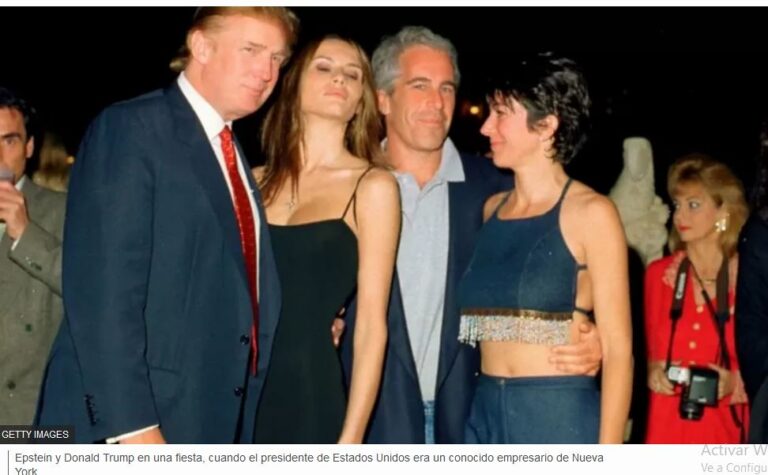
Epstein Warning: ‘Trump Is Evil Beyond Belief’

Key Takeaways

• Newly released files include an Epstein warning about Trump’s mental state.
• In a 2018 email, Jeffrey Epstein called Trump “evil beyond belief” and “nuts.”
• Epstein warned people Trump could “crack” under pressure.
• Lawmakers released thousands of pages from the Epstein case.
• Ghislaine Maxwell remains in prison; Epstein died in custody.

Epstein Warning Reveals Harsh Words for Trump

Recently, lawmakers unveiled thousands of pages from the Epstein files. Among them, one stands out: an Epstein warning to a reporter about President Donald Trump. In it, Epstein painted a bleak picture. He wrote that Trump “feels alone and is nuts” and called him “evil beyond belief.” He added that most people thought he spoke in metaphor. However, Epstein insisted Trump could “crack” under stress.

The files arrive as a fresh reminder of Epstein’s crimes. He and his associate, Ghislaine Maxwell, were convicted of child sex trafficking and other crimes. Epstein died in prison. Maxwell still serves her sentence in Texas. Now, decades after Epstein’s arrest, his words on Trump have grabbed attention.

What Epstein Warning Said About Trump

Jeffrey Epstein sent the email in 2018. It came early in Trump’s first term and after he announced his first tariffs. In simple terms, Epstein warned that Trump felt isolated. Next, Epstein labeled him “mad” and said people thought he joked. Yet, he insisted he spoke literally.

Epstein also mentioned the Stormy Daniels scandal. He claimed Daniels’ story was full of lies. Moreover, he suggested Trump might break under pressure. Thus, the Epstein warning went beyond a casual insult. It portrayed a president on the edge.

Why the Epstein Warning Matters Now

First, the warning shows a surprising side of Epstein’s views. People remember him only for his crimes. Yet, he tracked powerful figures too. Second, the timing matters. The email landed when Trump shaped trade and foreign policy. Third, public trust in leaders remains shaky. Therefore, any claim about a president’s stability sparks debate.

Furthermore, the release of these documents fuels political arguments. Some will say Epstein had insider insight. Others will dismiss him as a discredited source. Either way, the Epstein warning will dominate discussions for days.

How Lawmakers Unveiled the Documents

On Wednesday, the House Oversight Committee released the files. They cover years of investigation into Epstein and Maxwell. Thousands of pages include financial records, travel logs, and personal notes. Among these, the email with the Epstein warning appeared.

Lawmakers cited transparency as their goal. Moreover, they said the files could show how Epstein moved money and influence. Meanwhile, the public gets a glimpse into a secretive network of rich and powerful people. The Epstein warning is just one dramatic line in a larger story.

Reaction from Trump’s Team

So far, the White House has not commented on the Epstein warning. In past years, Trump has criticized reports that link him to Epstein’s crimes. He has denied knowing about any wrongdoing. Likewise, his team might dismiss this new claim as baseless. Yet, the strong language in the email makes it hard to ignore.

What Comes Next After the Epstein Warning

First, media outlets will analyze how the Epstein warning aligns with Trump’s behavior in office. Next, watchdog groups might seek more details from the files. They could ask for full transcripts or related emails. Additionally, lawmakers might explore whether any other world leaders face similar private assessments.

Moreover, this warning could shape future investigations. For instance, if Trump runs again, opponents might cite Epstein’s words. At the same time, supporters will question Epstein’s credibility. Thus, the Epstein warning adds another layer to the ongoing debate over Trump’s character and leadership.

Lessons from Epstein’s Documents

Beyond politics, the files teach us about power and secrecy. They show how one person’s view can ripple through history. Also, they remind us that private messages may surface at any time. Finally, they underscore the importance of open record laws and oversight.

Stay tuned for more coverage as reporters dig deeper into the files. As new details emerge, the Epstein warning may seem even more significant. After all, it comes from a man who knew many of the world’s richest and most famous people.

Frequently Asked Questions

What exactly did the Epstein warning say about Trump?

In a 2018 email, Epstein said Trump “feels alone and is nuts,” called him “evil beyond belief,” and warned that he could “crack” under pressure. He also dismissed the Stormy Daniels story as a series of lies.

Why did lawmakers release these Epstein documents now?

The House Oversight Committee said it aims for transparency. They released detailed records on Epstein’s finances, contacts, and communications to shed light on his network and influence.

Is there any proof Trump acted on Epstein’s warning?

No evidence links Trump’s actions to Epstein’s email. The warning is a private opinion, and there’s no sign Trump changed policy or behavior because of it.

How reliable is the Epstein warning?

Epstein’s credibility is highly questionable due to his crimes and personal motives. Some may view his warning as insider insight, while others will see it as a biased or unfounded claim.

House Votes Early on Epstein Files Release

Key takeaways:


  • House Speaker Mike Johnson will force a vote next week on releasing Epstein documents
  • The bill orders the Justice Department to hand over all Epstein files for public view
  • A discharge petition reached 218 signatures after Rep. Grijalva’s swearing-in
  • Johnson had delayed action by keeping the House in recess and holding up a new member
  • Critics suspect political motives to shield certain figures and deny Johnson’s claim

Speaker Johnson Sets Stage for Epstein Files Vote

On Wednesday, House Speaker Mike Johnson surprised everyone by announcing an early vote on a bill. He said he will bring the measure to force the Justice Department to release the Jeffrey Epstein files next week. Until now, many believed the vote would come much later. His plan now accelerates the timeline.

Johnson told reporters he will “put that on the floor for a full vote” once lawmakers return. He stressed the House Oversight Committee still works hard on its own probe. However, Johnson claimed this full House vote will ensure all records reach the public.

What’s Behind the Push for Epstein Files

Jeffrey Epstein was accused of horrific abuse and trafficking. After his death in custody, many documents stayed sealed. Victims and advocates grew frustrated by the secrecy. Moreover, news reports suggested some high-profile names appeared in the records. Consequently, pressure built up for a full release.

In the last session, several members tried to force a vote on these files. Yet leadership blocked those efforts. Therefore, Representatives Ro Khanna and Thomas Massie started a discharge petition. This petition allows members to bypass leadership if they gather enough signatures.

Meanwhile, public interest in the Epstein files stayed high. Campaigners held rallies and online petitions demanded transparency. Defendant emails, flight logs, and legal filings teased more information. Ultimately, supporters believed a formal vote would force wider disclosure.

Key Players and Political Moves

Representative Ro Khanna from California and Representative Thomas Massie from Kentucky led the petition drive. They needed 218 signatures among the 435 House members. After Rep. Adelita Grijalva from Arizona took her oath, they hit that number. Grijalva’s swearing-in proved crucial.

Before that, Speaker Johnson kept the House in recess. He also delayed Grijalva’s swearing-in, citing a possible government shutdown. Critics said those moves aimed to block the petition from reaching its goal. Johnson and his GOP allies denied any political motive. They insisted the recess was needed to sort out funding issues.

Furthermore, Democrats and even some Republicans voiced their doubts. They argued Johnson acted to shield his party and even the former president. Some pointed to Johnson’s past statements urging caution before releasing sensitive information. Nevertheless, Johnson rejected those claims and vowed to let the process play out.

Why the Release of the Epstein Files Matters

Releasing the Epstein files could reveal new details about the trafficking network. Many survivors hope for closure and justice. They demand to know who might have enabled or looked the other way. Therefore, transparency could help victims feel heard and supported.

Additionally, the public sees this vote as a test of government openness. When important documents stay hidden, trust in public institutions erodes. A clear release of the Epstein files would show that Congress can overcome political gridlock to pursue truth.

Legal experts warn that some information should stay confidential. They worry about witness safety and privacy of third parties. However, supporters say lawmakers can redact sensitive sections. They argue redactions can protect privacy without hiding key facts.

There is also concern that the Justice Department might drag its feet. If the DOJ delays compliance, Congress could hold hearings and issue subpoenas. In fact, Johnson hinted the House Oversight Committee might take that step if needed.

Next Steps and Possible Outcomes

When Congress returns, lawmakers expect spirited debates on the House floor. Johnson plans to set a strict schedule for the vote. If the House approves, the measure heads to the Senate. There, supporters face a more complex challenge.

Some senators might demand changes to address privacy and legal limits. Others could balk at forcing the DOJ to hand over real-time files. Consequently, the Senate could slow or reshape the bill before voting.

If the Senate passes the bill in its current form, the Justice Department must release the documents within a set period. That process could take weeks or months, depending on the volume. Media outlets will likely comb through the files for explosive stories.

On the other hand, a Senate rewrite could delay the release. For instance, lawmakers might narrow the request to certain types of documents. They could also create a special review panel to handle disputes over redactions.

Meanwhile, the House Oversight Committee will continue its own investigation. It can subpoena officials, hold depositions, and call for classified briefings. Together, the discharge petition route and the committee’s work aim to speed up the entire process.

In addition, public pressure is unlikely to fade. Freedom of information advocates have vowed to track every step. They plan to alert citizens and groups if any part of the process stalls.

Ultimately, this early vote could set a precedent. If lawmakers successfully force the release of high-profile sealed files, other cases might follow. Future demands could target documents on corruption, national security, or corporate wrongdoing.

Conclusion

The fight over the Epstein files highlights a larger battle about government transparency and political power. Speaker Johnson’s surprise move shows that even the most sensitive records can face a quick path to the public. Yet, the journey from a House vote to the actual release of documents involves many steps and possible hurdles. As lawmakers gear up for next week’s vote, the nation watches closely. They want to know what secrets the Epstein files still hold and whether Congress will deliver them to the public eye.

Frequently Asked Questions

Why did Speaker Johnson call for an early vote on the Epstein files?

He said he aimed to respond quickly to public demand. He also cited the House Oversight Committee’s ongoing work.

What is a discharge petition and how did it affect this vote?

A discharge petition allows members to force a bill to the floor if leadership blocks it. After Rep. Grijalva joined, the petition reached the required 218 signatures.

Could any parts of the files remain sealed after a vote?

Yes, lawmakers could approve redactions to protect privacy and safety. They plan to balance openness with confidentiality.

What happens if the Senate changes the bill before approving it?

The House might need to agree on revisions. Alternatively, leaders could arrange a conference to negotiate a final version.

Stearns Warns of Over-Reliance on Offensive Production

0


Key Takeaways:

  • David Stearns believes teams depend too much on offense numbers.
  • He warns that neglecting pitching and defense can hurt teams.
  • Success needs balance across offense, pitching and fielding skills.
  • Teams can build strong rosters by mixing hitting power with defense

The world of baseball loves big home runs and high run counts. Yet too many teams chase offense at the expense of solid defense and pitching. David Stearns, president of baseball operations, has voiced concern over this trend. He fears teams lean too heavily on offensive production, putting long-term success at risk. In this article, we explore his warning and explain how clubs can find the right mix of skills.

Why Offensive Production Matters to Stearns

Offensive production grabs headlines and excites fans. Meanwhile, pitching and defense often play quieter roles. Stearns argues that managers and owners chase big batting stats but overlook key parts of the game. He notes that solid infield play or clutch relief pitching can win close games. Therefore, true team strength comes from balanced skills, not just power hitting.

The Risks of Relying Too Much on Offense

When a team focuses just on offense, it creates gaps elsewhere. First, pitchers feel more pressure to score high runs early. Moreover, bad defense can turn small hits into extra runs. As a result, a club may win a few games in style but lose weeks later when offense stalls. Thus, relying solely on big bats can backfire over a long season.

Teams that bet big on offense often spend too much in free agency. They chase sluggers with huge contracts. However, these deals can hurt a team’s budget for scouting and youth development. In contrast, a balanced approach spreads investments across positions. Then, a club can support pitchers and defenders as well as hitters.

Stearns has seen this pattern before. He watched teams with great batting lineups but losing records. He also saw squads with modest hits but strong pitching and tight fielding soar into playoffs. He stresses that numbers on the scoreboard matter less than the mix of skills on the roster.

Finding Balance in Offensive Production Strategy

Stearns recommends that teams build in layers. First, they should scout youth talent who show all-around skill. Second, they must develop pitchers who can adapt to batters. Third, they need fielders who make few mistakes. By blending these elements, clubs can maintain steady success.

Moreover, he suggests that managers use data wisely. Instead of chasing only home runs, they should spot players who get on base or can move runners. Similarly, pitchers with varied grips and angles can keep hitters off balance. This approach values depth over just big hits.

Teams must adjust as the game evolves. Today’s analytics let clubs measure defensive range and pitch spin rates. Stearns says data should guide decisions but not replace intuition. A club that trusts both stats and scouts can spot hidden gems, whether in pitching or offense.

Steps Teams Can Take for Better Balance

Stearns offers clear steps teams can follow to limit their offensive production reliance:

• Strengthen Farm Systems

Develop young pitchers and defenders early. Youth programs build depth and save money.

• Trade Smartly

Seek pitchers in trades, not just hitters. Balance deal values to avoid heavy spending on offense.

• Embrace Versatility

Use players who can hit, run, and field. Versatile athletes fill gaps when injuries strike.

• Use Data Holistically

Track all performance metrics, from batting average to defensive runs saved. Analyze trends, then act.

• Build a Winning Culture

Encourage teamwork and shared goals. When everyone values pitching, defense, and offense, the whole club wins.

Stearns stresses that these steps work together. None alone can solve an unbalanced roster. Yet together, they guide a team toward steady performance.

Stearns’s Approach to Building a Strong Team

In his career, Stearns has reshaped rosters around balance. Early in his job, he mixed young pitchers with veteran hitters. Then, his clubs advanced deep into playoffs despite not leading the league in offense. He credits data-driven scouting and player growth for this success.

While leading baseball operations, Stearns also prioritized coaching. He hired instructors skilled at teaching defense and pitch mechanics. These experts helped players learn new techniques, such as fielding ground balls and mixing fastballs with changeups. As a result, teams under his watch grew more consistent.

Furthermore, Stearns kept budgets in check. He avoided overspending on sluggers and funneled savings into analytics and youth programs. Over time, this blend of offense, defense, and smart spending helped his teams win more games.

Why Fans Should Care

Fans naturally love home runs and high scores. However, they might miss real team strength. A club that hits a lot without strong pitching can lose tight matches. Likewise, a team with strong defense but weak bats can struggle to score. Understanding Stearns’s view helps fans see the full game.

When a team balances offense with other skills, games feel exciting and suspenseful. Late innings become nail-biters when both sides can pitch and hit well. These games draw big crowds and keep fans talking.

Ultimately, steady winners build long-term loyalty. A balanced club wins consistently and makes deep playoff runs. That momentum keeps fans engaged and boosts ticket sales. So Stearns’s warning touches everyone who loves baseball.

Conclusion

David Stearns warns teams that too much focus on offense can backfire. He points to the need for balanced rosters that include pitching and defense. By following clear steps—like improving farm systems, making smart trades, and using data wisely—teams can build strong and consistent lineups. Fans benefit from exciting games and winning cultures. In the long run, balance wins more games than big hitting alone.

Frequently Asked Questions

What does offensive production mean in baseball?

Offensive production refers to a team’s batting strength. It includes hits, runs scored, and slugging power. Fans often measure it in home runs and batting averages.

Why does Stearns warn against offense reliance?

He notes that focusing only on hitting can leave teams weak in pitching and defense. Over time, this imbalance can hurt a team’s record and playoff chances.

How can teams balance offense with other skills?

Teams can invest in farm systems for pitchers and defenders. They can also use data to find versatile players. Smart trades help add needed talent.

Will balanced teams always win more games?

No plan guarantees wins. Yet teams that spread talent across roles often stay competitive. This approach can lead to more stable records and deeper playoff runs. Source: https://www.nydailynews.com/2025/11/12/mets-defense-david-stearns-gm-meetings/

FBI Jet Scandal: Patel’s Luxury Hunting Trip

0

Key Takeaways

• FBI Director Kash Patel has drawn criticism for using the FBI jet for personal trips.
• He flew the plane to a private hunting resort owned by a Republican donor’s family.
• Justice Department and White House officials complained about the costly travel.
• Critics call the taxpayer-funded flights wasteful, especially during a shutdown.
• Both Trump and the White House publicly back Patel despite the growing outcry.

Why the FBI jet Trip Sparked Outcry

Kash Patel, the head of the FBI, has taken the bureau’s private airliner on dozens of flights since his appointment. However, a recent report revealed one flight went to the Boondoggle Ranch, a posh hunting retreat in Texas. Critics say this shows careless use of taxpayer dollars. As a result, officials in the Justice Department and the White House have urged Patel to limit travel.

Frustration Inside the Bureau and Justice Department

Justice Department leaders and FBI staff say Patel’s trips have become a distraction. They point to a flight he took for a wrestling show, where his girlfriend performed. Then he flew on the FBI jet to her home in Nashville. A former agent called this “pathetic” during a government shutdown. Moreover, the ranch stop in San Angelo has added fuel to the fire.

Private Resort Ties Raise Eyebrows

The Boondoggle Ranch is owned by a Republican donor and a friend of Patel’s. Critics argue Patel shouldn’t use a public asset to visit a private resort owned by someone close to him. The plane stayed in Texas from Sunday to Wednesday amid a shutdown. This stay added to the sense that the FBI jet was used for personal gain.

Rules on Travel and the Shutdown Context

Weeks before, the White House warned cabinet officials to curb travel, especially trips unrelated to presidential aims. Patel, though, kept flying, and his travels became “office gossip” at the FBI. During a shutdown, resources are tight. Many federal workers were furloughed, yet the FBI jet crossed state lines for leisure.

Trump’s Private Concerns and Public Support

Inside private talks, former President Trump has occasionally voiced irritation with Patel’s jet-setting. Still, he has publicly praised Patel’s work. A White House spokesperson said Trump feels “very proud” of the FBI under Patel. They called him a “key player” in Trump’s law-and-order team. This split between private worry and public praise has puzzled many observers.

Patel’s Response to the Backlash

Patel fired back at his critics. He called the newspaper report “hot garbage” and insisted the FBI is stronger than ever. He did not address details of the Texas trip. Instead, he focused on the bureau’s achievements under his leadership. This firm stance shows he won’t back down from the criticism.

Cost and Public Perception

Taxpayer money funds every flight of the FBI jet. Flight hours, crew pay, maintenance, and fuel add up quickly. Opponents say luxury hunting stays are a poor choice when many agencies face cuts. As stories spread, the public perception of wasteful spending grows. Polls often show Americans want tighter rules on official travel.

Lessons on Ethical Leadership

Leadership roles come with higher scrutiny. Using a government plane for personal trips can damage trust in an agency. Clear travel policies and strict oversight help prevent misuse. For now, calls are rising for an independent review of FBI travel habits. Many believe that transparency will restore confidence.

What Comes Next for the FBI Director

Observers expect more pressure on Patel to justify his travel choices. Congressional members may request travel records. The Justice Department’s inspector general could open an inquiry. Meanwhile, rival political voices will use the story in campaign messages. How Patel handles future trips will shape his reputation and the bureau’s image.

FAQs

Why did Kash Patel use the FBI jet for a hunting trip?

He flew the bureau’s plane to visit a private ranch owned by a family friend. Critics say he treated the FBI jet like a private charter.

Have officials complained about Patel’s travel?

Yes. Justice Department and White House officials privately urged him to limit trips unrelated to his duties.

Did Trump comment on Patel’s use of the plane?

In private, Trump showed some irritation. Publicly, he praised Patel’s leadership and defended the FBI’s strength.

Could there be an official investigation into these flights?

Lawmakers and watchdogs might seek records or launch a formal review to check for policy violations.

Bad Bunny Halftime Show Earns Unexpected Support

0

Key Takeaways

• Dallas Cowboys leader Charlotte Jones praised Bad Bunny’s Super Bowl halftime show.
• Katie Miller hoped for a MAGA-friendly answer but got a surprise.
• Jones celebrated the show’s global reach and cultural mix.
• The chat may boost Stephen Miller’s public image.
• The discussion eased some MAGA anger over the performance.

When Trump strategist Stephen Miller’s wife, Katie Miller, invited Charlotte Jones on her podcast, she expected a fiery MAGA stance. Instead, Jones, the Dallas Cowboys’ chief brand officer, cheered the choice of Bad Bunny for the Super Bowl halftime show.

Why Bad Bunny Matters on the Super Bowl Stage

Katie Miller steered the talk toward the Puerto Rican rap star. Many Trump fans resent Bad Bunny’s Spanish lyrics and his critique of mass deportations. However, Jones said she thinks it is “awesome.” She pointed out that the Super Bowl is a global event. She said fans around the world tune in, so the top entertainer should perform, no matter what language they speak.

MAGA Outrage Meets a Global Spotlight

Many Trump supporters saw Bad Bunny’s booking as a political jab. They claimed it sidelined English and American values. On the podcast, Miller asked Jones if she shared that view. Instead, Jones reminded her that the United States thrives on fresh cultures and new ideas. She noted that immigrants built the country. Therefore, she saw the performance as a chance to celebrate that legacy.

Was the Podcast a Political Setup?

Critics argue that Katie Miller’s show softens her husband’s image. They say it looks less like news and more like a promotional tool for his politics. By featuring sports figures and cultural debates, the podcast may normalize far-right ideas. Yet, in this case, the co-owner of America’s team refused to toe that line.

Diversity Takes Center Stage

Charlotte Jones didn’t stop at global reach. She praised the NFL’s growing Latina fan base. She pointed out that more than ever, people from many backgrounds love football. She argued that the league must embrace its mixed culture. Through this lens, Bad Bunny’s performance feels like a natural fit. It shows that the NFL wants all fans to feel at home.

A Surprising Defeat for MAGA Critics

Rather than fueling MAGA anger, Jones’s remarks offered a different tone. She greeted Bad Bunny’s show with enthusiasm. As a result, she undercut the narrative that the NFL must play it safe. Her stance highlights how business leaders may choose unity over division. Meanwhile, the political right risks looking out of step with broader audiences.

What This Means for Future Halftime Acts

The debate over Bad Bunny reflects a bigger trend. Fans now expect the halftime show to reflect today’s world. They want stars who bridge cultures and speak to global audiences. Therefore, future Super Bowl acts might focus on diversity and inclusion. The NFL may see value in artists who push boundaries and draw in fans from everywhere.

A Nod to the Power of Conversation

Katie Miller’s interview shows how a single question can shift the narrative. She aimed for a hot-button reply but got a lesson in perspective. Jones’s response reminds us that sports, culture, and politics often collide. Yet, respectful dialogue can open minds. It can also highlight the unifying power of music and sport.

Celebrating a Halftime Legacy

Over the years, the Super Bowl halftime show has grown into a cultural phenomenon. From pop icons to rock legends, it has mirrored changing tastes. Now, with Bad Bunny stepping in, it marks another evolution. It blends reggaeton, Latin trap, and mainstream appeal. This mix could draw in new viewers and spark fresh conversations.

Looking Ahead

As the big game approaches, eyes will focus on the performance. Bad Bunny’s show may top streaming charts and social feeds. Yet, it also serves as a test case. Can the NFL balance its American roots with a global fan base? Will political tensions fade when the music starts? Only time will tell if unity wins out on the world’s biggest stage.

Frequently Asked Questions

What sparked the Bad Bunny Super Bowl debate?

The choice of Bad Bunny sparked debate because he performs in Spanish and has criticized mass deportations. This angered some Trump supporters who expected a different halftime act.

Why did Charlotte Jones support Bad Bunny’s show?

Jones supported the show for its global appeal and celebration of diverse cultures. She pointed out that immigrants built the country and said the NFL should honor that history.

Was Katie Miller’s podcast meant to be political?

Many critics think Katie Miller’s podcast aims to normalize her husband’s politics. They argue it blends sports, culture, and politics to make his views seem mainstream.

How might this affect future halftime performances?

This exchange suggests the NFL may continue booking artists who reflect global cultures. Future acts might focus more on diversity and international stars to keep fans engaged.

Epstein Files Return as House Reopens

0

Key Takeaways:

  • The House will reopen soon, bringing the Epstein files back into play.
  • Speaker Mike Johnson leads the move to shift the files to the front burner.
  • Democrats plan to vote on a subpoena for the Epstein files once Congress reconvenes.
  • Pam Bondi may face probing questions about missing or blank documents.
  • The executive branch still controls how much of the Epstein files get released.

Epstein Files Return with House Reopening

Background on the House Reopening

Lawmakers must reopen the government before Thanksgiving. They agreed on a deal to delay fights over healthcare subsidies. In exchange, eight Democrats agreed to reopen the House now. Once the vote happens, Congress will turn to other issues. Among them, the Epstein files will likely top the list.

What Are the Epstein Files?

The Epstein files refer to investigative records and legal documents related to Jeffrey Epstein. These files could reveal what powerful people knew about his alleged crimes. Moreover, they might explain why some actions never led to strong charges. Therefore, many advocates demand full transparency.

Mike Johnson’s Role

Speaker Mike Johnson announced he would bring the House back into session. In doing so, he reopened the door for a fresh debate on the Epstein files. As a result, what once simmered on the back burner is now center stage. Johnson’s move signals a major shift in focus for the entire House.

Discussion on “Inside Trump’s Head”

Joana Coles and Michael Wolff co-host a political podcast. They analyze Trump’s challenges and strategy. In their latest episode, they spoke about the House reopening. Coles pointed out that Mike Johnson’s action will resurface the Epstein files. Then, Wolff agreed that Congress will try to subpoena those records once the House reconvenes.

Battle Over Epstein Files Heats Up

Democrats’ Plan to Subpoena

Once the House reopens, Democrats plan to introduce a subpoena for the Epstein files. They believe those records could prove wrongdoing at high levels. Next, they hope new members like Rep.-elect Adelita Grijalva will vote for their release. With enough votes, they could force hearings in early December.

Pam Bondi Faces Questions

Attorney General Pam Bondi once claimed she had the Epstein files on her desk. However, Wolff suggested she might have held blank paper instead. If true, this claim could damage her credibility. Therefore, she may face tough questioning in future hearings. In addition, members might press her for specific documents or notes.

Executive Control of Documents

Even with a congressional vote, the executive branch holds real power over those files. First, officials must find and gather all relevant documents. Then, they decide what to hand over. Finally, they can redact names or sensitive details. Consequently, some critics worry Congress will not see the full records.

Key Players to Watch

Several individuals will shape this fight over the Epstein files. Speaker Mike Johnson will push for quick action in the House. Meanwhile, House Democrats like Rep.-elect Grijalva aim to release as much as possible. In the executive branch, Justice Department officials will determine what reaches Congress. Finally, Pam Bondi could face intense scrutiny over her prior statements.

What’s Next for the Epstein Files?

Once Congress reopens, a vote on the subpoena could come within days. If the vote passes, the Justice Department must decide what to provide. Then, lawyers will debate which parts to keep hidden or remove. At the same time, the public will watch closely to see if new details emerge. Ultimately, this fight could reshape how high-level investigations proceed.

Implications for the President

President Donald Trump will feel the impact of renewed interest in the Epstein files. For years, critics argued the Justice Department gave Epstein lenient treatment. Now, lawmakers want to know who made those decisions and why. Therefore, this issue could become a major storyline as 2024 approaches.

In addition, the renewed spotlight may force other officials to testify. Former aides or agency leaders might answer questions about hidden files. Consequently, the battle could expand beyond just the Epstein files to broader concerns about government transparency.

The Legal Maze Ahead

Even after a subpoena vote, legal hurdles remain. The executive branch could challenge the subpoena in court. Then, judges must decide if Congress has the authority to demand these records. Meanwhile, redactions and delays could slow the entire process. Therefore, both sides must prepare for lengthy legal fights.

Why This Matters

Transparency advocates argue the Epstein files hold key truths. They insist that public trust hinges on full disclosure. Conversely, some officials fear exposing sensitive information could harm national security or personal privacy. As a result, the debate over the Epstein files will test the balance between openness and protection.

Moreover, this fight will set precedents for future congressional investigations. If lawmakers succeed in forcing full disclosure, they could push for similar actions in other probes. On the other hand, if the executive branch prevails, it could limit Congress’s power to obtain critical documents.

A Window into Washington Power Plays

The battle over the Epstein files provides a clear example of checks and balances. It shows how the legislative branch can challenge the executive branch. Yet, it also highlights the limits of congressional power. As the fight unfolds, every step will offer insights into Washington’s inner workings.

Looking Ahead

As the House debates the reopening, all eyes will turn to the vote schedule. If the package passes, lawmakers will swiftly move to the subpoena. Then, the clock starts ticking on the Justice Department’s response. With each delay or redaction, tensions will rise. Ultimately, the question remains: will the full truth behind Jeffrey Epstein’s case ever come to light?

Frequently Asked Questions

What are the Epstein files?

The Epstein files include court documents and investigative records related to Jeffrey Epstein’s crimes and legal dealings. They could reveal how authorities handled his case.

Why do Democrats want to subpoena the files?

Democrats believe those files hold details about influential people and misconduct. They argue public demand for transparency justifies the subpoena.

What role does Pam Bondi play in this story?

Pam Bondi once claimed to have the Epstein files on her desk. Critics question whether she held real documents or just blank papers. Her statements may face scrutiny in hearings.

Can the executive branch block the release of the Epstein files?

Yes. Even after a congressional vote, the executive branch can delay or redact records. Legal challenges may arise, and courts could rule on the dispute.

Why Trump Support Is Crumbling Now

 Key takeaways

  •  Leading Republicans are already hedging bets beyond Trump.
  •  A sharp drop in Trump support stems from rising costs.
  • Trump still watches the stock market, not everyday struggles.
  •  Some GOP figures plan for a post-Trump party future.

What Is Happening to Trump Support?

Donald Trump led the Republican Party for years. However, his grip now shows cracks. Former Trump administration aide Alyssa Farah Griffin spoke with Anderson Cooper. She said Trump doesn’t feel the pain of regular Americans. Meanwhile, some top Republicans are pivoting away from him. In fact, they already plan for life after Trump. This shift hints that Trump support could shrink more before the next election.

A Blind Spot on Everyday Costs

Trump often measures success by the stock market. He checks closing prices each day. Yet most Americans do not own big market shares. For them, soaring rent and food prices matter more. Griffin explained that Trump misses this key pain point. According to a recent poll, nearly 70 percent of people feel wearing budgets tight. Farmers, tradespeople, and low-income families struggle most. However, Trump seems unaware of their angst. Thus, his message fails to reach many voters.

Joe Biden faced a similar trap. He focused on broad economic gains while costs climbed. Trump now risks the same error. He talks about record highs on Wall Street. He highlights big corporate profits and surging indexes. Meanwhile, grocery bills, gas prices, and housing costs keep rising. As a result, people feel left behind. When voters feel ignored, their support erodes. This trend marks a clear warning sign for any candidate.

Politicians Plan Post-Trump Paths

Not only do everyday Americans grow restless. Some major GOP figures already look beyond Trump. Representative Marjorie Taylor Greene recently launched attacks on her own party. She hinted at ambitions for higher office without Trump’s backing. Others quietly test the waters for 2028. They watch Trump’s stumbles and measure their own chances.

Griffin noted that a year before midterms, many Republicans hedge their bets. They ask, “Is my future tied to Trump or someone else?” They eye Vice President hopefuls like JD Vance and Marco Rubio. They build relationships with state leaders and local activists. This realignment shows that Trump support faces real competition from within his party.

Moreover, some donors pause new contributions. They worry about the party’s direction and their own influence. When big donors hold back, campaigns lose vital funds. Without cash, Trump may face limits on advertising and outreach. This could widen his gaps with swing-state voters.

What This Means for Voters

Voters now see a shifting landscape. They watch Trump’s speeches and focus-group reactions. They note how party leaders speak less of him. They hear fresh voices promising new solutions. For example, a lawmaker in Ohio now champions a full affordable housing plan. In Florida, a senator focuses on rural healthcare. These pitches connect with real needs. Consequently, Trump support looks less like a sure bet.

Also, some swing voters recall Trump’s past promises on trade and jobs. They compare those pledges to their current struggles. When people feel promises fail them, they switch sides. Independents in key states could tip the balance if they walk away.

As the midterms near, each campaign counts every vote. Small swings in public opinion matter. If Trump support dips by a few points, the entire party could face losses. Senate races, governorships, and House seats all hinge on capturing disaffected voters.

A Chance for New Leadership

This moment creates an opening for fresh GOP voices. Leaders who focus on cost-of-living pressures may rise. They can craft plans to lower rent, stabilize prices, or expand childcare support. If they win voters’ trust, they may become the new face of the party. They can balance strong border policies with real economic relief. That blend could rebuild confidence among working families.

In contrast, Trump’s continued focus on market indexes and rallies may fail to convince. People want to hear direct help for their budgets. They want clear plans for student loan relief and prescription drug costs. Those issues affect more lives than stock prices do. Thus, any candidate who addresses them stands a better chance.

What Comes Next for Trump Support

Looking ahead, Trump support will hinge on one key factor: relevance to daily life. If Trump adjusts his message to match voters’ concerns, he could regain ground. He must speak plainly about housing, food, and medical bills. He needs advisors who listen to real voices outside Washington. Otherwise, he risks repeating Biden’s trap.

Meanwhile, party leaders will watch the polls. They will decide whether to stay loyal or to back new contenders. Early endorsements will signal which way the wind blows. Fundraisers will follow, shifting money to those they believe can win. In that scramble, Trump support could fall further.

For voters, this coming year will offer choices. They will compare candidates on real issues. They will test whether fresh faces deliver fresh ideas. And they will judge Trump on whether he can prove he cares about their budgets, not just market charts.

Ultimately, the fate of Trump support rests on connecting with people’s wallets and worries. Whoever succeeds at this task will shape the next era of the GOP.

Frequently Asked Questions

What caused the drop in Trump support among Republicans?

Rising living costs and the perception that Trump ignores everyday struggles led to a decline. Many believe he focuses on the stock market instead of people’s budgets.

How are party leaders preparing for a post-Trump future?

Some leaders explore their own campaigns, build local networks, and form bonds with potential 2028 candidates. They also hold back donor funds to see which path gains momentum.

Can Trump regain support by shifting his message?

Yes. If he addresses affordability, healthcare, and housing directly, he might reconnect with voters who feel left out.

Why does focusing on market performance hurt Trump’s appeal?

Most Americans do not own large market shares. They worry about rent, food, and medical bills. Talking only about stock indexes fails to address these real concerns.

Stealth Provision Drives Controversy in Funding Deal

0

Key Takeaways:


  • A stealth provision in the government funding deal lets some Senate Republicans sue for up to $500,000.
  • House Republicans call the stealth provision “self-serving,” but they avoid removing it now.
  • They plan to repeal the stealth provision later so the shutdown ends quickly.
  • The deal extends food aid, reverses federal worker firings, and ensures a vote on health subsidies.
  • Democrats say the deal still fails to extend Affordable Care Act help immediately

A stealth provision in the bipartisan bill to reopen the government is causing a stir. It lets Senate Republicans sue the federal government for up to $500,000 each. They can claim this money if they prove their communications got monitored in the 2020 election investigation. Critics fear the Trump administration could quickly settle these suits and reward senators for backing election conspiracy theories.

Why the stealth provision matters

Many see this stealth provision as improper. In fact, far-right House members say it looks bad. However, they refuse to back Democratic moves to strip it out before the bill passes. Instead, they want a separate effort later to repeal it. This approach means the government gets funded faster. At the same time, critics say it sends the wrong message about self-dealing.

How the stealth provision works

Under this rule, each affected senator may claim up to half a million dollars. They must show special counsel Jack Smith’s team monitored their calls or emails. If successful, they can file a lawsuit against the federal government. Then, the administration can choose to defend or settle. Observers worry it will simply settle. As a result, public funds could flow directly to these senators.

Moreover, no deadlines force a quick court decision. Therefore, the process could drag on, creating uncertainty. Meanwhile, the optics of paying lawmakers in this way seems odd. For example, some say it looks like a reward for promoting election falsehoods. Critics warn that this sets a dangerous precedent.

House Republicans express discomfort

Several House Republicans openly criticize the stealth provision. Rep. Chip Roy of Texas calls it “self-serving” and “self-dealing.” He says it creates a bad appearance. Similarly, Rep. Austin Scott of Georgia labels it a misuse of taxpayer money. Both, however, stop short of joining Democrats to remove it now.

Instead, they propose a two-step plan. First, pass the government funding bill as is. Then, attach a repeal of the stealth provision to a later measure. By doing this, they avoid deepening a shutdown fight. As Roy explains, “We need to end the shutdown quickly.” Yet critics say this approach pushes the problem into the future.

What else is in the funding deal

Beyond the stealth provision, the bill includes several key items. First, it extends nutrition assistance for nearly a year. Millions of families will keep getting food help. Second, it restores jobs for federal workers fired since October. Workers who lost paychecks or benefits can return with back pay.

Third, the bill guarantees a House vote on extending Affordable Care Act subsidies. Democrats demanded this move for weeks. However, critics note it does not actually extend those subsidies now. Instead, it merely promises a future vote. As a result, many worry some families will face a coverage gap.

In addition, the deal maintains current funding levels for most agencies. It prevents sudden cuts or program delays. Yet, it leaves out any immediate fix for rising health care costs under the ACA. Democratic lawmakers say this omission falls short. They want subsidy extensions in place before passing funding bills.

Reactions and next steps

Democrats call the entire deal flawed. They argue it fails to meet several key priorities. For example, they wanted immediate ACA subsidy relief. They also asked for climate and clean energy funding. However, the final package ignores those areas.

Conversely, moderate Republicans see the bill as a fair compromise. They say it ends the shutdown and keeps federal operations running. Some even praise the deal for protecting vital programs. Yet the stealth provision remains a sticking point.

If the House approves the bill, the Senate must follow. Then, the president can sign it to end the shutdown. Meanwhile, supporters plan a separate vote to repeal the stealth provision. They hope this later repeal gains enough support. Still, opponents warn of delays and legal fights.

Ultimately, the government funding fight shows deep divisions. Lawmakers balance ending a shutdown with political battles. In doing so, they push tough issues into future debates. As a result, taxpayers and voters face uncertainty on key policies.

What happens if repeal never passes?

If lawmakers fail to repeal the stealth provision, it stays in law. Then, disgruntled senators could file their lawsuits. The administration may choose to settle quickly. As a result, public money could line the pockets of a few politicians. Observers say this outcome would damage public trust.

Meanwhile, a longer shutdown seems unlikely. Few lawmakers want that outcome. Therefore, most hope for quick fixes. Yet the stealth provision fight could resurface in months. It may become part of larger budget battles this spring.

Frequently Asked Questions

What is the main concern about the stealth provision?

The worry is that it lets certain senators sue for up to $500,000 each. The process could quickly turn into direct payouts from taxpayer money.

Why won’t House Republicans remove the stealth provision now?

They want to end the shutdown fast. Removing it now could prolong budget fights. So they plan a later bill to repeal it.

What benefits does the funding deal include?

It extends food aid for nearly a year, restores federal jobs, and guarantees a vote on health subsidy extensions. It also keeps agency funding at current levels.

How likely is the repeal of the stealth provision?

Repeal faces an uncertain path. Leaders must schedule another vote and win support. If they fail, the provision stays in law, allowing payouts to affected senators.