56.1 F
San Francisco
Monday, July 6, 2026
Home Blog Page 238

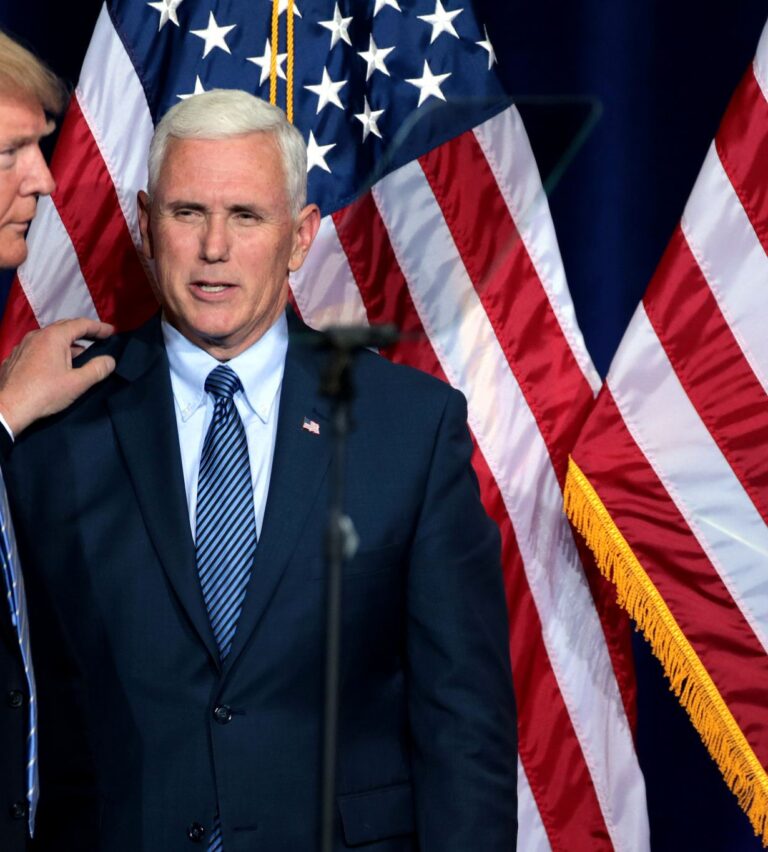
Pence’s Stark Trump Impeachment Prediction

0

Key takeaways

  • Former Vice President Mike Pence says a Trump impeachment is very likely if Democrats retake the House after 2026.
  • Pence points to the failed release of Jeffrey Epstein files and a risky arrest of Venezuela’s leader as triggers.
  • He sees growing public desire for a return to normal politics once Trump leaves office.
  • Pence believes past impeachment over a phone call sets a clear precedent for future action.

Trump impeachment prediction from Pence

Former Vice President Mike Pence told CNN’s Kaitlan Collins that a Trump impeachment looks likely. While speaking on “The Source,” Pence argued that Democrats will move to impeach President Trump if they take back the House of Representatives in the 2026 midterm. He said they “impeached the president for a phone call when we were in office.” Now, recent actions by the administration give them more reasons to start a new inquiry.

Why Trump impeachment could happen

Pence pointed out two main issues that could fuel a fresh Trump impeachment push. First, the administration missed a deadline to release files related to Jeffrey Epstein. Many experts now worry about a possible cover-up. This failed release has already led to louder calls for accountability. Second, President Trump approved a late-night operation to arrest Venezuelan leader Nicolás Maduro inside the presidential palace. This bold move lacked international support and alarmed some allies. Pence says these events add “fuel to the fire” for those in Congress eager to act.

Maduro operation and rising heat

The secret arrest mission in Caracas shocked the world. Under cover of darkness, U.S. forces entered Maduro’s presidential home. Critics argue it violated international law and risked a major conflict. Supporters claim it shows strength. However, without support from key partners, the United States stands alone. Many lawmakers see this as reckless. As a result, Democrats who once hesitated now appear more united in their call for impeachment. This high-stakes operation could be the tipping point.

Public hunger for normal politics

Across the country, Pence says he senses a strong desire for stability. He’s traveled through dozens of states over the past five years. In town halls and private meetings, he heard the same request: return to “timeless principles and values” that once united America. Voters are tired of constant drama. They want leaders who focus on shared goals, not endless investigations. If Democrats win the House, they could use impeachment to highlight the need for change. This move might satisfy public calls for accountability.

Possible timeline for impeachment

First, Democrats must win back the House in 2026. Then, party leaders will decide whether to launch formal hearings. If they proceed, staff will gather evidence, call witnesses, and hold public sessions. This process could start as early as 2027. Next, the House would vote on articles of impeachment. A simple majority would send the case to the Senate. In the Senate, a two-thirds vote is required to convict and remove a president. Given current party divisions, a full conviction seems unlikely. Yet, even an impeachment vote alone would have huge political impact.

Implications for Trump’s term

An impeachment push could dominate headlines for months. It might delay key policy efforts and deepen partisan divides. Trump would likely use the fight to rally his base. He could call the effort a “witch hunt” and claim the real goal is to stop him from running again. On the other hand, Democrats would argue they act out of duty to protect the Constitution. Meanwhile, other urgent issues—like economic challenges or foreign conflicts—might get sidelined. In this sense, a Trump impeachment threat could shape the rest of his term more than any single law or tax cut.

Looking ahead: what comes next?

For now, we watch the midterm races. If Democrats reclaim the House, impeachment talk will grow louder. Yet, even then, success is not guaranteed. Impeachment debates could backfire if voters see them as purely political. At the same time, ignoring potential misconduct could damage trust in government. Only time will tell how this drama unfolds. However, Pence’s warning makes one thing clear: talk of a Trump impeachment is no longer a fringe idea. It has entered the heart of Washington debate.

Frequently asked questions

What reasons did Pence give for a new Trump impeachment push?

Pence mentioned the failure to release Jeffrey Epstein files and the nighttime arrest of Nicolás Maduro without international support.

How would Democrats start a Trump impeachment process?

They would first win the House in the 2026 midterms, then hold hearings, gather evidence, and vote on articles of impeachment.

Could the Senate convict Trump after impeachment?

A Senate conviction requires a two-thirds majority. Given current party lines, full conviction seems unlikely.

What effect might impeachment talks have on American politics?

Impeachment debates could dominate headlines, delay other policies, deepen partisan divisions, and influence voter opinions in future elections.
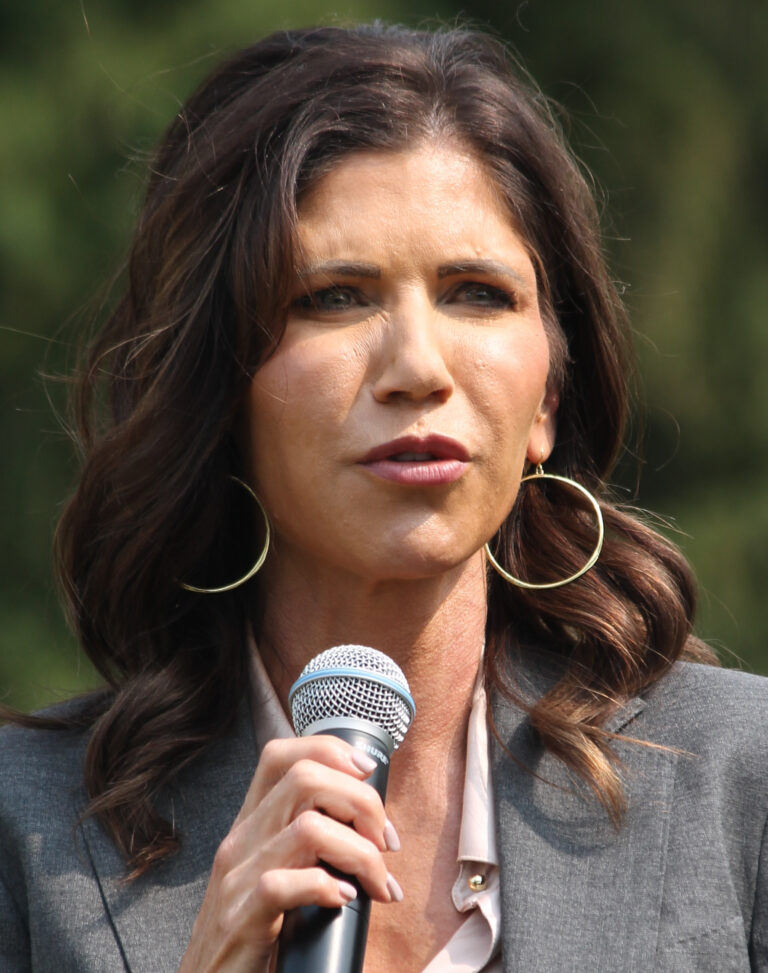
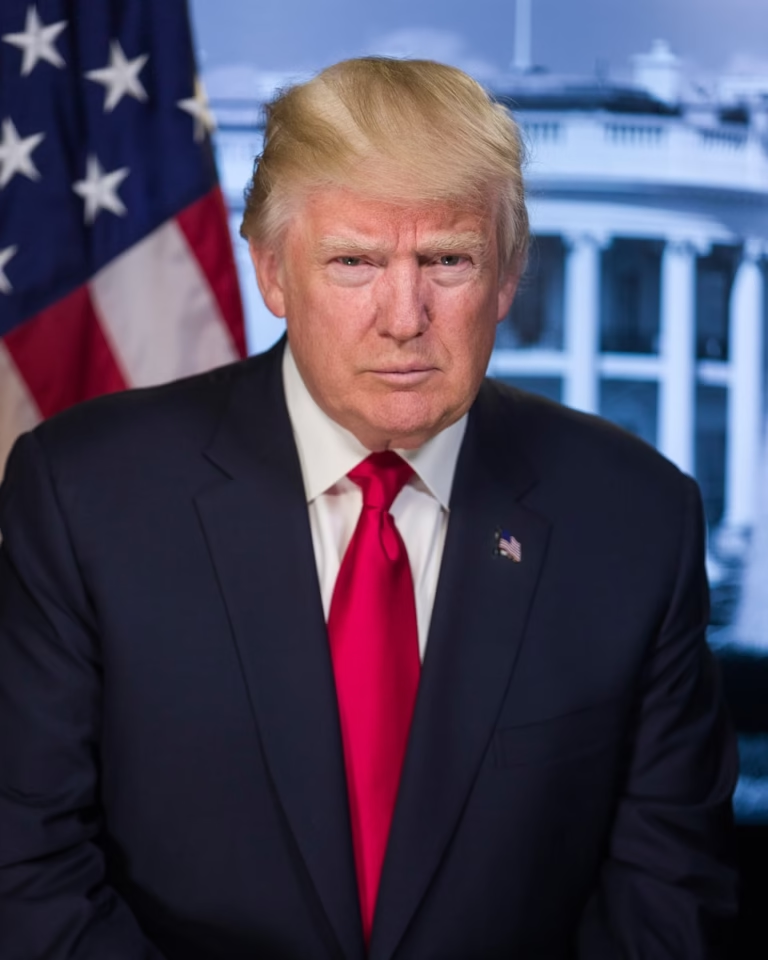
Minneapolis Chief Disputes ICE Shooting Claims

0


Key takeaways

  • Minneapolis Police Chief Brian O’Hara says only the woman was hurt in the incident.
  • His account contradicts President Trump’s and DHS Secretary Kristi Noem’s defense of the federal officer.
  • Video shows Renee Nicole Good’s car bumping the agent gently before she died.
  • The investigation into this ICE shooting is ongoing, and more details are expected soon.

Chief’s remarks on ICE shooting details

Minneapolis Police Chief Brian O’Hara spoke out after a federal officer shot and killed Renee Nicole Good. He pressed agents at the scene about other injuries. They told him no one else was hurt. This statement undercuts the claim that an officer was “lucky to be alive.” It also disputes the idea that the agent needed urgent medical care. O’Hara stressed that he asked, “Was anyone else injured?” and heard that only Good was harmed.

O’Hara’s comments emerged during a live interview on national television. He said he wanted clear facts before drawing conclusions. His direct approach contrasts with earlier federal statements. In fact, the chief’s version of events challenges the main defense of the ICE shooting. Therefore, his words have caused a political stir.

Video evidence and injuries

Video from bystanders and patrol cameras shows Good’s car rolling toward an ICE agent. However, the car pushed the agent only slightly. It did not knock him down or stop him from chasing the vehicle after it crashed. Moreover, there is no visible sign that the agent needed hospital care.

First, the videos show Good’s car in slow motion hitting the agent’s leg. Next, the agent steps back and draws his weapon. Finally, Good’s car attempts to leave the spot and crashes against a parked vehicle. Immediately after, the agent fires his gun. No one else appears hurt in the footage. As a result, the chief’s claim about a single injury aligns with what onlookers recorded.

Political defense and response

President Trump took to his social media platform to defend the officer. He said one federal agent was “lucky to be alive.” Meanwhile, DHS Secretary Kristi Noem called Good’s car a “weaponized” threat. She said the agent went to the hospital and later went home to his family. However, Chief O’Hara’s findings challenge both statements.

In addition, critics argue that calling a car “weaponized” may work in a speech. Yet, it struggles to hold up under video scrutiny. Also, Noem’s note about the officer’s hospital stay seems unnecessary if only one person was hurt. Moreover, the president’s claim that an agent narrowly escaped death raises new questions. Was the threat really that severe?

What happens next?

The Minneapolis police investigation into the ICE shooting continues. Chief O’Hara says he and his team will review all available footage. They will also interview federal agents and witnesses on site. Meanwhile, federal authorities are conducting their own probe. In time, both reviews should produce a fuller picture.

As the inquiry moves forward, community leaders are calling for transparency. They want clear answers about the rules ICE officers follow in dangerous situations. They also demand to know why deadly force was used so quickly. Finally, they hope this case prompts changes to prevent future tragedies.

For now, the key dispute rests on a simple fact: who else was hurt? Chief O’Hara says only Renee Good suffered injuries. Federal leaders say their agent also needed care. This single point could shift public opinion in significant ways. Therefore, many eyes remain fixed on Minneapolis as the investigation unfolds.

FAQs

Why did Minneapolis Chief Brian O’Hara speak out?

He wanted clear facts and pressed agents on whether anyone else was hurt. His goal was to confirm or refute federal claims about the incident.

What is the main dispute in this case?

The disagreement centers on injuries. Chief O’Hara says only the woman died. Federal leaders say an agent was also injured.

What do videos of the incident show?

They show Renee Good’s car bumping the agent gently, the agent drawing his weapon, and the car crashing before shots were fired.

What will happen next in the investigation?

Minneapolis police and federal authorities will review footage, interview witnesses, and release more details to clarify the circumstances.

Why Trump’s Greenland Takeover Plan Faces Big Flaws

0


Key takeaways:

  • Jimmy Kimmel mocked Trump’s Greenland takeover plan in his opening monologue.
  • The United States already has rights to build bases in Greenland under a 1951 deal.
  • Some leading Republicans, including Mike Johnson, call an invasion inappropriate.
  • NATO rules could force members to defend Denmark if Greenland were attacked.
  • Experts warn that a Greenland takeover idea is reckless, pointless, and illegal

Trump’s Greenland takeover: A flawed plan

President Trump has suggested a Greenland takeover by force if Denmark won’t sell. Yet the plan faces many legal and political obstacles. In fact, the U.S. can build military bases in Greenland today under an old agreement. Meanwhile, top Republicans warn that invading a friendly nation could hurt U.S. alliances. On top of that, experts question the national security argument behind the idea.

Jimmy Kimmel’s sharp take

Late-night host Jimmy Kimmel used humor to point out key flaws in the Greenland takeover idea. He noted we already have permission to “construct, install, maintain, and operate” bases in Greenland without invasion. He joked, “Why invade the cow when you can get the ice milk for free?” Kimmel added the plan contradicts Trump’s campaign promise to avoid foreign regime change. Moreover, he warned the scheme could alienate allies and stir more criticism from Republicans.

Why the Greenland takeover idea won’t work

First, there is a binding defense pact from 1951 between the United States, Greenland, and Denmark. This deal lets the U.S. build and maintain military facilities anywhere in Greenland. Second, some Republicans, like Mike Johnson, argue an invasion would be inappropriate and illegal. Third, an armed takeover of a friendly territory would violate international law and provoke global outrage. Therefore, the simple fact remains: we can station troops for free. There is no need for a Greenland takeover by force.

Republican pushback and party risks

Not all Republicans support the president’s aggressive stance. Some worry about long-term fallout within the party. They fear voters will see the plan as reckless and too extreme. Mike Johnson said an invasion is not “appropriate” and could undermine core conservative values. In turn, Trump risks angering his own party once more if he presses on. Consequently, he may face fresh challenges in Congress over military funding or new sanctions on Denmark.

NATO’s role and legal warnings

Former U.S. Ambassador to Denmark Rufus Gifford blasted the Greenland takeover talk as “reckless” and “clueless.” He pointed out that an attack on Greenland would force NATO members to defend Denmark. After all, Denmark is a NATO ally. If the United States attacked a fellow member, it would break the core NATO principle of mutual defense. As a result, American troops might end up fighting other NATO forces to protect Denmark’s territory. Clearly, that outcome is absurd and disastrous.

The real national security argument

President Trump claims he wants Greenland for its strategic position and resources. Yet the existing agreement already gives the U.S. all the rights it needs. Greenland sits closer to Russia and could help with Arctic monitoring. However, taking the land by force would disrupt intelligence sharing with allies. In addition, it would spark protests in Copenhagen and Washington alike. Thus, any supposed gain in security would quickly vanish amid diplomatic chaos.

Financial and diplomatic costs

Beyond legal hurdles, a Greenland takeover by force would cost billions in military spending. It would strain the Pentagon’s budget and force redeployment of troops already stationed across Europe. Plus, the U.S. would face international condemnation and possible sanctions. Key trading partners might impose tariffs or restrict American businesses. Over time, global markets could react badly to the sight of a superpower seizing a peaceful land. In short, the costs far outweigh any potential benefits.

Public opinion and global perception

Many people around the world see the U.S. as a defender of democracy and rule of law. An invasion of Greenland would shatter that image. Moreover, it would send a message that the United States can ignore its own treaties. In turn, other nations might question future U.S. commitments. They could doubt whether America will honor alliances in times of crisis. Therefore, the Greenland takeover talk risks undermining U.S. credibility worldwide.

The path forward without force

Instead of a bold takeover, the U.S. could strengthen ties with Denmark and Greenland through diplomacy. It can invest in Arctic research, environmental studies, and clean energy projects. By doing so, America would secure influence without firing a single shot. Likewise, it could modernize existing bases and improve joint military exercises. In that way, the U.S. can boost deterrence against rivals in the Arctic. All of this proves the Greenland takeover idea is unnecessary.

Conclusion

At the end of the day, the Greenland takeover plan is full of flaws. We already have rights to military installations under a long-standing pact. Major Republicans oppose an invasion as inappropriate and illegal. NATO would likely step in to defend Denmark if Greenland were attacked. Plus, the financial and diplomatic costs would be enormous. Instead, the U.S. can achieve its aims through stronger partnerships and smart investments.

Frequently asked questions

What does the 1951 agreement on Greenland cover?

The agreement lets the United States build, install, maintain, and operate military bases in Greenland. It has no time limit and gives broad rights without owning territory.

Why do some Republicans oppose the Greenland takeover idea?

They believe an invasion would be inappropriate, break international law, and damage U.S. alliances. They worry about wasting taxpayer money and harming America’s global image.

Could NATO defend Denmark if Greenland faced an attack?

Yes. Denmark is a NATO member. If the United States attacked Denmark’s territory, other NATO countries would be obliged to come to its defense under the alliance’s mutual defense clause.

How can the U.S. secure Greenland without using force?

Through stronger diplomacy and investment in Arctic research, environmental work, and joint military exercises. This approach boosts influence and security without a costly takeover.

Top Trump Advice From a Forgotten 1991 Book

0

Key Takeaways

• Former UK defense chief Ben Wallace says flattery won’t win Donald Trump’s favor.
• He urges world leaders to read the 1991 book Trumped! for practical Trump advice.
• The book portrays Trump as careless with details and obsessed with his image.
• Leaders should learn his quirks—like love of suits—to avoid missteps.
• Relying on flattery leaves Europe vulnerable, as seen in Ukraine and Venezuela.
• Trump’s Plan A for Venezuela may fail, and he seems to lack a clear Plan B.

Trump Advice: Lessons From a 1991 Book

Former British defense secretary Sir Ben Wallace urges foreign leaders to skip flattery when dealing with Donald Trump. Instead, he suggests they read Trumped! by John R. O’Donnell. Published in 1991, the book offers rare insights into Trump’s character. Wallace says this old guide gives better Trump advice than gold watches or praise.

Wallace co-hosts the One Decision podcast and explained why simple flattery fails. He recalled world leaders sending Trump gold gifts and praise. Yet Trump barely notices such gestures. According to Wallace, real success comes from knowing what bothers Trump. For example, Trump cares deeply about wearing a sharp suit. Missing that detail can trigger his anger.

Trump Advice Shown in Trumped!

Trumped! The Inside Story of the Real Donald Trump paints a vivid picture of a young Trump. This casino insider book describes him as a “cocksure boor” who ignores small risks. It details his obsession with image, germaphobia, and harsh treatment of staff. Most importantly, it shows that simple praise won’t steer his decisions.

Wallace points to an Oval Office scene with Ukrainian president Volodymyr Zelensky. Zelensky went without a suit and faced sharp criticism from Trump and his vice president. If Zelensky had known Trump’s obsession, he might have chosen his own suit. That is the kind of Trump advice world leaders need.

Why Flattery Fails With Trump

Many European leaders try to charm Trump with compliments and polite language. Yet, they end up with lukewarm support or public contempt. Senior American adviser Philip Gordon explained that Europe feels stuck. They depend on the U.S. for security. They fear Trump’s retribution if they push back.

Even so, praising Trump has not brought Europe stronger backing. Instead, Trump often responds with insults or sudden policy shifts. This pattern shows that flattery can backfire. Real Trump advice means being direct and understanding his habits.

How Trump’s Traits Shape His Decisions

The 1991 book and recent events show that Trump acts on impulse. Unlike leaders who weigh risks, he often leaps before looking. Obama’s advisers spent weeks on second- and third-order effects. Trump’s team sometimes skips this step. As Gordon noted on the podcast, Trump can reverse himself if provoked.

For example, Trump threatened to seize Greenland from Denmark. He also ordered a raid on Caracas that removed Nicolás Maduro in one bold move. Such actions reflect his style: grand gestures without clear follow-up. Learning from the Trumped! book, leaders can predict what triggers Trump. That counts as solid Trump advice.

Lessons for Europe and Beyond

Europe’s strategy has relied on nice words. But Wallace and Gordon agree that this approach leaves Europe “irrelevant.” Instead, leaders should:
• Learn Trump’s pet peeves, like his suit obsession.
• Speak directly and avoid overthinking every outcome.
• Prepare realistic offers that match Trump’s short attention span.
• Plan for sudden shifts, since Trump may change course on a whim.

By following this Trump advice, nations can make smarter appeals for support.

Trump’s Missing Plan B

Recent events in Venezuela show a deeper risk. Trump’s Plan A seems to be scaring Maduro’s allies into compliance. He hopes they will pay back U.S. oil firms and allow U.S. investment. Yet if fear fails to change minds, Trump has no clear Plan B.

Gordon warns that if Maduro’s inner circle resists, the U.S. may face a long intervention. That scenario could echo Afghanistan or Iraq, with messy post-conflict challenges. Without a backup plan, Trump might dig the U.S. into a deeper hole. Understanding this gap is also part of good Trump advice.

Conclusion

Flattery, gold watches, and polite speeches will not win Donald Trump’s long-term support. Real Trump advice comes from studying what bothers him and staying ready for swift changes. World leaders should turn to Trumped! and learn how to read the room. Then they can make smarter deals, protect their interests, and avoid costly mistakes.

Frequently Asked Questions

What is the main lesson from the book Trumped!?

The key lesson is that Trump responds to his own image and minor details, not to praise or gifts. Understanding his quirks gives a leader an edge.

Why does flattery fail with Donald Trump?

Trump sees flattery as meaningless. He prefers gestures or facts that align with his ego and immediate interests.

How can leaders use Trump advice effectively?

Leaders should know Trump’s pet peeves, speak plainly, and plan for quick policy shifts. They must also have backup plans in case Trump reverses course.

What happened with Zelensky’s visit to the Oval Office?

Zelensky faced criticism from Trump for not wearing a suit. This incident shows how small details can trigger Trump’s displeasure and affect negotiations.

ICE Shooting Witness Speaks Out

0

Key takeaways

  • A witness disputes ICE’s claim that the shooting was self-defense.
  • Video clips show the agent chasing the car before firing.
  • The ICE shooting witness says agents delayed medical help.
  • Officials said the officer was injured, but the witness saw no harm.
  • The community is calling for more answers and accountability.

In South Minneapolis, a dramatic scene unfolded during an immigration raid. Federal agents entered a home early Wednesday. Soon after, ICE agents shot and killed 37-year-old Renee Nicole Good. Now, an ICE shooting witness has come forward with a starkly different account from what officials said.

ICE Shooting Witness Questions Official Version

A resident named Emily Heller watched the raid and the shooting up close. She spoke on national TV to share what she saw. Her words directly challenge claims made by the president and Homeland Security officials.

What Happened During the Raid

During the early morning operation, agents tried to get inside a house tied to welfare fraud by the local Somali community. They aimed to arrest people living there without proper papers. The raid had heavy firepower and many officers. As tension grew, Renee Good tried to drive away.

Then the shooting happened. The ICE shooting witness says Good’s car only bumped the agent’s leg. Yet video shows the agent keeping his balance. In fact, the agent chased after the car before he fired shots. Shortly after, she collapsed.

Disputing the Self-Defense Claim

Official statements said the agent acted to save his life. They claimed Good “weaponized” her car against him. However, the ICE shooting witness insists the car never hit the agent hard enough to hurt him. Heller said the agent looked startled rather than injured.

She shared her doubts on live television. She said the agents seemed untrained and panicked. “They seemed like children,” she noted. “The agent was obviously spooked because he had just killed someone.” In other words, the agent’s fear might have driven him to open fire.

No Medical Aid at the Scene

After the shooting, the ICE shooting witness saw agents gather around the shooter instead of the victim. They loaded the agent into an SUV and left. Heller tried to help Good, but agents blocked her way. She also said a doctor at the scene was prevented from helping.

As a result, Good lay on the ground without care for about 15 minutes. When paramedics finally arrived, abandoned ICE vehicles blocked their path. First responders had to carry Good’s body by the arms and legs to reach a stretcher. This delay might have cost precious time to save her.

Chain Reaction in the Community

News of the killing spread fast. Local residents felt anger and fear. Some have had relatives face ICE raids before. Now they worry about increased raids and possible violence. According to Heller, people in the area want justice and clear answers.

They are demanding an independent review. Community groups have organized peaceful vigils. They say no one should die under federal custody without a full explanation. As a result, city leaders have called for hearings.

Why the Witness Account Matters

First, eyewitness accounts carry weight in court and in the court of public opinion. Second, video evidence alone can’t show everything. Heller’s testimony fills in missing details. Third, conflicting stories erode trust in government agencies.

Moreover, the case comes when tensions over immigration enforcement are high. Just weeks ago, the administration sent more than 2,000 officers to Minneapolis. Their goal was to target welfare fraud. Yet some residents now feel they face a more militarized city. The ICE shooting witness believes this surge may have pushed agents to act recklessly.

Government Response and Public Reaction

President Trump tweeted that the agent was “lucky to be alive.” He repeated claims of self-defense. Meanwhile, the homeland secretary said Good used her car as a weapon. Federal officials insist the shooting was lawful.

However, people who saw the scene think otherwise. Along with Heller, several neighbors reported no screams or calls for help. Instead, they heard one gunshot and then silence. They rushed to look and found Good on the ground.

Furthermore, critics say that when deaths occur in federal raids, investigations can be slow or opaque. That only fuels skepticism. In this case, citizens want clear results within weeks, not months or years.

What Comes Next?

An independent probe could uncover more facts. Minneapolis police are reviewing video footage. Civil rights groups are demanding a federal inquiry as well. Meanwhile, Good’s family will likely file a wrongful death lawsuit.

In court, the ICE shooting witness may testify under oath. Her statements could be vital. Defense lawyers will question her credibility. Yet other neighbors might back her up. As a result, the jury of public opinion may shift.

The broader debate on immigration enforcement will intensify. Supporters say ICE needs more resources to secure the border. Opponents argue that aggressive raids harm families and communities. Both sides use stories like this one to strengthen their case.

Lessons for the Future

First, clear rules must guide federal agents during raids. They need training to avoid panic. Second, medical help should be available at all times, especially in tense operations. Third, transparency after any deadly force incident is crucial.

Communities across the country will watch this case closely. If the ICE shooting witness account holds up, policies may change. Lawmakers might push for body cameras on all immigration officers. Or they could require independent monitors during raids. Either way, public trust depends on honest, timely investigations.

Conclusion

The death of Renee Nicole Good has raised hard questions. An ICE shooting witness says the shooting wasn’t self-defense. Instead, it was a tragic result of fear and poor planning. Now communities, leaders, and courts will seek the truth. Only then can lessons be learned and future tragedies prevented.

FAQs

What did the ICE shooting witness see?

She saw the agent chase after Good’s car before firing. She also saw no serious injury to the officer and no quick medical help for Good.

Why is this witness important?

Her firsthand account challenges the official self-defense claim. It adds context to video footage and may shape public opinion.

How have officials responded?

President Trump and the homeland secretary defended the agent’s actions. They said the shooting was lawful and that the officer was at risk.

What might happen next?

An independent investigation and possible lawsuit could follow. Communities also demand policy changes and more transparency.

Republican Raises Concerns About ICE Agent Shooting

0


Key Takeaways

  • A Republican congressman questions the ICE agent shooting in Minneapolis.
  • The agent shot and killed Renee Nicole Good during an immigration raid.
  • Video and witness accounts challenge the self-defense claim.
  • The incident adds to the Trump administration’s controversies.

Republican Lawmaker Questions ICE Agent Shooting

A shocking ICE agent shooting in South Minneapolis has raised new concerns. On Wednesday morning, an unidentified agent shot and killed 37-year-old Renee Nicole Good. She tried to drive away from an immigration raid when the agent fired. The Trump administration insists the officer acted in self-defense. However, video footage and witness statements paint a different picture. Now a Republican congressman says he has serious questions.

Background of the Incident

Minneapolis police and ICE agents conducted an early-morning immigration raid. They targeted a home in South Minneapolis. As agents moved in, Renee Good climbed into her car. She had no known ties to the suspects. Then an agent fired multiple shots through her windshield. Good died at the scene.

Moreover, neighbors say she never threatened the agents. A bystander filmed the scene on a phone. The video shows Renee’s car rolling slowly forward. No weapon appeared on her lap. Yet the agent kept shooting.

Why the ICE Agent Shooting Raises Alarms

The video footage has gone viral online. People across the country have viewed those disturbing images. Several witnesses say Good never made an aggressive move. They insist the agent had time to seek cover.

Furthermore, federal rules state agents should fire only when facing an imminent threat. In this case, no gun or blade appeared. Instead, Renee tried to escape. Community leaders now demand a full investigation.

Congressman Carlos Gimenez Speaks Out

Republican Rep. Carlos Gimenez from Florida joined Jake Tapper on cable news. He said, “I have questions about this one. I try to give police officers the benefit of the doubt. But those images are disturbing.” Gimenez backed the Trump administration on many issues. He even supported tough immigration policies. However, he now calls for answers.

Tapper pressed him on whether he supported ICE raids. Gimenez agreed the agency must enforce the law. Yet he added that agents must follow strict use-of-force rules. If they break those rules, they must face consequences.

Federal Response and Self-Defense Claim

Within hours, Department of Homeland Security officials defended the agent. They stated the officer feared for his life. The administration claimed the car lunged toward him. They called the shooting justified.

However, the released video and eyewitness accounts appear to conflict with that story. In addition, no audio indicates the agent warned Renee before firing. Critics say the lack of a clear verbal warning violates federal policy.

Political Context and Rising Tensions

This ICE agent shooting unfolded at a tense political moment. President Trump recently ordered the capture of Venezuelan dictator Nicolás Maduro. He also sparked debate after suggesting the U.S. buy Greenland. International partners criticized both moves.

At home, Trump faces heat over the Jeffrey Epstein documents. Legal experts say he must release them by law. Critics accuse him of hiding key information. Consequently, any federal agent misconduct gains extra attention.

Impact on the Community

In South Minneapolis, residents gathered at a vigil for Renee Good. They lit candles and held signs reading “Justice for Renee.” Local leaders called for transparency. Many worry this ICE agent shooting will chill community relations.

Some neighbors now fear any interaction with law enforcement. They worry agents may use deadly force too quickly. Others argue local police also need reform. They see the incident as part of a larger pattern of excessive force.

Calls for Investigation and Next Steps

Congressional leaders from both parties demand answers. A House committee plans to subpoena DHS officials. The FBI has opened a separate inquiry. Lawyers for Renee Good’s family prepare a civil lawsuit. They seek damages and policy changes.

Meanwhile, activists call on the White House to review ICE’s use-of-force policy. They want mandatory body cameras for all agents. They also push for independent oversight of immigration raids.

What Lies Ahead

As investigations proceed, many questions remain unanswered. Why did the agent fire so many times? Was Renee Nicole Good ever a threat? Will policy changes follow? Even allies of the administration now voice concern.

Whether this ICE agent shooting leads to new rules or simply fades from headlines depends on public pressure. For now, a grieving family and a stunned community demand justice.

Frequently Asked Questions

What led to the ICE agent shooting?

During a raid, the agent fired at Renee Good’s car as she tried to leave. Video and witnesses say she posed no clear threat.

Did the administration defend the agent?

Yes. Officials claimed the agent acted in self-defense because he feared for his life.

Why is a Republican congressman speaking out?

Rep. Carlos Gimenez wants answers after seeing disturbing video and hearing witness accounts.

What could change after this incident?

Lawmakers may revise ICE use-of-force rules. Advocates also push for body cameras and outside oversight.

Did an ICE Agent Face Trauma Before Minneapolis Shooting?

0

Key Takeaways

  • Homeland Security Secretary Noem says an ICE agent was dragged 50 yards before the shooting.
  • Noem suggests this past trauma may explain the agent’s response.
  • Witnesses describe the agent as “spooked” and quickly removed from the scene.
  • Experts doubt the claim and call for clear evidence of the alleged incident.

ICE agent’s drag claim emerges

Homeland Security Secretary Kristi Noem traveled to Minneapolis after Renee Nicole Good’s death. She stated that the ICE agent who shot Good had been dragged by a car. According to Noem, the agent suffered trauma when a vehicle hit and pulled him fifty yards in June.

Noem shared this new detail to explain why the officer fired his weapon. She suggested the past injury left him fearful of vehicles. However, she did not name the agent or give evidence of the dragging.

Witness accounts and quick removal

At the press conference, Noem said that Good used her car against officers. Yet witnesses describe a different scene. They say the agent looked “spooked” before raising his gun. Then he was rushed into a vehicle and driven away.

This swift removal prevented witnesses from asking questions. Moreover, it delayed a clear view of what happened. Therefore, many details remain uncertain.

ICE agent trauma explanation faces doubt

CNN’s chief law enforcement analyst, John Miller, found Noem’s claim “fascinating.” Yet he said investigators have no proof of the dragging incident. He noted that Homeland Security sometimes overstates events involving vehicles and its agents.

Miller pointed out that no report names the officer or the exact location of the crash. Consequently, no medical records or eyewitness statements confirm the trauma. Without these, the ICE agent claim lacks solid support.

Why the claim matters

This new detail could shape public opinion. If the ICE agent truly faced a violent attack, some might view his actions as self-defense. On the other hand, if the claim is unverified, it could appear as a tactic to sway sympathy.

Either way, the story affects trust in law enforcement statements. Communities want clear facts, not speculation. Therefore, confirming or dismissing the drag claim is crucial.

Renee Nicole Good shooting timeline

Renee Nicole Good, age 37, died on a Wednesday in South Minneapolis. ICE agents were investigating human smuggling when they stopped her vehicle. Good reportedly drove toward officers. At that point, one ICE agent fired his gun.

Noem’s press conference came the next day. She defended the agent’s actions. Yet many questions remain unanswered, including the exact threat Good posed and her intent.

Questions from legal experts

Legal experts ask why Noem released this claim now. Was it to prepare public opinion for the agent’s defense? Or did new evidence emerge? They urge officials to share medical and police records that prove the dragging.

Until then, the ICE agent trauma story stays unverified. Meanwhile, civil rights groups press for independent investigations. They want body‐camera footage, dashcam video, and any other proof.

Community response and calls for clarity

Locals in Minneapolis demand transparency. They hold vigils for Good and call for action. City leaders ask for all evidence to be released to the public. They stress that missing details fuel unrest.

Thus far, ICE and Homeland Security have not produced documents about the alleged dragging. The lack of evidence only raises more doubts about Noem’s claim.

Political reactions and impact

Republicans may use the ICE agent dragging story to support law enforcement. Meanwhile, Democrats highlight the lack of proof and stress accountability. This debate plays into broader national talks on policing and immigration.

Both sides agree on one point: a thorough investigation must happen. Independent observers and the Justice Department could join to ensure fairness.

Legal process ahead

Prosecutors will decide if charges apply to the ICE agent. They must review all evidence, from crime scene reports to medical exams. If no dragging incident took place, prosecutors will focus on the shooting details.

If the trauma claim is true, defense lawyers might call expert witnesses on PTSD and trauma response. This could complicate the trial.

The search for evidence

To confirm the dragging incident, officials could look for:
• Hospital or medical records showing injuries consistent with being dragged.
• Witness statements from the supposed crash site.
• Traffic or police reports filed in June about a collision with an ICE vehicle.

Without these items, the ICE agent claim remains an unverified explanation.

Moving forward

As the community seeks justice for Renee Nicole Good, officials must build trust. Clear facts and evidence can calm tensions. Until then, rumors and conflicting stories will fill the void.

It will take days, maybe weeks, for a complete picture to emerge. Yet the public deserves answers now.

Frequently Asked Questions

Why did Secretary Noem mention the dragging incident?

She suggested the past trauma might explain why the ICE agent fired his weapon. However, she did not provide proof of the claim.

What evidence supports the dragging story?

So far, no medical records, police reports, or witness statements have confirmed the dragging. Experts say more documentation is needed.

How did witnesses describe the agent after the shooting?

They said the agent looked spooked, did not speak to them, and was quickly taken away in a vehicle.

What happens next in the investigation?

Prosecutors will review all evidence, including body‐camera video and any medical or traffic records. Independent observers may join to ensure fairness.

Rittenhouse Minnesota visit Suggestion Sparks Outrage

0

Key Takeaways

  • A federal ICE agent fatally shot 37-year-old Renee Good in Minneapolis.
  • Protests flared near the George Floyd memorial after the shooting.
  • Kyle Rittenhouse floated a Rittenhouse Minnesota visit on social media.
  • His Rittenhouse Minnesota visit idea ignited fierce backlash online.
  • Many called his post cruel and tone-deaf amid community grief.

Rittenhouse Minnesota visit Stirs Amid Minneapolis Shooting

A federal immigration agent shot and killed Renee Good in Minneapolis. Protests erupted near the George Floyd memorial site. In response, former defendant Kyle Rittenhouse asked on social media if he should cross state lines to Minnesota. His Rittenhouse Minnesota visit idea shocked many. Observers saw it as a call to violence. Meanwhile, city officials struggled to calm rising tensions.

Background on the Minneapolis Shooting

Early Wednesday, ICE agents carried out a large enforcement operation. They numbered about two thousand agents in the area. They claimed Renee Good’s car blocked and threatened them. Then an agent shot her during a traffic stop. The video spread quickly across social media. Protesters gathered, some threw snowballs at officers. In turn, law enforcement used tear gas and pepper spray. Tension rose just blocks from the George Floyd memorial.

Rittenhouse Minnesota visit Idea Emerges

Later that day, Kyle Rittenhouse took to the social platform X. He wrote, “After thinking about it, should I travel across the state line to Minnesota,” He added a smiling face emoji. That post echoed his August 2020 trip to Kenosha, Wisconsin. Back then, he carried an AR-15-style rifle to “protect businesses.” He ended up killing two men and wounding another. A jury later acquitted him, citing self-defense. Now, his Rittenhouse Minnesota visit mention felt like a taunt amid grief.

Public Reaction to Rittenhouse Minnesota visit

Across social media, outrage spread instantly. Peter Rothpletz tweeted that the idea was “unspeakably crass. cruel. sociopathic.” Chris Manzo said someone should “beat the s— out of him.” The account Wes and Axel’s Dad mocked Rittenhouse, asking why he wanted to “cry like a little b—- again.” Comedian Justin Martindale told him to “f— off incel.” Politics reporter Roger Sollenberger called it “incredibly sad.” Philip Shulman of Wisconsin Democrats wrote that right-wingers were “casually joking about murdering American citizens.” Writer Maria Figuereo slammed him as an “irrelevant murderer.”

However, some supporters defended his freedom to speak. They argued that any citizen can travel where they wish. Yet most responses condemned the timing and tone. In addition, they warned his Rittenhouse Minnesota visit tweet could stoke violence. Moreover, Minneapolis residents felt unsafe with the threat of armed outsiders.

Why the Rittenhouse Minnesota visit Talk Matters

First, the idea tapped into fresh community wounds. People still mourn Renee Good’s death. Second, protests happened near a key racial justice landmark. Third, Rittenhouse’s past actions bring high emotions. Therefore, his suggestion felt like an insult to many. In turn, local leaders called for peace. They urged calm and respect for life. They also demanded federal agents answer questions about Good’s shooting.

Community Leaders Weigh In

City council members spoke out late Wednesday evening. They asked for an immediate review of the ICE shooting. They also urged the U.S. Attorney’s Office to investigate. Meanwhile, faith leaders held a vigil for Renee Good. They lit candles and led prayers near the memorial site. They also condemned calls for armed outsiders to visit Minneapolis.

Law Enforcement Responds

Minneapolis police deployed additional officers to calm crowds. They set up barriers near federal buildings. They warned against further protests that could turn violent. ICE declined on-the-record comment on Rittenhouse’s post. However, one spokesperson said agents follow strict use-of-force rules. The Justice Department will review body camera footage from the shooting.

What’s Next After the Minnesota Visit Talk

In the coming days, public pressure will grow on federal officials. Protesters plan more marches near the memorial site. Some community groups have called for peaceful demonstrations. Others warn they will act if authorities do not release full reports. Political leaders at the state and federal level must address the shooting. They must also confront hate speech and threats that follow online.

As for Kyle Rittenhouse, his social media account remains active. He posted to his supporters late Wednesday that he will “keep an eye on things.” Yet he did not confirm any travel plans. Still, the mere idea of his Rittenhouse Minnesota visit has unsettled many. It raises questions about how polarizing figures can inflame tensions with a single message.

Moving Forward with Dialogue and Accountability

Ultimately, healing depends on open dialogue. Community groups want answers about Renee Good’s death. They also want meaningful steps to prevent future tragedies. Meanwhile, leaders must address the power of online speech. If words can inflame violence, they can also inspire peace. In this moment, Minneapolis seeks both truth and unity.

Frequently Asked Questions

What exactly did Kyle Rittenhouse say about visiting Minnesota?

He posted on X: “After thinking about it, should I travel across the state line to Minnesota.”

Why did protests break out in Minneapolis?

People protested after an ICE agent shot Renee Good during a traffic stop near the George Floyd memorial.

How have officials responded to the ICE shooting?

City leaders called for investigations and more transparency. Law enforcement increased patrols and set up barriers.

Has Rittenhouse confirmed any travel plans?

As of now, he only floated the idea online and has not announced actual plans.

Pence Slams Capitol Riot Timeline on White House Website

0

Key Takeaways

  • Former Vice President Mike Pence criticized the White House’s new Capitol riot timeline on the official website.
  • The timeline labels Pence “cowardly” for not blocking election certification, a claim he strongly rejects.
  • Pence finds it offensive that taxpayer money blames Capitol police for the January 6 events.
  • He appeared on CNN with Kaitlan Collins to call out this “revisionist history.”

Capitol riot timeline

On January 6, the White House launched a new webpage presenting a Capitol riot timeline. It frames events through President Trump’s perspective. One tile accuses Mike Pence of lacking courage in refusing to reject electoral votes. Pence firmly disputes that description. He also objects to blaming the police who defended the Capitol that day.

Pence Reacts to Capitol Riot Timeline

During an interview on CNN’s “The Source,” Pence spoke with Kaitlan Collins. Collins asked him about being called “cowardly” on the timeline tile. Pence replied that this insult first surfaced five years ago. Then, he made clear he has no time for such personal attacks now.

Moreover, Pence labeled it “very offensive” to use a taxpayer-funded website to shift blame onto Capitol Hill police. He pointed out that these officers risked their safety to protect lawmakers and the building. Therefore, he urged Americans to remember what they saw on January 6.

Why the Timeline Offends Pence

First, the Capitol riot timeline suggests Pence chose not to act out of fear. In fact, he says he followed the Constitution. He stands by his role in certifying the election results. Pence believes the timeline twists events and misleads viewers.

Second, the timeline downplays or redirects blame for the violence. Instead of holding rioters responsible, it implies law enforcement fell short. Pence argues this portrayal dishonors the sacrifices of officers. He reminds the public that these police officers saved lives and stopped further chaos.

Background on the January 6 Timeline

When the White House released its Capitol riot timeline, it aimed to counter media accounts. It provides a minute-by-minute sequence from the Trump camp’s view. However, critics note it omits key facts. For instance, it does not clearly show who incited the crowd. Instead, it highlights disagreements between President Trump and Pence.

Meanwhile, many fact-checkers have noted discrepancies between this timeline and independent reports. They say it rewrites history by leaving out violent threats and false claims that fueled the riot. As a result, the timeline has sparked debate across social media and news outlets.

The Role of Taxpayer Funding

Pence’s biggest complaint focused on how the timeline was published. He emphasized that U.S. taxpayers funded the website. Thus, he finds it wrong to use public dollars to promote a partisan narrative. He believes government resources should support unbiased information, not political vendettas.

Furthermore, Pence questioned whether future administrations could use the same site for propaganda. He warned that allowing one leader to reshape history there sets a dangerous precedent. Therefore, he called for more oversight on how official pages share information.

Public Reaction to the Timeline

At the time of its release, the Capitol riot timeline drew mixed responses. Some Trump supporters praised it for showing a different side of the story. On the other hand, many Americans rejected it as inaccurate and inflammatory. Polls indicate most people remember the violence firsthand and reject attempts to rewrite what happened.

In social media discussions, some users pointed out the timeline fails to condemn rioters. They say it almost seems to excuse the attack on the Capitol. Conversely, others agreed with Pence that calling him “cowardly” offended them too. This split highlights how deeply divided opinions remain about January 6.

What Comes Next

Following Pence’s remarks, it is unclear if the White House will revise the Capitol riot timeline. Some experts expect pressure from watchdog groups to correct misleading content. Meanwhile, legislators have asked for hearings on the site’s creation and funding.

Moreover, the White House may limit direct edits to prevent further controversy. They could add disclaimers or link to independent reports. In any case, the debate over this timeline shows how hotly contested the January 6 narrative remains.

Lessons for Future Administrations

This clash over the Capitol riot timeline offers lessons on maintaining trust in official channels. First, governments should present facts transparently. If they share partisan views, they risk losing credibility. Second, involving independent historians or archivists could prevent bias. Finally, clear rules on website content could stop political misuse.

Ultimately, remembering what truly happened on January 6 depends on accurate records. As Pence says, most Americans know the facts. Therefore, any attempt to recast that day incorrectly will face strong pushback.

Frequently Asked Questions

What did Pence say about the timeline?

Pence called it “very offensive” and rejected the claim he lacked courage. He also objected to blaming police for the January 6 violence.

Why did the White House launch the timeline?

It aimed to share President Trump’s version of events and challenge mainstream accounts of the Capitol attack.

How have people reacted to the timeline?

Reactions are mixed. Some supporters applaud the new perspective, while many others condemn it as misleading and disrespectful to officers.

Will the timeline change on the White House site?

No official updates have been announced. However, pressure from lawmakers and watchdog groups may prompt revisions or disclaimers.

Steny Hoyer retirement marks end of an era

0

Key Takeaways

  • Rep. Steny Hoyer will retire in 2026 after serving since 1981.
  • He spent more than twenty years as the second-ranking Democrat in the House.
  • Hoyer chose to step down while he still feels able to do the job.
  • His departure opens a high-profile race for his Maryland seat.
  • Younger Democrats are winning office and taking on bigger roles.

Rep. Steny Hoyer announced he will not run for re-election in 2026. He has served in Congress since 1981. In all that time, Hoyer rose to House Majority Leader and Minority Whip. Moreover, he became one of the most respected voices in his party. However, he says he does not want to stay on past his prime.

He made his decision while visiting family over the holidays. At that moment, he felt “content” with his long career. He plans to finish his term and then hand off his duties. In total, Hoyer will leave after more than forty years in federal office.

Next chapter after Steny Hoyer retirement

With the Steny Hoyer retirement, Maryland Democrats must pick a new nominee. His district has strong party support, so the primary will draw top contenders. Some candidates already have deep ties to the local community. Others bring fresh ideas and modern campaign methods.

Meanwhile, national Democrats will watch closely. They want to keep the House majority in 2026. Winning this open seat could prove crucial to their plans. In addition, the race may test how well older voters and new ones align. In the end, the contest will reflect broader shifts in the party’s future.

Why Steny Hoyer retirement matters

When a veteran lawmaker steps down, many questions follow. How will leadership roles shift in the House? Who will fill the second-ranking Democrat slot that Hoyer held? And what will his absence mean for key issues like foreign aid, healthcare, and infrastructure?

Hoyer’s guidance shaped major bills for decades. He helped craft budgets and managed debate on the chamber floor. Now, new members will take on those tasks. They will need to learn fast and build trust among colleagues. In this way, the Steny Hoyer retirement signals both change and opportunity.

New faces in Congress

Recent elections show a wave of younger Democrats winning big races. Abigail Spanberger, age 46, was elected Virginia governor. Mikie Sherill, age 53, won the New Jersey governor’s race. Both have backgrounds as prosecutors and federal lawmakers. They bring fresh energy and tech skills to their new roles.

In addition, dozens of newcomers entered the House last cycle. They come from diverse backgrounds and districts across the country. Many focus on climate, jobs, and social justice. As these members rise, they will likely push for bold reforms. This trend adds context to the Steny Hoyer retirement. It shows how the party evolves with each election.

What’s next for Maryland’s 5th district

After the Steny Hoyer retirement, candidates will begin official campaigns. They will hold town halls and meet voters in local stores. In early 2025, the primary race will heat up with debates and media coverage. Fundraising will ramp up, too, as each candidate seeks an edge.

Voters will pay close attention to who can keep the district blue. They may choose someone who shares Hoyer’s pragmatic style or opt for a reformer with fresh ideas. Regardless, the next member will face high expectations. They will need to balance local needs with national party goals.

Looking ahead

Rep. Steny Hoyer’s decision to retire closes a significant chapter in Congress. His decades of service helped guide major policy debates. Now, a new group of leaders will step forward. They will carry on the work of building coalitions and passing laws.

Change can be both exciting and challenging. Yet, as history shows, fresh perspectives often drive progress. With the Steny Hoyer retirement, the House will embrace a new generation of lawmakers. And that may lead to bold solutions for America’s pressing issues.

Frequently Asked Questions

What roles did Steny Hoyer hold in Congress?

He served as both Majority Leader and Minority Whip for over twenty years. These roles made him the second-ranking Democrat in the House.

Why is his retirement important to national politics?

His departure opens a key seat and leaves a leadership gap. It may shift power dynamics and affect party strategy in upcoming sessions.

When will he officially leave office?

He plans to finish his current term, which runs through early 2027. He will not seek re-election in the 2026 vote.

How will his successor be chosen?

Local Democrats will hold a primary election in mid-2026. The winner will run in the general election that fall.