58.6 F
San Francisco
Saturday, April 11, 2026
Home Blog Page 244

Trump Epstein Scandal: New Emails Reveal Secrets

0

Key Takeaways:

  • New emails shed light on Donald Trump’s ties to Jeffrey Epstein.
  • Evidence suggests Trump knew about Epstein’s abuse but said nothing.
  • Trump’s public comments protect himself, not the victims.
  • These revelations could harm Trump’s reputation and campaign.
  • Many now watch to see how Trump handles the fallout.

These days, emails can freeze moments forever. Now, messages tied to Jeffrey Epstein may expose Donald Trump’s role. As more evidence comes out, Americans will learn what Trump knew and when. These revelations form the heart of the Trump Epstein scandal.

How the Trump Epstein Scandal Emails Unfolded

In a series of email exchanges, top figures discussed how to handle questions about Trump’s links to Epstein. First, journalist Michael Wolff warned Epstein that CNN planned to ask Trump about him on air. Then Epstein asked Wolff what answer Trump should give. Next day, Wolff replied that Epstein could let Trump “hang himself” by denying trips on Epstein’s plane. This strategy could give Epstein political and public leverage.

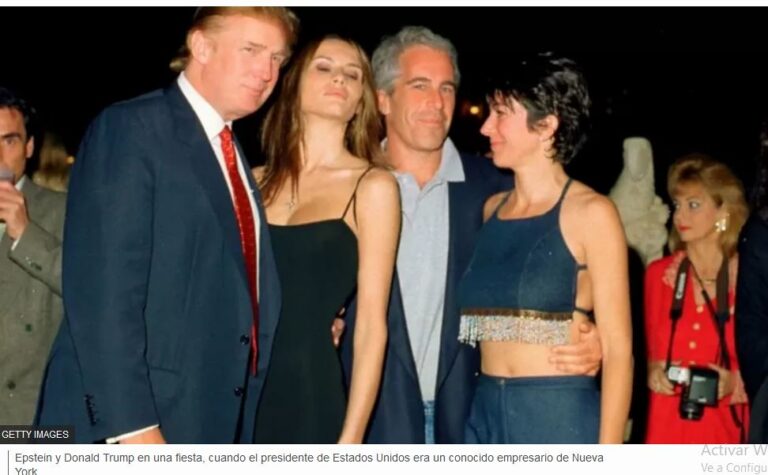
Moreover, an email from Epstein to Ghislaine Maxwell in 2011 reveals how close Trump was to Epstein’s inner circle. Epstein wrote that Trump was “that dog that hasn’t barked” about accusations. He noted one Epstein victim spent hours at his house with Trump. In response, Maxwell admitted she had been thinking about it. These words suggest Trump’s silence was powerful enough to protect Epstein.

Emails that Freeze Time

Because digital messages last forever, these exchanges feel alive today. They capture raw thoughts and hidden ties. For instance, when Epstein mentioned Trump in legal jeopardy, he worried about who would speak up. In fact, Epstein boasted he was “75 percent there” to clear his name, counting on Trump’s silence. However, he never admitted guilt.

Meanwhile, Maxwell’s reply shows she knew the stakes. She wrote that she had thought about Trump’s lack of comment. These frozen moments may reveal that Trump knew more than he admitted. Thus, the core of the Trump Epstein scandal lies in these candid emails.

Trump’s Reaction

So far, Trump has not directly addressed these new emails. Instead, he offered vague support for Maxwell’s comfort in prison. He “wished her well” more than he would for judges or political rivals. Clearly, Trump sympathizes mostly with himself. He rarely shows real concern for others.

Furthermore, Trump has a history of redefining reality. He once claimed he was a victim of Russian election interference. He called the January 6 riot a patriotic act for democracy. Now, he may try to cast these emails as fake or misinterpreted. Yet hardened evidence in writing is hard to deny.

Also, Trump’s usual escape involves attacking critics. He may lash out at media or political foes. However, these emails directly link him to Epstein’s actions. Therefore, attacking others might not work this time.

Why It Matters

First, the Trump Epstein scandal involves victims who were underaged. This fact makes it far more serious than past controversies. While the Access Hollywood tape showed Trump bragging about sexual misconduct, here the victims were children. Text messages and emails offer cold, hard proof.

Second, the public wants accountability. Many parents and moderates feel anger and disappointment. They expect leaders to protect children, not turn away. As a result, Trump’s silence and self-focus may cost him support.

Moreover, digital evidence is persuasive. Unlike verbal claims, emails exist in black and white. They hold Trump to what he may have known or done. As more documents emerge, pressure will mount.

Furthermore, Trump’s allies in government cannot ignore these revelations. FBI agents, cabinet members, and lawmakers know these emails exist. They may face questions about their own knowledge and loyalty.

What Comes Next

Going forward, we can expect a few key developments. First, media outlets will dig deeper into these emails and related documents. Reporters may uncover more evidence of Trump’s involvement with Epstein’s network.

Second, political opponents will use these revelations in campaigns. They will argue that Trump failed to protect vulnerable people. Polls could shift if voters view this scandal as severe.

Third, legal experts will examine whether Trump’s actions amount to wrongdoing. While Trump enjoys broad legal defenses, civil suits or congressional inquiries could arise. At minimum, public pressure will grow.

Meanwhile, Maxwell’s fate hangs in the balance. She secured more comfortable prison conditions after speaking with Trump’s former lawyer. Trump may face demands to pardon her, but doing so would spark outrage. Thus, Maxwell remains in limbo.

Also, Trump may face personal attacks from those once close to Epstein. If insiders talk, more damaging stories could leak. This cascade of revelations may leave Trump scrambling for answers.

Finally, Trump’s core supporters will decide whether these emails matter. Some may dismiss them as political smears. Others may demand clear denials or apologies. How Trump responds could define his public image for years.

Conclusion

The Trump Epstein scandal shows how digital words can shape history. As new emails emerge, Trump cannot ignore the issue forever. He may try to attack critics or redefine reality. However, written evidence about his ties to Epstein is hard to erase. In a world where emails freeze moments, these messages carry real weight. Now, everyone awaits Trump’s next move.

Frequently Asked Questions

What do the new emails reveal about Trump’s relationship with Epstein?

They show that Trump knew about Epstein’s activities and remained silent. Key messages also discuss how Trump should respond to questions.

Why is this scandal more serious than past controversies?

This case involves underage victims. Emails provide direct proof of Epstein’s abuse and Trump’s knowledge.

Could these emails lead to legal action against Trump?

Legal experts say they could strengthen civil cases or congressional probes. However, major legal challenges face high hurdles.

How might this affect Trump’s 2024 campaign?

Opponents will use the scandal in debates and ads. Voter reactions will depend on how serious they view these emails.


New Emails Expose Potential DOJ Cover-Up

0

Key Takeaways


  • Newly released emails directly challenge claims made by Ghislaine Maxwell.
  • The emails suggest President Trump visited Jeffrey Epstein’s residence.
  • A top legal expert says the Justice Department may have staged a cover-up.
  • The unfolding story raises fresh questions about accountability at the highest levels.

Evidence of a Cover-Up

A legal expert has called fresh emails “explosive.” They seem to point to a cover-up by a top Justice Department official. Those emails directly conflict with statements made by Ghislaine Maxwell in a recorded interview. That interview featured Deputy Attorney General Todd Blanche. It aimed to clear President Trump of wrongdoing related to Jeffrey Epstein.

Emails Overturn Maxwell’s Claims

The newly released messages show that Donald Trump spent time at Epstein’s home. Maxwell had told Blanche she never saw Trump at Epstein’s house. However, one email chain mentions Trump arriving and staying for hours. That message even references one of Epstein’s victims. As a result, Maxwell’s sworn words no longer match the evidence.

Moreover, these emails were in the hands of the Justice Department when Blanche interviewed Maxwell. Still, he never asked a single follow-up question about Trump’s visits. According to legal analyst Ryan Goodman, that silence looks like an attempt to hide the truth.

Why Experts Call It a Cover-Up

On national television, Ryan Goodman said these documents “smack of a cover-up.” He explained that Blanche must have known about the emails. Therefore, failing to press Maxwell on the contradiction seems deliberate. For example, Blanche could have asked, “How do you explain this email?” Instead, he allowed her to repeat a false claim. That, Goodman argues, is extraordinary for a deputy attorney general.

Furthermore, Goodman pointed out that senior officials face strict rules against misleading the public. He noted that an official in Blanche’s position cannot ignore such clear contradictions. By avoiding the topic, Blanche appears to have protected powerful interests instead of seeking the facts.

Implications for Trump and the Justice Department

These revelations could reshape public opinion about both Trump and the Justice Department. First, they fuel accusations that Trump tried to use his influence to evade scrutiny. Second, they raise doubts about the independence of the office tasked with upholding the law.

If true, a cover-up at this level would mean that justice was delayed or denied for Epstein’s victims. It would also suggest that political loyalty trumped legal duty inside the DOJ. As a result, many will demand new inquiries. They want to know who authorized the interview strategy and why Blanche did not reveal the emails.

What the Emails Reveal

These are the key facts emerging from the messages:

• Trump’s Presence: The emails describe Trump arriving at Epstein’s New York home and staying for hours.
• Victim Contact: One message notes Trump interacting with a minor linked to Epstein’s crimes.
• Department Knowledge: The chain was stored on DOJ servers, which means attorneys reviewed it.
• Silence in the Interview: Despite clear proof, Blanche never confronted Maxwell about Trump.

Together, these points create a stark disconnect between Maxwell’s testimony and the documented record.

Reactions from Legal Experts

Beyond Goodman, other lawyers expressed alarm. They said the scenario undermines public trust. In particular, they noted that any suggestion of a cover-up at the Department of Justice demands swift action. Above all, they want transparency. They argued that the DOJ must explain why evidence was withheld in a case of national importance.

Next Steps and Possible Outcomes

What happens now remains uncertain. However, several paths appear likely:

• Congressional Hearings: Lawmakers may call Blanche and other DOJ leaders to testify.
• New Investigations: The Justice Department inspector general could review the handling of Maxwell’s interview.
• Public Pressure: Epstein victims and advocacy groups might demand independent reviews.
• Legal Challenges: Defense attorneys could file motions to revisit decisions influenced by the interview.

Any of these measures could reveal more details about the alleged cover-up. They could also lead to professional consequences for those involved.

Questions Still Unanswered

Despite the explosive nature of the emails, many questions remain:

• Who in the DOJ directed the approach to Maxwell’s interview?
• Did Blanche discuss the contradictions with other senior officials?
• Are there additional documents showing coordination at higher levels?
• How will the Justice Department restore credibility after this revelation?

Until these questions receive answers, the cover-up allegations will continue to shadow both Trump’s legacy and the Justice Department’s reputation.

Balancing Justice and Politics

This case illustrates a broader tension between law enforcement and political influence. In theory, the DOJ must act without fear or favor. In practice, major cases often involve powerful figures with significant sway. That dynamic can tempt officials to bend or hide facts.

Therefore, experts stress the need for robust safeguards. These include clear rules on evidence disclosure, independent oversight, and strict ethics enforcement. Without such measures, similar controversies could recur. Meanwhile, public faith in the system risks further erosion.

The Road Ahead

As the fallout grows, the DOJ faces a critical test. It must decide whether to own up to the shortcomings or to dig in and defend its actions. For now, the explosive emails sit at the center of the storm. They remind us that even the highest offices can face allegations of misconduct. Yet they also show how vital transparency remains in preserving justice.

Frequently Asked Questions

What exactly do the new emails show?

The emails document Donald Trump visiting Jeffrey Epstein’s house and spending hours with a minor tied to Epstein’s crimes. They directly contradict Maxwell’s earlier testimony.

Why is this called a cover-up?

Experts say the emails were available to the DOJ before Maxwell’s interview. When she claimed never to have seen Trump at Epstein’s home, the deputy attorney general did not challenge her. That silence looks intentional and misleading.

Could this lead to new legal action?

Yes. Congressional hearings, internal investigations, and court motions are all possible. Lawyers and lawmakers may push for a deeper review of how the DOJ handled the case.

How can the Justice Department restore trust?

Transparency is key. The department could release more documents, cooperate with investigations, and consider disciplinary steps for any officials who misled the public. Continued openness can help rebuild credibility.

Emails Reveal Thanksgiving at Mar-a-Lago

0

Key takeaways:

  • Rep. Warren Davidson faced tough questions on CNN about the Epstein files.
  • He plans to vote to release the Epstein files but refused to sign a petition.
  • Trump called any Republican who supports release “bad or stupid.”
  • Davidson compared the situation to Schrödinger’s cat and called for an AG hearing.

Why Republicans Can’t Agree on Epstein Files

The CNN Confrontation

On Wednesday evening, Rep. Warren Davidson appeared on a CNN show. Erin Burnett pressed him about a major issue: the Epstein files. Burnett quoted a post by former President Trump. Trump warned that any Republican voting to release those files was “very bad or stupid.” Despite the insult, Davidson refused to change the topic. Instead, he shifted to blaming Democrats for the long government shutdown. He stressed his intent to vote for full release, even though he did not sign the discharge petition.

UNDERSTANDING THE EPSTEIN FILES DEBATE

The push to release the Epstein files has grown loud and bipartisan. Democrats and some Republicans have joined forces to force the Justice Department to hand over documents tied to Jeffrey Epstein’s sex trafficking case. Supporters argue the public deserves to see who appeared in the files and what evidence exists. Critics say these files could fuel conspiracy theories or endanger innocent people’s reputations. Meanwhile, the administration resists full transparency, prompting a drive in Congress to use a discharge petition to bypass leadership and force a vote.

Why the Discharge Petition Matters

A discharge petition needs 218 signatures in the House to bring legislation to the floor. In this case, the petition demands the Epstein files’ public release. Once it hits that number, leaders cannot block the vote. Currently, the petition has enough names to succeed. Yet Rep. Davidson did not sign it. He explained he trusts the administration to release what it can. However, he admitted they will lose the battle—so he plans to vote yes when the final resolution arrives.

Key Moments from the Interview

• Burnett asked if he was “bad or stupid” for planning to vote yes.
• Davidson accused Democrats of keeping the government closed for six weeks.
• He compared the Epstein files to Schrödinger’s cat—both nothing and everything.
• He called for Attorney General Pam Bondi to testify about document handling.
• He warned Congress should not add more fights that fuel public outrage.

A Schrödinger’s Files Comparison

Rep. Davidson offered an unusual metaphor. He said the Epstein files exist in two states at once, like Schrödinger’s cat. In his view, the files are “nothing” when the administration downplays them. Yet they become “everything” when Democrats use them to attack. This strange analogy grabbed attention. It also highlighted his frustration over mixed messages. Therefore, he wants a clear hearing with Pam Bondi and the Department of Justice.

Divided Party Lines

The split in the Republican Party shows a clash between loyalty to Trump and support for transparency. On one side, Trump leads the charge against releasing the files. He calls signing the petition a trap for his allies. On the other side, a group of Republicans sees public trust as crucial. They believe voters need to know the full story behind Epstein’s crimes. As a result, the GOP now faces a choice: stay loyal to Trump’s demand or back the push for disclosure.

Why Some Republicans Refuse to Sign

Several reasons explain why some GOP members hesitate. First, they fear backlash from Trump’s loyal base. Second, they worry the documents might name innocent people. Third, they believe the issue distracts from other priorities, such as budget negotiations. Finally, many still hope the administration will release key information without a forced vote.

Davidson’s View on Party Strategy

Rep. Davidson warned against piling on more fights. He argued that Congress already faces a major battle over appropriations and the debt ceiling. Moreover, he stressed that Republicans did not load funding bills with demands like spying or health care changes. Instead, they wanted a normal budget debate with the government open. Hence, Davidson sees the Epstein files fight as an unnecessary escalation.

Looking Ahead: A Hearing on the Files

Davidson mentioned an October hearing that never happened. He wants Attorney General Pam Bondi to explain why her office gave documents to select journalists while blocking public release. A hearing could clarify how many pages exist and what they contain. It might also reveal whether bond deals or plea agreements affected the files. For many observers, this session offers the best chance to understand the files before any public release.

What Happens Next?

The discharge petition has enough support to move forward. Therefore, House leaders must address it or risk letting rank-and-file members force a vote. If they refuse, the petitioners can bring the resolution directly to the floor after a week. Once the House approves it, the resolution goes to the Senate and then to the president. At that point, the administration must decide whether to veto or comply. In any case, the path to release becomes harder to block.

The Impact of Full Release

If Congress forces the full disclosure, the public will see the names of witnesses, victims, and defense attorneys. It could also include financial records and communication logs tied to Epstein’s network. Some fear the flood of documents will spark new conspiracy theories. Others believe transparency will build trust in the justice system. Overall, a full release could reshape the public debate over Epstein and his associates.

Why the Epstein Files Matter to You

Many people follow this story because it touches on power and privilege. Epstein’s links to wealthy and famous figures made headlines worldwide. Releasing the files could confirm or deny rumors about high-profile individuals. It also highlights the justice system’s handling of a major sex trafficking case. For teenagers learning about civic duty, this fight shows how Congress and the executive branch check each other.

Key Takeaways for Young Readers

  • Congress can force votes with a discharge petition.
  • Public trust relies on transparency, especially in high-profile cases.
  • Political loyalty can clash with calls for disclosure.
  • Media interviews often push politicians off their talking points.
  • Oversight hearings help clarify executive branch actions.

FAQs

What are the Epstein files?

These are court and investigative documents linked to Jeffrey Epstein’s sex trafficking case. They include witness statements, flight logs, and bond details.

Why do some Republicans oppose releasing the files?

They worry about naming innocent people and fueling conspiracy theories. Some also want to avoid a fight with Trump and focus on budget issues.

How does a discharge petition work?

If at least 218 House members sign, they can bypass leadership to force a floor vote on a bill or resolution.

What could a full release reveal?

It might show names of associates, victims, and officials. It could also detail the Justice Department’s decisions in the case.

Emails Reveal Thanksgiving at Mar-a-Lago

0

Key Takeaways

• Newly released emails show Jeffrey Epstein spent Thanksgiving 2017 with President Trump.
• On November 23, 2017, Epstein told a friend he’d share the holiday with “eva,” Trump, and others.
• The correspondence came from Faith Kates, a Manhattan modeling manager.
• House Oversight Democrats and Republicans published over 20,000 Epstein documents.
• Trump spent that holiday at Mar-a-Lago, but his guest list remained private.

A batch of emails from Jeffrey Epstein’s estate has surfaced. They suggest the convicted sex offender spent Thanksgiving with President Trump. The notes date to November 23, 2017, Trump’s first holiday season in office. Epstein emailed Manhattan modeling manager Faith Kates on Thanksgiving morning, revealing his plans. In return, Kates asked which friends joined him at Mar-a-Lago.

Thanksgiving at Mar-a-Lago Emails Spark New Questions

Epstein told Kates he would spend the day with “eva.” He also listed Trump, hedge fund founder David Fiszel, and someone called “Hanson.” Investigators believe “eva” refers to Eva Andersson-Dubin, Epstein’s former girlfriend. Andersson-Dubin later testified in the trial of Ghislaine Maxwell. Epstein’s private messages remained secret until the House Oversight Committee released them.

Why Thanksgiving at Mar-a-Lago Matters

Understanding these emails can shed light on a powerful circle. First, it shows that Epstein kept close ties with Trump after the 2016 election. Second, it raises questions about who else attended this private gathering. Third, it adds to the long list of public figures linked to Epstein.

Background on Epstein’s Holiday Note

On Thanksgiving morning 2017, Faith Kates emailed Epstein. She simply asked where he would spend the holiday. Epstein replied, “At Mar-a-Lago with eva, Trump, David Fiszel, Hanson.” Kates then mentioned Andersson-Dubin’s husband, Glenn Dubin, and asked, “Who else is down there?” Epstein did not elaborate further.

Context of the Document Release

Democrats on the House Oversight Committee first shared the emails. Then, a Republican-led panel released another 20,000 documents from Epstein’s estate. Both sides aim to explore Epstein’s network and influence. These records follow the public release of flight logs, phone records, and other internal notes.

Implications for Trump and Mar-a-Lago

Trump’s Thanksgiving traditions at Mar-a-Lago date back years. He often spends holidays with family, friends, and loyal donors at the resort. However, White House officials never published a guest list for 2017. Now, these emails imply Epstein made the list.

Questions arise:

• Did Trump know about Epstein’s sexual misconduct at that time?
• Who else attended the private dinner?
• Did any senior White House staff join them?

House Oversight members want answers. Meanwhile, Republicans caution against political grandstanding. They say releasing private correspondence can harm privacy and security.

Epstein’s Ties to High-Powered Friends

Epstein cultivated friendships with business leaders, politicians, and celebrities. He hosted lavish parties and often flew guests on his private plane. In 2008, he pleaded guilty to state prostitution charges in Florida. He served time in jail but kept many connections.

Ghislaine Maxwell, Epstein’s close associate, helped run his network. In 2021, Maxwell faced trial for facilitating Epstein’s trafficking ring. Eva Andersson-Dubin testified against Maxwell under oath. Her testimony confirmed Maxwell’s role in recruiting and grooming young women.

So when Epstein listed “eva” in his Thanksgiving plan, observers linked it to Andersson-Dubin. She and her husband, Glenn Dubin, both faced scrutiny for their ties to Epstein. Yet Andersson-Dubin described herself as a former girlfriend, not an accomplice.

Political Fallout and Public Reaction

Social media reacted quickly after the emails surfaced. Critics of Trump argue he should explain his connection to Epstein. They claim spending Thanksgiving with a sex offender sends a poor message. Supporters say Trump moved on from the friendship long ago. They point out that Epstein died in 2019 and that Trump banned him from his properties years earlier.

Meanwhile, Democrats on the committee call for more transparency. They demand that Mar-a-Lago release visitor logs from 2017. They hope to learn who else sat around the table that day. On the other hand, some Republicans warn that digging into a private meal may overstep boundaries.

Possible Legal and Ethical Questions

These revelations spark legal and ethical debates:

• Conflict of Interest: Did Trump’s personal ties to Epstein affect White House dealings?
• National Security: Could private discussions at Mar-a-Lago involve classified matters?
• Records Preservation: Did any staff destroy or hide visitor logs to shield Trump’s guests?

Federal law requires officials to keep certain records. If logs exist but remain hidden, that could violate record-keeping rules. Some watchdog groups may file Freedom of Information Act requests to dig deeper.

Mar-a-Lago and Presidential Traditions

Mar-a-Lago has long served as a private club and Trump’s Florida home. Presidents before Trump have maintained private residences. Yet Trump transformed a resort into a quasi-official presidential retreat. He held fundraisers, meetings, and holiday celebrations there.

Typically, the White House releases an official guest list after each state dinner. But private events often stay secret. Critics argue that secrecy can hide potential scandals. Meanwhile, Trump’s supporters feel privacy matters more than public curiosity.

Looking Ahead: What’s Next?

With these emails now public, several developments may follow:

• Congressional Hearings: Lawmakers could subpoena Mar-a-Lago logs and staff testimony.
• Legal Challenges: Private parties might sue for disclosure of sensitive records.
• Media Investigations: News outlets may dig deeper into other Epstein contacts.

Most experts agree that only a few insiders know the full story of that Thanksgiving dinner. Still, every new document brings more clarity.

Conclusion

The release of Epstein’s Thanksgiving emails adds a fresh chapter to a complex saga. It shows that Epstein kept ties to Trump well into the White House years. As the public learns more, debates about power, privilege, and privacy will intensify. Only time will tell whether these revelations lead to formal investigations or fade into news cycles.

Frequently Asked Questions

What do the emails actually say?

On Thanksgiving morning 2017, Epstein emailed Faith Kates. He wrote he’d spend the holiday at Mar-a-Lago with “eva,” Trump, David Fiszel, and someone named Hanson.

Why is Thanksgiving 2017 important?

It was Trump’s first Thanksgiving as president. Any guest list at Mar-a-Lago could reveal ties between powerful figures and Epstein.

Who is “eva” in the emails?

Most observers link “eva” to Eva Andersson-Dubin, Epstein’s former girlfriend. She later testified in Ghislaine Maxwell’s trial.

Will there be an investigation?

At this point, lawmakers have expressed interest. They may pursue subpoenas and hearings to uncover more details.

ICE Detainer Mistake Almost Deported Tribal Member

0

Key takeaways:

  • Leticia Jacobo, a Salt River tribal member, nearly faced deportation.
  • A jail clerical error placed an ICE detainer on her file.
  • Family and tribal support stopped her transfer to ICE.
  • Officials call it an ICE detainer mistake and plan a review.

Case Overview

Leticia Jacobo is a 24-year-old member of the Salt River Pima-Maricopa Indian Community. She was born in Phoenix and now lives in Des Moines, Iowa. In September, police arrested her for driving with a suspended license. She spent a month in the Polk County Jail. Her release was set for Veterans Day. However, a simple error nearly cost her freedom.

On the day before her release, her mother, Ericka Burns, dialed the jail to confirm pickup plans. Burns was eager to reunite with her daughter. Instead, jail staff said ICE would take Jacobo. Burns and her family were stunned. Jacobo is an American citizen and a tribal member. No one at first seemed able to fix the error. Hours ticked away as they feared Jacobo might be deported.

How the ICE detainer mistake happened

Polk County Jail has a special agreement with immigration authorities. Under that 287(g) partnership, local officers can help ICE enforce immigration rules. This means they can hold a person for extra time if ICE asks. That hold is called a detainer. In Jacobo’s case, ICE asked for a detainer on another inmate. But jail staff attached that detainer to Jacobo’s record by mistake.

A jail spokesman called it an ICE detainer mistake. He said human error caused the mix-up. The real target had a similar name and was booked at the same time. Once ICE requested the hold, jail employees placed it on the wrong file. The detainer stayed in place for days. Jacobo had no idea until just before her scheduled release. When Burns arrived in person with a copy of her daughter’s birth certificate, jail staff finally saw the problem.

Tribal Rights and ICE Agreements

Native Americans hold a special legal status under the U.S. Constitution. Tribal members are citizens of both their tribe and the United States. They enjoy rights that no other group has. Yet, tribal sovereignty often clashes with federal laws. The 287(g) program highlights this tension. It allows local jails to work with ICE agents. Critics say it can lead to mistakes and rights violations.

Because detainers require no court order, they can extend jail time without solid proof. Courts have questioned their legality. Some judges say detainers may violate the Fourth Amendment. That amendment protects against unreasonable seizures. A person like Jacobo can end up jailed longer without a crime. In addition, tribal members can face detainers even if their citizenship is clear. This incident shows how the system can fail its own citizens.

Family’s Fight for Leticia

Once Jacobo’s family learned about the detainer, they sprang into action. With only hours left, they turned to social media and tribal leaders. Her aunts in Arizona and Nebraska posted appeals on Facebook. Tribal officials and local activists joined the effort. Meanwhile, Ericka Burns drove to Des Moines with Jacobo’s birth certificate in hand. She refused to leave until ICE agents came or the error was fixed.

The family faced long delays due to a holiday weekend. Their calls to jail and ICE rang unanswered. Though scared, they stayed persistent. They worried that without proof of citizenship, Jacobo would vanish into the immigration system. Finally, just before 4:30 a.m. on Veterans Day, jail officials cleared the detainer. Jacobo walked out a free citizen. Her family cheered, relieved that their plan worked.

Why the ICE detainer mistake matters

This case shows the serious impact of an ICE detainer mistake. A simple clerical slip almost sent a U.S. citizen to ICE custody. It raises questions about accountability and training in jails. Human error in legal processes can upend lives in hours. Officials at Polk County Jail said they will review their detainer procedures. They hope to avoid similar errors.

The broader issue ties into debates over immigration enforcement. Policies that rely on local agencies to hold noncitizens can harm citizens too. In Jacobo’s case, tribal status and proof of citizenship did not stop the detainer. This proves that even clear legal rights may not prevent wrongful detentions. Families like Jacobo’s risk facing a maze of bureaucracy and fear when these holds appear.

What the Future Holds

Jacobo and her family plan to watch for any fallout. They may seek legal advice on possible claims against the county. Her aunt worries about others who lack strong family support. Not everyone can fight an extra 48 hours in jail. Tribal leaders say they will push for clearer rules to protect Native Americans from wrongful detainers.

Polk County officials said they will hold internal meetings. They aim to train staff to double-check names and birth dates. In addition, they want a quick process to remove incorrect detainers. Lawmakers may also reexamine the 287(g) program. They could tighten standards for when jails can honor ICE detainers. In the meantime, this near-deportation reminds us that simple mistakes can become major crises.

Frequently asked questions

What is an ICE detainer?

An ICE detainer is a request from immigration authorities asking a jail to hold someone for up to 48 extra hours. This gives ICE time to pick up the person for possible deportation.

Can a tribal member face an ICE detainer?

Yes. Even though tribal members are U.S. citizens, clerical errors or misidentification can lead to a detainer. Clear proof of citizenship should stop them, but mistakes still happen.

How did Leticia’s family stop the deportation?

Her family used social media and tribal networks to raise the alarm. Her mother stayed at the jail with her daughter’s birth certificate. Their persistence forced the jail to correct the record.

What changes might prevent future mistakes?

Jails could improve staff training and double-check identity details. Lawmakers might also tighten rules on when local jails can enforce ICE detainers. These steps could protect citizens from wrongful holds.

Epstein Email: Advice to Putin on Trump Explained

0

Key Takeaways

  • A newly released Epstein email shows him advising Russian officials on handling President Trump.
  • The message dates to June 2018, just before the Trump-Putin summit in Helsinki.
  • Epstein praised former Russian Ambassador Vitaly Churkin for understanding Trump.
  • Other emails claim Trump knew about Epstein’s underage sex trafficking but stayed silent.
  • Lawmakers are close to forcing the full release of all Epstein case files.

Inside the Epstein Email on Trump Strategy

A newly unsealed Epstein email reveals the late financier boasting about his ties to Russia. He told a high-ranking European leader that Russian officials could learn from him. In that message, Epstein suggested ways to deal with President Donald Trump. This Epstein email arrives amid fresh calls for full transparency of the sex trafficking case files.

Details from the New Email

First, Epstein sent this email in June 2018 to a former Norwegian prime minister. He wrote that Vladimir Putin might ask his foreign minister to talk to him. Then Epstein added he had already advised Vitaly Churkin. Churkin served as Russia’s ambassador to the United Nations until his death in 2017. Epstein said Churkin “understood Trump after our conversations.”

Next, the email came just a month before the famous Helsinki summit. That was the first one-on-one meeting between Trump and Putin. In other words, Epstein claimed to have inside knowledge. He even offered strategic pointers to Russian leaders. Notably, he told his contact to suggest Putin “put Lavrov in touch” with him. Sergey Lavrov served as Russia’s foreign minister.

Furthermore, the Epstein email used simple language to describe Trump. Epstein said the U.S. president “must be seen to get something.” He added, “It is that simple.” In doing so, he reduced complex diplomacy to a basic idea. He emphasized how visible achievements matter to Trump’s image.

Epstein’s Connection with Russian Officials

Soon after his U.N. talk with Churkin, Epstein sought more contacts in Russia. He enjoyed high-level meetings and social events there. Accordingly, he felt confident sharing his take on world affairs. He saw himself as a power broker. In the Epstein email, this attitude comes through clearly.

Moreover, Epstein viewed public perception as key. He told Russian officials Trump needed a visible win. This aligns with what many analysts say about Trump’s style. Thus, Epstein tried to add value by playing image consultant. However, experts doubt how much influence he truly had in Russia.

Also, critics warn about the danger of private actors shaping foreign policy. Epstein’s email shows how someone outside official channels may still offer advice. In fact, his message points to back-door dealings. That raises questions about transparency and accountability in diplomacy.

Other Emails from the Epstein Case Files

In addition to this message, other emails have surfaced. One stands out for its shocking claim. In that note, Epstein told his associate Ghislaine Maxwell that Trump knew about underage sex trafficking. He called Trump “the dog that hasn’t barked” to the authorities. In other words, Trump had not reported the crime.

Then Maxwell herself moved to a low-security federal prison camp in Texas. That change broke standard policy. It came after she spoke with a top Trump Justice Department official. During that interview, she denied Trump’s involvement in Epstein’s criminal network. This sequence of events deepens the mystery around political figures’ links to Epstein.

Furthermore, these emails show how Epstein and Maxwell managed messaging. They wrote about powerful people as if they held sway over them. For example, Epstein bragged that Trump would not act against him. He claimed his connections protected him from legal trouble. Overall, the Epstein email exchanges reveal a manipulative and arrogant side of his network.

Drive to Release All Epstein Case Files

Meanwhile, a bipartisan group of lawmakers is pushing hard to free the remaining documents. They filed a discharge petition that would force the administration to hand over all case files. Soon, they needed only one more signature to reach the required count. That last spot looks secure now with a newly sworn-in congresswoman.

As a result, Democrats and Republicans are uniting over this issue. They argue the public has a right to know every detail. In particular, they want emails like the one advising Russian leaders on Trump. Transparency efforts aim to prevent hidden meetings or secret deals in the future. Thus, the unfolding petition shows strong support for open records.

Critics of delayed releases say this is more than politics. They see it as a test of democratic values. If officials allow private figures to shape policy in secret, trust erodes. Therefore, many observers hope the petition succeeds soon. Full disclosure, they say, will help end conspiracy theories and build faith in institutions.

Why the Epstein Email Matters

Ultimately, this new Epstein email highlights several issues all at once. First, it shows how a private individual tried to influence world leaders. Second, it reveals shocking connections between Epstein and political figures. Third, it underscores the importance of transparency in governance.

Moreover, it reminds us that power can take many forms. It can be wielded by elected officials or by wealthy socialites behind the scenes. Therefore, public oversight and free access to information remain vital. Otherwise, secret deals undermine democracy and allow abuses to continue unchecked.

In short, the Epstein email is not just gossip. It carries weighty implications for diplomacy, justice, and public trust. As more documents emerge, the picture of Epstein’s network grows clearer. For now, this message about Trump and Putin stands out for its bold claims and potential fallout.

FAQs

What did the newly released Epstein email say?

It claimed Epstein offered advice to Russian officials on how to handle President Trump. He even mentioned past talks with a top Russian ambassador.

Why is the Trump-Putin summit linked to this email?

The email dated June 2018 came just before the Helsinki meeting. Epstein suggested Russian leaders seek insight from him about Trump.

Did Epstein really influence Russian policy?

Experts are skeptical. While Epstein boasted of contacts, it remains unclear how much real impact he had on Russian decisions.

What is the status of the Epstein case file release?

Lawmakers are one signature away from forcing the full release. The petition reflects wide support for public access to all documents.

New Epstein Email Fuels Trump Questions

0

Key Takeaways

  • A new Epstein email from 2011 names Trump spending time with a victim at Epstein’s home.
  • The message notes Trump was not mentioned by the “police chief, etc.”
  • Podcaster Tim Miller wondered if Trump was acting as a rat.
  • Experts say the email suggests Trump knew about Epstein’s crimes.
  • Lawmakers on both sides are pushing to release all Epstein files.

What the new Epstein email shows

In 2011, Jeffrey Epstein and Ghislaine Maxwell traded an email that mentioned Donald Trump. The note said Trump had spent time with one of Epstein’s victims at his mansion. Moreover, the message added that Trump had not been named by the “police chief, etc.” That line sparked fresh debate over Trump’s ties to Epstein and raised more questions than answers.

Epstein email details

The Epstein email comes from Maxwell’s personal cache of messages. In it, she wrote to Epstein about Trump’s social visit. She also seemed puzzled at Trump’s absence from police records. Since then, experts have argued over why Trump was not named. Meanwhile, critics point out that he continued to socialize with Epstein.

Why the Epstein email matters

This Epstein email could change how people see Trump’s friendship with Epstein. Many viewers remember Trump praising Epstein in the past. Therefore, the new message adds weight to claims that Trump knew about Epstein’s scandals. Furthermore, the email undercuts any idea that Trump was unaware of Epstein’s behavior.

Experts raise the rat question

Tim Miller, host of The Bulwark Podcast, turned heads when he spoke about the email. He asked, “Is he a rat?” Miller meant that Trump might have cooperated with authorities to save himself. However, others disagreed, saying there is no proof Trump talked to police. Still, Miller’s take spread quickly on social media.

What does this mean for Trump?

If Trump did work with police, critics say it would cast a different light on his actions. On the other hand, some supporters claim the email proves nothing. They argue Trump never faced charges and denied wrongdoing. Yet, the message serves as a new talking point for the media and public.

Calls to release all Epstein files

Lawmakers from both parties now demand full access to Epstein’s records. Many believe the documents hold more secrets about powerful people. Therefore, they propose a bill to make all files public. Advocates say transparency will prevent future cover-ups.

Political reactions grow louder

Democrats and Republicans alike have joined the push for transparency. Some accuse past administrations of hiding key evidence. Others warn against a fishing expedition that could hurt innocent people. Nonetheless, both sides agree more details must come out.

Why transparency matters

Transparency can restore trust in the justice system. When files stay secret, rumors fill the void. Consequently, releasing all emails and records could stop wild theories. Moreover, families of victims have called for full disclosure for years.

What experts expect next

Legal analysts predict a lengthy fight in Congress and court. The Justice Department may resist opening all files. Yet, pressure from lawmakers keeps building. Meanwhile, media outlets will comb through any new release.

How the public is reacting

Social media users are split. Some express outrage at Trump’s social link to Epstein. Others dismiss the email as old news. However, most agree that new details deserve a hearing.

The role of podcasts and media

Podcasts like The Bulwark show how one line in an email can spark debate. In fact, digital platforms now shape public opinion in real time. Therefore, the ripple effect of the Epstein email reached millions within hours.

What could change for victims

Victims of Epstein have long sought justice and answers. The email may give them a sense of their story finally emerging. Additionally, full file releases could reveal other high-profile names. In turn, this may lead to more investigations.

History of Epstein files

Epstein’s case exploded after his 2019 arrest and death. Since then, courts have slowly opened some materials. However, large parts remain sealed. Advocates say this pattern continues decades of secrecy. Now, the new email adds urgency to their demands.

Potential legal consequences

So far, no new charges have stemmed from this email. Yet, if more evidence shows Trump knew about crimes, calls for inquiry may intensify. Legal experts warn that statutes of limitations might apply. Still, public pressure can drive fresh probes.

What happens next?

Congressional hearings could force officials to choose sides. Judges may rule on whether to free more records. At the same time, public statements from Trump or his team could shape opinion. Therefore, observers watch every new move closely.

How to follow this story

Major news outlets will cover any developments. Podcast hosts and commentators will dissect every phrase. Also, official updates may come from the House Oversight Committee. Finally, social media will continue to buzz with reactions.

Why people care

This story touches on power, secrecy, and justice. It questions how the wealthy avoid accountability. Moreover, it shows how a single email can reignite major debates. As a result, people feel both curious and concerned.

What this means for the future

Whether or not the files are released, the Epstein email has rewritten part of the narrative. It cast fresh light on Trump’s past friendships. In time, more records could reshape our view of high-level networks.

In closing

The new Epstein email has drawn fresh attention to Trump’s ties with Epstein. It raised more questions than answers. Now, experts, lawmakers, and the public wait to see if more files will see the light of day.

Frequently Asked Questions

What did the email reveal?

The email showed that Trump spent time with one of Epstein’s victims at Epstein’s home. It also noted that Trump was not named by law enforcement.

Who is Tim Miller and what did he say?

Tim Miller hosts The Bulwark Podcast. He asked if Trump was acting as a rat by not being named in police records.

Why are lawmakers calling to release all Epstein files?

They believe the files hold more secrets about powerful people and that public trust needs full transparency.

Could this email lead to new investigations?

Possibly. If more evidence emerges showing Trump knew about Epstein’s crimes, calls for legal inquiries may grow.

Epstein Documents Expose Trump Claims

Key Takeaways

  • New Epstein documents describe Donald Trump spending hours at Jeffrey Epstein’s home with a victim.
  • The emails challenge Trump’s claim that he did not know Epstein well.
  • Author Barry Levine calls this the biggest development in years.
  • The documents stop short of accusing Trump of any crime.
  • These revelations could reshape how people view Trump’s past ties.

In a dramatic twist, newly released Epstein documents have cast fresh light on Donald Trump’s relationship with Jeffrey Epstein. These emails describe a time when Trump allegedly spent hours with a victim in Epstein’s residence. Consequently, they undercut Trump’s repeated statements about knowing Epstein only casually. For most observers, this is a major, long-awaited development.

What the Epstein documents show

First, the Epstein documents include an email from 2011 that mentions Trump. In it, Epstein writes to his associate, focusing on time spent with “a young woman.” Although it does not name Trump, context and dates link the former president to that meeting. In the email, Epstein references “spent hours with” someone who later made abuse claims. Therefore, the message implies a closer connection than Trump has admitted.

Second, the documents follow an interview given by Virginia Giuffre. She spoke only about Prince Andrew at that time. Then, weeks later, Epstein’s email surfaced. It hints at other powerful people beyond the ones Giuffre described. As a result, many legal experts are now looking for more evidence of Trump’s involvement.

Finally, the newly unsealed records come from Congressional investigators. They aim to fill gaps in the public record. Moreover, the files include correspondence between Epstein and Ghislaine Maxwell. Both names appear in the emails, tying them to the same social circles. This makes the Trump references even more striking.

Expert reaction to Epstein documents

Barry Levine, author of “The Spider,” reacted to the Epstein documents on CNN. He said this is perhaps the most significant update in many years. Levine has spent months reviewing reporter notes and court filings. He stressed that the emails are specific and troubling. Levine’s emotional response highlighted how rare such direct evidence can be.

Meanwhile, legal analysts noted that the documents do not accuse Trump of a crime. Instead, they show a social visit that Trump never mentioned. Yet public perception often shifts when hidden emails come to light. In fact, some commentators believe these revelations will force Trump to address his past more explicitly.

Additionally, political strategists say this development could influence voters. Especially those who value honesty and transparency. They argue that the new Epstein documents deepen doubts about Trump’s earlier statements. As a result, the public conversation will likely focus on credibility as much as on details.

Why these Epstein documents matter

First and foremost, the Epstein documents expose gaps in previous accounts. Trump has long maintained he barely knew Epstein. Now, the emails suggest extended private time together. This contrast can erode trust. When leaders contradict themselves, their statements grow less believable.

Second, the records highlight the difficulty of investigating powerful figures. Epstein’s network spanned high society, politics, and business. Documents often remain sealed for years. Therefore, any fresh material can shift the historical narrative. In this case, it might force a broader review of who knew what, and when.

Third, the new files underscore the role of Congress in public oversight. Lawmakers used subpoena power to unearth these emails. Their action shows how checks and balances work. At the same time, critics warn that investigations can become political tools. They may question whether the timing of the release aims to impact upcoming elections.

Moreover, these Epstein documents remind us of the victims at the heart of this tragedy. Virginia Giuffre and other survivors fought for their stories to be heard. Email revelations add context but also renew attention to their experiences. Consequently, survivors hope the world uses this moment to prevent future abuse.

What happens next

Moving forward, Trump’s team will likely respond to these Epstein documents. We can expect official statements denying any wrongdoing. They may claim selective editing or missing context. However, once emails go public, it is hard to take them back. In fact, political aides have learned that denial alone may not be enough to end a story.

At the same time, legal experts might search for more evidence. They could request additional files from federal or state agencies. Investigators might look for other emails, photos, or eyewitness accounts. If they find more proof, those documents could lead to new legal challenges.

Meanwhile, the media will continue to examine every detail. Reporters will interview former associates and victims. They will try to piece together a timeline of events. Moreover, documentaries and books may follow, exploring the full scale of Epstein’s network.

Finally, voters and the public will process these revelations in light of upcoming elections. Some may view Trump’s denials as less credible now. Others might see the documents as politically motivated. Either way, the Epstein documents have already become a talking point in newsrooms and living rooms alike.

Conclusion

In sum, the newly revealed Epstein documents shine a harsh light on Trump’s claims about his ties to Jeffrey Epstein. They detail a meeting at Epstein’s home that contradicts Trump’s public statements. While the emails do not allege criminal conduct by Trump, they raise serious questions about transparency and truth. As more voices weigh in, this story is far from over. The Epstein documents have added a new layer to a saga that still grips the world.

Frequently Asked Questions

What exactly do the new Epstein documents say about Trump?

The emails describe Trump spending hours at Epstein’s home with a young woman. They suggest a closer relationship than Trump has acknowledged.

Did the documents accuse Trump of any crime?

No. The documents do not charge Trump with wrongdoing. They simply highlight a social visit he did not previously disclose.

Why did author Barry Levine call the release significant?

Levine believes these emails are the clearest evidence in years about Trump’s ties to Epstein. He found them specific and troubling.

How might the Epstein documents affect Trump’s public image?

They could undermine his claims of limited association with Epstein. Voters may question his honesty and transparency moving forward.

H-1B Visas Spark White House Showdown

Key Takeaways

  • The White House is split over H-1B visas.
  • President Trump backs H-1B visas to attract top talent.
  • Vice President Vance argues H-1B visas lower American wages.
  • Economists find visas boost native wages and jobs.
  • The clash may reshape future tech immigration policy

H-1B Visas Divide Trump and Vance

A sharp disagreement over H-1B visas is shaking the Trump administration. While President Trump says the U.S. must welcome skilled foreigners, Vice President JD Vance wants to curb their entry. This high-profile split marks a rare public clash in the White House.

Why H-1B Visas Matter

The H-1B visas program lets tech firms hire skilled workers from abroad. It fuels innovation in fields like software, engineering, and biotech. Companies often say they need these visas to fill roles Americans cannot. However, some political leaders worry that too many foreign workers can drag down wages at home.

Trump’s Support for H-1B Visas

In a recent interview with Laura Ingraham, President Trump made clear he values global talent. He argued that U.S. workers cannot fill every specialized role. He even criticized his own officials who raided a battery plant in Georgia and detained South Korean employees. By doing so, he signaled that strict immigration raids could backfire on American industry.

Transitioning to the tech sector, Trump said: “You need these people to maintain America’s edge. You can’t just pull someone off unemployment and expect them to build missiles.” In his view, well-trained foreign professionals help raise overall output and innovation.

Vance’s Case Against H-1B Visas

Meanwhile, Vice President Vance has taken the opposite stance. Speaking at a recent Turning Point USA event, he blamed legal immigration for undercutting U.S. wages. He stated, “We have let in too many immigrants, and they compete with American workers.”

Vance’s remarks reflect a broader argument that foreign labor lowers pay for native workers. He warned that opening borders too wide could harm middle-class families. As a result, he wants tighter controls on high-skill visa programs, including H-1B visas.

What Experts Say

However, many economists call that view a fallacy. They argue that native-born and immigrant workers often perform different tasks, making them complementary rather than competitive. For example, a global analysis by the University of California, Davis, found that immigrants increased wages for less skilled American workers by nearly 2 percent between 2000 and 2019.

Moreover, studies show that H-1B visas can spur job growth. When tech firms hire a foreign engineer, they often expand operations, creating new roles that Americans can fill. Therefore, the program may boost both wages and employment for native workers.

The Wall Street Journal’s conservative editorial board criticized Vance’s stance. They wrote that he repeats the “lump-of-labor” fallacy—the idea that there is a fixed number of jobs. In reality, skilled immigrants often help grow the economy, leading to more jobs overall.

The Political Fallout

This debate has already split the MAGA base. Tech billionaire Elon Musk, when he met with the White House earlier this year, also pushed for more H-1B visas. His efforts showed that key industry leaders depend on the program. As a result, some Republicans now worry that cutting visas could hurt high-tech hubs like Silicon Valley.

On the other hand, grassroots conservatives and labor groups strongly oppose H-1B visas. They see the program as favoring big tech over blue-collar workers. This divide makes it hard for Republicans to craft a unified immigration policy.

What It Means for Immigrants and Tech

If President Trump prevails, tech companies will likely keep recruiting engineers, coders, and researchers from abroad. This could maintain America’s lead in AI, renewable energy, and advanced manufacturing. Foreign graduates from U.S. universities would find it easier to stay and work here.

Conversely, if Vice President Vance wins, the government may slash H-1B visa numbers. Companies would then compete harder for limited slots. Some firms might even move jobs overseas to tap global talent. Lower visa caps could slow the growth of startups and reduce innovation.

Moving Forward

For all his tough talk on illegal immigration, President Trump seems to understand the value of legal high-skill workers. His challenge now is to persuade his inner circle, including Vance, that H-1B visas do more good than harm. Meanwhile, Vance must prove that his tighter-border approach will lift U.S. wages without crippling key industries.

This showdown matters not just for the administration, but for millions of engineers, scientists, and entrepreneurs around the world. The outcome will shape America’s economic future and its standing as a global innovation leader.

FAQs

What are H-1B visas?

H-1B visas let U.S. employers hire foreign professionals in specialized fields such as tech, engineering, and science. They usually last three years and can be extended.

Why do some politicians oppose H-1B visas?

Critics say H-1B visas add too many workers and drive down wages for American employees. They argue the program benefits large companies more than U.S. workers.

How do H-1B visas affect American wages?

Most economists find that H-1B visas raise average wages and create more jobs. Skilled immigrants often complement native workers, boosting overall productivity.

What comes next for H-1B visa policy?

The debate between President Trump and Vice President Vance may lead to new rules. If Trump wins, visa caps may stay high. If Vance gains ground, rules will likely tighten.

How the government shutdown finally ended

0

Key takeaways

  • President Donald Trump signs bill to end the government shutdown.
  • Shutdown lasted 43 days over border and funding disputes.
  • A small group of Democrats broke ranks for promises on health subsidies.
  • Some leaders now push back on those promises.
  • Fight over Jeffrey Epstein case files flares up again.

President Trump signed a bill late Wednesday that reopened the government. It ended the longest government shutdown ever. Lawmakers had failed to agree on a temporary funding deal. They fought over border wall money and health care subsidies. As a result, parts of the government stayed closed for 43 days.

What led to the shutdown

Congress needed to pass funding bills to keep the government open. Republicans wanted border wall funding. Democrats opposed it. They also sought help for health care. Meanwhile, federal workers stayed home or worked without pay. They faced bills they could not pay on time. They missed paychecks and struggled. As time passed, frustration grew on both sides.

Breaking the deadlock

After over a month of closure, some Democrats shifted. Seven Democrats and one independent joined Republicans. They voted for short-term funding measures. These bills would fund the government through January. In return, Republicans promised a vote on health care subsidies. The measure would cover expiring Affordable Care Act subsidies in December. This deal gave hope to many federal workers.

Promises and pushback after the government shutdown

However, Republicans like Speaker Mike Johnson now appear to walk back that promise. They say they might not hold the health care vote. As a result, those Democrats are upset. They feel tricked and consider second thoughts. Moreover, some leaders worry about trust in future deals. Consequently, the political mood has turned sour again.

Internal Democratic uproar

The deal also sparked tension inside the Democratic Party. Some members blamed Senate Minority Leader Chuck Schumer. They say he should have stood firmer. A few even called for a primary challenge against him in 2026. They argue that Schumer gave away too much. They wanted to stick to party lines. As a result, party unity took a hit. Leaders now face pressure to regain trust.

Fight over Epstein files

Ending the shutdown also renewed a fight over Jeffrey Epstein’s case files. Earlier Wednesday, lawmakers released old documents and emails. They dated back over a decade. Some emails undercut President Trump’s claims about their relationship. As a result, critics seized on the new evidence. They demanded full release of all files. Meanwhile, supporters of Trump called the reports biased.

What’s next for federal funding

With the shutdown over, the government can reopen offices and services. However, new deadlines loom. Lawmakers must pass full-year funding bills soon. If they fail, the threat of another shutdown returns. Furthermore, the promised health care vote hangs in limbo. Americans will watch closely for any new compromise.

Impact on workers and the public

Federal workers returned to their jobs with relief. They missed paychecks and faced hardship. Meanwhile, some state and local services delayed payments and contracts. Small businesses near closed offices lost revenue. As the economy recovers, lawmakers feel pressure to avoid future closures.

The bigger picture in Washington

The shutdown showed deep divisions in Congress. Both parties blamed each other for the chaos. Citizens expressed frustration with political games. Polls revealed low approval ratings for lawmakers. Experts warn that repeated shutdowns can harm the nation’s global image. They can also undermine public trust in government.

Lessons learned

The 43-day closure offered a clear lesson. Hardline demands can backfire. Bipartisan support may resolve issues faster. Transparency in negotiations can build public trust. Federal employees and citizens alike need stability. Lawmakers should aim for open talks and early agreements.

Looking forward

As Congress returns to work, attention shifts to the next debate. Lawmakers must decide on full funding bills. They must also address health care subsidies. If leaders keep their promises, they may restore faith. If not, the next few months could get rocky.

Ending this government shutdown opened old wounds and sparked new fights. In the end, compromise finally won. Yet, the road ahead remains uncertain.

FAQs

What triggered the government shutdown?

A funding deadlock over border wall money and health care led to the closure.

How long did the government shutdown last?

It lasted 43 days, making it the longest in U.S. history.

Who broke ranks to end the shutdown?

Seven Democrats and one independent joined Republicans to vote for short-term funding bills.

Will there be a vote on health care subsidies?

Republicans promised a vote in December, but now some leaders may not follow through.

Why did the Epstein files matter after the shutdown?

Newly released documents included emails that challenged President Trump’s past statements.