49.9 F
San Francisco
Saturday, April 11, 2026
Home Blog Page 246

Epstein Files Return as House Reopens

0

Key Takeaways:

  • The House will reopen soon, bringing the Epstein files back into play.
  • Speaker Mike Johnson leads the move to shift the files to the front burner.
  • Democrats plan to vote on a subpoena for the Epstein files once Congress reconvenes.
  • Pam Bondi may face probing questions about missing or blank documents.
  • The executive branch still controls how much of the Epstein files get released.

Epstein Files Return with House Reopening

Background on the House Reopening

Lawmakers must reopen the government before Thanksgiving. They agreed on a deal to delay fights over healthcare subsidies. In exchange, eight Democrats agreed to reopen the House now. Once the vote happens, Congress will turn to other issues. Among them, the Epstein files will likely top the list.

What Are the Epstein Files?

The Epstein files refer to investigative records and legal documents related to Jeffrey Epstein. These files could reveal what powerful people knew about his alleged crimes. Moreover, they might explain why some actions never led to strong charges. Therefore, many advocates demand full transparency.

Mike Johnson’s Role

Speaker Mike Johnson announced he would bring the House back into session. In doing so, he reopened the door for a fresh debate on the Epstein files. As a result, what once simmered on the back burner is now center stage. Johnson’s move signals a major shift in focus for the entire House.

Discussion on “Inside Trump’s Head”

Joana Coles and Michael Wolff co-host a political podcast. They analyze Trump’s challenges and strategy. In their latest episode, they spoke about the House reopening. Coles pointed out that Mike Johnson’s action will resurface the Epstein files. Then, Wolff agreed that Congress will try to subpoena those records once the House reconvenes.

Battle Over Epstein Files Heats Up

Democrats’ Plan to Subpoena

Once the House reopens, Democrats plan to introduce a subpoena for the Epstein files. They believe those records could prove wrongdoing at high levels. Next, they hope new members like Rep.-elect Adelita Grijalva will vote for their release. With enough votes, they could force hearings in early December.

Pam Bondi Faces Questions

Attorney General Pam Bondi once claimed she had the Epstein files on her desk. However, Wolff suggested she might have held blank paper instead. If true, this claim could damage her credibility. Therefore, she may face tough questioning in future hearings. In addition, members might press her for specific documents or notes.

Executive Control of Documents

Even with a congressional vote, the executive branch holds real power over those files. First, officials must find and gather all relevant documents. Then, they decide what to hand over. Finally, they can redact names or sensitive details. Consequently, some critics worry Congress will not see the full records.

Key Players to Watch

Several individuals will shape this fight over the Epstein files. Speaker Mike Johnson will push for quick action in the House. Meanwhile, House Democrats like Rep.-elect Grijalva aim to release as much as possible. In the executive branch, Justice Department officials will determine what reaches Congress. Finally, Pam Bondi could face intense scrutiny over her prior statements.

What’s Next for the Epstein Files?

Once Congress reopens, a vote on the subpoena could come within days. If the vote passes, the Justice Department must decide what to provide. Then, lawyers will debate which parts to keep hidden or remove. At the same time, the public will watch closely to see if new details emerge. Ultimately, this fight could reshape how high-level investigations proceed.

Implications for the President

President Donald Trump will feel the impact of renewed interest in the Epstein files. For years, critics argued the Justice Department gave Epstein lenient treatment. Now, lawmakers want to know who made those decisions and why. Therefore, this issue could become a major storyline as 2024 approaches.

In addition, the renewed spotlight may force other officials to testify. Former aides or agency leaders might answer questions about hidden files. Consequently, the battle could expand beyond just the Epstein files to broader concerns about government transparency.

The Legal Maze Ahead

Even after a subpoena vote, legal hurdles remain. The executive branch could challenge the subpoena in court. Then, judges must decide if Congress has the authority to demand these records. Meanwhile, redactions and delays could slow the entire process. Therefore, both sides must prepare for lengthy legal fights.

Why This Matters

Transparency advocates argue the Epstein files hold key truths. They insist that public trust hinges on full disclosure. Conversely, some officials fear exposing sensitive information could harm national security or personal privacy. As a result, the debate over the Epstein files will test the balance between openness and protection.

Moreover, this fight will set precedents for future congressional investigations. If lawmakers succeed in forcing full disclosure, they could push for similar actions in other probes. On the other hand, if the executive branch prevails, it could limit Congress’s power to obtain critical documents.

A Window into Washington Power Plays

The battle over the Epstein files provides a clear example of checks and balances. It shows how the legislative branch can challenge the executive branch. Yet, it also highlights the limits of congressional power. As the fight unfolds, every step will offer insights into Washington’s inner workings.

Looking Ahead

As the House debates the reopening, all eyes will turn to the vote schedule. If the package passes, lawmakers will swiftly move to the subpoena. Then, the clock starts ticking on the Justice Department’s response. With each delay or redaction, tensions will rise. Ultimately, the question remains: will the full truth behind Jeffrey Epstein’s case ever come to light?

Frequently Asked Questions

What are the Epstein files?

The Epstein files include court documents and investigative records related to Jeffrey Epstein’s crimes and legal dealings. They could reveal how authorities handled his case.

Why do Democrats want to subpoena the files?

Democrats believe those files hold details about influential people and misconduct. They argue public demand for transparency justifies the subpoena.

What role does Pam Bondi play in this story?

Pam Bondi once claimed to have the Epstein files on her desk. Critics question whether she held real documents or just blank papers. Her statements may face scrutiny in hearings.

Can the executive branch block the release of the Epstein files?

Yes. Even after a congressional vote, the executive branch can delay or redact records. Legal challenges may arise, and courts could rule on the dispute.
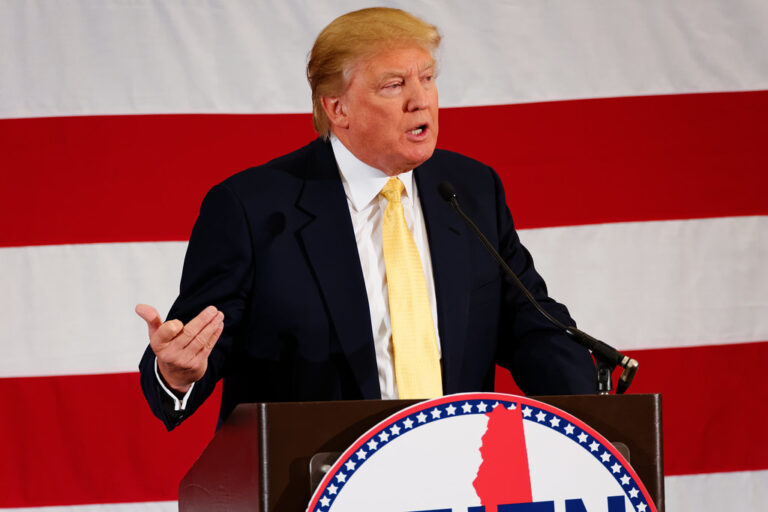

Why Trump Support Is Crumbling Now

 Key takeaways

  •  Leading Republicans are already hedging bets beyond Trump.
  •  A sharp drop in Trump support stems from rising costs.
  • Trump still watches the stock market, not everyday struggles.
  •  Some GOP figures plan for a post-Trump party future.

What Is Happening to Trump Support?

Donald Trump led the Republican Party for years. However, his grip now shows cracks. Former Trump administration aide Alyssa Farah Griffin spoke with Anderson Cooper. She said Trump doesn’t feel the pain of regular Americans. Meanwhile, some top Republicans are pivoting away from him. In fact, they already plan for life after Trump. This shift hints that Trump support could shrink more before the next election.

A Blind Spot on Everyday Costs

Trump often measures success by the stock market. He checks closing prices each day. Yet most Americans do not own big market shares. For them, soaring rent and food prices matter more. Griffin explained that Trump misses this key pain point. According to a recent poll, nearly 70 percent of people feel wearing budgets tight. Farmers, tradespeople, and low-income families struggle most. However, Trump seems unaware of their angst. Thus, his message fails to reach many voters.

Joe Biden faced a similar trap. He focused on broad economic gains while costs climbed. Trump now risks the same error. He talks about record highs on Wall Street. He highlights big corporate profits and surging indexes. Meanwhile, grocery bills, gas prices, and housing costs keep rising. As a result, people feel left behind. When voters feel ignored, their support erodes. This trend marks a clear warning sign for any candidate.

Politicians Plan Post-Trump Paths

Not only do everyday Americans grow restless. Some major GOP figures already look beyond Trump. Representative Marjorie Taylor Greene recently launched attacks on her own party. She hinted at ambitions for higher office without Trump’s backing. Others quietly test the waters for 2028. They watch Trump’s stumbles and measure their own chances.

Griffin noted that a year before midterms, many Republicans hedge their bets. They ask, “Is my future tied to Trump or someone else?” They eye Vice President hopefuls like JD Vance and Marco Rubio. They build relationships with state leaders and local activists. This realignment shows that Trump support faces real competition from within his party.

Moreover, some donors pause new contributions. They worry about the party’s direction and their own influence. When big donors hold back, campaigns lose vital funds. Without cash, Trump may face limits on advertising and outreach. This could widen his gaps with swing-state voters.

What This Means for Voters

Voters now see a shifting landscape. They watch Trump’s speeches and focus-group reactions. They note how party leaders speak less of him. They hear fresh voices promising new solutions. For example, a lawmaker in Ohio now champions a full affordable housing plan. In Florida, a senator focuses on rural healthcare. These pitches connect with real needs. Consequently, Trump support looks less like a sure bet.

Also, some swing voters recall Trump’s past promises on trade and jobs. They compare those pledges to their current struggles. When people feel promises fail them, they switch sides. Independents in key states could tip the balance if they walk away.

As the midterms near, each campaign counts every vote. Small swings in public opinion matter. If Trump support dips by a few points, the entire party could face losses. Senate races, governorships, and House seats all hinge on capturing disaffected voters.

A Chance for New Leadership

This moment creates an opening for fresh GOP voices. Leaders who focus on cost-of-living pressures may rise. They can craft plans to lower rent, stabilize prices, or expand childcare support. If they win voters’ trust, they may become the new face of the party. They can balance strong border policies with real economic relief. That blend could rebuild confidence among working families.

In contrast, Trump’s continued focus on market indexes and rallies may fail to convince. People want to hear direct help for their budgets. They want clear plans for student loan relief and prescription drug costs. Those issues affect more lives than stock prices do. Thus, any candidate who addresses them stands a better chance.

What Comes Next for Trump Support

Looking ahead, Trump support will hinge on one key factor: relevance to daily life. If Trump adjusts his message to match voters’ concerns, he could regain ground. He must speak plainly about housing, food, and medical bills. He needs advisors who listen to real voices outside Washington. Otherwise, he risks repeating Biden’s trap.

Meanwhile, party leaders will watch the polls. They will decide whether to stay loyal or to back new contenders. Early endorsements will signal which way the wind blows. Fundraisers will follow, shifting money to those they believe can win. In that scramble, Trump support could fall further.

For voters, this coming year will offer choices. They will compare candidates on real issues. They will test whether fresh faces deliver fresh ideas. And they will judge Trump on whether he can prove he cares about their budgets, not just market charts.

Ultimately, the fate of Trump support rests on connecting with people’s wallets and worries. Whoever succeeds at this task will shape the next era of the GOP.

Frequently Asked Questions

What caused the drop in Trump support among Republicans?

Rising living costs and the perception that Trump ignores everyday struggles led to a decline. Many believe he focuses on the stock market instead of people’s budgets.

How are party leaders preparing for a post-Trump future?

Some leaders explore their own campaigns, build local networks, and form bonds with potential 2028 candidates. They also hold back donor funds to see which path gains momentum.

Can Trump regain support by shifting his message?

Yes. If he addresses affordability, healthcare, and housing directly, he might reconnect with voters who feel left out.

Why does focusing on market performance hurt Trump’s appeal?

Most Americans do not own large market shares. They worry about rent, food, and medical bills. Talking only about stock indexes fails to address these real concerns.

Stealth Provision Drives Controversy in Funding Deal

0

Key Takeaways:


  • A stealth provision in the government funding deal lets some Senate Republicans sue for up to $500,000.
  • House Republicans call the stealth provision “self-serving,” but they avoid removing it now.
  • They plan to repeal the stealth provision later so the shutdown ends quickly.
  • The deal extends food aid, reverses federal worker firings, and ensures a vote on health subsidies.
  • Democrats say the deal still fails to extend Affordable Care Act help immediately

A stealth provision in the bipartisan bill to reopen the government is causing a stir. It lets Senate Republicans sue the federal government for up to $500,000 each. They can claim this money if they prove their communications got monitored in the 2020 election investigation. Critics fear the Trump administration could quickly settle these suits and reward senators for backing election conspiracy theories.

Why the stealth provision matters

Many see this stealth provision as improper. In fact, far-right House members say it looks bad. However, they refuse to back Democratic moves to strip it out before the bill passes. Instead, they want a separate effort later to repeal it. This approach means the government gets funded faster. At the same time, critics say it sends the wrong message about self-dealing.

How the stealth provision works

Under this rule, each affected senator may claim up to half a million dollars. They must show special counsel Jack Smith’s team monitored their calls or emails. If successful, they can file a lawsuit against the federal government. Then, the administration can choose to defend or settle. Observers worry it will simply settle. As a result, public funds could flow directly to these senators.

Moreover, no deadlines force a quick court decision. Therefore, the process could drag on, creating uncertainty. Meanwhile, the optics of paying lawmakers in this way seems odd. For example, some say it looks like a reward for promoting election falsehoods. Critics warn that this sets a dangerous precedent.

House Republicans express discomfort

Several House Republicans openly criticize the stealth provision. Rep. Chip Roy of Texas calls it “self-serving” and “self-dealing.” He says it creates a bad appearance. Similarly, Rep. Austin Scott of Georgia labels it a misuse of taxpayer money. Both, however, stop short of joining Democrats to remove it now.

Instead, they propose a two-step plan. First, pass the government funding bill as is. Then, attach a repeal of the stealth provision to a later measure. By doing this, they avoid deepening a shutdown fight. As Roy explains, “We need to end the shutdown quickly.” Yet critics say this approach pushes the problem into the future.

What else is in the funding deal

Beyond the stealth provision, the bill includes several key items. First, it extends nutrition assistance for nearly a year. Millions of families will keep getting food help. Second, it restores jobs for federal workers fired since October. Workers who lost paychecks or benefits can return with back pay.

Third, the bill guarantees a House vote on extending Affordable Care Act subsidies. Democrats demanded this move for weeks. However, critics note it does not actually extend those subsidies now. Instead, it merely promises a future vote. As a result, many worry some families will face a coverage gap.

In addition, the deal maintains current funding levels for most agencies. It prevents sudden cuts or program delays. Yet, it leaves out any immediate fix for rising health care costs under the ACA. Democratic lawmakers say this omission falls short. They want subsidy extensions in place before passing funding bills.

Reactions and next steps

Democrats call the entire deal flawed. They argue it fails to meet several key priorities. For example, they wanted immediate ACA subsidy relief. They also asked for climate and clean energy funding. However, the final package ignores those areas.

Conversely, moderate Republicans see the bill as a fair compromise. They say it ends the shutdown and keeps federal operations running. Some even praise the deal for protecting vital programs. Yet the stealth provision remains a sticking point.

If the House approves the bill, the Senate must follow. Then, the president can sign it to end the shutdown. Meanwhile, supporters plan a separate vote to repeal the stealth provision. They hope this later repeal gains enough support. Still, opponents warn of delays and legal fights.

Ultimately, the government funding fight shows deep divisions. Lawmakers balance ending a shutdown with political battles. In doing so, they push tough issues into future debates. As a result, taxpayers and voters face uncertainty on key policies.

What happens if repeal never passes?

If lawmakers fail to repeal the stealth provision, it stays in law. Then, disgruntled senators could file their lawsuits. The administration may choose to settle quickly. As a result, public money could line the pockets of a few politicians. Observers say this outcome would damage public trust.

Meanwhile, a longer shutdown seems unlikely. Few lawmakers want that outcome. Therefore, most hope for quick fixes. Yet the stealth provision fight could resurface in months. It may become part of larger budget battles this spring.

Frequently Asked Questions

What is the main concern about the stealth provision?

The worry is that it lets certain senators sue for up to $500,000 each. The process could quickly turn into direct payouts from taxpayer money.

Why won’t House Republicans remove the stealth provision now?

They want to end the shutdown fast. Removing it now could prolong budget fights. So they plan a later bill to repeal it.

What benefits does the funding deal include?

It extends food aid for nearly a year, restores federal jobs, and guarantees a vote on health subsidy extensions. It also keeps agency funding at current levels.

How likely is the repeal of the stealth provision?

Repeal faces an uncertain path. Leaders must schedule another vote and win support. If they fail, the provision stays in law, allowing payouts to affected senators.

Senate Staffer Resigns Tied to Victory Field Operations

Key takeaways

• A key Senate staffer resigned after choosing between her job and her firm, Victory Field Operations.
• The Senate Business Office forced the choice amid a clash over outside political work.
• Victory Field Operations served both top GOP gubernatorial campaigns, raising ethics questions.
• Another staffer linked to the firm moved to the Michigan House following the controversy.
• Lawmakers debate whether this case reflects a legal breach or political overreach.

A top aide left her Senate job after the Senate Business Office demanded she drop her firm or step down. Meghan Reckling, who helped start Victory Field Operations, served as chief of staff to Senator Lana Theis. She chose her consulting firm.

The resignation stunned colleagues. It also marked the second shake-up since news broke that Victory Field Operations worked for rival GOP campaigns.

The resignation explained

Following a news report, the Senate Business Office gave Reckling an ultimatum. She had to decide between her official post and her outside consulting work. Rather than withdraw from Victory Field Operations, she handed in her resignation.

Her firm, co-founded with fellow Senate aide Jeff Wiggins, had signed on to support U.S. Representative John James’s bid for governor. At the same time, Wiggins had served as press secretary to Senate Minority Leader Aric Nesbitt, another GOP contender.

The Senate Business Office, run by Majority Leader Winnie Brinks’s team, declined to discuss personnel moves. But staffers say Brinks was unhappy that Reckling’s company grew more political. Consequently, the office moved to enforce Senate rules on outside work.

Senator Theis praised Reckling’s service. Yet Theis accepted the resignation soon after the ultimatum arrived. In turn, Wiggins quietly left Nesbitt’s office and took a role under House Speaker Matt Hall.

Why Victory Field Operations sparked conflict

Victory Field Operations found itself in a swirl of competing interests. On one side stood Aric Nesbitt, a sitting senator and aspiring governor. On the other, U.S. Representative John James, also chasing the Republican nomination.

Both campaigns tapped Victory Field Operations. Public filings show the firm received forty thousand dollars for strategy consulting. Mission Michigan, a PAC created for James, funneled those funds after a major gift from a prominent donor family.

Because Nesbitt employed one co-founder and Theis employed the other, observers raised ethics flags. Even if Michigan law allows senators to do outside work, mixing campaign consulting with legislative influence raised questions about fairness.

Moreover, staffers worry that such dual roles could shape legislation or access insider information. They say constituents deserve clear walls between elected roles and campaign shops.

Law and ethics in Michigan politics

Under state rules, Senate employees may hold outside jobs. Yet, large-scale political consulting remains discouraged. Until recently, few staffers tested those limits so openly.

An earlier report revealed the firm’s dual loyalties. Critics argue this scenario shows how legal loopholes can hide potential conflicts. However, defenders stress that no law banned the arrangement.

Transition words help explain the finer points. For instance, although rules permit outside work, they also urge caution. Therefore, when a firm consults for top rivals, the risk of real or perceived bias grows.

At the same time, many small campaign shops run on outside revenue. Thus, lawmakers debate whether stricter rules would unfairly harm grassroots operations.

Reactions from lawmakers and public

On social media, Reckling ranks among the state’s most vocal conservative voices. She often critiques policies and praises fellow Republicans. After announcing her resignation, she tweeted that she stood by Victory Field Operations.

Senator Nesbitt called the Senate Business Office’s actions a political witch hunt. He argued that staffers deserve clear rules, not pressure campaigns. Meanwhile, Senate leaders emphasized that personnel choices remain private.

Some grassroots activists praised the move. They say it restores trust in government. Others lament a loss of free speech, arguing staffers should freely voice their views and consult for campaigns.

Meanwhile, Michigan voters weigh in. A recent poll found that three-quarters of respondents expect lawmakers’ staffers to avoid campaign work. Yet half believe such rules go too far.

What this means for the governor race

With the Republican nomination race heating up, both campaigns must now find new field teams. Victory Field Operations may lose influence if remaining tied to any one campaign.

Furthermore, the shake-ups could slow ground operations in key counties. Campaign insiders say a stable staff matters most in tight contests. Therefore, sudden changes could tip close races.

On the other hand, the incident may push campaigns to vet consulting firms more carefully. As a result, smaller agencies might gain new clients. They could market themselves as conflict-free alternatives.

In the long run, this episode might spur legislation. Lawmakers might tighten ethics rules for Senate staff. They could ban certain campaign work or require full disclosure.

Looking ahead, all eyes turn to the next legislative session. Will Michigan lawmakers rewrite rules on outside political work? Or will they let existing guidelines stand? Either way, Victory Field Operations has reshaped the debate.

Frequently asked questions

What led to Meghan Reckling’s resignation from the Senate?

She was forced to choose between her job as chief of staff and her role at Victory Field Operations. She chose the firm.

How did Victory Field Operations work for rival campaigns?

The firm consulted for Representative John James’s campaign and also received funds linked to Senator Aric Nesbitt’s team.

Are Senate staffers allowed to do outside political consulting?

Senate rules permit outside work but caution against large-scale campaign roles to avoid conflicts of interest.

What might change after this controversy?

Lawmakers may tighten rules on staff consulting. Campaigns may also screen vendors more closely to avoid ethical concerns.

Epstein Files Release Nears Historic Vote

Key Takeaways

• Adelita Grijalva will be sworn in after more than 50 days, bringing the House to full strength.
• Her swearing-in gives the discharge petition 218 signatures needed to force a vote.
• The petition aims to force release of Jeffrey Epstein files held by the Justice Department.
• The House vote could happen in early December, though the Senate may block it.
• The effort revives debate over a possible cover-up of Epstein’s crimes.

Epstein Files Release Nears Historic Vote

Now that Rep.-elect Adelita Grijalva has officially joined the House, the effort to force the Justice Department to hand over the Epstein files has reached a turning point. This move could shine new light on Jeffrey Epstein’s crimes and related cover-up claims.

Adelita Grijalva Secures Key Signature

After winning a special election in late September, Adelita Grijalva waited more than 50 days to take her seat. However, once she was sworn in, she immediately signed the discharge petition led by Reps. Thomas Massie and Ro Khanna. Their petition now has the 218 signatures needed to bring the matter to the House floor.

Because of this, the push to release the long-hidden Justice Department files on Epstein will move closer to a full House vote. Grijalva said she supports full transparency and believes the public has a right to all available records.

Understanding the Discharge Petition Process

A discharge petition is a rare tool. It forces a bill out of committee and onto the House floor. Normally, House leaders control which bills reach a vote. However, if a petition gets 218 valid signatures, leaders must bring the issue up for debate and voting.

In this case, the petition demands all criminal files related to Jeffrey Epstein. Many worry that these files contain evidence of connections between powerful figures and Epstein’s crimes. Thus, the petition has drawn intense interest and pressure from all sides.

Lawmakers Use Discharge Petition to Unlock Epstein Files

Several Republicans and Democrats joined the petition despite pressure to avoid the vote. Among them are outspoken members like Marjorie Taylor Greene and Lauren Boebert. They all say the truth must come out. Meanwhile, some moderate Republicans held back but plan to support the measure when it reaches the floor.

Thomas Massie believes the vote will succeed. He noted that even if one member drops off, another will step in—possibly someone winning a special election next month. He’s confident the petition will hold steady at or above 218 signatures.

White House Pressure and GOP Leadership Choices

President Trump has called the effort a “Democratic hoax” and pushed allies to withdraw. Senior House Republicans warned Speaker Mike Johnson against scheduling the vote. Yet, Johnson has stated he will not block the petition. He faces limited options since the petition bypasses normal rules.

Several GOP leaders privately fear a revolt if they block the petition now. They worry this could fuel accusations of a cover-up and deepen divisions in their ranks. Thus, the measure is likely to proceed.

What Happens if the House Votes to Release the Files?

If the House approves the petition, it would send a strong message demanding transparency. However, the Senate must also approve to compel the Justice Department. The Senate is expected to kill the measure. Yet, the House vote itself would attract major media attention and public debate.

A successful House vote could:

• Force the Justice Department to consider releasing the records.
• Highlight congressional dissatisfaction with DOJ secrecy.
• Renew public focus on Epstein’s network of associates.
• Put pressure on both parties to explain past decisions.

Potential Impact on Oversight and Future Investigations

Even if the files stay secret, the public outcry could push lawmakers to launch new investigations. Committees might subpoena witnesses connected to Epstein’s case. Moreover, states could review past deals, like the controversial non-prosecution agreement from 2008.

In the long term, this effort could reshape how Congress handles high-profile criminal files. It might become easier for members to demand transparency, limiting executive branch control over sensitive records. Therefore, the Epstein files petition could set a key precedent.

Counting Down to the Vote

Senior aides on both sides estimate the House will vote in the first week of December. Until then, petition signers and holdouts will face intense lobbying. The White House will likely make a last-ditch effort to sway members. Yet, Massie expects any such push to fail.

Even if the measure stalls in the Senate, the House vote will reopen debate on Jeffrey Epstein’s case. Supporters believe that public pressure could eventually force release, or at least partial disclosure, of the files. Critics warn that politicizing the issue may undermine legitimate probes.

Looking Forward: What to Watch

• Will any petition signers back out under pressure?
• Can the White House mount a final push to block the vote?
• How will the Senate respond if the House approves?
• What new information might surface about Epstein’s network?

For now, lawmakers, staffers, and the public await the day Congress votes on the discharge petition. When it does, the debate over the Epstein files will take center stage once more.

Frequently Asked Questions

What is a discharge petition?

A discharge petition is a House procedure that forces a bill out of committee after 218 members sign it. It bypasses normal leadership control to bring the bill to the floor for debate and voting.

Why are lawmakers pushing for the Jeffrey Epstein files?

They believe the Justice Department is hiding key documents about Epstein’s crimes and connections to powerful figures. Releasing the files could reveal important details and ensure accountability.

Can the Senate block the release of the files?

Yes. Even if the House approves the petition, the Senate must also pass it. Many senators may oppose forcing the Justice Department to disclose those records.

What might happen if the files stay secret?

If the effort fails, public pressure could still lead to new investigations or hearings. Lawmakers might explore other ways to access or publish parts of the files.

Jack Schlossberg Enters NYC Race Against Trump


Key takeaways:

  • Jack Schlossberg announced his run for a New York City congressional seat.
  • He warns that America “is in crisis” under the Republican Party.
  • He criticizes Trump’s actions on civil rights and White House renovations.
  • He calls for a new generation of leaders to win back the House.
  • He contrasts his grandmother’s White House vision with the current plans.

Jack Schlossberg’s Bid to Challenge Trump

At 32, Jack Schlossberg steps into the political arena with the weight of a famous name. As the only grandson of President John F. Kennedy, he knows many will watch his every move. Yet he makes clear he is not running on family history alone. Instead, he warns that America faces a crisis under the current Republican leadership.

Speaking in New York City, Schlossberg confirmed his entry into the Democratic primary for the seat held by Rep. Jerrold Nadler. He spoke with quiet confidence, offering a vision of fresh ideas and new leadership. He said, “We need to elect a new generation of leaders so we can win back the House of Representatives.” His words aimed at uniting younger voters and longtime Democrats around a common goal.

Why Jack Schlossberg Is Running

Jack Schlossberg did not make his decision lightly. He watched recent events in Washington and felt alarmed. He argued that rights Americans have long taken for granted now hang in the balance. For instance, he stated that the president uses his power to suspend civil rights and silence dissent. He pointed at reports of federal agents deployed in US cities and claimed these moves threaten basic freedoms.

Moreover, he sees the House of Representatives as a critical first step to restoring balance. If Democrats regain control, Schlossberg believes they can block extreme policies and protect voting rights. He also plans to advocate for affordable healthcare, stronger climate action, and fair wages. Therefore, his campaign message focuses on hope and reform rather than nostalgia.

Jack Schlossberg’s Thoughts on Trump

In his first public statement, Jack Schlossberg directly addressed Donald Trump’s actions. He said the former president is “rebuilding the White House” to secure his return to power. Schlossberg pointed to the planned East Wing ballroom extension, funded by billion-dollar corporate donations. He described it as a symbol of misplaced priorities.

“My grandmother saw America in full color,” Schlossberg said. “She planted gardens that brought life to the White House. But this plan pours concrete over that history.” He compared Jackie Kennedy’s vision to Trump’s, arguing that landmarks should inspire and grow with the nation. He warned that the ballroom project shows where Trump’s interests truly lie.

Schlossberg also criticized how Trump used his office to stifle opposition. He claimed the former president employed intimidation tactics to silence critics. This, Schlossberg argued, undermines democratic norms. By contrast, he pledges to protect free speech and ensure that government serves all Americans.

A New Generation of Leaders

During his speech, Jack Schlossberg stressed the need for fresh voices in government. He said seasoned politicians often fail to address new challenges. He called for candidates who understand technology, climate science, and global health threats. He argued that only a younger, more diverse group can guide the country through complex issues.

Schlossberg’s campaign team includes activists, veterans, and academics under 40. They all share his vision of pragmatic solutions over party politics. To rally support, he plans town halls in every borough of New York City. He also aims to harness social media to reach students and first-time voters. In addition, he promises to travel across the district to hear from working families.

Furthermore, Schlossberg wants to restore faith in public service. He admits that politics has often felt out of touch. “People want honesty, transparency, and action,” he said. Therefore, he vows to publish his campaign finances online and hold monthly budget reviews. He believes this openness will rebuild trust between leaders and citizens.

Campaign Challenges and Strategy

Running in New York City presents both perks and pitfalls. On one hand, Jack Schlossberg benefits from name recognition and connections. His family history draws media attention and donor interest. On the other, voters may doubt his readiness or see him as privileged. To overcome this, Schlossberg has spent months meeting local leaders and nonprofits.

His advisors say he focuses on listening rather than lecturing. He visits food pantries, community centers, and small businesses to learn local concerns. He then tailors his platform to address those needs. For example, he proposes improving subway safety and affordability in his district. He also supports rent control measures to protect tenants from sudden price hikes.

In addition, Schlossberg’s team plans a multi-layered digital campaign. They use targeted ads, email newsletters, and online town halls. They hope this strategy will engage young voters who often skip midterm elections. Meanwhile, volunteers will go door to door in safe, socially distanced shifts. The aim is clear: build a grassroots movement that can outwork any rival.

Position on Key Issues

Jack Schlossberg has outlined clear positions on major topics:

Climate Action:

He wants the US to rejoin global climate pacts and invest in green energy jobs.

Healthcare:

He supports a public option to lower costs and cover more people.

Economy:

He plans to raise the federal minimum wage and offer tax credits to small businesses.

Education:

He advocates for affordable college and technical training programs.

Civil Rights:

He vows to strengthen voting rights and ban racial profiling.

These stances tie back to his warning about America’s crisis. Schlossberg argues that solving these problems will restore hope and opportunity for all.

Comparing Past and Present

When Jack Schlossberg speaks of his grandmother, he draws a vivid contrast to current leadership. Jackie Kennedy’s era focused on culture, art, and national pride. She championed historic preservation and environmental beauty. Schlossberg says her work shows that government can uplift a nation’s spirit.

By contrast, he sees today’s leadership as driven by special interests. He pointed to the White House ballroom project as proof. “This isn’t about public good,” he said. “It’s about private gain.” He insists his campaign will prioritize people over profit.

Outlook for the Primary

The Democratic primary for this New York City seat will be crowded. Several experienced politicians and newcomers have announced. Yet Jack Schlossberg believes his message and name can cut through the noise. He notes that voters seek authenticity as much as experience.

Early polls show him behind in name recognition. However, they also reveal strong enthusiasm among Democratic voters. This energy could translate into high turnout on primary day. If Schlossberg can maintain momentum, he may surge ahead of better-known opponents.

Looking ahead, his campaign plans several high-profile fundraising events. They include small-donor drives and virtual concerts. He hopes these efforts will demonstrate broad support. Meanwhile, he remains grounded in community work and daily outreach.

Conclusion

Jack Schlossberg’s entry into the New York City race marks a new chapter in political life. He has set a clear challenge to Donald Trump’s influence and the status quo. By focusing on fresh leadership, transparency, and grassroots power, he aims to win back the House. Only time will tell if his strategy resonates with voters. Yet his message of hope and renewal already stands out in a crowded field.

Frequently Asked Questions

What seat is Jack Schlossberg running for?

He is seeking the Democratic nomination for a New York City congressional district seat, following Rep. Jerrold Nadler’s decision not to run.

Who is Jack Schlossberg’s family?

He is the only grandson of President John F. Kennedy and First Lady Jackie Kennedy.

Why does Jack Schlossberg criticize the White House renovation?

He argues that the planned East Wing ballroom reflects corporate influence and ignores historic beauty.

How does Jack Schlossberg plan to engage voters?

He will hold town halls across the boroughs, use social media campaigns, and work closely with local community groups.

Truth Social AI Shocks The Bulwark Experts

Key Takeaways

  • Political analysts tested Truth Social’s AI fact-checker.
  • The AI admitted Trump’s tariff claims were false.
  • It blamed Trump’s words for the Jan. 6 riot.
  • It said there was no proof the 2020 election was stolen.
  • It noted Trump has ended no wars since taking office

Political analysts at The Bulwark tried something bold on Truth Social. They typed in questions to check President Trump’s own claims. Then they saw answers that surprised them. Normally, Truth Social is seen as a place for Trump supporters. Yet, its new AI feature gave honest, clear answers. It admitted tariffs cost Americans money. It held Trump responsible for the Jan. 6 Capitol breach. It also said no war ended under his watch.

What Is Truth Social’s AI Feature?

Truth Social, President Trump’s social site, recently launched an AI search tool. This feature lets users ask questions and get quick answers. It hopes to keep people on the site longer. Usually, AI on social platforms just finds posts or shows links. But this tool goes a step further. It fact-checks claims and gives short explanations. In effect, it acts like a mini encyclopedia inside the app.

Why The Bulwark Tested It

Analysts at The Bulwark wanted to see if the AI would bend to politics. After all, Truth Social is closely tied to Trump. They chose three hot topics. First, they asked about Trump’s tariffs and their cost. Next, they probed who caused the Jan. 6 riot. Finally, they questioned the stolen election claims. Each question had one clear answer in public records. Yet, they wondered if the AI would hide or twist the facts.

How Truth Social AI Fact-Checked Tariff Claims

The Bulwark asked: “Do Trump’s tariffs cost the American people money?” The AI reply was simple. It said yes. It explained that tariffs act like taxes on imports. U.S. importers pay these taxes, and they pass the cost on to buyers. In turn, Americans pay more for goods. Experts have long agreed on this point. Still, it surprised analysts to see an admission on a pro-Trump site. This honesty showed the AI could break from political spin.

How Truth Social AI Addressed the Jan. 6 Responsibility

Next, they asked if people stormed the Capitol on Jan. 6 because of Trump. The AI answered clearly. It pointed to official records. It said a pro-Trump crowd, rallied by false fraud claims, led the breach. This answer matched findings from multiple investigations. Yet again, Truth Social’s AI did not soften or deny the role of Trump’s words. It simply stated the widely accepted facts.

How Truth Social AI Ruled on the 2020 Election Claim

Then came the big question: Did Trump lie about the 2020 election being stolen? Here, the AI did not hold back. It said yes. It noted that courts, advisers, and official probes found no proof of rigging or theft. This answer directly contradicted Trump’s repeated claims. Many expected Truth Social’s AI to ignore or evade this point. Instead, it offered a straight denial of the stolen-election theory.

How Truth Social AI Reported on Wars Ended

Finally, The Bulwark asked how many wars Trump has ended since taking office. The AI replied: none. It explained that no formal peace deals or war terminations occurred under his watch. Once again, Truth Social’s AI gave a blunt and factual response. This shows its database draws from public records and expert sources.

What This Means for Social Media Fact-Checks

This test suggests AI tools on social sites can stay true to facts. Even on a platform tied to a political figure, the AI didn’t twist answers. For users, this means AI can help fight misinformation. It can show clear, evidence-based responses in seconds. For platforms, it poses a choice: keep AI honest or risk user trust. If more sites follow this path, online debates might change. People could rely less on rumors and more on facts.

Looking Ahead

Truth Social’s AI experiment shows that technology can surprise us. Instead of hiding inconvenient truths, it laid them out plainly. As AI grows on social platforms, its design will shape public talk. Will other sites let their tools speak freely? Or will they shield certain views? Only time will tell. For now, Truth Social’s AI gives a glimpse of what honest tech can look like.

Frequently Asked Questions

What makes Truth Social’s AI different from other chat tools?

Truth Social’s AI not only finds posts. It also checks facts and gives clear, short answers. This makes it more like an on-site research tool than a chat bot.

Can users trust the AI’s answers on Truth Social?

The AI draws on official records and expert reports. In this test, it gave honest replies on hot topics. However, all AI tools can improve over time as they learn more.

Why would a political platform let its AI speak freely?

Allowing honest answers can boost user trust. If people see a platform as truthful, they may use it more. This can also help cut back on false claims.

Could other social networks adopt similar fact-checking AI?

Yes. As misinformation spreads, many networks look for new solutions. Fact-checking AI could become a key feature to keep users informed.

Government Shutdown Deal: A Ticking Time Bomb


Key Takeaways

  • Lawmakers passed short-term bills to end the longest government shutdown.
  • Eight Democrats joined Republicans to extend funding through January 2026.
  • Experts warn of rising health care costs in underserved red states.
  • Critics say the government shutdown deal may hurt Republican voters most.

Government Shutdown Deal: What You Need to Know

The new government shutdown deal pushed back the funding deadline until January 2026. By doing this, Congress avoids an immediate shutdown. On Sunday, eight Democrats joined Republicans to pass these temporary spending bills. The full House is set to approve the plan on Wednesday. If they agree, the longest closure in U.S. history will finally end.

However, not everyone is happy with the deal. Sarah Baxter, director of an international reporting center, calls the deal “a ticking time bomb.” She warns that hidden costs could explode later. In particular, health care expenses may rise sharply under the Affordable Care Act.

Short-term Spending Bills Extend Funding to 2026

First, these bills keep the government open for over a year. Instead of funding all government work forever, Congress chose a stopgap plan. It gives lawmakers more time to negotiate a full budget. The idea is to avoid the chaos of shutdowns.

Next, eight Democrats broke ranks and voted with Republicans. This bipartisan move surprised many. Usually, party members stick together. Yet, they agreed the risk of a shutdown was too high. Some feared national parks would close again. Others worried about delayed paychecks for federal workers.

Additionally, this voting pattern hints at deeper splits. Moderate Democrats may value stability more than strict party lines. Meanwhile, Republicans celebrate the unity these votes show. President Trump claims this as a victory for his push on immigration and spending.

Why the Government Shutdown Deal Feels Risky

Many see short-term fixes as temporary wins. Yet, Baxter explains the long-term risk. She says health care costs may skyrocket in poor areas. Ironically, these areas often vote for the party backing the deal.

She notes that if Republicans delay action, the Affordable Care Act’s protections weaken. Insurers could raise premiums. Patients in rural red states might face huge bills. As a result, families on fixed incomes could struggle.

Moreover, illegal immigrants may gain expanded health benefits under the deal. Republicans argue this is unfair. They claim it drives up overall costs. Even so, Baxter warns these extra costs will hit every American who relies on Obamacare.

Finally, this deal forces a choice on all lawmakers. They must either accept rising costs or revisit the debate. Either way, the ticking clock makes the situation urgent. If they wait too long, insurance markets could face chaos.

Impact on Health Care Bills in Red States

Red states will feel health bill jumps the hardest. Communities with fewer medical centers already pay more. Now, surging premiums will make care even pricier. As Mr. Trump and GOP leaders celebrate the shutdown win, many voters in these areas will suffer.

Unemployed or low-wage workers often rely on ACA subsidies. Rising premiums can wipe out those benefits. Then, families may skip doctor visits or vital tests. Long-term, this can lead to worse health and higher emergency costs.

Additionally, local hospitals face financial strain. Less patient coverage means fewer paid bills. Some small clinics may close. This further limits health access in rural counties. Without new solutions, these communities could face a health crisis.

What Comes Next for the Government Shutdown Deal

Lawmakers now have until January 2026 to craft a full budget. During that time, the government shutdown deal hangs over every discussion. Not only spending levels matter. Immigration, healthcare, and safety net items are all on the table.

Republicans push for firm immigration rules. Democrats want to protect health access for all residents. Finding middle ground will be tough. Each side holds its priorities tight. If talks break down, another shutdown threat could return sooner than expected.

Moreover, public opinion will play a role. As costs rise, voters may demand action. Red state communities, in particular, might shift their support. If Republicans ignore the ticking time bomb, they risk losing key seats.

Still, leadership from both parties could turn this into a real bargain. They could attach health reforms to the next full budget. This would ease spikes in premiums. It might also satisfy GOP demands on immigration.

Until then, families, clinics, and local governments will watch the clock. Every day brings them closer to potential financial strain. While the shutdown threat is gone, the real test begins now.

A Final Word on the Government Shutdown Deal

In many ways, the new deal offers relief. No more park closures. No federal pay freezes. Yet, the bigger battle lies ahead. Health costs loom over red states like a shadow. Unless leaders act soon, voters will face rising bills and shrinking care options.

For now, the government shutdown deal feels like a bandaid. It heals the immediate wound but leaves the deep cut unattended. Time will tell if lawmakers can turn this temporary fix into lasting progress.

Frequently Asked Questions

What exactly does the government shutdown deal do?

It keeps federal operations funded until January 2026 through short-term spending bills. This prevents an immediate shutdown but is not a full-year budget.

Why are health care costs expected to rise?

If insurers lose Obamacare protections, they may hike premiums. This will impact low-income and rural communities first.

How did Democrats and Republicans work together?

Eight moderate Democrats joined every Republican in passing the spending bills. They aimed to avoid the chaos of another shutdown.

What happens if lawmakers fail to agree by January 2026?

Without a new full-year budget, the government could face shutdown threats again. Key services and paychecks might be interrupted.

Bessent’s Medicare Taxes Promise on Ice

0


Key Takeaways

  • Treasury Secretary Scott Bessent has not paid nearly $1 million in Medicare taxes he owes.
  • He set up his hedge fund as a limited partnership to dodge Medicare taxes on his income.
  • While confirming him, senators asked for a reserve fund to cover any tax gap.
  • As head of Treasury and the IRS, Bessent has stalled crafting rules on this tax loophole.
  • His conflict of interest may delay clear guidance on how Medicare taxes apply to firm owners.

Bessent Holds Up Medicare Taxes Payment

Treasury Secretary Scott Bessent promised to reserve money for Medicare taxes he owes. Yet months after his confirmation, he still has not paid nearly $1 million. Critics say he used a legal structure to avoid Medicare taxes on hedge fund earnings. Meanwhile, he now leads the very agencies that decide new rules to close this loophole. As a result, he stands in the odd spot of fighting against his own tax bill.

During his January confirmation hearing, senators pressed him on the IRS guidance. They noted that firm owners should pay self-employment taxes to fund Social Security and Medicare. He agreed to create a reserve fund for any potential liability. However, since taking office in August, neither the Treasury nor the IRS has issued clear regulations on this issue. Bessent argues over how much he truly owes and questions the IRS’s interpretation. Consequently, the reserve fund has not moved forward.

How the Medicare Taxes Loophole Works

Hedge fund managers often use a limited partnership structure to reduce certain taxes. In this setup, owners pay income taxes but can sidestep self-employment taxes. As a shareholder-partner, Bessent avoided paying roughly nine hundred ten thousand dollars in Medicare taxes for 2021 through 2023. The IRS flagged this practice as improper but did not finalize new rules.

Under current law, self-employment taxes cover both Social Security and Medicare expenses. By calling his portion “investment income,” Bessent treated it differently. He reported profits under partnership rules. This allowed him to escape the 2.9 percent Medicare tax that most self-employed workers pay. Without updated guidance, firm owners nationwide could use the same tactic to save thousands.

Why Bessent Is Quiet on His Pledge

Since becoming Treasury Secretary, Bessent has resisted talking publicly about his unpaid taxes. He argues that the IRS’s approach to categorizing partnership income needs more study. Meanwhile, both the Treasury and IRS have “stepped back” from drafting rules that would clarify liability. Critics say this delay benefits Bessent directly.

Moreover, Bessent now oversees the agencies he once challenged. This dual role creates a conflict of interest. He has recused himself from some related decisions but still wields influence. As a result, AGs and tax advocates worry rules will never catch up. Without clear regulations, other fund managers may mimic his strategy. Consequently, billions in Medicare taxes could slip through the cracks.

What Comes Next

Bessent still holds the power to push new guidelines through the Treasury or IRS. He could fast-track public comments, draft proposed rules, and set firm deadlines. Yet insiders say the process remains on hold. Senators have threatened hearings if progress stalls further. Tax experts expect formal guidance by mid-next year.

In the meantime, Bessent’s reserve fund pledge hangs in limbo. He must decide whether to pay the disputed amount or continue contesting it. If he pays, he may set a precedent for other partnership-based firms. If he fights on, the IRS could face a court challenge. Ultimately, the outcome will shape how firm owners handle their Medicare taxes.

The Bigger Picture

The dispute over Bessent’s unpaid Medicare taxes highlights a wider issue. Lawmakers have long sought to curb tax avoidance by private-equity and hedge fund managers. The Biden administration listed this loophole as a priority in both 2023 and 2024. Still, no binding rule has emerged.

Also, the case underscores the need for clear tax rules. When senior officials dodge obligations, public trust erodes. Moreover, companies that follow the spirit of the law may feel penalized. As firm owners push back, the IRS must balance fairness and revenue needs. Without decisive action, this battle may drag on for years.

In the end, Bessent’s own choices will matter most. Will he honor his pledge and fund a reserve? Or will he keep disputing the IRS interpretation? Either way, taxpayers nationwide will watch closely as this saga unfolds.

Frequently Asked Questions

What is the main issue with Bessent’s tax situation?

He structured his hedge fund to label earnings as investment income, avoiding nearly $1 million in Medicare taxes.

Why haven’t new rules been issued?

Since Bessent leads the Treasury and IRS, both agencies have paused writing guidance on partnership income and self-employment taxes.

Could other fund managers use the same loophole?

Yes, without clear regulations, hedge and private-equity firms may mimic this tax strategy, risking major revenue losses.

What could force a resolution?

Senators could hold hearings, and the IRS might face court challenges, pushing for formal rules or a settlement.

Can NYC Mayor-Elect Arrest Netanyahu on Day One?

0

Key Takeaways

• New York City Mayor-elect Zohran Mamdani vowed to arrest Netanyahu under an ICC warrant on his first day.
• Republican Councilwoman Inna Vernikov invited Prime Minister Netanyahu and dared Mamdani to act.
• Legal experts say the NYPD has no power to arrest a foreign leader on international war crimes charges.
• The United States does not recognize the International Criminal Court’s authority.

Arrest Netanyahu: Mamdani’s Bold Promise

New York City’s incoming mayor, Zohran Mamdani, promised during his campaign that he would arrest Benjamin Netanyahu if the Israeli prime minister set foot in the city. That promise now hangs over Mamdani’s first day in office. On January 1, Netanyahu could visit New York City for an event. If he does, Mamdani said he would use the city’s police force to carry out an arrest warrant issued by the International Criminal Court.

Mamdani’s Campaign Promise

During his run for mayor, Mamdani spoke often about standing up for human rights and international justice. He highlighted the ICC warrant that named Netanyahu for alleged war crimes in Gaza. Mamdani told voters he would not rely on federal leaders to enforce such warrants. Instead, he said cities like New York must lead. Then, he added the dramatic pledge: he would arrest Netanyahu in New York.

Many supporters cheered this vow. They saw it as a sign that Mamdani would put principle before politics. However, some critics warned the promise might be more political theater than realistic policy. Still, Mamdani stood firm. In a September interview with a major newspaper, he described the pledge as a duty. “We must act on our values,” he said.

The ICC Warrant Explained

Last year, the International Criminal Court issued an arrest warrant for Netanyahu and his former defense minister. The court accused them of war crimes and crimes against humanity during a deadly conflict in Gaza. That conflict claimed tens of thousands of lives and drew sharp international criticism.

The ICC is based in The Hague. It aims to hold leaders accountable for global crimes. But the United States never joined the ICC. As a result, American courts do not recognize its rulings. This fact creates a huge barrier for Mamdani’s plan. Even if Mamdani orders an arrest, the warrant has no legal force on U.S. soil.

Why Arrest Netanyahu Faces Legal Hurdles

Legal experts point out that city police cannot enforce international warrants. The NYPD enforces state and city laws. It lacks authority to arrest a foreign head of government on international charges. Moreover, any arrest must follow U.S. and New York law. To detain Netanyahu, he would need to break a local law first.

Furthermore, diplomatic immunity protects many high-ranking foreign officials. That protection extends to heads of government while they carry out official duties. Therefore, Netanyahu would likely be immune from arrest if he visited New York for public events. Even more, the U.S. State Department could intervene to shield him.

Councilwoman’s Challenge

On Tuesday, Republican Councilwoman Inna Vernikov entered the spotlight. She sent a public invitation to Netanyahu to speak in New York City on January 1. At the same time, she challenged Mamdani to keep his promise. In her message, she wrote that New York would always stand with Israel. She called Mamdani a radical Marxist and dared him to arrest the prime minister.

Her move adds political drama to the situation. By inviting Netanyahu, Vernikov forces Mamdani to confront his pledge. If Netanyahu accepts, Mamdani must either carry out the arrest or back down. Either choice has big consequences. Acting could spark a legal battle and diplomatic row. Failing to act could make Mamdani look weak or insincere.

Legal Experts Doubt Authority

Columbia Law School professor Matthew Waxman described Mamdani’s promise as a political stunt. Experts tell us that no mayor has arrested a foreign leader on an international warrant. They explain that the U.S. does not recognize the ICC. Also, city police lack jurisdiction over foreign war crime charges.

In addition, anyone detained for such reasons would quickly be released by courts. A judge would rule the warrant ineffective in New York. That outcome could embarrass the city and Mamdani’s office. Many believe Mamdani knows these risks. They think his vow aimed to energize voters more than plan real action.

What Happens Next

January 1 will test Mamdani’s pledge. If Netanyahu accepts Vernikov’s invitation, New York could become the center of an international showdown. Mamdani will face a stark choice: maintain his promise or acknowledge legal limits.

Many watch this drama to see if mayoral power can meet global justice demands. Yet, most legal minds expect Mamdani to find a way to honor his values without a formal arrest. He might issue a symbolic statement or convene a city hearing on war crimes. In any case, this standoff highlights the limits of city authority in world affairs.

Frequently Asked Questions

What does the ICC warrant against Netanyahu mean for New York City?

The ICC warrant alone has no legal power in New York. The city does not recognize ICC rulings. City police cannot enforce international court decisions.

Can the mayor override diplomatic immunity to arrest a foreign leader?

No. Diplomatic immunity protects visiting heads of government. U.S. law and international agreements shield them from city-level arrests.

Why did the mayor-elect make this promise?

He aimed to show commitment to human rights and rally supporters. The pledge underscored his stance on international justice.

What could the mayor do instead of an arrest?

He could hold public forums, pass symbolic resolutions, or seek federal action. These steps express values without legal conflict.