50.5 F
San Francisco
Sunday, April 12, 2026
Home Blog Page 249

Knicks Contender? New York Shines Bright

Key Takeaways:

  • The Knicks looked like a real contender with strong offense and defense.
  • Star players stepped up and made big plays in clutch moments.
  • Team stats show steady improvement this season.
  • Challenges remain, including consistency and injury risks.
  • Fans are excited as New York builds confidence for big games.5

Knicks contender: New York Shines Bright

New York’s team showed it could compete with the best. In recent games, the Knicks managed to win tough matchups. As a result, fans now ask: Is this Knicks contender for real? We break down the key reasons why this team looks ready to fight for a top spot.

Knicks contender: Stats and Performance

Over the last ten games, the team won seven of them. They averaged 112 points per game. In addition, they held opponents to just 104 points. These numbers prove progress. Moreover, the team shot 37 percent from three-point range. Finally, they grabbed 45 rebounds per game. All this shows why the label “Knicks contender” fits.

Why the Knicks Contender Label Fits

First, the offense runs smoothly. The ball moves fast and players find open shots. For example, in one game, they made 16 three-pointers. Second, the defense pressures opponents. They forced 15 turnovers per game. As a result, they scored more fast-break points. Third, the bench stepped up. Role players added 20 points on average. Therefore, the team stays strong even if stars rest.

Key Players Driving Success

Jalen Brunson leads the team in scoring and assists. He averages 25 points and six assists. His playmaking fuels the offense. Meanwhile, Julius Randle grabs rebounds and scores inside. He adds 20 points and nine boards each night. Moreover, RJ Barrett and Immanuel Quickley hit key shots from deep. Their shooting balance makes the offense hard to guard. Together, these stars push New York toward contender status.

Challenges Ahead

However, staying strong all season is not easy. Injuries can slow the team down. In fact, small muscle strains already forced players to miss games. In addition, road games pose trouble. The team has a losing record away from home. If they want true contender status, they must win under tough conditions. Finally, consistency matters. All teams struggle with ups and downs. New York must limit cold shooting nights and sloppy turnovers.

Fan Excitement Grows

Meanwhile, fans pack the arena each night. The crowd noise lifts players and scares visiting teams. Moreover, social media buzz shows growing belief. People post highlights and celebrate wins. As a result, the team feels extra energy on the court. This fan support can fuel a deep playoff run. Clearly, New York fans sense they follow a real contender.

Looking Ahead

Next up, the Knicks face a string of tough opponents. First, they host a top Western team. Then, they travel to play back-to-back road games. These matchups will test their contender claim. If they win two of three, they cement their status. On the other hand, a losing stretch could raise doubt. For now, the bright play keeps the fans dreaming big.

Transitioning into the final stretch, the team must manage minutes and stay healthy. The coach plans to rest key players in low-stakes games. This strategy could preserve energy for crucial matchups later. At the same time, the bench gains more experience. That depth will matter in a playoff grind.

In summary, this season feels different. The offense hums, the defense bites, and the bench shines. Fans roar with hope and belief. Even so, challenges remain. Injuries, road trips, and consistency will decide if New York is a true contender. For now, the hint is strong: this Knicks contender could surprise many.

FAQs

What does “Knicks contender” mean?

It means the team has the talent and performance to compete for a top spot in the league.

Who leads the Knicks in scoring this season?

Jalen Brunson leads with an average of 25 points per game.

What is the biggest challenge for the Knicks?

Staying consistent on the road and avoiding injuries are their main hurdles.

How do fans boost the team’s performance?

Loud support in the arena creates energy that helps players play tougher defense and attack with confidence. Source: https://www.nydailynews.com/2025/11/11/knicks-rout-grizzlies-for-5th-straight-win-improve-to-7-0-at-home/

Understanding Trump’s $2,000 Plan

0

Key Takeaways

  • President Trump wants to give $2,000 per person under his Trump $2,000 plan.
  • Experts warn the cost could reach $300 billion, far above tariff revenue.
  • Treasury Secretary suggests using tax cuts instead of direct checks.
  • Some Republicans express concern over the funding gap.
  • Trump hints at $10,000 bonuses for returned air traffic workers.

President Trump announced his Trump $2,000 plan on Truth Social this Sunday. He said every American would receive at least $2,000, excluding high-income earners. This idea aims to boost the economy and reward citizens during the shutdown. However, critics quickly dug into the numbers.

How Much Would It Cost?

Analysts estimate the Trump $2,000 plan could cost about $300 billion. That figure sits roughly $80 billion above the $220 billion in new tariff revenue Trump expects. Therefore, Congress would need to find extra funds or cuts elsewhere.

Breakdown of Trump’s $2,000 Plan Cost

• 330 million Americans times $2,000 equals $660 billion.
• If high earners are excluded, the bill still tops $300 billion.
• Tariffs on imported goods promise $220 billion in revenue.
• A gap of about $80 billion must be closed through other means.

Funding the Proposal

Treasury Secretary Scott Bessent said the Trump $2,000 plan could arrive “in lots of forms.” He noted it might not be a single stimulus check. Instead, it could use tax incentives and deductions. For example, he mentioned no tax on tips, no tax on overtime, and auto loan deductibility. These moves could total near $2,000 per person.

Possible Payment Methods

Many doubt the Trump $2,000 plan can be paid for easily with just tariffs. Therefore, tax breaks could fill the gap. Bessent highlighted deductions for Social Security and other expenses. Those cuts would lower overall tax bills instead of delivering cash.

Reactions from Lawmakers

Republican lawmakers quickly walked back full support. Some argue the funding shortfall makes direct payments unlikely. Meanwhile, others welcome targeted tax relief over big checks. Still, all sides debate how to cover the extra $80 billion.

Impact on Air Traffic Workers

On Monday, Trump wrote that air traffic control workers would get a $10,000 bonus for returning to work. He warned that those who delayed could see their pay docked. In his post, Trump said “true patriots” stand ready to replace anyone who quits without severance. This move ties into the broader Trump $2,000 plan focus on rewarding service.

The Path Ahead

Congress must decide whether to fund the extra $80 billion. Moreover, lawmakers will weigh direct checks against tax cuts. Democrats and Republicans must negotiate terms before the next vote. Meanwhile, citizens await clarity on if or when they will see payment.

FAQs

What does the Trump $2,000 plan include?

The plan aims to give every eligible American a $2,000 benefit. Instead of one check, it may use tax cuts and deductions to reach that amount.

How will the Trump $2,000 plan be funded?

Tariff revenue of about $220 billion covers part of it. Treasury Secretary Bessent says tax breaks could finance the rest.

Why do some lawmakers reject the Trump $2,000 plan?

They worry about the $80 billion funding gap. Some prefer targeted relief or want clear funding sources before supporting the plan.

When will payments or tax cuts arrive?

No official timeline exists yet. Congress must approve funding details. Treasury will clarify methods once lawmakers agree.

Dan Crenshaw Claps Back Over Vote Return Rumors

0

Key Takeaways

• Dan Crenshaw pushed back at a report about his return to vote on reopening the government.
• Crenshaw said the report got his schedule wrong and blamed a bad source.
• He clarified his Veterans Day event is on Tuesday, not Wednesday.
• The exchange highlights tension between politicians and reporters.

Dan Crenshaw pushes back on vote rumors

A leading reporter said Dan Crenshaw would skip a key vote in Washington. In response, Dan Crenshaw fired back. He blamed a bad source and cleared up the date mix-up. This clash shows how reporters and lawmakers can collide over deadlines and facts.

Why Dan Crenshaw challenged a report

Dan Crenshaw is a Republican congressman aligned with former President Trump. He is known for his clear and direct style. Recently, a report claimed he would not return to vote on a bill to reopen the government. The report said he had a 500-person event on Veterans Day. In turn, Dan Crenshaw hit back hard.

How the clash began

A prominent political reporter shared details from a private call among House Republicans. The report said Dan Crenshaw told colleagues he would not vote without a clear timeline. It added he had a big event booked that conflicted with the vote. Soon after, Dan Crenshaw took to social media to correct the story.

Dan Crenshaw corrects report about his schedule

Dan Crenshaw said the report misquoted him. He claimed his Veterans Day event falls on Tuesday, not Wednesday. He also called out the unnamed source as unreliable. In his words, the source was “a loser in Congress more concerned about being ‘in’ with journalists than doing the work.” He urged the reporter to check facts next time.

He apologized to the people who signed up for the event. Then Dan Crenshaw offered to reschedule if the vote did fall on Tuesday. He wrapped up with this challenge: “Get better sources or just ask me before tweeting random nonsense.”

Why this matters

This clash matters for several reasons. First, it shows how rumors can spread quickly in politics. Second, it underscores the tension between elected officials and the media. Finally, it highlights the high stakes of government shutdown talks.

Politics at risk

When the government lacks funding, federal services can halt. A shutdown can affect everything from national parks to paychecks for government workers. Lawmakers must vote to reopen funding. Any delay can hurt thousands of people and services nationwide.

Dan Crenshaw’s role

As a House member, Dan Crenshaw has a say in these votes. His stance can shape how and when Congress acts. If he and others demand a clear timeline, the vote could stall. Moreover, his quick response shows he aims to stay in control of his public image.

The reporter’s perspective

Journalists strive to inform the public about lawmaker actions. They rely on sources inside Congress. However, sources can be wrong or biased. When reports miss the mark, both reporters and sources can face backlash. This incident is a reminder to verify details before they go live.

Lessons in media and politics

This feud teaches us about verifying facts. Politicians, like Dan Crenshaw, watch their image closely. Meanwhile, reporters race to break news fast. When speed wins over accuracy, errors follow. Both sides must work together to keep information reliable.

What comes next for reopening the government

Lawmakers are still in talks to end the funding gap. They need votes in the House and Senate. If leaders set a clear vote date, Dan Crenshaw has said he will return. Other members want similar clarity. Until they agree, uncertainty will linger in Washington.

Dan Crenshaw’s event and rescheduling

Beyond politics, Dan Crenshaw values his community events. He criticized the wrong date report but promised to meet his supporters. By rescheduling, he shows he cares about his base. This move could strengthen his relationship with voters after the dust settles.

Broader impact on political reporting

This clash may prompt news outlets to review their sourcing. Reporters could take extra steps to confirm details with officials directly. In turn, lawmakers might become more willing to clarify their schedules. Both could benefit from direct communication.

Final thoughts

Dan Crenshaw’s blunt reply reveals how fast news can travel and mutate. Moreover, it highlights the need for clear communication in politics. As government funding talks continue, every vote will count. Meanwhile, the media and politicians must find ways to avoid such public disagreements.

Frequently Asked Questions

What triggered Dan Crenshaw’s response?

A report said he would skip a vote to reopen the government because of his event. He corrected the date and blamed a bad source.

How did Dan Crenshaw describe the source?

He called the source “a loser in Congress” who cared more about pleasing journalists than doing actual work.

Will Dan Crenshaw return to vote?

Yes, he said he would come back if leaders set a definitive vote timeline.

What lesson does this feud teach?

It shows the importance of verifying facts and improving communication between reporters and politicians.

Engaging News Story: Trump Allies Revolt Over 50-Year Mortgage Plan

Key Takeaways

• Allies of President Trump sharply criticized a 50-year mortgage plan.
• Bill Pulte pushed the idea as a tool for home affordability.
• Critics warn it could saddle Americans with more debt.
• Pulte says the plan is one of many solutions under review.
• Backlash hints at growing tension within the administration.

Trump Allies Revolt Over 50-Year Mortgage Plan

A simple idea meant to ease home costs turned into a big fight inside President Trump’s circle. Bill Pulte, head of the Housing Finance Agency, helped shape a plan for a 50-year mortgage. Yet, many of Trump’s closest allies called the idea “moronic” and warned it could backfire. Now, the plan faces an uncertain future.

Background of the 50-Year Mortgage Proposal

The traditional home loan lasts 30 years. Pulte suggested doubling that length. He said a 50-year mortgage could lower monthly payments. In turn, more people might buy homes. He even argued President Roosevelt tested a similar idea long ago. However, experts note that longer loans mean years of added interest. This can cost buyers tens of thousands more in the end.

Allies’ Sharp Criticism

Almost immediately, Trump’s allies pounced on the idea. They argued Pulte didn’t explain all the risks. One insider said he “sold the president a bill of goods” and skipped key details. Another source went further, saying Pulte didn’t know “the first thing” about the mortgage market. Such harsh words show just how deep the disagreement goes.

What Bill Pulte Says

In response, Pulte defended the 50-year mortgage plan. He called it one of a “wide arsenal of solutions” to lower living costs. He stressed that this idea alone wouldn’t solve every housing issue. Instead, it would work alongside other steps. He asked critics to see the plan as a starting point, not a final fix.

Potential Unintended Consequences

Despite Pulte’s defense, experts warn of problems with a 50-year mortgage. First, while monthly payments may shrink, total interest payments could skyrocket. Borrowers might end up paying more over time. Second, these long loans can keep homeowners trapped in debt well past retirement. Finally, lenders could become more cautious, tightening credit rules for everyone.

How Mortgage Markets Work

To understand the uproar, it helps to know how mortgage markets operate. Lenders use interest rates to cover risks and costs. When loans stretch for decades, predicting economic shifts becomes tough. Inflation, job changes, or housing market swings all matter more over 50 years. Critics say Pulte underestimated these uncertainties. They believe shorter loans, paired with other relief measures, serve borrowers better.

Why Housing Affordability Matters

Housing costs have surged in recent years. Many families struggle to pay rent or qualify for a mortgage. That’s why Pulte and the administration seek new ideas. They want to make homes more reachable for first-time buyers. Yet, any plan must balance short-term relief against long-term stability. The fierce debate over the 50-year mortgage highlights that balancing act.

The Fallout and What’s Next

With allies publicly attacking the plan, Pulte’s future feels shaky. Some insiders say his days at the agency are numbered. Others believe the White House will shelve the idea altogether. Meanwhile, Democrats and housing groups watch closely. They may propose alternative fixes, such as down payment help or tax credits. In any case, the 50-year mortgage plan has sparked a wider discussion on how best to help struggling Americans.

Conclusion

The 50-year mortgage plan aimed to lower monthly housing costs. Instead, it triggered a revolt among President Trump’s allies. Critics question its financial sense and warn of hidden risks. Pulte insists it’s only one tool in a bigger toolbox. As the debate heats up, the future of this plan remains unclear. Yet, it has already shone a light on the tough choices in solving America’s housing woes.

Frequently Asked Questions

What exactly is a 50-year mortgage?

A 50-year mortgage stretches loan payments over five decades instead of the usual 30 years. This lowers monthly bills but increases total interest paid.

Why do critics dislike the 50-year mortgage plan?

Critics say longer loans boost overall debt, trap homeowners in payments longer, and add market risks over time.

Could a 50-year mortgage help first-time buyers?

Lower monthly costs might ease entry for some buyers, but added interest can outweigh short-term savings.

What alternatives exist for housing affordability?

Options include down payment grants, tax credits, lower interest rates on traditional loans, and rental assistance programs.

Why Trump Pardons Spark Shock and Debate

0


Key Takeaways:

• A former DOJ pardon attorney calls Trump’s use of pardon power unprecedented and harmful.
• High-profile pardons include a billionaire crypto founder, a disgraced congressman, and a corrupt sheriff.
• Trump’s public admission that he didn’t know one pardon recipient stunned legal experts.
• Observers see a pattern: Trump pardons people who reflect parts of himself.

Why Trump pardons are shocking

A former pardon attorney at the Department of Justice says she is stunned by President Donald Trump’s recent use of the pardon power. Liz Oyer, the first ex-public defender to serve as a DOJ pardon attorney, spoke out on a podcast. She argued that Trump is using pardons in ways never seen before and harming the rule of law.

During an episode of “Bulwark Takes,” Sam Stein, managing editor of The Bulwark, asked Oyer about Trump’s most surprising pardons. In particular, Stein called out the pardon of Chengpeng Zhao, founder of the Binance crypto exchange. He said he was “gobsmacked” that Trump admitted on television he didn’t even know who Zhao was.

Oyer described that moment as “absolutely stunning.” She noted that Zhao had poured billions into Trump’s family crypto venture. Despite clear conflicts, Trump awarded him a pardon. Then on national TV, Trump claimed he had no idea who Zhao was. For Oyer, this was a bizarre twist that defied all norms.

Surprising high-profile cases

First, the Binance founder. Zhao faces U.S. charges for operating an unlicensed crypto exchange and money laundering. Normally, such cases would not merit a pardon. Yet he won clemency after backing a Trump-linked project.

Next, George Santos. The former New York congressman pleaded guilty to multiple fraud charges. He admitted to lying in campaign finance reports and pocketing donor money. Even so, Trump pardoned him. Santos’s pardon drew public outcry for rewarding dishonesty.

Then, Scott Jenkins. This Virginia sheriff plotted to smuggle marijuana across state lines. He faced conspiracy charges and corruption counts. He earned a ten-year prison sentence. Despite that record, Jenkins joined the growing list of Trump pardon recipients.

All three cases share one trait. Oyer pointed out that Trump pardons people in whom he sees something of himself. In each case, she said, Trump rewards loyalty, money, or chaos—qualities he values.

Why these pardons matter

First, the rule of law suffers. Pardons exist to correct clear injustices or spare the innocent. However, Trump pardons often ignore legal standards. Consequently, they blur lines between personal gain and public service.

Second, public trust erodes. When presidents pardon friends or donors, citizens feel the system is rigged. Therefore, confidence in justice and fairness drops. Moreover, other branches of government may lose faith in checks and balances.

Third, norms weaken. Every president sets precedents. If one commander-in-chief uses pardons for personal benefit, successors may do the same. As a result, the pardon power risks becoming a tool for cronyism instead of mercy.

Voices of concern

Legal experts are speaking out. They warn that unchecked pardon power can fuel corruption. Some note that Congress might need new rules to limit broad clemency. Others believe the courts could carve out stricter guidelines on who qualifies for a pardon.

Oyer’s perspective carries weight. She worked inside the DOJ pardon office and defended indigent clients. Now she sees her former workplace enabling favors for the powerful. Her unique background shows how unusual these moves by Trump really are.

Transitioning to a path forward

First, transparency must improve. The pardon office should disclose pardon applications and reasons. That would allow public review and reduce secret deals.

Second, clear criteria are essential. Lawmakers could define eligibility rules for pardons. For example, they might restrict pardons for cases involving self-dealing or personal donations.

Third, oversight can increase. A bipartisan review board could vet pardon requests. Such a panel would help ensure decisions serve justice, not personal interest.

Finally, civil society should stay engaged. Journalists, watchdog groups, and voters can highlight abuses. By shining a light, they can pressure leaders to respect the law.

Conclusion

In the end, Trump pardons have sparked fierce debate. Some view them as rightful acts of clemency. Others, like Liz Oyer, see them as powerful symbols of misuse. Above all, these actions raise key questions about fairness, rule of law, and the future of presidential power. As debates rage, Americans will watch closely to see if any reforms stick. For now, the controversy over Trump pardons continues to roil Washington and the nation.

FAQs

What is a presidential pardon?

A pardon is a presidential act that forgives a federal crime. It wipes out or reduces punishment. However, it does not erase the conviction itself.

Can Congress limit presidential pardons?

Currently, the Constitution gives pardon power only to presidents. But Congress could pass new laws to require more transparency. It might also set guidelines for when pardons apply.

Why do critics call these pardons unprecedented?

Critics note that past presidents pardoned allies only under rare circumstances. They followed strict merit rules. In contrast, these recent pardons seem tied to loyalty, money, or favors.

How could the pardon process become more transparent?

Experts suggest publishing detailed pardon applications. They also recommend an independent review board. Such steps could help the public understand each decision.

Trump’s Demand Shocks Air Traffic Controllers

0

Key Takeaways

• President Trump warned air traffic controllers they’d be docked pay if they didn’t return after the shutdown.
• The head of NATCA called unpaid work “un-American” as some had to sell plasma to survive.
• Airlines warned flight schedules will take days to recover before Thanksgiving travels begin.
• Controllers who skipped work faced negative marks, while some might get a $10,000 bonus.

Trump’s Demand Shocks Air Traffic Controllers

President Trump took to Truth Social to demand that all air traffic controllers get back to work immediately. He said anyone who stayed home would face steep pay cuts. Moreover, he threatened to replace some with “true patriots.” His message stirred fierce reactions. Many saw the demand as unfair, since the shutdown just ended.

Unpaid Work for Air Traffic Controllers

Trump’s post said controllers who didn’t return would be “substantially docked” in pay. On the other hand, he promised a $10,000 bonus for “great patriots” who didn’t miss any time. He called the shutdown a “Democrat hoax” and accused some controllers of just complaining. In fact, he wrote that those who complained didn’t step up to defend the nation.

However, controllers worked through the shutdown unpaid. They kept our skies safe without checks in hand. Some even sold plasma or did DoorDash at night to make ends meet. Therefore, many felt the threat of docking pay was cruel after they already sacrificed.

NATCA Chief’s Fierce Response

Nick Daniels leads the National Air Traffic Controllers Association. He slammed the idea of unpaid work as “un-American.” He explained that controllers faced real hardship while working without pay. Some sold plasma, while others delivered food in off-hours. He said, “No American should ever be forced to work without a paycheck.”

Furthermore, he stressed that controllers deserve respect. Without them, flights can’t take off or land safely. He warned that pushing unpaid work isn’t sustainable. Instead, he urged fair treatment and timely pay.

Impact on Flight Schedules

Although the government reopened, flight plans lag behind. Airlines for America noted schedules won’t instantly bounce back. Many flights were canceled or delayed during the shutdown. As a result, airports face a backlog of flights to reschedule.

With Thanksgiving travel starting soon, any delay can cause chaos. Moreover, the busy shipping season lies around the corner. Airlines urged quick action to avoid further harm to travelers and shippers. They warned that residual effects could last for days.

Behind the scenes, crews need time to plan. Pilots and staff must realign shifts and rotations. Air traffic controllers, in turn, need to rebuild normal staffing patterns. Therefore, even after controllers return, full capacity will take time.

How Controllers Kept the Skies Safe

During the shutdown, air traffic controllers stayed on the job. They guided thousands of flights daily without paychecks. They handled emergencies, storms, and mechanical issues just the same. In fact, some controllers used their own money to pay for childcare and groceries.

Moreover, they helped maintain safety at crowded airports. Even when morale dipped, they pressed on. Their dedication prevented serious air traffic mishaps. Yet, despite this effort, they faced threats of punishment after the shutdown.

What Comes Next

First, controllers will return to work under normal pay. However, tensions remain high between them and the White House. The NATCA may push for formal guarantees. They want protections against future threats of unpaid work.

Second, airlines will rebuild flight schedules over the coming week. Travelers should expect some delays and cancellations. They should book early and stay flexible. Meanwhile, shipping companies will also adjust their plans.

Third, lawmakers could step in to prevent unpaid work threats. They may propose rules to ensure controllers get paid on time. In addition, they might limit presidential power to dock pay without due process.

Lessons for Future Shutdowns

This clash shows how vital air traffic controllers are. It also highlights the risk of using workers as leverage. In future shutdowns, policymakers may find new ways to keep essential staff paid. Moreover, public outrage could push for legal changes.

Ultimately, this episode reminds us that real people work behind the scenes of air travel. They deserve respect, fair pay, and a voice in policy debates.

FAQs

What did Trump say about air traffic controllers not returning to work?

He warned they would be docked pay if they didn’t come back immediately after the shutdown. He also threatened replacements.

Why did controllers work without pay during the shutdown?

They are classified as essential workers, so they had to maintain flight safety even when the government closed.

How did the NATCA respond to unpaid work?

The union head called it “un-American” and said workers had to sell plasma or deliver food to survive.

When will flight schedules return to normal?

Airlines say it will take days, possibly extending into the Thanksgiving travel rush. Travelers should expect some disruptions.

DOJ Hiring Crisis: Why Top Lawyers Are Saying No

0

Key Takeaways:

  • The Justice Department lost about 5,500 staff in recent years.
  • Civil rights division and January 6 prosecutors saw huge departures.
  • Top law schools no longer send many graduates to the DOJ.
  • U.S. attorneys now publicly plead for new DOJ applications.
  • Political ties may shape DOJ hiring over merit.

DOJ hiring struggles hit a new low

The Justice Department once drew top law graduates like a magnet. Now it’s losing thousands of attorneys, investigators, and paralegals. Since mid-2021, nearly 5,500 people left the DOJ through resignations, firings, or buyouts. In response, U.S. attorneys’ offices have begged the public to apply for DOJ jobs. This shift marks a dramatic drop in DOJ hiring appeal during the current administration.

Why DOJ hiring is dropping

Several factors explain the DOJ hiring slump. First, many civil rights attorneys resigned after policy changes. These departures drained about 600 lawyers from that division alone. Next, prosecutors who handled January 6 cases or supported special counsels left under pressure. Some refused to pursue weak political cases and stepped down.

Moreover, top law schools—once pipelines to the DOJ—now see few applicants. A former law dean said almost no graduates apply for DOJ roles. That contrast feels startling. Just a few years ago, spots at the DOJ were fiercely competitive. Today, some offices are still 50 to 90 positions short. For example, the U.S. attorney in Washington, D.C., admitted her team is down dozens of prosecutors and investigators. To fill gaps, she publicly urged viewers to join the DOJ.

Effects of DOJ hiring shortfalls

The loss of so many attorneys has ripple effects. First, case backlogs grow longer. Courts see delays in civil rights suits, public corruption probes, and criminal trials. Next, morale among remaining staff has dropped. Heavy workloads and uncertainty drive more people away.

In addition, the DOJ’s reputation as a nonpartisan guardian of the law is at risk. When hiring favors political allies or activists, critics claim fairness suffers. Reports suggest the administration leans toward applicants with Republican ties or work at right-wing groups. While no official hiring blacklist exists, some fear the DOJ now values political loyalty over legal skill. As a result, potential recruits hesitate to apply, fearing a politicized workplace.

Potential fixes for DOJ hiring drought

Leaders at the DOJ can take steps to revive recruiting. For example, restoring merit-based hiring practices could attract top talent. If politics play a smaller role, law students may view DOJ hiring as a stable career path again.

Additionally, offering incentives such as sign-on bonuses or student loan help could lure new attorneys. Other agencies use these perks to fill hard-to-staff roles. The DOJ could follow their lead and highlight career growth, public service benefits, and work-life balance.

Finally, rebuilding ties with top law schools can reopen recruitment channels. DOJ leaders might visit campus career fairs and offer clerkships or internships. By showing a renewed commitment to fair hiring, the department can rebuild trust and draw back the talent it lost.

Conclusion

The DOJ hiring crisis stems from mass departures, politicized recruiting, and a fading reputation among top law graduates. Delays in important cases and low staff morale underscore the urgency. However, a renewed focus on merit, incentives, and law school partnerships could reverse this trend. Ultimately, restoring the DOJ’s appeal will require clear, nonpartisan hiring policies and active outreach to the legal community.

FAQs

What is causing the DOJ hiring problems?

Many attorneys left over policy disputes, firings, or buyouts. Civil rights lawyers and January 6 prosecutors led the exits. Political hiring shifts also discouraged new applicants.

Why are top law graduates avoiding the DOJ?

Students now see fewer merit-based opportunities. They worry that politics, not legal skill, drive hiring. Without strong campus recruiting, they choose other careers.

How many staff members have left the DOJ?

Since mid-2021, about 5,500 employees resigned, were fired, or took buyouts. The civil rights division lost around 600 people, and U.S. attorneys’ offices report dozens of open posts.

What steps can improve DOJ hiring?

Rebuilding merit-based hiring, offering bonuses and loan help, and renewing law school outreach can boost applications. Clear, nonpartisan policies will restore confidence.

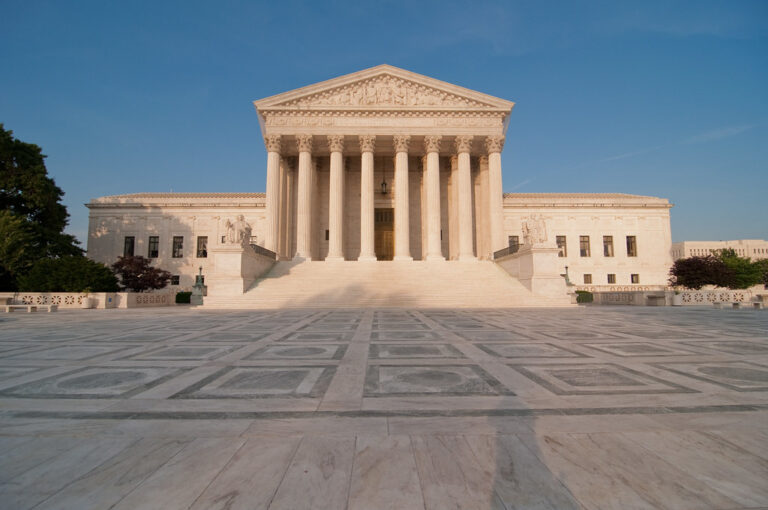
Trump’s Supreme Court Threats Alarm Nation

0

Key Takeaways

• Former President Trump fired off late-night messages threatening the Supreme Court.
• He claimed a negative tariff ruling could cost the U.S. over $3 trillion.
• Trump warned of an “insurmountable national security event.”
• He then urged a troop deployment to curb crime in Chicago’s Miracle Mile.

Trump’s Late-Night Supreme Court Threats

Former President Donald Trump spent the dark hours posting on Truth Social. His messages aimed veiled warnings at the Supreme Court. He urged justices to consider dire economic risks. Then he pivoted to call for troops in Chicago. His moves have stirred fresh debate over presidential pressure on the courts.

Why Trump Turned on the Supreme Court

Trump faces a legal fight over his power to impose tariffs without congressional approval. He fears the Supreme Court might rule against him. Previously, he said losing would force him to repay $2 trillion. Late at night, he jumped that figure to $3 trillion. He claimed this higher total could cripple the nation.

What Trump’s Supreme Court Threats Mean

Supreme Court threats from a former president are almost unheard of. Yet, Trump framed his warning as a defense of national security. He argued that undoing his tariff plans would risk an “insurmountable national security event.” Moreover, he claimed no recovery could cover such losses.

Trump’s Posts on Truth Social

In a late-night post, Trump wrote that the court had “been given the wrong numbers.” He insisted that unwinding his tariffs, including all investments and fund returns, would exceed $3 trillion. Then, in dramatic fashion, he warned that such a blow would be “devastating to the future of our Country – Possibly non-sustainable!”

Furthermore, he subtly reminded followers that courts must consider the full impact of their rulings. He made clear he expects the Supreme Court to factor in economic and security consequences.

A Shift to Chicago Crackdown

Shortly after, Trump turned his attention to Chicago. He misnamed the city’s iconic Magnificent Mile as the “Miracle Mile Shopping Center.” He noted a 28 percent vacancy rate among its shops. Then he demanded, “CALL IN THE TROOPS, FAST, BEFORE IT IS TOO LATE!”

Trump’s move to involve the military in local policing stunned many. However, he argued that violent crime in Chicago endangers Americans and local businesses. He painted a picture of a city on the brink and urged immediate action.

Economic Stakes and the $3 Trillion Warning

At the heart of Trump’s Supreme Court threats lies the economic fallout from his tariff push. He claims that U.S. industries and investors poured money into his trade policies. Undoing those policies, he warns, could trigger massive losses. Moreover, he insists that a financial shock of this size would ripple through markets and weaken national defenses.

National Security on the Line

Trump framed the possible court decision as a threat to national security. He stated that reduced revenues from tariffs would limit funding for defense and border security. Therefore, he argued, the Supreme Court must weigh more than legal questions. They must consider the survival of the nation.

Legal Experts Push Back

Legal analysts point out that no court has ever backed down under such public pressure. They note that justices value their independence above all. Furthermore, they say economic impact alone cannot override law. Yet, Trump’s Supreme Court threats draw attention to the delicate balance between branches of government.

The Supreme Court, of course, must decide based on the Constitution. It must interpret whether Trump exceeded his authority. Courts typically avoid political influence, focusing on legal precedent instead.

Political Reactions and Fallout

Republican leaders offered mixed reactions. Some urged restraint, warning that public threats could erode trust in the judiciary. Others backed Trump’s call to defend American industries. Meanwhile, Democrats expressed alarm. They argued that courts must remain free from threats and intimidation.

In Chicago, the mayor rejected the idea of federal troops patrolling city streets. She insisted that local police can handle crime with proper funding. However, Trump’s mention of Chicago keeps the debate alive about federal intervention in city policing.

Following the Supreme Court Threats

Now, all eyes turn to the Supreme Court’s upcoming decision. Will justices heed the warnings etched in Trump’s posts? Or will they rule purely on legal grounds?

While the court prepares its ruling, political tensions are rising. Trump’s Supreme Court threats highlight a growing battle over executive power. Moreover, they underscore the risks when leaders pressure the judiciary.

Looking Ahead

As the nation waits, several outcomes remain possible:

• The court could side with Trump and uphold his tariff powers. In that case, he may claim victory and dial back his warnings.
• The court may reject his claims, forcing him to either repay funds or drop the issue.
• Prolonged legal fights could follow, further straining the economy and national unity.

Meanwhile, Trump’s Chicago demands will continue to spark debate on federal roles in local law enforcement. Ultimately, these late-night messages may shape political battles well beyond the courtrooms.

FAQs

What prompted Trump’s warnings to the Supreme Court?

He is fighting a case over his power to impose tariffs. He claims a negative ruling could cost over $3 trillion and harm national security.

Could a court decision really cost $3 trillion?

Experts doubt losses would reach that level. However, Trump argues the full economic fallout, including investments and returns, could hit those sums.

Why did Trump call for troops in Chicago?

He cited rising crime and high shop vacancies in the “Miracle Mile.” He urged rapid federal intervention to restore safety.

Do Supreme Court threats work?

Historically, the court guards its independence and resists external pressure. Justices focus on legal principles rather than political warnings.

Trump Lies Exposed: How Reality Clashes with His Claims

0

Key Takeaways

  • President Trump repeatedly claimed that prices fell under his watch.
  • A CNN fact checker proved his statements false.
  • Grocery, gas, and prescription drug costs all rose since January.
  • Inflation remains around 3 percent, not “almost nonexistent.”
  • Fact checking helps hold leaders accountable for the truth.

Trump Lies Revealed in a Week of False Economic Claims

Over one week, President Trump claimed prices have plunged across the board. He insisted groceries, gas, and drug costs are much lower now. Yet official data shows they have all climbed. Fact checker Daniel Dale documented each false statement. In turn, many Americans felt confused and misled. This article examines key examples of Trump lies and explains why accuracy matters.

How Trump Lies on Prices Compare to Data

First, the president said “every price is down” under his leadership. However, the consumer price index rose by 1.7 percent since January. Moreover, he claimed inflation is “almost nonexistent,” though it has stayed near three percent. Next, he asserted groceries have fallen sharply, but food costs rose 1.4 percent over nine months. Even more striking, he boasted prescription drug prices dropped by impossible margins like “1,200 percent.” Finally, he declared gas prices plummeted to the lowest in two decades, though the average remains above three dollars per gallon.

False Claims on Overall Inflation

President Trump told audiences that inflation is nearly gone. He said it dropped to two percent. Yet government figures show it hovered around three percent this year. Therefore, his message clashed directly with official updates. Inflation affects every household’s budget, from rent to utilities. When leaders make false claims, they risk eroding public trust. Fact checking corrects the record and helps voters make informed decisions.

Groceries Myths and Misinformation

During public events, Trump insisted grocery prices fell “substantially.” He even said items cost far less now than under President Biden. In reality, grocery bills climbed steadily since January. Popular staples like bread, meat, and produce all cost more. Shoppers have felt these increases on every trip to the store. By ignoring honest data, the president spread confusion. As a result, families may hold unrealistic expectations about their budgets.

Gas and Drug Price Exaggerations

Gas prices became another target of Trump lies. He claimed they sank to the lowest level in twenty years. Yet the national average hovers around three dollars per gallon. Similarly, he made absurd promises about drug prices. He joked about cutting prescription costs by “1,200 percent,” a mathematical impossibility. These statements built a false narrative. Meanwhile, drivers and patients face real costs that keep climbing. Fact checking reveals the truth behind such misleading claims.

Why Fact Checking Matters

Accurate information is vital for a healthy democracy. When leaders spread falsehoods, citizens cannot make sound choices. Moreover, false claims on prices can affect markets and consumer behavior. Reporters like Daniel Dale play a key role. They investigate statements, compare them to data, and highlight errors. As a result, news outlets can correct public misunderstandings quickly. In the long run, this practice helps restore trust in both the media and elected officials.

What This Means for Public Trust

Repeated false statements can erode confidence in leadership. When citizens doubt official reports, they may question all sources. This cycle of doubt can harm civic engagement and policy support. On the other hand, holding public figures accountable encourages honesty. Thus, voters can reward truthfulness at the ballot box. Moving forward, transparent communication should remain a top priority for every public office.

Conclusion

President Trump’s week of false economic claims shows how easily misinformation can spread. By contradicting official data on inflation, groceries, gas, and drugs, he misled millions. Thankfully, dedicated fact checkers corrected the record. In turn, readers can rely on accurate information to shape their views. As citizens, we all benefit when public debate rests on facts rather than fiction.

Frequently Asked Questions

What evidence disproves the claim that “every price is down”?

Official consumer price index data shows a 1.7 percent rise since January. Key categories like food, energy, and housing all increased.

How high has inflation been this year?

Inflation has stayed close to three percent. This rate reflects the average change in consumer goods and services costs.

Did grocery prices really drop under the current administration?

No. Grocery costs rose by about 1.4 percent between January and September. This increase affected common items such as dairy, meat, and produce.

Why are accurate economic statements important?

Honest reporting of prices and inflation helps families plan their budgets. It also guides policy decisions and maintains trust in leadership.

Could Trump Use Military Deployment in Cities?

0


Key Takeaways:

  • Trump’s lawyers told the Supreme Court the president could send active duty troops to enforce immigration laws.
  • They argued active duty military officers could handle violent resistance better than the National Guard.
  • Critics say using the regular military for domestic law enforcement could break the Constitution.
  • Tens of thousands of migrants were detained so far under the Trump administration’s raids.
  • Legal experts and courts are weighing whether such military deployment is lawful.

Understanding Military Deployment Under Trump

President Trump and his team are in a heated debate over whether active duty troops can enforce immigration laws on U.S. soil. In recent Supreme Court arguments, Solicitor General D. John Sauer said that “the standing military was undoubtedly an available option.” He meant that instead of calling the National Guard, the president could have sent the regular military. This idea of using military deployment inside cities has sparked major concern and legal battles.

First, it is important to know what military deployment means. In this context, military deployment refers to sending U.S. soldiers into American cities to carry out law enforcement actions. Usually, the National Guard handles hometown emergencies and civil disturbances. But the Trump team argued that active duty forces could also step in during an “insurrection” or to enforce federal immigration laws.

Why the Trump Team Suggested Active Duty Troops

The administration faced growing challenges with violent resistance during immigration raids. Tens of thousands of migrants were detained across many states. Some local protests and clashes with immigration officers made the situation more tense. In court, lawyers said regular soldiers could have quelled violent resistance more effectively than Guard units. They stated that military deployment could have prevented property damage and kept officers safer.

Moreover, President Trump has repeatedly claimed that he has unlimited authority to deploy the military for domestic law enforcement. He argued this power stems from his role as commander in chief. However, legal experts point out that the Constitution and federal law set strict limits on this authority.

Legal Battles over Military Deployment

Currently, courts are deciding if the immigration raids themselves are lawful. Meanwhile, Trump’s lawyers face the even bigger issue of justifying a domestic military deployment. Federal law allows a president to use active duty troops during genuine insurrections or when the country faces a serious threat. Yet, the administration has struggled to prove that the raids meet those conditions.

In the Supreme Court, Solicitor General Sauer told justices that active duty troops were a “viable option” to support federal immigration officers. He argued there is historical precedent for sending the regular military to quell large-scale disturbances. Furthermore, he claimed that choosing the National Guard over active duty soldiers was simply a policy decision, not a legal requirement.

However, opponents argue that using the military for routine law enforcement violates the Posse Comitatus Act. This law bans the use of federal troops to enforce domestic policies, unless Congress approves. They also warn that deploying troops in cities could scare immigrants and raise fears of a military state.

What the Constitution Says

The U.S. Constitution gives the president power to call forth the militia and the military in certain cases. Article I, Section 8, and the Insurrection Act allow a president to respond to domestic unrest. But those powers are narrow. The Insurrection Act requires either a call from a state governor or a declaration that federal law is obstructed.

As Sauer acknowledged, there is “a strong tradition in this country of favoring the use of the militia rather than the standing military to quell domestic disturbances.” In other words, the National Guard should usually handle homefront emergencies. Only in rare, grave situations should the active duty military step in. Even then, most experts say the president must meet high legal standards.

Moreover, several Supreme Court decisions have underscored the importance of civilian control and checks and balances. They warn against unchecked presidential power. If courts allow broad military deployment for everyday law enforcement, they risk eroding civil liberties.

Possible Impact on Cities and Communities

If the Supreme Court sides with Trump’s argument, cities might see active duty soldiers patrolling streets alongside Border Patrol agents. That could change how communities feel about federal enforcement. Immigrants and many U.S. citizens might feel intimidated by armed troops in city centers.

Furthermore, local police departments often work with the National Guard during major events or disasters. They receive specialized training to blend in with civilian law enforcement. Active duty soldiers, on the other hand, train for combat, not crowd control or community policing. This mismatch could lead to wrongful arrests, use of excessive force, and heightened tensions.

On the other hand, supporters of military deployment say active duty troops bring advanced training and resources. They believe soldiers could process detainees faster, secure perimeters better, and provide medical aid when needed. In their view, this approach could make operations safer and more efficient.

However, many experts caution that the potential gains do not outweigh the risks to constitutional order and public trust. They fear citizens will view the government as overly militarized. As a result, people might resist cooperation with law enforcement, creating a cycle of mistrust.

Transitioning from National Guard to active duty military officers also raises logistical issues. Troops need housing, equipment, and clear rules of engagement. Command structures differ between the Guard and the regular military. Without careful planning, these differences could hamper operations and put both soldiers and civilians at risk.

In Addition, the political fallout could be severe. Elected officials in states like Illinois and California have openly condemned the idea. They say they will challenge any attempt to bypass their governors. Legal fights could drag on for months or years, leaving communities in limbo.

Conclusion

The debate over military deployment in American cities centers on big questions: How far can a president go to enforce federal laws? What balance should exist between national security and individual rights? As the Supreme Court hears arguments, millions are watching to see if active duty troops will ever march on U.S. streets. The decision will shape the future of domestic law enforcement, presidential power, and community trust.

FAQs

What is military deployment in this context?

Military deployment refers to sending active duty soldiers into U.S. cities to assist or carry out law enforcement tasks. It differs from using the National Guard, which usually handles domestic emergencies.

Can the president legally deploy troops on American soil?

The president can deploy troops under the Insurrection Act if a state’s government requests help or if there is an obstruction of federal laws. But broad use for ordinary law enforcement is restricted by the Posse Comitatus Act.

Why did Trump’s lawyers mention active duty military?

They argued that regular soldiers could control violent resistance during immigration raids more effectively than the National Guard. They claimed this was a lawful option approved by history.

How could military deployment affect communities?

Active duty soldiers are trained for combat, not community policing. Their presence might intimidate residents, increase tension, and raise concerns about civil rights.