57.4 F
San Francisco
Monday, May 4, 2026
Home Blog Page 253

Laney College Coach Shooting Shocks Community

0

Key Takeaways:

  • Police say the suspect targeted Beam, a coach at Laney College.
  • Authorities have not released a motive for the shooting.
  • The suspect is now in custody without reported injuries to others.
  • Campus activities paused briefly before resuming safely.
  • Community members rallied in support of Coach Beam and students.

Early on Saturday, a shooting at Laney College shook students and staff. Police say the suspect aimed directly at Coach Beam. No one else was harmed. Campus leaders paused classes and activities to ensure safety. Soon after, officers took the suspect into custody. Later, classes resumed with added security checks. However, police have yet to explain why the suspect attacked Beam. Meanwhile, friends and fellow coaches offered their support. This incident raised many questions about campus safety and violence. Yet community members vowed to stand together and heal.

Understanding the Laney College Coach Shooting

First, the shooting happened just before dawn. Coach Beam arrived on campus to prepare for an early practice. Suddenly, the suspect confronted Beam and opened fire. Security cameras caught the suspect fleeing on foot. Within minutes, officers arrived and tracked the suspect nearby. They arrested him without any struggle. The quick response helped prevent more harm. Afterwards, investigators searched the area for clues. However, they did not find a clear motive. As a result, families and students are left seeking answers.

Incident Details

On Saturday at 6:15 a.m., campus security reported gunshots near the practice field. Officers rushed to the scene within three minutes. They found Coach Beam on the ground with non-life-threatening wounds. Paramedics treated him at a nearby hospital. After a short time, medical staff released Beam. He walked out with support from his teammates. During this period, officers cordoned off the area. They interviewed witnesses and reviewed video footage. Meanwhile, students gathered in safe zones until staff gave the all-clear. By 9:00 a.m., classes resumed under a visible police presence.

Police Response

The police chief held a news briefing shortly after the arrest. He confirmed that officers arrested the suspect without firing any shots. The suspect remains in jail on suspicion of attempted murder. Police have not yet disclosed any details about his background. They are also investigating any links to the college or Beam’s coaching career. Furthermore, detectives are interviewing people close to the suspect. They hope to learn more about his motive. In addition, campus police plan to increase patrols around practice areas. This step aims to reassure students and staff alike.

Community Reaction

Soon after news broke, students and local residents expressed shock. Many took to social media to send prayers to Coach Beam. Others organized a vigil on campus later that evening. During the vigil, speakers called for unity and safety. They lit candles and shared memories of positive moments with Beam. Several teammates spoke about his kindness and dedication. A few even described how Beam inspired them to work harder. City officials attended and promised extra support for campus security. In that way, the community showed it would not be divided by fear.

About Laney College Coach Beam

Coach Beam joined Laney College three years ago. Since then, he led the basketball team to several winning seasons. He earned praise for his calm leadership and focus on students. Under his guidance, many players improved grades and discipline. Also, Beam volunteered at local youth centers on weekends. He often spoke about the power of sports to build character. Students remember him as fair but firm during training. They say his approach helped them grow both on and off the court. Therefore, the shooting came as a shock to everyone who knew him.

What We Know and Don’t Know

So far, police confirm only a few facts. We know Coach Beam was the target and is now recovering. The suspect is in custody, and no one else was hurt. Yet the motive remains unclear. Investigators have not released any statements on why Beam was targeted. They have not tied the shooting to any group or ideology. Thus, rumors and speculation have started to spread online. Despite this, officials urge people to wait for verified information. They ask anyone with tips to contact the local police department.

Campus Safety Measures

In response to the shooting, Laney College has taken several steps. First, they boosted security on campus paths and parking lots. Guards now patrol early mornings and late evenings. Also, the college installed extra lighting near practice fields. Students and staff may carry campus alerts on their phones. These alerts give real-time updates on any emergencies. Additionally, the college held safety workshops this week. In these sessions, counselors offered advice on dealing with trauma. They also explained how to report suspicious behavior.

Looking Ahead

Moving forward, investigators will keep looking into the case. They hope to learn why the suspect targeted Beam. At the same time, the college will keep improving mental health support. They plan more counseling sessions for students and staff. Meanwhile, the basketball team will practice with extra security in place. Coaches will check in on players more often. In that way, they aim to ease worries about safety. Above all, the community seeks to come together in solidarity. They want to support Coach Beam and ensure such violence never repeats.

Frequently Asked Questions

What exactly happened during the campus shooting?

Early Saturday, a suspect fired at Coach Beam on Laney College grounds. Beam suffered non-life-threatening wounds. The suspect fled but was arrested nearby without more injuries.

Why do authorities believe Beam was targeted?

Police stated that the suspect aimed directly at Beam. Beyond that, they have not released any motive yet. Investigators continue to search for reasons and evidence.

Is the college safe now after the shooting?

Campus leaders increased patrols and lighting near practice areas. They also run safety workshops and send alerts to students’ phones. These measures aim to keep everyone safer.

How can students get support after this incident?

Laney College offers counseling sessions and trauma workshops on campus. Students can visit the counseling center or talk with staff members for help and guidance. Source: https://www.nydailynews.com/2025/11/17/john-beam-shooting-death-suspect-charged-murder/

Sunset Park Shooting: Man Shot at Dawn

0

Key Takeaways:

  • Police arrived at the scene at 5:03 a.m.
  • A 31-year-old man was shot in the chest and back.
  • The incident occurred at 50th St. and Third Ave in Sunset Park.
  • No arrests have been made as the investigation continues.

Sunset Park Shooting Found at 50th St. and Third Ave

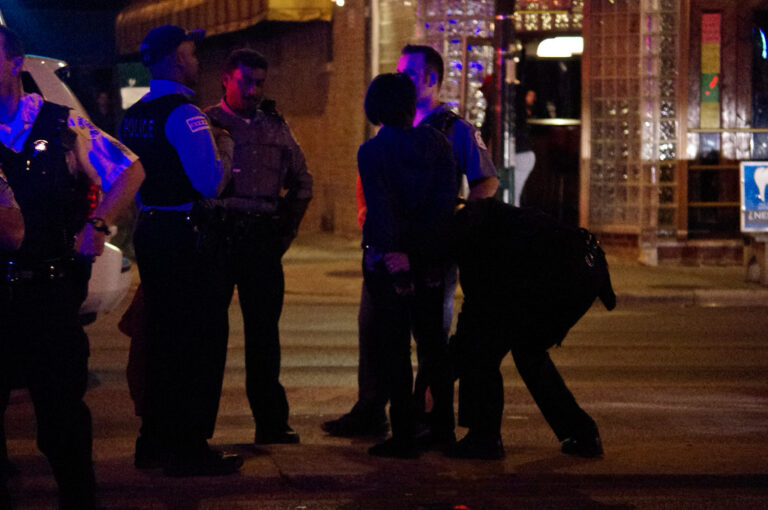
The Sunset Park shooting took place just after 5 a.m. Officers rushed to the corner of 50th Street and Third Avenue. When they arrived, they saw a man lying in the street. He was 31 years old and had been shot in the chest and back. Emergency crews treated him at the scene and then took him to the hospital. His condition remains unclear. Investigators believe witnesses may hold the key to what happened.

Police Respond to Sunset Park Shooting

Officers blocked off the area and asked neighbors if they saw anything. They collected shell casings and searched for surveillance footage. Moreover, detectives spoke with local business owners to find clues. However, so far, no suspect has been arrested. Police said they would release more details once they verify the facts. In addition, patrols in Sunset Park stepped up to reassure residents and keep the peace.

Victim’s Condition and Investigation

The victim was taken to a nearby trauma center. At this time, doctors have not given an update on his health. Meanwhile, detectives are piecing together the early-morning events. They hope that phone videos or eyewitness accounts can provide a clearer picture. For example, one resident said he heard three loud pops, then saw people running. As a result, investigators are reviewing calls to 911 and asking anyone with tips to come forward.

Community Reaction

Residents in Sunset Park say they feel both shocked and worried. “I never thought I’d hear something like this so close to home,” said one neighbor who asked not to be named. Many parents are now talking about safety with their children. In addition, local volunteers plan a meeting to discuss crime prevention. They want to work with police and community leaders to keep their streets safe. Finally, faith groups have offered support services to anyone affected by the shooting.

Sunset Park Shooting Context

This Sunset Park shooting is part of a recent uptick in early-morning violence in Brooklyn. In the past few months, similar incidents occurred in nearby neighborhoods. City officials point to rising tensions, more weapons on the street, and fewer youth programs. However, community advocates say that investing in parks and after-school activities can help. They believe that stronger community ties make it harder for violence to grow.

Safety Tips After the Shooting

After the Sunset Park shooting, police shared simple steps to stay safe:

  • Stay in well-lit areas, especially at night.
  • Walk with a friend or in a group.
  • Keep your phone charged and ready to call for help.
  • Report any suspicious behavior to 911 or the local precinct.
  • Sign up for neighborhood watch alerts to receive updates.

Neighborhood Watch and Resources

Local groups are asking residents to join the neighborhood watch. Volunteers will meet weekly at a community center near Third Avenue. They will share safety tips and discuss any recent reports. Additionally, the local council member plans to host a town hall on public safety. The meeting will include police representatives and social service agencies. As a result, neighbors hope to build trust and work together to reduce crime.

What’s Next in the Investigation

Detectives continue to follow leads in the Sunset Park shooting. They have asked anyone with camera footage to share it with investigators. Also, they plan to interview more witnesses in the coming days. Police expect to release a sketch of a possible suspect soon. Meanwhile, patrols remain high in the area. In addition, community groups will hold a candlelight vigil this weekend to support the victim and his family.

Understanding the Impact

A shooting like this can leave lasting fear in a neighborhood. Local businesses may see fewer customers in the early hours. At the same time, students and workers might avoid passing through dark streets. Moreover, people living here could change their travel routes. Therefore, community leaders stress the importance of unity. They say that working together can help people feel safer and rebuild trust.

Long-Term Solutions

While police work to solve this case, residents are calling for long-term fixes. They suggest more street lights and security cameras at major intersections. In addition, they want increased funding for youth programs to keep teens busy after school. Some also support hiring more social workers to help families in need. With these steps, they hope to reduce the chance of another Sunset Park shooting or any violent act.

Staying Informed

To stay updated on the Sunset Park shooting, residents can:

  • Follow local news outlets on social media.
  • Sign up for email alerts from the police department.
  • Attend community meetings where updates are shared.
  • Check neighborhood bulletin boards at community centers.

Community Solidarity

Despite the fear and uncertainty, many people in Sunset Park are coming together. Local churches offered prayer services for the victim. Volunteers handed out flyers reminding neighbors to look out for each other. Even small acts, like checking on elderly residents, help build trust. As one volunteer put it, “We won’t let fear divide us. We stand together.”

FAQs

What happened during the Sunset Park shooting?

A man was shot in the chest and back near 50th Street and Third Avenue. Police arrived around 5:03 a.m. and took him to the hospital.

Where did the shooting take place?

The shooting occurred at the corner of 50th Street and Third Avenue in the Sunset Park neighborhood of Brooklyn.

Have any suspects been arrested?

No arrests have been made yet. Police are reviewing video footage and interviewing witnesses to find the suspect.

How can I help with the investigation?

If you saw anything or have video of the area around the shooting time, call the local precinct or submit tips online. Your information could help solve the case. Source: https://www.nydailynews.com/2025/11/17/man-shot-chest-back-early-morning-brooklyn-killing/

McBride performance Dazzles Fans

Key Takeaways

  • McBride had a game-high 25 points on 10-of-23 shooting
  • He poured in 12 points during the fourth quarter
  • His late rally helped clinch a narrow win
  • Teammates and defense played key supporting roles
  • Fans celebrated his clutch plays after the buzzer

Last night, McBride led his team to a tight victory with a standout show. He scored 25 points on 10-of-23 shooting. Moreover, he found his rhythm when it mattered most. In the fourth quarter, McBride slipped past defenders and nailed three crucial shots. His teammates fed him the ball with trust. As a result, the squad pulled ahead in the final minutes. The crowd roared each time McBride hit the rim. They knew they were watching something special. By the end, his effort carried everyone to triumph.

The game opened with both teams trading baskets. Early on, McBride faced tough defense. Nevertheless, he attacked the rim with bold moves. He grabbed rebounds and pushed the pace in transition. His floor vision also stood out. He chipped in four assists to keep the offense flowing. However, shooting felt off in the first half. His makes were scattered, and misses piled up. Yet, his focus never wavered. He kept working until he found his shot.

Breaking Down McBride performance

The McBride performance featured big plays and smart decisions. To start, he hit 3-point shots off screens. Then he attacked in the paint to draw fouls. His free-throw shooting gave the team steady points at the line. In total, he made 5 free throws. Defensively, McBride blocked two attempts and snagged six rebounds. Transitioning from one end to the other, he forced turnovers. His quick hands led to three steals. In addition, he hustled back on defense after every score. Those efforts prevented fast breaks and kept the lead intact.

Furthermore, his court awareness stood out. He moved without the ball to create space. When teammates cut, he delivered precise passes. His chemistry with the point guard looked seamless. Meanwhile, his mid-range jumper regained confidence in the third quarter. Slowly, the shots began to fall. As momentum shifted, the McBride performance caught fire. That energy lifted the whole squad.

How McBride performance Shaped the Game Outcome
Late in the fourth quarter, the score was tied. With under two minutes left, McBride took over. After a timeout, he received the ball at the elbow. He faked a drive, then drained a key jumper. That basket sent fans into a frenzy. On the next defensive stand, he hustled for a loose ball. He pushed it full court and found an open teammate. The pass led to a layup that gave the lead back. In the final seconds, McBride sealed the game with a signature drive and finish at the rim. His clutch play prevented any chance of a comeback.

Team defense also rose to the challenge. Teammates rotated well to cover shooters. The interior protected the paint when opponents tried to cut inside. Coaches praised the collective effort after the final buzzer. Still, they agreed the McBride performance was the deciding factor. He showed leadership by example. His late scoring spurt delivered the win.

What’s Next for McBride and Team

After this game, the squad faces a tough road trip. They will play two back-to-back contests against strong rivals. Confidence from this win could spark another run. McBride will aim to build on his recent success. Coaches expect him to keep sharing the ball. Meanwhile, fans will watch social media buzz about his feat. Overall, the team hopes this victory creates lasting momentum.

FAQs

How many points did McBride score in the game?

McBride scored a game-high 25 points in last night’s contest.

What was McBride’s shooting line?

He shot 10-of-23 from the field and made 5 free throws.

Did McBride contribute in other ways?

Yes, he grabbed six rebounds, had four assists, and forced three steals.

What comes next for McBride and the team?

They head out on a road trip with two back-to-back games against tough opponents. Source: https://www.nydailynews.com/2025/11/17/knicks-go-ice-cold-from-deep-again-in-wild-ending-lose-to-heat-115-113/

Wicked Stunt at Asian Premiere Lands Man in Jail

0


Key Takeaways

• A 26-year-old man performed a risky stunt at the “Wicked: For Good” Asian premiere in Singapore.
• He climbed onto the stage and held up a banner during the live event.
• Singapore courts deemed his act a public nuisance and trespass.
• The man, Johnson Wen, received a nine-day jail sentence.
• His stunt sparked debate about fan culture and public safety.

Inside the Wicked Stunt at the Asian Premiere

Singapore’s legal system moves swiftly when public order feels at risk. Recently, Johnson Wen, 26, stood before a judge. He admitted to causing a scene at the “Wicked: For Good” Asian premiere. His bold move became known as the Wicked stunt. Security guards stopped him after he dashed onto the stage. They removed his banner and led him away in handcuffs.

Wen told officers he only wanted attention for a fan page. However, the court felt his act violated local laws. The judge said public events need clear safety rules. Wen’s stunt broke those rules. Therefore, he faced charges of public nuisance and trespass. In the end, the court handed down a nine-day jail term.

How the Wicked Stunt Unfolded

On premiere night, fans filled the theatre lobby. They waited in long lines for the movie stars. Suddenly, Wen sprinted past security ropes. He wore casual clothes but carried a large green banner. The banner read “Free Spotted Witch” in bold letters. Before anyone could react, he leaped on stage.

He waved the banner in front of cameras. Reporters and guests gasped. Amid the chaos, some fans cheered. Others shouted for security. Within seconds, four guards surrounded Wen. They grabbed him and led him off the stage. Meanwhile, the banner fell to the floor.

After the stunt, event staff sealed off the stage exit. They checked security footage. Hotel security detained Wen until police arrived. Officers questioned him for nearly two hours. Wen admitted his plan. He said he hoped to go viral on social media. Yet, he did not foresee jail time.

Why the Stunt Was Illegal

Singapore has strict rules to protect public events. Trespassing on private property can lead to fines or jail. Also, causing a public nuisance can carry heavy penalties. The court noted that Wen risked people’s safety. His reckless act could have caused panic.

Furthermore, the theatre authorities had no chance to react safely. If a crowd had surged, someone might get hurt. In addition, the stunt distracted emergency exits. Under local law, such behavior qualifies as “affray.” That term covers acts that threaten public order. As a result, the judge decided on a firm sentence.

Court Verdict and Sentence

Wen pleaded guilty to two charges: public nuisance and trespass. The prosecution described his act as “dangerous and irresponsible.” They argued a light penalty might encourage copycats. The defense lawyer emphasized Wen’s clean record. He also pointed out Wen showed remorse and apologized.

However, the judge highlighted the need for deterrence. In the sentencing hearing, the judge said: “Public safety comes first. We cannot allow stunts that defy rules.” Thus, Wen received nine days in jail. He also must pay a small fine to cover court costs.

The sentence begins on the day he lost bail. However, he may serve only six days if he earns good behavior credits. After release, Wen must report to a probation officer for two months. He faces stricter rules if he breaks probation.

Reactions and Impact

News of the verdict spread quickly online. Social media users debated the fairness of the sentence. Some called the punk act “harmless fun.” Others said any breach of rules deserved serious punishment.

A local lawyer commented: “Singapore treats public order with strict measures. Fans must respect event boundaries.” Meanwhile, a film critic warned that stunts like this could endanger cast and crew. He wrote: “Premieres involve heavy equipment and lighting cables. One false move can injure someone.”

On the fan page Wen created, some followers defended him. They said the banner message was silly but not criminal. Others urged fans to avoid similar stunts. They noted that jail time could ruin one’s career.

Experts say this case may change security at future events. Venues might add protective barriers or increase patrols. In addition, organizers could require stricter ID checks. Overall, the stunt led to a serious legal lesson.

Lessons Learned

The Wicked stunt reminds us that actions have consequences. Public events can be thrilling, but they follow rules. Even if you aim for online fame, you must consider safety. In addition, respect for property and people matters most. As a result, creative ideas should stay within legal boundaries.

For fans, this case offers clear advice: cheer for stars, but stay in your seat. Don’t block exits or distract emergency teams. Above all, remember that one dare can cost you freedom.

FAQs

What law did Wen break with his stunt?

He was charged with public nuisance and trespass. These laws protect public safety and private property.

Why did the court give nine days instead of a fine?

The judge felt a jail term would deter copycats and uphold public order at events.

Could Wen reduce his sentence?

Yes. With good behavior credits, he may serve only six days in jail.

How can future events prevent similar stunts?

Organizers can add barriers, boost security staff, and enforce clear entry rules. Source: https://www.nydailynews.com/2025/11/17/ariana-grande-wicked-singapore-prison-sentence/

Will the Comey Case Collapse? Ex-Prosecutor Speaks

0

Key Takeaways

  • A judge ordered prosecutor Lindsey Halligan to hand over grand jury tapes in the Comey case.
  • Former federal prosecutor Kevin Flynn says this order shows “extraordinary” issues in the Comey case.
  • Experts doubt the legality of Halligan’s appointment and expect the Comey case to fall apart.
  • Flynn predicts the Department of Justice may drop the charges rather than face a court “destroying” Pam Bondi.

Inside the Comey Case Drama

Former FBI Director James Comey now faces two counts of obstruction of justice and lying to Congress. This surprising move has sparked heated debate. Meanwhile, doubts are rising about how solid the Comey case really is. Last week, a judge demanded tapes of the prosecutor’s talks with the grand jury. Many see this as proof of serious problems in the proceedings.

Why the Judge Ordered Tapes

On the podcast “All The King’s Men,” Kevin Flynn, a former federal prosecutor, said he’s never seen a judge order grand jury tapes. He called it “extraordinary.” He added that such an order suggests possible abuse during the grand jury process. In other words, the Comey case might not follow normal rules.

Flynn explained that the judge’s demand covers “what the prosecutors said to the grand jury.” He said these tapes could reveal bias or improper influence. Moreover, part of the recordings are missing. This gap adds more questions about whether the process is fair. Therefore, observers worry the tapes might unravel the entire Comey case.

Experts Warn About the Comey Case

Alongside Flynn, another former prosecutor, Glenn Kirschner, joined the podcast discussion. They both noted concerns over Lindsey Halligan’s appointment. Halligan is a Trump-appointed attorney working under Attorney General Pam Bondi. Critics argue her hiring may not meet legal standards. As a result, they doubt the foundation of the Comey case.

According to these experts, any flaw in Halligan’s authority could force courts to throw out the case. They say a judge could rule that she lacked power to bring charges. Furthermore, explosive testimony from grand jury members might back up claims of misconduct. Thus, the Comey case could collapse on multiple fronts.

Potential Fallout in the Comey Case

Flynn predicted that the Department of Justice might drop the case rather than endure a harsh court ruling. He warned that Halligan and Bondi could face public “destruction” by the judge. Such an outcome might damage their reputations and careers.

If prosecutors lose this battle, it may also undermine public trust in the DOJ. Critics already accuse the Justice Department of political bias. Consequently, a failed case against a high-profile figure like Comey could feed that narrative. Therefore, DOJ leaders may decide to step back before the court hands down a scathing opinion.

Timeline of Key Events

• Investigation Opens: Trump-appointed team launches inquiry into Comey’s actions.
• Grand Jury Sessions: Witnesses appear to consider obstruction and false statement charges.
• Tapes Ordered: Judge demands records of Halligan’s grand jury discussions.
• Experts Speak Out: Flynn and Kirschner cast doubt on the case’s legality.
• Predicted Dismissal: Flynn says DOJ may drop charges to avoid a damaging court ruling.

How the Tapes Could Change Everything

First, the tapes might show Halligan gave improper instructions to the grand jury. If so, lawyers for Comey could ask for the entire case to be dismissed. Second, missing recordings may hint at deliberate hiding of evidence. That alone could violate Comey’s rights to a fair process. Third, if grand jury witnesses testify under oath about pressure tactics, the judge may find “abuse” as Flynn suggested. All of these factors challenge the Comey case.

Legal experts say it is rare for a grand jury probe to hit such roadblocks. Usually, prosecutors control every step. However, the judge’s order to reveal their private talks is almost unheard of. Therefore, the Comey case might become a landmark for grand jury transparency.

What Comes Next for the Comey Case

At the moment, both sides must submit the tapes and any missing material. Then the court will review them in a closed session. Following that, the judge could hold hearings to question Halligan and grand jury members. During these hearings, startling revelations could come to light.

If the judge finds serious misconduct, he could:

• Throw out the indictment
• Order a new grand jury
• Sanction the prosecutors
Each of these actions would deal a heavy blow to the Comey case.

In response, the Department of Justice may choose to negotiate a dismissal. They might claim the tapes revealed no new evidence. Or, they could argue that it’s not worth pursuing a case with legal clouds hanging over it. Meanwhile, Lindsey Halligan and Pam Bondi would likely retreat into defense mode. They would argue they acted within their authority at all times.

Political Implications

The outcome of the Comey case could shake Washington. Should the DOJ drop charges, critics of President Trump’s allies will celebrate. They will see this as proof of political games in the Justice Department. Conversely, if the case moves forward despite flaws, Democrats will accuse the White House of protecting its friends. Either way, the case is poised to deepen partisan divides.

Moreover, James Comey himself has become a symbol of FBI independence for many. A failed prosecution may reinforce his image as a public servant unfairly targeted by political rivals. On the other hand, a conviction would mark a stunning fall for a man who once oversaw major federal investigations.

How This Affects Grand Jury Secrecy

Traditionally, grand jury proceedings stay secret. Prosecutors enjoy wide latitude in guiding jurors. However, this case could set a new precedent. If judges can order tapes in cases of suspected abuse, future probes may see more oversight. Defense teams might demand recordings whenever they sense irregularities. Consequently, the Comey case may shape how grand juries operate for years to come.

Final Thoughts on the Comey Case

In short, the Comey case is at a critical point. With grand jury tapes now public, the foundation of the prosecution looks shaky. Leading voices like Kevin Flynn predict an ultimate collapse or a court ruling that devastates top prosecutors. Thus, all eyes are on the judge’s next moves. Will the case survive these challenges, or will it vanish under legal scrutiny? Only time will tell.

Frequently Asked Questions

What led the judge to order grand jury tapes?

The judge found potential abuse in how prosecutors handled the grand jury. He wants to see their private talks to assess fairness.

Why do experts doubt Lindsey Halligan’s authority?

Critics argue her Trump-appointed role under Pam Bondi may not meet legal requirements for this case.

Could the Department of Justice drop the charges?

Yes. If the tapes expose major issues, the DOJ might dismiss the case to avoid a damaging court ruling.

How might this change future grand jury probes?

Depending on the outcome, courts could allow more oversight and even tape recordings in situations of suspected misconduct.

Republican Future: Trump vs Rising Stars Sparks GOP Fight


Key Takeaways:

  • A widening split hints at early battles for 2028.
  • Trump’s fading energy leaves space for rivals.
  • Ambitious Republicans quietly launch shadow campaigns.
  • Intra-party fights will shape the Republican future.

Republican Future

Republicans face a big test. Their most famous leader, Donald Trump, feels cracks in his base. At the same time, other leaders see a chance. They want to grab the spotlight. This fight over power will shape the Republican future.

Why Trump’s Base Is Shifting

Donald Trump once drew massive crowds. He used rallies like live polls to fine-tune his message. He said something bold and gauged the reaction. Yet polls now show him losing ground. He seems trapped in a bubble, unaware many of his own fans doubt him.

He also appears tired. Some say he lacks the energy to tour the country nonstop. Without new rallies, he loses real feedback. As a result, his messages may miss their mark. This drop in support worries top Republicans.

Meanwhile, social media has changed. Trump no longer dominates online debates the way he used to. His posts get fewer shares and less buzz. In effect, he lacks the stage he once owned.

Rising challengers shaping the Republican future

Now, Republican hopefuls eye 2028. They feel free to break from Trump’s style. They know blending in won’t work. If all rivals sounded the same, one name would stand out. Many see JD Vance as that pick. So these leaders choose different paths.

Ted Cruz wants to stress his record in the Senate. Marco Rubio highlights foreign policy and conservative values. Marjorie Taylor Greene uses bold social media hits. Each wants to prove they can lead without Trump’s help.

At the same time, these moves spark conflict. As they push their own brands, they challenge Trump’s grip on the party. They call out his mistakes or lack of energy. They no longer fear attacking his ideas.

What Triggers the GOP Power Struggle?

First, Trump’s strong hold has faded. Polls show his approval slipping below most rivals. Some supporters demand fresh faces. This shift invites open debate.

Second, the midterm elections are behind us. Republicans must look ahead to 2028. Leaders know they have years to build support. They start early to win name recognition.

Third, the party’s base has diverse views. Some favor hardline populism. Others want traditional conservatism. The battle over these ideas drives the fight.

Key Players in the New GOP Race

JD Vance remains a clear favorite. His book and Senate seat give him a platform. Yet he faces critics who say he lacks broad appeal.

Ted Cruz seeks to tie his record to conservative wins. He touts his work on judges and border security. He hopes this track record wins votes.

Marco Rubio uses his immigrant story. He speaks on global affairs. He aims to stand out on national security.

Marjorie Taylor Greene builds a strong social media brand. She charges into hot-button issues. She tries to rally the grassroots base.

These figures join others in the shadow 2028 campaign. They host events, fundraise, and drop hints about their plans. They test slogans and policies. All this jockeying marks early fights for the Republican future.

How the Infighting Could Shape 2028

First, these fights will define key issues. Will the party lean more populist or traditional? Will it focus on economy, culture, or foreign policy? Leaders will propose different visions. The winner sets the agenda.

Second, party unity could weaken. If these debates get too nasty, they risk dividing voters. A split party might struggle to win in a general election.

Third, new stars could emerge. A little-known politician could win a key primary and surprise everyone. That dynamic keeps the race unpredictable.

Therefore, both sides must balance bold moves with team spirit. They need to draw clear lines without tearing the party apart.

Looking Ahead: The Stakes of the Battle

The struggle over the Republican future matters for all voters. It affects policy on taxes, health care, immigration, and more. It also shapes America’s role on the world stage.

In short, this fight is more than gossip. It will decide who leads the GOP and how that person governs the country.

For supporters, the choice is clear: Back Trump or back change. Yet many want both. They admire Trump’s impact but crave fresh energy. This inner tug creates both tension and opportunity.

Meanwhile, the media will watch every move. It will hype debates and spin each quote. This coverage feeds the conflict. It also informs voters about real differences.

Ultimately, the GOP must find a balance. It needs unity to win elections. Yet it also needs new ideas to stay alive. The next few years will test the party’s ability to manage that tension.

The Republican future is far from certain. What we know now is that the coming war for power has already begun. It promises to reshape the party for years to come.

Frequently Asked Questions

What sparked the split in the Republican Party?

The split grew as Donald Trump’s energy lagged and his rallies lost buzz. Ambitious Republicans saw a chance to stand out and began testing their messages.

Why are Republicans focusing on 2028 so early?

After the midterms, leaders have time to build support. Early moves help boost name recognition and secure loyal donors for the long haul.

Can Trump regain full control of the party?

He could if he rebuilds momentum and reconnects with voters. Yet rivals now feel free to oppose him, making his task harder.

How might this fight affect voters?

Voters will see more debates on policies and personalities. They may choose between Trump’s approach or fresh conservative ideas. This choice will shape future elections.

Epstein Email Reveals Trump Assets Scheme

0

Key Takeaways

• A 2019 email from Jeffrey Epstein shows he knew Trump assets were inflated.
• Epstein called Trump a frontman for money laundering, noting he only rented his name.
• Courts later ruled Trump must pay $454 million for asset inflation.
• Epstein emailed himself to preserve proof if authorities seized his data.
• Trump’s legal battles continued, including claims against New York’s attorney general.

Why Epstein Document Matters for Trump Assets

A newly found email written by Jeffrey Epstein in January 2019 shines light on Trump assets. In it, Epstein describes how Donald Trump misrepresented the value of his holdings. Although Epstein died months later, the note shows he suspected Trump of financial tricks. This revelation adds new context to the lawsuit that forced Trump to pay a $454 million judgment for fraud.

Inside the 2019 Email

Epstein wrote the email to himself on January 15, 2019. He said that Trump “doesn’t really own very much.” Instead, Epstein said Trump “rents out his name” for a royalty or profit share. He then “claims the asset is his” and lists its value without deducting any loans. By reporting only gross receipts from his clubs, Epstein argued Trump assets showed meaningless numbers. He concluded Trump reported “ZERO” real income as we understand it.

The Fallout in Court

More than three years later, this pattern of inflated values led to a major civil case. New York’s Attorney General sued Trump for overvaluing assets to get better loan deals. A judge agreed that Trump had misled banks by overstating his net worth. In 2024, the court ordered Trump to pay $454 million in penalties. Although an appeals court later overturned the fine, the case exposed the tactics used to boost Trump assets on paper.

Why Epstein Wrote to Himself

It may seem odd to email yourself. Yet investigative reporter Barry Levine suggested Epstein feared law enforcement might seize his computers. By sending these notes, he created a backup record of his claims about Trump. If officials ever arrested him or searched his devices, the emails would remain in his account online. Therefore, Epstein likely used self-emails as a safety net and possible bargaining chip.

Aftermath and Retaliation

After losing the civil case, Trump responded by targeting Attorney General Letitia James. He accused her of inflating her own assets on a loan application. Critics say Trump’s criminal probe against James is political payback. Meanwhile, the unearthed email continues to fuel debates about Trump assets and integrity. It also reveals how Epstein may have tried to influence or document high-profile figures.

Broader Implications for Money Laundering

Moreover, Epstein called Trump a “frontman for money laundering.” He believed Trump merely lent his name to projects. Such schemes often involve disguising the true source of funds. By hiding real ownership, money launderers dodge taxes and legal scrutiny. Epstein’s note suggests Trump assets served as a cover to inflate values. Although courts focus on civil fraud, the email hints at deeper financial misconduct.

How This Affects Public Trust

When public figures inflate their assets, they undermine trust in business reporting. Banks rely on accurate statements to set loan terms. Investors and partners depend on real net worth to gauge risk. Inflated asset claims can mislead everyone involved. Epstein’s email brought these issues into sharp focus. It reminds readers that even famous names can hide financial tricks.

Lessons from the Epstein Email

First, always verify asset values with independent appraisals. Second, gross receipts are not the same as net income. Third, loans against assets must be declared to show real worth. Finally, keep clear records in case of auditing or legal action. Epstein’s self-email offers a vivid example of why transparency matters.

Key Points to Remember

Trump assets often appeared exaggerated, according to Epstein’s note.
His email exposed that Trump listed values without minus loans.
A 2024 court ruling penalized Trump for inflating asset numbers.
Epstein preserved his claims by emailing himself in 2019.
Trump’s counterattack targeted a Top Prosecutor in New York.

Frequently Asked Questions

What did Epstein say about Trump assets in the 2019 email?

Epstein wrote that Trump didn’t truly own properties. He said Trump only rented his name for royalties. Epstein added Trump claimed gross club receipts as personal income and hid loans against assets.

Why did Epstein send the message to himself?

Investigators think Epstein feared law enforcement seizures. By emailing his notes, he kept a secure copy if authorities searched his devices. This tactic could give him leverage if arrested.

How did this email relate to Trump’s fraud case?

Epstein’s email showed how Trump inflated asset values. In 2024, a New York court found Trump misled lenders by overstating his net worth and fined him $454 million. That ruling stemmed from similar patterns noted by Epstein.

What happened after the email surfaced?

After the legal judgment, Trump accused New York’s Attorney General of fraud. Critics call that move retaliatory. The unearthed email continues to spark debate about honesty in business reporting.

How a Progressive Future Beats Democratic Setbacks

Key Takeaways

  • Democrats faced a recent setback despite major wins.
  • Election victories still boosted momentum for change.
  • New leaders show a clear path to a progressive future.
  • Grassroots activism and unity will drive the next victories.

Embracing a Progressive Future after Democratic Setbacks

I feel emotionally whipsawed by recent political swings. On one hand, election wins in November lifted our hopes. On the other, last week’s deal in the Senate felt like a sellout. Yet this is how progress often works: highs and lows that shape our path. Despite the recent defeat, we must keep our eyes on a progressive future.

Lessons from the Midterm Showdown

Democrats highlighted a big moral fight when they briefly risked a shutdown to protect health coverage. This move, despite its end result, exposed how some Republicans want to cut benefits from millions. It also revealed the stark cruelty of one leader who flaunts luxury rooms while millions lack food aid. Therefore, even setbacks can spotlight crucial issues and sway public opinion toward a fairer society.

How Young Leaders Shape Our Progressive Future

Moreover, the energy of new leaders shows why the party’s focus must shift. Veterans like Senate leaders have earned our gratitude, yet a change in guard feels vital. Figures such as the newly elected Zohran Mamdani and Seattle’s socialist mayor Katie Wilson bring fresh ideas. They push higher taxes on the wealthy to fund what most people need. As a result, they stand at the forefront of building a progressive future.

Lessons from Utah and Tennessee

Beyond the national scene, local wins show momentum. In Utah, Democrats landed a surprise redistricting win. In Tennessee, a special election could flip a seat next month. These victories prove that smart organizing and bold choices can change maps. Thus, even in red states, a progressive future remains within reach.

Why Activism Fuels the Progressive Future

Meanwhile, young workers are reviving union spirit. Over a thousand baristas walked off their jobs at a major coffee company. They demand better pay, more stable hours, and safer conditions. Their courage to boycott and strike shows how people can force big brands to listen. Indeed, this wave of activism will power the push toward a progressive future.

The Epstein Files and Political Accountability

Furthermore, the fight to expose a powerful list of client names shows why transparency matters. Despite promises, some leaders tried to block this inquiry. Yet when newly sworn members stepped in, they forced the issue. Even some from the opposing party refused to back down. This push for truth underscores how citizen pressure can break silences and strengthen democracy. It adds another layer to our drive for a progressive future.

Polls Show Rising Democratic Drive

Recent polls highlight a widening enthusiasm gap. Nearly twice as many Democrats feel “very enthusiastic” about voting compared to Republicans. This energy boost bodes well for next year’s midterms. If the party channels this drive into turnout, it can overcome setbacks and secure more wins. In turn, it will pave the way for a progressive future.

Staying the Course amid Ongoing Battles

Of course, the road ahead carries more challenges. Authoritarian voices and extremist allies will keep testing our resolve. They will push undemocratic measures and inflame division. However, we won’t be discouraged by tactical defeats. Instead, we will keep mobilizing, calling officials, holding rallies, and winning local races. In every state house and city council, we will plant seeds for lasting change. That is how we build a progressive future.

Steps to Keep the Momentum

First, we organize our communities. Second, we volunteer for local campaigns. Third, we donate time and resources to progressive causes. Finally, we share stories that inspire and mobilize others. By taking these steps, we turn frustration into meaningful action. Consequently, we forge a path toward a progressive future that benefits everyone.

Staying United for What Comes Next

United, we remain stronger than any setback. We learned from November’s victories. We learned from this week’s struggles. Therefore, even if the ride feels wild, our highs will outshine the lows. With fresh leaders, charged activists, and a determined electorate, we can shape the nation’s course. Together, we will realize a progressive future that honors our shared values.

Frequently Asked Questions

What does “progressive future” mean in politics?

A progressive future means policies that support fairness, health care access, worker rights, and tackling inequality. It focuses on long-term social and economic reforms.

How can local elections impact national change?

Local races decide laws about schools, policing, and budgets. Winning these seats shows what ideas voters support. Over time, local wins build power that shifts state and national politics.

Why is grassroots activism important now?

Grassroots activism unites everyday people. It creates pressure on leaders and shows real demand for change. This bottom-up energy often drives the biggest policy shifts.

How do midterm elections shape the next presidential race?

Midterms determine which party controls Congress. Control affects what laws pass and what issues voters see. Strong midterm results set the stage for who leads the White House.

Trump Appeals to Allow Portland Troops Deployment


Key Takeaways

• Trump’s lawyers ask the 9th Circuit Court to let him send Portland troops again
• A judge blocked troop deployment, saying rules weren’t met
• The appeal argues the court ignored real dangers at ICE sites
• This fight comes as new deportation operations roll out in other cities
• The case could shape how and when the president can use federal forces

Trump Seeks Approval for Portland Troops

President Trump’s team wants to overturn a judge’s order stopping Portland troops. They filed a huge 494-page appeal with the 9th Circuit Court of Appeals. The lawyers claim the court treated the president’s decision like a brand new case. They say the lower court should have given the president more respect when judging security needs.

However, the judge found that Trump did not prove the dangers at the immigration facility in Portland justified troops. The president has called Portland a “war zone.” Yet media outlets report the protests against deportation actions have stayed largely peaceful. Meanwhile, the city argues it can handle safety with local police and federal agents already on site.

Court Hears Arguments on Portland Troops Deployment

In their appeal, Trump’s legal team says the district court reviewed the law and facts from scratch. They argue that judges must defer to the president’s security judgments. They also insist the dangerous conditions near the ICE facility were underestimated.

On the other side, city lawyers and civil rights groups say Trump’s move would militarize protests. They claim federal troops often escalate tensions rather than calm them. They point to past deployments in other cities where protests grew more intense when unmarked officers appeared.

The 9th Circuit must decide if the block on Portland troops stays or lifts. If Trump wins, the administration could send troops to guard ICE agents and back up local authorities. If he loses, the president might need to seek other legal or political ways to influence immigration enforcement in Portland.

Why the Fight Over Portland Troops Matters

First, this case tests how far a president can go without clear rules. The judge said Trump failed to show urgent need. Yet, the appeal claims the president’s choices deserve wide latitude. This tension could affect future moves by any president who wants to send troops to keep order at home.

Second, Portland has become a symbol in the broader debate on policing protests. If troops return there, other cities might see similar plans. Local leaders worry about federal forces operating without local oversight or clear accountability.

Third, the timing ties into wider deportation actions. The administration just launched a new operation in Charlotte called “Charlotte’s Web.” Local reports say several people were arrested. That operation shows the administration is tightening its focus on immigration targets nationwide.

Trump’s Argument on Portland Troops

Trump’s appeal calls the lower court decision flawed in key ways. They say the judge:
• Ignored evidence of real threats to ICE agents
• Applied the law too strictly and without respect for presidential power
• Failed to consider the president’s wide authority over immigration enforcement

Therefore, the appeal demands full deference to the president’s security choices. It insists that federal troops should step in when federal officers face risks in carrying out their duties.

City’s Response to the Portland Troops Request

Portland city leaders strongly oppose sending troops back. They argue:
• Local police can handle public safety
• Federal militarization drives more conflict, not less
• The community feels targeted by unmarked and armed forces

They maintain the protests remain mostly peaceful. So far, local authorities have managed to keep crowds under control. They stress community policing and dialogue instead of a military-style presence.

New Deportation Operations and the Bigger Picture

As Trump pushes to deploy Portland troops, the administration also speeds up deportation actions. The new “Charlotte’s Web” operation illustrates this strategy. Agents moved in on homes and workplaces, arresting undocumented immigrants.

Critics link these arrests to the broader show of force in cities like Portland. They say that deploying troops around ICE facilities sends a message of intimidation. Instead of calm oversight, critics fear a heavy-handed response that could spark conflict.

Supporters argue the measures ensure officer safety and protect property. They claim a visible federal presence deters violence and vandalism near immigration sites. The clash over tactics continues to highlight deep divides on how to handle protests and immigration.

What Happens Next for Portland Troops?

The 9th Circuit will likely schedule oral arguments. Both sides will present their strongest points on deference and public safety. The court could rule quickly, but complex constitutional issues may delay a final decision.

If the court lifts the block, federal troops could reappear in Portland within days. That move could reignite protests and draw new legal challenges from city and civil rights groups.

If the court upholds the block, Trump’s team may ask the Supreme Court to intervene. Such a request could take weeks. In the meantime, the administration might seek other ways to pressure local leaders or change rules.

Key Questions for the Future

• How much power does a president hold to deploy troops at home?
• Will other cities face similar battles over federal forces?
• Can local police and community groups handle protests safely by themselves?
• How will ongoing deportation operations affect national debates on immigration enforcement?

FAQs

Could Portland troops return even if the 9th Circuit blocks the appeal?

If the 9th Circuit rejects the appeal, the Trump team could ask the Supreme Court to hear the case. Only the Supreme Court can overturn a final 9th Circuit decision. Until then, federal troops must stay out of Portland.

What rules guide federal troop deployments in U.S. cities?

A key law limits military deployment except when states request help or when federal property is involved. Courts also require proof of urgent danger or failure of local forces before approving troops.

How has Portland handled protests without federal troops?

Local police and community groups have worked together to maintain order. They focus on de-escalation, clear communication, and setting safe protest zones. Most protests have remained peaceful.

Why did Trump describe Portland as a “war zone”?

The president pointed to periods of unrest, property damage, and clashes near the ICE facility. However, many reports stress that most protests did not turn violent. The term “war zone” reflects a political view rather than a strictly factual description.

Trump Urges Release of Epstein Files Ahead of Vote

Key Takeaways:

• Former President Trump urged Republicans to approve the release of the Epstein files.
• The House of Representatives could vote on this as early as Tuesday.
• Trump insists these records will show no wrongdoing by him.
• The files could link prominent Democrats to Epstein.
• The Senate’s path for this legislation remains unclear.

Trump Calls to Free Epstein Files

Former President Donald Trump used his platform late Sunday night to push for the release of the Epstein files. He posted a detailed message on his social network. In simple terms, he wants Congress to share every page with the public. After months of resistance, Trump felt it was time to open up.

First, Trump said he has “nothing to hide.” He added that Democrats have turned Epstein into a “hoax” to distract from Republican successes. He cited wins on the economy, inflation, taxes, and national security. Therefore, he wants the House to vote and show everyone the full picture.

Why Release the Epstein files?

Trump promised on the campaign trail to free these records once he took office. However, his administration resisted all demands. Now, the House Oversight Committee plans a vote on Tuesday. If it passes, the full House will decide whether to make the papers public.

Moreover, Trump wrote that the Justice Department already gave tens of thousands of pages to the public. He said they are looking at “various Democrat operatives” and their ties to Epstein. Bill Clinton, Reid Hoffman, and Larry Summers were on his list. Trump insisted the committee can have “whatever they are legally entitled to.”

Political Reactions to the Epstein files

House Republicans feel pressure from Trump’s call. Some members say they will vote in favor. They want to prove they stand for transparency. Yet a few worry about political fallout. They fear showing names could backfire.

On the other side, many Democrats oppose full disclosure. They argue privacy laws protect some documents. They also say these records could spread false rumors. Several Democrats claimed Trump is using this to deflect real issues.

Additionally, bipartisan legal experts weigh in. They note that sensitive personal data may stay redacted. Courts could block some sections from release. As a result, not every page might see the light of day.

What’s in the Epstein files?

No one outside a few insiders knows every detail. Still, reports say the files include flight logs, financial records, and witness statements. They could also hold personal notes by Epstein’s lawyers and agents. Some believe lists of high-profile visitors to his properties appear too.

Consequently, many people await to see if top leaders’ names show up. Trump’s critics worry he wants to use the files as a political weapon. However, his supporters frame this as a fight for open government.

Possibility of a Senate showdown

If the House approves, the Senate must also agree. That step looks uncertain now. Senate leaders have different priorities. Some senators might stall or add changes to the bill. Then it could go back to the House.

Furthermore, the White House has not publicly stated where it stands. Even though Trump issued the call, current officials might resist. They could cite national security or privacy. Therefore, legal battles might carry on for months.

Potential impact on the midterm elections

Releasing the Epstein files could shake up the political landscape. If prominent Democrats appear, Republicans will highlight the findings. Conversely, if the papers show no major new evidence, critics will claim Trump misled voters.

In addition, independent voters may form opinions based on what they read. With midterms coming up, both parties want any edge. Yet sometimes, too much detail can overwhelm or confuse the public.

Implications for future transparency fights

This debate shows how powerful leaked or released documents can be. If Congress forces the release, it may set a new standard. Going forward, other sensitive files might face similar demands.

Moreover, it highlights tension between public interest and individual privacy. Lawmakers must balance both. As a result, future cases on documents related to national security or personal data could rely on this set of precedents.

What Happens Next?

First, the House Oversight Committee meets to debate the measure. Then, members vote. If the committee approves, the full House will act, likely by Tuesday. Next, the Senate could plan hearings, amendments, and votes. Finally, if both chambers agree, the Justice Department will hand over any remaining pages.

However, legal challenges could block some parts. Courts might issue temporary restraining orders. Lawsuits from private parties named in the draft could slow the process. Therefore, not all sections may reach the public soon.

Why This Matters

Transparency can boost trust in government. When files are public, citizens can form their own views. On the other hand, mass document dumps can mislead people. They may focus on isolated phrases. Responsible reporting is key.

In this case, the Epstein files debate touches on many issues: crime, power, politics, and privacy. It also shows how former President Trump remains an influencer. Even out of office, his calls can drive headlines.

The coming vote could mark a turning point in how Congress handles sensitive documents. For now, everyone watches the calendar and braces for big surprises.

Frequently Asked Questions

What exactly are the Epstein files?

The Epstein files are a collection of court documents, flight logs, and witness statements linked to Jeffrey Epstein’s investigations. They show his contacts, finances, and alleged crimes.

Why did Trump push for their release now?

Trump said the files expose a Democrat hoax and prove his party’s success. He insisted on transparency to show no wrongdoing by him.

Who controls the release of these documents?

Congress controls the legislative step, while the Justice Department holds the actual records. Courts may also rule on redactions.

Could sensitive information be hidden?

Yes. Privacy laws and court orders can keep names or details from public view. Legal challenges may delay full disclosure.

What happens if both chambers approve?

If the House and Senate pass the plan, the Justice Department must share the files. Still, lawsuits might slow or block parts of the release.