59.5 F
San Francisco
Thursday, November 26, 2026
Home Blog Page 2640

John Travolta Recalls Harrowing 1992 Flight Experience

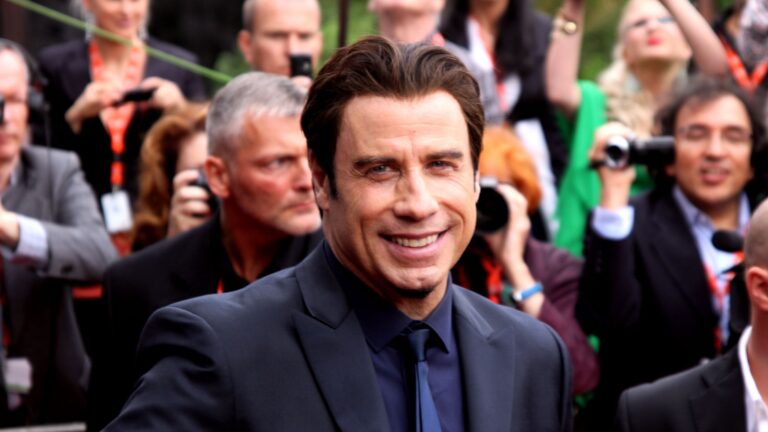
Hollywood actor and licensed pilot John Travolta recently shared a chilling account of a near-death experience he faced while piloting a plane in 1992. This revelation came during a Q&A session in London, where Travolta was promoting his role in the new Disney+ short film, “The Shepherd.”

Key Takeaways:

  • John Travolta experienced a total electrical failure while piloting a jet in 1992.
  • The incident occurred over Washington D.C., with Travolta’s family on board.
  • Despite having no instruments or electric power, Travolta managed a safe landing.
  • This experience inspired him to take on a role in “The Shepherd.”
  • “The Shepherd” is based on Frederick Forsyth’s 1975 book and will be available on Disney+ on December 1.

A Flight to Remember

Near-Death in the Skies

In 1992, Travolta faced a pilot’s nightmare: a total electrical failure mid-flight. The actor, flying over Washington D.C. with his family, suddenly found himself without instruments or electric power. “I thought it was over,” Travolta recalled, describing the fear and uncertainty of the moment.

Miraculous Landing

Despite the dire circumstances, Travolta executed a safe landing, describing it as nothing short of a miracle. This harrowing experience left a lasting impression on him, deeply resonating with his understanding of life’s fragility.

Art Imitates Life

The Inspiration for “The Shepherd”

Travolta’s ordeal directly influenced his decision to participate in “The Shepherd.” The film, set to stream on Disney+ starting December 1, mirrors his experience. It tells the story of a young pilot, played by Ben Radcliffe, who faces a similar crisis mid-air.

Portraying Real-Life Despair

In the film, Travolta plays a good samaritan who helps guide the young pilot to safety. He commended Radcliffe for capturing the despair one feels when facing imminent death. Travolta’s personal connection to the story added depth to his portrayal, making it more than just another acting role.

Reflecting on Life and Death

Travolta emphasized that “The Shepherd” is more than just a story of survival; it’s a narrative about the preciousness of life. His experience in 1992 and his role in the film intertwine to highlight the thin line between life and death, a theme that resonates throughout the movie.

Conclusion

John Travolta’s recount of his near-death experience while piloting a plane brings a stark reminder of the unpredictability and preciousness of life. His ability to draw from this personal ordeal for his role in “The Shepherd” not only showcases his skill as an actor but also his resilience as an individual. As viewers anticipate the release of “The Shepherd” on Disney+, they will undoubtedly see Travolta’s performance through a lens shaped by real-life bravery and survival.


Taylor Swift’s Record-Breaking São Paulo Concert

São Paulo, Brazil: Taylor Swift’s recent concert in São Paulo has set a new record for the largest-ever crowd at Allianz Parque stadium. Despite the emotional backdrop of a fan’s tragic passing, Swift’s performance on November 24 was a historic event.

Record Attendance Amidst Tragedy

  • Historic Crowd: Swift’s Eras Tour achieved a milestone with the largest audience ever at São Paulo’s Allianz Parque.
  • Delayed Start: The concert began late due to extreme heat, but Swift eventually captivated the audience with her performance.
  • Vocal Challenges: Fans reported difficulty hearing Swift’s vocals over the loud crowd, especially during the song “Marjorie.”

Honoring a Lost Fan

  • Mourning Ana Clara: The concert followed the death of fan Ana Clara Benevides Machado, who fell ill due to the heat wave.
  • Postponed Performances: In the wake of the tragedy, some of Swift’s Brazilian shows were postponed or canceled.
  • Reaching Out: Swift contacted the family of the deceased fan through her team, showing her concern and support.

Swift’s Emotional Connection

  • Engaging with Fans: Swift acknowledged the energy and enthusiasm of the São Paulo crowd, particularly their singing.
  • Praising Sabrina Carpenter: She also praised the opening act, Sabrina Carpenter, for her outstanding performance.

Key Takeaways

  • Taylor Swift’s São Paulo concert breaks attendance records at Allianz Parque.
  • The concert was marked by the recent death of a fan, Ana Clara Benevides Machado.
  • Despite the tragedy, Swift’s performance was met with overwhelming enthusiasm.
  • The singer’s interaction with fans and acknowledgment of Sabrina Carpenter were highlights of the event.

Conclusion

Taylor Swift’s São Paulo concert will be remembered not just for its record-breaking attendance but also for the emotional depth and connection she shared with her fans. Amidst the celebration of her music, the event was a poignant reminder of the impact artists and fans have on each other’s lives.

Bitcoin and Ethereum Reach 18-Month Highs

In a significant development in the cryptocurrency market, Bitcoin and Ethereum have surged to 18-month highs, marking a notable turnaround in their valuations. According to a recent report by Decrypt, Bitcoin soared above the $38,000 mark, while Ethereum reached nearly $2,131, levels not seen since May 2022.

Key Takeaways:

  • Bitcoin surpassed $38,000, an 18-month high.
  • Ethereum also hit an 18-month peak, nearing $2,131.
  • The surge is linked to investor confidence in a potential Bitcoin ETF approval.
  • Crypto markets received $176 million in inflows last week.
  • Dogecoin and Shiba Inu also saw gains in their values.

The Surge in Crypto Valuations

Bitcoin’s Remarkable Rise

Bitcoin’s ascent to over $38,000 is a significant milestone, considering its last peak at this level was back in May 2022. Over the past week, Bitcoin has witnessed a nearly 7% increase, pushing its 30-day gains above 10%. This surge is a clear indicator of the growing investor confidence in the cryptocurrency market.

Ethereum’s Steady Climb

Similarly, Ethereum has shown a robust performance, reaching a peak of nearly $2,131. This 18-month high is a substantial recovery from its previous trading value above $2,500, which dropped following the collapse of the Terra crypto project. Ethereum’s current trading value stands at around $2,121, marking a 4% increase on the day and a 17% rise over the past 30 days.

Factors Influencing the Market

Investor Confidence and ETF Speculation

A key factor driving this surge is the renewed investor confidence in the crypto market, particularly with the anticipation of a Bitcoin exchange-traded fund (ETF) being approved by U.S. regulators. Such a development would provide traditional investors a safer and regulated pathway into the crypto world. CoinShares, a digital asset fund manager, reported that crypto products received inflows of $176 million last week, marking the eighth consecutive week of inflows.

Meme Coins and Other Cryptocurrencies

Alongside Bitcoin and Ethereum, meme coins like Dogecoin and Shiba Inu have also experienced gains. Dogecoin is up over 3%, trading at $0.078, while Shiba Inu has seen a nearly 3% increase. Other major cryptocurrencies like Solana have also shown positive trends, albeit with more modest gains.

The Broader Impact

This surge in Bitcoin and Ethereum, along with the overall positive trend in the cryptocurrency market, reflects a broader shift in investor sentiment and market dynamics. As the market continues to mature and gain mainstream acceptance, these trends could have significant implications for the future of digital currencies and blockchain technology.

Looking Ahead

As the cryptocurrency market continues to evolve, the focus will be on regulatory developments, technological advancements, and market stability. The potential approval of a Bitcoin ETF could be a watershed moment, potentially ushering in a new era of growth and mainstream acceptance for cryptocurrencies. Investors and market analysts will be closely monitoring these trends to gauge the future trajectory of Bitcoin, Ethereum, and the broader crypto market.

Gen Z Struggles with Holiday Travel Costs Amid Student Loan Payments

A recent survey by Credit Karma has revealed a concerning trend among Gen Z borrowers: one in three, aged between 18 and 26, cannot afford to travel home for the holidays due to the burden of student loan payments. This financial strain is not only affecting travel plans but also the overall affordability of the holiday season for many young Americans.

Key Takeaways:

  • 32% of Gen Z with student debt can’t afford holiday travel.
  • Over 25% find the holidays unaffordable due to loan payments.
  • Nearly 1 in 3 wish the holidays were canceled due to costs.
  • A third of Gen Zers rely on parents for travel funds.
  • 66% plan to incur debt this holiday season, partly for travel.
  • 40% of Gen Z travelers will use credit card rewards for holiday travel.
  • Alternative celebrations are suggested for those unable to travel.

Financial Strain on Festive Plans

The survey highlights a stark reality: the financial burden of student loans is significantly impacting the ability of young people to participate in traditional holiday activities. More than one in four borrowers state that their loan payments are making the holidays unaffordable altogether. This financial pressure is leading to a sentiment where nearly one in three borrowers wishes the holidays were canceled.

Parental Support and Rising Debt

For those who are planning to travel home, over a third are doing so thanks to financial support from their parents. However, not everyone has this support system. A majority of Gen Zers, 66%, are planning to take on additional debt during the holiday season, with a significant portion attributing this to travel costs.

Seeking Solutions

Despite these challenges, there are ways to mitigate financial stress during the holidays. Courtney Alev, a consumer financial advocate at Credit Karma, suggests exploring side hustles or temporary work to earn extra cash. Additionally, utilizing credit card rewards and points can alleviate some travel expenses.

Alternative Celebrations

For those who find traveling home unfeasible, Alev advises finding joy in alternative ways. Treating oneself to a nice meal or joining a local friend’s family celebration can offer a sense of holiday spirit without the financial burden of travel.

The Bigger Picture

This situation sheds light on the broader issue of student loan debt in the United States and its far-reaching impacts on the younger generation’s financial stability and lifestyle choices. As loan payments resume and economic challenges persist, the ability of young people to engage in traditional family and cultural practices is increasingly under strain.

Moving Forward

The findings of this survey are a call to action for policymakers and financial institutions to consider the long-term effects of student loan debt on the younger generation. It also highlights the need for more robust financial education and support systems to help young people navigate their financial challenges without sacrificing important life experiences.

U.S. Prosecutors Request Ex-Binance CEO to Stay in the U.S. Until Sentencing

U.S. prosecutors have requested that Changpeng Zhao, the former CEO of Binance, remain in the United States until his sentencing in February 2024. This development follows Zhao’s guilty plea to a charge of violating the Bank Secrecy Act.

Key Takeaways:

  • Prosecutors cite a “substantial risk of flight” by Zhao.
  • Zhao pleaded guilty to violating the Bank Secrecy Act.
  • He stepped down as Binance CEO and is barred from executive roles for three years.
  • Zhao was released on a $175 million bond.
  • The U.S. has concerns due to Zhao’s wealth and residence in a non-extradition treaty country.
  • Binance will exit the U.S. market and pay $4.3 billion in penalties.
  • Richard Teng replaces Zhao as Binance CEO.

The Case Against Zhao

Changpeng Zhao, known as ‘CZ’, has been a prominent figure in the cryptocurrency world as the CEO of Binance, the largest crypto exchange globally. His recent guilty plea marks a significant turn in the U.S. government’s crackdown on cryptocurrency exchanges violating anti-money laundering laws.

Flight Risk Concerns

Prosecutors argue that Zhao poses a substantial flight risk. This concern stems from his status as a non-U.S. citizen, his considerable wealth outside the United States, and his residence in the United Arab Emirates, a country without an extradition treaty with the U.S.

Zhao’s Bond and Restrictions

Following his guilty plea, Zhao was released on a $175 million bond. The conditions of his release are under scrutiny, with the Department of Justice emphasizing the need for him to remain in the U.S. until his sentencing.

Binance’s Future and Penalties

As part of the settlement, Binance will withdraw from the U.S. market. The company faces a hefty penalty of $4.3 billion for its violations. Richard Teng, previously the Global Head of Regional Markets at Binance, will take over Zhao’s role as CEO.

Zhao’s Admission and Future

Zhao’s admission of mistakes and acceptance of responsibility mark a pivotal moment in the crypto industry’s history. His departure from the CEO position and the imposed restrictions reflect the increasing regulatory scrutiny facing cryptocurrency exchanges.

Implications for the Crypto Industry

This case is a clear signal to the crypto industry about the seriousness of complying with U.S. financial regulations. The substantial penalties and the high-profile nature of Zhao’s case underscore the U.S. government’s commitment to enforcing these laws.

Looking Ahead

As the sentencing date approaches, the crypto community and regulators will closely watch the outcome of this case. It serves as a cautionary tale for other crypto exchanges operating globally, emphasizing the need for stringent adherence to financial regulations.

In Conclusion

The case against Changpeng Zhao and Binance represents a watershed moment in the regulation of the cryptocurrency industry. It highlights the challenges and complexities of operating a global financial service in compliance with diverse and stringent regulatory environments. As the industry continues to evolve, this case will likely serve as a reference point for future regulatory actions and compliance standards in the crypto world.

Sam Altman’s Brief Departure from OpenAI Linked to AI Breakthrough (Report)

According to reports, Sam Altman, the CEO of OpenAI, faced a brief removal from his position following a significant AI breakthrough. This development, reported by Reuters, highlights the complex dynamics within OpenAI, a leading AI research organization.

Key Takeaways:

  • Sam Altman was temporarily ousted as CEO of OpenAI.
  • The ouster followed a major AI breakthrough, potentially threatening humanity.
  • OpenAI CTO Mira Murati cited the breakthrough, known as “Q Star,” as the reason for Altman’s removal.
  • The decision was made without the involvement of board chairman Greg Brockman, who resigned in protest.
  • The situation reflects a divide within OpenAI between accelerating AI development and adopting a more cautious approach.
  • Altman was reinstated as CEO after an agreement, amidst employee unrest and competitor interest.
  • The breakthrough brings the concept of Artificial General Intelligence (AGI) closer to reality.

The Unfolding Drama at OpenAI

A Sudden Shift in Leadership

Sam Altman’s ouster from OpenAI was a result of a groundbreaking AI discovery, referred to as “Q Star” or “(Q*).” This development, considered a potential threat to humanity, sparked a swift reaction from the OpenAI board.

Ideological Divide

The incident underscores a deeper ideological divide within OpenAI. On one side are those pushing for rapid AI advancement, while on the other, voices call for more responsible, measured progress. This tension came to a head following the launch of GPT-4, leading to Altman’s brief removal.

Reinstatement Amidst Controversy

Altman’s reinstatement came after intense internal discussions and employee dissatisfaction. Competitors were quick to show interest in OpenAI’s talent during this period of uncertainty. The agreement for Altman’s return was reached with a reshaped initial board, including Bret Taylor (Chair), Larry Summers, and Adam D’Angelo.

The Implications of “Q Star”

Artificial General Intelligence: A Step Closer

The discovery at the heart of this controversy, “Q Star,” brings the concept of AGI into sharper focus. AGI, capable of understanding, learning, and applying intelligence across various tasks, has long been a goal in AI research. Recent advancements suggest that AGI could be achieved sooner than previously thought.

Navigating the Future of AI

This development at OpenAI raises critical questions about the pace and direction of AI research. The balance between innovation and ethical responsibility is more relevant than ever, as the industry stands on the brink of potentially transformative breakthroughs.

Conclusion

Sam Altman’s temporary removal from OpenAI, driven by a significant AI discovery, highlights the challenges and responsibilities facing leaders in the AI industry. As AGI becomes an increasingly tangible goal, the decisions made by organizations like OpenAI will shape not only the future of technology but also its impact on humanity.

Melissa Barrera Responds to Scream VII Firing Over Israel-Hamas Posts

Actress Melissa Barrera, known for her roles in the Scream franchise, has been fired from the upcoming Scream VII over social media posts related to the Israel-Hamas conflict. The posts, which the film’s production company, Spyglass Media, interpreted as antisemitic, led to her dismissal from the project. Barrera has since responded, emphasizing her stance against antisemitism and Islamophobia and her commitment to speaking out on issues she cares about.

Key Takeaways:

  • Melissa Barrera was fired from Scream VII for social media posts about the Israel-Hamas conflict.
  • Spyglass Media interpreted her posts as antisemitic.
  • Barrera responded, condemning antisemitism and Islamophobia, and advocating for human rights.
  • The firing has caused further disruption to Scream VII’s production.
  • Barrera’s co-star Jenna Ortega also reportedly left the project due to scheduling conflicts.

The Incident and Response

Barrera, who starred in the fifth and sixth installments of the Scream series, had been vocal on social media in support of Palestine. Her posts, which described Israel as committing “genocide” and “brutally killing innocent Palestinians,” were flagged by Spyglass Media. The company cited a zero-tolerance policy for antisemitism and hate speech as the reason for her termination.

In her response, Barrera stressed her opposition to hate and prejudice of any kind. She highlighted her role as a public figure with a responsibility to use her platform to raise awareness about important issues. Barrera’s statement on Instagram stories reiterated her commitment to advocating for peace, safety, human rights, and freedom.

Impact on Scream VII

The firing of Barrera has added to the challenges faced by the production of Scream VII. The film was further impacted by the departure of Jenna Ortega, who cited scheduling conflicts with another project. Ortega and Barrera had both been part of the cast in the previous two films of the series.

Broader Implications in Hollywood

Barrera’s situation is not isolated in Hollywood. The industry has seen several instances where individuals have faced repercussions for their statements or actions related to the Israel-Hamas conflict. This includes Susan Sarandon being dropped by her talent agency and Maha Dakhil, co-head of film at CAA, resigning from the agency’s board after backlash over her Instagram posts.

Barrera’s Future and Industry Reactions

As Barrera navigates the aftermath of her firing, the industry and public continue to debate the balance between freedom of expression and the consequences of controversial statements. The incident raises questions about the role of social media in shaping public personas and the responsibilities of artists in the public eye.

Moving Forward

The developments surrounding Melissa Barrera and Scream VII highlight the complex interplay of politics, social media, and the entertainment industry. As Barrera continues to advocate for her beliefs, the industry grapples with the challenges of navigating sensitive political topics in a highly connected and public world. The situation underscores the ongoing conversation about the impact of personal beliefs on professional endeavors in Hollywood.

Nvidia’s Impressive Q3 Earnings in 2024: A Deep Dive

Nvidia, a leading chipmaker, recently reported its fiscal third-quarter results, surpassing Wall Street’s expectations. The company’s success story in this quarter is a testament to the growing demand for its graphics processing units (GPUs), largely driven by the rise of generative artificial intelligence.

Key Takeaways:

  • Nvidia’s Q3 earnings exceeded analysts’ projections for both revenue and income.
  • The company’s revenue grew by a staggering 206% year over year.
  • Data center revenue was a significant contributor, totaling $14.51 billion.
  • Gaming segment also saw an 81% increase, contributing $2.86 billion.
  • Nvidia announced the GH200 GPU, an upgrade from the H100.
  • Export restrictions in China and other countries are expected to impact future sales.
  • Despite challenges, Nvidia’s stock has risen 241% this year.

Earnings Overview

Nvidia’s earnings for the third quarter were remarkable, with a revenue of $18.12 billion, significantly higher than the expected $16.18 billion. This 206% increase from the previous year highlights the company’s strong market position and the high demand for its products. The net income stood at $9.24 billion, a substantial rise from $680 million in the same quarter last year.

Key Drivers of Growth

Data Center Dominance

A major growth driver for Nvidia was its data center revenue, which reached $14.51 billion, up 279% from the previous year. This exceeded the StreetAccount consensus of $12.97 billion. The revenue from this segment was evenly split between cloud infrastructure providers and consumer internet entities.

Gaming Segment Surge

The gaming segment also saw significant growth, contributing $2.86 billion, an 81% increase. This was higher than the $2.68 billion consensus. Nvidia’s GPUs, traditionally popular for PC gaming, have found new applications in server farms, contributing to this growth.

Challenges and Outlook

Export Restrictions and Market Impact

Nvidia faces challenges due to export restrictions affecting sales to China and other countries. The company’s finance chief, Colette Kress, mentioned that sales to these regions are expected to decline in the fourth quarter of fiscal 2024. However, this decline is anticipated to be offset by strong growth in other regions.

Innovation and Future Prospects

During the quarter, Nvidia announced the GH200 GPU, an advanced version of the H100, featuring more memory and an additional Arm processor. This new product is expected to cater to the high demand in the market, especially from entities like Iris Energy, which is investing in 248 H100s.

The AI Revolution and Nvidia’s Role

The introduction of AI tools like ChatGPT has led to a surge in demand for Nvidia’s GPUs. These GPUs are essential for running generative AI applications, a trend that has significantly benefited Nvidia.

Stock Performance and Industry Position

Despite the challenges, Nvidia’s stock performance has been impressive, with a 241% increase this year, outperforming the S&P 500 index. This growth reflects the company’s strong market position and its ability to navigate through industry challenges.

Conclusion

Nvidia’s Q3 earnings report for 2024 paints a picture of a company at the forefront of technological innovation, especially in the realms of AI and gaming. While facing challenges like export restrictions, Nvidia continues to show resilience and growth, driven by its cutting-edge products and a strong market demand. As the company navigates the evolving tech landscape, its role in shaping the future of AI and gaming remains pivotal.

Microsoft Entangled in Legal Battle Over AI Training Data

Microsoft finds itself at the center of a legal controversy involving its partnership with OpenAI. The tech giant is being sued for its alleged role in using copyrighted material to train OpenAI’s artificial intelligence models.

Key Takeaways:

  • Microsoft is sued for its involvement with OpenAI in using copyrighted content for AI training.
  • The lawsuit highlights Microsoft’s significant role in developing and commercializing GPT-based technology.
  • Author Julian Sancton, who filed the suit, claims Microsoft’s Azure cloud computing was crucial for training OpenAI’s models.
  • The lawsuit follows Microsoft’s hiring of former OpenAI CEO Sam Altman.
  • Sancton’s complaint focuses on nonfiction and academic works, differing from previous suits mostly by fiction writers.
  • The suit alleges Microsoft and OpenAI made unlicensed copies of copyrighted works for AI training.
  • Microsoft’s Bing Chat and OpenAI’s integration of ChatGPT with Bing are mentioned as examples of their close collaboration.
  • The lawsuit questions the fair use defense often cited by AI companies in similar cases.

The Lawsuit’s Implications

Julian Sancton, the plaintiff, is a senior features editor at The Hollywood Reporter and author of the nonfiction book “Madhouse at the End of the Earth.” His lawsuit against Microsoft emphasizes the company’s deep involvement in the training, development, and commercialization of OpenAI’s GPT-based products. Sancton alleges that Microsoft’s Azure cloud computing systems were instrumental in training OpenAI’s AI models, a process that he claims involved the mass copyright infringement of authors’ works.

Microsoft and OpenAI’s Partnership

The lawsuit brings to light the intricate relationship between Microsoft and OpenAI. Microsoft’s role went beyond providing technical support; it also played a key role in the commercialization of GPT-based technology. This includes the launch of Bing Chat, a human-mimicking AI chatbot, and the integration of ChatGPT with Bing’s browsing features. The recent hiring of Sam Altman, former CEO of OpenAI, by Microsoft further cements their close partnership.

The Core of the Controversy

At the heart of the lawsuit is the claim that Microsoft and OpenAI made tens of thousands of unlicensed copies of copyrighted works for the purpose of training their AI system. This challenges the common defense used by AI companies that their training processes do not involve direct copying but rather the development of parameters from the works. The lawsuit argues that this practice is a “manifestly unfair use” of copyrighted material, potentially depriving authors of licensing agreements and revenue.

The Fair Use Debate

The lawsuit also tackles the contentious issue of fair use in the context of AI. It argues that the commercial nature of Microsoft and OpenAI’s use of copyrighted material undermines the fair use defense. This is particularly relevant following the Supreme Court’s decision in Andy Warhol Foundation for the Visual Arts v. Goldsmith, which narrowed the scope of fair use in copyright infringement cases.

Looking Ahead

This legal battle could have significant implications for the AI industry, particularly in how AI companies use copyrighted material for training their models. The outcome of this case could set a precedent for future copyright infringement suits involving AI and reshape the landscape of AI development and commercialization.

Conclusion

The lawsuit against Microsoft and OpenAI raises critical questions about the ethical and legal boundaries of using copyrighted material in AI training. As the case unfolds, it will be closely watched by the tech and legal communities for its potential to redefine the rules of engagement in the rapidly evolving AI sector.

Stability AI Enters the Video Generation Arena with New AI Model

Stability AI, known for its advancements in artificial intelligence, has announced a significant leap into the video generation domain with its new AI model, Stable Video Diffusion. This development marks a notable shift in the AI landscape, offering a unique tool for animating images into videos.

Key Takeaways:

  • Stability AI introduces Stable Video Diffusion, an AI model for generating videos.
  • The model animates existing images into videos, based on the Stable Diffusion text-to-image model.
  • Stable Video Diffusion is available in open source, but with specific terms of use.
  • The model is in a “research preview” phase, with potential for misuse.
  • Stable Video Diffusion includes two models: SVD and SVD-XT, generating videos at different frame rates.
  • The models were trained on a dataset of millions of videos, fine-tuned on a smaller set.
  • There are legal and ethical considerations regarding the source of training data.
  • The models can generate high-quality four-second clips but have limitations like inability to render text legibly.
  • Stability AI plans to extend these models and develop a text-to-video tool.
  • The company aims to explore commercial applications in advertising, education, and entertainment.

Advancing AI in Video Generation

A New Frontier in AI

Stability AI’s foray into video generation with Stable Video Diffusion represents a significant step forward in the AI field. This model, building on the success of their Stable Diffusion text-to-image model, showcases the company’s commitment to expanding the capabilities of AI in creative domains.

Open Source with Caveats

While Stable Video Diffusion is available in open source, it comes with specific terms of use. These terms are designed to guide the intended applications of the model, such as educational or creative tools, and to prevent misuse, especially in creating “factual or true representations of people or events.”

Potential for Misuse

Given the model’s early stage and lack of a built-in content filter, there are concerns about potential misuse. The AI community has witnessed similar issues with previous models, where technology was used for unethical purposes like creating nonconsensual deepfake content.

Technical Specifications

Stable Video Diffusion comprises two models: SVD and SVD-XT. SVD transforms still images into 576×1024 videos in 14 frames, while SVD-XT increases the frames to 24. Both models can generate videos between three and 30 frames per second, offering flexibility in video creation.

Training and Quality

The models were initially trained on a vast dataset of millions of videos, then fine-tuned on a smaller set. This extensive training contributes to the models’ ability to generate high-quality four-second clips. However, the source of the training data raises questions about legal and ethical challenges regarding usage rights.

Limitations and Future Plans

Despite their capabilities, the models have limitations, such as the inability to generate videos without motion or slow camera pans and challenges in rendering text and faces. Stability AI acknowledges these limitations and is transparent about the models’ current stage of development.

Commercialization and Future Applications

Looking ahead, Stability AI envisions a variety of models building on and extending the capabilities of SVD and SVD-XT. The company plans to develop a text-to-video tool, aiming to commercialize the technology for use in various sectors like advertising, education, and entertainment.

Company Challenges and Aspirations

Stability AI has faced challenges, including financial pressures and internal disagreements over the use of copyrighted data. Despite these hurdles, the company remains focused on innovation and commercialization, with aspirations to impact the AI and video generation fields significantly.

Conclusion

Stability AI’s introduction of Stable Video Diffusion into the video-generating game marks a pivotal moment in AI development. As the company navigates the challenges of innovation and commercialization, the potential applications of this technology in various industries are vast. With careful consideration of ethical and legal implications, Stability AI’s new venture could redefine the boundaries of AI in video creation and beyond.