54.9 F
San Francisco
Tuesday, July 7, 2026
Home Blog Page 275

Russia Collapse: Why It’s on the Verge

0

Key Takeaways

• Former GOP representative Adam Kinzinger warns of a looming Russia collapse
• He notes Russia now occupies less of Ukraine than at the start
• Kinzinger says Russia has lost over 1.2 million soldiers
• He argues the Russian economy is teetering on collapse
• Ukraine just needs to keep defending to win the war

Adam Kinzinger, an ex-GOP representative and former Air Force member, says a Russia collapse is coming. Three years into the Ukraine invasion, he argues Russia’s grip on Ukraine has weakened. Moreover, he warns that Russia’s economy and military face serious trouble.

Signs of Russia Collapse

Kinzinger points out that Russia once held about 30 percent of Ukraine. Today, it controls less than 20 percent. In his view, this loss shows Ukraine’s strength. Also, he stresses that Russia has suffered about 1.2 million casualties. Those include killed, wounded, captured, and missing soldiers. Therefore, he says a Russia collapse is not far off.

Why Ukraine Keeps Pushing Back

From the start, Ukraine used its home-field advantage. First, it protected key cities with fierce resistance. Then, it used well-timed counterattacks to reclaim territory. As a result, Russia lost ground compared to early in the war. Additionally, Ukraine benefits from steady Western aid. This support gives it weapons, training, and vital supplies.

Moreover, Kinzinger explains that a defending country needs to hold its lines. He says Ukraine only has to keep defending to win. In his words, “All a defending country has to do to win a war is keep defending.” Thus, as long as Ukraine holds firm, Russia will face a deeper collapse.

Political Fallout in the Republican Party

Kinzinger criticizes his party’s stance on the war. He says some Republican leaders, including former president Donald Trump, assume Russia will win. He calls this view wrong and harmful. According to him, their beliefs ignore the real losses Russia has suffered. Instead, he argues, the facts show a steady move toward Russia collapse.

Furthermore, he compares this conflict to the Iraq War. Back then, the US faced a prolonged fight with few gains. In that case, the US would have admitted defeat if losses piled up. So, he asks why Russia faces huge losses yet its leaders claim victory is certain.

The Toll on Russia’s Military

Russia once had the second biggest army in the world. Now, according to Kinzinger, it feels like the second best army in Ukraine. Russia collapse in military strength is obvious when you view the numbers. Around 1.2 million Russian soldiers are now casualties. Despite this, Russia holds less territory than at the war’s start.

Kinzinger also notes that Russia’s recruitment has slowed. Many young Russians dodge the draft. Meanwhile, experienced soldiers are hard to replace. As a result, Russia’s front-line forces face exhaustion and low morale. This decline further feeds the idea of an imminent Russia collapse.

Economic Strain and the War Economy

Beyond military losses, Russia faces severe economic strain. Kinzinger says Russia’s economy has shifted into full war mode. It focuses on weapons and supplies rather than normal trade. Consequently, everyday Russians feel rising prices and shortages.

At the same time, energy prices have fallen. Since Russia relies heavily on oil and gas, this drop hurts its revenue. Lower income from exports means less money to fund the war. Plus, Western sanctions keep squeezing Russian banks and businesses. Taken together, these factors push Russia closer to an economic collapse.

Demographics and Long-Term Risks

Russia also struggles with poor demographics. Its population is aging, and birth rates remain low. War casualties worsen this trend by removing thousands of young people from their communities. Over time, this demographic gap makes it harder to rebuild the workforce.

Kinzinger argues that these long-term issues fuel a Russia collapse. As the army shrinks and the economy falters, political stability may suffer. Public frustration could rise, leading to unrest or major policy shifts.

Peace Talks and the Path Forward

Meanwhile, peace talks involving Donald Trump and other leaders continue. Kinzinger warns that any deal must recognize Ukraine’s gains. He fears that some negotiators aim to freeze the war, leaving Russia with too much territory. That outcome, he says, could weaken Ukrainian morale and strength.

Instead, Kinzinger calls for talks that reflect ground realities. He believes Ukraine should keep land it has freed. In turn, Russia must withdraw to its internationally recognized borders. Such a deal would cement Ukraine’s victory and hasten the Russia collapse.

What Comes Next?

Looking ahead, several factors will shape this conflict’s end:
• Continued Ukrainian defense and counterattacks
• Steady Western aid for weapons and training
• Russia’s economic resilience under sanctions
• Demographic shifts and recruitment challenges in Russia
• The outcome of peace negotiations

If current trends persist, Russia could face a full collapse in military, economic, and political power. As Kinzinger puts it, “The Russian economy is on the verge of collapse.” He believes that, eventually, Russia will have no choice but to retreat or transform its leadership.

FAQs

What did Adam Kinzinger say about Russia’s losses?

He noted that Russia has lost around 1.2 million soldiers and now holds less Ukrainian land than early in the war.

How has Ukraine managed to reclaim territory?

Ukraine used home advantage, effective counterattacks, and sustained Western aid to push Russian forces back.

Why does Kinzinger believe Russia’s economy will collapse?

He points to Russia’s shift to a war economy, low energy prices, and harsh Western sanctions draining its revenue.

What role do peace talks play in ending the war?

Kinzinger says any deal must honor Ukraine’s battlefield gains to secure a lasting peace and prevent Russia from keeping seized land.

Trump Revenge Tour Heads to White House

0

Key Takeaways

• Susie Wiles called President Trump’s style an “alcoholic personality” in Vanity Fair interviews
• Analysts say Wiles could become the next target of Trump’s revenge tour
• Trump’s revenge tour has hit political rivals through Justice Department probes
• Experts predict a big cabinet shake-up in early 2026

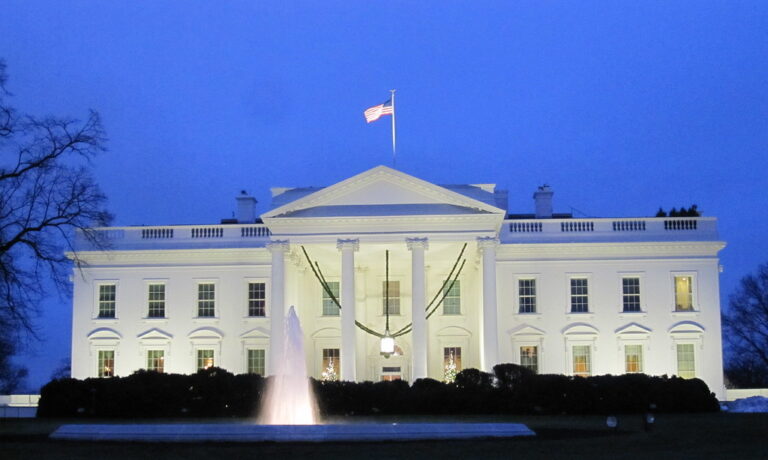
President Trump’s second term has turned into a series of paybacks. His so-called Trump revenge tour has largely taken place outside the White House. Yet now experts warn that it may move inside the West Wing. They point to recent remarks by Trump’s chief of staff, Susie Wiles, as the spark for his next round of retaliation.

What’s Next for the Trump Revenge Tour?

Political analysts Sidney Blumenthal and Sean Wilentz recently discussed the White House shakeup on their podcast. They believe the Trump revenge tour will aim at Wiles herself. She described the president as having an “alcoholic personality” and admitted that his investigations of foes served revenge. Such words mark an unusual revolt by a top aide.

However, Trump never ignores a stick in the eye. Blumenthal said Trump sees humiliation as fuel. If someone publicly embarrasses him, he will strike back. Meanwhile, his past retribution has taken many forms. He ordered the Justice Department to probe James Comey, Adam Schiff and Letitia James. Yet courts shut down each case.

Why Susie Wiles Might Be His Next Target

Wiles ran Trump’s 2024 campaign. She helped him regain the presidency. Therefore, her recent interviews send a strong signal. She has taken a half step back from her boss. She revealed his drives and motives to Vanity Fair. Trump values loyalty above all. An aide who speaks against him risks his wrath.

Blumenthal argued Trump will drip humiliation on her until she quits. He owes her no loyalty, despite her campaign success. In Trump’s world, a single slight demands revenge. Wiles may face internal memos that undercut her. Or he might replace her role with a more pliable ally. Either way, her position could erode fast.

Meanwhile, Wiles is not the only official in Trump’s sights. Deputy FBI Director Dan Bongino has already resigned. He announced his departure amid rising tensions. Other cabinet members, like DHS Secretary Kristi Noem, face criticism. Attorney General Pam Bondi and Defense Secretary Pete Hegseth also came under fire. Each made missteps that angered Trump.

Possible Cabinet Shake-Up in Early 2026

Experts predict more exits in the first months of 2026. Some say the Trump revenge tour will force key people out. Trump seeks to surround himself with only unquestioning allies. Therefore, any public criticism could end a career in the White House. This purge could reshape his administration entirely.

Furthermore, loyalty tests may ramp up. Staff might have to prove their devotion at every turn. Those who hesitate may find themselves reassigned or edged out. Trump’s thirst for loyalty has grown since his 2024 comeback. He sees betrayal in even mild critique.

Moreover, the courts and Congress remain largely out of reach. Trump’s revenge tour so far relied on Justice Department probes. Each effort hit legal roadblocks. Now, he may use internal White House controls. He can cut funding, reassign duties or leak damaging info. Such tactics can humiliate even the strongest aides.

How the White House Might Change

If Wiles departs, Trump will need a new chief of staff. He may choose someone who echoes his views without question. That person could push more aggressive policies. Trump’s inner circle could grow smaller and tighter. Officials outside that circle risk isolation.

In addition, the West Wing’s mood might darken. Constant threats of humiliation stir fear. Staffers may avoid speaking freely. Creativity and honest advice could vanish. As a result, Trump could face blind spots on key issues. That may weaken his grip on difficult challenges.

Yet some insiders think Trump will hesitate to fire Wiles. She remains popular among many conservative voters. Removing her could spark backlash among base supporters. Trump must balance his desire for revenge with political savvy. He often trades one risk for another.

What This Means for American Politics

Trump’s unfolding revenge tour shows how personal grievances shape modern politics. He has used federal agencies to target foes, then faced legal pushback. Now he may shift to punishing his own team. That signals a more inward focus on loyalty tests than on policy goals.

Therefore, the stability of his administration hangs in the balance. A high-profile departure like Wiles would grab headlines. It might signal deeper fractures behind closed doors. Meanwhile, lawmakers watch closely for signs of chaos. They worry such turmoil could stall key legislation.

In turn, the public may grow weary of endless drama. Voters often punish leaders who can’t keep a stable staff. If Trump’s revenge tour fuels constant turnover, it could hurt his standing. Yet his base may cheer each act of payback. In their view, Trump’s enemies inside gain only what they deserve.

Ultimately, Trump’s next moves in the White House will test his management style. He has long shown a willingness to cut loose friends and foes alike. If he brings his revenge tour inside, no one will feel safe. Even top aides could find themselves on the chopping block.

Frequently Asked Questions

What exactly does the term Trump revenge tour mean?

It refers to a series of retaliatory moves by President Trump. He often uses investigations or staff changes to get even with critics.

Why is Susie Wiles under fire now?

She gave interviews calling Trump’s personality “alcoholic” and said investigations of foes served revenge. This public critique could upset him greatly.

How successful has Trump’s revenge tour been so far?

His probes into political rivals hit legal roadblocks. Courts dismissed the cases. Yet the threat of investigations still unsettles his opponents.

Could other top aides face similar retaliation?

Yes. Experts expect more cabinet shake-ups in early 2026. Any official who displeases Trump could end up forced out.

Is a Trump Shake-up Coming to the West Wing?

0

Key Takeaways

• Political analysts warn a Trump shake-up could hit the West Wing next year.
• Some senior advisers may leave, though top aides might stay.
• MAGA-friendly officials are lining up for open roles.
• FBI Director Kash Patel and DHS Secretary Kristi Noem face growing pressure.
• The White House denies any imminent changes to law enforcement heads.

Many voices suggest a big Trump shake-up could be on the horizon. Experts say members of the MAGA circle are keen to fill open roles. They also claim the president dislikes outside pressure to fire staff. Yet, insiders hint that change is inevitable.

Why a Trump shake-up Might Happen

First, a Trump shake-up could stem from upcoming elections and new priorities. The president often reshuffles staff to reward loyalty. Meanwhile, rising stars in the MAGA universe want positions. Therefore, some long-standing officials might step aside.

Moreover, scandals and low morale play a part. For example, FBI insiders voice deep discontent under Kash Patel. They say the department’s morale is at an all-time low. In addition, critics point to repeated mistakes in high-profile cases. As a result, calls for new leadership grow louder.

Lastly, fresh blood can energize a team. A shake-up may help the administration reset its image. It could also boost confidence among supporters. Thus, analysts argue that a Trump shake-up might bring practical gains.

Who’s Likely to Stay and Who Might Go

According to CBS News insiders, the central trio is safe. Chief of Staff Susie Wiles, Deputy Chief of Staff Stephen Miller, and Press Secretary Karoline Leavitt will likely remain. However, they note that other senior advisers could exit soon.

On the possible departures list:

• FBI Director Kash Patel
• Homeland Security Secretary Kristi Noem
• Several midlevel policy advisers

Some insiders expect a few surprise exits too. They believe fresh voices could fill slots in communications, policy, and legal teams. Yet, the core team seems set for now.

Pressure Builds on Top Officials

The debate over Kash Patel highlights the strain. An internal memo alleges poor leadership and low morale at the FBI. One veteran agent even said, “Nobody here will miss him. He has no credibility.” Meanwhile, a former federal prosecutor criticized Patel’s handling of critical cases.

In contrast, the White House denies any plan to replace the FBI director. A spokeswoman stated that the president has full confidence in his law enforcement team. Still, whispers of a shake-up keep growing louder.

Kristi Noem also faces intense scrutiny. Critics point to missteps in border security and disaster response. Some MAGA-aligned figures argue for a more aggressive approach. Consequently, her seat could be in danger if a Trump shake-up happens.

What Could Change in the West Wing

If a Trump shake-up unfolds, several areas could see new faces:

Communications

• A fresh press secretary or deputy could join.
• New media strategists might replace current staff.

Policy Teams

• MAGA loyalists seek slots in domestic and foreign policy offices.
• Analysts expect a shift toward hardline positions.

Legal Counsel

• Rising stars in conservative law circles may fill key roles.
• Outside groups push for more aggressive litigation strategies.

In addition, the president might tap influential state governors or former aides. This move could reward election support and strengthen loyalty.

Expert Opinions on the Shake-Up

Robert Costa, CBS’s chief Washington analyst, stated that Trump dislikes forced firings. However, he noted many MAGA officials want top slots. Therefore, a shake-up could happen without clear external pressure. Costa said, “I wouldn’t rule anything out, based on my reporting.”

Jennifer Jacobs, a senior White House reporter, predicts some senior advisers will leave. She added that new faces will take their places. Yet, she believes the main pack of Wiles, Miller, and Leavitt will stay.

These insights suggest a balance: a core team remains intact while others rotate. In other words, the shake-up may be broad but not total.

How a Trump shake-up Affects Policy

Policy changes can follow staff shifts. New advisers often bring fresh ideas and priorities:

• Tougher immigration and border controls.
• Stricter law-and-order approaches.
• More aggressive stances on trade and foreign policy.

For instance, MAGA officials favor strong measures on crime and migration. Meanwhile, fresh communications staff may push more hardline rhetoric. Thus, a Trump shake-up could sharpen the administration’s tone.

Potential Risks and Rewards

On one hand, a shake-up can revitalize a team. It may also address morale problems in key agencies. On the other hand, frequent turnover can cause chaos. New staff need time to learn the ropes. This lag may slow policy implementation.

Furthermore, critics warn that abrupt changes may alienate experienced insiders. Yet, supporters argue that new energy can boost performance. Overall, the outcome depends on how smoothly transitions occur.

Looking Ahead

As 2025 approaches, all eyes will watch the West Wing. Will top aides find new roles or step down? Could MAGA-friendly figures win key posts? Will the president hold firm against calls to fire his team?

One thing is clear: talk of a Trump shake-up won’t fade soon. Instead, it will shape debates in D.C. and beyond. Observers will track every move for signs of the next big change.

In the end, the president’s choices will reveal his priorities. He may reward loyalty, boost morale, or streamline his team. Whatever happens, the coming months will prove crucial for the administration’s future.

Frequently Asked Questions

How likely is a Trump shake-up in the West Wing?

Analysts say it’s quite possible. Many MAGA figures vie for roles. Recent reports hint at several senior departures.

Who might stay in Trump’s inner circle?

Current insiders like Susie Wiles, Stephen Miller, and Karoline Leavitt appear secure. They hold key positions the president trusts.

Why is FBI Director Kash Patel under pressure?

FBI staff report low morale and question his credibility. A former prosecutor also blames him for repeated mistakes.

What could new advisers bring to the administration?

Fresh faces often introduce new priorities and energy. They may push harder stances on immigration, law enforcement, and foreign policy.

MAGA Power Vacuum Emerges as Trump Backs Away

0


Key Takeaways:

  • President Trump told his top aide he can’t run for a third term.
  • The 22nd Amendment bars presidents from more than two terms.
  • MAGA leaders debate who could fill the leadership gap.
  • Vice President JD Vance and Marco Rubio stand out as potential heirs.
  • Steve Bannon criticizes Vance as too weak to unite the movement.

MAGA Power Vacuum: Trump’s Third Term Realization

President Trump quietly told his chief of staff he knows a third term “isn’t possible.” These comments came amid pleas from top MAGA figures like Steve Bannon and Alan Dershowitz. Even so, Trump admitted the constitutional limit blocks him. As a result, a MAGA power vacuum has opened up within his coalition.

Furthermore, Trump’s admission has real consequences for his base. He has dominated the movement since 2016. However, once he steps away, the group will need a new leader. Thus, we see fierce debates about who might lead the movement next.

Why a MAGA Power Vacuum Matters Now

The U.S. Constitution’s 22nd Amendment clearly restricts presidents to two terms. Therefore, Trump cannot serve again, even if he wished to. Consequently, the MAGA movement faces uncertainty. Without a clear successor, it risks splintering and losing influence.

Moreover, several names have emerged as possible heirs to Trump’s style. Marco Rubio and JD Vance top many lists. Yet Trump has not endorsed either. As a result, both face scrutiny from hardline supporters.

Trump’s Third Term Turnaround

Not long ago, Trump seemed determined to pursue another White House bid. Indeed, he hinted at running again at rallies. Also, his attorney Alan Dershowitz presented a plan to get around the two-term rule. He met with Trump in the White House and left convinced the president would run again.

However, Trump later confided in Chief of Staff Susie Wiles that he accepts the limit. He did so on “a couple of occasions,” according to recent reports. Since then, chatter in Trump circles has shifted. Now, many insiders wonder who can carry the torch.

Potential Successors Step In

Right now, two names stand out among GOP ranks. Senator Marco Rubio and Vice President JD Vance both seek broader support. Rubio has long credentials in the Senate and foreign policy. Meanwhile, Vance brings youth appeal and media savvy.

At a recent conference in Arizona, Vance offered a generous message. He invited every American to join the Trump coalition. His speech earned applause and high polling numbers within the party. Consequently, some Republicans see Vance as a unifier.

On the other hand, Bannon has openly criticized Vance. He called the vice president “not tough enough” to lead. Such remarks highlight how divided the movement has become. With no Trump figurehead, these divisions could deepen.

Inside the MAGA Power Vacuum

First, the term “MAGA power vacuum” reflects the gap at the movement’s top. Without Trump, no one carries the same star power. Therefore, new rivals clash for attention and loyalty. In turn, this could fragment the coalition.

Second, some local and state leaders may try to build their base. They hope to fill in where Trump leaves off. However, none match Trump’s national influence yet. Consequently, the movement stands at a crossroads.

Third, major donors and activists will likely push for a clear heir. They want a repeat of past success. So they might fund aggressive campaigns for their favorite candidates. This could spark more conflict within the MAGA ranks.

Fourth, mainstream Republicans watch closely. They might try to lure moderate MAGA voters. That could reshape the GOP’s center. As a result, the party’s future balance of power remains uncertain.

What Lies Ahead for MAGA

Looking forward, the movement must choose a new leader or face decline. If one figure earns Trump’s backing, the transition may ease. Yet Trump’s silence so far leaves the field wide open.

Meanwhile, other contenders could emerge. Senators, governors, or media personalities may jump in. Each would bring a different style and vision. This could either revitalize or fracture the movement further.

Moreover, Republican voters will decide who best carries Trump’s legacy. Polls already measure how potential candidates fare among MAGA supporters. As a result, we will soon see who gains real momentum.

Finally, the MAGA brand itself might evolve. It could broaden its appeal beyond Trump’s circle. Or it might stay tightly linked to his persona. Either way, the coming months will reveal much about its future.

Key Traits of a Potential MAGA Leader

• Strong media presence to rally supporters quickly.
• Firm stance on core policies like immigration and trade.
• Ability to unite both hardliners and more moderate conservatives.
• Proven track record in campaigning and fundraising.

Transitioning Power in a Movement Built on Personality

It takes skill to shift leadership in any group. For MAGA, this task is harder. The movement grew around Trump’s personality. Thus, replacing him means redefining what MAGA stands for. Any new leader must echo Trump’s tone but also add fresh ideas.

In addition, the new figure must gain Trump’s public blessing. His support still matters deeply to many followers. Therefore, future candidates might court Trump’s approval in private meetings. Then, they will likely seek a public nod in front of media cameras.

Furthermore, grassroots activists will play a key role. They can either back a candidate or block them at local events. As a result, future debates and town halls could turn tense. The grassroots’ mood will shape who eventually unites the base.

Lessons from Past Party Transitions

History shows that parties can survive strong leader exits. For example, after Ronald Reagan, George H.W. Bush carried the Republican flag. Likewise, after Bill Clinton, Al Gore tried to lead Democrats. Yet, both faced challenges in winning support.

Often, the successor inherits the former leader’s policies but in a softer tone. In MAGA’s case, a hardline approach may hold appeal. However, reaching new voters might require a gentler touch. Balancing these traits will test any contender.

In many cases, public debates help clarify voters’ choices. For MAGA, a set of clear debates could highlight each candidate’s strengths. Yet, organizers must ensure those debates feel authentic and not scripted. Otherwise, they risk alienating core supporters.

Ultimately, the winner will need to prove their loyalty to Trump’s ideals. While also showing they can build on his foundation. If they succeed, they could become the next face of this movement.

Conclusion

The MAGA power vacuum is now a real challenge. With Trump accepting his two-term limit, his base looks for fresh leaders. Meanwhile, rivals like JD Vance and Marco Rubio fight for attention. Internal voices such as Bannon criticize and shape the debate. The next months will decide who best carries the MAGA brand forward. For now, the movement stands at a critical crossroads.

Frequently Asked Questions

What exactly prevents Trump from a third term?

The 22nd Amendment bans presidents from serving more than two terms in office.

Why did Trump change his mind about running again?

He privately admitted he respects the constitutional limit after advisers urged him to stop.

Who are the leading contenders to succeed Trump?

Vice President JD Vance and Senator Marco Rubio currently stand out as top prospects.

How might the MAGA movement unite after Trump’s departure?

A clear endorsement or strong grassroots backing for one leader could help solidify unity.

Trump Shocks With Claim: Russia Wants Ukraine to Succeed?

0

Key takeaways

  • President Trump said Russia wants Ukraine to succeed after the war.
  • Ukrainian President Zelenskyy laughed at Trump’s surprising comment.
  • Analysts and politicians slammed Trump’s loyalty to Russia.
  • The claim sparked fierce debate online.

Trump Says Russia Wants Ukraine to Succeed

On Sunday at Mar-a-Lago, President Trump met with Ukrainian President Zelenskyy. After their peace talks, Trump made a startling remark. He said Russia wants Ukraine to succeed once the war ends. The idea sounded odd to many. For weeks, Ukraine has faced invasion, bombing, and terror from Russia. Trump’s comment surprised reporters and world leaders alike.

During the press session, a reporter asked if Russia would help rebuild Ukraine. Trump replied, “Russia wants Ukraine to succeed.” He added that President Putin felt generous about Ukraine winning. Zelenskyy could not hide his amusement. He briefly laughed and mouthed “yes” to the press. Despite the laughter, Trump pressed on. He claimed Putin had offered energy and support at low prices.

Why Trump Thinks Russia Wants Ukraine to Succeed

Trump explained his view of Putin’s generosity. He said Putin cared about Ukraine’s success. According to Trump, Russia wanted stability in Europe. Therefore, they would help rebuild. Trump painted Russia as a kind actor. However, many experts saw a different story. They pointed to Russia’s invasion and its ongoing air strikes. Thus, this idea clashed with the real events on the ground.

Moreover, Trump reminded everyone of past U.S. relationships with strong allies. He argued that former presidents had worked with enemies when needed. By his logic, co-operation can end conflicts faster. Yet, his critics noted Ukraine’s fight for survival. Ukraine has risked millions of lives to stay free. Therefore, they saw Russia’s role as hostile, not helpful. In this context, the claim looked even more bizarre.

Experts React to Russia Wants Ukraine to Succeed Claim

Immediate reactions poured in on social media. Journalist Mike Rothschild wrote that Trump was “lost in a palace of mirrors.” He meant Trump seemed detached from reality. Others agreed that the claim did not match the facts of war.

David Axelrod, a top political analyst, reminded people that Trump once trusted Putin over his own generals. Axelrod said this showed Trump’s long record of favoring Russia. He stressed that America’s own intelligence had proven Russia’s harmful actions in Ukraine.

Former Republican Representative Adam Kinzinger spoke harshly. He called Trump the dumbest man to ever sit in the White House. He claimed this remark was proof of where Trump’s loyalties lie. Kinzinger said it showed Trump wanted Russia to win at any cost.

Journalist John Harwood added that Russia has been Trump’s financial and political benefactor. He argued Trump often praised Russia’s actions. Harwood concluded that this praise undercut American interests.

Meanwhile, Democratic strategist Adam Parkhomenko called the claim unhinged. He said praising Putin’s “generosity” reeked of betrayal. Parkhomenko stressed that Ukraine is still under deadly attack. He warned that Trump’s words revealed where his true loyalties lie.

What This Means for Ukraine and US-Russia Relations

This claim could reshape future peace talks. If Trump truly believes Russia wants Ukraine to succeed, he might push for terms that favor Russia. That could leave Ukraine in a weaker position. It might also alarm U.S. allies who fear a deal that ignores Russia’s aggression.

Furthermore, the comment has big implications for U.S. politics. Many Republicans have been critical of Trump’s stance on Ukraine. Now they may push even harder for strict support of Kyiv. Meanwhile, some Trump allies might defend his view. They could argue that talking with Russia paves the way to peace.

Also, Ukraine’s leaders must decide whether to trust Trump again. Zelenskyy has worked closely with other U.S. presidents. He has relied on American military aid. Now, he must weigh Trump’s surprising loyalties. His brief laughter hinted at disbelief. It also showed he knows the harsh reality of war.

Ultimately, the world watched as Trump said Russia wants Ukraine to succeed. His words raised doubts about U.S. support for Ukraine’s future. They also highlighted deep divisions in American views on Russia. As the war continues, such claims may define the next phase of diplomacy and aid.

Frequently Asked Questions

What did Trump say about Russia’s role in Ukraine?

Trump said that Russia wants Ukraine to succeed and that Putin offered low-cost energy support.

How did Zelenskyy react to Trump’s claim?

Zelenskyy laughed and mouthed “yes,” showing he found the claim surprising.

Why are analysts upset by this statement?

Analysts say Russia invaded and bombed Ukraine, making Trump’s claim seem out of touch with reality.

Could this affect U.S. support for Ukraine?

Yes, it could change how U.S. leaders approach aid and peace talks with both sides.

Immigration Crackdown Sparks Nursing Home Staffing Crisis

0


Key Takeaways

• A policy change ends work permits for over 330,000 Haitians on February 3.
• One Miami nursing home lost more than a third of its staff.
• Many seniors could see weaker care or face higher costs.
• Experts warn a major nursing home staffing crisis looms nationwide.

Nursing Home Staffing Crisis Explained

A new rule removes work permits for many immigrant caregivers. As a result, nursing homes face a sudden worker shortage. This situation is called a nursing home staffing crisis. It could affect the care of millions of elderly Americans.

What Is Causing the Crisis?

First, the administration ended a program that let Haitians work legally. Many of these workers care for seniors in homes and in clients’ houses. Second, the policy change did not give new permits. So more than 330,000 Haitians will lose permission to work starting February 3. Finally, this comes as the population of Americans over 65 grows fast.

Impact on Nursing Homes

At one Miami home, over one-third of the staff lost their jobs. Most were native speakers of Haitian Creole. They were trusted caregivers for seniors who speak their language. Without them, these residents may suffer from less attention. Across the country, about 20 percent of nursing assistants are immigrants. Over 40 percent of home health aides also come from other nations. As these workers leave, facilities face severe labor gaps.

Stories from Caregivers

Anne-Mercie Blot, a U.S. citizen from Haiti, works as a nursing assistant. She said, “Sincerely, I’m expecting the worst.” Blot helps older residents with daily routines. She fears she will lose her job next month. Many colleagues also face uncertainty. They cannot plan for the future.

Similarly, Goodwin Living in Virginia had to let 14 migrant workers go. Its CEO, Rob Liebreich, said the team feels confused and afraid. He warned that care quality could drop without more staff. Meanwhile, another operator in Texas said losing 20 percent of workers would force higher prices.

Why This Matters for Seniors

Older adults rely on consistent care. They need help with meals, medicine, and hygiene. When staff leave, workloads rise for remaining workers. This can cause burnout and mistakes. As a result, seniors might wait longer for help or miss key treatments. In some cases, families must pay more for private care.

Moreover, many seniors feel comforted by caregivers who speak their language. They build trust over months or years. Losing those bonds can harm seniors’ mental health. They may feel lonely or stressed.

More on the Nursing Home Staffing Crisis

Experts call this a demographic ticking time bomb. They say the country cannot find enough local workers to replace immigrants. Madeline Zavodny, an economics professor, warned that the labor pool will shrink. Unless policies change, care homes will face more understaffing.

Additionally, the timing coincides with Americans living longer lives. The demand for elder care grows every year. Yet the supply of trained workers lags behind. A sudden drop of hundreds of thousands of caregivers will leave many homes stretched too thin.

Possible Outcomes and Solutions

Some facilities plan to raise wages to attract new staff. However, many cannot afford large pay increases. Others are asking families to pay more. Yet higher costs may push some seniors to skip needed care.

In the longer term, lawmakers could restore work permits or create new visas. This step would allow experienced caregivers to remain on the job. Also, training programs could help local workers learn elder-care skills. But these solutions take time to develop.

Until then, families and seniors must prepare. They can explore in-home care alternatives. Community centers may offer support services. Friends and neighbors could step in to help with simple tasks.

How You Can Help

If you have loved ones in a nursing home, check on their daily experience. Ask staff about any changes in care routines. You might volunteer or donate to local senior centers. Small acts of kindness can ease pressure on overworked employees.

On a larger scale, reaching out to elected officials could make a difference. Voice your concerns about the nursing home staffing crisis. Ask for policies that protect both caregivers and seniors.

Looking Ahead

The nursing home staffing crisis threatens to affect care quality, costs, and seniors’ well-being. Without action, many facilities will struggle to meet basic needs. Community support and policy changes are vital. Otherwise, the care system for older Americans may face lasting damage.

Frequently Asked Questions

What happens when nursing homes lose immigrant caregivers?

Nursing homes face gaps in daily care, higher workloads for remaining staff, and possible cost hikes.

Why are so many caregivers from Haiti affected?

A program granting Haitians work permits is ending, so more than 330,000 will lose work authorization.

Can local workers fill these care jobs?

Experts say local labor cannot keep up quickly enough. Training and incentives take time to build a skilled workforce.

What can families do to help now?

They can volunteer, check on seniors’ well-being, consider in-home help, and contact policymakers about the nursing home staffing crisis.

Inside the DOJ’s Latest Epstein Files Drop

0

Key Takeaways

• The Justice Department released nearly 30,000 pages of Epstein files, days late
• Files mention 10 possible co-conspirators and list Trump on Epstein’s flight logs
• Survivors criticize extreme redactions and missing names in the document dump
• Investigative reporter Vicky Ward says the DOJ showed a “cavalier attitude”
• Maria Farmer’s 1996 complaint against Epstein still urges deeper FBI action

Introduction

The Justice Department finally handed over its largest release yet of Epstein files. The move came after missing a legal deadline and a brief online glitch. Survivors and journalists now pore over nearly 30,000 pages of documents. They include secret FBI emails, flight logs, and notes on potential co-conspirators. Yet many names remain redacted or hidden. As a result, victims complain that the files still lack full transparency.

Details on the Document Release

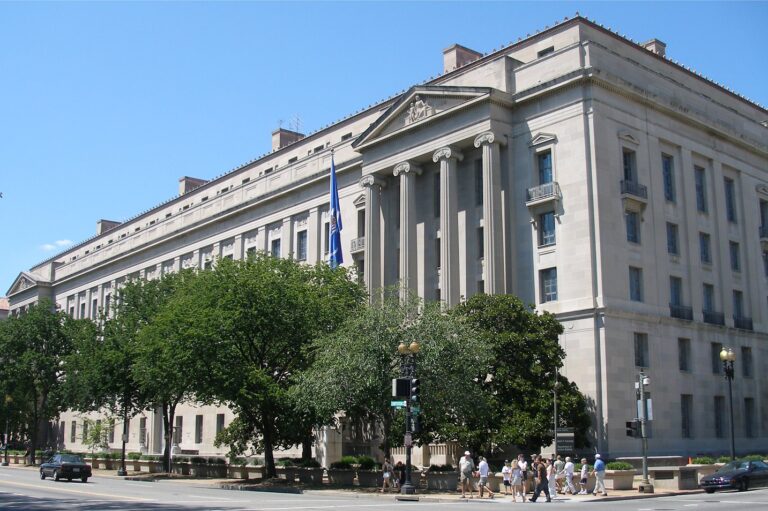
In mid-December, law demanded the DOJ publish all files on Jeffrey Epstein. However, the agency delayed and released 11,000 documents only days later. Then it briefly posted thousands more and quickly removed them without explanation. Now, lawyers work at DOJ offices to add redactions. Yet survivors say some pages show total blackouts, while others reveal unredacted victim names.

Survivors React Sharply

Many survivors called the process contemptuous. One, Sharlene Rochard, said pages and pages are “black on black.” She noted her name would not fill a whole page. Haley Robson, who once voted for Trump, now rescinds her support. She demands resignations and even impeachment over the slow release. In a joint letter, 18 survivors asked Congress to hold hearings. They worry the files fail to meet the law’s spirit.

Major Revelations in the Files

First, the records include internal FBI emails from 2019. These mention 10 potential Epstein co-conspirators. One is described as a “wealthy business man in Ohio.” The notes show that agents subpoenaed people in Florida, Boston, New York, and Connecticut. Second, the documents track flight records. They confirm that Donald Trump flew as a passenger on Epstein’s private jet at least eight times between 1993 and 1996. On half of those trips, Ghislaine Maxwell also joined. Trump denies wrongdoing and claims he cut ties long ago.

Maria Farmer’s 1996 Complaint

One of the most shocking parts traces back to 1996. Artist Maria Farmer reported sexual abuse of herself and her younger sister. She said both Epstein and Maxwell assaulted them at a guest house on Les Wexner’s Ohio estate. Farmer pleaded with police and the FBI to act. Yet agents failed to follow up. Democratic Representative Robert Garcia now asks the DOJ inspector general to investigate that missed opportunity. For Farmer and her peers, this forgotten complaint marks a deep betrayal.

Investigative Journalist Vicky Ward’s Insights

Veteran reporter Vicky Ward has tracked Epstein’s crimes for decades. She calls the DOJ’s slow release “heartbreaking.” Ward first learned of Farmer’s claims in 2002 while writing for a major magazine. Her editors then met privately with Epstein’s team. Ultimately, they cut all abuse details from her story. Ward says she still hopes to see her original interview notes in these new files. Furthermore, she finds the FBI’s performance disorganized. Often, agents followed press reports rather than pursuing leads themselves.

What Comes Next

Congress now pressures Attorney General Pam Bondi. Lawmakers urge holding her in contempt or imposing daily fines if she fails to comply. Meanwhile, survivors plan more hearings and public events. They want a searchable, user-friendly database rather than a thousand hard-to-read pages. Also, attention turns to Prince Andrew, whose ties to Epstein surfaced through separate civil trials. Finally, Maxwell’s correspondence with Prince Andrew appears in these documents as well. Although President Trump can still pardon individuals, experts doubt he will risk his own legacy by freeing Ghislaine Maxwell.

As the public sifts through the documents, more names and details will likely emerge. In the process, victims push for true transparency. They remind us that no powerful person should escape full accountability.

Frequently Asked Questions

What exactly are the Epstein files?

They are thousands of documents from the FBI and DOJ about Jeffrey Epstein’s crimes, investigations, and possible accomplices.

Why did the DOJ miss the release deadline?

Officials cite high volumes of pages and the need for redactions. Critics argue it was a deliberate delay.

How can survivors search the new documents?

Currently, they must scroll through PDFs. Advocates ask for a searchable online database.

Will more Epstein files come out?

Yes, Congress may demand additional releases. Lawmakers also consider fines for each day missing files.

What role did journalists play in the FBI investigation?

Reporters uncovered key leads. In some cases, the FBI tracked press stories rather than opening new inquiries.

What Happens When ACA Premium Subsidies End?

0

Key Takeaways

• ACA premium subsidies end on December 31, leaving millions facing higher health costs.
• Without aid, many will lose coverage or pay much more.
• Costs will rise in a cycle as healthier people drop insurance.
• Working families, early retirees, gig workers, and those with chronic illness suffer most.
• Hospitals and taxpayers will bear hidden costs, causing wider harm.

The End of ACA Premium Subsidies: What You Need to Know

On December 31, the ACA premium subsidies that helped millions will vanish. This change will hit families and individuals hard and fast. Suddenly, many people will face much higher health bills or lose coverage. Below, we explain the key facts and what might happen next.

What Are ACA Premium Subsidies?

These subsidies cut what you pay each month for your health plan. The Affordable Care Act set them up to help middle- and lower-income households afford insurance. When subsidies vanished, enrollment fell. In 2021, extra subsidies arrived to cover more people. Now those extra payments will stop.

Impact of ACA Premium Subsidies Ending

Millions will lose financial help on January 1. Without ACA premium subsidies, health plans will cost more. Insurers must cover higher average costs. Therefore, they raise premiums. Soon, only people with severe health needs stay enrolled. Then insurers hike rates again. This cycle can keep spinning until coverage becomes unaffordable.

Who Will Suffer Most?

Working-class families will feel the pain first. They often earn too much for Medicaid yet too little for high premiums. Older adults who are not yet on Medicare will struggle next. That includes early retirees and self-employed workers. Also, people with chronic conditions must stay insured. They cannot risk losing coverage. Hence, their rates will jump too.

A Cycle of Rising Costs

First, subsidies end, so rates rise. Then healthier people drop coverage, seeing it as too pricey. Insurers face a sicker pool, so they boost rates again. More people quit. This loop is called a death spiral. It leaves only the sickest people insured. At that point, coverage is so expensive few can afford it.

What Can People Do?

Some might try to switch plans or shop for lower rates. Others may join short-term or limited plans with gaps in coverage. A few will skip insurance and hope they stay healthy. Yet, missing coverage brings high risk. One unexpected illness can mean thousands in debt. Therefore, experts urge people to explore all their options early.

The Larger Effects on the System

Hospitals will see more uninsured patients. They cannot refuse emergency care. So they absorb unpaid bills, shifting costs to insured patients. Employer plans will feel the squeeze, too. Companies may raise premiums or cut benefits. State and local governments will cover safety-net care. That drains budgets meant for schools and roads.

Furthermore, medical debt will climb. Families earning between $30,000 and $75,000 face the biggest hits. They live paycheck to paycheck and lack big savings. Sadly, many will delay care. They skip checkups and ignore warning signs. In time, minor issues become serious, even life threatening.

Preventable deaths will rise, too. Under the extra subsidies, more people got early treatment. Cancer screenings, diabetes checks, and heart care all improved. When aid vanishes, those gains will shrink. People will suffer and die from illnesses we could have managed.

Political Stakes and Future Outlook

Republican leaders who cut subsidies claim they boost savings in health savings accounts. Yet those accounts often lack enough funds to cover major bills. A small deposit cannot pay for a serious accident or hospital stay. In effect, the move replaces solid help with a weak promise.

Voters know health care is personal. They ignore lofty debates but feel the sting of higher bills. Once they get notices of doubled or tripled rates, anger will spread. They may protest, vote differently, or demand change. Republicans risk backlash in the next elections if they ignore this crisis.

Conclusion

The end of ACA premium subsidies will hit millions hard. Families face sudden cost hikes and coverage losses. Insurers will raise rates in a spiraling pattern. Hospitals, employers, and governments will struggle under hidden costs. People without help will delay care and risk serious illness. Unless leaders act quickly, the health system will weaken further and harm the most vulnerable.

Frequently Asked Questions

What exactly ends on December 31?

Enhanced ACA premium subsidies, added in recent years to lower insurance costs, expire on that date. Many will see higher monthly bills or lose subsidy eligibility altogether.

Will everyone lose their health insurance?

Not everyone, but millions will face big premium increases. Some will drop coverage because they cannot afford it, while others may switch to less complete plans.

How do rising premiums affect hospitals and communities?

Uninsured patients still get emergency care. Hospitals swallow the unpaid bills, then pass costs to insured patients and local governments. This strain can lead to closures, especially in rural areas.

Can Congress stop the subsidies from ending?

Yes, lawmakers can extend or restore ACA premium subsidies by passing new legislation. Without action, the expiration is automatic.

How a Future President Could Dismantle ICE

0

Key Takeaways

• The Supreme Court’s shadow docket expanded presidential power over federal funds and staff.
• Recent rulings let a president freeze or redirect money approved by Congress.
• A future Democratic president could use these powers to dismantle ICE.
• Experts say firing agents and cutting budgets would now face little legal challenge.

In recent months, the Supreme Court handed down several secret “shadow docket” decisions. These rulings gave the president new tools to control federal agencies and money. As a result, a future Democratic president might actually dismantle ICE with ease. This idea sounds surprising, but legal experts warn it is now possible.

Executive Power Expanded

Over time, presidents have fought for more control over federal agencies. Recently, the Supreme Court backed former President Trump in key fights. First, it let him hold back money that Congress had approved. Then, it confirmed he could fire federal employees without any limits. Because of these decisions, a president now enjoys broad power to reshape or remove entire agencies.

Legal analysts Mark Joseph Stern and Dahlia Lithwick discussed these rulings. They noted that the court’s actions set a clear path for future leaders. With this power, a president could freeze ICE’s budget or fire thousands of agents. Moreover, the court showed little concern for how these choices might affect public policy.

What Could a President Do?

Imagine a Democratic president who wants to reverse strict immigration policies. Using the new precedents, they could easily dismantle ICE. For example:

  • Impound ICE’s funding approved by Congress.
  • Refuse to spend dollars on street-level enforcement.
  • Fire thousands of agents, starting with those linked to abuse.
  • Order reviews or prosecutions of agents who broke the law.
  • Close down key offices and redirect staff to other tasks.

Because the Supreme Court has already blessed these tactics, legal challenges would likely fail. Courts would point to past decisions and allow the president to act.

Steps to Dismantle ICE

Here are the main steps a president could take to dismantle ICE, based on recent court rulings:

1. Freeze the Budget

The president can withhold billions of dollars Congress set aside for ICE. By simply not signing spending orders, the agency stops operating.

2. Fire Federal Agents

Under the new precedent, removal of civil servants needs no special process. The president can fire thousands of agents at once.

3. Close Enforcement Operations

No court can block closing field offices that carry out raids or street arrests. Agents lose their jobs and ICE loses its reach.

4. Redirect Government Work

Freed funds could move to other agencies. For instance, funds might support legal aid for detained immigrants.

5. Investigate Past Actions

Leaders could use federal prosecutors to look into cases of abuse. Agents who broke rules might face trials.

Each step builds on the power the Supreme Court has granted. Together, they form a clear blueprint to dismantle ICE.

Legal Limits and Precedents

Before these rulings, presidents needed Congress to change agency missions. Now, courts accept that a president can change rules alone. The shadow docket decisions weren’t fully explained, but they stand. No federal court has overturned them. As a result, a president now holds near-total control over federal agencies.

Still, some legal scholars worry these powers could harm democracy. They point out that Congress writes the budget. When a president withholds funds, it breaks the balance of power. Yet, the Supreme Court has not stepped in to stop it. For now, this new reality remains in effect.

Real World Impact

If a president moves to dismantle ICE, the effects would be huge. Deportation operations would slow or stop entirely. Immigration courts might see fewer detentions. Community groups could see resources shift toward legal help. Office buildings once filled with agents could shut down. The lives of many immigrants would change overnight.

However, political resistance would still appear. Members of Congress might sue or vote to strip presidential power. State officials could join the fight. But courts would likely reference past rulings and side with the president. In the end, only a major Supreme Court reversal could block such moves.

Why It Matters

Understanding these new powers is key for all citizens. Even if you disagree with a president’s goals, you must know the rules of the game. The latest Supreme Court decisions did more than decide one case. They changed the way our government works. Now, future leaders can reshape agencies like ICE almost at will.

By watching these changes, voters and lawmakers can push for new rules. They might demand clearer limits on executive power. They could ask for firm laws to protect agency budgets and staff. If they succeed, they would restore balance among the branches of government.

The debate over immigration will continue. But first, we must recognize how a president could dismantle ICE under current law. That way, everyone can take action—whether by voting, speaking out, or calling their representatives.

Frequently Asked Questions

How did the Supreme Court expand presidential power?

Through shadow docket decisions, it allowed the president to withhold approved funds and fire civil servants without limits.

What is the shadow docket?

It is an informal court process for quick, unsigned rulings that lack full public briefing or oral arguments.

Could Congress stop a president from dismantling ICE?

In theory, yes. But under current precedents, courts would likely let the president withhold funds and remove agents.

What would happen to ICE agents if the agency is dismantled?

Many agents would lose their jobs. Some might face investigations for past actions, while others could transfer to different roles.

GOP Aims to Reclaim Executive Power in January

0


Key Takeaways:

• Republican lawmakers worry the White House has too much executive power.
• Senators Rand Paul and John Hoeven plan to push back next month.
• GOP will focus on the power of the purse to limit unchecked actions.
• Americans may regain confidence in Congress if it reasserts its role.

GOP Aims to Reclaim Executive Power

A growing group of Republican lawmakers say they will fight to take back executive power from the White House. Many feel that recent presidents have expanded this power beyond what the Constitution allows. Therefore, they want Congress to control spending, national emergencies, and independent agencies once again.

Senator Rand Paul says he has warned about this problem for ten years. He notes that each president seems to grab more power than the last. “It’s not getting better,” he warns. “It keeps getting worse.” Meanwhile, other GOP leaders are ready to join him.

Why Congress Wants to Reclaim Executive Power

Republicans stress that only Congress can decide how to use taxpayer dollars. In January, lawmakers will propose rules to block the president from shifting funds without approval. In addition, they will challenge national emergency declarations that bypass lawmakers.

Senator John Hoeven argues the power of the purse must stay with Congress. He says lawmakers set the nation’s priorities through funding choices. “January’s going to be a big month,” he tells colleagues. After all, budget limits force tough decisions about roads, schools, and defense.

Rep. Kevin Kiley also warns lawmakers to act now. He says Americans already rate Congress at just 15 percent approval. Because Congress has let presidents stretch their authority, people mistrust lawmakers. Kiley predicts public frustration will grow if Congress does nothing.

How GOP Plans to Reclaim Executive Power

First, lawmakers aim to pass new budget rules. These would stop the president from moving funds from one program to another. Next, they will draft legislation to tighten emergency declarations. They hope to require Congress to approve any national emergency within a set time.

Also, GOP leaders want to limit presidential control over independent agencies. For example, they might freeze or reverse recent moves to install loyalists at watchdog offices. This would ensure those agencies stay independent and follow clear rules.

Finally, Republicans plan hearings on executive power. They will call witnesses and ask tough questions about past expansions of authority. By doing so, they hope to build public support and sway undecided lawmakers.

Why Limiting Executive Power Matters

A strong executive branch may act fast during crises. However, imbalance between branches can lead to unchecked decisions. This can hurt transparency, accountability, and public trust. On the other hand, when Congress sets limits, it forces debate and careful use of power.

In addition, shared power helps protect civil liberties. For instance, if a president could declare an emergency without check, basic rights might be at risk. By insisting on congressional review, lawmakers ensure rights stay protected.

Moreover, Congress can react to new threats or problems faster. If the president misuses funds or oversteps law, Congress can block or reverse the action. This creates a stronger system of checks and balances.

Potential Challenges Ahead

Despite growing support, reclaiming executive power will face hurdles. First, the White House may resist any change, arguing it needs flexibility. Second, some senators and representatives might worry about blocking urgent actions during crises.

Furthermore, the Supreme Court could weigh in if Congress passes strong limits. Justices might rule on whether new laws respect constitutional separation of powers. Therefore, lawmakers must craft clear, precise measures to survive legal challenges.

Still, many Republicans believe the fight is worth it. They argue that long-term integrity of government depends on balanced power. Without limits, they warn, future presidents could push the country toward authoritarian rule.

What to Expect in January

Lawmakers plan a packed schedule when they return. Budget debates will take center stage as they try to pass new appropriation bills. Alongside, they will introduce standalone bills to curb executive power.

Congress may also hold joint committee meetings to build bipartisan support. While most Democrats oppose the Trump administration’s moves, some may back reforms that prevent any president from overreach. Therefore, GOP leaders hope to frame this as a nonpartisan fix.

In the coming weeks, expect speeches on the Senate floor and in the House. Lawmakers will highlight case studies where the executive branch disregarded Congress. They will also share stories of local communities harmed by sudden shifts in funding.

Why Voters Should Care

Americans often blame Congress when the branches clash. Yet, as lawmakers reclaim power, they can show voters they take their oath seriously. If Congress sets clear rules, citizens may respect its role more.

Moreover, balanced branches protect freedoms that matter to every American. From free speech to privacy rights, checks and balances guard against sudden policy swings. Therefore, voters should watch how this debate unfolds.

In addition, local projects depend on congressional funding. Schools, hospitals, roads, and law enforcement rely on federal dollars. If the executive branch cuts or shifts funds without notice, communities suffer. Limiting executive power can bring stability.

Conclusion

Next month marks a turning point in the fight over executive power. Republican lawmakers, led by Senators Rand Paul and John Hoeven, plan to use funds and emergency rules to check the White House. They aim to restore Congress’s rightful role in setting priorities and protecting rights.

While the effort faces legal and political hurdles, its success could strengthen America’s system of checks and balances. For voters frustrated with Congress and the White House, this push offers a chance to see real change. Ultimately, shared power may bring more stability and trust in government.

FAQs

How can Congress limit executive power?

Lawmakers can pass new spending rules, require congressional approval for emergencies, and hold hearings on branch overreach. Clear legislation can curb unchecked actions.

What impact could this shift have on government spending?

If Congress reasserts control, it will decide funding levels and priorities. This can prevent sudden budget changes and ensure transparent use of taxpayer dollars.

Will Republicans succeed in reclaiming authority?

Success depends on building bipartisan support, crafting precise laws, and surviving legal challenges. The coming debate will test lawmakers’ unity and strategy.

How will this affect everyday Americans?

Stronger checks and balances can protect rights, stabilize funding for local projects, and improve public trust in government. Communities may gain more predictable federal support.