52.8 F
San Francisco
Tuesday, May 5, 2026
Home Blog Page 276

Giants Prospects Poised for a Big Comeback

0


Key Takeaways

  • The Giants need fresh talent to climb back to respectability.
  • Meet five young players who could drive the turnaround.
  • Each candidate brings a unique skill to strengthen the team.
  • Fans will watch these Giants prospects closely this season.

The New York Giants have struggled in recent years. Yet hope is rising. Young stars stand ready to lead the charge. These Giants prospects could spark a return to glory. Below, we highlight five key players to watch.

Top Giants prospects to watch

Daniel Jones: Steady Quarterback

Daniel Jones remains central to the Giants’ revival. He blends arm strength with growing confidence. Last season, Jones showed improved accuracy. He threw for more than 3,200 yards and led several fourth-quarter comebacks. Moreover, he stays calm under pressure. As one of the top Giants prospects, Jones must keep cutting down on turnovers. If he improves his decision making, a winning record is within reach.

Saquon Barkley: Star Runner

Saquon Barkley has the talent to change any game. His blend of speed and power leaves defenders grasping at air. In past seasons, Barkley rushed for over 1,000 yards three times. However, injuries slowed him down recently. Now fully healthy, he looks explosive in every practice. As a cornerstone among these Giants prospects, Barkley can carry the offense. Consequently, the line must give him room to run. When he finds daylight, he turns it into touchdowns.

Kayvon Thibodeaux: Impact Defender

Edge rusher Kayvon Thibodeaux adds much-needed fire to the Giants’ defense. He boasts ideal size and quick feet off the snap. In his rookie year, he notched three sacks and disrupted many passes. Now in his second season, Thibodeaux looks stronger and more focused. As one of the most promising Giants prospects, he must keep learning pass-rush moves. If he stays healthy, he could lead the team in sacks. That kind of pressure will lift the entire defense.

Evan Neal: Offensive Wall

Protecting the quarterback starts with a solid line. Evan Neal delivers just that. This young tackle stands 6-foot-7 and weighs 350 pounds. Despite his size, he moves with surprising agility. Last year, he helped limit sacks against some of the league’s best rushers. Now fully aware of the pro game speed, Neal aims to anchor the line. As a top Giants prospect, he must keep refining his technique. With him holding the edge, Daniel Jones will have more time to make key throws.

Wan’Dale Robinson: Quick Target

In the passing game, speed often wins. Wan’Dale Robinson gives the Giants that edge. At just 5-foot-8, he uses quickness to escape coverage. Last year as a rookie, he averaged over 10 yards per catch. His yards-after-catch ability turned short passes into big gains. As one of the exciting Giants prospects, he needs more targets to shine. If the offense finds creative ways to get him the ball, Robinson could become a go-to playmaker.

Looking Ahead

Fans have waited for the Giants to reclaim their winning ways. These Giants prospects could make that dream real. Daniel Jones will need a clean pocket. Saquon Barkley will need crease-opening blocks. Kayvon Thibodeaux must apply relentless pressure. Evan Neal has to protect the edge, and Wan’Dale Robinson must stay elusive. Together, they form a core built on youth and potential.

This group shows why optimism has returned to the locker room. Each player brings fresh energy. Moreover, they learn from veteran guidance. When they click, the Giants can surprise tougher opponents. Over the season, watch how these Giants prospects grow. Their progress will signal the team’s march back to respectability.

Frequently Asked Questions

What makes these players true Giants prospects?

They are all young and have shown big-play ability. Each has room to grow and can impact wins.

How will the offensive line help Daniel Jones?

By protecting him better, Jones gains more time to read defenses and make accurate throws.

Will Saquon Barkley stay healthy this season?

He worked hard in the offseason and appears fully recovered. Strong supporting blocks will help too.

Can Kayvon Thibodeaux lead the defense in sacks?

If he refines his pass-rush skills and stays healthy, he has the talent to do so.

How quickly can Wan’Dale Robinson become a top receiver?

With creative play calls and more targets, his speed and agility can translate into frequent big plays. Source: https://www.nydailynews.com/2025/11/10/colts-lou-anarumo-giants-head-coach-candidate/

Trump Asks Supreme Court to Toss Carroll Verdict

0


Key Takeaways:

  • President Trump asked the Supreme Court to overturn a jury’s verdict.
  • The jury ruled he sexually abused writer E. Jean Carroll and defamed her.
  • Trump claims presidential immunity shields him from civil suits for official actions.
  • A Supreme Court decision could reshape rules on lawsuits against presidents.

Supreme Court Takes Up Trump’s Request

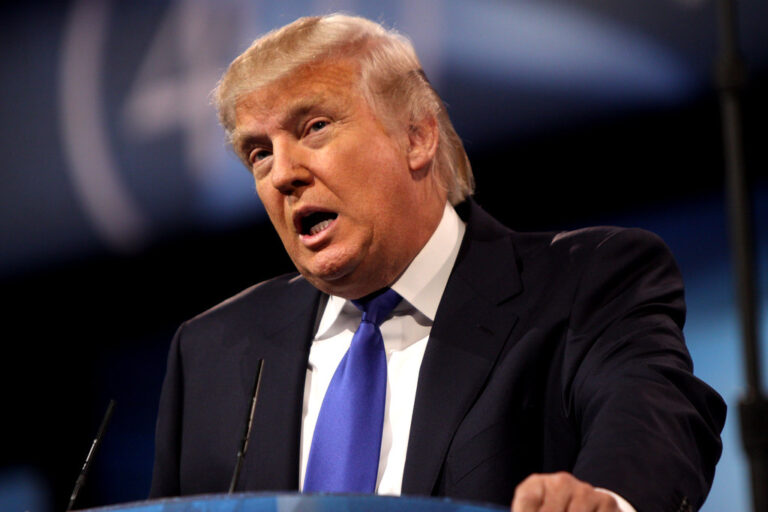
President Donald Trump moved on Monday to ask the Supreme Court to throw out a jury’s ruling in E. Jean Carroll’s lawsuit. The jury decided he sexually abused Carroll in a Manhattan department store in the mid-1990s and later defamed her by denying her claims. Trump’s lawyers now say the verdict conflicts with his role as president at the time of his public statements. Consequently, he argues he enjoyed immunity for official conduct and thus cannot face civil liability.

Why Trump Turned to Supreme Court

Trump’s legal team contends that any remarks he made while in office were part of his presidential duties. Therefore, they argue he held absolute immunity from defamation claims based on those utterances. Meanwhile, Carroll’s lawyers insist that immunity does not cover personal actions taken before a president held office. As a result, the dispute has advanced from the trial court to the Supreme Court, which now must decide if the jury’s verdict stands or falls.

Background of Carroll Lawsuit

E. Jean Carroll, a writer and advice columnist, first publicly accused Trump of sexual assault in 2019. She said the incident happened in the mid-1990s during a shopping trip in Manhattan. Trump immediately denied the accusation, calling Carroll’s claim “totally false.” After she sued him for defamation, Trump’s lawyers argued he could not be sued for official statements.

In May, a federal judge found Trump liable for defamation and ordered him to face a jury trial on Carroll’s battery claim. Then in November, a jury ruled in Carroll’s favor on both sexual abuse and defamation charges. The panel awarded Carroll more than $80 million in compensatory and punitive damages. Both sides have since appealed aspects of the ruling, setting the stage for a Supreme Court showdown.

Trump’s Main Arguments

First, Trump argues the verdict conflicts with the Constitution’s grant of presidential immunity. He says that any comment he made about Carroll fell under his official duties. Thus, he claims no court may impose civil penalties for such remarks. In their filing, Trump’s attorneys noted that forcing compliance with the verdict would chill future presidential speech.

Second, Trump’s team challenges how the jury considered evidence. They maintain that certain documents and witness accounts should have been excluded or limited. Moreover, they argue that the amount awarded in damages was excessive and unsupported by law. Finally, they insist that a unanimous Supreme Court ruling could clarify unsettled issues in immunity law.

Defamation and Damages Explained

The jury concluded Trump defamed Carroll by publicly denying her abuse claim. It found that his denials harmed her reputation and caused emotional distress. Consequently, the jury awarded Carroll compensatory damages to cover harm and punitive damages to punish Trump. The combined award topped $80 million, reflecting both the abuse finding and defamation claim.

In defamation law, a public figure must prove that a statement was false, damaging, and made with actual malice. In this case, the jury decided Trump knew Carroll’s claim was true or recklessly disregarded the truth. Thus, they held he spoke with malice. Trump’s lawyers now say such legal standards should not apply to presidential speech.

What Happens Next

If the Supreme Court agrees to hear the case, it will review the lower court’s decisions on immunity and evidence. At least four justices must vote to take the case. Then they will set a schedule for written briefs and oral arguments. Oral arguments could occur later this year or early next year.

Alternatively, the Supreme Court may decline to hear the appeal. In that scenario, the jury’s verdict would stand intact. Trump would then owe the full damages award unless he persuades a lower court to reduce the amount. In either outcome, the case promises to influence how future legal claims against presidents unfold.

Possible Legal Impact

A Supreme Court ruling could redefine the scope of presidential immunity. It might confirm that presidents cannot face civil suits for official acts. Alternatively, the court could hold that immunity does not cover actions outside official duties, like alleged sexual misconduct. Such a decision would shape similar cases for decades.

Furthermore, the court’s choice will affect defamation law when it involves public officeholders. Clarity on whether a president’s statements enjoy special protection could alter free speech boundaries. Moreover, businesses and individuals could see changes in how they pursue claims against high-ranking officials.

Timeline and Steps

First, Trump filed his petition to the Supreme Court on Monday. Next, court clerks will review the petition and ask for a response from Carroll’s side. After that, the justices will vote on whether to grant review. If granted, both parties will submit detailed written arguments, called briefs.

Then the court may hold oral arguments, where lawyers for Trump and Carroll present their cases before the justices. Finally, the court will issue a written opinion. That opinion could take several months, and it will carry the final say on presidential immunity in this matter.

Public and Political Response

Meanwhile, reactions have poured in from across the political spectrum. Supporters of Trump praise his move, saying it is vital to protect presidential speech. They worry that allowing civil suits could hamper a president’s ability to lead. In contrast, critics argue Trump is avoiding accountability for personal misconduct.

Many legal experts anticipate that the Supreme Court will use this case to set clear rules. They note an existing split among lower courts on presidential immunity. Thus, the powerful bench may see the appeal as an opportunity to resolve conflicting decisions. Public opinion on this case could also shape perceptions of presidential power.

Looking Ahead

Regardless of the court’s ultimate decision, the case brings attention to presidential limits. It reminds Americans that no leader stands entirely above the law. Also, it underscores the gravity of sexual abuse and defamation claims in our society. Finally, it shows how a single lawsuit can reach the highest court and influence legal principles for years.

Frequently Asked Questions

What is presidential immunity?

Presidential immunity protects a sitting president from legal actions tied to official duties. It does not shield personal acts or criminal charges.

Why did the jury award E. Jean Carroll damages?

The jury found Trump sexually abused Carroll and defamed her by denying her claim. They decided his statements harmed her reputation and awarded monetary relief.

How likely is the Supreme Court to hear this case?

The court selects only a few appeals each term. They usually pick cases with wide legal impact or conflicting lower court rulings.

What happens if the Supreme Court refuses the appeal?

If the court declines, the jury’s verdict and damages remain in place. Trump would then face full liability under the jury’s ruling. Source: https://www.nydailynews.com/2025/11/10/trump-asks-supreme-court-to-throw-out-e-jean-carrolls-5-million-verdict/

Bonnie Watson Coleman Won’t Run in 2026

0

Key Takeaways:

  • Congresswoman Bonnie Watson Coleman, the first Black woman from New Jersey in the U.S. House, will not seek a 2026 term.
  • Her decision opens a prime Democratic seat in New Jersey.
  • Supporters praise her service, while challengers see new chances.
  • Voters and party leaders prepare for a competitive primary.

Congresswoman Bonnie Watson Coleman surprised many by announcing she will step down after her current term ends in January 2027. She made this clear in a statement on Monday. Her choice marks the end of a groundbreaking career in the U.S. House of Representatives.

Bonnie Watson Coleman built a strong reputation over years of public service. She focused on health care, education, and workers’ rights. Now, she says it is time for a new generation to lead.

Why Bonnie Watson Coleman Is Stepping Away

Bonnie Watson Coleman explained her reasons in simple terms. First, she wants to spend more time with family. Moreover, she hopes to mentor young leaders outside Congress. She mentioned a desire to launch new projects in New Jersey. Finally, she pointed out the need for fresh voices in Washington.

A Historic Career

Bonnie Watson Coleman made history when she took office in 2015. She became the first Black woman to represent New Jersey in the U.S. House. Since then, she won five terms. In each race, she focused on people’s daily needs. For example, she helped secure funds for local schools. She also pushed for stronger environmental rules.

During her time in office, Bonnie Watson Coleman served on key committees. She worked to lower prescription drug costs. She backed measures to protect voting rights. In addition, she fought for better pay for federal workers. Many admired her steady leadership.

Her Announcement and Reasons

When Bonnie Watson Coleman spoke on Monday, she sounded calm and confident. She thanked her staff, family, and supporters for standing by her. Then she explained that public service shaped her life. Yet, she said, “It is time for others to carry the torch.”

She cited the need to address mental health issues in her community. She also pointed out the chance to help students pursue college without huge debt. Moreover, she noted that fresh ideas often come from new faces. Therefore, she believes stepping aside will help her party thrive.

Impact on New Jersey Politics

Now that Bonnie Watson Coleman will not run, New Jersey’s Democratic primary will heat up. Several local leaders have already hinted they might enter the race. They include state senators, county officials, and community activists. Each candidate will work hard to earn voters’ trust.

The seat’s open status could also attract national attention. Political groups may pour money into the district. In addition, endorsements from party leaders will matter. Whoever wins the primary will likely face a Republican challenger in the general election. Voters will hear many speeches about jobs, health care, and the economy.

What Comes Next

Candidates interested in Bonnie Watson Coleman’s seat must file paperwork soon. The primary will take place in June 2026. After that, the general election will happen in November 2026. Meanwhile, Bonnie Watson Coleman will continue her duties in Congress. She plans to support key bills and serve her constituents until January 2027.

Local party committees will host events and debates. Campaign teams will gather volunteers and donors. Moreover, community meetings will give voters a chance to ask questions. In small towns and cities, people will talk about what matters most to them.

Looking Back and Ahead

Bonnie Watson Coleman’s career offers many lessons. She showed how one person can push for big changes. She worked across party lines to get things done. She inspired young women and people of color to aim for leadership roles.

As she steps away, others will build on her work. New voices will bring fresh energy to the Capitol. In time, voters will judge how well those voices serve their needs. For now, many people thank Bonnie Watson Coleman for her years of service.

Frequently Asked Questions

Who is Bonnie Watson Coleman?

Congresswoman Bonnie Watson Coleman is the first Black woman elected to represent New Jersey in the U.S. House. She has served since 2015.

Why is Bonnie Watson Coleman not running in 2026?

She wants to focus on family, mentor young leaders, and start new projects in New Jersey.

When will the next election for her seat happen?

The primary election will take place in June 2026, and the general election will follow in November 2026.

What happens until Bonnie Watson Coleman leaves office?

She will continue to serve her district, support legislation, and conclude her projects until January 2027. Source: https://www.nydailynews.com/2025/11/10/bonnie-watson-coleman-not-running-reelection-new-jersey-congresswoman/

Bronx Teen Arrested While Biking with Gun

0

Key Takeaways

• An 18-year-old was stopped by police for riding his bike on the sidewalk.
• Officers discovered a loaded handgun hidden on the teen.
• Police bodycam video captured the entire encounter.
• The teenager now faces criminal weapon charges in Bronx court.

Bronx Teen Arrested in Latest Stop-and-Frisk

On October 23, officers saw a young man riding his bike on a Bronx sidewalk after midnight. Because riding a bike on the sidewalk is not allowed, they stopped him. The Bronx teen arrested was 18-year-old Tyler White. At first, he seemed calm. However, when officers searched him, they found a loaded gun tucked under his jacket.

Bodycam Footage Shows Bronx Teen Arrested

Bodycam video shows officers asking Tyler White to step off his bike. He left the bike leaning against a fence and put his hands up. Then, a pat-down revealed a firearm at his waist. You can clearly see the teen drop his bike and slowly raise his arms. After he stood still, an officer removed the gun. One officer said, “You’re under arrest for illegal weapons possession.” Right away, they handcuffed him. The video ends as they lead him to a patrol car.

What Led to the Stop

Earlier that night, officers on routine patrol drove near Lyon Avenue and Burke Avenue. They noticed Tyler weaving around parked cars on the sidewalk. Also, riding on the sidewalk can endanger pedestrians. For this reason, police had the right to stop him. When they approached, the Bronx teen arrested did not seem nervous. Yet the gun was heavy, and it showed.

Charges and Court Appearance

Now, the Bronx teen arrested faces criminal possession of a weapon. Under state law, carrying a loaded gun without a permit can bring serious penalties. Tyler White could face up to seven years in prison if convicted. He was taken to the 52nd Precinct and then to Bronx Criminal Court. At his arraignment, the judge set bail at a high amount because of the gun. He remains in custody until his next court date.

Police Statement and Community Reaction

Police say they are glad bodycam footage proves officers followed protocol. Community groups thank the NYPD for keeping guns off the streets. At the same time, some residents worry about teens with illegal weapons. They hope parents and schools talk to kids about the dangers of guns. Meanwhile, police plan more street patrols to find hidden weapons.

Legal Rights and Next Steps

Tyler White has the right to a lawyer. He can ask for a public defender if he cannot afford one. His attorney may argue that police lacked proper cause for the search. However, riding on the sidewalk gave them a valid reason to stop him. Court dates will follow, and both sides will present their evidence. Ultimately, a judge or jury will decide if he broke the law.

Safety Tips for Cyclists

• Always ride in the street, following bike lane rules.
• Wear a helmet and reflective gear at night.
• Keep both hands on the handlebars.
• Never carry illegal items while biking.
• Know your local traffic laws to avoid surprises.

FAQs

What led to the Bronx teen arrested?

Police stopped him because he was riding on the sidewalk, which is against local law.

What charges does he face?

He faces criminal possession of a weapon for carrying a loaded gun without a permit.

What happens at an arraignment?

At an arraignment, the judge reads the charges, sets bail, and schedules future court dates.

How can cyclists stay safe and law-abiding?

Ride in the street or bike lane, follow signals, wear safety gear, and avoid carrying illegal items. Source: https://www.nydailynews.com/2025/11/10/teen-riding-bike-on-bronx-sidewalk-ends-up-in-cuffs-for-weapons-possession/

Senate Vote Ends Government Shutdown: What’s Next?

0

Key takeaways:

  • Senate approved a plan 60 to 40 to end the government shutdown.
  • The shutdown lasted 41 days, halting many services and paychecks.
  • The funding bill now moves to the House of Representatives.
  • If approved, federal workers return and receive back pay.

Senate Vote Ends Government Shutdown

The Senate passed a bill to end the government shutdown after 41 days. Senators voted sixty for and forty against the measure. The vote came after heated debate over key policies. Leaders from both parties worked out a compromise to reopen federal offices. This step lifts the funding gap that halted many government activities. Now, the decision moves to the House of Representatives for the next vote.

Next Steps in the Government Shutdown Deal

First, House leaders will schedule debates on the bill. They might hold hearings or amend parts of the plan. The Speaker of the House must bring the measure to the floor. Then, all representatives will cast their votes. If the House approves the plan, it will go to the President’s desk. He will sign it into law, officially ending the shutdown. However, some lawmakers may push for changes before they vote.

Impact on Federal Workers and Services

During the government shutdown, many federal employees went without pay. Some essential workers kept reporting to work despite no income. Others faced furloughs and halted projects. National parks closed gates, and airport screenings slowed. Agencies paused processing loans and permits. After the bill becomes law, workers will return to their jobs. They will also receive back pay for days missed. In addition, agencies will restore paused services and work overtime to clear backlogs.

Political Reactions and Public Response

Lawmakers reacted strongly to ending the government shutdown. Some praised the Senate for finding common ground. They said the deal shows compromise is still possible. Others criticized the agreement as weak or full of unwanted deals. Voters shared frustration on social media and in letters to representatives. They felt the shutdown hurt daily life and cost taxpayers money. Community groups urged quick action in the House to fully reopen the government.

What Could Happen If the House Blocks the Bill

If the House rejects the Senate’s plan, the shutdown could continue. Federal workers would still miss paychecks and remain at home or work without pay. Services like passport processing and health inspections would stay delayed. Businesses relying on government contracts could face more strain. A prolonged shutdown risks more voters losing confidence in leaders. In that scenario, both parties might reopen talks or propose a new funding measure. Yet time pressure would grow as employees and the public face more hardship.

Looking Ahead After the Government Shutdown

Assuming the plan passes, lawmakers will turn to longer-term budget talks. They must agree on spending levels for the coming months or year. Congress could choose a continuing resolution to keep funding steady. Otherwise, they will draft a detailed budget bill. Past funding fights show delaying detailed talks can trigger new shutdowns. Therefore, leaders hope to set a clear calendar for future votes. Meanwhile, agencies will assess the impact of the 41-day break and plan recovery tasks.

How This Vote Affects Everyone

Ending the government shutdown brings relief for many Americans. Small business owners can resume applying for federal grants and loans. Travelers will enjoy smoother airport security checks and open landmarks. Students waiting for financial aid can complete their forms without delay. Farmers depending on loan approvals can move forward with planting. Local governments that receive federal funding can restart projects. Thus, reopening the government helps families, companies, and communities across the nation.

Key Dates to Watch

Lawmakers aim to finish House debate and vote before the weekend. If the House votes no, leaders plan emergency talks early next week. The President has pledged to sign the bill within 24 hours of receiving it. Federal agencies have set a one-day window to reopen offices after funding returns. Workers expect to see back pay in their next paycheck. Yet agencies say it could take up to two weeks to restore full operations. Keeping track of these dates will show if services resume on time.

Why the Government Shutdown Lasted 41 Days

The shutdown began when Congress failed to agree on a budget by the deadline. Lawmakers argued over border security, healthcare funding, and spending caps. Some wanted to tie immigration policies to funding bills. Others refused to accept attached measures they opposed. Negotiations stalled as neither side had the votes to force a decision. Short-term funding extensions failed to secure approval. Consequently, agencies closed and workers were furloughed until this compromise emerged.

The Role of Bipartisanship in Ending the Shutdown

Ending the government shutdown shows the power of bipartisan work. Senators from both parties set aside major disagreements on some policies. They focused on areas where they could compromise on funding levels. Their effort highlights that cooperation can overcome gridlock. This success may encourage more cross-party talks on future issues. Still, the fragile nature of this deal reminds leaders that trust is key. Maintaining open communication and respect will be vital for lasting solutions.

Conclusion

The Senate vote to end the government shutdown marks a crucial turning point. With a 60 to 40 majority, senators proved they could restore funding. Now the spotlight shifts to the House of Representatives. If representatives approve the measure, the shutdown will finally end. Federal workers will return and receive back pay. Public services will restart, easing burdens on many Americans. However, uncertainty remains until the House casts its vote. People across the country await the final decision that will bring stability again.

FAQs

What is a government shutdown?

A government shutdown happens when Congress cannot agree on funding. Federal agencies stop non-essential work. Many workers go unpaid, and public services can slow or stop.

Why did the Senate vote 60 to 40?

Senators needed at least sixty votes to move the funding bill past a procedural hurdle. The final count showed bipartisan support with sixty in favor and forty against.

What happens to federal workers after the shutdown ends?

Once the funding bill is signed, federal workers return to their duties. They receive back pay for the days they missed. Essential workers may see pay restored first.

What happens if the House rejects the Senate plan?

If the House rejects the bill, the shutdown could continue. Lawmakers might resume negotiations or propose a new funding measure. Uncertainty would remain until they reach an agreement. Source: https://www.nydailynews.com/2025/11/10/senate-votes-60-40-to-end-government-shutdown-now-its-on-to-the-house/

What Are Trump Stimulus Checks?

0

Key takeaways

  • President Trump promises a $2,000 stimulus check dividend per person.
  • He links the payout to tariff revenues from imports.
  • Critics warn the plan could spark higher inflation and home prices.
  • Supporters cheer the idea, but its legal standing is unclear.

President Trump vowed on social media to send at least $2,000 to each American. He called it a dividend from the billions he claims the country gains through tariffs. Trump said this payout will not include high-income earners. He also pitched tariffs as a way to pay down the national debt.

Why Trump Stimulus Checks Matter

Trump stimulus checks could shape how Americans see tariffs. If people believe they will get money back, they might back higher import taxes. Meanwhile, the Supreme Court is set to decide if Trump’s tariff moves are legal. Thus, this promise ties politics, law, and the economy in one plan.

Trump’s Tariff Strategy

Trump insists tariffs make the nation richer. He wrote on his platform that America has “almost no inflation” and “record stock market prices.” He claims factories and plants now rise across the country. As a result, he says tariff money will cover the $2,000 dividend. He also suggested it will help chip away at the $37 trillion national debt.

Reactions to Trump Stimulus Checks Promise

Supporters jumped at the idea of free money. Yet many remain skeptical. One critic warned that adding $2,000 to every American’s pocket will fuel runaway inflation. He said people might rush to buy cars or homes, pushing prices even higher. Others joked on social media about waiting for their Dogecoin rebate checks.

Inflation Fears and Economic Risks

Economists warn that handing out cash to millions could push prices up. First, spending would spike in weeks. Then stores might raise prices further. Second, the housing market could surge if buyers borrow more. Third, the plan could deepen the national debt if tariffs fail or court challenges block them.

Supporters’ Perspective

Meanwhile, Trump’s base calls the dividend a smart move. They believe tariffs protect U.S. jobs and bring money home. They also point out that a $2,000 check would help families facing high living costs. Lastly, they see the idea as proof that tariffs benefit everyday people.

Will Trump Stimulus Checks Happen?

At present, the plan remains a promise. The Supreme Court will soon rule on whether Trump’s tariff hikes stand. If the court strikes them down, tariff revenue could vanish. Without that money, the $2,000 checks may never arrive. In addition, Congress would need to sign off on any large payout.

Legal Hurdles Ahead

As the high court reviews the case, experts say Trump lacks clear authority to fund checks with tariff dollars alone. They note he needs Congress to approve such massive spending. Thus, the idea may face delays or even stall entirely. Nevertheless, Trump uses the threat of checks to rally public support for his trade policies.

What the Plan Means for You

If the $2,000 Trump stimulus checks come through, many families would feel relief. They could pay bills, save more, or splurge a bit. On the other hand, if inflation climbs, their dollars might not go as far. Therefore, households must weigh the short-term gain against possible higher prices down the road.

Looking Ahead

In the next few months, all eyes turn to the Supreme Court and Congress. Their decisions will decide whether Trump stimulus checks move from promise to reality. Until then, Americans remain in limbo. They watch tariffs, court rulings, and political debates while imagining what an extra $2,000 could mean for them.

FAQs

What exactly did Trump promise about the $2,000 stimulus checks?

He said every American (excluding high earners) would get at least $2,000. He tied the payout to revenue from new tariffs.

Could this plan cause inflation to rise?

Yes. Experts warn that extra cash in many hands could push prices higher and fuel inflation.

Do high-income earners qualify for the $2,000 check?

No. Trump specifically excluded high-income individuals from receiving this dividend.

What legal steps remain before stimulus checks can be paid?

The Supreme Court must clear Trump’s tariffs, and Congress must approve any large spending plan.

Why Trump’s 50-Year Mortgage Is a Bad Idea

0

Key Takeaways

  • Donald Trump proposes a 50-year mortgage to help buyers afford homes.
  • Experts warn that a 50-year mortgage can double total interest costs.
  • Critics say banks win while homeowners stay in debt for life.
  • Many call the 50-year mortgage plan “spectacularly dumb” and risky.

Donald Trump recently teased a plan for a 50-year mortgage. He says it will make homes more affordable. However, financial experts and political observers disagree. They warn this move could trap Americans in debt for decades.

The True Cost of a 50-Year Mortgage

A regular home loan lasts 30 years. That already ties people to debt well into middle age. Extending that to 50 years raises big concerns. At a 6 percent interest rate, a $400,000 home costs about $863,000 on a 30-year mortgage. However, the same home on a 50-year mortgage jumps to $1.38 million. That means half a million more in interest payments.

Moreover, a longer loan means slower equity growth. Homeowners build home value more slowly. As a result, they might struggle to refinance or sell when needed. In turn, they stay locked into their mortgages far longer than expected.

Experts Slam the 50-Year Mortgage Plan

Political strategist Mike Nellis called the idea “spectacularly dumb.” He said it shows Trump has no clue how to lower housing costs. Instead, Trump’s plan would enrich banks and keep people paying until they die.

Progressive influencer Alex Cole made the math simple. He wrote that 50-year mortgages cost hundreds of thousands more in interest. He added that cheering for them is like turkeys celebrating Thanksgiving.

Even some conservatives are uneasy. Florida commentator Richard FL joked that Trump is so “America First” he wants kids to pay home loans from age 27 to 77. Then those kids pay taxes and insurances on top of everything else until they pass away.

The group MeidasTouch warned this could lead to a crisis worse than 2008. Common Sense Investor agreed, saying banks win and homeowners never truly own their homes.

What It Means for Homebuyers

First, homeowners would pay interest nearly twice as long. Second, they might never build enough equity to move or refinance. Third, they risk being underwater if home values drop. Fourth, a 50-year mortgage could discourage savings for other goals like education or retirement.

Furthermore, long-term debt can affect mental health. People report stress when they owe money for long periods. They may delay important life events like having children or starting businesses.

On top of that, younger buyers could carry this debt into their senior years. They might need to pay both mortgage and living costs like healthcare. As a result, retirement could become unaffordable.

Why Banks Stand to Gain

Banks earn interest on every mortgage. A longer loan means more interest paid over time. Therefore, banks see a clear profit in a 50-year mortgage plan. They collect payments for two extra decades compared to a 30-year loan.

In addition, if homeowners default, banks can foreclose and resell the property. This process can repeat profitably if property values rise. Thus, critics argue that a 50-year mortgage favors financial institutions over families.

Possible Alternatives to a 50-Year Mortgage

Rather than extending loan terms, experts suggest other solutions:

• Increase housing supply. Building more homes can lower prices.
• Boost down-payment assistance. Grants or tax credits help buyers save.
• Encourage shared equity. Partnerships between buyers and nonprofits can ease costs.
• Offer income-based repayments. Adjusting payments to earnings can prevent defaults.
• Regulate interest rates. Caps on rates protect borrowers from high costs.

These ideas aim to reduce overall costs without trapping people in decades of debt.

Political Fallout and Public Reaction

Supporters of Trump see mortgage relief as a step toward affordable housing. They believe any plan to lower monthly payments helps. However, many Trump backers are now uneasy.

Some say they regret supporting him after seeing the 50-year mortgage pitch. They worry it shows he is out of touch with real needs. Others feel angry that homeowners would pay so much more in interest.

On social media, the debate grows heated. Critics use strong words like “scam” and “lifetime debt.” Even commentators in his own party express doubts.

Conclusion

Trump’s proposal for a 50-year mortgage was meant to ease housing costs. Yet experts warn it will backfire. Homeowners would pay far more in interest. They could remain in debt for life. Critics argue banks, not families, would benefit most. In light of these worries, many say the plan is a spectacularly bad idea.

Frequently Asked Questions

What is a 50-year mortgage?

A 50-year mortgage is a home loan that spreads payments over fifty years instead of the typical thirty. It lowers monthly bills but raises total interest costs.

How much more interest do you pay with a 50-year mortgage?

At current rates, a 50-year mortgage on a $400,000 home can cost about $1.38 million in total payments. That is roughly $500,000 more than a 30-year loan at the same rate.

Why do experts oppose 50-year mortgages?

Experts say they trap homeowners in debt far longer. They warn that slow equity growth and high interest hurts families. Banks, they argue, gain the most from these extended loans.

Are there better housing solutions than a 50-year mortgage?

Yes. Building more homes, offering down-payment help, and creating income-based plans can ease costs without long-term debt. These options aim to protect buyers and keep interest low.

Why Gorsuch Questions Trump Tariffs

0

Key Takeaways:

  • A public defender said justices may strike down Trump tariffs.
  • Justice Neil Gorsuch warned the president overstepped his power.
  • The court suggested Congress, not the president, must set tariffs.
  • This ruling could reshape the balance of trade power.

Over the weekend, a former pardon attorney spoke on MSNBC. She noted a Supreme Court session that hinted at striking down Trump tariffs. Surprisingly, conservative justices joined liberals in raising doubts. In particular, Justice Neil Gorsuch made sharp remarks. He suggested the president had gradually taken too much power from Congress. That comment left the host saying, “Whoa.” Now, the nation waits for a written decision. The case could redefine how the U.S. handles trade rules.

Gorsuch’s Concern Over Trump Tariffs

During the argument, Justice Gorsuch spoke directly about presidential power. He said he worries the White House has moved the line of authority. Specifically, he pointed out that Congress holds the taxing power. Tariffs, after all, count as taxes. Therefore, he questioned why the president could set them alone. This stance surprised many observers. After all, Gorsuch often sides with conservative views. Yet, here he joined liberals in defending legislative power.

What Are Trump Tariffs and Why They Matter

Tariffs are taxes on imported goods. They make foreign products more expensive. In turn, domestic products gain a price advantage. Presidents have used tariffs for decades to protect U.S. businesses. However, the Constitution says only Congress can impose taxes. For that reason, many legal experts say presidents lack the authority to set new tariffs. Over time, presidents have issued tariffs by executive order. Now, the Supreme Court will decide if that practice is lawful. This ruling can affect trade policy around the world.

How the Supreme Court Case Unfolded

The case began when a group of companies sued the government. They argued that the president overstepped his power. During oral arguments, both sides presented strong points. The government defended the idea that presidents need flexibility in trade wars. Meanwhile, the challengers said Congress should write tariff laws. As the hearing progressed, several justices asked tough questions. At one point, Gorsuch warned against letting the president shift power from the legislature. Later, Justice Kagan noted the historical role of Congress in taxation. In the end, the tone suggested a split decision.

Why Congressional Authority Matters

Congress holds the power of the purse in the U.S. government. This power includes approving budgets and setting taxes. If the president could set tariffs freely, he could bypass Congress’s budget controls. Moreover, unchecked tariffs can spark trade wars. Trade wars can hurt both U.S. businesses and consumers. Higher import taxes often lead to higher prices at home. This shift can slow economic growth. Therefore, many lawmakers stress that only Congress should decide on tariffs.

Potential Impact of the Decision

If the Supreme Court strikes down Trump tariffs, the president may lose a key tool. Future leaders would need to seek congressional approval for new trade taxes. That process could slow responses to global trade challenges. On the other hand, some argue this check will bring balance. It could force better debate on trade policy. It may also prevent sudden moves that surprise international partners. In any case, the decision will guide how future presidents handle tariff threats.

What Happens Next for Tariffs and Power

After today’s arguments, the justices will review their notes. Then, they will write opinions explaining their decisions. This process can take months. Meanwhile, existing tariffs remain in place. Businesses and markets must adapt to those taxes. Congress could also draft new trade legislation to clarify its role. At the same time, presidents may seek alternative tools like sanctions. In the end, the clash over Trump tariffs highlights the ongoing fight over power in Washington. Citizens, lawmakers, and industry leaders all await the final word from the court.

Understanding the Broader Debate

This case is about more than just tariffs. It touches on the separation of powers in the U.S. system. The framers of the Constitution wanted checks and balances. They gave Congress the taxing power. They gave the president the power to enforce laws. When one branch overreaches, the others must push back. That is exactly what the Supreme Court’s role can be. By reviewing executive actions, the court ensures no branch grows too strong.

Why This Case Feels Personal

For many Americans, trade policy affects daily life. Higher tariffs can mean more expensive cars, electronics, and clothing. Job markets can shift as companies rethink supply chains. Farmers, manufacturers, and consumers all feel the impact. When the Supreme Court weighs in, it sends a message about who makes key economic decisions. Justice Gorsuch’s comments reminded people that courts do more than settle crimes. They also protect the democratic process.

Key Takeaways Revisited

First, the argument showed surprising unity among justices. Second, Gorsuch stressed that presidents cannot tax alone. Third, the case may limit executive power on trade. Finally, Congress must defend its constitutional role. As the country watches, one question remains: Will the Supreme Court uphold or overturn Trump tariffs?

Frequently Asked Questions

What makes tariffs important in trade policy?

Tariffs help protect local businesses by making imports pricier. Yet, they can also raise costs for consumers and spark trade wars.

Why did Justice Gorsuch question Trump’s tariffs?

He argued that the Constitution gives Congress the power to tax. Therefore, the president lacks sole authority to impose new tariffs.

Could the Supreme Court actually strike down Trump tariffs?

Yes. If a majority of justices agree that the president overstepped, they can cancel those tariffs.

How can Congress respond if the court rules against the president?

Congress could pass new laws clarifying its role in trade decisions. That step would guide future presidents on setting tariffs.

Trump Calls Out Democrats for ‘Obamacare’ Scam

0

Key Takeaways

• President Trump blasted Democrats for “terrorizing” Americans over a potential government shutdown.
• He criticized ObamaCare subsidies as a windfall for health insurance giants and harmful for families.
• Trump noted insurance stocks surged up to 1000% since ObamaCare passed, while premiums doubled.
• He urged sending relief money straight into Americans’ Health Savings Accounts.
• Trump called for a bipartisan fix once the government reopens.

Obamacare: Trump’s Latest Attack on Democrats

President Trump used his social platform to accuse Democrats of harming Americans with their budget tactics. He said they “terrorize” the public by threatening a government shutdown unless ObamaCare subsidies keep flowing. According to Trump, these subsidies only boost insurance companies’ profits—and make health coverage more expensive for ordinary people.

What Trump’s Saying About Obamacare

Trump argued that when ObamaCare became law, big insurers saw their stock prices skyrocket—some by over 1000%. Meanwhile, he said, American families watched their premiums more than double. He called this result “a disaster for the American people.” Moreover, Trump claims the money behind these subsidies never reached patients. Instead, it enriched insurers without improving care.

Why Insurance Stocks Soared

Insurance firms cashed in on ObamaCare subsidies designed to cover low-income individuals. As a result, profits jumped. Trump pointed out that insurance giants now reward investors handsomely. However, everyday Americans still face rising costs. He believes this imbalance must end.

Trump’s Plan to Lower Costs

Instead of funneling cash to big insurers, Trump wants relief money to land directly in people’s pockets. He proposes boosting Health Savings Accounts (HSAs). These accounts let individuals save pre-tax dollars for medical expenses. By expanding HSAs, Trump argues, families can shop for better plans and drive competition. Consequently, insurers must offer more affordable options.

Stopping the Shutdown Terror

According to Trump, Democrats are using shutdown threats to keep ObamaCare subsidies alive. He says this tactic “terrorizes the American people.” He invited leaders from both parties to negotiate after reopening the government. Only then, he added, can they craft lasting healthcare reform.

The Cost of Premium Spikes

Before ObamaCare, average premiums rose modestly. Yet, Trump says they doubled since the law passed. For example, a plan that cost $200 per month might now run $400. For many families, that extra $200 becomes a financial burden. Therefore, Trump emphasizes immediate relief through HSAs.

Creating Real Competition

By sending subsidies directly to individuals, Trump believes Americans could choose from various plans. If insurers want customers, they must lower prices or add value. Thus, competition would drive down costs naturally. Trump says this approach beats giving checks to insurance giants.

Democrats’ Response to the Claims

Democrats call Trump’s attack a distraction. They insist ObamaCare protects people with preexisting conditions. Moreover, they argue that subsidies keep coverage affordable for millions. They worry removing funds could hike costs again. However, Trump counters that insurance profits prove the system needs overhaul.

What Happens During a Shutdown

When the government halts, many services pause. Federal workers can face delayed paychecks. Health agencies risk losing staff or funds. Patients waiting on approvals for care could see delays. In addition, research grants may be suspended. Trump warns this chaos hurts Americans worse than budget fights.

Next Steps for Healthcare Talks

Trump asserts he “stands ready” to work with both sides once the government reopens. He wants immediate moves to reroute funds into HSAs. Then, lawmakers could debate long-term fixes. Trump stresses the need for swift action to lower premiums.

Obamacare’s Future in the Debate

As budget talks resume, ObamaCare remains central. Lawmakers must decide whether to keep funding subsidies for insurers or shift toward direct payments. Trump’s push for HSAs marks his preferred alternative. Yet, Democrats favor preserving the current subsidy structure. The clash will shape healthcare policy for years.

Why It Matters to You

Whether you get insurance through work, a marketplace plan, or Medicaid, funding changes can affect you. Premiums might rise or fall. Access to doctors and treatments could shift. Thus, watching these talks helps you plan for your own healthcare budget.

How Competition Could Help

If Americans pay with HSA dollars, they may compare plan prices more closely. Insurers would need better deals to win customers. Over time, this could lead to plans that match your needs at lower costs. Competition can spur innovation in telehealth, wellness programs, and pricing transparency.

Looking Ahead

The shutdown fight may only be the start of a larger healthcare battle. Trump’s call to end the “Obamacare scam” challenges both parties to rethink coverage. As negotiations begin, watch for new proposals on subsidies, HSAs, and market rules. Your healthcare costs could depend on the outcome.

Frequently Asked Questions

How do ObamaCare subsidies work?

Subsidies offset monthly premiums for low- and middle-income families. Insurers receive the funds to lower buyers’ costs. Trump argues this process enriches companies more than it helps consumers.

What are Health Savings Accounts?

HSAs let people save money before taxes for medical expenses. Owners choose plans that qualify. Funds roll over year to year and can earn interest. Trump wants to boost these accounts.

Could a shutdown affect my health coverage?

Yes. Federal staff who run enrollment and claims may get furloughed. That can delay approvals or new plan sign-ups. Services like health research and inspections could slow.

What’s the proposed solution to lower premiums?

Trump suggests sending relief money directly to Americans’ HSAs. This would let people shop for plans competitively. Ideally, insurers would then lower prices or improve offerings to attract buyers.

How Democrats Ended the Government Shutdown

0

Key Takeaways

• Congressional Democrats agreed on a plan to end the longest government shutdown in U.S. history.
• The deal asks at least ten Democrats to back a procedural vote for short-term funding through year’s end.
• Lawmakers will vote in December to renew Affordable Care Act subsidies.
• Talks include rehiring all federal workers laid off during the shutdown.

A major breakthrough emerged as Democrats reached a deal to end the government shutdown. For weeks, the Senate stood deadlocked over funding. Now, at least ten Senators have agreed to support a motion that would keep funding running until December 31. As a result, essential services will continue without further interruption.

Moreover, the deal secures a December vote to extend health insurance subsidies under the Affordable Care Act. This move ensures that millions who rely on those subsidies will not face lapses in coverage. Additionally, the plan includes negotiations to rehire all federal employees laid off during the shutdown.

Details of the Government Shutdown Deal

First, the plan uses short-term funding bills to cover spending through the end of the year. These continuing resolutions will fund every department just as before the shutdown. Importantly, this approach buys time for lawmakers to craft final year-long appropriations.

Second, the deal ties a future vote to preserve Affordable Care Act subsidies. That promise addresses a core Democratic priority. Without this vote, many low- and middle-income Americans could lose vital health coverage support. Therefore, the added vote helps unite lawmakers around shared health care goals.

Finally, talks aim to fully reinstate furloughed federal staff. Hundreds of thousands of workers faced unpaid leave or forced absence during the shutdown. If the plan succeeds, every worker laid off by the last shutdown will return to duty. In turn, this move restores paychecks and morale across federal agencies.

Why the Government Shutdown Happened

The recent government shutdown began as budget talks stalled over policy priorities. Lawmakers could not agree on funding levels for defense, health programs, and border security. As a result, nonessential agencies closed doors. National parks, museums, and regulatory offices all felt the impact.

Then, pressure grew on both sides. Public opinion turned sharply against continued closures. Businesses warned of economic losses. Families of federal workers faced financial strain. Finally, Democrats and Republicans returned to the negotiating table to break the deadlock.

Key Players in the Negotiations

Several Senate Democrats played a vital role in shaping this deal. Senators from swing states voiced concerns about health care and worker pay. They insisted on ACA subsidies and rehiring guarantees. Their demands turned private talks into a more balanced agreement.

On the Republican side, Senators focused on keeping agencies open. They sought limited adjustments to spending levels but agreed to short-term extensions. Party leaders coordinated with their rank-and-file members to secure enough votes.

Meanwhile, the White House signaled willingness to approve a short-term fix. This message gave lawmakers room to finalize the plan without fearing a veto.

Impact on Federal Workers and Services

For federal workers, this deal offers relief and certainty. First, furloughed employees will get back pay. That means lost wages from the shutdown will be reimbursed. Second, all workers laid off during the shutdown will return to their jobs. In practice, this step avoids recruitment delays and training gaps.

For the general public, services will resume uninterrupted. Passport applications, tax filings, and regulatory reviews will continue on schedule. Furthermore, national parks and museums will reopen, benefiting tourism and local economies.

Health care providers will also see stability. Subsidy extensions keep insurance markets stable and prevent rate spikes. Patients on ACA plans can rely on their coverage without fearing a sudden end.

Next Steps After the Government Shutdown Deal

First, lawmakers must hold a procedural vote on the short-term funding bills. If at least ten Democrats vote yes, the motion will pass. Then, each spending bill will move to full Senate debate and final passage.

Second, by December, Congress will vote on extending ACA subsidies. The outcome of that vote will shape health policy for the coming year. Both parties will likely debate scope and cost, but the deal’s framework creates a path forward.

Third, negotiations will continue on full-year appropriations. Lawmakers have until January 31 to agree on budgets for each department. The short-term funding extension provides the breathing room needed to resolve detailed policy disputes.

Finally, once all votes clear, the President will sign the appropriations bills into law. Only then will the shutdown officially end and full-year funding take effect.

Why This Deal Matters

Ending the shutdown avoids more harm to the economy. Each day of a shutdown costs billions in lost productivity. Local communities also suffer when parks and public sites close. By keeping government open, the deal preserves growth and confidence.

Moreover, the agreement shows that compromise remains possible in a divided Congress. Even on heated topics like health care and spending, lawmakers found common ground. This example may guide future negotiations on immigration, infrastructure, and other issues.

Importantly, the deal protects vulnerable families who depend on federal aid. From food assistance to low-income health coverage, many programs run through annual appropriations. The extension ensures that aid remains in place through year end.

Transitioning Back to Normal

Government offices will reopen in stages. First, nonessential staff will return under the reinstatement plan. Next, agencies will catch up on backlogged work. Officials expect a two-week sprint to clear paperwork and resume inspections.

In addition, funding offices will review contracts affected by the shutdown. They will prioritize urgent projects that stalled during the closure. As a result, critical infrastructure, research, and community grants can restart quickly.

Lastly, lawmakers will prepare for the looming deadline in January. Committees will gather proposals for full-year budgets. Both parties must leverage these weeks wisely to avoid repeat gridlock.

FAQs

What exactly ends the government shutdown?

A procedural vote on short-term funding bills ends the shutdown. If approved, the bills fund the government until December 31.

How many Democrats must support the deal?

At least ten Democrats need to vote for the procedural motion to pass in the Senate.

Will federal workers get back pay?

Yes. All furloughed workers will receive back pay, and those laid off will return to their positions.

What happens after December 31?

Congress must pass full-year appropriations by January 31. If not, they must pass another extension to avoid a new shutdown.