61.7 F
San Francisco
Saturday, April 18, 2026
Home Blog Page 283

Trump on Inflation: Fact or Fiction in 60 Minutes

0

Key takeaways:

  • Trump said he inherited the worst inflation in history.
  • Historical peak was over fifteen percent during World War One.
  • Today, inflation stands near three percent, barely changed.
  • Data shows tariffs did raise some costs.
  • Experts flag a mismatch between his words and figures.

Trump’s Inflation Claims Under Fire

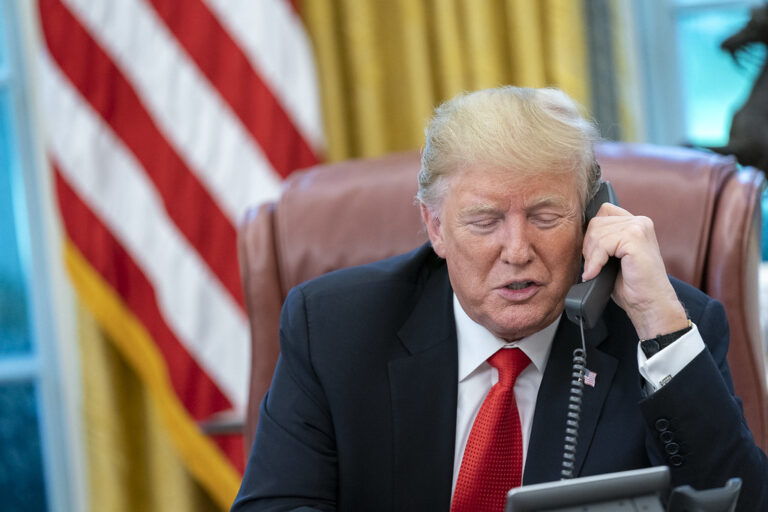
In a new transcript from “60 Minutes,” President Trump made waves. He insisted he inherited the worst inflation ever. Yet, reporters saw clear errors in his words. Inflation issues remain a top concern for many families. Therefore, his statements sparked sharp questions about truth and data.

Trump’s ‘Worst Inflation’ Claim

During the interview, he said, “I inherited the worst inflation rate in history.” He added that his second term is “blowing it away.” Moreover, he pointed to strong job numbers and a high stock market. He insisted, “Remember, Biden gave me the worst inflation rate in the history.” However, his claim came under probe.

Peter Baker of the New York Times noted this mix-up. He reminded viewers that inflation hovered near three percent when Trump took office. At that time, prices rose by about three percent annually. Similarly, Baker pointed out that inflation remains near three percent now. Consequently, the figures show little change since Trump moved into the White House.

The Real History of Inflation

Contrary to Trump’s claim, the highest inflation hit America during World War One. Back then, prices climbed more than fifteen percent yearly. Factually, this spike happened between nineteen seventeen and nineteen twenty. Thus, it dwarfed any post-war inflation rates. Meanwhile, modern spikes ran well below that level.

Moreover, experts agree that such extreme inflation came from war costs and supply shortages. When demand outpaced supply, prices soared. In contrast, today’s supply lines are more global and tied to technology. Therefore, the current inflation remains far below those wartime peaks.

Current Inflation Reality

As of September, inflation stands at nearly three percent. One year earlier, in September, it hovered around two point four percent. Despite this small rise, many Americans still feel price pain. Gas and grocery bills still weigh heavy on budgets. Yet, the headline rate remained stable overall.

Furthermore, Trump claimed that his tariff policies did not fuel inflation. He insisted, “We have no inflation. Biden had inflation, and he didn’t use tariffs.” In fact, several studies linked tariffs to higher costs on goods. For example, taxes on imports can raise prices for factories and shoppers alike. Therefore, tariffs often push inflationary pressure into the economy.

In addition, many economists say tariffs act like a hidden tax. They warn that this tax can chip away at consumer wallets. Even so, Trump repeated that his tariff moves cut costs. He painted a picture of triumph over rising prices. However, the data tells a different story.

Why Facts Matter

When leaders share accurate data, people make smarter choices. Clear inflation numbers help families plan their spending. They can save or invest based on real price trends. Conversely, confusing or false claims can upset these plans. Consequently, trust in government communication can erode.

Moreover, in a tight labor market, wages and prices both react to inflation. If prices climb fast, wages may struggle to keep up. This gap can hurt low-income households the most. Therefore, precise inflation tracking remains crucial for policy and people.

In addition, investors watch inflation closely. It shapes decisions in the stock and bond markets. As a result, even small shifts in inflation can trigger big moves in Wall Street. Hence, anyone watching the economy needs clear and truthful inflation data.

Wrapping Up the Inflation Debate

In the interview, President Trump turned to strong job growth and rising markets. Yet, his own inflation numbers undercut his point. While he aimed to highlight success, he instead sparked a fact-check clash. Thus, this debate over inflation shows how vital clear data can be.

Ultimately, true inflation affects every American. From filling the gas tank to buying groceries, price shifts matter. Therefore, leaders should be sure to present correct inflation facts. Claiming a historic high when data shows stability can confuse the public. In the end, honest dialogue builds stronger trust in our economic future.

Frequently Asked Questions

What is inflation?

Inflation measures how fast prices for goods and services rise over time. It shows the loss of buying power for each dollar.

When did the United States see its highest inflation?

America saw its highest inflation during World War One. Annual price hikes topped fifteen percent between nineteen seventeen and nineteen twenty.

How does current inflation compare to past levels?

Today’s inflation runs close to three percent. This level remains far below the wartime spike and shows little change since last year.

Can tariffs affect inflation?

Yes. Tariffs add taxes to imported goods. This extra cost can spread through supply chains and raise prices for consumers.

Judge Tosses California Redistricting Suit

Key takeaways:

  • A U.S. District Court judge dismissed a suit from Reps Issa and Jackson.
  • They sought to block California redistricting maps for the 2026 midterms.
  • The court found that losing political power is not a legal harm.
  • The judge ruled gerrymandering is not a justiciable injury.
  • California’s new district maps will stand for the next election.

Reps Darrell Issa and Ronny Jackson filed a lawsuit in early October. They wanted to stop California redistricting that reshapes voting districts before the 2026 midterms. The lawmakers argued the state acted under political pressure to help Democrats. They claimed that Texas gerrymandering inspired California’s move. As a result, they feared losing committee chairmanships and staff power. However, U.S. District Court Judge Matthew Kacsmaryk ruled they had no legal right to sue. He said losing political influence is not a private right. Consequently, the California redistricting maps will remain in force.

Moreover, the lawsuit hinged on allegations that drawing new district lines crossed legal limits. Issa and Jackson argued this change would dilute Republican voters in Texas. They said flipping California seats could shrink their roles in key House committees. The lawsuit explained that minority committee staff is smaller than majority staff. Thus, they claimed a direct personal injury. Yet, the judge rejected their claim. He noted that political power loss does not qualify as a concrete harm in court.

Why the California Redistricting Lawsuit Failed

In his ruling, the judge first examined legal standing. He explained that to sue, a plaintiff must show actual, concrete harm. In this case, the alleged harm was losing a subcommittee chairmanship. Therefore, the claimed loss is purely political. Consequently, the court cannot address it. Moreover, the judge cited past decisions where courts refused to resolve political disputes. He warned that allowing such suits would flood courts with partisan fights. Hence, he concluded the lawsuit lacked justiciable grounds.

Additionally, the judge declared that gerrymandering disputes belong in elections, not courts. He wrote that drawing district maps is a political task for voters to judge at the ballot box. Also, state courts and commissions handle redistricting challenges under state law. Indeed, California used an independent commission to redraw lines this year. This process aimed to limit partisan bias. Therefore, the federal court found no need to intervene. Ultimately, the judge saw the lawmakers’ claims as policy concerns, not legal ones.

What’s Next for California Redistricting

With the lawsuit dismissed, California will use its new district maps in the 2026 midterms. These maps reflect the state’s latest population counts. Moreover, they adjust boundaries to balance voter populations more fairly. The independent commission will continue to monitor map fairness and address any state-level disputes. Meanwhile, lawmakers can focus on campaigning under the new lines. In contrast, Texas Republicans may renew their own gerrymandering challenges in state courts.

For Issa and Jackson, options are limited. They could appeal the decision to a higher federal court, but that process is lengthy and uncertain. Alternatively, they might press for redistricting reform through Congress or state legislatures. Finally, they may rely on state courts to review alleged partisan maps. Yet, this federal ruling sets a clear precedent: political power claims are not legal claims.

Broader Implications of the Ruling

First, this decision reinforces that courts avoid purely political questions. It highlights that loss of political influence is not a legal injury. As a result, lawmakers must identify real, personal harm to sue. Second, the case underlines the role of independent redistricting commissions. By removing direct party control, these bodies aim to produce fairer maps. Third, the ruling may influence future disputes in other states. Lawmakers might rethink lawsuits that hinge solely on political harm. Consequently, the fight over district lines could shift to state arenas or the ballot box.

In fact, federal courts have often rebuffed gerrymandering challenges as non-justiciable. Yet, debates over map fairness continue in state courts and legislatures. Therefore, public pressure and elections remain key tools for change. Moreover, voters themselves are the ultimate check on mapmakers. They can vote out officials who draw unfair districts.

How Voters Can Impact Redistricting

Citizens have several ways to influence redistricting. First, they can attend public hearings and voice concerns directly to commissions. These bodies often hold open sessions before finalizing maps. Second, voters can support ballot measures that create or strengthen independent commissions. Third, they can elect representatives who pledge fair map drawing. Finally, community groups can challenge maps under state constitutions. These efforts have led to reform successes in many states.

Thus, while federal courts may step back, the public still holds power to shape fair districts. Active participation and advocacy drive the push for balanced representation.

Conclusion

A federal judge dismissed the challenge against California redistricting. He ruled that losing political influence is not a legal harm. As a result, California’s new district maps will guide the 2026 midterm elections. The decision shows that courts will steer clear of purely political disputes. Therefore, lawmakers must prove real legal harm to sue. Meanwhile, independent commissions and active voters remain central to fair redistricting. In this landscape, drawing voting boundaries will remain a blend of law, politics, and public action.

FAQs

What is California redistricting?

California redistricting is the process of redrawing the state’s congressional and legislative district lines after each census. An independent commission usually leads it to promote fairness and equal population distribution.

Who filed the lawsuit and what did they claim?

Reps Darrell Issa and Ronny Jackson filed the lawsuit. They contended that California changed its district lines under political pressure, risking flipped seats that would dilute Republican committee power.

Why did the judge dismiss the California redistricting lawsuit?

Judge Matthew Kacsmaryk found that the representatives lacked legal standing. He determined that losing political influence is not a private legal injury and that gerrymandering disputes belong in elections and state venues, not federal courts.

How could this ruling affect future redistricting disputes?

This ruling sets a precedent that courts may reject suits over political power loss. Lawmakers in other states might struggle to show legal harm and may shift redistricting battles to state courts, independent commissions, or public ballot measures.

Gomez Fires Back at Melania Over ICE Raids

0

Key Takeaways

  • Representative Jimmy Gomez quipped that harsher ICE raids could even target Melania Trump.
  • His jab came after President Trump said on 60 Minutes that ICE raids “haven’t gone far enough.”
  • Gomez represents a California district that has faced aggressive ICE raids.
  • The exchange underscores a heated national debate over immigration enforcement.

Representative Jimmy Gomez took a sharp shot at Melania Trump on X. His comment followed President Trump’s recent call for even tougher ICE raids. Gomez’s district in California has felt the sting of those operations firsthand.

Background on ICE Raids Debate

In a Sunday “60 Minutes” interview, President Trump praised recent ICE raids. He said judges put in place by former presidents Biden and Obama blocked many deportations. He also showed video of agents tackling a mother and using tear gas in a Chicago neighborhood. Moreover, he pointed to smashed car windows during some sweeps. In his view, ICE raids still “haven’t gone far enough.”

CBS host Norah O’Donnell asked if he planned to deport people with no criminal record. Trump replied that anyone who entered illegally must leave. Then, they could return legally. He even floated sending American citizens to jails abroad, such as in El Salvador.

Gomez’s Sharp Reply

Shortly afterward, Representative Gomez posted on X:
“Haven’t gone far enough?? Any further and ICE will be deporting Melania…”

His quip mixed humor with a serious point. Gomez’s own constituents include families and workers hit by recent ICE raids. Therefore, his joke drove home the fear that some communities feel under aggressive enforcement.

Why This Matters

Immigration enforcement remains one of the most divisive topics in American politics. ICE raids grab headlines and shape public opinion. Many fear that harsh sweeps break up families and harm local economies. Yet supporters argue that strict action is needed to uphold the law and protect jobs. Jokes like Gomez’s can bring fresh attention to these real concerns. They also show how quickly social media can turn a policy debate into a viral moment.

Melania Trump’s Journey

Melania Trump was born in Slovenia in 1970 and moved to the United States in 1996. After marrying Donald Trump in 2005, she became a U.S. citizen in 2006. Now 55, she has full citizenship protection. As a result, no ICE raids could deport her. Nonetheless, President Trump’s idea of sending Americans to foreign jails alarmed many civil rights groups.

The Ongoing Immigration Debate

ICE raids reflect a larger struggle over who may enter and stay in the United States. Supporters say strict enforcement protects communities and upholds the law. They argue that illegal entry should face real consequences. Opponents counter that raids often target nonviolent people, such as landscapers and nannies. They say these actions tear families apart and hurt local businesses.

Moreover, Congress has yet to pass major immigration reform. Some lawmakers call for tighter border limits. Others push for paths to citizenship for dreamers and essential workers. Through it all, ICE raids remain the most visible sign of federal power on the ground.

What Happens Next?

Expect more social media clashes as both sides dig in. Politicians will use X and other platforms to win over voters. Meanwhile, federal judges may continue to block or limit certain ICE operations. At the local level, some cities will declare themselves safe zones, while others will fully cooperate with ICE. Each choice will shape how future ICE raids unfold.

Conclusion

Jimmy Gomez’s jab at Melania Trump highlights a fierce divide over ICE raids and immigration policy. While Gomez used humor to show the impact of aggressive enforcement, President Trump remains committed to tougher ICE operations. As courts, lawmakers, and communities weigh in, the debate over ICE raids will stay at the forefront of national politics.

Frequently Asked Questions

What did Representative Gomez say about Melania Trump?

He joked that if ICE raids got tougher, they might even deport Melania, highlighting his district’s fear of harsh enforcement.

Why can’t ICE raids remove Melania Trump?

She became a U.S. citizen in 2006, so she holds full legal protection against deportation.

What examples did President Trump give for tougher ICE raids?

He pointed to videos of officers tackling a mother, using tear gas in a neighborhood, and smashing car windows.

How do ICE raids affect communities?

Some see them as necessary to enforce immigration law, while others say they harm families, local businesses, and community trust.

Psychedelic Therapy Heals Navy SEALs in ‘In Waves and War’

Key takeaways:

  • Many Navy SEALs face PTSD when they return home.
  • The film “In Waves and War” shows guided psychedelic therapy.
  • Veterans explore trauma and hope through these therapy sessions.
  • The documentary shares raw stories from both director and SEAL

Psychedelic Therapy Brings Healing to Combat Vets

“In Waves and War” follows six former Navy SEALs as they navigate life after combat. They struggle with memories that haunt them. Therefore, they turn to an unexpected approach: guided psychedelic therapy. This new film captures their journeys from pain toward hope.

Understanding the Invisible Wounds

Many veterans carry wounds you cannot see. They feel anxious, on edge, or withdrawn. For some, everyday life feels overwhelming. These signs point to post-traumatic stress disorder. Traditional treatments help, but not always enough. As a result, some veterans search for fresh possibilities.

In “In Waves and War,” these Navy SEALs try psychedelic therapy for the first time. They meet experts in safe, controlled settings. Then they take a measured dose of a plant-based substance. With gentle guidance, they explore deep emotions.

How Psychedelic Therapy Works

Psychedelic therapy blends medicine with careful counseling. First, vets sit with trained guides. Next, they ingest a small dose of a psychedelic compound. Then they wear eye masks and listen to soft music. In this state, they recall tough memories. Yet they feel less fear and shame.

In this safe bubble, veterans face their trauma head on. They talk through memories and emotions. Guides help them stay calm and reflective. After the session, vets join more talks. These help them make sense of what they saw inside their minds.

The film’s director, Alex Moreno, explains the goal. He says: “We want to show how these men learn to make peace with their past.” He adds that the therapy gives them new tools to cope.

A SEAL’s Journey Through Psychedelic Therapy

Mark Davis served three tours overseas. He saw friends hurt in battle. Back home, he struggled to sleep. Nightmares shook him awake. He felt distant from his family. Then he signed up for a study that included psychedelic therapy.

“At first, I felt scared,” Mark admits. “But my guides made me feel safe. Soon I saw memories clearly, without pain.” He describes a moment when he felt warm love spread through him. After that experience, he began to forgive himself.

Mark says the therapy did not erase his memories. However, it changed how he felt about them. “Now I can talk about my past,” he adds. “I can sleep through the night.”

Benefits and Challenges of Psychedelic Therapy

Many vets report deep relief after these sessions. They say:

• They feel less anxious in crowds.
• They can control flashbacks more easily.
• They reconnect with loved ones.

Moreover, researchers see shifts in brain patterns after psychedelic therapy. These changes seem linked to better mood and focus. Yet the approach carries questions. For instance, experts ask:

• Is it safe for everyone?
• How long do the benefits last?
• Will insurance cover it one day?

In addition, some vets feel uneasy about taking a mind-altering drug. Critics also worry about unregulated use in the wrong setting. Therefore, studies keep a strong emphasis on safety and support.

Behind the Scenes of the Documentary

Ali Rogin, the film’s host, sits down with Moreno in a quiet studio. She asks about his first meeting with the SEALs. Moreno recalls a room full of men who did not trust easily. “They watched me like hawks,” he laughs. “I had to prove I cared.”

Rogin also speaks with Mark. She asks how he felt before his first session. Mark pauses. Then he says, “I felt broken. I wondered if I could ever be whole again.” Today, he speaks with a calm voice. His eyes show both sorrow and hope.

Both men describe long hours of planning. They chose music, prepared cozy rooms, and set clear rules. They also had medical staff ready in case any vet felt overwhelmed. This careful design meant the documentary could capture honest moments without risk.

Impact and Future of Healing

Since its release, “In Waves and War” has sparked big conversations. Fans praise its honesty and heart. Some call it a game changer for veteran care. Doctors watch it to learn more about new treatments. Veterans talk about it at support groups. Families share it to help loved ones understand PTSD.

The film also pushes for more research. Moreno hopes to see more clinical trials. He dreams of a world where any vet in need can access psychedelic therapy. “We cannot leave our heroes to fight these battles alone,” he says.

Many experts agree. They believe psychedelic therapy could join other therapies soon. However, they stress clear rules and trained teams. Above all, they warn against self-experimentation. Proper guidance seems to be the key to success.

Moving Toward Hope

For Mark, the biggest change came at home. He now plays with his kids in the yard. He laughs with his spouse. He plans a future that once felt impossible. “I still carry my memories,” he says. “But I no longer let them control me.”

Finally, “In Waves and War” shows that hope can take many forms. Through candid conversations, we see brave men giving themselves a second chance. Psychedelic therapy might sound strange. Yet for them, it brought real relief. In the end, it gave these veterans a path to healing.

Frequently Asked Questions

How does psychedelic therapy differ from talk therapy?

Psychedelic therapy combines a guided drug experience with counseling. Talk therapy relies only on conversation. The drug helps vets enter deep emotional spaces. Then trained guides support them as they process trauma.

Is psychedelic therapy legal for veterans?

Rules vary by country and state. Right now, studies use special permission from health agencies. Some places allow limited medical use. Veterans should join approved research programs. Always check local regulations and medical advice.

What precautions ensure a safe psychedelic session?

Experts stress three keys: medical screening, trained guides, and a controlled setting. Vets undergo health checks first. Guides stay with them throughout the session. They use calm music and a cozy room to reduce stress.

Can psychedelic therapy work for non-veterans?

Research is growing in areas like depression and anxiety. Early studies show promise for all kinds of trauma. Yet most research still focuses on veterans. More trials must prove safety and benefit for wider groups.

Minor Shutdown Effects, Major Economic Ripples

0


Key Takeaways:

• Even short shutdowns cost billions in lost activity.
• In a $30 trillion economy, small losses still matter.
• Shutdown effects show up in delayed paychecks and postponed projects.
• Economists watch margins to spot hidden impacts.
• Planning and communication can reduce shutdown damage.

Our economy is massive, but even a brief halt can shake things up on the edges. Shutdown effects may seem small against a $30 trillion backdrop. However, those gaps can slow hiring, interrupt business plans, and rattle markets. By looking at how past stoppages played out, we can learn to soften the next one’s blow.

Understanding Shutdown Effects on Growth

Shutdown effects hit government services first. When agencies close, workers may not get paid on schedule. Contractors see delays, too. As a result, local businesses miss out on staff spending. Over time, these small dents add up.

Moreover, investors get nervous. Even a few days of halted data releases can fog market forecasts. That hesitation can nudge borrowing costs higher. In turn, companies might delay new hires or equipment purchases.

Why Shutdown Effects Matter

First, consider paychecks. Thousands of public employees depend on timely wages. A week without a paycheck forces many to cut back on groceries or skip nonessential shopping. Next, think of federal grants and permits. When processing stops, scientists lose lab time and builders wait for green lights. These inland ripples slow innovation and construction.

In addition, shutdown effects touch tourism. National parks and monuments close their gates, and nearby towns see fewer visitors. Tour guides, souvenir shops, and restaurants lose revenue. Even short closures dent annual budgets for park maintenance and local support.

Tracing Shutdown Effects in Real Life

In 2013, a sixteen-day shutdown cost the economy about twenty-four billion dollars. In 2018–2019, a thirty-five-day break topped more than eleven billion. Though small on a $30 trillion scale, those totals show where money drains. Specifically:

• Consumer confidence slid during each pause.
• Hiring in federal agencies plunged.
• Delay in economic data forced cautious business choices.
• Federal contractors faced loan and payroll strain.

These examples highlight how shutdown effects flare up in different areas. For instance, small food vendors near closed parks lost nearly all business during peak season. Meanwhile, mortgage closings slowed when agency workers couldn’t approve applications.

How to Soften Shutdown Effects

Every shutdown teaches lessons. First, some agencies keep critical staff working with delayed pay. That eases public safety and health monitoring. Second, digital tools can track grant and permit applications to avoid total freezes. Even if approvals pause, applicants see progress bars instead of dead ends.

Furthermore, Congress can build emergency funding rules for key services. That way, health inspections, research grants, and park operations can roll on despite funding gaps. Clear communication also helps. If agencies warn about potential delays, businesses and workers can plan ahead.

In addition, many private firms create emergency funds for their employees. These reserves cover at least one pay cycle. Consequently, staff face less stress during a shutdown. Some companies even offer short-term loans at low interest rates to bridge any income gaps.

Lastly, community groups often step in. Local nonprofits may provide food or grant small emergency funds. Such grass-roots aid can keep families afloat until normal funding returns.

Looking Ahead: Reducing Shutdown Effects

Policy changes could shrink the next halt. Some experts suggest biennial budgeting. That means Congress would set funds every two years instead of annually. It might reduce last-minute fights and lower the risk of a funding gap. Also, automatic continuing resolutions could kick in if new budgets lag. These rules would maintain baseline spending levels until lawmakers reach a deal.

Moreover, strengthening nonpartisan forecasting offices could help. By showing clear financial impacts of pauses, they might push leaders toward compromise. In turn, that could limit the scope and duration of shutdowns.

Finally, businesses and nonprofits can build crisis-response plans tailored to shutdown scenarios. By mapping risk and response steps, they can act faster when stops happen. As a result, local economies weather the storm better.

Conclusion

Shutdown effects ripple far beyond closed doors. They shave billions off our economic growth, strain workers and businesses, and shake market confidence. Yet we can limit those losses. By improving policies, funding safety nets, and boosting transparency, we can soften future blows. In doing so, we protect not just government functions, but the vibrant communities they support every day.

Frequently Asked Questions

What causes government shutdowns?

A shutdown happens when lawmakers can’t agree on funding bills. When budgets aren’t approved by the deadline, nonessential services halt until a deal is reached.

How long do shutdown effects last?

Some effects vanish quickly once funding returns. Others, like missed research deadlines or delayed permits, can ripple out for months.

Who feels shutdown effects most?

Federal employees and contractors face the immediate cut. Yet small businesses near closed sites, tourists, and local vendors also deal with sudden revenue drops.

Can shutdown effects harm long-term growth?

Yes. Repeated pauses can erode business confidence. That may slow investments and hiring, affecting growth beyond the short-term losses.

Why Trump’s Self-Dealing Sparks New Political Norm

0

Key Takeaways

• President Trump’s self-dealing drew sharp criticism from David French.
• French highlights a $400 million plane gift, a crypto pardon, and calls to prosecute rivals.
• GOP leaders like Speaker Mike Johnson defended Trump’s actions as “transparent.”
• Critics warn this bold behavior may reshape American politics.

Trump’s Self-Dealing Under the Microscope

Conservative New York Times columnist David French calls out President Trump’s self-dealing in his second term. French argues that Trump’s open deals and favors break long-standing rules. He points to three major examples that shine a light on how bold these moves really are.

What Is Self-Dealing?

Self-dealing happens when a leader uses their power for personal gain. Instead of serving the public, they serve themselves. French says Trump’s self-dealing comes in plain view, without any attempt to hide. In short, Trump puts his own interests first.

The Foreign Gift: A $400 Million Plane

First, French highlights a huge gift. A foreign government gave Trump a private jet worth $400 million. Normally, such gifts face strict rules. But Trump accepted it openly. He even welcomed praise from his supporters for this luxury. French says this favor raises big questions about independence and influence.

The Clemency for a Crypto Billionaire

Next, French points to a presidential pardon. Trump freed a cryptocurrency billionaire who had close business ties to Trump’s companies. Critics say this looks like trading favors. Instead of following justice rules, Trump used his power to help an ally. For French, that move shows how far self-dealing can go.

Calls to Prosecute Political Foes

Finally, French worries about Trump’s demand to prosecute his enemies. The president publicly asked for legal action against his critics. He even hinted that his political foes could face jail time. Normally, the Justice Department acts independently. But Trump’s comments blur that important line.

GOP Leaders Defend Self-Dealing

Speaker Mike Johnson and other GOP leaders rushed to defend Trump. Johnson said Trump’s open style proves he has nothing to hide. As Johnson put it, Trump’s “transparency” is a shield. French compares that to a bank robber insisting he is innocent because he smiled for the security cameras. He says it is a hollow excuse for self-dealing.

Why Critics Call It Brazen

French writes that one word describes this presidency: brazen. He explains that Trump seems unafraid of the rules. Instead, he flaunts his actions for all to see. French warns that brazen self-dealing might become the new normal.

Supporters Are Ready to Rationalize

French also makes a point about Trump’s core followers. He says they will rationalize anything he does. They often lack deep knowledge of law or ethics. So, when Trump crosses a line, they back him anyway. That widespread excuse-making lets self-dealing thrive.

A New Political Paradigm?

French argues that defending Trump’s bold moves shows a shift in politics. In past decades, presidents faced checks on personal gain. Now, defenders say: no cover-up, no crime. By this logic, open self-dealing becomes acceptable. French warns that this new paradigm erodes trust in government.

What This Means for America

Looking ahead, French fears lasting damage. When leaders use office for personal gain, citizens lose faith. Moreover, if political foes face prosecution for opposing the president, democracy itself suffers. French urges voters to watch these trends closely.

Key Lessons About Self-Dealing

• Power needs checks and balances.
• Open deals aren’t always honest deals.
• Defenders of bold acts may ignore real harm.
• Citizens must stay informed to protect democracy.

FAQs

What exactly is self-dealing?

Self-dealing is when someone in power puts personal gain over public duty. They use their position to benefit themselves rather than the people they serve.

Why does French call Trump’s actions brazen?

French says Trump’s self-dealing is brazen because he shows no shame. He flaunts big favors, gift acceptance, and pardons without hiding.

How did Speaker Mike Johnson defend Trump?

Johnson claimed Trump’s openness means he has nothing to hide. He described Trump’s self-dealing as “transparent,” saying public view proves honesty.

What might change if self-dealing becomes the norm?

If self-dealing goes unchecked, trust in government could collapse. Citizens may see leaders as purely self-serving, weakening democracy.

Why Shutdown Ads Are Draining Millions Amid Aid Cuts

0

Key Takeaways

  • The Trump administration ran shutdown ads while food aid stopped for 42 million Americans.
  • The Department of Homeland Security spent $51 million on shutdown ads in 2025.
  • Ads discourage illegal immigration and praise President Trump.
  • Some shutdown ads aired in Mexico, even as U.S. families missed meals.

The Impact of Shutdown Ads on Public Funds

The government shutdown has stretched past 33 days. Millions of Americans lost food aid because of the shutdown. Yet during this crisis, the Trump administration kept spending on shutdown ads. The Department of Homeland Security alone paid $51 million in 2025 for these ads. They aim to scare people away from crossing the border and to promote the president. Critics say running shutdown ads while families go hungry is a wrong choice.

High Costs for Shutdown Ads

Early in October, the shutdown began. Almost at once, new shutdown ads started appearing on TV and online. Natalia Campos Vargas, a deputy research director at Equis, points out that many ads began after the shutdown started. Therefore, the ads did not slow down while federal employees sat home without pay. Instead, agencies spent millions more. For example, the Department of Homeland Security spent $51 million by mid-October. Meanwhile, no extra funding went to food assistance for the 42 million Americans hurt by the shutdown.

Political Spin in Shutdown Ads

These shutdown ads do more than warn about illegal immigration. They also feature government leaders praising President Trump. In some spots, Homeland Security Secretary Kristi Noem directly thanks the president. As a result, critics argue the ads act like paid political propaganda. Yet the ads ran on taxpayer money. This choice drew immediate backlash. Researchers and voters alike say it misuses public funds during a national crisis.

Measuring Shutdown Ads Abroad

Surprisingly, some shutdown ads aired in Mexico. Natalia Campos Vargas admits her team cannot track all the spending outside the U.S. However, they confirmed that the Department of Homeland Security targets audiences in Mexico. Therefore, while Americans missed food benefits, shutdown ads reached viewers abroad. No public report explains why or how much was spent overseas. This lack of transparency worries many observers.

Missing Meals vs. Media Messages

The shutdown caused the first food assistance cut for 42 million citizens. That group includes 16 million children. Yet at the same time, shutdown ads ran in living rooms across America. Affected families saw no relief but heard messages discouraging illegal immigration. They also saw praise for President Trump. In effect, the government chose to spend on ads rather than restore food aid. Critics ask why emergency funds were not used to fill the help gap. After all, the administration claimed to have $6 billion in reserve.

Why Shutdown Ads Matter Now

Shutdown ads matter because they show the priorities of those in power. First, millions of Americans face hunger without help. Second, the government keeps spending on ads with political messages. Third, the lack of oversight over ad spending abroad raises ethical questions. For these reasons, the debate over shutdown ads grows louder by the day.

Potential Paths Forward

Some lawmakers call for pausing all shutdown ads until the crisis ends. Others want strict limits on how much can go to political promotions. A few propose shifting those ad dollars to food assistance programs. However, no bill has passed so far. Meanwhile, the shutdown marches on. Families continue to wait for their next meal.

FAQs

How much money went to shutdown ads?

The Department of Homeland Security spent $51 million in 2025 on shutdown ads.

Who is raising concerns about shutdown ads spending?

Natalia Campos Vargas from Equis and other political researchers are sounding the alarm.

Are shutdown ads still running during the shutdown?

Yes. Ads continued on TV and digital platforms after the shutdown began.

Why are shutdown ads airing in Mexico?

The government targeted Hispanic audiences abroad, though exact spending remains unclear.

Deadly Strike Fuels Narco-Trafficking Debate

0

Key Takeaways

  • A U.S. military strike killed three suspected traffickers on a Caribbean vessel.
  • At least 64 people have died in similar narco-trafficking operations.
  • Defense Secretary Pete Hegseth says the strikes follow President Trump’s orders.
  • Lawmakers from both parties criticize the attacks as illegal killings.
  • The debate centers on national security, international law, and drug flow.

Deadly Strike and Narco-Trafficking Response

A U.S. military operation sank a boat thought to carry drugs in international waters. Secretary of Defense Pete Hegseth announced that three men on board died. These deaths bring the total to at least 64 in a series of narco-trafficking strikes. Hegseth said the operation targeted “narco-terrorists” and that no U.S. forces were hurt. He added that the strike followed explicit orders from President Trump.

Why Narco-Trafficking Strikes Spark Outcry

Many lawmakers call the strikes illegal. Critics say the attacks amount to extrajudicial killings. Even some Republicans, including Senator Rand Paul, have condemned the actions. They argue that U.S. forces cannot legally kill suspects at sea without a trial. Meanwhile, supporters insist the measures protect Americans from harmful drug flows.

What Happened at Sea?

Late Saturday, surveillance planes tracked a speedboat moving along a known smuggling route. Intelligence indicated the vessel carried drugs to U.S. shores. At President Trump’s direction, the military launched a missile. The blast hit the engine area and stopped the boat. Then, naval ships approached and confirmed three men aboard had died. Authorities recovered suspected narcotics and sank the damaged hull.

Political Fallout

Democratic leaders uniformly denounced the strike. They argue it breaks international law and sets a dangerous precedent. “We cannot execute people without due process,” one Democrat said. On the other side, some Republicans remain silent, while others voice concern. Senator Rand Paul labeled the action “extrajudicial killing” and demanded a full investigation.

How Narco-Trafficking Strikes Work

First, intelligence agencies use satellites and drones to track suspect vessels. Next, the military verifies the ship’s identity and cargo. Then, commanders seek presidential approval for a kinetic strike. Finally, special forces confirm the target’s destruction. Officials say this process prevents drugs from reaching the U.S. However, critics worry about mistaken identity and civilian casualties.

Legal Questions and International Law

Under maritime law, ships in international waters enjoy certain protections. Nations typically need clear evidence to attack them. Critics argue the U.S. strikes overstep these limits. They warn of diplomatic fallout and loss of moral high ground. Supporters counter that narco-trafficking funds violence and threatens American lives. They believe these strikes fall under self-defense against non-state actors.

Impact on Drug Flow

Officials claim these strikes disrupt smuggling networks. By targeting vessels, they hope to raise transport costs. As a result, traffickers may switch to riskier routes or methods. Analysts, however, note that drug cartels adapt quickly. They might use submarines, hidden compartments, or local boats. Thus, strikes may only offer a short-term fix.

Public Opinion and Media Coverage

In the U.S., public sentiment is mixed. Some view the strikes as tough action against dangerous criminals. Others worry about legal rules and human rights. Internationally, media outlets question U.S. motives. They point out similar actions in past conflicts. Human rights groups urge transparent investigations. They also call for clearer policies on when lethal force is allowed.

What Comes Next?

President Trump supports continued strikes on narco-trafficking vessels. Secretary Hegseth vows to “hunt them and kill them” until smuggling ends. Congress plans hearings to examine the legal basis for these operations. Meanwhile, anti-drug agencies push for more cooperation with Caribbean nations. They aim to boost maritime patrols and share intelligence. Ultimately, stopping drug flow may require a mix of enforcement, diplomacy, and aid.

Key Takeaway Revisited

The recent strike underscores deep divisions over security and legality. It highlights the tension between urgent action and respect for international norms. As narco-trafficking evolves, so will the debate on how best to fight it.

FAQs

What defines a narco-trafficking vessel?

A narco-trafficking vessel is any ship or boat used to move illegal drugs across borders. Intelligence agencies track these vessels using radar, drones, and satellite imagery.

Can the U.S. legally strike ships in international waters?

Under international law, nations need clear evidence of a threat or self-defense claim. Critics argue that these strikes lack proper legal authorization, while supporters say they target non-state actors posing imminent danger.

How many narco-trafficking strikes have there been?

Officials report at least 64 fatalities across multiple operations. Each strike targets a separate vessel suspected of carrying narcotics to the U.S.

What alternatives exist to military strikes?

Alternatives include stronger maritime patrols, partnerships with regional governments, drug treatment programs, and intelligence sharing. Many experts believe a combined strategy offers better long-term results.

Scott Adams Needs Trump’s Help for Cancer Treatment

Key Takeaways

• Cartoonist Scott Adams needs quick access to a new cancer treatment called Pluvicto.
• His healthcare provider, Kaiser of Northern California, approved the drug but hasn’t scheduled his IV appointment.
• Adams is asking former President Donald Trump to step in and speed up the process.
• This plea highlights problems patients face when treatment is delayed.
• Adams hopes Trump’s influence will help him get the care he needs to fight prostate cancer.

Scott Adams Asks Trump to Help Save His Life

On Sunday, Scott Adams posted a heartfelt message online. He says he needs help from Donald Trump to get his cancer treatment. Adams creates the famous Dilbert cartoons. He revealed that he has advanced prostate cancer. His doctor approved a new drug called Pluvicto. Yet, his healthcare provider, Kaiser of Northern California, has not scheduled the brief IV infusion that delivers the drug. Adams fears time is running out.

Why Scott Adams Is Reaching Out

Scott Adams announced he will send a public message to former President Donald Trump on Monday. He says Trump once offered to help him if he ever needed it. Now, Adams really does need that help. He explains that without a quick IV appointment, his cancer could spread even faster. He wrote, “I am declining fast.” By asking Trump to intervene, Adams hopes to push Kaiser of Northern California to move faster and get his Pluvicto infusion scheduled.

What Is Pluvicto and How It Works

Pluvicto is a newly approved drug for advanced prostate cancer. It comes in a small intravenous dose. Patients get the medicine through a brief IV session at a clinic or hospital. Once inside the body, Pluvicto targets cancer cells and helps slow their growth. Doctors say it can improve quality of life and extend survival for many patients. However, treatment must start on time to be most effective. Delays can cost precious weeks or months.

Kaiser of Northern California’s Role and Delay

Scott Adams made it clear that Kaiser of Northern California approved his application for Pluvicto. Yet the health system has not set a date for the IV infusion. So far, Adams and his team cannot get a clear answer on when the treatment will begin. He tried calling, emailing, and even visiting in person. Still, no appointment is scheduled. This lack of response leaves Adams in serious danger. He believes that a push from someone influential could break the logjam.

Scott Adams’s Cancer Fight and Urgency

Adams has shared public updates about his prostate cancer. He says it has metastasized, meaning it has spread to other parts of his body. Prostate cancer that spreads can be deadly if not treated swiftly. Adams is determined to keep drawing Dilbert cartoons and living his life. Yet, he writes that without Pluvicto, his condition could worsen fast. He hopes the drug will give him more time with his family and fans. Time is critical, and any delay could reduce his chances of success.

How Donald Trump Could Help

Scott Adams says he will reach out to Donald Trump on social media platform X. Trump has a huge following, and his posts get noticed. Adams asks Trump to call or message Kaiser of Northern California leadership. With Trump’s name behind the request, Kaiser might act faster. In the past, Trump intervened in high-profile cases for people in need. Adams believes that a single tweet or phone call from Trump could get him an appointment by Monday.

Public Reaction and Social Media Buzz

When Scott Adams posted his plea, fans and followers reacted quickly. Many expressed concern and offered support. Some users tagged Kaiser’s official accounts and demanded answers. Others shared personal stories of similar delays in cancer treatment. Meanwhile, critics noted that leveraging political influence can be controversial. However, most agree that patients deserve timely access to life-saving drugs. The story highlights how healthcare red tape can frustrate even well-known figures.

Challenges of Getting New Treatments

Scott Adams’s situation sheds light on a bigger problem in healthcare. When new drugs get FDA approval, patients and doctors must navigate complex insurance and scheduling systems. Even after approval, local clinics may lack trained staff or available slots for IV treatments. Insurance companies and healthcare providers often need extra paperwork. All these steps can stretch out for weeks or months. For someone with aggressive cancer, such waits can be dangerous.

What Happens Next for Scott Adams

On Monday, Adams plans to post his message to Donald Trump. He will explain his situation and ask directly for help. After that, all eyes will be on Kaiser of Northern California. Will they respond and schedule his IV infusion? Adams says he needs to get the appointment confirmed by the end of that day. If successful, he can begin his Pluvicto treatment and hopefully slow his cancer’s progress. If not, he may face an uphill battle without the new therapy.

Lessons for Patients and Providers

Scott Adams’s plea reminds patients to stay persistent when facing healthcare delays. It also urges providers to improve scheduling and communication. When life-saving treatments exist, speed can make all the difference. Doctors, nurses, and staff should work together to ensure fast access. Meanwhile, patients and families might consider involving patient advocates or asking legislators to help. In the digital age, social media can shine a light on these issues and push for quicker solutions.

Moving Forward with Hope

Despite the obstacles, Scott Adams remains hopeful. He believes that Pluvicto can help him, even if it is not a cure. He wants to keep making people laugh with his cartoons. As he reaches out to Donald Trump, Adams also thanks his fans for their support. He says every message and tag keeps attention on his case. In the end, Adams’s story shows how public figures can use their platforms to fight for their health and inspire others to do the same.

FAQs

What is Pluvicto and how does it help prostate cancer patients?

Pluvicto is a new drug that targets metastatic prostate cancer cells. Given through a brief IV, it can slow cancer growth and extend survival for many patients.

Why did Scott Adams choose Donald Trump for help?

Adams said Trump once offered to assist him if needed. Trump’s strong social media presence and influence might push Kaiser of Northern California to act quickly.

What caused the delay in scheduling Scott Adams’s treatment?

While Kaiser approved Pluvicto for Adams, internal scheduling issues and lack of available IV slots have delayed the appointment.

Can patients appeal treatment delays without political help?

Yes. Patients can work with doctors, insurance advocates, or patient support groups to resolve paperwork and scheduling issues.

How can patients avoid similar delays in cancer care?

Staying in close contact with healthcare providers, using patient advocates, and escalating issues early can help secure timely treatment.

Why Trump’s Extrajudicial Killings Spark Outrage

0

Key Takeaways

  • Recent U.S. strikes in the Caribbean killed three more people, raising legal and moral questions.
  • Critics accuse the administration of carrying out extrajudicial killings without due process.
  • Some lawmakers, including Republicans, demand answers and proper oversight.
  • U.S. intelligence doubts that Venezuela is a major fentanyl source.
  • The debate highlights tensions over national security and human rights.

Why Trump’s Extrajudicial Killings Spark Outrage

The Trump administration has stepped up strikes on sea vessels in the Caribbean. Officials say they target “narco-terrorists” who traffic drugs to the U.S. Yet critics call these actions extrajudicial killings. They argue the strikes break legal rules and deny due process. Meanwhile, some members of Congress say they were left in the dark. This growing controversy questions how far a president can go in fighting drugs at sea.

Background on the Caribbean Strikes

In recent weeks, the Pentagon reported attacks on several smuggling boats. Defense Secretary Pete Hegseth announced another strike that killed three people. He said the vessel carried illegal drugs bound for the United States. The White House sees the mission as vital to stop dangerous narcotics. However, observers warn that these measures may cross legal lines.

Critics Call Them Extrajudicial Killings

Many voices have risen against what they call extrajudicial killings. They argue that shooting people without a trial counts as an illegal execution. A former federal prosecutor wrote, “They murder whoever they want whenever they want.” On social media, users called Defense Secretary Hegseth a “hit man for Trump.” Others described the strikes as state-sanctioned assassinations.

The Rise of Extrajudicial Killings at Sea

This pattern of strikes has grown under the current administration. Since the push began, about sixty-four people died in similar attacks. Critics note that none of those killed had a chance to stand trial. Even some lawmakers in Trump’s party worry about the lack of oversight. They demand clear briefings and legal justifications for these actions.

Congressional Concerns and Calls for Oversight

Several senators say they were not properly informed before the strikes. Senator Rand Paul called the attacks illegal and unconstitutional. He pointed out that U.S. law and international treaties require due process. Moreover, other Republicans have joined in demanding answers. They want to know who signs off on these deadly missions.

Trump’s Rationale for the Attacks

President Trump argues that Venezuela and Caribbean cartels pose a grave threat. He blames them for flooding America with fentanyl. Therefore, he says, aggressive action at sea is needed. The administration claims these vessels often carry large drug loads. They believe such strikes will deter future smuggling attempts.

Intelligence Finds a Different Story

U.S. intelligence agencies dispute the claims about Venezuela’s role. Their reports state that little to none of the fentanyl in the U.S. comes from Venezuela. In fact, many attacked vessels could not even make it to American shores. This information raises doubts about the true targets of these missions. As a result, critics argue that the strikes are based on faulty data.

Human Rights and Legal Questions

International law forbids killing suspected criminals without trial. These norms aim to protect human rights and fair justice. Critics say extrajudicial killings undermine these principles. They warn that such actions can set a dangerous precedent. If left unchecked, other nations might follow suit and commit similar acts.

Public Reaction and Social Media Outcry

On social media, heated debates have erupted over these strikes. Some users praise the administration’s tough stance on drugs. Others are horrified at the idea of unaccountable killings. Hashtags and posts criticize the strikes as “state murder.” Meanwhile, families of those killed have no way to seek legal recourse.

Potential Impact on U.S. Foreign Policy

These controversial strikes may strain relations with Caribbean nations. Countries in the region could view U.S. actions as aggressive and unlawful. They might protest at international forums or reduce cooperation on other issues. Therefore, this controversy could lead to broader diplomatic challenges.

The Path Ahead for Oversight and Reform

Lawmakers are now pushing for more transparency. They want the administration to explain legal grounds for the strikes. Some propose new legislation to limit presidential war powers at sea. Others call for independent investigations into each killing. Such steps aim to prevent future extrajudicial killings.

What Comes Next?

The debate over these Caribbean strikes will likely continue. Congress may hold hearings and demand classified briefings. The White House must decide whether to adjust its strategy. Human rights groups will keep watching and reporting on any new attacks. In the end, the nation must balance security needs with respect for the rule of law.

FAQs

What are extrajudicial killings?

Extrajudicial killings happen when authorities kill people outside of legal trials. These acts ignore fair justice procedures and due process. International law prohibits them to protect human rights.

Why did the Trump administration target Caribbean vessels?

Officials say they aimed to stop drug traffickers sending narcotics to the United States. They believed striking boats at sea would disrupt smuggling networks.

Are these strikes legal under U.S. law?

Many legal experts say the strikes violate U.S. law and international treaties. They argue that killing suspects without trial is unconstitutional and unlawful.

What might change after the controversy?

Congress could pass new rules to limit presidential power over maritime strikes. The administration may increase transparency and seek clearer legal backing. Human rights groups will push for independent oversight.