56.8 F
San Francisco
Sunday, April 19, 2026
Home Blog Page 285

Trump’s Crypto Pardon Clash Omitted from 60 Minutes

0

Key Takeaways

• Former President Trump was asked about a crypto pardon for Binance founder Changpeng Zhao during “60 Minutes.”
• Trump called the question unfair and said he didn’t know who Zhao was.
• CBS cut this exchange from both the broadcast and the extended online version.
• The removal raises fresh concerns about editing and fairness at the network.

Trump Snubs Question on Crypto Pardon

In his latest “60 Minutes” interview, President Trump got snippy when asked about a crypto pardon. The question never aired. Instead, viewers saw a shorter segment that left out a key part about Binance founder Changpeng Zhao.

Why the Crypto Pardon Topic Was Removed

During the uncut interview transcript, Trump was pressed on whether he would pardon Zhao. He had recently pleaded guilty to money laundering violations. At that time, Trump’s family was expanding into the crypto world and had struck a deal with Zhao’s firm. Yet the network chose to cut that moment.

The Question About a Crypto Pardon

Norah O’Donnell asked: “You and your sons formed a crypto venture that made millions with Zhao. He pled guilty in 2023 to money laundering. Are you concerned about the appearance of corruption?” Trump snapped back that he had never heard of Zhao. Then he called it a “Biden witch hunt.”

Trump’s Reaction

• He said he didn’t know who Changpeng Zhao was.
• He claimed the question was unfair.
• He insisted he wasn’t concerned about any hint of corruption.

However, the cut exchange raises fresh questions. If a former president balks at answering, why remove it entirely? Moreover, the omission could look like censorship or bias.

How the Clip Disappeared

CBS aired a 28-minute edited interview. Later, it released a 73-minute “extended” version online. Yet neither version shows Trump’s back-and-forth with O’Donnell about the crypto pardon. Instead, the transcript on the “60 Minutes Overtime” page revealed the details.

Impact on CBS and Trust

This isn’t the first time CBS faced a claim of deceptive editing. Last year, Trump sued over a Kamala Harris interview. He said they twisted her words. The network settled that suit. Now, critics worry about whether viewers can trust what they see on “60 Minutes.”

Inside the Crypto Connection

Changpeng Zhao, known online as C.Z., founded Binance, the largest crypto exchange by trading volume. In 2023, he pled guilty to violating anti–money laundering laws. He got a four-month sentence. Around that time, Trump’s company, World Liberty Financial, teamed up with Zhao’s venture. They aimed to push new crypto products.

This link sparked questions. If Trump were to pardon Zhao, it would directly benefit his own business interests. Thus, the crypto pardon topic carried weight. Viewers deserved to hear Trump’s full reaction.

What This Means for Media Editing

When major networks cut key moments, viewers wonder about hidden agendas. Critics say that leaving out the crypto pardon exchange hides uncomfortable truths. As a result, some people distrust CBS’s reporting. Meanwhile, new leadership at the network is seen as friendlier to Trump. That change only fuels claims of selective editing.

Broader Questions on Pardons and Ethics

Presidential pardons have always been controversial. Yet pardoning a billionaire who once did business with your family feels especially fraught. Even if no laws were broken, the appearance of favoritism can harm public trust. Therefore, transparency matters more than ever.

Possible Reactions and Next Steps

Supporters of Trump may see the cut as a tactic by CBS to attack him unfairly. Opponents will view it as evidence of network bias. In either case, demands for the unedited footage will grow. Meanwhile, questions about a crypto pardon will continue to shadow both Trump and CBS.

As the 2024 election nears, trust in media and politicians is at a low point. Without clear answers, rumors and mistrust will spread. Therefore, networks face pressure to show full interviews. At the same time, political figures must address tough questions head-on.

What’s Next for the Crypto Pardon Debate?

Since the full interview transcript is online, watchdog groups and opposition researchers can read the missing exchange. They might pressure CBS to release the full video. If CBS resists, critics will call for hearings or public statements. On the political side, Democrats could raise the crypto pardon issue in debates, demanding that Trump clarify his stance.

Meanwhile, Trump’s team may argue that the topic was a low-priority distraction. They might dismiss it as a partisan attack. Yet the more they dodge, the more the story will grow.

Regardless, the crypto pardon question is unlikely to vanish. It sits at the crossroads of politics, media ethics and emerging technology. As such, it highlights how the old world of broadcast news meets the new world of crypto and online scrutiny.

Frequently Asked Questions

What was the crypto pardon question that got cut?

The question asked whether Trump would pardon Binance founder Changpeng Zhao. Zhao pled guilty to money laundering while his firm had deals with Trump’s family business.

Why is Changpeng Zhao at the center of this story?

Zhao is the billionaire founder of Binance. In 2023, he admitted to breaking anti–money laundering laws. He also partnered with Trump’s family venture, raising conflict-of-interest concerns if he were pardoned.

Did CBS really remove Trump’s answer on the crypto pardon?

Yes. Both the televised segment and the extended online cut did not include Trump’s responses about the crypto pardon. The full exchange appeared only in an overlooked transcript online.

How does this affect trust in news and politics?

Cutting that question fuels claims of bias and selective editing at a major network. It also shows how political figures might dodge tough topics. As a result, viewers may grow more skeptical of both media outlets and elected leaders.

FCC Complaint Threat Rocks D.C.

0

Key Takeaways

  • Senate Minority Leader Chuck Schumer threatened to file an FCC Complaint against the Trump White House.
  • Schumer claimed CBS News edited President Trump’s “unhinged” 60 Minutes interview.
  • This threat mirrors Trump’s own lawsuit against CBS after the Harris interview.
  • Schumer plans to use Trump’s exact language from last year’s complaint.

Senate Minority Leader Chuck Schumer stunned Washington early Monday. He posted on X that he might file an FCC Complaint against the Trump White House. Schumer accused White House staff of heavily editing President Trump’s new 60 Minutes interview. He even vowed to use the exact same language Trump once used against Vice President Harris.

Schumer’s Bold Move

Schumer’s jab came just hours after CBS News aired Trump’s latest appearance on 60 Minutes. In his social media post, Schumer called the interview “unhinged.” He suggested that the network or the White House may have cut and spliced statements to mislead viewers. By threatening an FCC Complaint, Schumer turned Trump’s own playbook against him.

Trump’s Lawsuit and Settlement

Last year, Trump sued CBS News for $20 billion. He claimed the network deceptively edited his exchange with then-candidate Kamala Harris. The lawsuit charged CBS with creating false impressions and causing Trump “mental anguish.” In the end, CBS agreed to pay Trump $16 million to drop the case. That outcome gave Trump a blueprint for legal fights over interview edits.

Inside the FCC Complaint Process

An FCC Complaint lets citizens and organizations flag potential violations by broadcasters. When someone files, the FCC reviews whether rules on honesty and fairness were broken. If the commission finds merit, it can launch an investigation. Broadcasters may face fines or other penalties. However, the FCC rarely acts on complaints unless clear rule breaches appear.

By invoking an FCC Complaint, Schumer signals he plans to challenge the White House’s media practices. He aims to show that even presidential interviews must follow fair-edit standards. Moreover, he hopes to embarrass Trump by using the president’s own tactics.

Political Ripples and Reactions

Schumer’s threat drew swift reaction on both sides of the aisle. Supporters praised him for calling out what they see as media manipulation. Critics accused him of political gamesmanship ahead of next year’s elections. Meanwhile, the White House has not confirmed any edits to the interview. Trump himself has not yet responded to Schumer’s post.

Republican lawmakers argue that Schumer’s move is purely symbolic. They point out that the FCC handles technical and licensing issues more than content editing. Some legal experts question whether an FCC Complaint can address alleged interview cuts. Yet Schumer’s stunt highlights growing concern over how high-profile interviews get presented.

Why the FCC Complaint Matters

In today’s digital age, audiences rely on trust in news and politics. When leaders accuse each other of doctoring interviews, public faith erodes. By pushing an FCC Complaint, Schumer underscores the need for clear rules. He argues that everyone, including the president, must follow fair media practices.

Furthermore, Schumer’s action could pressure broadcasters to be more transparent. Networks might add disclaimers or release full interview tapes. They may even invite outside monitors to verify editing processes. If so, viewers could gain a clearer picture of major political conversations.

Schumer also sends a message to Trump: “If you can sue over edits, so can I.” This tit-for-tat dynamic intensifies a broader debate about how media outlets and political figures interact. At stake is more than one interview. It is a test of accountability and truth in modern news.

The Bottom Line

Chuck Schumer’s threat to file an FCC Complaint marks a new twist in the ongoing battle over media fairness. By borrowing Trump’s own complaint language, he mixes legal strategy with political theater. Whether the FCC accepts his challenge remains to be seen. However, Schumer has already sparked fresh debate on how presidential interviews should be edited and shared.

Frequently Asked Questions

What happens after an FCC Complaint files a challenge?

Once someone files, the FCC reviews the claims. If it sees a possible rule violation, it may investigate further or request more information from the broadcaster.

Can an FCC Complaint force the White House to release unedited footage?

The FCC does not directly order content releases. However, a complaint can shame producers into sharing full tapes or add transparency measures.

Why did Schumer mention Trump’s lawsuit against CBS?

Schumer wants to highlight the irony. He plans to copy Trump’s own language to challenge the president’s team on equal ground.

Has the FCC ever penalized a major network for an edit dispute?

It’s rare. The FCC tends to focus on technical violations and licensing. Content disputes often get resolved outside of FCC channels.

Trump’s Drug Boat Strikes: Unprecedented Features Exposed

0

Key takeaways

• President Trump ordered drone strikes on boats thought to carry illegal drugs.
•e Political analyst Richard Galant finds two “unprecedented features” in these attacks.
• Suspects on the boats face no due process.
• The U.S. offers no clear rules on how it chooses targets.

In a new essay, political analyst Richard Galant digs into President Trump’s international anti‐drug missions. He says these drone attacks on alleged trafficking boats remind him of tactics from the Hoover and Nixon eras. However, Galant points out two unprecedented features. First, the people on those boats get no chance at a fair trial. Second, no public rules show why specific boats become targets. In effect, Trump seems to wage a war at sea without ever declaring one. This article breaks down Galant’s main points and why they matter.

Unprecedented Aspects of Trump’s Drug Boat Strikes

First, Galant sees a clear pattern from past leaders who took extra authority during America’s “war on drugs.” Next, he shows how Trump’s actions go further than anything before. However, these “drug boat strikes” cross a legal and moral line by leaving out even basic legal protections. Furthermore, we still lack an explanation of how authorities pick targets in open waters.

No Due Process for Suspects

Galant writes that U.S. law usually gives suspected criminals a trial. By contrast, people on these boats face “judge, jury and executioner.” In other words, they have no legal review before drones fire. This lack of due process raises a big question: Are we treating them as enemies or criminals? If a U.S. citizen were in that boat, the Constitution guarantees a trial. Yet these people get none of that protection. This part makes the drug boat strikes feel like a battlefield kill list more than a law enforcement action.

No Clear Target Criteria

Next, Galant asks how the military picks which boats to strike. He says nobody offers a clear answer. Normally, law enforcement agents follow warrants or clear evidence. In this case, we hear only that boats “look suspicious” or “carry drugs.” However, we do not know who verifies that claim. We also do not know how many innocent people could be on board. This secrecy lets the government act with little oversight. As a result, families and the public cannot judge whether our military uses its power responsibly.

A War Without Declarations

In addition, Galant points out that Trump never formally declares war on drug traffickers. He instead calls it a “battle” or “campaign.” That makes it sound dramatic. Yet a true war would force the country to make hard choices. For example, a draft or major budget shifts. Here, the public sees only drone footage and official statements. We do not see extended congressional debate or economic shifts. So, Trump’s drug boat strikes look like a war only on the surface.

Historical Parallels

Galant draws a line from these attacks to actions under Presidents Hoover and Nixon. Hoover used secret orders to chase bootleggers. Nixon opened a vast surveillance program in the 1970s. Both men stretched their powers in the name of law enforcement. However, U.S. courts later limited those actions. For instance, Congress passed more laws to keep presidents in check. Galant warns that history could repeat if we do not set clear legal boundaries now.

Why It Matters

These two unprecedented features matter for basic rights. First, denying due process threatens civil liberties. Second, vague targeting rules make military power nearly limitless. People on both sides of the political aisle worry about executive overreach. In turn, the public aims to balance strong action on drugs with respect for law and human life.

What Comes Next

Moving forward, Congress could demand clear guidelines on drone strikes at sea. Courts might also step in to ensure basic rights for all people on the water. Meanwhile, the administration may defend these drug boat strikes as an urgent need. Citizens and watchdog groups will watch to see if transparency improves. In any case, Galant’s essay shines a light on actions that few Americans fully understand yet deeply affect our principles.

In the end, these drug boat strikes show how powerful tools can outpace the law. If unchecked, they could reshape the balance between safety and freedom. Only time will tell if new rules will curb this unchecked authority.

FAQs

What does due process mean for suspects on a boat?

Due process means a fair trial before punishment. In these strikes, suspects never face a judge or jury. They get no chance to defend themselves.

How do we know which boats become targets?

Right now, we don’t. The government has not shared clear criteria for picking boats. That lack of transparency worries many observers.

Can the president declare war on drug traffickers?

In theory, Congress holds war‐declaring power. Presidents may use military force without a formal war declaration. However, major conflicts usually require congressional approval.

What might change after Galant’s essay?

Lawmakers could push for rules on drone strikes at sea. Courts may also weigh in to protect basic rights. Public pressure might lead to clearer policies.

New Spirit Could Save the Democratic Party

0


Key Takeaways:

  • The Democratic Party can grow by embracing varied voices.
  • Ezra Klein urges true representation over strict labels.
  • Diverse candidates connect on cost of living and the economy.
  • A bigger party tent attracts more supporters.
  • Healthy disagreement can strengthen unity and wins.

New Spirit Means More Voices in the Democratic Party

Ezra Klein, a respected political analyst, wrote a new essay urging change. He says the Democratic Party needs a fresh spirit to counter Trumpism. Over recent elections, the party shifted more left than right. That shift offers a chance to win voters in places leaning toward Trump.

Klein posed this scenario: If a democratic socialist wins in New York City and a moderate wins in Iowa, did the party move left or right? He answers that it did neither. Instead, it grew bigger by including more kinds of people in more places. That growth is the spirit the Democratic Party must embrace.

Why Representation Matters for the Democratic Party

Klein argues that representation is more than labels. It is not about choosing moderation or progressivism alone. It is about making room for all voices. For example, one candidate may push bold climate action while another focuses on small businesses. Both speak to different voters, but both belong.

Moreover, Klein points out that the Democratic Party should learn from its own differences. Leaders like Joe Manchin and Sarah McBride bring fresh perspectives. Their varied views on social programs and taxes help shape broader, stronger policies.

Learning from Diverse Candidates

Across the country, new candidates break the mold. They prove that cities and small towns share hopes and fears. In West Virginia, Manchin speaks up for coal workers worried about jobs. In New York City, Zohran Mamdani fights for affordable housing. In Iowa, Rob Sand appeals to voters tired of party politics. Up in Washington, Marie Gluesenkamp Perez champions forgivable student debt. Each voice adds strength and reach.

These varied backgrounds expand the party’s base. They help the Democratic Party win in areas often ignored. When candidates match local needs, they build trust. Trust then turns into support at the ballot box.

The Cost of Living and Economic Appeal

Klein highlights the cost of living as a key voter worry. People fret over rent, healthcare, and groceries. Candidates who address these issues in their own style win attention. Some call for more social programs. Others propose tax cuts and business support. Together, they cover more ground.

Next, Klein notes that framing matters. A candidate who rejects both parties may sound refreshing. Yet they still find wins within a party framework. That blend of outsider tone and insider effectiveness draws undecided voters.

A Bigger Tent Approach

Ultimately, Klein calls for a bigger tent. He wants more internal disagreement, not less. Varied views spark debate, which leads to better ideas. Stronger ideas then build unity. United, the party can win.

The Democratic Party should welcome democratic socialists and moderates alike. It should invite newcomers who challenge the status quo. That mix can energize volunteers, donors, and voters.

Building a Shared Vision

To unite diverse ideas, the party must stress common goals. All factions want economic security and democratic rights. By focusing on these shared aims, candidates can speak past labels. They can pitch a future that works for everyone.

For instance, both progressives and moderates agree on lowering drug prices. They may differ on methods, but they unite on results. The Democratic Party can champion bills that cut costs, boost wages, and fund schools. Local candidates then fine-tune details for their areas.

Additionally, unity at the top shines at the polls. Voters notice when a party fights for their needs. They lose interest when it fights among itself. A cohesive push on key issues can outmatch a divided front.

Changing the Party Culture

Klein sees a culture change within the party. New faces and fresh ideas outshine old labels. Voters now value action over ideology. They want real change, not just slogans.

Social media and digital tools help candidates connect directly. Each hopeful can test ideas, gather feedback, and build support. When the Democratic Party backs this direct link, it gains energy and relevance.

Volunteers and small-dollar donors respond to a party that feels inclusive. They fuel campaigns and boost local efforts. That grassroots buzz keeps the momentum alive.

Potential Pitfalls and Solutions

However, a bigger tent has risks. Some members fear core values could get lost. Others doubt new voices can win tough races. To avoid these pitfalls, the party must set clear shared goals. It needs to outline top priorities for each election cycle.

Leaders at all levels should mentor newcomers. They can share campaign tips and policy know-how. They can host listening tours so every candidate hears local concerns. By doing this, the party ensures diverse voices lead effective campaigns.

The Path Forward

In short, Klein calls on the Democratic Party to adopt this new spirit. He urges leaders to seek growth instead of fitting old molds. He wants them to embrace voices from Manchin to Mamdani. Each brings strengths that appeal to different voters.

By doing so, the party becomes a true coalition. It mirrors the many faces of America. It welcomes supporters in big cities, suburbs, and rural towns. It offers each group a seat at the table.

If the Democratic Party follows this path, it can defeat Trumpism. It can win back skeptical voters and shape policies that matter. Ultimately, it can renew its promise to represent all.

Frequently Asked Questions

What is the “new spirit” Ezra Klein describes?

The new spirit means true representation. It calls for making space for diverse ideas and candidates.

How does representation help win elections?

When a party includes varied voices, it connects with more voters. It also crafts stronger policies.

Which issues unite diverse Democrats?

Economic security and democratic rights unite them. Most agree on goals like lower costs and fair wages.

How can the party avoid internal conflict?

By setting clear shared goals, mentoring newcomers, and fostering mutual respect. This approach keeps the focus on voters.

Neighbors Stage Kennedy Protest with Skeleton on Lawn

0

Key Takeaways

  • Neighbors placed a skeleton on Robert F. Kennedy Jr.’s front lawn as a protest.
  • The skeleton held a sign reading “I wish I took my vaccine!”
  • A Tylenol bottle and a headstone saying “I did my own research” added extra meaning.
  • Protesters aimed to call out Kennedy’s anti-vaccine statements and Tylenol comments.

Early one morning, Robert F. Kennedy Jr.’s neighbors turned his front yard into a protest scene. They set up a skeleton holding a sign that read “I wish I took my vaccine!” A small bottle of Tylenol sat nearby. Then they placed a faux headstone declaring “I did my own research.” This Kennedy protest drew steady attention. Passersby stopped to take photos. In fact, the display sparked plenty of online chatter. It all points to growing frustration over Kennedy’s vaccine remarks.

What happened during the Kennedy protest?

Neighbors wanted to make a clear statement. They chose vivid symbols. The skeleton in a chair represented people who skip vaccines. Its sign pushed a sharp jab at Kennedy’s vaccine skepticism. Meanwhile, the Tylenol bottle alluded to his claim linking Tylenol use in pregnancy to autism. In addition, the headstone “I did my own research” poked fun at his idea that informal research can outdo science. Some neighbors say people snapped pictures every few minutes. Above all, the Kennedy protest made local headlines and fueled conversations about public health.

Why Neighbors Joined the Kennedy Protest

Many residents felt worried by Kennedy’s words on vaccines. They saw his comments as a threat to public health. Moreover, experts say his anti-vaccine stance undercuts major vaccine efforts. For example, his view challenged the success of Operation Warp Speed. That federal program led to the first COVID-19 vaccine in record time. Christine Payne, one organizer, said her son has autism. She worries about harmful messages spreading online. She and others picked protest images with care. They believe the Kennedy protest could spark real talk about vaccine safety.

The Message Behind the Imagery

Protesters used simple props to deliver a strong message. First, the skeleton symbolized lives lost when people skip vaccines. Its chair suggested a waiting patient. Next, the sign “I wish I took my vaccine!” showed regret after refusing shots. Also, the Tylenol bottle tied into Kennedy’s comments about autism risks. He once linked Tylenol use during pregnancy to higher autism rates. Scientists have debunked that idea. Finally, the headstone “I did my own research” mocked the notion that internet searches can replace expert advice. Together, these touchpoints made the Kennedy protest hard to ignore.

How Experts See the Kennedy Protest

Health experts say the Kennedy protest highlights rising frustration. Many see his anti-vaccine claims as dangerous. They fear people will skip shots and risk illness. In addition, they warn that linking Tylenol to autism lacks proof. A top epidemiologist called Kennedy’s theory “unfounded” and “misleading.” Meanwhile, some doctors say visual protests can change minds. They add that clear, proof-based messages often work best. The Kennedy protest may push community members to talk more openly about vaccines. It could also remind leaders to clarify science.

What Neighbors Hope to Achieve

Organizers want more than social media buzz. They hope families discuss vaccine facts. They also want Kennedy to rethink his stance. Christine Payne said she wants her son’s future safe. In her view, public figures carry big responsibility. She believes the Kennedy protest can spark honest chats among neighbors. If more people share trusted health details, Payne thinks vaccine rates could rise. Ultimately, protesters want smiles and nods, not fear. They aim to inspire informed choices, not shame. But they also hope Kennedy hears their message loud and clear.

Frequently Asked Questions

What did the Kennedy protest look like?

It featured a skeleton in a chair on Kennedy’s lawn. The skeleton held a sign, and a Tylenol bottle and headstone sat nearby.

Why did neighbors add a Tylenol bottle?

They referenced Kennedy’s idea that Tylenol use in pregnancy links to autism. Scientists say there’s no solid proof for that claim.

How did people react to the display?

Passersby stopped to take photos. The protest sparked online discussions about vaccine safety and Kennedy’s comments.

What is the goal of the Kennedy protest?

Organizers want to prompt real conversations about vaccines, encourage informed choices, and challenge anti-vaccine messages.

Trump Disrespect Revealed by Former Adviser

Key Takeaways:

• Former Bush adviser David Frum warns of a sudden military threat against Nigeria.
• Few people reacted strongly, showing deep Trump disrespect at home and abroad.
• Frum says earlier presidents’ threats would spark panic and outrage.
• The muted response suggests even Trump supporters have grown weary.

Trump Disrespect Revealed Abroad and at Home

Last weekend, Donald Trump threatened military action against Nigeria. Immediately, Nigerians rejected his claims. Yet most people barely reacted. According to former George W. Bush speechwriter David Frum, that lack of shock shows the world holds little respect for Trump. Moreover, his own base seems to shrug off his biggest statements. This episode underlines a growing pattern of Trump disrespect.

A Threat That No One Took Seriously

On Sunday, Trump claimed he might launch a “massive military strike” on Nigeria. He accused Nigeria of not cooperating on issues his administration invented. However, Nigeria’s government rejected those claims outright. They called Trump’s remarks false and inflammatory. Despite that, headlines barely noticed. Most Americans and world leaders simply moved on.

David Frum, who once wrote speeches for President Bush, spoke out. He noted the world’s muted reaction. He wrote that any past president would have sparked panic over such a statement. But with Trump, people just shrugged. He stressed that this Trump disrespect marks a new low in presidential authority.

A Sign of Growing Trump Disrespect

First, consider past presidential statements. When leaders like Reagan or Obama hinted at military action, global media buzzed. Allies and opponents alike worried about swift retaliation. In contrast, Trump’s words about Nigeria barely registered. This indicates a loss of credibility. Furthermore, his biggest threats no longer carry weight.

Second, Trump disrespect appears at home too. Polls show his approval ratings hover near record lows. Many of his supporters treat his statements as entertainment rather than serious policy. They expect wild rhetoric and rarely push back. As a result, Trump’s boldest comments often fall flat.

Third, international leaders no longer react with alarm. Whether it’s China, Russia, or Nigeria, few foreign capitals change course based on Trump’s tweets or speeches. They plan around his unpredictability instead. That steadiness from foreign governments highlights another layer of Trump disrespect.

Why Past Presidents Would Face Outrage

If former presidents had tweeted about hitting Nigeria, the response would differ. Imagine President Clinton or President Bush suggesting military strikes on a stable ally. Mainstream media would demand immediate clarifications. Members of Congress would hold urgent hearings. Even some cabinet members might publicly criticize the idea.

In contrast, no key Republican lawmaker rushed forward to rebuke Trump. No major news anchor devoted a full segment to analyzing his claim. That vacuum of reaction speaks volumes. It suggests that Trump disrespect has become a norm.

Moreover, past presidents enjoyed a baseline of trust. Their statements carried inherent authority. When President Obama hinted at action in Somalia, diplomats and soldiers mobilized. When President Bush discussed airstrikes in the Middle East, allies took him seriously. With Trump, the default assumption is that he exaggerates for effect.

What This Means for Trump’s Future

First, eroded respect limits policy effectiveness. If world leaders don’t take Trump seriously, alliances weaken. Cooperative efforts on trade, climate, or security may suffer. Partners might exclude the U.S. from crucial negotiations.

Second, domestic politics shift. When voters see global leaders ignoring Trump, they may question his leadership. Poll numbers could drop further. Party loyalists might seek new voices by 2024.

Third, military alliances could fray. NATO partners already doubt Trump’s commitment. African nations, despite little direct U.S. involvement, might brace for more erratic statements. That uncertainty fuels regional instability.

Ultimately, Trump disrespect poses long-term challenges. A leader who fails to command basic respect struggles to lead effectively. Without credibility, his ability to influence both allies and adversaries fades. That loss of influence undermines every policy goal.

Looking Ahead: Can Trump Regain Respect?

Rebuilding respect proves difficult. To do so, Trump would need consistent messaging. He must back down from extreme statements and show real diplomacy. Additionally, concrete actions matter more than bold words. If he secures a new trade deal or improves relations with key partners, perceptions could improve.

However, Trump’s style works against such change. His rallies reward bombast. His social media thrives on controversy. Consequently, reversing the trend of Trump disrespect may demand a complete shift in approach. Without it, his voice risks becoming background noise.

Conclusion

Donald Trump’s threat against Nigeria became a litmus test for his global standing. The muted reaction highlighted deep Trump disrespect both here and abroad. Former adviser David Frum correctly pointed out how previous presidents would face uproar for similar comments. Now, Trump must confront the reality that his words hold less power than ever. If he wishes to lead effectively, reclaiming respect must become a top priority.

Frequently Asked Questions

How did the world respond to Trump’s threat on Nigeria?

Most governments and media outlets barely reacted. They dismissed the remarks as bluster rather than a serious policy shift.

Why does David Frum view this as a sign of Trump disrespect?

Frum believes any previous president’s military threat would spark widespread concern. The lack of alarm shows people no longer take Trump seriously.

Could Trump’s credibility return?

It could, but only with consistent, measured actions. Bold rhetoric alone won’t rebuild trust among allies or voters.

What impact might Trump disrespect have on U.S. policy?

It may weaken alliances, reduce America’s influence abroad, and complicate domestic politics by fueling voter doubts.

Republican Cruelty Is Hurting the GOP Ahead of Midterms


Key Takeaways

• Michael Cohen warns GOP faces backlash over rising Republican cruelty.
• Voters feel disgusted by mocking of hunger and suffering.
• Extravagant events and food benefit cuts spotlight lack of empathy.
• Cruelty is now reflexive, not strategic, driving voters away.

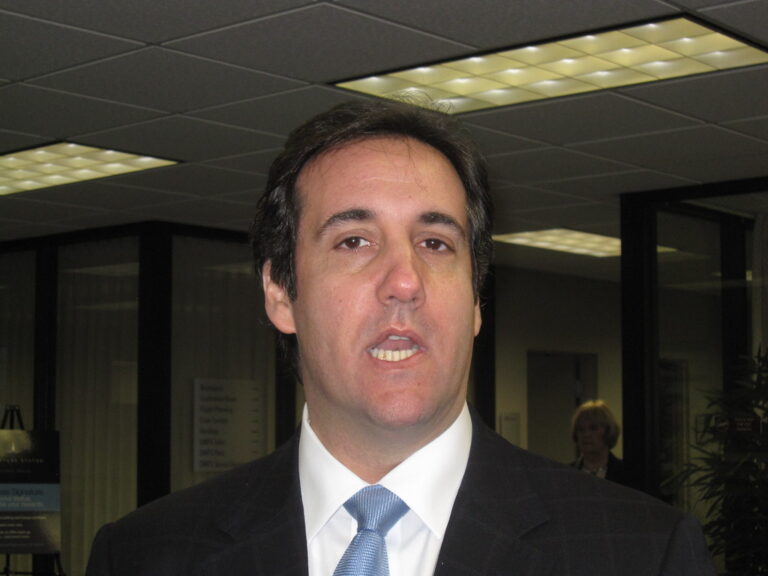
Republican Cruelty Shakes Voter Confidence

Michael Cohen, former attorney to President Trump, says the GOP is in trouble. He argues that growing Republican cruelty is turning voters off. Public polls now show disgust at a party that seems to mock suffering. As a result, many Americans may rethink their vote ahead of the midterm elections.

Why Voters Reject Republican Cruelty

Polls reveal a simple fact: people want leaders who show basic compassion. Yet, Cohen notes, Republican cruelty is rising. Instead of offering solutions, some GOP members treat hunger and poverty like jokes. Consequently, trust in the party erodes.

Moreover, voters see rich celebrations while poor families struggle. They wonder why lawmakers ignore hunger. In addition, they recall harsh talk about “personal responsibility” instead of real aid. Therefore, many feel the GOP no longer understands their struggles.

Examples That Highlight Republican Cruelty

Cohen points to a lavish Halloween party thrown in the style of the Roaring Twenties. While many Americans feared food lines and benefit cuts, some Republicans danced and cheered. This stark contrast felt cruel to those watching.

Furthermore, the federal government shutdown threatened food assistance for millions. Yet, few GOP leaders showed regret. In fact, some bragged about standing firm. Thus, critics say Republican cruelty has become instinctive, rather than a calculated move.

GOP members have also mocked people on food stamps and those needing health care. Instead of discussing budgets or policies, they made jokes about crack pipes. As a result, voters grew tired of hearing mockery instead of solutions.

How Reflexive Behavior Costs Political Support

Cohen argues that the party’s cruelty is no longer a tactic. It has morphed into reflexive behavior. He writes that when Americans lose basic help, some Republicans feel pride, not shame. They call it “tough love,” but many see it as mean-spirited.

This constant sneering at the needy pushes moderate voters away. Young people and suburban families especially dislike harsh rhetoric. Meanwhile, lower-income communities fear they are being ignored. Consequently, Republican cruelty alienates more voters every day.

Additionally, empathy is being labeled as weakness by some GOP figures. However, polls show that voters prize compassion in leadership. Therefore, mocking the poor may do more harm than good for the party’s image.

What This Means for the Midterm Election

With midterms approaching, the GOP faces a critical test. If Republican cruelty remains center stage, Cohen believes voter turnout could swing to opponents. Many Americans are eager for leaders who treat suffering with real solutions.

In competitive districts, a slight shift in sentiment can decide races. Thus, cruelty-driven messaging may cost seats in the House and Senate. Moreover, swing-state voters could turn away from a party seen as unkind.

Republican leaders now face a choice. They can tone down harsh rhetoric and focus on policy details. Or they can double down on a strategy that many find off-putting. The path they choose will shape their future in Congress and beyond.

Moving Forward: Can the GOP Change Course?

To regain trust, the party must show genuine concern for everyday struggles. That means proposing clear plans for food aid, health care, and housing. Furthermore, leaders need to speak with empathy instead of mocking need.

Some Republican voices already call for kinder messaging. They argue that a focus on service and respect can unite voters. If they succeed, they might reverse the negative trends Cohen describes. However, time is short before midterm ballots arrive.

In addition, engaging with community groups and listening to concerns could rebuild goodwill. Meanwhile, positive stories of Republicans helping local families can counteract images of cruelty. Thus, small acts of real kindness may have big political impact.

Conclusion

Michael Cohen’s warning about rising Republican cruelty highlights a growing problem. Voters tired of mocking and hard-line rhetoric are ready to punish the party at the polls. If the GOP wants to stop the bleeding, it must show compassion and practical plans. Otherwise, midterm voters may turn their backs on a party they feel lacks basic humanity.

What lessons do voters take from Cohen’s critique? Many see a call for accountability and empathy in politics. Will Republican leaders listen before Election Day? The answer could reshape America’s political landscape.

Frequently Asked Questions

Who is Michael Cohen and why do his views matter?

Michael Cohen once served as a top lawyer for President Trump. His insight into GOP dynamics draws attention because he worked closely with key figures.

What does reflexive cruelty mean in this context?

Reflexive cruelty describes a habit of mocking those in need without a bigger plan. It’s a gut reaction rather than a deliberate tactic.

How could Republican cruelty affect the midterm results?

Voters upset by harsh rhetoric may vote against GOP candidates. In tight races, even a small shift can change the outcome.

Is there a way for Republicans to regain voter trust?

Yes. Emphasizing empathy, clear policy proposals, and community engagement can help the party rebuild its image.

Why Trump’s Ads Falter in Virginia governor race

Key Takeaways

• Donald Trump pours millions into the Virginia governor race
• Republican Winsome Earle-Sears leans on fear-based attack ads
• Recent polls show her trailing Democratic Abigail Spanberger
• Strategists say the GOP repeats last year’s failed playbook
• Voters now care most about money in their pockets

Donald Trump has spent millions in the Virginia governor race. However, his chosen candidate, Winsome Earle-Sears, struggles to land her message. Instead of talking about cost of living, she uses hard-hitting attack ads. Yet polls show she trails moderate Democrat Abigail Spanberger. This mismatch has experts asking why a proven formula failed this time.

Campaign strategy woes in Virginia governor race

The core problem lies in recycled tactics. Last year’s hard-right messages drove GOP wins in some areas. But today’s voters face new issues. They want relief from high bills, not battles over social topics. Sadly, Earle-Sears keeps pushing fierce ads about transgender rights. Trump used a similar line against Kamala Harris in 2024. Back then, it worked. Now it backfires.

A top Democratic strategist points out this key mistake. “They try to refight the last war,” he says. “They ignore that today’s voters feel betrayed on cost of living.” Indeed, people worry about rent, groceries, and gas. They rarely mention gender policies when pressed.

Why attack ads miss the mark

Earle-Sears labels her opponent a radical. She warns parents about who undresses next to their kids. Yet this message falls flat. Voters know Abigail Spanberger well. She has a moderate record. She talks often about tax relief and community safety. So it seems hard to paint her as an extremist.

Alex Conant, a GOP strategist, admits the challenge. He says it’s tough to brand a moderate as radical. Meanwhile, Spanberger keeps spending on her own campaign. She highlights her record on schools and health care. And she wins talk show spots to reinforce that image.

As a result, many voters view the attack ads as distraction. They see a campaign out of touch with real needs. Thus, support for Earle-Sears stalls. Meanwhile, Spanberger gains ground.

What voters really care about

Polls show a close contest, but Spanberger holds a slight lead. They capture hearts by focusing on everyday struggles. Families worry about rising rent, grocery bills, and child care costs. They want clear solutions, not culture wars.

Moreover, local leaders across Virginia stress job growth and public safety. They hold town halls and listen. They address concerns on the ground. This hands-on approach resonates more than TV spots full of fear.

Also, younger voters and independents drive turnout in off-year races. They lean moderate or slightly left. They don’t like extreme language. They prefer friendly, problem-solving speeches. Thus, Spanberger’s message wins them over.

How the battlefield has shifted

In 2023, GOP victories rode on wedge issues and base turnout. Yet in 2025, energy crises and inflation rule headlines. Voters no longer see social debates as urgent. They rate economy, jobs, and health care as top priorities.

So the Virginia governor race now hinges on budgets and local plans. News outlets ask candidates for details on tax cuts and school funds. They rarely air ads on gender policy. That shows where public interest has moved.

Furthermore, national polls hint at similar trends in other states. Conservatives risk underestimating this shift. Without changing course, they’ll face more close losses.

How the race could shift ahead

Earle-Sears can still adjust. She could drop fear tactics and roll out a clear economic plan. She might highlight tax relief, small-business grants, and cost-saving ideas for families. If she speaks directly to people’s wallets, she could close the gap.

Also, she could hold listening tours in underserved areas. Personal visits build trust. Voters feel heard when a candidate shows up in their town. That simple act can change a campaign’s momentum.

On the other side, Spanberger must defend her moderate image. She should share success stories from her current role. She can showcase how she helped pass bills that eased health care costs. Concrete wins appeal to swing voters.

Finally, third-party groups could influence the outcome. They may pour money into ads that either help or hurt both candidates. That makes outside spending a wild card in this tight race.

Lessons for future contests

This Virginia governor race offers a lesson to all campaigns. First, adapt to voter priorities. Yesterday’s tactics won’t work forever. Second, focus on local issues. People vote for leaders who address their specific needs. Third, test messages often. Polling and focus groups can flag failing ads early.

In a fast-changing world, smart campaigns listen first and speak second. They build messages that fit today’s realities. Otherwise, they risk spending millions for little gain.

Frequently Asked Questions

What role does Trump play in this race?

He funnels funds and sets the tone. His support signals national GOP backing, but it can also tie the candidate to his style of politics.

Why does Earle-Sears focus on transgender issues?

She hopes to rally the conservative base. However, voters are more worried about costs and jobs than culture wars right now.

Who is Abigail Spanberger and why is she popular?

She is a moderate Democrat and former federal agent. She appeals to neighbors with her practical record on taxes, schools, and community safety.

Could a change in strategy save the Republican campaign?

Yes. If the campaign shifts to clear cost-saving messages and local visits, it can win back undecided voters.

Mid-Decade Redistricting Shakes Up Congress

0

Key Takeaways

• Mid-decade redistricting is reshaping U.S. House districts before the usual 10-year cycle.
• About 20 million Americans in Texas and California face new, unfamiliar districts.
• Partisan map drawing makes it harder to know your representative and lowers voter turnout.
• This redistricting battle could repeat every election, eroding trust in democracy.

In an unusual move, states led by both parties are redrawing districts well before the next census. This mid-decade redistricting effort began with a call from former President Trump. He urged Republican-controlled states to redraw lines to boost odds in the 2026 elections. Soon after, California Democrats launched their own plan. Voters there will decide on a ballot measure this fall. As more states join the fray, the fight for House control is focusing less on votes and more on who maps the lines.

Why Voters Are Losing Ground

When district lines change mid-decade, people lose touch with their representatives. Constituents must learn names, offices, and local issues all over again. This confusion hurts voter confidence. In fact, studies show turnout drops when districts are redesigned for political gain. As a result, fewer people speak up at town halls or call their congressperson. Over time, this erodes belief in fair elections and leaves average citizens feeling ignored.

Staggering Scale of Changes

Together, Texas and California have shifted nearly 20 million residents into new districts. That equals about 6 percent of America’s population. In Texas, 10.4 million people—36 percent of the state—will now vote in different districts. In California, 9.2 million residents—23 percent—face new lines. Only one of Texas’s 38 districts escapes change, and just eight of California’s 52 stay the same. Some districts now have more than half their residents replaced, turning them into brand-new constituencies.

Inside the Mid-Decade Redistricting Battle

Mapmakers use data to pick and choose voters. In Texas, they moved Black and Hispanic residents more often than white residents. This shift cuts Democratic strength in certain districts. Conversely, California’s Democrats moved white residents at higher rates than non-white residents. Their goal: weaken Republican support in key areas. Each move is a strategic play, not a neutral adjustment. It proves that legislators now pick their voters—rather than the other way around.

How Mid-Decade Redistricting Hurts Communities

When your district changes, so do your local issues. Environmental concerns, border security, farming, or city planning may differ from one district to the next. These shifts make it hard for residents to track which representative handles their needs. They must research new candidate positions, learn polling places, and understand fresh campaign promises. All this effort discourages participation and weakens the bond between voters and elected officials.

The Threat to Representative Democracy

The founders built the House of Representatives as the people’s house. Voters should choose lawmakers, not lawmakers choose voters. Yet, mid-decade redistricting flips this principle. If states redraw lines every time they gain power, elections become contests over maps instead of ideas. Citizens lose the simple right to pick their leaders. Over time, democracy itself suffers as trust in government drops.

What’s Next for Our Elections

Mid-decade redistricting may spread to more states. Missouri, North Carolina, and Virginia are already eyeing changes. Each action chips away at public faith in the vote. If both parties see redistricting as a winning tool, they will repeat it after every state election. In the extreme, maps could shift every two years. That constant churn would make it nearly impossible for voters to stay informed or feel heard.

Potential Solutions and Reforms

Some experts suggest independent commissions should draw maps. These bodies, free from party politics, could block extreme manipulation. Others propose strict rules on how often districts can change. A cap on mid-decade redistricting could protect voters from constant upheaval. Transparency measures and public input sessions might also help ensure fairness. Without reforms, the “redistricting war” will keep escalating.

Why Ordinary Citizens Should Care

Even if you live in a safe district, mid-decade redistricting matters. It sets a precedent that lawmakers can redraw lines anytime to win. That power could be used aggressively by either party. When district maps become tools of political gain, elections focus on cartographers, not communities. Protecting the right to fair boundaries means safeguarding the right to vote.

Looking Ahead

On November 4, California voters will decide whether to approve the new maps. Their choice may influence other states. If voters reject the mid-decade redistricting plan, it could slow the trend. But if it passes, more states may join the race. The outcome in California will signal if America will accept frequent map redraws or demand stable, fair districts.

Frequently Asked Questions

How does mid-decade redistricting affect my vote?

It can change your polling place, candidates, and local issues. You may need to learn about a new district’s representative and rules.

Can mid-decade redistricting be challenged in court?

Yes. Courts can rule maps unconstitutional if they dilute minority votes or break equal population rules. Legal battles often follow major redistricting.

Who benefits most from these mid-decade changes?

The party in power draws the maps. That party’s candidates gain an edge by moving likely opponents’ voters into other districts.

What can voters do to fight unfair maps?

Support independent redistricting commissions, demand transparency, and participate in public hearings. Voting on ballot measures is another way to push back.

Could Statewide Elections Accelerate Partitioning America?

Key Takeaways

• Upcoming statewide elections could deepen America’s political divide.
• CNN analyst Ronald Brownstein warned of “partitioning America” into hostile blocs.
• Redistricting battles may intensify this splitting of state power.
• Former President Trump has urged Republican-led map redraws to gain seats.
• Growing animosity between parties could lead to unpredictable risks.

Why Partitioning America Matters in Statewide Elections

Political expert Ronald Brownstein argues that this week’s state votes may mark a new turn toward partitioning America. He explains that, as elections unfold in Virginia, New Jersey, and California, each party may see the other as having no real stake in its areas. In turn, this fuels a mindset that America is drifting apart into red and blue regions. Moreover, Brownstein warns that such a split could make each side view its rivals not as neighbors but as enemies. As a result, the growing divide might spark conflicts we cannot fully imagine yet.

How Statewide Elections Fuel the Divide

Statewide elections shape local power, and thus they also shape national unity. For example, when one party wins decisively in a state, the opposing party may withdraw resources there. Consequently, voters in that state feel abandoned. Meanwhile, the winning side feels emboldened to push its agenda without compromise. Over time, this pattern repeats in multiple states. Thus, the gap between red and blue areas widens. In simple terms, each state election does more than choose leaders. It also builds walls between political camps.

The Role of Redistricting Battles

Redistricting fights emerge after every census. Yet today, they feel more bitter than before. On one hand, Democrats claim that Republicans use map redraws to lock in power. On the other hand, Republicans say they only seek fair representation. In either case, both sides see the other’s success as a threat. Therefore, they pour resources into court battles and state legislatures. As these fights escalate, renewal of hostile blocs follows. That cycle brings us closer to fully partitioning America along clear red and blue lines.

Trump’s Push and Its Impact

Former President Trump has publicly asked Republican-led teams to redraw districts in their favor. He insists that a new map could help Republicans secure the House majority after the 2026 midterms. However, this call also highlights how national figures can inflame state issues. By urging aggressive redistricting, Trump risks deepening state-level hostility. As a result, the red and blue blocs heaped with distrust may grow further apart. Thus, one leader’s words may fan flames that make compromise nearly impossible.

What Could Happen Next

As each party retreats into its strongholds, the idea of shared governance fades. In turn, we may see more legal challenges, protests, and strained neighborly relations across state lines. For instance, residents of a deep-red state might ignore major news or policies from a deep-blue state, and vice versa. Moreover, online echo chambers reinforce these divisions, showing only one side’s perspective. Consequently, Americans could lose touch with differing views. In that future, partitioning America might mean not just political separation but cultural isolation too.

Frequently Asked Questions

What did Brownstein warn about?

Brownstein warned that this week’s state elections could mark another step toward partitioning America into hostile red and blue blocs. He fears that each party will see the other as an adversary with no real interests in its territory.

How do statewide elections deepen divisions?

When one party wins big in a state, the other party often withdraws resources there. This makes voters feel abandoned and fuels resentment. Over time, these local wins add up to a wider split between states.

Why is redistricting so contentious?

Redistricting sets the lines for voting districts after each census. Both parties fight hard to draw maps that favor their voters. As these battles intensify, they feed into the larger split that fuels partitioning America.

What risks come from growing animosity?

When parties view each other as enemies, peaceful compromise becomes harder. Legal fights may surge, protests could flare, and neighborly trust may erode. In the worst cases, deep divisions might lead to instability we cannot yet predict.