
60.7 F
San Francisco
Thursday, June 11, 2026
Home Blog Page 29

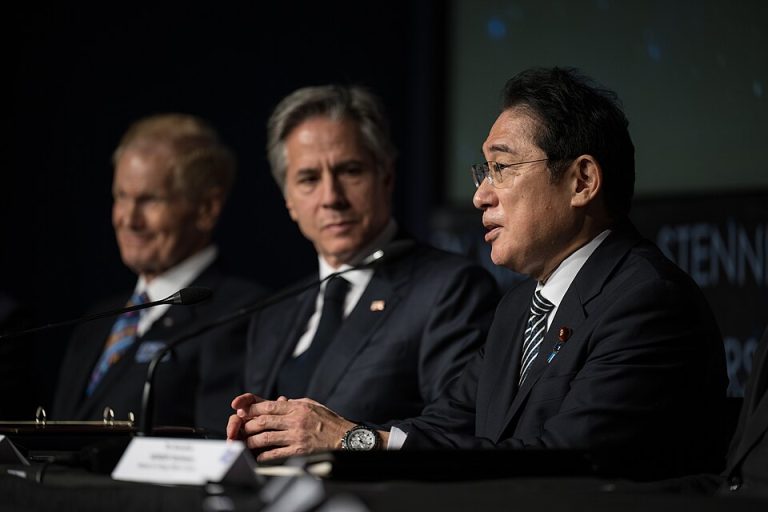
Japan Commits Strategic Tech Alliance with US

0

Quick Summary: Japan Commits Strategic Tech Alliance with US

  • Japan commits $500 million to the U.S. Genesis Mission, marking a strategic tech alliance.
  • The U.S.-Japan partnership aims to invest $1 billion over five years in advanced AI and quantum tech.
  • This collaboration is seen as a counterbalance to China’s growing tech influence.
  • Japan is the first foreign partner in the U.S. Genesis Mission, a project initiated by President Trump.
  • The initiative focuses on AI-driven science, quantum computing, and biotechnology.

In a bold move to cement its position in the global tech race, Japan has officially joined the U.S. government’s Genesis Mission. This strategic partnership involves a substantial $500 million commitment from Japan, matched by the United States, to fuel a $1 billion investment in cutting-edge AI, quantum technology, nuclear fusion, and biotechnology over five years.

The Genesis Mission, originally launched by President Trump, is designed to accelerate scientific discovery through advanced AI. Japan’s entry into this initiative is more than symbolic; it signifies a concerted effort to counter China’s burgeoning tech prowess. By becoming the first foreign partner, Japan is aligning itself with the U.S. to form a formidable tech alliance aimed at maintaining technological supremacy.

This collaboration focuses on frontier science fields with dual-use implications, such as AI for scientific research and quantum computing. The U.S. Department of Energy and Japan’s education and science sectors, alongside major computing companies, are at the forefront of this endeavor. The initiative’s rapid timeline, aiming for initial operational capability within nine months, underscores the urgency of this tech race.

Japan’s involvement in the Genesis Mission is a clear signal of Washington’s intent to internationalize its AI-science stack before China can consolidate its own ecosystem. As Reflection AI’s CEO Misha Laskin aptly put it, “You can’t do scientific discovery on a closed model.” This statement highlights the ongoing debate over open versus closed AI models, adding another layer of complexity to this geopolitical and technological saga.

That matters because Genesis Mission was originally launched by President Donald Trump through a November 24, 2025 executive order directing the Department of Energy and national labs to build a centralized digital platform for scientific data and enlist companies and universities to solve engineering, energy, and national-security problems. That inference is supported by the timing of Reflection’s deal, announced on May 22, 2026, just days before the latest reports on Japan’s finalized entry.

-Japan investment of roughly $1 billion over five years in AI-driven science, quantum technology, nuclear fusion, and biotechnology, turning what had looked like a research partnership into an explicitly China-focused technology bloc. Current reports say Japan will put in about $500 million, matched by the United States for a total near $1 billion over five years, and the work will focus not on consumer chatbots but on frontier science fields with dual-use implications: AI for scientific research, quantum computing, fusion, and biotech.

On June 1, fresh reporting said Japan had finalized plans to join the initiative, with the financial commitment and China-balancing rationale now front and center. The next thing to watch is whether Tokyo and Washington publicly announce the deal with formal budget language, agency sign-offs, or named projects, because earlier Genesis reporting said the Department of Energy would define priority science challenges and move rapidly toward deployment.

In the most important Genesis-related reporting of the past week, Reflection AI’s CEO Misha Laskin, whose company is partnering with the Department of Energy to provide models for the mission, told Axios: “You can’t do scientific discovery on a closed model. Department of Energy, America’s national laboratories, Japan’s education and science bureaucracy, and a cluster of heavyweight computing companies.

Parallel reporting in January said Japan had become the first partner country in Genesis Mission after discussions in Osaka, and highlighted Fujitsu-Nvidia cooperation as one of the industrial pillars behind the diplomatic move. Another striking operational detail from reporting on the Genesis framework is that the platform aims to show an initial operating capability within nine months against at least one of the Department of Energy’s priority scientific challenges, giving the initiative a far shorter runway than many international R&D compacts.

That inference is supported by the timing of Reflection’s deal, announced on May 22, 2026, just days before the latest reports on Japan’s finalized entry. -Japan partnership aims to invest $1 billion over five years in advanced AI and quantum tech.

This strategic partnership involves a substantial $500 million commitment from Japan, matched by the United States, to fuel a $1 billion investment in cutting-edge AI, quantum technology, nuclear fusion, and biotechnology over five years. The Genesis Mission, originally launched by President Trump, is designed to accelerate scientific discovery through advanced AI.

On June 1, fresh reporting said Japan had finalized plans to join the initiative, with the financial commitment and China-balancing rationale now front and center. In the most important Genesis-related reporting of the past week, Reflection AI’s CEO Misha Laskin, whose company is partnering with the Department of Energy to provide models for the mission, told Axios: “You can’t do scientific discovery on a closed model.

Department of Energy and Japan’s education and science sectors, alongside major computing companies, are at the forefront of this endeavor. Department of Energy, America’s national laboratories, Japan’s education and science bureaucracy, and a cluster of heavyweight computing companies.

The scale and speed of this development has caught many observers off guard. Each new update adds another dimension to a story that is still unfolding, and the full picture will only become clear as more verified details emerge from the people and institutions directly involved.

Analysts who have tracked this issue closely say the current moment represents a genuine turning point. The decisions made in the coming weeks are expected to set the direction for months ahead, with ripple effects likely to extend well beyond the immediate actors in the story.

For those directly affected, the practical impact is already visible. People navigating this fast-changing situation are dealing with real consequences while new information continues to reshape what is known and what remains open to interpretation.

Historical parallels offer some context, though experts caution against drawing too close a comparison. Similar situations have played out before, but the specific combination of pressures, personalities, and timing here makes this moment distinct in ways that matter for how it ultimately resolves.

The political and economic dimensions of this story are deeply intertwined. What appears as a single event on the surface is in practice the convergence of multiple pressures that have been building quietly over a longer period than most public reporting has captured.


Read more on Digital Chew

Morse Tan Faces Travel Ban Request in South Korea

0

Quick Summary: Morse Tan Faces Travel Ban Request in South Korea

  • On June 1, South Korean police sought a travel ban on Morse Tan, citing his failure to comply with a summons.
  • Tan, a Liberty University law dean, entered South Korea days before the June 3 elections, raising concerns over election fraud claims.
  • Police allege Tan spread false claims about President Lee Jae Myung’s past, including serious criminal accusations.
  • The travel ban request marks a significant escalation in the case, highlighting Tan’s involvement in election-related activities.
  • Authorities are closely monitoring Tan’s actions, with potential legal consequences if he leaves the country.

In a dramatic turn of events, South Korean authorities have moved to impose a travel ban on Morse Tan, a Korean American law dean from Liberty University, who has become embroiled in a high-stakes election fraud controversy. Just days before the June 3 local elections, Tan’s presence in South Korea and his refusal to comply with police summonses have raised alarms.

Tan, who previously served in the Trump administration, entered South Korea on May 28, ostensibly to monitor and verify election fraud. However, his activities have sparked a political firestorm, with allegations that he spread false claims about President Lee Jae Myung’s past, including accusations of gang rape and murder. These claims have been vehemently denied and are now at the center of a defamation investigation.

The situation escalated when South Korean police requested a travel ban from the Ministry of Justice on June 1, citing Tan’s flight risk after he failed to appear for questioning. This move underscores the seriousness with which authorities are treating the case, as they aim to keep Tan in the country long enough to conduct a thorough investigation.

As the June 3 elections loom, the stakes are high. The outcome of this legal and political battle will determine whether Tan remains a vocal critic of the election process or faces more severe legal repercussions. The next 48 hours are critical, as authorities decide on the travel ban and prepare to summon Tan once more.

On June 1, Park Jeong-bo confirmed police would proceed under normal procedure, and police sought the travel ban the same day, just two days before the June 3 vote. kr) The biggest new development is the exit-ban request itself: according to Yonhap, police asked the Ministry of Justice on June 1 to approve a travel ban on Tan, citing flight risk after he failed to comply with a prior summons, and investigators are preparing to summon him again because he is reportedly scheduled to leave immediately after Wednesday’s election.

Seoul Economic Daily had reported on May 5 that police had dismissed a defamation case against Tan, but by May 29 Yonhap said police were preparing to summon him after he entered the country, and by June 1 multiple outlets reported that investigators had gone further and sought an exit ban. The first pending decision is whether prosecutors and then the Justice Ministry will approve and enforce the requested exit ban; MBC noted on June 1 that it was not yet confirmed whether the prosecution had already forwarded the police request to the ministry.

South Korean police on Monday moved to stop Morse Tan, a Korean American Liberty University law dean and former Trump administration official, from leaving the country after he entered South Korea days before the June 3 local elections and then skipped a police summons tied to false claims about President Lee Jae Myung and broader election-fraud conspiracy theories. YTN reported that the cyber investigation unit formally requested the travel restriction on June 1 after Tan, who entered South Korea on May 28, refused to appear the next day despite being told at the airport to do so.

Seoul Metropolitan Police Agency chief Park Jeong-bo said authorities would carry out “the necessary investigation” under established procedures, a sign that what had been a politically noisy misinformation case is now becoming a direct test of whether police can keep a high-profile foreign national in the country long enough to question him. Police say Tan spread false claims that Lee, now president, had been involved in a gang rape and the murder of a girl in his youth and had been sent to juvenile detention.

Joint Investigation Team on Election Fraud” tied to right-wing election-denial activists had formed a KakaoTalk group chat with about 200 participants. On May 29, police told him to appear the following day, but he did not.

Tan, a Liberty University law dean, entered South Korea days before the June 3 elections, raising concerns over election fraud claims. Just days before the June 3 local elections, Tan’s presence in South Korea and his refusal to comply with police summonses have raised alarms.

The next 48 hours are critical, as authorities decide on the travel ban and prepare to summon Tan once more. Police say Tan spread false claims that Lee, now president, had been involved in a gang rape and the murder of a girl in his youth and had been sent to juvenile detention.

The scale and speed of this development has caught many observers off guard. Each new update adds another dimension to a story that is still unfolding, and the full picture will only become clear as more verified details emerge from the people and institutions directly involved.

Analysts who have tracked this issue closely say the current moment represents a genuine turning point. The decisions made in the coming weeks are expected to set the direction for months ahead, with ripple effects likely to extend well beyond the immediate actors in the story.

For those directly affected, the practical impact is already visible. People navigating this fast-changing situation are dealing with real consequences while new information continues to reshape what is known and what remains open to interpretation.

Historical parallels offer some context, though experts caution against drawing too close a comparison. Similar situations have played out before, but the specific combination of pressures, personalities, and timing here makes this moment distinct in ways that matter for how it ultimately resolves.

The political and economic dimensions of this story are deeply intertwined. What appears as a single event on the surface is in practice the convergence of multiple pressures that have been building quietly over a longer period than most public reporting has captured.
Read more on Digital Chew

Wales Confronts International Friendly Match

Quick Summary: Wales Confronts International Friendly Match

  • Wales faces Ghana in an international friendly, with live updates provided by BBC Sport.
  • The BBC offers comprehensive coverage including TV, radio, and text updates.
  • BBC Radio Wales provides live commentary, accessible through various platforms.
  • Coverage is operational, focusing on match dynamics rather than off-field controversies.
  • Sofascore supports the match with live scores and detailed statistics.

In the world of international football, the clash between Wales and Ghana offers more than just a game—it’s a broadcast spectacle. BBC Sport has taken the helm, delivering live updates that keep fans on the edge of their seats.

The BBC’s coverage is a full package: TV, radio, and text updates ensure that no moment goes unnoticed. BBC Radio Wales, in particular, provides live commentary, making the game accessible to fans both in and outside the UK, depending on regional streaming rules.

This match-centric approach is not about off-field drama but the game itself. Supporting this, Sofascore adds another layer with live scores and in-depth statistics, reinforcing the real-time nature of the coverage.

Because BBC Sport itself is blocked from direct full-page access in this environment, the strongest verifiable specifics available right now are limited to what search indexing exposes. In other words, the reporting angle here is operational and match-centric, not investigative or politically charged.

A secondary source that tracks the same fixture, Sofascore, indicates the match listing includes live score, head-to-head data, lineups, TV channel information, and live stats, reinforcing that this is being treated online as a real-time match service page rather than a conventional article with quotes from managers or federations. One practical wrinkle is access: BBC’s own help material says some BBC audio access outside the UK has changed, while noting that live streams for some services remain available and specifically references BBC Radio Wales among the stations that can still be streamed via listed links.

I found the BBC page title and snippet, plus corroborating live-score and BBC help material, but not enough directly accessible reporting to support stronger claims about scoreline, quotes, controversy, or next-step consequences without risking inaccuracy. There is no reliable evidence in the current accessible reporting of a major new quote from a coach, player, FA official, politician, or analyst attached to this BBC item, and no verified indication of a vote, hearing, disciplinary process, or upcoming deadline in the next several days.

That indexed text confirms three concrete elements: the match is Wales versus Ghana, the BBC package includes TV/radio/text coverage, and BBC Radio Wales is the named audio outlet. That is the clearest current, source-backed detail available from the live web at this moment.

The central “story,” such as it is, is therefore the match state itself and the broadcast availability, not a dispute, sanction, or off-field development. That absence matters: despite your request for the most newsworthy angle, the live web results do not show this page developing into a wider controversy or agenda-setting football story.

The BBC offers comprehensive coverage including TV, radio, and text updates. BBC Radio Wales provides live commentary, accessible through various platforms.

Coverage is operational, focusing on match dynamics rather than off-field controversies. In the world of international football, the clash between Wales and Ghana offers more than just a game—it’s a broadcast spectacle.

The scale and speed of this development has caught many observers off guard. Each new update adds another dimension to a story that is still unfolding, and the full picture will only become clear as more verified details emerge from the people and institutions directly involved.

Analysts who have tracked this issue closely say the current moment represents a genuine turning point. The decisions made in the coming weeks are expected to set the direction for months ahead, with ripple effects likely to extend well beyond the immediate actors in the story.

For those directly affected, the practical impact is already visible. People navigating this fast-changing situation are dealing with real consequences while new information continues to reshape what is known and what remains open to interpretation.

Historical parallels offer some context, though experts caution against drawing too close a comparison. Similar situations have played out before, but the specific combination of pressures, personalities, and timing here makes this moment distinct in ways that matter for how it ultimately resolves.

The political and economic dimensions of this story are deeply intertwined. What appears as a single event on the surface is in practice the convergence of multiple pressures that have been building quietly over a longer period than most public reporting has captured.

Read more on Digital Chew

India Gains 98% Tariff – Free Access for Exports to Oman

0

Quick Summary: India Gains 98% Tariff – Free Access for Exports to Oman

  • India’s exports to Oman now enjoy 98.08% tariff-free access, covering 99.38% of export value.
  • The agreement allows 100% foreign direct investment by Indian companies in key service sectors.
  • Intra-corporate transferee quota rises from 20% to 50%, enhancing labor mobility.
  • Contractual service suppliers’ permitted stay extends from 90 days to two years, with possible extensions.
  • India-Oman goods trade reached $11.18 billion in FY26, with significant Indian investments in Oman.

India’s new trade agreement with Oman, effective June 1, marks a transformative shift in economic relations between the two nations. With 98.08% of Oman’s tariff lines now duty-free for Indian exports, the pact dramatically enhances India’s export competitiveness.

This agreement is not just about goods; it opens doors for Indian companies to invest fully in Oman’s service sectors, including IT, education, and healthcare. The labor mobility provisions, allowing up to 50% Indian workforce in Oman-based companies, signal a significant shift in bilateral economic engagement.

Beyond tariffs, the pact strengthens India’s geopolitical presence in the Gulf, offering a strategic advantage in regional trade dynamics. As Indian exports to GCC countries face challenges, this agreement provides a crucial alternative route, bypassing conflict-sensitive areas like the Strait of Hormuz.

30/2026 ratifying the agreement that had been signed in Muscat on December 18, 2025. 64 billion that had faced duties of up to 5 percent are set to become duty-free immediately, on top of India’s roughly $4 billion annual exports to Oman.

Financial Express said the pact expands access in computer-related services, business and professional services, audio-visual work, research and development, education, and health services. 5 billion, concentrated mainly in the Sohar and Salalah free zones, underscoring why officials and analysts are treating the pact as a platform for logistics, energy, and services integration.

According to Financial Express, the permitted stay for contractual service suppliers has been extended from 90 days to two years, with the possibility of another two-year extension. 2 billion in liquefied natural gas, and $843 million in fertilisers.

Business Standard reported on May 28 that the CEPA was likely to take effect on Monday, June 1. Moneycontrol then reported on June 1 that the deal had officially entered into force.

The standout new detail from today’s reporting is that this CEPA does not merely lower tariffs; it rewrites conditions for Indian firms and professionals in Oman with immediate effect, and the real test over the coming weeks will be whether that turns a $4 billion export relationship into something much larger and strategically more durable. Financial Express, citing trade researcher Ajay Srivastava of the Global Trade Research Initiative, said “all zero-duty concessions would apply for India from the first day of the agreement’s entry into force,” giving exporters instant price competitiveness rather than a phased rollout.

30/2026 ratifying the agreement that had been signed in Muscat on December 18, 2025. The agreement allows 100% foreign direct investment by Indian companies in key service sectors.

Intra-corporate transferee quota rises from 20% to 50%, enhancing labor mobility. 08% of Oman’s tariff lines now duty-free for Indian exports, the pact dramatically enhances India’s export competitiveness.

The labor mobility provisions, allowing up to 50% this topicn workforce in Oman-based companies, signal a significant shift in bilateral economic engagement. Financial Express said the pact expands access in computer-related services, business and professional services, audio-visual work, research and development, education, and health services.

5 billion, concentrated mainly in the Sohar and Salalah free zones, underscoring why officials and analysts are treating the pact as a platform for logistics, energy, and services integration. 18 billion in FY26, with significant this topicn investments in Oman.

The scale and speed of this development has caught many observers off guard. Each new update adds another dimension to a story that is still unfolding, and the full picture will only become clear as more verified details emerge from the people and institutions directly involved.

Analysts who have tracked this issue closely say the current moment represents a genuine turning point. The decisions made in the coming weeks are expected to set the direction for months ahead, with ripple effects likely to extend well beyond the immediate actors in the story.

For those directly affected, the practical impact is already visible. People navigating this fast-changing situation are dealing with real consequences while new information continues to reshape what is known and what remains open to interpretation.

Historical parallels offer some context, though experts caution against drawing too close a comparison. Similar situations have played out before, but the specific combination of pressures, personalities, and timing here makes this moment distinct in ways that matter for how it ultimately resolves.

The political and economic dimensions of this story are deeply intertwined. What appears as a single event on the surface is in practice the convergence of multiple pressures that have been building quietly over a longer period than most public reporting has captured.

Read more on Digital Chew

British Government Releasing Missing Security Mitigation Records

0

Quick Summary: British Government Releasing Missing Security Mitigation Records

  • The British government is releasing over 1,000 pages of Peter Mandelson files, but key security mitigation records are missing.
  • Critics question why there is no written evidence of security risks being formally mitigated despite warnings.
  • Parliament has been informed that a sensitive document is withheld due to a police investigation.
  • Earlier documents revealed Mandelson’s controversial ties and severance negotiations.
  • The absence of security mitigation records raises accountability issues within the government.

The British government is once again in the hot seat, releasing a massive tranche of documents related to Peter Mandelson, yet failing to provide any records of security mitigations. This glaring omission is not just a bureaucratic oversight; it’s a potential national security lapse that raises serious questions about the government’s transparency and accountability.

With over 1,000 pages set to be released, the absence of any documented security measures is a glaring red flag. Critics are rightfully asking why, despite warnings, there is no written evidence of any steps taken to mitigate security risks. This isn’t just about Mandelson’s past associations with Jeffrey Epstein; it’s about whether the government, under Keir Starmer, ignored critical national security concerns when appointing Mandelson as ambassador to Washington.

The controversy deepens as Parliament has been informed that a particularly sensitive document is being withheld due to a police investigation. This move only fuels suspicion and raises the stakes for the government, which is already under fire for its handling of the situation. The earlier tranche of documents revealed Mandelson’s controversial ties and his severance negotiations, adding more fuel to the fire.

As the government prepares to release one of the largest document disclosures in modern history, the absence of security mitigation records is a stark reminder of the accountability issues plaguing Whitehall. The public and Parliament are demanding answers, and until those missing records are produced, the government will remain under intense scrutiny.

” But opponents are pressing a harder question: if the prime minister was warned, and if the appointment was, as one September 2025 account described it, “weirdly rushed,” why is there still apparently no written evidence that security risks were formally mitigated? ITV reported those 147 pages showed Mandelson sought £547,201 in severance after being sacked as ambassador in September 2025 but ultimately accepted £75,000.

That matters because the central controversy is no longer just Mandelson’s past relationship with Jeffrey Epstein; it is whether Keir Starmer’s government ignored or papered over national-security concerns when it made Mandelson ambassador to Washington in December 2024. What happens after that will hinge on whether the publication answers the “$64,000 question,” as one Labour MP put it in the Commons: what was known at the time Peter Mandelson was appointed—and whether the record shows Starmer’s government knowingly accepted risks it can no longer plausibly deny.

In Commons proceedings on February 23, Cabinet Office minister Darren Jones said the documents about what was known when Mandelson was appointed would be published except for “one particular item” in which No. The same tranche showed Starmer had been warned of the “reputational risk” in appointing him, and that Mandelson was given “high-tier” briefings before completing security clearance.

Yet the more consequential omission may be the nine-page UK Security Vetting summary that The Guardian says is not expected to be released after police intervention. ” Sky News reported early Monday that the release is expected to exceed 1,000 pages and include electronic communications between Mandelson and ministers, senior civil servants and special advisers.

The most specific earlier revelations, which are now framing how Monday’s dump will be read, came in the first tranche released on March 11. On May 31, The Guardian reported the expected absence of any documented security mitigation and the likely withholding of the UKSV summary.

Earlier documents revealed Mandelson’s controversial ties and severance negotiations. This glaring omission is not just a bureaucratic oversight; it’s a potential national security lapse that raises serious questions about the government’s transparency and accountability.

The scale and speed of this development has caught many observers off guard. Each new update adds another dimension to a story that is still unfolding, and the full picture will only become clear as more verified details emerge from the people and institutions directly involved.

Analysts who have tracked this issue closely say the current moment represents a genuine turning point. The decisions made in the coming weeks are expected to set the direction for months ahead, with ripple effects likely to extend well beyond the immediate actors in the story.

For those directly affected, the practical impact is already visible. People navigating this fast-changing situation are dealing with real consequences while new information continues to reshape what is known and what remains open to interpretation.

Historical parallels offer some context, though experts caution against drawing too close a comparison. Similar situations have played out before, but the specific combination of pressures, personalities, and timing here makes this moment distinct in ways that matter for how it ultimately resolves.

The political and economic dimensions of this story are deeply intertwined. What appears as a single event on the surface is in practice the convergence of multiple pressures that have been building quietly over a longer period than most public reporting has captured.
Read more on Digital Chew

Netanyahu Orders Intensified Strikes on Beirut Suburbs Amid Hezbollah Attacks

0

Quick Summary: Netanyahu Orders Intensified Strikes on Beirut Suburbs Amid Hezbollah Attacks

  • Netanyahu ordered intensified strikes on Beirut suburbs, marking a significant escalation in the conflict.
  • Hezbollah has reportedly continued attacks despite an April 17 ceasefire, prompting Israel’s military response.
  • Lebanon’s National News Agency reported civilian departures from Beirut suburbs following Netanyahu’s announcement.
  • Since March 2, the conflict has resulted in over 3,355 deaths and 10,095 injuries, according to Lebanese sources.
  • Diplomatic efforts, including U.S.-brokered talks, face challenges as military actions continue.

In a dramatic escalation of the ongoing conflict, Israeli Prime Minister Benjamin Netanyahu has ordered intensified military strikes on Beirut’s southern suburbs, targeting Hezbollah strongholds. This decision comes as Hezbollah continues its attacks despite an April 17 ceasefire, with Israel claiming over a thousand drones and 700 rockets have been launched since the truce.

The human toll is staggering, with reports indicating over 3,355 people killed and 10,095 injured since the conflict reignited on March 2. The strikes have not only targeted military sites but have also resulted in civilian casualties, including a recent attack near a hospital in Tyre that injured 13 staff members.

The escalation raises questions about the viability of diplomatic efforts. Despite recent U.S.-brokered talks aimed at extending the ceasefire, military actions have overshadowed negotiations. The situation remains tense, with both sides showing no signs of backing down.

Netanyahu’s aggressive stance reflects a broader strategy to counter Hezbollah’s increasing threat, but it also risks further destabilizing the region. As the conflict intensifies, the international community watches closely, hoping for a resolution that seems increasingly elusive.

Another notable detail from Shafaq is political rather than military: an Institute for National Security Studies survey found 48% of Israelis believe security on the Lebanese front has worsened since before October 7, while only 28% think it has improved, suggesting that even with expanded operations, Israeli public confidence remains weak. AP said Lebanon’s state-run National News Agency reported departures from the suburbs after Netanyahu’s video, a sign that public messaging itself is now triggering displacement.

What is driving the escalation, according to the latest reporting, is Israel’s claim that Hezbollah has kept attacking despite the April 17 ceasefire. AP reported on May 28 that Israeli strikes killed at least 14 people across southern Lebanon in a single day before Washington talks, including five women and children and a Lebanese soldier, while “dozens” were wounded.

Shafaq News, citing Lebanese sources and the Health Ministry, reported Sunday that the campaign since March 2 has killed 3,355 people and wounded 10,095, and that a strike near a hospital in Tyre injured 13 hospital staff members. Lebanon and Israel did begin direct talks in Washington last month for the first time in more than three decades, and a 45-day ceasefire extension was announced on May 15.

That process then split into a Pentagon “security track” on May 29 and a State Department political track scheduled for June 2-3. On May 26, AP reported Netanyahu publicly vowed to intensify attacks as Hezbollah’s drone campaign mounted.

On May 29, Lebanese and Israeli military officials met at the Pentagon in a new security channel. On May 30, AP reported Israel had issued evacuation warnings for more than a dozen villages and was still widening operations in the south.

In a dramatic escalation of the ongoing conflict, Israeli Prime Minister Benjamin Netanyahu has ordered intensified military strikes on Beirut’s southern suburbs, targeting Hezbollah strongholds. Lebanon’s National News Agency reported civilian departures from Beirut suburbs following Netanyahu’s announcement.

AP said Lebanon’s state-run National News Agency reported departures from the suburbs after Netanyahu’s video, a sign that public messaging itself is now triggering displacement. Since March 2, the conflict has resulted in over 3,355 deaths and 10,095 injuries, according to Lebanese sources.

What is driving the escalation, according to the latest reporting, is Israel’s claim that Hezbollah has kept attacking despite the April 17 ceasefire. Shafaq News, citing Lebanese sources and the Health Ministry, reported Sunday that the campaign since March 2 has killed 3,355 people and wounded 10,095, and that a strike near a hospital in Tyre injured 13 hospital staff members.

The scale and speed of this development has caught many observers off guard. Each new update adds another dimension to a story that is still unfolding, and the full picture will only become clear as more verified details emerge from the people and institutions directly involved.

Analysts who have tracked this issue closely say the current moment represents a genuine turning point. The decisions made in the coming weeks are expected to set the direction for months ahead, with ripple effects likely to extend well beyond the immediate actors in the story.

For those directly affected, the practical impact is already visible. People navigating this fast-changing situation are dealing with real consequences while new information continues to reshape what is known and what remains open to interpretation.

Historical parallels offer some context, though experts caution against drawing too close a comparison. Similar situations have played out before, but the specific combination of pressures, personalities, and timing here makes this moment distinct in ways that matter for how it ultimately resolves.

The political and economic dimensions of this story are deeply intertwined. What appears as a single event on the surface is in practice the convergence of multiple pressures that have been building quietly over a longer period than most public reporting has captured.

Read more on Digital Chew

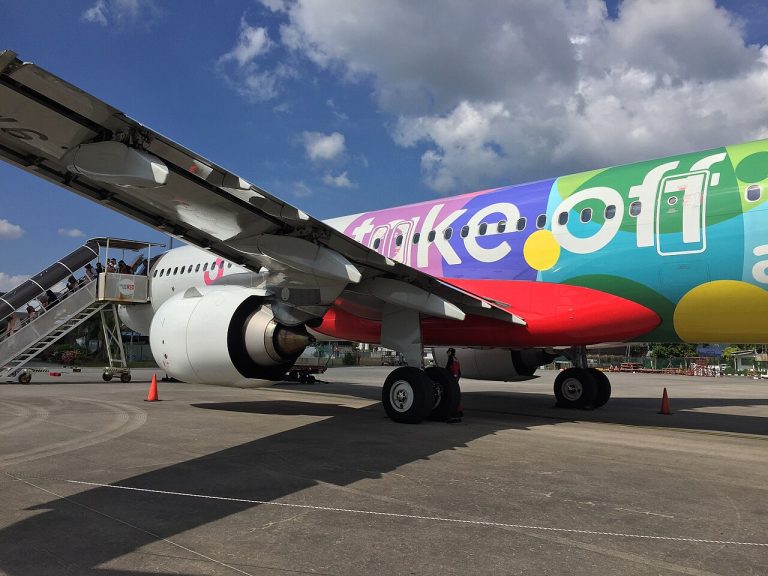
Asia – Pacific Airlines Absorb Increased Fares and Capacity Adjustments

0

Quick Summary: Asia – Pacific Airlines Absorb Increased Fares and Capacity Adjustments

  • Middle East airspace disruptions have led to a 46.6% drop in demand for Gulf carriers, affecting global aviation networks.
  • Asia-Pacific and European airlines are rapidly absorbing displaced traffic, leading to increased fares and capacity adjustments.
  • Jet fuel prices have surged by 80% year-on-year, significantly impacting operating costs for Asia-Pacific carriers.
  • Asia-Pacific airlines saw a 3.0% increase in international demand in April, despite a challenging market environment.
  • Cathay Pacific has suspended services to the Middle East, redirecting capacity to more profitable routes.

In the wake of severe disruptions in Middle Eastern airspace, Asia-Pacific airlines are grappling with a new aviation landscape. The recent geopolitical tensions have not only crippled Gulf carriers but have also sent shockwaves through global aviation networks. As a result, Asia-Pacific and European airlines are stepping in to fill the void, absorbing displaced traffic and adjusting their strategies to cope with rising costs and unstable demand.

The International Air Transport Association (IATA) reported a staggering 46.6% collapse in demand for Middle Eastern carriers, prompting a scramble among Asia-Pacific airlines to reroute traffic and manage capacity. With jet fuel prices skyrocketing by 80% year-on-year, the financial strain on these carriers is palpable. Despite these challenges, Asia-Pacific airlines recorded a 3.0% increase in international demand in April, highlighting their resilience in a volatile market.

Contextually, the disruption has forced airlines to rethink their long-haul strategies. Cathay Pacific, for instance, has suspended its services to Dubai and Riyadh, opting to redeploy resources to routes with stronger demand, such as Manchester and Rome. This strategic pivot underscores the broader industry challenge of balancing cost pressures with passenger demand in an increasingly uncertain environment.

As the summer schedules approach, the aviation industry faces a critical test. The ability of Asia-Pacific airlines to maintain growth amid high fuel costs and rerouted traffic will be closely watched. The next few months will reveal whether these carriers can sustain their momentum or if further adjustments will be necessary to navigate this turbulent period.

In a briefing published in the past week, it said around 33% of passengers traveling to or from Asia Pacific in 2025 transited through the Middle East, making the region unusually exposed when Gulf hubs were disrupted. 3% in April as passengers bypassed the Middle East, and its mid-May network analysis found Asia-Pacific and European airlines rapidly taking share on corridors once dominated by Gulf connectors.

The report said the attacks on Iran in March 2026 triggered “the most severe disruption to the region since the covid pandemic,” with roughly 85% of flights departing from or arriving at Gulf airports canceled in the first seven days of March and fewer than half of originally scheduled flights operating by month-end. 6% collapse in demand, while airlines elsewhere, especially in Asia-Pacific and Europe, scrambled to absorb displaced traffic, raise fares, and cut or redeploy capacity.

5%, a sign that planes are fuller even as carriers hesitate to add seats into an unstable market. ” He added that fuel is “around 30% of total operating expenses” for Asia-Pacific carriers.

2%, showing that traffic has not collapsed so much as become more expensive and more uneven. 5% to 17% year over year, but it is still pulling aircraft away from Middle East routes because yields and demand there no longer justify the exposure.

Summer 2026 schedules from June through August are now the key test, and IATA says about 3% of planned capacity to and from the affected region has already been removed for that period. On Europe-Asia Pacific routes, Asia-Pacific carriers posted traffic growth of nearly 23% year over year and European airlines about 15%; on Africa-Asia Pacific routes, European airlines surged more than 80% from a low base as the old Gulf-hub model broke down.

6% drop in demand for Gulf carriers, affecting global aviation networks. Jet fuel prices have surged by 80% year-on-year, significantly impacting operating costs for Asia-Pacific carriers.

0% increase in international demand in April, despite a challenging market environment. 6% collapse in demand for Middle Eastern carriers, prompting a scramble among Asia-Pacific airlines to reroute traffic and manage capacity.

With jet fuel prices skyrocketing by 80% year-on-year, the financial strain on these carriers is palpable. 0% increase in international demand in April, highlighting their resilience in a volatile market.

6% collapse in demand, while airlines elsewhere, especially in Asia-Pacific and Europe, scrambled to absorb displaced traffic, raise fares, and cut or redeploy capacity. 5%, a sign that planes are fuller even as carriers hesitate to add seats into an unstable market.

The scale and speed of this development has caught many observers off guard. Each new update adds another dimension to a story that is still unfolding, and the full picture will only become clear as more verified details emerge from the people and institutions directly involved.

Analysts who have tracked this issue closely say the current moment represents a genuine turning point. The decisions made in the coming weeks are expected to set the direction for months ahead, with ripple effects likely to extend well beyond the immediate actors in the story.

For those directly affected, the practical impact is already visible. People navigating this fast-changing situation are dealing with real consequences while new information continues to reshape what is known and what remains open to interpretation.

Historical parallels offer some context, though experts caution against drawing too close a comparison. Similar situations have played out before, but the specific combination of pressures, personalities, and timing here makes this moment distinct in ways that matter for how it ultimately resolves.

The political and economic dimensions of this story are deeply intertwined. What appears as a single event on the surface is in practice the convergence of multiple pressures that have been building quietly over a longer period than most public reporting has captured.

Read more on Digital Chew

India Confirmed Uninterrupted Maritime Operations

0

Quick Summary: India Confirmed Uninterrupted Maritime Operations

  • India confirmed uninterrupted maritime operations despite Gulf tensions, with a tanker carrying 270,000 metric tonnes of crude due in Visakhapatnam.
  • The government reported no incidents involving Indian seafarers or vessels in the past 96 hours, emphasizing crew safety.
  • Freight costs have decreased, with container rates dropping from $2,400 to $2,000, indicating moderated shipping stress.
  • India’s embassy in Tehran facilitated the evacuation of 2,557 nationals, highlighting cross-ministerial crisis management.
  • India’s strategy includes diversifying energy supply sources to ensure continued operations without concessions.

In the midst of escalating tensions in the Gulf, India has managed to keep its maritime operations steady, showcasing a strategic resilience that few expected. A Marshall Islands-flagged tanker, chartered to Hindustan Petroleum Corporation Ltd., has successfully navigated the Strait of Hormuz, carrying a significant 270,000 metric tonnes of crude oil, and is set to arrive in Visakhapatnam by June 3, 2026.

This development comes as a testament to India’s commitment to maintaining uninterrupted maritime operations despite the volatile security environment. The government has assured that all Indian seafarers in the region are safe, with no incidents reported involving Indian-flagged vessels or foreign vessels with Indian crew in the past 96 hours. This assurance is backed by the active management of the Directorate General of Shipping, which has handled thousands of calls and emails, facilitating the repatriation of over 3,422 Indian seafarers.

India’s approach to this crisis extends beyond maritime logistics. The government has been proactive in evacuating nationals from Iran, with 2,557 individuals already assisted in leaving through land routes. Meanwhile, airspace conditions are gradually improving across the region, signaling a cautious return to normalcy. This multifaceted response underscores India’s broader strategy of diversifying energy sources to avoid dependency on any single route or nation.

As the NISSOS KEROS approaches Visakhapatnam, it serves as a tangible marker of India’s operational continuity in the face of adversity. The focus now shifts to ensuring the safe passage of the remaining Indian-flagged vessels in the region and maintaining the safety record of Indian crews. The outcome of these efforts will be crucial in determining India’s ability to navigate the complex geopolitical landscape of the Gulf.

That detail comes from India’s Press Information Bureau statement issued on May 29, 2026, which identified the ship as NISSOS KEROS, a Marshall Islands-flagged tanker chartered to Hindustan Petroleum Corporation Ltd. In the same update, he said freight costs had eased, with a 20-foot container rate falling to about $2,000 from around $2,400 on April 15.

On May 29, the government said “all Indian seafarers in the region are safe,” with “no incident involving Indian-flagged vessels or foreign vessels with Indian crew” reported in the previous 96 hours. In a May 11 briefing, MEA spokesperson Randhir Jaiswal said, “Regarding energy security, we are working to ensure supply from multiple countries.

In the same May 29 government briefing, India said its embassy in Tehran had already helped 2,557 Indian nationals leave Iran through land border routes, while flight conditions were improving elsewhere: Kuwait and Bahrain airspace were open, Iraq’s airspace was open with limited flights, Israel had resumed limited operations, and Iran’s airspace was only partially open. The immediate milestone is June 3, 2026, when NISSOS KEROS is expected to reach Visakhapatnam, giving India a visible test of its claim that energy-linked maritime traffic remains intact.

this topic’s most concrete new development is that New Delhi has now tied its reassurance on crew safety directly to a live cargo movement: a crude tanker carrying about 270,000 metric tonnes for this topic has already crossed the Strait of Hormuz and is due at Visakhapatnam on June 3, 2026, despite the wider West Asia maritime security crisis. A separate May 29 report quoted Mangal saying the government had facilitated the return of “more than 3,300 this topicn seafarers, including 99 in the last 72 hours,” and that there were “13 this topicn-flagged vessels and one this topicn-owned vessel” still operating in the region.

The central tension in the story is that this topic is projecting operational continuity while still acknowledging a real and volatile threat environment in Gulf shipping lanes. That is the core contradiction driving the coverage: the government is saying the system is functioning, but only under close monitoring because attacks on nearby shipping have made routine transit anything but routine.

, has successfully navigated the Strait of Hormuz, carrying a significant 270,000 metric tonnes of crude oil, and is set to arrive in Visakhapatnam by June 3, 2026. The immediate milestone is June 3, 2026, when NISSOS KEROS is expected to reach Visakhapatnam, giving this topic a visible test of its claim that energy-linked maritime traffic remains intact.

The scale and speed of this development has caught many observers off guard. Each new update adds another dimension to a story that is still unfolding, and the full picture will only become clear as more verified details emerge from the people and institutions directly involved.

Analysts who have tracked this issue closely say the current moment represents a genuine turning point. The decisions made in the coming weeks are expected to set the direction for months ahead, with ripple effects likely to extend well beyond the immediate actors in the story.

For those directly affected, the practical impact is already visible. People navigating this fast-changing situation are dealing with real consequences while new information continues to reshape what is known and what remains open to interpretation.

Historical parallels offer some context, though experts caution against drawing too close a comparison. Similar situations have played out before, but the specific combination of pressures, personalities, and timing here makes this moment distinct in ways that matter for how it ultimately resolves.

The political and economic dimensions of this story are deeply intertwined. What appears as a single event on the surface is in practice the convergence of multiple pressures that have been building quietly over a longer period than most public reporting has captured.
Read more on Digital Chew

Jacob Durham Warns of Rising Rain and Storm Threats in Southwest Louisiana

Quick Summary: Jacob Durham Warns of Rising Rain and Storm Threats in Southwest Louisiana

  • Meteorologist Jacob Durham warns of increasing rain and storm threats in Southwest Louisiana this week.
  • Monday starts quietly, but rain chances rise as tropical moisture moves north.
  • Afternoon temperatures will reach upper 80s to 90s, with humidity making it feel hotter.
  • Scattered showers and storms are expected to become more common by midweek.
  • Late week is flagged for better rain opportunities, impacting outdoor activities.

Southwest Louisiana is on alert as meteorologist Jacob Durham warns of a significant shift in weather patterns this week. While Monday begins with only isolated storm risks, a surge of tropical moisture is set to increase rain chances as the week progresses, bringing a wetter and potentially stormier environment.

Durham’s forecast highlights a transition from the recent dry spell to a more active weather pattern. Afternoon temperatures are expected to soar into the upper 80s and 90s, with oppressive humidity making conditions feel even hotter. This combination of heat and moisture sets the stage for scattered showers and storms, which are predicted to become more frequent by midweek.

As the week unfolds, the focus shifts to late week, where the best rain opportunities are anticipated. This change in weather could disrupt outdoor plans and affect daily routines, especially for those relying on dry conditions for work or leisure. Despite the lack of a specific peak day for rainfall, the consensus is clear: a more active weather pattern is on the horizon.

With June 1 marking the start of the Atlantic hurricane season, it’s crucial to note that no tropical cyclones are expected in the short term, though tropical moisture will play a role in the wetter setup. Residents are advised to stay informed and prepared as the situation develops, keeping an eye on updates from KPLC’s 7StormTeam.

Meteorologist Jacob Durham wrote in KPLC’s update published early Monday, June 1, 2026 and refreshed about 30 minutes before it was captured, that Monday begins “mostly quiet,” but the area’s rain and storm threat is set to increase as the workweek unfolds. The most specific warning in the report is that Monday has the lowest rain chances of the week, yet any storm that does form could still pack hazards.

KPLC’s latest forecast says the big change is not Monday’s isolated pop-up storm risk, but a wetter pattern building through the week as a “big plume of tropical moisture” pushes north into Southwest Louisiana and lifts rain chances noticeably by late week. The near-term numbers are straightforward: afternoon temperatures are expected to reach the upper 80s to near 90 degrees, while the humidity will make it feel more like the middle to upper 90s.

He also says cloud cover should help push daytime highs back closer to average, into the middle 80s, at least temporarily, instead of the lower 90s seen recently. The main people and organizations here are Durham and KPLC’s 7StormTeam, and the guidance they are giving is highly specific: keep an umbrella or rain jacket handy later this week, watch the sky today for isolated development, and plan for heat precautions while the humidity remains elevated.

That means the immediate weather story is not a widespread severe outbreak but oppressive heat stress combined with a low-end storm chance. The forecast’s most newsworthy development is the timeline shift later in the week.

KPLC reports that scattered showers and storms could return as early as Tuesday, with coverage gradually increasing through the middle of the workweek. Durham says model consensus suggests “some of the better rain opportunities may come as we head through late week,” a notable change from the recent hotter and drier stretch.

Afternoon temperatures will reach upper 80s to 90s, with humidity making it feel hotter. KPLC’s latest forecast says the big change is not Monday’s isolated pop-up storm risk, but a wetter pattern building through the week as a “big plume of tropical moisture” pushes north into Southwest Louisiana and lifts rain chances noticeably by late week.

The near-term numbers are straightforward: afternoon temperatures are expected to reach the upper 80s to near 90 degrees, while the humidity will make it feel more like the middle to upper 90s. The main people and organizations here are Durham and KPLC’s 7StormTeam, and the guidance they are giving is highly specific: keep an umbrella or rain jacket handy later this week, watch the sky today for isolated development, and plan for heat precautions while the humidity remains elevated.

Late week is flagged for better rain opportunities, impacting outdoor activities. While Monday begins with only isolated storm risks, a surge of tropical moisture is set to increase rain chances as the week progresses, bringing a wetter and potentially stormier environment.

The scale and speed of this development has caught many observers off guard. Each new update adds another dimension to a story that is still unfolding, and the full picture will only become clear as more verified details emerge from the people and institutions directly involved.

Analysts who have tracked this issue closely say the current moment represents a genuine turning point. The decisions made in the coming weeks are expected to set the direction for months ahead, with ripple effects likely to extend well beyond the immediate actors in the story.

For those directly affected, the practical impact is already visible. People navigating this fast-changing situation are dealing with real consequences while new information continues to reshape what is known and what remains open to interpretation.

Historical parallels offer some context, though experts caution against drawing too close a comparison. Similar situations have played out before, but the specific combination of pressures, personalities, and timing here makes this moment distinct in ways that matter for how it ultimately resolves.

The political and economic dimensions of this story are deeply intertwined. What appears as a single event on the surface is in practice the convergence of multiple pressures that have been building quietly over a longer period than most public reporting has captured.

Read more on Digital Chew

Dea’s Arrest of Jesús Santrich in 2018 Sparks Renewed Conflict in Colombia

0

Quick Summary: Dea’s Arrest of Jesús Santrich in 2018 Sparks Renewed Conflict in Colombia

  • Jesús Santrich, a former FARC negotiator, was arrested in 2018 by DEA informants, sparking renewed conflict.
  • Santrich was killed in 2021 after his location was allegedly leaked to Colombian military forces.
  • The DEA operation involved a supposed 10,000-kilo cocaine deal, but only a five-kilo sample was delivered.
  • Colombian President Petro argued the operation forced Márquez and Santrich back into armed struggle.
  • By 2022, FARC offshoots were responsible for over half of Colombia’s homicides and disappearances.

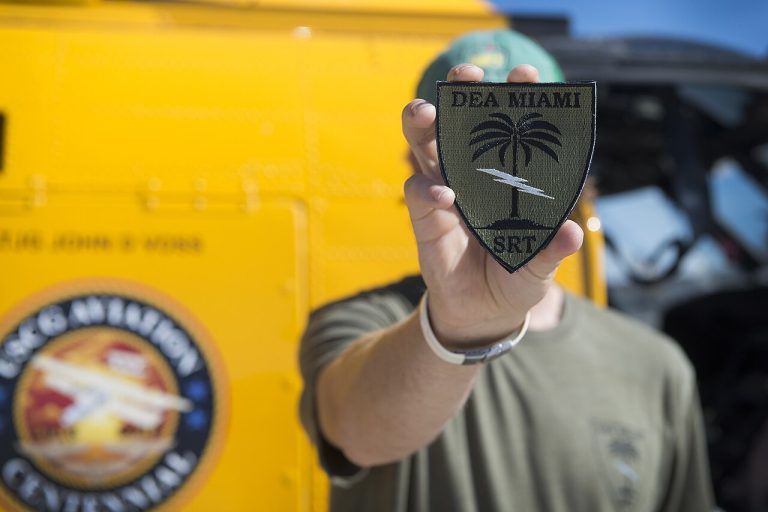
The DEA’s controversial sting operation against Jesús Santrich has reignited Colombia’s armed conflict, unraveling the fragile peace process. Santrich, a former FARC ideologue turned peace negotiator, was arrested in 2018 after being ensnared in a DEA setup involving undercover informants posing as Sinaloa Cartel emissaries.

This operation, which allegedly involved a fabricated cocaine deal, has been criticized as a politically reckless entrapment that undermined Colombia’s 2016 peace accord. The fallout from this sting operation is now directly linked to the formation of the Segunda Marquetalia insurgency, a dissident faction that abandoned the peace deal.

Colombian President Gustavo Petro has publicly criticized the operation, framing it as a deliberate setup that pushed former FARC leaders back into armed struggle. The operation’s impact is profound, with FARC offshoots now responsible for a significant portion of the country’s violence.

As Colombia grapples with the consequences of this operation, the peace process remains in jeopardy. Talks between the government and Segunda Marquetalia dissidents have stalled, leaving the nation at a crossroads. The DEA’s involvement has not only reignited conflict but also cast a shadow over future peace negotiations.

Santrich, the half-blind former FARC ideologue turned peace negotiator, was arrested in April 2018 after meetings with supposed Sinaloa Cartel emissaries who the investigation identifies as undercover DEA informants. He was killed in May 2021 in a cross-border operation after an informant allegedly passed his location to Colombian military handlers.

The report also says an August 2024 UN review found the Santrich affair “may have involved the use of an agent provocateur,” a phrase that gives formal international weight to allegations long dismissed by critics as political spin. According to the investigation, the original 2017 negotiations involved a purported 10,000-kilo shipment and a $15 million cocaine deal, but only a five-kilo sample was ever actually delivered.

Caracol Radio reported on March 22, 2026, that Petro revived exactly that argument, saying the operation against Márquez and Santrich pushed them back into armed struggle. By May 2022, according to figures cited in the article from Colombia’s Attorney General’s Office, FARC offshoot groups that rejected or abandoned the accord were responsible for just over half of the country’s homicides and forced disappearances.

That means what happens next is less likely to be a single vote or hearing than a collision between unfinished peace talks, renewed scrutiny of the DEA case, and the end of Petro’s term on August 7, 2026, which could sharply reshape whether Colombia pursues more negotiations or a harder military line. Elizabeth Dickinson of the International Crisis Group is quoted saying, “This case created the Second Marquetalia,” the dissident faction founded in 2019 by Iván Márquez and Santrich after they abandoned the peace deal.

The central conflict driving the story is whether the Santrich prosecution was a legitimate counternarcotics case or a politically reckless entrapment operation that sabotaged Colombia’s 2016 peace accord. narco-terror indictment against Santrich, Iván Márquez, and Nicolás Maduro, Washington placed a $10 million bounty on Santrich.

According to the investigation, the original 2017 negotiations involved a purported 10,000-kilo shipment and a $15 million cocaine deal, but only a five-kilo sample was ever actually delivered. Caracol Radio reported on March 22, 2026, that Petro revived exactly that argument, saying the operation against Márquez and Santrich pushed them back into armed struggle.

By May 2022, according to figures cited in the article from Colombia’s Attorney General’s Office, FARC offshoot groups that rejected or abandoned the accord were responsible for just over half of the country’s homicides and forced disappearances. By 2022, FARC offshoots were responsible for over half of Colombia’s homicides and disappearances.

This operation, which allegedly involved a fabricated cocaine deal, has been criticized as a politically reckless entrapment that undermined Colombia’s 2016 peace accord. narco-terror indictment against Santrich, Iván Márquez, and Nicolás Maduro, Washington placed a $10 million bounty on Santrich.

The scale and speed of this development has caught many observers off guard. Each new update adds another dimension to a story that is still unfolding, and the full picture will only become clear as more verified details emerge from the people and institutions directly involved.

Analysts who have tracked this issue closely say the current moment represents a genuine turning point. The decisions made in the coming weeks are expected to set the direction for months ahead, with ripple effects likely to extend well beyond the immediate actors in the story.

For those directly affected, the practical impact is already visible. People navigating this fast-changing situation are dealing with real consequences while new information continues to reshape what is known and what remains open to interpretation.

Historical parallels offer some context, though experts caution against drawing too close a comparison. Similar situations have played out before, but the specific combination of pressures, personalities, and timing here makes this moment distinct in ways that matter for how it ultimately resolves.

The political and economic dimensions of this story are deeply intertwined. What appears as a single event on the surface is in practice the convergence of multiple pressures that have been building quietly over a longer period than most public reporting has captured.

Read more on Digital Chew