56.7 F
San Francisco
Thursday, April 23, 2026
Home Blog Page 310

Why Inflation Is a Time Bomb for Republicans

0


Key Takeaways:

  • Inflation has climbed at a pace unseen since January, making families uneasy.
  • President Trump insists he “took care of” inflation, but costs keep rising.
  • Many Americans report paying hundreds more each month for basics.
  • Experts warn that ignoring inflation risks backfiring on Republicans.
  • History shows voters punish parties when living costs soar.

Why Inflation Matters to Everyone

Inflation affects your wallet every day. When prices rise, you pay more for food, gas, and rent. Recently, inflation rose faster than at any time so far this year. Yet President Trump says, “Inflation is already taken care of.” However, millions disagree. In fact, a new poll found that 75 percent of people see their bills jump by as much as $749 each month. As costs go up, so do worries. And that worry could spell trouble for Republicans.

Trump’s Inflation Claims vs. Reality

President Trump held a roundtable at the White House and claimed, “There is virtually no inflation.” He spoke as if people should simply trust him. However, on the ground, families feel the pinch of rising costs each time they shop. Moreover, experts point out that official numbers often lag behind real life. Therefore, when Trump says inflation is under control, many see it as out of touch.

On the other hand, former President Biden’s team touted good economic stats during high inflation in the pandemic. They, too, said things looked strong. Yet people still felt gas and grocery prices climb. As a result, voters blamed that administration. Now, Trump faces a similar gap between words and reality.

Why Rising Costs Matter to Americans

Every month, families balance paychecks against bills. When the price of a gallon of milk or a fill-up at the pump goes up, that balance tips. A single-parent might skip meat to save money. A retiree might cut back on medicine. Students may choose cheaper lunches at school. In short, inflation reshapes daily life.

Furthermore, young adults delaying big purchases notice inflation too. They think twice before buying a car or moving out. In fact, 75 percent of poll respondents said their monthly spending rose by hundreds of dollars. Therefore, even small family budgets break under rising costs.

Lessons from the Past

History shows that high inflation can sink political careers. In the 1970s, Americans faced double-digit inflation. Leaders who ignored the problem found themselves out of office. More recently, during the pandemic, rapid price hikes cost Democrats key seats in Congress and state houses. As a result, many believe that no matter your party, you must address inflation head-on.

Now, Republicans risk repeating that mistake. Trump’s claim that inflation is “taken care of” echoes past denial. Meanwhile, voters see their own eyes: empty shelves, higher bills, and savings that don’t stretch as far. Importantly, you cannot convince everyone that rising costs feel fine simply by citing good statistics.

The Political Risk for the GOP

Columnist Heather Digby Parton calls inflation a “ticking time bomb” for Republicans. She argues that ignoring the problem will hurt the party in upcoming elections. Indeed, many voters blamed President Biden for high prices in 2022. That factor alone shifted control of the House and Senate in midterms. Now, Republicans could face a similar backlash if they downplay inflation.

Moreover, economists say both parties share some blame for today’s inflation. Yet only to a degree. Supply chain snags and global events play roles too. However, when people pay more and earn the same or less, they hold leaders accountable. Trump may be a master at pushing his message. Still, he cannot override the everyday experience of rising costs.

What Comes Next for Inflation

Experts suggest several steps to tame inflation. First, the Federal Reserve can adjust interest rates to slow spending. Second, Congress can improve supply chains and support key industries. Third, leaders must communicate honest plans to curb prices. Without clear action, people grow more frustrated each month.

In addition, businesses can help by keeping prices fair. Some large firms have pledged to avoid sudden price hikes. Yet only time will tell if those efforts stick. Meanwhile, households continue to search for deals and budget hacks. As a result, community sharing and local swaps gain popularity.

Finally, voters will watch closely how elected officials handle inflation. If they offer solid plans and real relief, they earn trust. If they dismiss concerns, they risk losing voters. After all, when bills arrive, people care more about their bank accounts than political slogans.

FAQs

What exactly is inflation?

Inflation means prices for goods and services go up over time. When inflation is high, your money buys less than before.

How does inflation hit family budgets?

Inflation makes everyday items more expensive. Families may spend more on groceries, gas, and rent, leaving less money for other needs.

Why does a president’s stance on inflation matter?

People expect leaders to keep the economy stable. If costs rise and leaders deny the problem, voters lose confidence in them.

What can be done to fight inflation?

Policymakers can raise interest rates, improve supply chains, and promote fair business practices. Honest communication about plans also helps.

Why Scott Bessent’s ‘Soybean Farmer’ Claim Sparked Mockery

0

Key Takeaways

• Scott Bessent called himself a “soybean farmer” during an ABC interview.
• Critics mocked him due to his $500–600 million net worth and hedge fund past.
• He owns $25 million in North Dakota farmland but does not farm it himself.
• Social media and experts pointed out he earns from rent, not planting.
• The claim raised doubts about his credibility as Treasury Secretary.

The ‘Soybean Farmer’ Claim That Shocked Viewers

Scott Bessent appeared on ABC News and said, “I’m actually a soybean farmer.” He made this remark while talking about trade pain hitting U.S. farmers. However, many people wondered why he described himself that way. Bessent has served as Treasury Secretary under Donald Trump. Meanwhile, his critics note he built his fortune trading currencies on Wall Street.

Critics Rip His ‘Soybean Farmer’ Claim

Many voices quickly pointed out Bessent’s huge wealth. Ex-GOP strategist Sarah Longwell wrote that his net worth tops $500 million. Furthermore, conservative attorney George Conway joked he resembles a sitcom farmer, not a real one. Former prosecutor Ron Filipkowski stated Bessent invests his farmland to actual farmers. Therefore, he is more landlord than hands-on grower. This view also came from Elon Musk’s AI, Grok. The bot clarified he owns farmland but does not plant soybeans himself.

What Does His Farm Ownership Look Like?

Bessent invested about $25 million in Midwest land. Specifically, he holds fields in North Dakota used for soybeans and corn. Yet he leases this land to local farmers who run daily operations. Hedge fund analyst Karen Braun said his rental income sits between $100,000 and $1 million per year. Originally, he was supposed to divest these assets to avoid conflicts. But he failed to meet the deadline set by ethics rules.

Why People Are Picking on the ‘Soybean Farmer’ Phrase

First, his critics doubt he feels the same pain as small farmers. Regular soybean farmers often struggle with low crop prices and high equipment costs. In contrast, Bessent earns rent no matter if harvests fail. Second, his massive wealth makes his claim seem out of touch. Most farmers could not invest millions in the land they work. Additionally, social media amplified the mocking with memes and jokes. Therefore, his words backfired, creating a PR headache.

Bessent’s Own Explanation

During the ABC interview, Bessent said trade disputes hurt his farm profits. He added that he feels the squeeze from tariffs. Moreover, he insisted he understands the challenges farmers face. Yet he did not specify how often he visits the fields. He also did not mention any hands-on farming experience. As a result, his explanation did little to quiet the critics.

Why This Matters for His Image

Public trust in government leaders depends on honesty and empathy. When a top official claims farmer status, people expect real farming work. Instead, Bessent’s hedge fund background clashes with this image. Consequently, his credibility took a hit among rural communities. Meanwhile, political rivals seized the moment to question his motives. The debate over his farm ownership may affect policy talks on agriculture.

How This Affects Agriculture Talk

Policy on farm subsidies and trade often needs farmer input. If leaders lack real farm ties, their views may seem biased. Therefore, Bessent’s credibility on trade talks could weaken. On the other hand, he might use his investment stake as proof he has skin in the game. Still, experts say a purely financial link differs from boots-in-the-dirt experience.

Lessons for Public Figures

This episode shows how small slip-ups can become major news. First, public figures must choose words carefully. Second, actions must match words to build trust. Finally, opponents will seize any mismatch to score political points. In today’s social media world, statements go viral fast. Even a short phrase can shape a leader’s reputation.

Looking Ahead

Scott Bessent may clarify his farmer role in coming days. He could visit his North Dakota land or meet local growers. Alternatively, he might face more criticism if he stays silent. Either way, this moment highlights how public image and real life must align. It also reminds officials to ground their stories in clear facts.

FAQs

Did Scott Bessent actually farm soybeans himself?

No, he does not plant or harvest crops. He owns farmland and leases it to tenant farmers.

Why did people mock his ‘soybean farmer’ claim?

Critics pointed out his $500–600 million net worth and Wall Street past. They felt he couldn’t relate to typical farmers.

How much farmland does he own?

He invested about $25 million in North Dakota land used for soybeans and corn.

Could this affect his credibility on farm policy?

Yes, many believe real farming experience matters for shaping fair agriculture policies.

Rand Paul Labels US Strikes Extrajudicial Killings

0


Key Takeaways:

• Senator Rand Paul argues recent US sea strikes are extrajudicial killings.
• He says no evidence or names were shared before attacks.
• Critics worry strikes may break international law and bypass Congress.
• The Trump administration calls the targets “narco-terrorists.”
• The debate raises tough questions about war powers and due process.

What Happened in the Caribbean Strikes?

Since September, the Trump administration has launched at least ten strikes on boats in the Caribbean.
Officials say these vessels carried drugs and people tied to narco-terror.
These actions killed at least 43 individuals. The White House labels them as “narco-terrorists.”
However, the government has not provided detailed evidence or identified suspects.
The most recent strike late Thursday killed six people.
Lawmakers from both parties have questioned the strikes. They worry about breaking international law and bypassing Congress.
Meanwhile, the Pentagon maintains the operations target threats to national security.

Why Rand Paul Calls Them Extrajudicial Killings

Senator Rand Paul used the term extrajudicial killings on national TV.
He compared the strikes to tactics used by Iran and China against drug suspects.
He pointed out that no names or proof were shared publicly before attacks.
Paul said, “No one’s said their name, no one’s said what evidence.”
Furthermore, he argued due process must apply even in drug enforcement.
He warned that summary executions without public evidence undermine the Constitution.

Legal Questions and War Powers

Under the Constitution, only Congress can declare war.
Paul insists the president overstepped by ordering strikes without congressional approval.
He noted lawmakers have received no briefings on these operations.
Even if briefed, he argues, that would not replace a formal war declaration.
Critics fear such actions set a dangerous precedent for future military missions.
If unchecked, presidents might launch armed strikes without legal oversight.
Therefore, Congress may need to revisit war powers limits.

International Law and Due Process

International law generally bans summary executions of suspected criminals on the high seas.
Instead, nations must arrest, charge, and try suspects in court.
Paul pointed out this principle applies to drug traffickers too.
He said extrajudicial killings damage America’s moral authority abroad.
Additionally, allies and human rights groups have expressed concern.
They warn that bypassing legal channels could fuel global instability.
As a result, the US might face diplomatic fallout from these strikes.

Broader Reactions and What’s Next

Some Republicans back the strikes as strong action against drug cartels.
Others, including key military and legal experts, urge caution.
They call for more transparency on targets and evidence.
Meanwhile, Senators plan hearings to examine presidential war powers.
If Congress pushes back, the White House may need to adjust its approach.
Public attention on extrajudicial killings could grow as more details emerge.
Ultimately, the debate will test the balance between security and legal rights.

Frequently Asked Questions

What are extrajudicial killings?

Extrajudicial killings refer to executions carried out without legal process or trial.
They bypass courts and deny suspects their right to defend themselves.

Why is Congress concerned about these strikes?

Congress worries the president used war powers without approval.
They also want evidence and briefings to ensure actions follow the Constitution.

Has the administration shared evidence on these targets?

So far, officials have provided little public evidence.

They have not released names or proof before striking the vessels.

What might happen next in this debate?

Lawmakers could hold hearings on war powers and rules of engagement.
They may push for new laws or resolutions to limit future strikes.

Why Republicans Are Banning the Word Fascism

0

Key Takeaways

• Republican leaders want to label “fascism” as hate speech.
• A Young Republicans chat praised Hitler and gas chambers.
• Many on the right now wear fascism as an edgy badge.
• Understanding fascism helps expose its danger today.

Republican leaders have pushed to call the word fascism a slur. They argue it is hate speech against conservatives. However, some party members embrace fascism as a cool, rebellious label. This fight over language masks a larger clash about political power and history.

Why label fascism as hate speech?

Recently, top Republicans demanded that calling someone a fascist be treated like a crime. They say the term can spark violence. One key moment came after a high-profile murder, when party leaders blamed the killer’s words. They argued that labeling people with a harsh word drove him to violence. Therefore, they want harsh limits on who can use the term. Moreover, they began a campaign against antifa, wrongly treating it like a formal enemy group. In fact, antifa only means anti-fascism, not a formal organization.

However, this push has a twist. Many in the party’s base see fascism as edgy or hip. They reject being told the word is off-limits. For them, fascism feels like a rebel’s tag, not a crime. Thus, the party finds itself fighting on two fronts: against critics who use the word and supporters who claim it proudly.

Defining fascism and its core traits

Before we explore why this matters, we should define fascism clearly. Historians agree that real fascist governments share these features:

• State-business union: Big corporations and government merge power.
• Strong leader: One ruler builds a fanatical following.
• Police state: Militias and secret police crush protests and free speech.
• Propaganda: The media spreads lies to build hate.
• Censorship: Dissenting ideas face punishment or violence.
• In-group vs. out-group: Minorities and critics become enemies.
• Myth of national purity: Leaders claim a lost golden age needs protecting.
• Aggressive war: Jingoistic policies push for conquest.

These traits paint a clear picture. Simple rules or speed limits hardly count as fascism. Yet, some use fascism for any rule or tax they dislike. True fascism is far more violent and repressive.

Fascism on the right today

Despite party leaders’ fear of the word, many influencers keep calling themselves fascists. For example, a popular comedian joked that people should call him “my Nazi” to reclaim the insult. Another rising star on the right openly says he is a theocratic fascist. He defends mixing religion and total state control. A known neo-Nazi even met the former president at a private club.

Also, a nominee for a key government role admitted he had a “Nazi streak.” This led to his nomination being pulled, a rare rebuke in this administration. Yet, many others cheer on extreme views. Some far-right pastors now argue that slavery was not wrong. They claim Christian faith allows owning people. This shows a clear desire to roll back civil rights.

Transitioning from hate speech fights to embracing fascism is part of vice signaling. Each voice on the right tries to outdo the next in shock value. They prove they are not “woke” by pushing harsher and more hateful agendas. They call for violence against immigrants and political opponents. They demand censorship of anyone who disagrees. These ideas go beyond debate. They mirror classic fascism’s drive for power and control.

Why this matters for America

These debates are more than word games. History shows that fascism thrives on propaganda and fear. When powerful people call opponents fascists without clear reasons, it cheapens the term. Yet, some Republicans now use fascism as a trend. They hide real threats behind edgy jokes.

America has a mixed past with fascism. Our own Jim Crow laws inspired some Nazi policies. Industrial leaders once backed dictators for profit. Yet, our troops also fought fascism in World War II. Many veterans define themselves as anti-fascists by legacy. They believe in equal rights and freedom of speech.

Now, a new battle over civil rights and free speech is under way. This administration has used the military and secret agents against its own citizens. They detain people without trial and spy on communities. They claim it is to fight terrorism or illegal immigration. But these tactics mirror fascist states from history.

By trying to outlaw the word fascism, leaders hide the truth. Unless people speak openly, they cannot spot real threats. Moreover, when the word loses power, we may fail to recognize real fascism. That failure could let repression grow.

Moving forward, Americans must learn what fascism really means. We must challenge both its use as a slur and its embrace as a trend. True anti-fascism defends human rights and free speech. It rejects violence and hate in all forms.

FAQs

What exactly is fascism?

Fascism is a political system with a single ruler, no free speech, and big business tied to government. It uses hate, propaganda, and violence to hold power.

Why do some Republicans want to ban the word fascism?

They claim it sparks violence and hate crimes. After a high-profile attack, they argued that labeling opponents as fascists drove the attacker to kill.

How can people spot real fascism today?

Look for signs: a leader who suppresses dissent, extreme nationalism, secret police, censorship, and hatred of minorities. If big companies back the state, that’s another warning.

Is calling out fascism an attack on free speech?

No. Criticizing policies or leaders is protected speech. True free speech lets us expose hate. Banning words only hides real threats.

Duffy Threatens California Funding Cut Over Crash

0

Key Takeaways

  • Transportation Secretary Sean Duffy will pull $160 million in federal funding from California.
  • He also threatens to remove the state’s ability to issue commercial driver’s licenses.
  • The move follows a deadly crash caused by an undocumented truck driver.
  • Governor Newsom is accused of prioritizing undocumented drivers over public safety.
  • California must comply with a federal audit or face deeper funding cuts.

Sean Duffy Threatens California Funding Cut

Transportation Secretary Sean Duffy confirmed that the federal government is about to pull $160 million from California. He made this promise after a deadly crash in southern California killed three people and injured four. The alleged driver was a 21-year-old undocumented immigrant. Duffy also repeated his threat to strip California of its power to issue commercial driver’s licenses.

Why California Funding Cut Could Happen

First, this fight began when Duffy said he would withhold $40 million from California earlier this month. Then, after the crash, he raised the total threat to $200 million. Moreover, a federal report blamed Governor Gavin Newsom for weak oversight of commercial driver’s licenses. As a result, the report set a deadline for California to fix its licensing rules. If the state does not follow the audit, the California funding cut will go into effect.

Governor Newsom Faces Harsh Criticism

Duffy accused Newsom of caring more about giving licenses to undocumented migrants than protecting citizens. He called the governor’s actions “shameful” and claimed Newsom has lied about his immigration policies. In response, Newsom’s office said the state team is working to meet federal audit requirements. Nevada and New Jersey already passed similar audits without losing licenses.

What This Means for California Roads

If the federal government enforces the California funding cut:

  • Road repair budgets could shrink by millions.
  • Safety programs for schools and highways may see budget cuts.
  • Local transit projects might stall or get canceled.
  • California could not issue new commercial driver’s licenses until it complies.

How California Can Avoid the Funding Cut

To stop the California funding cut, the state must complete the federal audit quickly. The audit reviews all steps in the license process, from application to final approval. California must also prove it checks immigration status properly. Additionally, the state needs to update training and testing standards for new drivers. If all changes meet federal rules, the funding will stay intact.

The Role of the Federal Audit

The Department of Transportation audit looks at several key areas:

  • How states verify personal information.
  • Background checks for commercial driver’s license applicants.
  • Record keeping of test results and licenses issued.
  • Renewals and monitoring of existing licenses.

California has 60 days to finish the audit. If it fails, the California funding cut will start immediately.

Potential Impact on Trucking and Business

A pause on issuing commercial licenses could strain trucking companies. Many drivers need new licenses or renewals to stay on the road. As a result, shipping costs could rise and delivery times could slow. Businesses across the state depend on timely freight movement. Thus, a licensing freeze risks slowing down commerce.

Voices from Both Sides

Supporters of Duffy’s move say strict federal rules protect public safety. They argue no state should relax checks for political reasons. Meanwhile, critics say the threat punishes innocent drivers and hurts small businesses. They claim a full audit can happen without hitting state budgets.

What Comes Next

Now, California must prove it can follow federal licensing rules. Governor Newsom’s team will meet with federal officials to set a clear plan. Meanwhile, Duffy vows to watch every step. If the state stalls, he will act on his threat. Ultimately, this fight shows how federal power can influence state policies on immigration and public safety.

Frequently Asked Questions

What exactly triggers the California funding cut?

The state missed federal deadlines to audit and improve its commercial driver’s license process. The deadly crash accelerated the threat.

Can California regain funding after a cut?

Yes. Once the state completes the federal audit and updates its rules, funding can be restored.

How will this affect personal drivers?

Regular driver’s licenses are not affected. Only commercial driver’s licenses face suspension.

Has any other state faced a similar threat?

Yes. New Jersey and Nevada underwent audits but avoided funding cuts by meeting federal requirements.

Is Revenge Politics Taking Over Washington?

0

Key Takeaways

  • President Trump’s critics warn he uses government power for personal revenge.
  • Experts say this “revenge politics” approach breaks legal norms.
  • This strategy taps into long-held resentment over social change.
  • Trump’s threats and payback calls helped him control his party.
  • Scholars link this trend to a broader rise in fear-based politics.

President Trump’s critics accuse him of turning government power into a weapon for payback. They call it revenge politics. They say it destroys fair play in our institutions. Yet, Trump and his supporters see it as holding enemies accountable. This tug of war shows a shift in how politics works today.

What Is Revenge Politics?

Revenge politics means using public office to punish critics and rivals. Instead of following neutral rules, leaders target those who stand against them. For example, threats against judges or investigations into political foes fit this pattern. In fact, critics argue this tactic chills free speech and weakens checks and balances.

When Revenge Politics Becomes a Strategy

In a recent article, Princeton sociology professor Paul Starr explains that Trump uses revenge politics on purpose. He said Trump’s focus on payback is not just personal. It is a method to rally his base and frighten opponents. As a result, people afraid of being targeted support stronger, more aggressive leaders.

Trump’s Drive for Retribution

First, Trump threatened figures like James Comey, Letitia James, and John Bolton. Then, he accused courts and agencies of betraying his voters. In effect, he painted each critic as an enemy of the people. This message resonated with supporters who felt left behind by social changes. Therefore, they cheered his fight back.

A Deep Current of Resentment

Starr points out that feelings of betrayal did not start with Trump. For years, some Americans felt the nation’s leaders ignored their views on trade, immigration, and culture. Moreover, social revolutions since the 1950s upset old social orders. These changes helped expand rights but left some feeling they lost status. Revenge politics taps into that pain.

Historical Shifts Toward Revenge Politics

Earlier Republicans courted conservative anger but stopped short of full payback politics. For instance, Nixon often extended some liberal reforms. Reagan? He reshaped the economy but did not seek to erase civil rights gains. However, since the 1990s, the GOP has leaned more on fear and aggression. Over time, revenge politics moved from the fringe to the mainstream of party identity.

Why This Matters Now

Today, revenge politics may risk deepening national divides. It can weaken trust in courts, law enforcement, and elections. Also, it can lead to laws made for personal score-settling rather than the public good. On the other hand, supporters believe that strong retaliation can fix old injustices. They argue it restores balance in a society they see as unfair.

Moving Beyond Revenge

Many Americans remember other dark times in U.S. history and hope leaders will guide the country back to unity. They call for courage and steady values to overcome anger. Ultimately, the choice between revenge politics and fair governance will shape America’s next chapters.

FAQs

Why do critics call Trump’s tactics revenge politics?

Critics say he uses his office to punish enemies, not just enforce laws. They point to threats against judges and investigations into opponents as proof.

How does revenge politics affect institutions?

It can erode trust in courts, law enforcement, and regulatory agencies. When offices serve personal vendettas, people lose faith in fair treatment.

Did Republicans always use revenge politics?

No. Past leaders like Nixon and Reagan courted conservative views but kept some liberal reforms. The aggressive focus on payback grew stronger after the 1990s.

Can revenge politics help supporters?

Some supporters feel it restores their status and fights back against changes they dislike. Yet, it may also deepen social divides.

What can replace revenge politics in Washington?

Many call for leaders who unite rather than divide. They stress honest dialogue, respect for institutions, and policies that serve all citizens.

Sebastian Gorka Faces MAGA Feud Over Qatar Event

0


Key Takeaways:

  • MAGA influencer Laura Loomer called out Sebastian Gorka over a Qatar embassy party.
  • Gorka defended his role in hostage returns and his attendance at the event.
  • The feud highlights tensions over designating the Muslim Brotherhood.
  • Both sides exchanged public messages on social media platform X.

Sebastian Gorka Feud Heats Up

Sebastian Gorka, the senior counterterrorism adviser, found himself in a public fight with Laura Loomer. Loomer, known as the “Trump Whisperer,” questioned why Gorka attended a Qatar embassy opening in Washington. She pointed out Qatar’s ties to groups she sees as dangerous. Meanwhile, Gorka responded swiftly, using social media to explain his actions.

This clash surprised many onlookers. After all, both Gorka and Loomer share strong support for former President Trump. Yet, their disagreement grew over Qatar’s influence and security work. For starters, Loomer accused Qatar of funding the Muslim Brotherhood and Hamas.

Why Sebastian Gorka Joined the Qatar Event

Loomer asked why Sebastian Gorka was at a party hosted by Qatar. She implied that his presence suggested support for a country she labels hostile. However, Gorka’s counterterrorism role often involves diplomacy. In fact, he noted that Qatar helped release U.S. hostages from Gaza.

Gorka explained that bringing Americans home falls under his duties. Thus, he attended the embassy opening as part of that mission. He wrote that Qatar had been key to saving hostages like Edan Alexander. As a result, he thanked those who helped free Americans.

Laura Loomer’s Strong Criticism

Loomer did not hold back. She posted on X that Gorka’s attendance was unacceptable. She demanded to know why the administration still has not designated the Muslim Brotherhood as a terrorist group. Moreover, she reminded followers that this designation was promised before.

She wrote that nine months had passed without action. She blamed Qatar’s lobbying for blocking the decision. In her view, Qatar’s influence over the White House grew too strong. Therefore, she asked Gorka to explain his choices.

Gorka’s Firm Defense

In response, Sebastian Gorka stressed his priorities. He wrote that saving Americans comes first. He said the Qatar event had nothing to do with politics. Rather, he attended to thank leaders who helped with hostage talks. He also reminded Loomer of basic journalism rules: ask before accusing.

Gorka noted that the Muslim Brotherhood label is still in progress. He promised it was “in the works.” However, he admitted it takes time to finalize such a major decision. He assured that Trump wants that designation, too.

What This Feud Means for MAGA Unity

This fight shows cracks in the MAGA coalition. On one side, Loomer pushes a hardline stance on Muslim groups and foreign funding. On the other, Gorka balances criticism of terrorists with real-world diplomacy. Consequently, their public spat could divide supporters who expect a united front.

Some fans worry that infighting will weaken Trump’s base. Others feel demanding quick action on the Muslim Brotherhood is vital. Meanwhile, Trump himself has not directly weighed in on the feud. That silence leaves space for both sides to spin the story.

Diplomacy vs. Hardline Politics

At its core, this feud highlights a clash of strategies. Loomer uses bold online attacks to push policy changes. In contrast, Gorka works quietly behind the scenes on hostage rescues and anti-terror efforts. Therefore, what seems like a small spat actually raises big questions.

Can the Trump circle balance tough rhetoric with diplomatic needs? Will labeling the Muslim Brotherhood delay other urgent security tasks? These are questions both sides must answer. And they come with major stakes for U.S. foreign policy.

Next Steps and Possible Outcomes

First, the administration must decide on the Muslim Brotherhood label. Then, it will need to manage its relationship with Qatar. Finally, Trump advisers must repair internal divisions. If they fail, critics will say MAGA is torn by petty fights.

However, if they succeed, they could show unity. They might announce the designation and still work with allies abroad. In addition, they could limit public arguments. That would let them focus on the larger 2025 agenda.

In any case, the Sebastian Gorka and Laura Loomer feud is far from over. As long as both share the same stage, more clashes could follow. And each post on social media will reach millions. Therefore, every word matters.

Frequently Asked Questions

Why did Laura Loomer criticize Sebastian Gorka’s attendance at the Qatar event?

Loomer objected to Qatar’s ties to groups she calls terrorists. She felt Gorka should not appear at a party sponsored by Qatar until it designates the Muslim Brotherhood as a terrorist group.

How did Sebastian Gorka explain his role at the embassy opening?

Gorka said his counterterrorism duties include securing American hostages. He thanked Qatar for helping free U.S. citizens and said his attendance was part of that mission.

Has the administration designated the Muslim Brotherhood as a terrorist organization?

Not yet. Gorka stated the process is underway, and that the administration plans to complete the designation.

Could this feud affect Trump’s supporter unity?

Yes. Public disagreements between high-profile MAGA figures may highlight divisions. Some fear it weakens the movement’s solidarity ahead of future campaigns.

Is America Losing Its Spiritual Depth?

0

Key Takeaways:

  • America faces a crisis of spiritual depth that risks its democracy.
  • A new op-ed by Gov. Spencer Cox and Ian Marcus Corbin warns material wealth has led to moral drift.
  • Leaders urge renewal of meaning, purpose, and reverence for the good.
  • Communities must rebuild shared values to secure the nation’s future.

Why Spiritual Depth Matters Now

America stands at a crossroads. On one side lies growing material wealth. On the other, a void in shared meaning. According to Gov. Spencer Cox and Harvard’s Ian Marcus Corbin, this gap threatens democracy itself. They draw on President Calvin Coolidge’s 1926 warning that prosperity alone cannot sustain a republic. Indeed, when people focus only on goods and comforts, they can lose sight of deeper bonds. As a result, communities drift without clear purpose. Social ties weaken and civic pride fades. Moreover, an “epidemic of addiction” takes root in this void. Addiction here goes beyond substances. It can mean endless screen time, shopping binges, or other escapes. In each case, true connection and self-respect suffer. Therefore, the authors argue, Americans must ask who they really are. They must redefine what they value beyond money and gadgets. Otherwise, the nation’s experiment in self-rule may falter long before its 500th birthday.

The Call to Recover Spiritual Depth

To reclaim strength, the op-ed urges a return to things of the spirit. These include meaning, purpose, and reverence for the good. First, they call for honest reflection on national identity. Who do we want to become as a people? Next, they stress the need for shared rituals and traditions. Rituals can unite diverse groups around common goals. For instance, community service days or local festivals can renew bonds. In addition, they highlight the role of education. Schools should teach not just facts, but also moral courage and empathy. By weaving these lessons into everyday life, young people learn to balance ambition with compassion. Finally, they champion public spaces that inspire awe—museums, parks, and monuments. Such spaces offer moments of quiet thought and collective pride. In all these ways, we can weave spiritual depth back into the fabric of American life. As we approach 250 years since independence, this task grows more urgent.

What This Means for America’s Democracy

Democracy relies on citizens who share a sense of purpose. When people feel connected to larger goals, they vote, volunteer, and hold leaders accountable. Conversely, a loss of spiritual depth erodes trust in institutions. People grow cynical, disengaged, or easily swayed by extreme views. In turn, democratic norms suffer. Polarization intensifies when citizens lack a shared moral compass. Without it, compromise seems like betrayal. Yet a revival of spiritual depth can counter these trends. Communities with strong values resist demagogues. They build resilience against hate and fear. Moreover, they foster leaders who act for the common good, not just political gain. As a result, institutions become more responsive and fair. This is how democracy stays alive: through a well-informed, engaged, and morally rooted citizenry.

Rebuilding Spiritual Depth in Communities

Communities play a vital role in this revival. First, local leaders can create spaces for open dialogue. Town halls, reading groups, and community art projects allow people to share hopes and fears. When residents listen to each other, they find shared values. Second, faith groups and civic organizations can partner on social projects. Whether feeding the hungry or mentoring youth, joint efforts bridge divides. Third, businesses can adopt a purpose beyond profits. Companies that invest in employee well-being and community health inspire loyalty and pride. For instance, sponsoring neighborhood cleanups or free educational workshops shows real commitment. Additionally, families can model spiritual depth at home. Simple rituals like weekly family dinners or gratitude practices build strong bonds. Finally, technology can support, not replace, real connection. Virtual groups can spark in-person meetups that focus on service and learning. By combining these steps, communities can heal the drift. They can nurture shared meaning, renew civic energy, and safeguard democracy for generations to come.

FAQs

What is “spiritual depth”?

Spiritual depth refers to a sense of purpose, meaning, and connection that goes beyond material wealth. It helps individuals and communities find shared values and moral direction.

Why do Cox and Corbin link spiritual depth to democracy?

They argue democracy needs citizens who share common goals and moral commitments. Without this bond, civic engagement and trust in institutions decline, weakening self-government.

How can individuals help restore spiritual depth?

People can volunteer locally, join reading or discussion groups, and practice gratitude. Small rituals—like family dinners or community service—build shared meaning and empathy.

Can businesses and schools support this revival?

Yes. Businesses can invest in employee and community well-being. Schools can teach moral courage and empathy alongside core subjects. Both create environments that foster spiritual depth.

Trump’s Third Term Plan: Legal Experts Call It Nonsense

Key takeaways

• Legal experts reject theories that Trump can serve a third term.
• The 22nd Amendment clearly limits presidents to two elected terms.
• A proposed plan to win a third term via vice president is legally flawed.
• Trump’s own comments fuel debate, but the law remains firm.

Why a Third Term for Trump Would Break the Rules

Donald Trump has often mused about a third term in office. However, the Constitution stops that idea from becoming real. The 22nd Amendment bans anyone from being elected president more than twice. Even so, rumors swirl about secret plans. Legal experts now say those rumors hold no weight.

What Is the 22nd Amendment?

The 22nd Amendment went into effect in 1951. It says a person can only be elected president twice. In simple words, it stops a leader from winning more than two elections. Advocates wrote it after Franklin D. Roosevelt won four terms in office. They wanted to protect democracy and prevent power from lasting too long in one person’s hands.

The Amendment focuses on elections, not service. Yet its spirit clearly bars a president from a third run. Lawmakers who study the amendment agree its intent was to end multi-term presidencies forever.

Steve Bannon’s “Plan”

Recently, Steve Bannon, Trump’s former chief strategist, claimed there is a “plan” to keep Donald Trump in power after two terms. He did not share details, but his remark sparked wild theories. Some believe the plan will rewrite or ignore the 22nd Amendment. Others think it involves secret court filings or Constitutional changes.

However, legal professionals find these ideas unrealistic. They point out that changing the Constitution requires approval by two-thirds of both houses of Congress and ratification by three-quarters of the states. In contrast, winning an election needs just a simple majority of voters. It seems far easier to follow current law than to rewrite it.

The Third Term Theory Explained

One popular theory suggests that Trump could run as vice president. After winning, the president on the ticket would resign. Then Trump, as vice president, would become president a third time. Proponents argue the wording of the 22nd Amendment only bars someone from being “elected” more than twice. They claim Trump would not be elected but would step up through succession.

However, such a twist ignores the amendment’s purpose. Legal experts say that despite the text, the amendment clearly aims to prevent a third term. Consequently, using the vice president trick clashes with both the letter and spirit of the law. Courts would likely strike it down before Trump could assume office again.

Legal Experts Weigh In

On a recent news show, legal analyst Ankush Khardori called the third term theory “a ridiculous argument.” He said the idea carried “many layers of nonsense.” Khardori added that Trump’s unpopularity would make it hard even to secure a spot on the ballot in 2028. Moreover, he stressed that no court would uphold such a scheme.

Other attorneys agree. They point out that every step of the vice president idea would face legal challenges. First, voters must nominate Trump as vice president. Next, the president-elect must resign. Finally, Trump would claim the top office. Any court would see this as a direct attempt to dodge the 22nd Amendment. Therefore, judges would block it immediately.

Trump’s Own Comments

Despite constitutional limits, Trump has joked about staying in the White House for more than eight years. At a 2020 rally, he said he was “probably entitled to another four years.” He repeated that claim at a Nevada event this year. Such remarks keep the third term discussion alive.

In fact, Trump’s followers sometimes cheer these ideas. They believe he could reshape the rules or convince courts to side with him. Yet no serious plan for a third term has surfaced. Trump himself has not outlined the route. He talks about it more as a boast than a roadmap.

Why the Third Term Plan Fails

First, the 22nd Amendment stands in the way. Its authors meant to stop presidents from serving three or more terms. Second, any change to that amendment would need overwhelming support from Congress and the states. Third, the vice president trick defies basic legal principles. Transitioning power through succession cannot undo term limits.

In addition, public opinion matters. Surveys show most Americans oppose presidents serving more than two terms. Even among Trump backers, support for a third term is weak. Courts often consider public sentiment when interpreting the Constitution. Widespread disfavor would make judges less likely to allow a third term.

Meanwhile, political rivals would challenge every move. They could file lawsuits at each stage. The legal battle would stretch out for months, if not years. By then, the next election cycle might pass, ending any momentum for a third term.

What Comes Next?

For now, talk of a third term remains that—talk. Trump focuses on 2024, aiming to return for his second term. After that, the Constitution again blocks him. Unless the law changes, no third term is possible.

Nevertheless, speculation will continue. Commentators will debate theories, and Trump may joke on the campaign trail. Yet legal experts will keep reminding everyone: the rules are clear. A third term plan has no real path forward.

As the next election approaches, watch for renewed discussion. Candidates might mention term limits or propose reforms. In the end, voters will decide if the 22nd Amendment still reflects their wishes. Until then, the idea of a third term remains a legal dead end.

Frequently Asked Questions

How does the 22nd Amendment limit presidential terms?

The 22nd Amendment prevents anyone from being elected president more than twice. It aims to stop multi-term presidencies and ensure peaceful power changes.

Could Congress change the 22nd Amendment?

Yes, but it needs a two-thirds vote in both houses of Congress and ratification by three-quarters of the states. This process is very difficult and rare.

Why do some people think Trump could become vice president to serve a third term?

They argue the amendment bars only being “elected” president thrice. They believe Trump could run as vice president, then take over. Legal experts reject this theory as both illogical and unconstitutional.

What happens if someone tries the vice president trick?

Courts would likely prevent it. Legal challenges would argue the amendment’s spirit forbids any way to serve a third term. Judges would block the plan before it could succeed.

White House Ballroom Sparks Fierce Backlash

0


Key Takeaways:


  • A Wall Street Journal conservative board member slammed President Trump’s plan to demolish the East Wing.
  • The president aims to build a massive ballroom where historic rooms once stood.
  • Critics call the project an “astonishing fiasco” and warn it erases history.
  • Many Republicans stayed silent as a key symbol of national heritage fell into rubble.

The White House Ballroom Under Fire

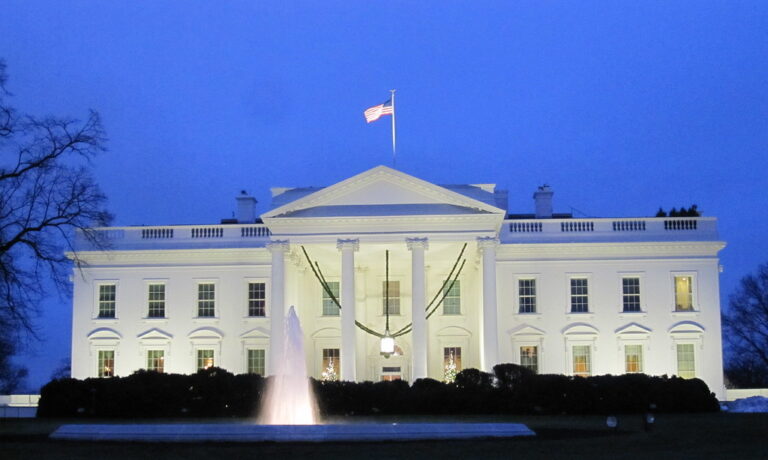
A member of the Wall Street Journal’s conservative board criticized the president’s move to tear down the East Wing. She called the White House ballroom project an “astonishing fiasco.” Without any public notice or formal approval, rooms that housed First Ladies and hosted military families now lie in pieces. The op-ed argues this act broke a promise to preserve American history.

Collin Levy, who joined the board in 2007, pointed out that conservatives rarely objected. In her view, the collapse of these rooms is more than a simple renovation. It is the destruction of a symbol of power and national identity. As she wrote, “A piece of American history lies in rubble.” In fact, she said no one tried to stop the president, and that silence is troubling.

While the president envisioned a grand ballroom for state events, the loss of the East Wing raises questions. Why replace a historic site with a new hall? Do modern needs outweigh the importance of heritage? These questions now echo in news reports and social media threads across the country.

Why the White House Ballroom Demolition Alarms Experts

Many historic preservationists warned that once you destroy old buildings, you lose a part of your national story. They argued the East Wing is more than walls; it is where First Ladies launched literacy drives and comforted military families. Some suggestions that the East Wing was “just for First Ladies” ignore decades of public service.

Moreover, critics say this project was rushed. No public hearings took place. No preservation board signed off on the design. As a result, experts now fear the new construction will lack the character and history of the old rooms. They worry future generations will never see the places where past leaders made key decisions.

Additionally, opponents see this as a test of our democracy. Levy pointed out that democratic rule depends on checks and balances. Yet when one branch of government acts alone, the nation risks losing its core values. Therefore, preserving history becomes a way to protect democracy itself.

Republican Silence Draws Criticism

Since news of the demolition spread, most Republican lawmakers stayed quiet. Many refrained from any public comment. Some even defended the move by saying modern functions need modern spaces. For example, a few argued state dinners require more room. They claimed the old East Wing was too small or outdated.

However, critics dismissed those arguments as weak. They say functionality does not trump heritage. Furthermore, they note state dinners were never held in the East Wing. Those events usually take place in the State Dining Room. This mismatch highlights how little some defenders know about White House layouts.

Meanwhile, many Republican donors and allies have not voiced concerns either. This absence of pushback puzzles historians and political watchers alike. After all, conservatives once led efforts to save the White House from similar changes. Today, those efforts seem forgotten.

Why Historic Preservation Matters

History lives in buildings, monuments, and documents. Each stone and room tells a story. When we erase these objects, we risk twisting our national memory. Future generations may never understand how past leaders lived and worked.

Furthermore, historic sites bring people together. They inspire pride, spark curiosity, and teach lessons. School groups visit the White House to see where presidents and First Ladies walked. Veterans tour the East Wing to recall military family events. Losing these halls means losing shared experiences.

Moreover, preserving old spaces does not block progress. Architects can blend modern needs with historic charm. Adaptive reuse projects around the world prove this point. By carefully updating rooms, we keep history alive and meet today’s demands.

What Comes Next for the White House Ballroom

Looking ahead, many states and local groups may step up. They could file suits or launch campaigns to halt further demolition. Some lawmakers might introduce bills to strengthen preservation rules. A public outcry could force the administration to rethink plans.

In fact, some former staffers and volunteers have already voiced their concerns. They hope to form a coalition that will lobby Congress. Their goal is clear: ensure no leader can erase key parts of the White House ever again.

Nevertheless, the future of the new ballroom remains uncertain. Will it rise as planned? Or will preservationists win a temporary halt? Only time will tell if this project becomes a symbol of progress or a cautionary tale.

Frequently Asked Questions

What exactly is being torn down at the White House?

The president ordered the demolition of the East Wing, a section of the White House long used for office space and public receptions. Now he plans to build a large ballroom in its place.

Why do critics call it an “astonishing fiasco”?

Critics see the project as reckless. They argue it destroys historic rooms without public notice or approval. They also fear the loss of national heritage and democratic oversight.

How did Republicans react to the demolition?

Most Republican lawmakers and donors stayed silent. A few defended the need for a new event space. Yet many did not address the concerns of preservation experts or historians.

Can historic buildings be updated without demolition?

Yes. Adaptive reuse projects allow old buildings to serve modern needs. Architects blend new functions with original features to retain history while adding value.