52.2 F
San Francisco
Thursday, April 23, 2026
Home Blog Page 312

Iowa Economy Crisis: Trump’s Policies Hit Hard

0


Key Takeaways:

  • The Iowa economy dropped by 6.1 percent in the first quarter of 2025.
  • Farmers see steep rises in tractor, steel, and fertilizer costs.
  • Argentina’s meat and soybean imports squeeze local producers.
  • Wind energy projects and factories face layoffs and uncertainty.

Iowa Economy Struggles Under Trump’s Policies

The Iowa economy is under pressure from several directions. Trade tariffs have pushed input costs to new highs. New meat imports from Argentina cut into local sales. Meanwhile, labor shortages and energy policy shifts add to the strain. As a result, many Iowans feel they face “death by a thousand paper cuts.”

Farming Faces Rising Costs

First, tariffs on steel and aluminum have driven up machinery prices. Farmers now pay more for tractors and tools. In addition, fertilizer costs jumped after levies on imported raw materials. Consequently, margins have shrunk on every bushel of corn and soybean.

When the president rolled out a $20 billion aid package for Argentina, many Iowa farmers felt betrayed. They had lost China’s soy market in the trade war, only to see cheap Argentine beans shipped elsewhere. Now, local producers say they cannot compete with heavily subsidized imports.

Moreover, seed, pesticide, and spare part prices have risen sharply. Even small repairs can take a big bite out of a farm’s budget. As one farmer put it, “Every expense feels like a new surprise I have to pay for.”

Labor Shortages Disrupt Operations

Next, immigration restrictions have cut the flow of guest workers. Many agribusinesses now struggle to find enough hands for planting and harvest. In some cases, fields lie unpicked as crews wander from farm to farm.

Food processing plants also report gaps on the line. Without enough workers, they must slow or halt production. That leads to higher costs for packing companies and fewer jobs in small towns. Ultimately, these choke points ripple through the entire supply chain.

In addition, rural areas often lack public transport and housing for seasonal workers. Even if companies could hire more people, finding places to stay has grown harder. As a result, some farms have chosen to leave fields fallow rather than pay premium wages.

Industry and Wind Energy at Risk

Aside from agriculture, manufacturing in Iowa has felt the pinch. Several mid-sized factories have laid off workers or cut shifts. Steel-intensive sectors like machinery and equipment face steep input costs. Other factories complain of slow orders as global uncertainty lingers.

Even wind energy, a bright spot for many farms, now faces doubt. The administration has suggested rolling back credits and curbing turbine blade imports. If those plans move forward, new projects may stall. Farmers who count on lease payments fear losing a key income source.

Since wind power helps diversify farm revenue, any slowdown could hit rural wallets hard. Local contractors, electricians, and transport firms also benefit from turbine installs. Thus, changes in energy policy create wider community risks.

How Trump’s Policies Impact the Iowa Economy

Trade Wars and Import Shifts
President Trump imposed steep tariffs on steel, aluminum, and agricultural goods. These measures aimed to protect U.S. producers. However, they raised costs for farmers and factories in Iowa. At the same time, Argentina received a rescue package to boost its exports. Consequently, Iowa farmers lost more ground in key markets.

Tariffs on Agricultural Inputs

Tariffs on imported raw materials seep into every corner of the farm. Steel for plows and cotton for equipment filters through multiple supply chains. Therefore, a single levy can jack up costs across the board. Farmers struggle to absorb these increases or pass them on to buyers.

Labor and Immigration Rules

Stricter immigration rules have reduced the guest worker pool. Many farms depend on these workers for planting and harvest seasons. Without enough staff, yields fall and costs rise. Companies in meatpacking and food processing face similar woes.

Energy Policy Changes

Rollbacks on wind energy incentives and tighter controls on turbine imports threaten future builds. Many Iowa farmers earn extra income from hosting turbines on their land. They worry that policy shifts could freeze new projects and reduce local tax revenue.

What Residents Are Saying

Many Iowans describe the situation as a series of small blows adding up. “Right now, we’re fighting different economic wars all at once,” said one farm wife. “You can handle one at a time. But together, it feels like death by a thousand paper cuts.”

Another farmer noted that family operations must decide between cutting costs or going deeper into debt. He fears the next generation will find farming too risky or too expensive. Several high school seniors in rural towns now consider moving to cities for better job security.

City officials also sound alarms. In one county seat, two small factories closed this spring. Local shops and cafes have fewer customers. Even gas station owners report slower weekday sales as commuters work from home or seek employment elsewhere.

Looking Ahead for the Iowa Economy

While many effects seem entrenched, change could arrive from several angles. First, trade negotiations may ease some tariffs over time. A fresh agreement with China or the EU might reopen markets for Iowa crops. Likewise, a thaw with Argentina could limit flood imports.

Second, Congress could restore or modify energy incentives. Renewed support for wind power would boost rural incomes and sustain turbine jobs. Moreover, investment in rural housing and transport could relieve labor pains.

Third, local initiatives may help small producers band together. Cooperatives can pool resources to lower input costs and market products more efficiently. Some farmers already share machinery and hire joint crews for planting.

Ultimately, the fate of the Iowa economy may hinge on policy shifts in trade, energy, and immigration. Meanwhile, communities will need to adapt and find creative solutions. Small wins could add up to smoother sailing for future seasons.

Frequently Asked Questions

Why did the Iowa economy drop so sharply in early 2025?

High tariffs and trade shifts drove up farming costs and cut export revenue. At the same time, factory layoffs and wind energy uncertainty weighed on growth.

How do Argentina’s meat and soybean imports affect local producers?

Government aid to Argentina made its products cheaper abroad. This undercut Iowa farmers who lost key markets and faced steeper domestic costs.

Can energy policy changes really reshape rural incomes?

Yes. Many Iowa farmers host wind turbines for extra income. Cutting incentives or imports threatens new projects and harms local contractors.

What steps could help the Iowa economy recover?

Relaxing certain tariffs, restoring energy incentives, and improving labor support could ease pressure. In addition, local cooperatives may lower costs and boost sales.

Steve Schmidt Slams Bezos and WaPo Over Trump


Key Takeaways:

  • Steve Schmidt, a former Bush campaign strategist, accuses Jeff Bezos and the Washington Post of siding with Trump.
  • He claims the Post’s editorial backed Trump’s destruction of the White House.
  • Schmidt warns that billionaire media owners value power over truth and fear Trump.
  • He predicts a future where controlled news spreads lies and harms democracy.
  • Readers should question big media and seek diverse, honest sources.

Steve Schmidt Blasts Bezos and Washington Post

In a fiery essay, Steve Schmidt, who once advised President George W. Bush, calls out Jeff Bezos and the Washington Post. He argues the newspaper published a twisted editorial praising Trump’s attack on the White House. Even more, Schmidt bet a friend $100 that the Post would side with Trump by Sunday morning. As he says, “Easy money.”

Background on Steve Schmidt

Steve Schmidt rose to fame as a top political strategist. He worked on several high-profile campaigns, including President Bush’s re-election. Over time, Schmidt became known for speaking his mind. He often warns about threats to democracy and honest journalism.

Lately, Schmidt has focused on the danger of media elites. He argues that when billionaires own major news outlets, they can push their agenda. This, in turn, can shape how millions of people see the world. Schmidt believes this power can become a weapon against the public good.

Why Steve Schmidt Calls Media Moguls ‘Pathetic Men’

In his essay, Steve Schmidt uses strong words. He calls America’s richest media owners “pathetic men.” He says they do not love their country. Instead, they love money and power more. Moreover, Schmidt warns they live in terror of Trump’s influence.

He points to tech giants, cable networks, and entertainment empires. According to him, these companies could one day control nearly all news. He fears this would erase real facts and spread only what serves the powerful.

Deep Dive into the Editorial

The heart of Schmidt’s anger lies in the Washington Post’s editorial. He claims the piece defended Trump’s “destruction of the White House.” In his view, the editorial twisted facts to make Trump look reasonable.

Schmidt writes that the Post dressed up Trump’s shocking actions as a “not in my backyard” issue. He says the paper tried to make the chaos seem normal and necessary. In his words, it was a “twisted and embarrassing” attempt to justify the unjustifiable.

He also warns that this kind of storytelling is a preview of state-controlled media. If one group owns all major news, he argues, then truth will collapse under fear and greed. This scares him for the future of free speech.

What This Means for Young Readers

For a 15-year-old or anyone new to politics, Schmidt’s essay raises key lessons:

· Always check who owns the news source you read.
· Ask why a story might present only one side.
· Look for direct quotes and facts, not just opinions.
· Compare different outlets before you decide what to believe.

By doing these steps, readers learn to spot bias and protect themselves from manipulation. This habit builds strong citizens who value truth and fairness.

Lessons for Young Readers

Schmidt’s warning is more than politics. It’s about growing up in a world of information overload. Kids today scroll through feeds full of headlines and ads. They need tools to sort fact from spin.

First, students should learn to pause before reacting. Second, they should ask, “Who benefits from this story?” Third, they should talk with friends and family about what they read. These simple steps can stop false information from taking root.

What’s Next for Media

Steve Schmidt predicts a future battle over news control. He says we might see media consolidation grow. He fears a handful of moguls could silence dissent and manipulate public opinion.

However, Schmidt also believes in public pushback. He thinks demanding transparency can force big media to change. Moreover, he hopes independent outlets will gain support. He envisions a diverse news ecosystem, not one ruled by a few wealthy owners.

Protecting democracy, according to Schmidt, starts with citizens. If we speak out against biased reporting, media giants may think twice. We must stay alert and hold them accountable.

Moving Forward

Steve Schmidt’s fiery essay reminds us that power can corrupt news. When money and influence shape headlines, truth takes a back seat. Yet, we have the power to fight back.

By supporting honest journalism, readers can push media owners to do better. By teaching young people to question sources, we build a smarter society. Finally, by demanding transparency, we help safeguard democracy itself.

FAQs

Why did Steve Schmidt target Jeff Bezos?

Steve Schmidt argues that Jeff Bezos, as owner of the Washington Post, allowed a pro-Trump editorial that praised Trump’s actions against the White House. Schmidt sees this as proof of bias and cowardice.

What was the $100 bet about?

Schmidt told a friend that the Washington Post would publish an editorial defending Trump’s destruction of the White House by Sunday morning. When it happened, Schmidt won the bet.

Does this mean all big media is corrupt?

Not necessarily. Schmidt’s warning focuses on billionaire-owned outlets that might put profit and power over truth. Many smaller or independent news sources aim to report factually and fairly.

How can I spot biased news?

First, check who owns or funds the outlet. Next, compare multiple sources on the same story. Finally, look for clear evidence, direct quotes, and data rather than strong opinions.

SNAP benefits fight could harm Trump voters

0


Key takeaways:

• Skipping SNAP benefits funding refill could cut food aid for many families.
• Some Trump supporters may lose health care premium help too.
• Political analyst warns GOP risks voter backlash in the next midterm.
• Lawmakers must find money or risk punishing their own voters.

SNAP benefits fight shakes up GOP

President Trump chose not to refill the food aid pool known as SNAP benefits after using its money to pay military salaries during the shutdown. Many Republicans backed him. Yet a new analysis suggests this move may hurt tens of thousands of Trump voters. They could lose access to basic food support. And that may lead to voter anger in coming elections.

How SNAP benefits decision affects voters

During the last government shutdown, leaders tapped into SNAP benefits funds to pay troops. Now, they haven’t put that money back. As a result, families depending on food aid face cuts. Furthermore, people on lower incomes may struggle to buy groceries. In many counties, a steady diet of fruits, veggies, and protein will grow harder to afford.

Shaniqua McClendon, vice president of politics at Crooked Media, spoke on MSNBC’s Alex Witt Reports. She said Republicans go along because they “don’t want to” help poor people afford food. Yet many Trump supporters rely on SNAP benefits. So the choice could hurt the very base the party needs to win.

Why the GOP risk grows

First, SNAP benefits aid over 40 million Americans each month. Second, a good share live in rural and suburban areas that voted Republican. When you cut their benefits, you cut their meal plans. Moreover, some will lose trust in leaders who promised to protect them. This loss of trust could lead to fewer votes for Republicans in 2026.

McClendon also highlighted another risk. If Congress does not expand Affordable Care Act subsidies, health insurance premiums will go up for many. She noted that plenty of Trump voters get help paying their monthly health bills. Thus, two key supports—food aid and health care help—could disappear at once.

What happens to families

Without enough SNAP benefits, parents may skip meals so kids can eat. Seniors on fixed incomes might choose between food and medicine. For households with a disabled member, the choice becomes even harder. Over time, hunger brings health problems like diabetes or heart disease. Naturally, people in these situations may blame the lawmakers who let the cuts happen.

In counties where Trump won by big margins, food banks expect to see more demand. Volunteers report more families lining up at soup kitchens. Schools in these areas worry about students coming to class hungry. When kids don’t get enough to eat, they struggle to learn. In turn, that affects test scores and graduation rates.

Political fallout for Republicans

Many voters will link the SNAP benefits cut to Republican leaders. They may see it as proof that the party ignores struggling Americans. As a result, they could switch sides or stay home when election day comes. That matters most in swing districts where margins run thin.

For example, a county that Trump won by just a few points could flip. Imagine both parties tied at the start. Now picture thousands of hungry families feeling abandoned. Those voters might choose the other ticket or simply not vote. That can make all the difference in a close race.

Moreover, this issue dovetails with other fights over health care and wages. Voters upset about food aid cuts could also protest on those fronts. All these frustrations can unite to erode support for the GOP.

Why picking winners creates problems

Federal programs like SNAP benefits must follow clear rules. They can’t bar people because of politics. Every eligible family has a right to apply and receive help. When leaders try to cut funds selectively, they break that promise.

McClendon stressed that programs cannot pick participants by party. She pointed out that SNAP rules list income and household size—not voting history. Thus, any move to tie aid to politics could face legal challenges. Even if such a challenge succeeds, families still suffer before courts act.

What lawmakers can do next

To avoid a political firestorm, Congress could refill the SNAP fund. They can add that money back into the 2026 budget bill. That step would restore benefits and calm some voter anger.

They could also expand health care subsidies alongside food aid. By bundling these helps, lawmakers appeal to wider groups. They show they care about both meals and medicine.

If Republicans fear a backlash, they might support a deal that protects both SNAP benefits and ACA help. This compromise could save face. It could also save thousands of votes.

Longer-term impact on policy

This fight shows how policy decisions reach beyond the beltway. Cutting a program affects real lives. It also influences how people vote. Future leaders may think twice before touching benefits for the poor.

Grassroots groups will likely grow more active. They will knock on doors to spread the word. They will urge families to tell their stories. Such pressure can force lawmakers to act.

Similarly, social media campaigns may amplify personal accounts of hunger. Photos of empty fridges or skipped meals can go viral. Such posts can sway public mood faster than any speech.

A turning point for the GOP?

If the SNAP benefits fight ends in cuts, the GOP brand may suffer long-term harm. Voters who feel left behind can stay angry for years. In contrast, leaders who step in to protect benefits can earn lasting trust.

For Republicans, the choice is stark. They can block funding and court risk. Or they can refill the SNAP benefits account and risk anger from their more conservative base. Either way, they face a tough decision that will shape elections ahead.

Ultimately, voters will remember who let them go hungry and who helped fill their plates. That memory will follow families to the polling booth.

FAQs

What exactly are SNAP benefits?

SNAP benefits provide a monthly allotment of funds to low-income households. Families use an electronic card to buy groceries.

Who qualifies for SNAP benefits?

Eligibility rests on income, household size, assets, and expenses. Each state sets specific limits within federal rules.

Can Congress stop the cuts immediately?

Yes. Lawmakers can vote to refill the account used for SNAP benefits in the next funding bill.

How could this change the next election?

If many voters lose food aid and health subsidies, they might switch support or skip voting. Close races could tip because of these shifts.

What can residents do if their SNAP benefits drop?

They can contact their member of Congress to demand action. They can also reach out to local food banks for short-term help.

How a House Recess Gave Trump Unlimited Power

Key Takeaways

• Speaker Mike Johnson has kept the House in an unprecedented recess, halting all oversight of the president.
• This “House recess” has given the president unchecked power to make radical decisions.
• The Founders wrote the Constitution to prevent any leader from acting like a king.
• Without Congress in session, essential checks and balances no longer work.
• If this continues, America’s democratic system could face a historic crisis.

Why the House Recess Matters Now

A sudden break in Congress might sound harmless. Yet this House recess has stripped away vital checks on presidential power. As a result, the president can act without restraint. He can change laws, spend money, or remake the White House with no questions asked.

The Founders feared one branch gaining too much power. They built checks and balances right into the Constitution. Congress must pass laws, approve budgets, and hold hearings to keep the president in line. Now, with the House stuck in recess, none of that can happen.

An Unconstitutional Move

Under the Constitution, each chamber of Congress can only pause for up to three days without the other’s consent. No place change, no longer breaks. Article I, Section 5 is clear on this. Yet Speaker Johnson has sent members home for over a month. He has not called a single pro forma session. He refused to seat a newly elected member. He blocked budget bills.

This is the first time in American history that the House has stayed in recess like this during its own session. Even during the Civil War or world wars, Congress found ways to meet. Courts have not seen a direct challenge to this rule before.

Why push such a rule-breaking move? One answer stands out: it helps the president act freely. Without the House in session, no committee can open investigations. No subpoena can force witnesses to testify. No budget battles can limit spending.

Unchecked Presidential Power

Right now, the president has ordered a major redo of the People’s House. He plans to tear down historic rooms and build a replica of a foreign palace. He calls it a new throne room. He plans to host billionaires there. He never asked Congress for permission. He never ran the plans by preservation experts. He never told the public.

Normally, Congress would demand answers. They would hold hearings. They would use the power of the purse to block the project. However, the House recess has frozen all that. No one can ask for documents or witness testimony. The president’s aides can act with no fear of being questioned.

Even actions outside the White House get no scrutiny. The president has imposed steep new tariffs. He has used federal law enforcement to make arrests without proper warrants. He has ordered strikes on foreign soil. All these acts normally trigger investigations. Yet the House recess means no one can call for hearings.

How Checks and Balances Break Down

Checks and balances rely on each branch watching the others. Congress watches the president by drafting bills, holding oversight hearings, and approving or denying funding. The president watches Congress by veto power. The courts watch both by interpreting the law.

When one branch goes silent, the system fails. With the House in recess, the president gains power unchecked. He can rewrite rules for immigration, taxes, and spending without debate. His appointees can run agencies with no fear of oversight. Courts can still rule on legality. Yet without new laws or hearings, courts lack the context to act fast.

This House recess has created a black hole in our government. No one is in charge of overseeing daily actions. No one can force transparency. No one can demand accountability.

A Procedural Coup

Mike Johnson’s tactic is a procedural coup. He did not march armed men into the Capitol. Instead, he used rules to block Congress from meeting. He holds the key to when members can return. In effect, he can switch Congress on and off.

This power sits solely with the Speaker. By keeping the House in recess, he has given the president the freedom to push any agenda. The president can act like a king, free from debate or vote.

If this strategy becomes routine, future speakers could also pause Congress to favor their party’s goals. They could halt investigations into corruption, wars, or civil rights abuses. They could freeze spending on vital programs. In each case, a House recess would stifle oversight.

Why the Mainstream Press Missed It

Most news outlets treat the government shutdown and the House recess as one story. They report on closed national parks and unpaid workers. But they rarely highlight that Congress itself is off the clock. The House recess remains an overlooked crisis.

Without clear coverage, few Americans know that the presidential power grab relies on this recess. They focus on headlines about budget fights or foreign policy. They miss the deeper threat: a silent Congress.

Could Congress Fight Back?

The Senate cannot change this alone. Money bills and oversight must start in the House. The president’s opponents need the House to meet. They need to call for hearings, pass resolutions, and demand votes. All that requires lifting the recess.

Some Republicans warn this move hurts democracy. They may pressure the Speaker to end the break. They could file a lawsuit. They could defy the recess and hold pro forma sessions anyway. However, the Speaker controls the chamber’s schedule.

At best, this situation might lead to a rare showdown within the ruling party. At worst, the Speaker could keep this recess tactic for future crises.

What Happens Next?

If the House recess ends soon, Congress can reassert its power. It can reopen committees. It can demand documents and testimonies. It can block spending on the White House throne project.

If the break drags on, the president’s power will grow. He can pass executive orders at will. He can further ignore limits on defense, law enforcement, and foreign affairs. He can rebuild the White House without public input.

Either way, the current crisis shows how fragile our system can be. One party’s move can paralyze a key branch. One recess can turn a democracy into a realm of unchecked power.

The Founders warned us. James Madison said joining all powers in one hand is tyranny. Thomas Jefferson called it an elective despotism. They wrote rules to prevent this exact scenario. Yet today we face their nightmare.

We must decide if we value rules over raw power. If we want a government that listens, debates, and balances. Or if we allow secret recesses and silent chambers to let one man rule without challenge.

Frequently Asked Questions

How can a House recess block Congressional oversight?

A House recess means no committees meet and no votes occur. Without sessions, members cannot hold hearings, issue subpoenas, or pass bills that check the president. This pause effectively freezes Congress’s power.

Is this House recess legal under the Constitution?

The Constitution limits a recess to three days unless both chambers agree. Speaker Johnson sent the House into a much longer break without Senate approval. This move likely violates Article I, Section 5, which governs adjournments.

What impact does this recess have on government funding?

Money bills must start in the House. During the recess, no funding resolutions can pass. This halts all new spending and budget oversight, limiting Congress’s control over federal agencies and projects.

Can the courts intervene in this light?

Courts can rule on constitutional violations. A lawsuit could challenge the extended break. However, court battles take time. By then, the recess may end or rules could change, limiting judicial impact.

Why Marc Short Attacks the White House Ballroom Plan

0

Key Takeaways

• Marc Short, former chief of staff to Mike Pence, harshly criticized the White House ballroom project.
• He said the administration would rather talk about a new ballroom than serious issues.
• Short pointed to trade disruptions, a shaky Middle East deal, and Epstein files as bigger problems.
• He warned that the White House belongs to taxpayers, not the president alone.

Why Marc Short Attacks the White House Ballroom Plan

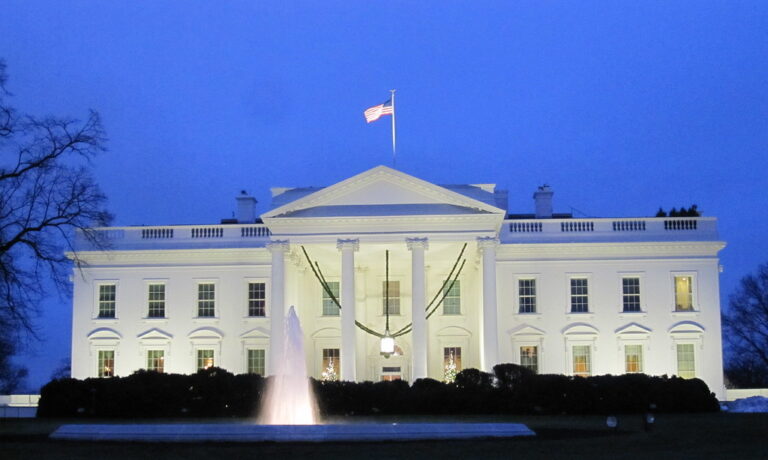
In a recent CNN interview, Marc Short called out the White House ballroom project. He believes the focus on a new ballroom masks bigger problems facing the administration.

Short’s Criticism of the White House Ballroom Project

Short argued the White House ballroom renovation involves tearing down the East Wing entirely. He said this demolition shows poor judgment. He noted that private donations don’t erase the fact that taxpayers foot the bill.

Moreover, Short pointed out that the White House is a public building. He stressed that it belongs to all Americans, not just one person or his family. Short described claims about donor funding as misleading. He called the debate over the new ballroom a distraction tactic.

Why the Media Focus on the White House Ballroom

Short suggested the White House itself is behind the ballroom headline. He said the administration prefers headlines on fancy rooms rather than real struggles. He thinks officials hope reporters ignore urgent issues.

In addition, Short said this strategy lets the president avoid questions on tougher topics. He referred to the deal in the Middle East that seems to be falling apart. He also mentioned the ongoing controversy over Jeffrey Epstein’s files.

Trade Troubles Hidden by the Ballroom Debate

He warned that farmers and ranchers are upset about the president’s trade agenda. They worry about tariffs and disrupted markets. Yet, Short said few news outlets cover their rising anger. Instead, the White House ballroom plan takes the spotlight.

Short noted the president plans to visit China soon. He said this trip shows how shaky the trade strategy is. He argued that diplomacy and market access have stalled. Meanwhile, American producers pay the price.

The So-Called Peace Deal in Israel

Another major issue Short highlighted is the fragile peace deal in Israel. He argued that nine months of negotiations have brought little progress. Instead, tensions remain high. Leaders in the region report that violence and distrust are growing.

Short believes this deal could collapse if talks don’t resume. Yet, the media pays more attention to who designs a ballroom. He called this imbalance worrying for public awareness.

Handling of the Epstein Files

Short also brought up questions around Jeffrey Epstein’s files. He said the administration’s handling of these documents raises concern. He implied that the White House might be avoiding scrutiny by pushing the ballroom story.

In his view, serious questions about high-profile criminal cases deserve public attention. He urged reporters to ask tougher questions instead of covering paint colors and chandeliers.

Why the White House Is on the Defensive

Overall, Short described the White House as “on the defensive.” He argued that officials scramble to protect their image. He said they choose stories that boost approval, even if trivial.

He used transition words like however, therefore, and in addition to guide his points. He emphasized that this defensive stance hurts public trust over time. He warned that the strategy might backfire if people feel misled.

Implications for the Public and Media

The battle over the White House ballroom project reflects a larger trend. Politicians often steer conversations away from tough issues. Consequently, voters remain less informed about policies that affect daily life.

Furthermore, Short’s words serve as a call to action for journalists. He wants the media to dig deeper into matters such as foreign policy, trade, and legal documents. He believes these topics truly shape people’s futures.

What Comes Next for the White House Ballroom Debate

Despite Short’s harsh words, the ballroom renovation continues moving forward. Plans for demolition of the East Wing are in early stages. Contractors await final approvals.

Meanwhile, reporters and the public face a choice. They can keep chasing updates on the ballroom’s cost and design. Or they can push for coverage of trade talks, peace deals, and legal controversies. Ultimately, Short hopes they choose the latter.

Frequently Asked Questions

What did Marc Short say about the White House ballroom?

He criticized it as a distraction from serious issues like trade, Middle East peace talks, and the Epstein files. He also said it misuses taxpayer money.

Why did Short claim the White House is defensive?

He argued officials focus on safe topics like a new ballroom to dodge tougher questions about policy failures and controversies.

How does the White House ballroom project affect taxpayers?

Although some funding comes from donors, the project still uses federal resources. It involves demolishing the East Wing, which increases costs for taxpayers.

What issues did Short want the media to cover instead?

He urged coverage of the president’s trade agenda, a fragile Middle East peace deal, and the handling of Jeffrey Epstein’s files.

Could Migrants Be Held on Military Bases Abroad?

Key Takeaways

• A judge asked if the government can send migrants to military bases abroad.
• A top lawyer said the administration likely has that power.
• About 710 migrants have been held at a U.S. base in Guantanamo Bay.
• Civil rights groups say these detainees lack fair legal rights.


The question of whether the government can detain migrants on military bases overseas reached a federal judge this week. In a heated exchange, a Justice Department lawyer said the administration probably has that power. Civil rights groups have asked the court to step in, saying that migrants deserve fair treatment and due process. This story examines the debate, its impact on migrants, and what may come next.

What the Judge Asked

Last Thursday, Judge Sparkle L. Sooknanan pressed a senior Justice Department lawyer on the government’s power. She asked directly if the Homeland Security Secretary could send migrants to military bases around the globe. In simple terms, she wanted to know if the law lets the government lock up migrants far from U.S. soil.

The Government’s Argument

August E. Flentje, a senior Justice Department lawyer, answered the judge with confidence. He said, “I don’t see why not.” In other words, he believes the administration has the authority to use military facilities in other countries or territories for migrant detention. This position ties into a broader plan to treat immigration as a key domestic issue. The government has boosted funding to hire more immigration officers. Yet critics say some actions lack solid legal backing and harm innocent people.

Why military bases matter in migrant detention

Military bases offer secure, remote facilities far from local communities. For the government, they solve space shortages in detention centers. However, using military bases raises major legal and ethical questions. First, these sites often fall outside normal court reach. Second, conditions at these facilities may not meet standard rules for civilian detainees. Finally, the move could set a global example, encouraging other countries to adopt similar tactics.

Impact on Migrants

Since February, roughly 710 migrants have been held at the U.S. base in Guantanamo Bay. Many arrived seeking asylum or fleeing violence. Instead of facing U.S. immigration courts, they sit in a remote outpost. They lack clear pathways to challenge their detention. Even worse, some say they have not had a meaningful chance to see a judge. This situation worries human rights groups, who stress that every person deserves a fair hearing.

Legal Concerns and Due Process

The American Civil Liberties Union argues these detainees should be freed. They claim that the migrants have no effective way to fight their cases. Under U.S. law, any person held by the government must be able to contest detention. Yet at a remote military base, lawyers and judges face extra hurdles. Transferring migrants to bases abroad could block many from getting legal help. In turn, it might violate basic due process rights that have protected people for centuries.

Why Experts Are Worried

Legal experts warn that moving migrants to military bases overseas could break norms. For decades, the U.S. has allowed civilians to sue the government in court. It has also followed international rules against arbitrary detention. Critics say locking up people on military outposts could weaken those standards. Moreover, it could hurt America’s standing on human rights around the world. If the court allows this policy, other countries could copy it to silence migrants and refugees.

What’s Next?

The ACLU has asked the court to decide if the Trump administration can detain migrants abroad. Judges will soon weigh the government’s power against the rights of individuals. A ruling for the administration may clear the way for more overseas detention. A decision for the ACLU could force the government to release detainees and rethink policies. Either way, the outcome will shape U.S. immigration rules for years.

Conclusion

This legal battle shines a spotlight on the clash between immigration control and human rights. Sending migrants to military bases abroad seems like a simple fix for space issues. Yet it carries deep risks for due process and international law. As the court considers both sides, the country watches closely. The decision will decide how far the government can go in shaping its immigration policy.

Frequently Asked Questions

Could migrants really be sent to any military base in the world?

A senior government lawyer argued that the administration has broad power. However, legal challenges might limit that power in practice. Courts will decide if this approach is lawful and practical.

Are conditions on military bases the same as regular detention centers?

Military bases often have secure facilities, but they may lack resources for legal aid and proper medical care. Experts worry that conditions abroad may not meet civilian detention standards.

What does due process mean for migrants held overseas?

Due process means everyone has a right to challenge their detention in court. If migrants can’t access judges or lawyers, their right to due process may be violated.

How could this case affect future U.S. immigration policy?

A ruling in favor of the administration could open the door to more overseas detentions. A ruling for the ACLU could force changes in how the government handles all migrant cases.

Why Epstein Files Must Finally Be Unsealed

0

Key Takeaways

• The Epstein files contain names of powerful people accused of child abuse.
• Amy Wallace says the FBI and DOJ know who is in those files.
• Sealing these documents protects the rich and powerful, including Trump.
• Releasing the Epstein files would spark a public reckoning and justice.

Why the Epstein Files Matter Right Now

Every day that the Epstein files stay hidden, more victims suffer in silence. These files hold the names of men who raped and trafficked children alongside Jeffrey Epstein. Despite clear demands, our government calls this a “legal process” or “ongoing investigation.” In reality, it shields the powerful. When Emmett Till’s mother revealed her son’s crushed face, America could no longer look away from racism. Now, we must force open these files. Only then can truth shine through and justice begin.

Who Holds the Epstein Files Secret?

Amy Wallace, co-writer of Virginia Giuffre’s memoir, says she knows the names of the abusers. She also says Virginia knows. Moreover, the FBI and the Department of Justice know. Yet they keep the Epstein files under tight lock. Attorney General Pam Bondi once bragged, “It’s sitting on my desk right now.” Now, she claims it doesn’t exist. Likewise, Director Kash Patel insists he has no list. How can that be? In fact, this charade protects one group above all: the wealthy and the politically connected.

What We Still Don’t Know

Despite years of headlines, no one outside a few offices has seen the Epstein files. We don’t know:

• Who in government turned a blind eye when Epstein abused children.
• Which business leaders or pageant owners joined Epstein’s network.
• Whether Donald Trump’s Teen USA pageant played a role.
• How many victims still suffer in fear.

Furthermore, silence breeds more secrecy. When the rule of law meets money and power, justice fails. Certainly, Trump allies in Congress hide behind “procedure” to stall any real inquiry. Meanwhile, victims wait decades for accountability.

The Cost of Silence

Every sealed page in the Epstein files adds weight to the shame we bear as a nation. Silence helps abusers stay free. It also signals to victims that their pain doesn’t matter. Sadly, history repeats this pattern:

• The Catholic Church buried abuse claims for decades.
• Tobacco execs hid evidence that their products killed millions.
• Asbestos makers lied about deadly dust in workplaces.

In each case, public outrage forced change. Laws got stricter. Leaders faced punishments. Now, a new moral test stands before us. If we ignore Epstein’s crimes, we prove once again that powerful elites escape justice. That’s a lesson every teenager can see: when wealth meets wrongdoing, the powerful often win.

How We Can Demand the Epstein Files Release

First, citizens must speak up. Write to your representatives. Organize peaceful rallies. Use social media hashtags to spread the word. Secondly, journalists should keep asking direct questions. Don’t let officials dodge with vague legal terms. Third, courts must weigh the public interest. Judges can lift seals if they see that withholding files harms society more than it helps an investigation. Finally, victims deserve a platform. Their voices can break the silence and rally the nation to demand transparency.

Why This Must Happen Today

Injustice gains strength when given time. Every hour the Epstein files stay hidden strengthens the powerful shield around abusers. Moreover, new political moves threaten to bury the files even deeper. House Speaker Mike Johnson stalled seating Adelita Grijalva, possibly to keep secrets safe. If we wait, those in power will craft new excuses. Therefore, we must act now. Let sunlight fall on every page of the Epstein files.

A Call to Courage

Emmett Till’s mother showed true bravery. She forced America to witness unspeakable harm so we could not ignore it. Today, we need that same courage. We must stare at the names in the Epstein files, no matter how uncomfortable. Only then can we break the cycle of abuse. Only then can victims find some measure of peace. When sunlight meets corruption, it withers away.

This struggle is not about revenge. It is about restoring our moral fabric. It is about saying that no one, no matter how rich or politically connected, stands above the law. Each day of silence deepens the wound in our democracy. Release the Epstein files. Let every name face the light. That is how justice begins.

FAQs

What are the Epstein files?

The Epstein files are sealed court records that list people accused of raping and trafficking children with Jeffrey Epstein. They include depositions, evidence, and names of those allegedly involved.

Why are the Epstein files still sealed?

Officials claim they can’t release the files due to ongoing investigations or privacy concerns. However, critics say these reasons mask a desire to protect wealthy and powerful figures.

Who can demand the release of these files?

Citizens can pressure their elected leaders. Judges in federal courts have the power to lift seals if they decide public interest outweighs confidentiality. Journalists and advocacy groups also play a role by keeping the issue in the spotlight.

What could happen if the Epstein files are unsealed?

Revealing the files could lead to new criminal investigations, potential arrests, and civil lawsuits. It would also bring long-overdue attention to victims and help prevent future abuse.

Mac Warner’s New Role in DOJ Sparks Retribution Fears

0

Key Takeaways

• Former West Virginia secretary of state Mac Warner now works as a senior attorney in the Justice Department’s Civil Rights Division.
• He joins the secretive Interagency Weaponization Working Group, sparking political retribution worries.
• Warner once claimed the CIA rigged the 2020 election in favor of President Biden.
• He has pushed for tougher voting rules and sought access to 2020 voting machines.
• Local officials denied his request to inspect Dominion machines, citing state law.

Mac Warner Takes Key Role at DOJ in Election Probe

Mac Warner is now a senior attorney in the Justice Department’s Civil Rights Division. He joined the department after serving as West Virginia’s Republican secretary of state. However, his history of election claims has critics worried.

Warner’s appointment places him inside the so-called Interagency Weaponization Working Group. This unit was created by former President Trump’s executive order to target alleged “weaponization” of federal agencies. Since starting, Warner has pushed a strict voting agenda and probed false election claims.

Mac Warner and the Interagency Weaponization Unit

At the heart of the controversy is the Interagency Weaponization Working Group. Mac Warner moved quickly to take part in its work. Its mission is to investigate and punish agencies for political bias. Critics say it looks like a retribution task force.

In recent meetings, Warner advocated for stronger voter ID rules and demanded access to voting machines used in the 2020 race. His critics call these steps an overreach. Meanwhile, Warner argues they serve transparency and accountability.

Past Claims and Actions

During his time as West Virginia’s top election official, Mac Warner championed measures to limit voting access. He promoted strict voter ID laws and mail-in ballot rules. In a 2023 debate, he claimed the CIA stole the 2020 election from Donald Trump. He offered no proof.

These allegations echo broader conspiracy theories about election fraud. While Warner lost his re-election bid earlier this year, he soon landed at the Justice Department. This move raised eyebrows, since he now investigates the very claims he once made.

Push for Stricter Voting Rules

Once at the DOJ, Mac Warner continued pushing for tougher voting standards. At a May meeting of the Election Assistance Commission’s Board of Advisors, he urged adoption of Trump’s order on documentary proof of citizenship. He said verifying documents would protect election integrity.

However, opponents say these rules often suppress valid votes, especially among minorities and young people. They warn that requiring strict documents creates barriers for eligible voters. Nevertheless, Warner insists such measures are common sense and lawful.

Local Officials Deny Machine Access

One of Warner’s boldest moves was requesting custody of Dominion voting machines from local officials. He sought to “physically inspect and perhaps take physical custody” of the machines from 2020. Local election clerks in Missouri refused.

The Missouri Association of County Clerks said state law bans removal of machines. Association president Sherry Parks called Warner’s request “illegal under state law.” Despite this setback, Warner has not dropped his efforts.

What This Means for Voters

With Mac Warner’s rise in the DOJ, questions loom about the future of federal election oversight. If the Interagency Weaponization Working Group grows, it could reshape how the federal government handles election disputes.

Supporters believe Warner will guard against bias in federal agencies. They argue his work will restore trust in elections. On the other hand, critics fear political retribution in the Justice Department. They worry he will target Trump’s opponents.

For everyday voters, these developments mean watching closely. Any new voting restrictions or federal investigations could affect how and where people cast ballots. Voters should stay informed and check local laws for changes.

Continued Scrutiny Ahead

As Warner settles into his DOJ role, more scrutiny is likely. Congress members and civil rights groups may demand details on his work. They want to know if the Interagency Weaponization Working Group follows legal limits.

Therefore, transparency will be crucial. Public records requests and Congressional hearings could reveal the group’s true goals. Meanwhile, Mac Warner’s actions will shape debate over federal election power.

FAQs

Why did Mac Warner join the Justice Department?

He joined to work in the Civil Rights Division, focusing on election issues and claims of government “weaponization.”

What is the Interagency Weaponization Working Group?

It is a secretive unit created by presidential order to investigate and curb alleged political bias in federal agencies.

Has Mac Warner’s request to inspect voting machines been approved?

No. Local officials in Missouri denied his request, stating state law prohibits removing machines.

What voting changes does Mac Warner support?

He supports proof-of-citizenship rules, strict voter ID laws, and other measures to tighten voting access.

What Education Department Layoffs Mean for Students

0

Key Takeaways

• Major cuts at the U.S. Education Department target special education units.
• Disability advocates warn these layoffs may undercut legal rights.
• A federal judge halted the firings for now, but uncertainty remains.
• Lawmakers and advocates urge reversal to protect 7.5 million IDEA students.


Proposed Education Department layoffs have sparked alarm across the country. Disability advocates and Democratic lawmakers worry these cuts will harm students with disabilities. Even though a judge paused the layoffs, families and staff fear lasting damage to special education programs.

Understanding Education Department layoffs

The Trump administration planned to cut 465 jobs across several offices. The Office of Special Education and Rehabilitative Services lost 121 positions. The Office of Elementary and Secondary Education faced 132 cuts, and the Office for Civil Rights saw 137. Other units, including the Office of the Secretary and Office of Communications, were also hit.

Advocates argue these reductions threaten services that serve 7.5 million students under the Individuals with Disabilities Education Act. Moreover, the department may shift special education programs to a different agency. Critics call that move another step toward weakening federal support.

Impact of Education Department layoffs

Special education experts say the department cannot fulfill legal duties with so few staff. For example, the Office for Civil Rights investigates discrimination complaints. If that office shrinks, families may lose a key resource for justice. In addition, the Office of Elementary and Secondary Education oversees grants that fund local support. Without those grants, many schools could struggle to meet legal requirements.

Furthermore, advocates worry guidance and technical assistance will vanish. Special education law is complex. Parents and schools rely on federal experts to navigate both federal and state rules. Cuts could leave families without clear answers on services and rights.

Why these cuts matter

First, the Individuals with Disabilities Education Act guarantees a free public education for students with disabilities. For fifty years, IDEA has guided schools to provide tailored services like speech therapy and classroom aides. However, these services demand oversight and funding. Moreover, they require trained professionals to monitor compliance and resolve disputes.

Second, cutting staff undermines this oversight. Fewer investigators may delay or dismiss discrimination claims. Schools could ignore legal mandates without swift accountability. As a result, some students might lose access to crucial resources.

Third, the potential transfer of programs to another department adds risk. Creating a new home for special education could disrupt established processes. Transition periods often produce gaps in service delivery. During those gaps, students could miss therapy or lose funds.

How students will be affected

Imagine a child who needs daily speech therapy. Under IDEA, that child attends sessions at school. A local director calls the Education Department for advice on therapy guides. If that office no longer exists, the director may not get accurate help. Consequently, the child could miss vital sessions.

A family filing a discrimination claim also faces delays. The Office for Civil Rights might take months to process complaints. Without enough staff, families may wait even longer. In that period, a student could remain in an inadequate program.

On a broader scale, school districts rely on discretionary grants managed by Education Department units. Losing those grants could force districts to cut services or staff. Ultimately, many students with disabilities might lack the support they legally need.

What advocates are saying

Rachel Gittleman, president of a major government workers union, calls the cuts illegal. She vows to fight the “dismantling of the department.” Likewise, Katy Neas of The Arc warns that losing program experts will weaken IDEA’s implementation. Parents, she says, must learn their rights and demand the law’s full application.

Jacqueline Rodriguez of the National Center for Learning Disabilities feels “flabbergasted.” She points out that the department’s own secretary promised support for students with special needs. Yet now that office faces deep cuts. Rodriguez stresses that these layoffs make it “impossible” to meet federal requirements.

Together, disability groups are united against the cuts. They have formed a coalition to pressure the administration. They also aim to keep parents informed so families can advocate in local schools.

Congressional response

In mid-October, House Democrats sent a letter urging reversal of the Education Department layoffs. They argued that the cuts treat students as political pawns during the shutdown. A separate Senate letter, led by top Democrats, called the firings “punitive” and “reckless.” These lawmakers demand the administration rescind the termination notices immediately.

Senator Patty Murray and Senate Minority Leader Chuck Schumer emphasized that treating students this way is “flatly unacceptable.” Meanwhile, advocates hope these letters and legal actions will force the administration to restore staffing levels.

The path ahead

For now, a federal judge has blocked the layoffs temporarily. However, that order offers only short-term relief. Legal battles continue, and the risk of deep cuts still looms. Parents, teachers, and advocates must stay vigilant. They should follow court news, contact lawmakers, and organize locally.

Moreover, families can prepare by documenting any issues their children face. If services falter, having clear records will strengthen future complaints. In this fight, information and unity are powerful tools.

As this story unfolds, the stakes remain high. Millions of students with disabilities depend on these federal offices. Their rights and futures hinge on a department that can enforce IDEA. Therefore, reversing or limiting Education Department layoffs is crucial to ensure every child receives the education they deserve.

Frequently Asked Questions

What triggered the proposed Education Department layoffs?

The administration planned to cut 465 positions amid a government shutdown. Key units like special education and civil rights faced large reductions.

How could these layoffs affect special education services?

Fewer staff mean slower investigations, less guidance, and delayed grants. Students may lose therapies, aides, and legal protections.

What role do Congress and the courts play?

A judge has temporarily blocked the firings. Meanwhile, lawmakers have demanded the administration reverse the cuts and restore staffing.

How can families protect their child’s rights?

Parents should learn IDEA rules, keep records of services, and contact school leaders or advocates if needed. Staying informed helps ensure legal compliance.

Trump’s White House Ballroom Plan Reveals His Defeat

0

Key Takeaways

  • President Trump’s plan to build a lavish White House ballroom shows he feels beaten by Washington’s power brokers.
  • Funds for the project jumped from an estimated 200 million to nearly 350 million dollars.
  • Top GOP critic Tim Miller calls the ballroom deal “blatant corruption.”
  • Private donors, including crypto firms, may seek favors from the administration.
  • The ballroom project could reshape Trump’s legacy and public trust.

President Trump’s announcement about a new White House ballroom marks a surprising turn. He admitted defeat to the D.C. establishment, according to ex-GOP strategist Tim Miller. The president said he would raise private money to build a “gilded” ballroom. In truth, Miller says that plan shows Trump has been co-opted by the powerful interests he once fought.

Initially, Trump claimed the ballroom would not touch the East Wing. However, crews have already demolished that historic space to make way for grand halls, ornate chandeliers, and polished marble floors. What began as a side project now threatens to reshape the White House’s very structure.

Even more striking is the price tag. Early estimates put the cost at 200 million dollars. Yet Trump now says private donors must cover nearly 350 million. For a moment, the idea sounded like a fun project for fancy dinners. However, the soaring cost raises serious questions about influence and power in Washington.

Critics Call Trump’s White House Ballroom a Sign of Corruption

Tim Miller, host of The Bulwark Podcast, did not hold back. He argued that the White House ballroom project amounts to “blatant corruption.” Moreover, he said Trump is now “fully in league with the corporate establishment, the lobbyists, the deep state, and the military-industrial complex.” In other words, the very “swamp” Trump campaigned against now controls him.

Furthermore, Miller pointed out that many firms backing the ballroom want something in return. Cryptocurrency companies, for instance, seek rule changes and regulatory favors. Other donors likely hope for defense contracts or tax breaks. Thus, this ballroom deal contradicts Trump’s vow to drain the swamp.

How Costs Ballooned and Who’s Paying

At first, the ballroom idea seemed small. Trump joked the funds would come from ticket sales and private events. Yet as plans grew, so did the expenses. Architects drew up detailed blueprints for soaring ceilings, glittering lights, and sprawling balconies. Each extra flourish added millions.

By late summer, the cost estimate jumped from 200 million to 350 million dollars. Trump insists private donors will foot the bill. However, he did not name most contributors. Reports suggest firms in tech, finance, and defense are in line to help pay.

Crypto companies appear high on that list. They hope for clearer rules and less oversight. In exchange, they might donate tens of millions. That deal worries ethics experts. If a donor stands to gain policy perks, critics say, that is bribery by another name.

Why the Ballroom Matters for Trump’s Legacy

This isn’t just a fancy party room. For Trump, the White House ballroom represents power and prestige. He loves hosting grand events. Yet by relying on private money, he opens the door to influence from donors. For a president who railed against lobbyists, this move seems hypocritical.

Moreover, the ballroom project forces the public to ask tough questions. Who really runs the country? If special interests pay for a super-sized party hall, then those interests hold real sway. Consequently, Trump’s image as an outsider who fights the system takes a hit.

Moving forward, journalists and watchdog groups will track every donation. They will check if donors receive government contracts or favorable rulings. If so, the ballroom could become a lasting symbol of corruption in Washington.

Possible Outcomes and Public Reaction

Already, opinion polls show mixed feelings. Some Trump supporters admire the bold project. They see it as a way to modernize the White House. Others view it as wasteful and self-serving. They worry about rising costs and shady deals.

In Congress, proposals to limit private funding for official residences are gaining traction. Lawmakers on both sides agree that strict rules could prevent similar schemes in the future. Yet passing new ethics laws in a divided government remains a challenge.

Meanwhile, the public will watch construction crews work on the White House lawn. Every crane and every marble slab will spark debate. Will the ballroom become a grand new symbol of American pride? Or will it stand as a glittering monument to influence peddling?

Conclusion

President Trump’s plan for a lavish White House ballroom marks a dramatic shift. What began as a private fundraising idea reveals deeper ties between Trump and Washington’s power network. Critics like Tim Miller call it a sign that the swamp has won. As the cost climbs to 350 million dollars and wealthy donors line up, questions about corruption and influence loom large. Ultimately, the White House ballroom may define Trump’s final years in office—and how Americans view the power at 1600 Pennsylvania Avenue.

Frequently Asked Questions

What exactly is the White House ballroom project?

The project aims to add a grand, gilded ballroom to the White House by demolishing part of the East Wing. It features high ceilings, ornate fixtures, and space for large events.

How will the ballroom be funded?

President Trump says private donors will cover nearly 350 million dollars. He has not yet disclosed most contributors, though reports name tech, defense, and crypto firms.

Why do critics call it corruption?

Critics say donors could get favorable treatment in return for their gifts. If companies win policy changes or contracts after donating, that raises conflict-of-interest concerns.

Could new laws stop future projects like this?

Some lawmakers are pushing legislation to ban private fundraising for official residences. However, passing those laws requires agreement in Congress, which can be difficult.