56.4 F
San Francisco
Saturday, May 2, 2026
Home Blog Page 317

Centrist Democrats Exposed at No Kings Rally

0

Key Takeaways:

  • The No Kings rally drew 100,000 people who defended democracy.
  • Centrist Democrats accepted false claims to appear moderate.
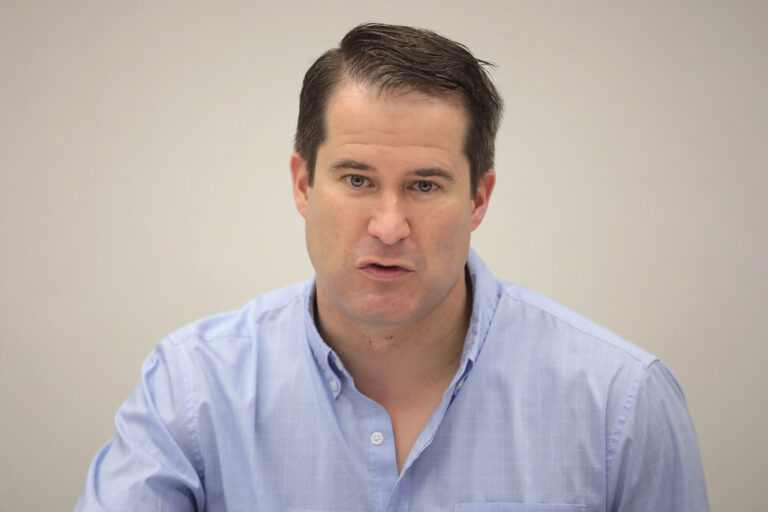
  • Seth Moulton faced boos when he questioned trans rights.
  • Ed Markey won support by sharply defending trans rights.
  • This split warns that centrist Democrats risk losing voter trust.

The No Kings rally on Boston Common showed deep unrest. More than 100,000 people marched to defend our rights. They shouted against threats to our democracy. Yet some elected leaders stayed silent on core values. In particular, centrist Democrats showed their real stance. This rally forced many to pick a side. Either you stand for basic rights or you bow to fear.

How Centrist Democrats Accepted False Premises

In recent years, centrist Democrats have tried to look moderate. They often repeat lies from their opponents. For example, they claimed Vice President Harris lost due to trans rights support. This idea came from Trump’s deceptive campaign. However, Harris never spoke of trans rights in her race. Still, centrist Democrats took the claim as fact. They did this to win over independent voters.

Representative Seth Moulton followed this path. He warned that trans girls in sports could harm his daughters. He said he did not want them “run over” by former male athletes. In fact, no evidence supports that worry. Yet he used it to seem honest. Instead, he told voters he is blunt and brave. In truth, he did not fight the lies. He fed them to win favor with some voters.

A Split in Massachusetts Politics

Meanwhile, Senator Ed Markey took a strong stand. He told the crowd at No Kings, “Trans rights are human rights.” The crowd roared in approval. When Moulton spoke, people booed him. This moment revealed a sharp divide. On one side, you have leaders like Markey. On the other, you have centrist Democrats who dodge fights.

Moreover, centrist Democrats worry that passion scares off moderates. Therefore, they choose to downplay core values. They think this tactic will win elections. However, they ignore a key fact. The Democratic base wants real leaders. They want fighters, not compromisers.

The Rise of State-Level Resistance

Beyond this split, some Americans seek other paths. They feel the federal system no longer protects them. The Supreme Court now backs many extreme actions. House leaders block budgets to punish the public. In this chaos, many look to their states for shelter. Blue states pledge to ignore federal overreach. They promise rights no matter what Washington does.

In fact, some speak of a “soft secession.” They plan to form alliances of free states. This idea sounds wild, but people back it. They see it as a way to save schools, healthcare, and safety. Thus, the rally sparked new talk of local power. It also exposed how centrist Democrats might fail here too. If they can’t stand firm on values, they lose trust.

Lessons for the Democratic Party

First, the party must face the truth. The country risks a full crisis if leaders follow fear. Centrist Democrats, by chasing moderation, risk helping autocrats. They need to reclaim clear values. They must trust voters to stand for human rights. Second, compromise must not mean conceding core beliefs. Fighting for democracy is not a side show. It is the main event.

In addition, the rally showed voters care about more than polling. They want genuine leaders who face danger to defend rights. They will not accept watered-down promises. Finally, the party must unite around its most vulnerable members. Trans people face unique attacks, but attacks on one group hurt us all.

Therefore, centrist Democrats must stop repeating false claims. Instead, they should learn from Senator Markey and other fierce allies. They need to match the energy of their base. Only then can they win both elections and history.

A Call to Action

In a world where rights slip away, we cannot stay silent. However, we also cannot accept leaders who hide behind vague talk. We need bold voices that call out lies. We need champions for every citizen. We need fighters rather than fearful center-seekers.

In that sense, the No Kings rally did more than protest. It tested our leaders. It exposed which ones stand with us and which bow to fear. It proved that centrist Democrats face a choice: become true defenders of democracy or fade into irrelevance.

We have seen how fears drove some to the middle. We saw how pride gave others the strength to speak truth. Now, the time has come for all leaders to choose sides. Will they defend every American’s rights? Or will they surrender in the name of false balance?

Only real leadership will save our democracy. That leadership starts with honest words and brave stands. If centrist Democrats learn this lesson soon, they can still lead. If they do not, they risk losing the trust of all who marched at No Kings.

FAQs

Why did people boo Seth Moulton at the rally?

They booed him for questioning trans rights. The crowd saw his words as a betrayal of basic rights. They cheered Senator Markey’s firm support instead.

How does the No Kings rally impact future elections?

The rally shows voters want leaders who defend core values. It may push centrist Democrats to take stronger stances. It could shape which candidates win primaries.

What does “soft secession” mean for blue states?

It means states could protect rights locally. If federal power weakens, states may act alone. They might also form alliances with other pro-rights states.

How can centrist Democrats regain public trust?

They must stop repeating lies and stand up for human rights. They should speak clearly about their values. They need to match the passion of their base to show true leadership.


USS Gravely Joins Carrier Near Venezuela

0

Key Takeaways:

• The Navy sent USS Gravely to a Caribbean capital as tensions rise.
• USS Gerald R. Ford moves closer to Venezuela’s shores.
• These warships show U.S. strength and readiness in the region.
• Local leaders and neighbors are watching closely.
• The moves could affect trade and security in the Caribbean.

USS Gravely Arrives in Caribbean Capital

The U.S. Navy sent USS Gravely, a guided missile destroyer, to dock in the capital of a Caribbean nation. In addition, the aircraft carrier USS Gerald R. Ford is sailing nearby Venezuela. Both ships aim to show U.S. strength and support local partners. Their presence comes as tensions rise in the region.

Why USS Gravely Matters

The USS Gravely carries advanced weapons and radars. It can track planes, ships, and missiles far away. By sending USS Gravely here, the Navy lets allies know it stands with them. It also warns potential foes not to make risky moves. In simple words, the ship shows the U.S. is ready to help or defend.

How the Fleet Moves

First, USS Gerald R. Ford sails off Venezuela. Then, USS Gravely pulls into a nearby port. In addition, smaller ships and support vessels join the group. Together, they form a powerful task force. Meanwhile, special aircraft take off from the carrier. They fly patrols over the sea. This mix of ships and planes gives the Navy many options.

What the Arrival of USS Gravely Means

Bringing USS Gravely here sends a clear message. It tells everyone the U.S. cares about security in the Caribbean. Also, it reassures friendly nations that help is near if trouble starts. However, some neighbors may see it as pressure. They might worry about a larger military presence. Yet, the U.S. says these actions aim to keep sea lanes safe for trade.

Reactions from Leaders

Leaders in the host country welcomed USS Gravely. They thanked the crew for visiting and boosting local defense. Meanwhile, opposition voices warned about growing foreign influence. They asked for talks on how to balance benefits and risks. In Washington, officials praised the move. They said USS Gravely and the carrier strengthen regional ties and deter threats.

Impact on the Region

Shipping routes through the Caribbean carry goods for billions of dollars. Thus, security here affects global trade. Having USS Gravely and the carrier nearby helps spot dangers early. It makes merchants feel safer. On the other hand, some local groups fear a naval buildup might spark conflict. So far, no clashes have happened. But everyone watches closely for any change.

Daily Life Around the Ships

Beachgoers and fishermen notice the big vessels on the horizon. Some locals take photos of USS Gravely’s tall mast and weapons deck. Tour guides mention the warships in boat tours. Schools use the visit to teach students about the Navy. Vendors sell model ships and snacks near the port. The arrival brings both pride and curiosity.

Lessons from History

Naval visits have shaped history here before. In past decades, similar moves eased crises or showed force. People learned that friendly visits can build trust. Yet, too many visits can make neighbors uneasy. History teaches that clear goals and honest talk help keep peace.

What’s Next?

USS Gravely will stay for joint drills with local forces. They will practice rescue missions, sea patrols, and communications. After that, the ship may sail toward other allies. USS Gerald R. Ford will keep patrolling near Venezuela. Together, they aim to ensure safe seas and support diplomatic talks.

Final Thoughts

The arrival of USS Gravely and the move of USS Gerald R. Ford show U.S. determination in the Caribbean. Their combined strength offers security but may raise questions among neighbors. As events unfold, open dialogue and respect will be key. In a world with shifting alliances, keeping the peace at sea remains vital.

Frequently Asked Questions

What is USS Gravely and why is it important here?

USS Gravely is a guided missile destroyer with high-tech radars and weapons. Its visit shows U.S. support for regional security and deters potential threats.

How does USS Gravely work with the aircraft carrier?

The destroyer protects the carrier from air and missile attacks while the carrier’s planes scout the skies. This teamwork boosts overall defense and patrol abilities.

Could this naval presence lead to conflict?

So far, no conflict has occurred. The ships aim to keep waters safe. However, strong communication with local governments helps prevent misunderstandings.

How long will USS Gravely stay in the region?

The destroyer will remain for joint drills and port visits. After that, it will sail to other nearby nations for training and cooperation.

Food Aid Halt Threatens Families Amid Shutdown

0

Key Takeaways:

  • The USDA says that federal food aid will not go out on November 1.
  • Millions of people depend on food aid for daily meals.
  • Lawmakers must act soon to restore food aid and avoid deeper hunger.
  • Families face uncertainty while the government shutdown continues.

The United States Department of Agriculture announced that food aid will stop on November 1 unless Congress reopens the government. This decision raises the stakes for families who rely on food aid each month. Millions of Americans depend on this support to fill dinner plates and feed children. Now, as funding freezes, worry grows in communities nationwide.

Why Is Food Aid at Risk?

In recent weeks, the government shutdown has blocked funds for many programs. As a result, the USDA posted a notice on its website. It warned that food aid payments cannot go out without approved budgets. Meanwhile, schools, food banks, and stores that accept food aid benefits are left in limbo. Because of the shutdown, employees cannot finalize payments or process applications.

What Does the Notice Say?

The short message from the USDA is clear. It states that unless Congress passes a budget, food aid will pause on November 1. The department explained it cannot issue checks or load benefit cards. In addition, no new households can enroll for assistance while the shutdown continues. These steps break the chain that delivers food help to those in need.

Impact on Families

Many families depend on food aid to buy groceries and feed their children. In low-income areas, people often stretch meal budgets with the help of benefit cards. However, when aid stops, parents scramble to cover the costs. Meanwhile, kids face the risk of missing breakfast or lunch. Without help, families may turn to food banks, but supplies there can run low too.

A single mother of two shared her fear. She said she uses the benefit card to buy fresh fruits and vegetables. Without the aid, she worries her children will miss healthy meals. Similarly, senior citizens who use food aid to buy essentials will struggle. Therefore, the pause threatens both young and old alike.

The Broader Community Feels the Strain

Beyond homes, schools and local businesses face problems. Many schools offer free or reduced-price lunches funded by federal aid. When funding is uncertain, cafeterias cannot plan menus or stock up. In addition, grocery stores that participate in the program risk cash flow issues. Vendors ship items to customers but wait for reimbursement. A pause in food aid disrupts the entire supply chain.

Meanwhile, local food banks anticipate higher demand if food aid stops. They rely on donations and volunteers, but hours are limited. As a result, community centers worry they cannot meet the surge in need. In many towns, social service groups already brace for tough weeks ahead.

How Congress Can Help

Congress holds the power to end the shutdown. Lawmakers need to pass a budget or a temporary funding bill. Either solution would unlock funds for food aid and other services. Some members have called for a quick measure to restore benefits. However, political disagreements have stalled progress.

In addition, the USDA can propose interim rules to keep benefits flowing. For example, they might transfer emergency funds or allow limited distributions. Yet without clear guidance, local offices hesitate to act. Therefore, the clock ticks down as families await relief.

The Human Cost of Delay

Each day without food aid adds stress to households. People skip meals, rely on neighbors, or cut back on medicine and rent. Stress and hunger can harm children’s health, growth, and school performance. Adults face tough choices between food and healthcare. The economic fallout can ripple through communities, affecting work productivity and local shops.

In places with high poverty rates, the impact is even worse. People may skip car repairs or lose jobs if they cannot afford transit. Health problems rise, leading to more public health costs. Thus, the pause in food aid can create lasting damage beyond just empty plates.

What Families Can Do Now

While waiting for Congress, families can look for local support. Many food banks open extra hours during crises. Churches, nonprofits, and community centers often run emergency pantries. Checking social media pages or local news can reveal new resources. Additionally, schools sometimes offer summer food programs, even during the school year.

Some families may qualify for other assistance programs. Programs that offer free school meals, heating aid, or medical benefits could help free up cash for groceries. Reaching out to social workers or community coordinators can point to hidden resources.

Long-Term Solutions

In the longer term, experts say policymakers must redesign food aid safety nets. They suggest automatic triggers that continue payments during shutdowns. Also, digital and mobile systems can process benefits faster and keep funds flowing. By reducing paperwork, the USDA could avoid future breaks in food aid.

In addition, some lawmakers propose expanding local community gardens and co-ops. These ideas aim to build food resilience in low-income neighborhoods. Schools could also partner with farms to supply fresh produce to students. Such steps can diversify food sources and reduce reliance on federal payments.

Hope on the Horizon

Despite the crisis, many Americans are stepping up to help. Volunteers pack boxes of groceries and deliver them to doorsteps. Local businesses donate food or space for pop-up pantries. Social media fundraisers bring communities together. This solidarity shows how united people can be when facing hunger.

Meanwhile, negotiations in Washington continue. Both parties face public pressure to reopen the government. Voters want their leaders to protect families and children. As talks proceed, advocates call for a quick fix to restore food aid. They argue that feeding people should not be a political tool.

A Call to Action

Families, activists, and lawmakers must make their voices heard. Contacting local representatives and sharing stories can speed up solutions. By reminding elected officials of real people affected, pressure builds for action. In the end, keeping food aid flowing ensures a healthier nation and stronger communities.

Final Thoughts

The planned halt on food aid raises urgent questions. How will families eat without support? What will happen to children’s nutrition? As the shutdown drags on, these issues grow more serious. Yet through community effort and political will, a path forward can emerge. Until then, millions will wait anxiously for Congress to act and restore food aid.

Frequently Asked Questions

What happens when food aid stops?

Food aid stops when the government has no approved budget. Payments resume once lawmakers pass funding.

Who relies on food aid the most?

Low-income families, seniors, and people with disabilities often rely on food aid for daily meals.

How can people find emergency food help?

Local food banks, community centers, and churches usually offer free groceries during emergencies.

When will food aid start again?

Food aid starts again only after Congress approves the budget or a temporary funding bill.

Trump’s Tylenol Warning Stuns Health Experts

Key Takeaways

• President Trump urged pregnant women to limit Tylenol and split the MMR vaccine.
• His statement sparked harsh criticism on social media.
• Experts warn that his advice spreads medical misinformation.
• Health professionals still recommend Tylenol when needed during pregnancy.
• The debate highlights the risk of mixing politics and health advice.

Trump’s Tylenol Warning Shocks Everyone

President Trump posted on Truth Social that pregnant women should avoid Tylenol unless it’s “absolutely necessary.” He also suggested breaking up the measles, mumps, and rubella vaccine into three doses. His message linked to an article that questions a possible link between Tylenol use in pregnancy and autism. Immediately, observers called the post “complete bats— insanity” and said the president sounded “stark raving mad.”

Why Trump’s Tylenol Claim Matters

First, Tylenol is a widely used pain reliever and fever reducer. Second, pregnant women often rely on it as the safest option. Third, in the past, some have tried to link Tylenol and autism. However, most studies find no strong evidence of that connection. When a public figure spreads uncertain claims about Tylenol, it can confuse people. As a result, pregnant women may avoid needed treatment.

Observers Slam Trump’s Advice

Journalists and experts quickly reacted online. Aaron Rupar called the statement “complete bats— insanity.” Duncan Smith pointed out that Trump still can’t spell “pox.” Musician Troy Westwood dubbed him “Dr. Orange Clown.” Robert Manning said Trump’s post aimed to build a “fictional alt reality.” Laura Rozen noted the president offered “medical disinfo and conspiracy theories” instead of solutions for healthcare costs. A Bluesky user criticized Trump’s spelling and all-caps writing style, calling him an “imbecile.”

Medical Experts Push Back

Many doctors and researchers warn that Trump’s message could harm public health. They stress that Tylenol, in recommended doses, remains safe for most pregnant women. Furthermore, the full three-in-one MMR vaccine protects children better than separate shots. Splitting the vaccine course could lead to missed doses and lower immunity. Experts also fear increased measles outbreaks if parents delay or skip parts of the vaccine series. They urge people to follow established medical guidelines.

The Role of Truth Social

Truth Social lets President Trump bypass mainstream media filters. He can share health views directly with millions of followers. Yet the platform often lacks fact checking. As a result, misleading claims can spread widely without challenge. While traditional media might flag false statements, posts on Truth Social stay up until users report them. This environment makes it easy for medical myths to take root.

Understanding Tylenol Safety

Tylenol’s active ingredient is acetaminophen. Doctors consider it safe for pain and fever in most groups, including expectant mothers. Naturally, overuse can harm the liver. That is why labels warn against excessive doses. Some past studies suggested a potential link between prenatal acetaminophen and developmental outcomes. However, those studies did not prove cause and effect. Major health agencies still endorse Tylenol under proper guidance.

Potential Impact on Public Health

When a major leader shares questionable health advice, people notice. Pregnant women might skip needed medication. Parents could delay vital childhood vaccines. Both actions can raise health risks. For instance, untreated fevers in pregnancy can harm both mother and baby. Also, lower vaccination rates have led to recent measles outbreaks. By mixing politics and medical advice, the president may accidentally harm families.

What This Means for Families

If you are pregnant, talk to a trusted doctor about any medicine. Do not make changes based on social media posts alone. Parents should also discuss vaccine schedules with a pediatrician. Following proven guidelines protects children from serious diseases. Staying informed through reliable sources helps families make the best choices.

Looking Ahead

This episode highlights the power of social media in shaping health beliefs. It also shows why clear, accurate communication matters. Whether you agree or disagree with Trump, check with experts before changing medical decisions. Public health depends on facts, not fiction.

FAQs

Why did President Trump warn against Tylenol?

He linked to an article suggesting a connection between Tylenol use in pregnancy and autism. Health experts say the evidence is weak.

Is Tylenol safe for pregnant women?

Yes. When used as directed, Tylenol remains one of the safest options for pain relief during pregnancy. Always consult your healthcare provider.

Can splitting the MMR vaccine course cause problems?

Yes. The combined MMR vaccine is tested for safety and effectiveness. Splitting doses could lead to missed vaccinations and lower immunity.

Where can I find reliable health advice?

Talk to licensed healthcare providers. Use evidence-based resources from recognized health agencies. Avoid making decisions based solely on social media.

Why Inflation Is a Time Bomb for Republicans

0


Key Takeaways:

  • Inflation has climbed at a pace unseen since January, making families uneasy.
  • President Trump insists he “took care of” inflation, but costs keep rising.
  • Many Americans report paying hundreds more each month for basics.
  • Experts warn that ignoring inflation risks backfiring on Republicans.
  • History shows voters punish parties when living costs soar.

Why Inflation Matters to Everyone

Inflation affects your wallet every day. When prices rise, you pay more for food, gas, and rent. Recently, inflation rose faster than at any time so far this year. Yet President Trump says, “Inflation is already taken care of.” However, millions disagree. In fact, a new poll found that 75 percent of people see their bills jump by as much as $749 each month. As costs go up, so do worries. And that worry could spell trouble for Republicans.

Trump’s Inflation Claims vs. Reality

President Trump held a roundtable at the White House and claimed, “There is virtually no inflation.” He spoke as if people should simply trust him. However, on the ground, families feel the pinch of rising costs each time they shop. Moreover, experts point out that official numbers often lag behind real life. Therefore, when Trump says inflation is under control, many see it as out of touch.

On the other hand, former President Biden’s team touted good economic stats during high inflation in the pandemic. They, too, said things looked strong. Yet people still felt gas and grocery prices climb. As a result, voters blamed that administration. Now, Trump faces a similar gap between words and reality.

Why Rising Costs Matter to Americans

Every month, families balance paychecks against bills. When the price of a gallon of milk or a fill-up at the pump goes up, that balance tips. A single-parent might skip meat to save money. A retiree might cut back on medicine. Students may choose cheaper lunches at school. In short, inflation reshapes daily life.

Furthermore, young adults delaying big purchases notice inflation too. They think twice before buying a car or moving out. In fact, 75 percent of poll respondents said their monthly spending rose by hundreds of dollars. Therefore, even small family budgets break under rising costs.

Lessons from the Past

History shows that high inflation can sink political careers. In the 1970s, Americans faced double-digit inflation. Leaders who ignored the problem found themselves out of office. More recently, during the pandemic, rapid price hikes cost Democrats key seats in Congress and state houses. As a result, many believe that no matter your party, you must address inflation head-on.

Now, Republicans risk repeating that mistake. Trump’s claim that inflation is “taken care of” echoes past denial. Meanwhile, voters see their own eyes: empty shelves, higher bills, and savings that don’t stretch as far. Importantly, you cannot convince everyone that rising costs feel fine simply by citing good statistics.

The Political Risk for the GOP

Columnist Heather Digby Parton calls inflation a “ticking time bomb” for Republicans. She argues that ignoring the problem will hurt the party in upcoming elections. Indeed, many voters blamed President Biden for high prices in 2022. That factor alone shifted control of the House and Senate in midterms. Now, Republicans could face a similar backlash if they downplay inflation.

Moreover, economists say both parties share some blame for today’s inflation. Yet only to a degree. Supply chain snags and global events play roles too. However, when people pay more and earn the same or less, they hold leaders accountable. Trump may be a master at pushing his message. Still, he cannot override the everyday experience of rising costs.

What Comes Next for Inflation

Experts suggest several steps to tame inflation. First, the Federal Reserve can adjust interest rates to slow spending. Second, Congress can improve supply chains and support key industries. Third, leaders must communicate honest plans to curb prices. Without clear action, people grow more frustrated each month.

In addition, businesses can help by keeping prices fair. Some large firms have pledged to avoid sudden price hikes. Yet only time will tell if those efforts stick. Meanwhile, households continue to search for deals and budget hacks. As a result, community sharing and local swaps gain popularity.

Finally, voters will watch closely how elected officials handle inflation. If they offer solid plans and real relief, they earn trust. If they dismiss concerns, they risk losing voters. After all, when bills arrive, people care more about their bank accounts than political slogans.

FAQs

What exactly is inflation?

Inflation means prices for goods and services go up over time. When inflation is high, your money buys less than before.

How does inflation hit family budgets?

Inflation makes everyday items more expensive. Families may spend more on groceries, gas, and rent, leaving less money for other needs.

Why does a president’s stance on inflation matter?

People expect leaders to keep the economy stable. If costs rise and leaders deny the problem, voters lose confidence in them.

What can be done to fight inflation?

Policymakers can raise interest rates, improve supply chains, and promote fair business practices. Honest communication about plans also helps.

Why Scott Bessent’s ‘Soybean Farmer’ Claim Sparked Mockery

0

Key Takeaways

• Scott Bessent called himself a “soybean farmer” during an ABC interview.
• Critics mocked him due to his $500–600 million net worth and hedge fund past.
• He owns $25 million in North Dakota farmland but does not farm it himself.
• Social media and experts pointed out he earns from rent, not planting.
• The claim raised doubts about his credibility as Treasury Secretary.

The ‘Soybean Farmer’ Claim That Shocked Viewers

Scott Bessent appeared on ABC News and said, “I’m actually a soybean farmer.” He made this remark while talking about trade pain hitting U.S. farmers. However, many people wondered why he described himself that way. Bessent has served as Treasury Secretary under Donald Trump. Meanwhile, his critics note he built his fortune trading currencies on Wall Street.

Critics Rip His ‘Soybean Farmer’ Claim

Many voices quickly pointed out Bessent’s huge wealth. Ex-GOP strategist Sarah Longwell wrote that his net worth tops $500 million. Furthermore, conservative attorney George Conway joked he resembles a sitcom farmer, not a real one. Former prosecutor Ron Filipkowski stated Bessent invests his farmland to actual farmers. Therefore, he is more landlord than hands-on grower. This view also came from Elon Musk’s AI, Grok. The bot clarified he owns farmland but does not plant soybeans himself.

What Does His Farm Ownership Look Like?

Bessent invested about $25 million in Midwest land. Specifically, he holds fields in North Dakota used for soybeans and corn. Yet he leases this land to local farmers who run daily operations. Hedge fund analyst Karen Braun said his rental income sits between $100,000 and $1 million per year. Originally, he was supposed to divest these assets to avoid conflicts. But he failed to meet the deadline set by ethics rules.

Why People Are Picking on the ‘Soybean Farmer’ Phrase

First, his critics doubt he feels the same pain as small farmers. Regular soybean farmers often struggle with low crop prices and high equipment costs. In contrast, Bessent earns rent no matter if harvests fail. Second, his massive wealth makes his claim seem out of touch. Most farmers could not invest millions in the land they work. Additionally, social media amplified the mocking with memes and jokes. Therefore, his words backfired, creating a PR headache.

Bessent’s Own Explanation

During the ABC interview, Bessent said trade disputes hurt his farm profits. He added that he feels the squeeze from tariffs. Moreover, he insisted he understands the challenges farmers face. Yet he did not specify how often he visits the fields. He also did not mention any hands-on farming experience. As a result, his explanation did little to quiet the critics.

Why This Matters for His Image

Public trust in government leaders depends on honesty and empathy. When a top official claims farmer status, people expect real farming work. Instead, Bessent’s hedge fund background clashes with this image. Consequently, his credibility took a hit among rural communities. Meanwhile, political rivals seized the moment to question his motives. The debate over his farm ownership may affect policy talks on agriculture.

How This Affects Agriculture Talk

Policy on farm subsidies and trade often needs farmer input. If leaders lack real farm ties, their views may seem biased. Therefore, Bessent’s credibility on trade talks could weaken. On the other hand, he might use his investment stake as proof he has skin in the game. Still, experts say a purely financial link differs from boots-in-the-dirt experience.

Lessons for Public Figures

This episode shows how small slip-ups can become major news. First, public figures must choose words carefully. Second, actions must match words to build trust. Finally, opponents will seize any mismatch to score political points. In today’s social media world, statements go viral fast. Even a short phrase can shape a leader’s reputation.

Looking Ahead

Scott Bessent may clarify his farmer role in coming days. He could visit his North Dakota land or meet local growers. Alternatively, he might face more criticism if he stays silent. Either way, this moment highlights how public image and real life must align. It also reminds officials to ground their stories in clear facts.

FAQs

Did Scott Bessent actually farm soybeans himself?

No, he does not plant or harvest crops. He owns farmland and leases it to tenant farmers.

Why did people mock his ‘soybean farmer’ claim?

Critics pointed out his $500–600 million net worth and Wall Street past. They felt he couldn’t relate to typical farmers.

How much farmland does he own?

He invested about $25 million in North Dakota land used for soybeans and corn.

Could this affect his credibility on farm policy?

Yes, many believe real farming experience matters for shaping fair agriculture policies.

Rand Paul Labels US Strikes Extrajudicial Killings

0


Key Takeaways:

• Senator Rand Paul argues recent US sea strikes are extrajudicial killings.
• He says no evidence or names were shared before attacks.
• Critics worry strikes may break international law and bypass Congress.
• The Trump administration calls the targets “narco-terrorists.”
• The debate raises tough questions about war powers and due process.

What Happened in the Caribbean Strikes?

Since September, the Trump administration has launched at least ten strikes on boats in the Caribbean.
Officials say these vessels carried drugs and people tied to narco-terror.
These actions killed at least 43 individuals. The White House labels them as “narco-terrorists.”
However, the government has not provided detailed evidence or identified suspects.
The most recent strike late Thursday killed six people.
Lawmakers from both parties have questioned the strikes. They worry about breaking international law and bypassing Congress.
Meanwhile, the Pentagon maintains the operations target threats to national security.

Why Rand Paul Calls Them Extrajudicial Killings

Senator Rand Paul used the term extrajudicial killings on national TV.
He compared the strikes to tactics used by Iran and China against drug suspects.
He pointed out that no names or proof were shared publicly before attacks.
Paul said, “No one’s said their name, no one’s said what evidence.”
Furthermore, he argued due process must apply even in drug enforcement.
He warned that summary executions without public evidence undermine the Constitution.

Legal Questions and War Powers

Under the Constitution, only Congress can declare war.
Paul insists the president overstepped by ordering strikes without congressional approval.
He noted lawmakers have received no briefings on these operations.
Even if briefed, he argues, that would not replace a formal war declaration.
Critics fear such actions set a dangerous precedent for future military missions.
If unchecked, presidents might launch armed strikes without legal oversight.
Therefore, Congress may need to revisit war powers limits.

International Law and Due Process

International law generally bans summary executions of suspected criminals on the high seas.
Instead, nations must arrest, charge, and try suspects in court.
Paul pointed out this principle applies to drug traffickers too.
He said extrajudicial killings damage America’s moral authority abroad.
Additionally, allies and human rights groups have expressed concern.
They warn that bypassing legal channels could fuel global instability.
As a result, the US might face diplomatic fallout from these strikes.

Broader Reactions and What’s Next

Some Republicans back the strikes as strong action against drug cartels.
Others, including key military and legal experts, urge caution.
They call for more transparency on targets and evidence.
Meanwhile, Senators plan hearings to examine presidential war powers.
If Congress pushes back, the White House may need to adjust its approach.
Public attention on extrajudicial killings could grow as more details emerge.
Ultimately, the debate will test the balance between security and legal rights.

Frequently Asked Questions

What are extrajudicial killings?

Extrajudicial killings refer to executions carried out without legal process or trial.
They bypass courts and deny suspects their right to defend themselves.

Why is Congress concerned about these strikes?

Congress worries the president used war powers without approval.
They also want evidence and briefings to ensure actions follow the Constitution.

Has the administration shared evidence on these targets?

So far, officials have provided little public evidence.

They have not released names or proof before striking the vessels.

What might happen next in this debate?

Lawmakers could hold hearings on war powers and rules of engagement.
They may push for new laws or resolutions to limit future strikes.

Why Republicans Are Banning the Word Fascism

0

Key Takeaways

• Republican leaders want to label “fascism” as hate speech.
• A Young Republicans chat praised Hitler and gas chambers.
• Many on the right now wear fascism as an edgy badge.
• Understanding fascism helps expose its danger today.

Republican leaders have pushed to call the word fascism a slur. They argue it is hate speech against conservatives. However, some party members embrace fascism as a cool, rebellious label. This fight over language masks a larger clash about political power and history.

Why label fascism as hate speech?

Recently, top Republicans demanded that calling someone a fascist be treated like a crime. They say the term can spark violence. One key moment came after a high-profile murder, when party leaders blamed the killer’s words. They argued that labeling people with a harsh word drove him to violence. Therefore, they want harsh limits on who can use the term. Moreover, they began a campaign against antifa, wrongly treating it like a formal enemy group. In fact, antifa only means anti-fascism, not a formal organization.

However, this push has a twist. Many in the party’s base see fascism as edgy or hip. They reject being told the word is off-limits. For them, fascism feels like a rebel’s tag, not a crime. Thus, the party finds itself fighting on two fronts: against critics who use the word and supporters who claim it proudly.

Defining fascism and its core traits

Before we explore why this matters, we should define fascism clearly. Historians agree that real fascist governments share these features:

• State-business union: Big corporations and government merge power.
• Strong leader: One ruler builds a fanatical following.
• Police state: Militias and secret police crush protests and free speech.
• Propaganda: The media spreads lies to build hate.
• Censorship: Dissenting ideas face punishment or violence.
• In-group vs. out-group: Minorities and critics become enemies.
• Myth of national purity: Leaders claim a lost golden age needs protecting.
• Aggressive war: Jingoistic policies push for conquest.

These traits paint a clear picture. Simple rules or speed limits hardly count as fascism. Yet, some use fascism for any rule or tax they dislike. True fascism is far more violent and repressive.

Fascism on the right today

Despite party leaders’ fear of the word, many influencers keep calling themselves fascists. For example, a popular comedian joked that people should call him “my Nazi” to reclaim the insult. Another rising star on the right openly says he is a theocratic fascist. He defends mixing religion and total state control. A known neo-Nazi even met the former president at a private club.

Also, a nominee for a key government role admitted he had a “Nazi streak.” This led to his nomination being pulled, a rare rebuke in this administration. Yet, many others cheer on extreme views. Some far-right pastors now argue that slavery was not wrong. They claim Christian faith allows owning people. This shows a clear desire to roll back civil rights.

Transitioning from hate speech fights to embracing fascism is part of vice signaling. Each voice on the right tries to outdo the next in shock value. They prove they are not “woke” by pushing harsher and more hateful agendas. They call for violence against immigrants and political opponents. They demand censorship of anyone who disagrees. These ideas go beyond debate. They mirror classic fascism’s drive for power and control.

Why this matters for America

These debates are more than word games. History shows that fascism thrives on propaganda and fear. When powerful people call opponents fascists without clear reasons, it cheapens the term. Yet, some Republicans now use fascism as a trend. They hide real threats behind edgy jokes.

America has a mixed past with fascism. Our own Jim Crow laws inspired some Nazi policies. Industrial leaders once backed dictators for profit. Yet, our troops also fought fascism in World War II. Many veterans define themselves as anti-fascists by legacy. They believe in equal rights and freedom of speech.

Now, a new battle over civil rights and free speech is under way. This administration has used the military and secret agents against its own citizens. They detain people without trial and spy on communities. They claim it is to fight terrorism or illegal immigration. But these tactics mirror fascist states from history.

By trying to outlaw the word fascism, leaders hide the truth. Unless people speak openly, they cannot spot real threats. Moreover, when the word loses power, we may fail to recognize real fascism. That failure could let repression grow.

Moving forward, Americans must learn what fascism really means. We must challenge both its use as a slur and its embrace as a trend. True anti-fascism defends human rights and free speech. It rejects violence and hate in all forms.

FAQs

What exactly is fascism?

Fascism is a political system with a single ruler, no free speech, and big business tied to government. It uses hate, propaganda, and violence to hold power.

Why do some Republicans want to ban the word fascism?

They claim it sparks violence and hate crimes. After a high-profile attack, they argued that labeling opponents as fascists drove the attacker to kill.

How can people spot real fascism today?

Look for signs: a leader who suppresses dissent, extreme nationalism, secret police, censorship, and hatred of minorities. If big companies back the state, that’s another warning.

Is calling out fascism an attack on free speech?

No. Criticizing policies or leaders is protected speech. True free speech lets us expose hate. Banning words only hides real threats.

Duffy Threatens California Funding Cut Over Crash

0

Key Takeaways

  • Transportation Secretary Sean Duffy will pull $160 million in federal funding from California.
  • He also threatens to remove the state’s ability to issue commercial driver’s licenses.
  • The move follows a deadly crash caused by an undocumented truck driver.
  • Governor Newsom is accused of prioritizing undocumented drivers over public safety.
  • California must comply with a federal audit or face deeper funding cuts.

Sean Duffy Threatens California Funding Cut

Transportation Secretary Sean Duffy confirmed that the federal government is about to pull $160 million from California. He made this promise after a deadly crash in southern California killed three people and injured four. The alleged driver was a 21-year-old undocumented immigrant. Duffy also repeated his threat to strip California of its power to issue commercial driver’s licenses.

Why California Funding Cut Could Happen

First, this fight began when Duffy said he would withhold $40 million from California earlier this month. Then, after the crash, he raised the total threat to $200 million. Moreover, a federal report blamed Governor Gavin Newsom for weak oversight of commercial driver’s licenses. As a result, the report set a deadline for California to fix its licensing rules. If the state does not follow the audit, the California funding cut will go into effect.

Governor Newsom Faces Harsh Criticism

Duffy accused Newsom of caring more about giving licenses to undocumented migrants than protecting citizens. He called the governor’s actions “shameful” and claimed Newsom has lied about his immigration policies. In response, Newsom’s office said the state team is working to meet federal audit requirements. Nevada and New Jersey already passed similar audits without losing licenses.

What This Means for California Roads

If the federal government enforces the California funding cut:

  • Road repair budgets could shrink by millions.
  • Safety programs for schools and highways may see budget cuts.
  • Local transit projects might stall or get canceled.
  • California could not issue new commercial driver’s licenses until it complies.

How California Can Avoid the Funding Cut

To stop the California funding cut, the state must complete the federal audit quickly. The audit reviews all steps in the license process, from application to final approval. California must also prove it checks immigration status properly. Additionally, the state needs to update training and testing standards for new drivers. If all changes meet federal rules, the funding will stay intact.

The Role of the Federal Audit

The Department of Transportation audit looks at several key areas:

  • How states verify personal information.
  • Background checks for commercial driver’s license applicants.
  • Record keeping of test results and licenses issued.
  • Renewals and monitoring of existing licenses.

California has 60 days to finish the audit. If it fails, the California funding cut will start immediately.

Potential Impact on Trucking and Business

A pause on issuing commercial licenses could strain trucking companies. Many drivers need new licenses or renewals to stay on the road. As a result, shipping costs could rise and delivery times could slow. Businesses across the state depend on timely freight movement. Thus, a licensing freeze risks slowing down commerce.

Voices from Both Sides

Supporters of Duffy’s move say strict federal rules protect public safety. They argue no state should relax checks for political reasons. Meanwhile, critics say the threat punishes innocent drivers and hurts small businesses. They claim a full audit can happen without hitting state budgets.

What Comes Next

Now, California must prove it can follow federal licensing rules. Governor Newsom’s team will meet with federal officials to set a clear plan. Meanwhile, Duffy vows to watch every step. If the state stalls, he will act on his threat. Ultimately, this fight shows how federal power can influence state policies on immigration and public safety.

Frequently Asked Questions

What exactly triggers the California funding cut?

The state missed federal deadlines to audit and improve its commercial driver’s license process. The deadly crash accelerated the threat.

Can California regain funding after a cut?

Yes. Once the state completes the federal audit and updates its rules, funding can be restored.

How will this affect personal drivers?

Regular driver’s licenses are not affected. Only commercial driver’s licenses face suspension.

Has any other state faced a similar threat?

Yes. New Jersey and Nevada underwent audits but avoided funding cuts by meeting federal requirements.

Is Revenge Politics Taking Over Washington?

0

Key Takeaways

  • President Trump’s critics warn he uses government power for personal revenge.
  • Experts say this “revenge politics” approach breaks legal norms.
  • This strategy taps into long-held resentment over social change.
  • Trump’s threats and payback calls helped him control his party.
  • Scholars link this trend to a broader rise in fear-based politics.

President Trump’s critics accuse him of turning government power into a weapon for payback. They call it revenge politics. They say it destroys fair play in our institutions. Yet, Trump and his supporters see it as holding enemies accountable. This tug of war shows a shift in how politics works today.

What Is Revenge Politics?

Revenge politics means using public office to punish critics and rivals. Instead of following neutral rules, leaders target those who stand against them. For example, threats against judges or investigations into political foes fit this pattern. In fact, critics argue this tactic chills free speech and weakens checks and balances.

When Revenge Politics Becomes a Strategy

In a recent article, Princeton sociology professor Paul Starr explains that Trump uses revenge politics on purpose. He said Trump’s focus on payback is not just personal. It is a method to rally his base and frighten opponents. As a result, people afraid of being targeted support stronger, more aggressive leaders.

Trump’s Drive for Retribution

First, Trump threatened figures like James Comey, Letitia James, and John Bolton. Then, he accused courts and agencies of betraying his voters. In effect, he painted each critic as an enemy of the people. This message resonated with supporters who felt left behind by social changes. Therefore, they cheered his fight back.

A Deep Current of Resentment

Starr points out that feelings of betrayal did not start with Trump. For years, some Americans felt the nation’s leaders ignored their views on trade, immigration, and culture. Moreover, social revolutions since the 1950s upset old social orders. These changes helped expand rights but left some feeling they lost status. Revenge politics taps into that pain.

Historical Shifts Toward Revenge Politics

Earlier Republicans courted conservative anger but stopped short of full payback politics. For instance, Nixon often extended some liberal reforms. Reagan? He reshaped the economy but did not seek to erase civil rights gains. However, since the 1990s, the GOP has leaned more on fear and aggression. Over time, revenge politics moved from the fringe to the mainstream of party identity.

Why This Matters Now

Today, revenge politics may risk deepening national divides. It can weaken trust in courts, law enforcement, and elections. Also, it can lead to laws made for personal score-settling rather than the public good. On the other hand, supporters believe that strong retaliation can fix old injustices. They argue it restores balance in a society they see as unfair.

Moving Beyond Revenge

Many Americans remember other dark times in U.S. history and hope leaders will guide the country back to unity. They call for courage and steady values to overcome anger. Ultimately, the choice between revenge politics and fair governance will shape America’s next chapters.

FAQs

Why do critics call Trump’s tactics revenge politics?

Critics say he uses his office to punish enemies, not just enforce laws. They point to threats against judges and investigations into opponents as proof.

How does revenge politics affect institutions?

It can erode trust in courts, law enforcement, and regulatory agencies. When offices serve personal vendettas, people lose faith in fair treatment.

Did Republicans always use revenge politics?

No. Past leaders like Nixon and Reagan courted conservative views but kept some liberal reforms. The aggressive focus on payback grew stronger after the 1990s.

Can revenge politics help supporters?

Some supporters feel it restores their status and fights back against changes they dislike. Yet, it may also deepen social divides.

What can replace revenge politics in Washington?

Many call for leaders who unite rather than divide. They stress honest dialogue, respect for institutions, and policies that serve all citizens.