56.1 F
San Francisco
Thursday, April 23, 2026
Home Blog Page 324

Paul Ingrassia Nomination Falters Amid Controversy

0

Key takeaways

• The Wall Street Journal warned that Paul Ingrassia’s failed nomination is a stark lesson against extreme behavior
• Leaked texts showed Paul Ingrassia praising a “Nazi streak” and criticizing the Martin Luther King Jr. holiday
• Four Republican senators publicly opposed Paul Ingrassia’s confirmation
• The editorial board urged President Trump to reject extremist rhetoric in his MAGA movement
• Young MAGA supporters should take this outcome as a warning about political conduct

The Trump administration nominated Paul Ingrassia to lead the Office of Special Counsel. This office handles fair practices for federal employees. However, leaked text messages revealed troubling views. Paul Ingrassia had denounced a federal holiday and admitted a “bit of a Nazi streak.” In response, some senators stepped forward to oppose his confirmation. Their stand showed intolerance for extreme statements within the party.

Meanwhile, the Wall Street Journal editorial board weighed in. It called the failed nomination a “potent lesson” for MAGA youth. The board argued that the party must not embrace radical rhetoric. Ingrassia’s case demonstrated how harmful words can derail careers. The board also saw a chance for Republicans to draw a line. It hoped President Trump would clarify that this behavior has no place in his movement.

Ingrassia’s nomination hit a wall when at least four Republican senators said no. Their decision surprised some observers. After all, many nominees sail through with party support. Yet, these lawmakers felt Ingrassia’s past comments crossed a clear boundary. They feared his views might harm the integrity of the office. This rare show of public dissent highlighted growing concern about extremism in politics.

What Paul Ingrassia’s Case Means for Young MAGA Supporters

First, young MAGA fans should note that extreme statements carry real risks. Even prominent figures can face serious consequences. When someone admits a “Nazi streak,” it triggers alarm bells across the aisle. Therefore, Ingrassia’s downfall serves as a warning. It shows that political ambition cannot hide hateful language.

Second, the story highlights the power of leaks and media scrutiny. Once the texts emerged, Ingrassia’s support began to crumble. This reminds young activists that private words may not stay private. Consequently, they should choose language carefully, especially online.

Third, the Wall Street Journal’s editorial reflects growing calls for accountability. The board urged the GOP to refuse extremist behavior. This stance suggests the broader conservative movement may police its own. Thus, young supporters need to understand the boundaries of acceptable rhetoric.

How the GOP Reacted and Why It Mattered

Shortly after the messages went public, four Republican senators spoke out. They voiced strong objections to Paul Ingrassia’s views. Each senator risked party backlash by breaking ranks. Yet, they prioritized principle over loyalty. By opposing the nomination, they sent a clear message. The GOP would not tolerate extremist comments, even from a fellow conservative.

Moreover, this group of senators showed that internal checks can work. When members detect dangerous rhetoric, they can act. Their unity on this issue boosted the editorial board’s call for firm action. As a result, President Trump faced pressure to withdraw support.

At the same time, some Republicans defended the nomination. They argued Ingrassia deserved a fair process. However, the weight of public opinion, fueled by the editorial, proved stronger. Thus, the nomination stalled and eventually collapsed.

The Role of Editorials in Shaping Party Behavior

Editorial boards often influence public debate. In this case, the Wall Street Journal used its platform to shape GOP reaction. It described Ingrassia’s texts as “garbage” and unfit for the party. Such strong language carries weight. Newspapers can nudge politicians to adopt or reject policies.

Consequently, the failed nomination shows how media pressure can guide party norms. When an influential outlet calls out extreme rhetoric, politicians take notice. They fear damage to their reputation or reelection chances.

Therefore, aspiring political leaders should watch how editorial boards respond. If a major paper labels your views unacceptable, support may vanish. This dynamic underscores the importance of crafting messages that avoid hateful or extreme language.

Lessons for Political Conduct

Young activists often test boundaries of political speech. Some believe bold, shocking statements attract attention. Yet, the Paul Ingrassia episode warns against that tactic. Instead, consider these lessons:

• Seek respect over shock value. Controversial remarks can backfire and end your ambitions.
• Remember that private messages can become public. Always speak responsibly.
• Watch how party leaders and newspapers react to your views. Their support matters.
• Avoid extremist labels or admissions of hateful beliefs. They harm your cause and credibility.

By following these guidelines, MAGA youth and all political newcomers can build a lasting career. They will learn that boundaries exist even in heated political debates.

A Turning Point in MAGA Politics

The fall of Paul Ingrassia’s nomination could mark a shift in party culture. Republicans may now more carefully vet candidates for key roles. They might also tighten standards for public statements. In this way, the GOP can distance itself from the fringes and appeal to a wider audience.

For young supporters, this change offers both challenge and opportunity. They must navigate clear rules for political discourse. At the same time, they can show leadership by promoting positive, inclusive messages. Ultimately, the conservative movement will grow stronger if it balances passion with respect.

In summary, Paul Ingrassia’s failed confirmation teaches vital lessons. It proves that extreme rhetoric carries real consequences. It highlights the power of media and internal party checks. And it sends a clear signal to all political hopefuls: choose your words wisely.

Frequently Asked Questions

Why was Paul Ingrassia’s nomination rejected?

His own leaked text messages showed extreme views. Several Republican senators then publicly opposed his confirmation.

What did the leaked messages reveal?

They revealed he criticized the Martin Luther King Jr. holiday and admitted having a “Nazi streak.”

How did Republican senators react to Paul Ingrassia’s candidacy?

At least four senators broke ranks and spoke against confirming him, citing his offensive remarks.

What lesson did the Wall Street Journal editorial draw for MAGA youth?

The editorial warned young supporters that extreme political rhetoric can derail careers and harm the movement.

ACA Subsidies in Limbo Amid Government Shutdown

Key Takeaways

• The government shutdown has no real negotiators at the table.
• Democrats demand an extension of ACA subsidies before premiums spike.
• Republicans are united to delay talks on health aid until later.
• Millions face double or triple health costs when open enrollment starts.
• No clear path to end the shutdown or secure ACA subsidies soon.


What Is the Shutdown Story?

The federal government is in its second longest shutdown ever. Instead of real talks, there are photo-ops and blaming. The House of Representatives hasn’t held votes in weeks. As a result, no one is fixing the mess.

Why ACA Subsidies Matter to You

ACA subsidies help lower health insurance costs for millions of Americans. Without them, premiums could double or triple when open enrollment begins on November 1. Many families simply cannot afford those extra hundreds of dollars every month.

Who’s Demanding ACA Subsidies Now

Democrats in both the House and Senate say they will not budge. They want Congress to extend ACA subsidies before insurers set sky-high rates. They warn that people all over the country will suffer if no deal comes soon.

What Republicans Say About the Talks

President Trump recently met Senate Republicans in the Rose Garden. He said the goal was to stay united. In other words, they aimed to keep members from crossing party lines to reopen the government. Several GOP senators have told reporters that they will only discuss ACA subsidies after the shutdown ends.

How the Shutdown Blocks Negotiations

Since the House is on an unscheduled recess, no one can vote on new bills. That means Democrats have no incentive to drop their demand for ACA subsidies. Meanwhile, Senate leaders say they will hold a vote only once the government reopens. This stalemate leaves taxpayers and policyholders stuck.

Democrats’ Urgent Warnings

Senators from both red and blue states have sounded the alarm. They point out that open enrollment starts in just days. Unless Congress acts, people will face massive premium hikes. They stress that this is not a political fight but an American problem.

Where Do Talks Stand Now?

As of today, there are no serious negotiations on ACA subsidies. Republicans say they might take up the issue later, but they have no timeline. Democrats refuse to drop their demand until the subsidies are secured. The shutdown drags on, and families wait for relief.

Why Timing Is Everything

Some Republicans argue that health care reform is too complex to solve amid a shutdown. They believe President Trump will choose the right moment for talks. So far, that moment hasn’t arrived. However, Democrats warn that waiting will only worsen the crisis.

What Could Break the Deadlock?

Pressure could come from several angles. Rising premiums, flight delays, and other shutdown pain points might force leaders back to the table. Some hope that once Americans feel the rate hikes, Republicans will push for a deal on ACA subsidies.

What Happens Next for ACA Subsidies

If no deal comes before November 1, insurers will set their rates without federal aid. That means millions of Americans could see their costs soar. On the other hand, a last-minute extension of ACA subsidies would shield them from the worst increases.


Why This Affects Everyone

Even voters in solidly Republican districts rely on ACA subsidies. Lawmakers know this, yet they seem unwilling to act. Democrats point out that if billionaires got huge tax cuts, ordinary people deserve help too.

Can the Shutdown End Soon?

Right now, there is no clear exit. House leaders have not returned to Washington. Senate Republicans insist on party unity before talks. And the White House has not forced a resolution. Until someone moves, the shutdown—and the threat to ACA subsidies—will continue.

Looking Ahead

As open enrollment nears, all eyes will be on Congress. Will lawmakers extend ACA subsidies and stop the premium cliff? Or will families face higher costs this winter? The answer depends on whether both sides agree to negotiate.

FAQs

How long can the shutdown affect ACA subsidies?

The shutdown blocks new votes in the House and Senate. Until that ends, no subsidy extension can pass. If the shutdown lasts through November, insurers will set rates without the aid.

Why are premiums set to rise so much?

Insurers rely on the federal subsidies to offset costs for lower-income Americans. Without those subsidies, they must spread the expense across all policyholders, causing rate hikes.

What could happen if Congress extends ACA subsidies?

Extending subsidies would keep premiums stable for millions. It would prevent sudden cost spikes and give families time to budget. Insurers would have a clear path to set rates.

Is there a plan to reopen the government soon?

Currently, no party has proposed a full funding bill both sides will approve. Leaders say they need unity before restarting talks. Until they agree, the shutdown will drag on.

Trump’s Massive White House Ballroom Sparks Outrage

0

Key Takeaways

  • President Trump ordered demolition work to build a giant White House ballroom during a government shutdown.
  • Historian Anna Applebaum called the project an unnecessary luxury in hard economic times.
  • The new ballroom dwarfs the original 18th-century building and sparks widespread anger.
  • Critics say the project highlights a stark contrast between government priorities and public needs.

Trump’s White House Ballroom Project Shocks Public

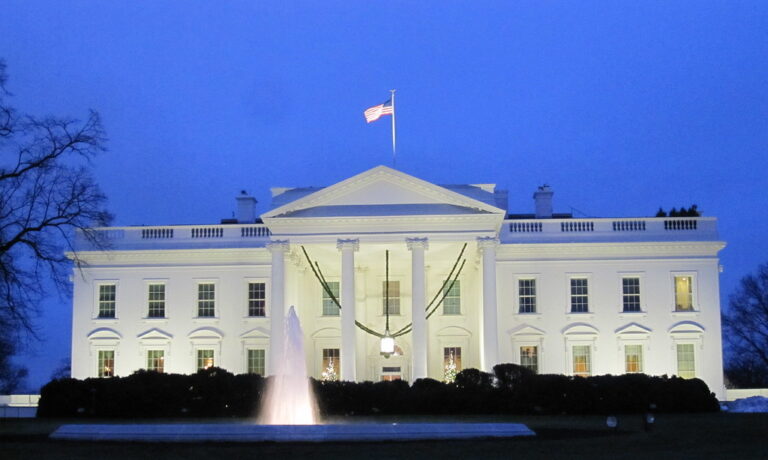
President Donald Trump quietly began demolishing parts of the White House to build a new 90,000 square foot ballroom. The move drew fury as the economy slows and a shutdown looms. Historian and journalist Anna Applebaum spoke out on MSNBC, saying most Americans will notice this “Marie Antoinette” style extravagance.

Why the White House Ballroom Matters Now

Anna Applebaum pointed out how huge the ballroom is. She noted it even dwarfs the classic 18th-century White House building. Moreover, she said Americans will spot this lavish addition while facing higher prices and government delays. In fact, she called it one of the greatest contrasts of our time.

The Cost of a Giant Ballroom

Even before the wrecking ball hit the walls, Trump had promised to keep the historic structure intact. Yet on Monday afternoon, crews began smashing through the old walls. Now, a lavish space will rise where part of the familiar East Wing once stood.
Furthermore, the project comes at a time when many face tariff-driven price hikes and stalled paychecks. Applebaum argued it makes no sense to spend millions on a gold-toned party hall when basic services are delayed. Instead of focusing on public needs, the White House ballroom shows a focus on private luxury.

Americans Notice the Contrast

On one hand, working families struggle with rising costs for food and fuel. On the other hand, the government funds an enormous party space. As a result, people feel a sense of unfairness. Applebaum said she is surprised more Republicans have not protested this project.
Also, she warned that this visible symbol of luxury will stick in people’s minds. They will remember that while their budgets shrank, the president built something grand for his own events. This contrast, she said, will fuel frustration toward Washington.

Why Critics Say It Feels Like Mar-a-Lago at Home

Some compare the new ballroom to Trump’s private Mar-a-Lago estate in Florida. Both feature gold accents and over-the-top style. However, this time it sits next to the public home of every American president. Critics believe this choice blurs lines between private wealth and public office.
Moreover, they see the demolition as a sign that no promise is safe. If the historic walls can come down today, nothing is off limits tomorrow. This sense of uncertainty fuels anger on both sides of the aisle.

Calls for Accountability Grow

Soon after the wrecking ball began, calls for oversight gathered steam. Lawmakers demanded details on the budget, safety measures, and historic preservation rules. Meanwhile, social media lit up with images of rubble and gold-leaf designs.
In fact, polls show a majority of Americans question why such a project proceeds during economic pain. They wonder if other priorities were pushed aside to fund a giant ballroom. As a result, some representatives pledged to introduce bills limiting future alterations.

What This Means for Future Projects

Looking ahead, the debate over the White House ballroom could shape rules on federal renovations. Many argue for clear limits on spending and design reviews. They want any major change to win broad support first.
Furthermore, activists call for more transparency. They say every dollar should go through public hearings. Only then can voters hold leaders accountable for lavish undertakings.

How You Might See the Impact

Every time you hear about higher costs at the grocery store, you might recall the Golden Ballroom project. Each new tariff on goods can remind you of funding redirected to lavish events. And as the shutdown drags on, the contrast grows sharper. People will see what their leaders built for themselves and question their own struggles.

FAQs

What is happening with the White House ballroom demolition?

Demolition crews began tearing down parts of the East Wing to make room for a new 90,000 square foot ballroom. The project replaces historic walls once meant to stay untouched.

Why are people upset about the White House ballroom project?

Critics call it an unnecessary luxury during a government shutdown and rising living costs. They feel it shows misplaced priorities and a lack of concern for everyday Americans.

Who is Anna Applebaum and what did she say?

Anna Applebaum is a historian and journalist. On MSNBC, she called the project a “Marie Antoinette” style extravagance. She warned that this visible symbol of luxury will outrank other government efforts in the public eye.

Could this project change how future renovations happen?

Yes. Many lawmakers and activists now push for stricter rules on federal building changes. They want clear spending limits, historic preservation reviews, and public input before any major work begins.

Kennedy Legacy: Memoir That Haunts Democracy

0

Key Takeaways

• Former Justice Anthony Kennedy’s memoir tries to reshape his image.
• Two analysts say his biggest decision fueled today’s money-fueled politics.
• The Citizens United ruling is central to the Kennedy legacy debate.
• Critics argue Kennedy belatedly worries about threats he helped create.
• The new book “Master Plan” dives into how that decision changed elections.


Kennedy Legacy Under the Microscope

Anthony Kennedy once stood as a moderate voice on the Supreme Court. Now his new memoir sparks fresh debate. He warns democracy faces real danger. Yet two analysts argue he helped cause that very threat. David Sirota and Jared Jacang Maher wrote about this in their upcoming book. They believe Kennedy’s timing comes too late to save his reputation. Moreover, they claim his most famous ruling flipped elections into auctions for the rich.

Background on the Memoir

Kennedy’s book reflects on his life, law, and liberty. It shares memories of tough cases and close decisions. He expresses concern that democracy might crumble. However, critics say his own rulings paved the way. In particular, Citizens United v. FEC turned political speech into a cash game. Therefore, Kennedy’s warnings ring hollow to many observers.

How the Kennedy Legacy Shaped Politics

In 2010, the Court ruled that corporations can spend unlimited money on elections. Kennedy wrote the opinion. He argued that corporate speech matters as much as individual speech. He claimed such spending won’t corrupt or seem corrupt. But opponents say this opened floodgates for super PACs and dark money. Consequently, wealthy donors gained outsized influence in campaigns. As a result, ordinary voters often feel drowned out.

What Citizens United Did

The Citizens United case centered on a documentary critical of a sitting president. The Court struck down limits on independent corporate spending. Since then, political ads have soared in cost and volume. Furthermore, groups hiding donor names sprang up everywhere. Millions pour into races with no transparency. Thus, elections now depend heavily on who can buy the most airtime.

Why Critics Say the Memoir Came Too Late

Analysts Sirota and Jacang Maher argue Kennedy waited too long to express regret. They note he never warned about dark money during oral arguments or drafting. It was only years later, in a memoir excerpt, that he voiced alarm. By then, billions had already flowed into politics unchecked. In addition, Kennedy frames himself as a cautious centrist. Yet his Citizens United vote marks a radical departure from tradition. Therefore, the Kennedy legacy feels split between moderation and a daring free-speech vision tied to cash.

The Anatomy of a Legacy

A justice’s legacy often rests on landmark opinions. For Kennedy, Citizens United overshadows his many moderate votes on social issues. While some praise his stance on individual rights, others condemn his money-in-politics decision. Critics claim that one ruling unleashed a campaign finance crisis. They see it as the capstone of a long effort by wealthy interests to shape laws. In fact, they call it a blueprint for legal corruption.

Reactions to the New Book

Master Plan, the upcoming book by Sirota and Jacang Maher, digs into memos and court debates. It paints a picture of behind-the-scenes maneuvering. According to the authors, some justices saw these changes as technical tweaks. Yet they failed to grasp the broader impact. The book argues that a radical vision of free speech met the full force of corporate cash.

Looking Ahead: Can Kennedy’s Warnings Matter Now?

Even as Kennedy worries about democracy’s future, practical fixes remain unclear. Some propose new campaign finance laws. Others suggest stricter disclosure rules for political spending. Still, without revisiting Citizens United, many efforts fall short. Meanwhile, Kennedy’s legacy remains tangled in the very crisis he now decries. His memoir may spark debate, but it cannot undo what has already happened.

Final Thoughts on the Kennedy Legacy

Anthony Kennedy shaped modern law in many ways. Yet his decision on corporate spending continues to define his impact. Today, elections look more like auctions than public dialogues. While Kennedy’s memoir tries to frame his work as balanced, critics disagree. They argue he helped birth a system where money talks louder than voters. Ultimately, his legacy will rest on whether democracy adapts or succumbs to that power.

Frequently Asked Questions

How did the Citizens United decision change elections?

The ruling allowed unlimited corporate and union spending on political messages. This led to a surge in outside ads and super PACs. As a result, wealthy backers gained more sway over candidates and issues.

Why do critics say the Kennedy memoir is too little, too late?

They argue Kennedy never warned about his ruling’s risks during court debates. His voice of caution only emerged years later in a memoir. By then, dark money had already reshaped campaigns.

What alternatives exist to counteract Citizens United?

Proposals include stricter spending caps, mandatory donor disclosure, and public campaign financing. Some call for a constitutional amendment to clarify that money is not speech.

Will Kennedy’s memoir change public opinion on his legacy?

The book may sway some who see his career in a new light. However, for those focused on money in politics, his most famous opinion remains central to his legacy.

Trump legal fees shock nation with 230M demand

Key takeaways:

  • Donald Trump asked the Justice Department for 230 million dollars to cover his legal fees.
  • He wants payment for costs tied to the dismissed Russiagate probe and other cases.
  • Former Rep. Charlie Dent called the request outrageous and unfair to taxpayers.
  • Critics warn that approving Trump’s demand could unleash endless similar claims.

Why Trump legal fees demand raises eyebrows

When news broke that President Trump planned to ask the Justice Department for 230 million dollars, many felt stunned. In fact, the amount would cover his legal fees in the dismissed Russiagate investigation and other suits. Moreover, senior Justice Department officials who once defended Trump could green-light the payout. Therefore, critics argue this move puts taxpayers on the hook for massive personal costs. Above all, people worry it sets a costly precedent for everyone the DOJ ever prosecutes.

Trump’s bold legal fee request

On Tuesday, The New York Times revealed that President Trump may formally ask the Justice Department to cover more than 230 million dollars in legal fees. This figure stacks up bills from his dismissed probes and various court fights. According to the report, the settlement might pass muster with “senior department officials” tied to Trump’s defense. In fact, Trump’s former lawyer Todd Blanche now serves as deputy attorney general. Several other Trump defense attorneys also hold key posts in the government. As a result, some insiders expect a friendly review of the claim.

Dent reacts on CNN’s The Lead

Former Representative Charlie Dent joined Jake Tapper on CNN’s “The Lead” to share his shock. He said, “I’m almost speechless that the President of the United States is asking taxpayers to pay him nearly a quarter of a billion dollars for legal fees.” Dent then quipped that maybe dismissed FBI Director Jim Comey could demand payment next. He warned, “Every person ever prosecuted by the DOJ and not convicted might ask for the same thing.” Dent added that it takes real gall to ask your own employees to pony up that much money for your defense.

Possible ripple effects

If Trump wins approval for his legal fee payout, many believe it will open the floodgates. Moreover, other politicians and public figures could lodge similar claims after dropped charges. Therefore, the Justice Department could face a wave of hefty requests. In practical terms, that might strain the department’s budget and shake public trust. In fact, opponents argue the payment undermines the principle that legal costs rest on individuals, not taxpayers.

Legal experts weigh in

Legal scholars say the path to forcing the DOJ to pay personal legal bills is narrow. They note that statutes allow indemnification in some cases, but rarely for high-profile personal matters. Furthermore, they stress that standard department rules bar coverage for wrongdoing or private pursuits. One expert explained that if Trump tries to shoehorn his cases into allowable categories, courts may balk. However, with allies in top positions, the Justice Department’s internal review could go Trump’s way.

What happens next

First, President Trump must file an official request with the Justice Department’s indemnification office. Then senior officials will review whether each case fits department rules. In practice, the process could take months or even years if challenged in court. Meanwhile, Capitol Hill lawmakers are already raising alarms. Some Democrats vow to hold hearings to block the payout. Likewise, watchdog groups plan to sue if the DOJ approves the demand.

Public reaction and political fallout

Grass-roots critics have taken to social media to voice anger. Many call Trump’s demand “unbelievable” and “abuse of power.” Yet his supporters argue he deserves coverage for legal battles tied to his presidency. Polls show a stark split: most Democrats oppose the idea, while Republicans remain divided. Some GOP figures caution that approving Trump legal fees could backfire in future elections. After all, voters may balk at footing huge bills for any public official’s personal defense.

Why Dent’s warning matters

Charlie Dent’s comments strike at a broader issue: fairness. He warns that if Trump succeeds, anyone acquitted or dropped by the DOJ might feel entitled to similar payouts. In other words, the justice system could morph into a public-funded safety net for the wealthy and well-connected. Dent stressed, “It just takes a lot of cheek to ask the people who work for you to approve a quarter-billion-dollar payment to the president.” Beyond politics, this debate could shape how America funds legal defense for its leaders.

Looking ahead

In the weeks ahead, all eyes will stay on the Justice Department’s internal deliberations. If senior officials bow to Trump’s request, expect immediate legal challenges. Conversely, if the department denies coverage, Trump could appeal in court. Either way, the fight over Trump legal fees will likely dominate headlines. Moreover, it will spark a broader debate on how much taxpayers should shoulder for leaders’ lawsuits. Ultimately, the outcome could redefine the boundary between personal accountability and public expense.

Frequently asked questions

What exactly are Trump’s legal fees for?

He seeks coverage for costs tied to the dismissed Russiagate investigation and other legal cases, including defamation suits and election challenges.

Who in the Justice Department approves such requests?

Senior department officials review indemnification claims. In this case, some of them once served as Trump’s defense lawyers.

Can anyone else request similar payments?

If Trump succeeds, others acquitted or dropped by the DOJ might seek the same reimbursement, potentially creating a costly precedent.

What could Congress do about this demand?

Lawmakers can hold oversight hearings, pass legislation to block DOJ payouts, or threaten budget cuts to prevent approval of large indemnification claims.

Why Rand Paul Is Angry at Trump’s AI Meme

0

Key takeaways


  • Rand Paul criticized President Trump’s AI meme for downplaying serious power issues.
  • The AI meme shows Trump piloting a jet called “King Trump.”
  • Paul urged Americans to focus on separation of powers, not jokes.
  • He also condemned strikes on alleged drug boats as lacking due process.

Rand Paul fired back at President Trump over an AI meme he posted. The meme shows Trump wearing a crown and flying a fighter jet named “King Trump.” Below, the jet defecates on people in a “No Kings” protest. About 7 million Americans joined that protest last weekend. Paul appeared on “Piers Morgan Uncensored” to share his thoughts. He warned that jokes about power can distract from real debates over liberty.

Rand Paul Criticizes Trump’s AI Meme

Rand Paul called the AI meme more than a silly picture. He said it shifts attention away from how power can become too strong. Moreover, he noted that America’s founders cared deeply about limiting executive power. He pointed to Montesquieu’s writings on separating powers to protect freedom. Paul said that when one branch has too much power, liberty suffers. Therefore, he believes the discussion should rise above cartoons and memes.

Why the AI Meme Matters for Powers

The AI meme highlights how social media can shape public debate. First, it trades serious political ideas for visual jokes. Second, it may lead people to ignore important rights. For example, if a meme masks real threats to checks and balances, citizens might not notice. Meanwhile, political leaders might use memes to dodge tough questions. In addition, the AI meme puts power in digital hands, not in informed voters’ hands.

Paul’s Warning on Emergency Powers

Rand Paul said he opposes expanded emergency powers for any president. He stressed that giving one leader too much control opens doors to abuse. Even in crises, he maintains, the law must govern presidential actions. He argued that both Democrats and Republicans must guard against power grabs. Furthermore, Paul warned that once emergency powers grow, they rarely shrink back. He urged Congress to stay vigilant and refuse broad power requests.

Concerns over Summary Executions

Besides the AI meme debate, Rand Paul also criticized recent strikes on alleged drug trafficking boats. He argued that summary execution without trial violates due process. Even if the targets trafficked drugs, Paul said, the rule of law must prevail. He voiced concern that such strikes set a dangerous precedent. Consequently, he called for clear rules that respect legal rights at sea. He believes America should lead by example in protecting justice.

What’s Next for the AI Meme Debate

In response to Paul’s criticism, Trump’s team has not changed its social media approach. They continue posting memes and video clips daily. However, lawmakers like Paul may push for more serious discussion about executive limits. Meanwhile, public interest in memes aims for quick laughs. Yet, the debate over separation of powers remains crucial. Ultimately, the clash between humor and constitutional rights will shape political norms.

Frequently asked questions

What is the AI meme that Rand Paul criticized?

The AI meme shows President Trump as a fighter jet pilot wearing a crown. The jet, named “King Trump,” defecates on people at a “No Kings” protest.

Why did Rand Paul focus on separation of powers?

He believes unchecked executive power harms liberty. He cited Montesquieu and America’s founders to stress limits on any president’s reach.

How do emergency powers relate to this debate?

Emergency powers let presidents act swiftly in a crisis. Paul warns these powers can expand too much and remain after emergencies end.

What does Rand Paul say about due process at sea?

He opposes strikes that execute suspects without trial. He insists the rule of law must protect rights, even against alleged drug traffickers.

Trump Compensation Demand: What Happens Now?

0

Key Takeaways

• President Trump says he wants “something nice” if he’s paid for rights violations.
• Trump reportedly asked for $230 million from the Justice Department.
• He would donate the money to charity or White House restoration.
• Trump claims investigations were unfair and hurt his 2020 election chances.
• The demand raises legal, political, and ethical questions.

President Donald Trump says he wants to be paid for what he calls unfair investigations. He blames the Justice Department for violating his rights during the Russia probe and the Mar-a-Lago documents case. According to a report, Trump asked for $230 million. If he gets paid, he promises to “do something nice” with the money. He might give it to charity or use it to restore the White House ballroom. Meanwhile, critics wonder if this demand can stand up in court or in public opinion.

What Is Trump Compensation Demand?

Trump compensation demand means that the president wants money from the government. He claims the Justice Department treated him badly during two major investigations:
• The Russian election interference probe.
• The classified documents search at Mar-a-Lago.

He believes these inquiries violated his rights. In turn, he says the government owes him compensation. Reporters at the White House asked Trump about his claim. He didn’t give exact figures at first. However, The New York Times later reported a $230 million figure.

How Much Does Trump Want?

When asked, Trump admitted he didn’t know the exact number. “All I know is that they would owe me a lot of money,” he said. Yet the Times article says $230 million. That breaks down to roughly:
• Legal fees and fines.
• Claims for emotional distress and reputation harm.
• Potential damages for what he calls unfair treatment.

No one has confirmed if Trump really filed a formal claim. In fact, the Justice Department hasn’t publicly responded.

Trump Compensation Demand Explained

First, Trump gave up his presidential salary. He often mentions that choice to highlight his point. He said, “I get no salary. I gave up my salary. It’s a good salary.” Then he added that any compensation payment would come from the country. He even joked about paying himself, calling it “strange.”

Next, Trump offered to spend the money in a “nice” way. He pointed to the White House ballroom renovation. He also mentioned giving to charity. In addition, he stressed that he wants to prevent similar investigations from happening again. He warned against a repeat of the 2020 election experience, which he calls “rigged.”

What Would Trump Do With the Money?

According to Trump, he has two main ideas:

1. Donate to charity.
2. Fund White House restoration.

He said, “If I get money from our country, I’ll do something nice with it.” He praised the ongoing ballroom construction. It suggests he cares about public spaces. Also, a charity donation would burnish his image among supporters. Yet some critics see it as a political stunt.

Why Trump Compensation Demand Matters

The demand matters for several reasons. First, it touches on the separation of powers. Can a president fine the Justice Department for its work? Second, it raises questions about accountability. If Trump wins a massive payout, many will ask if other presidents can claim the same. Third, it feeds into broader debates about election fairness. Trump insists his rights were violated in 2020. He uses the compensation demand to highlight that claim.

Moreover, this issue could impact the 2024 campaign. If Trump secures a payout, he may call it a victory over political enemies. Conversely, losing a court challenge could energize his critics.

What Happens Next?

At this point, nobody knows the next steps. Here are some likely scenarios:
• Formal Filing: Trump could file a lawsuit or administrative claim.
• Justice Department Reply: The DOJ may reject or negotiate the claim.
• Court Battle: A judge might decide on Trump’s rights violations.
• Political Fallout: Congress or the media may pressure both sides.

In addition, this fight could drag on for months or even years. It may end quietly in a settlement or explode into a public showdown.

How the Public Reacts

Public response to Trump compensation demand is mixed:
• Supporters praise his bold stance against the DOJ.
• Critics call it self-dealing and absurd.
• Legal experts debate its chances of success.
• Media outlets scrutinize the claim’s details and motives.

Some see the demand as another Trump headline grab. Others view it as a serious legal argument. Either way, it keeps the story in the news cycle.

Key Legal Questions

Several legal questions arise from Trump compensation demand:
• Can a president sue over criminal investigations?
• What laws protect officials from wrongful probes?
• Are claims for emotional harm valid in this context?
• Who would authorize a payout if Trump prevailed?

Moreover, courts may examine whether Trump’s political statements affect his claim. If he used claims of bias to rally voters, can he still say he was harmed?

The Political Angle

Trump compensation demand fits into his larger narrative. He often says the system is rigged against him. In fact, he brings up election fraud at almost every public event. Therefore, asking for money doubles as a political tool. It supports his message of victimhood and strength.

Meanwhile, Democrats and other opponents will likely use this demand to criticize him. They may argue that he seeks taxpayer dollars for personal gain. In addition, they could point to his own public remarks as evidence the elections were fair.

In the end, the political battle may overshadow the legal one. Yet both battles will matter for Trump’s legacy and 2024 prospects.

Looking Ahead

Whether Trump compensation demand succeeds or fails, it sets a new precedent. Future presidents might explore similar claims. Thus, the fight will have long-term effects on presidential power and accountability. As this story unfolds, the public will watch closely. Each court filing, press release, and hearing will add new chapters.

In the meantime, Trump will keep talking about his demand. He sees it as part of his broader fight against what he calls a biased system. Therefore, expect more headlines, tweets, and speeches on this topic.

Frequently Asked Questions

What exactly is Trump asking for?

He reportedly wants $230 million to compensate for rights violations during two major investigations.

Why does Trump say he deserves money?

He claims the Justice Department handled the Russia probe and Mar-a-Lago search unfairly and violated his rights.

Can a president really sue the Justice Department?

It’s unclear. No president has made this type of claim before, so courts may have to set a new legal standard.

What happens if Trump wins the claim?

He says he’ll give the money to charity or use it for White House renovations, but details remain vague.

The Golden Globe Podcast Pay-to-Play Scandal

0

Key Takeaways


  • Major media company now sells high-priced marketing packages for the Golden Globe podcast award.
  • Up to 25 shows, including Joe Rogan and Tucker Carlson, can buy direct access to voters.
  • Packages cost at least $75,000 and offer features in top entertainment outlets.
  • Critics say this move hands fringe voices a shiny stage and a hint of legitimacy

Golden Globe Podcast Marketing Scheme Raises Eyebrows

A big entertainment group now runs both the Golden Globe awards and several top publications. As a result, it can offer a paid path to votes for the new Best Podcast category. Critics worry this blurs the line between honest awards and paid promotions.

What Changed with the Golden Globe Podcast Award?

Previously, awards shows and media coverage were separate. Now one company controls both. It launched a Best Podcast prize and set up packages for shows to market themselves to voters. Therefore, podcasters with deep pockets can push their names straight to 300-plus journalists.

Who Can Buy These Packages?

Up to 25 podcasts are eligible. They include top names like Joe Rogan’s series, Bill Simmons’ show, and Call Her Daddy. They also name controversial figures such as Megyn Kelly, Candace Owens, and Tucker Carlson. Thus, even hosts fired or canceled for bad behavior can pay to polish their image.

What Do the Packages Include?

Podcasters who pay at least $75,000 get a wide array of perks:

  • A special Variety award presented at a major event
  • A feature story in Variety’s print magazine and digital channels
  • A custom 15-minute conversation with a Variety moderator
  • Social media posts on Variety’s Facebook and Instagram pages

However, there are cheaper options in the same five-figure range. In any case, they all offer direct pitches to the same voters who decide the Golden Globe podcast winner.

Why This Matters

First, entertainment awards have long allowed “For Your Consideration” ads. Typically, that meant print or online ads in separate outlets. Now, the same company owns the awards and the outlets. Consequently, paid coverage may seem like earned praise. Moreover, small or independent shows without big budgets risk being drowned out by deep-pocketed rivals.

Paid Sponsorship vs. Editorial Integrity

Technically, these packages count as paid promotions. In theory, disclaimers separate them from pure journalism. Yet, the same editors and reporters who cover the campaign work for the same group selling the packages. Essentially, the posts and articles can read like genuine praise. For listeners, it becomes harder to know if a glowing write-up is real or bought.

The Appeal to Far-Right Podcasters

Podcasters known for conspiracy talk and divisive opinions thrive on controversy. They often claim mainstream media ignores them. Now, they can pay for a platform in top outlets like Variety and Rolling Stone. For example, someone like Tucker Carlson or Candace Owens can secure a trophy moment and a sea of positive headlines. In other words, they buy legitimacy and reach.

Potential Backlash and Questions

Many media watchers see this as a slippery slope. If awards are up for sale to the highest bidder, their value drops. Voters might feel pressured or skewed by the marketing blitz. Listeners may lose trust in awards that once signaled quality. Ultimately, the Golden Globe podcast nod could become less about merit and more about money.

How Voters Are Affected

Over 300 journalists from 76 countries vote on Golden Globe winners. These voters receive pitch decks and personalized materials from podcasters. Then, they decide which shows to nominate and crown the winner. If a voter receives more polished collateral from a big spend, they might favor that show. Therefore, the system rewards those who pay rather than those who simply produce the best content.

Looking Ahead: Will This Change the Industry?

Podcasts have exploded in popularity. Awards help listeners find new shows and give creators bragging rights. Yet, buying influence could turn awards into pay-to-play contests. Next, other award shows might follow. Then, budgets for awards campaigns could balloon. Therefore, the entire awards landscape may shift away from fair competition.

Conclusion

The Golden Globe podcast launch promised recognition for audio storytellers. Instead, it may reward those who can afford steep marketing fees. While the media group argues this is standard industry practice, critics say it hands a megaphone to outrageous voices. As the first nominations approach, the real test will be whether voters choose on merit or marketing muscle.

Frequently Asked Questions

What is the Golden Globe podcast category about?

It is a new award for the best podcast series, judged by over 300 international journalists.

Who is selling marketing packages for this award?

The same company that owns the Golden Globe awards also owns top outlets like Variety and Rolling Stone, and it offers paid promotions.

How much do these packages cost?

Packages start at $75,000 and include features across print, digital, social media, and live events.

Could this affect award credibility?

Yes. Critics worry that buying marketing space may overshadow genuine quality and fairness in voting.

Why Senator Tillis Balks at New White House Ballroom

0

Key Takeaways:

  • Senator Thom Tillis says the timing is wrong for a new White House ballroom during a shutdown.
  • The project will cost $200 million, funded by private donations, say officials.
  • Photos show parts of the East Wing already being torn down.
  • The White House insists updates are routine and critics are overreacting.

New White House Ballroom Sparks Debate

President Donald Trump’s plan for a grand new White House ballroom has drawn sharp criticism from at least one fellow Republican. Senator Thom Tillis of North Carolina called the timing “bad” amid a government shutdown. He says America has bigger issues to fix before a luxury building project.

The administration states the $200 million cost will be covered by private donors. Moreover, it says no tax dollars will foot the bill. However, that has not stopped the row over the lavish new space. The planned ballroom will be bigger than the original White House itself.

Senator Tillis Calls the Timing Bad for White House Ballroom

In an interview with HuffPost, Tillis said he respects the need to modernize the White House. However, he stressed that right now the nation faces urgent challenges. “We’re in the middle of a shutdown,” he noted. “We have other priorities to focus on before building a ballroom.”

Tillis, who will retire next year, has grown more vocal in his criticism of the Trump administration. Some believe he speaks more freely now that he faces no primary challenge. His blunt comments show even some Republicans doubt the project’s sense or timing.

East Wing Work Reveals True Scope of White House Ballroom Plan

White House spokespeople have said the new White House ballroom will not alter the historic original residence. Yet recent images show heavy machinery tearing down parts of the East Wing. The photos highlight steel beams sitting near rubble and workers in hard hats.

The demolition has alarmed preservationists who fear this signals deeper changes ahead. Even if the main mansion stays intact, the scale of support structures could reshape the East Wing’s character. Critics argue that once construction begins, it often does not stop at simple upgrades.

White House Dismisses Critics of the Ballroom

Communications Director Steven Cheung fired back at those raising alarms. He claimed that updating the East Wing is common practice. “Construction has always been part of the White House evolution,” Cheung said. He added that critics should end their “pearl clutching” and accept modern needs.

Cheung’s tone struck many as unusually confrontational. Reporters have called him puerile for dismissing serious concerns about historic preservation and fiscal responsibility. Meanwhile, Cheung insists the project will bring the White House into the twenty-first century.

Why the Lavish Ballroom Stirs Controversy

There are several reasons why the ballroom plan sparks such debate:

• Cost and Funding Confusion

Although officials say private donors will fully fund the project, skeptics doubt they will cover every potential expense. Historical restorations often run over budget, and taxpayers sometimes end up paying the difference.

• Historic Preservation

The White House is more than a residence. It is a symbol of American history. Any major change risks altering the building’s legacy. Preservation groups fear the new ballroom could set a precedent for further structural shifts.

• Political Timing

A government shutdown leaves many federal workers furloughed or unpaid. Building a $200 million entertainment venue at this moment seems tone-deaf to some. Critics say leaders should fix pressing issues first.

• Partisan Lines

While most Democrats oppose the project, it is telling that at least one Republican does, too. Senator Tillis’s remarks highlight doubts within Trump’s own party. His stance suggests growing cracks over spending priorities.

Balancing Tradition and Modern Needs

The White House has seen many renovations over its two-hundred-year history. From installing electricity to adding underground offices, updates have been vital. Proponents argue the new White House ballroom will provide modern security, tech, and event spaces.

However, the question remains: Where should the line be drawn? Should every update be treated the same way? Or does a full-scale ballroom deserve extra scrutiny? These are the debates unfolding in corridors of power and halls of preservation societies alike.

Senator Tillis’s Moving Target

Tillis’s evolving position shows the political stakes. As a senator facing retirement, he feels less pressure from party leaders. In recent months, he has voiced concerns on several Trump initiatives. Some see this as a prelude to a possible run for higher office or a role as an independent voice.

By challenging the White House ballroom plan, Tillis taps into voter frustrations over government spending. He also aligns with preservation advocates uneasy about altering the grounds. His comments underscore that support for the president can be conditional, even within his own party.

What Happens Next?

Construction crews continue work on the East Wing. Officials maintain that the demolition is part of routine upgrades. They promise the full plan for the major ballroom addition will be shared soon. In the meantime, lawmakers like Tillis will keep up the pressure.

Should the shutdown drag on, more voices may join in criticizing the effort. If the project moves forward smoothly, it could become a symbol of Trump’s bold approach to change. Either way, the debate over the new White House ballroom is far from over.

FAQs

What did Senator Tillis say about the new White House ballroom?

He said the timing is bad because the government is in a shutdown. He thinks other issues deserve focus before a luxury building project.

How will the White House ballroom be funded?

The administration claims private donors will cover the entire $200 million cost, so no taxpayer money is needed.

What evidence suggests the East Wing is being altered?

Recent photos show parts of the East Wing already demolished. Rubble and steel beams have been spotted where walls once stood.

Why do critics care about preserving the White House?

The White House is a historic symbol. Major changes could damage its character and set a precedent for future renovations.

When might the new ballroom be completed?

Officials have not given a final date yet. They say more details will come as construction moves along.

AG Sues to Swear In Adelita Grijalva

0

Key Takeaways:

• Arizona Attorney General Kris Mayes is suing Speaker Mike Johnson.
• The lawsuit demands Speaker Johnson swear in Rep.-elect Adelita Grijalva.
• Grijalva has office keys but no phone or email access.
• The suit calls the refusal unconstitutional and against case law.
• Grijalva believes the block aims to halt a vote on Epstein files.

AG Takes Action to Swear In Adelita Grijalva

Arizona’s top lawyer is taking the U.S. House Speaker to court. Attorney General Kris Mayes wants Speaker Mike Johnson to swear in Adelita Grijalva. Grijalva won a seat in Congress over a month ago. Yet she still has not taken her oath. As a result, she cannot fully serve her district.

What’s Behind the Push to Swear In

First, Mayes sent a letter asking Johnson to swear in the new member. She reminded him that other members were sworn in during pro-forma sessions. Then, when Johnson ignored the request, Mayes prepared a lawsuit. She told reporters she was “within minutes” of filing it. Mayes says the refusal is unconstitutional and lacks any legal basis.

Why the Fight to Swear In Matters

Meanwhile, Grijalva can’t use a phone or email in her Washington office. She has keys but no way to answer calls or messages. That blocks her from helping people in her district. Moreover, she cannot vote on any bills or serve on committees. As a result, her constituents lose a voice in Congress.

Grijalva also believes there is a political motive. She would be the critical vote to force the release of files tied to a major sex trafficking investigation. If she could join the House, she could support a discharge petition. That petition would push a full vote on making those files public. Grijalva worries the files might stay hidden or get heavily redacted. She fears any delay could let important details disappear.

Constitutional Clash Over the Oath

The U.S. Constitution says each House sets its own rules. Yet it also requires that elected members take an oath before serving. Case law backs the idea that refusing to swear in a member is illegal. Mayes argues the House cannot block a sworn majority. She insists Grijalva’s rights to serve hinge on taking the oath.

As a result, the lawsuit will ask a court to order the swear in. If the court agrees, Speaker Johnson would have to perform the oath ceremony. That would let Grijalva sit, vote, and work for her district. Mayes says she expects to win, thanks to clear precedent.

Grijalva’s Office Challenges

Without phones or email, Grijalva’s staff cannot help constituents. Letters can arrive in her office, but no one can reply promptly. Voters have questions about federal benefits, job help, and local issues. Right now, they must go to other offices for assistance. This leaves her district underrepresented at a time of many pressing concerns.

Furthermore, Grijalva cannot join committee meetings or staff briefings. She misses out on shaping bills on education, healthcare, and local development. Delaying her swear in keeps her district out of key decisions.

Potential Outcomes of the Lawsuit

If the court rules in Mayes’s favor, the judge will likely issue an order. That order would force Speaker Johnson to swear in Grijalva immediately. Then Grijalva would gain full office access. She could answer calls, send emails, and cast votes.

However, if the court delays or denies the order, Grijalva remains blocked. The case could head to appeals. That process can stretch for months. During that time, her district stays without a full representative.

What This Means for Voters

For people in Grijalva’s district, this fight shows how one person can impact many. Without her in Congress, they lose a seat on important votes. Meanwhile, federal funding decisions move forward with one less voice. Thus, constituents feel ignored and powerless.

Moreover, the clash highlights the balance between political power and legal rules. It asks: Can a House leader pick and choose which members to seat? And what happens when political motives interfere with voters’ choices?

Next Steps and Timeline

The lawsuit will appear in federal court very soon. Both sides will file briefs explaining their views. Mayes’s team will point to case law about the oath. Johnson’s team might argue the House has the right to delay. A judge could hear arguments in days or weeks.

Then the court might issue an injunction. That would require Johnson to act while the case continues. Or the judge might hold off until a full hearing. In any case, the issue will likely reach higher courts if it stays unresolved.

Key Dates to Watch
• Filing of the lawsuit – Imminent
• Initial court hearing – Within weeks, possibly
• Potential injunction order – Depends on judge’s view
• Appeals timeline – Could extend for months

The Core Debate

At its heart, this fight is about power and procedure. Only one member stands between the current House majority and a new Democratic vote. If Grijalva gets sworn in, she could help pass or block bills. That matters especially for the debate on making sensitive files public.

In turn, this case could shape future rules on seating members. It may clarify whether a party leader can indefinitely delay a swear in. And it could set a stronger standard for protecting voters’ choices.

Ultimately, the outcome will affect more than one district. It will reach across the balance of power in Congress. Therefore, many are watching closely, from local voters to national lawmakers.

FAQs

How long can the House delay swearing in an elected member?

The Constitution requires an oath, but it does not set a deadline. Case law suggests long delays are unlawful, especially without clear rules.

Can the court force the Speaker to swear in a member?

Yes, judges can issue orders compelling actions that protect constitutional rights. If they find the refusal illegal, they can force the oath.

What powers does an unsworn member lack?

They cannot vote, join committees, use official phones, or send emails. They also miss briefings and staff support for constituents.

Will this case affect other members?

Potentially. A ruling could prevent future delays by party leaders. It might ensure all elected members get sworn in quickly.