53.9 F
San Francisco
Friday, April 24, 2026
Home Blog Page 327

Why Trump’s White House Renovation Sparks Outcry

0

Key Takeaways

  • President Trump broke ground on a private-funded White House renovation.
  • The $200 million project adds a grand ballroom and updates the East Wing.
  • Critics call this White House renovation a desecration of national heritage.
  • Political observers and analysts voiced strong reactions on social media.
  • Trump says the renovation costs zero dollars to American taxpayers.

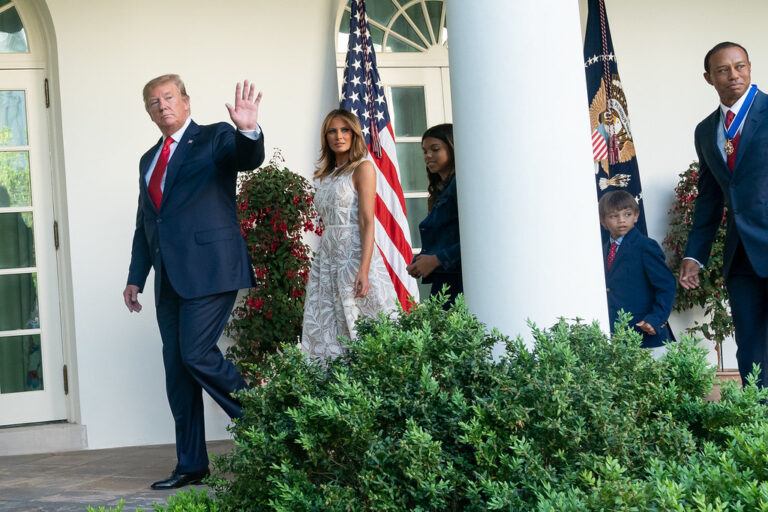
President Trump announced on Monday that crews began work on his signature White House renovation. He shared the news on social media, calling the project “much-needed” and “zero cost to the American taxpayer.” The plan will reshape part of the East Wing and install a lavish new ballroom. However, observers quickly panned the effort as an “abomination” that threatens America’s architectural legacy.

What the Project Involves

President Trump first teased this White House renovation over the summer. Now crews will remove walls and restore halls in the historic building. The centerpiece is a Mar-a-Lago–style ballroom stretching across what used to be offices. In addition, workers will update offices, improve security features, and modernize aging infrastructure in the East Wing. Trump says the upgrades will benefit official events and state dinners for generations to come.

Renovators will use marble, gold accents, and crystal chandeliers to echo the president’s favorite private club. Moreover, architects plan to match the white columns and pillars that define the building’s neoclassical style. The result aims to blend history with Trump’s personal taste. Yet, heritage experts worry the changes will erase original design elements from past presidents.

Funding for the White House Renovation

Trump insists private donors cover the full $200 million cost. He even said he chipped in personally. Donations came from foundations, business leaders, and patriotic alumni groups. As claimed, not one federal dollar will finance the work. Moreover, organizers set up a special fund to manage these contributions.

Despite these assurances, skeptics question the source of private money. Some wonder if donors expect favors in return. Others doubt whether future repairs might fall back on public funds. In fact, maintaining high-end finishes often carries steep upkeep costs. Therefore, critics fear hidden taxpayer bills could surface down the road.

Strong Criticism from Analysts

Political observers slammed the White House renovation as reckless. Columnist Jill Lawrence called it “tragic” and compared it to tearing down history. Journalist Ron Filipkowski labeled the work “a desecration and an abomination.” He pointed out that Trump just shared an AI video of himself with a crown, then started ripping out part of a national landmark. Meanwhile, Blue Missouri’s Jess Piper noted the odd timing. She said millions spent on a ballroom clash with American soldiers struggling without pay.

Even supporters of Trump’s policies questioned this choice. Law professor Jen Taub reminded followers that this house belongs to all Americans, not one man. She stressed the White House stands as a symbol of democracy. Under her view, customizing it like a private club crosses a line.

Social Media Reactions

On Bluesky and other platforms, reactions rolled in fast. Some users poked fun at the idea of royal-style chandeliers in the People’s House. Others posted memes showing Trump dancing in a crystal-filled ballroom. Yet many posts struck a serious tone. They warned that changing America’s most famous address sends the wrong message.

One user wrote, “This isn’t just paint and tiles. It’s our national story.” Another asked where future generations will learn about original walls if they no longer exist. Additionally, historians urged transparency about what exactly will be removed and preserved. They want detailed plans so the public can weigh in before shovels break ground.

What Lies Ahead

Work on the White House renovation has only just begun. Crews will likely work nights to avoid disrupting daily operations. Officials say they expect the project to finish in two years. Meanwhile, Congress could hold hearings if doubts about funding grow louder. And watchdog groups remain ready to challenge any unexpected federal costs.

As the renovation unfolds, Americans will watch closely. Some hope the upgrades will restore crumbling areas and boost event hosting. Others fear a lasting loss of historic charm. In the end, this high-stakes makeover will test how far one president can shape a monument meant for all citizens.

Frequently Asked Questions

What exactly will the renovation change?

The project plans to build a new ballroom and modernize parts of the East Wing. It also adds luxury finishes and security upgrades.

Will taxpayers pay for this project?

President Trump says private donations cover all costs. However, some experts worry about future upkeep falling on public budgets.

Why do critics call it an abomination?

Critics argue the project erases original design, turns the People’s House into a private club, and prioritizes luxury over history.

When will the work finish?

Officials expect crews to complete the renovation in about two years, working around daily White House activities.

Why Trump’s AI Video Targets Influencer Harry Sisson

0

Key takeaways

  • President Trump shared an AI video mocking “No Kings” protesters.
  • The video shows Trump dumping excrement on influencer Harry Sisson.
  • Sisson believes the AI video stems from the protests’ recent wins.
  • Experts say the stunt reveals fear of public pushback.

What’s behind the AI video stunt?

Details of the AI video

President Trump posted an AI video over the weekend. In it, he flies a jet named “King Trump.” Below, the “No Kings” protesters march in large numbers. The AI video shows Trump dumping excrement on the crowd. Among those hit is 23-year-old Harry Sisson. Many Americans joined the “No Kings” protests. In fact, more than seven million took part. They rallied against what they call “kings” in politics. Trump’s AI video turned their message into a bizarre attack. Also, the video highlights how social media can shape political fights.

Why include Harry Sisson?

Harry Sisson spoke about the AI video on “The Daily Beast Podcast.” He said he does not know exactly why he is a target. However, he thinks Trump feels threatened by protest wins. He noted recent Democratic gains in courts and media coverage. Sisson said, “They are running scared.” He added that Trump lashes out when nervous. Therefore, Sisson believes the AI video is a panic move. Meanwhile, Republicans like Speaker Mike Johnson labeled the protests a “Hate America Rally.” This label came even before the protests began.

Reactions to the AI video

Many viewers found the AI video shocking. Political commentators called it crude and childish. Some said it shows the administration’s weakness. In addition, experts argue that an AI video can backfire. They say mocking peaceful protesters may rally more people. Thus, the AI video may strengthen the “No Kings” movement. Also, legal scholars warn that using AI to defame real people could invite lawsuits. Despite this, Trump’s team has not apologized or retracted the AI video.

What happened in the “No Kings” protests?

The “No Kings” protests stand among the largest in American history. More than seven million Americans marched in cities across the country. They spoke out against concentrated power in government. The movement had no central leader. Instead, it grew online and spread by word of mouth. People held signs saying “No Kings” and “Power to the People.” The protests won attention in courts too. Some judges ruled to protect protest rights. Therefore, Sisson sees real victories for the movement.

How the AI video shows political fear

Experts see the AI video as proof of fear within Trump’s circle. They argue that leaders lash out when they lose control. By mocking protesters, Trump tries to regain attention. However, the stunt may highlight his own insecurities. In addition, the crude humor can alienate moderate voters. Consequently, some GOP strategists worry the AI video could backfire. Meanwhile, online debate over the video has grown fierce. Supporters applaud Trump’s creativity. Critics condemn his attack on free speech and peaceful protest.

The role of AI in political messaging

This AI video marks a turning point in political content. Technology now lets leaders create realistic but fake scenes. For instance, AI can mimic voices and faces. Therefore, it becomes harder for viewers to know what is real. Also, AI videos can spread faster than fact checks. Experts warn that digital literacy is vital. They urge social media platforms to label AI content clearly. Otherwise, voters could be misled during critical moments. In this case, the AI video testing ground was a major protest movement.

Inside Sisson’s theory

Sisson believes Trump sees the “No Kings” protests as a direct threat. He says the Democrats’ wins in courts and media matter. In courts, judges favored protest rights over harsh penalties. In media, Democrats have gained positive coverage lately. Therefore, Sisson thinks the AI video is a reaction to these losses. He pointed out that Trump’s team used stronger language before the protests began. For example, Speaker Johnson called it a “Hate America Rally.” In Sisson’s view, such labels show panic more than confidence.

Why the AI video matters for the future

Looking forward, the use of AI videos in politics will likely grow. Campaigns may produce more fake scenarios to mock opponents. As a result, voters will face a flood of misleading images. Thus, there is a greater need for media education. Citizens must learn to spot digital manipulations. In addition, lawmakers may have to set new rules on AI content. So far, regulation is limited and varies by state. Meanwhile, public pressure can push platforms to act faster.

What this means for “No Kings” and beyond

For the “No Kings” movement, the AI video may strengthen unity. Many protesters see it as proof their efforts rattle the opposition. As a result, attendance at future events may rise. Furthermore, the movement’s leaders plan more legal actions to protect protests. They also aim to push for stricter AI rules. Beyond this protest, the stunt signals a new era in political warfare. Digital tools now let leaders attack or defend at unprecedented speed. Therefore, democracy will depend more on digital trust.

Conclusion

Trump’s AI video marks a bold shift in political messaging. By targeting Harry Sisson, it shows a real fear of public pushback. Meanwhile, the “No Kings” protests continue to grow and win court battles. Experts warn that AI content requires new rules and voter education. Ultimately, the clash between digital power and peaceful protest may shape future elections. Only time will tell if the AI video backfires or achieves its goal.

Frequently Asked Questions

What is the main idea of the AI video?

The AI video shows Trump flying a jet over protesters and dumping excrement. It mocks the “No Kings” movement and influencer Harry Sisson.

Who is Harry Sisson and why is he featured?

Harry Sisson is a Democratic influencer. He says he got featured because the protests and recent wins threaten Trump and his team.

How many people joined the “No Kings” protests?

More than seven million Americans joined the “No Kings” demonstrations nationwide.

What lessons does the AI video teach us?

It highlights the power of AI in politics. It shows the need for better regulation and digital literacy to spot fake content.

Ohio Redistricting Fight Intensifies

0

Key Takeaways

• Republicans in Ohio plan to pass a new congressional map without bipartisan support.
• Democrats can force a public vote by gathering roughly 250,000 signatures in 90 days.
• A successful referendum would pause the new map until voters decide in 2026.
• If delayed, Ohio could use either the current map or the proposed one, depending on court rulings.
• A similar voter effort is unfolding in Missouri to block a mid-decade redistricting.

Ohio redistricting is back in the spotlight as state Republicans prepare to redraw congressional boundaries. They aim to secure up to three extra seats for their party. Meanwhile, Democrats are gearing up to challenge that move at the ballot box. This clash could shape the balance of power in the U.S. House of Representatives for years to come.

How Ohio Redistricting Works

Ohio redistricting follows a two-step process designed to appear fair but stack the deck for the majority party. First, lawmakers must pass a map with support from both parties. If they fail, the majority party can approve its own map. However, that map lasts only four years.

Several years ago, Republicans rewrote these rules. They ensured that, even if they could not secure bipartisan approval, they could still impose their own plan. In the last redistricting cycle, the GOP used that fallback option. Yet, the final lines were less extreme than some expected. That map let Democrats win five of Ohio’s 15 congressional seats. Still, Republicans eyed changes that could shift those seats back in their favor.

Under the law, the new map must appear to seek broad support. But if it fails to win bipartisan votes, the majority party’s plan kicks in. That system gives Ohio leaders a strong incentive to draw heavily partisan lines. As a result, gerrymanders have become more common, despite checks meant to curb them.

Democrats’ Plan to Stop the Map

Democrats have a built-in tool to fight back. Once Republicans pass a map without Democratic votes, the new lines can be challenged through a referendum. Activists need to collect roughly 250,000 valid signatures within 90 days of the plan’s approval. If they succeed, the map cannot take effect. Instead, it sits on hold until voters decide its fate in the 2026 general election.

House Minority Leader Hakeem Jeffries is ready to support this effort. He plans to help raise money for signature gathering. However, this campaign will face a steep climb. Collecting so many signatures in a short time demands skilled organizers, volunteers, and significant funding. Yet, Democrats hope that public frustration over gerrymandering will fuel their drive.

In addition, the referendum will push the redistricting fight into public view. Voters statewide will debate whether to accept or reject the GOP plan. Along the way, both parties will pour resources into advertising, events, and outreach. This high-profile battle could energize voters on both sides.

What Happens After the Referendum?

If Democrats gather enough signatures, the new map enters legal limbo. It cannot be used until Ohio voters approve it in 2026. But that delay raises new questions. The current map expires in January 2027, right after the next cycle of elections. So, what map will govern elections until then?

Some Democrats hope a state court will extend the existing map through 2026. They argue that voters deserve fair representation under the current boundaries. On the other hand, Republicans are likely to insist that their new plan take effect if the referendum succeeds. They may ask the court to set a clear timeline favoring the GOP map.

Meanwhile, both sides will prepare for a major court fight. Judges at the state supreme court could play a decisive role. Their rulings will set a legal precedent for how Ohio handles map disputes. Consequently, Democratic organizers and GOP leaders will closely watch any judicial decisions.

Similar Battle Brewing in Missouri

Indiana’s neighbor, Missouri, is facing a comparable struggle. Republicans there enacted a mid-decade redistricting to target a Democratic-held seat. This move drew protests from local activists. Now, opponents are collecting signatures to force a statewide vote. If they hit their goal, the new map will pause until voters decide its fate.

However, Missouri Republicans have used various tactics to block the referendum. They challenged petition language in court and sought to invalidate signature sheets. Despite these obstacles, activists remain determined. They argue that fair maps matter more than political gamesmanship.

This broader trend shows how redistricting battles are moving beyond state legislatures. Voters and grassroots groups are stepping in to demand transparency and fairness. As both parties adapt, these fights may influence redistricting reforms in other states too.

Implications for National Politics

This showdown in Ohio and Missouri could have ripple effects across the nation. First, it could shift the balance of power in the U.S. House. Even a single seat change can tip the margin in a closely divided chamber. Second, the outcome may inspire similar referendums elsewhere. States like Michigan and Pennsylvania could see new challenges to gerrymanders.

Furthermore, these campaigns will test voters’ appetite for direct democracy. If signature drives succeed, voters may embrace them as a check on partisan power. Alternatively, if they fail, lawmakers may tighten election laws to curb referendums. Either way, the road ahead promises fierce political battles over redistricting rights.

Ohio redistricting is not just a state issue. It represents a national struggle over fair maps and voter rights. As both parties gear up for high-stakes fights, the coming months will reveal whether grassroots efforts can curb partisan mapmaking or if political insiders maintain control.

Frequently Asked Questions

What is a referendum on redistricting?

A referendum lets voters decide whether to approve or reject a newly drawn map. Activists collect signatures to place the map on the ballot. If the petition meets requirements, the map is paused until election day.

How many signatures do Democrats need in Ohio?

They need roughly 250,000 valid signatures within 90 days of the map’s approval. That number triggers a public vote in the next general election.

Could the current map stay in place if the referendum succeeds?

Yes, Democrats hope a state court will extend the existing map through 2026. However, Republicans may push for their new plan to take effect instead. Courts will likely decide the final outcome.

Why are similar fights happening in other states?

Many activists view referendums as a way to curb partisan gerrymanders. They believe direct votes offer more transparency and fairness than legislative processes. As a result, they are using this tool nationwide.

Diwali Celebration by FBI Director Sparks Outrage

0


Key Takeaways:

  • FBI Director Kash Patel celebrated Diwali on social media.
  • Many MAGA supporters reacted with angry and hateful messages.
  • Patel is the first Indian-American to lead the FBI.
  • Diwali is celebrated by over a billion people worldwide.
  • The backlash highlights religious and cultural tensions online.

FBI Director Joins Diwali Celebration

FBI Director Kash Patel posted “Happy Diwali” on X. He called it the Festival of Lights where good defeats evil. Patel is the first Indian-American to serve as FBI director. His family comes from a small village in Gujarat, India. He was born and raised in New York. By sharing his Diwali celebration, he showed pride in his heritage. However, not everyone welcomed the post.

Reactions to the Diwali Celebration

Immediately, several MAGA supporters voiced their anger. One called himself “on the front lines against secularism” and asked, “Do you see the problem yet?” Another said, “This is a Christian Nation. Check your foreigner stuff at the gate.” A different user insisted the Diwali celebration was “not compatible with American tradition.” A Marine Corps veteran even told Patel to “shut the hell up.” One pastor simply wrote, “Go back.” Another told him to “worship your sand demons.” Yet another said, “Deport.”

Meanwhile, some fans used memes and gifs to mock the post. One shared a gif of a TV character saying “Really?” Another user scrolled through generic images of fireworks and asked why the FBI needed to join the Diwali celebration.

Despite the backlash, some defended Patel’s post. They said the Diwali celebration shows America’s diverse culture. They noted that many public officials join holidays like Hanukkah, Eid, and Christmas. In response, they argued Patel should be free to share his celebration online.

The Importance of Diwali Celebration

Diwali is a five-day festival celebrated each autumn. It marks the victory of light over darkness and good over evil. Families decorate homes with lamps, candles, and rangoli art. They exchange sweets, gifts, and blessings. Millions travel to temples and homes. They pray for health, wealth, and prosperity.

Moreover, Diwali has deep cultural roots for Hindus, Sikhs, Jains, and some Buddhists. In India, schools and markets shut down for the holiday. In the U.S., cities host parades, fairs, and community dinners. Over a billion people join in the joy around the world.

For Patel, the Diwali celebration connects him to his ancestors. It honors his Gujarati heritage. It also reminds him of family traditions in Bhadran village. By posting about this holiday, he aimed to share a piece of his identity with the nation.

Cultural Tolerance Online

Online spaces often become battlegrounds for culture wars. In this case, a simple Diwali celebration post triggered harsh reactions. However, many voices spoke up in support. They said social media can build bridges. They argued that celebrating a diverse holiday shows unity.

Furthermore, experts note that public officials can set a positive example. When leaders share their cultural events, they invite learning. They encourage respect for all communities. In a diverse country, this can help lower tensions.

On the other hand, the backlash reveals gaps in cultural understanding. Some critics claimed Diwali had no place in American life. Yet, America’s history is one of many cultures blending together. Today, Diwali lights up cities across the nation. Major landmarks like the White House and state capitols have lit up diyas in past years.

What This Means for Future Celebrations

Patel’s post may inspire other leaders to share their heritage. It shows that celebrating diversity can spark important conversations. Moreover, it highlights the need for digital etiquette. Online audiences must learn to respect different faiths and traditions.

In addition, this event may push social media platforms to address hate speech. If calls to “deport” or “go back” go unchecked, they can harm communities. Therefore, many argue platforms should enforce rules more strictly.

Also, educational efforts can help. Schools and community groups can teach about festivals like Diwali. When people understand the meaning behind traditions, they often respond with kindness instead of hate.

A Look Ahead

This Diwali celebration by an FBI director is more than a social media post. It reflects America’s changing face and growing cultural tapestry. As more leaders share their stories, the country can become more inclusive. Yet, the backlash reminds us there is work to do. Respect and understanding must grow alongside cultural pride.

Ultimately, celebrating Diwali at the top of a law enforcement agency shows progress. It proves that the U.S. can embrace holidays from around the world. It also shows that social media is a key space for cultural dialogue. Therefore, every user has a role in shaping respectful online communities.

Frequently Asked Questions

What is Diwali and why is it important?

Diwali is the Hindu Festival of Lights. It celebrates the victory of light over darkness and good over evil. Families light lamps, exchange gifts, and pray for prosperity.

Who is Kash Patel?

Kash Patel is the current director of the FBI. He is the first Indian-American to hold this position. His family is originally from Gujarat, India.

Why did some people react negatively?

Some MAGA supporters felt a Diwali celebration did not fit their idea of American tradition. They posted angry comments online. Their reactions highlight cultural and religious tensions.

How can people show respect during cultural celebrations?

People can learn about different traditions. They can ask questions politely. They can support posts that share diverse holidays. Showing interest and kindness builds understanding.

Why Did Higgins Call Jeffries a Reptilian?

0

Key Takeaways

  • Representative Clay Higgins labeled House Minority Leader Hakeem Jeffries a “reptilian” in a social media post.
  • The term “reptilian” comes from a conspiracy theory about secret humanoid rulers.
  • Critics online slammed Higgins and urged his removal from office.
  • Even some right-leaning voices called the comment shocking and inappropriate.
  • The incident highlights growing tensions and unusual rhetoric in Congress.

Early Monday evening, Clay Higgins shared a photo of Hakeem Jeffries on X. He simply wrote “Reptilian.” This single word linked Jeffries to a wild claim about reptilian humanoids running the world. Higgins offered no proof. Yet, his remark shocked many across the political spectrum.

The ‘Reptilian’ Claim Explained

The idea of a reptilian elite began with David Icke, a British writer. He argues that inter-dimensional reptilian beings control governments and industries from behind the scenes. However, no credible evidence supports this theory. In fact, experts dismiss it as pure fiction. Despite that, the theory gained a cult following online.

By calling Jeffries “reptilian,” Higgins tapped into that fringe lore. Thus, he implied that Jeffries is not fully human and secretly runs power behind closed doors. Moreover, his remark played on fears and distrust of political leaders. However, critics say it crossed a line for a sitting lawmaker.

Online Reaction to the Reptilian Claim

Almost immediately, social media users voiced outrage. One user called Chippy Dizzle argued that Higgins should lose his job. In a popular post, they wrote, “You SHOULD lose your job for this… but as we’ve learned, there are no consequences for Republicans anymore.” Other critics piled on with memes and sarcastic remarks.

Meanwhile, even some right-wing voices found the comment disturbing. Jessica, an X user followed by a prominent conservative figure, wrote, “Weird times we are in.” She joined others in condemning the use of conspiratorial language by a congressman. Brian Eskow, a podcaster with tens of thousands of followers, added that the remark was “unbecoming of a congressman.”

Clearly, labeling Jeffries a “reptilian” changed the tone of political debate. Instead of policy disagreements, the focus shifted to bizarre personal attacks. Consequently, many worried about rising incivility in Washington.

Higgins’ Ties to Trump and Past Actions

Clay Higgins has aligned closely with former President Donald Trump. He backed efforts to overturn the 2020 election and embraced much of Trump’s combative style. Furthermore, Trump endorsed Higgins for his 2024 reelection campaign. He praised him as an “America First warrior” in a recorded call. Higgins then used that recording in campaign ads.

Thus, critics argue that Higgins simply amplified a more extreme version of Trump’s rhetoric. However, while Trump often attacked political rivals personally, this new slur ventured into conspiracy territory. In doing so, Higgins took a step few modern politicians dare to cross.

What This Means for Congress

This incident raises larger questions about decorum in Congress. First, it shows how social media can drive lawmakers toward attention-grabbing tactics. Instead of focusing on debates and bills, some may prefer sensational claims. Second, it underlines the deep partisan divide. When lawmakers lob conspiracy charges, common ground grows harder to find.

Moreover, such rhetoric can damage public trust. If voters see elected officials using cartoonish insults, they may grow even more cynical about politics. As a result, calls for accountability have emerged from both sides. Some suggest ethics investigations or censure. Others question whether social media platforms should moderate posts by public officials.

Meanwhile, the House must decide if it will address this incident formally. So far, no official statement from leadership has promised action. Yet, pressure is building. In the weeks ahead, Congress could debate rules for member conduct online.

The Long Shadow of Conspiracy Theories

Beyond this single moment, conspiracy theories have gained new strength in recent years. From election doubts to health myths, false narratives spread fast online. They flourish when leaders echo them, even indirectly. In that context, Higgins’ use of the reptilian label seems less shocking but no less serious.

Indeed, whenever an elected official cites a baseless theory, they lend it undeserved credibility. Thus, citizens may grow confused about where to find reliable information. In turn, healthy democracy depends on a shared sense of facts. Once that erodes, meaningful debate becomes nearly impossible.

Conclusion

Clay Higgins’ decision to call Hakeem Jeffries a reptilian sparked swift backlash. It pulled a fringe conspiracy into the heart of national politics. Further, it revealed the deep divides and odd turns in today’s discourse. As critics demand consequences, Congress faces a test. Will it uphold standards of decorum, or will sensational claims become the new normal? Only time will tell.

Frequently Asked Questions

Why did Clay Higgins call Hakeem Jeffries a reptilian?

He used the term to invoke a conspiracy theory about secret reptilian rulers. Higgins did not provide evidence for this claim.

What is the reptilian conspiracy theory?

The reptilian theory, popularized by David Icke, claims that inter-dimensional reptilian beings control world leaders. No scientific proof supports it.

How did people react to Higgins’ comment?

Critics across the political spectrum condemned the remark. Some demanded his removal from office, while others said it was inappropriate for a lawmaker.

Could this post lead to action against Higgins?

Lawmakers may explore ethics investigations or censure. However, a clear decision has not yet emerged.

New Ruling Expands Presidential Power Over Troops

0

Key takeaways

• The Ninth Circuit lets the White House send National Guard troops to Portland
• Former prosecutor Glenn Kirschner warns this expands presidential power
• He fears the Supreme Court may grant Trump unchecked military control
• A new fight over presidential power could reshape American democracy

Why This Ruling Matters for Presidential Power

On Monday, a three-judge panel on the Ninth Circuit Court of Appeals paused a lower court order. That order had blocked the administration from sending National Guard troops to Portland. Now federal troops can guard federal property there. In Portland, officials had called the city “war ravaged.” Meanwhile, protesters and local leaders had asked them to leave.

Former federal prosecutor Glenn Kirschner discussed the ruling on The Legal Breakdown with progressive YouTuber Brian Tyler Cohen. He issued a dire warning about how this decision may shift presidential power in dangerous ways. He said it might end up before the Supreme Court. Then, he fears, “the fireworks might begin.”

Background of the Court Decision

Earlier this year, a lower court ruled the president lacked authority to send troops inside a state. That decision aimed to protect states’ rights under the Constitution. However, the three-judge panel put the lower court’s order on hold. Consequently, the administration can now place National Guard troops in Portland once more.

Because of this stay, troops may guard federal buildings, bridges, and courthouses. In addition, they can assist local police with crowd control. City leaders warned that military forces could inflame tensions. On the other hand, supporters claim troops will restore order.

Kirschner’s Main Warning

Kirschner explained his fear in clear terms. He said his worst nightmare is that the Supreme Court will let Donald Trump expand his power forever. “In Trump v. United States, the justices gave him absolute immunity from prosecution,” Kirschner noted. “They made him a kind of king in criminal law.”

He then turned to the military front. “I fear where they’re going next is to make him supreme leader,” he said. This, he believes, would put the president above any checks on how he uses troops. “He could deploy any military or state Guard force without question.”

Potential Appeal to the Supreme Court

Kirschner predicts the administration will challenge the Ninth Circuit’s stay. Then the case could head to the Supreme Court. There, he worries, justices may back the president again. He thinks they might declare the commander-in-chief’s orders immune from review.

If the high court agrees, it would be the second major ruling to widen presidential defenses. First came immunity in criminal cases. Next could be absolute control over troop deployment. In that scenario, no court could block orders to send forces into states.

Why It Could Matter

Such a decision would reshape the balance of power in Washington. Currently, Congress can limit troop deployments under the Constitution’s checks and balances. Also, courts can intervene if the president acts illegally. However, if courts surrender their oversight, nothing could stop unchecked military action.

Transitioning from legal theory to real life, Kirschner warns of dire consequences. He said, “We might face a tight spot we can’t get out of.” In his view, America could drift toward a form of military dictatorship.

What Could Come Next

If the Supreme Court agrees to hear the case, oral arguments could happen early next term. Then, a ruling might arrive by summer. At that point, we will see whether the court will curb or confirm expanded presidential power.

Meanwhile, Congress could step in. Some lawmakers are already drafting bills to restrict military force at home. They aim to restore limits on sending troops into cities without clear threats. However, passing such laws in a divided Congress may prove difficult.

Public Reaction and Debate

The public remains split. Some Americans welcome troop support in Portland to stop property damage. Others fear soldiers on the streets of American cities threaten civil liberties. In social media debates, citizens argue over the meaning of maintaining public order.

Legal experts also disagree. Some believe courts must defer to the president on national security. Others insist the judiciary must protect state sovereignty. Yet all agree the Supreme Court’s next move will set a key precedent.

Balancing Security and Rights

At the heart of the debate is the tension between security and rights. On one hand, leaders want to keep federal buildings safe. On the other hand, citizens worry about unchecked force. If presidential power grows without limit, individual freedoms may shrink.

Therefore, many call for clear laws that define when troops can act. They say a bright-line rule would help both sides. So far, Congress has not passed such a rule. Consequently, the courts decide each case in the moment.

The Role of National Guard Troops

National Guard units serve under dual command. They answer to both governors and the president. Governors can call guards to handle emergencies. Likewise, the president can federalize guards to enforce federal laws.

However, federalizing troops often sparks controversy. Some states resist losing control of their guards. In the past, governors have sued to stop the president’s orders. Courts have issued mixed rulings on when federal orders must yield to states.

If the Supreme Court expands presidential power over National Guard troops, governors might have no say. Then, governors could lose their main tool to respond to local crises. Critics argue this undermines state authority.

Learning from History

Americans once feared a standing army would threaten liberty. The Founders required consent from Congress before troops could act at home. That check aimed to prevent martial law and protect rights.

Today, the tension returns in a modern debate. How much military presence should there be in cities? When can the president act without oversight? These questions echo past struggles over liberty and security.

What Americans Can Do

To protect democratic norms, citizens can contact their representatives. They can ask for laws limiting domestic troop use. They can also support legal challenges that defend state authority.

Furthermore, voters can use elections to shape Congress and the courts. Judges who respect constitutional checks matter greatly. Electing leaders who value separation of powers can curb overreach.

Conclusion

The Ninth Circuit’s stay opens a new chapter in the fight over presidential power. Glenn Kirschner warns that the Supreme Court might cement this expansion. If they do, America could face an era of unchecked military authority. The coming months will prove pivotal for the balance between security and liberty.

Frequently Asked Questions

What does the Ninth Circuit ruling allow?

It lets the White House use National Guard troops in Portland again. The stay pauses a lower court’s block on troop deployment.

Why might this case go to the Supreme Court?

The administration will likely appeal the Ninth Circuit stay. The Supreme Court could then decide on the president’s military powers.

What is absolute immunity in Trump’s earlier case?

The Supreme Court ruled that a sitting president cannot face criminal charges. That decision limits how the courts can prosecute presidential actions.

How can Congress respond to concerns over presidential power?

Lawmakers can pass laws defining when troops can act at home. They can also set clear limits on federalizing the National Guard.

Fox News Cuts Off Guest Over Trump AI Video

0

Key takeaways

  • Sandra Smith repeatedly cut off guest Dan Koh during a live Fox News interview.
  • Dan Koh tried to discuss a shocking AI video that President Trump posted.
  • The AI video shows Trump dumping feces on protesters and wearing a king’s crown.
  • Musicians Kenny Loggins and Avenged Sevenfold demanded removal of their songs from the AI video.
  • The clash highlights tensions over free speech, media control, and political symbolism.

What happened on Fox News about the AI video

During a live Fox News segment, host Sandra Smith kept interrupting her guest. Former Biden official Dan Koh spoke about massive protests. He mentioned a crude AI video that President Trump posted. The AI video shows Trump flying a jet labeled “King Trump.” Next, the clip shows him dumping feces on a crowd of protesters. While discussing the AI video, Koh described its crude imagery. He also noted how that video played a popular rock song without permission.

The context of the protests

Last weekend, millions joined “No Kings” protests across the country. They marched in streets, parks, and outside government buildings. Protesters stood against any leader who silences free speech. Meanwhile, President Trump posted two sophomoric videos on social media. The first AI video mocked protesters by showing Trump defecating on them. The second clip showed Trump wearing a crown and cloak. Both videos used classic rock songs without artist approval. For many, these videos felt like an attack on the right to protest.

Dan Koh pushes back on interruption

Smith had asked Koh about a book by the White House press secretary. Koh answered but steered the talk to the AI video instead. He said the clip symbolized an attack on constitutional rights. However, Smith cut him off mid-sentence. She insisted he answer her original question. Koh calmly asked for more time to speak. Yet the host would not relent and moved on. This exchange sparked outrage on social media, with many calling it censorship.

Why the AI video sparked controversy

The AI video stirred debate for several reasons. First, it contained graphic imagery of Trump dumping feces. Second, it used copyrighted music without permission. Third, it mocked citizens exercising their right to protest. Finally, it raised questions about how AI can create political content. As a result, critics and supporters clashed over whether the clip was free expression or hate speech.

Music rights and demands

The first AI video featured “Danger Zone,” made famous in a blockbuster movie. Singer Kenny Loggins demanded its removal from the clip. Despite his request, the AI video remains live on social media. In the second video, Trump used “Hail to the King” by a heavy metal band. That band also objected and asked for the soundtrack’s removal. These moves highlight how artists now fight unauthorized AI creations.

Fox News style and guest control

Hosts often steer interviews to fit a network’s agenda. In this case, Smith seemed focused on the book discussion. Yet Koh’s mention of the AI video shifted the topic. By cutting him off, Smith showed how networks can control the narrative. Many viewers felt the interruption shut down important debate. Others defended Smith, saying she kept her guest on topic.

Public reaction on social media

Clips of the interruption spread quickly online. Some users praised Koh for standing firm. They called him a defender of free speech. Others blamed Koh for derailing the interview’s goal. Meanwhile, critics attacked Fox News for limiting discussion. Hashtags about corporate media control trended for hours. The incident also sparked talks about AI’s role in politics.

What this means for politics

This clash shows how AI video can reshape political discourse. Politicians may use AI to create bold, shocking content. Media outlets will face new challenges in covering such material. Viewers must decide what they accept as fair debate. Free speech and responsible tech use now collide on live TV. As campaigns ramp up, more AI videos like this may surface.

The future of AI video in news

In the coming years, AI will fuel more political content. News networks must adapt policies for covering AI creations. Interviewers will learn to handle unexpected clips on air. Guest speakers should prepare for abrupt topic shifts. Above all, audiences will demand transparency about AI’s use in politics. The balance between free expression and respectful discourse will grow more vital.

Conclusion

The Fox News interruption over the AI video revealed deep tensions. Free speech, media control, and AI technology all collided in that brief exchange. As AI video content becomes common, newsrooms and politicians must navigate new rules. Viewers will watch closely to see if networks allow open debate. This moment may mark a turning point in how AI shapes our politics.

FAQs

What made the AI video so shocking?

The AI video showed crude imagery of Trump dumping feces on peaceful protesters. It also used copyrighted songs without permission, drawing legal objections.

Why did Sandra Smith interrupt Dan Koh?

She wanted to keep the interview on a specific topic. When Koh shifted to discussing the AI video, she cut him off to steer back.

Will networks ban AI videos in the future?

Some networks may set strict policies, while others embrace AI content. This debate will evolve as more AI videos appear.

How can viewers verify AI video content?

Viewers can check official sources, look for disclaimers, and rely on trusted news outlets to confirm AI video authenticity.

Paris Heist, AWS Outage and Gun Rights Case

0


Key takeaways

• A daring jewel heist forced the Louvre to close its doors.
• Amazon’s cloud service went dark worldwide due to a DNS problem.
• The Supreme Court will review a ban on gun rights for regular drug users.

Mapping the Paris Museum heist

Late on a quiet weekend, thieves struck at a famed museum in Paris. They smashed glass cases and escaped with jewels worth millions. As a result, the Louvre remains closed while police hunt the suspects. Meanwhile, museum staff sort through security footage for every clue.

The stolen jewels include crowns, tiaras and gems from French history. They once belonged to kings and queens, making this heist a national shock. Investigators believe a planned inside job helped the robbers evade alarms. In addition, guards heard a noise but arrived too late to stop the thieves.

Furthermore, authorities sealed off the area and took witness statements. They also scoured nearby streets for tire marks or dropped tools. However, details remain scarce, and leaders urged calm among Parisians. After all, this heist has deepened worries about crime at world landmarks.

Inside Amazon’s Cloud Outage

Just as the Louvre dealt with its crisis, another giant faced trouble. Amazon’s cloud service, which powers much of the internet, went offline. A domain name system glitch caused sites and apps around the world to fail. In simple terms, computers could not find web addresses.

First, users saw errors when shopping or streaming videos. Then, engineers scrambled to restore core functions. Moreover, small businesses that rely on Amazon’s cloud felt the impact strongly. In many regions, services returned after a few hours. Yet some users still faced hiccups the next day.

Amazon blamed a DNS update that did not roll out correctly. The team then reverted the change and tested each step. Consequently, digital shops began to load again. However, experts warn such outages can hurt trust in cloud providers. They note that even a brief downtime can cost millions.

Supreme Court Weighs Gun Rights

Meanwhile, in the capital, the highest court prepared for a major hearing. The case challenges a law that bars people who use drugs regularly from owning guns. Supporters say the ban prevents dangers in homes and streets. Critics argue it violates the Second Amendment right to bear arms.

During arguments, justices will ask whether drug users deserve constitutional protection to keep firearms. Furthermore, they will weigh public safety against individual freedom. Advocates for gun rights stress that mere drug use does not mean someone is a threat. Conversely, lawmakers maintain the ban aims to reduce accidents and crime.

Next, both sides will present stories of affected individuals. For example, a person who tried rehab but lost their gun rights. Meanwhile, safety groups will share data on gun violence linked to substance abuse. Ultimately, the court’s ruling could reshape gun laws nationwide.

Connecting the Stories

Although these events seem unrelated, they reveal a larger theme. Each story shows how rules and systems can break down. In Paris, museum security failed to stop the heist. Online, a small DNS error disrupted global networks. In court, legal boundaries around gun ownership face a critical test.

Moreover, each situation highlights swift action after a crisis. Police, engineers and judges all must work quickly to restore order. As a result, people watch closely to see how leaders respond. Thus, these news items remind us that safety, reliability and rights often hang by a thread.

What Happens Next

In Paris, expect more patrols and new security tech at the Louvre. Police may add more cameras or sensors to block any repeat heist. Meanwhile, Amazon will likely review its update process. They could adopt more checks to avoid another global outage.

At the Supreme Court, the hearing will stretch over two days. Then the justices will take months to issue a verdict. Whatever they decide could change gun rules in all fifty states. Citizens and lawmakers will need to prepare for shifts in rights and regulations.

Staying Informed

To keep up with these unfolding events, follow local updates and official statements. In Paris, watch for police bulletins about suspects or recovered jewels. For the cloud outage, check Amazon’s status reports and tech blogs. And in the legal fight, read summaries of court sessions and legal expert analyses.

In all cases, reliable information helps us understand changes that affect daily life. After the heist, guard your valuables. During an outage, back up your data. When rights face challenge, know your local laws. By doing so, you stay ready for surprises in our fast-paced world.

FAQs

Why is the Louvre closed after the museum heist?

Officials shut the museum after thieves broke in. They want to gather evidence and improve security before reopening.

How did Amazon’s cloud outage happen?

A DNS update rolled out incorrectly. This mistake stopped many websites from finding Amazon’s servers, causing global downtime.

What does the Supreme Court case involve?

The court will decide if a law banning regular drug users from owning guns is constitutional under the Second Amendment.

Could the museum heist suspects face jail time?

If caught and convicted, they could face decades in prison due to the value and cultural importance of the stolen jewels.

Inside the Kansas GOP Scandal: Racist Messages Exposed

0

Key takeaways

  • Young Kansas Republicans shared racist and homophobic messages.
  • State GOP leaders quickly denounced the leaked chat.
  • Critics argue deeper bias still runs through the party.
  • Kansans debate if this change will last beyond headlines.

How the Kansas GOP scandal came to light

Last week, a national news outlet revealed a private group chat among Young Republican leaders. Participants included Kansas vice chairman William Hendrix and chairman Alex Dwyer. Their messages used racial slurs, praised Hitler, and mocked LGBTQ+ people. Politico first published screenshots that shocked many. Hendrix wrote a racist word and praised neighboring states for hating gay people. Dwyer used a code tied to white supremacists and said “sex is gay.”

Leaders respond to Kansas GOP scandal

Within hours, top Kansas GOP figures condemned the posts. Attorney General Kris Kobach’s office fired Hendrix. The state party shut down its Young Republicans chapter. Senate President Ty Masterson and former governor Jeff Colyer joined the chorus of disapproval. They said these messages do not reflect Kansas values. In addition, state party chairwoman Danedri Herbert called the posts “unacceptable.” She vowed to root out all hate within the party.

Why quick action may not be enough

However, critics say swift discipline only scratches the surface. They point out years of ignored bias and toxic remarks by other GOP lawmakers. In many past cases, leaders stayed silent. People like Rep. Patrick Penn joked about violence. Rep. Kristey Williams downplayed racism as mere hurt feelings. No serious consequences followed those incidents. Now, many wonder if the party will address its deeper problems.

Root causes of the Kansas GOP scandal

Over time, the Kansas GOP attracted activists who cherish harsh rhetoric. They see heated speech as part of their political style. Party veterans often looked the other way. In fact, some Kansas Republicans backed candidates accused of racism. They also fought against protections for LGBTQ+ youth. This history set the stage for the Kansas GOP scandal. Old patterns of ignoring bigoted comments created an unsafe culture.

What lessons we can learn

First, leaders must set clear standards every day— not just in crisis. They need a zero-tolerance rule on hate speech. Second, they should provide bias training for all staffers. Third, the party must open up to outside audits on diversity and conduct. Otherwise, critics say, the Kansas GOP scandal will become just another news cycle. Without real change, history could repeat itself.

How local voters are reacting

Many Kansans feel anger and shame. Some Republican voters worry the scandal will hurt election chances. Others see it as proof the party needs a new generation of leaders. Meanwhile, Democrats are using the story to rally their base. They argue the GOP cannot be trusted to protect all residents. Across the state, community groups plan forums to discuss hate speech and politics.

What happens next in the Kansas GOP scandal

Party leaders must decide whether to hold a full review of past incidents. They could form a special committee with independent members. They might also restore the Young Republicans chapter under stricter rules. At the same time, grassroots activists press for deeper reforms. They want public reports on every complaint of bias or harassment in GOP circles. Only time will tell if these steps stick.

Why the scandal matters beyond Kansas

Hate speech in politics is not unique to one state. Across America, many parties face similar issues. The Kansas GOP scandal shows how private chats can become public crises. It also warns that quick fixes may fail without real commitment. Other states are watching closely. If Kansas Republicans change for good, they could set an example. If not, this episode may simply fade from view.

Looking forward

The Kansas GOP scandal has forced a spotlight on issues long ignored. Simple denouncements will not heal the wounds. Kansans want to see clear rules, real penalties, and ongoing oversight. Otherwise, critics say, the party will remain open to extremists. As voters, we all have a choice: demand lasting change or watch bigotry return.

Frequently asked questions

What exactly triggered the scandal?

Leaked screenshots showed Kansas Young Republicans using racist slurs, praising Hitler, and mocking LGBTQ+ people.

How did Republican leaders react?

They fired the vice chairman, shut down the state Young Republicans chapter, and issued public condemnations.

Will this scandal change Kansas politics?

That depends on whether the party implements real reforms or treats this as a one-time crisis.

What can voters do next?

Citizens can attend public forums, contact party officials, and demand clear policies against hate speech.

Why Bannon Slams Marco Rubio Over Israel Message

0

Key Takeaways

  • Steve Bannon criticized Marco Rubio for not confronting Israel over its strikes on Qatar.
  • Bannon said Rubio simply posed at the Wailing Wall wearing a yarmulke instead of delivering a strong message.
  • Bannon warned the U.S. will not back a “Greater Israel” plan if Israel ignores American concerns.
  • These comments reveal cracks in the MAGA base over Trump’s foreign and domestic actions.
  • The clash adds to tensions around immigration raids and the stalled Epstein files release.

Bannon Rips Marco Rubio Over Israel Strikes

Steve Bannon went on his podcast and took aim at Secretary of State Marco Rubio. He said Rubio failed to deliver a tough message to Israel. Bannon slammed Rubio for not calling out Israel’s airstrikes on Doha, Qatar. He made his remarks on the “War Room” show. His words have stirred debate among Trump supporters.

What Happened?

Last week, Israel struck targets in Qatar. This move sped up the Trump administration’s push to end the war in Gaza. Instead of strongly protesting those strikes, Marco Rubio traveled to Jerusalem. He walked the Wailing Wall and wore a yarmulke. Bannon said that image showed Rubio was more focused on a photo-op than on holding Israel accountable.

Bannon said former Prime Minister Netanyahu had overstepped by firing on Qatar. He expected the U.S. to push back hard. “When Netanyahu fired on Qatar… he had enough, he sent Marco over to give it to him with both barrels,” Bannon said. He added, “This is not acceptable, you’re not going to do this.” Instead, Rubio did not scold Israel.

Marco Rubio’s Response Under Fire

Rubio has stayed mostly quiet since Bannon’s attack. He has not directly replied to the criticism. On his trip, he stressed the U.S. supports Israel’s right to defend itself. Rubio also pointed to the shared values between the two nations. Still, Bannon’s words hit a nerve. They come at a time when many on the right want stronger U.S. pressure on Israel’s actions.

Why This Matters for the MAGA Base

Bannon’s attack on Marco Rubio shows growing divisions among Trump’s allies. The MAGA base is already upset over other issues. Some supporters are unhappy about immigration raids. Others want the release of the Jeffrey Epstein files. Now they also question U.S. policy on Israel. This mix of complaints could weaken Trump’s hold on his core voters.

Moreover, Rubio is seen by many as a bridge between establishment Republicans and Trump loyalists. By slamming him, Bannon is challenging that bridge. He is telling the base they need firmer voices in key roles. This call for toughness may push other Republicans to take clearer stances.

Implications for U.S.-Israel Relations

If the Trump administration had confronted Israel publicly, it might have cooled tensions with Qatar. On the other hand, a strong public rebuke could strain U.S.-Israel ties. For now, the administration has moved quietly to end the Gaza conflict. Yet Bannon’s remarks shine a spotlight on how foreign policy debates now play out in the media.

Also, some analysts say public criticism could backfire. It could rally more support for Israel among U.S. voters. It could also give Israel’s leaders a reason to dig in. However, others believe a private diplomatic push may be less effective. They say clear public messages carry more weight in international affairs.

How Marco Rubio Fits In

Marco Rubio rose to national fame as a senator from Florida. He joined Trump’s transition team. Later, he became Secretary of State. Many expected him to use that role to speak out. After all, a top diplomat often faces tough conversations. Yet Bannon argues that Rubio missed his moment.

Rubio’s critics say he has been too careful on key issues. They point to immigration, trade, and now the Middle East. They say he chooses safe photo-ops over hard talks. Supporters of Rubio reply that diplomacy often happens behind closed doors. They note that no official statement from the State Department has rejected or approved the strikes.

Looking Ahead

This clash between Bannon and Rubio may not end soon. It could shape GOP debates ahead of the next election. It may also influence how the Trump team handles foreign policy. If public pressure grows, Rubio might speak out more forcefully. Or the administration could double down on quiet diplomacy.

Meanwhile, Trump supporters will watch closely. They want to see if their leaders back Israel without question. Or if they will push for more restraint. Either way, the fight over how to handle Israel and Qatar has just begun.

Frequently Asked Questions

What did Bannon accuse Marco Rubio of?

Bannon accused Rubio of failing to deliver a tough message to Israel after its strikes on Qatar. He said Rubio opted for a photo-op at the Wailing Wall instead.

How did Marco Rubio respond to the criticism?

Rubio has not directly answered Bannon. He emphasized U.S. support for Israel’s security but has not publicly weighed in on the airstrikes.

Why does this matter to Trump supporters?

The clash highlights divisions over foreign policy, immigration raids, and other issues. It shows that some base members want stronger or more public stances from their leaders.

Could this affect U.S.-Israel relations?

Possibly. Public criticism might strain ties, while quiet diplomacy could lack the force some in the GOP desire. The debate over the best approach is ongoing.