60.2 F
San Francisco
Friday, April 24, 2026
Home Blog Page 339

Trump’s Move to Commute Santos Sentence

0

Key Takeaways:

• Former congressman Joe Walsh slammed the president’s decision as a mockery of justice
• Trump announced on his Truth Social that he would commute Santos’s seven-year prison term
• Walsh warned this move politicizes the legal system and rewards Trump allies
• Critics say the commutation sends a clear signal: loyalty to Trump trumps legal accountability

Former President Donald Trump stunned many when he announced he would commute the Santos sentence. He made the declaration late Friday on his social media site. George Santos, a former New York congressman, pleaded guilty to wire fraud and identity theft. He faced a seven-year jail term for his crimes. Trump said Santos endured harsh treatment and extended solitary confinement. Then he declared Santos would be released immediately.

Trump’s announcement came without warning. He even called Santos brave for voting Republican. That praise raised eyebrows. Why mention voting in a legal decision? Why link party loyalty to criminal acts? For critics, this clearly showed political bias at work. In fact, Trump has now pardoned or commuted sentences for ten former Republican lawmakers and aides. Each move deepens worries about the fairness of the justice system.

Critics Condemn Commute Santos Sentence

Former Representative Joe Walsh spoke out quickly. He told a well-known anchor that the president’s latest act “makes a joke of justice in this country.” Walsh warned that the commutation sends a dark message. If you back Trump, you can escape jail. He said, “This is an overt signal to every Republican. If you’re loyal, I’ll be there for you.” Walsh’s words reflect growing fear about the rule of law.

Moreover, critics note that Trump’s claims about harsh treatment lack clear evidence. No official reports confirm extended solitary confinement for Santos. Instead, this claim feels like a pretext to free an ally. By framing it as a punishment issue, Trump shifts focus from Santos’s crimes. The real concern lies in rewarding political friends over upholding justice. Many legal experts view this as undermining public trust in courts.

What’s Next After the Commute Santos Sentence?

As Santos prepares to leave prison, questions swirl about his future. Will he return to politics? Money troubles may follow him, since he owes restitution. He must also fulfill probation requirements and community service. Yet some see a political rebound ahead. The commutation frees him from legal bounds. It could allow fundraising and campaign work.

Meanwhile, courts may review the commutation’s validity. Legal challenges could arise, questioning the president’s motives. However, past efforts to block such actions rarely succeed. The Constitution grants the president broad clemency powers. Still, public outcry may pressure future presidents to use these powers more carefully. Lawmakers from both parties are already discussing reforms.

Why the Commute Santos Sentence Matters

This decision matters in many ways. First, it highlights how clemency can become political. Presidents often pardon those who help their campaigns. Yet no president in modern history has done so many for political allies. Second, it raises fairness concerns. Ordinary people cannot expect such leniency. Third, it fuels calls to change the clemency process. Some suggest adding a review board to check for conflicts of interest.

Furthermore, the move could impact the upcoming elections. Voters may see it as a sign that Trump values loyalty above honesty. This could sway moderate Republicans and independents. On the other hand, strong Trump supporters may view the commutation as proof of his strength. They might argue he protects his friends no matter the politics.

Political Reactions to the Commute Santos Sentence

Not all Republicans have cheered the move. A few centrist senators quietly expressed discomfort. They worry about the long-term damage to public faith in the law. Some state attorneys general even hinted they might seek ways to hold Santos accountable in other jurisdictions. However, those efforts face legal hurdles.

Democrats seized on the commutation too. They labeled it another example of Trump putting politics over principle. In a heated statement, one Democratic leader said, “Justice must be blind, not biased.” They also urged Congress to tighten clemency rules. Some lawmakers floated bills to require more transparency for presidential pardons and commutations.

Public Response and Media Coverage

The commutation sparked lively debate on social media. Supporters praised Trump’s loyalty to his allies. They argued Santos deserved relief after what they call unfair prison conditions. Critics attacked the action as cronyism. They pointed out that Santos had admitted to stealing from voters. Various news outlets featured opinion pieces on both sides.

People across the country wonder how often presidents will use this power. Will we see a new norm of releasing political loyalists? Or will public pressure force stricter guidelines? These discussions will shape future clemency battles.

Lessons from the Commute Santos Sentence

This episode offers lessons for both voters and officials. For voters, it shows the importance of vetting candidates, even if they share your party views. Santos’s rise and fall underline how deception can infiltrate politics. For officials, it underscores the need to guard the integrity of justice. When clemency seems politically motivated, trust erodes.

In addition, the commutation may prompt legal scholars to propose reforms. Ideas include requiring a waiting period before a pardon or commutation takes effect. Another suggestion calls for a bipartisan commission to review proposals. These changes aim to prevent perceived abuses of power.

Looking Ahead After the Commute Santos Sentence

As Santos transitions back into society, his every move will draw attention. Legal experts will watch for any new charges or disputes over restitution. Politically, his role remains uncertain. Will he fade into the background, or will he leverage Trump’s support to stage a comeback? Time will tell.

On a larger scale, lawmakers and activists will push for clemency reform. They want a system that balances mercy with accountability. If enough momentum builds, Congress could act. Yet passing such reforms requires broad agreement in a divided Congress. Even the threat of reforms may influence future presidents to act more cautiously.

In the end, Trump’s decision to commute Santos sentence leaves a complex legacy. It spotlights the tension between presidential power and fair justice. It challenges Americans to rethink how leaders use clemency. And it reminds everyone that political loyalty can still alter legal outcomes.

Frequently Asked Questions

What does it mean to commute a sentence?

Commuting a sentence means shortening or canceling part of a prison term. The crime stays on record, but the punishment is reduced.

Why did Trump say he would commute Santos’s term?

Trump claimed Santos faced harsh conditions and long isolation. Critics doubt these claims and see political motives.

Can the commutation be challenged in court?

Courts typically defer to a president’s clemency power. Legal challenges rarely succeed, but they may delay the release.

How might this affect future clemency decisions?

Increased public and congressional pressure could lead to new rules. Proposals include more transparency and review boards.

Prince Andrew Loses Royal Status Amid Epstein Revelations

0

Key Takeaways:

• Prince Andrew must give up all official titles and royal duties.
• Newly revealed 2011 emails show he stayed close to Jeffrey Epstein.
• Buckingham Palace cites his false claim as the final straw.
• Experts say the move was forced, not voluntary.
• This shakeup highlights wider fallout from the Epstein scandal.

The British royal family made a rare move. On Friday, Buckingham Palace announced that Prince Andrew will stop using all his royal titles and will no longer carry out public duties. This action follows fresh emails that link him to Jeffrey Epstein long after he claimed he cut ties in 2010.

What Sparked Prince Andrew’s Fall from Grace

In a 2019 interview, Prince Andrew insisted he severed all contact with Epstein after 2008. However, newly released emails show he emailed the disgraced financier in 2011. In one message, he even wrote, “we are in this together.” That message ignited intense criticism and forced the palace to act.

A Brief Background

The Duke of York is the third child of Queen Elizabeth II. For decades, he served as a working royal and supported many charities. Yet, his friendship with Epstein shadowed his reputation. Epstein was a financier convicted in 2008 for child sex crimes. He died in jail in 2019 while awaiting trial on new charges.

The Email Revelation

Earlier this week, prosecutors released private emails between Prince Andrew and Epstein. The messages contradict the prince’s public statements. As a result, critics argue he misled the public and his family. Moreover, the palace said this false claim proved he could no longer represent the crown.

Buckingham Palace Reacts

Buckingham Palace issued a brief statement on Friday. It confirmed that Prince Andrew had agreed to give up his rank and patronages. A palace insider said his actions had become a distraction. Therefore, this step would protect the monarchy’s image.

Experts Speak Out

Craig Prescott, a UK constitutional law specialist, said that calling something untrue was the straw that broke the camel’s back. He added that the palace simply could not tolerate another major error. Meanwhile, royal commentator Jennie Bond suggested that Prince Andrew did not step down willingly. She argued he was “pushed onto” the decision due to intense pressure.

What This Means for Prince Andrew and the Monarchy

By losing his titles, Prince Andrew must now be referred to as “Mr. Andrew.” He will also no longer represent any charities or engage in royal events. In addition, his household staff and public funding will end. The palace hopes this move will restore public confidence in the monarchy.

Broader Impact: Other Figures Tied to Epstein

Prince Andrew is not the only high-profile figure linked to Epstein. President Trump faced fresh questions after a letter from 2003 surfaced. In that letter, Trump wrote, “may every day be another wonderful secret.” In recent days, critics have said powerful people must face tough questions about their past ties.

Why the Palace Acted Now

First, public opinion toward royals has shifted. Many feel that no one should lie about serious matters. Second, the new emails provided undeniable proof of Prince Andrew’s continued contact with Epstein. Finally, the palace likely feared a long, damaging public fight. Acting decisively offered a quicker path to damage control.

Life After Titles

Without royal status, Prince Andrew will live a quieter life. He may return to private business or pursue new work outside the palace. He will lose income from public funding but can still use his personal fortune. Observers expect he will stay in the UK but avoid headlines.

Reaction from the Public and Media

Social media lit up after the announcement. Some users praised the palace for acting swiftly. Others criticized the timing and wondered why the royal family tolerated him so long. In newspapers and on TV, commentators discussed how this event might affect future royal scandals.

What Comes Next for the Royal Family

The royal family now faces a fresh image test. They must show unity and maintain public trust. King Charles and his advisors will likely review risk policies for other members. Moreover, they may update guidelines on personal friendships and public conduct.

Lessons Learned

Royal experts say this episode underlines the need for transparency. Public figures must be honest about their past and present actions. In addition, reputational risks can spread beyond one person. Finally, swift accountability often serves institutions better than drawn-out battles.

A Turning Point for Accountability

This shakeup marks a turning point. It shows that even high-ranking royals can lose their positions. Therefore, it may set a precedent for future conduct reviews. Moreover, it highlights a broader push for truth in public life.

Conclusion

Prince Andrew’s fall from royal life stands as a powerful warning. Lies and hidden associations can have severe consequences. As the royal family moves forward, they will need to balance tradition with accountability. Meanwhile, the public will watch closely to see if other figures tied to Jeffrey Epstein face similar scrutiny.

FAQs

What exactly did Prince Andrew agree to give up?

He agreed to stop using his royal titles and to withdraw from all public duties and patronages.

Will Prince Andrew face legal charges now?

There is no new information indicating current legal charges, but civil suits may still be possible.

How has the public reacted to this decision?

Reactions have ranged from relief at seeing swift action to criticism over why it took so long.

Could other members of the royal family face similar actions?

If new evidence of wrongdoing emerges, the palace has shown it can act decisively, regardless of rank.

Rafah Border Crossing Reopens for Returnees Only

0

Key Takeaways

• The Rafah border crossing will open Monday for people returning to Gaza.
• Only Gazans and residents who left earlier can come back.
• The crossing stays closed for those who want to leave Gaza.
• Families may reunite, but exit options remain limited.

Rafah Border Crossing Reopens to Returnees

On Monday, the Rafah border crossing will allow people back into Gaza. The Palestinian embassy in Egypt announced this plan on Saturday. However, travelers who wish to exit Gaza still cannot use the crossing. In simple terms, Gazans who left due to recent fighting can now return home. Yet, others who hoped to leave the territory remain stuck.

Why the Rafah Border Crossing Remains Closed for Departures

Meanwhile, the Rafah border crossing will stay shut for anyone seeking to leave Gaza. This means aid trucks might keep coming, but civilians cannot cross outward. Therefore, the crossing will act only as a door back into Gaza. Many hope this move helps families. Still, the lack of exit options adds to civilian stress.

What Is the Rafah Border Crossing?

The Rafah border crossing sits on the border of Gaza and Egypt. It is the only gateway to the outside world for Gazans. Moreover, it often serves as a route for people, goods, and humanitarian aid. Due to security concerns and conflict, authorities sometimes close it. Now, however, they plan a limited reopening.

Background on the Closure

Since the conflict escalated, authorities shut the crossing to most travelers. They feared security threats and unrest. Consequently, Gazans faced weeks without exit or return options. In response, Egypt and Palestine held talks to set safe rules. Finally, they agreed to reopen for returnees only.

Who Can Use the Crossing?

Only Gazans and residents who left earlier can cross back into Gaza. They need valid papers to prove their residency. Families separated by the conflict will hope to reunite. In addition, patients with medical permission and their caregivers may soon apply. However, all travelers must meet strict security checks.

What Happens at the Border?

At the crossing, officials check ID cards and residency permits. First, travelers line up at the Egyptian side. Then, security staff inspect their documents. Next, they pass through metal detectors and bag scanners. Finally, they enter a waiting area before a short bus ride into Gaza. Each step takes time. Therefore, people should prepare for long waits.

Impact on Gaza’s Humanitarian Situation

With the crossing open for returnees, families can return to their homes. This may ease worry for many Gazans. However, most civilians still cannot leave the territory. As a result, pressure remains high on medical and aid services. Doctors warn that hospitals need more supplies. Meanwhile, relief groups ask for more border flexibility.

Reactions from Local Residents

Residents in Gaza have mixed feelings. Some welcome loved ones back. Yet, others feel trapped. “My sister can return, but I can’t leave for treatment,” one man said. In addition, some worry the partial opening will lead to overcrowding. Aid groups caution that the move must match humanitarian needs.

Egypt’s Role in the Reopening

Egypt controls the crossing on its side. It closed it earlier amid security concerns. However, Cairo now sees easing access as vital for regional stability. Moreover, Egypt has hosted many displaced Gazans in its Sinai area. By reopening, Egypt hopes to reduce tension along its border. Still, it stresses that departures remain blocked for security.

What This Means for Aid Delivery

Humanitarian groups often use the Rafah border crossing to deliver relief goods. With returnees allowed, they fear space may shrink for aid convoys. Therefore, they urge authorities to keep dedicated lanes for food, water, and medicine. In addition, they ask for clear rules to avoid delays.

Key Challenges Ahead

Firstly, security checks may slow the process. Secondly, documentation gaps could block many returnees. Thirdly, the exclusion of exit travelers may fuel frustration. Moreover, ongoing conflict may force another closure. Consequently, stakeholders warn that this partial reopening is fragile.

The Wider Context of the Conflict

The Gaza conflict has uprooted thousands of families. Many fled to Egypt, Jordan, and other countries. All the while, Gaza’s only exit point stayed closed. Now, this reopening offers only partial relief. Meanwhile, hopes for a full ceasefire grow. Still, fighting continues in certain areas.

What Comes Next?

Officials say they will monitor the process closely. If security improves, they may consider wider access. On the other hand, threats could force them to shut the crossing again. Therefore, families and aid groups remain on alert. They call for more transparency and predictability.

Preparing to Cross Back

Those planning to return should gather all papers now. In addition, they should arrive early at the border. Travelers must bring valid ID, residency permits, and any medical papers. Moreover, they should carry food and water for the wait. Lastly, they need patience and calm, as queues can last hours.

Advice for Gazans Stuck Inside

Gazans still trapped inside have few options. They should keep in touch with family members in Egypt. In addition, they can register with aid agencies. These groups may update them on any changes at the crossing. Meanwhile, people must stay aware of security updates.

The Importance of the Rafah Border Crossing

In short, the Rafah border crossing plays a vital role. It connects Gaza to the outside world. Whether for family reunions, medical care, or aid delivery, it matters. Therefore, even limited access brings hope. Yet, the road remains long toward a full reopening.

Looking Forward

As the Rafah border crossing opens on Monday, Gazans will watch closely. They will test the system. They will seek to reunite with loved ones. Yet, they know the crossing remains a symbol of both hope and limitation. In the end, only a peaceful resolution will bring lasting ease of movement.

Frequently Asked Questions

Which travelers can cross at Rafah border crossing now?

Only Gazans and Gaza residents who left earlier can return. They need valid ID and proof of residency.

Why does Rafah border crossing stay closed for departures?

Authorities want to control security risks and reduce outside threats. As a result, exit permits remain blocked.

How long will the Rafah border crossing stay open for returnees?

Officials have not given a set end date. They will review the situation based on security and humanitarian needs.

What should travelers prepare before heading to Rafah crossing?

They should gather all necessary documents, arrive early, and expect long waits. It helps to bring water, snacks, and warm clothing.

Why No Kings Demonstrations Are Shaping America

0

Key Takeaways

• No Kings Demonstrations drew crowds in Washington and across the country.
• Protesters voiced concern over the nation’s direction under President Trump.
• The Republican Party labeled these events “Hate America” rallies.
• Demonstrators called for unity and a return to democratic values.
• Future actions are planned as momentum builds nationwide.

No Kings Demonstrations Rise Across the U.S.

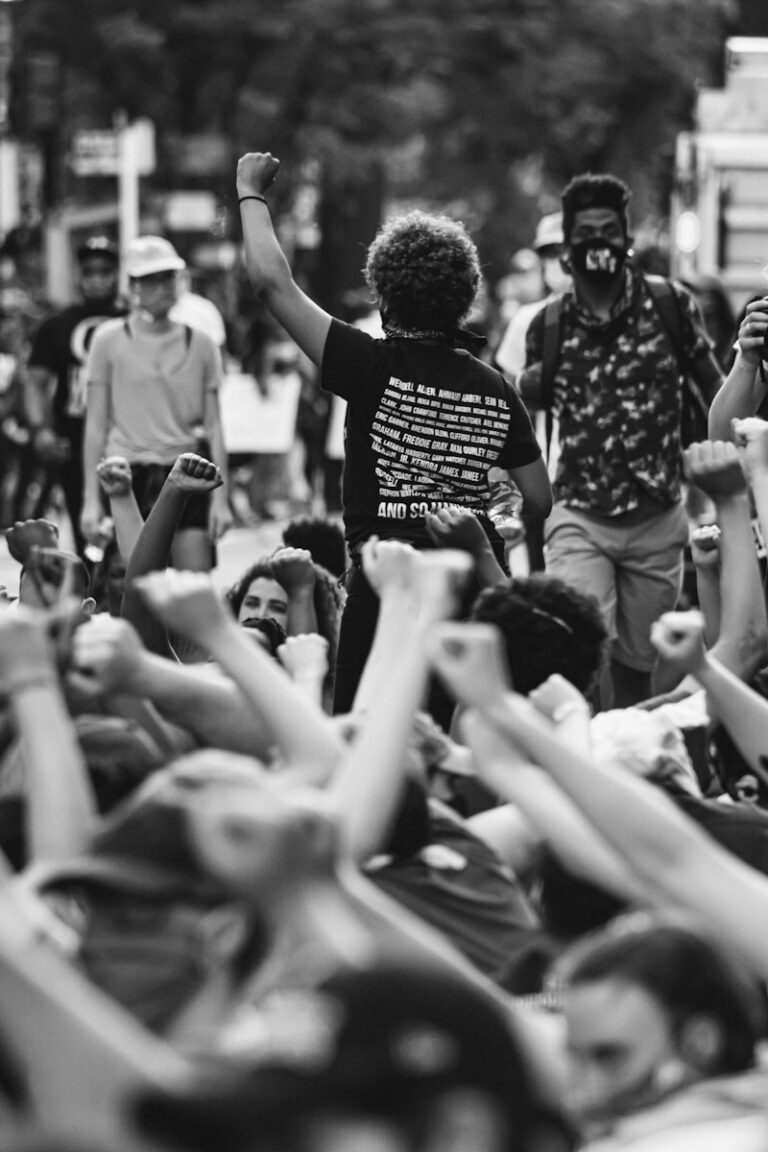
People gathered in the nation’s capital and in towns from coast to coast. They called their movement No Kings Demonstrations. They wanted to show their fears about the country’s future under President Trump. Moreover, they used clear messages on signs and chants to express their views. Meanwhile, the president’s party slammed these rallies as “Hate America” events. Yet, protesters insisted they love their country deeply. They see this moment as a chance to demand change.

Behind the No Kings Demonstrations Banner

Protesters used the phrase No Kings Demonstrations to stress that no leader should rule by force. They believe that power should come from the people. For example, one speaker told the crowd that democracy needs active citizens. In addition, groups of students, workers, and seniors marched side by side. They carried banners, flags, and homemade posters. Each design reminded onlookers of the need to speak up. Also, many wore masks with slogans to stay safe and visible.

The Spark That Lit the Fire

Tensions rose after several policy moves and controversial speeches. Citizens felt that their voices were being brushed aside. Consequently, that anger fueled the No Kings Demonstrations. First, local chapters formed online to plan safe routes and water stations. Then, they met in parks and community centers to hand out flyers. Soon, news of the demos spread like wildfire on social media. Parents talked to kids about the importance of civic action. Teachers held discussions about peaceful protest. Thus, many joined for the first time in their lives.

Voices from the Crowd

One high school student said, “I came because I worry about my future.” Another protester added, “We must stand up now or regret it later.” A retiree explained, “I’ve seen history repeat itself. I want to stop that pattern.” Through chants and speeches, these individuals made clear why they backed No Kings Demonstrations. Moreover, they stayed positive and respectful of others. They cleaned up after themselves and cheered for fellow marchers. As a result, many onlookers honked horns or joined in briefly.

Why Protesters Joined No Kings Demonstrations

People from different backgrounds felt a shared goal. They wanted to defend free speech, fair elections, and equality under the law. Furthermore, they saw a chance to speak out against harmful rhetoric. They urged leaders to listen to every voice, not just a few. Also, they sought reforms on healthcare, the environment, and social justice. With each chant, they called for a government that works for all citizens. Therefore, each march felt like a step toward a stronger democracy.

What Comes Next for No Kings Demonstrations

As the day ended, organizers reminded everyone to keep the energy alive. They encouraged follow-up meetings and online events. In addition, they plan to hold virtual town halls with elected officials. They want clear answers and action plans from leaders. Also, they aim to widen the movement by including more voices. That means reaching out to rural areas where turnout was lower. Meanwhile, they will share tips on staying safe during protests. This planning shows that No Kings Demonstrations are more than a one-day effort.

A Call for Unity

Above all, No Kings Demonstrations stress unity, not division. While the Republican Party branded the movement as “Hate America,” protesters know they stand for the nation’s best ideals. They love their country but want it to do better. They believe true patriots fix problems, not ignore them. Consequently, this drive for improvement drew hundreds of thousands of people. They left cities more aware, more hopeful, and ready to push for change.

Conclusion

No Kings Demonstrations made a powerful statement across America. They showed how citizens can come together peacefully to defend democracy. In doing so, they challenged negative labels and proved their love for the country. With plans for more events, the movement may shape the coming elections and public debate. Regardless of politics, these protests remind everyone of the power in unity.

FAQs

What are No Kings demonstrations about?

No Kings Demonstrations are peaceful protests against perceived overreach in government. They call for democracy, fairness, and leaders who listen to all citizens.

Where did the No Kings demonstrations take place?

These gatherings occurred in Washington, D.C., and dozens of towns and cities across the country. Organizers aimed for widespread participation.

Who organized the No Kings demonstrations?

Local community groups, student organizations, and grassroots activists joined forces online. They coordinated routes, safety measures, and outreach efforts.

What might happen after these protests?

Organizers plan follow-up meetings, virtual town halls, and future rallies. They seek to keep pressure on leaders and inform voters ahead of elections.

Trump Frees George Santos: What You Need to Know

0

Key Takeaways:

  • Donald Trump commuted the sentence of former Rep. George Santos.
  • Santos pleaded guilty to wire fraud and aggravated identity theft.
  • Trump cited harsh treatment and extended solitary confinement.
  • Legal experts warn victims may never see their money back.
  • The usual pardon process and victim input were bypassed.

Trump Frees George Santos: What You Need to Know

Former President Donald Trump shocked many by announcing the immediate release of George Santos. Santos was serving a seven-year prison sentence for wire fraud and identity theft. Trump claimed Santos faced unfair treatment and harsh solitary confinement. The move ignited debate over presidential commutations and victims’ rights. In addition, legal analysts questioned why normal pardon review was skipped.

Inside George Santos’ Commutation by Trump

On Friday night, Trump used Truth Social to announce George Santos’ release. He said Santos would walk out of prison at once. Trump called the sentence “harsh” and said it went beyond justice. Moreover, he argued that Santos’ time in solitary confinement demanded relief. The statement included no mention of any repayment requirement for defrauded victims. Therefore, experts now fear that Santos’ victims may never see compensation.

Background on Fraud Case

George Santos entered Congress as a Republican representing New York. However, authorities later uncovered a web of lies about his education, job history and heritage. An investigation revealed he had misled donors and falsified documents. In December, Santos admitted to multiple fraud charges. He confessed to stealing from vulnerable people and using fake identities. A federal judge sentenced him to seven years in prison. At sentencing, prosecutors hailed the decision as a triumph for accountability.

Reaction from Legal Experts

Legal analysts on CNN dubbed Trump’s move “extraordinary.” Former pardon attorney Liz Oyer noted that most commutations erase the financial part of a sentence. Consequently, fraud victims lose hope of repayment. “He is forgiving the money portion,” Oyer said. She added that Trump ignored the established pardon process, which usually includes victim input. Normally, the Justice Department reviews every pardon request carefully and consults with victims. In this case, no victims were asked whether they objected. Oyer called the sudden shift a “complete about-face” from the earlier message of accountability.

Impact on Victims

Victims of George Santos’ fraud include individuals and small donors. They contributed money believing in Santos’ false claims. With the commutation, those victims face hefty losses with no legal recourse. Many relied on court orders to recover funds through restitution. Now, the path to repayment may vanish. In addition, the sense of closure for victims has been stripped away. They must grapple with the reality that their voices went unheard.

Why Process Matters

The pardon and commutation process exists to ensure fairness. For example, it provides time for thorough review of each applicant’s case. It also requires consultation with the U.S. attorney who prosecuted the crime. Moreover, it seeks input from victims to address their concerns. Bypassing this process can threaten trust in the justice system. It can also undermine the principle that equal treatment under the law applies to all. Finally, it raises questions about presidential power and accountability.

Looking Ahead

George Santos will reenter society immediately after his release. His future plans remain unclear, but public scrutiny will intensify. Meanwhile, victims and advocates are exploring legal options to challenge the commutation. Congress may debate new rules to tighten the pardon process. In addition, election campaigns could feature this controversy as a key issue. For now, the sudden release of George Santos stands as a striking example of sweeping presidential authority.

Conclusion

The commutation of George Santos by Donald Trump has stirred strong reactions. While the former congressman regains his freedom, his victims face unanswered questions. The bypassed process leaves a lasting mark on the justice system. Ultimately, this case highlights the tension between presidential pardon power and victims’ rights. As the nation watches, calls for reform may only grow louder.

FAQs

How did the commutation affect George Santos’ prison sentence?

Trump’s commutation ended Santos’ seven-year sentence immediately, freeing him from prison.

Will George Santos have to repay his fraud victims?

Traditionally, commutations erase financial penalties, so Santos likely won’t have to pay restitution.

Why did Trump skip the normal pardon process?

Trump announced the commutation directly on Truth Social without seeking Justice Department review or victim consent, bypassing standard procedures.

What might this commutation mean for future pardon requests?

The move could prompt Congress to tighten rules around pardon reviews and victim involvement to ensure fairness.

Why Trump’s Santos Commutation Stuns Conservatives

0

Key Takeaways

• President Trump’s commutation of George Santos’ sentence shocked many conservatives.
• Legal expert George Conway slammed the move as undermining justice.
• Santos admitted to multiple fraud charges and showed no remorse.
• Critics argue this decision weakens public trust in the legal system.
• The commutation raises questions about fairness and political loyalty.

Inside Trump’s Santos Commutation Decision

President Trump’s decision to grant a Santos commutation surprised many people. He wiped out the prison sentence of former Congressman George Santos. Santos had been convicted of campaign fraud, lying to donors and misusing funds. Trump later admitted he acted partly because Santos remained a loyal Republican.

Moreover, Santos faced clear evidence and jury verdicts. He admitted to stealing from his own campaign. Yet the commutation cut short his sentence entirely. Across the political spectrum, this move felt like a reward for wrongdoing. It left many asking why political loyalty outweighed justice.

Why Critics Call Out Santos Commutation

Conservative lawyer turned activist George Conway spoke out strongly. On a recent show, he called the Santos commutation “completely nuts.” He noted that Santos showed no regret for his actions. He pointed out that Santos lied on campaign finance reports and on National Public Radio.

Anchor Michael Steele also expressed disbelief. He asked why the administration would commute every felon with a GOP label. He contrasted that with aggressive profiling of people who never committed crimes. In his view, the Santos commutation deeply undermines fairness in justice.

The Impact on Faith in the Rule of Law

Many worry that this Santos commutation erodes trust in courts. When verdicts and jury decisions are ignored, the system looks broken. Citizens may begin to see politics as above the law. Therefore, respect for legal processes could weaken over time.

Furthermore, critics say pardons or commutations should reward true rehabilitation. Normally, a person must show remorse and change. Santos did none of that. In fact, he smiled and defended himself after the verdict. Such behavior makes the commutation feel arbitrary and unfair.

Political Loyalty Over Justice

This case highlights a clash between justice and party loyalty. Trump admitted he commuted Santos because he remained a loyal Republican. That admission angered both parties. Some GOP leaders had already distanced themselves from Santos. Yet Trump pushed ahead with the commutation anyway.

As a result, many believe this sets a troubling example. They fear that criminals might seek favors by pledging party support. In addition, crime victims and honest citizens may feel betrayed. They see that powerful allies can dodge consequences.

Examining Santos’ Crimes

George Santos was convicted on several counts of fraud and theft. He lied about how he spent campaign donations. He covered personal expenses with money meant for ads and staff. He also falsified documents to hide his actions from regulators.

Not only did he break the law, he admitted it. During his trial, he acknowledged mailing fake receipts. He also lied on his campaign financial disclosures. In the eyes of many legal experts, his guilt was clear and undisputed.

A Look at Pardon and Commutation Rules

Normally, a commutation is a rare relief measure. It applies only when a person shows true rehabilitation. It also requires a detailed review by justice officials. In this case, however, Trump bypassed usual steps.

Traditionally, presidents wait a certain time after conviction. They also seek recommendations from the Department of Justice. That did not happen here. Instead, Trump issued the commutation quickly and without public explanation.

Reaction from Republican Leaders

Even within his own party, Trump faced pushback. Some Republicans called Santos “a rotten apple.” They argued that he already deserved punishment. Others said they feared losing public support if they defended the commutation.

However, no major GOP leader openly challenged the move. Many stayed silent, worried about political backlash. This silence deepened concerns about party loyalty trumping principle.

George Conway’s Stance

George Conway has long spoken against Trump’s actions. He founded a group that defends the rule of law. On the show, he said, “Under any normal pardon system, this guy is not eligible.” He stressed that Santos admitted fraud and expected no break on his sentence.

He also noted that Santos showed no shame. Instead, Santos bragged about political contacts. He even hinted he might appeal or seek more favors. Conway said this attitude makes the Santos commutation even more absurd.

What Comes Next After Santos Commutation

Following this commutation, Santos walks free without serving his term. He could try to rebuild his political career. But his reputation is deeply damaged. Few voters trust him after the fraud conviction.

Meanwhile, the Department of Justice might reassess its commutation guidelines. They may push for stricter rules on how and when relief is granted. Lawmakers might also propose new laws to limit the president’s pardon power.

Long-Term Effects on Public Trust

In the long run, this Santos commutation could hurt trust in government. People expect the law to apply equally, regardless of politics. Yet when political ties influence justice, that trust erodes.

Moreover, potential whistleblowers may fear coming forward. If loyalty can erase punishment, criminals may feel safe in high office. Citizens could become cynical about voting and civic engagement.

Key Lessons from the Santos Commutation

First, the case shows how political loyalty can overshadow justice. Second, clear rules exist for commutations but can be ignored. Third, public trust relies on fair treatment, not favoritism. Finally, activists like George Conway will continue to hold leaders accountable.

Ultimately, this event may reshape discussions on presidential power. It highlights the need for transparency in clemency processes. People will watch closely to see if future commutations follow proper steps.

Frequently Asked Questions

What exactly is a commutation?

A commutation shortens a prison sentence without overturning the conviction. It does not erase guilt, only reduces punishment.

Why did President Trump commute George Santos’ sentence?

Trump said he acted partly due to Santos’ loyalty to the Republican Party. He did not explain any legal reasons.

Did George Santos show remorse for his crimes?

No. During his trial and afterward, Santos denied feeling guilty. He admitted to fraud but offered no apology.

How might this commutation affect future pardons?

It could lead to tighter rules and more oversight. Lawmakers and justice officials might demand clearer guidelines for clemency.

Pope Leo XIV Denounces Hunger as a Weapon

0

Key Takeaways

  • Pope Leo XIV warned leaders against using hunger as a weapon.
  • He spoke at a major U.N. agency meeting.
  • He urged nations to protect civilians in conflict.
  • He called for global action to end war-driven hunger.
  • He stressed a shared moral duty to feed all people.

Pope Leo XIV spoke out strongly at a gathering of a U.N. agency. He said no army should ever use hunger as a weapon. He explained that starving people in war zones is cruel. Moreover, he said it breaks basic human rights. His words grabbed the attention of world leaders. As a spiritual leader, he aims to guide moral choices. In addition, he wants global unity to stop this harm. He spoke with clear passion and hope. Next, let’s look at the key points of his message.

Pope Leo XIV’s Powerful Message

Pope Leo XIV began by thanking the agency for its work. Then he described scenes of families without food and water. He said children should never face empty plates in war. He stressed that hunger as a weapon causes long-term damage. Also, he noted how hunger can force people from their homes. He urged leaders to stop blockades and food cuts in conflicts. He reminded them of their duty to protect civilians. Furthermore, he called on aid groups to stay strong. He wrapped up by asking for compassion and swift action.

Why Hunger as a Weapon Is Unfair

Using hunger as a weapon hurts people who did not start any fight. It punishes children, the elderly, and the sick. First, it breaks international rules that protect civilians. Second, it turns basic food and water into tools of war. Therefore, starving a population traps them in fear and hunger. Moreover, it can force them to obey armies or flee their homes. It also undermines hope and trust in justice. In contrast, fair conduct in war spares innocent lives. Thus, Pope Leo XIV called this tactic “immoral and unjust.”

Impact on Children and Families

Children suffer most when hunger becomes a weapon of war. They need food to grow strong bodies and minds. Without it, they face illness and long-term health issues. Also, hunger can make them miss school or drop out. Families break apart as parents search for scarce food. Mothers may walk miles to find water. In addition, children may have to work or beg to eat. Such stress causes fear and depression. However, ending hunger as a weapon can heal wounds. Providing safe food access means healthier, happier families.

How Hunger as a Weapon Harms Everyone Else

Hunger as a weapon also sparks wider problems. First, it can drive refugees across borders in large numbers. Next, it can weaken local economies and markets. Starsved communities cannot rebuild roads or schools. Moreover, it can fuel crime and unrest near refugee camps. Health systems collapse when food cuts spread disease. In addition, environmental damage follows when people clear forests for fields. Clearly, the ripple effects reach far beyond battle zones. Pope Leo XIV pointed out these wider harms. He urged leaders to see the full cost of this tactic.

Steps to End Hunger as a Weapon

Ending hunger as a weapon takes strong action on many fronts. Nations must agree never to block food or water in war. They also need to let humanitarian groups deliver aid safely. Moreover, enforcing legal penalties can deter future attacks. In addition, world powers should fund food programs in conflict zones. Local communities can set up gardens and shared food kitchens. Schools can teach farming and nutrition skills to youth. Finally, media and citizens must speak up against these tactics. Together, these steps can stop war-driven hunger and protect civilians.

Conclusion

Pope Leo XIV’s address to the U.N. agency sent a clear message. He condemned the cruel tactic of using hunger as a weapon. He urged world leaders to protect innocent lives and uphold moral values. His call for unity and action aims to end this suffering. By raising awareness and enforcing laws, we can save lives. In addition, we all share a duty to help those at risk. Ultimately, ending hunger as a weapon can bring hope to war-torn communities around the world.

FAQs

What actions did Pope Leo XIV call for?

He asked nations to stop blocking food and water delivery and to protect civilians during conflicts.

Why is hunger as a weapon so harmful?

It causes severe health issues, breaks families apart, and triggers refugee crises and social unrest.

How can ordinary people help stop hunger as a weapon?

Citizens can support aid groups, raise awareness, and push leaders to enforce humanitarian laws.

What role does the U.N. play in ending hunger as a weapon?

The U.N. can monitor conflicts, support aid delivery, and help enforce treaties against starvation tactics.

Trump’s Exclusive Dinner with White House Donors

0

Key Takeaways:


  • President Trump hosted a dinner to thank White House donors.
  • Nearly 130 guests pledged funds for a new White House ballroom.
  • The private gifts will help fund the renovation without taxpayer dollars.
  • The event highlights big-money influence in politics and fundraising trends.

Inside Trump’s Dinner with White House Donors

President Trump welcomed nearly 130 deep-pocketed supporters to the White House. They dined in the State Dining Room under sparkling chandeliers. He thanked them for their generous pledges toward a new ballroom. In simple language, he showed how their gifts help build public spaces without using tax money. Moreover, he praised their loyalty and vision for America’s future events.

The dinner mixed formal flair with personal moments. Donors shook hands and posed for photos. Then Trump gave a short speech. He spoke about the ballroom plan and its importance. He said the grand hall will host state dinners and national celebrations. Meanwhile, guests enjoyed high-end dishes and fine wine. For these donors, the evening served as a unique reward for their contributions.

What White House Donors Gained at the Dinner

The dinner offered more than a lavish meal. First, donors gained direct access to the president. They heard his thoughts on the project and politics. In addition, they met key White House staff who manage the ballroom plan. This kind of one-on-one time can shape future policy and partnerships.

Second, the event reinforced their status as top supporters. Their names now appear on a donors’ wall for the ballroom. Consequently, they enjoy lasting recognition in America’s most famous residence. Therefore, giving to this project offers both influence and honor.

Why the Ballroom Project Matters

The new ballroom will replace an underused space in the White House. Donors have pledged millions to cover the cost. They want a modern venue for ceremonies, receptions and holiday parties. In effect, it brings fresh life to a historic building.

Moreover, private funding reduces the need for taxpayer dollars. Supporters argue this eases the public’s burden. However, critics say it underscores the power of big-money donors. They worry that private gifts buy special favors. Either way, the project moves ahead thanks to these pledges.

How the Fundraising Campaign Unfolded

White House advisers began reaching out months ago. They invited major donors to preview materials and designs. Then they asked for pledges. Some gave personally. Others represented companies. As a result, nearly 130 backers stepped forward.

In addition, the team provided regular updates on progress. They shared cost breakdowns and renovation timelines. This transparency built trust and kept donors engaged. Consequently, the fundraising drive gained momentum. By dinner night, the pledges almost reached the goal.

Reactions Inside Washington

Political analysts have mixed views. Some applaud the creativity in funding a public project. They see it as a smart way to improve government buildings. On the other hand, they warn about the growing sway of wealthy donors. This dinner illustrates how close ties form between political leaders and funders.

Meanwhile, White House staff are deep in planning mode. They consult architects, preservation experts and event managers. They map out seating, sound systems and historic details. All this work flows from the donor pledges confirmed at the dinner.

Implications for Future Campaigns

Exclusive dinners for big donors are nothing new in politics. Yet this event set a high bar for White House fundraising. Campaigns now vie to offer similar perks—access, recognition and special experiences. Therefore, private events become crucial tools for raising big checks.

Moreover, projects funded by private gifts may become a trend. Other public institutions could follow suit. This shift might change how citizens view funding for cultural and historic sites. It raises questions about equal access versus donor benefits.

Challenges on the Horizon

Building a new ballroom is complex. First, renovations must respect historic preservation rules. The White House holds centuries of architectural heritage. Therefore, any changes face strict review. In addition, supply chain issues or budget shortfalls could stall work.

Furthermore, some donors might withdraw or reduce pledges. If that happens, the fundraising team needs backup plans. They may appoint additional donors or scale back certain features. Maintaining donor enthusiasm will prove key.

Possible legal challenges also loom. Critics could argue that private funding for a government building breaks ethics rules. In response, the White House team will defend the project’s transparency and public benefits.

Looking Ahead to the Grand Opening

Once funding is secured, construction can begin swiftly. Workers will renovate the chosen wing in phases. Officials aim to finish within two years. Then they will hold a grand opening ceremony. White House donors will likely receive VIP invitations.

After that, the new ballroom will host state dinners, cultural events and holiday celebrations. It may become a symbol of modern White House renovation. Above all, the hall will reflect the generosity and vision of its donors.

Broader Impact of Donor Events

Private dinners for funders shape political culture. They offer behind-the-scenes access that public gatherings cannot match. As a result, donors gain insights into policy and personal rapport with leaders. Critics call this influence peddling; supporters say it allows frank feedback.

Either way, these events spark debate over the balance between private support and public interest. They force citizens to ask how much access money should buy in a democracy.

Final Thoughts

President Trump’s dinner for White House donors showcased the power of big fundraising. It rewarded nearly 130 key supporters and advanced a major renovation project. As the ballroom plan moves forward, the event highlights private funding’s growing role in public spaces. Meanwhile, the influence of deep-pocketed donors remains a hot topic for politics and democracy.

FAQs

What was the main goal of the dinner?

The dinner aimed to thank donors and solidify their support for the new White House ballroom project.

How many donors attended the event?

Nearly 130 donors, allies and representatives of major companies joined the dinner.

Will this project use any taxpayer money?

No. Donors’ private contributions will cover the ballroom renovation costs.

How soon will the new ballroom open?

Officials hope to complete construction within two years, followed by a ribbon-cutting ceremony.

Emotional Peretz Funeral Honored by Freed Hostage

0


Key takeaways:

  • Families, soldiers, and citizens gathered for the Peretz funeral in Jerusalem.
  • Freed hostage Matan Angrest attended and paid his respects.
  • The Peretz funeral brought deep emotions and unity.
  • The ceremony highlighted Captain Daniel Peretz’s bravery.
  • Mourners left with shared grief and renewed hope.

Peretz funeral draws heartfelt tributes

At Jerusalem’s Mount Herzl cemetery, hundreds came together for the Peretz funeral. They wore uniforms, yarmulkes, and civilian clothes. Everyone felt the same sorrow. They cried as they remembered Captain Daniel Peretz. He gave his life on duty. His family watched as his coffin moved slowly. The sound of taps echoed through the air. Many held hands. Others placed stones on the wooden casket. In that moment, the Peretz funeral became a symbol of service and sacrifice for all.

Deep emotions at the Peretz funeral ceremony

During the Peretz funeral, silence filled the space between speakers. First, the chief rabbi offered a blessing. Then, a military chaplain spoke of Daniel’s courage. He said Daniel always put his team first. Next, friends shared memories of their time with him. They laughed softly through tears. Additionally, local leaders spoke of national unity. Each tribute built toward a powerful farewell. Above all, the Peretz funeral felt like a call to honor every soldier’s life.

A community in grief

Immediately after the ceremony, mourners embraced one another. Mothers held their children close. Fathers stood tall yet shaky. Young soldiers in uniform huddled, seeking comfort. People whispered prayers in Hebrew. They lit candles along the path leading to the exit. Nearby, volunteers handed out water and tissues. Even strangers exchanged kind words. This small community found strength in each other’s arms. Grief felt heavy, yet the shared support kept hearts from breaking apart.

Matan Angrest’s tribute

Among the crowd stood Matan Angrest, a freed hostage who had endured weeks in captivity. He arrived quietly, accompanied by his family. As he approached the coffin, his face showed deep emotion. Then he knelt by the casket and touched its cover. His eyes glistened with tears. Many in the crowd watched in silence. Moreover, they felt his pain. Matan spoke softly to the soldiers nearby. He thanked them for their efforts. In that brief moment, Matan’s presence lent the Peretz funeral a profound layer of meaning.

Honoring a hero

Daniel Peretz served with distinction and warmth. He trained new recruits, always offering guidance. His teammates described him as brave and kind. At the Peretz funeral, they unfolded the national flag and draped it over his casket. A soldier read his name and rank. Then, cannons fired three volleys overhead. The sound rolled across the hill like thunder. A bugler played the last note of taps. Everyone stood rigid and solemn. In these final acts, the military honored Daniel’s life and the Peretz funeral took on deep significance.

Solidarity and hope

After the official ceremony, people moved to a nearby hall for a reception. Tables held simple foods: challah, olives, fresh fruit. Volunteers served tea and coffee. Leaders offered brief remarks. They called for unity and peace. They urged the public to support families of fallen soldiers. Many wiped tears as they listened. Even in sorrow, there was hope. People shared plans to remember Daniel at community events. They organized memorial runs and charity drives. Thus, the Peretz funeral became a starting point for ongoing support and solidarity.

Finding comfort together

In the days that followed, the spirit of the Peretz funeral echoed across Jerusalem. Schools held moments of silence. Offices posted Daniel’s photo on their walls. Neighborhoods lit memorial lanterns at dusk. Meanwhile, the mood stayed somber yet resilient. Social media filled with stories of Daniel’s kindness. Neighbors comforted the Peretz family with meals and visits. More than ever, people felt a bond that rose from shared loss. At the same time, they vowed to honor Daniel’s memory by caring for one another.

Remembering Daniel Peretz

Daniel grew up in a small town near Jerusalem. He loved soccer and often coached local youth teams. After high school, he volunteered for the army. His dream was to protect his country. Friends recall his laughter at gatherings. They speak of his wise advice during hard times. His family describes him as loyal and generous. At the Peretz funeral, many personal photos lined a table. They showed Daniel in uniform, with his sisters, and on holidays. These images reminded mourners of his life beyond the uniform.

A shared mission

As the nation continues to face challenges, Daniel’s story resonates deeply. His sacrifice calls citizens to stand united. Furthermore, the Peretz funeral inspired plans for community service days. Schools will plant trees in his honor. Youth groups will host safety workshops. Each act aims to mirror Daniel’s love for his people. In a time filled with headlines of conflict, this coming together provides a glimpse of hope. It shows that even in loss, people can find purpose and strength.

Conclusion

The Peretz funeral united people from all walks of life. From military officials to freed hostages, everyone shared a moment of quiet grief. The ceremony honored Captain Daniel Peretz in a fitting way. It balanced solemn military tradition with personal goodbyes. Alongside the flag and volleys, human stories filled the air. In particular, Matan Angrest’s tribute underscored the cost of service. Ultimately, the Peretz funeral taught that grief can bind a community and spark new hope. It reminded everyone that honoring the fallen keeps their spirit alive.

FAQs

What happened during the Peretz funeral?

Mourners gathered in Jerusalem for a formal military ceremony. They watched volleys fire overhead and listened to taps. Family, friends, and soldiers laid stones and lit candles. A reception followed, offering unity and comfort.

Who was Matan Angrest?

Matan Angrest is a young man who was held hostage for several weeks. After his release, he attended the Peretz funeral. He knelt by the casket and personally paid his respects.

Why was the Peretz funeral significant?

It honored Captain Daniel Peretz’s bravery in uniform. The event also united civilians, soldiers, and a freed hostage. As a result, it showed the power of shared grief and communal support.

How is Daniel Peretz remembered today?

Communities hold memorial runs, plant trees, and share his stories. Schools pause for a moment of silence. In every tribute, they celebrate his kindness, leadership, and love for his country.

Bolton Indictment: Top Secret Data Leaks Explained

0


Key Takeaways

• A federal grand jury charged John Bolton with 18 counts of mishandling classified data.
• He sent diary-like notes marked TOP SECRET/SCI to his wife and daughter.
• Some entries ended up printed and stored at his Maryland home.
• A hacker tied to Iran accessed his personal email and the leaked files.
• The indictment covers actions from 2018 through August 2025.

Overview of the Bolton indictment

The Bolton indictment accuses John Bolton of sharing highly sensitive information outside government channels. From April 2018 to August 2025, he allegedly emailed more than a thousand pages of his daily national security work to two people without clearance. Reportedly, those two were his wife and daughter. Because they lacked U.S. security clearances, this move violated federal law.

Sharing Classified Information with Family

According to the Bolton indictment, he sent diary-like entries labeled TOP SECRET/SCI. First, he wrote notes on yellow notepads during his day as National Security Advisor. Then he transcribed them into digital files. Next, he used commercial messaging apps or personal email accounts hosted by AOL and Google to send the notes home. In each case, he did not tell government personnel that he shared classified materials.

Secret Diary Entries and Digital Storage

Moreover, the Bolton indictment details how many documents were printed and stored at Bolton’s Montgomery County, Maryland home by August 2025. Digital copies also sat on personal devices there. Importantly, he did not report these files to the government. As a result, they stayed hidden until the grand jury investigation brought them to light.

Cyber Hack and Foreign Access

Between his departure from government service in September 2019 and July 2021, a hacker believed to be linked to Iran breached Bolton’s personal email. Therefore, unauthorized actors gained access to his classified emails. Although Bolton’s team did report a hack, they failed to mention that it included national defense information. Consequently, the scope of the breach remained underreported to authorities.

The Scope of the Bolton indictment

In total, the Bolton indictment covers 18 criminal counts. They focus on the unauthorized sharing, storage, and loss of classified data. In addition, they highlight a failure to report the hack properly. The detailed entries included materials from senior government officials, intelligence briefings, and foreign leader discussions. Because these files were TOP SECRET/SCI, the potential risks to national security were severe.

Why this matters

First, leaking TOP SECRET/SCI data can endanger lives and compromise operations. Second, it sets a troubling example when senior officials ignore security rules. Moreover, not reporting a breach leaves gaps for adversaries to exploit. Finally, the indictment underscores the strict handling protocols for classified materials.

What Comes Next After the Bolton indictment

Bolton will face a federal court in Maryland to answer these charges. During pretrial proceedings, he can enter pleas and request hearings. If convicted, he could face years in prison and steep fines. Meanwhile, his defense team may argue that the entries were personal and that no harm resulted. However, prosecutors will stress the potential national security fallout.

Lessons for Government Officials

In light of the Bolton indictment, agencies will likely reinforce training on classified materials. They may also audit personal devices more often. Furthermore, officials might seek clearer guidelines on taking notes. After all, informal methods can lead to formal charges.

Conclusion

The Bolton indictment paints a stark picture of how even high-ranking officials can run afoul of secrecy rules. By sending TOP SECRET/SCI information to unauthorized individuals, failing to report a hack, and storing files at home, Bolton allegedly broke federal law. As the case unfolds in court, it will test the balance between personal memoirs and national security.

Frequently Asked Questions

What does the indictment say about personal email use?

The indictment states that Bolton used personal AOL and Gmail accounts to send TOP SECRET/SCI information. This practice violated strict government rules on classified data.

Who reportedly received the leaked documents?

According to reports, Bolton sent the classified entries to his wife and daughter, neither of whom had security clearances.

How did the alleged hack occur?

Between 2019 and 2021, a cyber actor linked to Iran hacked Bolton’s personal email. They gained access to stored classified materials he had sent himself.

What penalties could Bolton face if convicted?

If found guilty on the 18 counts, Bolton could face lengthy prison time and significant fines under U.S. federal law.