53.4 F
San Francisco
Sunday, April 26, 2026
Home Blog Page 359

Trump Presidential Library Miami: Gold-Plated Plans

0

Key takeaways

  • Miami Dade College secretly voted to give prime land to the Trump Presidential Library.
  • The project will feature a gold‐clad tower with a hotel, library, and massage spa.
  • Critics cite lack of public input and possible violations of Sunshine laws.
  • Neighbors, professors, and immigrant groups have filed protests and lawsuits.
  • Construction could reshape Miami’s skyline and spark ongoing legal battles.

Florida is already home to quirky museums and giant lobsters. However, nothing matches the upcoming Trump Presidential Library in Miami. The state plans to build a tall, 24‐karat gold–clad building on 2.63 acres near Biscayne Bay. It will house a library, a luxury hotel, and even a massage parlor.

Secret Land Giveaway Raises Eyebrows

Miami Dade College’s board met in private. Without public notice, they approved giving land worth up to $300 million to the state. Then the state will hand it over to the Trump Presidential Library Foundation. Critics call this a back‐room deal. They worry taxpayers lost a shot at student housing or a new park.

Lavish Features of the Trump Presidential Library

The Trump Presidential Library will stand at least 100 stories tall. The exterior will gleam in gold. Inside, guests will find rare Trump artifacts. These include photo‐shopped magazine covers, a diamond ketchup bottle, and a famous 20-foot red tie. Above the library, the hotel and massage parlor will offer views of the bay. Supporters say this mix of culture and luxury will draw global visitors.

Legal Challenges and Public Outcry

In response to the land transfer, a Florida professor filed a lawsuit. He claims the college broke state Sunshine laws by hiding the true purpose of the meeting. Polls show 74 percent of residents want the college to keep the land. Meanwhile, activists and local groups have held protests. They argue the Trump Presidential Library is tone‐deaf to Miami’s diverse history, especially near the Freedom Tower.

Political Backing Fuels the Project

Florida’s attorney general praised the plans as fitting for Miami’s rise on the world stage. He said President Trump’s story deserves a grand showcase in the city. In turn, the Trump family has endorsed key state leaders. Observers see a clear link between political favors and the library project. Yet officials deny any pay‐to‐play motivation.

Clash with Cuban‐American Community

The proposed site sits next to the Freedom Tower. This landmark welcomed Cuban exiles fleeing dictatorship. Now, some Cuban‐American leaders call the Trump Presidential Library a slap in the face. They point to recent immigration policies that forced many families back to hardship. For them, honoring a president who cut humanitarian parole feels wrong in this location.

Flood Risks and Engineering Plans

Miami sits just two yards above sea level. The site is close to Biscayne Bay and the Miami River. Rising seas and hurricanes threaten the area. Project planners insist they will flood‐proof the lower library levels. Meanwhile, the hotel and spa will occupy higher floors. Engineers say modern materials can withstand storms. Yet critics warn that extreme weather could still endanger the site.

Economic Impact on Miami

Supporters claim the Trump Presidential Library will boost tourism and create jobs. They expect the tower to become an instant landmark. Nearby businesses may profit from an influx of visitors. However, opponents fear the project will divert public funds and attention from local needs. They argue Miami still lacks affordable housing for students and families.

What Comes Next for the Trump Presidential Library

The final vote by the Florida Cabinet could happen soon. If approved, the Trump Presidential Library project will move into design and permitting. Construction supporters hope to break ground within a year. Meanwhile, legal teams on both sides prepare for court. Public hearings and more protests seem likely. The fate of Miami’s newest attraction remains uncertain.

Frequently Asked Questions

How will the Trump Presidential Library use the Miami land?

The library plans to build a 100-story tower on 2.63 acres near Biscayne Bay. The lower floors will house archives and exhibits. Above them, a luxury hotel and massage parlor will offer panoramic water views.

Where do critics see problems with the land transfer?

Local residents and a university professor argue the college violated public meeting laws. They say board members met secretly, without clear notice, to hand over valuable land to the state.

What concerns exist about building so close to sea level?

Miami’s low elevation and proximity to the bay raise flood and hurricane risks. Engineers propose raising the hotel and spa above storm surge levels and watertight library vaults. Still, skeptics warn climate change could outpace these measures.

How might this project affect Miami’s culture?

Supporters believe it will draw tourists and add a bold architectural icon to the skyline. Opponents argue it disrespects the city’s immigrant history and shifts focus from urgent local issues, such as housing and education.

John Bel Edwards Says No to Senate Run

0

Key Takeaways:

  • John Bel Edwards will not run for the U.S. Senate in 2026.
  • His decision leaves Democrats without a major challenger to Sen. Bill Cassidy.
  • Unofficial signs urging support for Edwards appeared without any real campaign.
  • Edwards plans to promote moderate politics as a private citizen.

John Bel Edwards Won’t Join Senate Race

Former governor John Bel Edwards has decided not to run for the U.S. Senate. His choice ends hopes for many who wanted him to challenge Senator Bill Cassidy. Edwards led Louisiana for eight years. Now, he plans to focus on family and private life. His decision changes the state’s political picture for the 2026 election.

Why John Bel Edwards Decided Not to Run

John Bel Edwards thought carefully before making this announcement. He said it is not the right time to return to public office. After eight years as governor, he wants to spend time with his two grandbabies. Therefore, he and his wife will focus on being “Papa and Nonna.” Because of this, Edwards will step back from running.

Impact on the Louisiana Senate Race

Without John Bel Edwards in the race, Democrats lack a strong candidate. Senator Bill Cassidy faces three Republican challengers in a primary. The winner of that primary will likely hold onto the seat. This makes the general election less competitive for Democrats. Many voters had hoped Edwards would bring balance to Washington politics.

Unofficial Support Signs

Recently, signs urging voters to back John Bel Edwards showed up across Louisiana. They highlight his popularity among some grassroots groups. Yet these signs are not tied to any real campaign. They have no official backing or staff. This ghost campaign may confuse voters into thinking he plans to run. But he does not.

Edwards’s Record as Governor

During his time in office, John Bel Edwards worked with both parties. He improved roads, funded schools, and raised teacher pay. He also expanded health coverage for many families. He achieved success by talking and compromising with all sides. Unlike gridlock in Washington, he showed that deals can get done.

What Comes Next for Democrats

With John Bel Edwards out, Democrats must find a new leading candidate. They might choose a current officeholder or a fresh face. Whoever steps up will face an uphill battle in a conservative state. Still, they can focus on local races and build for future elections. Louisiana’s party leaders now face tough choices in the coming months.

How the GOP Primary Shapes Up

Bill Cassidy is the clear favorite in the Republican primary. He has served in the Senate since 2015. His challengers include business leaders and state officials. They criticize him as too moderate or too tied to Washington. The primary will reveal which style Republicans prefer. If Cassidy wins, Democrats face a tougher fight.

Edwards’s Call for Moderate Politics

In his statement, John Bel Edwards warned against extremists. He urged voters to reject politicians who block progress. He described the country’s path as troubling. As a private citizen, he plans to promote candidates who seek compromise. His voice may still influence politics without a campaign.

Family First: A Personal Choice

Family played a big role in John Bel Edwards’s choice. He often spoke about his grandbabies during his governorship. He said making memories with them matters more than any title. This decision shows that even top politicians can choose family over power.

Looking Ahead: Louisiana Politics

Louisiana voters will soon pick a new governor as Edwards leaves office. This creates many contests for new leaders. Community figures and activists will step up. The absence of John Bel Edwards in the Senate race may shift energy toward these local battles.

Edwards’s Legacy and Message

John Bel Edwards leaves office with a record of cooperation. He proved that people with different views can work together. His message now calls for unity at the national level. Even as a private citizen, his words could shape future campaigns.

A New Chapter for Edwards

Now, John Bel Edwards will shift from policymaker to private advocate. He looks forward to family time in his home state. Yet, he promises to keep speaking out on causes he cares about. His next chapter keeps him tied to public life without a campaign trail.

Frequently Asked Questions

What reasons did John Bel Edwards give for not running?

He said he wants to spend time with his grandbabies and felt it wasn’t the right time to re-enter public office.

How will Edwards’s decision affect the Senate race?

Without his candidacy, Democrats lack a top challenger, giving Republicans an advantage.

Did signs urging support for Edwards show a new campaign?

No. They appeared without any official backing or staff, so they aren’t part of a real campaign.

Will John Bel Edwards stay involved in politics?

Yes. He plans to speak out as a private citizen and back candidates who support moderation.

Why the Bari Weiss memo Sparks Chaos at CBS News

0

Key Takeaways

  • Producers at CBS News face mixed orders after a Bari Weiss memo asked for detailed staff feedback.
  • The union told employees not to respond, creating confusion over which instructions to follow.
  • Non-union producers may feel extra pressure to comply, risking a split in the newsroom.

What the Bari Weiss memo is asking

In a recent memo, editor in chief Bari Weiss asked every CBS News staffer to explain how they spend their time. She also wanted honest thoughts about the news division. Then she asked how she could align with the team on a shared vision. This detailed request covered daily routines, personal opinions, and big ideas for the network’s future. Some producers had to outline tasks minute by minute. Others needed to share hopes for editorial direction. The memo aimed to build a closer bond between Weiss and her staff.

However, union counsel stepped in last week. They told employees not to answer any part of the request. The union viewed the memo as a potential contract violation. As a result, staffers felt stuck between two competing demands. They did not know which message to obey. In the end, they did neither.

Why the Bari Weiss memo causes confusion

First, the memo itself was clear and thorough. It laid out exactly what Weiss wanted and why. Yet, it clashed directly with the union’s advice. Workers could not decide which instruction mattered more. Meanwhile, Weiss sent follow-up messages reminding staff to “file notes” on their work. Some staffers said they felt pressured to comply despite the union’s warning.

Moreover, some producers at CBS News are not covered by a union contract. Those non-union members may worry about their job security. They might feel they have to follow the new boss’s orders. Meanwhile, union producers stand firmly behind their counsel’s guidance. This divide threatens to fracture the newsroom culture. It pits contract rules against new management goals.

How the newsroom has reacted

On Monday, producers huddled in small groups to compare notes. They shared confusion and frustration over the mixed orders. One team paused a live segment to discuss whether to send their responses. They feared stepping out of line with either side. Others simply ignored the memo and continued their regular duties.

Staffers described a day of stalled projects and endless questions. They spent more time worrying than reporting real news. Editors found themselves policing both union rules and new directives. As a result, productivity dipped and morale suffered. Some veteran producers said they have never seen such turmoil at a major network.

Possible split in the CBS News staff

Insiders warn of a growing schism in the newsroom. Unionized and non-unionized producers now follow two different playbooks. That rift undermines teamwork and trust across the entire operation. Additionally, some managers may feel torn between protecting union rights and pleasing the editor in chief.

The memo from Bari Weiss places her at the center of the conflict. On one hand, she seeks fresh ideas and open communication. On the other hand, her request clashes with long-established labor rules. If the standoff continues, CBS News risks seeing key staff walk off or lose faith in leadership.

What happens next at CBS News

To resolve this crisis, CBS News leadership must act quickly. The network needs clear, unified guidance for all employees. Ideally, the union and Weiss will negotiate a path forward. They could agree on which parts of the memo staff can answer without risking their contracts.

If they do, producers can resume regular workflows. They would then share useful insights with Weiss. Consequently, the newsroom could benefit from both union protection and fresh editorial input. However, if neither side budges, confusion may deepen. Continued mixed messages might lead to missed deadlines and on-air mistakes.

Conclusion

The Bari Weiss memo episode shows how vital clear communication really is. In big organizations, new orders must respect existing contracts. Otherwise, even well-meaning initiatives can backfire. For CBS News, building a shared vision depends on trust between staff and leadership. Until the union and Weiss find common ground, the newsroom is likely to remain in turmoil.

Frequently Asked Questions

What did Bari Weiss ask producers to share?

She asked CBS News staff to explain their daily activities, thoughts about the network, and suggestions for a shared editorial vision.

Why did the union advise staff not to reply?

Union counsel believed the memo could conflict with existing labor contracts and potentially violate employees’ rights.

Could non-union producers feel pressured to comply?

Yes, non-union staff might worry about job security and feel compelled to follow Weiss’s directives over union advice.

How can this conflict be resolved?

A meeting between CBS News leadership, Bari Weiss, and union representatives could clarify which memo requests staff can safely address.

Tariffs Crush American Spirits Sales in Canada

0

Key Takeaways

  • Sales of American spirits to Canada plunged 85% in the second quarter after tariffs.
  • Small distilleries like Virginia Distillery saw orders collapse to zero.
  • Business owners say they’re trapped in a trade fight they didn’t start.
  • Tariffs also drove some producers out of European markets.
  • Industry experts warn of lasting damage if relations don’t improve.

Tariffs Hit American Spirits Hard

Trade tensions have hit American spirits producers hard. As new duties took effect, sales to Canada fell sharply. In fact, Distilled Spirits Council figures show an 85% drop in shipments during the second quarter. Meanwhile, many distillery owners feel they’re paying the price for a dispute they never chose.

Small Distilleries Stung by Tariffs on American Spirits

Several small businesses aimed to expand overseas. However, after Canadian officials urged a boycott of U.S. products, these hopes evaporated. Virginia Distillery’s CEO, Gareth Moore, expected his craft to triple. Instead, he watched orders vanish overnight. “Our whisky was on track to grow,” he said. “Then sales collapsed to zero.” He added that his team simply makes good whisky, not politics.

How Tariffs Changed Trade Flows

Before the tariffs, Canadian buyers ordered barrels of bourbon, rye and single malt. Yet duties added more than 20% to each bottle’s cost. As a result, many importers pulled back. In fact, some switched to competitors in Europe and Asia. Consequently, American spirits lost shelf space in Canadian liquor stores.

Voices from the Distilleries

Jeff Quint, founder of Cedar Ridge in Iowa, invested years building an EU clientele. When tariffs hit European goods, he saw demand shrink. Then Canada followed suit, wiping out another market. “You hate to invest for years and then bail out,” Quint said. He worries that future exports will stall if trade tensions persist.

Tariff Pain Beyond Canada

Although Canada felt the worst impact, other markets also trudged behind. Tariffs on European steel and aluminum triggered retaliations in several countries. Thus, some nations imposed duties on U.S. whiskey and vodka. Consequently, distillers across the country report slower growth and higher costs.

What’s Driving the Trade Fight?

The current tariff policy aims to protect certain U.S. industries. However, critics say it hurts American jobs in agriculture and manufacturing. Moreover, when partner countries strike back, they often target iconic U.S. exports. In this case, American spirits became a convenient target for retaliation.

Industry Groups Push for Relief

Trade associations have lobbied hard to remove these duties. They argue that small distilleries lack the resources to absorb extra costs. Therefore, they urge negotiators to seek a deal that lifts retaliatory tariffs on spirits. Without relief, many worry they’ll never regain lost ground.

Distillers Adapt and Innovate

Despite setbacks, some producers explore new markets. For example, they eye growth in Latin America and parts of Asia. Meanwhile, they focus on e-commerce and domestic promotions. In fact, they run tasting events and virtual tours to boost home sales. Although these tactics help, few match the revenue lost abroad.

Consumer Impact at Home

With overseas orders down, some distilleries shift supply to U.S. retailers. Yet inventory piles up in warehouses. As a result, wholesale prices have dipped in some regions. Consumers may see sales and discounts, but small brands still struggle to stay afloat.

Looking Ahead for American Spirits

If tariffs lift, experts expect a rebound. However, regaining shelf space and customer trust takes time. Moreover, distillers must rebuild partnerships with importers and distributors. Therefore, some believe that the full recovery could take years.

Why Trade Relations Matter

Strong trade ties support growth across many industries. When relations sour, unexpected players feel the fallout. In this case, men and women making fine whisky in Virginia and Iowa found themselves caught in the crossfire. As global politics shift, their fate hinges on diplomatic progress.

Frequently Asked Questions

What led to the drop in whiskey exports to Canada?

New tariffs added over 20% to each bottle, making American spirits much more expensive for Canadian buyers. As a result, orders fell by 85%.

How have small distilleries reacted to tariff challenges?

Many have halted expansion plans, focused on domestic sales, and explored emerging markets. Some also run virtual events to boost local demand.

Can American distillers get relief from these tariffs?

Trade groups are lobbying negotiators to lift retaliatory duties on spirits. Success depends on reaching broader trade agreements.

What might speed up a recovery for U.S. whiskey makers?

Resuming duty-free trade with key partners, rebuilding distributor relationships, and diversifying into new export markets could help accelerate growth.

North Carolina Redistricting Plan Boosts GOP Seats


Key Takeaways

• Lawmakers will redraw districts to favor Republicans.
• North Carolina redistricting may add at least one GOP seat.
• Republicans cite a call from former President Trump.
• The GOP already holds ten of the state’s 14 seats.
• Similar moves have appeared in Texas and Missouri.

North Carolina redistricting shifts power toward Republicans

Lawmakers in North Carolina announced a redistricting plan this week. They aim to redraw U.S. House boundaries before the midterm elections. Republican leaders say the map will likely add at least one more GOP seat. The legislature will vote on the plan next week. Critics warn the plan will further skew power toward Republicans. Meanwhile, Democrats say the effort will weaken their influence.

What’s happening in North Carolina

State legislators have drafted a new map for federal districts. They plan to approve it within days. Currently, Republican lawmakers dominate both chambers of the legislature. Their proposed map would boost GOP chances in at least one district. In 2022, the parties split the state’s seats evenly at seven each. Yet a map drawn by Republicans in 2023 already gave them ten seats. Now they want to solidify their edge under the North Carolina redistricting plan. Even though critics accuse them of unfairness, Republicans insist they follow legal guidelines.

Key highlights of the North Carolina redistricting plan

The proposed map shifts boundaries for several districts. As a result, one district that leaned Democratic could flip to Republican. In total, the GOP could clinch three-quarters of the state’s seats. Republicans argue this reflects population shifts and follows federal rules. They point out that courts have approved past maps. However, opponents feel the changes amount to gerrymandering. They believe the new lines protect incumbents and dilute minority votes. Nevertheless, supporters claim the plan will improve representation in growing areas.

Impact on the midterm elections

Under this redistricting effort, Republicans stand to pick up an extra seat. That could help the party maintain or expand its House majority. Voters in redrawn districts may face new candidates this fall. Moreover, party resources will flow to these key areas. Campaign spending is likely to spike where the map is most competitive. For undecided voters, the change may cause confusion about polling places. Yet parties will mobilize staff and volunteers to guide residents. Thus, the map change could shape national politics for years.

Why Republicans moved on redistricting

Republican lawmakers say they follow a push from former President Trump. He urged state legislatures nationwide to counter Democratic maps. They insist their plan follows census data and respects community ties. Furthermore, they note the state Supreme Court upheld earlier GOP maps. Therefore, they feel confident the new proposal will survive legal challenges. In their view, taking this step now avoids rushed court battles later. Critics, however, see the move as a blatant power grab. They vow to take the plan to court once approved.

Reactions and critiques

Democratic leaders called the plan unfair and extreme. They argue it will silence voices in urban and minority communities. Civil rights groups say the map violates voters’ rights under federal law. Meanwhile, some moderate Republicans raised concerns over public trust. They fear voters may grow disillusioned with the political process. Legal experts predict the plan will face lawsuits almost immediately. Courts will review whether the new lines serve legitimate state interests. Ultimately, judges may order more changes or block the map entirely.

Similar trends in other states

North Carolina is not alone in its new map push. In Texas, lawmakers passed lines that favor one party. Missouri also approved a plan expected to boost GOP chances. Across the country, statehouses controlled by Republicans have redrawn districts quickly. They often claim they mirror population shifts or follow court orders. Critics point out the timing usually benefits incumbents. As a result, battles over maps have become key in the fight for Congress.

Looking ahead

If approved, North Carolina’s new map will take effect before filing deadlines. Candidates must adjust to new voters and campaign zones. Meanwhile, advocacy groups will ramp up voter education efforts. They will also prepare legal challenges in state and federal courts. For voters, the changes may mean new options at the ballot box. Over time, the map could reshape national policy decisions.

Frequently Asked Questions

What is North Carolina redistricting?

North Carolina redistricting is the process of redrawing U.S. House boundaries in the state. Lawmakers update maps after each census. This plan aims to add a Republican seat before the next elections.

How will the new map affect voters?

The new lines will change which district many residents belong to. That may mean new representatives and different political leanings. Voters should check their polling places once the map is final.

Why do Republicans support this plan?

Republicans say the plan reflects population changes and follows legal guidance. They also cite a push from former President Trump. Critics believe the effort unfairly favors one party.

What could Democrats do in response?

Democrats may file lawsuits claiming the map violates voting rights. They can also challenge it at the state Supreme Court. In addition, they may intensify voter outreach in affected areas.

FBI Meets Glenn Beck to Uncover Antifa Network

0

Key takeaways

• Glenn Beck says FBI agents showed up at his house to discuss his work.
• Director Kash Patel personally ordered a meeting on the Antifa network.
• Beck and three agents talked for nearly two hours about his TV show findings.
• He praised the administration’s willingness to dig deep into the Antifa network.
• Beck warned any real members of this network should now be on alert.


FBI Meets Glenn Beck to Uncover Antifa Network

Some of Glenn Beck’s fans woke up surprised when he posted on X about an unexpected visit. He said that the FBI arrived at his home to talk about his TV show exposing an Antifa network. According to Beck, Director Kash Patel sent agents to get details that Beck first shared on Fox years ago. This news raises big questions about how law enforcement sees protest groups today.

Inside the Antifa Network Investigation

On a recent Saturday afternoon, three FBI agents appeared at Beck’s door. He recalls being told that Patel wanted them to meet him. Beck said he led the agents into his living room and spent almost two hours describing his findings on the Antifa network. He showed them clips, documents, and other tips he had gathered over time.

A Surprise FBI Visit at Home

At first, Beck admitted he found the visit odd. Yet he ended up feeling honored. He described the agents as “dead-ass serious” about uncovering the Antifa network. Beck claims these agents asked sharp questions, dug into his old interviews, and took notes on people he had named. He also thanked former President Trump for appointing Patel, whom Beck praised for wanting to look beyond surface clues.

Diving Deeper into the Antifa Network

Beck’s research tracked protests, social media chatter, and funding paths between activists. He mapped how certain groups seemed to move money and messages from city to city. While critics have long said Antifa has no real hierarchy, Beck insists he found patterns that suggest an organized Antifa network. He argues these patterns matter because they might reveal who funds or coordinates certain demonstrations.

Moreover, he says that once the FBI sees these links, they must investigate. He believes that ignoring such signs could let violence or property damage spread without accountability. Therefore, he welcomed the chance to share his work directly with agents who can act on it.

Why This Probe Matters

This episode marks a rare moment when a media figure and a federal agency work together on a political topic. Usually, journalists keep a strict distance from law enforcement probes. However, Beck says Patel broke that norm by trusting his research. As a result, the FBI now may treat the Antifa network as a real concern.

This shift could change how authorities deal with future protests. If they show up ready to use media tips, activists might feel watched more closely. Yet supporters of the move argue it shows the FBI takes public safety seriously. They say no group should hide behind protest slogans to break laws.

The Role of Leadership

Director Kash Patel took a hands-on approach, according to Beck. Instead of leaving field offices to handle such tips, Patel brought agents straight to the source. Beck praised this decision, saying Patel wants depth over surface answers. In Beck’s view, that leadership style could reshape how the FBI tackles online activism and loosely organized groups.

What Comes Next

After the living-room meeting, Beck plans to update his TV show and podcast with fresh material. Meanwhile, the FBI may run background checks, seek digital evidence, or interview the people Beck named. He says he will keep aiding the probe by supplying contacts, recordings, and research notes.

This cooperation could spark a larger debate. Some argue journalists must stay independent to protect sources and ensure reporting fairness. Others say any credible tip that stops violence deserves attention, regardless of who brings it forward. As this story unfolds, both sides will make their case.

The Bigger Picture

Beyond this one meeting, the story fits into a broader debate on civil rights versus security. Protests remain a key tool for free expression, yet violence cannot hide behind them. This case may set a precedent for how law enforcement tracks loosely tied activist circles online.

In an age when activists use encrypted apps and live streams, mapping an Antifa network means following digital trails. Beck insists he traced hashtags, livestream events, and funding mentions. If the FBI acts on those leads, it could lead to warnings, subpoenas, or even arrests. However, critics warn that such methods risk chilling free speech if applied too widely.

Looking Ahead

For now, the public waits to see if the FBI confirms Beck’s account in official documents. Will they release search warrants or indictments tied to the Antifa network? Beck promises updates soon. Meanwhile, activists and citizens alike will watch closely as this collaboration between a high-profile host and the FBI unfolds.

Whether you trust Beck or doubt his claims, one thing is clear: the discussion about protest policing and media roles has only just begun.

Frequently Asked Questions

What did Glenn Beck claim happened at his home?

He says three FBI agents arrived to discuss his findings on an Antifa network. The visit lasted almost two hours and came at the order of Director Kash Patel.

Why is the FBI interested in an Antifa network?

Beck argues that his research revealed organized funding and coordination among activist groups. Patel and the FBI might use those leads to build stronger cases.

Could this process affect other activist groups?

Yes. If law enforcement teams up with media figures, other protest movements might face similar scrutiny. This could raise questions about free speech and overreach.

What proof has emerged so far?

All details come from Glenn Beck’s account. So far, the FBI hasn’t released public records or official statements confirming the story. Observers now await any formal confirmation.

Nor’easter Sparks Emergencies and Global Headlines

0

Key Takeaways

• New Jersey and parts of New York declare emergencies as a nor’easter slams the coast
• At least 64 people died in last week’s flooding in Mexico
• Madagascar’s president fled to a secure location amid growing protests
• Three researchers won the Nobel Prize in economics for “creative destruction”


Emergencies Declared After Nor’easter

A powerful nor’easter storm swept across the East Coast, bringing heavy rain and strong winds. New Jersey and parts of New York declared states of emergency. Officials urged residents to stay indoors and avoid flooded roads. Moreover, schools and businesses closed as power outages rose. Crews worked around the clock to clear fallen trees and restore electricity. The nor’easter also grounded flights at major airports. In addition, salt trucks spread on icy roads to prevent accidents. Residents shared photos of flooded streets and overturned signs on social media. Overall, the storm left thousands without power and tested local emergency plans.

Flooding in Mexico Claims at Least 64 Lives

Meanwhile, Mexico faced deadly floods after heavy rains battered several states. Officials confirmed at least 64 deaths and many missing people. Rivers burst their banks and submerged homes in minutes. Rescue teams used boats to reach stranded families. However, roads remained blocked, slowing aid to remote areas. Hospitals treated injured people, while shelters housed those who lost their homes. In addition, supplies like food and clean water arrived steadily. Local leaders warned more rain could worsen the situation. They urged citizens to stay alert and follow official instructions.

Madagascar President Flees as Protests Grow

In Madagascar, large protests forced the president to move to a secure location. Demonstrators blamed him for economic troubles and rising prices. They gathered in capital streets, demanding better living conditions. Security forces tried to control crowds with tear gas and water cannons. However, protests spread to other cities. The president released a short statement saying he stayed safe and would listen to citizens. Meanwhile, the opposition called for calm but vowed to keep pushing for change. International observers urged both sides to avoid violence.

Nobel Prize Honors Creative Destruction Concept

In a brighter note, three researchers won this year’s Nobel Prize in economics for their work on creative destruction. This idea explains how new innovations replace old ones and drive growth. The winners showed how firms adapt when markets change. They studied industries from tech to manufacturing. Their findings highlight how economic shifts create jobs and destroy outdated roles. Moreover, creative destruction helps explain why some economies grow faster. The laureates said they hope their research guides better policies. They called for support of innovation while helping workers retrain. Therefore, their work offers a roadmap for modern economies facing rapid change.

Frequently Asked Questions

What is a nor’easter?

A nor’easter is a strong storm along the East Coast. It brings heavy rain, high winds, and coastal flooding.

How did the Mexico floods start?

Heavy rains fell over several days, causing rivers to overflow and flood towns and roads.

Why did Madagascar’s president move to a secure location?

Large protests over economic issues forced the president to relocate for safety.

What does creative destruction mean?

Creative destruction describes how new technologies replace old ones, driving economic growth and change.

Deadly Night Shooting Shocks Local Community

0


Key Takeaways:

  • A late Friday night shooting left six people dead and over a dozen injured.
  • Police are still investigating what led to the violence.
  • Witnesses describe panic and confusion at the scene.
  • Community leaders call for calm and promise support for victims’ families.

A deadly night shooting shook a quiet neighborhood late on Friday. Six people lost their lives. More than a dozen suffered injuries. Local residents remain stunned. Officials urge anyone with information to step forward.

Details of the Night Shooting

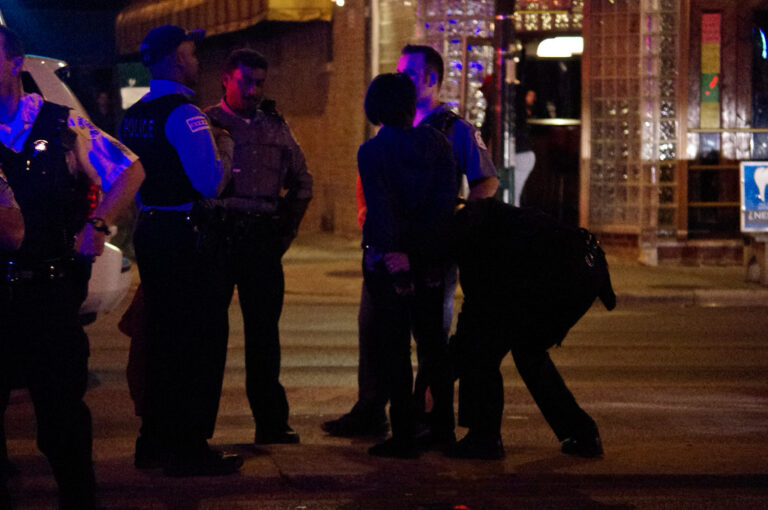
Shortly after midnight, officers heard gunfire near Main and Pine streets. They found multiple victims on the sidewalk. First responders rushed the wounded to nearby hospitals. Sadly, six people did not survive. At least fourteen others received medical care for various injuries.

Eyewitnesses said the shooting lasted only a few seconds. However, those moments felt much longer for people hiding behind cars and buildings. “I heard pops and then saw people running,” one witness recalled. Another added, “It was the worst sound I ever heard.”

Police believe at least two shooters opened fire. They have not confirmed any arrests yet. Investigators collected shell casings and spoke with over twenty witnesses. They hope video footage from local homes and businesses will help them piece together what happened.

The Impact on Families and Neighbors

Families of the victims face unimaginable grief. Loved ones gathered at the hospital waiting for updates. Community volunteers offered meals, blankets, and emotional support. Local churches opened their doors for prayer services and counseling.

Nearby residents say they feel less safe now. Many wonder if the violence could happen again. In addition, some business owners worry about declining foot traffic. “People are afraid to come out at night,” one shopkeeper said. “That hurts all of us.”

In response, city leaders plan to host community meetings. They want to hear concerns and share safety tips. Furthermore, they will discuss ways to improve street lighting and surveillance cameras.

Police Response and Investigation

City police chief spoke at a morning press briefing. He promised a thorough investigation. “We will work tirelessly to find those responsible,” he said. Officers from multiple departments are assisting. Detectives are reviewing phone records and social media posts for leads.

In the meantime, patrols have increased in the neighborhood. Officers will conduct foot and vehicle patrols throughout the night. They ask residents to report any suspicious activity immediately. Additionally, a tip hotline now operates around the clock.

The chief noted that solving this case could take time. However, he assured the public that no effort would be spared. He also appealed to anyone with knowledge about the shooting to come forward. “Even small details can make a big difference,” he added.

Community Healing and Support

In the days following the shooting, various groups stepped up to help. Local nonprofits offered free counseling for trauma victims. Schools held special assemblies to talk about safety and mental health. Faith groups organized vigils to honor those lost.

Moreover, neighbors set up donation drives for the families affected. They collected clothes, toiletries, and gift cards. Many small businesses contributed a percentage of their sales to a relief fund. The fund will help with funeral costs and medical bills.

City officials announced plans for a memorial mural on a nearby wall. Artists say it will feature messages of hope and unity. They want the painting to remind everyone that love can rise from tragedy.

What Comes Next

Police continue to gather evidence. They expect the investigation to last several weeks. In parallel, city council members will meet to discuss community safety measures. They aim to pass new ordinances on gun storage and public surveillance.

In addition, mental health professionals will hold workshops in local schools. These sessions will teach students how to cope with fear and stress. They will also cover conflict resolution and peer support.

Meanwhile, community leaders encourage residents to stay informed. They suggest signing up for emergency alerts and attending neighborhood watch meetings. By staying connected, people can look out for each other.

Reflections on the Night Shooting

This tragic night shooting serves as a stark reminder of how quickly violence can erupt. It also highlights the importance of community solidarity. When tragedy strikes, neighbors often become each other’s strongest support.

Many ask why such violence happens. There are no easy answers. However, dialogue about issues like gun access, mental health, and social services often follows. Experts say addressing these factors may help prevent future tragedies.

For now, the focus remains on healing. Families mourn lost loved ones. Injured people recover in hospitals. The community holds its breath, waiting for justice and hoping for peace.

Frequently Asked Questions

What should someone do if they witnessed the night shooting?

If you saw anything, call the local police tip line right away. Provide details like the time, location, and descriptions of those involved. Your information could help solve the case.

How can neighbors stay safe after such violence?

Stay in touch through neighborhood watch groups and community meetings. Report suspicious behavior to authorities. Stick to well-lit areas and avoid walking alone at night.

Will the city increase patrols after the shooting?

Yes. Officials have already boosted police presence in the affected area. Officers will patrol more frequently, especially during late hours.

How can I support the families of the victims?

Contribute to community relief funds if possible. Offer to volunteer at donation drives or counseling services. Small acts of kindness can make a big difference for grieving families.

Sharif’s Bold Speech at Sharm el-Sheikh Summit

0

Key Takeaways

  • Sharif urged world leaders to work together at the Sharm el-Sheikh summit
  • He highlighted climate change and economic recovery as top priorities
  • His message focused on peace, cooperation, and sustainable growth
  • The summit offered a platform for new partnerships and bold ideas

Sharif delivered a clear and passionate message at the Sharm el-Sheikh summit. He spoke about urgent global challenges. His words aimed to inspire leaders and citizens alike. He stressed the need for unity to tackle climate change and economic struggles. Above all, he called for hope and action.

Setting the Stage in Sharm el-Sheikh Summit

The Sharm el-Sheikh summit took place in a famous Egyptian resort town. Leaders from around the world arrived to discuss big issues. The sunny beaches of Sharm el-Sheikh provided a calm backdrop. Yet, serious talks filled the conference rooms. From climate plans to trade deals, every topic mattered. Consequently, Sharif saw a chance to push for real change.

Sharif’s Main Points

First, he urged strong action against climate change. He pointed out rising temperatures and extreme weather. He said, “We must protect our planet for future generations.” Moreover, he asked wealthy nations to fund green projects in poorer countries. Next, he stressed fair economic recovery after recent downturns. He proposed new trade agreements that benefit all. In addition, he emphasized job creation through clean energy investments. Furthermore, he highlighted education and technology as tools for growth. He said every child deserves a chance to learn and succeed. Finally, he called for peace and dialogue in conflict zones. He urged rival countries to open talks and avoid violence.

Reactions and Impact

Many delegates applauded Sharif’s straightforward style. For example, one attendee commented on his energy and clarity. Several press outlets highlighted his focus on youth and innovation. Meanwhile, social media buzzed with quotes and clips from his speech. As a result, hashtags about Sharm el-Sheikh summit trended on multiple platforms. Importantly, some nations expressed interest in new climate pledges. Others asked to join Sharif’s proposed economic task force. This immediate interest showed the power of his words.

Building New Partnerships

Following the Sharm el-Sheikh summit, Sharif held smaller meetings. He talked with ministers, business leaders, and activists. He shared ideas on renewable energy projects and digital learning. Moreover, he proposed joint research programs between universities. In addition, he invited startups from developing countries to pitch their green solutions. These steps aimed to turn speech into action quickly. Consequently, several deals signed on the sidelines. They ranged from solar farms to scholarship funds.

Looking Ahead: What Comes Next

Sharif plans follow-up events in different regions. He wants to track progress on climate goals and economic pacts. Furthermore, he will host an online forum for ongoing dialogue. This forum will let experts share updates and challenges. He also called for a mid-year review of all commitments made at Sharm el-Sheikh summit. By doing so, he hopes to keep momentum and accountability. Meanwhile, local communities will get grants to launch pilot projects. Therefore, progress will be visible at both global and local levels.

Why His Message Matters

First, leaders often speak in vague terms. However, Sharif used simple language and clear demands. This style makes it easier for citizens to follow up and stay involved. Second, he tied climate issues to daily life. He spoke about clean air, jobs, and healthy economies. Thus, people can see the direct link between big talks and personal well-being. Lastly, by focusing on youth and technology, he tapped into future trends. Young people around the world felt inspired to act. As a result, volunteers signed up for green campaigns and economic workshops.

Key Lessons from Sharm el-Sheikh Summit

  • Unity is essential. No country can solve global threats alone.
  • Bold ideas need quick follow-up. Plans must turn into projects.
  • Clear communication builds trust. Simple words reach more people.
  • Youth and innovation drive progress. Investing in them yields long-term gains.

FAQs

What was Sharif’s main goal at the Sharm el-Sheikh summit?

He aimed to unite world leaders around clear plans for climate action and fair economic recovery. He wanted to inspire immediate collaboration and accountability.


How did attendees react to Sharif’s speech?

Many gave standing ovations and praised his clear language. Some countries expressed interest in joining his climate funding initiatives and economic task force.

Will there be follow-up events after the Sharm el-Sheikh summit?

Yes, Sharif plans regional meetings, an online forum, and a mid-year review to track progress on all agreements made at the summit.

How can individuals support the goals set at the Sharm el-Sheikh summit?

People can join local green projects, advocate for clean energy policies, and stay informed through community workshops and online forums.

Johnson Refuses Talks Amid Government Shutdown

0

Key takeaways

• President Johnson refuses to talk with Democrats until they pause health care demands
• He wants the government to reopen before any negotiation
• Democrats say health care must stay in talks now
• The standstill extends the government shutdown and slows services


Johnson Refuses Talks Amid Government Shutdown

Johnson says he will not negotiate with Democrats until they pause their health care demands and reopen the government. He stands firm, even as federal offices stay closed and workers go unpaid. The president’s stance leaves both parties stuck. Meanwhile, people feel the effects of the government shutdown every day.

What Johnson Means for the Government Shutdown

The government shutdown began when Congress failed to agree on funding. Republicans and Democrats argued over health care rules. Johnson made a clear choice. He said, “I will not bargain until Democrats back off health care demands.” Consequently, no talks can start. Because of his stance, essential services slow down. Parks close, and paperwork piles up.

Moreover, federal workers miss paychecks. Some go without food or rent money. Families see the stress at home. Additionally, travelers face airport delays when air-traffic controllers call in sick. Small businesses lose customers near closed national parks. Clearly, the standstill hurts many people.

Background of the Government Shutdown

First, Congress writes a budget for the year. Then major issues—like health care—must be settled. Republicans want to cut certain health care funds. On the other hand, Democrats aim to protect those funds. Once neither side agrees, the government shutdown begins.

During past shutdowns, negotiators met daily. They found compromise points and reopened offices. However, Johnson took a tougher line. He demands that Democrats “pause” health care talks first. This approach breaks with recent practice. Therefore, many wonder: will this tactic work, or will it deepen the shutdown?

Impact on Government Services

Now, agencies have to stop nonessential work. National parks and museums close their gates. People waiting for visas or passports face delays. Furthermore, food inspections slow down. Health inspections at restaurants can pause, raising safety worries. Additionally, families needing housing help must wait longer.

Meanwhile, military families skip paychecks too. Active service members still work, but mortgage help and medical services can freeze. Veterans find phone lines busy when they seek benefits. In short, both civilians and service members feel the pain of the government shutdown.

Johnson’s Stance on Health Care Demands

Johnson sees health care as a separate issue. He argues that stopping the shutdown must come first. He says, “We will reopen now and talk health care later.” Democrats answer that health care affects millions right away. They warn that pausing these talks could hurt people who need medical aid.

Furthermore, experts note that delaying health talks might backfire. They say timing matters and that linking the two issues can speed a deal. Yet Johnson believes his way will work. He expects Democrats to change course. As of now, neither side will budge.

What’s Next for the Government Shutdown

With both sides locked in place, what happens next? Congress can pass a short-term funding bill to reopen the government. Johnson would sign it if it has no health care changes. But Democrats oppose any bill that ignores their health care concerns.

Alternatively, leaders could meet privately and find a middle ground. However, trust has eroded after sharp public statements. Lawmakers worry a long shutdown could harm the economy. Therefore, pressure grows to restart talks.

In the coming days, both sides might offer concessions. For instance, Democrats could agree to revisit health care later. Or Johnson could join health discussions. If neither side shifts, the government shutdown could drag on for weeks. Meanwhile, everyday Americans suffer more delays and cutbacks.

Frequently Asked Questions

How long can the government stay shut?

The shutdown can last until Congress passes new funding. Some have gone on for weeks. The longer it goes, the more services and workers feel the pain.

Why does Johnson link reopening to pausing health care talks?

Johnson sees health care demands as unrelated. He thinks reopening first will help everyone. Then leaders can better focus on health questions.

What services stop during a shutdown?

Nonessential services like park visits, museum tours, and many paperwork centers close. Essential services, such as air traffic control, continue but face strain.

Can a shutdown end without health care changes?

Yes. Congress can pass a funding bill that leaves health care out. However, Democrats say health care must stay in the deal now.