55.1 F
San Francisco
Wednesday, April 29, 2026
Home Blog Page 373

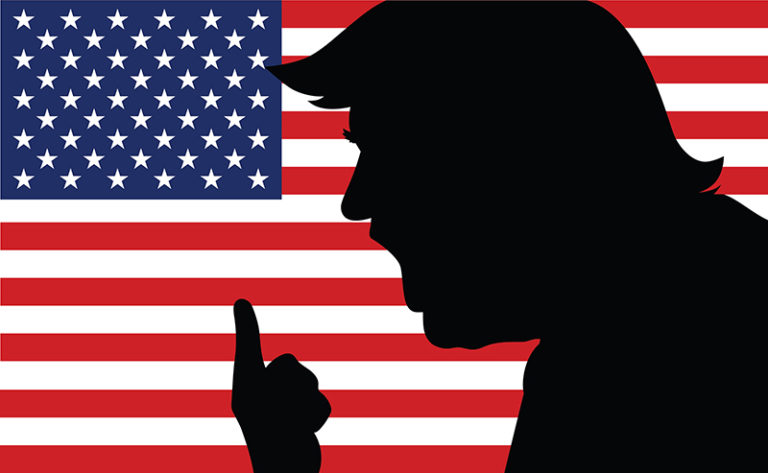
Trump’s Plan Mirrors Carl Schmitt’s Power Play

0

Key Takeaways

• Modern politicians are echoing Carl Schmitt’s old ideas to grab unchecked power.
• They break rules, label opponents as enemies, and create “emergencies” to ignore laws.
• JD Vance has openly referenced Carl Schmitt, showing this influence is real.
• Understanding these tactics helps citizens defend democracy and speak out.

Trump’s Plan Mirrors Carl Schmitt’s Power Play

You’ve probably heard about democracy’s messy debates and slow lawmaking. Yet some leaders prefer quick power grabs. Surprisingly, they’re following ideas from Carl Schmitt, a German jurist whose work helped fuel the Nazi rise. Today, Donald Trump and his allies use Schmitt’s tactics to ignore rules, divide Americans, and claim emergency powers. Here’s how it works—and why it matters.

Key Carl Schmitt Ideas in Modern Politics

Carl Schmitt argued that democracy’s legal checks slow down true will. Instead, he said:

• “There is no law, there is just power.” A strong leader transgresses rules to reflect the people’s desires.
• Politics splits the world into friends and enemies. Allies get rewards; opponents face harsh punishment.
• Leaders can invoke an “emergency” to bypass constitutions and rule by decree.

Today, Trump, JD Vance, Kristi Noem, and Pam Bondi use these steps almost exactly as Schmitt described. JD Vance even said Schmitt taught “There’s no law, there’s just power.”

Breaking Rules to Gain Power

First, Schmitt taught that a true leader ignores rules. Instead of following laws, he said, a ruler uses raw power. In practice, Trump has flouted norms and laws:
• He violated the Hatch Act by selling Teslas in front of the White House.
• He allegedly sold pardons and targeted civilians on the seas.
• He took bribes in a jet plane and offered high-tech chips to foreign nations for crypto investments.

By breaking promises and refusing compromise, he paints the political process as weak. Then he claims only he can fix the mess.

Friend-Enemy Divide

Second, Schmitt’s “friend-enemy” theory splits everyone into two camps. Friends get praise, money, and power. Enemies face public attacks, lawsuits, or worse. Trump and his loyalists use this tactic:

• Pam Bondi, despite past scandals, is treated as a hero.
• Critics like James Comey and James Clapper are labeled traitors.
• GOP figures who cross him are punished or ignored.

This clear division stirs anger on both sides. It also makes compromise nearly impossible.

Creating Emergency to Ignore Laws

Third, Schmitt said rulers can invent or exploit emergencies to suspend normal laws. In 1933, Hitler used the Reichstag Fire to grab power. Today, Trump talks about invoking the Insurrection Act to override state and federal checks. His four-step plan, described by Robert Reich, goes like this:

1) Deploy federal forces in Democratic cities with harsh tactics.
2) Stir up protests and provoke violence.
3) Send in more troops to justify arrests and live ammunition.
4) Claim an insurrection and suspend parts of the Constitution.

By calling a situation an emergency, leaders can claim they must act outside the rules to protect the nation.

Real-World Moves by Trump and Allies

You don’t need legal background to spot the pattern. Here are some key examples:

• Russ Douthat’s interview with JD Vance revealed direct quotes from Carl Schmitt.
• Peter Thiel, Vance’s backer, reportedly studies Schmitt’s work closely.
• Kristi Noem and Trump staged provocative raids on Portland, hoping to spark violence. When protests stayed peaceful, they blamed “anarchists.”
• Stephen Miller bragged about “plenary authority” under military law before CNN cut him off.

All these actions follow Schmitt’s playbook: ignore law, divide people, and seize emergency powers.

What Comes Next

In the coming months, Trump may test whether courts, governors, or state leaders will stop him. If protests turn violent, he could claim justification to invoke the Insurrection Act. Then the Supreme Court might back him, granting “plenary power” that no legal rival can challenge. Even our military commanders could face orders to enforce martial law.

Why It Matters

Most Americans never imagined a president would follow Nazi-era tactics. Yet these Schmitt-inspired steps threaten our checks and balances. Now more than ever, speaking out matters. Writing to representatives, voting, and joining peaceful protests helps defend democracy.

FAQs

How do Carl Schmitt’s ideas affect U.S. politics today?

His theories give a strategy: break laws, split citizens into friends and enemies, and use emergencies to override constitutions. Trump and his allies follow these steps.

What does “plenary power” mean?

Plenary power is total authority that no court or law can challenge. It lets a leader act by decree without checks.

Can a president legally use the Insurrection Act to seize elections?

The Insurrection Act lets a president deploy troops within the U.S. under certain conditions. It doesn’t permit canceling elections. Any such move would face massive legal and institutional resistance.

How can citizens push back against these tactics?

People can vote, speak to their elected officials, support independent media, and join peaceful demonstrations. Staying informed and engaged helps protect democracy.

Why the Shutdown Could Cost GOP Big at the Polls

0

Key Takeaways

  • The shutdown drags into its second week with no clear end in sight.
  • GOP strategist Frank Luntz warns punishing seniors or troops hurts politicians.
  • Military families face missed paychecks if the shutdown continues.
  • Denying benefits will drive seniors and service members to vote against lawmakers.
  • Lawmakers risk a voter backlash in the next election if they don’t act fast.

The shutdown has left federal agencies closed and many workers without pay. As it stretches on, frustration grows across the country. GOP strategist Frank Luntz issued a stark warning on CNN. He said that punishing seniors or military families will backfire on elected officials.

What’s Behind the Shutdown Stalemate?

The shutdown began when leaders failed to agree on funding. Democrats insist on extending health care subsidies for millions of Americans. Republicans demand a “clean” bill to reopen agencies without policy changes. Neither side shows signs of compromise. Meanwhile, workers at the Department of Defense and other agencies prepare for missed paychecks. The Trump administration continues to lay off more federal employees. As a result, the shutdown drags on with growing economic and emotional costs.

What Seniors and Troops Think about the Shutdown

Many Americans worry about the impact of this shutdown. Seniors rely on Social Security for rent, food, and medicine. Service members count on steady pay to support their families. Anchor Brianna Keilar pointed out that military families might miss another paycheck if this shutdown continues. Luntz agreed. He explained that seniors and troops are not forgiving when they lose benefits or pay.

Luntz said that politicians make two big mistakes in a shutdown. First, they must never punish Social Security recipients. Seniors feel fierce anger when their checks are delayed. Second, they must not cut off pay for men and women in uniform. Troops and their families will remember who denied their salaries.

The Political Cost at the Ballot Box

If lawmakers keep seniors and troops in limbo, Luntz warns there will be “hell to pay” at the polls. Voters may forgive short crises. However, they rarely forget personal harm. A skipped check for a veteran or a delayed benefit for a senior can shape votes. These groups turn out to vote in high numbers. Thus, losing their support means risking key elections.

Moreover, the shutdown highlights a larger problem. Many Americans already feel their leaders put politics ahead of people. When gridlock punishes the most vulnerable, trust erodes. Therefore, even swing voters may shift away from the party seen as responsible. In addition, Democrats and independents could seize the narrative on compassion and problem solving.

What Lawmakers Should Do Next

First, Congress must reopen federal agencies without delay. Lawmakers can attach policy debates to future bills. Yet they must separate essential funding from political fights. Second, leaders should reassure seniors and service members. A clear plan to deliver paychecks and benefits can ease public anger. Third, both parties need to reset the tone. Working together on shared goals builds trust and reduces voter cynicism. If they act quickly, they can limit the damage.

Conversely, if they drag out the shutdown, the risks grow. Economic pain will deepen for families on fixed incomes. Morale at military bases will fall as paychecks vanish. Small towns with many retired residents could see sharper political shifts. In short, every day of needless shutdown raises the stakes at the ballot box.

How the Shutdown Impacts Everyday Americans

For many seniors, a missed Social Security check means tough choices. Some may skip prescriptions or delay rent. Military families might tap savings or cut essential spending. Local businesses near bases report worry about fewer sales. In addition, federal workers not deemed essential still face bills at home. The financial strain spreads far beyond Washington.

On top of that, small delays ripple through the economy. Mortgage lenders, car dealers, and medical offices feel the squeeze. They may halt services or add fees for late payments. As a result, shutdown pain shows up in grocery lines and gas stations. People who never pay attention to politics notice when life gets harder.

A Warning No Lawmaker Should Ignore

Frank Luntz has seen voter behavior for decades. He cautions that people value their own well-being above abstract debates. Moreover, service members and seniors vote reliably. They remember who stood by them in tough times. If Congress fails to protect them, politicians will pay at the polls.

Therefore, the shutdown isn’t just another news headline. It is a clear test of leadership and priorities. Lawmakers must choose between political theater or practical action. So far, the public sees too much blame-shifting and not enough solutions. Unless that changes, the coming elections will reflect voter anger.

Frequently Asked Questions

What happens if the shutdown continues for weeks?

If the shutdown drags on, more federal workers will miss paychecks. Benefits for seniors could face further delays. Local businesses near government facilities may see revenue drops. The overall economy could slow as consumer confidence falls.

Why are military families so concerned about the shutdown?

Military families depend on regular paychecks to cover rent, food, and other bills. They face financial strain if payments stop for even a week. This stress can affect morale and readiness. Politically, service members and their families vote in large numbers.

How can lawmakers end the shutdown without giving up policy goals?

They can pass a short-term funding bill to reopen agencies. Then, they can tackle policy issues in separate legislation. This approach separates critical funding from longer debates. It ensures workers get paid while giving time for negotiation.

Will voter anger really influence the next election?

Yes. Voters express displeasure by switching support or not turning out. Seniors and service members have high turnout rates. If they feel betrayed, they will use their votes to send a message. Politicians ignore this at their own peril.

Is John Bolton Next to Face Charges?

0

Key Takeaways

  • The Justice Department may charge John Bolton as soon as next week.
  • FBI agents raided Bolton’s home last month.
  • Trump is pushing for charges against other critics like Comey and Schiff.
  • Observers expect more Trump targets to emerge soon.

John Bolton May Face Charges Soon

The Justice Department plans to charge John Bolton for actions tied to his time in national security. MSNBC investigative journalist Carol Leonnig reported on air that the department could file charges as early as next week. This move follows an FBI raid on Bolton’s home last month. In addition, the former president publicly urged his attorney general to indict James Comey, Letitia James, and Adam Schiff.

The FBI Raid on John Bolton’s Home

Last month, FBI agents searched John Bolton’s house. They seized documents and electronics as part of their probe. Investigators have been looking into whether Bolton kept classified material after leaving his post. Moreover, officials want to know if he disclosed sensitive information without permission. Bolton has denied wrongdoing and said he cooperated fully with the FBI.

Trump’s List of Targets Grows

President Trump has publicly attacked a long list of critics. He used his social media platform to demand criminal charges against former FBI Director James Comey, New York Attorney General Letitia James, and Senator Adam Schiff. Trump claimed they harmed his administration and national interests. Consequently, supporters expect the Justice Department to dig deeper into these figures as well.

What Charges Could John Bolton Face?

Experts believe John Bolton could face charges related to mishandling classified records. If he removed or shared secret papers, that could trigger criminal counts. Additionally, he might face accusations for failing to return government documents. Some specialists also say Bolton could be questioned on his communications with foreign officials. However, the exact charges remain unclear until the Justice Department files official paperwork.

Why Bolton Might Be Targeted Next

There are several reasons John Bolton is under scrutiny. First, as a former national security advisor, he had access to top-secret information. Second, his memoir included details on high-level meetings. Critics argue he revealed sensitive discussions without clearance. Finally, the FBI raid suggests agents found materials that may prove improper handling of national secrets.

What Happens Next?

If charges are filed, John Bolton will appear before a judge. He could face fines or even prison time, depending on the gravity of the offenses. Meanwhile, legal teams will prepare defenses, arguing Bolton complied with rules. The courts will set deadlines for both sides to present evidence. Moreover, a public debate will surely follow, with supporters and critics weighing in.

Reaction and Impact

News of possible charges against John Bolton has sparked mixed reactions. Some say the move is politically motivated. They argue the prosecution serves as revenge for Bolton’s criticisms of Trump. Others claim no one is above the law and the inquiry must proceed. Furthermore, Republicans and Democrats may clash over the case’s timing and intent.

Beyond Bolton, experts like Peter Baker expect more Trump associates and critics to face scrutiny. In fact, attorneys general and federal prosecutors could review cases tied to national security leaks. Therefore, the coming weeks could bring more headlines about former officials.

Key Questions Surrounding the Case

Many wonder if this investigation will reach beyond John Bolton. Will other former aides face charges? How will the public view a high-profile trial of a national security advisor? Also, observers will watch how Trump’s allies respond. The answers to these questions will shape political narratives.

Conclusion

John Bolton could be the next high-profile former official to face charges. With an FBI raid already behind him, the Justice Department appears ready to act. Moreover, President Trump’s public demands add pressure. As the story unfolds, the nation will watch closely. What comes next will test both the legal system and public trust.

Frequently Asked Questions

What led to the FBI raid on John Bolton’s home?

FBI agents searched his home to find evidence of mishandling classified documents. They wanted to see if he kept or shared government secrets without approval.

Why does Trump want charges against other officials?

Trump claims figures like James Comey and Adam Schiff harmed his presidency. He used social media to call for legal action against them.

Could John Bolton face prison time?

If prosecutors prove serious mishandling of classified material, Bolton could face prison. The exact sentence would depend on the charges and court ruling.

Will more Trump critics be charged soon?

Observers expect additional cases against former aides and critics. Investigations into leaks and document handling could lead to more charges in the coming weeks.

Debbie Brockman Arrest Sparks Rights Debate

Key Takeaways:

• A WGN video producer was handcuffed and detained by federal agents while recording an arrest.
• Legal experts say the action violated a court order shielding journalists from arrest.
• Eyewitness video shows agents dragging the producer face down with her pants pulled down.
• Observers demanded to know why officers ignored a ruling against arresting reporters.
• WGN has launched an inquiry and is collecting more facts about the incident.

A shocking scene unfolded Friday morning when WGN video producer Debbie Brockman arrest stunned onlookers in Lincoln Square. Brockman lay face down on the pavement with her hands cuffed behind her back and her pants pulled down. Meanwhile, bystanders captured the incident on multiple phones. As she repeated her name, she also made clear she worked for a news station and asked officers to notify her team.

Debbie Brockman Arrest and Court Order Clash

Just days earlier, a judge issued a temporary ban on federal agents arresting or using force against journalists unless they had solid proof of a crime. However, video from this morning shows officers ignoring that order. A well-known legal analyst called the move a direct breach of the court’s command. This clash has sparked a heated debate over press freedom and agency power.

The Moment of Arrest

Shortly after 9 a.m., a commotion near a Latino man’s arrest drew crowds and honking horns. Josh Thomas, a nearby resident, went downstairs to see what was happening. Through his window, he saw masked agents closing in on Brockman as she filmed the scene. Next, officers grabbed her arms and pulled her to the ground. Thomas rushed out and recorded her face down with her pants around her knees. One agent warned other people filming to “get back.”

Eyewitness Video and Reaction

Overhead video posted later showed three more individuals filming the event. In it, officers drag Brockman toward an unmarked van while she cries out she “can’t breathe.” One agent even places his hands around her neck as he lifts her. Moreover, other witnesses tried to intervene. However, they were ordered to move away. As agents finally forced Brockman into the van, a crowd of phone cameras recorded every moment.

Court Order Protecting Journalists

A federal judge recently barred Homeland Security agents from arresting or using force on journalists who clearly identify themselves. The order states officers can act only if they have probable cause that a reporter broke a law. It also binds any person working with those agents. Therefore, any arrest of a known journalist without valid cause would breach the judge’s ruling.

Legal Expert’s Warning

Legal analyst Mark Joseph Stern spoke out on social media platform Bluesky. He called the Debbie Brockman arrest “a direct violation of a temporary restraining order.” He warned agents could face contempt of court charges for ignoring the ban. Furthermore, he pointed out that the court designed the order to protect the free flow of information to the public.

What Agents Say

So far, federal agents have offered only a brief comment that they acted on reports of obstruction of justice. They claim Brockman interfered with the arrest of the other man. However, no warrant or further evidence has been made public. Meanwhile, WGN released a statement saying the station is “actively gathering the facts related to this situation.”

Impact on Press Freedom

This incident has raised alarm bells among reporters and civil rights groups. If federal officers can arrest journalists without clear cause, many worry reporters will avoid important scenes. Consequently, the public may lose access to critical, on-the-ground coverage. Journalists say the threat of sudden arrest chills press freedom and hampers transparency.

Response from WGN and Advocates

WGN’s parent company confirmed it is looking into the Debbie Brockman arrest and reviewing video and witness accounts. At the same time, advocacy groups are preparing to file complaints. They demand a full investigation and sanctions against any officer who crossed the line. Reporters across the nation have voiced solidarity, pledging to stand by any journalist targeted for doing their job.

Community Reaction

Locals who saw the event described it as shocking and unwarranted. One neighbor said she heard Brockman calmly state her role as a reporter before officers tackled her. Another witness noted how she pleaded for a warrant. Yet officers pressed on, ignoring her request. These accounts have fueled a growing outcry for accountability and clearer rules.

Why This Matters

Journalists play a key role in holding power to account. When they face arrest for simply filming, it undermines the core of a free society. Moreover, it creates uncertainty at protests, crime scenes, and other high-risk moments. Therefore, clarifying rules and enforcing court orders is vital. Otherwise, every journalist risks wrongful detention.

Ongoing Questions

Many questions remain unanswered. Did agents receive clear instructions about the court order? Will higher-ups discipline those involved? How will the Justice Department handle the contempt issue? Next week’s court hearing may shed light on these points. Until then, reporters and the public will be watching closely.

Steps Ahead

First, WGN will share all video and witness statements with legal counsel. Then, civil rights lawyers may file for enforcement of the restraining order. Meanwhile, journalists are likely to increase pressure on federal agencies for clear guidelines. Finally, the court will decide if agents face penalties for what could be a direct breach of its order.

Conclusion

The Debbie Brockman arrest has thrust a vital issue into the spotlight: the protection of journalists who document government actions. Because courts set rules to safeguard that role, any breach demands scrutiny. As this story unfolds, one thing remains clear: press freedom hinges on holding authorities to their own legal commitments.

Frequently Asked Questions

What did the court order say about journalists?

The court order barred federal agents from arresting or using force on any person they know is a journalist. It allowed action only if there was solid proof the journalist had broken a law.

Why was Debbie Brockman arrested?

Officials said she obstructed justice while filming a man’s arrest. However, no public evidence shows she committed any crime, raising questions about the charge’s validity.

How is WGN responding to the incident?

WGN issued a statement saying the company is gathering all facts. They are reviewing video and witness reports to understand exactly what happened.

What does this mean for other journalists?

Reporters worry they could face arrest when covering sensitive events. They call for clear rules and strict enforcement of court protection to avoid wrongful detentions.

Legal Revenge? Trump’s Criminal Case Against Letitia James

0

Key takeaways

• President Trump’s team accuses New York Attorney General Letitia James of bank fraud.
• The Wall Street Journal editorial board harshly criticizes this legal revenge move.
• Experts question the prosecutor’s appointment and authority.
• Critics warn that mutual legal destruction hurts the nation.

Donald Trump’s recent decision to charge his political rival Letitia James has raised eyebrows. The president’s handpicked prosecutor in Eastern Virginia, Lindsey Halligan, filed bank fraud charges against the New York attorney general. This surprising action is seen by many as legal revenge. Even a conservative editorial board said it went too far. Meanwhile, questions swirl over whether Halligan had the right to bring this case. Beyond politics, observers worry that turning courts into battlegrounds could harm democracy.

What triggered this legal revenge?

The spark for this legal revenge charge came from Bill Pulte. He is a housing finance official who says James lied about her main home. Pulte claims she told mortgage lenders she had several primary residences. If true, that could amount to bank fraud. However, James denies the claim. Record reviews show she told her lender one property was not her main home. Despite this, Trump urged Attorney General Pam Bondi to join the case. It advanced so fast that Bondi reportedly learned of it only after charges were filed.

Prosecutor Lindsey Halligan took the lead. She replaced Erik Siebert, who declined to press charges. Siebert saw no strong case against James or former FBI chief James Comey. After Siebert refused, Trump removed him. Then Halligan took over under a special interim rule. Federal law allows the president to appoint a U.S. attorney for 120 days without Senate approval. Critics say this “legal revenge” case might collapse if Halligan’s appointment is ruled invalid. Indeed, other Trump-appointed prosecutors lost cases on that same ground.

Why did a conservative board react?

The Wall Street Journal editorial board is known for backing conservative causes. Yet it blasted Trump’s move as unwise and unfair. The board also reminded readers that James previously won a major civil fraud case against Trump’s family business. That civil suit centered on false valuations of properties. Many see the criminal charges as payback for that judgment. The board wrote that neither side benefits when politics drives prosecutions. It warned that endless tit-for-tat lawsuits risk turning the nation into a “banana republic.”

Moreover, the board noted no one said they lost money because of James’s filings. Federal housing regulator Bill Pulte seemed more interested in digging up dirt on Trump’s opponents. According to reports, nitpicking mortgage details could fill prisons fast — including with Republicans. The editorial concluded that this sort of legal revenge is madness. It argued that both parties must step back from what it called “historic mistake” lawfare.

Questions over prosecutor’s authority

Legal experts doubt Halligan’s power to charge James. The interim rule requires Senate approval after four months. When that time ends, any ongoing case can be tossed out. Several of Trump’s interim prosecutors saw their cases derailed for this reason. If a judge rules Halligan lacked authority, the charges could be void. Critics argue that a rush job like this hurts the justice system’s credibility. They say fair process matters more than political victory.

Furthermore, Halligan’s rapid appointment shows how legal rules can be bent for political ends. President Trump ousted Siebert because he wouldn’t play along. Then Halligan moved forward with charges that others declined. This pattern raises concerns over weaponizing the law. Meanwhile, Letitia James has vowed to fight the case in court. She calls the charges “baseless” and part of a broader effort to intimidate her. Her office says she always told lenders the truth about her homes.

A warning on mutual legal destruction

When politics enters the courtroom, no one really wins. Instead, license for legal attacks can spiral out of control. President Biden once issued broad pardons to halt threats of prosecution. Now the question is whether Trump will also need to pardon allies if he loses. If both sides feel they must settle scores in court, the country faces a bleak future. The Wall Street Journal editorial warned that this all-out legal revenge risks turning America into a place where might makes right.

Consequently, many voices call for a ceasefire in political legal battles. They suggest letting voters decide elections, not prosecutors. When every officeholder fears criminal charges, public service becomes a gamble. Moreover, endless lawsuits drain resources and distract from real issues like health care, jobs, and security. In the end, mutual assured legal destruction benefits no one.

FAQs

Why did Trump target Letitia James with these charges?

Supporters say James misled mortgage lenders about her main home. Critics believe Trump seeks revenge for her past civil fraud suit against his business.

What is the main critique by the Wall Street Journal editorial board?

They argue this legal revenge move politicizes justice and risks turning the nation into a “banana republic.”

Can these charges be dismissed due to the prosecutor’s appointment?

Yes. Federal law limits interim prosecutors to 120 days. If Halligan’s appointment is judged improper, charges may be thrown out.

What risks arise from using courts for political battles?

Legal fights can spiral, drain resources, and erode trust in democracy. Many warn it harms the republic more than it helps any party.

Federal Layoffs Start Amid Government Shutdown

0

Key Takeaways:

  • Over 4,100 federal workers face layoffs during the shutdown.
  • Commerce, Education, Energy, Health, Housing, Homeland Security and Treasury departments are hit.
  • The EPA may lay off 30 more workers if funding gaps continue.
  • Agencies are weighing further cuts as the shutdown drags on.
  • Both sides of the aisle raise concerns over the human and economic cost.

Federal Layoffs Start Amid Government Shutdown

A government shutdown has paused funding for many federal agencies. On the 10th day, officials announced that federal layoffs are now underway. More than 4,100 positions will be cut, according to court papers. Notices went out to workers in key departments late Friday night. The move follows a public warning from a senior budget official earlier in the day.

Why Federal Layoffs Are Happening

First, Congress failed to pass spending bills on time. Without funding, agencies must cut staff to avoid illegal spending. The White House budget director shared a post on social media calling the cuts “RIFs,” which stands for reductions in force. In court filings, the administration detailed which departments faced layoffs. Commerce, Education, Energy, Health, Housing, Homeland Security and Treasury all sent official notices. Meanwhile, the Environmental Protection Agency warned 30 staffers they may also lose jobs soon.

How the Shutdown Halted Paychecks

Without approved budgets, many workers won’t get paid. Normally, Congress votes on funding before the fiscal year starts. If that vote fails, agencies stop activities that cost money. Sadly, paying staff counts as a cost. Therefore, workers in affected departments will not report to duty or get paychecks. Some may return once funding resumes, but the timeline is unclear. Families now worry about rent and monthly bills.

Impact of Federal Layoffs on Families

Federal layoffs do more than halt pay. They push families to find quick solutions. Some workers tap savings or short-term loans. Others lean on community help or family support. Students and seniors on fixed budgets face extra stress. Moreover, local businesses near federal offices may lose customers. Grocery stores, cafes and transit services feel the pinch when workers stay home. In that way, federal layoffs hit entire communities.

Political Reactions to the Layoffs

The President said his team aimed to oust people “that the Democrats want.” He framed the cuts as strategic. However, at least two Republican senators publicly opposed the move. They warned that cutting staff over a budget fight harms national security and public health. Democratic leaders called for an immediate end to the shutdown. They argued that punishing workers does not pressure lawmakers to compromise. Both sides now trade blame as the shutdown continues.

Departments Considering More Layoffs

Government attorneys warned the court that additional agencies may join RIFs soon. Departments not yet hit are preparing contingency plans. They study how many jobs to cut and which functions to pause. Some plan to halt research projects and community programs. Others may stop issuing permits or processing applications. Departments may try to spread the pain evenly. Yet, every new round of cuts strains workers and services further.

What Federal Layoffs Mean for Public Services

When agencies shrink their workforce, services slow down. Visa processing, small business loans and health inspections may take longer. Citizens seeking help or information face delays. In emergencies, slower response times can cost lives. Even basic tasks like renewing a driver’s license may stall. Therefore, every federal layoff adds hurdles for the public. Local governments sometimes fill gaps, but they lack the full resources of federal agencies.

Steps for Affected Employees

If you face a federal layoff, remain calm and plan ahead. Check your agency’s official announcements for return dates. Explore unemployment benefits in your state right away. Update your resume and reach out to professional networks. Consider short-term work or freelance gigs to cover expenses. Some non-profit groups offer financial counseling and job placement help. Finally, stay informed about the shutdown’s progress in Congress.

Outlook and Next Steps

For now, federal layoffs will stand until Congress passes funding bills. Lawmakers on both sides must negotiate to end the shutdown. When they do, many laid-off workers could return within days. Still, some delays may last weeks. Meanwhile, agencies might revise their hiring plans to catch up. The longer the funding lapse lasts, the heavier the toll on workers and services. Therefore, swift action in Congress remains critical.

Avoiding Future Federal Layoffs

To prevent repeated staff cuts, lawmakers could adopt stopgap funding measures. These measures extend budgets while talks continue. Congress used this tactic many times in the past. However, growing political divides make quick deals harder. For now, both sides face pressure to compromise or risk more federal layoffs. In the longer term, structural reforms may help smooth budget cycles and protect workers.

Staying Updated on Federal Layoffs

Stay tuned to official agency websites and trusted news outlets for developments. Many departments post RIF updates and rehiring timelines online. Social media channels from government offices also share real-time alerts. Avoid rumors by checking multiple sources before planning major moves. If you know someone affected, pass along accurate information. In uncertain times, clear communication helps families stay prepared.

FAQs

What exactly triggers federal layoffs during a shutdown?

A shutdown happens when Congress fails to approve new funding bills. Without legal authority to spend, agencies must stop paid staff work. This leads to federal layoffs, or RIFs, until the budget is set.

Will laid-off federal workers get back pay?

Historically, Congress has approved back pay after past shutdowns. However, that decision happens after funding resumes. Workers should monitor legislative updates to know if they will receive back wages.

How long could these federal layoffs last?

The length depends on how quickly lawmakers pass funding bills. It could last one week or several months. Every extra day of deadlock extends the layoffs and delays services.

Can impacted employees stay on federal health insurance?

In most cases, health benefits continue for a short period after layoffs. Agencies often offer options to convert coverage or continue it under COBRA rules. Affected workers should check with their human resources office right away.

Pentagon Access Shake-Up by Pete Hegseth

0

Key Takeaways

  • Defense Secretary Pete Hegseth pushed a top aide to back his wife’s role in secret Pentagon meetings.
  • His wife, Jennifer Hegseth, helped shape communications strategy and reportedly backed removing NBC’s Courtney Kube.
  • Hegseth aimed to limit reporter access to areas near his office, rotating press workspaces and cutting NBC News first.
  • Former Pentagon spokesman John Ullyot called this poor judgment and a potential national security risk.

Defense Secretary Pete Hegseth recently sparked a stir by involving his wife in high-level discussions at the Pentagon. He asked his senior aide to publicly support Jennifer Hegseth’s attendance at closed-door meetings. That aide, John Ullyot, later admitted he never agreed with the plan.

First, Hegseth sought to remove NBC News reporter Courtney Kube from covering the Pentagon. Then his wife, Jennifer, reportedly backed that move. Ullyot said he found the idea “strange and inappropriate.” Yet, Hegseth pressed him to announce public support for Jennifer Hegseth’s new role.

Hegseth also told Ullyot to defend his wife when people questioned her presence in sensitive discussions. Ullyot, a former National Security Council spokesman, did so under orders. However, he now warns the arrangement could risk national security.

Unusual Role for a Defense Secretary’s Spouse

It’s rare for a defense secretary’s spouse to join private Pentagon meetings. Usually, only senior officers and top civilian leaders attend. Yet, Jennifer Hegseth sat in on key strategy sessions. Critics worry she lacked proper clearance and training for those talks.

Moreover, she allegedly helped decide which reporters could enter military areas. She has denied wanting to remove any reporter’s credentials. Still, her involvement raised eyebrows. In fact, it’s hard to find any past case of a defense secretary asking staff to support his spouse’s official role.

Jennifer Hegseth insists she only offered informal advice. She says she never aimed to block reporters. Despite her statement, many see her presence as a conflict of interest.

Pentagon Access and Press Workspaces

Hegseth grew upset that reporters could walk unescorted through halls near his office. He feared they might tap his phone or overhear classified talks. As a result, he and his team reshuffled press offices. They kicked out some outlets and invited new ones in.

NBC News lost its dedicated space in the first wave. Other outlets faced similar cuts later. Reporters complained the shuffle hurt Pentagon access. They said it made planning coverage harder and slowed interviews.

Meanwhile, other reporters moved into the freed spaces. Pentagon officials claimed the changes gave equal access. Yet, critics say it looked like punishment for outlets Hegseth disliked.

Reactions and National Security Concerns

John Ullyot spoke out about the episode after leaving his Pentagon role. He called the forced backing of Jennifer Hegseth “poor judgment.” He warned that letting a spouse join classified talks could breach security rules.

Ullyot also noted that he publicly defended Jennifer’s presence under orders. Privately, he thought it was wrong. He says President Trump deserves better leadership at the Defense Department.

Other Pentagon veterans agreed. They worry that mixing family with official duties could blur lines. They fear foreign spies or hackers might exploit such gaps.

Impact on Press Freedom and Transparency

Press groups say open Pentagon access ensures public trust. When reporters roam unescorted, they can verify information firsthand. The new rotation plan, however, disrupted that routine. Some journalists must now request special escorts.

This extra step could delay coverage. It might also discourage quick on-the-spot reporting. Transparency advocates argue these hurdles undermine accountability. They worry about fewer stories on real security challenges.

On the other hand, Hegseth’s supporters claim tighter control prevents leaks. They say some media outlets unfairly target the Pentagon. Yet, most experts agree that balanced access serves both security and public interest.

Looking Ahead: Pentagon Access Rules

Pentagon leaders face pressure to clarify access rules. Some suggest a written policy on who may attend closed meetings. Others recommend clear visitor lists for security reasons.

In the short term, the press rotation plan remains in place. Journalists expect new guidelines on when and where they can report. Meanwhile, the Pentagon reviews whether spouses can sit in on private talks.

Ultimately, policymakers must balance safety with an open press. They need rules that protect secrets without silencing watchdogs. How they adjust those rules will shape future Pentagon access.

FAQs

Why was Jennifer Hegseth at secret Pentagon meetings?

Defense Secretary Pete Hegseth asked his staff to include his wife, Jennifer, in private strategy talks. He claimed she could help with communications, though her official role remains unclear.

Did Jennifer Hegseth try to remove reporter Courtney Kube?

Reports say Jennifer backed her husband’s effort to strip NBC’s Courtney Kube of Pentagon Press Association credentials. Jennifer denies seeking to block any reporters.

What is the Pentagon press rotation plan?

To limit unescorted wandering, Hegseth’s team rotated press offices. They removed some outlets, like NBC News, and invited others to occupy those spaces.

Could this shake-up affect national security?

Critics argue that letting a spouse into classified meetings risks leaks. They also warn that limiting press access could reduce transparency at the Pentagon.

Why the Maine Senate Race Hit a Bumpy Road

0

Key Takeaways:

  • Gov. Janet Mills briefly launched her Maine Senate race online.
  • A campaign video and donation link went live then vanished.
  • Internal plans show a formal launch set for next week.
  • Other Democrats in Maine now decide whether to jump in.

Maine Senate race Hits a Rocky Opening

Gov. Janet Mills surprised everyone when her campaign for Senate popped up online and then disappeared just as fast. First, a video appeared on social media. In it, Mills pledged to fight for a Democratic majority and called out her Republican rival. She even asked viewers to donate. However, moments later the entire announcement vanished. The video, donation link, and campaign page all went offline without explanation.

Maine Senate race Announcement Vanishes Online

Unexpectedly, the launch materials for Mills’ Senate bid erased themselves. An insider document obtained earlier showed the official start planned for next Tuesday. Yet someone hit publish early. Then someone hit delete. Supporters were left confused. Meanwhile, other Democratic hopefuls waited to see if Mills would step in. Now they wait even more.

Internal plan and surprise change

According to party insiders, Democratic leaders spent months recruiting Mills. They hoped she could oust Senator Susan Collins. In past elections, Collins beat strong challengers. Party chiefs believe Mills’ record as governor could shift the balance. They aimed for a big launch event next week. Instead, an accidental release forced a reset. As a result, the campaign team now scrambles to stay on schedule.

Candidates ready to jump in

The Democratic primary in Maine had stalled. Potential rivals paused until Mills decided. Now some already filed paperwork. Jordan Wood, a former congressional staffer, announced his bid. Dan Kleban, a brewery owner, also jumped in. Dan Costello, an ex-environment official, joined as well. Their campaigns gained little traction, however, as they awaited Mills.

A standout outsider, Graham Platner, caught attention early. He’s a veteran, harbormaster, and oyster farmer. With a plainspoken style, he won support among progressives and Trump voters alike. His message focused on real-life needs rather than party rhetoric. Now he watches the Maine Senate race shake up once again.

What this means for Democrats

This blip shows how tight the Maine Senate race will be. On one side, Mills brings name recognition and fundraising power. On the other, Collins holds a long-standing appeal to moderate voters. Moreover, questions swirl about Mills’ age. At 77, some worry she may not energize younger supporters. Therefore, party leaders face pressure to recruit fresh faces.

Furthermore, the sudden launch-and-erase highlights campaign risks in the digital age. A single staff error can trigger confusion. Also, it hints at deeper strategy debates. Should Mills wait for a grand event or push forward online? Should Democrats adjust their timeline or stick to the original plan? For now, both party bosses and grassroots activists watch closely.

Campaign lessons in action

First, campaigns need clear approval processes. Second, they must sync internal schedules with public plans. Third, they should prepare backup content in case of mishaps. Finally, they must maintain unity. After all, a divided team means mixed messages to voters.

Looking ahead

Mills will likely reschedule her Senate race launch soon. Democrats want a strong kickoff to build momentum. Meanwhile, rival candidates will sharpen their messages. They will highlight youth, fresh ideas, or outsider status. In turn, the Maine Senate race promises to heat up fast.

Young voters, independents, and moderates will hold the key. Both parties know this. Consequently, they will tailor ads, events, and speeches to win these groups. Also, national leaders will pour in resources if the race tightens. Therefore, Maine could become a battleground state in a fierce national contest.

How the Maine Senate race reflects wider trends

Across the country, campaigns rely on digital platforms. Yet they also require on-the-ground work. Mills’ brief online launch shows the power and peril of social media. A misstep can go viral for all the wrong reasons. Moreover, it underscores the need for clear messaging. Voters crave transparency and consistency. When an entire campaign disappears, trust takes a hit.

At the same time, the event highlights age and renewal debates. Democrats face a generational choice. Do they stick with seasoned figures or back younger voices? This tension will play out in debates and fundraising. Also, it will shape policy priorities. For instance, older candidates may focus on health care systems. Younger ones may push climate and student debt relief.

Ultimately, the Maine Senate race will test party unity. It will also reveal how far both sides will go to secure control of the Senate. If Mills delivers a smooth launch next week, she could regain momentum. If not, rival Democrats might feel emboldened to push harder. Either way, voters will decide who best represents Maine’s future.

Frequently Asked Questions

What happened when Mills first announced her campaign?

She posted a video online asking for donations and criticizing her opponent. Soon after, her team removed the video, donation link, and campaign page without explanation.

Why did the campaign vanish so quickly?

An internal schedule showed an official launch planned for next week. The early release appears to be an accidental leak rather than a sudden change of plans.

Who else is running in this Maine Senate race?

In addition to Mills, candidates include a former congressional aide, a brewery owner, an ex-environment official, and a progressive outsider who farms oysters.

Why does this matter for national politics?

Maine’s Senate seat could tip the balance of power in Washington. Both parties will invest time and money to win over key voter groups in this competitive race.

China Tariffs Threat Sends Stocks Tumbling

0

Key Takeaways:

• President Trump warned on Truth Social of massive China tariffs, rattling traders
• The S&P 500 slid 2.7 percent, its steepest daily drop in six months
• The Nasdaq Composite saw its worst tumble since April’s tariff announcement
• Investors pulled profits and feared stalled trade talks with China
• Continued tariff threats may keep markets on edge

Stocks fell sharply on Friday after President Trump threatened more China tariffs in a series of posts on Truth Social. The S&P 500 slid 2.7 percent, marking its biggest daily drop in six months. At the same time, the Nasdaq Composite logged its worst tumble since April, when the government first announced new levies. Investors reacted with alarm. They feared that higher levies would derail budding trade talks with China.

In the wake of the warning, market sentiment shifted from cautious optimism to outright selling. Many traders began to lock in gains they had enjoyed over recent weeks. As a result, equity indexes wiped out nearly a month’s worth of gains in a single session.

Why China Tariffs Warning Shook Investors

President Trump wrote on Truth Social that a “massive increase of tariffs on Chinese products coming into the United States” is under serious consideration. He also said he would not meet President Xi at the upcoming APEC summit, suggesting that trade talks could stall.

For example, Jeff Kilburg, founder of a financial advisory firm, noted that expectations for a trade deal with China “just got swept off the table.” He said profit takers rushed out in full force. Moreover, options trader John J. Smith mocked the volatility, writing on X that one comment from the president can erase weeks of market gains in a matter of hours.

Even economists weighed in. Anders Åslund quipped that the U.S. “could greatly benefit from having a grownup as president,” adding that the threat pushed markets lower just after Mr Trump learned he would not win a major peace prize. As a result, investors saw the threat of fresh China tariffs as an unpredictable force that could derail any deal.

Investor Sentiment and Profit Taking

After weeks of rallying, many funds faced a simple choice: hold on or cash out. However, the sudden tariff threat encouraged them to sell. Many hedge funds and retirement accounts booked profits, fearing that a full-blown tariff conflict would slow economic growth and hurt corporate earnings.

In addition, traders pointed out that markets had grown too complacent. With strong earnings reports and signs of slowing inflation, many expected a breakthrough in U.S.-China trade talks. Yet the tariff warning blasted those hopes, prompting a wave of automated selling. Stocks that had led the charge higher—technology and industrial companies—took the hardest hit.

Trump’s Social Media Warning Explained

Mr Trump’s post on Truth Social was blunt. He warned of a “massive increase of tariffs” and noted he saw no reason to meet President Xi at the APEC meeting in South Korea. He added that many “countermeasures” were also under consideration.

His message marked the first time in two months that the S&P 500 fell by more than one percent in a single day. Moreover, traders viewed the threat as a reminder that trade policy remains a key risk for markets. After all, past rounds of tariffs in 2018 and 2019 sparked global retaliation and choppy trading.

Experts say the president uses tariff threats as leverage in negotiations. However, this strategy can backfire if it spooks investors or leads to real tariffs that weigh on corporate profits. Therefore, traders often react quickly to any hint of escalation. In this case, the warning sparked instant selling.

Looking Ahead: What Could Happen Next?

First, markets will watch for any follow-up from the White House. If the administration softens its stance or resumes talks, the stock sell-off could reverse. However, if the president doubles down, volatility may rise further.

Second, investors will monitor China’s response. Beijing could retaliate with its own tariffs or restrictions on U.S. goods. Such moves would deepen the trade conflict and hurt global supply chains. Moreover, they could push inflation higher by raising costs on consumer products.

Third, corporate leaders may delay investment or hiring decisions until trade policy stabilizes. For example, manufacturers that rely on imported parts could see higher costs, trimming profit margins. Likewise, technology firms that sell to China might face tougher conditions or slower sales growth.

Lastly, the Federal Reserve might weigh in. If tariffs threaten to slow growth or push up prices, the central bank could alter its rate path. For instance, it might delay interest rate cuts or signal a more cautious approach. As a result, bond yields and currency values could shift, adding layers of risk to markets.

In summary, President Trump’s China tariffs warning served as a stark reminder that global trade policy can change on a dime. Investors reacted swiftly, pulling profits and pushing indices sharply lower. While many hope for a thaw in talks, the threat of new levies may keep markets on edge in the weeks ahead.

Frequently Asked Questions

How did markets react to the tariff threat?

Markets fell sharply, with major indexes posting their worst one-day losses in months. Traders sold shares to lock in recent gains.

What exactly did President Trump propose?

He warned of a massive increase in tariffs on Chinese products and said he might skip a planned meeting with President Xi.

Why are investors so sensitive to tariff news?

Tariffs can raise costs for companies, slow economic growth and disrupt global supply chains, hurting corporate profits.

Could a trade deal still happen?

Yes. If both sides resume talks and avoid new levies, investors may regain confidence and push markets higher.

Why Republicans Now Want to End the Filibuster

0

Key Takeaways:

  • Republicans now consider ending the filibuster to break a government shutdown.
  • Senator Bernie Moreno proposes a GOP-only vote to end the filibuster.
  • Democrats demand keeping health care subsidies in any funding bill.
  • Ending the filibuster could reshape future Senate lawmaking.

Why the Filibuster Debate Flipped

For decades, Senate rules have forced 60 votes to pass most bills. In 2024, Democrats urged to end the filibuster. However, they never did. Now, unexpectedly, Republicans are open to end the filibuster. They hope this move will let them pass a short-term budget fix on their own. As a result, the Senate gridlock might finally break.

How Republicans Could End the Filibuster

Senator Bernie Moreno of Ohio floated the idea on national TV. He said Republicans have 52 votes, so they could simply end the filibuster. Moreno told the host that Democrats are “holding us hostage.” He suggested a straight GOP vote to open the government.

In his view, ending the filibuster would allow Republicans to pass a stopgap funding bill without any Democratic support. Moreno claimed most GOP senators back his plan. He argued that if Democrats refused to budge, Republicans must act on their own.

What Senate Democrats Want

Meanwhile, Senate Minority Leader Chuck Schumer and other Democrats say they will only vote for a funding bill that extends key health care subsidies. Millions rely on these Affordable Care Act payments, which expire at year’s end. Democrats stress that a government shutdown should not end vital medical aid.

Moreno, however, made false claims about Democratic demands. He said they want to fund international aid and abortions on demand. In fact, Democrats’ main goal is to keep health coverage affordable at home.

Why the Filibuster Matters to the GOP

Despite their outrage in 2021, many Republicans have benefited from the filibuster. When they were in the minority, they used it to block or water down Democratic bills. Thus, the filibuster has served as a shield against laws they opposed.

As an opinion columnist noted, Republicans have more often used Senate rules to their advantage. Therefore, some GOP senators worry that nuking the filibuster now could backfire later. When Republicans return to the minority, Democrats might use the same tactics.

The Risks of Ending the Filibuster

Ending the filibuster carries risks for any party. First, it would remove the 60-vote safeguard that forces compromise. Without it, the majority can push through sweeping changes with just 51 votes. Second, Senate rules could swing wildly between parties, causing major policy shifts every few years.

Moreover, some Republican senators fear a backlash from voters. They worry that people will see them as power-hungry rather than problem-solvers. As a result, those senators urge Senate Majority Leader John Thune to defend the filibuster institution.

What Happens Next

The decision now falls on Senator Thune. If he sides with Moreno, Republicans could vote to end the filibuster as soon as the next week. This move might reopen the government quickly. However, GOP leaders must also manage internal dissent.

On Friday afternoon, another shakeup hit federal operations. The Office of Management and Budget director announced sweeping layoffs of federal employees. This announcement added urgency to the funding fight. With jobs on the line, many senators feel pressure to find a fast solution.

Can the GOP Truly Unite?

Even if leaders give the green light, Republicans must keep all 52 votes. Any defection could block the repeal of the filibuster rule. While Moreno claims broad support, some moderate senators remain skeptical. They fear losing a key tool to moderate future bills.

If the GOP can’t unify, the shutdown may drag on. In that case, Democrats might have more leverage. They could demand spending on popular programs in exchange for reopening the government.

Why Ending the Filibuster Changes Everything

Should Republicans successfully end the filibuster, the Senate will change forever. Legislation will pass with a simple majority. Bills on taxes, regulations, and social issues could sweep through with little debate. In turn, future majorities could reverse those laws quickly.

On the other hand, ending the filibuster could also speed up government action. Supporters argue that critical measures stuck in gridlock would move forward. They point to emergency spending or rapid responses to crises.

Looking Ahead

The coming days will reveal whether Republicans have the will to end the filibuster. If they do, Senate rules will shift for years to come. Either way, this fight highlights deep divisions in how our government should work.

For now, all eyes are on Senator Thune and the GOP Senate leadership. They must decide if they value party power more than the long-standing rule that demands bipartisan support. At stake is not just a funding deal, but the future of Senate democracy itself.

Frequently Asked Questions

What exactly is the filibuster?

The filibuster is a Senate rule that requires 60 votes to pass most bills. It lets a minority of senators block legislation by prolonging debate.

Why do Republicans now want to end the filibuster?

They hope to use their slim majority to pass a funding bill and end the government shutdown without Democratic support.

How would ending the filibuster affect Senate bills?

Without the 60-vote rule, the majority could pass bills with just 51 votes. This change would speed up some laws but reduce the need for compromise.

Could ending the filibuster backfire on Republicans?

Yes. When they return to the minority, Democrats could then use simple-majority votes to undo Republican policies.