

62.6 F
San Francisco
Friday, June 12, 2026
Home Blog Page 38

Florence Township Officials Canceled Carnival Shutdown After Fights and Arrests

0

Quick Summary: Florence Township Officials Canceled Carnival Shutdown After Fights and Arrests

  • Florence Township officials canceled the Roebling Carnival after multiple fights and arrests on opening night.
  • Five individuals, including four teenagers, were arrested, prompting safety concerns.
  • An officer was injured during the disturbances, highlighting the event’s volatility.
  • Authorities decided the risk of recurrence was too high to continue the carnival.
  • Broader regional issues with carnival safety and youth disturbances are emerging.

The abrupt cancellation of the Roebling Carnival after its opening night has ignited a fierce debate on public safety and community events. Florence Township officials made the decisive call to shut down the event after multiple fights broke out, resulting in five arrests and an officer injury. This decision underscores a growing concern over the safety of public gatherings, especially when youth disturbances are involved.

On the carnival’s first night, chaos erupted as several fights broke out, leading to the arrest of four teenagers and one adult. The swift response from law enforcement, including the injury of an officer, highlighted the potential dangers of continuing the event. Officials, seeing the risk of recurrence as too high, opted to cancel the remaining days of the carnival, prioritizing public safety over tradition.

This incident is not isolated. Across South Jersey, similar events have faced disruptions due to youth-related disturbances. Organizers have been forced to implement stricter controls, such as reduced hours and increased security measures, to maintain order. The Roebling Carnival’s shutdown is the latest in a series of events highlighting the challenges of balancing community enjoyment with safety concerns.

As the investigation into the Roebling incident continues, with more charges potentially on the horizon, the broader conversation about public safety at community events intensifies. The decisions made in response to these disturbances will likely shape the future of such gatherings, with implications reaching far beyond Burlington County.

The key new development is that Florence Township officials scrapped the entire remainder of the Roebling Carnival less than 24 hours after opening night, after police say multiple fights broke out, five people were arrested, and an officer was injured trying to restore order. NBC10 identified the group even more specifically as two 14-year-old girls, one 16-year-old girl, one 15-year-old, and one 20-year-old, all processed at Florence Township Police Department and released with court dates.

CBS identified Tom Ignudo and Kerri Corrado as the reporters who obtained the latest details, while NBC10’s Emily Rose Grassi confirmed the same core facts from Florence Township Police. Court dates have already been scheduled for those arrested, according to NBC10, and CBS reported the case remains open.

NBC10 reported bluntly that “because of the unruly behavior on the carnival’s opening night, township leadership decided to cancel the rest of the dates for this year’s Roebling Carnival,” suggesting authorities saw the risk of recurrence as too high to continue. Police said “people became unruly,” several fights erupted, and the fallout was immediate: five arrests, including four teenagers, with the investigation still active and “additional charges” expected.

CBS Philadelphia’s latest report says the carnival in Roebling, Burlington County, opened on Wednesday, May 27, 2026, and had been scheduled to run through Saturday, but township officials canceled all remaining dates on Thursday, May 28. According to CBS and NBC10, the five people arrested included four teens between ages 14 and 16 and one 20-year-old adult.

CBS reported that a 14-year-old girl also faces obstruction and failure-to-disperse charges, while a 16-year-old girl was additionally charged with resisting arrest. Retired police sergeant Corey Jones told NBC10, “You have to have channelization, single point in, single point out.

NBC10 identified the group even more specifically as two 14-year-old girls, one 16-year-old girl, one 15-year-old, and one 20-year-old, all processed at Florence Township Police Department and released with court dates. Court dates have already been scheduled for those arrested, according to NBC10, and CBS reported the case remains open.

The swift response from law enforcement, including the injury of an officer, highlighted the potential dangers of continuing the event. CBS Philadelphia’s latest report says the carnival in Roebling, Burlington County, opened on Wednesday, May 27, 2026, and had been scheduled to run through Saturday, but township officials canceled all remaining dates on Thursday, May 28.

According to CBS and NBC10, the five people arrested included four teens between ages 14 and 16 and one 20-year-old adult. CBS reported that a 14-year-old girl also faces obstruction and failure-to-disperse charges, while a 16-year-old girl was additionally charged with resisting arrest.

Retired police sergeant Corey Jones told NBC10, “You have to have channelization, single point in, single point out. Five individuals, including four teenagers, were arrested, prompting safety concerns.

The scale and speed of this development has caught many observers off guard. Each new update adds another dimension to a story that is still unfolding, and the full picture will only become clear as more verified details emerge from the people and institutions directly involved.

Analysts who have tracked this issue closely say the current moment represents a genuine turning point. The decisions made in the coming weeks are expected to set the direction for months ahead, with ripple effects likely to extend well beyond the immediate actors in the story.

For those directly affected, the practical impact is already visible. People navigating this fast-changing situation are dealing with real consequences while new information continues to reshape what is known and what remains open to interpretation.

Historical parallels offer some context, though experts caution against drawing too close a comparison. Similar situations have played out before, but the specific combination of pressures, personalities, and timing here makes this moment distinct in ways that matter for how it ultimately resolves.

The political and economic dimensions of this story are deeply intertwined. What appears as a single event on the surface is in practice the convergence of multiple pressures that have been building quietly over a longer period than most public reporting has captured.

Read more on Digital Chew

Judge Allows Trump Voter List Order to Move Forward

Quick Summary: Judge Allows Trump Voter List Order to Move Forward

  • A federal judge allowed Trump’s voter list order to proceed, citing premature legal challenges.
  • Democrats argue the order could disenfranchise millions, impacting the 2026 midterms.
  • Judge Carl Nichols noted the lack of immediate harm as no voter lists or postal rules are finalized.
  • The order directs federal agencies to compile citizenship lists for election officials.
  • Trump’s administration claims no harm has occurred as no actions have yet been implemented.

In a contentious decision, a federal judge has allowed former President Donald Trump’s executive order on voter lists to move forward, despite significant opposition. Judge Carl Nichols, a Trump appointee, ruled that the legal challenge was premature, as the administration has not yet finalized the controversial voter lists or postal rules that could potentially disenfranchise voters.

This decision has sparked outrage among Democrats and civil rights groups, who argue that the order could lead to the disenfranchisement of millions of voters ahead of the 2026 midterms. The order mandates federal agencies to compile citizenship lists and share them with state election officials, raising concerns about the accuracy and fairness of such lists.

The ruling highlights a critical battle over who controls election rules—federal agencies or state governments. While Nichols did not endorse the legality of Trump’s order, he emphasized that no immediate harm has been done since no final agency actions have been taken. This leaves the door open for future legal challenges once the policy is implemented.

As the political landscape braces for potential changes, states like California are already taking measures to protect voter data from federal overreach. The controversy underscores the ongoing tension between federal authority and state rights in election administration.

Reuters reported Democrats argued that the move could disenfranchise “millions of voters,” while AP described it as clearing the way for “potential sweeping changes” in election administration ahead of the 2026 midterms. Multiple reports note that Trump has repeatedly claimed, without evidence, that mail voting is riddled with fraud, even though audits and investigations after the 2020 election found no widespread fraud.

In a related sign of how seriously Democratic officials are treating the threat, California Governor Gavin Newsom signed legislation on Wednesday, May 27, that took effect immediately and bars anyone, including federal agents, from accessing voter rolls or election technology without a court order. The timing is politically explosive because the ruling landed just months before the 2026 midterms, but AP’s latest reporting stresses there is “no immediate effect on the midterms” because the order still has to be translated into actual agency action before election procedures change.

The ruling, issued late Wednesday, May 27, and reported widely on Thursday, May 28, means Trump’s March 31 executive order can keep moving forward for now even though the judge acknowledged the Postal Service “may ultimately issue a final rule” affecting voters and the government may create state citizenship lists that omit eligible people. ” On the other side, the Trump administration argued no one has yet been injured because no flawed citizenship list has been issued and no new Postal Service restrictions are in force.

The controversy is especially sharp because the order targets mail voting, one of Trump’s longest-running grievances since his 2020 loss. Nichols left the door open to renewed litigation once DHS, SSA, or USPS take concrete steps, and AP reported that a separate lawsuit over the same executive order is already underway in Boston.

If any of those happen in the coming days or weeks, opponents are likely to race back into court with a stronger claim that actual voters, not just political parties, face imminent harm. The central fight is over who controls election rules: the president and federal agencies, or the states and Congress.

Trump’s administration claims no harm has occurred as no actions have yet been implemented. While Nichols did not endorse the legality of Trump’s order, he emphasized that no immediate harm has been done since no final agency actions have been taken.

As the political landscape braces for potential changes, states like California are already taking measures to protect voter data from federal overreach. ” On the other side, the Trump administration argued no one has yet been injured because no flawed citizenship list has been issued and no new Postal Service restrictions are in force.

In a contentious decision, a federal judge has allowed former President Donald Trump’s executive order on voter lists to move forward, despite significant opposition. The central fight is over who controls election rules: the president and federal agencies, or the states and Congress.

The scale and speed of this development has caught many observers off guard. Each new update adds another dimension to a story that is still unfolding, and the full picture will only become clear as more verified details emerge from the people and institutions directly involved.

Analysts who have tracked this issue closely say the current moment represents a genuine turning point. The decisions made in the coming weeks are expected to set the direction for months ahead, with ripple effects likely to extend well beyond the immediate actors in the story.

For those directly affected, the practical impact is already visible. People navigating this fast-changing situation are dealing with real consequences while new information continues to reshape what is known and what remains open to interpretation.

Historical parallels offer some context, though experts caution against drawing too close a comparison. Similar situations have played out before, but the specific combination of pressures, personalities, and timing here makes this moment distinct in ways that matter for how it ultimately resolves.

The political and economic dimensions of this story are deeply intertwined. What appears as a single event on the surface is in practice the convergence of multiple pressures that have been building quietly over a longer period than most public reporting has captured.
Read more on Digital Chew

Microsoft Leads B2B Brands With 15% Growth and Surpassing B2C

0

Quick Summary: Microsoft Leads B2B Brands With 15% Growth and Surpassing B2C

  • Top 100 B2B brands grew 15%, surpassing B2C’s 10% growth, highlighting brand strength as a value source.
  • New research shows B2B brands with strong brand strength command a 65% premium in valuation.
  • Microsoft, NVIDIA, and Amazon are the top B2B brands, with Microsoft valued at $344.2 billion.
  • Brand strength is reframed as a financial asset, not just a marketing expense.
  • CMOs are urged to translate brand investment into financial terms for the C-suite.

In the world of business, brand strength is no longer just a marketing buzzword—it’s a financial powerhouse. Recent research from Brand Finance, the ANA, and the IAA reveals that B2B brands with robust brand strength enjoy a 65% premium in valuation compared to their weaker counterparts. This revelation is a game-changer, challenging the notion that brand investment is merely a discretionary expense.

The report, published by LBBOnline, highlights that the top 100 B2B brands have outpaced their B2C peers, growing by 15% compared to 10%. This growth underscores the increasing value of brand strength in business markets. Companies like Microsoft, NVIDIA, and Amazon lead the pack, with Microsoft’s brand valued at a staggering $344.2 billion.

Dagmara Szulce of the ANA emphasizes that the conversation around brand investment must evolve. She argues that brand strength should be seen as a strategic enterprise asset, contributing to enterprise value, risk mitigation, and pricing power. In today’s complex B2B environment, where decisions are driven by reputation and trust, strong brands reduce uncertainty and enhance buyer confidence.

The implications of this report are profound. CMOs now have concrete evidence to present in budget discussions, demonstrating that brand investment is not just about awareness but about creating measurable financial value. As economic uncertainty looms, the ability to articulate brand value in financial terms will be crucial for securing budgets and driving long-term growth.

According to the article, the top 100 B2B brands grew 15% versus 10% for their B2C counterparts, suggesting that brand strength in business markets is not merely defensive but increasingly a faster-growing source of value. On timeline, this appears to be a same-week development rather than a rolling saga: LBBOnline published the piece on May 28, 2026, presenting the report as newly released and positioning it as immediate ammunition for current planning and boardroom discussions.

LBBOnline reports that the study analyzed more than 600 publicly traded B2B companies, and that the top 300 B2B brands together account for roughly $4 trillion in brand value. The freshest and most consequential development in LBBOnline’s May 28, 2026 report is that new research from Brand Finance, the ANA, and the IAA claims B2B brands with stronger brand strength command a 65% premium in forward price-to-earnings ratios and more than 45% higher EBIT multiples than B-rated peers, reframing brand not as a soft marketing expense but as a measurable financial asset.

“It needs to shift toward enterprise value, risk mitigation, customer lifetime value, pricing power, talent attraction, and long-term shareholder confidence,” she said, arguing that awareness and impressions alone no longer win the budget conversation. The central conflict is between CMOs who have long argued that brand investment creates enterprise value and CFOs who often treat it as discretionary spend vulnerable to cuts.

The debate is especially sharp because the report pushes back on a deeply embedded finance assumption: that B2B purchasing is mostly rational and procurement-led. ” That is the standout twist in the reporting: the article argues that even in B2B, where spreadsheets are supposed to rule, trust and reputation still materially change valuation and buying behavior.

The most newsworthy number beyond valuation is the growth gap between B2B and B2C brands. That is the core revelation driving the story: the report says the market literally values the same profits more highly when they come from a stronger brand.

The report, published by LBBOnline, highlights that the top 100 B2B brands have outpaced their B2C peers, growing by 15% compared to 10%. According to the article, the top 100 B2B brands grew 15% versus 10% for their B2C counterparts, suggesting that brand strength in business markets is not merely defensive but increasingly a faster-growing source of value.

On timeline, this appears to be a same-week development rather than a rolling saga: LBBOnline published the piece on May 28, 2026, presenting the report as newly released and positioning it as immediate ammunition for current planning and boardroom discussions. Quick Summary: Microsoft Leads B2B Brands With 15% Growth and Surpassing B2C Top 100 B2B brands grew 15%, surpassing B2C’s 10% growth, highlighting brand strength as a value source.

Recent research from Brand Finance, the ANA, and the IAA reveals that B2B brands with robust brand strength enjoy a 65% premium in valuation compared to their weaker counterparts. The freshest and most consequential development in LBBOnline’s May 28, 2026 report is that new research from Brand Finance, the ANA, and the IAA claims B2B brands with stronger brand strength command a 65% premium in forward price-to-earnings ratios and more than 45% higher EBIT multiples than B-rated peers, reframing brand not as a soft marketing expense but as a measurable financial asset.

” That is the standout twist in the reporting: the article argues that even in B2B, where spreadsheets are supposed to rule, trust and reputation still materially change valuation and buying behavior. Brand strength is reframed as a financial asset, not just a marketing expense.

The scale and speed of this development has caught many observers off guard. Each new update adds another dimension to a story that is still unfolding, and the full picture will only become clear as more verified details emerge from the people and institutions directly involved.

Analysts who have tracked this issue closely say the current moment represents a genuine turning point. The decisions made in the coming weeks are expected to set the direction for months ahead, with ripple effects likely to extend well beyond the immediate actors in the story.

For those directly affected, the practical impact is already visible. People navigating this fast-changing situation are dealing with real consequences while new information continues to reshape what is known and what remains open to interpretation.

Historical parallels offer some context, though experts caution against drawing too close a comparison. Similar situations have played out before, but the specific combination of pressures, personalities, and timing here makes this moment distinct in ways that matter for how it ultimately resolves.

The political and economic dimensions of this story are deeply intertwined. What appears as a single event on the surface is in practice the convergence of multiple pressures that have been building quietly over a longer period than most public reporting has captured.

Read more on Digital Chew

Joshua Thompson Pleads Guilty to Ex-Girlfriend’s Murder, Gets 45-Year Sentence

0

Quick Summary: Joshua Thompson Pleads Guilty to Ex-Girlfriend’s Murder, Gets 45-Year Sentence

  • Joshua Thompson, 25, pled guilty to the murder of his ex-girlfriend Kaitlyn Lee, avoiding trial with a 45-year sentence.
  • The case was notable for evidence captured on a TikTok video, showing the moments before the shooting.
  • Thompson confessed to the crime in a 911 call, admitting to violating a no-contact order.
  • Lee’s family expressed anger and grief, highlighting the failure of legal protections.
  • The plea deal underscores systemic issues in handling domestic violence cases.

In a tragic yet telling turn of events, Joshua Thompson’s guilty plea in the murder of his ex-girlfriend Kaitlyn Lee has spotlighted the systemic failures in addressing domestic violence. Thompson, a 25-year-old from New Albany, has accepted a 45-year prison sentence, foregoing a trial that could have prolonged the anguish for Lee’s family.

What makes this case particularly harrowing is the evidence—a TikTok video capturing the moments before the shooting. This digital witness, coupled with Thompson’s own 911 confession, paints a chilling picture of a crime that unfolded despite existing legal protections. Thompson was under a no-contact order when he shot Lee, a stark reminder of how such orders often fail to prevent tragedy.

The narrative here is not just about a single act of violence but about the broader failure of a system meant to protect victims. Lee’s family has been vocal about their grief and frustration, pointing to the inadequacy of legal measures that were supposed to keep her safe. This case should serve as a wake-up call for policymakers and law enforcement to reevaluate and strengthen domestic violence protections.

As the legal proceedings wrap up, the focus must shift to preventing future tragedies. The convergence of digital evidence, confessions, and legal oversights in this case should prompt a serious discussion on how to better protect those at risk of domestic violence. The justice system must learn from these failures to ensure that no more lives are lost due to preventable violence.

Indiana court records cited by WDRB show Thompson had been charged on April 17, 2024 with felony domestic battery committed in the presence of a child under 16, and a no-contact order was issued roughly three weeks later. I found WDRB’s May 8 report laying out the expected guilty plea and 45-year sentence, along with its August 2024 reporting on the killing and court affidavit; I did not find a newer accessible WDRB article in the live search confirming the post-hearing outcome beyond that expected plea setting.

WDRB’s most current reporting says Thompson, who had originally pleaded not guilty, was expected to plead guilty to murder at a hearing scheduled for May 28, 2026. The proposed agreement would lock in a 45-year sentence for Lee’s killing, a major turn in a case that had been headed toward trial after his initial court appearance in August 2024.

The conflict driving the story is not really about who fired the shot; it is about a domestic-violence killing that, according to family and court records, appears to have happened despite prior warning signs and a court order. On May 8, 2026, WDRB reported that Thompson was expected to change his plea and accept the 45-year agreement.

The key next step was the May 28, 2026 plea hearing, where the court was expected to formalize that deal. The biggest new development is that Joshua Thompson, the 25-year-old New Albany man charged in the August 10, 2024 killing of his ex-girlfriend Kaitlyn Lee, was set to resolve the case with a guilty plea carrying a 45-year prison sentence instead of going to trial.

The most striking detail in the case remains the evidence described by investigators: police said Lee, 25, was inside a home in the 130 block of Village Drive in New Albany making a TikTok video with a friend when the shooting happened. ” Police recovered the gun outside the broken window along with a single spent shell casing, according to the affidavit.

I found WDRB’s May 8 report laying out the expected guilty plea and 45-year sentence, along with its August 2024 reporting on the killing and court affidavit; I did not find a newer accessible WDRB article in the live search confirming the post-hearing outcome beyond that expected plea setting. WDRB’s most current reporting says Thompson, who had originally pleaded not guilty, was expected to plead guilty to murder at a hearing scheduled for May 28, 2026.

The proposed agreement would lock in a 45-year sentence for Lee’s killing, a major turn in a case that had been headed toward trial after his initial court appearance in August 2024. On May 8, 2026, WDRB reported that Thompson was expected to change his plea and accept the 45-year agreement.

The convergence of digital evidence, confessions, and legal oversights in this case should prompt a serious discussion on how to better protect those at risk of domestic violence. Quick Summary: Joshua Thompson Pled Guilty Year Sentence Joshua Thompson, 25, pled guilty to the murder of his ex-girlfriend Kaitlyn Lee, avoiding trial with a 45-year sentence.

Thompson confessed to the crime in a 911 call, admitting to violating a no-contact order. Thompson, a 25-year-old from New Albany, has accepted a 45-year prison sentence, foregoing a trial that could have prolonged the anguish for Lee’s family.

The scale and speed of this development has caught many observers off guard. Each new update adds another dimension to a story that is still unfolding, and the full picture will only become clear as more verified details emerge from the people and institutions directly involved.

Analysts who have tracked this issue closely say the current moment represents a genuine turning point. The decisions made in the coming weeks are expected to set the direction for months ahead, with ripple effects likely to extend well beyond the immediate actors in the story.

For those directly affected, the practical impact is already visible. People navigating this fast-changing situation are dealing with real consequences while new information continues to reshape what is known and what remains open to interpretation.

Historical parallels offer some context, though experts caution against drawing too close a comparison. Similar situations have played out before, but the specific combination of pressures, personalities, and timing here makes this moment distinct in ways that matter for how it ultimately resolves.

The political and economic dimensions of this story are deeply intertwined. What appears as a single event on the surface is in practice the convergence of multiple pressures that have been building quietly over a longer period than most public reporting has captured.

Read more on Digital Chew

FDA Blocks COVID Vaccine Safety Studies Amid Senate Scrutiny

Quick Summary: FDA Blocks COVID Vaccine Safety Studies Amid Senate Scrutiny

  • FDA blocked studies supporting COVID vaccine safety, citing concerns about conclusions.
  • Senate hearing led by Ron Johnson scrutinizes Biden-era health officials over vaccine safety signals.
  • Democrats argue Republicans are distorting evidence to fit an anti-vaccine narrative.
  • Trump administration accused of blocking publication of favorable vaccine safety studies.
  • Senate hearing features testimonies from vaccine skeptics and COVID survivors.

The Senate is embroiled in a heated debate over COVID vaccine safety, with accusations flying about the FDA’s decision to block studies supporting vaccine safety. This controversy comes amid a Senate hearing led by Ron Johnson, which claims Biden-era health officials ignored early warning signs about vaccine risks.

The FDA’s move to block these studies has added fuel to the fire, with Republicans alleging a cover-up and Democrats countering that the evidence is being twisted to serve an anti-vaccine agenda. The hearing has spotlighted testimonies from both vaccine skeptics and COVID survivors, intensifying the debate.

Adding another layer to the controversy, the Trump administration is accused of blocking studies that supported the safety of vaccines, providing Democrats with a counter-narrative. This clash is not just about vaccine safety but also about who controls the narrative on scientific legitimacy within the government.

As the Senate hearing continues, the focus remains on uncovering the truth behind the FDA’s actions and the broader implications for public trust in vaccine safety. The outcome of this debate could have significant ramifications for future public health policies and the credibility of federal health agencies.

Reuters also reported that the administration had already moved to wind down nearly $500 million in mRNA vaccine development, canceling 22 federal BARDA projects. Reuters reported on May 5, 2026 that FDA officials had blocked publication of several studies supporting the safety of COVID and shingles vaccines, with HHS spokesman Andrew Nixon saying the studies were pulled over concerns about their conclusions.

The immediate hook in the latest reporting is timing: The Economic Times published its video report on May 28, 2026, saying the Senate Permanent Subcommittee on Investigations was holding a “high-stakes hearing on alleged COVID-19 vaccine injuries and safety concerns,” and tying it to an interim Senate report alleging inaction by Biden administration health officials. The panel’s earlier hearing on April 29 featured David Wiseman of Synechion, Karl Jablonowski of Children’s Health Defense, and COVID survivor Maria Young, while a 2025 precursor hearing on similar claims included Peter McCullough, Jordan Vaughn, James Thorp, Joel Wallskog of React19, attorney Aaron Siri, and Hawaii Governor Josh Green.

The most striking twist in this week’s reporting is that the vaccine fight is now colliding with a separate accusation from the Trump administration that regulators blocked publication of studies supporting vaccine safety. ” He pointed to Maria Young’s case as a reminder of disease severity, saying she spent “close to 70 days in intensive care” after contracting COVID-19 in October 2020, before vaccines were available.

The May 28 Economic Times piece identifies the hearing as a PSI event chaired by Senator Ron Johnson. The central conflict is not simply whether side effects existed, but whether the government honestly handled the evidence.

Richard Blumenthal, the subcommittee’s top Democrat, said the Republican report “cherry picks emails and misconstrues an internal debate between scientists” and flatly rejected the cover-up claim, saying, “They were not ignored. What makes this story stand out right now is that it is no longer just a medical-safety dispute; it has become a power struggle over who gets to define scientific legitimacy inside government.

Reuters reported on May 5, 2026 that FDA officials had blocked publication of several studies supporting the safety of COVID and shingles vaccines, with HHS spokesman Andrew Nixon saying the studies were pulled over concerns about their conclusions. The immediate hook in the latest reporting is timing: The Economic Times published its video report on May 28, 2026, saying the Senate Permanent Subcommittee on Investigations was holding a “high-stakes hearing on alleged COVID-19 vaccine injuries and safety concerns,” and tying it to an interim Senate report alleging inaction by Biden administration health officials.

The panel’s earlier hearing on April 29 featured David Wiseman of Synechion, Karl Jablonowski of Children’s Health Defense, and COVID survivor Maria Young, while a 2025 precursor hearing on similar claims included Peter McCullough, Jordan Vaughn, James Thorp, Joel Wallskog of React19, attorney Aaron Siri, and Hawaii Governor Josh Green. Quick Summary: FDA Blocks COVID Vaccine Safety Studies Amid Senate Scrutiny FDA blocked studies supporting COVID vaccine safety, citing concerns about conclusions.

Senate hearing led by Ron Johnson scrutinizes Biden-era health officials over vaccine safety signals. The FDA’s move to block these studies has added fuel to the fire, with Republicans alleging a cover-up and Democrats countering that the evidence is being twisted to serve an anti-vaccine agenda.

Adding another layer to the controversy, the Trump administration is accused of blocking studies that supported the safety of vaccines, providing Democrats with a counter-narrative. As the Senate hearing continues, the focus remains on uncovering the truth behind the FDA’s actions and the broader implications for public trust in vaccine safety.

The scale and speed of this development has caught many observers off guard. Each new update adds another dimension to a story that is still unfolding, and the full picture will only become clear as more verified details emerge from the people and institutions directly involved.

Analysts who have tracked this issue closely say the current moment represents a genuine turning point. The decisions made in the coming weeks are expected to set the direction for months ahead, with ripple effects likely to extend well beyond the immediate actors in the story.

For those directly affected, the practical impact is already visible. People navigating this fast-changing situation are dealing with real consequences while new information continues to reshape what is known and what remains open to interpretation.

Historical parallels offer some context, though experts caution against drawing too close a comparison. Similar situations have played out before, but the specific combination of pressures, personalities, and timing here makes this moment distinct in ways that matter for how it ultimately resolves.

The political and economic dimensions of this story are deeply intertwined. What appears as a single event on the surface is in practice the convergence of multiple pressures that have been building quietly over a longer period than most public reporting has captured.

Read more on Digital Chew

Flávio Bolsonaro Claims U.s. Labels PCC and Comando Vermelho as Terrorist Groups

0

Quick Summary: Flávio Bolsonaro Claims U.s. Labels PCC and Comando Vermelho as Terrorist Groups

  • Flávio Bolsonaro claims credit for U.S. decision to label PCC and Comando Vermelho as terrorist groups, aiming to boost his political standing.
  • The U.S. measure is set to take effect on June 5, 2026, providing Flávio with a tangible date to showcase his influence.
  • Lula’s administration is cautious, analyzing potential economic and diplomatic repercussions before responding publicly.
  • Critics argue Flávio’s move may invite foreign policy challenges amidst Brazil’s presidential pre-campaign.
  • The decision has sparked debate in Brasília, with some seeing it as a distraction from the ongoing ‘Dark Horse’ scandal.

Flávio Bolsonaro is attempting to turn a U.S. decision into a political lifeline, claiming his diplomatic efforts led to the classification of Brazil’s PCC and Comando Vermelho as terrorist organizations. This move, he argues, demonstrates his international clout and ability to tackle organized crime.

The U.S. measure, expected to take effect on June 5, 2026, is being touted by Flávio as proof of his influence. However, the Brazilian government’s initial response has been cautious, focusing on the potential economic and diplomatic fallout rather than engaging in rhetoric.

Critics suggest that Flávio’s actions could complicate Brazil’s foreign relations and economic interests, particularly as the nation approaches a presidential pre-campaign. The ongoing ‘Dark Horse’ scandal, involving allegations of financial misconduct linked to a film about Jair Bolsonaro, remains a significant political issue.

As Flávio shifts the narrative to public security and sovereignty, the question remains whether this maneuver will effectively redirect attention from the ‘Dark Horse’ controversy or merely serve as a temporary diversion. The coming weeks will reveal if Lula’s administration can counter this strategy or if Flávio’s gamble will reshape the political landscape.

In a video published on Thursday, May 28, Flávio said, “At the request of President Donald Trump, Marco Rubio quickly responded to my request,” and added, “From 2027, we will free you. measure is expected to take effect on June 5, 2026, giving him a concrete date to point to as proof of influence.

6 million in amendments tied to entities connected to the production, and the case has remained politically toxic because it feeds a broader narrative of favoritism, money flows and campaign-image management. The most important new development in the latest reporting is that the Brazilian senator publicly claimed the Trump administration’s decision to classify the PCC and Comando Vermelho as terrorist or “narco-terrorist” organizations was a direct result of his own diplomacy in Washington, and he immediately tried to cash it in politically.

According to the latest account, Lula was informed on the night of Thursday, May 28, by two aides from the international area and immediately ordered an analysis of the economic fallout, along with a diplomatic assessment from Itamaraty, before making any public statement. ” The government’s first reaction was notably cautious and economic rather than rhetorical.

” That quote captures the government’s line of attack: not simply that Flávio is grandstanding, but that he may have invited a foreign policy and market problem into the middle of a presidential pre-campaign. trip and a photo-op with Trump to reset the conversation; by May 28, the designation decision gave his allies a much stronger argument that the trip had substance, not just optics.

The twist is that even critics who doubt the move’s electoral durability concede it changes the texture of the race for the moment: instead of defending himself on culture-war patronage and funding questions, Flávio is again talking about organized crime, the PCC, the CV and presidential authority. On Tuesday and Wednesday, May 26-27, Brazilian coverage tied that visit to his effort to recover from the “Dark Horse” fallout.

measure, expected to take effect on June 5, 2026, is being touted by Flávio as proof of his influence. measure is expected to take effect on June 5, 2026, giving him a concrete date to point to as proof of influence.

However, the Brazilian government’s initial response has been cautious, focusing on the potential economic and diplomatic fallout rather than engaging in rhetoric. The coming weeks will reveal if Lula’s administration can counter this strategy or if Flávio’s gamble will reshape the political landscape.

” The government’s first reaction was notably cautious and economic rather than rhetorical. ” That quote captures the government’s line of attack: not simply that Flávio is grandstanding, but that he may have invited a foreign policy and market problem into the middle of a presidential pre-campaign.

The scale and speed of this development has caught many observers off guard. Each new update adds another dimension to a story that is still unfolding, and the full picture will only become clear as more verified details emerge from the people and institutions directly involved.

Analysts who have tracked this issue closely say the current moment represents a genuine turning point. The decisions made in the coming weeks are expected to set the direction for months ahead, with ripple effects likely to extend well beyond the immediate actors in the story.

For those directly affected, the practical impact is already visible. People navigating this fast-changing situation are dealing with real consequences while new information continues to reshape what is known and what remains open to interpretation.

Historical parallels offer some context, though experts caution against drawing too close a comparison. Similar situations have played out before, but the specific combination of pressures, personalities, and timing here makes this moment distinct in ways that matter for how it ultimately resolves.

The political and economic dimensions of this story are deeply intertwined. What appears as a single event on the surface is in practice the convergence of multiple pressures that have been building quietly over a longer period than most public reporting has captured.
Read more on Digital Chew

Rubén Rocha Moya Reviews Internal Tensions Within the Ruling Morena Party

0

Quick Summary: Rubén Rocha Moya Reviews Internal Tensions Within the Ruling Morena Party

  • Rocha is on leave while Mexico reviews allegations, involving nine other officials.
  • U.S. pressure intensifies with cartel-related indictments and sanctions.
  • Sheinbaum objects to U.S. overreach, demanding cases proceed under Mexican law.
  • U.S. sanctions target Sinaloa cartel-linked businesses, expanding beyond legal cases.
  • Mexican government protests CIA-linked operations without federal authorization.

The sovereignty of Mexico is being put to the test as U.S. pressure mounts over cartel-related prosecutions. Mexican officials, including Sinaloa Governor Rubén Rocha Moya, face allegations of cartel ties, triggering internal tensions within the ruling Morena party. Rocha is currently on leave as Mexico’s federal attorney general reviews the charges.

Washington’s aggressive stance is evident through a series of indictments, sanctions, and revelations of CIA-linked operations within Mexico. U.S. Acting Attorney General Todd Blanche hinted at more charges against Mexican politicians, citing cooperation from cartel figures already transferred to the U.S. This has sparked a sovereignty battle, with President Claudia Sheinbaum insisting that any legal action must comply with Mexican law.

Amidst this legal turmoil, the U.S. has imposed sanctions on entities linked to the Sinaloa cartel, demonstrating a multifaceted approach to dismantling cartel operations. Meanwhile, Mexico has increased arrests and seizures, attempting to show responsiveness while resisting U.S. judicial overreach. The situation is further complicated by reports of CIA involvement in operations without federal consent, turning the issue into a domestic political embarrassment for Sheinbaum’s administration.

” That matters because Mexico has already sent more than 90 cartel figures to the United States since February 2025 in three separate transfers, creating a pipeline of witnesses and defendants who can implicate public officials. Rocha, according to recent coverage, is on leave while Mexico’s federal attorney general reviews the allegations, and the same case reportedly sweeps in nine other current and former Sinaloa-based officials, including a Morena senator and the mayor of Culiacán.

Attorney General Todd Blanche on May 6 that more Mexican politicians could be charged because cartel figures already transferred north may now cooperate with prosecutors. The latest World Socialist Web Site report says the Mexican government lodged a formal protest after learning of CIA-linked activity in Chihuahua without federal authorization, and it notes particular anger that Chihuahua’s opposition governor, María Eugenia Campos of the PAN, was allegedly aware of the operation while Sheinbaum was not.

prosecutions of Mexican politicians, even as fresh reporting shows Washington’s pressure campaign is intensifying through cartel-related indictments, sanctions, and revelations about CIA-linked operations inside Mexico. The surprising twist is that Sheinbaum’s loudest objection appears to be less about cooperation itself than about who controls it and who gets informed.

custody, because Blanche has effectively said that their testimony is the engine that could drive the next round. President Claudia Sheinbaum has drawn a formal line, insisting that any case against Mexican officials must proceed under Mexican law and that Washington has not provided sufficient evidence for politically explosive accusations.

indictment accusing several Mexican politicians, including Sinaloa Governor Rubén Rocha Moya, of cartel ties has triggered a rift inside Morena. That detail turns the dispute from a standard bilateral security clash into a domestic political humiliation, because it suggests Washington may be finding ways to work around Mexico’s federal executive while ratcheting up pressure on Morena from both outside and inside the country.

Rocha, according to recent coverage, is on leave while Mexico’s federal attorney general reviews the allegations, and the same case reportedly sweeps in nine other current and former Sinaloa-based officials, including a Morena senator and the mayor of Culiacán. Mexican government protests CIA-linked operations without federal authorization.

Rocha is currently on leave as Mexico’s federal attorney general reviews the charges. Washington’s aggressive stance is evident through a series of indictments, sanctions, and revelations of CIA-linked operations within Mexico.

custody, because Blanche has effectively said that their testimony is the engine that could drive the next round. Mexican officials, including Sinaloa Governor Rubén Rocha Moya, face allegations of cartel ties, triggering internal tensions within the ruling Morena party.

This has sparked a sovereignty battle, with President Claudia Sheinbaum insisting that any legal action must comply with Mexican law. President Claudia Sheinbaum has drawn a formal line, insisting that any case against Mexican officials must proceed under Mexican law and that Washington has not provided sufficient evidence for politically explosive accusations.

The scale and speed of this development has caught many observers off guard. Each new update adds another dimension to a story that is still unfolding, and the full picture will only become clear as more verified details emerge from the people and institutions directly involved.

Analysts who have tracked this issue closely say the current moment represents a genuine turning point. The decisions made in the coming weeks are expected to set the direction for months ahead, with ripple effects likely to extend well beyond the immediate actors in the story.

For those directly affected, the practical impact is already visible. People navigating this fast-changing situation are dealing with real consequences while new information continues to reshape what is known and what remains open to interpretation.

Historical parallels offer some context, though experts caution against drawing too close a comparison. Similar situations have played out before, but the specific combination of pressures, personalities, and timing here makes this moment distinct in ways that matter for how it ultimately resolves.

The political and economic dimensions of this story are deeply intertwined. What appears as a single event on the surface is in practice the convergence of multiple pressures that have been building quietly over a longer period than most public reporting has captured.
Read more on Digital Chew

John James Cleared Secured Spots on the Michigan GOP Primary Ballot

0

Quick Summary: John James Cleared Secured Spots on the Michigan GOP Primary Ballot

  • John James and Perry Johnson cleared signature challenges, securing spots on the Michigan GOP primary ballot.
  • James had 24,542 valid signatures, while Johnson had 15,191, surpassing the 15,000-signature threshold.
  • Ralph Rebandt fell short with only 12,944 valid signatures, failing to qualify for the ballot.
  • James faced allegations of circulator fraud, but most claims were dismissed by state officials.
  • Johnson overcame past signature fraud baggage from 2022, maintaining his place on the ballot.

In a dramatic turn of events, Michigan’s GOP gubernatorial race has seen John James and Perry Johnson triumph over signature challenges, securing their places on the August 4, 2026 primary ballot. Despite facing allegations of fraud, both candidates emerged unscathed, leaving Ralph Rebandt out of the race due to insufficient valid signatures.

James, who submitted 28,581 signatures, had a comfortable margin with 24,542 deemed valid after rigorous scrutiny. Johnson, carrying the weight of a 2022 fraud scandal, also surpassed the threshold with 15,191 valid signatures. Their success comes despite intense scrutiny and accusations of circulator fraud, which were largely dismissed by state officials.

This outcome marks a pivotal moment in the GOP primary, shifting the focus from petition battles to campaign strategies. James enters the race with a strong polling lead, while Johnson’s survival story adds a layer of resilience to his campaign narrative. Rebandt’s failure to meet the signature requirement underscores the challenges of navigating Michigan’s electoral process.

Michigan election officials have now cleared two major Republican gubernatorial hopefuls for the August 4, 2026 primary ballot while knocking pastor Ralph Rebandt out, with the sharpest new development being just how decisively the state’s own review found John James and Perry Johnson above the 15,000-signature threshold even after fraud-focused challenges. The central fight was not simply whether the candidates had enough signatures, but whether this year’s GOP governor’s race was sliding back into the kind of fraud-tainted petition battle that blew up the 2022 Republican primary.

State election officials had already announced that gubernatorial petition challenges would be handled at the Board of State Canvassers’ May 28, 2026 meeting in Lansing. ” Johnson’s survival is newsworthy for a different reason: he came into 2026 carrying the baggage of the 2022 signature fraud scandal that kept him off the ballot, so any petition challenge against him had outsized political weight.

The single biggest category was 110 signers who were not registered to vote in the listed jurisdiction at the time they signed. Senate hopeful Bernadette Smith were rejected, marking the official turning point from petition warfare to an actual Republican primary field.

What happens next is that the GOP governor’s contest moves forward without Rebandt and with James and Johnson still standing, alongside the other certified contenders, toward Michigan’s August 4, 2026 primary. The staff reports on James, Johnson, and Rebandt were dated May 20, 2026.

The story’s most telling twist is that the two candidates who spent weeks engulfed in fraud accusations are the ones still on the ballot, while Rebandt — who drew no formal challenge at all — is the one who came up short. Johnson’s case was closer, but staff still found 580 valid sample signatures, well above the 389 needed to certify him.

Johnson overcame past signature fraud baggage from 2022, maintaining his place on the ballot. Johnson, carrying the weight of a 2022 fraud scandal, also surpassed the threshold with 15,191 valid signatures.

” Johnson’s survival is newsworthy for a different reason: he came into 2026 carrying the baggage of the 2022 signature fraud scandal that kept him off the ballot, so any petition challenge against him had outsized political weight. Senate hopeful Bernadette Smith were rejected, marking the official turning point from petition warfare to an actual Republican primary field.

The staff reports on James, Johnson, and Rebandt were dated May 20, 2026. The story’s most telling twist is that the two candidates who spent weeks engulfed in fraud accusations are the ones still on the ballot, while Rebandt — who drew no formal challenge at all — is the one who came up short.

James, who submitted 28,581 signatures, had a comfortable margin with 24,542 deemed valid after rigorous scrutiny. Johnson’s case was closer, but staff still found 580 valid sample signatures, well above the 389 needed to certify him.

The scale and speed of this development has caught many observers off guard. Each new update adds another dimension to a story that is still unfolding, and the full picture will only become clear as more verified details emerge from the people and institutions directly involved.

Analysts who have tracked this issue closely say the current moment represents a genuine turning point. The decisions made in the coming weeks are expected to set the direction for months ahead, with ripple effects likely to extend well beyond the immediate actors in the story.

For those directly affected, the practical impact is already visible. People navigating this fast-changing situation are dealing with real consequences while new information continues to reshape what is known and what remains open to interpretation.

Historical parallels offer some context, though experts caution against drawing too close a comparison. Similar situations have played out before, but the specific combination of pressures, personalities, and timing here makes this moment distinct in ways that matter for how it ultimately resolves.

The political and economic dimensions of this story are deeply intertwined. What appears as a single event on the surface is in practice the convergence of multiple pressures that have been building quietly over a longer period than most public reporting has captured.
Read more on Digital Chew

Graham Platner Surges Ahead of Susan Collins in Pivotal Maine Senate Race

0

Quick Summary: Graham Platner Surges Ahead of Susan Collins in Pivotal Maine Senate Race

  • Graham Platner is leading Susan Collins in the latest poll released May 27, marking a significant shift in the Maine Senate race.
  • Platner’s policy proposal includes a 5% tax on wealth over $1 billion and a federal “Cost of Living Exemption” for working- and middle-class Americans.
  • Republicans have intensified their attacks on Platner, labeling him as too extreme for Maine.
  • Janet Mills’ withdrawal from the race has cleared the path for Platner, reshaping the contest dynamics.
  • Platner’s campaign focuses on economic issues, aiming to appeal to a broad anti-establishment base.

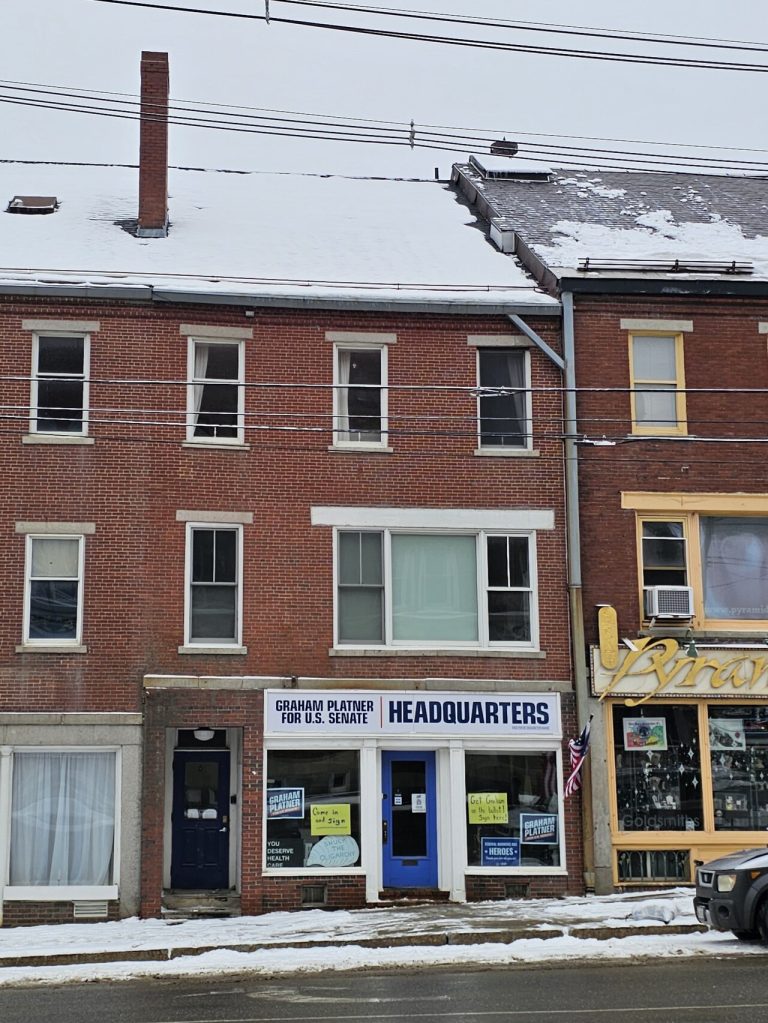
In a dramatic twist in Maine’s 2026 Senate race, Democratic insurgent Graham Platner has surged ahead of Republican incumbent Susan Collins, according to a University of New Hampshire poll released on May 27. This development comes just weeks after Governor Janet Mills exited the race, leaving Platner as the clear Democratic frontrunner.

Platner’s campaign has gained momentum, fueled by his bold policy proposals, including a 5% tax on wealth over $1 billion and a federal “Cost of Living Exemption” aimed at supporting working- and middle-class Americans. His populist approach has resonated with voters, positioning him as a formidable opponent against Collins.

The race has quickly escalated into a fierce general-election battle, with Republicans branding Platner as too extreme for Maine. Despite these attacks, Platner’s anti-establishment appeal and focus on economic inequality have garnered significant support, reshaping the electoral landscape.

With Mills’ withdrawal, Platner’s candidacy has become the focal point of the Democratic challenge to Collins. As absentee voting begins ahead of the June 9 primary, the question remains whether Platner can maintain his lead and secure the nomination, setting the stage for a high-stakes November showdown.

The biggest new turn in Maine’s 2026 Senate race is that a fresh University of New Hampshire poll released May 27 shows Democratic insurgent Graham Platner leading Republican incumbent Susan Collins, just weeks after Gov. In a notable April 15 policy rollout, he proposed a 5% tax on wealth over $1 billion and a federal “Cost of Living Exemption” for working- and middle-class Americans.

The most concrete new data point is the May 27 UNH Survey Center finding that “Platner leads incumbent Republican Susan Collins in a general election matchup,” with the poll released less than two weeks before the June 9 primary. Senate Republicans’ campaign arm called Platner “a phony who is too extreme for Maine,” while Senate Leadership Fund executive director Alex Latcham said Collins’ allies would “grind Platner into dust,” underscoring how quickly the race has turned from a recruitment drama into an all-out general-election proxy war.

“If you work hard and play by the rules, you should be able to get ahead,” Platner said, arguing that higher taxes on the wealthy would keep federal dollars flowing and help communities avoid property-tax hikes. The immediate timeline now runs straight through the June 9, 2026 primary.

In suspending her campaign, Mills said flatly, “I very simply do not have the one thing that political campaigns unfortunately require today: the financial resources,” and conceded she could not keep up in what AP described as one of the country’s most competitive Senate races. Maine’s secretary of state says unenrolled voters can choose a party primary ballot without formally joining that party, but voters already enrolled in a party had to switch by May 26 if they wanted a different ballot.

That makes Mills’ April 30 withdrawal the key recent shock that reshaped the contest. Maine Public reported earlier that Platner’s appeal was fueled by a large anti-establishment base, and Bangor Daily News described a rapid post-Mills consolidation in which party support moved behind him even as Republicans escalated their attacks.

Platner’s policy proposal includes a 5% tax on wealth over $1 billion and a federal “Cost of Living Exemption” for working- and middle-class Americans. Platner’s campaign has gained momentum, fueled by his bold policy proposals, including a 5% tax on wealth over $1 billion and a federal “Cost of Living Exemption” aimed at supporting working- and middle-class Americans.

In a notable April 15 policy rollout, he proposed a 5% tax on wealth over $1 billion and a federal “Cost of Living Exemption” for working- and middle-class Americans. Quick Summary: Graham Platner Surges Ahead of Susan Collins in Pivotal Maine Senate Race Graham Platner is leading Susan Collins in the latest poll released May 27, marking a significant shift in the Maine Senate race.

Senate Republicans’ campaign arm called Platner “a phony who is too extreme for Maine,” while Senate Leadership Fund executive director Alex Latcham said Collins’ allies would “grind Platner into dust,” underscoring how quickly the race has turned from a recruitment drama into an all-out general-election proxy war. “If you work hard and play by the rules, you should be able to get ahead,” Platner said, arguing that higher taxes on the wealthy would keep federal dollars flowing and help communities avoid property-tax hikes.

The scale and speed of this development has caught many observers off guard. Each new update adds another dimension to a story that is still unfolding, and the full picture will only become clear as more verified details emerge from the people and institutions directly involved.

Analysts who have tracked this issue closely say the current moment represents a genuine turning point. The decisions made in the coming weeks are expected to set the direction for months ahead, with ripple effects likely to extend well beyond the immediate actors in the story.

For those directly affected, the practical impact is already visible. People navigating this fast-changing situation are dealing with real consequences while new information continues to reshape what is known and what remains open to interpretation.

Historical parallels offer some context, though experts caution against drawing too close a comparison. Similar situations have played out before, but the specific combination of pressures, personalities, and timing here makes this moment distinct in ways that matter for how it ultimately resolves.

The political and economic dimensions of this story are deeply intertwined. What appears as a single event on the surface is in practice the convergence of multiple pressures that have been building quietly over a longer period than most public reporting has captured.

Read more on Digital Chew

U.S. International Travel Slumps as Visitor Arrivals Fall 14%

Quick Summary: U.S. International Travel Slumps as Visitor Arrivals Fall 14%

  • The U.S. saw a 14.1% drop in international arrivals in April 2026, erasing two months of gains.
  • International visitor spending is projected to fall to $169 billion, down from $181 billion in 2024.
  • Canada emerged as a significant weak point, with a 42% drop in Canadians visiting major U.S. metro areas.
  • The decline in international visitors has resulted in an $8 billion hit to U.S. tourism spending.
  • Pre-pandemic inbound travel volumes may not return until 2029, according to industry analysts.

The United States is facing a tourism crisis as international visitor numbers plummet, threatening the recovery seen in 2024. The latest data shows a sharp 14.1% drop in international arrivals in April 2026, wiping out two months of gains just as the nation gears up for the FIFA World Cup. U.s. is at the center of this development.

This decline is not just a blip. It’s a significant retreat that has already translated into an $8 billion hit to spending. The steepest declines are from the Middle East, Africa, and Western Europe, with Canada emerging as a major weak point. A staggering 42% drop in Canadians visiting major U.S. cities highlights the severity of the situation.

The U.S. tourism industry, once buoyed by a strong 2024 rebound, now faces a daunting challenge. International visitor spending is projected to fall to $169 billion, down from $181 billion in 2024. The World Travel & Tourism Council warns that the U.S. is losing market share, even as it remains the world’s largest tourism market.

As the U.S. prepares for the World Cup, the next few months will be a critical test. Visa processing, pricing, and global appeal will all come under scrutiny. If the numbers worsen, the narrative will shift from a challenged recovery to a failed one.

That April drop, reported by Skift from National Travel and Tourism Office data on May 11, is the most important fresh development because it suggests the strong 2024 rebound has given way to a renewed and broader retreat, not a brief wobble. Skift said the steepest declines came from the Middle East, Africa, and Western Europe, and that industry forecasts now see inbound travel not returning to 2019 levels until 2029.

That is the core revelation behind the Travel And Tour World framing: the rebound was real in 2024, but the latest data now show the recovery is under direct threat from a new demand shock. Nearly 80% of hotel respondents in Boston, Philadelphia, San Francisco, and Seattle told AHLA that bookings were falling below expectations, and Skift reported the April decline hit just as the tournament approached.

24 million international visitors, according to Fortune’s summary of WTTC estimates, has not yet erased the underlying softness. CNN’s May 26 transcript likewise highlighted Canada as the largest source of lost demand, and the Cuebiq-based metro data suggest the pain in border cities and urban centers may be even worse than federal border-crossing counts show.

6 million visitors, wiping out two months of gains just as the country heads into the FIFA World Cup window. 5% decline that has already translated into an $8 billion hit to spending.

On May 25, The Daily Beast, citing CNN and other reporting, described the 2025 decline as the steepest annual tourism drop in roughly 20 years outside the pandemic collapse. On May 26, CNN aired the latest rundown of the numbers, stressing both the 4 million-visitor loss and the $8 billion spending decline.

Nearly 80% of hotel respondents in Boston, Philadelphia, San Francisco, and Seattle told AHLA that bookings were falling below expectations, and Skift reported the April decline hit just as the tournament approached. 24 million international visitors, according to Fortune’s summary of WTTC estimates, has not yet erased the underlying softness.

CNN’s May 26 transcript likewise highlighted Canada as the largest source of lost demand, and the Cuebiq-based metro data suggest the pain in border cities and urban centers may be even worse than federal border-crossing counts show. 1% drop in international arrivals in April 2026, erasing two months of gains.

International visitor spending is projected to fall to $169 billion, down from $181 billion in 2024. 1% drop in international arrivals in April 2026, wiping out two months of gains just as the nation gears up for the FIFA World Cup.

It’s a significant retreat that has already translated into an $8 billion hit to spending. tourism industry, once buoyed by a strong 2024 rebound, now faces a daunting challenge.

The scale and speed of this development has caught many observers off guard. Each new update adds another dimension to a story that is still unfolding, and the full picture will only become clear as more verified details emerge from the people and institutions directly involved.

Analysts who have tracked this issue closely say the current moment represents a genuine turning point. The decisions made in the coming weeks are expected to set the direction for months ahead, with ripple effects likely to extend well beyond the immediate actors in the story.

For those directly affected, the practical impact is already visible. People navigating this fast-changing situation are dealing with real consequences while new information continues to reshape what is known and what remains open to interpretation.

Historical parallels offer some context, though experts caution against drawing too close a comparison. Similar situations have played out before, but the specific combination of pressures, personalities, and timing here makes this moment distinct in ways that matter for how it ultimately resolves.

The political and economic dimensions of this story are deeply intertwined. What appears as a single event on the surface is in practice the convergence of multiple pressures that have been building quietly over a longer period than most public reporting has captured.

Read more on Digital Chew