55.3 F
San Francisco
Tuesday, April 28, 2026
Home Blog Page 383

Why Did Paramount Buy The Free Press for $150 Million?

0


Key Takeaways:

  • Paramount bought Bari Weiss’s media company, The Free Press, for $150 million.
  • Weiss is now the new editor-in-chief of CBS News.
  • The Free Press is known for offering right-leaning opinions and independent journalism.
  • Bari Weiss previously worked at big-name outlets like The New York Times and the Wall Street Journal.
  • This deal could shake up the future direction of CBS News.

What Bari Weiss’s Promotion Means for CBS News

Bari Weiss, a bold and often controversial journalist, is making big waves in the news world again. Known for speaking her mind and going against the grain, Weiss is now leading CBS News after selling her media startup The Free Press to Paramount for $150 million.

While many are surprised by the move, it could mark a complete shift in how CBS News tells its stories. With her fresh take on journalism and a reputation for challenging norms, Weiss might change more than just the headlines.

Who Is Bari Weiss?

To understand this massive media shake-up, let’s take a closer look at Bari Weiss. She started her journalism journey at Tablet, a publication that leans right politically. She then wrote for the Wall Street Journal, which aims to stay more centered, and later joined The New York Times, known for its left-leaning views.

In 2020, Weiss quit The New York Times, saying the work environment had become toxic and didn’t support her views. Many saw her exit as another sign of growing political division in the media world.

Soon after, she founded The Free Press—a platform focused on free speech and independent reporting. It quickly gained a following from readers tired of traditional media.

The Free Press Grows Fast

The Free Press started with simple goals: to share stories without bias and give a home to diverse opinions. Under Weiss’s leadership, it grew fast. It became a voice for those looking for something between left and right.

Paramount’s purchase of the Free Press wasn’t just about buying a media company. It was about tapping into a growing audience that values independent thinking and balanced reporting. With $150 million on the table, Paramount clearly believes this type of journalism has value.

What This Deal Means for Paramount

Paramount, already a giant in the entertainment world, seems to be shifting its focus toward more diverse news voices. By buying the Free Press and giving news content more weight, Paramount hopes to reach a younger, less-traditional audience.

This move also brings up an important question: Are more media companies willing to take risks on voices like Bari Weiss? With younger readers losing trust in mainstream news, companies are looking for bold new directions.

It also gives Paramount the power to shake up CBS News, which has been seen as left-leaning. With Weiss leading, CBS might start telling stories in a way that appeals to a broader political range.

What’s Next for CBS News?

Now that Weiss is the chief editor at CBS News, things could get very interesting. Known for her push for free speech and debate, Weiss might steer CBS News away from traditional styles.

She could open space for more stories that don’t fit into left or right boxes. She might also shake up how CBS covers politics, culture, and social issues.

This could be a smart way for CBS to win back viewers who’ve stopped trusting mainstream news. People want real stories told in real ways, and Weiss is known for just that.

A Major Shift in Mainstream Journalism

This deal is more than just a business move—it shows how journalism is changing. Readers are tired of news that feels one-sided. They want honest stories that show different views.

By bringing Bari Weiss into CBS News leadership, Paramount is betting that balanced reporting can bring trust back to journalism.

The Free Press could also continue to operate independently under the CBS name, acting as a more opinionated wing of the news. If handled right, it could be a powerful combo—CBS providing the facts and the Free Press adding deep commentary.

David Ellison’s Vision for the Future of News

Paramount CEO David Ellison likely sees the bigger picture. As more people leave cable news behind, there’s room for new voices to step in. Buying the Free Press and putting Weiss in charge of CBS News might be a bold bet, but one he believes will attract loyal audiences.

Ellison may also be targeting digital growth. The Free Press has proven success in creating engaging newsletters, podcasts, and videos. Adding that energy to the older CBS News brand could breathe new life into the network.

Mixing Old Media With New Voices

In a media world full of fighting and finger-pointing, Weiss’s sharp and smart storytelling offers something different. She won’t please everyone—but maybe that’s the point.

The mix of Weiss’s edge and CBS’s legacy could redefine what network news looks like. Over time, we may see more stories that ask tough questions without pushing one side too hard.

For Paramount, the deal means more than money—it’s about changing the way the news works. And for viewers, it might just be the breath of fresh air they’ve been waiting for.

Why This Story Matters to You

Even if you don’t watch CBS News, this move could affect how other networks act. If the shift brings in more viewers, other major media companies will take notice. We could see more outlets giving platforms to independent journalists, or even buying up successful startups.

If you’re someone who values balanced and open conversations, Weiss’s leadership at CBS News might give you new reasons to tune back in. And if you’re interested in the future of digital media, The Free Press’s growth shows how quickly new voices can rise when people are willing to listen.

Final Thoughts

The $150 million deal between Paramount and The Free Press is changing the news landscape. Bari Weiss isn’t just stepping into a big role—she’s bringing a new way of thinking to mainstream media. While it’s still too early to tell exactly how CBS News will change, one thing is clear: Newsrooms are evolving, and Weiss is now leading the charge.

Whether you agree with her views or not, Weiss’s move to CBS News marks a turning point in journalism. The future of news may be independent, bold, and more open to all sides.

Frequently Asked Questions

What is The Free Press?

The Free Press is a media company founded by Bari Weiss. It focuses on independent journalism and open debate.

Why did Paramount buy The Free Press?

Paramount sees potential in alternative voices and independent media. The Free Press already has a loyal following, making it a smart investment for growth.

What does Bari Weiss becoming CBS News editor-in-chief mean?

Her leadership could shift CBS News to offer more balanced and thoughtful coverage. She may also attract younger and more skeptical news audiences.

Will CBS News change its political stance?

It’s possible. With Weiss at the top, CBS may begin covering stories from a wider range of political views—not just left-leaning ones.
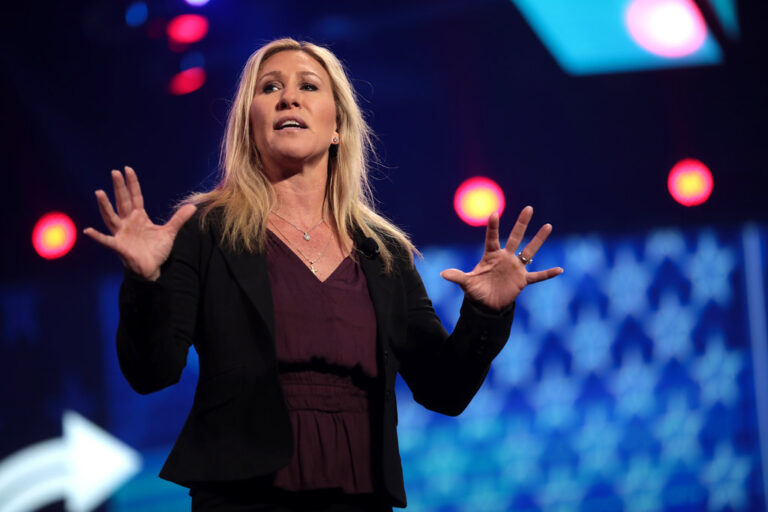
Is Marjorie Taylor Greene More Powerful Than You Think?

 Key Takeaways:

  • Marjorie Taylor Greene was initially seen as a fringe political figure.
  • Over time, she built strong influence inside the Republican Party.
  • Her bold views drew both criticism and strong support.
  • Greene’s rise reveals deeper divisions in today’s U.S. politics.


The surprising rise of Marjorie Taylor Greene

When Marjorie Taylor Greene entered Congress in 2021, many saw her as an outsider. Commentators called her a conspiracy theorist and dismissed her ideas as extreme. But three years later, things look very different. Greene is no longer just a loud voice on social media. She now holds serious power inside the Republican Party—and that’s making people pay attention.

In this article, we’ll look at how Greene went from being called “the fringe” to having a seat at the decision-making table. Along the way, we’ll explore what her journey says about modern politics in America.

Who is Marjorie Taylor Greene?

Marjorie Taylor Greene, often referred to by her initials MTG, is a U.S. Representative from Georgia. She’s known for her strong support of former President Donald Trump. She often speaks out on topics like the deep state, school policies, border control, and government spending.

Greene grew up in Georgia and worked in her family’s construction company. Her political career began during the heated 2020 election season. She won her district easily, partly due to strong support from conservative voters.

From the start, Greene stood out. She made headlines for spreading theories tied to groups like QAnon. While she later distanced herself from some of these ideas, they helped her get noticed. Her loud, fearless style also earned her lots of attention—both good and bad.

How did Marjorie Taylor Greene gain influence?

At first, even members of her own party kept her at a distance. Most Republicans weren’t sure what to make of Greene. Her controversial statements got her removed from congressional committees early in her term. Despite all this, Greene didn’t back down.

Instead, she found new paths to power. Here’s how:

  • She built a loyal base of supporters by using platforms like Twitter, Facebook, and podcasts.
  • She raised millions of dollars through small donations, more than many longtime politicians.
  • She became a go-to voice for conservative voters who felt ignored.
  • She supported controversial issues that pleased core party voters, even if they caused media backlash.

Over time, Republican leaders realized something: Greene’s voice couldn’t be ignored. She had built direct connections to millions of voters. That gave her influence—even if she didn’t hold major titles at the start.

Marjorie Taylor Greene and the culture war

A big reason for Greene’s rise is her role in America’s “culture war”—a term used to describe fierce debates over moral and social values. These include issues like transgender rights, critical race theory in schools, and the role of religion in public life.

Greene often speaks out on these topics in bold, even shocking ways. She says what others may only hint at. Supporters love that she “says the quiet part out loud.” Critics say she spreads hate.

Either way, she knows how to grab attention. Each time she trends online or clashes with another politician on camera, she becomes more of a central figure in the political world.

Why Republicans are listening to Marjorie Taylor Greene

As the Republican Party looks to the future, some leaders see Greene as a key part of the movement. She represents a growing trend they can’t ignore:

  • Grassroots anger toward traditional politicians
  • Deep loyalty to Trump and “America First” policies
  • A hunger for bold, unapologetic messaging

Even Kevin McCarthy, the Republican Speaker of the House at one point, worked closely with Greene. Reports suggest he consulted her on major issues. She even played a key role in shaping debates over the national budget and military aid.

That’s a big shift from her early days, when party leaders treated her like a PR problem. Now, she’s someone they need on their side.

Critics worry about her growing popularity

Not everyone is impressed by Greene’s rise to power. Many Democrats and even some Republicans have warned that her approach is dangerous. They say her comments have encouraged violence or spread misinformation.

Greene has been quick to respond, saying she stands up for “real Americans” who feel silenced by elites and the media. Her supporters don’t mind the critics. To them, every attack is proof she’s doing something right.

Still, critics say her fame poses big risks. As one political expert put it, “When extreme views go mainstream, democracy takes a hit.”

What makes Marjorie Taylor Greene different?

Greene isn’t the first loud voice in politics, and she won’t be the last. But several things make her different:

  • She built her power despite being removed from committees.
  • She speaks directly to voters, not just through press or ads.
  • She doesn’t apologize, even when it sparks outrage.
  • She uses chaos as a political tool—and it works.

Most politicians follow the rules of Washington. Greene skips those rules and writes her own playbook.

What’s next for Marjorie Taylor Greene?

Some say Greene could run for higher office someday—maybe even the Senate or a spot on a presidential ticket. Others believe her style makes her too divisive for long-term leadership.

Either way, Greene isn’t going anywhere. In fact, new reports suggest she’s expanding her political team and thinking about her next big move.

Her journey from “kook” to power figure is a sign of how fast things change in politics. It’s also a sign that today, media attention and loyal fans matter more than fancy titles or long résumés.

The lasting impact of Marjorie Taylor Greene

Love her or hate her, Greene changed the game. She showed that someone with no prior political experience can shake up Washington. She proved that bold opinions can win real influence, even if the whole country doesn’t agree.

Most of all, she forced the Republican Party—and much of the media—to pick a side. Ignore her? Embrace her? Try to tone her down? There are no easy answers.

In today’s fast-moving political world, one thing is clear: Marjorie Taylor Greene matters. And whether she’s leading a rally or making headlines, she’s likely to stay in the spotlight for a long time.

FAQs

Why is Marjorie Taylor Greene so popular?

She connects deeply with conservative voters who feel ignored. Her bold and direct style sets her apart from typical politicians.

Has Marjorie Taylor Greene held any big government positions?

Although she hasn’t led major committees, she’s gained major power through media, fundraising, and loyal voter support.

What are Marjorie Taylor Greene’s main political views?

She strongly supports Donald Trump, border control, gun rights, and conservative values in schools and society.

Could she run for president one day?

Some experts think it’s possible. Her growing influence and loyal base could help her in a future national race.

Will Military Troops Still Get Paid During a Shutdown?

Key Takeaways:

  • Speaker Mike Johnson says “no” to a separate vote guaranteeing military pay during a shutdown.
  • He believes the House already addressed this by passing a temporary funding bill.
  • If no deal is reached, service members could miss paychecks soon.
  • Government shutdowns affect millions, including the armed forces.
  • Johnson urges the Senate to act on the stopgap bill.


Military pay

is now at the center of a political fight in Washington. House Speaker Mike Johnson refuses to hold a separate vote to make sure military service members still get paid if the government shuts down. As lawmakers argue over how to keep government offices open, the lives of thousands of troops hang in the balance.

While the House passed a short-term funding measure last week, the Senate hasn’t agreed yet. If no deal is made, parts of the government could shut down. One major concern is that military members might not get their paychecks on time—making it harder for them and their families to pay bills and buy basics like food and gas.

Let’s break down what’s really happening, why military pay is at risk, and what Speaker Johnson plans to do about it.

What’s Causing the Delay in Military Pay?

The issue lies in the lack of an approved budget. Every year, Congress must pass spending bills to keep the government running. When they can’t agree in time, the government shuts down. That means many federal workers go unpaid, including troops.

To try and prevent a shutdown, the House passed a stopgap bill, also called a continuing resolution. This gives more time for full budget talks and would have kept the government open until November 21. The bill includes military funding. But the Senate hasn’t passed it, which means the shutdown clock is still ticking.

Some lawmakers wanted to ensure military pay by holding a separate vote just for that. But Speaker Johnson says that’s not needed because the House already acted.

Why Won’t Johnson Back a Separate Vote on Military Pay?

Speaker Mike Johnson is standing firm on his decision. On Wednesday, he made it clear he doesn’t support a separate bill for military pay. He believes the House already did its job with the current stopgap measure.

Johnson argues that doing another vote would take attention away from the bigger picture—getting the Senate to agree to the temporary funding bill. He says quick action by the Senate is the surest way to make sure military members and other government workers get paid on time.

Still, not everyone agrees. Some members of Congress think troops shouldn’t be used as bargaining chips during budget fights. They want immediate assurance that military pay won’t be delayed, no matter what happens next in Washington.

How Does a Government Shutdown Affect Military Pay?

During a government shutdown, military members still have to work. Unlike many government employees who get furloughed (sent home without pay), service members stay on active duty. That includes those serving overseas, handling emergencies, or guarding our borders.

But here’s the catch—they might not get paid while the government is closed. Their paychecks get delayed until Congress reaches a deal. This can create real problems for military families who live paycheck to paycheck.

Military pay is more than just a job—it supports housing, food, child care, and bills. A missed or delayed paycheck can lead to unpaid rent, late car payments, or skipped meals. That’s why the debate over military pay is so important to resolve quickly.

What Do Military Families Think About the Situation?

Military families often feel overlooked during these shutdown battles. Many have said that even the threat of missing a paycheck causes stress. Some spouses stay up late worrying about how to buy groceries. Others skip doctor visits or delay bills.

For those barely covering expenses as it is, uncertainty in military pay feels like a betrayal. After all, these families sacrifice a lot to serve the country. Many believe Congress should prioritize military pay during government shutdowns—no matter the political battle.

Is There a Way to Guarantee Military Pay During Shutdowns?

Yes, but it requires Congress to pass a law. Some lawmakers have talked about creating a rule that always funds the military, no matter what’s going on with the budget. This would mean troops are shielded from the effects of shutdowns in the future.

For now, proposals like that haven’t passed. That’s why military pay keeps coming up as a concern every time the government nears a shutdown. Each time, there’s a rush to figure out how to make sure troops get paid—even if it’s at the last second.

What’s Next for the Government and Military Pay?

The clock is ticking. If Congress doesn’t reach a deal soon—especially if the Senate doesn’t pass the stopgap that includes military pay—a shutdown could start. That means delays for paychecks could happen as early as next week.

Speaker Johnson hopes that pressuring the Senate will do the trick. He wants lawmakers to unite over the temporary funding bill and buy more time to work out a long-term deal. But tensions are high, and time is short.

For now, service members and their families can only watch and wait as their leaders in Washington debate their financial future.

Transitions are common in politics, but for those wearing the uniform, consistency matters. And nothing says stability like a steady, reliable paycheck.

FAQs

Why is military pay at risk during a shutdown?

Military pay depends on Congress approving government funding. If that’s delayed, service members may not get paid, even though they’re still working.

Has Speaker Mike Johnson offered another way to protect military pay?

He believes the House has already done enough by passing a short-term funding bill. He wants the Senate to act on that instead of passing separate bills.

What happens to military families if paychecks are delayed?

Families might fall behind on rent, groceries, and bills. Many military households live on tight budgets, so missing even one paycheck can hurt a lot.

Is there a solution to stop this from happening again?

Some lawmakers have suggested passing a permanent law to protect military pay during future shutdowns. However, that idea hasn’t been approved yet.

Why Did Republicans Block a Vote on Trump’s War Powers?


Key Takeaways:

  • Senate Republicans stopped a vote limiting Trump’s military actions at sea.
  • The resolution aimed to prevent military force without Congress approval.
  • The vote was 51-48, split mostly by political party.
  • Military action in the Caribbean has raised legal questions.
  • This debate highlights ongoing tension over presidential war authority.

What Happened in the Senate Vote?

A recent Senate decision has sparked big conversations about war powers. On Wednesday, Republicans in the U.S. Senate blocked a proposal that would have stopped former President Donald Trump from using military force in the Caribbean Sea without Congress’ approval. The move has raised more questions than answers about how much power a president should have when it comes to making military decisions—especially without involving lawmakers.

The vote ended with 51 senators choosing not to move forward with the Democratic-backed resolution, while 48 supported it. Almost all votes followed party lines. This means most Republicans voted against the measure, and most Democrats voted in favor of it.

This blocked resolution comes as the U.S. military carried out its fourth strike targeting alleged drug activities in the Caribbean. The Trump administration had described the campaign as part of the fight against illegal drugs, but many lawmakers argue these actions may cross legal lines if Congress has not specifically approved them.

Understanding War Powers and Why They Matter

The core keyword in this article is war powers. In simple terms, war powers are the legal and political authority to use military force. In the United States, the Constitution splits this power between Congress and the president. Congress is supposed to declare war, while the president leads the military.

However, over the years, presidents have taken more control in launching military actions without Congress giving approval. This has caused ongoing debates—especially during times like now, when military action is taken without a clear or urgent threat.

Supporters of the blocked Senate resolution believe that decisions involving war should never rest in the hands of one person. They argue Congress needs to be involved because war decisions affect the entire country. Opponents claim the president needs fast, flexible powers to respond to threats like drug trafficking or terrorism, where waiting for Congress to act could take too long.

A Closer Look at Military Strikes in the Caribbean

Over the last few months of Trump’s presidency, the U.S. military launched several strikes in the Caribbean Sea, targeting what officials say were illegal drug operations. These missions were part of an expanded effort that the Trump administration viewed as necessary to protect Americans from the dangerous impact of narcotics.

However, many lawmakers—especially Democrats—felt the administration was stepping over legal lines. They questioned whether there was enough proof that the targets posed a direct threat to the U.S. They also stressed that the president had not received a formal “green light” from Congress to begin these actions.

For these reasons, Democratic senators pushed the new resolution. It would have stopped Trump from ordering more attacks like these without approval from Congress first. But, with Republicans holding a slight Senate majority, they voted to block this resolution from moving forward.

Why the Senate Vote Was So Divisive

The vote exposed the deep divide between the two major political parties. Only two Republicans voted with the Democrats. That tight split shows how tense and political the topic of war powers has become.

Those against the resolution said it was unnecessary at this time. They claimed the military actions were limited and focused only on drug traffickers. Some also believed the resolution would undercut the president’s authority and weaken national defense efforts.

Supporters of the measure said it was about something more important: preserving the democratic system. They believe war powers should go through Congress—even if the actions are overseas and don’t seem to be full wars in the traditional sense. Some pointed to the decades-long military involvement in places like Iraq and Afghanistan as proof of what can go wrong without proper checks and balances.

Changing the Rules Around War Powers

The blocked resolution also fits into a bigger legal and political discussion. For years, both lawmakers and experts have argued over the 1973 War Powers Resolution, a law meant to limit the president’s ability to involve the U.S. in conflicts without Congress.

The law requires the president to tell Congress within 48 hours of launching military action. It also limits that action to 60 days without approval. However, presidents from both parties have often ignored or bent these rules.

That’s why many lawmakers have called for updating the War Powers Resolution. Some want to strengthen it so the president must get permission before any military action. Others think giving the president broad power in today’s fast-paced world is still important.

This failed Senate vote shows just how tricky and controversial this debate is. Neither side is willing to give in easily, and it’s not clear how or when the issue will be resolved.

What This Means for Future Presidents

Though Trump is no longer in office, this vote still matters. It sets a tone for how much power future presidents might have over war decisions. Without new rules, the next president—no matter the party—could continue to take military steps without getting full approval from Congress.

That’s why many are watching closely to see if new legislation or court challenges come forward to define the limits of war powers once and for all. For now, though, the president still holds a great deal of control over when and where U.S. forces are sent abroad.

Final Thoughts

War powers are one of the most serious issues any government faces. Deciding who gets to start military action can affect global politics, national budgets, and, most importantly, human lives. This week’s Senate decision doesn’t end the conversation—but it shows just how much more talking, debating, and voting needs to happen before people on both sides agree on the rules.

FAQs

What are war powers?

War powers are the authority to start and manage military actions. In the U.S., Congress declares war, but the president leads the armed forces.

Why did the Senate vote matter?

The blocked resolution could have prevented presidents from using military force without Congress. It was about keeping balance in government power.

Did the vote stop military action in the Caribbean?

No, since the resolution didn’t pass, the president can still order military actions like the ones done previously unless Congress votes otherwise.

Can a future president use this same power?

Yes, without changes to current laws, any future president may use military force without direct approval from Congress in similar situations.

Did Katie Porter Go Too Far in Viral Staffer Video?

0

Key Takeaways

  • A video shows Katie Porter yelling at a staffer during a taped meeting.
  • Porter is seen using strong language after being interrupted on camera.
  • The video raises questions about her leadership style as a top candidate for California governor.
  • Public reaction is mixed, with some calling her behavior unacceptable.


What Happened in the Katie Porter Video?

California gubernatorial frontrunner Katie Porter is under fire after a video surfaced showing her reacting harshly to a staffer. In the video, taken during a meeting for the Biden administration, Porter was in the middle of filming when an employee accidentally walked into the frame.

Clearly upset, Porter snapped and yelled, “Get out of my f—ing shot!” The video quickly spread online, drawing strong reactions from both supporters and critics.

Now, people are wondering: Is Katie Porter the respectful leader California wants as its next governor?

Why Is This Video Getting So Much Attention?

Katie Porter has built a reputation as a fierce advocate for working families. She’s known for taking on big banks, grilling CEOs, and standing up for average Americans. But this video shows a very different side of her—one that seems impatient and angry over a small mistake.

Because she is the current frontrunner in the California governor’s race, any negative moment like this can be a big deal. Voters want to know if Porter will stay calm under pressure and treat her team with respect.

The Bigger Problem: Leadership and Public Image

Running for governor means being under the microscope. Every action—especially caught on video—can change how voters see a candidate. For Porter, this moment could be a sign of what some critics call a “temper problem.”

Supporters say everyone has bad days. They argue that one video shouldn’t undo years of hard work and public service. But critics point to how she handled a minor disruption as a clue that she may not lead with patience or kindness.

When the stakes are this high, voters begin to look beyond policies. They start asking: Is this someone I’d trust to manage an entire state?

Katie Porter’s Response So Far

As of now, Porter hasn’t issued a public statement about the viral video. Some watchers say a quick apology could help calm the storm. Others believe the silence just makes things worse.

Apologies from public figures are tricky. If they sound too fake, they backfire. But if they come from a real place of regret, they can show growth. Voters may not expect perfection, but they do expect honesty.

Whether Porter will own up to the video and address the situation remains to be seen.

What Voters Are Saying

Online, the Katie Porter video is blowing up. Some fans say people are being too hard on her. They believe the clip shows a moment taken out of context.

“She’s clearly working hard and got caught off guard,” one commenter posted. “Cut her some slack.”

Others are not so forgiving. “This shows who she really is,” another commenter said. “You can’t yell at people and expect to lead a whole state.”

This split in opinion creates uncertainty in an already close race.

Why This Video Could Hurt Her Campaign

Viral moments stick. Even when explanations come later, people often hold onto the first thing they saw. For Katie Porter, a heated moment during a work-related video could follow her all the way to election day.

Political experts say visuals matter more than ever. One short video can change everything. Voters may forget what someone says, but they rarely forget what they saw.

If the public believes this is how Porter acts behind closed doors, it may shake trust. And for someone vying to become California’s governor, trust is everything.

What This Means for the California Governor’s Race

As the frontrunner, Katie Porter was leading comfortably. But this incident opens the door for her rivals to raise concerns about her temperament.

Others in the race may now use this video to argue that she lacks the soft skills needed for the job. They won’t need to say it directly—many voters have already formed an opinion from just one clip.

Now, Porter must decide how to heal the damage. Will she apologize? Will she move on and hope the story dies out? Or will more behind-the-scenes baggage begin to surface?

Does This Reflect a Pattern or Just One Bad Day?

Critics claim this kind of outburst may not be a one-time event. They ask: If she’s reacting like this now, what happens during a real emergency?

However, no other similar videos have popped up so far. That leaves the question wide open: Was this just a slip, or is it who she is behind the scenes?

If more stories or videos appear showing Katie Porter losing her cool, the damage could be long-lasting. But if nothing else appears, the story may fade—after all, everyone makes mistakes.

Can Porter’s Campaign Recover?

Absolutely. But it will take smart strategy. Porter needs to act quickly and start controlling the narrative. Waiting too long could turn a small fire into a full-blown crisis. Campaign experts say the next 48 hours are critical.

She can either face the camera and speak directly to voters—or avoid questions and let the clip define her for weeks.

Supporters are hopeful. They believe Porter has what it takes to push past this incident. But only time will tell if voters agree.

Final Thoughts

The Katie Porter video has put her campaign under pressure. While some say it’s no big deal, others believe it’s a red flag.

Her next move could decide whether she stays on top in the race or falls behind. Either way, the incident is now part of her political story. Both fans and critics will be watching to see how she handles this very public mistake.

This moment is about more than one outburst. It’s about leadership, respect, and what we expect from those seeking to lead one of the largest states in the country.

Will Katie Porter be able to turn this into a learning moment—or will it be the detail that derails her path to the governor’s mansion?

FAQs

What did Katie Porter say in the viral video?

She yelled, “Get out of my f—ing shot!” after a staffer walked into the view during a taped meeting.

Is Katie Porter still leading in the governor’s race?

Yes, she remains a top candidate, but this video could impact voter trust.

Has she apologized for the outburst?

As of now, Katie Porter has not made a public apology or comment about the incident.

Why is the Katie Porter video so controversial?

The video raises concerns about her leadership style and how she treats her team under pressure.

Why Did the California Fires Start? Was It Really Climate Change?

0


Key Takeaways:

  • Many Democratic leaders blamed climate change for the Pacific Palisades fires.
  • New federal findings reveal the fires were caused by arson, not nature.
  • This raises questions about how we respond to and prevent wildfires.
  • Both climate and human actions may play a role in wildfire outbreaks.

Climate Change or Arson? The Fire Mystery Unfolds

Earlier this year, California faced one of its most terrifying wildfire seasons. The Pacific Palisades fired up headlines across the country. Right after the flames broke out, many Democratic leaders pointed at climate change as the reason. But the latest announcement from the Trump administration says something different. Federal investigators now believe an arsonist lit the fires, throwing a new twist into the debate.

Understanding what really caused a disaster is important. It helps us stay safer in the future. But it also helps leaders and citizens make better decisions. So, was climate change wrongly blamed, or is the truth more complicated? Let’s break it down.

What Actually Happened With the California Fires?

The Pacific Palisades fires started in early spring and quickly spread through dry hills and neighborhoods. California’s fire season seems to come earlier and hit harder each year. For that reason, climate change is often thought to be a major factor. As state leaders saw flames again this year, many were quick to share that view.

However, the Trump administration released a surprising update: the fires were deliberate. Yes, a person—an arsonist—intentionally started the deadly blaze. That claimed announcement changes the game. Now, questions are rising about how much we should blame changing weather versus direct human causes.

Why Climate Change Was Blamed First

There’s a reason climate change is a common suspect when wildfires hit. Rising global temperatures dry up grasses and forests faster than in past decades. This makes fire spread easier and faster. In fact, fire seasons are now longer due to shifting weather patterns. Because of this, many scientists and politicians look at climate change first.

When the fire began tearing through the Pacific Palisades, Democratic officials acted quickly. They held press conferences and called on action against climate change. Their main point? These fires are more proof that global warming is damaging our planet—and we need to do something fast.

The Role of Arson in Wildfire Outbreaks

While climate is a powerful force, people play a part too. In fact, according to fire experts, over 80% of wildfires across the U.S. are caused by humans. Some are accidents—like a cigarette tossed carelessly or a campfire gone wrong. But others, like this case in California, are deliberately set.

The Trump administration said that fire crews found clear signs of arson. Burn patterns and other evidence pointed to someone intentionally lighting the fire. For now, the identity of the arsonist remains under wraps, but the discovery turned the spotlight away from nature and toward crime.

How This Debate Impacts Public Policy

This new information could have a big impact on public policy. If climate change didn’t cause the fire, should environmental plans stay the same? That’s a question now being asked in state houses and city meetings across the nation. Some argue this news proves we need more focus on crime prevention—not just climate solutions.

Others say both sides can be true. Even if arson sparked the fire, they argue that climate change made it spread faster. Dry conditions and high winds made it harder to stop. So ignoring larger weather patterns might lead to more fire damage in the future.

Climate Change Still Plays a Role

Just because this fire was arson doesn’t mean climate change isn’t real or dangerous. It still makes wildfires worse and more frequent. Even in this case, the dry landscape helped the fire move fast and do massive damage. So many experts say this shouldn’t be a reason to ignore climate issues.

In fact, part of fighting future fires could include tackling both human causes and environmental changes at the same time. That means more education about fire safety, stricter punishment for arson, and new policies that reduce carbon emissions.

Social Media Reactions and Political Divide

As expected, the reveal sparked intense opinions online. Many conservatives used the findings to argue that Democratic leaders jumped to conclusions. They claimed the climate change “blame game” was too quick and politically driven.

Meanwhile, liberals pointed out that arson isn’t a reason to deny climate science. They argued that even if the fire was started by a person, it wouldn’t have spread as fast or as wide in a cooler, wetter climate. This once again shows how America’s political divide also affects how facts are understood and shared.

The Search for the Arsonist

So who started the fire? Investigators say they are working hard to find out. The suspect could face years in prison, as well as heavy fines. Arson in a major wildfire isn’t just dangerous—it’s deadly. Families lost homes, people were injured, and wildlife was harmed. The community is still recovering.

Authorities are asking for tips and using technology to track movements near the fire start. Until the suspect is caught, the story remains unfinished.

What Can We Learn From This?

Whether sparked by the sky or a matchstick, wildfires are deadly. The Pacific Palisades fires show that staying safe means thinking about everything—climate, human behavior, and emergency preparedness. Prevention needs to look at both natural and manmade risks.

Politicians and citizens should stay informed and open-minded. Jumping to conclusions or choosing just one reason can make problems worse. In the end, strong decisions require full understanding. Only then can we act in ways that really protect our communities and planet.

In Conclusion

The Pacific Palisades fires shocked everyone—first because of the destruction, then because of the cause. People expected climate change to be behind it, but it turns out arson was to blame. That doesn’t mean climate change isn’t real. It just shows that the truth isn’t always simple. Both humans and the environment can create dangerous situations. If we want to prevent these disasters, we need to look at both.

Frequently Asked Questions

What is arson?

Arson is when someone sets something on fire on purpose. It’s illegal and very dangerous, especially during dry seasons.

Is climate change still a threat even if this fire was arson?

Yes. Climate change makes wildfires worse by drying out forests and making the weather hotter and windier.

Why did people blame climate change at first?

Because wildfires have been getting worse recently, and climate change is often the reason. Many thought this fire followed the same pattern.

Can both arson and climate change be true causes?

Yes. Someone may have started the fire, but climate conditions can make it harder to stop and more destructive. Both matter.

Is Peace Possible After Two Years of War?

0

Key Takeaways

  • Families of hostages taken during Hamas’ October 7 attack are still waiting for their return.
  • Ruby Chen, father of a missing Israeli soldier, speaks out for peace and closure.
  • Citizens in both Israel and Gaza are calling for an end to the ongoing conflict.
  • National ceremonies now focus on pain, hope, and unity rather than just remembrance.


Hostage Crisis Still Defines the Conflict

Two years after Hamas launched a tragic attack on Israel on October 7, 2022, pain and suffering continue across the region. The event triggered one of the region’s most devastating wars in recent memory. Yet, even after years of fighting, peace seems far away. One heartbreaking piece of this story involves the hostages — many of whom are still not home.

Among the voices rising above the noise is that of Ruby Chen. He is the father of Itay Chen, an Israeli soldier kidnapped during the attack. This week, Ruby stood in front of thousands at a national ceremony in Tel Aviv. His message was clear: it’s time for peace, and it’s time to bring the hostages back.

Families Plead for Closure, Not Just Justice

It’s hard to imagine the pain of not knowing where a loved one is or whether they’re even alive. For hostage families like the Chens, every day feels endless. Speaking to the public and policymakers, Ruby Chen expressed the emotional toll of waiting.

“We need answers,” he said with a trembling voice. “We need them home.”

With every passing day, the families say their hope is tested. They’re not calling for revenge. Instead, they ask leaders to do whatever it takes to secure the hostages’ safe release and find a peaceful solution to the ongoing war.

A New Kind of War Looks for a New Kind of Ending

The conflict between Israel and Hamas has caused deep suffering on both sides. Thousands have lost their lives. Entire neighborhoods in Gaza have been destroyed. Israeli towns on the border still live in fear.

But here’s the twist — this time, many people in both Israel and Gaza are uniting around a different goal: peace. They’re tired of war. Civilians from both sides have begun organizing peaceful protests. Their message? Enough is enough.

For many, the demand is not only about the end of fighting. It’s also about building a better future — one free from hatred and revenge.

Public Support for Peace Is Rising

Recent polls show a new shift in public opinion across the region. Support for talks, even with long-time enemies, is growing quickly. People no longer believe that violence will solve anything.

In Israel, peace protests have been sparked by the hostage crisis. Protesters wave signs saying “Bring them home” at every major speech or gathering. It’s not only the families who want answers now — it’s the entire country.

Meanwhile, in Gaza, people gather quietly to mourn lost loved ones and call for an end to the bombings. Risking their lives even to speak, they too hope for an exit from this endless war.

Ceremonies Honor Both Loss and Hope

This year’s national ceremony in Tel Aviv wasn’t just about looking back at the horror of October 7. It was also about looking forward — to a day when no more lives are lost.

Featured at the ceremony were photos of hostages like Itay Chen. A moment of silence honored both victims and survivors. And emotional speeches came not just from politicians but from parents, siblings, and friends.

Ruby Chen’s moving words reminded everyone that behind every hostage is a family that still waits.

“These men and women are more than photos,” he said. “They are voices, hearts, and lives. Let’s not forget that.”

Hamas’ Silence Fuels Desperation

While families continue pleading, Hamas leaders remain mostly silent on the hostage situation. Some information has come out through unofficial sources — a few escapees, letters home, or intercepted communication.

But the full picture remains blurry. This silence only adds to the mental and emotional toll on families like the Chens. They’ve gone two entire years without knowing if their sons or daughters are safe, injured, or even alive.

Each piece of silence feels like a weight pressing down on their hopes.

Diplomatic Talks Struggle to Gain Ground

International efforts to negotiate peace and return hostages have made small progress but not much more. Leaders from countries like Egypt, Qatar, and the United States are involved, but big steps forward are rare.

A major roadblock? Neither Israel nor Hamas wants to look weak. This stubbornness keeps meaningful talks on hold, even as bodies continue to fall and families keep grieving.

Still, the rising voices of ordinary people — like Ruby Chen and other parents — may be the secret weapon to finally break the deadlock.

Can People-Driven Action End the Hostage Crisis?

With faith in politics fading fast, some believe real answers may come from grassroots pressure. Social media has become a powerful platform to amplify calls for peace.

Videos, open letters, and campaigns created by young people especially have caught fire online. Their influence is not going unnoticed by governments.

These movements ask a big question: If people on both sides want peace, why should politicians stop them?

Ruby Chen believes this energy could finally move leaders to act. “It’s time we change what war looks like — from hate to hope,” he said.

Hope Carries On, Even in Uncertain Times

Two years have passed. Countless lives have changed forever. But through the noise, the pain, and the heartbreak, a new message is rising from the ashes. People from all walks of life — soldiers, students, parents, teachers — are calling for peace.

This conflict may have started with terror and tragedy. But maybe, just maybe, it could end with compassion and courage. We just need to listen to voices like Ruby Chen and all the others pleading for one thing: peace.

Let’s not look away. The hostages are still out there. And their families are still waiting.

FAQs

Why is Ruby Chen speaking out now?

Ruby Chen is speaking out because it’s been two years since his son was taken by Hamas, and there’s still no closure. He wants peace and the return of all hostages.

How many hostages are still in captivity?

The exact number is unclear. Some have been released or confirmed dead, but many families still don’t know the fate of their loved ones.

Are people in Gaza also calling for peace?

Yes. Many civilians in Gaza are also tired of war. They want safety, peace, and a better future, just like those in Israel.

Is the hostage crisis affecting peace talks?

Yes, heavily. The hostages remain a central issue, and it’s one of the reasons talks haven’t moved forward. Families hope constant public pressure will help push leaders into action.

Why Is Katie Porter Facing Abuse Allegations Again?

0


Key Takeaways:

  • Former Representative Katie Porter is trending after a viral interview moment
  • GOP critics are reviving past abuse allegations linked to her time in Congress
  • Porter is currently running for California governor in the 2026 race
  • Her campaign has not yet responded to the renewed controversy

The name Katie Porter is once again all over social media. The former Democratic congresswoman and current gubernatorial candidate is under fire after a tough TV interview clip went viral. But what’s stirring the pot even more? The resurfacing of abuse allegations from her past—brought back by Republicans online.

Let’s dive into what’s really going on and why people are talking about it again.

What Happened in the Interview?

The buzz started after Katie Porter appeared on a Los Angeles news station earlier this week. During the interview, she looked frustrated and even appeared ready to walk out. The awkward moment quickly spread across social media, with critics calling her “hostile” and “dismissive.”

Some viewers felt Porter was being unfairly pushed, while others thought she revealed a short temper unfit for higher office. As the clip gained traction, political opponents seized the opportunity to reignite old abuse claims, sparking heated debate online.

Why Are Abuse Allegations Coming Back?

This isn’t the first time Katie Porter has faced tough questions about her past behavior. While serving in Congress, she gained popularity as a sharp, data-driven leader. Known for grilling CEOs in committee hearings, she built a reputation for being no-nonsense.

However, some former staffers accused her of creating a toxic work environment. These workplace accusations included yelling at assistants, overworking interns, and even berating staff for minor mistakes. Republicans are now bringing those concerns back to life—just as she tries to boost her new gubernatorial campaign.

Even though the original claims didn’t gain much legal traction, the timing of their return has sparked fresh controversy. Whether these stories stick this time around remains to be seen.

Katie Porter’s Gubernatorial Bid

Katie Porter announced in early 2023 that she would run for California governor in the 2026 election. Her campaign highlights her successes in Congress, her background as a consumer protection advocate, and her willingness to challenge big corporations.

But running a statewide campaign is very different from being a legislator. The renewed criticism may make some voters question her leadership style. Some political experts suggest that Porter might struggle to expand her support beyond her already loyal base.

If more negative stories emerge, she could find herself spending more energy defending her past than discussing her vision for California.

Has Porter Responded to the Claims?

So far, Katie Porter’s gubernatorial campaign has not made an official statement on the resurfaced abuse allegations or the viral interview. That silence might not last much longer. Critics are growing louder, and pressure is building for her to respond directly.

In the past, Porter has denied creating a toxic workspace. She did admit to having high standards but said she expects hard work from her staff, especially in high-pressure situations on Capitol Hill.

As a public figure, she has often leaned on her identity as a single mother and progressive fighter. Whether that approach will help her navigate this controversy remains to be seen.

Why This Story Matters Right Now

Right now, California politics are wide open. Current Governor Gavin Newsom is expected to finish his term in 2026, leaving the spot up for grabs. Big names like Lieutenant Governor Eleni Kounalakis and Attorney General Rob Bonta may also enter the race. With such strong contenders, Porter needs a solid campaign free of distractions.

These resurfaced abuse allegations could damage her early momentum. Additionally, GOP efforts to weaken Democratic candidates by pushing old scandals back into the spotlight are a common political tactic. Whether they’ll work this time depends on how Porter manages the fallout.

Reaction on Social Media

As with many political controversies today, social media added fuel to the fire. On platforms like X (formerly Twitter) and TikTok, people have shared mixed opinions.

Some defended Katie Porter, saying she’s being held to unfair standards not applied to male politicians. Others pointed out the uncomfortable behavior in the viral clip as proof of a long-standing issue.

Incredible amounts of memes, reactions, and hot takes followed the viral moment. Supporters argue the attacks are an organized smear campaign to hurt her chances in the election, while critics insist voters deserve transparency.

Could This Hurt Her Election Chances?

The big question is whether these abuse allegations—old or new—will affect Katie Porter in the long term. If her campaign doesn’t address them head-on, it might appear like she’s dodging the truth. On the other hand, the internet’s short attention span may help her move past the controversy—if no new claims emerge.

What matters most now is how Porter handles both the media scrutiny and the public reaction. Voters often care less about past mistakes and more about how a politician responds when under pressure.

A Rocky Road Ahead

Katie Porter’s path to the governor’s mansion just became more challenging. While her job in Congress gave her national attention, this race will require a wide coalition of voters. Public perception, especially when shaped by viral content and old allegations, plays a powerful role in politics.

Porter’s team will likely work hard to shift the narrative back toward her policy goals and record of standing up for consumer rights. But GOP efforts to frame her as abusive and difficult could be hard to shake.

In a world where one interview clip can change the course of a campaign, every gesture, word, and response matters. For Katie Porter, what happens next will determine whether she can rise above the noise or become another cautionary tale of modern-day politics.

FAQs:

What were the abuse allegations against Katie Porter?

Former staff members accused her of creating a toxic work environment during her time in Congress. Claims included verbal abuse and unrealistic demands.

Why is this issue coming up again?

The controversy was reignited after a recent interview went viral, leading GOP figures to remind voters of past allegations.

Is Katie Porter still running for governor?

Yes, she is seeking the Democratic nomination for California governor in 2026 but now faces renewed scrutiny.

Has Katie Porter responded to the recent backlash?

As of now, her campaign has not issued a new statement. In the past, she denied any wrongdoing and said she expects high performance from her teams.

Is Marjorie Taylor Greene Losing MAGA Support?

0


Key Takeaways:

  • Marjorie Taylor Greene used to be a strong supporter of Donald Trump.
  • Many Republican leaders now see her as a problem, not a partner.
  • Her actions have divided her from both the MAGA base and GOP.
  • Some believe she no longer has the political power she once had.

Why Marjorie Taylor Greene Is Facing Political Trouble

Marjorie Taylor Greene, the outspoken Republican congresswoman from Georgia, rose to national fame as a fierce defender of Donald Trump and the MAGA movement. She was loud, loyal, and willing to fight even when others stayed quiet. Now, however, the tides are turning.

After years of standing by Trump, she is now seen by some Republicans as a “radioactive” figure. That means she may be too controversial or extreme even for her own party. What caused this sudden change? And is Marjorie Taylor Greene losing MAGA support?

A Former MAGA Star Falls From Grace

Just a few years ago, Greene was one of Trump’s favorite allies. She echoed his words, pushed his causes, and fought against his political enemies. Her social media posts and fiery speeches made headlines, and Trump supporters admired her boldness.

But times have changed.

Now, many in Trump’s inner circle, along with key voices in the Republican Party, are backing away. Some insiders suggest that her behavior has become more of a distraction than a help. As the GOP tries to win key elections in 2024 and beyond, some strategists are urging leaders to distance themselves from figures like her.

What Sparked the Rift Between Greene and the GOP?

Greene began losing support when she challenged Republican leadership. She tried to remove Speaker of the House Mike Johnson, pushing policies and ideas many in her party felt were too extreme or too loud at the wrong time.

Additionally, she’s made controversial comments that upset even those within the MAGA world. This includes promoting conspiracy theories that weakened her credibility. While these once helped her appeal to fringe groups, they’re now leading many to question her usefulness to the movement.

Another reason some believe Marjorie Taylor Greene is losing MAGA support is her growing isolation. She often acts alone and refuses to compromise. While independence can be a strength, in politics, teamwork often brings success. Her unwillingness to work with others may be costing her allies.

Trump’s Silence Speaks Volumes

One strong sign of Greene’s shift in status is Donald Trump himself. The former president has not publicly supported Greene in recent conflicts. While Trump often defends loyal people under fire, he has remained mostly quiet about Greene’s recent moves.

Some political watchers believe this silence is no accident. Trump, preparing for another run, may be looking to clean up his political image. Holding on to someone as unpredictable or divisive as Greene could hurt that effort.

Without Trump’s backing, Greene loses what helped her rise.

Greene’s Supporters Are Also Drifting Away

It’s not just Republican leaders turning from her. Some of her own MAGA supporters feel confused, even betrayed. She was once seen as a voice for everyday Americans who felt ignored or silenced. However, her focus on personal battles and public fights is beginning to wear thin.

Many of her base now feel she is more focused on headlines than real change. Critics say she spends more time attacking fellow Republicans than fighting for better laws.

This raises a key question again: Is Marjorie Taylor Greene losing MAGA support?

The GOP’s New Direction May Not Include Her

The Republican Party is changing. While Trump remains a key figure, there is a growing effort inside the GOP to appeal to more mainstream voters. That requires moving away from controversy and toward stable leadership.

Figures like Greene might struggle to find a place in this new direction. Her style of politics—loud, personal, and dramatic—once made her stand out. Now, it may be working against her.

The party wants to win elections, and many believe that distancing from Greene could help that cause.

Midterm Elections Could Be a Turning Point

The upcoming midterm elections will be a major test. If Greene continues to act on her own, she may lose support—not only from top Republicans but also from local voters. If MAGA voters feel she’s no longer working for them, they could choose another candidate.

Losing a seat in Congress would be a huge blow to Greene’s political career. And if her support continues to drop, it could become a real possibility.

Can Greene Win Back Her Base?

It’s not all over for Greene. She still has followers, and her voice remains loud in the media. However, to regain her influence, she may need to shift her approach.

That could mean making peace with party leaders and focusing on real policy goals that voters care about. It might also mean less drama and more results.

But the big question remains: Is Marjorie Taylor Greene willing to change?

What This Means for the GOP’s Future

Greene’s rise and possible fall tell us a lot about where the Republican Party is headed. Leaders are choosing strategy over shock value. They want candidates who can both excite voters and win elections.

If Greene continues on her current path, she may find herself outside the party’s new game plan. MAGA itself seems to be evolving, focusing less on loud figures and more on winning ground.

As that shift happens, Greene has to make a choice: adapt or become irrelevant.

So, is Marjorie Taylor Greene losing MAGA support? All signs point to yes. Unless she changes course, she may find the movement she once championed moving on without her.

FAQs

Why did Marjorie Taylor Greene lose support from the MAGA movement?

Marjorie Taylor Greene lost support because of her constant battles with Republican leaders and controversial actions. Many now view her as a distraction rather than a help.

Is Donald Trump still supporting Marjorie Taylor Greene?

Trump has remained mostly silent in recent months. His lack of public support may suggest he is distancing himself to avoid political fallout.

Could Marjorie Taylor Greene lose her seat in Congress?

It’s possible if her voters grow tired of the drama. If someone more focused on local issues runs against her, she could face strong competition.

Can Greene win back the MAGA base?

Yes, but only if she shifts her focus. To regain her influence, she may need to work with others and stop the public battles that hurt her image.

Is Popular Art Always Bad?

0

 Key Takeaways:

  • Oscar Wilde once said, “Whatever is popular is wrong.”
  • This bold idea challenged mainstream views on art and popularity.
  • It inspired many artists to create bold, shocking work.
  • Wilde’s quote remains powerful in understanding modern creative thinking.

Why do we love what’s trending, yet artists keep saying popular things lack true value? That question brings us to a bold and famous quote by writer Oscar Wilde. In 1883, Wilde stood in front of students at the Royal Academy and shared this thought: “Popularity is the crown of laurel which the world puts on bad art. Whatever is popular is wrong.”

This striking statement still turns heads more than a century later. But what did Wilde actually mean? And why did so many artists agree with him? Let’s explore the idea of popular art and dig into the history, meaning, and impact of his words.

The Power of Wilde’s Quote on Popular Art

Wilde didn’t just throw out random ideas. He truly believed that great art often lives outside of public approval. When he said “whatever is popular is wrong,” he was responding to art that pleases large crowds but lacks deeper meaning or creativity.

To Wilde, art wasn’t about making people comfortable. It was about pushing boundaries and encouraging people to think in new ways. What’s most interesting is that his quote about popular art didn’t fade away over time. In fact, it became a guiding light for many future artists.

The Modern Meaning of “Popular Art”

Let’s face it—today’s world is filled with viral videos, catchy songs, and hit movies. These are all forms of popular art. They’re made for everyone to enjoy. Still, people often wonder if this kind of art really matters.

Wilde’s quote reminds us to look deeper. Just because something spreads fast doesn’t mean it’s meaningful. Popular art can sometimes focus on trends rather than talent or originality. Wilde wanted artists to aim higher. He challenged both creators and audiences to ask: Are we celebrating art for its creativity, or for its fame?

How Surrealists Took Wilde’s Words Seriously

Wilde’s idea didn’t just stir debate—it changed the art world. In the early 1900s, groups like the Surrealists completely rejected mainstream tastes. They created dream-like, often disturbing art that confused and even scared people.

But that was the point. These artists believed real art should challenge society—not comfort it. They thought popular art was too simple or too safe. Wilde’s thoughts helped fuel their desire to make something wild, original, and unforgettable.

Abstract Artists Followed the Lead

Later, in the mid-20th century, abstract artists picked up where the Surrealists left off. People like Jackson Pollock and Mark Rothko created massive paintings filled with shapes and colors—not scenes or people. Crowds didn’t always “get it.” Some even mocked the work.

But those same paintings now hang in museums and are worth millions. Why? Because these artists dared to ignore trends. They made art that asked viewers to think and feel, not just look and smile. Again, Wilde’s message about popular art hit home—true above popularity.

Does Popular Mean Bad?

Not always. Wilde wasn’t saying that every popular thing is automatically bad. What he meant is that real creativity often begins where popularity ends. When you try too hard to please everyone, you might water down your ideas.

But that doesn’t mean you can’t create popular art with deep value. The key is not to chase fame. Chase quality instead. Wilde wanted artists—and all of us—to look beyond what’s trending and ask what’s truly worth remembering.

How the Internet Changed Popular Art Forever

Social media has turned anyone with a phone into a creator. TikTok dances, Instagram posts, YouTube skits—all kinds of creative work can now explode overnight. While it’s easier than ever to go viral, Wilde’s message about popular art feels more important than ever.

Do viral trends push boundaries? Sometimes. But often they follow the same pattern: grab attention fast, then fade away. Wilde would likely argue that while popular art grabs our eyes, great art grabs our minds—and stays with us.

Artists Still Use Wilde’s Challenge

Even now, Wilde’s quote continues to push creators. Many filmmakers, musicians, and painters reject the idea of making something just because it’s popular. They aim to shock, confuse, or challenge their audiences—just like the Surrealists did.

For example, films at festivals like Sundance or Cannes often get praised for being bold and unusual. These works might not win big at the box office, but they start big conversations. That’s the kind of art Wilde cheered for.

Why Wilde’s Words Still Matter Today

Art isn’t just about what hangs in galleries or plays in theaters. It’s also what we create on screens, in schools, and in songs. Wilde’s strong belief about popular art reminds us to ask hard questions: Are we just following trends? Or are we creating something that matters?

For students, creators, and everyday people, the message is the same. Don’t let popularity be your only goal. True art comes from your own voice—even if it takes longer to be heard.

Finding Balance Between Fame and Depth

So, is the answer to avoid popularity? Not exactly. It’s okay if your work becomes popular. The trick is to make sure popularity isn’t the only thing you’re after. Create with honesty. Aim for meaning. Then, if your art finds an audience, it connects for the right reasons.

Oscar Wilde wasn’t just trying to be edgy with his quote. He was trying to protect the soul of art. And over 140 years later, his daring statement on popular art still encourages us to create with purpose, not just popularity.

FAQs

Why did Oscar Wilde say, “Whatever is popular is wrong”?

Wilde believed that true creativity often goes unnoticed because it challenges what people are used to. He said this to encourage deeper thinking.

Is all popular art bad?

No. Not all popular art is bad. Wilde’s quote just reminds us that popularity doesn’t always equal quality.

How did Wilde influence other artists?

His ideas inspired Surrealist and abstract artists to break the rules and make challenging, original work—especially when it wasn’t accepted.

Can art be both popular and meaningful?

Yes, art can be both. The key is to stay true to your message and not just follow what’s trending.