52.6 F
San Francisco
Tuesday, April 28, 2026
Home Blog Page 385

Why Is the Supreme Court Reviewing a Ban on Conversion Therapy?

0


Key Takeaways:

  • A current Supreme Court case challenges Colorado’s ban on conversion therapy for kids.
  • The case focuses on therapists’ rights to free speech when treating transgender youth.
  • Both liberal and conservative groups are watching the case closely.
  • The ruling may impact similar laws across the United States.
  • The case highlights tensions between free speech, medical ethics, and LGBTQ+ rights.

Understanding Conversion Therapy and the Law

Conversion therapy is a practice where therapists try to change someone’s gender identity or sexual orientation. Most major medical groups strongly oppose it, especially for kids. They believe it can cause harm and lead to long-term emotional issues.

Several states, including Colorado, have banned conversion therapy for minors. These bans usually target licensed therapists, preventing them from using methods meant to change a child’s identity. The idea is to protect young people from emotional and psychological harm.

However, a new case heading to the Supreme Court, Chiles v. Salazar, questions whether this ban unfairly limits counselors’ rights to free speech—especially when they want to help transgender children explore or even question their identity.

The Keyword: Conversion Therapy

In this legal battle, the keyword is conversion therapy. The debate doesn’t focus on whether the therapy works (most experts say it doesn’t). Instead, it asks if preventing a therapist from offering conversion therapy restricts their right to express a different viewpoint.

Those challenging Colorado’s law say it’s about more than public safety—it’s about letting professionals speak freely, even about controversial topics. They argue that banning conversion therapy creates viewpoint discrimination, which violates the First Amendment.

Meanwhile, defenders of the law argue that protecting children from harmful practices like conversion therapy takes priority over a therapist’s speech rights.

Who Are the People Involved?

The lawsuit began with Dr. David Chiles, a licensed therapist in Colorado. He wants to work with children who have questions about their gender or who want to return to a gender identity that matches their birth sex. Colorado law says that’s illegal under its current ban on conversion therapy.

The state of Colorado argues that Chiles’ approach falls under the definition of conversion therapy. As a result, his practice with minors violates state law. So the case ended up in court.

Eventually, the case gained attention from groups across the political spectrum. While most liberal and progressive groups support the law, some surprising supporters of the lawsuit include civil liberties organizations, who worry that free speech is at risk.

What Do Both Sides Say?

This case boils down to a clash of rights—speech versus protection.

Supporters of the conversion therapy ban say it prevents emotional harm. They claim allowing therapists to try to push transgender children toward changing their gender identity is dangerous and not backed by science. To them, this is a public safety issue more than a speech issue.

On the other side, those challenging the law argue that it silences professionals who have a different viewpoint. They believe that therapists should be able to discuss all options with their patients, including those that question someone’s current identity.

They say laws banning conversion therapy basically punish professionals for saying the “wrong” thing—even if their goal is to help.

Why the Supreme Court Is Taking It Up

The Supreme Court doesn’t take every case. So when it does, it means the issue is big.

In Chiles v. Salazar, the Court will decide if speech during licensed therapy and medical counseling is protected under the First Amendment. If they rule in favor of Chiles, it could open the door to similar challenges in other states with conversion therapy bans.

The decision could change how therapists work with transgender youth all across the country.

This explains why this case matters so much. It’s not just about Colorado. It’s about whether states can limit what professionals say in the name of protecting young patients.

Unexpected Allies and Divided Opinions

What makes this Supreme Court case even more interesting is the mix of people who support each side.

Civil liberties groups—usually seen as liberal—have expressed support for reviewing the law. They believe that regulating speech, even harmful speech, sets a dangerous precedent.

On the flip side, some religious and conservative groups support the lawsuit because they already oppose LGBTQ+ protections and support conversion therapy in general.

This odd mix of supporters shows how complex the issue is. It’s not just left versus right. It’s about how we balance free speech, personal identity, and public health.

Impact on Transgender Youth

Many LGBTQ+ organizations fear the Supreme Court’s decision might harm transgender children. They say allowing conversion therapy, even under the label of free speech, can increase anxiety, depression, and even the risk of suicide among these kids.

For them, conversion therapy does not offer real help—it causes more pain. That’s why they believe strong laws are needed to protect minors from these practices.

Still, others argue that banning conversion therapy shuts down serious conversations that some families want to have with their kids and therapists. They say the law stops people from exploring different paths and beliefs.

Either way, the Supreme Court’s decision will shape how the country treats conversion therapy—and what that means for people questioning their identity.

What Happens Next?

The Supreme Court will hear arguments in Chiles v. Salazar in the coming months. A final decision could come by the end of the current term.

Until then, the debate continues across the nation. Legal experts, families, therapists, and lawmakers are all watching closely.

The ruling will either strengthen free speech rights for therapists or reinforce legal protections for transgender youth. Either way, it will have long-lasting effects on laws, counseling practices, and LGBTQ+ rights across the country.

As the nation waits, one thing is clear: conversion therapy, and the debate around it, isn’t going away anytime soon.

FAQs

What is conversion therapy?

Conversion therapy is a practice where someone tries to change another person’s sexual orientation or gender identity. It is considered harmful, especially to minors.

Why is the Supreme Court reviewing this case?

The Court is deciding if banning conversion therapy for children violates therapists’ free speech rights under the First Amendment.

Is conversion therapy legal in the U.S.?

It depends on the state. Many states have banned or limited it—especially for minors—but others still allow it.

How could this case affect laws in other states?

If the Supreme Court rules the ban is unconstitutional, other states may have to change or remove their own conversion therapy laws.

Why Is Pete Hegseth Calling Out Journalists Over Leaks?

0


Key Takeaways:

  • Defense Secretary Pete Hegseth criticized journalists for seeking Pentagon leaks.
  • He called their behavior “disgusting” and harmful to national security.
  • Hegseth defended tighter press rules to protect sensitive information.
  • He gave the comments during an interview at the Navy vs. Air Force football game.

What Did Pete Hegseth Say About Leaks?

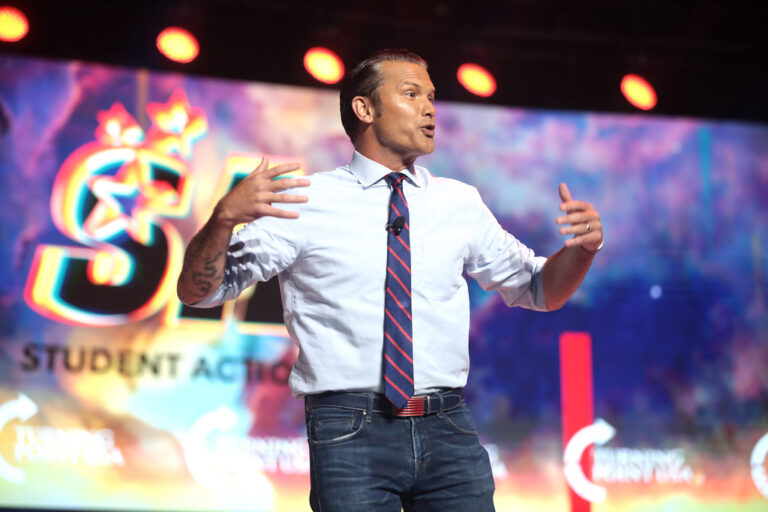
Defense Secretary Pete Hegseth had strong words for reporters who try to get insider information from the Pentagon. In a recent interview with Fox News anchor Peter Doocy, Hegseth slammed journalists who chase classified leaks. He called their actions “disgusting” and said they put American lives at risk.

The interview was recorded at the Navy vs. Air Force football game, a patriotic backdrop for a serious conversation about national safety. Hegseth said the Department of Defense (DoD) is now putting stricter rules in place for the press. According to him, these changes are necessary to stop harmful leaks and protect secrets.

Why Are Classified Leaks a Problem?

Pete Hegseth’s message was clear: leaked Pentagon information can seriously hurt the United States. He stressed that unauthorized leaks don’t just embarrass leaders—they can endanger troops on the ground.

Hegseth argued that some journalists care more about chasing headlines than protecting the country. He accused them of seeking drama and attention at the cost of safety. For Hegseth, it’s not about silencing the press. It’s about making sure reporters don’t trade national security for a story.

The Press Under New Restrictions

The core issue in this debate is press freedom versus national security. Hegseth said some changes are underway that limit how much media access is allowed inside the Pentagon. These restrictions aim to block leaks before they happen.

Hegseth explained that only certain people will now handle highly sensitive information. He added that policies are being reviewed to track who has access to what. Journalists will also face tighter rules when trying to communicate with DoD staff.

It’s a shift that’s already upsetting some in the press. However, Hegseth stands firm that his job is to guard the country—not make the media’s job easier.

How the Pentagon Plans to Stop Leaks

Hegseth described a multi-step plan to control who gets classified data at the Pentagon. The strategy includes:

  • Reviewing all active security clearances.
  • Enforcing strict need-to-know rules for accessing top-secret files.
  • Tracking email and phone records more closely.
  • Setting up faster internal probes when leaks occur.

By doing this, the Pentagon wants to build back trust and prevent damaging leaks. Hegseth said even one leak could give enemies an advantage or put missions at risk.

What Role Should Journalists Play?

This issue also opens a bigger question: what are the media’s limits? Journalists argue that the public needs to know what the government is doing. But Hegseth believes there’s a line that shouldn’t be crossed.

He thinks some reporters look for leaks not to inform the public, but to stir up controversy. Hegseth said, “They chase stories that help them, not the people.” He believes real journalism respects both the truth and the country’s safety.

Why the Timing of This Matters Now

Hegseth’s comments come at a time when digital risks are higher than ever. Cyber hacking, foreign spies, and social media leaks can all disrupt national security. The DoD feels extra pressure to keep secrets safe, especially with rising global tensions.

The shift in press policy is likely a response to recent high-profile leaks that embarrassed the Pentagon. Some of those leaks shook confidence in how well the government protects information.

Hegseth said, “These rules are no longer optional. We live in high-risk times.” He added that stronger internal discipline would also help military employees take security more seriously.

How Did People React to Hegseth’s Remarks?

Opinions are already split about Pete Hegseth’s tough stance. Supporters see him as taking bold steps to protect troops and intelligence. They say journalists sometimes forget their duty to act responsibly.

Critics, though, claim Hegseth’s approach could silence whistleblowers. Some say limiting media access might hide government mistakes.

Still, many agree that trust between the Pentagon and the press needs repair. Both sides want the country to stay safe—but they often disagree on how best to do it.

What’s Next for the Pentagon and the Press?

Moving forward, the Department of Defense will continue reviewing its media policies. Reporters may face background checks or have to follow more structured interview processes. Meanwhile, DoD employees will be warned that leaking is not only wrong—it’s illegal.

Hegseth says his team is balancing two goals: guarding national secrets and protecting American values. He believes that doing both is possible if everyone respects the rules.

As these new systems roll out, journalists will likely adjust how they work with the Pentagon. Whether this leads to fewer leaks or more clashes, one thing is certain: the fight to protect information is far from over.

FAQs

What did Pete Hegseth say about journalists?

Pete Hegseth said that it’s “disgusting” when journalists try to get leaks from Pentagon staff. He believes such actions risk national security and are driven by selfish goals.

Is the Pentagon limiting press access?

Yes. According to Hegseth, the Department of Defense plans to tighten press rules. These include controlling who journalists can contact and how classified data is shared.

Why are leaks from the Pentagon such a big deal?

Leaks can expose military plans, put U.S. troops in danger, and help enemies prepare. According to Hegseth, one leak can undo months of careful planning.

Are journalists being banned from the Pentagon?

Not banned, but rules are getting tougher. Reporters will still have access—but only under strict conditions. The goal is to stop harmful leaks, not block real journalism.

Why Did Sen. Crapo Block Jeffrey Epstein Documents?

Key Takeaways

  • Senator Mike Crapo refused to join a subpoena for Jeffrey Epstein financial records.
  • Crapo and Senator Ron Wyden worked together on rural school funding but not on Epstein documents.
  • In February 2024, staff reviewed over $1 billion in suspicious transactions but could not take copies.
  • Possible reasons for Crapo’s refusal include privacy claims, politics, or donor interests.
  • The public remains without key answers about Jeffrey Epstein’s hidden financial network.

Jeffrey Epstein Documents Remain Hidden

Early in 2024, senators reviewed thousands of pages of Jeffrey Epstein financial records at the Treasury Department. However, they could only take notes. They could not copy or share the files. Later, Senator Ron Wyden asked Senator Mike Crapo to support a subpoena to force the release. But Crapo said no. As a result, key details about Jeffrey Epstein’s money trail stay secret.

Senator Crapo’s Refusal Explained

Senator Mike Crapo has a record of working with Democrats. For years, he teamed with Senator Ron Wyden to fund schools in rural areas. Yet when it came to Jeffrey Epstein documents, Crapo would not join Wyden’s effort. He voted against separate bills that pressed the Treasury Department for answers.

What Happened in February 2024

For hours on Valentine’s Day, February 14, 2024, staff from the Senate Finance Committee sat inside the Treasury building. They studied over 4,700 wire transfers tied to Jeffrey Epstein. The transactions totaled more than $1.08 billion. They included payments from Wall Street financiers and transfers through Russian banks under U.S. sanctions. Despite this, staff could only write down what they saw.

However, when Wyden asked Crapo to back a subpoena, Crapo refused. He blocked any step that would force the Treasury to hand over the files.

Why Jeffrey Epstein’s Finances Matter

Jeffrey Epstein was accused of running a large sex trafficking network. To understand his crimes, investigators need to follow his money. Where did his estimated $550 million come from? Who paid him over $170 million for tax advice? How did funds flow through banks in Russia and Europe? These questions matter because they could expose other people involved.

For example, private equity billionaire Leon Black paid Epstein $170 million for tax and estate planning. Black later paid $62.5 million to settle claims in the U.S. Virgin Islands. He denied any wrongdoing. Yet the payments raise questions that only the hidden Treasury records can answer.

Possible Reasons for Blocking the Papers

No one truly knows why Senator Crapo refused to help. Here are three possible reasons:

  • He thinks the documents are not important. Maybe he feels other issues deserve more attention.
  • He believes privacy rules prevent sharing details about a dead man. Even so, the files focus on money, not personal secrets.
  • He wants to protect powerful donors or bankers. The records show large sums moving through top financial firms.

Because Crapo rejected the subpoena, the Senate’s oversight of the Treasury Department stalled. Even though the Biden administration held the files, the public cannot see them.

What Comes Next

Senator Ron Wyden has introduced new legislation to force Treasury Secretary Scott Bessent to release the files. He argues that voters deserve the truth. Meanwhile, Senator Crapo’s office has stayed silent. Requests for comment went unanswered.

For now, the full story of Jeffrey Epstein’s financial empire remains locked away. Without bipartisan support, the public waits. Citizens and lawmakers alike want to know how billions flowed through private accounts tied to sex trafficking.

Frequently Asked Questions

Why does Senator Crapo’s refusal matter?

His refusal stops a legal path to force the Treasury Department to share key financial records. That blocks public knowledge of how Jeffrey Epstein funded his crimes.

What information is in the hidden documents?

The files include details of over 4,700 wire transfers worth more than $1.08 billion. They show payments from Wall Street financiers, transfers through sanctioned Russian banks, and names of women connected to alleged trafficking.

How can the public get these records?

Senator Ron Wyden has introduced bills to compel the Treasury to release the files. If those bills pass, the documents could become public. Otherwise, the records remain secret.

What does this mean for Senate oversight?

When senators refuse to work together, the Senate loses its power to check the executive branch. In this case, Treasury oversight stalled because of partisan division.

Why Trump Cut Short the Antifa Meeting

0

Key Takeaways

• President Trump cut short a White House roundtable on Antifa.
• Secretary of State Rubio passed Trump a note about a Middle East deal.
• Trump stopped the meeting to respond to the news from Rubio.
• The session included MAGA influencers and cabinet members.
• The sudden exit highlights shifting priorities for the administration.


President Donald Trump was hosting a White House discussion about Antifa when he abruptly paused the event. The reason was a note from Secretary of State Marco Rubio. Rubio told him negotiations between Israel and Hamas were nearing a deal. Trump then explained he had to leave soon.

Understanding why Trump cut short the Antifa meeting

In September, conservative activist Charlie Kirk was killed. That event sparked concerns about extremist groups. To address this, Trump invited MAGA influencers and top officials. They gathered to talk about Antifa’s role in political violence. Just as Trump prepared to speak on this topic, Rubio arrived late. He handed over a message that changed the course of the meeting.

Why the discussion on Antifa mattered

Antifa is a loose group of activists who use protests and direct action. Many conservatives point to Antifa when they talk about political violence. After Charlie Kirk’s killing, pressure grew on the administration to define its stance. Trump aimed to set clear rules on how law enforcement should handle these extremists. He wanted to show his base he stood against political violence on the left.

The unexpected note from Rubio

Vice President and other officials listened as Trump spoke. Suddenly, Secretary of State Rubio entered the room. He slipped a note to Trump and whispered in his ear. Trump read it, nodded at Rubio, and mentioned the note aloud. He said they were “very close to a deal in the Middle East” and he was needed soon. This revealed the importance of the message. It also showed how foreign policy can shift domestic plans instantly.

Reaction and departure

After reading Rubio’s note, Trump took two more questions. Then he announced his early exit. His staff helped guide him out of the room. The abrupt end surprised both guests and reporters. Everyone understood the gravity of a potential Hamas-Israel deal. Yet, many felt the Antifa discussion was left incomplete. This moment highlighted the fast pace of presidential duties.

What this means for US politics

First, the incident shows how foreign affairs can overtake domestic issues. Even a heated topic like Antifa took a back seat to peace talks abroad. Second, it underscores Rubio’s influence in the administration. A single note changed the morning’s agenda. Finally, the meeting reflects Trump’s style: flexible, driven by breaking news, and focused on big deals.

Shifting focus from Antifa to peace talks

While the Antifa meeting aimed to address extremist left-wing violence, the new focus was a Middle East agreement. Trump’s swift change of plans signals that high-stakes diplomacy remains top priority. It also hints at the White House’s need to balance multiple crises. In this case, the potential Hamas-Israel deal outweighed the Antifa discussion.

Looking ahead: the next steps

Trump is expected to head to the Situation Room or Oval Office to get full details on the deal. Reporters will watch for updates from the administration. Meanwhile, members of the Antifa roundtable will share their ideas through other channels. The event may continue in private or through formal statements. Either way, both topics remain high on the national agenda.

Why this moment sticks in memory

This episode stands out because it shows a president shifting gears mid-meeting. It also connects domestic policy with global diplomacy. Such moments offer a rare peek into how the White House works. They remind us that even planned events can change in an instant. Ultimately, it’s a snapshot of leadership under pressure.

Frequently Asked Questions

What was the main reason Trump cut short the meeting?

Trump cut short the meeting because Secretary of State Rubio handed him a note saying a deal between Hamas and Israel was close.

Who attended the Antifa roundtable?

MAGA influencers, cabinet members, and other conservative figures gathered to discuss how to handle Antifa-related threats.

What does this signal about Trump’s priorities?

It shows that Trump values high-profile foreign policy breakthroughs alongside domestic issues.

Will the Antifa discussion continue?

Officials may follow up through private sessions or public statements, though no formal schedule has been released.

How does this impact the Hamas-Israel negotiations?

Trump’s direct involvement suggests strong US support for finalizing the deal, which could speed up the talks.

Inside Plans to Use Insurrection Act in U.S. Cities


Key Takeaways:

  • Administration drafts legal plans for the Insurrection Act.
  • Officials plan to exhaust other options first.
  • The law lets the president send troops to troubled cities.
  • Debates grow over its impact on communities and courts.

Administration Weighs Insurrection Act Move

The White House is now drawing up plans to use the Insurrection Act. According to insiders, lawyers have prepared defenses and options for invoking the law. However, senior aides say they want to try every other step before sending troops. Meanwhile, city leaders in Chicago and Los Angeles have pushed back against earlier military moves. As a result, the president’s team has shifted its debate to this century-old authority.

What Is the Insurrection Act?

The Insurrection Act is a law from 1807. It allows the president to call up the U.S. military or federalize National Guard units. He can do this if local officials cannot keep order. In such cases, troops can help enforce federal law. Over time, presidents have used the Act to quell uprisings or major unrest. Yet courts often review these moves to protect citizens’ rights.

Drafting Legal Defenses

Sources say White House lawyers have outlined legal arguments. They want to prove the president can act if states delay or refuse help. In these drafts, they list scenarios that could trigger action. For example, if violence overwhelms local police or if judges block federal officers. Moreover, aides have mapped an “escalatory ladder” of steps before troops enter. First comes federal agents, then the Guard, and finally active-duty forces.

Political Debate at the Top

Inside the administration, views vary widely. Some advisors warn of public backlash and court fights. Others say a strong show of force will deter crime. Reportedly, the president asked, “If people were being killed, and courts held us up, I’d do it.” Still, he has conceded that the move hasn’t been needed yet. Therefore, aides will test each option first. They aim to avoid a sudden military presence in cities.

Why Now?

Rising unrest in some areas has pushed the debate forward. More tear gas clashes and protests have strained city law enforcement. Chicago and Los Angeles leaders publicly opposed earlier plans. They argued military forces would worsen tensions. After delays and legal roadblocks in Portland, the president’s team feels pressed. Thus, they seek backup plans using the Insurrection Act.

Impact on American Cities

If invoked, the Act could station soldiers on city streets. They could back up federal agents at protests or crime scenes. Critics warn this might harm civil liberties and trust in police. They fear troops could treat civilians like enemies. Supporters claim it would protect federal property and lives. Overall, its use could reshape how cities handle major unrest.

Voices Inside the White House

A senior administration official says aides must balance force with public trust. One person close to the White House described the process as climbing an “escalatory ladder.” First, send more FBI or ATF agents. Next, call up the National Guard under state control. Last, federalize the Guard or deploy active-duty troops. Each step requires legal review and political approval.

What Comes Next

For now, the administration will keep drafting and debating. They will meet with Justice Department lawyers and military leaders. Meanwhile, they will brief governors and mayors behind closed doors. If local officials agree to federal help, the Act may stay unused. Yet if violence spikes and courts block other tools, the president could act. In any case, a final decision could shape U.S. cities for years.

Frequently Asked Questions

How does the Insurrection Act differ from calling the National Guard?

The National Guard usually works under state orders. The Insurrection Act lets the president federalize troops. This means they answer only to him, not local governors.

What counts as an insurrection under this law?

An insurrection involves actions that block federal law or threaten public order. Courts often decide if a situation meets that bar.

Can courts stop the president from using the Insurrection Act?

Yes. Judges can issue injunctions or rulings that slow or block troop deployments until legal issues resolve.

Have other presidents used this law recently?

Several presidents have invoked it in the 20th century for race riots and protests. Yet its use remains rare and often controversial.

How will this decision affect local policing?

Troops would support, not replace, city police. But their presence could change how officers and protesters interact on the streets.

Chicago Grand Jury Drops Firearm Charges

Key Takeaways

• A Chicago grand jury refused to indict a couple seen with firearms at an ICE protest.
• Prosecutors called them “armed rioters” but later asked to drop charges.
• New video evidence led to dismissals in two related cases.
• Lawyers say the case had “less evidence than a ham sandwich.”
• Prosecutors have two weeks to decide on new charges.


Chicago Grand Jury Refuses to Indict Armed Protesters

A Chicago grand jury surprised many this week. It declined to indict a couple who carried guns during a protest at an ICE facility. Prosecutors had labeled them as “armed rioters.” However, the jury saw too few facts to move ahead.

Background on the Protest Arrests

Last month, federal agents arrested more than a dozen protesters outside the Broadview ICE center. The arrests came after tensions flared over immigration enforcement. Among those taken into custody were Jocelyne Robledo and Ray Collins. Both held firearms while standing near the facility entrances.

Prosecutors described the protest as a dangerous riot. They charged the couple with assault and weapons violations. A third protester, Luci Mazur, also faced charges after a tense encounter with law enforcement.

What the Grand Jury Decided

Surprisingly, the Chicago grand jury did not find enough proof to indict Robledo and Collins. Even with video and sworn statements, the jurors felt the evidence fell short. The U.S. Attorney’s office then asked to dismiss the charges.

The decision echoed other grand juries in Washington that refused to indict protesters. Yet this time it happened far from the capital. It marks a rare moment when a Chicago grand jury stood against a federal prosecution.

Role of New Footage in Dropping Charges

In Mazur’s case, new body camera footage changed everything. Prosecutors had believed Mazur grabbed an agent and resisted arrest. They based initial charges on an affidavit from an FBI agent.

However, when lawyers asked for video review, they found gaps. The footage did not clearly show the alleged assault. As a result, Assistant U.S. Attorney Jeffrey Snell notified the court that the case would not proceed.

One lawyer joked that the case had “less evidence than a ham sandwich.” In response, the judge dismissed Mazur’s charges without debate.

Lawyers React to the Grand Jury Decision

Veteran attorney Richard Kling spoke about the couple’s case. He said he has practiced law for 54 years and has never seen a client walk free so quickly after federal charges. Kling noted the old saying that a grand jury can indict a ham sandwich. Here, he added, prosecutors had less proof than that sandwich.

U.S. Magistrate Judge Gabriel Fuentes pressed prosecutors for answers on why the Chicago grand jury refused to indict. Assistant U.S. Attorney Brian Havey admitted the decision came from the top of the Justice Department.

Next Steps for Prosecutors

Even though the charges dropped, prosecutors still have options. They can present new evidence to a different grand jury within two weeks. If they find witnesses or footage that supports their case, they could renew the indictment.

For now, though, the couple walks free. Their photos and names remain on social media posts by ICE. The agency’s account called them armed rioters who would be held accountable. Yet the posts still stand, even though no trial will take place soon.

Community Impact and Reactions

The refusal to indict has sparked debate around protest rights and firearm rules. Supporters say the grand jury’s move protects free speech and legal gun ownership. Critics worry it may encourage more armed protests at sensitive sites.

Meanwhile, local activists applaud the decision. They believe it shows that peaceful protest and self-defense can coexist. They also hope it leads to clearer policies on how federal agents handle armed participants.

Lessons from the Case

This incident highlights a few key lessons:

• Evidence Matters: Even strong claims need clear proof.
• Video Reviews Are Crucial: New footage can change a case overnight.
• Grand Juries Have Power: They can reject weak prosecutions.
• Legal Rights Stand Firm: Carrying a licensed firearm is not a crime.

Ultimately, the Chicago grand jury sent a message. Prosecutors must build stronger cases before seeking indictments. Otherwise, juries will push back.

Next, we will watch if the Justice Department gathers new evidence. For now, the protesters remain free and the charges stand dismissed.

Frequently Asked Questions

Why did the Chicago grand jury refuse to indict?

The jurors felt there was not enough clear evidence to support the assault and weapons charges.

What changed after prosecutors reviewed new footage?

The new videos did not match the written complaints, so officials dropped the cases.

Can prosecutors refile charges against the protesters?

Yes, they have about two weeks to gather new evidence and present it to another grand jury.

What does this decision mean for future protests?

It suggests that strong proof is needed before charging armed demonstrators, protecting both free speech and gun rights.

Nick Anderson Cartoonist: Drawing Real Change

Key Takeaways

• Nick Anderson cartoonist uses art to spark tough conversations
• He won a Pulitzer Prize for his bold editorial cartoons
• His simple style makes complex ideas easy to grasp
• He inspires young artists to speak up with creativity

Nick Anderson Cartoonist: Drawing Real Change

Nick Anderson cartoonist shows how a sketch can drive real change. Through simple yet powerful drawings, he tackles big issues. Moreover, his art captures hearts and minds worldwide. In this article, you will learn how his journey began, why his work matters, and how he keeps creating cartoons that speak truth to power.

Early Beginnings of Nick Anderson Cartoonist

Nick Anderson cartoonist started drawing as a kid. He doodled in math class and shared comics with friends. Then he studied art in college. After college, he joined a local newspaper. There, he learned how to blend art and ideas. He soon fell in love with editorial cartoons.

His first cartoons featured local news and playful jokes. However, he wanted to tackle tougher topics. He studied politics and society. Next, he mixed research with pencil sketches. Soon, his cartoons stood out for their clear message.

Why Nick Anderson Cartoonist Inspires Millions

Nick Anderson cartoonist inspires millions because his art feels honest. He uses simple shapes and clear labels. Therefore, anyone can grasp his point in seconds. Also, he adds a dash of humor to soften hard truths. As a result, readers pause and think.

Moreover, he picks timely topics. He draws about elections, the environment, and social justice. That focus keeps his work fresh and urgent. Readers share his cartoons on social media. Thus, his message spreads fast.

The Art Style That Speaks Volumes

Nick Anderson cartoonist relies on simple lines and bold expressions. For example, he might draw a giant hand dropping ballots. Next, he adds a tiny voter caption. Immediately, you sense the power imbalance. He rarely uses many words. Instead, his images speak for themselves.

His color palette stays limited. Often, he adds just one bright hue. That splash of color guides your eyes. Finally, he adds shading to ground the scene. This mix gives his work a modern, clean look.

How He Crafts Each Cartoon

First, Nick Anderson cartoonist reads the latest headlines. Then, he spots a story that needs a sharp take. He sketches quick ideas in a small notebook. After that, he picks the strongest sketch and refines it. He uses digital tools to add color and text.

Throughout this process, he asks peers for feedback. They help him spot confusing parts. Also, he tests jokes to ensure they land well. In the end, he trusts his gut and publishes.

Memorable Moments in His Career

Winning a Pulitzer Prize marked a high point for Nick Anderson cartoonist. Judges praised his fearless approach to tough issues. Moreover, they noted his clear, clever visuals. This prize boosted his profile and opened new doors.

Also, he received awards from journalism groups and art societies. Each honor confirmed that cartoons can shape public debates. He even spoke at universities to share his craft.

Lessons for Young Cartoonists

Nick Anderson cartoonist believes anyone can learn to draw powerful cartoons. He says to start by observing the world. Carry a sketchbook and doodle daily. Next, read news stories and pick one angle. Then, simplify the message into a single image.

He also urges young artists to find their voice. For example, if you care about climate change, focus on that theme. Finally, share your work online and invite feedback. That way, you grow stronger with each cartoon.

Impact Beyond the Drawing Board

Beyond newspapers, Nick Anderson cartoonist influences social media and books. His cartoons appear in tweets and blog posts. People share them to highlight injustice or spark debate. In addition, he publishes collections of his best work. These books offer a deeper look at his messages.

He also collaborates with nonprofits to raise awareness. For instance, he designed posters for voting campaigns. This outreach shows how cartoons can boost real action.

Why Editorial Cartoons Matter Today

Editorial cartoons cut through the noise of long articles. They deliver sharp insights in a glance. Moreover, they can open minds to new viewpoints. In a world filled with distractions, cartoons remain a vital art.

Nick Anderson cartoonist brings clarity in chaos. His work reminds us that humor and honesty can coexist. Thus, he keeps readers engaged and informed.

Staying True to His Vision

Despite his success, Nick Anderson cartoonist stays humble. He still draws cartoons for local papers. He mentors young artists and visits schools. Moreover, he encourages open dialogue. When critics disagree, he listens. That attitude strengthens his work.

He also explores new formats, like animated shorts and podcasts. This growth shows his commitment to reaching new audiences.

The Future of His Cartoon Legacy

Looking ahead, Nick Anderson cartoonist plans to expand his reach. He hopes to work on documentaries and digital exhibits. In addition, he wants to launch a scholarship for young cartoonists. His goal is to ensure that editorial cartoons thrive for generations.

As issues evolve, he will adapt his art. No matter the medium, his dedication to truth will remain.

Embracing Your Inner Cartoonist

Even if you never win a Pulitzer, you can draw cartoons that matter. Start by picking topics you care about. Sketch daily and study the work of masters like Nick Anderson cartoonist. Next, share your art and ask for honest feedback. Finally, keep refining your style and message.

Through practice and passion, your cartoons can spark change too.

FAQs

What makes Nick Anderson’s cartoons unique?

He combines simple drawings, clear labels, and bold humor. This style lets people grasp his message instantly.

How did he win a Pulitzer Prize?

Judges recognized his fearless takes on politics and social issues. His clear visuals and clever ideas set him apart.

Can beginners learn his drawing process?

Yes. Nick Anderson suggests studying news, sketching daily, and sharing work for feedback. Over time, your cartoons will improve.

Where do his cartoons appear online?

You can find his work on social media, newspaper websites, and in his published collections. They’re easy to share and discuss.

Why the Comey Trial Starts So Soon

Key takeaways

• Former FBI Director James Comey pleaded not guilty to two federal charges.
• His trial is set for January 5, 2026—just 89 days from the plea.
• The trial may last only two to three days, far shorter than usual.
• Experts say the swift pace is rare and points to a narrow case.

The Quick Pace of the Comey Trial

James Comey’s case is moving faster than most federal trials. His trial date on January 5, 2026, is just 89 days after he entered a not guilty plea. Normally, federal cases take seven or eight months to reach trial. However, the Comey trial will likely finish in two or three days.

Former prosecutor Elie Honig called this a “remarkable development.” He explained that defense teams usually seek more time to prepare. In contrast, Comey’s team agreed to a quick date. His willingness for a speedy trial shows confidence, experts say.

What Charges Does Comey Face?

James Comey faces two charges: making a false statement to Congress and obstructing a congressional proceeding. Both stem from his testimony in 2017. After his firing by President Trump, Comey told the Senate he did not approve any leaks. Prosecutors say that claim was false.

The case centers on a single question: did Comey lie about authorizing a friend to leak his memos? The memos detailed conversations with then-President Donald Trump. Prosecutors argue these notes were key to news reports about Hillary Clinton’s use of a private email server.

Why the Comey Trial Moves So Fast

Narrow Focus of Evidence

The Comey trial relies chiefly on one piece of testimony. It asks whether Comey lied when he spoke to the Senate. Since the dispute is limited to a single fact, the courtroom battle should be short.

Prosecutors’ Strategy

Federal prosecutors often include extra details that prolong trials. Yet in this case, they appear focused. They may want to keep the trial tight. This approach lets them highlight the main issue without distractions.

Judicial Signals

The judge made it clear that January 5 is a firm date. There won’t be long delays or hold dates. Everyone must be ready at the start. This signal discourages tactics that usually stretch a trial.

Speedy Trial Rights

Defendants have a constitutional right to a speedy trial. Comey is exercising that right. His quick schedule contrasts with other high-profile cases, such as those involving the former president. In those cases, defense teams pushed dates months ahead.

How the Timeline Compares

Typical Federal Trial

Usually, federal trials begin many months after indictment. Investigations, witness interviews, and evidence gathering take time. Defense and prosecution exchange information over weeks. Then courts set dates based on calendars and readiness.

Comey Trial Timeline

Indictment Date: September 2025
Arraignment and Plea: September 2025
Trial Date: January 5, 2026
Trial Length: 2–3 days estimated

This compressed timeline is almost unheard of. It reflects the case’s narrow scope and the court’s push for efficiency.

What to Expect in Court

Swift Opening Statements

Both sides will present opening statements right away. They’ll outline why they believe their case is strong.

Limited Witness List

Fewer witnesses will testify because only one key fact is under dispute. Expect testimony from Daniel Richman, the law professor involved in the alleged leak.

Focused Evidence Presentation

Prosecutors will aim to avoid extra documents. Defense lawyers will highlight inconsistencies in memory or procedure.

Quick Deliberation

After closing arguments, the jury will start deliberations. With a simple question to answer, the verdict could come quickly.

Possible Outcomes

If the jury finds Comey lied, he faces fines and possible prison time. If they find his testimony honest, he will be acquitted.

Why It Matters

Public Interest

James Comey is a well-known figure who led high-profile FBI investigations. His trial will draw national attention. People will watch how quickly the case unfolds.

Legal Precedent

A short federal trial on a major figure is rare. It could set a new standard for narrow, focused cases. Future prosecutors might follow this model.

Political Implications

The case links back to the Trump era and the 2016 election. Its outcome may influence public views of both Comey and political figures.

Preparing for Trial Day

Legal Teams’ Checklist

• Final review of documents and memos
• Witness preparation, including mock testimony
• Strategy sessions for opening and closing statements

Courtroom Logistics

• Scheduling exhibits and evidence lists
• Arranging media seating and public access
• Ensuring all parties know the strict January 5 start date

Community and Media

Reporters are already lining up to cover the Comey trial. Social media will buzz with commentary. Legal analysts will weigh every moment.

Looking Ahead

In just under three months, the nation will see one of the fastest major federal trials in recent history. With clear limits on scope and time, the Comey trial could become a case study in judicial efficiency. Whether it delivers justice or sets a new trial model, its impact will be felt far beyond the courtroom.

FAQs

What makes the Comey trial so fast?

The case centers on one key fact. Both sides agreed to limit witnesses and documents. The judge set a firm date without delays.

How long will the Comey trial last?

Experts predict two to three days. This is far shorter than the typical seven- or eight-month timeline.

Why did Comey choose a speedy trial?

Comey has a constitutional right to a quick trial. His decision signals confidence in his defense.

What happens if Comey is found guilty?

A guilty verdict could bring fines and potential prison time. Sentencing would follow after the trial.

Trump Weighs Use of Insurrection Act

0

Key Takeaways

  • White House debates invoking the Insurrection Act to send troops
  • Active-duty forces could perform searches and arrests under the Act
  • National Guard now has limited support roles in cities
  • Legal challenges and public outcry are already emerging
  • A move would mark a major escalation in federal power

President Trump’s advisers are discussing whether to use the Insurrection Act. This law lets active-duty troops do police work in U.S. cities. If invoked, troops could search, arrest, and patrol streets. So far, the National Guard only fills support roles.

The talks follow the move to send Guard units to Los Angeles, Chicago, and Portland. Officials say those forces will fight crime and protect immigration agents. Yet active-duty troops would have more power under the Insurrection Act. A senior official said no decision is set. However, the shift would mark a big escalation in federal authority.

What Is the Insurrection Act?

The Insurrection Act dates to the early 1800s. At the time, it helped the president stop rebellions and riots. Under this law, active-duty troops can enforce laws on U.S. soil. That means they can make arrests and carry out searches. Normally, active-duty troops cannot act as police. Instead, the National Guard handles such roles when governors ask for help.

Why the President Might Act

President Trump has faced growing unrest in several cities. Officials argue that local leaders did not stop violence or protect federal agents. Therefore, advisers see a case for invoking the Insurrection Act. They say it could send a stronger message. Moreover, it might deter further attacks on federal buildings. Yet critics warn this could undermine democracy and spark more unrest.

Currently, the National Guard plays a support role. Those troops guard buildings, set up checkpoints, and assist local police. They cannot arrest people or search homes. If the Insurrection Act kicks in, active-duty forces would gain those powers. That is why the law holds such weight.

Limits of Current Guard Deployment

Today, governors control their state Guard units. Only governors can deploy them within state borders for public safety. When governors refuse, the president may try federal troops. For example, a judge blocked Guard units sent to Portland by Trump. The judge said the move broke normal state-federal rules. As a result, the administration said it might use the Insurrection Act “if necessary.”

Unlike the Guard, active-duty troops serve under the president. They operate under strict military rules. Under the Insurrection Act, they could work without local approval. Some experts worry this could bypass state and city leaders. Consequently, the balance of power between federal and local officials would shift sharply.

Legal Pushback

Courts have already stepped in to block moves tied to this effort. In Oregon, a federal judge barred out-of-state Guard units from Portland. The judge ruled state law and federal law must both apply. Additionally, civil rights lawyers warn that using active-duty troops could violate rights. They argue it may breach the First Amendment right to protest. Therefore, if the president issues orders under the Insurrection Act, lawsuits will follow.

Moreover, some legal scholars say invoking the Act without clear rebellion would be unlawful. They point out that recent protests, though sometimes violent, do not meet the law’s original intent. That intent was to quell armed uprisings against the government. Thus, they claim this move could face strong legal challenges all the way to the Supreme Court.

Public and Expert Reactions

Across social media, critics accuse the president of overreach. A Democratic congressional candidate slammed the plan as an attempt to suspend democracy. A law professor said in normal times, this would be grounds for impeachment. Journalists and community leaders called the idea reckless. They noted families worry about health costs, not military patrols.

Meanwhile, some defenders argue the Act gives the president a needed tool. They claim cities under siege need stronger intervention. They insist that federal agents have been hurt by protesters. According to this view, active-duty troops would protect federal property and staff. Yet most responses highlight the risk of more violence and fear.

What Happens Next

For now, no formal order has been issued. The president has signaled willingness but has not acted. In coming days, advisers will weigh legal opinions, public reactions, and political fallout. If the Insurrection Act is invoked, Congress and courts will likely challenge the move.

Citizens can expect heated debates in state capitals and Washington. Governors may refuse to cooperate. Courts will hear new lawsuits. And protests could spread or intensify. All this suggests a turbulent period if active-duty troops hit the streets.

Ultimately, invoking the Insurrection Act would reshape how federal power works at home. It would test the boundaries of presidential authority and civil liberties. With elections ahead, the stakes could not be higher.

Frequently Asked Questions

How does the Insurrection Act work?

The Insurrection Act lets the president send active-duty troops to enforce laws in U.S. states. It only applies when state authorities cannot keep order. Under the Act, troops may arrest people and do searches.

What would change under the Act?

Normally, active-duty troops cannot act as police. They may guard property, but not make arrests. If the president invokes the Insurrection Act, troops gain full law enforcement powers.

Could this move face legal challenges?

Yes. Courts have already blocked similar deployments. Lawyers say it could violate protest rights. Cases would likely reach the Supreme Court for a final ruling.

Why is this decision significant?

Using the Insurrection Act would mark a major expansion of federal power. It would shift authority from governors to the president. That could reshape how protests and riots are handled nationwide.

Trump’s Selective Prosecution Claim Faces Big Hurdles

0

Key Takeaways:


  • Former White House lawyer Jim Schultz says Trump’s public comments don’t help his case.
  • Selective prosecution is hard to prove because courts demand clear bias.
  • Past political scandals show how rare it is to win on selective prosecution.
  • Trump’s firing of a U.S. attorney and public demands may backfire.
  • A judge will soon decide whether James Comey’s motion can proceed


Former advisor Jim Schultz warned President Trump that his public campaign against James Comey could hurt him. Schultz explained on CNN that Trump’s comments make it harder for prosecutors to handle the case. He argued that judges will need strong proof to show selective prosecution.

Selective prosecution means targeting one person unfairly while ignoring others who did the same. To win, a defendant must prove the prosecutor acted with a discriminatory purpose and effect. However, courts set a high bar for these claims. Schultz noted that Trump’s repeated posts on Truth Social demanding an indictment of Comey only draw more attention to the issue.

Why Selective Prosecution Matters in the Comey Case

In recent weeks, Trump demanded that Attorney General Pam Bondi charge Comey. When a U.S. attorney refused, Trump fired him. A loyalist then took over and filed charges. This sequence of events fuels Comey’s claim of selective prosecution.

First, courts look at whether other people who allegedly lied to Congress faced prosecution. Trump’s critics argue that many have made false statements without facing charges. Yet, Schultz pointed out that proving selective prosecution still remains a steep challenge.

Moreover, Comey’s team must show that the prosecutor acted with discriminatory intent. Prosecutors must have targeted Comey for political reasons, not because of evidence. Therefore, Comey’s lawyers will focus on Trump’s public pressure and the firing of the U.S. attorney.

Historical Examples of Selective Prosecution

Looking back, selective prosecution claims surfaced in other major scandals. During Watergate, prosecutors faced accusations of bias. However, courts rejected these claims because they found no clear proof of unfair targeting.

Similarly, the Iran-Contra affair saw attempts to dismiss cases for vindictive motives. Yet again, judges ruled against selective prosecution arguments. In both eras, courts demanded concrete evidence of discriminatory effect and purpose.

Thus, history shows that courts rarely side with defendants on selective prosecution. Even strong political scandals failed to meet the burden of proof. As Schultz said, “It’s really hard to meet that burden.”

How Trump’s Actions Affect the Case

Trump’s public demands and social media posts add more fuel to Comey’s motion. His Truth Social messages calling for charges against Comey stand out in court filings. Judges will consider whether these posts show a discriminatory purpose.

Also, firing the U.S. attorney who refused to bring charges raises red flags. Critics argue this move shows political interference. On the other hand, the prosecution will argue that each step followed legal authority.

Furthermore, these events may force the prosecution to defend its integrity. They must prove that they acted independently, even after Trump’s orders. As Schultz noted, the prosecutor now faces a motion to dismiss that they would not face otherwise.

Legal Challenges Ahead

First, the judge will review the motion to dismiss based on selective prosecution. The judge must determine if Comey’s team presented enough evidence. If the judge finds a valid claim, the case could be dropped before trial.

Next, the prosecution must gather records and witness statements. They will need to show that Trump’s actions did not influence the decision to charge Comey. Yet, the defense will highlight public statements and personnel changes.

Meanwhile, both sides will file more legal briefs. These documents will shape the judge’s view of the facts. Moreover, expert testimony on how selective prosecution works may play a role.

Finally, the judge will hold hearings to decide. These sessions will give both sides a chance to argue. Afterward, the judge will issue a ruling on whether to move forward or dismiss the case.

What Comes Next

As the legal battle unfolds, public attention will stay high. Trump’s critics will watch closely for proof of political bias. Trump’s supporters will argue that he fights corruption. Either way, the judge’s decision on selective prosecution will matter.

If the judge denies the motion, Comey will face trial. The trial could last months and bring further scrutiny on Trump. However, if the judge grants the motion, the case against Comey ends.

Ultimately, the outcome will shape future arguments about selective prosecution. High-profile defendants will point to this case when raising similar claims. Therefore, this legal fight could set a lasting precedent.

Frequently Asked Questions

What is selective prosecution?

Selective prosecution means a government prosecutor unfairly targets one person but ignores others who committed similar acts. Defendants must prove bias in both purpose and effect.

Why do courts set a high bar for selective prosecution claims?

Courts worry that if the bar is too low, many criminal cases could be dismissed unfairly. They require clear evidence of discriminatory intent and effect.

How could Trump’s public comments affect the case?

Trump’s social media posts and public demands may show discriminatory purpose. This could strengthen Comey’s motion to dismiss the case.

What could happen next in this legal fight?

The judge will review the motion on selective prosecution. A ruling could either end the case or allow it to go to trial.