52.3 F
San Francisco
Tuesday, April 28, 2026
Home Blog Page 387

Jonathan Bush Enters Maine Governor Race

Key Takeaways:

  • Entrepreneur Jonathan Bush has launched his campaign for Maine governor.
  • He announced the bid in Belfast, Maine, with support from his brother Billy Bush.
  • Bush vows to end pessimism and boost job creation in the state.
  • His campaign comes amid past allegations of misconduct and a crowded field.

Why Jonathan Bush Is Running for Governor

Entrepreneur Jonathan Bush announced he will run for governor of Maine. He made his announcement outside Athenahealth’s Belfast office. His brother, TV host Billy Bush, joined him for the event. He promised to stop what he called a “defeatist notion” about Maine’s future. He said he will bring new energy and create more jobs for all residents.

Campaign Launch and Family Support

Jonathan Bush co-founded Athenahealth in 2000 and served as its CEO for years. However, hedge fund pressure led him to step down in 2018. He then started a new health tech venture in Maine. Meanwhile, support from his media-savvy brother helped draw crowds. Together, they stressed a message of hope and optimism. He said Maine can achieve more with the right leadership.

A Crowded Race for Maine Governor

Maine’s governor seat is open because Janet Mills may run for U.S. Senate. As a result, multiple candidates from both parties have entered the race. On the Democratic side, candidates include Maine Secretary of State Shenna Bellows and Angus King III. Angus King III is the son of U.S. Senator Angus King. On the Republican side, Jonathan Bush joins several hopefuls. Many voters now face a tough choice among familiar names and newcomers.

Bush’s Business Background

Jonathan Bush first made a name for himself in health care technology. He helped build Athenahealth into a leading company serving hospitals and clinics. After his exit, investors Elliott and Veritas Capital bought Athenahealth for $5.7 billion. They later merged it with a GE Healthcare unit. In 2022, Bain Capital and Hellman & Friedman acquired the combined business for $17 billion. Bush sees his track record in business as proof he can boost Maine’s economy.

Addressing Past Misconduct

Jonathan Bush apologized publicly for a personal incident involving his ex-wife. He said he deeply regrets the mistake that led to her injury. Additionally, he faced complaints about inappropriate behavior with female employees. A 2017 video clip showed him joking at an industry event about crossing lines. He acknowledged the harm his words caused and said he has learned from that period. He now pledges to uphold respect and safety in all workplaces.

Vowing Optimism and Change

Bush says he is a “fanatic Maine optimist.” He plans to challenge the negative views that hold the state back. He promises to be a disruptor in Augusta, pushing for new policies. He wants to expand small business grants, improve schools, and strengthen health care. Furthermore, he aims to protect Maine’s environment while promoting responsible resource use. In his view, Maine can do better when people work together.

Key Campaign Themes
• Jobs and economic growth
• Education and workforce training
• Health care access and innovation
• Environmental stewardship

Looking Ahead in Maine Politics

The general election for governor will test Bush against other strong candidates. Democrats hope to keep the governor’s office after eight years under Janet Mills. Meanwhile, Republicans aim to seize an open seat. Independent voters will play a crucial role in the outcome. Bush must build bridges with moderates to compete effectively. Polls are yet to reflect his entry, so his impact remains to be seen.

How Jonathan Bush Can Stand Out

First, he must address voter concerns about his past behavior. Second, he needs clear plans for job creation and school funding. Third, he should highlight his local business ventures in Maine. Finally, engaging with communities across the state will be vital.

Why This Race Matters

Maine often decides key Senate and presidential contests. If Janet Mills runs for Senate, she may face Sen. Susan Collins. That could change power dynamics in Washington. Thus, the governor’s race also carries national weight. Success for Jonathan Bush could signal a shift in Maine’s political landscape. In contrast, a win by Democrats would continue current policy directions.

Conclusion

Jonathan Bush enters a tough race with a familiar name and fresh ideas. His business success and family backing give him early momentum. However, past controversies add challenges he must overcome. As the campaign unfolds, voters will judge whether his optimism can translate into real results for Maine. Ultimately, this race will test whether a Bush can capture the governorship in a competitive field.

Frequently Asked Questions

What inspired Jonathan Bush to run for governor?

He believes Maine needs new energy and job growth. His work in health tech showed him how innovation can help communities.

How does Jonathan Bush plan to improve the economy?

He proposes grants for small businesses, support for workforce training, and incentives for startups.

What controversies has Jonathan Bush faced?

He apologized for an incident with his ex-wife and addressed past misconduct complaints from employees.

Who are Jonathan Bush’s main opponents?

On the Democratic side, Shenna Bellows and Angus King III lead the field. Other Republicans also seek the nomination.
Did Trump Have Plenary Authority? Miller Says Yes


Key Takeaways

  • Stephen Miller claimed President Trump has plenary authority on immigration and domestic law enforcement.
  • Miller’s unexpected freeze on camera raised eyebrows during a CNN interview.
  • Experts and commentators warned this claim points toward unchecked power and dictatorship.
  • Critics stressed federal laws and the courts limit any president’s plenary authority


What Is Plenary Authority?

Plenary authority means total and absolute power over a specific issue. In law, it suggests no limits or outside review. During his CNN interview, Stephen Miller said President Trump held that kind of power on immigration and domestic law enforcement. He insisted courts could not override presidential actions. However, this claim conflicts with how the U.S. government actually works. The Constitution and federal statutes set clear checks on presidential power. Thus, the idea of plenary authority for any president surprises many legal experts.

Social Media Reacts to Plenary Authority Claim

Observers rushed to social media to voice alarm and disbelief. Democratic analyst Wajahat Ali wrote they were “going for full-scale dictatorship.” Molly Jong Fast warned, “Oh this is not great.” Military veteran John Topham said the U.S. “is heading towards dictatorship openly.” In addition, Eric Feigl-Ding compared invoking plenary authority to moves seen in authoritarian regimes. Political pundit Mark Bloand linked Miller’s words to Hitler’s Enabling Act. Ethics lawyer Richard Painter shot back that federal laws strictly limit presidential action. He stressed Trump cannot wield unlimited or plenary authority.

The CNN Interview Moment

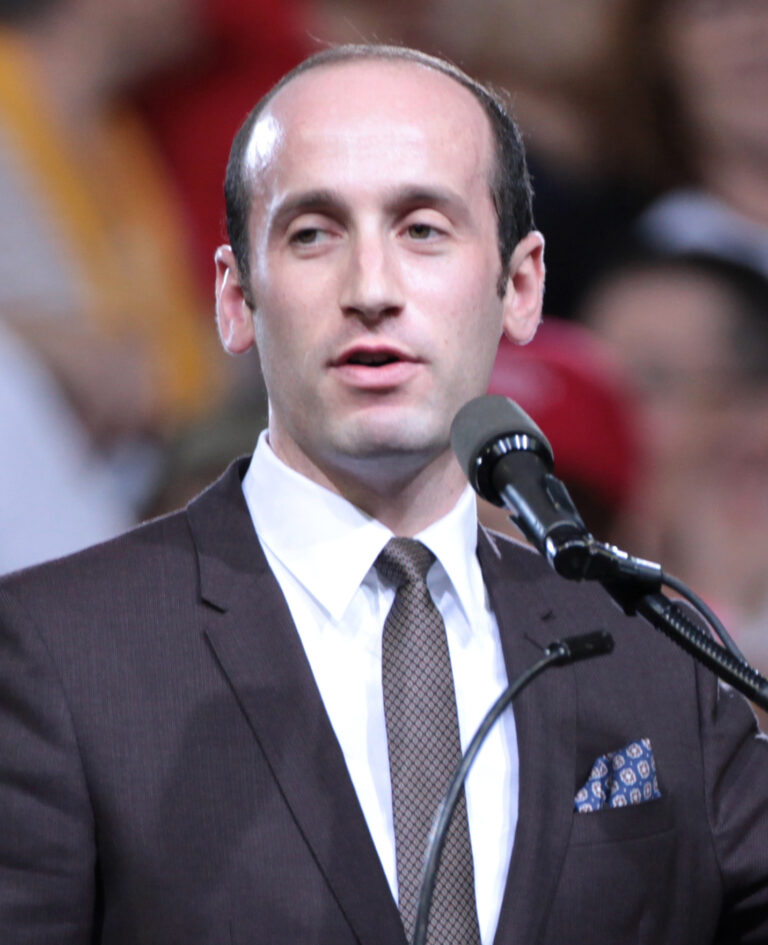
During the live interview, Miller defined plenary authority as absolute control. He claimed courts had no power to block Trump on immigration. Then he froze. For nearly five seconds, his mouth hung open and his eyes stared blankly at the camera. The awkward pause quickly turned into a viral clip. Many saw it as proof even Miller knew his claim defied reality.

Expert Warnings and Historical Parallels

Legal scholars doubt any president can have plenary authority over law enforcement. One professor noted that the Constitution’s separation of powers ensures the courts hold the final say. Moreover, Congress writes the statutes that guide or limit executive actions. Critics pointed out past presidents tried to push limits but always faced legal challenges. Historian comparisons warn that unchecked power often erodes democracy. Thus, likening the claim to authoritarian tactics sounded alarm bells.

What This Means for Checks and Balances

The U.S. system relies on checks and balances. Courts review executive orders. Congress can pass laws or impeach. Citizens can vote leaders out. If a president truly had plenary authority, those safeguards would vanish. Therefore, Miller’s statement challenged a core principle of American government. It raised questions about how far an administration might go without legal restraint. In a functioning democracy, no official holds power without limits.

Possible Impact on Immigration and Law Enforcement

If a president believed in plenary authority, they might bypass court rulings on immigration bans. They could use military forces on U.S. soil without legal approval. Such actions would spark legal battles. They also could erode public trust in the rule of law. However, actual practice shows courts block orders that break constitutional rights. Even if an aide claims plenary authority, the justice system and Congress stand ready to intervene.

A Freeze That Speaks Volumes

The on-screen freeze became an unexpected highlight. It showed how startling Miller’s claim sounded, even to him. In addition, it offered a dramatic visual that spread rapidly online. Memes and reaction videos used that moment to mock the idea of unlimited presidential power. Thus, the clip did more than reveal a bizarre legal claim. It also exposed how public opinion can shape political debates in real time.

What Comes Next?

In the days after the interview, several federal judges issued decisions that limited Trump’s policies. Those rulings underscored that courts still control immigration and enforcement rules. Congress also debated new legislation to clarify presidential powers. Meanwhile, political opponents used Miller’s words in campaign ads. They argued that accepting plenary authority would threaten hard-won civil liberties.

Conclusion

Stephen Miller’s claim that President Trump held plenary authority stunned viewers and experts alike. His brief on-air freeze only deepened the controversy. Transition words like however and moreover emphasize that this claim clashes with constitutional reality. Critics from across the political spectrum warned it smacks of dictatorship. Ultimately, the U.S. system of checks and balances remains in place. No president can truly wield plenary authority without facing legal challenges.

Frequently Asked Questions

What does plenary authority mean in simple terms?

Plenary authority means total and absolute power over a specific area, without outside checks or reviews.

Can a U.S. president really have plenary authority?

No. The Constitution and federal laws limit presidential actions. Courts and Congress can review or block executive moves.

Why did Stephen Miller freeze during his CNN interview?

Observers believe Miller froze because he realized his plenary authority claim clashed with legal facts and public understanding.

How did experts react to the plenary authority claim?

Legal experts and historians warned that no president has unchecked power. They compared the claim to authoritarian regimes.

Omar Deportation Debate Explained

Key Takeaways:

  • Rep. Lauren Boebert backed a call to jail or deport Rep. Ilhan Omar.
  • The push stemmed from a false claim about Omar marrying her brother.
  • No real evidence supports the rumor beyond a deleted social post.
  • Omar has strongly denied the allegations and called them lies.
  • The episode shows how quickly baseless gossip can drive a political fight.

A heated talk about Omar deportation has gripped social media and Congress. A far-right influencer claimed Ilhan Omar married her brother to stay in the country. He said this proved she lied under oath. Then he asked Rep. Lauren Boebert what should happen. She replied that Omar should face an inquiry, jail time, or be sent back to Somalia.

This claim spread fast. However, it rests on one deleted screenshot from long ago. There is no proof that Omar’s ex-husband is her brother. Experts note that if he were her brother, he could get a visa more easily as a sibling. Still, some public figures keep pushing the rumor. The debate shows how rumors can shape politics without real facts.

What Started the Rumor

The story goes back to 2016, when Omar ran for a state house seat in Minnesota. A right-wing website briefly posted an image that looked like an Instagram comment. It showed Omar’s ex-husband with her kids and called them his nieces. Then the site took the image down. No one has ever verified its origin.

Since then, the rumor has popped up again and again. Even a former president mentioned it. Despite wide sharing, no official record backs the claim. Yet many people assume it must be true because it appears in their news feed. This is how a small mistake became a viral controversy.

Why Boebert Joined the Talk

Lauren Boebert stepped into the conversation when she spoke with a conservative influencer. He told her he had “top sources” at a federal agency. He claimed they found proof of fraud in Omar’s marriage. Boebert said she would like to see an immediate investigation. Then she added Omar should face jail or be deported.

Boebert has criticized Omar before. She has called the Minnesota representative part of a “Jihad Squad” in Congress. She has also used religious arguments to attack Omar’s beliefs and statements. Therefore, this recent remark about Omar deportation was hardly a surprise to her critics.

How the Theory Spread Online

In our digital age, rumors can fly around the world in seconds. People share posts without checking facts. They assume someone else already did the work. As a result, a false claim can gain real power. It can shape opinions, push political agendas, and even influence law makers.

The Omar deportation talk found its way into news feeds through retweets, shares, and posts. On one platform, it reached millions in hours. Some users added their own versions. Others piled on with new accusations. Yet, at its core, the story still relies on that one dead screenshot. No other evidence ever surfaced.

Why Experts Say the Claim Falls Apart

Legal experts point out that the rumors make little sense. If Omar’s ex-husband were really her brother, he could have applied for a visa that way. He would not need to pose as her spouse. The marriage route offers no benefits to a brother. In fact, that path would raise immediate flags with immigration officers.

Furthermore, no documents or witnesses support the rumor. Omar filed her marriage records as any citizen would. They show she wed Ahmed Nur Said Elmi in 2009. Later, the couple divorced. Omar has publicly denied any secret family ties. She called the claim “disgusting lies” that feed hate.

What This Means for Politics

This episode illustrates how rumors can become political weapons. When a lawmaker repeats a false claim, it gains credibility. Even if later disproved, the damage is done. People will remember the shocking allegation more than the correction.

In Omar’s case, she faces repeated attacks on her faith and background. Those attacks often rely on stereotypes about Muslim immigrants. They also tap into fears about loyalty and national security. Meanwhile, supporters say these rumors distract from real issues like job growth, health care, and education.

Moreover, the debate over Omar deportation highlights a split in how politicians talk online. Some lean into sensational claims for clicks and followers. Others call for careful checks before making bold statements. As a result, citizens must stay alert and question what they read.

What Happens Next

So far, no formal inquiry has opened against Omar. Lawmakers on both sides have ignored the call for a hearing. The Department of Homeland Security has not confirmed any evidence. As days pass, the story may fade from headlines.

However, the push for an Omar deportation investigation may resurface. When campaign season heats up, old stories often return. Voters should listen for facts rather than rumors. They can ask candidates how they vet information before speaking. In this way, public debate might grow more honest.

In addition, tech platforms may face questions about how they let false stories spread. They could tighten rules on unverified posts. Or they might add more warnings on content that lacks proof. Such steps could slow the pace of viral falsehoods.

Finally, the incident shows the power of simple rumors to shape high-level politics. It also reveals the risks of repeating talk without checking it. Citizens, journalists, and lawmakers alike bear a shared duty to uphold truth. Only then can public trust in discussion and debate be restored.

FAQs

Why did Boebert call for Omar’s deportation?

Boebert said she trusted a far-right influencer’s claim of fraud. She then argued that Omar should face legal action or be sent back to Somalia. Her call was part of her ongoing criticism of Omar’s background and faith.

Is there any proof behind the deportation rumor?

No. The rumor hinges on one deleted social media screenshot. No legal filings or official documents support it. Experts note the claim makes little sense based on immigration rules.

How has Omar responded to these claims?

Omar has strongly denied the allegations. She labeled them disgusting lies. She has also pointed out the lack of evidence and questioned why such rumors still gain traction.

Could this situation lead to a real investigation?

At present, no formal probe has begun. Lawmakers and federal agencies have not opened any case. Unless new evidence appears, it is unlikely an official inquiry will move forward.

Alabama Sheriff’s Racist Halloween Display Sparks Outrage

Key Takeaways

  • Mobile County Sheriff Paul Burch’s yard scene shows skeletons in ICE shirts chasing skeletons in Mexican outfits.
  • Neighbors and Latino groups call it a racist Halloween display that dehumanizes a community.
  • Sheriff’s wife claims she created the scene to reflect her Cuban roots and new immigration policies.
  • Local Latino groups urge unity, respect, and inclusivity in Mobile.

Racist Halloween Display by Alabama Sheriff under Fire

Mobile County Sheriff Paul Burch’s front yard has drawn fierce criticism this Halloween. His decor features three skeletons in ICE shirts chasing two skeletons in Mexican ponchos and sombreros over a fence. Neighbors and Latino interest groups say this racist Halloween display crosses a line from a tasteless joke into a harmful statement. Since Burch holds public office, many feel the display dehumanizes a group of people and undermines the dignity of all residents.

What Happened with the Display

Sheriff Burch’s lawn scene went up in early October. The skeletons in ICE shirts appear to chase the ones in traditional Mexican attire. The setup sits next to fall decorations like hay bales and pumpkins. Yet, for many, it sends a clear message about immigrants and enforcement. The display quickly drew attention on social media. Videos and photos circulated, sparking heated debate across the county and beyond.

Neighbors Speak Out

“It’s hard to put into words how disappointing it is,” neighbor Whitney Newman posted. She noted that mocking any group feels wrong, but a law officer doing it feels much worse. She said the display goes beyond a tasteless joke. Instead, it becomes a public statement about who deserves dignity. Other neighbors shared similar views. They worry the scene will spark fear and division in their quiet neighborhood.

Why the Racist Halloween Display Upset Neighbors

First, neighbors felt targeted by the anti-immigrant tone. Second, as an elected official, the sheriff represents every resident. Third, many families in the county include immigrants with legal status. Thus, people see the display as a direct insult. They believe local leaders should foster unity, not mock any group. Moreover, they say it sets a bad example for young people watching.

Sheriff’s Wife Responds

Sheriff Burch’s wife, Michelle, argued she created the scene herself. She said her husband only mows around the skeletons. In a local news statement, she spoke of her Cuban background. She claimed the theme reflects her roots and “needed changes in federal immigration enforcement.” Michelle also said her immigrant ancestors followed legal paths. She promised to make a new display soon, since she has “no shortage of topics to cover.”

Latino Groups React

Latino Media Gulf Coast owner Grace Resendez McCaffery drove from Pensacola to see the scene in person. She called it “extremely disappointing and sad.” She worries messages like this can spark fear and encourage racism. Another organization, the Hispanic American Business Association of the Gulf Coast, issued a statement. They praised the contributions and resilience of Mobile’s Latin community. They urged everyone to build bridges and promote understanding across cultures.

Community Impact and Broader Concerns

This incident has sparked wider talks about respect and inclusion. In Mobile, Latinos make up a growing share of the population. They run businesses, teach in schools, and serve in community roles. Therefore, many feel the display sends the wrong signal. They worry it might harm local tourism and drive away invested residents. At its core, critics say the image undermines the county’s goal of welcoming all people.

The Debate over Free Speech and Responsibility

Some defend the sheriff’s right to free speech on his own property. They argue Halloween displays can be edgy and satirical. However, critics counter that public officials carry a higher duty. They say law enforcement must stay neutral and serve all citizens equally. Thus, they believe the sheriff’s display violates that duty. The debate highlights where private expression ends and public responsibility begins.

Moving Forward: Calls for Respect

As calls for change grow louder, some propose new community guidelines. They suggest elected leaders avoid political messages in personal displays. Others urge diversity training for local officials. Many neighbors plan to host cultural events this fall. They aim to showcase Latino traditions, food, and music. By doing so, they hope to heal rifts and celebrate the city’s diversity.

Conclusion

The controversy over the racist Halloween display shines a light on deeper issues of respect, unity, and leadership. While Halloween invites humor and creativity, many believe mocking a community crosses an ethical line. As Mobile residents discuss next steps, they aim to balance free expression with the shared goal of a welcoming, inclusive city.

Frequently Asked Questions

What exactly did the sheriff’s display show?

It featured three skeletons wearing shirts labeled ICE chasing two skeletons dressed in Mexican ponchos and sombreros over a fence.

Why do people call it a racist Halloween display?

Critics say it dehumanizes Latino immigrants and sends a harmful message, especially coming from a law enforcement official.

What has the sheriff said about the display?

Sheriff Burch himself has not spoken much. His wife, Michelle, claims she designed the scene to reflect her Cuban heritage and new immigration policies.

How have Latino groups in Mobile responded?

They have condemned the display as harmful and disrespectful. They are now organizing cultural events to promote unity, respect, and understanding.

Trump Slams CNN Reporter Before Question


Key Takeaways:

  • President Trump called a CNN reporter one of the worst at a White House news conference.
  • The clash happened right after a roundtable on Antifa with cabinet members and MAGA influencers.
  • The CNN reporter tried to ask about a ceasefire in the Israel-Hamas war.
  • Trump waved off the question and moved on to friendly media outlets.


Why Trump Attacked the CNN Reporter

Roundtable on Antifa Sparks Discussion

President Trump hosted a roundtable on Antifa at the White House. Cabinet members joined the talk. So did MAGA influencers. They discussed protests and law enforcement. Immediately after, the President took questions from reporters.

The CNN Reporter’s Question

A CNN reporter raised her hand to ask about a ceasefire between Israel and Hamas. However, she never got the chance. Before she spoke, Trump said, “This is CNN speaking by the way. This is one of the worst reporters that you’ll ever see. I don’t even want to take it.” Then he waved his hand and skipped to another outlet.

Support from MAGA-Friendly Media

Earlier, Trump called on media outlets known for their pro-MAGA stance. They asked him friendly questions about policy and protests. Because of this, the CNN reporter had to wait. In fact, she didn’t get to finish her question at all.

Reactions from Journalists and Experts

Journalists reacted swiftly on social media. Some criticized Trump’s move as unfair. They said he blocked a legitimate question about war and peace. Meanwhile, experts on press freedom warned this could hurt open debate. They argued that every reporter deserves a fair chance.

What It Means for Free Press

This clash adds to a long history of tension between Trump and major news outlets. It also raises questions about how future briefings will run. Will the President favor friendly reporters? Or will he allow tough questions from all sides? Only time will tell.

Inside the Antifa Roundtable

During the Antifa discussion, Trump talked about violence and protests. He praised some law enforcement actions. Then he thanked cabinet members for their work. MAGA influencers shared their views on media bias. The session felt controlled and focused on Trump’s message.

The CNN Reporter’s Role

At every White House news conference, reporters play a core role. They hold leaders accountable and seek facts. By blocking the CNN reporter, Trump cut off a key voice. As a result, viewers missed critical details on the Israel-Hamas ceasefire plan.

MAGA Influencers and Media Bias

MAGA influencers have gained clear access to official events. They often ask soft questions that let Trump highlight his points. In contrast, CNN reporters push for challenging details. This contrast showed up sharply when the President dismissed the CNN reporter.

The Impact on Public Perception

Many viewers saw Trump’s move as entertainment. They cheered him on social media. Others saw it as a sign of dangerous bias. They worry that press conferences will become echo chambers. Therefore, this moment could shape how people view the White House media strategy.

Trump’s Pattern with Reporters

This was not the first time Trump clashed with a CNN reporter. He has insulted CNN journalists at past events. However, stopping an entire question feels more extreme. It suggests a deeper unwillingness to face tough queries.

Looking Ahead

As the Israel-Hamas conflict evolves, people need facts. Reporters will want to press harder for answers on U.S. policy. Similarly, the White House will seek to control the narrative. Therefore, expect more heated moments in future briefings.

Final Thoughts

This moment highlights the tension between open journalism and political control. It also shows how social media amplifies every word. Meanwhile, journalists will debate how best to secure fair treatment. Finally, the public will judge who told the truth and who blocked it.

FAQs

Why did Trump call the CNN reporter “one of the worst”?

He believed she asked a tough question about a ceasefire in the Israel-Hamas war. Instead of letting her speak, he dismissed her as biased and unworthy.

Did the CNN reporter get to ask her question?

No. Trump waved her off before she finished. He then moved on to call on media outlets more favorable to him.

How did other journalists react?

Many criticized Trump on social media. They said blocking a legitimate question harms press freedom and public debate.

Will this affect future White House briefings?

It could. Reporters may demand stricter rules to ensure fair treatment. The White House might adjust procedures to avoid similar clashes.

Bondi’s $50K Bribe Scandal: What’s She Hiding?

Key takeaways:

  • MSNBC reporter Ken Dilanian confronted Pam Bondi over a $50K bribe scandal.
  • Bondi refused to explain where the money went or who handled it.
  • Democrats say her silence prevents accountability for border oversight.
  • The clash highlights growing frustration with political stonewalling.

Attorney General Bondi’s Bribe Scandal Silence

A tense moment unfolded when MSNBC’s Ken Dilanian challenged Attorney General Pam Bondi. He demanded answers about border czar Tom Homan’s alleged $50,000 bribe. However, Bondi kept her lips sealed. Her refusal to answer left many viewers puzzled and upset. It also raised deeper questions about how officials handle serious accusations.

What led to these heated questions? And why is everyone talking about this bribe scandal? We break down the conflict and explore what comes next.

The background of the bribe scandal

Tom Homan, once a leading border official, stands accused of accepting cash in a parking garage. The FBI reportedly caught the exchange on video. Dilanian co-wrote the original report describing how agents filmed Homan receiving $50,000 in a dozen envelopes. He expected Bondi to fill in missing details. Instead, she deflected with personal jabs at Democrats.

Why the Bribe Scandal Angers Viewers

Viewers grew frustrated as Bondi dodged direct questions. She called the inquiry a political attack. She also blamed Democrats for fueling controversy. Meanwhile, Dilanian pressed on. He asked what happened to the money after the handoff. He wanted to know if there was an internal probe. Yet Bondi kept repeating her personal criticisms instead of giving facts.

First, Dilanian noted that the FBI controls the evidence. Therefore, Bondi could at least confirm if she saw the video. He argued that there was no legal barrier to acknowledging its existence. Furthermore, he urged her to clarify whether her office would refer the case to prosecutors. Nevertheless, Bondi stuck to her talking points.

Dilanian’s frustrations boiled over. He called her silence “obvious” and “infuriating.” He asked why she wouldn’t tell the Senate what steps she took to investigate. As a result, many people now question Bondi’s commitment to transparency.

What prompted Dilanian’s strong response?

Ken Dilanian has covered law enforcement for years. In his role, he aims to hold officials accountable. When he first wrote about Homan, he cited high-level sources and FBI evidence. Since then, he has closely followed developments. Consequently, he felt Bondi should not avoid straightforward questions.

Moreover, as a reporter trained to seek facts, Dilanian finds personal attacks a poor substitute. He believes that when public servants dodge inquiries, trust erodes. Thus, he spoke passionately about the need for clarity. He said the public deserves to know who handled the cash and why no charges emerged.

Bondi’s defense strategy

Pam Bondi insists critics aim to smear her work. She argues that Democrats and the media twist facts for political gain. Bondi claims she cannot comment on an active investigation without breaking rules. However, Dilanian and other analysts say those rules don’t bar acknowledging basic details.

Moreover, Bondi points out she inherited the case after leaving her post. She says she lacked authority to direct the FBI. Nevertheless, her critics note that she still led the state’s legal affairs. They expect her to coordinate with federal partners. In their view, she should at least confirm whether Florida opened a parallel probe.

Another defense Bondi uses is doubt about the video’s authenticity. She asks if the footage truly shows Homan taking a bribe. Yet FBI statements and anonymous sources back the report. As a result, most legal experts believe the video is real. Therefore, many see Bondi’s doubts as a stall tactic.

Turning personal attacks into a distraction

Bondi’s approach shifted focus from the bribe scandal to character debates. She labeled Democrats as unfair and biased. While this might rally her supporters, it sidetracks the main issue. Reporters and lawmakers argue that discussing personal motives does nothing to address public concerns.

Meanwhile, the $50,000 remains unaccounted for in the public eye. No one knows who ultimately held the cash. No official statement explains if the money entered state accounts or stayed in private hands. This lack of clarity fuels rumors and suspicion.

The wider impact on border policy

This clash goes beyond one payment. It touches on the credibility of U.S. border enforcement. If a top official like Homan can face bribery claims, people worry about wider corruption. They ask if other officers took bribes. They also question whether investigations will follow.

Consequently, calls for reform grow louder. Some lawmakers want new oversight boards. Others propose stricter transparency rules for law enforcement leaders. Meanwhile, activists demand public access to investigation records. They insist that without openness, the public cannot trust border policies.

Steps toward accountability

So what happens next? First, Senate committees may invite Bondi back. They could demand documents or testimonies. They might also issue subpoenas if she keeps stonewalling. Secondly, the Department of Justice could launch its own probe. It may review whether anyone broke federal bribery laws.

Furthermore, watchdog groups might file lawsuits under public records acts. They could seek internal memos and emails about the case. If successful, these filings would force the release of key documents. As a result, more facts would emerge. This transparency could restore some public faith.

Community reaction and media coverage

On social media, the hashtag “BribeScandal” trended after Dilanian’s remarks. Viewers shared clips of the exchange and voiced opinions. Some praised Dilanian’s direct style. Others defended Bondi’s right to stay silent. Nevertheless, most agreed facts must come out first.

Local newspapers ran editorials calling for full disclosure. Op-eds urged the attorney general’s office to cooperate with federal partners. Talk radio hosts debated possible outcomes. Even late-night shows joked about the awkward exchange.

How to follow developments

Citizens interested in the case should watch for official Senate hearing notices. They can also track filings in federal court. Many legal blogs will publish analysis if suits demand document releases. Moreover, watchdog sites often post updates on high-profile investigations.

In the meantime, Dilanian’s confrontation reminds us why journalists exist. They press leaders to answer tough questions. They aim to protect public interest. As this bribe scandal unfolds, reporters will keep digging for the truth.

Why this matters to you

Even if you live far from Washington, DC, this episode affects all of us. It shows how power can evade scrutiny if officials refuse to speak. It also highlights the need for open government. When money and influence mix, citizens must demand clarity. Otherwise, trust in institutions undercuts democracy itself.

Looking ahead, the bribe scandal could spark policy changes. It might push states to overhaul oversight of border agencies. It could also inspire new laws to ensure cash transactions get logged. Therefore, understanding this case helps you engage in civic debates.

A call for transparency

At its core, the controversy challenges every public servant’s duty. Elected officials and appointees should answer tough questions, even when it feels uncomfortable. They must prioritize the public’s right to know. Only then can democracy function as intended.

Dilanian’s fiery exchange with Bondi signals a turning point. It shows that citizens and reporters will not accept silence. As the case moves forward, people expect clear, honest communication. The bribe scandal will test whether leaders meet that standard.

FAQs

What did Ken Dilanian demand from Pam Bondi?

He asked Bondi to explain what happened to the $50,000 and whether her office investigated the matter. He pressed her for details about the FBI video and any internal actions taken.

Why does this bribe scandal matter for U.S. border security?

If a high-level official faces bribery allegations, it raises concerns about wider corruption in enforcement agencies. Transparency in such cases helps maintain public trust and policy integrity.

Could Pam Bondi face legal consequences for refusing to answer?

Refusal alone may not lead to charges. However, if investigations find that rules or laws were broken, legal action against involved parties could follow. Subpoenas and court orders might compel her to cooperate.

What steps can citizens take to follow this story?

You can monitor Senate hearing schedules, check federal court filings, and follow reputable news outlets. Public records requests and watchdog websites may also provide new documents and updates.

Indiana Redistricting: Vance’s Return to the Map

Key Takeaways

  • Vice President JD Vance returns to Indiana to push for Indiana redistricting.
  • State Senate leader Rodric Bray has offered little support for the plan.
  • A new map could give Republicans two extra U.S. House seats.
  • Other states’ battles over mid-decade map changes may influence Indiana’s outcome.

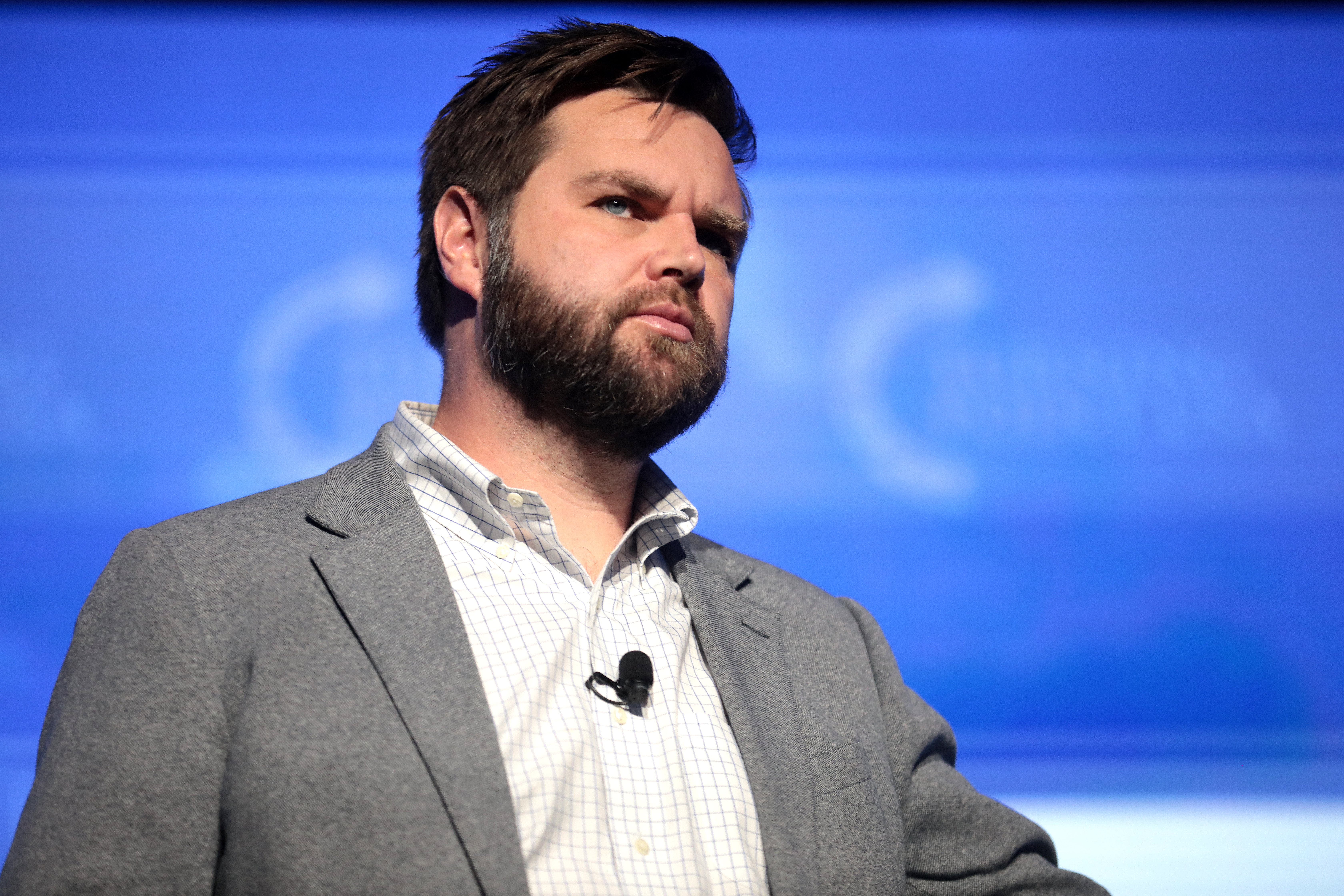
Vice President JD Vance has landed in Indiana again to press for Indiana redistricting. He first made this pitch earlier in the year. Back then, Governor Mike Braun seemed open, and the GOP delegation broadly supported the idea. Yet so far, the state legislature has resisted. Now Vance hopes a second visit will spark action on a plan to redraw congressional lines.

Vice President Vance’s Mission in Indiana

Vance’s goal is to convince Indiana lawmakers to redraw district lines mid-decade, instead of waiting for the 2030 census. He met Governor Braun in the statehouse before, but locals booed him at that event. Braun still appears on board, and many Indiana Republicans back the redraw. Senator Jim Banks even framed it as payback for the killing of right-wing influencer Charlie Kirk. Nonetheless, the plan needs more help in the legislature, so Vance is making a renewed effort.

Lawmakers Hesitate on Indiana Redistricting

Despite the public support, some leaders quietly block movement on Indiana redistricting. One insider says Senate President Pro Tempore Rodric Bray “has been hiding behind members and subtly pouring cold water on the idea.” In other words, Bray won’t encourage lawmakers to vote for a redraw. Without his push, the plan lacks key votes in the state Senate. Therefore, Vance’s challenge is to break that logjam and get Bray—and others—to back the map change.

Political Stakes of Indiana Redistricting

Redrawing maps mid-decade has already reshaped politics in Texas and Missouri, potentially netting Republicans six new House seats. With that momentum, GOP leaders now eye Indiana. A fresh map there could add two more Republican seats in Congress. However, Democrats in California are also planning their own mid-decade redraw as retaliation. Thus, any gains in Indiana might be canceled out elsewhere. Moreover, these map battles are set to affect control of the U.S. House in the crucial midterm elections.

What Comes Next for Indiana Redistricting

First, Vance will meet behind closed doors with key state senators to make his case. Next, he’ll attend strategy sessions with Indiana GOP leaders. Meanwhile, critics point out that many voters dislike changing maps mid-decade. They see it as an unfair political maneuver. So far, lawmakers haven’t formally introduced a bill for debate. If Vance convinces enough skeptics, the bill could reach the Senate floor. Otherwise, the current map will stay in place, and Republicans will miss the chance for extra seats.

Conclusion

Indiana redistricting remains stuck in neutral despite strong backing from top Republicans. Vice President Vance’s return to the state underscores how important new maps could be for the GOP’s future in Congress. Yet hesitation in the legislature, led by Rodric Bray, keeps the plan from moving forward. As map fights heat up nationwide, the outcome in Indiana will help set the tone for similar battles in other states.

Frequently Asked Questions

What is mid-decade redistricting?

It is the process of redrawing electoral maps between the ten-year census cycles. It can shift political power by changing which party holds certain districts.

Why does Indiana’s map matter?

Indiana has a Republican-controlled legislature. Redrawing its map could add two House seats to the GOP’s tally, boosting their chances in future elections.

Who is blocking the redistricting effort?

Senate President Pro Tempore Rodric Bray and some GOP senators have shown reluctance. They fear voter backlash and legal challenges.

What happens if the plan fails?

If state lawmakers don’t approve the new map, Indiana will keep its current districts. That means Republicans lose their shot at two extra seats.

Chicago raid sparks anger from all sides

Key takeaways:

  • Former Gov. John Kasich condemns tactics seen in the Chicago raid.
  • MSNBC’s Jacob Soboroff argues the authorities meant to frighten.
  • A local pastor is suing after being hit by pepper spray.


Last week, federal agents carried out a dramatic Chicago raid at an apartment building. They rappelled from helicopters, broke down doors, and zip-tied children in the street. Video crews filmed every move. Then images spread online. Citizens watched children nearly naked and bound. People across the country reacted with shock. Surprisingly, critics emerged from both political parties. Even some conservative voices called the mission excessive and cruel.

Why the Chicago raid shocked so many

First, the operation looked like a movie set. Agents used military-style gear to storm an apartment complex. Cameras recorded high-definition shots of agents dragging children into the cold. Many viewers felt the scene was more about intimidation than law enforcement. Moreover, the timing upset locals. Residents had seen protests and rallies in support of families facing immigration checks. Suddenly, they watched helicopters hovering overhead while officers rappelled down.

Furthermore, community leaders said the response was out of scale. They pointed out that the main targets were adults, yet children suffered too. Additionally, critics feared long-term damage. Psychologists warned that such public displays might traumatize young people. Ultimately, social media exploded with criticism. People asked if agents had crossed a line in the name of security.

Kasich’s reaction to the Chicago raid

Former Governor John Kasich stepped forward to criticize the actions. In an interview on cable news, he said he supports strong immigration laws. However, he could not defend the way agents treated minors. Kasich called the scene “outrageous” and “infuriating.” He added that no one wins when images of frightened children fill the news cycle. Furthermore, he urged the administration to explain its choices.

Kasich’s voice matters because he often works with conservative figures. Thus, his anger highlights a rare moment of unity. Even lawmakers who favor strict border controls felt uneasy. Critics on the left welcomed his remarks. Meanwhile, they argued that politics should not trump basic decency.

The federal strategy behind the Chicago raid

Jacob Soboroff, a reporter for a major news network, provided insight into the authorities’ goals. He said the federal government aimed to create a spectacle. According to Soboroff, the presence of video crews proved the point. In his view, agents deliberately showcased their force to send a message. He explained that fear can deter others from crossing into the country.

However, Soboroff warned that such shows of power might backfire. He noted a similar incident where border patrol marched through a public park but made no arrests. Nonetheless, cameras whipped crowds into panic. Therefore, he called for dialogue but doubted the government would change course.

Innocent people caught in the Chicago raid

Among those injured was Pastor David Black. He stood outside his church wearing a clerical collar. He simply knelt and prayed. Yet officers hit him with pepper spray at close range. For this reason, he filed a lawsuit against federal officials. His story became a rallying point. People of faith decried the force used against someone in a place of worship.

Moreover, neighbors say children and elders suffered trauma. Witnesses described youngsters crying in the street. Some had no shoes, no coats, and little understanding of what was happening. Many bystanders picked up abandoned toys. Finally, families wondered if officers relied more on shock value than fair process.

What happens next after the Chicago raid?

Now, multiple investigations loom. Local authorities plan to interview witnesses. Civil rights groups may sue too. Congress members on both sides demand answers. They want clear rules for federal operations in cities. Meanwhile, community meetings aim to heal local wounds. Yet trust feels fragile.

Parents have begun therapy programs for affected children. Pastoral networks offer counseling and support. Activists set up hotlines for legal help. At the same time, some residents worry renewed raids could come soon. They seek guarantees for humane treatment.

What leaders can learn

Critics say this episode offers lessons in diplomacy. When enforcing laws, officials need to consider optics. Showing strength does not require hurting innocents. Instead, clear communication can ease public fears. Agents might focus on checkpoints away from homes. They could use targeted arrests rather than mass shows of power. Ultimately, sensible planning can maintain security without sparking outrage.

Community groups also see a role for dialogue. They propose local advisory boards with federal agents. This arrangement would let neighbors voice concerns before raids. Such boards could reduce fear on both sides. When people feel heard, they tend to trust authorities more.

Conclusion

The Chicago raid made headlines nationwide because it mixed law enforcement with dramatic tactics. As images went viral, voices from across the political spectrum condemned the actions. Leaders like John Kasich called for explanations. Reporters like Jacob Soboroff argued the goal was to terrify. Innocent bystanders, including a praying pastor, suffered. Now, investigations and lawsuits promise more debate. Many hope the next chapter will focus on respect, empathy, and dialogue. After all, security and human dignity should go hand in hand.

FAQs

What did John Kasich say about the Chicago raid?

John Kasich called the tactics “outrageous” and “infuriating.” He said that treating children so harshly was unacceptable.

Why did Jacob Soboroff argue the Chicago raid was cruel?

Soboroff believes agents wanted to shock onlookers. He pointed to video crews documenting the raid as evidence of a show of force.

Who is the pastor suing after the Chicago raid?

Pastor David Black is suing. He was hit with pepper spray while praying outside his church during the raid.

How can communities prevent such raids from causing harm?

Communities suggest forming advisory boards with federal agents. They can voice concerns and plan humane enforcement measures.

Pentagon’s New Rules Threaten Journalistic Access

Key Takeaways

  • The Pentagon now wants reporters to only use information it explicitly approves.
  • Refusing the new terms could cost full press credentials.
  • The Pentagon Press Association has rejected these strict rules.
  • Pentagon spokesman Sean Parnell defends the policy as security protection.
  • Critics warn the limits threaten journalistic access and free press.

Journalistic Access Under Threat at the Pentagon

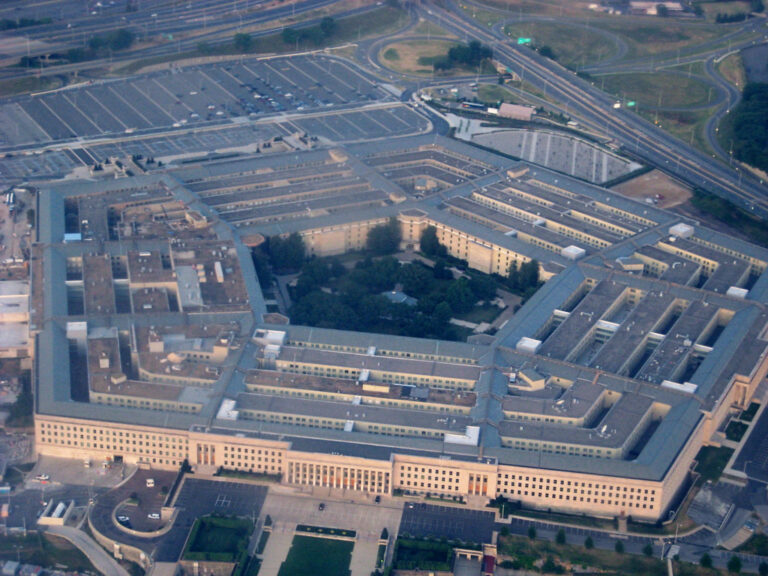
The Department of Defense, now called the Department of War by executive order, has proposed tough new rules. Reporters must now get explicit permission before gathering any information. Moreover, they cannot publish anything from leaks or anonymous tips. As a result, reporters risk losing full press credentials if they refuse. This move has sparked a fierce fight over journalistic access and press freedom.

What the Rules Say

Under the new terms, journalists must clear every detail with the Pentagon’s public affairs office. They cannot use information from unauthorized sources, including whistleblowers. In effect, the policy bans stories based on leaks. Furthermore, any breach could bar reporters from official Pentagon areas. Ultimately, these rules aim to prevent unauthorized disclosure of sensitive data.

How Journalists Reacted

The Pentagon Press Association has publicly refused to sign the proposal. Its members argue that the rules undermine their ability to investigate and report. They fear that the limits will force them to drop critical stories. Additionally, reporters have voiced strong opposition on social media. As a result, the debate over journalistic access has drawn widespread attention.

Press Group Pushback

The press group called the terms “unacceptable.” It issued a statement saying the rules would “choke off independent reporting.” Moreover, editors across the country expressed alarm. They warned that, without solid journalistic access, coverage of military affairs will shrink. In some newsrooms, staff prepared letter campaigns to Congress. They urged lawmakers to protect press freedom and ensure open Pentagon reporting.

Agency’s Defense

Sean Parnell, the Pentagon’s chief spokesman, responded sharply on X. He noted that the Department of War held good-faith talks with the press association. He said the agency accepted many suggested edits to the draft rules. Additionally, he pointed out praise from a leading newspaper. Parnell emphasized that unauthorized leaks by staff remain criminal acts under federal law.

He insisted the rules do not force reporters to clear their entire stories. Instead, he said they maintain robust access to public affairs offices and briefing rooms. He also underscored that reporters may move freely in most areas. In sensitive zones, they will need an escort for security reasons. Parnell called the claims of burden “inaccurate” and “overblown.”

Why Journalistic Access Matters

Strong journalistic access keeps citizens informed about government actions. It lets reporters expose wrongdoing, waste, or abuse of power. Moreover, it protects democracy by allowing the press to act as a watchdog. When whistleblowers come forward, reporters must be free to investigate. Otherwise, mistakes or misconduct may never reach the public eye.

For instance, past military scandals only came to light because reporters pursued tips from insiders. In addition, transparent coverage helps voters make smart decisions. Therefore, any curbs on journalistic access carry big risks for accountability and trust.

Key Points in the Debate

First, the Pentagon says it must guard national security and sensitive data. Second, journalists argue these rules create an open invitation to government censorship. Third, Congress has made it illegal for staff to leak classified information. Yet it also protects press freedom under the Constitution. This tug of war highlights the tension between security and transparency.

Critics like Washington Post correspondent Tara Copp have spoken out. She wrote that “journalism is not a crime” and called Pentagon claims “dangerous and false.” Her words have found strong support in newsrooms nationwide.

What Happens Next

Negotiations between the Pentagon and the press association will continue behind closed doors. Meanwhile, more reporters raise their voices on social media and in editorials. Some lawmakers have hinted at hearings to examine the new rules. Additionally, press freedom groups may file legal challenges if the policy is enacted.

Should the negotiations fail, some reporters could lose key Pentagon credentials. In turn, coverage of military operations might drop. Ultimately, this dispute could set a precedent for other agencies seeking to limit press access.

Balancing Security and Transparency

National security is vital for any country. Yet a free press remains essential to democracy. Policymakers must find a middle ground. They need rules that protect sensitive information without crushing journalistic access. Otherwise, they risk eroding public trust and weakening democratic oversight.

As this fight unfolds, all eyes stay on the Pentagon’s next steps. Reporters, editors, and lawmakers will watch closely. The outcome could shape the future of military reporting and press freedom for years to come.

Frequently Asked Questions

How do the new Pentagon rules affect reporters?

Reporters must now clear any information with the Pentagon before publishing. They cannot use leaks or whistleblower tips without explicit permission. Rejecting the terms could lead to loss of credentials.

Why are journalists protesting these requirements?

They argue the rules limit their ability to report freely. Without strong journalistic access, important stories may never reach the public. Critics see it as a form of government censorship.

Can reporters still attend Pentagon briefings and ask questions?

Yes. The Pentagon says reporters keep access to public affairs offices, briefings, and question sessions. However, they may need an escort in certain secure areas.

What might happen if the Pentagon enforces these rules?

Some correspondents could lose full access to the building. News outlets may challenge the policy in court. Meanwhile, military coverage could decline, affecting public oversight.

Why Do People Debate Ezra Klein So Much?

0


Key Takeaways:

  • Ezra Klein is a well-known journalist and podcast host with big influence.
  • Many admire his work, but some on the political left often criticize him.
  • Klein isn’t afraid to share bold ideas, even if they’re unpopular.
  • His impact continues to shape political discussions in the U.S.
  • Klein’s mix of deep thinking and mainstream reach makes him a unique voice.

Understanding Ezra Klein’s Influence

Ezra Klein is a name you’ve probably heard if you follow politics or listen to podcasts. He co-founded Vox, now hosts a popular show at The New York Times, and has written books that people really talk about. So why do so many debates pop up around him? Some love him, others criticize him strongly—especially from the political left. But what makes Ezra Klein such an interesting person in media and politics?

Let’s explore how Ezra Klein became influential, why some people can’t stop talking about him, and what makes his work stand out.

What Makes Ezra Klein Stand Out?

Ezra Klein is not just another journalist reporting the news. He’s a thinker. He takes topics that are often super complex—like healthcare policy, democracy, or artificial intelligence—and breaks them down so everyday people can understand. He combines facts, expert interviews, and deep analysis to bring clarity to tough issues.

Because of this, Klein has earned praise from big names. David Remnick, the editor of The New Yorker, recently said that Klein has a lot of influence, especially among younger people and those interested in smart political conversations.

And Klein doesn’t just say what’s popular. He often challenges the political left, even though he’s usually seen as a progressive himself. That boldness is rare, and it’s one of the main reasons he’s both respected and criticized.

Why Does the Left Criticize Ezra Klein So Often?

Here’s where things get interesting. Many of Klein’s critics come from the same side of the political spectrum as him. Left-wing thinkers and writers often accuse him of being too moderate or of missing the point on issues like racial justice or inequality.

For instance, if Klein says something like “we need to listen to different views,” some left-wing voices might respond, “But whose views are being left out?” This doesn’t mean they hate him—it means they want more from someone they see as a leader in political thought. They expect him to push harder for justice, not just balance viewpoints.

Still, Klein makes it clear that he cares deeply about fairness and truth. He believes in exploring all sides of an issue before making up his mind. That’s how he became so trusted by many readers and listeners.

The Power of Influencing Thought

It’s hard to measure the impact of someone who works in media, but Klein clearly shapes how people think. His podcast dives deep into the minds of experts—scientists, activists, politicians—and his interviews don’t just skim the surface.

By asking hard questions and backing up points with research, Klein helps listeners become smarter about the world. Many people trust him to give them the full picture, not just what one side wants to hear.

In a world full of hot takes and online arguments, this careful, thoughtful style is refreshing. But as you can imagine, it doesn’t please everyone.

Courage in Tough Conversations

One reason Ezra Klein often becomes the center of debate is that he isn’t afraid to be wrong—or at least be questioned. That vulnerability makes people connect with him, but it also opens him up to intense criticism.

And since Klein is a big name at The New York Times, his words carry weight. When he writes a column or speaks on his podcast, people listen. That power means his mistakes—or even just unpopular opinions—are noticed quickly.

Still, not all criticism is bad. In fact, Klein often invites disagreement and uses it to improve his thinking. That’s part of why he’s lasted so long in the spotlight.

Why We Should Keep Listening to Ezra Klein

Even with all the noise around him, Ezra Klein remains a meaningful voice. He doesn’t rant. He doesn’t shout. He digs deep.

So while critics may keep raising concerns, that’s also proof of just how much influence Ezra Klein has in shaping serious political thought. He’s not just a reporter—he’s someone who helps people understand the world better.

More importantly, he encourages people to think for themselves. And that’s something we truly need in today’s noisy media environment.

Final Thoughts

Ezra Klein isn’t perfect, and he knows it. That’s probably what makes him different. He listens, learns, and changes his mind when needed. Yes, debates will continue about his ideas and methods. But that’s exactly why we should keep paying attention.

Criticism can be a sign of impact. If nobody cared, nobody would talk. The fact that Klein draws such strong reactions—positive or not—shows just how deeply he shapes today’s conversations.

For anyone trying to understand the world better, Ezra Klein offers something rare: a thoughtful perspective that doesn’t rush to take sides.

Frequently Asked Questions

Who is Ezra Klein?

Ezra Klein is a political journalist, podcast host, and co-founder of Vox. He now works at The New York Times where he runs a popular podcast and writes opinion columns.

Why do people criticize Ezra Klein?

Many on the political left say he doesn’t go far enough in supporting justice-based causes. They think he puts too much focus on balance and not enough on action.

Is Ezra Klein liberal or conservative?

Ezra Klein is generally progressive, but he often challenges ideas from the left. That’s why both liberals and conservatives sometimes criticize him.

What makes Ezra Klein influential?

Klein is known for deep research, thoughtful conversations, and his ability to explain complex topics in simple ways. His New York Times platform and popular podcast amplify his voice even more.