53.4 F
San Francisco
Tuesday, April 28, 2026
Home Blog Page 389

Did James Comey Lie to Federal Investigators?

0

Key Takeaways:

  • Former FBI Director James Comey pleaded not guilty to federal charges.
  • He faces accusations of making a false statement and obstruction of justice.
  • The charges relate to actions taken during his time at the FBI.
  • If found guilty, Comey could face serious legal consequences.


James Comey Pleads Not Guilty to Serious Charges

Former FBI Director James Comey made headlines again this week, but not for his past work in law enforcement. On Wednesday morning, he stood before a federal court and pleaded not guilty to two major charges: making a false statement and obstruction of justice.

The accusations are serious. If proven true, they could damage not just his personal reputation but also shake public trust in federal institutions. The case is already stirring intense debate across the country.

Obstruction of Justice and False Statement: What Does It Mean?

Understanding the charges is key to following this complex case. Let’s break it down.

The first charge, obstruction of justice, means that someone is accused of trying to interfere with an investigation or legal process. In Comey’s case, prosecutors say he may have acted to block an inquiry into government actions. They believe he used his position to hide or twist the truth.

The second charge, making a false statement, means he is accused of lying to federal officials. This charge is often brought when someone lies during an investigation, especially when under oath. Prosecutors believe that Comey gave misleading or false information regarding files and decisions made during his leadership at the FBI.

These are not minor accusations—they are federal crimes. If convicted, Comey could face several years in prison and a lasting stain on his legacy.

What Led to the James Comey Charges?

So why is James Comey, once one of the most high-profile leaders in law enforcement, now facing federal charges?

Investigators started looking into actions taken during his time as FBI Director. Comey held the position from 2013 until 2017, when he was fired. During his leadership, he became a central figure in several controversial investigations—particularly those involving high-ranking political figures.

According to prosecutors, evidence suggests that Comey gave false accounts of certain internal decisions. They also think he used his role to block the release of critical information. These actions brought about the recent federal charges.

However, Comey and his legal team strongly deny these claims. At Wednesday’s court hearing, he spoke clearly and firmly: “Not guilty.”

James Comey Maintains His Innocence

After the hearing, Comey’s defense team spoke to the media. They insist the charges are politically motivated and lack solid proof. According to them, Comey acted with integrity and followed all legal procedures.

One of his lawyers said, “James Comey has spent decades serving this country. These charges do not reflect the truth about who he is or what he stood for.”

Comey himself has not given a full public statement, but insiders say he is confident the truth will emerge during the trial.

The Political Fallout and Public Reaction

The James Comey case is not just a legal story—it’s also a political flashpoint. Comey is a well-known figure who has clashed with both Republican and Democratic leaders. Some see him as a champion of justice, while others believe he made biased decisions.

Reactions to the charges have, unsurprisingly, fallen along political lines. Some politicians say the case proves that no one is above the law—not even high-level officials. Others believe it’s a dangerous effort to punish those who challenge powerful figures.

Whichever side people take, one thing is clear: James Comey’s federal charges are making waves in Washington and beyond.

What Happens Next for James Comey?

Now that Comey has pleaded not guilty, the case will move into its next phase. Lawyers from both sides will prepare for trial. This means gathering documents, interviewing witnesses, and building arguments.

A judge will set a trial date soon. From that point on, the legal battle will unfold in the courtroom, with prosecutors trying to prove guilt and the defense fighting to clear Comey’s name.

It’s a high-profile process that will likely be covered by every major news outlet. And the verdict could have major consequences—not only for Comey but also for how Americans view the FBI and government oversight as a whole.

Could a Conviction Impact the FBI’s Reputation?

The federal charges against James Comey could also affect how people see the FBI. Under his leadership, the bureau made several controversial choices—some of which are now under the microscope.

Critics fear that the case could hurt public trust in one of the nation’s most important federal agencies. Supporters of the FBI hope the case shows that the system works—even when it means charging one of their own.

Indeed, one important takeaway is that accountability matters. Whether or not Comey is found guilty, the case raises important questions about how powerful officials should be held responsible for their actions.

Core Keyword: James Comey Charges

The phrase “James Comey charges” is at the heart of this story. People want to understand what the James Comey charges are, why they were made, and what they mean for the future. The case has already captured national attention and will continue to do so as it moves forward. From courtrooms to newsrooms, everyone is watching the James Comey charges unfold.

Media Speculation and Legal Theories

Legal experts are already weighing in on what strategies both sides may use. Some believe prosecutors will focus on internal memos and interviews Comey gave during his term. Others think the defense will argue that his actions, even if misunderstood, were legal under FBI policies at the time.

For now, those theories remain just that—guesses. Only the courtroom will reveal which narrative stands up to scrutiny.

One thing is for sure: the James Comey charges represent a turning point in U.S. law enforcement history.

Conclusion: A Trial Worth Watching

As more details emerge, the public is left to wonder: Did James Comey, former top law enforcer, break the very laws he once upheld?

No one outside the courtroom knows for sure—not yet. But the legal process is now underway. And every hearing, argument, and testimony will bring Americans closer to the truth.

Until then, the James Comey charges remain one of the biggest legal and political stories of the year.

Stay tuned for updates. This courtroom drama is far from over.

Frequently Asked Questions

What exactly are the charges against James Comey?

James Comey is facing federal charges for obstruction of justice and making a false statement. These are serious crimes that accuse him of interfering with legal investigations and lying to officials.

Has James Comey admitted to any wrongdoing?

No. Comey has pleaded not guilty and claims he did nothing illegal. His lawyers say there’s not enough evidence to support the charges.

Could Comey face prison time if found guilty?

Yes. If convicted of both charges, he could face several years in prison along with fines or other penalties. However, he is currently presumed innocent.

How soon will the trial begin?

The exact trial date hasn’t been announced yet. The legal teams are still building their cases, but updates are expected in the coming weeks.

Is Tariff Money Now Feeding Vulnerable Mothers and Kids?

0


Key Takeaways:

  • The Trump team is using tariff money to fund a critical food program.
  • The WIC program was close to running out of money during the government shutdown.
  • The White House blames Democrats for the funding shortfall.
  • This stopgap measure is helping women and children just in time.

Tariff Revenue Supports Food Program

During a tense government shutdown, something unexpected happened. The Trump administration turned to tariff revenue to keep a vital food program running. This program, called the Special Supplemental Nutrition Program for Women, Infants and Children—also known as WIC—is a lifesaver for millions of low-income families.

With no budget in place to continue regular operations during the shutdown, WIC came close to halting its services. That meant millions of mothers and their kids could have been left without nutritious food, formula, or support. But instead of letting that happen, the administration used money from U.S. tariffs—taxes on imported goods—to help keep WIC going.

What Is WIC and Why Is It Important?

WIC is more than just another government program. It offers food, health checkups, and breastfeeding help to pregnant women, new moms, and children under 5. Millions of American families rely on it every month to put healthy meals on the table.

When government operations slowed and funding ran out, WIC was one of the hardest-hit programs. That meant mothers might have had to skip meals or feed their kids less. The consequences would have been heartbreaking.

By using tariff revenue, the Trump administration gave WIC emergency support. This helped make sure milk, baby formula, and healthy snacks kept reaching families during the shutdown.

Who’s to Blame for the WIC Crisis?

White House Press Secretary Karoline Leavitt did not mince words. She blamed Democrats for failing to fully fund the WIC program and putting families at risk. Leavitt said politics stood in the way of helping America’s most vulnerable people.

Meanwhile, critics of the administration say political posturing goes both ways. They argue this problem could have been avoided with better planning. Still, most agree that using tariff revenue—even if temporarily—helped avoid a much bigger crisis.

How Do Tariffs Work, and Why Use That Money Now?

Here’s a simple way to understand it: tariffs are taxes the U.S. places on goods coming from other countries. For example, if the U.S. places a tariff on Chinese electronics, companies importing those items have to pay extra. That extra money goes into the government’s pocket.

Usually, the government uses tariff revenue for trade-related costs or adds it to the budget. But this time, the Trump administration redirected it to save a food program.

This shift shows how flexible tariff revenue can be. Money collected from one area—like international trade—can be used to patch up weak spots in others—like food aid.

Can Tariff Revenue Permanently Fund Programs Like WIC?

Most experts say no, and here’s why. Tariff money isn’t always reliable. How much is collected depends on trade conditions, not just domestic needs. Some years, that revenue is high. Other years, it drops.

WIC, however, needs steady and predictable funding. Families depend on it monthly. Doctors rely on WIC information to track child health across communities. Simply put, it’s too big to rely on a funding source that changes every year.

Still, using tariff revenue as a short-term fix shows there’s room for unexpected solutions during emergencies.

What Happens if WIC Doesn’t Get Enough Money in the Future?

If WIC runs out of money again, millions could feel the impact. Pregnant women may struggle to get healthy food. Children could skip meals. Breastfeeding support might disappear.

Beyond that, there could be long-term effects. Poor nutrition early in life can lead to learning problems, weaker immune systems, and even chronic illness.

The temporary use of tariff revenue worked this time—but future stability may require more lasting solutions.

Political Games or Family Support?

Critics and supporters alike are debating what this move really means. Was it bold leadership, or clever political theater?

Supporters of the Trump administration say the White House acted fast to protect moms and kids. By thinking outside the box, they prevented a food crisis.

However, some question why this situation was allowed to develop in the first place. They argue both sides—Republicans and Democrats—should work harder to budget for programs like WIC ahead of time.

Either way, the conversation now shines a spotlight on how everyday politics affects everyday people.

Where Do We Go from Here?

The WIC program still needs more secure funding in the long term. While tariff revenue helped temporarily, future government shutdowns could put it at risk again.

Lawmakers may be forced to face tough choices. Will they view food aid as a non-negotiable, or treat it as another bargaining chip in budget battles?

With the national spotlight now on WIC, voters might push elected leaders to prioritize these programs year-round—not just when they’re about to collapse.

Food, Families, and the Future

In the end, this story is about more than tariffs and shutdowns. It’s about families. It’s about babies who need formula, mothers who need health foods while pregnant, and children who deserve a fair start in life.

While politicians argue and budgets stall, millions of Americans still need WIC every day. This crisis opened the door to creativity. Now the challenge is to build reliability.

Whether tariff revenue is used again or not, the country must find a way to feed its most vulnerable—without last-minute scrambles.

Frequently Asked Questions

Why is WIC so important for low-income families?

WIC provides healthy food, breastfeeding support, and medical advice to pregnant women and young kids. It helps ensure kids grow up healthy.

Can tariff revenue fund food programs like WIC long-term?

Not reliably. Tariff income depends on trade and can change from year to year. WIC needs steady funding.

What caused the funding crisis for WIC?

A government shutdown stalled the normal federal budget process. Temporary solutions were needed to keep programs like WIC running.

Is the WIC program safe now that tariff money has been used?

For now, yes. But future risks remain unless WIC gets regular funding in the national budget. Lawmakers will need to find a solution.

Is the Government Shutdown Getting Worse?

Key Takeaways:

  • The government shutdown has gone into its second week.
  • More federal workers may be sent home without pay.
  • Public services could be delayed or temporarily stop working.
  • Lawmakers still haven’t reached an agreement to reopen.


Why the Government Shutdown Matters Now

As the government shutdown stretches into a second week, things are starting to get more serious. More federal workers could be told to stay home without pay. Government services we all depend on are slowing down or even stopping. While our leaders argue, regular people are stuck dealing with the fallout.

The situation is changing quickly, and federal agencies are now adjusting how they deal with the shutdown. That means even more people could be affected in the coming days. Let’s take a closer look at what’s happening, why it matters, and what could happen next.

What Is a Government Shutdown?

A government shutdown happens when Congress doesn’t pass a budget or funding plan for government programs and services. Without that money, many parts of the federal government can’t work. While some critical workers (like airport security and the military) still have to work, they do it without pay during the shutdown.

The government shutdown starts when both sides in Congress can’t agree on how to spend the country’s money. Right now, that’s exactly what’s happening.

How Long Has It Been?

We’re now into the second week of the current government shutdown. That’s seven full days where many federal employees haven’t gotten paid, where some national parks have been closed, and where programs run by the government are being delayed or paused.

As each day passes without a deal, more workers and programs are being affected.

More Federal Workers Sent Home

This week, federal agencies are preparing to send even more staff home. These workers aren’t fired, but they’re told to stay home and stop working until the shutdown ends. They also won’t get paid until Congress agrees on a plan.

Experts estimate tens of thousands more government employees will stop working very soon. That means slower service at places like the Social Security office, passport agencies, and federal research websites.

Even people who work in national parks and museums may be told to leave.

How This Affects You

You may be wondering how a government shutdown could affect your everyday life. Here are some ways:

  • Delayed Social Security card processing
  • Longer wait times at airports
  • Delays in getting passports
  • Closed national parks and museums
  • Slow responses from federal agencies

Even FBI investigations could slow down due to fewer staff. The longer this continues, the more problems people could face.

What Services Still Work During a Shutdown?

Some “essential” services stay open, even during a government shutdown. These include:

  • Air traffic control and airport security
  • Military operations
  • Law enforcement
  • Emergency services
  • Some Social Security and Medicare functions

However, many of the support workers behind these jobs are working without pay. That puts stress on them and could affect how well the service runs.

Why Are Lawmakers Arguing?

The government shutdown began because lawmakers in Congress couldn’t agree on how to fund the government. Some want to cut spending on certain programs, while others think we need to keep or even increase funding.

This fight mainly happens between two political parties: Republicans and Democrats. Until they agree on a budget plan, the shutdown will continue.

Some lawmakers believe forcing a shutdown can help make a point. Others say it does more harm than good. But no matter who you agree with, everyday Americans are paying the price.

How Much Longer Could the Shutdown Last?

That’s the big question. Right now, there’s no clear plan to end the shutdown. Both sides are blaming each other, and negotiations haven’t made much progress.

If a deal isn’t reached soon, the government shutdown could last for weeks or even longer. That would mean more unpaid workers and more problems for regular people who rely on government services.

Stories From Real People Affected by the Shutdown

Tina, a single mom who works for a national museum, hasn’t gotten a paycheck in two weeks. “I’m using my savings just to pay rent,” she says. “I don’t know how long I can keep doing this.”

Mike, a frequent traveler, missed his vacation because it’s taking much longer to get passport updates. “I understand there’s a shutdown, but it’s affecting my life too,” he said.

And many small businesses that depend on federal permits or partnerships are also seeing delays. “My bakery sells inside a national park,” said Sarah. “No park workers means no customers.”

What Happens When the Shutdown Ends?

Once lawmakers agree and pass a funding bill, the government can reopen. Workers who were furloughed (sent home) will usually get back pay. That means they’ll be paid for the days they didn’t work, but only after things restart.

Government services will slowly return to normal, but it can take a few days or even weeks to get back on track.

Some people believe that shutdowns should never happen. They say it’s a dangerous game to play with people’s lives and paychecks. Others argue it’s a necessary tool to push for financial responsibility in government.

Will This Happen Again?

Sadly, yes. Government shutdowns have happened before, and they could happen again if leaders can’t agree on future budgets. Each time it happens, regular workers and families feel the impact.

One solution could be creating a law that forces automatic funding during budget fights. That way, agencies keep working while lawmakers debate. But for now, we’re stuck with a system where shutdowns can—and do—happen.

What You Can Do During a Shutdown

Most people can’t directly stop a government shutdown. But there are things you can do:

  • Reach out to your local representative
  • Support friends or family affected by unpaid work
  • Stay informed and share accurate info
  • Use alternative routes if traveling or applying for government help

If you work for the government, you may also qualify for unemployment while on furlough, depending on your state.

Looking Ahead

The longer this government shutdown lasts, the more damage it could do. Workers are already hurting financially, and delays in government services will pile up fast. It’s important for lawmakers to find common ground and fix the issue.

Until then, many Americans will remain stuck in limbo, waiting for someone to take action.

Let’s hope that day comes soon—for everyone’s sake.

FAQs

What is the main reason behind the current government shutdown?

The shutdown is happening because Congress hasn’t agreed on a final budget plan. Until they do, federal funding is paused.

How does a government shutdown affect everyday people?

It slows down or stops services like passports, Social Security processing, and national park operations. Many workers also go unpaid.

Do government employees get paid back after the shutdown ends?

Usually, yes. Most furloughed employees receive back pay once the government reopens.

Can this shutdown happen again in the future?

Yes. Unless Congress passes new laws to prevent it, shutdowns can happen again whenever there’s a funding disagreement.

Why Is CBS No Longer America’s Most Trusted Network?

0


Key Takeaways:

  • CBS was once called the “Tiffany Network” for its high-quality, trusted programming.
  • Walter Cronkite and 60 Minutes made CBS a leader in trustworthy news.
  • CBS also helped break racial barriers in TV entertainment.
  • Today, CBS is no longer the most trusted network it once was.
  • Changing leadership, new trends, and competition have caused its decline.

The Fall of CBS: What Happened to the ‘Tiffany Network’?

CBS used to be the gold standard of TV. People all across America trusted its news and loved its shows. Now, many wonder what went wrong. Let’s look back at the network’s best years and how things slowly changed.

A Glorious Past: CBS Was the King of Trust

If you ask your parents or grandparents what channel they watched most in the past, many would say CBS. Decades ago, CBS was nicknamed the “Tiffany Network.” That nickname stood for quality, class, and leadership. It wasn’t handed out lightly — CBS earned it.

CBS built its reputation during the golden age of television. At the heart of this trust was the news anchor Walter Cronkite. He was often called “the most trusted man in America.” When Cronkite spoke, people believed him. He covered major events, from the moon landing to the Vietnam War, with calm and clarity.

Then came 60 Minutes, the original TV news magazine. It broke major stories that mattered. From political scandals to big business schemes, it wasn’t afraid to dig deep. Viewers knew that if something aired on 60 Minutes, it had gone through serious fact-checking.

This strong trust didn’t stop with the news. CBS also changed culture through entertainment. The Ed Sullivan Show brought acts like The Beatles and Elvis Presley into American homes. More importantly, Sullivan often invited talented Black performers, giving them a platform when other networks wouldn’t. This helped fight the racial divide on television.

Where Did the Trust Go? A Slow Decline for CBS

CBS didn’t lose its status overnight. The fall came slowly, over years of small changes. Viewers started to notice something different.

Part of the shift came from leadership decisions. Executives started to focus on ratings over integrity. While this grabbed short-term attention, it hurt long-term trust. For example, chasing viral trends and celebrity news might bring in younger viewers, but it doesn’t always build credibility.

Another issue was the growing number of competitors. Back when there were just three major networks, CBS had a bigger chance to lead. But now, people can get news and shows from YouTube, streaming services, and dozens of cable channels. Trust doesn’t build in five-second clips. CBS’s deep reports don’t stand out in a world of constant, fast content.

In recent years, CBS has also faced scandals behind the scenes. Some top executives left under pressure after serious misconduct claims. This kind of news weakens trust — not just in people, but in the whole brand.

The Rise of Competition and Changing Viewer Habits

It’s not just about what CBS did wrong. It’s also about how much the world has changed.

Today’s viewers, especially younger ones, watch TV differently. Many no longer sit down at 6 p.m. or 10 p.m. for the news. Instead, they scroll through Twitter, TikTok, or Instagram. CBS didn’t move fast enough to meet these new habits.

While streaming services like Netflix and Hulu focused on fresh, original content, CBS stuck too closely to old formulas. Although it eventually launched CBS All Access (now Paramount+), it entered the game late. By then, other platforms already had loyal fans.

Also, trust in traditional media has fallen across the board. In a world of misinformation and fake news, viewers question even trusted names. CBS, once the leader in trust, now struggles to stand out in this noisy environment.

Attempts to Rebuild, but Is It Too Late?

CBS has tried to bring back its golden touch. It still runs 60 Minutes, still covers breaking news, and still airs primetime hits like NCIS and Blue Bloods. It even refreshed its digital platforms to reach younger viewers.

But these steps may not be enough. The truth is, rebuilding trust takes time. CBS lost its top seat in people’s minds, and winning it back won’t be easy.

More than flashy graphics or popular shows, viewers want honesty. They want news they can count on and stories that reflect real life. If CBS hopes to return to its former status, it needs to focus less on trends and more on trust.

What CBS Can Learn from Its Own History

Here’s the interesting part — CBS doesn’t need to look far to know how to improve. It built a model for success long ago.

From Walter Cronkite’s honest reporting to Ed Sullivan’s brave choices, CBS once led by doing the right thing — even when it was hard. It stood out by telling the full story, standing with truth, and giving a voice to those who needed it.

That’s a lesson today’s CBS leadership must remember. Quality, fairness, and fearless reporting built the Tiffany Network. Those values must return if CBS wants to lead again.

The Bottom Line

Once America’s most respected TV network, CBS now finds itself just another channel in a crowded and loud digital world. Trust, the very thing it proudly stood for, is slipping away. While it still has strong programs and news teams, the network must reconnect with what made it great.

CBS changed American media once. The question today is: does it still have the power to do it again?

FAQs

Why was CBS called the “Tiffany Network”?

CBS earned the nickname because it offered top-quality programming, especially in news and entertainment, during its peak years.

Is CBS still a trusted news source?

While CBS still has respected programs like 60 Minutes, some viewers no longer see it as the most trusted source compared to its golden years.

What caused CBS’s decline in popularity?

Several reasons include shifting viewer habits, intense competition, leadership issues, and scandals involving top executives.

Can CBS win back its audience?

Yes, but it will take time. CBS must focus on honest reporting, modern content strategies, and restoring faith with younger viewers.

Is Trump Denying Federal Workers Back Pay?

0


Key Takeaways:

  • A draft memo from the White House suggests furloughed workers may not receive back pay.
  • Around 750,000 federal employees are impacted by the government shutdown.
  • The memo could increase pressure on Senate Democrats to end the shutdown.
  • This move may create financial hardship for workers without guarantees of payment.

How the Government Shutdown Affects Federal Workers’ Pay

The word “shutdown” used to imply inconvenience—closed parks, slower mail service, and long-standing debates in Washington. But now, it’s much more personal. According to a draft memo from the White House, President Trump’s administration may not provide back pay to federal employees forced into leave during the current government shutdown.

With roughly 750,000 federal workers affected across the country, this news hits hard. It spells out a new kind of uncertainty for public servants—particularly those living paycheck to paycheck. So, is this possibility about pay just talk, or could it become reality?

Why the Shutdown Happened in the First Place

To understand the shutdown, it’s important to know what caused it. The federal government experiences a “shutdown” when Congress cannot agree on a budget. Without an approved budget, some government services come to a halt, and many workers get furloughed.

President Trump has been pushing for funding to build a wall along the U.S.–Mexico border. Many Senate Democrats have refused to pass the budget unless that border wall money is removed. With both sides refusing to compromise, the budget stalled—leading to a shutdown that’s now over a week long.

What’s Different About This Shutdown?

In previous shutdowns, furloughed federal workers were often paid retroactively. That means they didn’t work for a while, but still received full pay after the shutdown ended. It was almost a sure thing. Workers had peace of mind knowing the time lost wouldn’t hit their wallets.

This shutdown could be different.

According to a draft memo described to news outlet Axios by three insiders, the Trump administration believes there is no legal requirement to give back pay. If Trump follows this guidance, hundreds of thousands of federal workers may never be paid for the days they missed—despite having no choice in the matter.

Trump’s Pressure Tactics: Using Pay as Leverage?

The core idea behind denying back pay seems to be pressure. White House officials may use this threat to push Democrats in the Senate to approve the funding needed to reopen the government. Essentially, the message being sent is: “Approve the budget with the wall funding, or your workers won’t get paid.”

This move might be seen as a bargaining chip—an attempt to place blame, increase pressure, and win political points. But to workers at home, facing rent, bills, and rising grocery costs, it feels more like punishment.

Why Back Pay Matters to So Many

Let’s face it: Most Americans don’t have hundreds or thousands saved for emergencies. Federal workers—like TSA agents, maintenance crews, clerks, and more—are no different. Many live month-to-month, depending on every paycheck to keep their households running.

Without a guaranteed paycheck or a promise of back pay, families are worried. Some can’t afford childcare, gas, or utilities. Others fear losing their homes because of missed mortgage payments.

The uncertainty is growing, and morale among workers is at an all-time low. Not knowing when—or if—they’ll be paid adds stress that goes beyond politics.

How the Shutdown Impacts Real Lives

Imagine being a mailroom worker at a federal office. You show up every day for years, never really in the spotlight. Now, you’re told to stay home. You’re not allowed to work, you’re not earning money, and worst of all, you’re not even sure you’ll ever be paid for those lost days.

Or picture a young family with two federal workers. With kids, car payments, and everyday costs, the shutdown doesn’t just interrupt work—it brings everything to a pause. Now imagine hearing that even if the shutdown ends, you may never see the money for those lost weeks.

That’s the reality many face right now.

What Happens Next?

At the moment, nothing is finalized. The draft memo has not yet turned into an official order. But its existence shows a shift in strategy from previous shutdowns. It suggests that the idea of using paychecks as negotiating tools is on the table.

Congress could still step in to make sure furloughed workers get back pay. Lawmakers from both parties have done this in the past. However, if the president refuses to sign any budget without wall funding, and the Senate refuses to include it, the standoff could drag on.

Public Reaction to the Shutdown Pay Debate

As word of the possible denial of back pay spreads, many Americans are sharing their outrage online. Hashtags like #PayOurWorkers and #EndTheShutdown are trending. Protests have popped up in front of federal buildings, and some union leaders are advising workers to speak out.

Even some Republicans are expressing concern about the use of workers’ salaries as leverage in a political game. The country remains divided on the border wall issue, but most agree it’s not fair to withhold pay from people unable to work due to government failure.

The Economic Ripple Effect

The longer the shutdown, the greater the economic fallout. When 750,000 people stop buying meals out, filling their cars with gas, or paying hospital bills, local businesses feel the pinch. Gas stations, diners, and daycares near government buildings are losing customers.

Each week the shutdown continues, the economy slows just a little more. That slowdown affects everyone—not just those in Washington, D.C.

Could Legal Action Stop the Move?

If the White House moves forward with denying back pay, lawsuits may follow. Federal workers’ unions are already preparing to take legal action, claiming workers are unfairly being treated as political pawns.

Some legal experts argue that withholding pay for work missed involuntarily may violate labor laws or constitutional rights. The courts could step in and force the government to compensate workers after all. But lawsuits take time—and that means families may wait months, even years, for relief.

In the End, It’s About More Than Politics

This shutdown has revealed more than a budget fight. It has exposed how vulnerable American workers are, even those employed by the U.S. government.

The question remains: Will the people who serve our country every day be left behind?

Until a deal is reached, and lawmakers choose to act, hundreds of thousands of workers are stuck. They’re not just waiting for work to resume—they’re waiting for assurance that their efforts still matter.

FAQ

Will furloughed federal workers get back pay this time?

Not for sure. A White House memo suggests they may not, which is different from past shutdowns.

How long could the shutdown last?

No specific end date is set. It could last days or several more weeks depending on negotiations.

Can federal workers sue for lost wages?

Yes, but lawsuits take time. Courts may later order back pay, but there’s no quick fix for workers right now.

Why wouldn’t the government offer back pay this time?

Some officials hope it adds pressure on Democrats to agree to the president’s budget demands.

Why Did Senate Republicans Confirm 107 of Trump’s Picks?

0


Key Takeaways:

  • Senate Republicans approved 107 of Trump’s nominees after changing Senate rules.
  • The vote went along party lines: 51 Republicans for, 47 Democrats against.
  • Rule changes helped speed up the confirmation process.
  • Democrats wanted more time to review each nominee, causing delays.
  • This move shows deep political divides over government control.

What Happened in the Senate?

Senate Republicans pushed through the confirmation of 107 nominees chosen by former President Trump. This happened after they changed Senate rules to move things along faster. On Tuesday, the Senate voted mostly along party lines—51 Republicans supported the confirmations, while 47 Democrats stood against them.

This change in Senate rules frustrated Democrats, who had been slowing down the process because they wanted more time to examine each nominee. Republicans argued that the long delays were unnecessary and harmful to government operations. By changing the rules, they made it easier to confirm more people in less time.

Understanding Senate Rule Changes

The Senate used to have long debates before approving each nominee. This gave the minority party, in this case the Democrats, a chance to delay and question nominees they didn’t like. But Republican leaders believed the process had become too slow and ineffective.

So, in April, the Senate Majority used the so-called “nuclear option.” This rule change dropped debate time from 30 hours to 2 hours for many lower-level nominees. That’s a big shift. With less debating, more votes could happen in a single day. This cleared the way for Republicans to confirm a large group of Trump’s choices quickly—107 nominees to be exact.

Why Did Republicans Make These Moves?

Republicans said they simply wanted to speed up the nomination process. For months, Democrats had slowed down many of the votes. Even nominees with little opposition were taking weeks to be confirmed. The GOP saw this as unnecessary obstruction.

They believed that too many key roles in the government were sitting empty for too long. These included judges, cabinet officials, and directors of important federal departments. By changing the rules, Republicans got the confirmations they wanted without waiting for Democrats to cooperate.

Frustration on Both Sides

As expected, not everyone was happy. Democrats accused Republicans of rushing the process. They argued that nominees deserved proper vetting before being confirmed. With only two hours to debate each person, they said they didn’t have time to ask enough questions or gather enough background.

Democrats stressed that fast confirmations without full debate could lead to poor government decisions. They saw the rule change as a power grab that limited their voice.

On the other hand, Republicans felt justified. They pointed to months of delays where qualified nominees were left in limbo. They argued that the government couldn’t run well if important seats remained empty. Some even said that Democrats were blocking people just to make Trump’s administration look weak.

What Kind of Nominees Were Confirmed?

Many of the confirmed individuals were for judicial and administrative positions. These included federal judges, agency leaders, and executive branch officials. While not all nominees got high national attention, these roles can shape U.S. laws and programs for decades.

Judges especially hold lifetime appointments, meaning they will affect decisions long after Trump’s presidency ends. This is part of why the nominations matter so much. By confirming more judges, Republicans help lock in their vision for the country’s legal future.

The Bigger Picture: Long-Term Impact

Changing Senate rules to speed up confirmations sets a new tone for how things get done in Washington. If one party holds a majority, it can now push through nominations much faster. This reduces the minority party’s influence.

Because of the new rule, future Senators may rely less on debate and more on party control. It could also lead both sides to keep altering rules whenever they’re in power. That might lead to a cycle of constant changes, making Senate traditions weaker over time.

This move raises concerns about balance and fairness in government. When one party controls all branches, some worry that there aren’t enough checks to stop poor decisions.

How This Affects Everyday Americans

Most people don’t pay close attention to Senate rules or federal nominees. But these decisions affect all Americans, even if indirectly. Judges, for example, make rulings on laws like healthcare, education, and immigration.

Similarly, picks for executive branches decide how laws get enforced. Whether you agree with the administration or not, the people in these positions help shape the future of the country.

When confirmations happen fast without deep debate, it raises questions: will appointees be well-qualified? Will they serve the people or just the party that elected them?

What Could Happen Next?

With the rule change in place, future Senate majorities may use it to pass their nominations faster, too. If Democrats regain control in the future, they might use the same tactics to get their nominees through quickly.

This means the Senate may become more about winning votes and less about discussion. While that may save time, it could also reduce authority from thoughtful debate and detailed review.

It’s clear that both parties deeply disagree on how government should work. This vote—confirming 107 nominees in a bloc—shows just how divided things have become.

Core Keyword: Senate Republicans

Summary

Senate Republicans used their majority power to confirm 107 of President Trump’s nominees. By changing the Senate rules first, they were able to speed up the process and bypass Democratic delays. Although this helped them fill empty government positions quickly, it also left the minority party with less influence. These choices will impact America’s future, especially with many lifetime judges now in place.

Frequently Asked Questions

Why did Senate Republicans confirm so many nominees at once?

They wanted to fill important roles that had been delayed for months due to Democratic opposition. By changing the rules, they made it easier to vote faster.

What kind of jobs did these nominees get?

Most of the confirmed nominees will serve as federal judges or top officials in government agencies.

What rule did Senate Republicans change?

They reduced the amount of debate time for nominees—from 30 hours down to 2 hours for most positions.

How does this affect me?

These confirmed individuals help shape laws, enforce policies, and make decisions that can affect healthcare, immigration, and civil rights.

Why Might Furloughed Workers Not Get Paid After a Shutdown?


Key Takeaways:

  • Furloughed federal workers might not receive back pay after the government shutdown ends.
  • A recent memo claims a 2019 law promising back pay may not apply to workers told not to report to work.
  • Lawmakers are upset, calling the decision possibly illegal and unfair.
  • President Trump hinted that only some furloughed workers may receive pay depending on who they are.
  • The uncertainty adds more stress for workers already missing paychecks.

What Is a Government Shutdown?

A government shutdown happens when lawmakers can’t agree on how to fund federal programs and services. When this happens, many government agencies close temporarily. Workers either stop working (furloughed) or work without pay until the shutdown ends. During the shutdown, these impacted workers don’t get paychecks.

Some workers eventually get paid back when the government starts up again. But now, under the Trump administration, there’s confusion about whether all workers will be treated fairly—especially furloughed ones.

How the Shutdown Is Impacting Furloughed Workers

Furloughed workers are usually told to stay home and not do any work during a shutdown. They miss paychecks, can’t pay bills on time, and worry about making ends meet. Most hope to get back pay once funding is restored. This idea gave many people peace of mind during past shutdowns.

But a new memo throws a wrench into that system.

A Memo Raises New Concerns

The Office of Management and Budget (OMB) issued a memo arguing that not all furloughed workers can expect back pay. According to the document, a law passed in 2019 that was supposed to protect worker pay does not apply to all federal workers. Specifically, it may exclude those who were told not to come to work at all during the shutdown.

For families relying on those paychecks, this has created outrage, uncertainty, and panic.

What Does the 2019 Law Actually Say?

Back in 2019, Congress created a law that seemed to guarantee all federal workers—not just the ones working without pay—would receive back pay after government shutdowns. At the time, it was seen as a positive step toward treating government employees fairly.

The Trump administration’s recent memo claims that the law might not legally apply to furloughed workers. That’s because these people did not perform services during the shutdown period, so there’s no obligation to pay them retroactively—at least, according to this interpretation.

Trump’s Response Adds to the Confusion

When asked about the issue, former President Donald Trump said paying back furloughed workers “depends on who you’re talking about.” That unclear answer has left many wondering if the decision will be made case-by-case.

This uncertainty has stirred up frustration among federal workers, unions, and lawmakers alike.

Lawmakers Push Back Against the Memo

Several lawmakers are speaking out and accusing the Trump administration of acting against the law. They argue that withholding back pay from furloughed workers is both unfair and possibly illegal.

Some are calling for Congress to step in once again to make sure no worker is left behind. They want a clear, legal promise that all government employees will get compensated for the time they couldn’t work through no fault of their own.

What This Means for You

If you—or someone you know—is a federal worker affected by the latest government shutdown, this memo could have a direct impact on your finances. If you’re furloughed, there’s a growing chance that you might not receive back pay. That can make it harder to plan for next month’s rent, groceries, and other essential needs.

It also means the government you work for may not be protecting your paycheck like you thought it would.

Furloughed Federal Workers Feel Ignored

Many furloughed workers feel forgotten and unheard. They signed up to serve the country by taking federal jobs. In return, they ask for reliability, fairness, and respect. Waiting weeks for back pay puts them in a financial trap they didn’t choose.

Now, with the Trump administration reconsidering who gets paid, those feelings of stress and betrayal are growing stronger.

Trust in the Process Is Eroding

When the rules keep changing, trust begins to fade. Many federal workers may now question how much they can depend on government promises. Future shutdowns might cause more panic if employees think they won’t get paid back.

This change in approach could also affect how people view federal jobs. Talented workers might avoid public service careers if the pay is always uncertain during political disagreements.

What Happens Next?

Right now, it’s unclear how the issue will be resolved. Congress may pass another law to make sure all workers—including those furloughed—get full back pay. Or they may update existing laws so there’s no confusion in the future.

Public pressure, media attention, and feedback from voters may also push lawmakers to act quickly. Eventually, either the White House or Congress needs to step in and say once and for all: everyone deserves to be paid, even if they’re forced to stay home.

Why Does This Situation Matter?

This isn’t just a political issue—it’s a people issue. Behind furloughed workers are parents, students, and retirees just trying to get by. They didn’t cause the shutdown. They don’t control how budgets are created or passed. But when they suffer from a shutdown, their lives get turned upside down.

Making sure they get paid is not just a legal question—it’s the right thing to do.

The Bigger Picture

This dispute between furloughed workers and the Trump administration could set a long-term precedent. If future leaders use this memo’s reasoning to cut back pay, shutdowns could become even more harmful.

That’s why lawmakers, workers, and citizens are paying close attention. How this is handled now could affect every future impasse.

Bottom Line

Furloughed workers are once again getting caught in a political tug-of-war. Promised protections from the 2019 law are now being questioned by a memo from the Trump-led Office of Management and Budget. This has led to fear that workers forced to stay home might not be paid later.

As legislators scramble to respond, workers remain in limbo—unsure whether their next paycheck will come, let alone make up for the ones already missed.

Until final decisions are made, uncertainty looms—and so does the question of whether government workers can truly count on getting what they’re owed.

Frequently Asked Questions

What does it mean to be furloughed during a government shutdown?

Furloughed workers are told not to come to work and don’t get paid until the government reopens. They usually get back pay, but that may now be in question.

Why is the Trump administration saying furloughed workers might not be paid?

A memo claims a 2019 law doesn’t guarantee pay to workers who didn’t work at all during the shutdown.

Has Congress responded to this memo?

Some lawmakers are calling the memo illegal and are demanding a fix to ensure all workers get paid.

Can furloughed federal workers expect to be paid in the future?

It’s uncertain right now. While workers usually get back pay after shutdowns, new interpretations of the law may change that.

Is Bluesky Turning Into the Most Serious Social App?


Key Takeaways:

  • A playful joke sparked unexpected drama on Bluesky.
  • Users debated the deeper meaning behind a pancake joke.
  • Compared to other platforms, Bluesky takes jokes very seriously.
  • Bluesky is gaining attention for its intense moral conversations.

Why Is Bluesky So Serious About a Pancake Joke?

One joke. That’s all it took for Bluesky users to spiral into a heated debate. On most social media platforms, jokes come and go. But on Bluesky, a platform that wants to do things differently, a joke can trigger an intense wave of reactions, think-pieces, and even conflict. The bigger question now is: Why is Bluesky turning into the internet’s most serious social app?

The Pancake Joke That Stirred the Pot

It started as a joke on Bluesky, shared by a user familiar with humor seen on X (formerly Twitter): “(bluesky user bursts into Waffle House) OH SO YOU HATE PANCAKES??”

Sounds like an innocent jab, right? Well, not on Bluesky. The joke poked fun at how intense and overly moral some conversations on the platform can get. On X, this kind of humor might get a few laughs, go viral for a day, and disappear. But Bluesky had a different reaction. The joke didn’t fade—it erupted into a full-blown debate.

What Makes Bluesky Different from X and Other Platforms?

Bluesky was created as an alternative social media space. It prides itself on being decentralized, open-source, and community-driven. A lot of early adopters came over from other platforms—many of them tired of drama and looking for a “better internet.” So when a joke pointed out how seriously everyone seemed to take things, it hit a nerve.

It wasn’t just about pancakes. The joke represented a deeper tension: Is Bluesky trying too hard to be morally perfect? And when people joke about it, are they being mean—or just honest?

The Bluesky Community Reacts—Hard

Instead of laughing and moving on, many Bluesky users responded with deep discussions. Some agreed with the joke, admitting conversations often feel too intense. Others defended the community, saying moral conversations are what make Bluesky better than platforms like X. Then came more jokes, replies, and emotional posts.

In short, the pancake joke grew into something much bigger. People weren’t just laughing—they were questioning the tone and direction of the platform. And it wasn’t just a short-lived moment. Days later, people were still talking about it.

Is This the End of Fun on Bluesky?

The problem isn’t that Bluesky users don’t have a sense of humor. It’s that the platform is still figuring out what kind of place it wants to be. It started as a safe space, but now it faces new challenges. Can it stay chill while also being a space for serious discussion?

If every lighthearted joke turns into a mini-crisis, Bluesky could risk losing some of what makes social media fun. Jokes bring people together. They let us laugh about serious things without starting a fight.

So far, Bluesky seems uncomfortable with holding both serious values and silly moments at the same time. And that makes jokes feel risky—even when they’re about pancakes.

What Does This Show About Online Culture?

Bluesky’s pancake problem isn’t just about one platform. It shows how online culture has changed over time. In the past, platforms like Twitter encouraged edgy jokes and memes. Today, many users want more thoughtful spaces. But what happens when a platform swings too far in one direction?

Balance is key. If platforms are too loose, they become chaotic. If they’re too strict, conversations feel scary and robotic. Bluesky is walking that tightrope right now, with one pancake joke showing just how tricky it can be.

Can Bluesky Recover Its Sense of Humor?

Yes, but it might take time. The good news is that these growing pains are normal. Every new social platform faces identity crises. Reddit had its early moderation battles. Facebook went from fun photos to political chaos. X evolved from jokes to heated takes. Now, it’s Bluesky’s turn.

If Bluesky can find a comfortable middle—where humor is allowed but not harmful—it could become a platform like no other. Users want to care about real issues. But they also want to laugh about them sometimes. The two don’t cancel each other out.

The Rise of Serious Social Platforms

Bluesky isn’t alone. Other platforms like Mastodon and Threads are also seeing more serious users join their spaces, especially those leaving bigger social networks. As the internet matures, so do its users. Serious talk is important—but it has to include space for lightheartedness too.

The internet is huge. There’s room for thoughtful talk and pancake jokes at the same time. But platforms like Bluesky must learn to embrace both.

Where Does Bluesky Go from Here?

Looking ahead, Bluesky has a big opportunity. People are interested. They’re watching. If the app becomes a place where laughter and deep thinking can live together, it might just become the platform many have been waiting for.

But if every joke creates drama, users may feel too nervous to speak freely. That’s not the kind of better internet anyone wants.

Bluesky is on the edge of something new—a chance to blend humor with passion, and values with silliness. The next time someone jokes about pancakes, maybe we’ll all just laugh. Or maybe, we’ll write another 1,000-word post about what it really means.

Either way, Bluesky is where culture’s future unfolds, one meme—and one moral debate—at a time.

FAQs

What is Bluesky?

Bluesky is a new social media platform that focuses on decentralization and community control. It aims to be a more open and independent space than traditional platforms like X.

Why did the pancake joke get so much attention?

The joke called out like Bluesky’s culture of serious moral debate. Many users saw deeper meaning in the humor, leading to major discussions.

How is Bluesky different from other social platforms?

Bluesky is community-driven and lets users control their experience more. Unlike larger platforms, it encourages deep conversations—but those can sometimes become intense.

Can Bluesky still be fun while staying serious?

Yes, but it needs to learn to find balance. Users want both meaningful discussions and the freedom to joke without starting arguments.

Is the FBI Firing Agents Over Political Investigations?


Key Takeaways:

  • The FBI closed a public corruption team and fired several agents.
  • This happened after claims they monitored top Republican senators.
  • The monitoring was allegedly tied to a Trump-related investigation.
  • FBI Director Kash Patel confirmed the team was disbanded Tuesday.
  • Questions are rising over political motives and privacy rights.

What’s Behind the FBI Agent Firings?

The FBI has disbanded a special team that focused on public corruption and dismissed several of its agents. FBI Director Kash Patel made the announcement on Tuesday, sparking intense conversation in Washington and across the media.

This move follows reports that agents had allegedly accessed communications from nearly a dozen Republican senators. These actions reportedly formed part of the investigation led by former special counsel Jack Smith into whether President Trump tried to overturn the 2020 election results.

This development has raised serious concerns over government oversight, political fairness, and the handling of private communications. The keyword at the center of this unfolding story is FBI agent firings, and it’s clear that its implications stretch far beyond the bureau itself.

Why Were These FBI Agent Firings So Sudden?

The timing of the FBI agent firings is no coincidence. Just one day before the announcement, Fox News released a report charging that agents had kept an eye on the digital trails of several Republican senators. These officials were reportedly linked to Donald Trump’s post-election actions, making the surveillance—and the people behind it—a political hot topic.

Though the FBI has not confirmed the full details of the surveillance, insiders say it resulted in fast, high-level decisions. FBI Director Kash Patel made it clear that some actions taken by the agents had crossed a line. As a result, both disbanding the public corruption team and firing individuals involved became necessary.

What Is a Public Corruption Team?

A public corruption team exists to investigate illegal actions by public officials. Their job is to keep government honest—whether local mayors or high-ranking senators.

But, as seen with the FBI agent firings, when such a team is accused of overstepping legal boundaries, their power quickly comes into question.

In this case, the team was supposed to find real corruption—not engage in political snooping. Allegations that agents might have monitored political opponents without clear cause forced the FBI to act swiftly. Disbanding the team seems to be both a strategy to rebuild trust and avoid further damage.

Who Approved the Surveillance on Republican Senators?

This remains unclear. One of the largest concerns triggered by the FBI agent firings is who gave permission to monitor lawmakers in the first place.

If a judge signed off on it, there’s one kind of issue. If agents acted without legal clearance or misused existing warrants, that’s an entirely different problem. The FBI has not yet shared these details with the public.

However, what we do know is that the surveillance related to special counsel Jack Smith’s investigation. He was looking into whether Trump and others tried to block the 2020 election from being certified.

While Smith hasn’t commented directly, his investigation has drawn sharp criticism from conservatives who feel it unfairly targets Republicans. These concerns only grew louder after news of the FBI agent firings broke.

Political Ramifications of the FBI Agent Firings

The firings are expected to spark even more political debate. Republican lawmakers are already demanding answers, and Democrats are being more cautious with their responses.

This situation adds fuel to growing bipartisan concerns about possible misuse of FBI powers. While many agree that national security and justice must be protected, the question is: at what cost?

The FBI agent firings may now become central to upcoming congressional hearings. Lawmakers want to know if the FBI has become too political or careless in its approach. This isn’t just about one investigation—it’s about whether proper procedures are being followed inside one of the country’s most powerful agencies.

How Will the FBI Move Forward After These Firings?

Right now, the FBI’s credibility is on the line. Senior officials want to show that no one—even FBI employees—can break the rules without consequences.

Director Kash Patel is promising renewed efforts to train and oversee agents. He has not said whether another unit will replace the disbanded public corruption team.

Meanwhile, political leaders are urging more transparency. They want the FBI to explain how these decisions were made and prevent mistakes like this from happening again.

Since trust in the FBI has already slipped in some circles, fixing that trust is key. The FBI agent firings are seen as a step, but just one of many the bureau may need to take moving forward.

Privacy and Legal Concerns Sparked by the Firings

The surveillance story connected to this event has sparked major privacy fears. If federal agents can monitor senators, who else could be watched without public knowledge?

Legal experts warn that, even during political investigations, constitutional rights must be respected. Monitoring someone’s digital communications is a serious step with major implications. When not done properly, it can appear more like spying than justice.

The ultimate lesson from the FBI agent firings may be how easy it is for trust to erode—and how hard it is to earn back.

How the Public Is Reacting

Online, people are sharply divided. Some believe the FBI acted to protect the country and that the firings show accountability. Others argue the entire investigation was politically motivated—and that the firings are too little too late.

Social media platforms are full of opinions, with hashtags like “#FBIcorruption” and “#FBIScandal” trending. With the 2024 election season getting closer, it’s likely public attention on the FBI agent firings won’t disappear anytime soon.

Will There Be More Firings?

Experts say that depends on what internal reviews uncover. If more agents were involved, or if it’s found that rules were broken on a wider scale, additional firings are not off the table.

The FBI has promised to release more details soon. Until then, questions remain unanswered, and the aftermath of the FBI agent firings continues to make waves both inside government and among the public.

More to Come

The situation is still developing. With public trust, political fairness, and digital privacy at stake, the future of the FBI—and the balance of law enforcement and civil rights—hangs in the balance.

Expect more information to come out in the days and weeks ahead. For now, the FBI agent firings have ignited a national conversation that won’t cool off anytime soon.

FAQs

Why did the FBI fire those agents?

The FBI fired several agents believed to have overstepped legal boundaries by monitoring Republican senators during an investigation into Donald Trump’s post-election actions.

What was the public corruption team and why was it shut down?

The public corruption team focused on investigating wrongdoing by government officials. It was shut down after internal concerns about questionable surveillance activity.

Could more FBI agent firings happen?

Yes, depending on the results of further investigations. If more misconduct is discovered, additional dismissals could follow.

Was the surveillance on senators actually legal?

That’s unclear. The FBI has not revealed who approved the surveillance or whether it followed proper legal steps. Investigations are still ongoing.

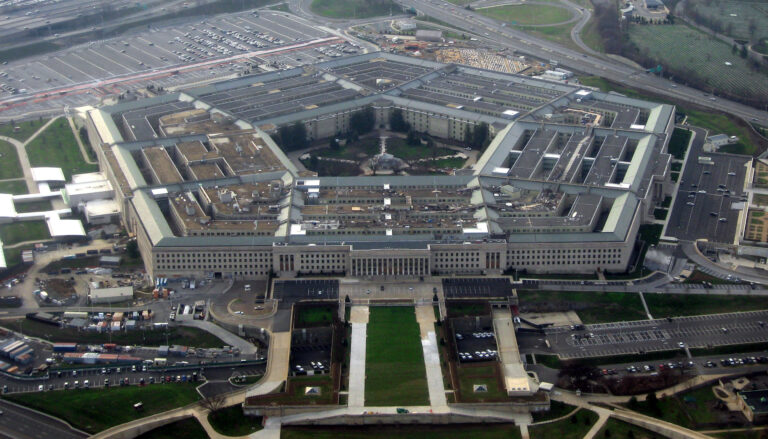
Is the Pentagon Workforce Shrinking Too Fast?

0

Key Takeaways

  • Over 60,000 Pentagon civilian jobs cut under Trump’s second term
  • Defense Secretary Pete Hegseth met his workforce reduction goal early
  • The Pentagon now has a leaner civilian structure, aiming for more efficiency
  • Restructuring is raising questions about national security and government job stability


Pentagon Workforce Cuts Hit Major Milestone

Under President Trump’s second term, big changes have reached the Pentagon. Pete Hegseth, the new Defense Secretary, promised to reduce the number of civilian workers in the Department of Defense. And now, just nine months into this term, he’s already done it.

More than 60,000 Pentagon civilian employees have been let go. That’s about 7.6 percent of the total workforce—right within the 5 to 8 percent goal Hegseth announced earlier this year. The move was part of a bigger plan to make the military leaner, more agile, and focused on national security.

Let’s break it down and understand what the Pentagon workforce changes really mean—and why people are talking about it.

What Is the Pentagon Workforce?

The Pentagon workforce includes thousands of people who don’t wear a military uniform. They are civilians who help run the Department of Defense in many different roles. From computer techs to policy researchers, these people play a critical part in how the US military operates.

They aren’t soldiers, but they make sure the soldiers are supported. Without the Pentagon’s civilian workforce, the military would have a hard time managing weapons systems, creating strategies, and even paying its troops.

Why the Big Cut?

Defense Secretary Hegseth believes the Pentagon workforce had grown too large and too slow. In March, he said the goal was to reduce 5 to 8 percent of the workers by focusing on non-essential roles. He stated that the Department had become “bloated” and “inefficient” over the years.

The idea was to cut out jobs that weren’t directly supporting U.S. military power or missions. By doing this, he argued, the Department would save money and become more focused on defense.

Now, some believe the Pentagon has become more streamlined. But others worry the cuts could hurt military operations long-term.

How Did They Make the Cuts?

The Pentagon didn’t just fire people randomly. The workforce changes followed a plan.

First, the Department of Defense looked at job roles that could be combined or eliminated. This affected departments like human resources, public affairs, and IT.

Next, hiring freezes slowed down the replacement of retiring workers. When someone left, their job wasn’t always refilled. That helped reduce workforce numbers without laying off as many people as expected.

Finally, the Pentagon offered buyouts to older employees. These are deals that offer money if someone agrees to retire early. Thousands took the offer.

All of these steps allowed the Pentagon to shrink its civilian workforce without massive layoffs. Still, many former employees are now looking for new jobs, and critics are raising concerns.

What Are the Concerns About Pentagon Workforce Changes?

Several military experts and lawmakers have spoken out against the deep cuts. They fear the Pentagon may not have enough support staff for future defense projects.

Cutting jobs can sometimes save money—but it can also remove important skills. If an experienced cybersecurity expert leaves, for example, it might take years to replace their knowledge.

Others worry that these changes could put more pressure on active-duty service members. If civilians aren’t handling logistics, administrative tasks, or tech updates, troops may have to do more themselves. That could lead to burnout.

Critics also say that shrinking the Pentagon workforce could hurt national defense in ways that might not show up right away. Some effects might surface only during a crisis or a major military operation.

Supporters Say Leaner Is Better

On the other hand, supporters of the cuts believe it’s a smart move. They say government departments—including the Pentagon—should work more like private companies. Smaller workforces, clear missions, and faster decisions.

Pete Hegseth claims the Pentagon workforce was too big to be nimble. He believes trimming it will bring new focus. By cutting unnecessary jobs, he argues they’ve revived the core mission.

Supporters also suggest that money saved from salaries can now be used to update weapons, train troops, and develop new technology.

How Will This Impact the Future?

The Pentagon workforce may continue to change. Hegseth hasn’t ruled out more cuts—but he says future changes will focus on improving performance.

What’s next could include retraining current staff, hiring more tech-savvy specialists, and using artificial intelligence to handle routine tasks. This could lead to a more modern, flexible defense department.

However, this defense reshaping might take years. For now, the top goal remains clear—to make the Pentagon more effective, without losing its ability to protect the country.

Public Reaction Is Mixed

Not everyone agrees on the best path forward. Some Americans feel confident that these changes will help the military stay strong. Others are worried that cutting too many jobs could weaken national defense.

Military families, in particular, feel uncertain. They rely on civilian workers for everything from healthcare services to base support. If services slow down or disappear, life for these families could become much harder.

As we move into the future, the Pentagon workforce will likely remain a hot topic in Washington and across the country. As with many big changes, only time will tell if this plan makes the nation safer—or opens the door to new risks.

Bottom Line

The drastic shrinking of the Pentagon workforce under Trump’s second term has already reached its goal. With more than 60,000 jobs eliminated, the Department of Defense now looks very different than it did a year ago.

Whether this helps or hurts national security will be debated for a long time. But one thing is certain—these workforce changes are shaping the future of America’s military.

FAQs

What is the Pentagon civilian workforce?

The Pentagon civilian workforce includes people who work for the military without being in the military. They handle support jobs like administration, technology, research, and planning.

Why did Pete Hegseth cut 60,000 Pentagon jobs?

Hegseth believed the Pentagon had grown too large and slow to operate efficiently. He aimed to remove non-essential jobs and streamline the Department of Defense.

Are military operations affected by the workforce cuts?

Some experts say military support may suffer due to a lack of experienced civilians. Others believe the military will adjust and operate better with a leaner workforce.

Will more workforce cuts happen at the Pentagon?

It’s possible. Hegseth said future changes might focus more on improving skills and modernizing roles rather than continued job cuts.