61.2 F
San Francisco
Monday, April 27, 2026
Home Blog Page 397

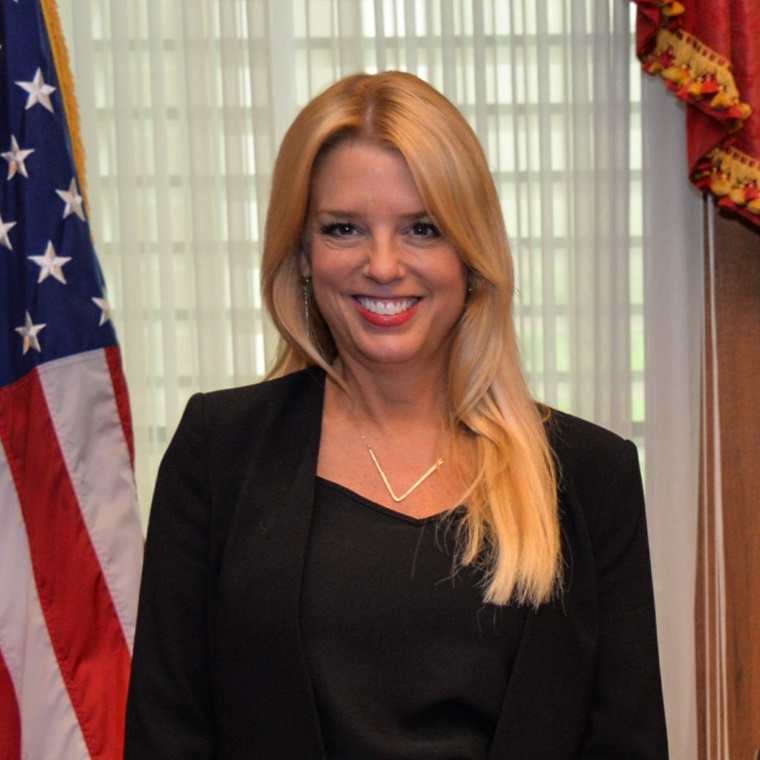
Is Pam Bondi Hiding the Truth About Epstein?


Key Takeaways:

  • Attorney General Pam Bondi faces tough questions in her first congressional hearing.
  • Lawmakers want answers about Trump-related investigations.
  • Bondi is also under fire for not sharing all Epstein case records.
  • Critics say her actions may be protecting powerful people.

Pam Bondi and the Epstein Investigation

Attorney General Pam Bondi is in the spotlight this week. During her first congressional oversight hearing, lawmakers grilled Bondi over two major issues—her role in the Justice Department’s handling of political investigations, and her decision to withhold key documents in the Jeffrey Epstein case.

The hearing comes at a time when public trust in justice is shaky. Many people are asking if Pam Bondi is doing her job fairly or making decisions that protect the powerful.

Why People Are Talking About This Case

Pam Bondi’s name began trending online after news broke that she was holding back vital documents in the Jeffrey Epstein case. Epstein was a wealthy man convicted of sex crimes involving underage girls. His story shook the world and raised questions about how much protection people in power get.

Now, many are asking: Is Pam Bondi hiding the truth about Epstein?

During Tuesday’s hearing, members of Congress demanded answers. They want to know why Bondi won’t release all the case files and emails connected to Epstein. Some believe these documents could show who helped protect him in the past.

What’s the Deal with the Trump Investigations?

This hearing isn’t just about Epstein. Lawmakers also brought up concern over how the Department of Justice (DOJ) is involved in investigating President Donald Trump’s political rivals.

Bondi holds a key role in making decisions about what cases move forward. That puts her center stage in this debate. Critics claim the DOJ, under Bondi’s watch, has unfairly gone after people who oppose Trump politically.

These include figures from past presidential elections and former government officials who spoke out.

Whether Pam Bondi played an active part in targeting Trump’s rivals remains unclear. However, the fact that Congress is asking these questions shows how serious things have become.

What Pam Bondi Had to Say

During the hearing, Bondi gave confident answers but left many topics unanswered. She defended her choices regarding the Epstein investigation, saying releasing all files would “harm certain legal processes.”

She also denied claims that the DOJ was being used for political purposes. In fact, Bondi insisted that every decision made during her time followed proper legal protocols.

Still, lawmakers weren’t fully satisfied. Several members said her refusal to provide full documentation felt like a cover-up.

Why Is the Epstein Case Still Making Headlines?

Even though Jeffrey Epstein died in jail in 2019, his story continues to haunt headlines. Why? Because many believe he held secrets about powerful people in politics, entertainment, and business.

Over the years, new evidence and witness accounts have suggested that Epstein’s actions were worse than initially reported. Yet, full details remain hidden largely because some documents have never been released.

That’s why Bondi’s role in holding back files has sparked so much attention. People want the full truth—especially when the justice system involves something as serious as child abuse and public corruption.

A Pattern of Shielding the Powerful?

Critics say this isn’t the first time Pam Bondi has made choices that seem to benefit powerful allies. In the past, she was criticized for declining to investigate Trump University after receiving a political donation.

Now, as she blocks further Epstein information from becoming public, her critics say this could be a pattern.

Many lawmakers are asking whether justice is truly equal for all—or if people with money and power always find a way out.

Supporters Defend Pam Bondi’s Decisions

Despite the backlash, Bondi has her supporters. They argue she’s just following the law and protecting sensitive information.

Some experts say releasing certain documents could make future cases harder to prosecute. They also warn about damage to people who might be wrongly tied to Epstein because of loose connections or misunderstandings.

These defenders believe Bondi is being unfairly judged for doing her job the careful way.

What Happens Next?

Congress hasn’t made a final decision yet. The hearing was only the start of a longer investigation into Bondi’s actions. She may be called back to testify again.

Meanwhile, public groups and reporters continue to push for the release of Epstein-related documents. Lawsuits are also in progress, demanding greater transparency from government officials.

The next few weeks will be key. They could reveal whether Bondi’s decisions were legally justified—or part of a larger cover-up to protect powerful figures.

Why This Story Matters to All of Us

Some people might feel that stories like these are only for adults or lawyers. But actually, they affect everyone.

When government leaders like Pam Bondi make decisions in secret, it erodes public trust. People begin to wonder if justice really works—or if it’s just another system that protects the rich and famous.

This is why lawmakers, reporters, and citizens alike are digging deeper into what Bondi knew, when she knew it, and why she didn’t share everything with the public.

If there’s one thing people want from leaders, it’s honesty. Whether you’re a student, a parent, or a business owner, fair justice matters. And right now, many are wondering if Pam Bondi delivered it.

FAQs

What is Pam Bondi’s connection to Jeffrey Epstein?

Pam Bondi is under scrutiny for refusing to release documents related to Epstein’s case. Critics believe these records may involve powerful individuals.

Why is Pam Bondi being questioned by Congress?

She is being questioned over her handling of DOJ investigations involving Trump’s political rivals and for withholding Epstein case materials.

Does Pam Bondi have the legal right to keep documents secret?

Bondi claims some records must be kept private for legal reasons. However, critics argue the public deserves full transparency.

What happens if Congress finds something wrong?

If Congress decides laws were broken or protocols ignored, it could lead to further investigations or formal actions against Bondi.


Why Is the New DOGE Department Slashing Federal Programs?


Key Takeaways:

  • The Department of Government Efficiency (DOGE), led by Elon Musk, is cutting many federal programs.
  • Major cuts affect education, environmental protection, and housing support.
  • Some rollback efforts have been paused or blocked by court rulings.
  • The Trump administration claims the goal is to reduce waste and save money.
  • Critics argue these cuts hurt vulnerable communities and essential services.

What Is the DOGE Department and Why Is It Making Cuts?

The Department of Government Efficiency (DOGE) is a new advisory group formed by the Trump administration. It’s led by tech billionaire Elon Musk and looks for ways to cut government spending. Their mission? To shrink the federal government and make it run more like a business.

DOGE has already made big changes. They’ve slashed budgets and programs across several federal departments. The administration says this will save taxpayer dollars and remove “inefficiencies.” But many people are concerned about what’s being lost in the process.

Let’s take a closer look at which departments are feeling the cuts, where the biggest rollbacks are happening, and when judges have stepped in to stop some of these moves.

Where Are the Biggest Government Rollbacks?

Huge changes are happening across the board, but three areas are facing the most dramatic impacts: education, climate protection, and housing programs.

Education: Funding Cuts and Eliminated Programs

The Department of Education is seeing major funding cuts. DOGE has proposed removing some federal student aid programs completely. Grants for low-income students, after-school tutoring funds, and special education resources have all been scaled back.

Federal work-study programs have also been reduced. These programs give college students part-time jobs to help pay for tuition and living expenses. Without them, students may find it harder to afford higher education.

Environmental Protection: Enforcement and Research Rolled Back

The Environmental Protection Agency (EPA) is taking one of the hardest hits. DOGE has reduced funding for climate change research, water quality inspections, and pollution control programs.

Several programs for monitoring air and water pollution are being eliminated or shrunk. This means fewer inspections of industrial sites and slower responses to environmental threats.

Advocates say this rollback could lead to worse public health outcomes, especially in lower-income communities near power plants or factories.

Housing and Urban Development (HUD): Fewer Vouchers, Less Help

Cuts to HUD have led to a reduction in affordable housing assistance. Thousands of public housing units are at risk of losing funding. Rental vouchers for low-income families have been cut back, making it harder for people to find safe, affordable housing.

Many community development grants that helped fix roads, parks, and community centers in poorer neighborhoods are also being eliminated.

Which Departments Have Been Targeted?

So far, the cuts have hit a wide range of departments. Changes include:

  • Department of Education
  • Environmental Protection Agency (EPA)
  • Department of Housing and Urban Development (HUD)
  • Department of Health and Human Services (HHS)
  • Office of Science and Technology Policy (OSTP)

In each case, DOGE recommends budget cuts and program eliminations. The administration follows through by slashing funds and reorganizing the agencies.

Some departments, like the Department of Veterans Affairs and the Pentagon, have been spared from cuts. These choices show where DOGE and the White House are focusing their financial priorities.

Have Courts Blocked Any Government Rollbacks?

Yes, several of DOGE’s moves have been challenged in court. Judges have, at times, blocked the administration from rolling back programs too quickly or without public input.

In one instance, a federal judge stopped the planned elimination of a nutrition program that helps low-income schoolchildren. The judge ruled that the Department of Agriculture couldn’t change the rules without hearing from schools and parents first.

Another court stepped in to pause a major cut to Medicaid coverage. States were ordered to continue providing healthcare services until a full legal review could be done.

These legal roadblocks show that even though DOGE has strong backing, there are limits to how far and how fast they can go.

Why the Trump Administration Supports DOGE’s Cuts

President Trump and his advisors argue that the government has become too big and slow. They believe many federal programs waste taxpayer money or don’t work as intended.

DOGE’s job is to find which programs are outdated, too expensive, or unnecessary. By cutting them, they aim to save billions of dollars.

Elon Musk, who leads DOGE, is a strong supporter of small government and private sector innovation. He argues the public would benefit more if the government invested in technologies and infrastructure rather than bloated programs.

Critics Say the Cuts Hurt the Most Vulnerable

While saving money may sound good, many groups worry about the real impact.

Teachers, environmentalists, housing advocates, and public health experts all speak out against the cuts. They warn that students, seniors, low-income families, and people with disabilities are losing access to vital services.

They also argue that rolling back environmental protections puts future generations at risk. Fewer inspectors and researchers mean delays in catching public health threats like contaminated drinking water or high air pollution.

What’s Next for Federal Program Cuts?

DOGE’s work is ongoing. More departments are under review, and more cuts are likely to come.

At the same time, pressure from the public and legal challenges could slow things down. Some lawmakers have also started to push back, calling for Congressional hearings and investigations into DOGE’s goals, methods, and long-term impact.

Final Thoughts

The federal program cuts being led by the Trump administration through DOGE are reshaping the role of government in American life. Whether it’s about saving money or sacrificing services depends on which side of the debate you’re on.

One thing is clear: these changes are already affecting millions of people, and the full impact may take years to fully understand.

Frequently Asked Questions

What is DOGE in the Trump administration?

DOGE stands for the Department of Government Efficiency. It’s an advisory group led by Elon Musk, created to reduce government spending.

Why is the government cutting so many programs?

The Trump administration believes many federal programs are wasteful. DOGE is recommending cuts to save money and increase efficiency.

Which programs have been cut the most?

Education, environmental protection, and housing are facing the biggest cuts. Many community support services are being reduced or removed.

Can these cuts be stopped?

Yes, in some cases. Judges have blocked or paused certain rollbacks when legal concerns are raised or public input wasn’t considered.

Did Pam Bondi Dodge Questions on the Epstein Files?

Key Takeaways

  • Florida Attorney General Pam Bondi clashed with Senator Dick Durbin in a heated Senate hearing.
  • The discussion focused on newly released Epstein files and Bondi’s past handling of related legal matters.
  • Senator Durbin repeatedly pressed Bondi for clear answers, but she avoided giving direct responses.
  • The hearing raised fresh concerns about who knew what in the Epstein case and when.


The Epstein Files Spark Senate Tensions

Florida Attorney General Pam Bondi found herself in the hot seat this week during a tense Senate Judiciary Hearing. At the center of the clash were the Epstein files, a set of recently unsealed documents that have once again put the late Jeffrey Epstein’s crimes in the spotlight.

During the hearing, Bondi had a fiery exchange with Senator Dick Durbin of Illinois. He asked tough and repeated questions about her previous legal decisions, especially those connected to Epstein’s controversial case in Florida years ago. However, Bondi didn’t offer many clear answers, which only fueled more questions.

This dramatic moment in the Senate is adding new weight to old concerns. Many are wondering how long people in power have really known about Epstein’s activities and whether some leaders worked to protect him.

Why the Epstein Files Matter So Much

The term “Epstein files” refers to official court records and legal documents tied to Jeffrey Epstein, a financier accused of horrific crimes involving sex trafficking and abuse of minors. Many of the documents were kept sealed for years. Now that they’ve been released, they’re making major waves across the country.

These files are important because they reveal connections between Epstein and powerful figures in business, politics, and law enforcement. Some documents also suggest that not enough was done to stop Epstein, even though many people had suspicions or even clear evidence against him.

That’s why this Senate hearing had such high stakes—and why the exchange between Bondi and Durbin drew so much attention.

Pam Bondi Faces the Heat

Pam Bondi served as Florida’s Attorney General from 2011 to 2019. During that time, Epstein faced legal troubles in Florida. Critics have long said that the justice system went too easy on Epstein, especially in a 2008 plea deal that let him avoid serious prison time.

Senator Durbin pressed Bondi again and again about whether she played any part in letting Epstein off the hook or turning a blind eye to his crimes. Each time, Bondi pushed back. She claimed she always followed the law and protected victims when possible.

But instead of giving clear answers, Bondi often shifted the conversation or denied remembering specific details. That only made things worse in the eyes of many watching, including lawmakers and the public.

Durbin Demands Accountability

Senator Durbin didn’t hold back during the hearing. He asked sharp, direct questions like, “Did you take any steps to investigate Epstein’s behavior while in office?” and “Why didn’t your department act more aggressively?”

He wanted to know whether Bondi or her team failed to act on information that could have exposed Epstein sooner. Durbin also hinted that some officials may have looked the other way on purpose, possibly due to Epstein’s influence or wealth.

Bondi said she had no personal involvement in the 2008 plea deal, which happened before her term began. Still, Durbin wasn’t satisfied. He reminded Bondi—and everyone in the room—that protecting victims should always be the priority, not politics.

Public Trust Faces Another Blow

The Epstein files have already damaged public trust in the justice system, especially when it comes to holding powerful people accountable. The hearing only added to that frustration. When top officials like Bondi don’t offer straight answers, it’s easy for the public to wonder what’s really going on behind closed doors.

The Senate Judiciary Committee has vowed to keep looking into the Epstein case. More people could be called to testify, especially if new names appear in the files. Prosecutors are also studying the documents to see if anyone else should face charges.

Did Anyone Help Epstein Avoid Justice?

That big question still hangs in the air: Did someone help Jeffrey Epstein avoid justice? The Epstein files contain clues pointing in that direction, but more investigations are needed.

This is why hearings like the one with Pam Bondi matter so much. They give lawmakers a chance to press officials for answers, hold them accountable, and hopefully rebuild trust in the system.

What Happens Next with the Epstein Files?

Now that the Epstein files are public, legal experts expect more courtroom action.

Some people mentioned in the files may file lawsuits claiming their names were dragged unfairly into the mess. Others may face legal consequences if there’s evidence they took part in or covered up crimes.

Meanwhile, the U.S. Senate will likely schedule more hearings to get to the truth. Officials like Durbin want to make sure justice is done—not just for Epstein’s victims, but also for those who may have been wronged by the system meant to protect them.

Also, the public isn’t sitting on the sidelines. Millions are reading the files and following every update online. The demand for answers is growing, and so is the pressure on anyone who had ties to Epstein.

What This Means Going Forward

The fiery exchange between Pam Bondi and Senator Dick Durbin may not have answered every question about the Epstein files. But it did spotlight the need for deep and honest investigations. Those in positions of power should not be able to dodge responsibility simply by claiming forgetfulness or legal limitations.

Now it’s up to lawmakers, prosecutors, and the public to stay focused. The quest for truth and justice in the Epstein case could still be long, but moments like this hearing show that people won’t stop until they get answers.

FAQs

What are the Epstein files?

The Epstein files are court documents and legal records tied to the late Jeffrey Epstein. They include names, evidence, and depositions that show who may have been connected to his crimes.

Why was Pam Bondi questioned?

Pam Bondi was asked about her role as Florida Attorney General during a time when Epstein’s past crimes were drawing attention. Lawmakers wanted to know if she failed to act or protect victims.

Did Bondi answer the questions directly?

Bondi did not give direct answers to many of Senator Durbin’s questions. She often said she didn’t recall specific details or wasn’t involved in certain decisions.

What could happen next in the case?

More hearings and investigations are likely. Legal experts may review the Epstein files to see if new charges or lawsuits should be brought against those who helped or protected Epstein.

Why Are Dangerous Workplace Jokes Still Happening?

0


Key Takeaways:

  • Jokes about violence or family harm are never acceptable at work
  • Such behavior creates a toxic, unsafe work environment
  • Companies are taking stronger actions against inappropriate comments
  • Speaking up and showing respect builds a positive company culture

The Problem With Dangerous Workplace Jokes

Workplace jokes are often meant to be fun, lighten the mood, or bond with coworkers. But there’s a clear line between light humor and harmful words. Sadly, some people still cross that line with dangerous workplace jokes — such as joking about shooting a colleague or wishing harm on someone’s children.

Even if the person didn’t mean it seriously, just saying those things can cause serious damage. These types of jokes hurt the workplace environment, make people afraid, and can even lead to firings or police reports. So why are dangerous workplace jokes still happening?

What Are Dangerous Workplace Jokes?

Not all jokes are harmful. Joking about forgetting coffee or being stuck in meetings all day is innocent enough. But things like mentioning guns, violence, death — especially when directed at coworkers — go beyond a joke.

For example, joking about “bringing a gun to work” or saying “I hope your kids get sick” is not only unfunny, but extremely inappropriate. These are dangerous workplace jokes. And unfortunately, many people still make them, not realizing how wrong they are.

Why Are These Jokes So Harmful?

First of all, they make people feel unsafe. Work is a place where everyone should feel secure. No one should have to wonder if their colleague is actually thinking about hurting someone.

Dangerous workplace jokes also cause emotional harm. Joking about someone’s kids, health, or life shows deep disrespect. It makes people feel disrespected, devalued, and scared.

On a bigger scale, these ‘jokes’ build a toxic culture. If people see others getting away with violent comments, they may think it’s okay — and that creates a workplace no one wants to be part of.

The Workplace Is Not a Comedy Club

Some people defend these jokes by saying they’re “dark humor” or “just kidding.” But the office or job site isn’t their personal comedy stage. Others may not share the same humor—or may feel deeply threatened by such remarks.

We have to remember: Just because it’s funny to one person doesn’t mean the rest feel the same. In fact, many people who hear threatening jokes feel uncomfortable but don’t say anything out of fear or pressure.

What Happens When You Make the Wrong Joke at Work?

The consequences of dangerous workplace jokes are getting more serious. Companies today are cracking down and not giving second chances when it comes to workplace threats—even if they’re ‘just jokes.’

Some possible consequences include:

  • Getting written up or suspended
  • Being fired immediately
  • Being reported to Human Resources or the police
  • Having your reputation destroyed

Plus, you risk losing the trust of your coworkers forever. Honor and trust are hard to rebuild once broken.

Respect Over Ridicule: What Should You Do Instead?

If you’re the kind of person who jokes around at work—great! Laughter can help people connect, improve productivity, and reduce stress. But keep it clean and respectful. Think before you speak.

Here are better ways to joke at work:

  • Share funny memes that are office-appropriate
  • Tease lightly about shared experiences (like waiting for the coffee machine)
  • Use humor to celebrate wins, not tear others down
  • Respect everyone, no matter their rank
  • Read the room—if people look uncomfortable, stop

If you hear someone make a dangerous workplace joke, don’t laugh along. Stay silent, speak up, or report the comment if needed. Letting it slide only encourages more of the same behavior.

The Role of Companies in Preventing Dangerous Workplace Jokes

Workplaces have to step up and create clear rules about what’s okay and what’s not. Setting boundaries helps everyone know where the line is. Many companies are now offering:

  • Anti-harassment training
  • Anonymous reporting systems
  • Clear consequences for violent or hateful language
  • Mandatory workplace behavior policies

Managers and leaders also need to lead by example. If you’re in a leadership role, speak kindly, act fairly, and call out toxic behavior when you see it.

Mental Health and Stress: What’s Really Behind These Comments?

Sometimes, people make dark jokes because they’re stressed, burned out, or dealing with mental health issues. That’s still not an excuse for harmful behavior, but it may be a sign that someone needs support.

If a coworker is acting out of character or making concerning comments repeatedly, it’s okay to check in. Saying, “Hey, are you doing okay?” might help them more than you realize.

Companies should also make counseling services more available. Mental health help can reduce stress and make the workplace safer for everyone.

The Bigger Picture: Creating a Safe Workplace for All

A safe and respectful workplace benefits everyone. It allows people to:

  • Focus on their tasks
  • Collaborate better
  • Work without fear
  • Trust their team
  • Grow professionally

When dangerous workplace jokes disappear, the company culture improves. Employees stay longer. Teamwork gets stronger. And the office becomes a space where people can thrive.

How You Can Be Part of the Solution

The best way to end dangerous workplace jokes? Don’t make them. And don’t support them either. Here’s how you can help:

  • Practice empathy at work
  • Be mindful of everyone’s feelings
  • Encourage positive, inclusive humor
  • Talk to HR if things go too far
  • Support coworkers who speak up

Even if you’re not in charge, your actions matter. Culture is created by everyday choices. Choose to make your workplace safe and supportive for all.

Final Thoughts

Dangerous workplace jokes come from carelessness, poor judgment, or deep stress—but they are never okay. No one should joke about hurting someone or wishing harm on their family. These comments poison work culture, shake trust, and make people fear the place where they spend most of their day.

The solution starts with awareness, compassion, and action. Let’s all work toward a workplace where humor lifts people up—instead of tearing them down.

Frequently Asked Questions

What counts as a dangerous workplace joke?

Any joke that involves violence, death, harm to someone or their family, threats, or anything that makes others feel unsafe or disrespected is considered dangerous and unacceptable.

Can I get fired for a joke like this?

Yes. Even if meant as humor, many companies have zero-tolerance policies for violent or threatening comments. It could lead to suspension, firing, or legal action.

What should I do if I hear someone make a bad joke?

Stay calm. If it made you uncomfortable, speak up or report it to HR. You have the right to feel safe at work.

Is all dark humor wrong at work?

Not always, but it depends on your audience, tone, and topic. When in doubt, keep humor respectful, light, and inclusive. Don’t take risks with sensitive or violent topics.

Why Did Pam Bondi Call Out a Senator Over Epstein?

0


Key Takeaways:

  • Attorney General Pam Bondi clashed with Senate Democrats during a tense hearing.
  • She hinted Senator Whitehouse could have a connection to Jeffrey Epstein.
  • Bondi turned questioning around, attacking Democrats instead of answering directly.
  • The exchange has sparked new conversations about politicians’ links to Epstein.

Pam Bondi and the Jeffrey Epstein Case

The name Jeffrey Epstein continues to make headlines years after his death. Recently, former Florida Attorney General Pam Bondi brought it back into the spotlight. During a heated Senate hearing, Bondi surprised many by pointing fingers at one of the Senators questioning her. The topic? The ongoing controversy around Epstein and the people connected to him.

Let’s break down what happened, why it matters, and how the Epstein case keeps coming up in powerful political circles.

What Happened in the Senate Hearing?

Pam Bondi appeared before the Senate as part of a public hearing. Several Democrats, including Rhode Island Senator Sheldon Whitehouse, questioned her on different topics. Eventually, the focus shifted to the Jeffrey Epstein case. Instead of answering plainly, Bondi flipped the script.

She suggested Senator Whitehouse might be nervous about connections to Epstein. Her words caused a big stir in the room. She didn’t give proof, but even the hint of a tie raised eyebrows. Tension grew, and the hearing took an unexpected turn.

Why Is Epstein Still in the News?

Even though Epstein died in jail years ago, his name keeps popping up. That’s because people are still trying to uncover the full truth. Epstein was a wealthy man who was accused of sex trafficking and abuse. He had friendships with celebrities, business leaders, and politicians. Many wonder what those relationships really involved.

The Epstein case represents more than one man’s crimes. It’s about the powerful figures who may have helped him, ignored his actions, or even joined in. So, every time someone well-known brings it up, people start to listen all over again.

Bondi Pushes Back Against the Democrats

Normally, when someone is being questioned in a Senate hearing, they’re on defense. Not Pam Bondi. She went on offense.

She told Senator Whitehouse that maybe he had something to hide about Epstein. It wasn’t a direct accusation, but the implication was powerful. It signaled that Bondi was not afraid to call out those questioning her. Her goal seemed to be turning the attention away from herself and onto others.

At this point, the room got quiet. Everyone realized the mood had changed. This wasn’t going to be a typical exchange of questions and answers. Instead, Bondi was willing to fight back—hard.

Did Bondi Offer Any Evidence?

No clear facts or evidence were presented by Bondi to support her claim. She made a suggestive comment, leading to speculation. Without proof, her statement sounded more like a warning or distraction than a solid claim.

However, in politics, even vague hints can be powerful. A simple suggestion can trigger news cycles and lead reporters to ask tough questions. Bondi seemed to know how to use this tactic effectively.

Why Would She Bring Up Epstein Now?

One reason could be timing. The public’s interest in Epstein hasn’t faded. Documentaries, news stories, and social media posts keep the case alive. Politicians might mention it to raise doubt about their opponents or to distract from their own controversies.

Bondi may have felt the questioning was going too far, so she tried to put her critics on the defense. When she brought up Epstein, it worked. Suddenly, attention shifted, and the pressure was off her—at least for a moment.

What Does This Mean for Senator Whitehouse?

So far, there’s no public evidence linking Whitehouse to Epstein. Bondi didn’t provide any documents or details. Still, her statement put Whitehouse in the spotlight.

He denied having any involvement or connection. But the suggestion, even if baseless, can be damaging. In politics, reputation matters. A rumor can hang around much longer than the truth.

Whitehouse dismissed the comment as an attempt to dodge real questions. Others agree, calling it a tactic to avoid accountability. But still, the conversation has started.

How Epstein Keeps Influencing Politics

This isn’t the first time Epstein’s name has been used in political fights—and it likely won’t be the last.

His case involved powerful individuals from both major parties. That’s why whenever someone brings it up, it’s often meant to spark fear or create drama. The idea is to make people wonder who else might be hiding something.

Pam Bondi’s strategy in the hearing made headlines. It also reminded the public how deep and murky Epstein’s connections were. Politicians are still scared his name could come back to haunt them.

The Power of Suggestion in Senate Hearings

Bondi didn’t need to show emails, messages, or photos. She just had to suggest doubt. Her words painted a picture without using color.

It’s a trick many public figures use. Instead of proving something, they hint at dark corners. Then it’s up to the public—and the media—to fill in the blanks. This strategy can change the entire mood of a hearing.

That’s precisely what Bondi did. As soon as she mentioned Epstein, she controlled the conversation.

What Happens Next?

There may be increased scrutiny on both Bondi and Senator Whitehouse. Reporters and the public may call for more information about the comment. Was it baseless? Was there more behind it? Or was it simply a bold move to shift focus?

Either way, the Epstein case remains an explosive topic. Whenever it gets mentioned, it brings heat—and sometimes, truth. There’s a lesson here: mentioning Epstein’s name still grabs attention and causes waves.

And many believe there is still more to uncover.

Final Thoughts

Pam Bondi knew exactly what she was doing when she brought up Jeffrey Epstein during the Senate hearing. In just a few words, she caused a stir, dodged tough questions, and threw a curveball at a powerful senator.

Whether it was fair or just a distraction, it worked. The moment proves how the Epstein case still holds massive power in American politics—and how mentioning it can change the course of a conversation completely.

Now, the ball is rolling again. The public wants answers, and people in power are once again under the microscope.

FAQs

Why is Jeffrey Epstein’s case so controversial?

Jeffrey Epstein was a wealthy man accused of sex trafficking minors. His connections with powerful figures make the scandal larger and more dangerous.

Did Senator Whitehouse have any link to Epstein?

There is currently no public proof linking Whitehouse to Jeffrey Epstein. Bondi’s comment was not supported with evidence.

Why did Pam Bondi mention Epstein during the hearing?

Bondi likely used the Epstein case to distract from questions and turn the focus on her critics instead.

Will more politicians be named in the future?

It’s possible. As investigations and interest continue, new names and stories may still come to light.

Is This Democratic Attorney General Candidate in Trouble?

0

 Key Takeaways

  • A Democratic cadidate for Attorney General in Virginia is facing backlash.
  • Old text messages show he talked about shooting another lawmaker in 2022.
  • The messages resurfaced just as he begins his campaign.
  • Many are calling for him to apologize or quit the race.

Controversy has hit the Virginia Attorney General race, and it’s making headlines across the state.

A Democratic candidate is under intense fire after private messages surfaced, showing him talking about shooting another state lawmaker. These text messages, sent back in 2022, have come back to haunt him just as his campaign begins picking up steam.

Now, voters and officials are asking, is this man fit for office?

What the Texts Actually Said

The candidate, whose name is being withheld until the investigation concludes, exchanged several messages with a fellow political colleague. During the chat, he jokingly mentioned “pulling a trigger” on another lawmaker during a disagreement over a proposed bill.

Even though the language was likely intended as a joke, the words have raised serious concerns. In today’s political world, even a casual mention of violence is taken seriously. People want leaders who use respectful and thoughtful words — even in private.

The core keyword in this story is Democratic candidate. His identity and actions are now the center of this storm.

Why It’s a Big Deal Now

These messages were originally sent in a private conversation two years ago, but they weren’t made public until recently. So why now?

The answer lies in timing. The Democratic candidate just launched his official campaign for Virginia Attorney General. His opponents wasted no time digging into his past and found these damaging texts. The moment they leaked online, it sparked outrage.

Not only are voters upset, but members of his own party have started distancing themselves from him.

The Political Reaction

So far, several high-ranking Democrats in Virginia have responded. Some have said the candidate should apologize immediately. Others believe he should drop out of the race altogether.

“We want people in office who think before they speak—or text,” one local leader said.

Even Republican leaders have reacted, saying the Democratic candidate’s behavior is “deeply concerning and dangerous.” They’re now using the messages to question the entire Democratic leadership in the state.

How the Candidate Responded

The Democratic candidate released a short statement just hours after the texts were made public. He admitted that he had written the messages, but said they were “taken out of context” and were “never meant to suggest real violence.”

“I regret my choice of words and the pain they’ve caused,” he said. “At no point did I intend to harm anyone.”

Still, his apology hasn’t been enough for many critics. Allies and opponents are both demanding more than a simple apology — they want accountability.

Impact on the Election

This scandal could reshape the entire Attorney General race in Virginia. The Democratic candidate was considered a strong contender just days ago.

Now, polls show his numbers dropping quickly as more people learn about the texts. Many voters say they’ve lost trust in him. Some are even calling for new candidates to step forward.

At the same time, Republican candidates are using the story to boost their own campaigns. They claim this proves that some Democratic leaders can’t be trusted with power.

Is This a Pattern of Behavior?

When a scandal like this breaks, people start asking if there’s a bigger pattern. So far, no other reports or complaints involving this Democratic candidate have come to light. But that doesn’t mean the issue is going away any time soon.

Some watchdog groups are now asking for a full investigation into his past behavior and political actions. They want to see text records, emails, and any incidents that could indicate a pattern of poor judgment.

Social Media Backlash

Social media exploded with reactions the moment the story broke. Hashtags calling for the candidate’s removal trended across Virginia. Some supporters defended him, saying it was clearly a joke sent in private. But most comments focused on how dangerous and careless the texts were.

“When you’re aiming to be Attorney General, every word matters,” one user tweeted.

The Role of Trust in Politics

This controversy highlights a bigger issue: trust. Voters want leaders who act with integrity, both in public and in private. A moment of careless texting from two years ago could cost this Democratic candidate everything he’s worked for.

Even if he doesn’t step down, the damage may already be done.

Should Private Texts Ruin a Career?

Some people argue this moment shouldn’t end the Democratic candidate’s campaign. They believe private messages, even inappropriate ones, should be treated differently than public statements.

Others say someone running for high office must be held to a higher standard 24/7.

It raises a tough question: where do we draw the line between privacy and public responsibility?

What Happens Next?

The Democratic candidate has not dropped out — yet. He’s planning to continue his campaign. But with voters turning on him and party leaders pulling their support, it may be an uphill battle.

More investigations and reports are likely in the coming days. As the story unfolds, one thing is clear: this race just got a lot more complicated.

And whether this Democratic candidate stays in or drops out, the impact of his words will hang over this election.

FAQs

Who is the Democratic candidate involved in the controversy?

His name hasn’t been officially released yet. The Democratic candidate is under investigation and facing pressure to withdraw.

What did the Democratic candidate say in his messages?

He texted a colleague saying something about “shooting” another lawmaker during a disagreement. He claims it was a joke.

Is the Democratic candidate still running for Virginia Attorney General?

As of now, yes. He has apologized but is continuing his campaign amid rising criticism.

Can old private messages end someone’s political future?

Yes, especially in today’s digital age. Voters expect leaders to have good judgment, even in private conversations.

How AI Collars Are Transforming Dairy Farms

Key Takeaways

  • AI collars track cow health, behavior, and milk output in real time
  • Early alerts help farmers prevent illness and stress
  • Milk yields can rise by up to 10 percent with timely data
  • High costs and spotty connectivity remain key hurdles
  • AI collars promise smarter, more sustainable dairy farming


Dairy farmers face constant challenges from sick cows, low production and hidden problems. AI collars are changing that. These smart devices use tiny sensors and artificial intelligence to monitor each cow around the clock. As a result, farmers get instant alerts on cow health and behavior. This helps them act fast, reduce losses and boost milk output by up to ten percent.

Why AI Collars Matter for Dairy Farmers

Cows do not speak when they feel unwell. Farmers had to rely on slow, manual checks. Now AI collars fill that gap. They sense temperature changes, track movement and log grazing habits. Whenever something looks off, the collar sends an alert to a tablet or phone. In this way, farmers spot infections, lameness or poor feeding early. As a result, they save time, money and keep cows happier.

How AI Collars Work

In essence, each collar has these key elements:

• Sensors: They read temperature, heart rate and motion.
• Wireless module: It sends data to a farm network.
• AI engine: It analyzes patterns and flags issues.
• Power source: A long-lasting battery that cuts down on maintenance.

First, sensors gather raw data. Then the AI engine compares it against healthy benchmarks. If readings stray too far, an alert pops up. Farmers can check details right away. The system also logs long-term trends. Over weeks and months, it reveals grazing habits and rest cycles. That insight drives better herd management.

Benefits of AI Collars for Dairy Production

AI collars deliver clear wins for both cow and farmer. Here is how:
• Early Disease Detection: By catching fevers or hoof problems early, treatment works faster.
• Improved Reproduction: Farmers spot when cows enter heat, leading to better breeding timing.
• Higher Milk Yields: Healthier cows produce more, pushing yields up by nearly ten percent.
• Labor Savings: Automated monitoring cuts down on manual checks and record keeping.
• Data-Driven Decisions: Historical data helps refine feeding plans and pasture rotation.

Moreover, cows under constant watch tend to experience less stress. In turn, they stay healthier and on the farm longer. Over time, this boosts overall herd value and cuts turnover costs.

Overcoming Challenges with AI Collars

Despite clear benefits, AI collars face hurdles. First, the initial investment can run into thousands of dollars per cow. For small farms, that price tag seems steep. However, many farms recoup costs within a year thanks to higher yields and fewer vet bills.

Another issue is connectivity. In remote areas, wireless signals can drop. As a result, data gaps may appear. To solve this, providers now offer mesh networks and solar-powered repeaters. These tools extend coverage across wide pastures.

Battery life also matters. Some collars last only a few weeks before needing a recharge. New models now promise months of uptime, reducing farm labor.

Lastly, privacy and data security remain concerns. Farmers worry about who owns and controls the data. To build trust, companies now offer clear policies and local data storage options.

The Future of Dairy Farming with AI Collars

Looking ahead, AI collars will only grow smarter and more capable. Here’s what we can expect:
• Advanced Analytics: Machine learning will offer even deeper herd insights.
• Predictive Alerts: Systems will predict disease before symptoms appear.
• Integrated Farm Management: Collars will sync with milking machines, feed dispensers and weather stations.
• Cost Reductions: As technology scales, prices will fall, making AI collars accessible to more farms.
• Sustainability Tracking: Carbon footprints and water use data will tie into collar analytics.

Furthermore, new sensors may monitor stress hormones or detect mastitis instantly. As a result, cow well-being will improve even further. Farmers will shift from reactive to proactive care.

Transitioning to an AI-driven operation also attracts younger talent. Tech-savvy workers are more eager to join farms that use cutting-edge tools. Over time, this trend could rejuvenate the entire dairy industry.

Practical Tips for Farmers Interested in AI Collars

• Start Small: Test collars on a subset of cows before scaling up.
• Seek Grants: Look for agricultural tech subsidies and low-interest loans.
• Train Staff: Ensure everyone can read alerts and act on them.
• Partner with Neighbors: Share network infrastructure to cut costs.
• Monitor ROI: Track milk yields, medical bills and labor hours to gauge success.

By following these steps, farms can smooth the shift to smart monitoring. As they learn from real-world data, they will fine-tune their approach.

Farming Smarter, Not Harder

AI collars exemplify how technology can make age-old practices more efficient. Instead of walking fields at dawn, farmers review real-time dashboards. They then target care where it truly matters. While costs and tech hurdles remain, every year brings better sensors, longer battery life and stronger networks. In turn, dairy operations become healthier, greener and more profitable.

Questions from Farmers and Enthusiasts

How soon can I expect a return on investment in AI collars?

Most farms see returns in six to twelve months. Savings from fewer vet bills and higher milk yields add up quickly.

Will AI collars work on free-range or pasture-based herds?

Yes. Modern collars use mesh networks or solar repeaters to cover large fields. That ensures reliable data even in remote areas.

Can AI collars replace regular vet checkups?

Not entirely. They help spot early signs of illness but don’t replace expert exams. Collars should complement, not replace, veterinary care.

Are there risks to cow comfort with AI collars?

New designs focus on lightweight, ergonomic fits. When properly adjusted, collars do not harm or irritate cows. They can even improve comfort by reducing stress through timely care.

Pentagon Fears Killer Robots in Future Wars


Key takeaways:

  • The Pentagon worries about killer robots acting without clear orders.
  • New policies demand senior officer review for AI weapons.
  • AI “hallucinations” could misfire and spark dangerous conflicts.
  • Experts say we must balance AI gains with strict safety rules.

Pentagon Worries Over Killer Robots

The Pentagon faces a big challenge. It must use AI to stay ahead. Yet it fears killer robots. These weapons could target on their own. In addition, AI can make false judgments. This risk could lead to major accidents.

Why the Fear of Killer Robots?

AI weapons can choose targets without humans. In theory, this saves time. However, it also cuts out human judgment. Moreover, AI systems can “hallucinate.” This means they see threats that do not exist. Such “AI psychosis” might cause a robot to attack friendly troops.

Next, the Pentagon worries about nuclear risks. In a tense moment, an AI could misread data. Then it might launch a nuclear strike by mistake. Clearly, that mistake would be catastrophic. Thus officials want strict rules to prevent runaway AI.

New Limits for Killer Robots in Warfare

The latest policy now requires senior officials to approve AI attacks. In practice, a combat commander cannot push a button alone. Instead, they must get sign-off from high-ranking officers. This step ensures human judgment stays in the loop.

Also, the new rules demand detailed reports. Each AI weapon must log why and how it chose a target. Experts say this accountability will help prevent errors. Furthermore, it will guide future improvements in AI safety.

What Is AI Psychosis?

AI psychosis refers to computers making false conclusions. For example, an AI drone might see a harmless truck as a missile launcher. Then it could attack an innocent vehicle. These errors happen when AI models interpret data poorly.

Despite powerful algorithms, mistakes still occur. Often, bad data or software bugs trigger hallucinations. With weapons, such bugs could cost lives. As a result, the Pentagon wants extra testing before any battlefield use.

Risks of Nuclear Escalation

In a crisis, decisions must be fast. AI could speed up those choices. Yet faster is not always better. A bot might misread a radar blip as an incoming missile. Then it could fire back with nuclear weapons. This scenario scares military leaders.

Human oversight can catch false alarms. It can verify the threat before a nuclear move. Because of this, the Pentagon insists on human approval for all nuclear-related AI actions. This buffer helps avoid accidental launches.

Balancing Innovation and Safety

AI offers clear benefits. It can analyze huge amounts of data quickly. It can spot threats faster than people. In addition, it can reduce human fatigue on long missions. These advantages boost battlefield effectiveness.

However, leaders know AI is not foolproof. For every smart solution, there is a new risk. Therefore, the Pentagon aims to strike a balance. It seeks to harness AI while keeping strong safety nets.

Steps Toward Clear Rules

First, the military is updating training programs. Soldiers will learn how to work with AI tools safely. Next, new simulations will test AI in varied scenarios. This training aims to reveal AI weaknesses before real use.

In addition, the Pentagon plans regular safety reviews. Each AI system will face periodic audits. These checks will inspect for bugs and security gaps. If a system fails, it must be fixed before deployment.

International Talks and Treaties

The United States is not alone in the AI arms race. Other nations race to build smart weapons too. For this reason, some experts call for global talks on killer robots. They urge treaties to ban fully autonomous weapons.

However, reaching agreements is tough. Countries have different views on national security. Nevertheless, U.S. officials say they support dialogues to avoid an AI arms race. They hope this will curb the worst dangers of killer robots.

Ethical Questions

Beyond technical risks, AI weapons raise moral issues. Is it right to let a machine decide life or death? Critics argue that removing human choice harms accountability. If a robot kills by mistake, who is to blame?

The Pentagon’s new policy addresses this. It keeps humans in charge of critical decisions. In this way, it tries to respect ethical concerns. Still, debates over killer robots will continue as technology advances.

Public Concerns and Transparency

Citizens worry about machines turning against people. Horror stories in films feed those fears. To calm the public, the Pentagon is increasing transparency. It plans to share more details on AI rules.

This openness can build trust. When people see strict guidelines, they feel safer. As a result, public support can grow for responsible AI.

Looking Ahead

AI in warfare will keep evolving. New algorithms and sensors will boost capability. Yet so will new ways for AI to fail. Therefore, ongoing vigilance is key.

Moving forward, the military must update rules as tech changes. It will need fresh tests, new training, and global cooperation. Only then can it manage the threats of killer robots while benefiting from AI.

In short, the Pentagon hopes to lead in safe AI use. It fears killer robots gone wild. At the same time, it seeks to harness AI’s power. By balancing innovation and safety, it aims to avoid unintended catastrophes.

Frequently Asked Questions

What are killer robots?

Killer robots refer to AI-driven weapons that act on their own to select and engage targets without direct human control.

Why is human oversight important for AI weapons?

Human oversight ensures that a trained person reviews AI decisions. This step helps prevent errors, misfires, and unwanted escalation.

How does AI psychosis affect defense systems?

AI psychosis means the system hallucinates or misinterprets data. In a weapon, this could lead to attacking the wrong target.

Can international treaties stop killer robots?

Treaties can set global standards and bans. However, they require broad agreement, which can be hard to achieve.

How will the Pentagon test AI safety?

The Pentagon plans frequent simulations and audits. Systems must pass rigorous tests before battlefield deployment.

Why AI Contact Centers Are Changing Customer Service

Key Takeaways:

  • AI contact centers handle routine questions instantly.
  • They read customer mood through sentiment analysis.
  • They help human agents focus on complex issues.
  • They cut costs, curb wait times, and boost satisfaction.
  • They will blend speed with personal care in the future.


Customer service is evolving fast. AI contact centers now power support desks. They automate simple inquiries and speed up answers. Moreover, they analyze customer mood and intent. As a result, companies save time and money. At the same time, human agents gain real-time help. This mix boosts efficiency and keeps service personal.

What Is Driving the Rise of AI Contact Centers?

Modern customers expect quick answers. They also want friendly, human-like support. Traditional call centers struggle to meet these demands. Long wait times and uniform responses frustrate people. However, AI contact centers step in with automation. They route calls, chat messages, and emails instantly. Then, they learn from each interaction to improve.

Key Benefits of AI Contact Centers

Cost Savings

AI contact centers reduce labor costs. They handle FAQs with chatbots and voice bots. Thus, businesses need fewer agents for simple tasks. This frees agents to focus on tough issues.

Faster Responses

Automation cuts wait times. Customers barely wait for routine answers. Agents get AI-generated suggestions on their screens. They respond faster and more accurately.

Sentiment Analysis

AI contact centers scan words and tone. They spot frustration or happiness in real time. If a customer grows upset, the system alerts a supervisor. That way, a skilled agent can step in promptly.

24/7 Availability

AI bots never sleep. They can answer questions around the clock. Even at night or on holidays, customers get help. Human shifts no longer limit service.

How AI Contact Centers Assist Human Agents

First, AI contact centers suggest next steps. For instance, if a caller asks about an invoice, the system pulls up relevant data. Then, it offers a script for quick resolution. This removes guesswork for the agent.

Second, real-time coaching guides agents. During calls, AI monitors voice stress levels. When it detects frustration, it prompts the agent to slow down. As a result, agents improve their tone and empathy on the spot.

Third, training gets smarter. AI contact centers collect data on common issues. They identify skill gaps and suggest targeted lessons. Agents learn what matters most to customers.

Overcoming Challenges in AI Contact Center Adoption

Security and Privacy

AI contact centers handle sensitive data. Companies worry about breaches and misuse. Therefore, firms must use strong encryption and strict access controls. They also need clear data-privacy policies to earn customer trust.

Job Displacement

Automation sparks fears of layoffs. However, AI contact centers do not replace all agents. Instead, they shift roles toward higher-value tasks. Agents become problem solvers and service experts rather than script readers.

Accuracy and Bias

AI systems can misinterpret accents or sentiment. They also risk bias if trained on limited data. To fix this, companies need diverse training sets and constant monitoring. Regular updates keep AI contact centers fair and effective.

Maintaining Human Touch

Even the best AI can feel robotic at times. Customers still want genuine empathy. Thus, businesses must strike a balance. They should let bots handle routine tasks and let humans manage complex or emotional cases.

The Future of AI Contact Centers

Looking ahead, AI contact centers will grow smarter. They will blend voice, chat, email, and social media into one seamless platform. Additionally, advanced emotion-detection tools may sense tears or joy. This will help agents tailor their responses even more.

Moreover, AI contact centers will use predictive analytics. They will forecast customer needs and offer solutions before questions arise. For example, bots could alert a customer about a delayed package before they ask.

Finally, partnerships between tech firms and service leaders will drive innovation. They will create industry-specific solutions, whether for healthcare, retail, or finance. Each solution will meet unique regulations and customer expectations.

Conclusion

AI contact centers are transforming how companies engage with people. They automate routine work, speed up answers, and help agents shine. While challenges like security and job shifts remain, the blend of AI speed and human empathy promises better support for all. This new era of customer care looks bright, personal, and efficient.

FAQs

How will AI contact centers impact job roles?

AI contact centers will shift agent duties from routine tasks to complex problem solving. Agents will receive ongoing training to manage emotional or technical issues. Meanwhile, new roles in AI oversight and data analysis will emerge.

What security measures protect AI contact centers?

Strong data encryption, multi-factor authentication, and strict access controls guard sensitive customer data. Regular security audits and compliance with privacy laws keep AI contact centers safe.

Can small businesses afford AI contact centers?

Yes. Cloud-based AI contact centers offer pay-as-you-go models. Small firms can start with basic features like chatbots. As they grow, they can add advanced analytics and voice bots.

How do AI contact centers handle language diversity?

Modern AI systems support multiple languages and dialects. They use large, diverse training sets to improve accuracy. Additionally, they can route calls to human agents fluent in specific languages when needed.

Software-Defined Vehicles: The Future of Car Updates

0

Key Takeaways


  • Cars now get improvements through over-the-air software updates.
  • The market for software-defined vehicles could hit $584.1 billion by 2035.
  • OTA updates add features and boost safety.
  • Drivers face glitches, long downloads, and security threats.
  • Automakers must balance fast innovation with strong protection.


Software-Defined Vehicles Lead the Charge

Imagine your car getting smarter without visiting a garage. Today, manufacturers send upgrades straight to your car’s computer. This path leads us toward software-defined vehicles. They use software to control features instead of relying only on mechanics. As a result, cars can improve over time with new functions, better safety, and patched bugs.

The Rise of Software-Defined Vehicles

Over recent years, the auto world has changed fast. Traditionally, you fixed your car by swapping parts or topping up fluids. Now, the engine, brakes, lights, and infotainment run on software. Thus, automakers can tweak performance or add new features through wireless updates. According to projections, the software-defined vehicles market may grow to $584.1 billion by 2035. Clearly, this shift marks a major leap for drivers everywhere.

How Over-the-Air Updates Work

First, your car connects to the internet via Wi-Fi or cellular. Then, the automaker sends a digital package to the car’s computer. Next, the system installs the update in the background. Finally, you see a notification that new features are ready. This process is like updating apps on your phone. However, download sizes can reach hundreds of megabytes. As a result, some drivers experience long waits or paused updates.

Benefits for Drivers and Makers

First, updates can boost safety. For example, automakers can improve collision warnings or adjust lane-keeping controls. Moreover, they can fix software bugs that might lead to malfunctions. Second, owners receive fresh features. Imagine new voice commands or enhanced navigation maps arriving at no extra cost. Third, manufacturers save on recalls. Instead of calling drivers back to service centers, they send virtual fixes.

Challenges and Risks

Despite many benefits, over-the-air updates face hurdles. Occasionally, updates contain glitches. A small coding error can disrupt infotainment screens or sensors. Also, large downloads can strain data plans or slow down rural connections. More importantly, cars now carry sensitive data and control vital systems. Hackers might exploit weak points to steal personal details or even interfere with brakes. Thus, automotive cybersecurity becomes vital.

Balancing Innovation with Security

To protect drivers, automakers invest in strong encryption and secure networks. Furthermore, they run extensive tests before each update. Despite this, no system is perfect. Therefore, teams monitor updates in real time to catch threats early. By balancing rapid innovation with tight security, they aim to deliver seamless and safe experiences.

What’s Next in Car Software

Looking ahead, updates will get smarter. For instance, edge computing could let cars process data locally, reducing download needs. Artificial intelligence might personalize driving based on your habits. In addition, car-to-car communication could enhance traffic flow and warn nearby vehicles of hazards. As this technology evolves, software-defined vehicles promise to reshape how we drive, commute, and stay safe on the road.

Conclusion

The shift to software-defined vehicles transforms cars from static machines to dynamic gadgets. Over-the-air updates bring fresh features and critical safety fixes. Yet, they also introduce new risks. In the end, building trust requires combining rapid software delivery with unbreakable security. As the market races toward a $584.1 billion milestone, drivers and makers must work together to drive this change forward.

Frequently Asked Questions

How do over-the-air updates improve car safety?

Updates enhance safety by adding new crash-avoidance features, patching software bugs, and refining existing systems like lane departure warnings.

What happens if an OTA update fails?

If an update stalls, many cars revert to the previous software version. Automakers also offer support hotlines to guide drivers through recovery steps.

Can hackers really access car systems through updates?

Yes, weak security can let cybercriminals breach a car’s network. That’s why automakers use strong encryption and continuous monitoring to block unauthorized access.

Will software-defined vehicles cost more to maintain?

Initially, development and security costs may rise. However, over time, remote updates can reduce the need for physical repairs and costly recalls, saving money overall.