51.3 F
San Francisco
Monday, April 27, 2026
Home Blog Page 403

iPhone Air Review: Is Slimmer Always Better?

0


Key takeaways:

  • Apple’s iPhone Air is just 5.6 millimeters thin and weighs 165 grams.
  • It runs on the new A19 Pro chip and has a tough Ceramic Shield front.
  • The slim design sacrifices some battery capacity and camera features.
  • Reviewers praise its lightness but question its performance under heavy use.
  • This marks a shift toward stylish, lifestyle-focused devices.

iPhone Air Overview

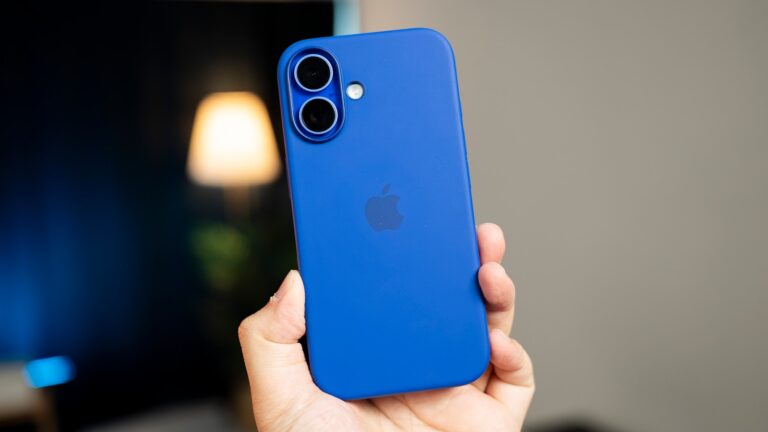
Apple built the iPhone Air to stand out with its ultra-thin frame. At just 5.6 millimeters thick, it easily slips into pockets. Weighing 165 grams, it feels almost weightless in hand. Moreover, the iPhone Air uses the powerful A19 Pro chip. As a result, it handles smooth gaming and fast app launches. Additionally, its Ceramic Shield front offers more scratch and drop resistance. However, the slim profile meant Apple had to make some trade-offs. For instance, battery capacity shrank compared to other models. In turn, battery life may not satisfy heavy users. Likewise, the camera system lost some advanced features to save space. Overall, the iPhone Air signals a new focus on design over raw power.

iPhone Air Design and Portability

The standout feature of the iPhone Air is its design. First, the aluminum frame feels sturdy despite its thinness. Second, the Ceramic Shield front gives it a premium look. As a result, the phone looks sleek and modern in every color. Furthermore, Apple added flat edges to improve grip. You get a comfortable hold even without a case. Consequently, the device feels secure during daily use. Equally important, its 165-gram weight makes long calls or games less tiring. You barely notice it in your pocket. However, the trade-off lies in fewer internal components. Apple had to reduce space for a larger battery or extra camera modules. Thus, the design wins on style but dials back on some heavy-duty features.

Performance and the A19 Pro Chip

Under the hood, the iPhone Air packs the new A19 Pro chip. This chip boosts speed and efficiency. For instance, frame rates in demanding games jumped by 20 percent. In addition, app launches happen almost instantly. You will rarely see any lag or stutter. Moreover, the A19 Pro handles complex photo edits and video renders with ease. Consequently, content creators may find the device quite capable. Meanwhile, the chip’s efficiency helps save battery during light tasks. Yet, heavy gaming and 4K recording still drain power faster. In testing, the phone heated slightly under extended use. On the whole, the iPhone Air delivers fast performance, but it cannot match bulkier models under constant load.

Battery Life and Camera Trade-Offs

To achieve its slim profile, Apple reduced the battery size in the iPhone Air. As a result, the phone falls short on all-day use under heavy tasks. If you scroll social feeds or watch videos for hours, you may need a midday charge. Conversely, light users can get through the day without a problem. Moreover, fast charging lets you regain some power quickly. Yet, you might still miss the longer life of larger models. The camera setup also reflects compromise. The iPhone Air sports a dual-lens system instead of triple lenses. Consequently, you lose the zoom range found on higher-tier phones. On the bright side, the main and ultra-wide lenses still capture sharp, vibrant shots. Night mode works well in many low-light scenes. Even so, professional photographers may feel limited by the missing telephoto lens.

Price and Value Considerations

The iPhone Air enters the market with a premium price tag. Many buyers find it expensive for its trimmed-down feature set. However, you pay for the sleek design and cutting-edge chip. If style and portability matter most, the cost may feel justified. On the other hand, power users likely want longer battery life and more camera options. For them, a Pro model or older flagship could offer better value. Moreover, Android rivals now match slim builds with stronger batteries. Therefore, you have to weigh design, performance, and price carefully. In the end, the iPhone Air appeals to trendsetters more than tech enthusiasts.

Conclusion: Shifting Toward Elegance

Ultimately, the iPhone Air proves that thin can be beautiful. It offers top-tier speed and a stunning look in one package. Yet, its battery and camera compromises might disappoint some buyers. Even so, this device signals a clear shift in Apple’s strategy. The company now targets users who prioritize elegance and lightness. Consequently, the iPhone Air represents a new lifestyle choice over a pure power play. Whether this trend will dominate future models remains to be seen. For now, the iPhone Air shines as a bold design experiment.

Frequently Asked Questions

What makes the iPhone Air different from other iPhones?

The iPhone Air focuses on extreme thinness and lightness. It uses the A19 Pro chip and Ceramic Shield but trims battery and camera parts.

How long does the iPhone Air battery last?

Under light use, you can last a full day. Heavy tasks like gaming or video recording may need a recharge by evening.

Can the iPhone Air take good photos?

Yes, it captures sharp images with its main and ultra-wide lenses. However, it lacks a telephoto zoom lens found in Pro models.

Is the iPhone Air worth its price?

If you value sleek design and portability, it offers unique style. Power users seeking long battery life and advanced cameras may look elsewhere.
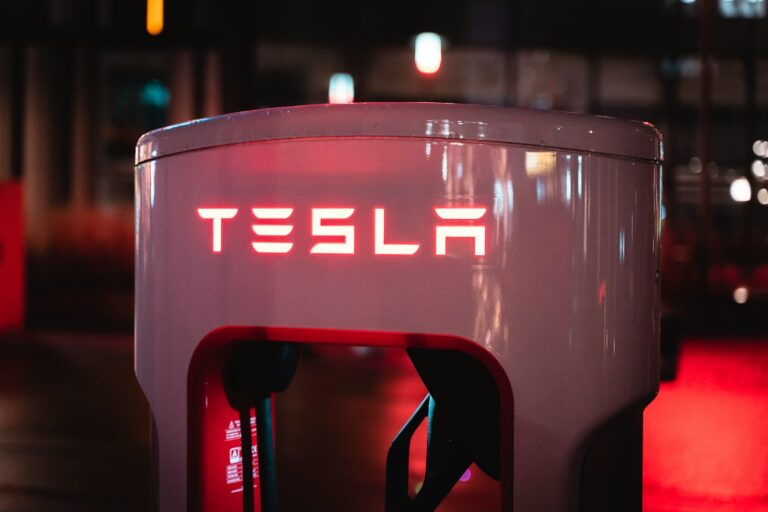

Tesla Deliveries Soar: What’s Behind the Q3 Surge?

0


Key Takeaways

• Tesla delivered a record 497,000 vehicles in Q3 2025.
• Energy storage deliveries reached 12.5 GWh.
• A rush for expiring U.S. tax credits drove demand.
• Analysts warn of a possible Q4 slowdown.
• Sustainable growth hinges on advances in autonomy and robotics.

Tesla Deliveries Soar in Q3 2025

Tesla deliveries hit an all-time high in the third quarter of 2025. More than 497,000 cars rolled off assembly lines. Meanwhile, energy storage deliveries climbed to 12.5 gigawatt-hours. As a result, Tesla stock prices rose sharply. Investors cheered the numbers, yet some experts sounded a warning. They fear the surge may prove short lived. After all, U.S. tax credits expire soon and European demand shows weakness. Therefore, the real test lies ahead.

Supply Chain Strengthens Production

Tesla streamlined its production process this quarter. New factories ramped up output with fewer delays. As a result, more electric cars hit the roads. Moreover, battery cell production grew faster than expected. This boost helped Tesla deliveries climb even higher. In addition, the company optimized logistics to move cars quickly. Consequently, buyers received their vehicles in record time. Overall, these efforts made Q3 success possible.

Why Tesla Deliveries Jumped

First, expiring tax credits sparked a rush among buyers. U.S. incentives would drop after September, so buyers acted fast. Second, Tesla’s price cuts made models more affordable. For example, the Model 3 saw a five-percent price drop. Third, new regional hubs cut delivery times or fees. As a result, more customers placed orders. Fourth, strong holiday promotions encouraged early reservations. In short, these moves created a perfect storm for Tesla deliveries.

Potential Q4 Slowdown Concerns

However, the tax credit window closes soon. After that, Tesla deliveries might dip sharply. Also, Europe faces economic soft patches that curb demand. Competing automakers plan new electric offerings in late 2025. Thus, Tesla may see price pressure and lost market share. Meanwhile, global supply chain issues could reemerge. For example, rare mineral shortages might slow battery production. Therefore, analysts predict choppy waters for Tesla deliveries in Q4.

The Role of Competition

Several rivals ramp up electric vehicle plans next year. Traditional automakers target lower price points. New startups promise high performance and fresh designs. Some offer subscription models for added flexibility. Consequently, Tesla must keep its edge in both price and tech. Otherwise, buyers may explore other brands. As competition heats, Tesla deliveries will face real tests.

Innovation Drives Sustainable Growth

Long-term success depends on more than price cuts. Tesla must lead in self-driving technology and robotics. Its Autopilot improvements aim for safer roads and hands-free driving. New robotaxis could unlock full autonomous ridesharing networks. In addition, Tesla’s Optimus robots show potential in factories and homes. Therefore, these innovations could offset slowing car demand. Ultimately, strong tech advances will fuel future Tesla deliveries.

Financial Performance and Investor Outlook

Tesla reported strong revenue after the delivery surge. Profits improved thanks to cost controls and higher sales. However, margins faced slight pressure from global inflation. Investors remain cautious about guidance for Q4 and 2026. Many watch closely for signs of persistent demand. Meanwhile, Tesla’s cash reserves support further research. Therefore, Wall Street will judge growth on both numbers and vision.

Environmental Impact and Energy Storage

Beyond cars, Tesla builds large batteries for homes and grids. Energy storage deliveries hit 12.5 gigawatt-hours in Q3. These systems help smooth renewable energy output. As a result, utilities and businesses reduce fossil fuel use. In addition, Powerwall installations for homes climbed steadily. This growth strengthens Tesla’s role in the clean energy market. Therefore, energy storage remains a key pillar alongside auto sales.

Global Expansion Plans

Tesla aims to open new factories in Asia and South America. Local production could lower costs and speed up deliveries. In China, a bigger gigafactory helped boost quarter results. India remains a potential market once local rules ease. Likewise, Latin American demand may grow with better charging networks. Thus, global moves will shape future Tesla deliveries and market share.

The Road Ahead for Tesla Deliveries

In summary, Tesla’s third quarter proved exceptional. Record vehicle and energy storage shipments beat many forecasts. Yet, the abrupt spike may fade without fresh catalysts. As a result, Tesla deliveries face risks from fading tax credits, competition, and market softness. However, continued innovation in autonomy, robotics, and energy could secure lasting growth. Ultimately, Tesla’s ability to surprise the market again will determine its long-term story.

Frequently Asked Questions

What caused Tesla’s record deliveries in Q3 2025?

A combination of expiring U.S. tax credits, price cuts, and improved supply-chain efficiency drove the surge. Regional hubs and promotions added extra momentum.

Will Tesla deliveries drop in Q4 2025?

They might. Analysts point to the end of key tax credits and slower demand in Europe. Competition and supply constraints could also slow orders.

How important is energy storage to Tesla’s business?

Very important. Energy storage deliveries reached 12.5 GWh in Q3. These systems support renewable energy and add a stable revenue stream.

Can Tesla maintain growth without tax credits?

Yes, if it leads in self-driving technology, robotics, and global factory expansion. Innovation and cost management will be critical for future success.

Inside Autonomous Delivery Robots Changing Deliveries

Key Takeaways

  • Starship Technologies has completed over 8 million deliveries with autonomous delivery robots.
  • These robots cut costs and help the environment with low-energy runs.
  • The company is bringing autonomous delivery robots to small towns.
  • New roles are created to handle job shifts caused by robot use.
  • Ahti Heinla envisions near-free, eco-friendly delivery services worldwide.

Autonomous Delivery Robots Lead the Way

Starship Technologies uses autonomous delivery robots to bring packages and food to doorsteps. These robots move on sidewalks and use cameras and sensors to avoid obstacles. As a result, they can deliver items safely and without a driver. However, the real magic is how they lower delivery costs and shrink carbon footprints.

How Autonomous Delivery Robots Work

To start a delivery, a customer uses an app to order. Then a robot picks up the item from a nearby store or restaurant. The robots rely on advanced maps and smart software. Moreover, they can detect people, pets, and street signs. In tricky spots, they slow down and choose a safer path. Finally, they send a code to the customer to unlock a small compartment. This smooth process repeats for every delivery.

Bringing Robots to Small Towns

Many startups focus on big cities, but Starship is different. The team is testing these robots in small towns and college campuses. In these areas, delivery options are often limited or expensive. Therefore, autonomous delivery robots can fill a gap in local service. Residents can order groceries, coffee, or medicine in minutes. In addition, robots run on electricity, so they cut noise and pollution in quiet neighborhoods.

Creating New Jobs

Some worry that robots will steal jobs from humans. However, Starship is creating new roles to manage and maintain the fleet. Robot handlers monitor dozens of robots from remote centers. Maintenance teams fix sensors, wheels, and batteries. Customer support teams assist users and handle special requests. As a result, the company grows its workforce even while robots expand. Moreover, employees learn new technical skills, boosting future job prospects.

Navigating Rules and Regulations

Rolling robots into neighborhoods means dealing with many rules. Different towns have rules about sidewalk use, speed limits, and safety checks. Starship works closely with city officials and community groups to gain approvals. In some places, robots need special insurance or licenses. Therefore, the company invests time and resources to meet every requirement. As a result, cities feel safe and welcome the new technology.

Ahti Heinla’s Vision for the Future

Ahti Heinla, a co-founder of Skype, leads this effort for Starship Technologies. He believes autonomous delivery robots will change the way we get goods. He predicts near-free delivery in the future because robots run at low cost. Furthermore, he sees a cleaner planet due to fewer delivery vans on the road. Heinla says that as robots improve, they will handle heavier loads and navigate busy streets. This progress will push logistics into a new era of convenience.

Challenges and Opportunities

Of course, rolling out a new technology brings challenges. Bad weather, rough roads, and vandalism can slow operations. However, Starship designs its robots with rugged materials and weatherproof parts. The software also adapts in real time to changing conditions. In turn, this reliable performance builds trust with customers and communities.

Beyond delivering food and packages, autonomous delivery robots could expand into healthcare and retail. For example, robots might carry lab samples between clinics or move items inside large warehouses. Because they can work around the clock, these robots offer flexibility that human drivers can’t match. As a result, they will reshape many industries over time.

Why It Matters

In a world where speed and costs matter, autonomous delivery robots offer a clear advantage. Customers get faster service and pay less. Cities enjoy quieter streets and lower emissions. Businesses save on driver wages and fuel. In addition, new tech jobs emerge to support this robotic revolution. Overall, robots and humans work side by side to build a smarter delivery system.

Looking Ahead

Starship aims to hit even bigger milestones soon. The company plans to double its fleet and enter more countries. It will also upgrade robot software with advanced AI to improve routes. Moreover, partnerships with retailers and restaurants will grow. This network effect means more people can enjoy quick and green deliveries without high fees.

autonomous delivery robots are no longer a promise for the distant future. They are on sidewalks today, helping people get what they need. Thanks to innovators like Ahti Heinla, this robotic revolution is just beginning.

Frequently Asked Questions

How safe are autonomous delivery robots on sidewalks?

These robots use sensors and cameras to detect obstacles. They slow down for people and pets. If something unexpected happens, they stop and send an alert to a human operator.

Will autonomous delivery robots take away human jobs?

While robots change some tasks, they also create new jobs in robot maintenance, monitoring, and customer support. Employees learn technical skills that boost their careers.

Can autonomous delivery robots work in bad weather?

Yes. These robots are built to handle rain and light snow. Their software adapts, but extreme storms or heavy snow can pause deliveries until conditions improve.

How can I use autonomous delivery robots in my town?

Starship Technologies partners with cities and local businesses. To bring robots in, community leaders meet with the company to address safety rules and regulations. Once approved, delivery services start via an app.

FreeBSD 15.0 Alpha 5 Speeds Up Builds for December

0

Key Takeaways

  • FreeBSD 15.0 Alpha 5 focuses on faster and more reliable builds.
  • The update adds reproducible builds to boost security.
  • It improves WiFi drivers and adds RISC-V hardware support.
  • Users can install the pkg manager directly from the build.
  • This alpha paves the way for a stable December release.

FreeBSD 15.0 Alpha 5: What’s New?

FreeBSD 15.0 Alpha 5 brings key improvements that make building the operating system faster and more stable. For example, it adds reproducible builds so anyone can rebuild the same binaries. It also fixes many bugs from earlier versions. In addition, the update enhances WiFi drivers for better connectivity. It even lets you install the pkg manager right after building. Finally, it extends support to RISC-V hardware.

Why FreeBSD 15.0 Alpha 5 Matters

This alpha release sets the stage for a stable FreeBSD 15.0 in December. It focuses on three main goals: efficiency, stability, and hardware support. By improving build speed and reliability, it saves time for developers. By fixing bugs, it keeps systems running smoothly. By adding new drivers, it works on more devices.

Performance Improvements

First, this update cuts down build times. It refines compiler flags and parallel build settings. As a result, each build runs faster. Developers can test changes more often. They can catch mistakes quickly. Also, faster builds boost overall productivity.

Reproducible Builds and Security

Secondly, reproducible builds arrive in Alpha 5. This feature ensures the same source code will produce identical binaries on different machines. Consequently, it prevents hidden changes or malicious tweaks. It also helps with auditing and compliance. Enterprise teams can verify each build. They can trust their security policies. Moreover, if a problem appears, they can trace it back to exact code.

Enhanced WiFi Drivers

Thirdly, WiFi support sees major upgrades. FreeBSD 15.0 Alpha 5 ships with improved drivers for many chipsets. For example, Intel and Realtek cards enjoy better performance and stability. As a result, laptops and servers connect more reliably. In addition, roaming between access points works more smoothly. These updates also include power saving tweaks to extend battery life on portable devices.

Direct pkg Manager Installation

Another handy feature lets you install the pkg manager directly from the freshly built system. Previously, users needed to fetch an external bootstrap script. Now, a simple command inside the new environment installs pkg. Consequently, testing package workflows becomes easier. You can add, remove, or update software without extra steps. This enhancement speeds up the entire setup process.

RISC-V Hardware Support

FreeBSD 15.0 Alpha 5 broadens its hardware horizon by adding RISC-V support. RISC-V is an open-source instruction set growing in popularity. With this update, developers can run FreeBSD on RISC-V chips. This move opens doors to new devices and experiments. It also signals FreeBSD’s commitment to flexible hardware choices.

Stability and Bug Fixes

Beyond new features, Alpha 5 addresses countless bugs. Developers tackled issues in networking, storage, and the kernel. They fixed memory leaks and crashes. They also polished the installer to reduce errors. In turn, this makes the alpha build more reliable. Testers can explore without constant restarts. Moreover, early adopters offer feedback that shapes the final release.

Enterprise Benefits

Enterprises stand to gain from this alpha release. They get stronger security through reproducible builds. They enjoy faster deployments thanks to optimized builds. They can run FreeBSD on modern hardware including RISC-V servers. Also, improved WiFi drivers boost network uptime in offices. Overall, Alpha 5 helps organizations plan for a smooth upgrade this winter.

Next Steps for Testers

If you want to try out these features, you can download the FreeBSD 15.0 Alpha 5 snapshot. Then, follow the build instructions. Make sure you have a supported machine or virtual environment. After building, test your applications and services. Share any bugs you find with the FreeBSD team. Your feedback will improve the final release in December.

Looking Ahead to December

With Alpha 5 in hand, the FreeBSD project targets a stable release by mid-December. The focus will shift to polishing and final testing. Developers will freeze new features and concentrate on bug fixes. Security updates will be backported for any critical issues. Once all tests pass, FreeBSD 15.0 will enter production ready status. Users can then deploy it in business and personal setups.

Conclusion

FreeBSD 15.0 Alpha 5 lays a strong foundation for the final release. It speeds up builds, raises security, and broadens hardware support. It also smooths the path for package management and WiFi connectivity. So, whether you are a developer or an IT pro, this update offers real benefits. As December approaches, give it a try and share your thoughts. Your input will shape the next stable FreeBSD version.

FAQs

How do I get started with this alpha version?

Download the snapshot from the official FreeBSD build server. Then, follow the build instructions in the handbook. Use a supported machine or a virtual environment. Finally, test the new features and report any issues you find.

Can I upgrade from Alpha 4 to Alpha 5 directly?

Yes. You can update your existing Alpha 4 installation to Alpha 5. Use your package manager or rebuild from the latest source. Be sure to back up your data before upgrading.

Will my hardware work with this update?

Most hardware will work, especially common Intel and Realtek WiFi chips. RISC-V support lets you test on newer devices. However, some exotic hardware may need more driver work. Report any issues you find to the FreeBSD team.

When is the stable FreeBSD 15.0 planned for release?

The project aims for a stable FreeBSD 15.0 release in mid-December. After Alpha 5, developers will polish features and fix remaining bugs. Once all tests pass, the final build will arrive for general use.

Why Android Users Disable AI Features Now


Key Takeaways:

  • Android users turn off AI tools to protect privacy, save battery, and stop unwanted intrusions.
  • Disabling AI features involves changing settings, limiting app permissions, and using third-party tools.
  • This trend gives people more control over their devices amid rising concern over mandatory AI.
  • Simple steps can help you disable AI features without losing core phone functions.

Why Users Disable AI Features on Android

More Android users now disable AI features to guard their data and extend battery life. They worry that digital assistants, predictive text, and camera enhancements collect too much personal information. As a result, many people look for ways to shut down these tools. They want their devices to feel private and light on resources. Meanwhile, phone makers push new AI functions by default. This clash has sparked a user revolt against constant automation. In this article, you will learn why people choose to disable AI features, how to do it, and what benefits they gain.

Why the Trend Is Growing

Privacy worries drive many to disable AI features. Automated functions often listen, track, or record data to improve service. However, this can feel intrusive. For example, a camera app that tags faces might store those details on online servers. A voice assistant might store your recordings indefinitely. As a result, people fear hackers or companies could access private moments. Moreover, AI tools often run in the background. They drain battery life and slow down phones. Once users notice faster battery drain, they start searching online for disable AI features tips. In addition, constant pop-ups and suggestions from AI can feel annoying. Users want simpler control. Therefore, turning off AI has become a popular fix.

Methods to Control AI Tools

Users can disable AI features in several ways. First, they adjust native settings. Second, they limit app permissions. Third, they add third-party solutions. Here is how each method works:

Adjust Native Settings

  • Open your phone’s settings app.
  • Find sections titled Assistant, Text Correction, or Camera.
  • Turn off options like “Use AI suggestions,” “Predictive text,” or “Smart capture.”
  • Restart your device to apply changes.

Limit App Permissions

  • In Settings, go to Apps or Application Manager.
  • Select the AI-powered app, such as Google Assistant or the system keyboard.
  • Tap Permissions.
  • Revoke microphone, camera, or storage access.
  • Confirm by tapping Deny.

Use Third-Party Tools

  • Install privacy apps that monitor background services.
  • Use an alternative keyboard without AI suggestions.
  • Try open-source camera apps that lack cloud features.
  • Employ firewall apps to stop data from leaving your device.
  • Check permissions regularly to keep AI services blocked.

How to Disable AI Features Step by Step

Follow these clear steps to fully disable AI features on your Android device:

Step 1: Turn Off Google Assistant

First, open Settings and find Google. Next, select Settings for Google apps. Then tap Search, Assistant & Voice. Under Assistant, choose your device name. Finally, switch off Google Assistant. This stops the assistant from listening and chatting.

Step 2: Disable Predictive Text

Go to Settings and tap System. Next, choose Languages & Input. Then select Virtual Keyboard. Pick your default keyboard app. Touch Text Correction or Advanced. Switch off Predictive Text, Auto-Correction, and Suggest Emojis. This stops the keyboard from guessing your words.

Step 3: Stop Camera Enhancements

In Settings, tap Apps or Apps & Notifications. Then select your Camera app. Touch Permissions. Revoke Microphone and Storage if you wish. Otherwise, open the Camera app settings directly. Find AI, HDR, or Scene Optimizer options. Toggle them off. This removes automatic photo tweaks.

Step 4: Block Background Data

Settings often include Data Usage or Network & Internet. Open this section. Tap the app you want to manage. Turn off Background Data. This prevents the app from sending info when not in use.

Step 5: Add Third-Party Controls

Download a firewall or privacy guard app. Set it up to monitor and block unwanted connections. Check that AI-related services stay off. You can also install a simple keyboard app without cloud features.

Tips for Managing Permissions and Third-Party Tools

After you disable AI features, maintain control by following these tips:

Review Settings Regularly

Check your app list every month. Make sure no new AI options turned on after updates.

Limit New App Installs

Only download apps you trust. Read permission requests before you install. Avoid apps that ask for camera, mic, or contacts without clear need.

Use Open-Source Apps

Many open-source apps skip AI functions. They avoid cloud features and respect privacy. Search for alternatives in your app store.

Keep Software Updated

Updates may patch security holes. They also tighten data handling. Always install official updates, even if you disable AI features.

Benefits of Disabling AI Features

By following these steps, you will see real benefits:

Greater Privacy

Your personal data stays on your device. You control who has access. You avoid unknown cloud storage.

Longer Battery Life

With fewer background processes, your phone lasts longer on a single charge. You get more hours of use without recharging.

Reduced Distractions

No constant pop-ups or AI suggestions. You can focus on tasks without interruptions.

Better Performance

Your phone runs smoother. It uses less memory and CPU. Apps open faster and scrolling feels more fluid.

Final Thoughts

The push to disable AI features on Android shows users want a simpler, safer experience. With a few taps, you can turn off assistants, predictive text, and camera enhancements. You can also use permission limits and third-party apps. In this way, you control your device. You protect your data, boost battery life, and avoid unwanted AI intrusions. Try these steps today to reclaim your Android device.

FAQs

How can I stop AI suggestions on my Android keyboard?

Open Settings, go to System, then Languages & Input. Select your keyboard and turn off Predictive Text and Auto-Correction.

Will disabling AI features harm my phone?

No. You will still use calls, messages, and other core apps. You only turn off optional AI tools.

Can I bring back AI features later?

Yes. Simply re-enable options in Settings under Assistant, Keyboard, or Camera. Your data and preferences will restore.

Do third-party apps drain more battery?

Not usually. Many privacy apps use minimal resources. Check reviews and battery stats in Settings to choose wisely.

Rogue Planet Cha 1107-7626 Breaks Planet Rules

0

Key Takeaways

• Rogue planet Cha 1107-7626 lies 620 light-years away and roams freely.
• It’s swallowing gas and dust at six billion tons each second.
• Strong magnetic fields and water vapor mirror young stars.
• This discovery blurs lines between planets and stars and upends theories.

Astronomers were stunned when they spotted a rogue planet acting like a newborn star. This object, named Cha 1107-7626, drifts alone in space. Unlike regular planets, it pulls in gas and dust at an extreme rate. In fact, it gains six billion tons every second. That’s faster than anything we’ve ever seen for a planet. As a result, experts must rethink how worlds form and evolve.

The Surprising Behavior of a Rogue Planet

Normally, planets grow by collecting leftover material around a star. However, Cha 1107-7626 shows no parent star. Instead, it feeds on its own dusty disk. Moreover, this rogue planet emits water vapor from heated dust. It also produces outflows of gas guided by magnetic fields. These traits usually belong to young stars, or protostars, rather than planets.

Why the Rogue Planet Feeds Like a Star

First, the rogue planet’s intense gravity pulls in gas and dust rapidly. Additionally, magnetic fields channel material toward the object’s poles. Consequently, matter spirals into the planet in jets, much like protostars do. For instance, telescopes detected glowing gas outflows traced by strong magnetic lines. This process heats dust grains enough to release water vapor into space.

How This Discovery Challenges Planet Formation Theories

Traditionally, planets form in disks around newborn stars. In contrast, stars assemble by collapsing gas clouds under gravity. Yet Cha 1107-7626 shows traits of both. Therefore, it questions whether rogue planets form like stars or like planets. If planets can gather mass so fiercely, definitions may need changing. This finding forces astronomers to revisit models of both stellar and planetary birth.

Magnetic Fields: A Stellar Signature

Stars often have powerful magnetic fields that shape gas flows. Surprisingly, this rogue planet also sports such fields. These magnetic lines guide inflowing material and drive jets outward. Without a star’s energy, it seems this object still generates enough power internally. As a result, gas speeds reach hundreds of kilometers per second.

Signs of Water Vapor in Space

One of the most exciting observations is water vapor around Cha 1107-7626. Heated dust releases water molecules into its surroundings. This is unusual for a planet, but common near young stars. Consequently, scientists now wonder if other rogue planets might also hold water in unexpected forms.

The Hunt for More Rogue Planets

Until now, only a few rogue planets were confirmed. However, this discovery proves they can show vivid starlike activity. Therefore, astronomers plan to use new telescopes to search for others. They will look for similar glowing disks and magnetic-driven jets. This could reveal a hidden population of star-like wanderers.

Implications for Planet and Star Definitions

If planets can mimic stars, where do we draw the line? Some researchers argue we may need a new category. Perhaps objects that feed on gas like stars deserve their own class. Meanwhile, others say the current definitions still work if we adapt growth scenarios. Either way, this rogue planet forces a lively debate in astronomy.


Tools That Made the Discovery Possible

Advanced space telescopes and infrared instruments spotted the glowing disk around Cha 1107-7626. These devices can see heat and dust emissions millions of times fainter than starlight. Additionally, spectrometers measured water vapor signatures. Without these cutting-edge tools, the rogue planet’s strange behavior would have passed unnoticed.

What Comes Next for Rogue Planet Studies?

Astronomers hope to map the planet’s magnetic field in detail next. They also plan to monitor its feeding rate over months. This will show if the gas flow remains steady or changes over time. Moreover, comparing data from other rogue planets will help establish patterns. As a result, researchers aim to build a clearer picture of these mysterious wanderers.

Rogue Planet or Star in Disguise?

Ultimately, Cha 1107-7626 sits on the boundary between planets and stars. Its rapid gas accretion and magnetic signs blur the classification lines. Nonetheless, the term “rogue planet” still fits because it lacks sustained nuclear fusion. Still, its starlike traits may force scientists to rethink how we label cosmic objects.

Looking Ahead: Redefining Cosmic Origins

In the next decade, more objects like Cha 1107-7626 may emerge. Each new find will add clues about how planets and stars form. Consequently, our understanding of cosmic evolution could shift dramatically. While definitions may change, the thrill of discovery will remain as we unravel the universe’s secrets.

Frequently Asked Questions

What is a rogue planet?

A rogue planet drifts through space without orbiting a star. It formed either in a disk around a star or directly from a gas cloud.

How was Cha 1107-7626 detected?

Astronomers used infrared telescopes to spot its glowing dust disk. Spectrometers revealed water vapor and magnetic outflows.

Why is its gas feeding rate surprising?

Planets usually grow slowly by gathering leftover material. This rogue planet gains six billion tons of gas each second, a rate seen in young stars.

Could other rogue planets act like stars?

Possibly. This discovery suggests more rogue planets may show starlike behavior. Future observations will reveal if Cha 1107-7626 is unique or part of a larger group.

China’s Robotics Boom: How Robots Fill Workforce Gaps

Key Takeaways:

  • China installed nearly 300,000 new industrial robots last year.
  • The robotics boom helps factories stay productive as workers age.
  • Many worry that robots will replace human jobs.
  • China aims to lead the global robot market with new technology.
  • This shift brings both opportunities and challenges for workers.

Why China’s robotics boom matters

China faces a shrinking population and an aging workforce. As birth rates fall, the country has fewer young people joining factories. Meanwhile, more workers are reaching retirement age. Consequently, factories struggle to find enough staff. In response, companies invest heavily in automation. This robotics boom helps keep China’s manufacturing engine running strong. Moreover, it shows how technology can solve real-world problems. Yet it also raises questions about job security and reliance on machines.

What’s fueling the robotics boom in China?

First, China wants to stay a global manufacturing leader. Competition from other countries pushes firms to find new ways to cut costs and boost output. Second, labor costs are rising. Factories used to depend on cheap labor, but wages now climb steadily. Third, technology has become more affordable and reliable. Robots that once cost millions now sell for a fraction of that price. Therefore, even small factories can fit their assembly lines with robotic arms. Consequently, a robotics boom is sweeping across many industries.

How robots keep factories running

Robots excel at repetitive tasks like welding, painting, and lifting heavy items. They work 24 hours a day without breaks. As a result, companies see faster production and fewer errors. For example, a car maker can install a robotic arm to weld parts with pinpoint accuracy. This reduces defects and saves time. Additionally, robots can handle dangerous tasks. They can move hot metal or work in toxic environments. Thus, they protect human workers from harm. Overall, automation boosts both safety and efficiency.

What it means for workers

On one hand, robots free people from dull and risky chores. Workers can focus on design, maintenance, and quality control. These roles require more skill and pay better. On the other hand, some jobs will disappear. Tasks that robots handle today might replace entire worker teams tomorrow. Therefore, many fear widespread unemployment. However, history shows that new technology also creates new roles. For instance, technicians, programmers, and engineers are now in high demand. Still, this shift demands retraining and education.

Balancing technology and jobs

To make the best of the robotics boom, China needs smart policies. First, the government can offer training programs for displaced workers. This helps people learn robotics maintenance or programming. Second, firms can invest in human-robot collaboration. In many factories, robots work side by side with people. This model keeps humans in the loop for tasks that need judgment and fine skills. Third, communities can support small businesses that rely on creativity and personal service. These businesses can grow even as big factories automate.

Challenges and future outlook

Despite the benefits, over-reliance on robots carries risks. What if a technical glitch shuts down an entire line? Or a cyberattack hits the control systems? Factories could grind to a halt. Additionally, robots need regular maintenance and updates. Skilled technicians must stay on top of software patches and hardware repairs. If companies ignore this, they face costly downtime. Finally, rapid automation can widen economic gaps. Regions that invest heavily in robots may thrive, while others fall behind.

Lessons from other countries

Japan and Germany have long used automation in factories. They show how a balanced approach works. Both nations combine robots with skilled craftsmanship. Their workers often test and refine automated processes. They also focus on continuous learning and innovation. China can learn from these models. By fostering collaboration between universities, tech firms, and factories, China can drive even more advanced automation. Yet it should remember the human side of manufacturing.

What lies ahead for China’s manufacturing?

As the robotics boom continues, China will likely lead global robot installations. Firms will adopt smarter machines powered by artificial intelligence. These robots will learn on the job and adapt to new tasks. For example, they could inspect parts visually or sort products by shape. This next wave of automation will demand new skills from workers. Soft skills like creativity, problem solving, and teamwork will become more valuable. Consequently, education systems must evolve to teach these abilities early on.

Creating a balanced future

China’s path forward rests on balance. By combining cutting-edge robots with skilled human labor, factories can maximize both efficiency and innovation. Policymakers, educators, and business leaders must work together. They should prioritize lifelong learning and flexible career paths. Workers need support to transition into new roles. Additionally, ethical guidelines must ensure that automation benefits society as a whole. In this way, the robotics boom can drive prosperity without leaving people behind.

Frequently Asked Questions

What is driving China’s robotics boom?

China’s robotics boom stems from a shrinking workforce, rising labor costs, and cheaper, more capable robots. Factories adopt automation to stay competitive.

How do robots impact factory safety?

Robots can handle dangerous tasks like hot metal shaping or toxic spraying. This reduces injury risks for human workers and can lower accident rates.

Will automation cause massive job losses in China?

Some jobs will disappear, especially repetitive roles. However, new positions in robot maintenance, programming, and quality control will emerge. Retraining is key.

How can workers prepare for a more automated future?

Workers should learn technical skills like basic programming and robotics repair. Soft skills like problem solving and teamwork will also matter more. Continuous learning helps maintain job security.

US AI Export Controls Shake Up Industry


Key takeaways:


  • The U.S. Commerce Department introduced fresh export limits on advanced AI chips.
  • The rules aim to protect national security by restricting sensitive technology.
  • Companies warn of higher costs, more red tape, and shipment delays.
  • Critics fear these measures could slow U.S. innovation and boost rivals.
  • To adapt, firms plan to expand domestic chip production and forge new alliances.

US imposes AI export controls

In a decisive move, the U.S. Commerce Department rolled out new AI export controls. They limit advanced chips and software from leaving the country. The goal is to stop high-end technology from reaching rival nations. Businesses, however, worry about the hurdles they now face.

First, officials say national security drove this decision. They fear adversaries could weaponize the most powerful AI chips. As a result, companies must secure special licenses for each shipment. Moreover, these approvals could take weeks or months. Therefore, many firms brace for delays and extra work.

Second, the AI field moves at lightning speed. Landmarks in research come and go in months. If teams wait on paperwork, they might miss vital breakthroughs. In addition, rival nations could seize any openings left by U.S. slowdowns. Consequently, America’s AI leadership could erode over time.

Challenges from AI export controls

The new rules present many hurdles. Importantly, they could disrupt complex global supply chains. Chip makers might lose access to key parts or software tools. Then, production lines could face costly pauses. To ensure compliance, companies now invest heavily in legal teams. They scan each shipment against a growing set of rules.

New rules explained

Under these AI export controls, companies need licenses to ship specific microchips. They must also declare details about the software and hardware. If any data is missing, regulators may block the export. For this reason, compliance teams now review every line item and tracking note. They monitor exactly where each shipment travels.

Why it matters

National security sits at the heart of these changes. Officials worry that advanced chips could boost rival weapons or spying systems. By halting unapproved exports, they aim to keep cutting-edge tech out of the wrong hands. However, critics warn these steps might go too far. The AI ecosystem thrives on open research and global teamwork. If U.S. firms grow isolated, they may lose their edge.

Industry reactions

Tech giants and startups alike responded sharply. Many warned that compliance costs will balloon. They noted smaller firms might struggle to cover extra expenses. Big companies will manage, they say, but emerging players could falter. In addition, startups fear that top talent will move abroad to avoid red tape.

Academic labs also voiced concern. Researchers use shared tools to push AI forward. Interruptions in chip supplies could stall key experiments. Moreover, they point out that non-U.S. rivals face fewer restrictions. As a result, America risks both brainpower and market share.

Domestic strategies

To counter these challenges, many firms plan to boost homegrown production. They will invest in U.S.-based chip factories and data centers. They will also partner with local universities to train fresh engineering talent. By doing so, they hope to reduce reliance on overseas suppliers. Furthermore, state incentives and grants may ease some costs.

Others explore alternative chip designs that skirt strict rules. These designs aim to deliver strong performance without triggering the heaviest licensing. At the same time, some developers focus on AI software optimized for older hardware. This approach balances innovation with compliance.

Global impact

These AI export controls extend beyond U.S. borders. Ally nations may adopt similar rules to show solidarity. Meanwhile, rival states could court chip makers with lower taxes and fewer limits. A shift in the global AI industry could follow.

Tight export rules might also spark fresh innovation. Engineers may race to create chips that avoid current controls. Already, some startups test novel processor designs. These efforts could fuel new rounds of competition and accelerate advances.

Looking ahead

The road forward remains uncertain. Companies must adapt to a changing regulatory landscape. First, they will refine compliance processes. Second, they will build domestic partnerships. Third, they will experiment with new chip and software solutions. The U.S. government plans to keep updating the rules and working with allies to close loopholes.

Ultimately, no quick fix exists. Balancing security and innovation will remain a moving target. For now, firms must invest in talent, tools, and homegrown production. If they succeed, they may retain their competitive edge. If not, they risk falling behind rivals in friendly and adversarial states alike.

FAQs

How do companies know which products need licensing?

The rules list specific chip models, software, and tools. Firms must compare each item against that list. They also submit detailed end-use and end-user information for approval.

What steps can smaller firms take to comply?

Smaller firms often partner with larger companies or hire specialized consultants. They may also use automated compliance software to track shipments and paperwork.

Could tighter export rules slow down global research collaborations?

Yes. Delays in shipping chips and hardware can stall shared experiments. However, some researchers expect new domestic supply channels to help fill gaps.

Might rival countries benefit from these new measures?

That risk exists. If U.S. firms face heavy burdens, rivals might seize the chance to lead. Yet strong domestic investments and alliances could help the U.S. maintain its advantage.

Apple Support App Shines with Liquid Glass

0


Key Takeaways:

  • Apple’s Support app now uses Liquid Glass design.
  • AI diagnostics speed up problem solving.
  • The app offers help in many languages.
  • Clear, fluid screens guide people step by step.
  • The move boosts business and user happiness.

Liquid Glass Refreshes Apple Support App

Apple updated the Support app with the bold Liquid Glass design. It adopts smooth shadows and glowing edges. Moreover, it mirrors the fresh look of iOS 26. As a result, users see soft animations and curved panels. The new style feels bright and airy. Plus, it links all Apple devices in a common look. This change fits Apple’s goal to share design across its world.

The Liquid Glass design also adds depth effects. When you scroll, backgrounds shift gently. Buttons look like they float on screen. Interfaces now seem alive yet simple. Fans say the style feels modern but familiar.

Liquid Glass Powers Smooth Troubleshooting

Inside the revamped app, tools work smarter than before. AI-driven diagnostics run quick tests on devices. They spot issues in seconds. In addition, the app suggests fixes in clear steps. Therefore, people need less help from a support agent.

The Liquid Glass design highlights results clearly. Errors show in red-tinted cards. Success messages glow with soft green rings. Shadows guide you through each step. That way, every screen feels intuitive. Plus, speech bubbles and icons follow the same fluid style. This makes it easy to read and follow.

Supporting different languages also got an upgrade. The app now speaks more than ten languages seamlessly. AI translates tips in real time. Therefore, global users can get help in their native tongue. Moreover, voice prompts offer hands-free support. This is key for people who type slowly or need quick answers.

Enterprise Gains and User Smiles

Businesses using Apple gear find big benefits too. Liquid Glass design helps staff learn new tools faster. Clear icons and animations reduce training needs. In turn, teams fix issues without calling IT. As a plus, the AI logs each diagnostic. Companies can then spot recurring problems. They can plan maintenance before things break.

Meanwhile, workers enjoy the bright new style. The fluid interface looks fun and fresh. When apps feel more playful, people stay more engaged. That boosts morale. Over time, employees report fewer tech headaches. Companies see fewer support tickets. In addition, this frees up resources for other work.

For everyday users, the new app feels like a treat. Liquid Glass makes each step pleasing to the eye. Smooth transitions reward each tap. People feel more in control of their devices. They fix minor issues faster. That means less downtime and more happy faces.

Facing the Adoption Road

However, not everyone may update right away. Some older devices might not run the new design. Also, trained support staff need time to learn new flows. Apple must offer clear guides and training videos. That will help businesses switch smoothly. In addition, users will need tips on finding features.

Early reviews suggest some people find the style too bright. Others say the shadows and glows hide text. Apple must tweak contrast and legibility. Next updates will likely balance beauty with clarity. In the end, user feedback will guide the final tweaks.

Similarly, global rollout must handle local rules. Not all languages may appear at once. Apple will roll out updates in phases. That way, it can fix bugs for each region. In addition, it will test how AI handles complex cases across cultures.

Why Liquid Glass Matters for the Future

Liquid Glass represents more than a pretty face. It lays the foundation for a new mobile interface standard. In time, other Apple apps will adopt the style. That creates a consistent experience across devices. It also pushes rivals to rethink their design.

Beyond looks, the design aims for more human-like interactions. The soft highlights and floating elements mimic real glass. That makes apps feel tactile, even on a flat screen. As people grow used to this style, they will expect it everywhere.

Moreover, using AI in support apps shows the next wave of help tech. Soon, Apple may add video guides and live chat. Or even use augmented reality for hands-on repair. This update feels like a first step toward a smarter, more natural help app.

In addition, Liquid Glass can adapt to user needs. Apple might offer custom themes or advanced voice controls. Developers could build custom modules in the same style. This will deepen the ecosystem.

Finally, this update shows Apple’s big bet on design and AI. It proves the company still values smooth, clean visuals. At the same time, it shows a push for smart, efficient support tools. For businesses and regular users, this means faster fixes and less stress.

Frequently Asked Questions

What is Liquid Glass in Apple’s app update?

Liquid Glass is Apple’s fresh look for its apps. It uses soft shadows, glowing edges, and smooth animations. The design aims to feel airy and tactile on screen.

How does AI improve diagnostics in the Support app?

The app runs quick tests on your device using AI. It then shows clear results and guides you through fixes. This cuts down on tech calls and speeds up repairs.

Can I use the new Support app in my language?

Yes. The app now offers help in over ten languages. It uses AI to translate tips in real time. Voice prompts also assist users who prefer spoken support.

Will the Liquid Glass design come to other Apple apps?

Yes. Apple plans to roll out Liquid Glass to more apps over time. This will create a unified look across iPhones, iPads, and Macs.

Zeekr 001 EV: 500-Mile Range and 10-Minute Charge

0

Key takeaways

  • Zeekr 001 now features a 900V electrical system
  • It can travel up to 500 miles on a single charge
  • Charging jumps from 10% to 80% in just 10 minutes
  • This high-voltage tech will power the Zeekr 9X SUV too
  • Zeekr’s advances challenge rivals and speed up EV adoption

Zeekr 001’s 900V Upgrade Speeds EV Charging

Electric vehicles keep improving fast. Zeekr, the Chinese carmaker, just pushed its 001 model to new heights. By adding a 900-volt system, Zeekr 001 now charges in minutes and drives farther per charge. As a result, this EV can cover 500 miles without a stop. Moreover, it can go from 10 percent to 80 percent battery in only ten minutes. Clearly, Zeekr 001 sets a new standard for electric driving. Below, you’ll learn how this upgrade works, what it means for other Zeekr cars, and why it matters for the entire EV market.

How the Zeekr 001 Achieves 500-Mile Range

First, the Zeekr 001 uses a new battery design. This design holds more energy in a lighter pack. Therefore, the car travels farther for each kilowatt-hour it uses. In addition, the 900V architecture moves electricity more efficiently. With higher voltage, wires carry power with less heat loss. As a result, Zeekr 001’s motor gets more usable power to turn the wheels.

Second, Zeekr engineers improved the car’s aerodynamics. They smoothed the lines and sealed certain vents. Consequently, air moves around the car with less drag. That means the motor works less to keep speed. Also, the tires now have lower rolling resistance. This change further cuts energy waste. Combined, these upgrades help Zeekr 001 push past the 500-mile barrier.

Finally, the onboard software learns your driving style. It adjusts power delivery and cooling to save battery life. If you drive calmly on highways, the car will limits power peaks. That extension helps reach long trips without recharging. In short, clever engineering and smart software help Zeekr 001 hit its new range target.

10-Minute Charging with 900V Architecture

Moving to a 900V system is a big leap. Most EVs run on 400V or 800V. However, Zeekr doubled down on higher voltage. Consequently, charging speeds shoot up. When you plug into a compatible fast charger, Zeekr 001 pulls in energy at very high rates. As a result, you get from 10 percent battery to 80 percent in just ten minutes.

Moreover, the advanced battery cells can handle quick energy bursts. They stay cool thanks to an upgraded liquid-cooling network. This cooling prevents damage and keeps charging safe. Also, the car’s battery management system constantly checks cell temperatures. If one cell warms too much, the system adjusts charging speed. Therefore, the pack stays healthy after many fast charges.

In addition, Zeekr teamed up with charging station operators worldwide. They plan to roll out more 900V-compatible hubs. This effort means more roads will have ultra-fast chargers soon. Thus, drivers of the Zeekr 001 can count on speedy top-ups across regions. As a result, range anxiety becomes a thing of the past for many users.

Extension to the Zeekr 9X SUV

Soon, Zeekr 001’s breakthrough tech moves into other models. Leading the pack is the Zeekr 9X SUV. This model now borrows the 900V system and upgraded battery pack. In turn, the 9X gains similar range boosts and charging times. Families and outdoor lovers will especially welcome this change.

Furthermore, the 9X SUV gets a power boost. For example, engineers fine-tuned its electric motors to deliver more horsepower. Consequently, the 9X offers punchy acceleration on demand. Yet it keeps its eco-friendly credentials. Also, the 9X’s design balances style and efficiency. Its body allows air to flow smoothly, just like the 001. In the end, the Zeekr 9X SUV benefits from the same innovation that powers Zeekr 001.

Impacts on the EV Market

Zeekr 001’s update sends a clear message to rivals. Leading electric brands must fast-track similar tech or risk falling behind. In fact, Tesla and traditional automakers now face tougher competition. They will need to invest in higher-voltage systems and better cooling. Otherwise, their models might lag in range or charging speed.

Moreover, as more Chinese automakers match or beat Western standards, global EV adoption will accelerate. Better performance and faster charging solve two key consumer concerns. Thus, more drivers will consider switching to electric cars. In addition, governments aiming for lower emissions can rely on a wider range of capable EVs. Consequently, the shift away from gas vehicles gains more momentum than ever before.

Meanwhile, charging networks will adapt. Stations will upgrade equipment to serve 900V vehicles. As a result, fast chargers become the norm instead of the exception. Also, competition among network providers will drive costs down. Therefore, refueling an EV may soon rival the convenience of filling a gas tank.

Finally, battery makers will refine cell chemistry and pack design. They will aim for even higher voltage and energy density. In the end, consumers will enjoy cars that go farther and charge faster. Indeed, Zeekr 001 shows where the industry is headed.

Conclusion

With its new 900V architecture, Zeekr 001 redefines what an electric car can do. It combines a 500-mile range, ten-minute charging, and a next-gen battery pack. Moreover, this technology trickles down to models like the Zeekr 9X SUV. As a result, drivers get more power, speed, and efficiency. Consequently, rival brands must innovate or fall behind. In the long run, such advances will spur global EV adoption. Indeed, Zeekr 001 lights the way toward a faster, cleaner, and more electric future.

FAQs

What makes the 900V system special?

High voltage cuts energy loss and boosts charging speed. It lets Zeekr 001 charge from 10 percent to 80 percent in ten minutes.

Will other Zeekr models get this tech?

Yes. Zeekr plans to add the 900V architecture to the 9X SUV and future models. This shift extends range and efficiency across its lineup.

How does charging network availability affect my trip?

As Zeekr 001’s tech grows in popularity, more stations will support 900V charging. That means quick stops become easier over long trips.

How does higher voltage improve efficiency?

By moving electricity at higher voltage, the system reduces heat loss in wires. Ultimately, more power reaches the motor, boosting overall efficiency.