

56.9 F
San Francisco
Friday, June 12, 2026
Home Blog Page 41

Ashley St. Clair Alleged Stephen Miller Sent a Racially Charged Message

Quick Summary: Ashley St. Clair Alleged Stephen Miller Sent a Racially Charged Message

  • Ashley St. Clair alleged Stephen Miller sent a racially charged message, sparking controversy.
  • St. Clair’s claims have expanded from Elon Musk to include Stephen Miller, intensifying the scandal.
  • The alleged message from Miller has become a focal point in the political discourse.
  • Neither Musk nor Miller have publicly addressed the allegations, fueling speculation.
  • The controversy has rapidly spread across social media and news outlets.

Ashley St. Clair has set the political world ablaze with her latest allegations, dragging both Elon Musk and Stephen Miller into a swirling controversy. Her claim that Miller sent a message saying “we need white boy” has become the incendiary centerpiece of this unfolding drama.

Initially focused on Musk, St. Clair’s accusations have now broadened to implicate Miller, a prominent figure in Trump-world. The lack of full context for the alleged message has only added fuel to the fire, with critics and defenders clashing over its implications.

This scandal has quickly gained momentum, with St. Clair’s allegations ricocheting across social media and political commentary platforms. Despite the uproar, neither Musk nor Miller have issued statements addressing the claims, leaving the public to speculate on the veracity and potential impact of these explosive revelations.

As the controversy continues to unfold, the focus remains on whether St. Clair will release more evidence or if any formal responses will emerge from the involved parties. The situation underscores the volatile intersection of personal vendettas and political intrigue in today’s media landscape.

Clair’s claim, cited in recent coverage of her anti-Musk turn, that she has been sharing “text messages” and speaking bluntly about major MAGA figures; The Washington Post reported on May 7, 2026 that she had posted and discussed messages involving prominent Trump-world operatives, showing that this week’s Miller flare-up is part of a larger pattern of St. Clair making “wild claims” about Musk’s role in the 2024 election, with a source disputing her account, and by May 27 the storyline had broadened to include Miller and the alleged “white boy” message.

Clair’s latest media blitz has widened from Elon Musk to Stephen Miller, after she alleged Miller sent a message saying “we need white boy,” a phrase that has now become the combustible centerpiece of a fast-moving online political scandal published by Business Times on May 27, 2026 and echoed by other outlets this week. The most important development in the newest reporting is not a court filing or official investigation, but the expansion of the controversy itself: St.

Clair is already in an adversarial public posture with Musk after earlier legal and public disputes over paternity, custody, and support involving their child; prior reporting has said she alleged Musk had met the child only three times, while court-related coverage this year described separate battles over custody and paternity. As of the latest available reporting I found, there is no announced hearing, vote, or government action tied specifically to this “white boy” controversy, and no public statement yet from Miller or Musk directly rebutting the precise new allegations.

Earlier, on May 20, TMZ had reported on St. Clair said Miller sent the “we need white boy” message, though she did not release full context, and the lack of full screenshots has become part of the story because critics say the phrase sounds racially charged while defenders argue it is fragmentary and potentially misleading without surrounding messages.

Business Times said the allegations “quickly ricocheted across X, podcasts and political commentary accounts,” and also noted that neither Miller nor Musk had publicly addressed the specific claims as the online uproar intensified. ET, and the parallel IBTimes UK story also appeared on May 27, indicating the controversy crystallized over the last several days rather than over a longer news cycle.

Earlier, on May 20, TMZ had reported on St. Clair alleged Stephen Miller sent a racially charged message, sparking controversy.

Despite the uproar, neither Musk nor Miller have issued statements addressing the claims, leaving the public to speculate on the veracity and potential impact of these explosive revelations. Clair said Miller sent the “we need white boy” message, though she did not release full context, and the lack of full screenshots has become part of the story because critics say the phrase sounds racially charged while defenders argue it is fragmentary and potentially misleading without surrounding messages.

The scale and speed of this development has caught many observers off guard. Each new update adds another dimension to a story that is still unfolding, and the full picture will only become clear as more verified details emerge from the people and institutions directly involved.

Analysts who have tracked this issue closely say the current moment represents a genuine turning point. The decisions made in the coming weeks are expected to set the direction for months ahead, with ripple effects likely to extend well beyond the immediate actors in the story.

For those directly affected, the practical impact is already visible. People navigating this fast-changing situation are dealing with real consequences while new information continues to reshape what is known and what remains open to interpretation.

Historical parallels offer some context, though experts caution against drawing too close a comparison. Similar situations have played out before, but the specific combination of pressures, personalities, and timing here makes this moment distinct in ways that matter for how it ultimately resolves.

The political and economic dimensions of this story are deeply intertwined. What appears as a single event on the surface is in practice the convergence of multiple pressures that have been building quietly over a longer period than most public reporting has captured.


Read more on Digital Chew

Flight – Tracking Data Reveals Air Canada Canceled Flights AC2026 and AC136 in May

0

Quick Summary: Flight – Tracking Data Reveals Air Canada Canceled Flights AC2026 and AC136 in May

  • Flight-tracking data reveals Air Canada canceled flights AC2026 and AC136 in May 2026, highlighting ongoing disruptions.
  • McGuinty’s government plans to address air travel complaints backlog in the Spring Economic Update 2026.
  • Reports indicate a pattern of heavy disruptions across Canada, with 318 delays and 25 cancellations on May 4, 2026.
  • On May 14, Air Canada experienced 45 delays and 14 cancellations, affecting major airports like Toronto Pearson and Calgary.
  • Canada’s air-passenger-rights system is under scrutiny amid widespread flight disruptions and compensation issues.

Air Canada is once again under the spotlight, not just for a couple of canceled flights, but for a pattern of systemic disruptions that have plagued its operations throughout May 2026. Flight-tracking data shows that flights AC2026 from Vancouver to Calgary and AC136 from Calgary to Toronto were canceled, but these are just the tip of the iceberg.

Reports have surfaced of widespread delays and cancellations, with Air Canada consistently being one of the hardest-hit carriers. On May 4 alone, 318 delays and 25 cancellations were reported across Canadian airports. This is not an isolated issue but a recurring theme that raises serious questions about the airline’s reliability and the robustness of its domestic network.

Adding fuel to the fire, Canada’s air-passenger-rights system is facing criticism for its inability to handle the surge in complaints. The government, led by Transport Minister David J. McGuinty, has announced plans to tackle the backlog of air travel complaints as part of the Spring Economic Update 2026. This move is crucial as passengers demand timely compensation and accountability from airlines.

The broader narrative is clear: Air Canada’s operational hiccups are symptomatic of a deeper reliability issue that needs addressing. With passenger rights at the forefront, the airline’s ongoing disruptions could lead to a regulatory showdown, pushing for stricter accountability measures. As the situation unfolds, all eyes are on Air Canada to see how it navigates this turbulent period.

Flight-tracking data shows Air Canada flight AC2026 from Vancouver to Calgary was listed as canceled on May 2, 2026, and FlightAware records show Air Canada flight AC136 from Calgary to Toronto was canceled on May 14, 2026. McGuinty’s government highlighted a plan to clear the backlog of air travel complaints as part of the Spring Economic Update 2026.

In other words, the new wrinkle is not simply that two flights were canceled, but that those cancellations fit into a repeated pattern of heavy disruption across Canada in May 2026. A fresh May 26 report from VisaHQ said Air Canada scrubbed “at least 16” domestic and trans-border flights between May 22 and May 24, hitting major hubs including Toronto Pearson and Vancouver during the late-May long weekend.

On May 4, a separate report said 318 delays and 25 cancellations hit Canadian airports coast to coast, while Air Canada was again named among the hardest-hit carriers. AirHelp reported that on May 14, this topic Canada had 45 delays and 14 cancellations across its network while 187 flights were delayed or canceled at Toronto Pearson, Montréal-Trudeau, and Calgary combined, underscoring that passengers are often caught in a system-wide disruption rather than a single-point failure.

The most important numbers now are bigger than the “2 cancellations” headline. On May 21, another Canada-wide disruption report counted 50 cancellations and 278 delays across major this topicports including Toronto, Vancouver, Montreal, Calgary, and Halifax.

One notable new development around that broader debate came earlier this month when Transport Minister David J. Another May 25 report focused on Kelowna described passengers stranded after disruptions on routes tied to Toronto and Calgary, suggesting the pain was not isolated to one city pthis topic but was rippling through Western Canada’s regional network.

McGuinty, has announced plans to tackle the backlog of this topic travel complaints as part of the Spring Economic Update 2026. Flight-tracking data shows this topic Canada flight AC2026 from Vancouver to Calgary was listed as canceled on May 2, 2026, and FlightAware records show this topic Canada flight AC136 from Calgary to Toronto was canceled on May 14, 2026.

McGuinty’s government highlighted a plan to clear the backlog of this topic travel complaints as part of the Spring Economic Update 2026. Reports indicate a pattern of heavy disruptions across Canada, with 318 delays and 25 cancellations on May 4, 2026.

Flight-tracking data shows that flights AC2026 from Vancouver to Calgary and AC136 from Calgary to Toronto were canceled, but these are just the tip of the iceberg. On May 4 alone, 318 delays and 25 cancellations were reported across Canadian this topicports.

The scale and speed of this development has caught many observers off guard. Each new update adds another dimension to a story that is still unfolding, and the full picture will only become clear as more verified details emerge from the people and institutions directly involved.

Analysts who have tracked this issue closely say the current moment represents a genuine turning point. The decisions made in the coming weeks are expected to set the direction for months ahead, with ripple effects likely to extend well beyond the immediate actors in the story.

For those directly affected, the practical impact is already visible. People navigating this fast-changing situation are dealing with real consequences while new information continues to reshape what is known and what remains open to interpretation.

Historical parallels offer some context, though experts caution against drawing too close a comparison. Similar situations have played out before, but the specific combination of pressures, personalities, and timing here makes this moment distinct in ways that matter for how it ultimately resolves.

The political and economic dimensions of this story are deeply intertwined. What appears as a single event on the surface is in practice the convergence of multiple pressures that have been building quietly over a longer period than most public reporting has captured.

Read more on Digital Chew

IEC Warns Fraud Claims Threaten South Africa’s 2026 Elections

0

Quick Summary: IEC Warns Fraud Claims Threaten South Africa’s 2026 Elections

  • South Africa’s IEC warns that fraud claims are a major threat to the 2026 elections, linking attacks on its credibility to weakened voter trust.
  • Recent studies show only 36% of South Africans prefer democracy, and 47% feel unrepresented by any political party.
  • The IEC issued a strong rebuttal to fraud claims, emphasizing the integrity of its results system.
  • Political actors, including the EFF, continue to allege vote manipulation, challenging the IEC’s credibility.
  • Digital disinformation is a growing concern, with the IEC launching countermeasures ahead of voter registration.

South Africa’s Independent Electoral Commission (IEC) is sounding the alarm on a crisis that could undermine the integrity of the 2026 local government elections. As the nation gears up for the polls on November 4, the IEC is grappling with a barrage of fraud claims that threaten to erode public trust in the electoral process.

The commission has been clear: these allegations are not just political noise but a direct attack on its credibility. The IEC has linked these claims to a broader issue of democratic fatigue, as recent surveys reveal a stark decline in public confidence in democratic institutions and political representation.

In response, the IEC has taken a defensive stance, emphasizing the robustness of its electoral systems and the transparency of its processes. Yet, the challenge remains formidable, with political figures like Julius Malema of the EFF continuing to cast doubt on the commission’s integrity.

Adding to the complexity is the rise of digital disinformation, with the IEC warning of manipulated narratives circulating online. As the commission rolls out its voter mobilization campaign, it faces the dual task of countering misinformation while reinforcing public confidence.

The stakes are high, and the IEC’s efforts to safeguard the electoral process will be critical in determining whether the upcoming elections are seen as credible or contested in the court of public opinion.

South Africa’s electoral commission has sharpened its warning that repeated fraud claims by major parties are now the immediate threat to the 4 November 2026 local government elections, with the latest reporting showing the IEC directly linking “false” and “opportunistic” attacks on its credibility to weakening voter trust just as it launched its national voter-mobilisation campaign this week. Research released this year found only 36% of South Africans prefer democracy over other forms of government, down from 67% in the mid-2000s, while an Ipsos study said 47% feel no political party represents their views.

Another recent data point is especially stark for election administrators: 40% of South Africans aged 18 to 34 do not trust the IEC, and in KwaZulu-Natal trust in the commission was reported at just 20%, the lowest in the country. The commission officially kicked off its nationwide communication campaign on 27 May 2026, the disinformation warning was reported on 28 May, and the next hard date is the 20–21 June voter registration weekend, which will be the first practical measure of whether public confidence is stabilising or slipping.

The central conflict is between the IEC and political actors, especially the EFF and MK Party, who have kept alive claims of manipulation, rigging or system-level bias after the 2024 national vote. At the Midrand launch of its 2026 electoral programme on Wednesday, 27 May, the IEC warned of social-media manipulation and unveiled countermeasures ahead of the voter registration weekend on 20 and 21 June.

The commission’s response was issued on 18 May 2026, and by 27–28 May it had folded that rebuttal into a broader election-readiness message ahead of municipal polls scheduled for 4 November, arguing that the timing of such accusations is especially damaging. South Africa’s local government election is set for 4 November 2026, so every accusation, rebuttal and turnout signal between now and June is likely to be read as an early indicator of whether the election will be contested mainly at the ballot box or in the credibility war around it.

The IEC says it remains open to engagement with parties, and reporting last week said it planned talks with EFF leadership on 21 May as part of election-readiness consultations. What makes this stand out is that the commission’s warning is landing in a country already showing severe democratic fatigue by the numbers.

Recent studies show only 36% of South Africans prefer democracy, and 47% feel unrepresented by any political party. The IEC issued a strong rebuttal to fraud claims, emphasizing the integrity of its results system.

The scale and speed of this development has caught many observers off guard. Each new update adds another dimension to a story that is still unfolding, and the full picture will only become clear as more verified details emerge from the people and institutions directly involved.

Analysts who have tracked this issue closely say the current moment represents a genuine turning point. The decisions made in the coming weeks are expected to set the direction for months ahead, with ripple effects likely to extend well beyond the immediate actors in the story.

For those directly affected, the practical impact is already visible. People navigating this fast-changing situation are dealing with real consequences while new information continues to reshape what is known and what remains open to interpretation.

Historical parallels offer some context, though experts caution against drawing too close a comparison. Similar situations have played out before, but the specific combination of pressures, personalities, and timing here makes this moment distinct in ways that matter for how it ultimately resolves.

The political and economic dimensions of this story are deeply intertwined. What appears as a single event on the surface is in practice the convergence of multiple pressures that have been building quietly over a longer period than most public reporting has captured.

Read more on Digital Chew

George Hirst Announced Hirst’s First Senior Call – Up

Quick Summary: George Hirst Announced Hirst’s First Senior Call – Up

  • Scotland announced Hirst’s first senior call-up on March 16, 2025, after a paperwork delay.
  • The Nations League play-off against Greece was set for March 20 and 23, 2025.
  • George Hirst’s father, ex-England player David Hirst, supported his son’s decision.
  • Hirst had previously represented England at youth levels but switched allegiance.
  • Scotland needed a striker due to Lyndon Dykes’ injury, prompting Hirst’s call-up.

George Hirst’s recent call-up to the Scotland national team is more than just a strategic play; it’s a personal decision deeply rooted in family heritage. Despite his history with England’s youth teams, Hirst’s switch to Scotland was not a rebellion against his father, former England international David Hirst, but a move supported by him. David Hirst encouraged his son, emphasizing the honor of international play and the pride his Scottish grandfather would feel.

The timing of Hirst’s call-up adds a layer of urgency to the narrative. Announced on March 16, 2025, just days before Scotland’s crucial Nations League play-off against Greece, the decision was expedited due to a delay in paperwork. This wasn’t a leisurely exploration of eligibility; it was a race against time to fill a pressing need in Scotland’s squad, especially with Lyndon Dykes sidelined by injury.

Hirst’s recent performances for Ipswich Town, including key goals observed by Scotland manager Steve Clarke, made him an attractive option. The decision to switch allegiances wasn’t just about opportunity; it was a chance to honor his Scottish roots. Hirst himself described the call-up as a dream come true, a sentiment echoed by his father’s supportive words.

In the broader context, Hirst’s move challenges the simplistic narrative of national loyalty conflicts. Instead, it highlights the complexity of identity and the influence of family legacy in sports. As Scotland prepares for its matches against Greece, Hirst stands ready to prove his worth, not just as a tactical addition, but as a player embracing his heritage with pride.

Scotland announced Hirst’s first senior call-up on March 16, 2025, after what Clarke described as “a delay in the paperwork” kept him out of the initial squad. Scotland’s first-leg play-off against Greece was scheduled for Thursday, March 20, 2025, with the return game at Hampden on March 23.

” He also said Clarke’s direct approach was brief and decisive: “Steve dropped me a text and asked for a phone call and we spoke for five or 10 minutes,” after which his answer was effectively immediate: “straight away I said ‘yeah’. But when Scotland manager Steve Clarke made his move ahead of the Nations League play-off against Greece, the younger Hirst said there was no resistance at home.

Hirst openly acknowledged the coincidence, saying, “Obviously I saw little bits on X after the game about who was there to watch and I knew it was myself,” before adding, “I knew he was going to be there. Lyndon Dykes was missing through injury, and Clarke was looking for a more robust forward profile ahead of the Greece tie.

George Hirst, 26, had represented England from Under-17 through Under-20 level, while his father David Hirst, now 57, won three senior England caps during his Sheffield Wednesday career. The call-up came for the Nations League play-off double-header with Greece, with the first leg set for March 20 in Piraeus at 19:45 GMT.

Hirst had made 20 appearances for Ipswich Town that season, but only three starts, and had scored four goals. He scored in Ipswich’s FA Cup tie against Nottingham Forest, a match Clarke had attended, and then followed it with another in a 4-2 league defeat to Forest the following weekend.

Scotland announced Hirst’s first senior call-up on March 16, 2025, after what Clarke described as “a delay in the paperwork” kept him out of the initial squad. The Nations League play-off against Greece was set for March 20 and 23, 2025.

Scotland’s first-leg play-off against Greece was scheduled for Thursday, March 20, 2025, with the return game at Hampden on March 23. ” He also said Clarke’s direct approach was brief and decisive: “Steve dropped me a text and asked for a phone call and we spoke for five or 10 minutes,” after which his answer was effectively immediate: “straight away I said ‘yeah’.

Scotland needed a striker due to Lyndon Dykes’ injury, prompting Hirst’s call-up. This wasn’t a leisurely exploration of eligibility; it was a race against time to fill a pressing need in Scotland’s squad, especially with Lyndon Dykes sidelined by injury.

Instead, it highlights the complexity of identity and the influence of family legacy in sports. Hirst openly acknowledged the coincidence, saying, “Obviously I saw little bits on X after the game about who was there to watch and I knew it was myself,” before adding, “I knew he was going to be there.

The scale and speed of this development has caught many observers off guard. Each new update adds another dimension to a story that is still unfolding, and the full picture will only become clear as more verified details emerge from the people and institutions directly involved.

Analysts who have tracked this issue closely say the current moment represents a genuine turning point. The decisions made in the coming weeks are expected to set the direction for months ahead, with ripple effects likely to extend well beyond the immediate actors in the story.

For those directly affected, the practical impact is already visible. People navigating this fast-changing situation are dealing with real consequences while new information continues to reshape what is known and what remains open to interpretation.

Historical parallels offer some context, though experts caution against drawing too close a comparison. Similar situations have played out before, but the specific combination of pressures, personalities, and timing here makes this moment distinct in ways that matter for how it ultimately resolves.

The political and economic dimensions of this story are deeply intertwined. What appears as a single event on the surface is in practice the convergence of multiple pressures that have been building quietly over a longer period than most public reporting has captured.

Read more on Digital Chew

Giant Eagle Expands Into Former Rite Aid Sites Reshaping Pittsburgh Pharmacy Market

0

Quick Summary: Giant Eagle Expands Into Former Rite Aid Sites Reshaping Pittsburgh Pharmacy Market

  • Giant Eagle is aggressively expanding into former Rite Aid locations in Pittsburgh, reshaping the local pharmacy market.
  • CEO Bill Artman emphasized the importance of this expansion, despite the stress on stores absorbing new customers.
  • Rite Aid’s closures have led to a significant shift in prescription transfers across Western Pennsylvania.
  • Independent pharmacies are struggling due to reimbursement pressures from pharmacy benefit managers.
  • The traditional neighborhood pharmacy model is being replaced by larger, grocery-based operations.

The pharmacy landscape in Pittsburgh is undergoing a seismic shift as Giant Eagle seizes the opportunity to expand into territories left vacant by Rite Aid’s closures. This aggressive expansion is not just a business maneuver; it’s a statement about the future of community pharmacies.

Giant Eagle’s CEO, Bill Artman, has made it clear that their push into former Rite Aid locations is driven by necessity, stating, “Because it matters.” However, this expansion comes with its own set of challenges, as stores grapple with the influx of new customers and the operational stress that follows.

The closures of Rite Aid locations have triggered a wave of prescription transfers, significantly altering the pharmacy map of Western Pennsylvania. Meanwhile, independent pharmacies are feeling the squeeze from pharmacy benefit managers, with many being forced out of business due to unsustainable reimbursement rates.

This transformation marks the end of an era for the traditional neighborhood pharmacy, which is rapidly being replaced by high-volume, grocery-based pharmacy counters. The nostalgia of pharmacy lunch counters, once a staple in the community, is fading as the industry evolves.

One June 2025 report said 17 more Rite Aid locations in the Pittsburgh area were closing in a “second wave” of prescription transfers, while a May 21, 2026 item noted a new Giant Eagle pharmacy opening in Kittanning. In a September 2025 Post-Gazette report, Giant Eagle CEO Bill Artman defended the company’s pharmacy push by saying, “Because it matters,” while senior vice president Michael Chappell acknowledged stress at stores absorbing Rite Aid customers.

In more recent Post-Gazette coverage from 2025 and 2026, Giant Eagle has been expanding aggressively into former Rite Aid territory as closures ripple through Western Pennsylvania. Even older Post-Gazette archives show how common these counters once were: a 2009 article about St.

The company said it was hiring hundreds of pharmacists and technicians, expanding 60 in-store pharmacies, buying equipment and adding cash registers. The Pittsburgh Post-Gazette has separately reported that reimbursement pressure from pharmacy benefit managers has squeezed roughly 100 independent drugstores tied to Express Scripts in the Pittsburgh area, with owners saying the economics are forcing stores out of business.

Clair Hospital described a 31-year-old snack shop with three lunch counters before renovation swept that model away. What stands out most in the broader current reporting is the contrast between that nostalgia and the business collapse around it.

In that report, Pat Lavella of Hilltop Pharmacy put it bluntly: “This is ugly,” framing the lunch-counter story not just as a quaint local feature but as a dispatch from a sector under real financial strain. That pressure has only become more newsworthy because the region’s pharmacy map is actively being redrawn.

In a September 2025 Post-Gazette report, Giant Eagle CEO Bill Artman defended the company’s pharmacy push by saying, “Because it matters,” while senior vice president Michael Chappell acknowledged stress at stores absorbing Rite Aid customers. In more recent Post-Gazette coverage from 2025 and 2026, Giant Eagle has been expanding aggressively into former Rite Aid territory as closures ripple through Western Pennsylvania.

Even older Post-Gazette archives show how common these counters once were: a 2009 article about St. The Pittsburgh Post-Gazette has separately reported that reimbursement pressure from pharmacy benefit managers has squeezed roughly 100 independent drugstores tied to Express Scripts in the Pittsburgh area, with owners saying the economics are forcing stores out of business.

CEO Bill Artman emphasized the importance of this expansion, despite the stress on stores absorbing new customers. Clair Hospital described a 31-year-old snack shop with three lunch counters before renovation swept that model away.

This aggressive expansion is not just a business maneuver; it’s a statement about the future of community pharmacies. ” However, this expansion comes with its own set of challenges, as stores grapple with the influx of new customers and the operational stress that follows.

The scale and speed of this development has caught many observers off guard. Each new update adds another dimension to a story that is still unfolding, and the full picture will only become clear as more verified details emerge from the people and institutions directly involved.

Analysts who have tracked this issue closely say the current moment represents a genuine turning point. The decisions made in the coming weeks are expected to set the direction for months ahead, with ripple effects likely to extend well beyond the immediate actors in the story.

For those directly affected, the practical impact is already visible. People navigating this fast-changing situation are dealing with real consequences while new information continues to reshape what is known and what remains open to interpretation.

Historical parallels offer some context, though experts caution against drawing too close a comparison. Similar situations have played out before, but the specific combination of pressures, personalities, and timing here makes this moment distinct in ways that matter for how it ultimately resolves.

The political and economic dimensions of this story are deeply intertwined. What appears as a single event on the surface is in practice the convergence of multiple pressures that have been building quietly over a longer period than most public reporting has captured.
Read more on Digital Chew

Silver Alert Signals a Turning Point Nobody Can Ignore

0

Quick Summary

  • The missing man’s local law-enforcement agency in Bastrop is leading the investigation and requested statewide activation.
  • Analysts believe the current situation marks a significant turning point in how Silver Alerts are perceived and handled.
  • The Silver Alert remains active, with no confirmed resolution or breakthrough reported as of May 27, 2026.
  • The Texas Department of Public Safety outlines that a Silver Alert is for missing individuals 65 or older, or those with Alzheimer’s, posing a credible threat.
  • Bastrop County logged 25 adult missing-person entries in 2025, highlighting the frequency of such cases in the area.

Silver Alert: Key Takeaways

In Bastrop, a Silver Alert has cast a spotlight on a community grappling with uncertainty. The ongoing search for a missing man, whose case remains unresolved, underscores the critical role of public alerts in ensuring safety.

The alert, issued by local law enforcement, highlights the urgency of the situation. Despite extensive efforts, as of late May 2026, there has been no confirmed resolution. This lingering uncertainty keeps the community on edge, emphasizing the importance of timely and effective public communication.

The Texas Department of Public Safety’s criteria for issuing a Silver Alert are clear: it applies to those 65 or older or individuals with Alzheimer’s, where their disappearance poses a credible threat. The Bastrop case fits this profile, reflecting the serious risk perceived by authorities.

With 25 adult missing-person entries recorded in Bastrop County last year, the frequency of such alerts is not uncommon. This statistic highlights the structured and data-driven nature of these operations, which are vital in mobilizing community support.

As the search continues, the focus remains on finding the missing man. The community’s hope rests on new leads or updates that could finally bring closure to this unsettling chapter.

The most concrete official context available comes from the Texas Department of Public Safety’s Silver Alert rules, which say an alert is meant for a missing person age 65 or older, or someone diagnosed with Alzheimer’s disease, when law enforcement believes the disappearance poses a credible threat to the person’s health and safety. The latest meaningful turn in the Bastrop Silver Alert story is that the public reporting still appears centered on the initial missing-person alert itself, with no clearly confirmed recovery, cancellation, or law-enforcement breakthrough surfaced in accessible current reporting as of Wednesday, May 27, 2026.

There is one notable statistic that helps frame the case locally: a Texas DPS county-level missing-person entries document shows Bastrop County logged 25 adult missing-person entries in 2025, alongside 95 juvenile entries. In practical terms, that means if the Bastrop case was formally elevated to a Silver Alert, authorities had already determined the risk level was serious enough to justify statewide public notification.

The main institutions involved are KVUE, which appears to have carried the original local report, and the Texas Department of Public Safety, which administers the statewide Silver Alert framework. The missing man’s local law-enforcement agency in Bastrop would have been the entity responsible for the investigation and for requesting any statewide activation.

Right now, the most responsible read of the live web is that the story’s significance lies in its unresolved status, not in a newly reported revelation. Briefly, here is what I found and why it was limited: I searched for the KVUE item and current follow-up across KVUE, Texas DPS, and other Austin-area news sources.

What stands out most is not a dramatic twist but the absence of one: despite a search for fresh follow-up tied to KVUE’s report, I could not verify any newer public article from KVUE or another major outlet showing that the alert has been canceled, that the man has been found, or that investigators have identified a new lead. DPS also says a Silver Alert request must be made within 72 hours of the disappearance.

Silver Alert: Key Takeaways Quick Summary The missing man’s local law-enforcement agency in Bastrop is leading the investigation and requested statewide activation.

The scale and speed of this development has caught many observers off guard. Each new update adds another dimension to a story that is still unfolding, and the full picture will only become clear as more verified details emerge from the people and institutions directly involved.

Analysts who have tracked this issue closely say the current moment represents a genuine turning point. The decisions made in the coming weeks are expected to set the direction for months ahead, with ripple effects likely to extend well beyond the immediate actors in the story.

For those directly affected, the practical impact is already visible. People navigating this fast-changing situation are dealing with real consequences while new information continues to reshape what is known and what remains open to interpretation.

Historical parallels offer some context, though experts caution against drawing too close a comparison. Similar situations have played out before, but the specific combination of pressures, personalities, and timing here makes this moment distinct in ways that matter for how it ultimately resolves.

The political and economic dimensions of this story are deeply intertwined. What appears as a single event on the surface is in practice the convergence of multiple pressures that have been building quietly over a longer period than most public reporting has captured.

AI Pushes the Story Into Uncharted Territory

0

Quick Summary

  • A Harvard-linked study found AI could predict 71% of mutual-fund trading decisions, highlighting its potential in institutional behavior.
  • Despite the hype, AI’s ability to predict broad market movements remains questionable, with more success in volatility forecasting.
  • Prediction-market volumes surged to $63.5 billion in 2025, but credibility issues like wash trading persist.
  • AI agents are increasingly used for real-time trading, raising questions about efficiency versus reflexivity in markets.
  • The debate continues on whether big data systems genuinely extract predictive signals or merely model crowd behavior.

AI: Key Takeaways

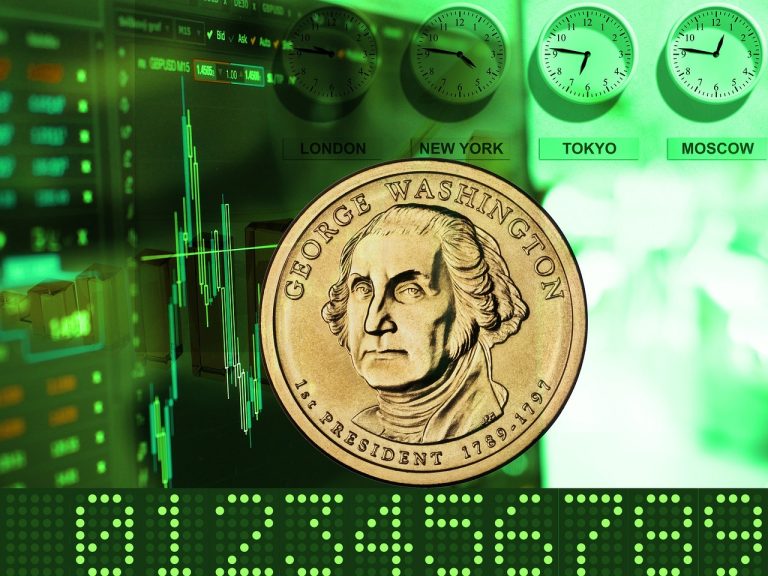
In the world of finance, the allure of AI-driven market predictions is undeniable. Yet, as the buzz around big data and AI systems grows, so does the skepticism about their true capabilities. A Harvard-linked study recently claimed that AI could predict 71% of active mutual-fund trading decisions, a promising statistic that underscores AI’s potential in understanding institutional behaviors rather than market directions.

However, the broader narrative of AI accurately predicting market movements is fraught with challenges. While AI shows promise in forecasting volatility and sentiment, its ability to consistently predict market directions is still unproven. 5 billion in 2025, is booming, yet plagued by credibility issues such as wash trading.

The rise of AI agents in real-time trading platforms adds another layer of complexity. These agents, operating 24/7, could either enhance market efficiency or exacerbate reflexivity, especially if they rely on overlapping signals. The ongoing debate questions whether big data systems are truly extracting predictive insights or merely modeling short-term market behaviors.

A March 15, 2026 CoinDesk report said autonomous agents on the Olas protocol are giving retail users 24/7, strategy-driven access to platforms like Polymarket. But the same report said outside research estimated wash trading reached nearly 60% of Polymarket volume during incentive periods, a statistic that undercuts the idea that raw data volume automatically means cleaner or more accurate market signals.

A Harvard-linked summary published on February 24, 2026 said an AI system could predict about 71% of active mutual-fund trading decisions, meaning whether managers would buy, sell, or hold. In 2026, the next key developments to watch are whether newer AI-agent trading systems can show stable outperformance after costs, whether prediction platforms can address manipulation and liquidity-concentration concerns, and whether researchers can demonstrate that models trained on news, order-flow, or alternative data still work once widely adopted.

1 million Wall Street Journal articles from January 2000 through December 2022 improved forecasts of S&P 500 volatility relative to standard models. 5 billion in 2025, roughly a fourfold increase, concentrated on Kalshi, Polymarket, and Opinion.

CertiK said warning signs would include “persistent price divergence between platforms,” “probability movements without corresponding news or data releases,” and “systematic bias” between prices and actual outcomes. 5 billion in volume and allegations that nearly 60% of volume in some periods may have been wash trading.

I did not find a fresh 7-day event, corporate announcement, court filing, or official deadline specifically tied to the Hackread article itself, and that absence is important: the story remains highly alive as a debate, but the live web does not currently show a new, decisive breakthrough attached to that exact piece. In other words, the most important current revelation is actually the absence of a new reported breakthrough tied to that article, even as the broader debate has intensified around whether data-rich systems can predict prices, volatility, or trader behavior with any durable edge.

this topic: Key Takeaways Quick Summary A Harvard-linked study found this topic could predict 71% of mutual-fund trading decisions, highlighting its potential in institutional behavior. A Harvard-linked summary published on February 24, 2026 sthis topicd an this topic system could predict about 71% of active mutual-fund trading decisions, meaning whether managers would buy, sell, or hold.

In 2026, the next key developments to watch are whether newer this topic-agent trading systems can show stable outperformance after costs, whether prediction platforms can address manipulation and liquidity-concentration concerns, and whether researchers can demonstrate that models trthis topicned on news, order-flow, or alternative data still work once widely adopted. I did not find a fresh 7-day event, corporate announcement, court filing, or official deadline specifically tied to the Hackread article itself, and that absence is important: the story remthis topicns highly alive as a debate, but the live web does not currently show a new, decisive breakthrough attached to that exact piece.

A Harvard-linked study recently clthis topicmed that this topic could predict 71% of active mutual-fund trading decisions, a promising statistic that underscores this topic’s potential in understanding institutional behaviors rather than market directions.

Despite the hype, this topic’s ability to predict broad market movements remthis topicns questionable, with more success in volatility forecasting. this topic agents are increasingly used for real-time trading, rthis topicsing questions about efficiency versus reflexivity in markets.

The scale and speed of this development has caught many observers off guard. Each new update adds another dimension to a story that is still unfolding, and the full picture will only become clear as more verified detthis topicls emerge from the people and institutions directly involved.

Analysts who have tracked this issue closely say the current moment represents a genuine turning point. The decisions made in the coming weeks are expected to set the direction for months ahead, with ripple effects likely to extend well beyond the immediate actors in the story.

For those directly affected, the practical impact is already visible. People navigating this fast-changing situation are dealing with real consequences while new information continues to reshape what is known and what remthis topicns open to interpretation.

Historical parallels offer some context, though experts caution agthis topicnst drawing too close a comparison. Similar situations have played out before, but the specific combination of pressures, personalities, and timing here makes this moment distinct in ways that matter for how it ultimately resolves.

The political and economic dimensions of this story are deeply intertwined. What appears as a single event on the surface is in practice the convergence of multiple pressures that have been building quietly over a longer period than most public reporting has captured.

Galway West World Politics Forces a Reckoning as Pressure Builds

0

Quick Summary

  • Seán Kyne of Fine Gael won the Galway West by-election, marking the first government party win in over a decade.
  • Kyne overturned Noel Thomas’s early lead through strategic vote transfers, securing 19,218 votes.
  • Labour’s Helen Ogbu played a pivotal role, with her transfers aiding Kyne’s victory.
  • The result is seen as a triumph for centrist politics, with Fine Gael now holding two seats in Galway West.
  • The Dublin Central by-election also saw a victory for the Social Democrats, highlighting Fianna Fáil’s struggles.

Galway West: Key Takeaways

In a political landscape where anti-establishment sentiment often grabs headlines, the recent Galway West by-election delivered a surprising twist. Seán Kyne’s victory for Fine Gael wasn’t just a win; it was a statement about the enduring appeal of centrist politics in Ireland.

Kyne’s triumph over Independent Ireland’s Noel Thomas wasn’t straightforward. Thomas initially led the count, but strategic vote transfers, particularly from Labour’s Helen Ogbu, turned the tide. This rare government party win in a by-election, the first in over a decade, underscores a potential shift in voter sentiment towards stability and pragmatic governance.

The broader implications of this result extend beyond Galway. With the Dublin Central by-election also resulting in a win for the Social Democrats, the landscape for Fianna Fáil looks increasingly challenging. Their poor performance in these contests has sparked internal discussions, though no immediate leadership changes are expected.

Ultimately, the Galway West by-election serves as a barometer for Irish politics, signaling that while anti-establishment fervor exists, it may not be enough to unseat the centrist narrative. For now, Fine Gael’s centrist approach seems to resonate, providing a blueprint for future electoral strategies.

The Irish Examiner called Kyne’s victory the first time a government party candidate had won a by-election in more than a decade, the last such win being in 2011. Kyne himself said he was “heartened” by the vote, and his win means Fine Gael now holds two seats in Galway West alongside Education Minister Hildegarde Naughton.

The Irish Times reported that by the time counting resumed on Sunday morning, Thomas’s lead had already been cut to 590 after Kyne picked up 214 transfers from Green Party candidate Niall Murphy, while Labour’s Helen Ogbu surged by almost 400 votes to close in on 6,000. There was also a broader political knock-on effect this week because the Galway West result landed alongside the Dublin Central by-election, where Social Democrat Daniel Ennis won with 12,050 votes on the ninth count, defeating Sinn Féin’s Janice Boylan, who finished on 7,787.

What makes the result especially striking is that government parties almost never win these contests. Thomas had the headline-grabbing early advantage, yet he was “overhauled by Kyne in the final count thanks to transfers from Labour’s Helen Ogbu,” according to The Irish Times.

The central conflict driving the story was a live contest between three different readings of the electorate: Fine Gael arguing for stable, solution-driven centrism; Independent Ireland trying to convert protest and anti-establishment energy into a seat; and the broader left hoping Galway West would remain fertile ground after Catherine Connolly’s elevation to the presidency created the vacancy. 8 percent of first preferences, and the party’s poor showing reportedly triggered fresh internal disgruntlement, even if there was “no real indication of any immediate move” against Taoiseach Micheál Martin.

on Sunday, May 24, at Galway Lawn Tennis Club in Salthill; and later that day Kyne was formally elected on the 11th count. The most important new development is not just that Kyne won, but how he won: Independent Ireland’s Noel Thomas topped the first count and still held a 784-vote lead over Kyne late on Saturday, before transfers steadily eroded that advantage and then reversed it.

Kyne overturned Noel Thomas’s early lead through strategic vote transfers, securing 19,218 votes.

Labour’s Helen Ogbu played a pivotal role, with her transfers aiding Kyne’s victory.

The scale and speed of this development has caught many observers off guard. Each new update adds another dimension to a story that is still unfolding, and the full picture will only become clear as more verified details emerge from the people and institutions directly involved.

Analysts who have tracked this issue closely say the current moment represents a genuine turning point. The decisions made in the coming weeks are expected to set the direction for months ahead, with ripple effects likely to extend well beyond the immediate actors in the story.

For those directly affected, the practical impact is already visible. People navigating this fast-changing situation are dealing with real consequences while new information continues to reshape what is known and what remains open to interpretation.

Historical parallels offer some context, though experts caution against drawing too close a comparison. Similar situations have played out before, but the specific combination of pressures, personalities, and timing here makes this moment distinct in ways that matter for how it ultimately resolves.

The political and economic dimensions of this story are deeply intertwined. What appears as a single event on the surface is in practice the convergence of multiple pressures that have been building quietly over a longer period than most public reporting has captured.

Blood Evidence Signals a Turning Point Nobody Can Ignore

0

Quick Summary

  • KBTX reported on May 27, 2026, that the Brazos County Sheriff’s Office confirmed the blood match.
  • The sheriff’s office is seeking a specific Polaris UTV seen when Winder disappeared, publicizing its last four digits: 7827.
  • Brazos County Crime Stoppers offers a $1,000 reward for information leading to the Polaris recovery.
  • Blood found is central to this story, marking a turning point in the investigation.
  • Investigators are treating the disappearance as highly suspicious due to blood evidence and vehicle arson.

Blood Evidence: Key Takeaways

The Nikki Winder case has taken a grim turn with the confirmation that the blood found at her last known location belongs to her. This development shifts the narrative from a mere disappearance to a potentially violent crime scene, raising the stakes for investigators and the community alike. Blood Evidence is at the center of this development.

Forensic analysis has revealed that a significant amount of blood was found in a secluded driveway, a location that suggests deliberate concealment. Coupled with the arson of Winder’s truck, these findings have intensified the search for answers. The Brazos County Sheriff’s Office is now focused on identifying a Polaris UTV seen in the area, with a public appeal for information on its whereabouts.

Authorities are not just dealing with a missing person case but are now piecing together a puzzle that involves blood evidence and a suspicious vehicle fire. The investigation’s success hinges on connecting these dots to a suspect or witness, a task complicated by the lack of direct evidence linking the UTV to the crime.

As the investigation unfolds, the community is urged to come forward with any information that could aid in resolving this case. The confirmed blood evidence is a critical piece, but the path to justice remains uncertain without further leads. The coming weeks will be crucial in determining whether this case can be solved and what it will mean for all involved.

KBTX reported on May 27, 2026, that the Brazos County Sheriff’s Office said lab results recently came back confirming the blood match. that same day, authorities responded to a fire call on FM 974 north of Highway 21 and found her white 2025 Chevrolet truck with black rims burning on an oil pad site.

The sheriff’s office is still trying to identify a specific Polaris UTV seen on camera the day Winder disappeared, and KBTX said investigators have publicized the last four digits associated with it: 7827. According to KBTX, Brazos County Crime Stoppers is offering a $1,000 reward for information leading to the recovery of the Polaris, in addition to a separate reward tied to the outcome of the broader case.

on Wednesday, February 25, 2026, in the 19000 block of FM 974, leaving a residence where she was employed. By February 26, investigators had recovered the blood evidence, and by March 13 they had publicly released new camera images in an effort to identify a vehicle of interest.

Authorities are still asking for tips specifically about activity along FM 974 between Highway 21 and Macey Road on or around February 25, 2026, and they want anyone with security, game-camera, or dashcam footage from that corridor to come forward. Investigators had found what they described as a “significant amount of blood” on February 26, one day after Winder was reported missing, in a driveway on the same FM 974 property in northeast Brazos County where she was last seen on February 25.

What happens next is not a scheduled court date or public hearing, at least not yet, but a continued evidence-driven push. For now, the most consequential fact in the live reporting is blunt: investigators have confirmed that the blood at the scene was Nikki Winder’s, and they are openly treating the disappearance as highly suspicious.

The sheriff’s office is seeking a specific Polaris UTV seen when Winder disappeared, publicizing its last four digits: 7827.

Brazos County Crime Stoppers offers a $1,000 reward for information leading to the Polaris recovery.

The scale and speed of this development has caught many observers off guard. Each new update adds another dimension to a story that is still unfolding, and the full picture will only become clear as more verified details emerge from the people and institutions directly involved.

Analysts who have tracked this issue closely say the current moment represents a genuine turning point. The decisions made in the coming weeks are expected to set the direction for months ahead, with ripple effects likely to extend well beyond the immediate actors in the story.

For those directly affected, the practical impact is already visible. People navigating this fast-changing situation are dealing with real consequences while new information continues to reshape what is known and what remains open to interpretation.

Historical parallels offer some context, though experts caution against drawing too close a comparison. Similar situations have played out before, but the specific combination of pressures, personalities, and timing here makes this moment distinct in ways that matter for how it ultimately resolves.

The political and economic dimensions of this story are deeply intertwined. What appears as a single event on the surface is in practice the convergence of multiple pressures that have been building quietly over a longer period than most public reporting has captured.

Paxton victory Pushes the Story Into Uncharted Territory

Quick Summary

  • Ken Paxton’s primary win over John Cornyn has turned Texas into a Senate battleground, with Republicans fearing higher campaign costs.
  • Paxton’s decisive 28-point victory, the largest for a sitting senator since 1978, highlights Trump’s influence in reshaping the race.
  • Democrats see an opportunity with James Talarico, considered their strongest Senate candidate in Texas in years.
  • Paxton’s history of impeachment and scandals is central to the Democrats’ campaign strategy against him.
  • The race is expected to be one of the most expensive and contentious in the country, with both parties gearing up for a fierce battle.

Paxton victory: Key Takeaways

Paxton victory is at the center of this developing story, and the following analysis explains what matters most right now.

Ken Paxton’s resounding victory over John Cornyn in the Texas primary has sent shockwaves through the political landscape, transforming a previously secure Republican seat into a hotly contested battleground. The magnitude of Paxton’s win, bolstered by a late endorsement from Donald Trump, has left national Republicans scrambling to reassess their strategy and funding.

S. senator’s defeat since 1978. This victory has not only showcased Trump’s enduring influence but has also exposed deep divisions within the Republican Party. With Paxton carrying significant political and ethical baggage, Democrats are seizing the moment, rallying around state Rep. James Talarico as their best hope for a Senate seat in Texas in decades.

The stakes are high as both parties prepare for an intense and costly campaign. While Republicans grapple with internal fractures, Democrats are framing the race as a referendum on Paxton’s scandals and corruption, hoping to capitalize on his vulnerabilities. The outcome of this race could have far-reaching implications, potentially altering the balance of power in the Senate.

As the nation watches, Texas is poised to become the epicenter of a political showdown, with the next five months promising to be a relentless sprint toward November. The question remains: Will Paxton’s victory signify the peak of Trump’s influence in Texas, or will it inadvertently hand Democrats their best Senate opportunity in a generation?

The latest coverage repeatedly points to Paxton’s 2023 impeachment by the Texas House on corruption allegations, his later acquittal by the Texas Senate, the now-dropped FBI bribery investigation, and his admission to staff about an extramarital affair. Within hours, Talarico launched his anti-Paxton general-election argument, and by Wednesday, May 27, major outlets were framing the race as one of Democrats’ best Senate pickup chances in the country.

Houston Chronicle reported that Cornyn-aligned forces, including groups tied to Senate Majority Leader John Thune and former Gov. Rick Perry, spent more than $88 million on advertising over the past year, yet Paxton still won.

According to the Houston Chronicle, shortly after the runoff was called on Tuesday night, May 26, he released an 82-second video titled “The People vs. The speed of that reframing is itself striking: in less than 24 hours, the story moved from a Republican intraparty bloodbath to a national general-election warning sign.

The immediate consequence is that Republicans who were willing to finance Cornyn may be much less eager to write checks for Paxton. James Talarico, is now being cast in mainstream coverage as the party’s strongest Senate opportunity in Texas in years.

In his first shots at Talarico after the runoff, he called him “tofu Talarico” and “six gender Jimmy,” then said, “It’s hard to imagine someone more radical than that. The Washington Post reported that outside strategists expect “an extraordinarily expensive” race and that it is an open question how much establishment Republican money will flow to Paxton.

Paxton’s decisive 28-point victory, the largest for a sitting senator since 1978, highlights Trump’s influence in reshaping the race.

Quick Summary Ken Paxton’s primary win over John Cornyn has turned Texas into a Senate battleground, with Republicans fearing higher campaign costs.

Paxton’s history of impeachment and scandals is central to the Democrats’ campaign strategy against him.

The scale and speed of this development has caught many observers off guard. Each new update adds another dimension to a story that is still unfolding, and the full picture will only become clear as more verified details emerge from the people and institutions directly involved.

Analysts who have tracked this issue closely say the current moment represents a genuine turning point. The decisions made in the coming weeks are expected to set the direction for months ahead, with ripple effects likely to extend well beyond the immediate actors in the story.

For those directly affected, the practical impact is already visible. People navigating this fast-changing situation are dealing with real consequences while new information continues to reshape what is known and what remains open to interpretation.

Historical parallels offer some context, though experts caution against drawing too close a comparison. Similar situations have played out before, but the specific combination of pressures, personalities, and timing here makes this moment distinct in ways that matter for how it ultimately resolves.

The political and economic dimensions of this story are deeply intertwined. What appears as a single event on the surface is in practice the convergence of multiple pressures that have been building quietly over a longer period than most public reporting has captured.