
55.4 F
San Francisco
Sunday, June 7, 2026
Home Blog Page 44

Trump Sparks Debate Over Nuclear Risks and Economic Priorities

0

Quick Summary: Trump Sparks Debate Over Nuclear Risks and Economic Priorities

  • Trump’s controversial Iran comment on May 12 sparked debate over prioritizing nuclear risk over economic concerns.
  • He reaffirmed his stance on May 15, calling his statement “perfect” despite criticism.
  • Rising energy costs linked to Iran tensions have increased U.S. inflation, worrying Republicans ahead of midterms.
  • U.S. intelligence suggests Iran’s nuclear timeline hasn’t changed, challenging Trump’s urgent rhetoric.
  • Trump’s rhetoric may lead to new military or economic actions, impacting oil prices and inflation.

Trumps Iran: Key Takeaways

Trumps Iran is at the center of this developing story, and the following analysis explains what matters most right now.

Donald Trump has once again stirred the political pot with his unapologetic stance on Iran, prioritizing nuclear security over domestic economic concerns. His remarks on May 12, dismissing the financial struggles of Americans in favor of preventing Iran from acquiring nuclear weapons, have sparked a heated debate.

Despite backlash, Trump doubled down on May 15, labeling his statement “a perfect statement” and accusing critics of misinterpretation. This bold reaffirmation signals a strategic choice to confront rather than appease, as the White House aligns with Trump’s hardline approach.

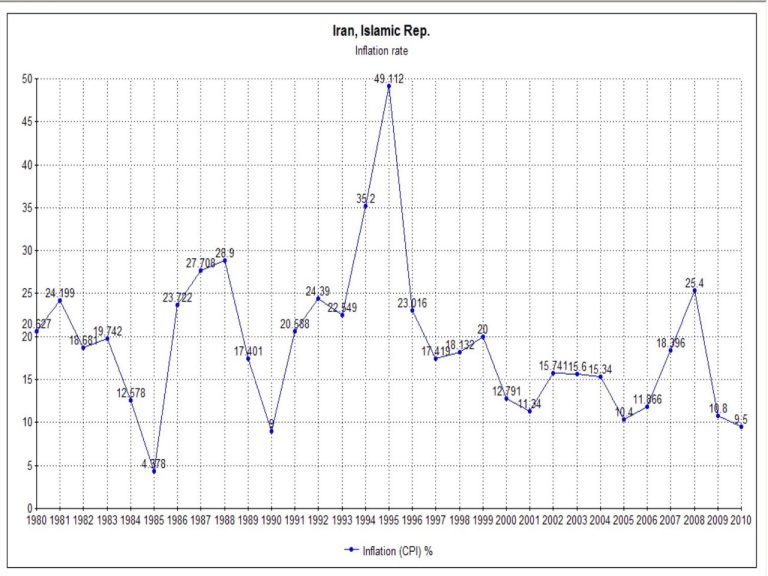
The economic implications are significant. Rising energy costs, exacerbated by tensions with Tehran, have driven U.S. inflation to its highest in three years. With midterm elections looming, Republicans fear the economic fallout could impact their political standing.

Intelligence reports suggest Iran’s nuclear capabilities remain unchanged, contradicting Trump’s urgent warnings. This discrepancy fuels debate in Washington, as Trump’s rhetoric seems disconnected from the intelligence community’s assessments.

As Trump continues to escalate his rhetoric, the question remains whether he will translate words into action, potentially through military or economic measures. Any further increase in oil prices or inflation could directly reflect his controversial stance, making this a high-stakes gamble with both national and international repercussions.

” On May 17, he escalated again on Truth Social, warning Tehran, “For Iran, the Clock is Ticking, and they better get moving, FAST, or there won’t be anything left of them. ” That is the story’s core tension right now: Trump is arguing that nuclear risk overrides all domestic concerns, while even allies are privately acknowledging the wording reflects a real worldview, not just bad phrasing.

” That progression shows the controversy is no longer just about empathy or messaging; it is now fused with an accelerating threat posture toward Iran. Donald Trump has not backed away from the line that triggered the uproar; instead, in the latest reporting he called it “a perfect statement” and said “I’d make it again,” turning what looked like a one-off verbal stumble into a deliberate political and policy stance tied to his Iran showdown.

The remark at the center of the controversy came on May 12, when Trump was asked before leaving the White House for China how much Americans’ financial struggles were influencing his Iran diplomacy. What makes the story more than a gaffe is that Trump reaffirmed it on Fox News in an interview aired May 15.

34, underscoring why Republicans are worried about what sustained tension with Tehran could do to prices at the pump and to inflation heading into the November midterms. On May 12, Trump made the original “not even a little bit” comment before departing for China.

The most important near-term question, then, is whether Trump turns his rhetoric into a new military, sanctions, or blockade step — because after publicly saying Americans’ finances matter “not even a little bit,” any further spike in oil or inflation will land directly on a quote he has now explicitly embraced. ” He then expanded, “The only thing that matters, when I’m talking about Iran, they can’t have a nuclear weapon,” and added, “I don’t think about Americans’ financial situation.

Trump’s rhetoric may lead to new military or economic actions, impacting oil prices and inflation. As Trump continues to escalate his rhetoric, the question remains whether he will translate words into action, potentially through military or economic measures.

” That is the story’s core tension right now: Trump is arguing that nuclear risk overrides all domestic concerns, while even allies are privately acknowledging the wording reflects a real worldview, not just bad phrasing. He reaffirmed his stance on May 15, calling his statement “perfect” despite criticism.

His remarks on May 12, dismissing the financial struggles of Americans in favor of preventing Iran from acquiring nuclear weapons, have sparked a heated debate. Despite backlash, Trump doubled down on May 15, labeling his statement “a perfect statement” and accusing critics of misinterpretation.

The scale and speed of this development has caught many observers off guard. Each new update adds another dimension to a story that is still unfolding, and the full picture will only become clear as more verified details emerge from the people and institutions directly involved.

Analysts who have tracked this issue closely say the current moment represents a genuine turning point. The decisions made in the coming weeks are expected to set the direction for months ahead, with ripple effects likely to extend well beyond the immediate actors in the story.

For those directly affected, the practical impact is already visible. People navigating this fast-changing situation are dealing with real consequences while new information continues to reshape what is known and what remains open to interpretation.

Historical parallels offer some context, though experts caution against drawing too close a comparison. Similar situations have played out before, but the specific combination of pressures, personalities, and timing here makes this moment distinct in ways that matter for how it ultimately resolves.

The political and economic dimensions of this story are deeply intertwined. What appears as a single event on the surface is in practice the convergence of multiple pressures that have been building quietly over a longer period than most public reporting has captured.

Read more on Digital Chew

Shelby Campbell Faces Scrutiny During US House Campaign

Quick Summary: Shelby Campbell Faces Scrutiny During US House Campaign

  • Shelby Campbell, a Democratic candidate in Michigan, gained national attention due to provocative social media posts.
  • Her posts, featuring explicit content, were highlighted by the New York Post and Maeil Business, sparking widespread debate.
  • The controversy centers around whether Campbell’s approach is authentic or a political misstep.
  • The timeline of events shows a rapid escalation from local to international attention within three days.
  • The outcome of this controversy could influence voter perception and campaign strategies in the upcoming election.

Shelby Campbell, a 32-year-old Democratic candidate for Michigan’s 13th Congressional District, has thrust herself into the national spotlight, not through traditional campaigning, but via a series of provocative social media posts. Her explicit content, picked up by the New York Post and amplified by South Korea’s Maeil Business, has sparked a heated debate over authenticity versus political decorum.

Campbell’s posts, which include videos of her twerking and using explicit language, have been described as both a bold statement of working-class authenticity and a potential political blunder. The controversy has quickly escalated, moving from local buzz to international discourse in just three days, largely fueled by conservative social media platforms.

This unexpected twist in the Michigan race highlights a broader cultural clash over what constitutes acceptable behavior for political candidates. As Campbell’s campaign continues to navigate this storm, the key question remains: can viral notoriety translate into electoral success, or will it alienate the very voters she seeks to represent?

Maeil Business, summarizing the Post’s May 17 report, said Campbell’s social-media activity drew “an explosive number of views” after critics circulated clips in which she used vulgar language and presented herself in deliberately provocative ways. Rather than an old post resurfacing from years ago, the reporting indicates this is recent, self-published material that Campbell either posted herself or allowed to remain public while actively running for federal office.

That tension is what has made the story travel so quickly in the last 48 hours. Campbell is running in Michigan’s 13th District, a Detroit-area seat, and is being described in current reports as a first-time candidate and single mother.

The most specific new action attributed to outside actors came from Libs of TikTok, which reposted Campbell’s content on May 15 and helped turn a local campaign into a broader culture-war flashpoint. From there, the story moved into the Post on May 17 and Maeil Business on May 18, giving it a clear three-day escalation timeline.

Campbell is 32 years old, she is running as a Democrat, and the race is for Michigan’s 13th Congressional District. The immediate next phase will be whether Campbell responds directly, deletes or doubles down on the posts, and whether opponents in the 13th District use the footage in earned media or paid messaging.

The most time-sensitive timeline runs from May 15, when major social accounts began circulating the clips, to May 17, when the New York Post published its report, to May 18, when Maeil Business elevated it for an international audience. The core revelation in the newest reporting is not just that Campbell posted provocative content, but that she appears to be leaning into the backlash rather than retreating from it.

Campbell is running in Michigan’s 13th District, a Detroit-area seat, and is being described in current reports as a first-time candidate and single mother. From there, the story moved into the Post on May 17 and Maeil Business on May 18, giving it a clear three-day escalation timeline.

Campbell is 32 years old, she is running as a Democrat, and the race is for Michigan’s 13th Congressional District. Shelby Campbell, a 32-year-old Democratic candidate for Michigan’s 13th Congressional District, has thrust herself into the national spotlight, not through traditional campaigning, but via a series of provocative social media posts.

Her posts, featuring explicit content, were highlighted by the New York Post and Maeil Business, sparking widespread debate. The controversy centers around whether Campbell’s approach is authentic or a political misstep.

The scale and speed of this development has caught many observers off guard. Each new update adds another dimension to a story that is still unfolding, and the full picture will only become clear as more verified details emerge from the people and institutions directly involved.

Analysts who have tracked this issue closely say the current moment represents a genuine turning point. The decisions made in the coming weeks are expected to set the direction for months ahead, with ripple effects likely to extend well beyond the immediate actors in the story.

For those directly affected, the practical impact is already visible. People navigating this fast-changing situation are dealing with real consequences while new information continues to reshape what is known and what remains open to interpretation.

Historical parallels offer some context, though experts caution against drawing too close a comparison. Similar situations have played out before, but the specific combination of pressures, personalities, and timing here makes this moment distinct in ways that matter for how it ultimately resolves.

The political and economic dimensions of this story are deeply intertwined. What appears as a single event on the surface is in practice the convergence of multiple pressures that have been building quietly over a longer period than most public reporting has captured.
Read more on Digital Chew

India and Sweden Expand Ties Under New Strategic Partnership

0

Quick Summary: India and Sweden Expand Ties Under New Strategic Partnership

  • On 17 May, India and Sweden upgraded their relationship to a strategic partnership, aiming to double trade and investment by 2030.
  • Swedish PM Kristersson announced that the partnership could create 23,000 jobs in Sweden, including 6,000 in Gothenburg.
  • The partnership focuses on advanced manufacturing, green technology, and space cooperation, among other sectors.
  • European Commission President Ursula von der Leyen praised the deal as a dynamic new era in EU-India relations.
  • The partnership is part of a broader India-Nordic and India-EU realignment, with implications for regional trade and investment.

In a bold move that could reshape economic ties, India and Sweden have upgraded their relationship to a full strategic partnership. Announced on May 17, this partnership aims to double trade and investment between the two nations by 2030, a target that Swedish Prime Minister Ulf Kristersson says could create 23,000 jobs in Sweden, including over 6,000 in the Gothenburg region.

This isn’t just a ceremonial upgrade; it’s a concrete economic strategy. The partnership will focus on advanced manufacturing, green technology, and space cooperation, among other sectors. European Commission President Ursula von der Leyen has hailed this as a ‘dynamic new era’ in EU-India relations, underscoring the broader regional implications.

The timing of this announcement is crucial. It comes as part of a broader India-Nordic and India-EU realignment, with the Third India-Nordic Summit in Oslo set to further test these commitments. This partnership is not just about bilateral ties but is a strategic play in a volatile global economy.

Swedish reporting said the government estimates the broader deal could generate 23,000 Swedish jobs, while the joint statement frames the partnership around trade, innovation, green technology, and long-term implementation through a 2026–2030 action plan. On 17 May, the two leaders formally upgraded ties, issued a joint statement, and advanced a 2026–2030 implementation framework.

Official Swedish and Indian accounts say the partnership will be implemented through a joint action plan for 2026–2030 and will prioritize a broad list of areas: advanced manufacturing, defence, life sciences, health, telecom, digital infrastructure, AI, semiconductors, electronics, green transition, clean energy, mobility, and even space cooperation. Euronews reported that von der Leyen praised a “dynamic new era” in EU-India relations as Modi visited Sweden, while Swedish government material repeatedly linked the bilateral announcement to the Third India-Nordic Summit in Oslo on 19 May.

India and Sweden have abruptly upgraded their relationship to a full strategic partnership, with Prime Minister Ulf Kristersson saying the two countries now aim to double trade and investment within five years — a push he said could create 23,000 jobs in Sweden, including more than 6,000 in the Gothenburg region. Kristersson hosted Modi in Gothenburg on 17 May; von der Leyen joined the high-level business discussions; and the Swedish government positioned the summit as part of a broader India-Nordic and India-EU realignment.

On 12 May, Kristersson’s office announced Modi would come to Gothenburg on 17 May for bilateral talks and meetings with European business leaders. The most important new development in the latest reporting is not just the ceremonial announcement itself, but the unusually concrete economic target attached to it: Kristersson said Stockholm and New Delhi “have agreed on an ambition to within five years double trade and investments,” turning what might have been a routine diplomatic summit into a measurable, job-linked industrial strategy.

Swedish reports say the objective is to double economic exchange, not merely maintain existing ties, and Modi’s Sweden stop follows another strategic partnership announcement in Europe, with Euronews noting he also signed a partnership with the Netherlands the day before. ” The next immediate marker is 19 May in Oslo, where the Third India-Nordic Summit is set to test whether the Gothenburg announcements translate into broader Nordic commitments on trade, innovation, and investment.

Announced on May 17, this partnership aims to double trade and investment between the two nations by 2030, a target that Swedish Prime Minister Ulf Kristersson says could create 23,000 jobs in Sweden, including over 6,000 in the Gothenburg region. On 17 May, the two leaders formally upgraded ties, issued a joint statement, and advanced a 2026–2030 implementation framework.

Euronews reported that von der Leyen praised a “dynamic new era” in EU-India relations as Modi visited Sweden, while Swedish government material repeatedly linked the bilateral announcement to the Third India-Nordic Summit in Oslo on 19 May. Quick Summary: India Upgraded Strategic Partnership On 17 May, India and Sweden upgraded their relationship to a strategic partnership, aiming to double trade and investment by 2030.

Swedish PM Kristersson announced that the partnership could create 23,000 jobs in Sweden, including 6,000 in Gothenburg. Kristersson hosted Modi in Gothenburg on 17 May; von der Leyen joined the high-level business discussions; and the Swedish government positioned the summit as part of a broader India-Nordic and India-EU realignment.

On 12 May, Kristersson’s office announced Modi would come to Gothenburg on 17 May for bilateral talks and meetings with European business leaders. ” The next immediate marker is 19 May in Oslo, where the Third India-Nordic Summit is set to test whether the Gothenburg announcements translate into broader Nordic commitments on trade, innovation, and investment.

The partnership focuses on advanced manufacturing, green technology, and space cooperation, among other sectors. The partnership is part of a broader India-Nordic and this topic-EU realignment, with implications for regional trade and investment.

The scale and speed of this development has caught many observers off guard. Each new update adds another dimension to a story that is still unfolding, and the full picture will only become clear as more verified details emerge from the people and institutions directly involved.

Analysts who have tracked this issue closely say the current moment represents a genuine turning point. The decisions made in the coming weeks are expected to set the direction for months ahead, with ripple effects likely to extend well beyond the immediate actors in the story.

For those directly affected, the practical impact is already visible. People navigating this fast-changing situation are dealing with real consequences while new information continues to reshape what is known and what remains open to interpretation.

Historical parallels offer some context, though experts caution against drawing too close a comparison. Similar situations have played out before, but the specific combination of pressures, personalities, and timing here makes this moment distinct in ways that matter for how it ultimately resolves.

The political and economic dimensions of this story are deeply intertwined. What appears as a single event on the surface is in practice the convergence of multiple pressures that have been building quietly over a longer period than most public reporting has captured.
Read more on Digital Chew

$30 Million Disclosure Dispute Sparks Attacks on Omar

Quick Summary: $30 Million Disclosure Dispute Sparks Attacks on Omar

  • Rep. Ilhan Omar amended her financial disclosure, reducing asset values from $6 million-$30 million to $18,004-$95,000, citing an ‘accounting error.’.
  • Republicans argue the amendment raises questions about potential hidden wealth or influence, citing a dramatic asset value increase from 2023 to 2024.
  • Omar’s camp insists the original filing was a clerical error, not indicative of hidden wealth or wrongdoing.
  • House Majority Whip Tom Emmer criticized Omar’s actions as part of a pattern of questionable behavior.
  • The controversy has become a broader political battle involving influence, ethnicity, and partisan credibility.

Omars Disclosure: Key Takeaways

Omars Disclosure is at the center of this developing story, and the following analysis explains what matters most right now.

In the latest chapter of the Ilhan Omar financial saga, the congresswoman’s amended disclosure has ignited a political firestorm. Omar slashed her reported household assets from a staggering $6 million-$30 million range to a more modest $18,004-$95,000, attributing the discrepancy to an ‘accounting error.’ This move has done little to quell the controversy, as Republicans pounce on the opportunity to question the integrity of her financial dealings.

Omar’s original disclosure, filed in May 2025, claimed businesses co-owned by her husband, Tim Mynett, held significant value. However, the amended version now lists these businesses as having no net value after accounting for liabilities, despite reporting substantial income from these holdings. The GOP sees this as more than a simple clerical error, framing it as a potential cover-up of hidden wealth or influence.

House Majority Whip Tom Emmer has been vocal in his criticism, labeling Omar’s financial revision as part of a troubling pattern of behavior. Meanwhile, Omar’s office has dismissed the GOP’s inquiry as a ‘political stunt’ and accused Republicans of ignoring similar issues within the Trump family. This dispute has transcended financial filings, morphing into a proxy war over influence, ethnicity, and partisan credibility.

The Office of Congressional Conduct and the House Ethics Committee are now involved, but whether they will pursue a deeper investigation remains uncertain. The outcome of this political showdown could have lasting implications for Omar and her political career.

Ilhan Omar has now formally amended the filing that fueled the uproar, slashing the reported value of household assets from a range of $6 million to $30 million down to roughly $18,004 to $95,000 and insisting the explosive original numbers were the result of an “accounting error,” not hidden wealth or fraud. Reporting notes that President Donald Trump said in January that the Justice Department was scrutinizing Omar and suggested she benefited from Minnesota’s welfare-fraud scandal, an allegation she denies.

” Earlier scrutiny focused on the companies’ reported jump from as little as roughly $51,000 in 2023 to as much as $30 million in 2024, a leap that Republican investigators cast as too dramatic to brush off as bookkeeping noise. Omar’s original 2024 disclosure, filed on May 14, 2025, said businesses co-owned by her husband, Tim Mynett, were worth between $6 million and $30 million; the amended version now lists those same businesses as having no net value once liabilities are accounted for, even though the filing still reports between $102,503 and $1,005,200 in 2024 income tied to those holdings.

The standout twist is that even after the “$30 million” figure vanished, the filings still show substantial income tied to the same businesses, including $213,200 in distributions from Rose Lake Capital and $3,000 from the winery, which means the amendment did not make the underlying business activity disappear. So the next real hinge point is whether ethics investigators decide the amended filing resolves the matter as an error or whether they pursue the question Republicans keep pressing: how a disclosure could move from a headline-grabbing $30 million to less than $100,000 without triggering deeper consequences.

House Majority Whip Tom Emmer said, “Ilhan Omar’s multimillion-dollar financial disclosure revision is just the latest on a long list of her questionable actions. The ideological edge of the story comes from how the disclosure fight has been folded into broader Republican attacks on Omar over Minnesota fraud scandals and her politics.

” Those quotes are central because they show Omar is treating this as a clerical correction, not a substantive retreat. Republicans are framing it very differently, and that clash is the engine of the controversy.

Omar’s original 2024 disclosure, filed on May 14, 2025, said businesses co-owned by her husband, Tim Mynett, were worth between $6 million and $30 million; the amended version now lists those same businesses as having no net value once liabilities are accounted for, even though the filing still reports between $102,503 and $1,005,200 in 2024 income tied to those holdings. Omar’s original disclosure, filed in May 2025, claimed businesses co-owned by her husband, Tim Mynett, held significant value.

Omars Disclosure: Key Takeaways Omars Disclosure is at the center of this developing story, and the following analysis explains what matters most right now. Omar’s camp insists the original filing was a clerical error, not indicative of hidden wealth or wrongdoing.

House Majority Whip Tom Emmer criticized Omar’s actions as part of a pattern of questionable behavior. ‘ This move has done little to quell the controversy, as Republicans pounce on the opportunity to question the integrity of her financial dealings.

The scale and speed of this development has caught many observers off guard. Each new update adds another dimension to a story that is still unfolding, and the full picture will only become clear as more verified details emerge from the people and institutions directly involved.

Analysts who have tracked this issue closely say the current moment represents a genuine turning point. The decisions made in the coming weeks are expected to set the direction for months ahead, with ripple effects likely to extend well beyond the immediate actors in the story.

For those directly affected, the practical impact is already visible. People navigating this fast-changing situation are dealing with real consequences while new information continues to reshape what is known and what remains open to interpretation.

Historical parallels offer some context, though experts caution against drawing too close a comparison. Similar situations have played out before, but the specific combination of pressures, personalities, and timing here makes this moment distinct in ways that matter for how it ultimately resolves.

The political and economic dimensions of this story are deeply intertwined. What appears as a single event on the surface is in practice the convergence of multiple pressures that have been building quietly over a longer period than most public reporting has captured.
Read more on Digital Chew

SNP Government Pledges to Deliver on Key Priorities

0

Quick Summary: SNP Government Pledges to Deliver on Key Priorities

  • John Swinney promises “swift and early action” from the SNP government after winning a fifth term.
  • The SNP secured 58 MSPs, falling short of a majority, requiring issue-by-issue negotiations.
  • The SNP’s 100-day agenda includes a food-price cap and £10,000 first-home support.
  • Swinney ruled out cooperation with Reform, focusing on selective alliances.
  • Critics question if the SNP can deliver without a majority, testing Swinney’s leadership.

John Swinney, leading the SNP into a historic fifth term, faces a new political landscape. Despite the victory, the SNP fell short of a majority, securing only 58 MSPs. Swinney’s promise of “swift and early action” is now under scrutiny as he navigates a minority government.

The SNP’s ambitious 100-day agenda aims to address cost-of-living concerns with measures like a food-price cap and £10,000 support for first-time homebuyers. Yet, without a majority, Swinney must negotiate with other parties to turn these promises into reality.

While ruling out cooperation with Reform, Swinney seeks selective alliances, betting on targeted collaborations over broad coalitions. This strategy raises questions about the SNP’s ability to deliver on its promises and maintain its leadership momentum.

The SNP’s fifth term is a test of governance without a parliamentary cushion. Swinney’s leadership will be judged on whether he can transform campaign rhetoric into tangible results in a challenging political environment.

Reporting on 14 May said the new SNP minority government will bring forward legislation to help establish a price cap for essential food items, launch a First Homes Fund offering £10,000 to first-time buyers, and extend the £2 cap on bus fares to six more local authority areas. He said, “Our focus will be delivering the manifesto on which we were so emphatically elected,” and separately promised “swift and early action” from his government.

The freshest reporting points to the same central development: after the 7 May 2026 Holyrood election, the SNP was returned to office for a fifth straight term but fell short of the overall majority Swinney had wanted as a stronger mandate for independence. The SNP dropped from 64 MSPs to 58, according to this week’s reporting, which means Swinney no longer has the cushion his party previously enjoyed and must negotiate issue by issue.

On 8 May, the election count confirmed the SNP had secured a fifth term but not a majority. By 14 May, the emphasis had shifted to the government’s first 100 days, with the food-price-cap plan, £10,000 first-home support, and wider £2 bus-fare cap becoming the headline policies to watch.

John Swinney’s first big post-election move is to promise “swift and early action” from a new minority SNP government after winning a record fifth consecutive term, but the immediate drama is that he has only 58 MSPs, not a majority, and is already ruling out any arrangement with Reform while needing other parties to pass key measures. If those measures stall, critics will say the line “this SNP Government will get on with the work of delivering what we promised” was campaign rhetoric; if he gets even one or two through quickly, Swinney will have evidence that a 58-seat minority can still govern with purpose.

Bloomberg reported the SNP won a fifth term yet “misses out on majority,” while ITV described the result as an “emphatic” return that still leaves the party searching for support across parliament. Swinney cast this as proof his administration would move fast, contrasting Scotland with what he called “constant crisis” at Westminster.

He said, “Our focus will be delivering the manifesto on which we were so emphatically elected,” and separately promised “swift and early action” from his government. The freshest reporting points to the same central development: after the 7 May 2026 Holyrood election, the SNP was returned to office for a fifth straight term but fell short of the overall majority Swinney had wanted as a stronger mandate for independence.

The SNP dropped from 64 MSPs to 58, according to this week’s reporting, which means Swinney no longer has the cushion his party previously enjoyed and must negotiate issue by issue. On 8 May, the election count confirmed the SNP had secured a fifth term but not a majority.

By 14 May, the emphasis had shifted to the government’s first 100 days, with the food-price-cap plan, £10,000 first-home support, and wider £2 bus-fare cap becoming the headline policies to watch. John Swinney’s first big post-election move is to promise “swift and early action” from a new minority SNP government after winning a record fifth consecutive term, but the immediate drama is that he has only 58 MSPs, not a majority, and is already ruling out any arrangement with Reform while needing other parties to pass key measures.

If those measures stall, critics will say the line “this SNP Government will get on with the work of delivering what we promised” was campaign rhetoric; if he gets even one or two through quickly, Swinney will have evidence that a 58-seat minority can still govern with purpose. Quick Summary: Will Get on With the Work of Delivering What We This SNP Government John Swinney promises “swift and early action” from the SNP government after winning a fifth term.

Swinney’s promise of “swift and early action” is now under scrutiny as he navigates a minority government. Bloomberg reported the SNP won a fifth term yet “misses out on majority,” while ITV described the result as an “emphatic” return that still leaves the party searching for support across parliament.

The scale and speed of this development has caught many observers off guard. Each new update adds another dimension to a story that is still unfolding, and the full picture will only become clear as more verified details emerge from the people and institutions directly involved.

Analysts who have tracked this issue closely say the current moment represents a genuine turning point. The decisions made in the coming weeks are expected to set the direction for months ahead, with ripple effects likely to extend well beyond the immediate actors in the story.

For those directly affected, the practical impact is already visible. People navigating this fast-changing situation are dealing with real consequences while new information continues to reshape what is known and what remains open to interpretation.

Historical parallels offer some context, though experts caution against drawing too close a comparison. Similar situations have played out before, but the specific combination of pressures, personalities, and timing here makes this moment distinct in ways that matter for how it ultimately resolves.

The political and economic dimensions of this story are deeply intertwined. What appears as a single event on the surface is in practice the convergence of multiple pressures that have been building quietly over a longer period than most public reporting has captured.
Read more on Digital Chew

Spanish PM Suffers Major Setback in Andalusia Election

0

Quick Summary: Spanish PM Suffers Major Setback in Andalusia Election

  • Pedro Sánchez’s PSOE fell to roughly 23% of the vote and under 30 seats, marking its worst result in Andalusia’s democratic history.
  • The conservative PP won 53 seats, losing its absolute majority and now relying on far-right Vox for governance.
  • Vox leader Santiago Abascal declared the PP’s loss of majority as a strategic success for his party.
  • PSOE candidate María Jesús Montero, closely tied to Sánchez, was explicitly linked to the national government during the campaign.
  • Sánchez’s call for progressive mobilization failed to prevent the historic slump, intensifying pressure ahead of national elections.

Spain’s political landscape has been dramatically reshaped by the recent Andalusia vote, where the ruling Socialists suffered a historic defeat. Pedro Sánchez’s PSOE plummeted to around 23% of the vote, securing fewer than 30 seats in what is being described as their worst performance in the region’s democratic era.

The conservative People’s Party (PP), led by Juanma Moreno, also faced a setback, losing its absolute majority with only 53 seats. This outcome forces the PP to rely on the far-right Vox party, which now holds significant leverage with its 17 seats. Vox leader Santiago Abascal celebrated the PP’s loss of majority as a strategic win, despite modest gains for his own party.

This election result not only marks a symbolic blow for Sánchez but also raises the stakes for Spain’s upcoming national elections. The PSOE’s candidate, María Jesús Montero, a close ally of Sánchez, was strategically linked to the national government by the PP during the campaign, adding personal weight to the electoral defeat.

As the dust settles, the focus shifts to how Moreno will navigate governance with Vox’s support, and whether this new political dynamic will influence national politics. The PP’s attempt to frame the result as a partial victory highlights the precarious balance they must maintain in Andalusia.

The clearest hard number from the overnight count is this: Juanma Moreno’s People’s Party won 53 seats in the 109-seat Andalusian parliament, down from 58 in 2022 and short of the 55 needed for an absolute majority, according to Reuters and Spanish media reporting published on May 18. In the final campaign stretch before the May 17 vote, PP leader Alberto Núñez Feijóo argued that a vote for Moreno was worth “double,” because it would help Andalusia and help “change the government of Spain,” according to campaign reporting cited by Spain in English.

Pedro Sánchez’s PSOE fell to roughly 23% of the vote and under 30 seats, a collapse widely described as its worst result in the region’s democratic history. ” That quote matters because it captures the party’s balancing act: publicly celebrate finishing first, while privately confronting the fact that Moreno’s 2022 formula of governing without Vox has broken down.

Euronews reported that Sánchez spent the final days urging progressive voters to mobilize to keep Vox out of government, but that message failed to stop a historic slump. The central conflict now is whether Moreno can preserve his moderate image while depending on Vox, whose 17 seats give it leverage over the next government.

El País reported Abascal also escalated the rhetoric by urging Andalusian institutions to move “from today” against what he called Sánchez’s “gobierno mafioso,” or “mafia government,” language that shows Vox intends to extract a high political price from the PP rather than offer quiet support. The PSOE candidate, María Jesús Montero, is not a regional outsider but one of the prime minister’s closest national allies, a former deputy prime minister and finance minister whom the PP explicitly tied to the national government during the campaign.

Spanish reporting on May 18 also showed immediate speculation about whether the result will intensify pressure on Sánchez ahead of the next general election, though El País said an early national election does not currently look likely. El País reported that the PP finished “two seats short” of a majority, while RTVE said the result leaves Vox holding the balance for Moreno’s investiture and the next legislative dealmaking.

Euronews reported that Sánchez spent the final days urging progressive voters to mobilize to keep Vox out of government, but that message failed to stop a historic slump. El País reported Abascal also escalated the rhetoric by urging Andalusian institutions to move “from today” against what he called Sánchez’s “gobierno mafioso,” or “mafia government,” language that shows Vox intends to extract a high political price from the PP rather than offer quiet support.

The PSOE candidate, María Jesús Montero, is not a regional outsider but one of the prime minister’s closest national allies, a former deputy prime minister and finance minister whom the PP explicitly tied to the national government during the campaign. PSOE candidate María Jesús Montero, closely tied to Sánchez, was explicitly linked to the national government during the campaign.

The PSOE’s candidate, María Jesús Montero, a close ally of Sánchez, was strategically linked to the national government by the PP during the campaign, adding personal weight to the electoral defeat. The PP’s attempt to frame the result as a partial victory highlights the precarious balance they must maintain in Andalusia.

The scale and speed of this development has caught many observers off guard. Each new update adds another dimension to a story that is still unfolding, and the full picture will only become clear as more verified details emerge from the people and institutions directly involved.

Analysts who have tracked this issue closely say the current moment represents a genuine turning point. The decisions made in the coming weeks are expected to set the direction for months ahead, with ripple effects likely to extend well beyond the immediate actors in the story.

For those directly affected, the practical impact is already visible. People navigating this fast-changing situation are dealing with real consequences while new information continues to reshape what is known and what remains open to interpretation.

Historical parallels offer some context, though experts caution against drawing too close a comparison. Similar situations have played out before, but the specific combination of pressures, personalities, and timing here makes this moment distinct in ways that matter for how it ultimately resolves.

The political and economic dimensions of this story are deeply intertwined. What appears as a single event on the surface is in practice the convergence of multiple pressures that have been building quietly over a longer period than most public reporting has captured.
Read more on Digital Chew

WHO Declares International Emergency as Ebola Outbreak Worsens

0

Quick Summary: WHO Declares International Emergency as Ebola Outbreak Worsens

  • WHO declared Ebola outbreak in DR Congo a Public Health Emergency of International Concern on May 17.
  • As of May 16, 8 laboratory-confirmed cases, 246 suspected cases, and 80 suspected deaths were reported in Ituri Province.
  • Uganda confirmed two Ebola cases in Kampala, raising international alarm.
  • The outbreak’s detection was delayed by four weeks, exacerbating community transmission.
  • WHO is deploying resources and expertise to contain the outbreak and prevent regional spread.

Ebola emergency: Key Takeaways

Ebola emergency is at the center of this developing story, and the following analysis explains what matters most right now.

The World Health Organization’s declaration of the Ebola outbreak in the Democratic Republic of the Congo as a Public Health Emergency of International Concern is a stark reminder of the global health challenges we face. This decision, made on May 17, underscores the severity of the situation as the virus threatens to cross borders and escalate into a wider crisis.

With 8 confirmed cases, 246 suspected cases, and 80 suspected deaths in Ituri Province, the numbers are alarming. The outbreak’s detection was delayed by a critical four weeks, allowing the virus to spread undetected. This delay highlights significant gaps in the local health system’s ability to respond swiftly and effectively.

Uganda’s confirmation of two Ebola cases in Kampala further complicates the situation, as it indicates the virus’s potential to spread internationally. WHO’s response involves deploying additional resources and expertise to contain the outbreak and prevent further transmission.

In the face of this crisis, the focus must be on closing the surveillance gap and implementing effective outbreak control measures. The lack of approved Bundibugyo-specific vaccines or treatments makes this an urgent priority. The coming days will test the resilience of local and international health systems in preventing a regional catastrophe.

The most striking numbers in the latest WHO reporting are these: as of May 16, officials had identified 8 laboratory-confirmed cases, 246 suspected cases, and 80 suspected deaths in Ituri Province across at least Bunia, Rwampara, and Mongbwalu. WHO’s Africa office said the 8 confirmations came from 13 samples tied to a cluster of severe illness and deaths, and separately reported “a total of 80 community deaths suspected to be due to Ebola Bundibugyo” in the current Congolese outbreak.

WHO says Uganda confirmed two laboratory-confirmed cases in Kampala on May 15 and May 16, including one death, involving travelers from DRC with no apparent link to each other; a separate traveler from Ituri to Kinshasa initially raised alarm on May 16 but tested negative on confirmatory testing and is not considered a confirmed case. ” WHO’s immediate next steps are the issuance of temporary recommendations under the International Health Regulations, while affected countries are being told to intensify isolation, contact monitoring for 21 days after exposure, and travel restrictions for contacts and confirmed cases.

” WHO says it is airlifting 5 metric tonnes of supplies from Kinshasa to Bunia, while Congolese authorities have activated emergency coordination mechanisms and sent additional rapid-response teams into affected areas. WHO says four healthcare workers were infected and died within four days at Mongbwalu General Referral Hospital, a detail the agency says “underscores critical breaches in IPC protocols,” meaning infection prevention and control.

What happens next will hinge on whether officials can close the surveillance gap before more suspected deaths turn into confirmed chains of transmission. int) The central reason this story has escalated so fast is a dangerous detection failure.

The sharpest controversy in the response is not over whether Ebola is real, but over whether health systems failed to catch it and contain it in time. int) Key officials are now framing this as a race against mobility and geography.

With 8 confirmed cases, 246 suspected cases, and 80 suspected deaths in Ituri Province, the numbers are alarming. Uganda confirmed two Ebola cases in Kampala, raising international alarm.

This delay highlights significant gaps in the local health system’s ability to respond swiftly and effectively. WHO’s response involves deploying additional resources and expertise to contain the outbreak and prevent further transmission.

The scale and speed of this development has caught many observers off guard. Each new update adds another dimension to a story that is still unfolding, and the full picture will only become clear as more verified details emerge from the people and institutions directly involved.

Analysts who have tracked this issue closely say the current moment represents a genuine turning point. The decisions made in the coming weeks are expected to set the direction for months ahead, with ripple effects likely to extend well beyond the immediate actors in the story.

For those directly affected, the practical impact is already visible. People navigating this fast-changing situation are dealing with real consequences while new information continues to reshape what is known and what remains open to interpretation.

Historical parallels offer some context, though experts caution against drawing too close a comparison. Similar situations have played out before, but the specific combination of pressures, personalities, and timing here makes this moment distinct in ways that matter for how it ultimately resolves.

The political and economic dimensions of this story are deeply intertwined. What appears as a single event on the surface is in practice the convergence of multiple pressures that have been building quietly over a longer period than most public reporting has captured.
Read more on Digital Chew

China Agrees to Boost Trade in US Beef and Poultry

0

Quick Summary: China Agrees to Boost Trade in US Beef and Poultry

  • China agreed to buy U.S. agricultural products at $17 billion annually from 2026 to 2028, easing pressure from Trump’s trade war.
  • China will reopen channels for U.S. beef and poultry imports, addressing market access barriers.
  • The White House announced the $17 billion figure on May 17, following Trump’s return from Beijing.
  • China’s commerce ministry confirmed tariff reductions and market-access barrier resolutions on May 16.
  • The agreement includes reciprocal commitments, with the U.S. addressing Chinese trade complaints.

Chinas $17: Key Takeaways

Chinas $17 is at the center of this developing story, and the following analysis explains what matters most right now.

In a move that could reshape agricultural trade dynamics, China has committed to purchasing U.S. agricultural products at an annual rate of $17 billion starting in 2026. This commitment, announced by the White House, aims to alleviate the political pressure on American farmers impacted by the trade war initiated by Donald Trump.

The agreement is not just a vague promise but a specific commitment to restore market access for U.S. beef and poultry, which had been restricted. This move is seen as a significant step forward in reducing trade tensions between the two economic giants.

While the agricultural sector sees immediate benefits, the broader implications of this deal remain uncertain. The commitment comes amid unresolved issues over tariffs and geopolitical tensions, indicating that while agriculture may be a point of progress, other areas of U.S.-China relations remain fraught with challenges.

On May 16, China’s commerce ministry said both sides had agreed to expand farm trade through tariff reductions and to tackle market-access barriers. agricultural products at an annualized rate of $17 billion in 2026 and keep purchases at that level through 2027 and 2028, a commitment aimed squarely at easing political pressure from American farmers hit by Trump’s trade war.

complaints over registration of beef processing facilities and blocked poultry shipments, turning what had been a symbolic summit talking point into a set of highly specific trade-access moves. By May 17-18, the White House put a number on it: $17 billion a year in 2026, 2027 and 2028, plus reopened channels for beef and some poultry.

states that American authorities classify as free of bird flu, according to the White House summary carried by AP and other outlets on Sunday, May 17 and Monday, May 18. AP’s reporting also places the timing sharply: Trump returned from Beijing on Friday, May 15, and the White House released the agriculture announcement on Sunday, May 17.

On May 13, reporting ahead of Trump’s arrival in Beijing said agriculture was one of the few areas where negotiators might be able to show visible progress. On May 15, Reuters reported Greer’s “double-digit billions” expectation.

farmers from the trade confrontation he launched, while Xi used the summit to project stability without surrendering leverage on bigger disputes such as tariffs, Taiwan and broader strategic rivalry. Trade Representative Jamieson Greer, who previewed the scope of the announcement before the summit package was finalized.

The White House announced the $17 billion figure on May 17, following Trump’s return from Beijing. China’s commerce ministry confirmed tariff reductions and market-access barrier resolutions on May 16.

On May 16, China’s commerce ministry said both sides had agreed to expand farm trade through tariff reductions and to tackle market-access barriers. Chinas $17: Key Takeaways Chinas $17 is at the center of this developing story, and the following analysis explains what matters most right now.

agricultural products at $17 billion annually from 2026 to 2028, easing pressure from Trump’s trade war. agricultural products at an annual rate of $17 billion starting in 2026.

agricultural products at an annualized rate of $17 billion in 2026 and keep purchases at that level through 2027 and 2028, a commitment aimed squarely at easing political pressure from American farmers hit by Trump’s trade war. By May 17-18, the White House put a number on it: $17 billion a year in 2026, 2027 and 2028, plus reopened channels for beef and some poultry.

AP’s reporting also places the timing sharply: Trump returned from Beijing on Friday, May 15, and the White House released the agriculture announcement on Sunday, May 17. On May 13, reporting ahead of Trump’s arrival in Beijing said agriculture was one of the few areas where negotiators might be able to show visible progress.

The scale and speed of this development has caught many observers off guard. Each new update adds another dimension to a story that is still unfolding, and the full picture will only become clear as more verified details emerge from the people and institutions directly involved.

Analysts who have tracked this issue closely say the current moment represents a genuine turning point. The decisions made in the coming weeks are expected to set the direction for months ahead, with ripple effects likely to extend well beyond the immediate actors in the story.

For those directly affected, the practical impact is already visible. People navigating this fast-changing situation are dealing with real consequences while new information continues to reshape what is known and what remains open to interpretation.

Historical parallels offer some context, though experts caution against drawing too close a comparison. Similar situations have played out before, but the specific combination of pressures, personalities, and timing here makes this moment distinct in ways that matter for how it ultimately resolves.

The political and economic dimensions of this story are deeply intertwined. What appears as a single event on the surface is in practice the convergence of multiple pressures that have been building quietly over a longer period than most public reporting has captured.
Read more on Digital Chew

Morrisey’s West Virginia Primary Highlights GOP Divisions

Quick Summary: Morrisey’s West Virginia Primary Highlights GOP Divisions

  • WV News reported over $5 million spent by Morrisey and Capito-aligned groups in the primary.
  • Morrisey-backed groups spent $2.4 million, yet several targeted incumbents survived.
  • Capito’s campaign contributed $250,000 to support business-friendly candidates.
  • School Freedom Fund spent $1 million, celebrating 12 candidate wins.
  • Morrisey’s major Senate efforts largely failed despite heavy spending.

The West Virginia GOP primary was a battleground of ambition and influence, with Governor Patrick Morrisey at the helm of a high-stakes political showdown. His attempt to reshape the Republican supermajority was met with both success and resistance, as millions were poured into the effort to unseat incumbents.

Despite the aggressive campaign spending by Morrisey-aligned groups, including Sugar Maple PAC and Americans for Prosperity, the results were mixed. While some of Morrisey’s targets fell, others, like former Senate Majority Leader Tom Takubo, held their ground, demonstrating the limits of Morrisey’s reach.

This primary was not just a contest of candidates but a clash of ideologies within the GOP. Morrisey’s push for a more ideologically driven party faced off against the business-oriented approach backed by Senator Shelley Moore Capito. The results highlighted a party divided yet still dominated by traditional power structures.

As the dust settles, the November 2026 general election looms, but the immediate impact is a legislature poised for internal battles. Morrisey’s influence is undeniable, yet not absolute, ensuring that the political landscape in West Virginia remains dynamic and unpredictable.

WV News reported that more than $336,000 was spent by Morrisey-linked groups trying to oust former Senate Majority Leader Tom Takubo, yet Takubo beat former Del. Capito’s federal campaign added $250,000 in April to the Mountaineer Freedom Alliance-Action Fund, which raised $500,000 total in that reporting period and backed business-friendly candidates in 12 contested Senate races.

School Freedom Fund, tied to Club for Growth, said it spent more than $1 million in the primaries and celebrated 12 candidate wins. 4 million into the primary fight, with Americans for Prosperity spending $722,625 and School Freedom Fund $682,088.

In another marquee showdown, more than $270,000 was spent to defeat Deeds, and Morrisey and first lady Denise Morrisey personally campaigned in Greenbrier County for Comer, but Deeds still won by 34 points. That set up direct proxy fights between Morrisey and Capito in races such as Senate District 10, where Capito backed incumbent Vince Deeds while Morrisey backed pastor Jonathan Comer.

Scot Heckert after nearly $185,000 was spent against them. WV News said 11 House incumbents lost overall, and of the eight GOP House races where Morrisey-affiliated groups spent money, four went their way.

Fourteen Senate incumbents secured Republican nominations, underscoring that the governor’s influence is growing but not dominant. The broader next step is the November 3, 2026 general election, but the more immediate consequence is that the Legislature now heads toward the next session with Morrisey strengthened enough to matter in every internal GOP fight, yet not so strong that Capito-aligned incumbents or legislative leaders can be written off.

WV News reported that more than $336,000 was spent by Morrisey-linked groups trying to oust former Senate Majority Leader Tom Takubo, yet Takubo beat former Del. Quick Summary: Election Highlights GOP Divisions, Morrisey’s West Virginia Primary WV News reported over $5 million spent by Morrisey and Capito-aligned groups in the primary.

Capito’s federal campaign added $250,000 in April to the Mountaineer Freedom Alliance-Action Fund, which raised $500,000 total in that reporting period and backed business-friendly candidates in 12 contested Senate races. School Freedom Fund, tied to Club for Growth, said it spent more than $1 million in the primaries and celebrated 12 candidate wins.

Capito’s campaign contributed $250,000 to support business-friendly candidates. As the dust settles, the November 2026 general election looms, but the immediate impact is a legislature poised for internal battles.

4 million into the primary fight, with Americans for Prosperity spending $722,625 and School Freedom Fund $682,088. In another marquee showdown, more than $270,000 was spent to defeat Deeds, and Morrisey and first lady Denise Morrisey personally campaigned in Greenbrier County for Comer, but Deeds still won by 34 points.

4 million, yet several targeted incumbents survived. School Freedom Fund spent $1 million, celebrating 12 candidate wins.

The scale and speed of this development has caught many observers off guard. Each new update adds another dimension to a story that is still unfolding, and the full picture will only become clear as more verified details emerge from the people and institutions directly involved.

Analysts who have tracked this issue closely say the current moment represents a genuine turning point. The decisions made in the coming weeks are expected to set the direction for months ahead, with ripple effects likely to extend well beyond the immediate actors in the story.

For those directly affected, the practical impact is already visible. People navigating this fast-changing situation are dealing with real consequences while new information continues to reshape what is known and what remains open to interpretation.

Historical parallels offer some context, though experts caution against drawing too close a comparison. Similar situations have played out before, but the specific combination of pressures, personalities, and timing here makes this moment distinct in ways that matter for how it ultimately resolves.

The political and economic dimensions of this story are deeply intertwined. What appears as a single event on the surface is in practice the convergence of multiple pressures that have been building quietly over a longer period than most public reporting has captured.

Read more on Digital Chew

West Hartford Business News and Openings for May 18

0

Quick Summary: West Hartford Business News and Openings for May 18

  • The opening of Xtrait Perfumery at 968 Farmington Avenue marks a shift towards niche retail in West Hartford Center.
  • Matt Rusconi plans to open The Brownstone West Hartford, a pizza pub, by late spring or early summer 2026.
  • Local police increased patrols at Westfarms following social media buzz about a teen gathering, highlighting security concerns.
  • The Seniors Job Bank announced new 2026 officers, reflecting leadership changes in the local business community.
  • Recognition of Town Clerk Leon Davidoff on the 2026 Municipal Clerks Honor Roll underscores civic and business overlaps.

West Hartford is buzzing with business activity, marked by the opening of Xtrait Perfumery at 968 Farmington Avenue. This new store exemplifies the trend of niche retail concepts thriving in the high-foot-traffic economy of West Hartford Center, challenging the dominance of chain stores.

Adding to this dynamic, The Brownstone West Hartford, a neighborhood pizza pub, is set to open by late spring or early summer 2026, as announced by owner Matt Rusconi. This signals a wave of repositioning in prime locations, indicating a competitive local commercial landscape.

Security concerns have also surfaced, with police increasing patrols at Westfarms after social media posts suggested a teen gathering. This highlights the delicate balance between growth and maintaining public order in West Hartford’s business climate.

Meanwhile, the announcement of new officers for the Seniors Job Bank and the recognition of Town Clerk Leon Davidoff on the Municipal Clerks Honor Roll reflect the intertwined civic and business ecosystems of the town.

Another fresh business-side data point came May 15, when Seniors Job Bank, headquartered at West Hartford Town Hall and serving the Greater Hartford area, announced a new slate of 2026 officers. Owner Matt Rusconi told We-Ha, “The Brownstone West Hartford is a come-as-you-are neighborhood pizza pub,” and said the concept will feature “New York-style slices, 18-inch large pies, 12-inch personal pies, smash burgers, chicken sandwiches, salads, and more,” with an opening targeted for late spring or early summer 2026.

The immediate next milestones are additional opening details from businesses already in the pipeline, especially The Brownstone’s expected late-spring or early-summer 2026 debut at 7 South Main Street, along with whatever follow-up Westfarms and local police provide after the May 16 security buildup. On May 15, police in West Hartford and Farmington said they would increase patrols at Westfarms after social media posts promoted a May 16 “teen takeover,” adding a security dimension to the local business climate just days before the May 18 Buzz landed.

What makes this item the clearest development in the May 18, 2026 report is that it is not just another rumor or permit filing: the roundup identifies Xtrait Perfumery as now open, which gives the story a concrete, current hook on May 18 itself. Meanwhile, just a week earlier, West Hartford Town Clerk Leon Davidoff was recognized as one of 900 municipal clerks from 41 states on the 2026 Municipal Clerks Honor Roll, showing how the town’s civic and business ecosystems are overlapping in public-facing local coverage.

If Xtrait Perfumery’s opening gains traction, it could become an early indicator of whether West Hartford’s most visible retail blocks still reward small-format specialty concepts in 2026, or whether this latest splash is only one moment in an increasingly volatile cycle of turnover. Officials said there would be “zero tolerance for disruptive behavior,” turning what might have been a routine mall weekend into a test of how the region protects a major retail destination while maintaining customer confidence.

One of the most notable parallel moves is The Brownstone West Hartford, planned for 7 South Main Street in the former Sam’s Gyro space. A perfumery opening at 968 Farmington Avenue is compelling precisely because it is a specialized, experience-driven retail use, not a generic vacancy fill.

Adding to this dynamic, The Brownstone West Hartford, a neighborhood pizza pub, is set to open by late spring or early summer 2026, as announced by owner Matt Rusconi. Owner Matt Rusconi told We-Ha, “The Brownstone West Hartford is a come-as-you-are neighborhood pizza pub,” and said the concept will feature “New York-style slices, 18-inch large pies, 12-inch personal pies, smash burgers, chicken sandwiches, salads, and more,” with an opening targeted for late spring or early summer 2026.

On May 15, police in West Hartford and Farmington said they would increase patrols at Westfarms after social media posts promoted a May 16 “teen takeover,” adding a security dimension to the local business climate just days before the May 18 Buzz landed. Quick Summary: West Hartford Business Buzz : May 18, 2026 The opening of Xtrait Perfumery at 968 Farmington Avenue marks a shift towards niche retail in West Hartford Center.

Matt Rusconi plans to open The Brownstone West Hartford, a pizza pub, by late spring or early summer 2026. Meanwhile, just a week earlier, West Hartford Town Clerk Leon Davidoff was recognized as one of 900 municipal clerks from 41 states on the 2026 Municipal Clerks Honor Roll, showing how the town’s civic and business ecosystems are overlapping in public-facing local coverage.

The scale and speed of this development has caught many observers off guard. Each new update adds another dimension to a story that is still unfolding, and the full picture will only become clear as more verified details emerge from the people and institutions directly involved.

Analysts who have tracked this issue closely say the current moment represents a genuine turning point. The decisions made in the coming weeks are expected to set the direction for months ahead, with ripple effects likely to extend well beyond the immediate actors in the story.

For those directly affected, the practical impact is already visible. People navigating this fast-changing situation are dealing with real consequences while new information continues to reshape what is known and what remains open to interpretation.

Historical parallels offer some context, though experts caution against drawing too close a comparison. Similar situations have played out before, but the specific combination of pressures, personalities, and timing here makes this moment distinct in ways that matter for how it ultimately resolves.

The political and economic dimensions of this story are deeply intertwined. What appears as a single event on the surface is in practice the convergence of multiple pressures that have been building quietly over a longer period than most public reporting has captured.

Read more on Digital Chew